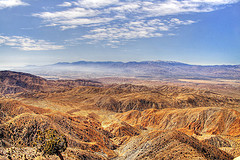
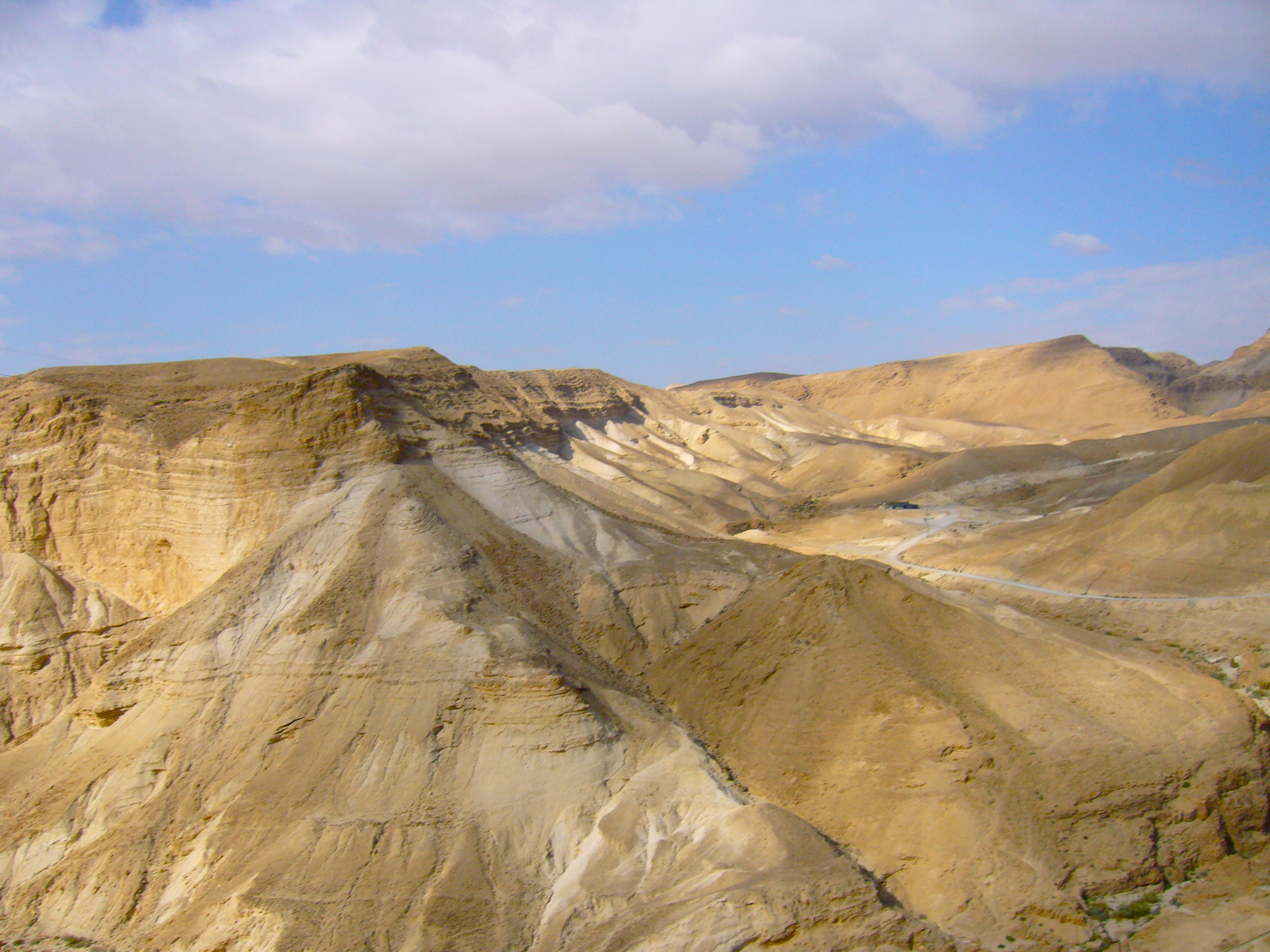
Studying the worldwide effects of desertification in Sde Boker

Negev Desert, Israel

Israel’s pioneering Desert University, Ben-Gurion University of the Negev (BGU), is currently hosting the 2nd biannual Drylands, Deserts and Desertification conference at their deep desert outpost at the Sde Boker Campus. Day 1 has focussed upon Life and Soil Degredation in the Drylands, and has seen a wide range of experts presenting fieldwork and research from Somaliland, Nairobi, Australia, Bosnia and Herzgovina, the Mongolian Steppe, Kazakhstan, and a host of other arid and humid lands as well as Israel.

In all there are 55 countries represented, with somewhere between 320 and 350 delegates. One hundred of these are from the African continent alone.

Some of these participants have been on an Israeli Government/MASHAV programme studying agriculture and drip irrigation methods here in the desert. Their trip will end on Thursday with a large tree planting event nearby on Thursday.

The conference has been initiated and organised by Green Prophet hero Professor Alon Tal, who was recently honoured by the State on its 60th birthday for his contribution to Israel’s environmental protection, and is no. 2 on the Green Party’s list in the forthcoming elections.

Keynote speaker today was professor James Reynolds, of Duke University in the US, who addressed the issue of viewing the problem of desertification through the newer framework of the DDP (the Drylands development paradigm).

A fascinating story of field research Reynolds shared with the audience was that quinoa, the ‘super food from the Andes’ which is the health food of the age (and I must admit to having half a sack load of at home) is causing economic strife amongst farmers in Bolivia.

The huge demand for quinoa is causing other crops to be neglected, and the sudden income shift creates new dietary conditions, and paradoxically a lack of healthcare facilities.

This migration from the land is one of the key threads of the entire conference. Professor Aref Abu Rabia from BGU addressed potential eco tourism opportunuities through sustainable agriculture and carbon offsetting (any green investors out there?) for the Negev Bedouin community in his morning paper.

Other notable presenters today included Max Rietkerk from the Netherlands, Prof. Alan Grainger from Leeds University (UK) advocating the development of an International Forestry Commission, which would oversee all forestation/reforestation issues worldwide, and Ofer Dahan(also of BGU and its Sde Boker home, the Jacob Blaustein Institute) who has been recently profiled here on Green Prophet.

All in all, a packed day. And that’s only a quarter of the academic events! Other social events included a moonlight walk through a nearby Wadi, various fieldtrips, and the general sociability that comes from bringing so many environmentally-focussed folk together.

More news from the desert soon!
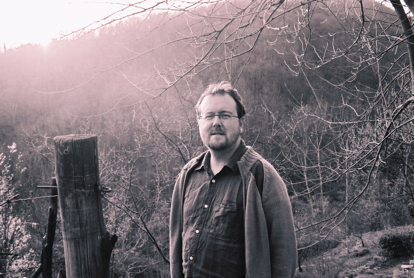
– James
Read More

TRENDING

What Happens When Hyenas Pee On Bedouins?

According to an anecdote Bedouin people believe that if a hyena urinates on them, it will proceed to drag them to a cave and feast on their body. Because of this, they won't hesitate to kill them on the spot if they come across one.

Lizard tail stew, dhub mansaf, is a favored folk dish in Saudi Arabia

By exploring forgotten folk dishes like lizard stew, Green Prophet continues to connect the dots between culture, ecology, and the future of sustainable living in the Middle East.

New Discovery in the Negev Desert Sheds Light on How Climate Affects Earth’s Surface

The research reveals how climate fluctuations over the past 230,000 years have influenced the migration of drainage divides in the Negev Desert, shedding light on the dynamic relationship between climate and landscape evolution.

Saudi Arabia artist Ahmed Mater featured at Christie’s in London

Saudi artist Ahmed Mater talks about his work involving magnetism, mirage and Mecca. Ahmed Mater: Chronicles is taking place at Christie’s headquarters located in the heart of St. James’s, London, from July 17 to August 22.

Israel starts The National Institute for Climate Policy Research

Ben-Gurion University of the Negev in Israel will create The National Institute for Climate Policy Research to promote science-based policy. By translating scientific knowledge into best practices, the Institute aims to pioneer evidence-based policy solutions, ensuring sustainability and prosperity across all levels of governance and industry. Climate change policy in Israel is lacking.

Locals From Rishon Fight IKEA

Big Box stores are a pretty new concept in Israel, and thank God that not every Israeli city wants them in their backyard. A word from someone who has see the beautiful farmland around her hometown Newmarket, Ontario stripped and converted into vulgar strip malls of big box shops: they have no place in a healthy and sustainable town or city.

The Jewish National Fund Meets An Inconvenient Truth

According to the JNF, it has transformed thousands of acres of barren land into green forests in Israel. They state that each person emits about 23 tons of carbon per year, estimating that each tree planted can absorb one ton of carbon in its lifetime. That's a whole lot of trees you'd need to be planting. Could so many fit in Israel?

How to quiet noise from construction in your office

Streets need to be resurfaced in New York but the humming and grinding noise is unsettling. Noise is environmental pollution. 

EarthX and a blueprint for sustainable investing

Trammell S. Crow, a Dallas-based businessman and father of four, is focusing his efforts on impact investing, and media that focuses on saving the planet through EarthX.

Mining Afghanistan’s Mineral Discoveries Similar to Avatar

Now that American forces in Afghanistan are commemorating the longest period of any war that America has been involved in, including the 1965-73 Vietnam War, the recent discoveries of large and extremely valuable mineral and metal deposits may finally bring to light a reason to continue the presence of US fighting forces in this war torn and backward country.

From Pilot Plant to Global Stage: How Aduro Clean Technologies’ 2026 Expansion Signals a Turning Point for Chemical Recycling Investors Like Yazan Al Homsi

The company's Next Generation Process (NGP) Pilot Plant in London, Ontario, has officially moved into initial operating campaigns, generating the kind of structured, repeatable data that separates laboratory promise from commercial viability.

Nobul’s Regan McGee on Shareholder Value: “Complacency Is the Silent Killer” 

Why the governance framework designed to protect shareholders so...

Should You Invest in the Private Market?

startustartup Unlike public stock exchanges, which offer daily trading, strict...

Popular Categories