Home Blog Page 71

Rethinking Labels: A Critical Look at Europe’s Approach to the Obesity Epidemic

0

overweight man, stomach fat, tummy fat

Europe faces a daunting public health crisis with its escalating obesity rates. Obesity amongst children is particularly of concern due to the wide array of non-communicable diseases (NCD) and a shortened life expectancy that is often linked. According to the World Health Organization, one in three children in the European region is living with overweight or obesity.

For Europe’s youth, excess weight is associated with many harmful comorbidities. Furthermore, it is associated with an increased risk of obesity in adulthood, thus contributing to social inequalities in health throughout life. The recent symposium hosted by Competere.eu, featuring MEP Rosa D’Amato of the Greens / EFA group, shone a spotlight on the complexities of obesity and the inadequacies of the European Union’s response, particularly its insistence on the continued harmonization of the Front of Pack (FOP) label.

The Limitations of Nutri-Score

Of all the FOP labels, one system that has gained attention due to its controversies is Nutri-Score. It aims to make nutrition more understandable by categorizing foods from ‘A’ (healthiest) to ‘E’ (least healthy), using a stop light color-coded system. While its supposed intention is to guide consumers toward better choices, it has been rightfully criticized for oversimplifying complex nutritional data, particularly in its approach to fat and salt. This can lead consumers to make misinformed decisions, as the system fails to capture the nuances of modern diets and the varied nutritional needs of individuals. The misinformation surrounding Nutri-Score has resulted in a parliamentary motion in Switzerland, potentially making it the first adopter country to roll back Nutri-Score and prohibit its use. Romania has decided to stop before it is too late, banning the label because of its inability to accurately inform consumers.

The symposium rightly highlighted that obesity is a complex condition influenced by a wide variety of factors beyond simply caloric intake. Prof. Luc Van Gaal from the University of Antwerp pointed to genetics, lifestyle choices, environmental factors, and socioeconomic status that all contribute to obesity. This complex etiology clearly illustrates that one-dimensional solutions like Nutri-Score are insufficient and often even misleading.

Prof. Donatella Saccone referenced the vital importance of food security, which is not just about having enough food but also about having access to nutritious food that people are able to afford, especially in the current cost of living crisis. Effective strategies against obesity must tackle these broader issues to ensure that access to healthy choices is widely available.

Adding to the discussion, Prof. Michele Carruba of the University of Milan proposed viewing obesity as a chronic disease. By framing obesity as a chronic disease it is easier for people to understand how it requires sustained and comprehensive solutions, rather than quick fixes. This perspective necessitates a shift towards comprehensive public health strategies that include education, community planning, and sustained policy initiative, rather than simply slapping a confusing label on products.

Expanding Strategies Beyond Labeling

To effectively address Europe’s obesity epidemic, a comprehensive strategy encompassing several facets of public health is essential. First, extensive and innovative public health campaigns are crucial. These campaigns should focus on educating the public about nutrition, physical activity, and overall health, and must be tailored to culturally and demographically diverse audiences to ensure broad reach and impact.

Urban planning plays a pivotal role in promoting healthy lifestyles. By designing cities that include parks, bike paths, and community sports facilities, urban planners can greatly facilitate physical activity. Ensuring that these amenities are accessible to all is essential for encouraging active lifestyles across diverse communities.

Education is another critical area. Schools have the unique capability to influence lifelong habits. Integrating comprehensive nutrition and physical education programs into school curriculums from an early age can equip children with the knowledge and habits they need to lead healthy lives.

Finally, supporting research and innovation is fundamental in understanding the causes and treatments of obesity more effectively. Investment in food technology is crucial, as it can lead to the development of healthier food options that are both appealing and accessible to the public. This combination of education, urban planning, and research forms a robust approach to combating obesity and promoting a healthier future for all European citizens.

Leveraging the Electoral Cycle for Health Policy Reforms

As the European parliamentary elections approach, there is a unique opportunity to place public health at the forefront of the political agenda. Candidates and parties need to recognize the importance of comprehensive health strategies in their platforms. Voters are increasingly aware of how public health policies affect their daily lives, and they are likely to support candidates who propose thoughtful, evidence-based policies to combat health issues like obesity.

The upcoming elections also provide a platform for advocacy groups and public health organizations to influence policy. By engaging with candidates and raising public awareness about the importance of effective obesity strategies, these groups can help shape the political discourse. It’s crucial that the new legislative framework post-election prioritizes holistic and sustainable health policies that can address the root causes of obesity and ensure a healthier future for all European citizens.

In conclusion, tackling the obesity crisis in Europe demands strategic overhaul and proactive policy making. The EU must move beyond Nutri-Score to adopt comprehensive strategies that address dietary education, food accessibility, urban health initiatives, and regulatory reforms. The upcoming elections present a pivotal moment for electing leaders committed to making these changes, emphasizing the need for policies that not only address the symptoms of obesity but also its underlying causes.

People get paid to compost at this urban garden

0
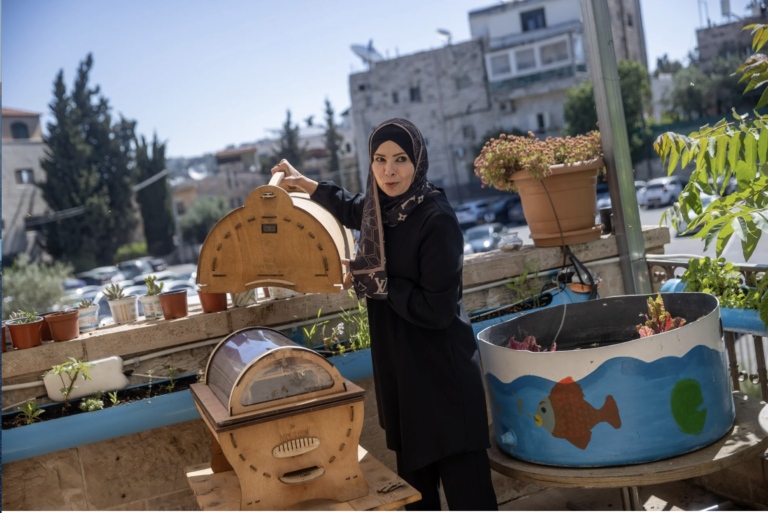
Tel Chubez, a garden share in south Tel Aviv. Residents create coupons for contributing to the garden is areas such as composting and can redeem them for fresh food.

Tel Aviv–Jaffa is constantly growing with massive construction and infrastructure projects. Preserving urban nature and connecting residents to it, maintaining and increasing the quality of life in this intense urban growth are significant challenges. The south Tel Aviv Shapira neighbourhood is located has been identified as a vulnerable neighbourhood in the climate change era dealing with more extreme heat waves and potential floods.

Related: vertical gardens in the city

Meet Tel Chubez, an urban agricultural farm located in the Shapira operating on principles of a circular economy. This vacant city land was transformed three years ago into a farm, providing residents with a green, productive space within the city, increasing wellness and access to fresh and healthy food while strengthening community resilience and increasing biodiversity.

The initiative was led by activists who engaged the municipality and local businesses. The vision to connect people to the land, the environment and each other exceeded expectations. Residents and businesses separate their organic waste and deliver it to community composting sites. In exchange, they receive ‘Lira Shapira,’ a local currency accepted at neighbourhood businesses, community centres, individual freelance, and more.

Related: Hydroponic rooftop gardens for food not cannabis and CBD

The residents can buy fresh vegetables growing at Tel Chubez with Lira Shapira. The compost returns to the farm to enrich the soil and plants. The farm, occupying four dunams, is being maintained by city employees, Lira Shapira NGO and volunteers. The cultivation method incorporates principles from permaculture and Biodynamics without any pesticides, focusing on growing local species following the seasons and a variety of over 60 fruit trees and local wildflowers that create an ecological system and habitat for birds and insects.

The farm includes workshop plots where courses and training sessions are held to transfer the practices to participants’ yards to improve biodiversity and attract butterflies and honeybees.

Tel Chubez became a green anchor for residents, plants and animals within a relatively short time. A model for collaboration internally in the municipality and externally with non-profits and businesses working together to build a new nature-based platform where environmental, social, economic and health positively impact.

::Lira Shapira

Dubai’s green paths a sensible start to mitigating climate change

0

green paths dubai

The Green Paths to Future initiative in Dubai spans about 10 miles and stands as a groundbreaking eco-project to redefine Dubai’s urban landscape, spearheading a transformational change in sustainability, liveability and climate resilience.

Dubai’s Green Paths to Future initiative was conceived to address the pressing challenges of rapid urbanisation causing desertification, urban heat islands and high energy consumption. Desertification leads to arable land loss and biodiversity decline. Urban heat islands worsen scorching temperatures, impacting health and increasing cooling energy use. Some sources say that over the next century cities such as Dubai may become unlivable as they will be too hot to sustain human life.

Related: Neste works with Dubai for SAF

Industrial areas add air pollution, heat emissions, greenhouse gases and water stress. They disrupt habitats, worsen air quality and strain resources. For Expo 2020, Dubai planted over twenty thousand trees, covering 2.3 million m2, mitigating desertification, enhancing air quality and reducing soil erosion. Addressing industrial impact was crucial for a sustainable Expo and a better Dubai.

We’d like to see more trees planted. Although the Dutch company Airshades is a low-energy idea to provide shade for residents in Dubai, natural cover by trees will be better for beauty, climate change, and overall health.

Trees provide roots systems to absorb water that can dampen the effects of unprecedented, torrential rainfalls that put parts of the United Arab Emirates underwater last week, bringing Dubai to a standstill.

passive energy sunshade sketch
Airshades at Masdar City outside of Dubai

Green paths and tree planting mean sustainable, accessible green pathways that offer residents and visitors an enhanced quality of life while combating the urban heat island effect, boosting air quality, and fostering a more vibrant urban environment.

The initiative’s design draws from innovative strategies. It incorporates sustainable landscaping with drought-resistant plant species, integrates modular elements for adaptability, and employs intelligent irrigation systems for efficient water usage. The project is a balance of large infrastructure insertion in a city fabric blended with the landscape to balance and enhance a sustainable design approach.

The results of the Green Paths to Future initiative are both measurable and remarkable. Over 20,000 trees were planted, and more than four million seedlings are strategically placed around roadsides leading to the Expo 2020 venue, effectively creating a new green urban landscape. Beyond its aesthetic impact, the initiative has tangibly improved air quality and introduced sustainable urban mobility solutions.

With Expo 2020 Dubai being a catalyst, the initiative has addressed immediate challenges and created a legacy that contributes to Dubai’s long-term goals. The collaborative effort between governmental bodies, private sector stakeholders and the community showcases Dubai’s commitment to holistic sustainability. The initiative’s success has attracted global events like the UN Climate Change Conference of Parties (COP28), highlighting its impact on the City’s international standing.

Moreover, our landscape projects have a profound impact across social, economic and environmental domains, backed by air quality tests for quantifiable data. Socially, green enhancements improve air quality, enhancing public health and fostering community interaction, enriching the quality of life for all.

Economically, these projects raise property values, attracting tourism and commerce, bolstering local businesses, and reducing healthcare costs through improved air quality, leading to sustained economic growth. Environmentally, our initiatives combat air pollution, sequester carbon and mitigate urban heat islands, aligning with climate goals and enhancing biodiversity.

These projects align with Dubai’s 2040 Urban Master Plan, UAE’s UN Sustainable Development Goals, and national sustainability agendas, positioning Dubai as a pioneering green city.

What Are the UK’s Clean Air Zones?

0

carbon capture and storage, carbon dioxide, Masdar city

Pursuing cleaner air has become a critical mission for governments worldwide, and the United Kingdom is no exception. One of the cornerstones of the UK’s strategy to combat air pollution and mitigate the debilitating effects of diesel emissions on the environment is the implementation of Clean Air Zones (CAZs).

Clean Air Zones are areas in the UK designated by local governments as places to take specific action to improve air quality. They are a response to the concerning levels of nitrogen dioxide (NO2) and other pollutants present in our air, attributed in large part to vehicle emissions. The primary goals of these zones are to reduce the levels of pollutants and to protect human health, particularly in urban areas where air quality tends to be the poorest.

The modern concept of Clean Air Zones can trace its roots back to the first UK Air Quality Management Areas established in the late 1990s. These early attempts at zone regulations have evolved into the sophisticated CAZs we see today.

There are currently two types of Clean Air Zones in the UK: charging and non-charging. In charging Clean Air Zones, drivers of vehicles with higher emissions, such as older diesel cars and commercial vehicles, must pay a fee for entry. The charge is often implemented using an Automated Number Plate Recognition (ANPR) system, where the vehicle’s number plate is scanned, and the owner billed.

Non-charging Clean Air Zones encourage cleaner vehicle usage through incentives such as reduced parking fees for low-emission cars. They do not feature mandatory charges for vehicle entry but often have restrictions and penalties for non-compliant vehicles.

The ultimate goal of these zones is to reduce the number of high-polluting vehicles on the roads within the designated areas. This reduction occurs by discouraging their use through charges or promoting cleaner alternatives such as electric vehicles or public transport.

The Impact of Diesel Emissions on the Environment

To understand the impetus behind Clean Air Zones, we must recognize diesel engines’ significant role in polluting the air we breathe. Diesel exhaust is a complex mixture of gases and fine particles with various adverse environmental impacts.

In recent years, there has been heightened scrutiny of environmental claims made by manufacturers of diesel vehicles. The Dieselgate scandal discussed in-depth at https://www.emissions.co.uk, uncovered that several car manufacturers had been cheating on emission tests and producing vehicles that emitted higher levels of pollutants than permitted. This revelation shattered trust in the automotive industry and underscored the urgency to address the impact of diesel emissions on public health and the environment.

The health effects of diesel pollution are severe, with harmful gases and small particles from diesel vehicles linked to asthma, reduced lung function, and lung cancer. Additionally, diesel emissions contribute to the formation of ground-level ozone, a major component of smog that causes respiratory illnesses and other health problems.

The Impact on Vehicle Owners

One of the most immediate concerns for vehicle owners is how these zones will affect their daily lives and pockets. For diesel car owners introducing Clean Air Zones could mean additional charges for driving into certain areas. This has led to a broader conversation about the responsibilities of vehicle manufacturers and the fairness of penalising individual car owners for issues they did not create.

Changes to the Automotive Industry

The automotive industry has not been immune to the effects of Clean Air Zones. With a shift towards stricter emissions standards, increased pressure to hold car manufacturers accountable for diesel claims, and greater emphasis on electric and hybrid vehicles, manufacturers are overhauling their product lines and investing heavily in cleaner technology. This transition can potentially benefit public health and reshape the global car market.

The Future of the UK’s Air Quality

The rollout of Clean Air Zones across the UK is just one piece of the larger puzzle to improve the nation’s air quality. Policy and technology will continue to intersect in the fight against air pollution. Government regulations and incentives will influence the automotive industry’s direction, while technological advancements will provide the means to achieve cleaner air without sacrificing transportation needs.

Individual choices also bear significant weight. Opting for cleaner vehicles, supporting clean air initiatives, filing a diesel emissions claim, and making conscious decisions to reduce personal emissions all contribute to the collective effort to create a healthier environment for current and future generations.

The launch of Clean Air Zones in the UK represents a pivotal moment in the nation’s commitment to tackling air pollution. With these zones, the public and private sectors are taking bold steps to address a problem that has long been a threat to public health and environmental sustainability. While challenges remain, the transition to cleaner air is a collective responsibility and a shared opportunity to create a greener future for all.

What Is Nitrogen Oxide and Why Is It Bad for the Environment?

0

polluting smokestacks, climate emissions

Air pollution is a topic that affects everyone, whether they live in bustling cities or the quiet countryside. One of the most significant contributors to this invisible threat is nitrogen oxide, which not only harbours detrimental effects on the environment but also poses a substantial risk to human health. 

But what exactly is nitrogen oxide, and why should we be so concerned about it? 

Unveiling the NOx Family

Nitrogen oxides, or NOx, refer to a group of highly reactive gases, all composed of nitrogen and oxygen. The two most prominent NOx compounds, nitric oxide (NO) and nitrogen dioxide (NO2) are crucial components in the formation of smog and acid rain. While NO, the precursor to NO2, is colourless and odourless, NO2 is a reddish-brown gas with a pungent smell, known for its lethality at high concentrations.

The primary source of NOx emissions is anthropogenic, with the bulk originating from the gases of vehicles, especially those propelled by diesel engines. Other significant contributors include power plants, heavy industry, and residential heating. At high temperatures, such as during combustion in engines, lightning strikes, and welding, nitrogen and oxygen combine to form NOx.

A Recipe for Trouble

NOx isn’t just your average air pollutant; it’s a game-changer in the atmosphere’s delicate chemistry, with far-reaching consequences. NOx plays a pivotal role in the complex chain of events that lead to ground-level ozone’s creation. In the presence of sunlight, NO2 is broken down into NO and a free oxygen atom. This oxygen atom then collides with an oxygen molecule (O2), resulting in ozone. Ground-level ozone isn’t the beneficial ozone layer at the stratosphere but a harmful air pollutant that can trigger asthma attacks and lead to premature deaths. NOx also significantly contributes to acid rain, which impacts water ecosystems and erodes buildings and monuments.

Breathing in Danger

The health hazards associated with NOx are severe. NO2, in particular, as well as the particles formed by the interaction of NOx with other substances, has been linked with several health problems, including aggravation of respiratory diseases like emphysema and bronchitis, as well as an increase in the risk of respiratory symptoms. Long-term exposure has been associated with adverse effects on lung development in children and can be a significant risk factor for childhood asthma.

Certain groups, such as children, the elderly, and people with pre-existing health conditions, are particularly at risk. These individuals may experience health effects at lower NOx levels or have a more pronounced response to exposure. This makes NOx a serious public health concern, warranting strict regulatory measures and focused mitigation strategies.

The Dieselgate Legacy: A Wake-Up Call for Emission Standards

The Dieselgate scandal was a pivotal moment in the global automotive industry. It revealed that many diesel vehicles were equipped with defeat devices – software designed to manipulate emissions testing. The scandal, which primarily centred around Volkswagen emissions, underlined the discrepancy between laboratory test NOx emissions and in-use vehicle emissions, catapulting NOx emissions to the forefront of environmental discussions.

Following the scandal, there was a significant shift in policymaking around the world. Countries and regions started to implement more stringent NOx standards for vehicles and increase testing procedures to better reflect real-world driving conditions. The event also sparked a broader conversation about the role of diesel fuel in urban pollution and encouraged a push towards more sustainable mobility solutions.

Navigating the NOx Challenge: What’s Being Done?

The alarming implications of NOx pollution have instigated a multi-faceted approach to combat its rise. This strategy includes technological advancements in cleaner-burning fuels more efficient engines, and the adoption of electric and hybrid vehicles. Additionally, there has been a growing emphasis on public transportation, cycling, and walking as alternatives to the automobile.

To address NOx emissions, there have been significant technological strides in the form of selective catalytic reduction (SCR) systems, exhaust gas recirculation (EGR) systems, and diesel particulate filters (DPFs) in vehicles. These technologies work by either converting NO to nitrogen and water or by reducing the formation of NOx in the combustion process.

Policymakers around the globe have sought to tackle NOx through various mechanisms, including the implementation of emission control areas (ECAS) for shipping, low-emission zones in cities, and the establishment of NOx emission limits for different sectors. The goal is not only to curb emissions but also to provide stringent norms that act as a catalyst for technological innovation.

The future holds the promise of advanced propulsion systems, smarter urban planning, and a more informed public, all contributing to a healthier, less polluted world. By championing sustainable practices, supporting eco-friendly policies, filing diesel claims, and making conscious choices, we can help diminish the NOx threat and secure a better tomorrow for human health and the environment. For more information on how you can be an advocate for change, visit https://www.claimexperts.co.uk.

Half of China’s major cities are sinking

1

china sinking

China is bracing against epic flooding caused by climate change. Millions of people are at risk as we speak.

According to a new Science paper, things are going to get progressively worse for China.

Nearly half of China’s major cities are sinking, with one-quarter of China’s coastal land expected to slip below sea level in coming decades.

The land subsidence could affect hundreds of millions of people.

Researchers say a range of natural and human factors are to blame, including the depth of a city’s bedrock, groundwater depletion, the weight of buildings, the use of transport systems and underground mining.

When combined with rising sea-levels owing to climate change, the potential impact is “terrifying”, says geophysicist Wei Meng. The report was published in Science.

One in ten residents of China’s coastal cities could be living below sea level within a century, as a result of land subsidence and climate change, according to a paper published in Science today.

With China as the “factory” of the world, and unrestrained use of resources such as land, rivers, water, people, can we expect anything else?

Some 16% of the mapped area of China’s major cities is sinking “rapidly” — faster than 10 millimetres every year. An even greater area, roughly 45%, is sinking at a “moderate” rate, the paper says, meaning a downward trajectory of greater than 3 mm annually. Affected cities include the capital Beijing, as well as regional capitals, including Fuzhou, Hefei and Xi’an.

The situation could see one-quarter of China’s coastal lands slip below sea level within a few decades, posing “serious threats” to the hundreds of millions of people who live on the coast, the paper notes.

Recurrence Risk Assessment in Breast Cancer – what it is and how it works

0
breast cancer walkathon
Women walk to fun breast cancer research.

Breast cancer recurrence occurs when the cancer comes back after treatment, and it is an unfortunate scenario that many face. Recurrent breast cancer may develop where it originally started, or it may spread to nearby lymph nodes or other areas of the body when it returns. It may also come back months or years after treatment has been completed.

In this article, we will discuss what recurrence risk assessment is in the context of breast cancer, from its importance to how it works. We will also explore how recurrence risk assessment is conducted, whether it is with the use of genomic assays, cancer biomarker testing, or other methods.

What is recurrence in breast cancer?

Recurrent breast cancer refers to a situation when breast cancer returns (or recurs) after treatment. It may come back in the same or a different form, in the same or different area of the body. There are several types of recurrence – local, regional, and distant.

Local recurrence refers to when the cancer returns, in the same place as it originally developed the first-time round. Regional recurrence refers to cancer coming back near the original tumor. This can be in nearby lymph nodes in the armpit or in the collarbone. 

Distant recurrence refers to the spread of breast cancer that has spread to other parts of the body, such as the lungs, bones, or brain. In this situation, the cancer is metastatic and typically called Stage 4 breast cancer.

What is the rate of recurrence in breast cancer?

According to Cleveland Clinic, the potential recurrence of breast cancer varies depending on each patient’s individual characteristics. While it is largely uncommon, certain types of breast cancers may be more common. For example, according to the American Cancer Society, inflammatory breast cancer (IBC) and triple-negative breast cancer (TNBC) are most likely to return.

What is breast cancer recurrence risk assessment?

Recurrence risk assessment in breast cancer is used to estimate the likelihood of cancer recurrence after initial treatment. It is a process that involves looking at various factors, from tumor characters to clinical variables, to determine the risk of cancer returning locally, regionally, or in distant organs. This assessment is crucial, as it informs clinicians and guides them to make the best post-treatment surveillance decisions.

Patients that have a higher rate of breast cancer risk recurrence may also require more frequent follow-up visits and extra imaging studies, alongside more regular biomarker testing. This allows doctors to detect any signs of recurrence at an early stage.

How recurrence risk assessment works

Recurrence risk assessment typically works by identifying tumor characteristics and present biomarkers. This involves reviewing the size, grade, and histological subtype of the tumor, the presence (or absence) of cancer spread to the lymph nodes and other parts of the body. This allows clinicians to accurately determine the tumor’s aggressiveness.

Biomarkers are proteins or substances that act as indicators and provide information on the tumor’s biology, and some examples include hormone receptors (estrogen receptors and progesterone receptors), human epidermal growth factor receptor 2 (HER2), the protein Ki-67, the activity of the enzyme TK1, and cancer antigens 15-3 and 27.29. Measuring their activity levels can help clinicians predict the risk of cancer recurrence.

Additionally, genomic assays can be used. Examples include Oncotype DX, Prosigna, and MammaPrint. These can all provide information on the expression of multiple genes within the tumor issue. When risk assessment is being conducted, a genomic risk score is produced, which helps clinicians predict the likelihood of recurrence. This is particularly relevant for early-stage HR+ breast cancer.

To determine the risk of recurrence, other clinical variables such as patient age, menopausal status, and comorbidities must be assessed. For example, a younger age at cancer diagnosis, postmenopausal status, and certain comorbidities may be associated with a higher risk of recurrence of breast cancer.

Who performs recurrence risk assessments for breast cancer patients?

A range of factors must be examined to produce an accurate recurrence risk assessment for breast cancer patients. This means the process involves a multidisciplinary team of healthcare professionals, ranging from oncologists and pathologists to radiologists and other specialists. Their combined efforts provide an accurate and individualized assessment of recurrence risk for each patient.

Can breast cancer recurrence be prevented?

One of the most common questions surrounding breast cancer recurrence is whether it can be prevented. While research has shown that certain treatments may reduce the risk of breast cancer coming back for specific subtypes, there is no guarantee that breast cancer can be fully prevented from recurring. In fact, this is an area where experts are still trying to understand. In any case, patients with recurring breast cancer should know that it is not their fault should their cancer return. Regular screenings and check-ups can help pick up the recurrence of cancer early on, which can lead to better treatment outcomes.

Final words

Recurrence risk assessment is a vital part of post-treatment follow-up, and it is conducted by a multidisciplinary team of healthcare professionals. The process includes administering several types of tests to determine the cancer subtype and tumor size and aggressiveness, and it can provide valuable insights into the outlook of a patient’s quality of life post-treatment.

While there is currently no deep understanding of why breast cancer comes back to some people, it is important to understand that treatment can be effective, and your healthcare provider can recommend the best options for your situation, to increase your chances of beating cancer a second time.

XCF to lead sustainable aviation fuels in the US from feedstock to wing  with plans to go public

0
Mihir Dange, CEO of XCF Global

How many leading environmentalists like Canada’s David Suzuki have stopped flying to reduce their personal greenhouse gas emissions? He could just donate offsets and plant some trees. But aware consumers know that carbon offsets for flying a private jet or globe-trotting is controversial. The best way to travel sustainably is by reducing one’s carbon footprint from the source, which is why SAFs –– or sustainable aviation fuels made from biofuels –– have been so appealing in energy markets.

US-based XCF Global Capital, is poised to make significant strides in bolstering America’s SAFs industry with its latest move towards a going public through a special purpose acquisition company (SPAC). 

Global Aviation Biofuel SAF Industry Research Report in 2024 estimates the market to reach $51.23 billion USD by 2028. 

“At XCF, we see tremendous growth potential from SAF and renewables. We are very bullish on the sector,” said Mihir Dange, CEO of XCF Global. “We live in an exciting time with so many compelling green energy platforms racing to reduce the globe’s carbon footprint.”

Mihir Dange, CEO of XCF Global
XFC Global Capital

“We are in the very beginning stages of SAF in the United States and XCF is committed to being a leader in this space. Our goal is to change the world for the better while delivering world class returns. We welcome strategic relationships and discussions with all the carriers in this industry and look forward to further defining this landscape.”

Consider that US airlines such as Delta plan on replacing 10% of its jet fuel with SAFs by 2030, while United plans to purchase 10 million gallons of sustainable aviation fuel over the next two years. European energy companies and Middle East oil and gas companies are already in the market: Emirates Airline and Neste, a Finnish oil refining company, are supplying over 3 million gallons of blended Neste MY Sustainable Aviation Fuel this year through to 2025 as part of a pilot. 

XCF Global aims to be a leading producer of SAFs with an initial annual production capacity of 38 million gallons following the acquisition of New Rise Renewables, which owns a flagship plant and adjacent site in Reno, Nevada. 

XCF will be the only pure-play public SAF producer in the US market, with competition mainly coming from legacy crude oil providers.

What exactly is SAF?

SAF and biofuels for emirates
Neste’s SAF biofuel tested in Boeing Emirates flight in 2023

Sustainable aviation fuel is synthetic kerosene derived from non-food feedstocks such as waste oils and fats, green and municipal waste and non-food crops. SAF is able to recycle CO2 absorbed by biomass during its lifetime rather than injecting new carbon into the system, reducing emissions by up to 80%. It easily integrates with existing aviation infrastructure.

The market and appetite for SAFs is growing in the US: In September 2021, the US Government launched the Sustainable Aviation Fuel Grand Challenge, a partnership between the U.S. Departments of Energy, Transportation, Agriculture, and others to achieve full decarbonization in aviation by 2050. The aim is to scale up the production of SAF to 35 billion gallons per year by 2050, with an interim goal of at least three billion gallons per year by 2030.

The Biden Administration is expected to update its SAF policies and strategies any day now.

While it sounds like a dream of Daryl Hannah driving her El Camino by recycled chip truck oil back in 2003, the idea of biofuels from plants or biowaste isn’t far-fetched at all: Studies by McKinsey and The Vacationer note that 40% of consumers are willing to pay 2% more for carbon-neutral tickets, amounting to an average of $20 per $1,000 round-trip. About 80% of consumers say sustainable travel is important to them.

With an estimated billion passengers expected to travel by 2050, the demand for SAFs will be extraordinary and XCF seeks to address the aviation industry’s burgeoning demand with an initial production capacity of 38 million gallons in 2024 and anticipates expanding to over 150 million gallons per year within the next 5 years – positioning the company to be a leading producer of SAF in North America.

XCF Global is based in New York and owns multiple facilities in North America. The company expects to rapidly scale by acquiring more strategically located, smaller-footprint sites and quickly converting them into SAF production facilities. 

XCF recently acquired two strategic locations in Wilson, North Carolina and Ft. Myers, Florida. As blended fuel, XCF could produce over 200 million gallons of jet ready SAF from each of these four sites, or altogether nearly one billion gallons of blended SAF per year. 

XCF recently announced a definitive business combination agreement to merge with Focus Impact BH3 Acquisition Co. (Nasdaq: BHAC), a publicly traded special purpose acquisition company, which is expected to result in a newly formed holding company of XCF becoming publicly-listed. Read more about the opportunity here.


The 15-minute city, The Line knocks back expectations to 300,000 inhabitants from 1.5 million

0
The Line, linear city Saudi Arabia
Illustrated image of The Line, Red Sea, Saudi Arabia

The Line, a 15-minute mega city being built in Saudi Arabia, is supposed to become the flagship development for Saudi Arabia’s Neom project. News agency Bloomberg reports that officials from The Line have downgraded its expectations annd that the 140 mile-long linear city  of two parallel, 500-metre-high, linear skyscrapers – will only house less than 300,000 people by 2030. This is compared to the 1.5 million announced in earlier press material sent to Green Prophet.

The Line will be built in the Northwestern part of Saudi Arabia, close to Israel’s Eilat and close to Jordan’s city of Amman. Saudi Arabia is aligning its economic goals with the West as it tries to account for a post-oil economy. It is a leading investor in areas of new biofuels and sustainable building.

The Bloomberg article points out one of The Line’s contractors has begun dismissing some of the workers it employs on the site.

The Line, linear city Saudi Arabia

The scaling-back of the project is because Saudi Arabia’s sovereign wealth fund run by the Crown Prince hasn’t yet approved Neom’s 2024 budget.

The Line, announced in 2021, would link the Red Sea coastal areas such as Eilat and Dahab and put Saudi Arabia on the travel map.

Construction has begun on the building, with a video released earlier this year showing extensive foundation work taking place on the site. It is being criticized on sustainability and human rights grounds. Bedouins were forcibly evicted in 2022 and one died, with several sentenced to death. Saudi Arabia denies allegations.

Green Prophet reader Robin W Boyd says: “Controlled urban environments have already created dystopian cities due to the fact that there will always be fascist humans who believe themselves to be better than others. Big cities haven’t worked out, bigger cities cannot succeed.”

What do you think? Is The Line the future or something to see as a dystopian past?


5 Ways to Boost Your Energy Naturally

0

boost your energy naturally

You’re tired, drained, exhausted, and you can’t figure out what to do about it. You’ve thrown everything you can imagine at it — coffee, sugar, energy drinks, protein bars — and nothing seems to work anymore. Often, at this point, people will turn to the medical system and get pharmaceutical help. Maybe you think you’ve got chronic fatigue or adrenal fatigue. And maybe you do.

But it’s also possible that you’re just burnt out. Life seems like chaos for so many people these days, and it can be hard to get into a positive energetic flow. Hard, but not impossible. In fact, boosting your energy is not only possible, but it can be done naturally with just a few steps in the right direction.

1. Adjust Your Diet

First, look at your diet. Are you eating junk food, handfuls of candy, and pastries from the local café to get by? Eating a high-carb diet that includes tons of sugar causes energy crashes. You may feel good for an hour or two, but after that, you’ll likely end up worse off than before. Aim instead for a diet high in lean protein, low in white flour-based foods, and rich in fruits and vegetables. This way of eating is more likely to help you sustain your energy levels all day long.

In addition to changing the way you eat, you’ll want to look at what vitamins and minerals you may need in the form of supplements. Many people are low in vitamin D, which is a critical contributor to energy. Gut health is also a major factor in feeling peppy rather than sluggish, so consider popping some probiotics or ACV gummies daily. And of course, don’t forget to hydrate; a glass of water can make you feel energized in a matter of minutes!

2. Move Your Body

This one seems counterintuitive; if you’re already feeling drained, how will exercise make you feel better? Still, study after study shows that exercise boosts energy levels. At first, you may feel out of breath or even more tired after exercise if you’re out of practice. Keep at it, and you’ll be glad you did. You’ll likely notice after a few days that your energy levels improve.

To get started, just remember to move your body. You can park your vehicle further away from the door. You can choose to take the stairs instead of the escalator, and make a point to get up and move around. Then, you can incorporate short daily walks, which may turn into power walks or runs. Finally, find a way to integrate weightlifting or other strength training exercises into your workout for increased muscle strength. After a few months, you may be signing up to run marathons with all your extra energy!

3. Sleep!

woman sleeping in flowers

Another seemingly counterintuitive approach to boosting energy is to sleep more or to sleep better. You may argue that you’re in bed for eight or nine hours a night; how could you possibly need more sleep? But so many people today may lay in bed for long enough, but they’re not actually getting quality sleep. And still others are shorting their sleep in the interest of productivity, parroting the adage, “I’ll sleep when I’m dead.”

The truth is that not only does the amount of sleep matter, but the quality of sleep also matters. Turn off your phone and your television. Those blue lights will wire your brain to stay up and active long after you should be sleeping. The good news is that proper nutrition and exercise contribute to better sleep, so it’s all connected. Once you start these healthy habits, you’ll likely find yourself sleeping like a baby and waking with the energy of your youth.

4. If You Caffeinate, Do It Right

Free volt meter print, boost energy

Coffee shops seem to exist on virtually every corner of every town in the United States, and for good reason. Coffee is delicious, and even those who don’t love coffee can find fabulous tea to enjoy. But you can take caffeine too far. Too much caffeine can actually be counterproductive and cause anxiety and big crashes that leave you depleted.

This reality does not mean you have to cut coffee or tea out of your daily regime. It just means you need to be smart about your intake. Enjoy your daily cup of Joe in the morning after a cup of water. And if you’re going to have another cup of caffeine, consider green tea or a matcha latte. Green tea does not typically come with the energy crashes that coffee does. Also, try not to have any caffeinated beverages after noon as it can disrupt your sleep schedule.

5. Limit Your Alcohol Intake

drinking wine

Finally, alcohol is one of those amazing elixirs that feels like it’s energizing you, only to drop you into exhaustion later. And since you can’t constantly drink alcohol to keep your energy up, it’s a good idea to cut way back. If you’re looking for the reason your energy is lagging on Sunday, Monday, and even Tuesday, weekend drinking could be it. At the very least it can be a large contributor.

Some people claim that no amount of alcohol is good for your health. Others say a glass of wine can be good for you. The data is controversial to say the least. You certainly don’t have to become a teetotaler, but it might help your energy levels to limit yourself to a single drink or two one or two days a week. Watch how your sleep improves, how your energy levels change, and even how your mood lifts. Switching to mocktails may end up making a world of difference for you.

Remember, you don’t have to do everything all the time and all at once. You can slowly integrate one or two of these changes and observe whether or not they help. Ideally, you’ll start with nutrition because it can have an almost immediate effect. From there, start to move more, and you’ll likely naturally see improvements in your sleep. At that point, you might not even need to cut caffeine or alcohol out of your life. But who knows, you might want to try it to gain an even stronger boost!


Dudley Gann Explains: What Is Greenwashing and How to Avoid It

0
seeing through greenwashing
Is it truly ecological or a matter of greenwashing? Know the difference.

Modern consumers are increasingly conscious of the social and environmental impacts of the products and services they purchase, preferring to do business with companies that show ethical practices, and that they are committed to positive social and environmental impacts. In a 2020 survey of consumer sentiment in the United States, over 60 percent of respondents said that they would be willing to pay more for a product with sustainable packaging. Another recent study conducted by NielsenIQ found that 78 percent of U.S. consumers say that a sustainable lifestyle is important to them. 

Industrialism has led to incredible advancements that make modern life what it is today. However, it’s becoming evident that our business practices have impacts beyond just profits, affecting our planet and society. This realization means it’s crucial for both big and small companies to reassess their operations with sustainability in mind. Despite this, the growing demand for sustainable businesses has led some companies to engage in “greenwashing,” an unethical practice that involves making false or baseless claims about being environmentally friendly, exploiting the benefits of a green image without genuine action.

According to Dudley Gann, founder of the green consulting firm EcoVision Solutions, he often encounters clients who have a desire to incorporate more sustainable practices into their business, but fear that if they do not tackle every single minute aspect of eco-friendly practices they will be accused of greenwashing. 

“Many of my clients share a common fear—they worry that any effort towards sustainability that isn’t perfect will be seen as greenwashing,” said Gann. “But the journey to becoming more sustainable doesn’t require immediate perfection. Needing time to adjust resources and introduce new practices isn’t dishonest—it’s a part of the process. The key to genuinely integrating sustainable solutions into a business is to enhance transparency. Being open about where you are in your sustainability journey helps build trust and shows a commitment to real change.”

Before founding his consulting firm, Gann spent over two decades working in green technology. His business EcoVision Solutions offers guidance to businesses seeking to adopt more environmentally friendly practices, providing customized solutions that align with their specific environmental goals. He regularly contributes to various blogs and publications, focusing on sustainable business practices, and has additionally spoken at several conferences on the subject.

The concept of greenwashing

It’s crucial to define what greenwashing is and what it isn’t. Greenwashing occurs when companies falsely claim to be environmentally friendly or socially responsible without evidence to support these claims. 

Unfortunately, the growing popularity of sustainability and green initiatives among stakeholders is fueling greenwashing. As consumers and investors increasingly prefer companies committed to responsible and sustainable practices, some businesses may resort to greenwashing as a shortcut to attract this eco-conscious market, despite lacking genuine sustainable actions.

“Greenwashing will usually involve focusing on short-term, convenient, superficial issues rather than addressing long-term challenges that would truly benefit society and the environment,” said Dudley Gann. “Leaders who go down this path might not see the double whammy they’re setting up for their company. Not only are they missing the mark on addressing real issues, but they’re also flirting with a major reputational hit and a trust meltdown if their dishonesty comes to light.”

Greenwashing often shows up as a lack of evidence or third-party validation for eco-friendly claims. It might involve using broad terms like ‘environmentally friendly’ without offering specifics, ignoring the company’s less sustainable practices, making green claims irrelevant to the product or company, or simply stating claims that are outright false. In 2021, the European Commission and National Consumer Authorities conducted an investigation of online marketplaces for signs of greenwashing. They found that 42 percent of the environmental claims they reviewed were exaggerated, false, or misleading.

Some companies engaged in greenwashing focus their marketing efforts on promoting the eco-friendly aspects of their business, ignoring the parts that are not environmentally friendly. Meanwhile, other companies resort to outright lies, intentionally deceiving customers and regulators with false information. However, being accused of greenwashing doesn’t always imply bad intentions. Sometimes, it may simply be due to poor communication. Vague environmental claims that lack clear, verified data can seem dishonest, even if there is some truth to them. In other cases, companies might set overly ambitious sustainability goals that they ultimately fail to achieve, not because they didn’t want to, but because the goals were too challenging to meet.

“Greenwashing does not apply to companies that are genuinely working towards sustainability, even if they are just beginning to put these practices into place,” Gann said.

The far-reaching impact of greenwashing

As previously discussed, greenwashing can significantly undermine consumer trust and loyalty. This breach not only damages the brand-consumer relationship, but also reduces customer loyalty. Additionally, a pervasive culture of greenwashing breeds skepticism among consumers towards all environmental claims, making it difficult for companies genuinely committed to sustainability to gain recognition and trust. 

The environmental and social consequences of greenwashing are equally concerning. It misleads the public about what environmental issues should be prioritized, diverting attention from urgent problems that require immediate action. This shift can stifle true innovation in sustainable technologies and practices because companies may opt to spend more on marketing their products as “green” rather than investing in genuine environmental improvements. Furthermore, greenwashing could unintentionally result in weaker environmental rules and policies. When it’s hard to tell apart real sustainability actions from greenwashing, policymakers might end up setting less strict rules, not fully tackling the biggest environmental issues. 

“The impact of greenwashing extends way beyond the immediate effects on consumer behavior. It creates serious difficulties for environmental sustainability and social equity. Addressing greenwashing is essential for fostering a more honest, more responsible, genuinely sustainable future,” Gann said.

How to avoid greenwashing

Estee Lauder in Canada sets up solar power on the roof
Estee Lauder in Canada sets up solar power on the roof of the manufacturing facility. Businesses can do this as well as individuals.

According to Dudley Gann, in order to avoid greenwashing companies need to deeply integrate sustainability into their core mission and values. This involves making environmental responsibility a fundamental aspect of the business model itself, rather than an afterthought or a marketing strategy. Here’s how to do it:

Embed sustainability in the mission: Make sustainability a central component of the company’s mission statement. This ensures that all stakeholders, from employees to investors, understand that environmental responsibility is a key priority.

Incorporate it into the business model: Design the company’s operations, products, and services around sustainable practices. This could mean opting for eco-friendly materials, investing in renewable energy, or developing products that have a smaller environmental footprint.

Set clear sustainability metrics: Establish specific, measurable goals for sustainability efforts, such as reducing carbon emissions, minimizing waste, or increasing the use of renewable resources. Use these metrics to track progress and make adjustments as needed.

Hold everyone accountable: Implement standards for sustainability that apply to everyone in the company, from the CEO to entry-level employees. Encourage a culture where sustainability is everyone’s responsibility, and where individuals and teams are held accountable for meeting environmental goals.

Continuous education and training: Educate employees about the importance of sustainability and train them in specific practices that can help achieve the company’s environmental goals. This can help ensure that everyone is equipped to contribute to the sustainability mission.

Transparent reporting: Regularly report on the company’s sustainability efforts and progress towards its goals. Being open about both successes and areas for improvement can help build trust with consumers, investors, and other stakeholders.

Engage with stakeholders: Listen to customers, employees, and partners about their views on sustainability and how the company can improve its practices. Engaging with stakeholders can provide valuable insights and demonstrate a genuine commitment to environmental responsibility.

“Getting to sustainability isn’t about nailing it perfectly right out of the gate. It’s more about being open and honest, taking small steps to get better over time. When a company really makes sustainability part of its DNA—like, it’s in everything they do, from their big mission down to the nitty-gritty daily stuff—that’s when they start to make a real splash,” Gann said.  


Dr. Bronner’s All-One magical, regeneratively-grown chocolate

Dr. Bronner chocolate

Chocolate these days is taking an other-worldly position on the grocery store shelves (and online) and there are many reasons why we revere the fermented fruit of the cacao tree. Plenty of small-batch companies now offer low-sugar, high percentage organic cacao in their chocolate. Some gives us a break mid-day and some like a sage or a mystic offer us gentle passage to knowing our higher selves. That’s what I have derived from attending a cacao ceremony. 

Like a chip off the old chocolate block, the Dr. Bronner’s brand we know and adore for its biodegradable castile soap, is now in the chocolate business. And like other brands we love –– such as Nature’s Path –– is making a commitment to regenerative farming. In bar form –– regeneratively farmed chocolate. 

When Dr. Bronner’s headquarters asked us to review their chocolate, we called on the biggest chocolate expert we know –– Raven Littleone for the expert testing. She guards a monastery of sacred water in a forest in Nipissing, Ontario. Some say hers is among the most sacred and ancient water in the world. Kings and queens and me and everything in between have made the pilgrimage to her place. The people who appreciate this fact and who also make fine chocolate today are Raven’s friends and neighbors, popping in with bags of ChocoSol (Toronto) and Sacred Heart Chocolate (David Wolfe, USA). 

A courier walked down to her off-grid cabin, powered only by the sun with a box of ALL-One Bronner’s chocolates. Here is Raven’s rave review:

Raven Littleone, Gnomeland, Ontario with Gabriel and Auzzie
Raven Littleone (center), Gnomeland, Ontario with Gabriel and Auzzie

“Like anything magic, Dr Bronner’s MAGIC All-One Chocolate bar begs to be experienced with that thrill, that excitement, of what dares such name! Reading Dr Bronner’s labels on any of his products, both inside and out, may require a capacity to decipher ancient texts… if one can wait that long just to take a bite. 

“The scent that wafted out as I ripped it open was a pleasant surprise. I didn’t know salt had a scent. The balance between salt, coconut sugar, and bourbon vanilla bean with a buttery taste felt just right; without the cacao overpowering the mouth. The taste kept on going even though I sipped kombucha in between. 

“The magic may be in the satisfaction one gets after two or three pieces of Dr Bronner’s organic cacao… a multi-sensory feel good, healthy food for the brain.”

dr bronner regeneratively grown organic chocolate

Dr. Bronner’s Magic All-One Chocolate pairs world-class Swiss chocolatiers with fairly-treated cocoa farmers practicing regenerative organic agriculture to create a delicious dark chocolate. They sell a 6-pack in the flavors: Salted Whole Almonds, Salted Almond Butter, Crunchy Hazelnut Butter, Roasted Whole Hazelnuts, Salted Dark Chocolate, Smooth Coconut Praline — and vegan, almond milk versions too as Creamy Mocha Latte, Golden Milk Chai & Crunchy Hazelnut Butter.

dr bronner regeneratively grown organic chocolate

We know the Dr. Bronner’s brand from the 90s when a friend had a bottle of castile soap in his shower. Mesmerized by the text, I’d go on to learn that the founder of the company –– Emanuel Bronner –– was a Holocaust survivor, who needed to spread the idea of unity and peace and that all religions should unite as one. Yeah, the text was unorthodox, but deeply refreshing compared to the sanitized industrial products I’d known like Irish Spring, or the Dove soap that my parents kept in their shower.

Peter Steele, Raven
Peter Steele, Raven Littleone

When I met Raven’s late husband Peter Steele –– the one who started speaking up for raw water in Canada, I knew I was meeting a Bronner-like entity whose wisdom and sparks of IN-sanity do heal the planet. Can a sip of spring water from Peter and Raven’s forest heal the world? I believe it can and that’s why so many are drawn to that place. Can a bite of Dr. Bronner’s ALL-ONE chocolate ignite the powers of the world to unite as one? Stranger things have happened. Let’s try!

As Bronner once said: “You are the captain of thy ship! The master of thy soul!

::Dr. Bronner’s

18 resolutions from Dr. Bronner’s original soap label – 18 means “life” in gematria

Dr. bronner holding a bottle of castile soap
Dr. Bronner holding a bottle of castile soap
  1. Under one Eternal Father, I must teach friend & Enemy the full truth Moral ABC to unite all mankind free in One-God-Faith.
  2. To get it all done: A Beast can only listen to its friend! A Human Being must teach-love his Enemy or that being is not yet human!
  3. A shark can only love its friend. Lacking frontal lobes, it must avoid-fear-smear-hate-slander-dominate-dictate-distort-destroy anything it does not know, understand or disagrees with. That’s a shark. But a Human Being possessing the Kingdom of God’s Law, the Essene Moral ABC of the FREE within his frontal lobes, works hard to teach friend & enemy the Moral ABC, otherwise that being is not yet human.
  4. A Human Being is a constructive working scientist who knows, loves, follows, teaches Full Truth, God’s Law, to all of God’s Children, friend & Enemy, otherwise that being is not yet Human! Exceptions? None!
  5. The moment any being follows, tolerates or teaches earthen half-gods or half-truisms, that moment he becomes a godless, intolerant Beast, potentially 10 times more dangerous & destructive than any ordinary Shark-Snake-Rat or Panther!
  6. If we really want Brotherhood-Progress-Peace, not war, we must not only listen to the neighbor whom we choose, but also to the one God sends! Otherwise we’re still Beasts, not yet Human! Exceptions eternally? Absolutely None! Jesus’ Manual of Discipline, out of the mouth of subway-builder Nikita Khrushchev, April ’56, London, England
  7. “WE MUST TEACH LOVE OUR ENEMY OR PERISH! BEASTS TEACH ONLY THEIR FRIENDS!” But after 2,000 years it never got done! The godless beasts still disapproved! Result? These tremendous 13 words never got printed! Because the brilliant 48-year-young Rabbi Joshua Loth Liebman’s book Peace of Mind was distorted after he dropped dead! Diagnosis? “Sudden heart attack!” Exactly as suffered by Rabbi Jesus, Spinoza, Thomas Paine, Samuel Friedman, Steiner-Prag and Rabbi Leo Baeck: 6 & 66 million “sudden heart attacks,” murders caused by us godless intolerant Beasts.
  8. Always we’re our Brother’s Teacher of hardworking full truth uniting One-God-State or we decay being his Keeper by unworkable half-true intolerant hate!
  9. He who risks his life teaching friend & Enemy the Moral ABC uniting all mankind free wins Eternal Life! He who does less than that perishes by half-truth strife.
  10. I am the Son of God and so are you! I am the manifestation of God’s Eternal Law & so are you! I have learned great wonders: you shall learn greater wonders! I have done good work! You shall do better work! I have not come to change God’s Law, but we each came to find-follow-fulfill, print-protect-practice-preach-teach & enjoy it! Therefore, build you 1st the Kingdom of God’s Eternal Law within you, that is, memorize the Essene Moral ABC of the Free, All-One-Faith-in-One-God-State! To never yield to half-true hate! And everything you need shall be added unto you! Search & you shall find! Knock & it shall be opened! Sow & you shall reap! Work hard & you shall create! Speak up – don’t be afraid! Ask & you shall receive! But remember, only those enjoy Eternal Life in our all-embracing Father’s Kingdom that had the courage to teach friend & Enemy the Moral ABC to unite all free! Eternally One, All-One! Exceptions? None! These are the great Peace-winning teachings of the Manual of Discipline by the carpenter, the great Rabbi Jesus! Thanks to Mohammed’s Arab 1948-found Essene Scrolls, thank only God for that! But now came unto Jesus, the Disciple; his own Sisters & Brothers to say, “It is insane what does he say! Let’s put him away!” And answered he to survive free:
  11. “Who are my Sisters & my Brothers? Only those that seek with me to teach full truth, the Moral ABC uniting all mankind free in One-God-State! Free of half-true hate! Those are my Sisters & Brothers! Others I know not!” But now his Disciples asked, “Then why, why are we God-loving Children of the great African shepherd Israel persecuted more than any other people! Why? Why? Why?” And answered he:
  12. “God bless the persecuted! They alone are His chosen people! For those apes that did not suffer from persecution remained apes! Only those that worked hard to overcome untold centuries of Barbaric ice-aged persecution, reluctantly became Human Beings! Much, much too reluctantly! Exceptions? Absolutely None!”
  13. To stay free: Only that full truth we have the courage to teach & give & give, can we enjoy to keep, evolve & live & live! Whatever we try to give at our death bed or take along, it absolute certain soon is gone! Exceptions eternally? None!
  14. Let him who is without fault throw the first stone, for only God is always perfect! Judge no man unless you have walked in his shoes! So when your fellow man you measure, take him at his best! With that lever lift him higher, overlook the rest! But remember, unless a man knows the Moral ABC of the Free, none can help him to survive brave-free!
  15. Let him who does not want to work with his hands, not eat with his hands either!
  16. Put Father’s discipline, put God’s Law back at the head of your family, or you have no family-nation-team! Remember, every organization is the shadow of one constructive man or there is no organization, no construction, no man!
  17. Self-disciplined timing is the skeleton of your intellect, the key to freedom, the basis of happiness, the foundation of Brotherhood! Without it, the most brilliant head remains useless-ineffective-small!
  18. From every power enchains, each man can only free himself as self-control he gains! Therefore, he who conquers himself, conquers more than he who conquers the largest city!

Dr. Bronner soap evolution

THE MORAL ABC, INTRODUCED BY KIPLING’S “IF” & SOAPMAKER BRONNER

If you can keep your head, when all about you are losing theirs & blaming it on you; If you can trust yourself when all men doubt you, but make allowance for their doubting too; If you can wait and not be tired by waiting, or being lied about, don’t deal in lies, or being hated, don’t give way to hating! And yet don’t look too good nor talk too wise: If you can dream—and not make dreams your master; If you can think—and not make thoughts your aim; If you can meet with Triumph and Disaster and treat those two imposters just the same; If you can bear to hear the full truth that you have spoken, twisted by crooks to make a trap for fools; Or watch the things you have given your life to, broken, and yet stoop to build them up again with worn-out tools; If you can make one heap of all your winnings, and risk it at one turn of pitch or toss; And lose and start again at your beginnings and never breathe a word about your loss! If you can force your heart, your nerve, our sinew, to serve you long after they are gone, and so hold on although there is nothing left within you, except that voice which says to them: “Hold on! Hold on! “ If you can talk to crowds & keep your virtue; or walk with Kings—nor lose that common touch; If neither loving friend nor enemy can hurt you; If all men count with you, but none too much! Then, if you can work hard to teach each unforgiving minute the Moral ABC that unites all mankind free, come hell, hate, ban, you’ll enjoy God’s Spaceship Earth & do great work within it! And which is more you’l help unite the human race in Astronomy’s great All-One-God-Faith! For we’re All-One of None! Sure, they say: “East is East & West is West & never the twain shall meet!” But there is neither East nor West, nor border, breed nor birth once the Moral ABC unites all mankind free on God’s Spaceship Earth! Then, and only then, no matter how rough the trip, how charged with punishment the scroll, you are the captain of thy ship! The master of thy soul!

For who else but God gave man this sensors passion, love that can spark mere dust to life?! Beauty, in our Eternal father’s fashion, ecstasy—far above earthly greediness & strife! Poetry, uniting All-One, All-Brave, All-Life!

Who else but God can make love last, one trillion years of sweet eternities?! For when conquered after years of hardworking absolute cleanliness, toil, sweat, blood, love can strike like greased lightning sent by God to spark mere dust to intense blazing fire and create new love, faith-hope-guts-strength as only God inspires, create the unity of the human race in Astronomy’s Eternally Tremendous, All-One-God-Faith, as all mankind desires! Bronner’s Lavender Soap quart poem teaches ‘How to love’ uniting all-one above! Above! Who else but God!

Wild About Wild Asparagus

0

Wild Asparagus

I’m wild about asparagus. But I never expected to find wild asparagus growing close to – and even in – urban areas near home. But it does, and I’ve found it growing freely in parks and hillsides in the cooler hilly areas of Israel. Some have reported foraging wild asparagus even around Tel Aviv.

The late Leda Meredith, foraging expert and author, showed me a tall, thorny bush growing in a Jerusalem park, and casually identified it as asparagus. I was surprised, almost unbelieving, until Leda showed me to look at the base of the plant, where the young, edible shoots had popped up.

The spears are almost unnoticeable, unless you’ve got your eye peeled for them. Then pick them; don’t wait. Once mature, they become too tough to eat. Given time to flower, they develop prickles that deceive you into thinking that nothing edible can be growing there.

flowering wild asparagus

The trick is to look for them in season, which is in winter and early spring, and as Leda showed me, to search among the roots of the plant.

It’s almost past the time when you can forage young asparagus in the Levant; April is the last month you’ll find it, before full summer arrives. You’ll have best luck searching in woodlands, because the asparagus plant likes to root itself under shady trees.

Asparagus is a seasonal treat. We have some good asparagus recipes for you to enjoy. And you can enjoy asparagus every day without concern. The season is short, and the vegetable is so rich in antioxidants and anti-inflammatory, and anti-viral properties that you can consider it a nutritional supplement. Unless you just want to enjoy its delicious flavor while the season lasts.

I love asparagus simply steamed, with a little butter drizzled over. A vegan alternative is olive oil and lemon juice dressing. But here are asparagus recipes you might enjoy cooking:

Weekly Vegewarian Recipe: Asparagus and Mushroom Risotto

3 Easy Ways to Cook Asparagus


Repression of Bahai’s in Iran “a crime against humanity”

Bahai Tomb in Iran
A desecrated Bahai tob in Iran. Via HRW.

Iranian authorities’ decades-long systematic repression of Baha’is amounts to the crime against humanity of persecution, Human Rights Watch said in a report released today.

The 49-page report, “‘The Boot on My Neck’: Iranian Authorities’ Crime of Persecution Against Baha’is in Iran,” documents Iranian authorities’ systematic violation of the fundamental rights of members of the Baha’i community through discriminatory laws and policies that target them.

The Bahai people are among the most peaceful in the world. Its founder, an Iranian, combined all the world religions into a new practice united Judaism, Islam, Christianity and more into one faith. The world center is in Israel. The Baháʼí World Centre is the name given to the spiritual and administrative centre of the Baháʼí Faith in the city of Acre, Israel.

Read Also: How Bahai in Iran are inherently green

Human Rights Watch found that Baha’is face a spectrum of abuses. Government agencies arrest and imprison Baha’is arbitrarily, confiscate their property, restrict their education and employment opportunities, and even deny them dignified burial. We met a Bahai in Toronto last summer working as an Uber driver, who confirmed these allegations. Bahai’s in Egypt also face prosecution.

“Iranian authorities deprive Baha’is of their fundamental rights in every aspect of their lives, not due to their actions, but simply for belonging to a faith group,” said Michael Page, deputy Middle East director at Human Rights Watch. “It is critically important to increase international pressure on Iran to end this crime against humanity.”

Bahai Temple in Chile
Bahai temple in Chile

The report, released from Beirut, draws on extensive documentation by Human Rights Watch and Iranian human rights groups regarding violations against Baha’is in Iran. Researchers reviewed government policies, court documents, and communications with Baha’is. Information was accessed through the Archive of the Persecution of Baha’is in Iran and documents from the Human Rights Activists News Agency. Human Rights Watch also conducted interviews with 14 Baha’is remotely in Persian, both within Iran and abroad place between May 2022 and March 2023.

Baha’is are the largest unrecognized religious minority in Iran. They have been the target of harsh, state-backed repression since their religion was established in the 19th century. After the 1979 revolution, Iranian authorities executed or forcibly disappeared hundreds of Baha’is, including their community leaders. Thousands more have lost their jobs and pensions or were forced to leave their homes or country.

Read Also: Women in Iran killed for not wearing head covering

Since 1979, the Islamic Republic of Iran has codified its repression of Baha’is into law and official government policy, vigorously enforced by security forces and judicial authorities. Judicial authorities interpret vague national security laws to label Baha’is an outlawed religious minority, branding them as a threat to national security. Human Rights Watch says it believes that this sustained systematic repression deliberately deprives Baha’is of their basic rights, constituting the crime against humanity of persecution.

It’s been 40 years since 10 Bahai women were hung for not renouncing their faith in Iran

Baha’is spoke to Human Rights Watch described their persecution as a series of violations that begin with their first encounters with the Iranian state and affect every aspect of their lives, including education, employment, and marriage.

“[When I left Iran to continue my education], I did not intend to emigrate,” said Negar Sabet, 38-year-old daughter of Mahvash Sabet Shahriari, a prominent member of the Baha’i community currently imprisoned in Iran. She said:

“But my experience at the university outside of the country was very different, as if for the first time a burden was lifted off my shoulders and the boot on my neck had disappeared … There [abroad] I experienced a strange freedom, and for the first time I was equal with other people, and no one was pulling themselves away from me.”


The world’s renewable electricity capacity hit a record 473 GW in 2023

0

irena renewable energy

The world’s renewable electricity capacity hit a record 473 GW in 2023, according to International Renewable Energy Agency (IRENA). And, no Turkey, nuclear energy is not renewable energy.

In their latest report China’s share in green power additions was a whopping 62.9%. The organization is based in the United Arab Emirates.

  • Photovoltaics nominally took over from hydropower as the biggest renewables segment.
  • Global solar power capacity surged 32.4% to 1.42 TW and had a 73% share in annual additions.
  • Total wind power surpassed 1 TW last year.

The organization warned that many countries are cut off from the benefits of the energy transition. The Renewable Capacity Statistics 2024 report shows that 2023 set a new record in renewables deployment in the power sector by reaching a total capacity of 3.87 TW globally.

Renewables accounted for 86% of all capacity additions.

However, growth is unevenly distributed across the world and the goal to triple renewable power by 2030 is still out of reach.

The 13.9% renewables expansion rate (473 GW) is led by China. The country accounted for 62.9% of the entire increase, with its 298 GW. Its own expansion amounted to 25.7%, to 1.45 TW.

For comparison, global growth was 10% in 2022.

“Policy interventions and a global course correction are urgently needed to effectively overcome structural barriers and create local value in emerging market and developing economies, many of which are still left behind in this progress. The patterns of concentration in both geography and technology threaten to intensify the decarbonisation divide and pose a significant risk to achieving the tripling target,” said Director-General of IRENA Francesco La Camera.