Sea Story, Egyptian live aboard diving vessel sinks. Many are still missing.
An Egyptian yacht built in 2022 has sunk, leaving passengers trapped inside the boat since Monday. The live aboard diving boat encountered large waves Monday morning in the Red Sea, and capsized quickly. Some 28 people were rescued right away on Monday by the Egyptian Navy, the Egyptian authorities say they have recovered four bodies.
By Thursday afternoon some seven people were missing and recent rescue efforts revealed that a number of people were rescued from their cabins. The yacht is in about 12 meters of water with a part of it poking above the surface. Ongoing rescue operations hope to find and return those who may be trapped inside their cabins.
The floor plan of the Sea Story dive boat. Divers are trying to rescue those who may be trapped inside
The survivors and the missing are an international group of divers and an Egyptian crew. The boat sunk within 5 minutes in the early morning. No doubt many passengers were still in bed.
A coral reef in the Red Sea
The Sea Story was a live-aboard diving boat meant to bring divers to their dream dive destinations in Egypt. The yacht left its port near the Egyptian town of Marsa Alam on Sunday for a five-day diving trip. On Monday it was believed to be hit by a large wave which caused it to sink. In total 33 passengers have been rescued, along with four bodies.
Inside the Sea Story
The owner of EcoOcean, a research vessel that conducts environmental research in the Red and Med Sea, told me once about the power of the Red Sea and the time that they almost capsized. A storm blew in and being a vessel registered in Israel they could not dock at Saudi Arabia or Sudan and had to keep going despite the risk of capsizing. The Red Sea in the area of the Sinai Peninsula is remarkably calm but go more south and it can be wild.
See below footage from divers onboard the Carlton Queen documenting its sinking and rescue last year.
Diver Ian Cilia from Malta, told Green Prophet: “I was on this boat..absolutely beautiful boat. Probably owners had to recover the money they spent on it by going out in atrocious conditions. Cost peoples lives. Just my opinion.”
Questions have already been raised about diving operations in the region. This isn’t the first time a tourist boat has seen trouble. Last June, three British tourists died after a diving yacht caught fire on the Red Sea. Another yacht, the Carlton Queen, capsized and sank near Hurghada earlier last year. No one died, but the passengers onboard said the vessel was not seaworthy. Also at Hurghada, tourists are shocked to see restaurants serving sharks and manta rays on the menu.
The congealed concoction pictured above is actually one of the least repugnant dishes that Americans were so enamored of in the 1950s and 60s, and even into the 1970s. There it is, an elaborately layered composite of garden vegetables safely encased in a nice, neat covering of gelatin. It looks good enough to serve at dinner when Hubby’s boss comes over, right?
But wait, it gets worse.
This appetizer, meant to be spread on crackers, consists of finely chopped ham, cream cheese, sliced green onions, pickle relish, slivered almonds, and Miracle Whip to hold it all together. Imagine a buffet with this creation on the table today. Better not; its rightful place is in the gallery of horrible past foods.
Still, a modern-day blogger whose taste seems to match the palate of the 1950s reproduced the dish, with some adjustments. And good luck to her, I say.
To really give you the willies, here’s a dish whose name and ingredients are unknown. It looks like ground beef, or possibly Spam, and onions and peppers, possibly baked in a bundt mold, cooled and slathered with mayo tinted with green food coloring – sort of a glorified meat loaf – but your guess is as good as mine.
The magazines of the 50s and 60s initially offered these recipes to American women who needed a handsome buffet dish that stayed in one neat piece on the plate. Later the recipes emphasized using up leftovers and making prep-ahead foods for the working mother who needed to put dinner on the table fast.
Here’s an example: leftover roast pork mold. All the ingredients, except for the leftover meat and a green pepper, come out of cans.
Fancy molded dishes were always status symbols. Molds that survived from medieval times can be viewed at some museums. As long ago as 1520, Henry VIII enjoyed a jelly consisting of squares of rose-flavored milk jelly made more precious by gold leaf.
Source: www.historicfood.com
Elaborate dessert molds from the 17th and 18th century exist. Mrs. Beeton’s famous “Book of Household Management” (1861) offers a variety of molded jelly desserts, some tinted with cochineal (a dried, powdered insect that yields a red color and which is still used in some industrial foods).
Over time, the domestic servants needed to produce these culinary marvels were replaced by appliances. The vacuum cleaner, the electric iron, and the refrigerator were new-fangled status symbols. Some food historians suggest that a fancy, gelatin-based food, which had to come out of a refrigerator, subtly reflected the affluence of the household. In other words, showing off with food, just as they did back in Henry VIII’s time.
Others propose that the emphasis on using up leftovers in gelatin was a thrifty hangover from the austere WW2 years.
We look back on those mid-20th century congealed foods with a shudder. Those were the days of the “Sensational Avocado-Turkey Crown,” which allowed the wise American housewife to use up “tag ends of turkey.” The days of the Can-Opener Cookbook (Poppy Cannon, 1951). But we understand the appeal of industrial foods like gelatin, mayonnaise, and canned vegetables. A woman could, for example, turn a couple of cans of Spam and biscuit mix into a quick, filling and cheap dinner for the family.
There’s not much to be said in favor of the foods concocted out of industrial ingredients except that they did offer convenience and economy. I may view them with repugnance, but I respect the women who saw them as God-sent answers to the pressures of fitting into the job market and running their homes at modern standards in the post-Great Depression and post-WW2 era. Those grandmothers were convinced that they were doing their best in the brave new world.
A final quickly prepared family meal: Spagetti-O (canned pasta) Jello salad with a fillip: boiled hot dog sticks. And no, I’m not giving the recipe. I wouldn’t wish it on anyone.
Balena and Lemon Jelly make the world’s first circular bag
Balena, which develops a soft recycled plastic that can be used for shoes and other fashion items, announces its release of our first material-made limited-edition handbag in collaboration with Lemon Jelly. The company has collaborated with companies such as Vivo Barefoot in the recent past.
The company first revealed a compostable shoe in 2022 and then went on to create or develop a B2B model where it offers the soft and flexible bioplastic to a range of companies in the fashion industry. It’s an antidote to fast fashion.
Balena, eco and biodegradable sandal slide, plastic, eco plastic, biocir, cycles of decomposition
Balena and Lemon Jelly have created the NYSSA bag—crafted from BioCirflex, Balena’s proprietary biobased material—which is fully compostable or recyclable, creating a breakthrough in sustainable design and circular fashion. Let it go to waste in the compost bin or bring back into the cycle of plastics. They have circularity in the bag!
“Designed to be both durable and biodegradable,” says Balena, the company, “the NYSSA bag embodies circularity. It’s available exclusively online in deep black and amber yellow, with a sleek matte finish, launching worldwide at the end of November. This collaboration celebrates the strengths of both Balena’s material science innovation and Lemon Jelly’s commitment to responsible fashion.”
International materials science specialist Balena has also partnered with UK’s 3D-print label Variable Seams to showcase the “durability and wearability of Flextex3D, which enables the 3D printing of fabrics and garments.”
Earlier this year they partnered with Zulu Kuki, known for his boundary-pushing creativity and deep appreciation for cultural influences, and who has taken footwear design to a new level with this collaboration.
Zulu Kuki shoes
His design philosophy, inspired by automotive culture—specifically the sleek, functional lines of 70s racing cars like the Porsche 935—translates into a shoe that is both visually striking and functionally advanced. This shoe is more than a fashion statement; it’s a reflection of a future where innovation meets sustainability.
W-Cycle, an innovator in sustainable food packaging, and Melhoramentos, a publicly traded Brazilian company with activities spanning publishing, renewable forestry, and real estate (Altea), announced a strategic partnership. Together, they aim to produce compostable “plastics” or packaging made from renewable materials that naturally decompose within 100 days.
The agreement, valued at a minimum of 3.45M USD and set for an initial term of three years involves the supply by W-Cycle to Melhoramentos Latin America with its proprietary food-grade packaging formula and consulting services. These resources will help Melhoramentos produce its new advanced biodegradable packaging.
Melhoramentos will also incorporate their own high-performance cellulose fibres sourced from their extensive renewable forestry operations covering more than 80 million square meters.
“There has long been a global demand for more sustainable packaging solutions,” says Rafael Gibini, CEO of Melhoramentos. “Our collaboration with W-Cycle opens the door to a new and inspiring use for our cellulose-based natural resources. Together, we’re ushering in a new era that could eventually phase out single-use plastic packaging and pave the way for a more sustainable future.”
“Partnering with such a renowned industry leader is a pivotal moment in our journey,” says Isaac Rome, CEO of W-Cycle. “It will open up a wide scope of opportunities for both companies to deliver impactful, high end affordable packaging solutions by blending expertise and creativity.”
The clean-tech start-up W-cycle made a breakthrough in greener food packaging with its patented food-grade SupraPulp material. SupraPulp comprises a line of formulas that cleverly combines sugarcane waste (known as bagasse) or other sidestreams such as eucalyptus wood fibers and banana leaves with additives to produce molded fiber packaging.
Making plastic from sugarcane waste, known as bagasse. Image via Wikipedia
This material is transformed into a new generation of highly functional food trays able to contain both frozen and heated foods. The molded-fiber containers are impervious to oil and water and need no plastic lamination for barriers. SupraPulp trays can sustain any type of frozen food and juice run-off without leakage through the container.
The trays are designed to withstand extreme temperatures ranging from -40° freezing to 220°C heat. And, they are compostable.
Nature’s answer
”Our ecological packaging formulations help food packaging manufacturers break away from plastic PET materials, allowing them to create robust containers that are suitable for freezer to oven/microwave convenience,” says Rome. “The added game-changer of using SupraPulp trays is that they can be tossed away guilt-free: The material will simply decompose, reintegrating back into the earth from which it originated within roughly 100 days.”
Plastic can take hundreds of years to decompose. According to the United Nations Environment Program, approximately 400 million tons of plastic waste is generated per year. Only a small fraction is recycled. The vast majority (95%) ends up in landfills or gets dumped into the ocean, causing havoc to marine life and to the human body where it makes its way through the food chain and through the air we breath.
W-cycle’s SupraPulp containers are already helping catering companies, ready-meal producers, in-flight caterers, institutions, food take-away services and multinational food companies to sever ties to plastic containers. In addition to tailoring pulp formulations for Melhoramentos, as part of the partnership W-cycle will provide R&D support in molded fiber production. This includes testing different formulations and their compatibility with various types of fibers, including those produced by Melhoramentos through its forest cultivation operations.
“As pioneers in ecological food packaging, W-cycle brings extensive expertise in molded fiber properties, complementary materials, and their performance under different conditions, along with a deep understanding of manufacturing processes and equipment needs,” says Gibini.“This will be instrumental in helping us design food packaging options that are high performing, cost-effective, and can work in harmony with the environment.”
According to a report by Grand View Research, the global bioplastics market is expected to grow at a compound annual growth rate of 18.8% to reach $44.77 billion by 2030. The growth is attributed to the increased demand for sustainable bio-based products from sectors including consumer goods, food and beverages, and packaging solutions, among others. Invest in bioplastics, invest in the future of our planet.
How can policy makers promote less plastics?
Ban or charge for single-use plastics — but be careful to tighten any loopholes, such as allowing shops to offer thicker, ‘reusable’ plastic bags that end up in the bin anyway. Like the bags sold at Walmart.
Make plastic producers pay — by charging by weight, making them pay for recycling, or by rewarding the inclusion of recycled material. This depends on having effective, safe recycling centres.
Crack down on microplastics by banning microbeads from cosmetics. Microplastic filters in washing machines can help too, but it would be better to promote a shift in how textiles are made — a perfect candidate for an international treaty
Now, Slow Food Saudi Arabia, in collaboration with the Culinary Arts Commission, will participate in the Saudi Feast Festival from November 27 to December 6 at the Abadi AlJohar Arena in Jeddah.
Slow Food in Saudi Arabia
Under the theme Taste the Culture, Slow Food invites visitors to experience an immersive celebration of Saudi Arabia’s rich culinary heritage, with a special focus on the Ark of Taste program—a global initiative that catalogs endangered food products. The Ark of Taste is a living catalog of delicious and distinctive foods facing extinction.
At the heart of the event lies Slow Food’s commitment to preserving traditional food products, highlighting the work of local communities across the Kingdom who are dedicated to safeguarding their culinary traditions.
The Slow Food presence at the festival will showcase the diverse and unique flavors of Saudi cuisine, with particular emphasis on more than 120 Ark of Taste products representing the food diversity of the 13 Saudi Regions, from Al-Hassawi Rice to Figra Mountain Honey, from Iqt to Al-Bakaya Date Palm.
A key highlight of the event will be the launch of the Arabic edition of Good, Clean and Fair, the seminal book by Slow Food founder Carlo Petrini, which embodies the values of the Slow Food movement.
Visitors will have the opportunity to engage with Slow Food Saudi Arabia by signing up for membership, nominating new products for the Ark of Taste, and exploring Slow Food Travel experiences—unique opportunities to discover Saudi Arabia’s diverse culinary landscapes in greater depth.
What are some examples of protected Slow Food from Saudi Arabia?
Currently, Saudi Arabia has documented 13 protected food items under the Slow Food movement’s Ark of Taste, an initiative to safeguard traditional foods at risk of disappearing. These items represent the country’s diverse culinary heritage and include:
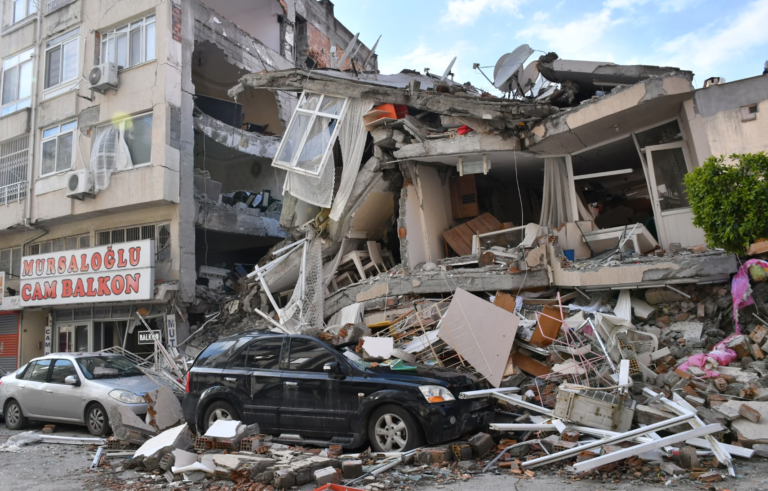
In Iskenderun, one of the places most affected by the 7.7 magnitude earthquake centered in Kahramanmaraş
Earthquake energy can travel vast distances, shaking the ground far from its origin. This energy moves even more swiftly along tectonic plate boundaries and across their intersections. When powerful earthquakes struck along the East Anatolian Fault in February 2023, between Syria and Turkey, their impact was expected to extend along the Dead Sea Fault, from the Red Sea to Turkey, and affect its surrounding regions. These significant faults are well-known as intersecting plate boundaries.
Nonetheless, the anticipated strong earthquakes did not occur along the Dead Sea Fault.
While this may seem like an anomaly, researchers from the School of Environmental Sciences at the University of Haifa and the Geological Survey of Israel claim that the initial perception was wrong, claiming that the plate boundaries are not connected.
Earthquakes in Turkey are particularly strong and corrupt authorities don’t oversee building standards are to code
“Our study shows that the strong earthquakes of the East Anatolian Fault were not channeled along the Dead Sea Fault since they are not tectonically connected, as most scientists assume. The seismic energy produced by the source is absorbed through small aftershocks in the intermediate regions – i.e., in Syria and Lebanon, but not preferably channeled along the Dead Sea Fault ” explained Prof. Uri Schattner of the University of Haifa, one of the authors of the study.
In February 2023, some of the strongest earthquakes in the history of the Middle East occurred in southeast Turkey, killing tens of thousands of people. The current study, published recently in the journal Tectonophysics, was conducted jointly with Dr. Amit Segev and Dr. Nadav Wetzler from the Geological Survey of Israel. The researchers sought to examine why the major earthquakes in Turkey did not cause significant aftershocks along the Dead Sea Fault and the countries along its 1000+ km trace.
They gathered the earthquake data from the Israeli and Turkish seismic monitoring networks, collected between 2000-2022 from Eilat to Turkey and in all the neighboring countries, and analyzed all their seismological components. The researchers also reviewed all previous geological, geophysical, volcanic and tectonic studies to better understand the Dead Sea fault development in the past millions of years. “We wanted to go back to square one and re-examine if these two major fault systems are actually connected,” explained Dr. Segev.
The findings confirm the northward development of the Dead Sea Fault, gradually separating between the Sinai and the Arabian plate over millions of years. However, they show an interesting trend. The modern earthquakes are concentrated along the southern portion of the fault, from the Red Sea to the Sea of Galilee, where the cumulative displacement is 105 km between Sinai and Arabia (the east side is moving north relative to the western side). From Lebanon northwards, earthquakes occur across a much wider area, including the Syrian Palmyra and Aleppo regions. In these areas, displacement along the Dead Sea Fault diminishes significantly—around 16-4 km in northwestern Syria—and is absent at its supposed junction with the East Anatolian Fault.
“This finding enhances our understanding of how seismic energy dissipates in earthquake-prone areas. It may help improve our preparedness for seismic events by showing that the Dead Sea Fault is not directly connected to the East Anatolian Fault. This finding is critical in managing seismic risk in our region and raises new questions concerning the type of earthquakes that may occur in northern Israel,” noted Dr. Wetzler from the Seismological Division of the Geological Survey of Israel.
The researchers add that the meeting area between the Dead Sea and East Anatolian Faults may be considered a natural laboratory for studying the processes in which tectonic junctions are formed between plate boundaries. “A plate boundary such as the Dead Sea Fault can be found in many other places, such as the San Andreas Fault in California. They are part of the global tectonic network of plate boundaries. Our study shows how a plate boundary junction is created,” Dr. Segev explained.
“Our findings enhance our understanding of crustal structures across the Middle East,” concluded the researchers. “This knowledge provides better tools for assessing earthquake distribution and propagation, marking a significant step towards improving regional seismic risk and hazard assessment”.
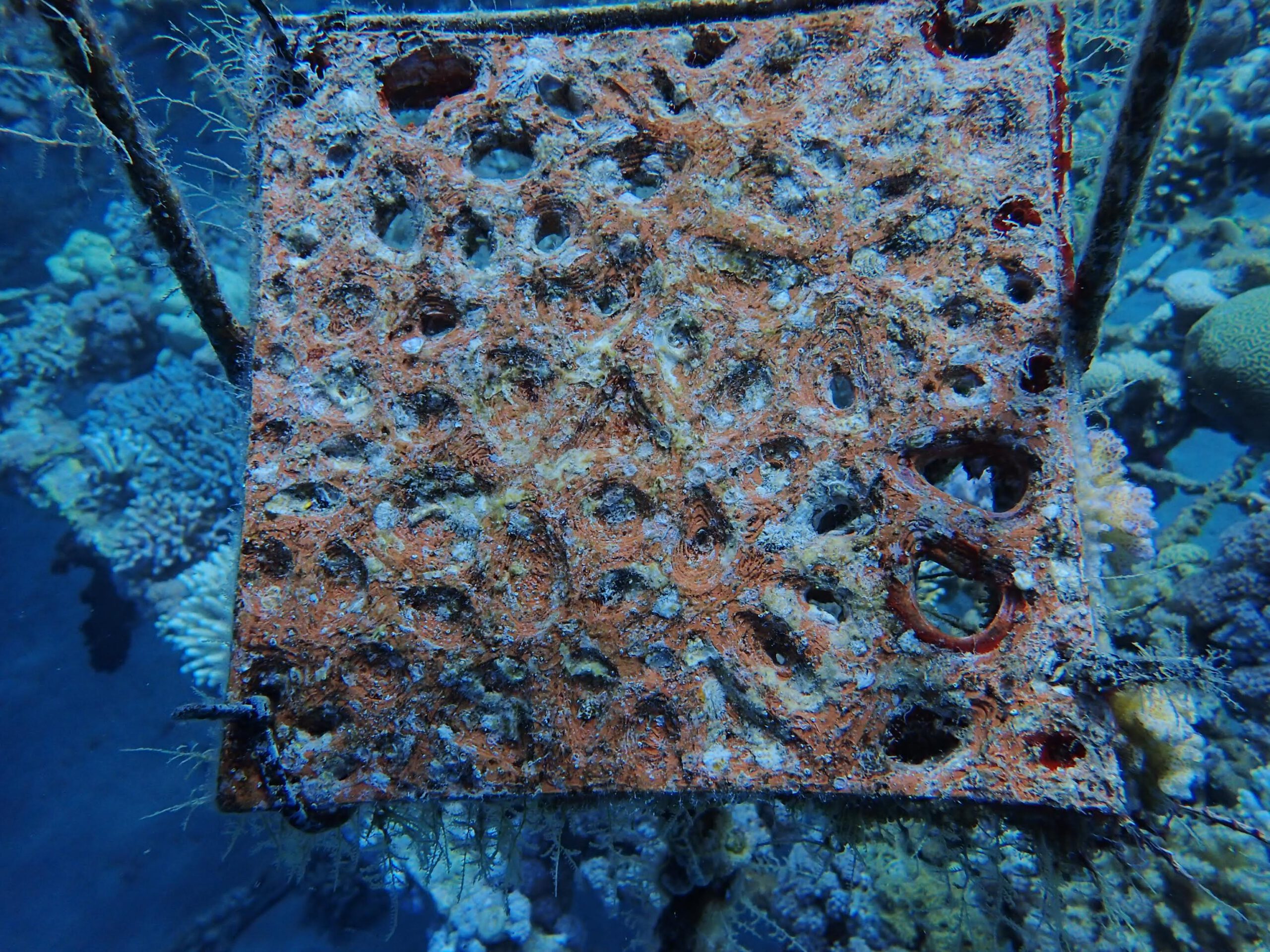
A 3D printed terracotta tile used in Abu Dhabi, UAE
ADQ, an Abu Dhabi-based investment company, the Environment Agency – Abu Dhabi (EAD), the region’s largest environmental regulator, and Archireef, a climate technology company based in Hong Kong, have deployed artificial 3D printed terracotta reef tiles to aid coral restoration in the Persian Gulf off the shore of Abu Dhabi.
The tiles were designed by a team of marine biologists and architects and produced through custom 3D clay printing in Archireef’s new production facility.
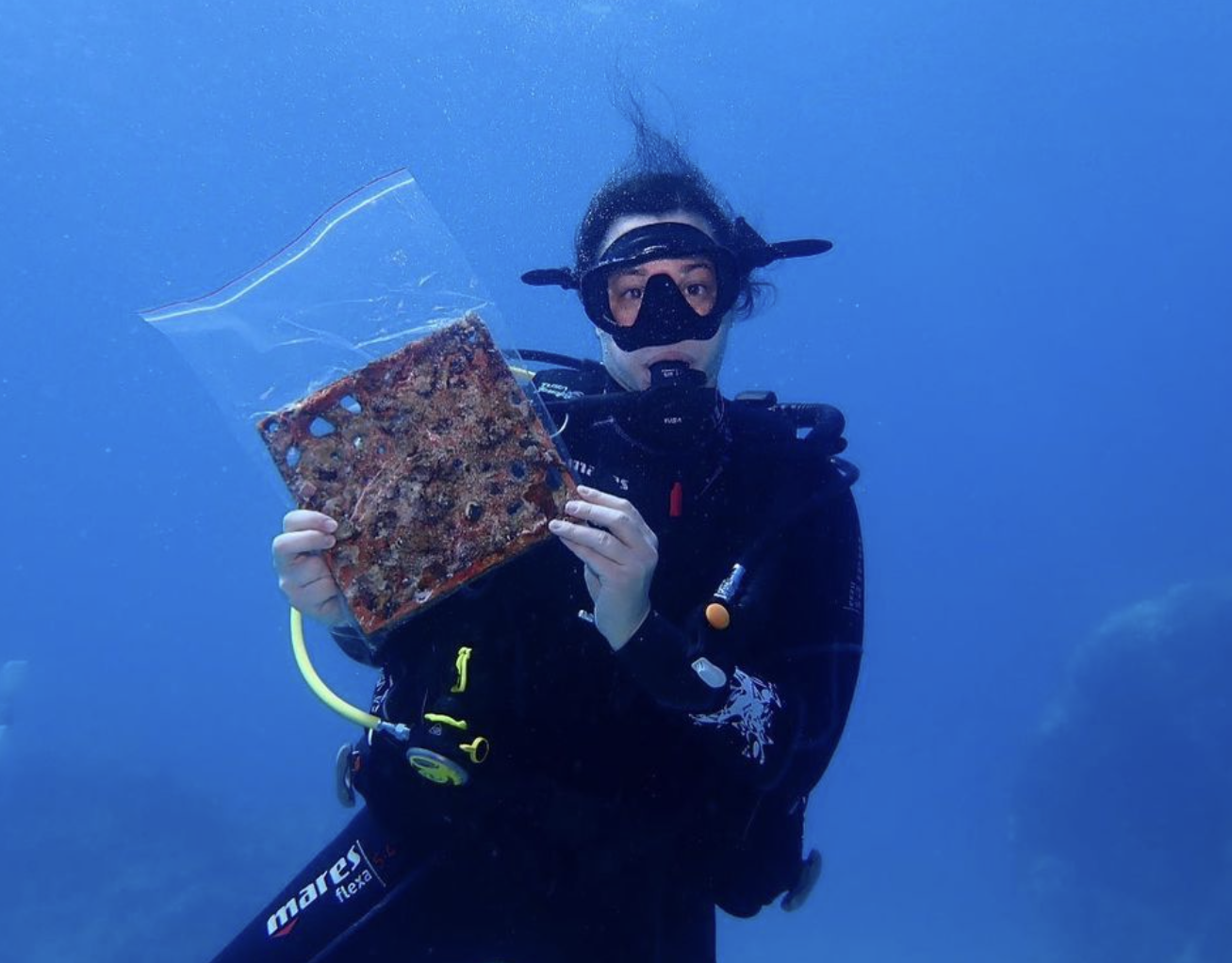
Natalie Levy works with artificial, terracotta reefs to restore life in the Red Sea.
The partnership between ADQ and Archireef funds research and development of eco-engineering solutions for marine biodiversity restoration – combining scientific research with the use of the latest technologies in 3D printing, IoT, and AI.
“Our partnership with Archireef brings a unique and innovative coral restoration method to Abu Dhabi to safeguard our Emirate’s natural environment and promote sustainable development. It is a memorable moment for ADQ to be part of this project providing a lifeline to endangered coral reefs, which is the first of its kind in the UAE and the wider region.
Underlining our commitment to adopting practical solutions powered by R&D and innovation to address environmental challenges, this biodiversity restoration initiative aligns with our ESG aspirations, and we believe it will have a positive impact not only on our planet but also on local communities we operate in,” said Anas Jawdat Albarguthi, Chief Operating Officer at ADQ.
Source: Archireef.
In contrast to other types of artificial reefs, the 3D printed terracotta reef tiles are environmentally friendly and engineered to closely mimic the natural pattern of corals and prevent sedimentation build-up, which is a major threat for corals. It basically chokes them.
The plantation site is at Um Khorah Island in the Al Dhafra Region, in Abu Dhabi, housing around 1,200 coral fragments grown in specialized nurseries, owned by EAD.
Abu Dhabi waters are home to 34 different types of hard coral. In 2017 alone, the Emirate lost most of its corak, 73% of its reefs, due to mass coral bleaching, caused by an increase in water temperature due to climate change, manmade coastal disruption and the shipping industry and pollution.
The study introduces a method known as “a coral reef ecosystem transplant” (aCRET), where researchers transferred biomimetic terracotta (clay) tiles embedded with a diverse community of organisms—including invertebrates and beneficial microorganisms—from a healthy reef to a nearby damaged reef.
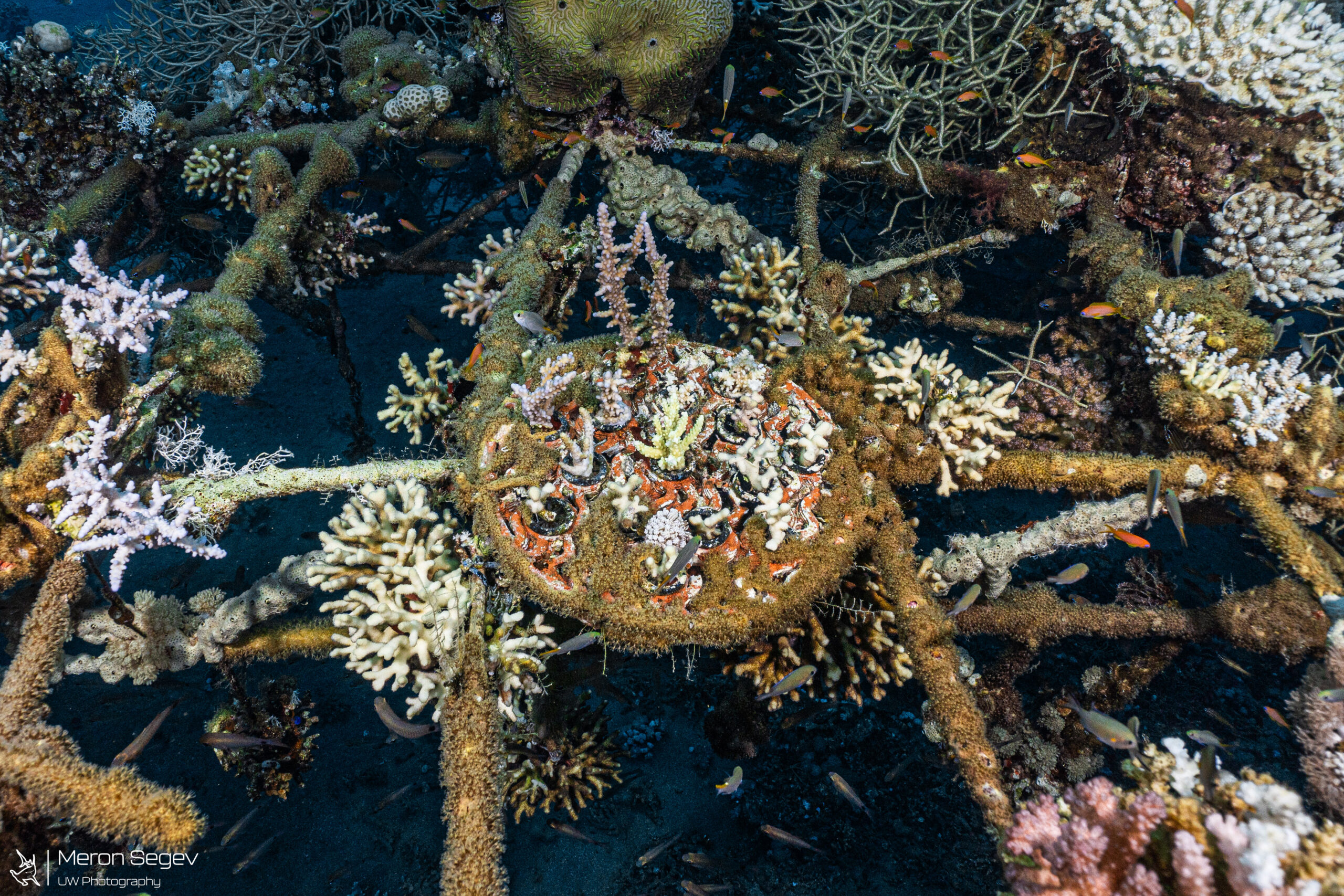
Terracotta tiles make artificial reefs for coral reefs to regrow
The corals from the damaged reef were then attached to these tiles. The results demonstrated notable improvements in coral health, including increased photosynthetic efficiency, higher populations of symbiotic algae, and reduced stress levels. These findings suggest that transplanting a healthy ecosystem can significantly boost coral resilience and physiological function.
The researchers designed the biomimetic terracotta tiles to replicate the complex 3D structure of natural coral reefs, providing a perfect environment for diverse organisms to thrive. After allowing the organisms to grow on the tiles for six months, the tiles—along with their rich, biologically active substrate—were transported to the damaged reef located six km away.
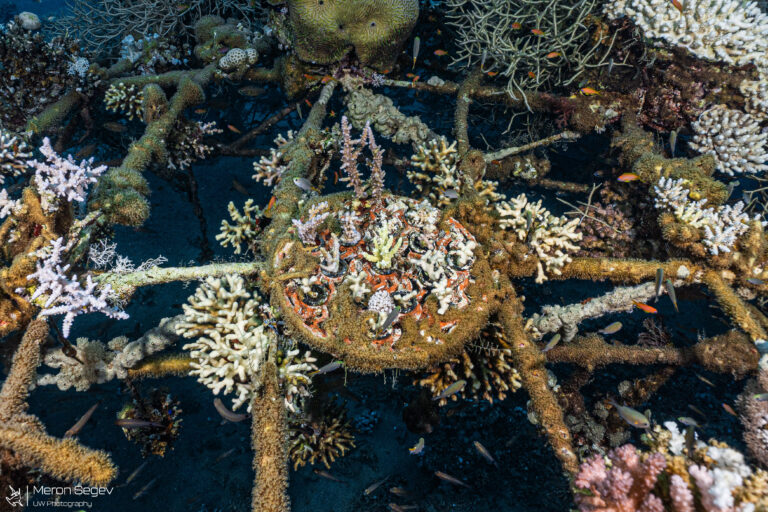
This is what a healthy coral reef looks like in the Red Sea
Following an additional six months, corals on these tiles showed substantial improvements compared to corals grown on tiles with substrate from the damaged reef. In a parallel experiment, the researchers confirmed that the transfer of substrate from a damaged reef to a healthy reef produced less favorable results, reinforcing the benefits of the healthy reef ecosystem transplant.
The study, just published in the journal Nature Communications, was led by Natalie Levy and Prof. Oren Levy from Bar-Ilan University in collaboration with Prof. Ezri Tarazi of the Technion – Israel Institute of Technology, and Prof. David Bourne of James Cook University and the Australian Institute of Marine Science.
Natalie Levy works with artificial, terracotta reefs to restore life in the Red Sea
“This innovative approach underscores the critical role of healthy reef ecosystems in restoring coral health and resilience,” said Dr. Natalie Levy, lead researcher of the study. “The results highlight the potential of ecosystem transplantation as an effective, sustainable restoration tool that can be integrated with other coral restoration methods like coral gardening and artificial reefs.”
A 3D printed terracotta tile used in Abu Dhabi, UAE
The study’s findings point to aCRETs as a viable and flexible solution for coral reef restoration globally, especially in areas facing significant environmental stress. This cost-effective technique could complement and enhance existing restoration strategies, helping to protect and restore coral ecosystems vital for marine biodiversity. However, the researchers stress that for the best outcomes, local reefs should be selected as close as possible for transplanting, and additional long-term studies are essential to fully understand the ecological impacts on different coral species and reef environments.
“This research advances our understanding of coral restoration and provides an invaluable tool to help address the ongoing global coral crisis,” said Prof. Oren Levy. “By using healthy ecosystems to regenerate damaged reefs, we can work towards more resilient, sustainable coral ecosystems that may one day recover from climate change and other threats.”
This pioneering study paves the way for a new wave of coral conservation efforts and offers hope for reversing the alarming degradation of coral reefs worldwide.
Teenagers – the bastion of youth and health. But in Canada a teenager is now in critical condition after being infected with a version of the H5N1 avian influenza flu virus. Doctors and epidemics researchers are on high alert. According to news outlets in Canada the teen is in stable but critical condition, and has developed acute respiratory distress syndrome, where the lungs become so damaged that they can no longer supply enough oxygen to the body.
The teen developed symptoms on November 2, and was hospitalized at the British Columbia children’s hospital on November 8. The teens symptoms started with conjunctivitis – an infection in the eyes – along with a fever and a cough.
Viral genome sequences from the virus suggest that this is a mutated form of H5N1 — which is related to the one infecting US dairy cattle but this permutation might be better at infecting people through the human airway. If true, it could mean that this virus could rapidly evolve to make the jump from birds to humans. “There is reason to be concerned,” says immunologist Scott Hensley. “But not reason to totally freak out.”
“The fact that we have a first human case in Canada is not at all surprising, given what is happening in the US and Europe, as well as what is happening in domestic bird flocks in British Columbia,” said Dr. Brian Ward, a professor of medicine at McGill University, researcher with McGill’s J.D. MacLean Centre for Tropical Diseases, and co-director of McGill’s Vaccine Study Centre, Montreal, Quebec, Canada.
“Millions of migratory waterfowl are flying over Canada right now, many of which may be carrying or infected with the virus,” he added. “The bottom line is that increasing evidence of mammal-to-mammal spread among dairy cows, elephant seals, and mink and ermine farms is worrisome, but we don’t need to sound the sirens yet.”
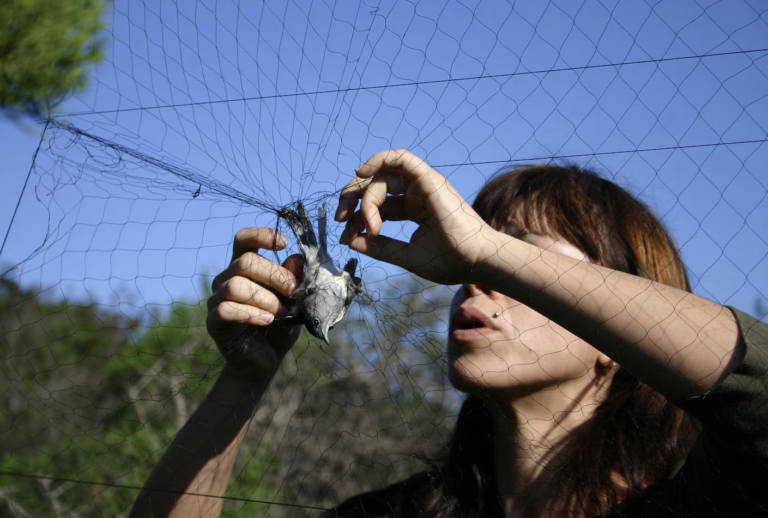
Infected birds shed the avian flu in their saliva, nasal secretions, and feces. Birds become infected when they have contact with the virus as it is shed by infected birds. There is a danger when birds from poultry farms are overcrowded and wild birds contact the industrial ones under stressed conditions.
Canada’s CDC shows how bird flu gets passed to humans. You don’t need direct contact with the bird to get it.
Bird flu and how it spreads. Just breathing in a bird flapping its wings can be enough.
Netafim pipes snake through farmer’s fields and deliver water and nutrients right at the root base
Drip irrigation, a marvel of agricultural technology, has its roots in the arid landscapes of Israel and the ancient ingenuity of desert farming. Simcha Blass, an Israeli engineer, drew inspiration from the ancient qanat system, a remarkable underground aqueduct system used by ancient civilizations, and introduced the concept of drip irrigation in the 1960s, with the pioneering support of companies like Netafim.
Ancient Wisdom: The Qanat System in Desert Agriculture
An ancient Qanat system in Persia. Spread throughout the arid Middle East, these systems predated Roman aqueducts but the historical narrative isn’t told
Before we dive into the modern marvel of drip irrigation, let’s pay homage to the qanat system, an ancient innovation from the Middle East area that paved the way. Originating over two thousand years ago in Persia, qanats were an engineering marvel that harnessed subterranean water sources to sustain agriculture in arid regions.
The qanat system consisted of a network of underground tunnels, meticulously designed with precise gradients, that tapped into natural springs and groundwater sources. These tunnels guided water to the surface, allowing it to flow gently and steadily to fields, providing a lifeline to crops in the heart of deserts.
The brilliance of the qanat system lay in its ability to minimize water loss due to evaporation and seepage, ensuring that every precious drop of water reached its destination. This ancient wisdom served as an inspiration for modern drip irrigation, which adopted similar principles to conserve water and promote sustainable agriculture in arid regions.
The Ingenious Beginning: Blass and Netafim
Simcha Blass, an unconventional thinker from Israel, was the visionary behind drip irrigation. He questioned the conventional wisdom of irrigation methods and sought a smarter way to manage water resources. It was Netafim, founded in 1965, that took Blass’s vision and transformed it into a reality, making drip irrigation accessible to the world.
A Closer Look at Drip Irrigation
The Treetoscope sensor collects information about water and soil nutrients to turn on irrigation systems at the right time
Now, let’s explore the mechanics of drip irrigation. Imagine a controlled system comprising valves, pipes, emitters, and tubing orchestrating water delivery with precision to plant roots. Unlike traditional methods that often waste water, drip irrigation is a gentle and efficient method.
Water Efficiency: Drip Irrigation’s Strong Suit
Drip irrigation excels at conserving water through these mechanisms:
Precise Water Delivery: Water is directed precisely to plant roots, minimizing waste through evaporation and runoff.
Root Development: Drip irrigation encourages deep root systems, reducing a plant’s dependence on surface water sources.
Synergy with Mulch: Drip irrigation works in harmony with mulching, reducing water loss due to soil evaporation and weed growth.
Energy Efficiency: Reducing the Carbon Footprint
An early version of the CropX irrigation hardware controller in the field
Beyond water conservation, drip irrigation offers impressive energy efficiency by:
Minimizing Pump Usage: Drip irrigation eliminates the need for energy-intensive pumps to transport water over long distances.
Reducing Water Demand: By using less water overall, it reduces the energy required for water treatment and distribution.
Solar Synergy: Drip irrigation can be combined with solar panels, creating a renewable energy source for irrigation.
Automation: Automated scheduling reduces the need for manual labor, contributing to energy savings.
The Multitude of Benefits of Drip Irrigation
Drip irrigation is not limited to water and energy conservation; it offers a range of advantages:
Enhanced Plant Health: Precise water and nutrient delivery directly to plant roots result in healthier plants.
Soil Protection: Drip irrigation minimizes soil erosion and runoff, preserving topsoil and preventing water pollution.
Reduced Water Waste: Water is delivered only where it’s needed, reducing overspray and ensuring efficient use.
Labor Efficiency: Automated systems reduce the labor required for irrigation management, especially in large-scale farming.
Improved Crop Yields: Optimal water and nutrient delivery often leads to increased crop yields.
Drought Resilience: Drip irrigation helps plants better withstand drought conditions, reducing the risk of crop loss.
Flood Prevention: Precise water application minimizes the risk of crop damage and loss in flood-prone areas.
Drip Irrigation and Almond Trees in California
Almonds in California
California, known for its almond orchards, has embraced drip irrigation. Almond trees require meticulous water management, making drip irrigation an ideal choice. The system ensures that each almond tree receives a calculated amount of water directly at its root zone, optimizing water use.
In the arid landscapes of California’s Central Valley, where almonds thrive, water is a precious resource. Drip irrigation not only conserves water but also reduces the energy needed for water distribution, contributing to a more sustainable and environmentally responsible almond industry. With the help of drip irrigation, California’s almond growers have been able to sustain and increase their production while minimizing the impact on water resources.
Choosing the Right Pipes for Drip Irrigation
There are four main types of drip irrigation: soaker hoses (also known as porous soaker lines), emitter systems, drip tapes, and micro-misting systems. Each system has different features.
To maximize the benefits of drip irrigation, selecting the appropriate pipes and components is also essential. Here’s a brief overview of some pipe options:
PVC Pipes: These are the most common choice, known for their durability and cost-effectiveness. However, they may not be suitable for all soil types.
Polyethylene Pipes: These pipes offer durability and ease of use, often at a lower cost than PVC. Soil compatibility should be considered.
Drip Tubing: Designed specifically for drip irrigation, drip tubing is flexible and budget-friendly. Soil compatibility may be a factor to consider.
The Detrimental Impact of Plastic in Drip Irrigation: An Environmental Concern
Drip irrigation has long been celebrated as an efficient and water-saving method for crop cultivation. However, the widespread use of plastic materials in drip irrigation systems has raised significant environmental concerns. Plastic, which is non-biodegradable and often disposed of improperly, contributes to pollution and poses numerous drawbacks in the context of sustainable agriculture. Plastics and their components not only affect the soil but the food we are growing through them. Some things to think about when using drop irrigation on your farm:
Non-Biodegradability
One of the most glaring drawbacks of using plastic in drip irrigation is its non-biodegradable nature. Traditional plastics used in these systems can persist in the environment for hundreds of years, contributing to the growing problem of plastic pollution.
Microplastic Generation
As plastic components in drip irrigation systems degrade over time due to exposure to UV radiation and other environmental factors, they break down into smaller particles known as microplastics. These microplastics can find their way into the soil, water sources, and eventually, the food chain, posing a significant threat to ecosystems and human health.
Soil Contamination
Plastic materials used in drip irrigation can leach harmful chemicals and additives into the soil, contaminating the very land we rely on for agriculture. These chemicals can alter soil properties and negatively impact crop growth but also impact the life in the soil including the fungus and tiny insects, bacteria and other organisms that call the soil home.
Water Pollution
Plastic in drip irrigation systems can also lead to water pollution. When not properly managed, discarded plastic components can end up in water bodies, affecting aquatic life and water quality. Plastic debris in waterways is a pervasive environmental issue worldwide. Plastics are in the Pacific and they are showing up on remote islands.
This boat on the Seychelles is full of plastic that washed up on shore
Wildlife Threat
The presence of plastic waste in agricultural fields and irrigation canals can endanger wildlife. Animals may ingest or become entangled in plastic, resulting in injury or death. This poses a direct threat to biodiversity.
Energy Consumption
The production of plastic materials for drip irrigation systems is energy-intensive, contributing to greenhouse gas emissions. The extraction, refinement, and transportation of petroleum-based plastics all consume fossil fuels and exacerbate climate change.
Landfill Overload
Discarded or worn-out plastic components from drip irrigation systems often end up in landfills, contributing to landfill overcrowding. This, in turn, can lead to leachate contamination and methane gas emissions, further contributing to environmental problems. We have already learned that most plastics are toxic to recycled and are not being recycled in the United States.
Maintenance Challenges
Plastic components in drip irrigation systems are prone to wear and tear due to exposure to UV radiation, temperature fluctuations, and physical stress. Frequent replacement and maintenance generate additional plastic waste and increase the overall environmental impact.
Limited Recycling Opportunities
Many plastic materials used in drip irrigation systems are difficult to recycle due to their unique chemical composition and the presence of additives. This results in limited recycling opportunities and, consequently, increased plastic waste. Some research is ongoing about making the plastics in drip irrigation pipes compostable. Innovation in this area from novel plant-based and organic materials is in need.
An experts weighs in
“First, drip irrigation increases consumption by crops (hence the yield and area increases) and reduces “return flows”—that is, the “losses” that actually come back to the hydrological system as recharge to usable local aquifers or runoff to rivers,” says Chris Perry, the Former Editor in Chief, Agricultural Water Management.
“In either case, the status quo ante would have had other users making beneficial use of those return flows and to that extent, the benefits to the drip adopters are offset by reduced water availability to other users. Thus promotional material implying that an increase in efficiency from 40% to 90% is a 50% “saving” in water is highly misleading. To clarify, consider the case of northern India where “inefficient” irrigation of rice during the monsoon, when water is plentiful, is a major source of recharge to aquifers that provide groundwater during the dry season. Switching to drip in the monsoon would be a negative move.
“Secondly, think about the impact of introducing drip on areas where groundwater is scarce and over-abstracted. At first glance, you might assume that farmers abstract less water so the aquifer is “saved”. Not so! The farmer now is able to irrigate more area and probably get higher yields, so water becomes more valuable and demand increases. This is known as Jevons Paradox, or the rebound effect and is widely observed across water short areas—not least California, which you quote as a success story.
“Wrong! California’s aquifer are seriously over-drafted, and conversion to a combination of drip and almonds is a large part of the problem. Tree crops create a “hard” demand—the planted area of annual crops can be reduced during a drought, or the crop abandoned in mid-season if supplies fail. Trees cannot be left unwatered so farmers will pump whatever they can to keep their investment alive.”
Homes that are also warehouses. An efficient idea?
Managing a warehouse supply chain effectively is the foundation of any successful business in logistics, manufacturing, or distribution.
The process involves numerous complexities, from inventory control and demand forecasting to navigating disruptions and optimizing efficiency.
Warehouse supply chain management plays a vital role in ensuring that goods flow seamlessly from suppliers to customers, but it is not without its challenges.
In this guide, we’ll explore the key obstacles businesses face in this domain and outline best practices for streamlining operations, reducing costs, and enhancing overall productivity.
The Role of Warehousing in Supply Chain Management
Transport of goods in ecological truck sustainable. Green environmentally friendly transport and shipping.
Warehousing plays a critical role in supply chain management through efficient storage, strategic location, and security and risk management.
It supports the smooth flow of goods, facilitates timely distribution, and ensures product availability to meet market demands.
Efficient Storage
Effective storage is fundamentally about maximizing the utilization of existing warehouse space. This includes arranging products so that they occupy less space and are more conveniently accessible.
By achieving this, warehouses can accommodate more goods without the necessity for additional space. It also accelerates the picking and packing processes, reducing delivery times.
Numerous warehouses currently integratehigh-capacity storage systems, such as pallet racks and shelving units designed for diverse product dimensions.
Strategic Location
Transitioning from the topic of storing items, the location you decide upon has significant importance. A judicious site ensures your products reach customers swiftly and economically.
If your storage facility is near main roads, harbors, or city areas, you can economize on shipping costs and duration. This decision also impacts the pace at which you can replenish your stocks.
Proximity to suppliers reduces the waiting time for fresh inventory.
Determining the appropriate spot involves consideration beyond merely observing a map. Consider your customers’ locations and delivery speed expectations. Warehouses situated centrally decrease transit durations across cities or states.
Security and Risk Management
The cornerstones of warehouse management include maintaining safety measures and mitigating any potential risks.
These processes are designed to guard your commodities against incidents such as burglary, harm, or disappearance.
This includes the setting up of surveillance devices, alarm systems, and admission regulation mechanisms to observe and control the individuals accessing the warehouse.
Educating the workforce about safety guidelines is also crucial so that everyone is prepared to respond correctly to any uncertain circumstances.
Challenges in Warehouse Supply Chain Management
Warehouse Supply Chain Management deals with tasks such as inventory management, warehouse space optimization, and addressing security concerns.
These tasks demand strategic planning, efficient processes, and proactive solutions to guarantee seamless operations.
Inventory Management
Effective inventory management is crucial for business owners, e-commerce companies, and warehouses to ensure optimal operations.
Businesses can enhance cost-effectiveness and minimize material scarcity risks by prioritizing accurate demand forecasting and streamlined procurement processes.
Focusing on improving inventory accuracy and control facilitates efficient distribution and transportation logistics, ultimately enhancing overall operational efficiency.
Warehouse Optimization
Warehouse optimization is crucial for maximizing efficiency and minimizing costs. Implementing advanced warehouse management systems (WMS) can significantly enhance inventory accuracy and streamline operations.
Automation and robotics also play vital roles in improving warehouse efficiency, reducing workforce turnover, and preventing inventory loss.
Focusing on data-driven decision-making enables businesses to make strategic choices that improve logistics management and cost-effectiveness.
Security Challenges
Security challenges in warehouse supply chain management are a critical concern for business owners, e-commerce companies, and warehouses.
Protecting inventory from theft, damage, and unauthorized access is paramount to maintaining smooth operations.
According to industry data, inventory loss due to security breaches costs businesses billions annually. Implementing strong security measures such as surveillance systems, access controls, and employee training can help mitigate these risks.
Staying updated on the latest security technologies and best practices is essential for safeguarding valuable assets in the warehouse environment.
Best Practices in Warehouse Supply Chain Management
Maximize your warehouse layout and design to enhance efficiency, foster strong supplier relationships, prioritize inventory management, implement advanced WMS and automation, focus on warehouse safety, and make data-driven decisions for a streamlined supply chain.
Optimize Warehouse Layout and Design
To optimize warehouse layout and design, businesses can implement the following best practices:
Maximize Vertical Space: Increase storage capacity by using tall shelving units and mezzanines to efficiently store inventory and materials, reducing the need for excessive floor space.
Apply Lean Principles: Organize workspaces using lean principles such as the 5S methodology to streamline processes and eliminate unnecessary movements and operations, thereby enhancing overall efficiency.
Implement Cross-Docking: Directly transfer incoming goods to outgoing vehicles, reducing storage time and handling costs, and reducing inventory holding costs.
Create Adaptable Layouts: Design the warehouse layout to be adaptable and modular, allowing for easy reconfiguration in response to changing business needs or seasonal variations in inventory levels.
Integrate Technology: Use Warehouse Management Systems (WMS) and advanced software solutions to optimize layout planning, material flow control, and real-time inventory tracking for better operational visibility.
Incorporate Safety Measures: Design the layout to ensure compliance with OSHA guidelines, reduce workplace accidents, and enhance employee well-being.
Streamline Workflow Efficiency: Place high-demand items closer to shipping areas while minimizing travel distances for pickers, packers, and material handlers.
Optimize Dock Operations: Efficiently allocate dock space based on traffic volume and types of inbound/outbound shipments to minimize congestion, expedite loading/unloading activities, and improve truck turnaround times.
By incorporating these best practices into warehouse layout and design strategies, businesses can effectively address logistical challenges while enhancing cost-effectiveness and overall operational efficiency.
Foster Strong Supplier Relationships
Cultivating strong supplier relationships is crucial to optimizing warehouse layout and design. Suppliers play a pivotal role in ensuring a smooth flow of inventory and materials.
Working closely with suppliers can improve cost-effectiveness, inventory accuracy, and logistics management within the supply chain.
By nurturing these relationships, warehouses can enhance their distribution operations, address material scarcity challenges, and streamline procurement processes.
Prioritize Inventory Management
Focusing on inventory management is essential to enhancing warehouse efficiency and meeting customer demands.
By integrating advanced WMS (Warehouse Management Systems), businesses can realize a 25-30% boost in productivity and accuracy levels.
Incorporating data-driven decision-making ensures enhanced inventory accuracy, reduces instances of material scarcity, and lowers overall costs by improving demand forecasting and procurement processes.
Implementing Advanced WMS
Implementing advanced Warehouse Management Systems (WMS) can significantly improve warehouse operations.
These systems utilize automation and real-time data to enhance inventory accuracy, streamline logistics, and enhance cost-effectiveness.
Advanced WMS also supports superior workforce management by offering practical insights for efficient resource allocation, reducing material scarcity risks, and addressing challenges related to user acceptance.
Automation and Robotics
Warehouses are increasingly turning to automation and robotics to improve efficiency and productivity.
Automated guided vehicles (AGVs) and robotic arms can handle material scarcity, enhance workforce turnover, and optimize warehouse space utilization.
For instance, AGVs have shown a 40% increase in inventory accuracy and a 25% reduction in labor costs. Robotics also facilitates cost-effectiveness by streamlining operations management for shipping and receiving.
Focus on Warehouse Safety
After implementing automation and robotics in warehouse operations, it is crucial to prioritize warehouse safety to ensure a secure working environment.
Emphasizing safety reduces the risk of workplace accidents and promotes employee well-being, ultimately improving productivity and cost-effectiveness.
Implementing safety protocols such as regular equipment maintenance, employee training on proper handling techniques, and enforcing strict adherence to safety guidelines significantly
Data-Driven Decision Making
Data-driven decision-making is crucial for warehouse supply chain management. By utilizing advanced Warehouse Management Systems (WMS) and automation, businesses can harness real-time data to improve inventory accuracy, optimize warehouse layout and design, and streamline logistics operations.
With a focus on cost-effectiveness and demand forecasting, data-driven insights enable efficient procurement and material handling, ultimately driving improved inventory control and distribution.
Final Thoughts
Warehouse supply chain management presents various opportunities, including inventory accuracy and workforce retention.
To advance these opportunities effectively, business owners and warehouses can implement best practices such as optimizing warehouse layout, nurturing strong supplier relationships, and prioritizing inventory management.
By focusing on these strategies, businesses can enhance their warehouse operations and logistics to ensure cost-effectiveness and efficiency in the supply chain.
With a proactive approach to addressing opportunities and implementing best practices, warehouses can streamline their operations and improve overall performance in the dynamic landscape of supply chain management.
Canine distemper is a deadly, contagious disease mainly affecting a dog’s gastrointestinal, respiratory, and nervous systems. It causes many symptoms that cause discomfort in dogs.
Various sources reported a K9 distemper outbreak across the UAE in 2022. Though it has already passed, dogs in the UAE can contract the disease anytime.
Fortunately, dog owners can prevent distemper in dogs by understanding this disease and knowing what to do when your dog gets infected.
What is Distemper in Dogs?
Canine distemper is a fatal disease caused by the paramyxovirus. It’s highly contagious and lethal, especially in puppies.
The virus attacks various vital organs and causes symptoms like discharge from the eyes and nose, seizures, and convulsions.
How Does Distemper Spread in Dogs?
As the number of pet owners continues to rise in Dubai and throughout the UAE, the risk of a distemper outbreak is still high.
The distemper virus in dogs can be transmitted in several ways. A dog in direct contact with an infected dog can easily acquire the disease.
The virus can also spread through airborne transmission. When an infected dog barks, coughs, or sneezes, the distemper virus spreads and can affect healthy dogs that are nearby.
Luckily, the virus can’t live long outside a dog’s body and can easily be killed by using cleaners and disinfectants.
A pregnant dog infected with distemper may also pass the virus to its puppies. Sadly, the chances of survival of a newborn puppy are very low.
Still, veterinarians may treat the pregnant dog before it gives birth and the puppies when born to manage symptoms, as distemper in dogs doesn’t have a cure.
Symptoms of Distemper in Dogs
Once a dog is infected by distemper, it can experience various symptoms. As the disease progresses, the symptoms of K9 distemper become worse.
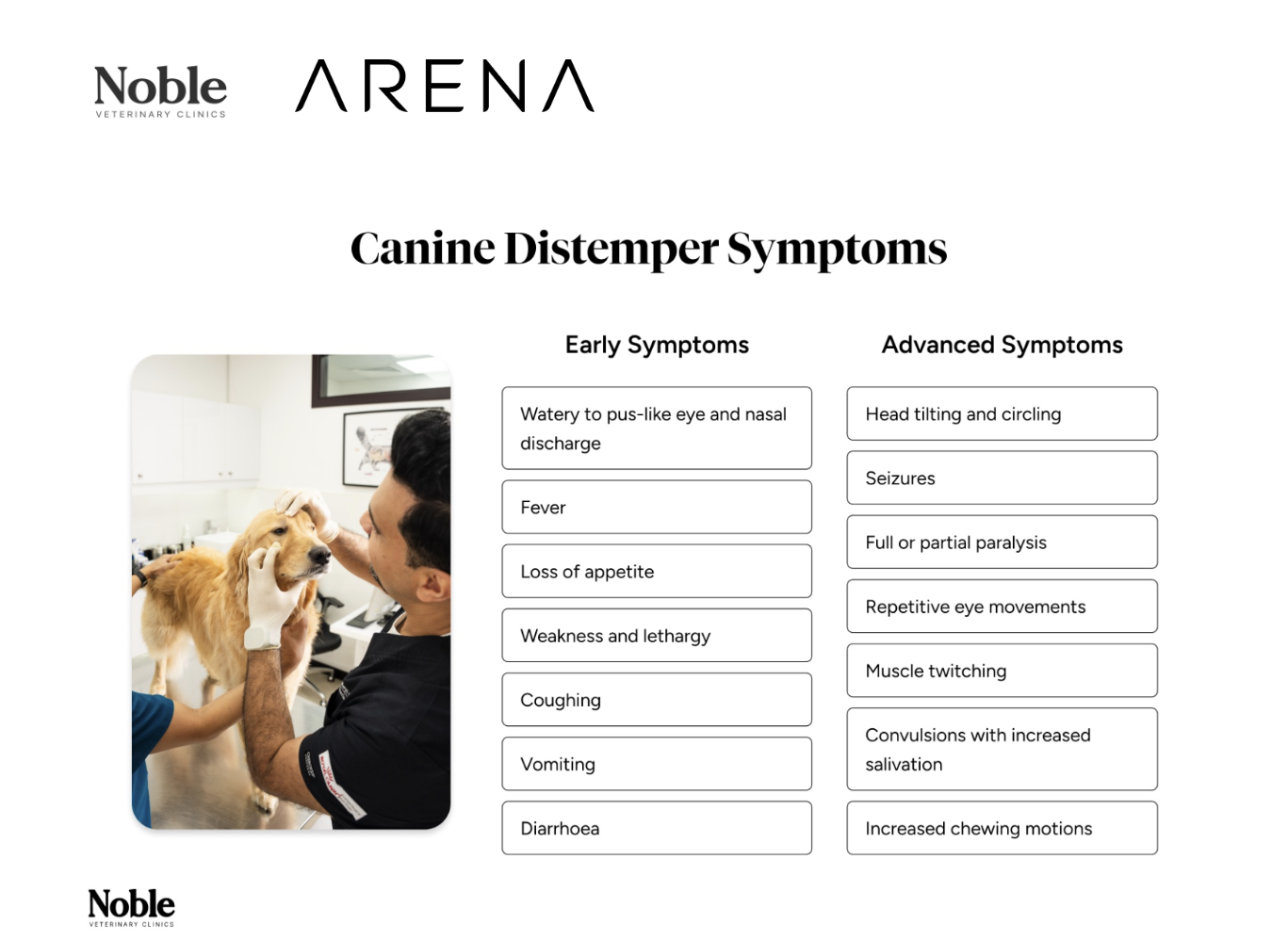
Here are the early symptoms of canine distemper.
Discharge from the eyes and nose, ranging from watery to pus-like consistency
Fever after three to six days after infection
Loss of appetite
Weakness and lack of energy
Coughing
Vomiting and diarrhoea
When symptoms progress, especially without vet medical care, advanced symptoms may appear in dogs. The advanced symptoms of distemper are fatal neurological signs that may include:
Head tilting
Circling
Seizures
Full or partial paralysis
Repetitive eye movements
Muscle twitching
Convulsions with excessive salivation
Increased chewing motions
When advanced distemper symptoms appear after a few days, the dog may not survive. If it does, the virus usually causes permanent damage to its nervous system.
How is Canine Distemper Diagnosed?
When dogs show signs of distemper, they should be brought to the veterinarian immediately. Many vet clinics in Dubai have the capabilities and equipment to diagnose canine distemper accurately, so it’s important to choose your vet wisely.
Diagnosing distemper involves checking for symptoms and performing diagnostic exams. One of the common tests performed to diagnose distemper is the PCR, or Polymerase Chain Reaction, which detects the distemper virus.
Other tests that the vet can perform include checking for antibodies present in the dog and testing the urine, blood, or nose and eye discharge.
Treatment Options for Distemper in Dogs
Currently, there is no cure for distemper in dogs. Instead, vets offer supportive pet care while managing the symptoms of an infected dog.
To manage symptoms, use IV (intravenous) fluids to prevent dehydration from vomiting and diarrhoea. Medications may also be administered to alleviate a dog’s discomfort, pain, and nausea.
Respiratory support and antibiotics might also be given when the dog’s condition becomes too severe.
During treatment and recovery, it’s advised to keep the infected dog away from other dogs to prevent transmission. Even after recovery, it’s best to isolate the dog because it can still shed the virus, which can last from two weeks to eight months.
Preventing Distemper in Dogs
Essential dog vaccination can prevent canine distemper. In Dubai, most vet clinics administer the DA2PP vaccine, which protects dogs from five common diseases, including canine distemper.
The DA2PP is a core vaccine usually given when puppies reach six to eight weeks of age. After the first shot, the vet will provide you with a dog vaccination schedule for the next DA2PP shots.
It’s important to follow the vaccination schedule to ensure your dog grows healthy and is protected against distemper and other canine diseases.
Your guidance and proactiveness also matter when making sure your dog is safe from distemper. When going out with your dog, always be cautious when socializing with other dogs, especially puppies.
Responsible Dog Ownership Against Distemper
With the proper knowledge about distemper, you can help keep your dog healthy and virus-free. Keep your dog’s vaccination up-to-date, especially if you have a puppy with an underdeveloped immune system.
If you notice any symptoms of distemper in your dog, contact emergency vet services immediately. The chances of survival will depend on how prompt the vet care will be to manage the symptoms.
The key to your dog’s health is regular monitoring, routine vet consultations, and preventive measures to keep it safe from disease.
Frequently Asked Questions About Distemper in Dogs
Is canine distemper curable?
No, canine distemper is not curable. Still, there are treatment options available to manage symptoms like vomiting and diarrhoea, which can lead to dehydration.
What is the distemper vaccine?
The distemper vaccine is a core vaccination that’s essential for dogs. It protects your canine companion from the fatal and contagious distemper virus.
Can a dog survive distemper?
Yes, some dogs may survive distemper. Recovery is challenging but achievable. However, most distemper survivors often have permanent neurological damage and would need extra care and attention.
Can I touch a dog with distemper?
You can touch a dog with distemper, but you must be strict with hygiene as you can transmit the virus to other dogs you might touch. When caring for an infected or recovered dog, always disinfect your hands and other items you may touch or use on the dog.
Can distemper spread to humans?
No, distemper doesn’t spread or affect humans. However, humans can be carriers of the distemper virus to other animals.
Kurds resist solar farms on their nature reserve in Turkey
Residents of Çanakyayla which is a Kurdish-majority village in Turkey’s Bitlis Province, have successfully halted a solar energy project, citing ecological concerns and displacement risks, the Mezopotamya Agency reported on Monday. The victory followed lobbying efforts led by the Ecology Commission of the Peoples’ Equality and Democracy (DEM) Party.
The solar energy project, was planned by a company owned by Vahit Çiller, a former MP of Turkey’s Justice and Development Party, and was scheduled to begin in December. Following a meeting with ministry officials, the environmental impact assessment process was frozen.
A Kurdish family in Turkey. This community that has a mountain that looks like Mount Fuji has stopped a solar energy power plant. Via Facebook.
Semra Çağlar Gökalp, DEM Party deputy for Bitlis, applauded the decision. “The planned site is a protected nature reserve with vital water resources. Halting this project is a victory for both the environment and the community,” she said. Gökalp highlighted that the location’s ecological sensitivity made the project untenable.
The village leader, Hikmet Karabalık, warned of the devastating impact the project would have had on the community. “This initiative would destroy our water sources and roadways, leaving 20,000 cattle without access to water and forcing residents to leave the area. Such destruction is unacceptable,” Karabalık said.
While the decision to suspend the project was celebrated, DEM MP İbrahim Akın cautioned that similar proposals might reappear. “Energy companies, often with international backing, continue to push harmful projects. Although this is a win for now, we must remain vigilant,” Akın stated.
Additionally, deforestation and environmental degradation in areas such as Tunceli (Dersim) and Şırnak (Şirnex), often linked to military operations, have drawn condemnation from environmentalists and local communities.
Ataturk Dam
There are 145 mine projects in such an important area, when in fact it should have been on the UNESCO World Heritage List. The Euphrates ecosystem is being heavily damaged, says Barış Yıldırım, a lawyer in Turkey. Read here how Turkey is destroying archeology and wildlife without hesitation.
Tel Aviv one of 7 cities to win a world Green City Awards 2024
Tel Aviv has won Future Green City award for the Tel Chubez Agricultural Farm and the Lira Shapira initiative in Tel Aviv. The award was made at the Future Green City World Congress held in Utrecht, Netherlands. (In other news Tel Aviv gets an A- for sustainability).
The project was selected alongside six other cities for its unique model that bridges urban sustainability with community engagement that encourages a sustainable urban lifestyle.
Lira Shapira is a green local currency that rewards residents for separating organic waste for compost to enrich the farm’s crops. For every kilogram of organic waste separated and processed, residents receive one Lira, which can be spent at local businesses—thus not only protecting the environment but also strengthening the local economy and community.
Lira, the name for the old form of currency in Israel, can be spent on buying food from the garden.
The initiative is operated by local residents from the Shapira neighborhood in collaboration with the Tel Aviv-Yafo Municipality’s Environmental and Sustainability Authority.
Ruth Molcho, represented Lira Shapira at the congress: “Receiving this award was especially moving, as we realized that our small initiative at the Shapira neighborhood was gaining global recognition.”
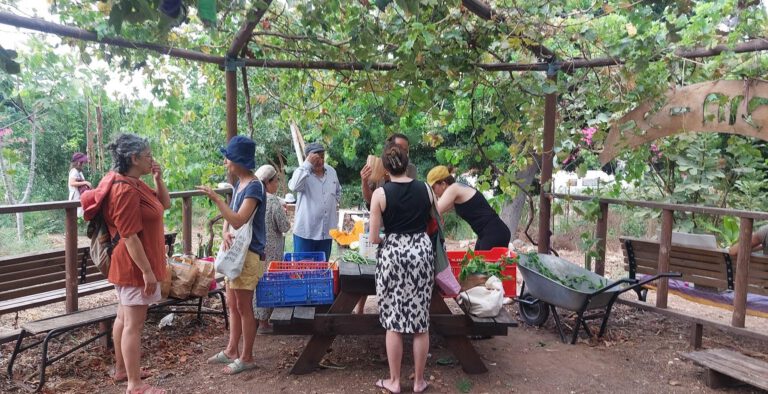
Tel Chubez is an urban agricultural farm located in the Shapira operating on principles of a circular economy. This vacant city land was transformed three years ago into a farm, providing residents with a green, productive space within the City, increasing wellness and access to fresh and healthy food while strengthening community resilience and increasing biodiversity.
Tel Aviv–Yafo is constantly growing with massive construction and infrastructure projects. Preserving urban nature and connecting residents to it, maintaining and increasing the quality of life in this intense urban growth are significant challenges. Shapira neighborhood is located in the southern part of the City. In addition to the urban renewal phases, it has been identified as a vulnerable neighborhood in the climate change era dealing with more extreme heat waves and potential floods.
Refugees from Sudan learn how to be modern farmers on a roof in South Tel Aviv. This is a project from 8 years ago to show how hydroponics can feed people in dense urban environments.
The farm, occupying four dunams, is being maintained by city employees, Lira Shapira NGO and volunteers. The cultivation method incorporates principles from permaculture and Biodynamics without any pesticides, focusing on growing local species following the seasons and a variety of over 60 fruit trees and local wildflowers that create an ecological system and habitat for birds and insects. The farm includes workshop plots where courses and training sessions are held to transfer the practices to participants’ yards to improve biodiversity and attract butterflies and honeybees.
Tel Chubez was included in the City Urban Nature Sites Index, together with 100 more sites. It is on the infrastructure layer, and future planning will have to avoid violating the area, as it has become an anchor for future urban green belts.
Tel Chubez became a green anchor for residents, plants and animals within a relatively short time. A model for collaboration internally in the municipality and externally with non-profits and businesses working together to build a new nature-based platform where environmental, social, economic and health positively impact.
Oceanwell harvests fresh water from the deep of the sea
OceanWell secures $11M in series A to build deep-sea water farms as a new approach to desalination, with less energy used, no waste
Desalinating water seems like the golden solution to a dry world. Israel does it. Saudi Arabia does it. Island communities are doing it. But desalination should be a last resort because it’s energy intensive and it has environmental coastal effects. The salty brine is devastating to animals and plants on the shore. Could a novel solution from the US mine water from deep in the sea, using the ocean pressure as the means to drive osmosis through desalination membrane cells?
OceanWell water farm visualization
OceanWell, a water technology company based in Los Angeles, announced $11 million in Series A funding this week to scale its modular deep-sea water farms and launch California’s water farm pilot with Las Virgenes Municipal Water District (LVMWD).
OceanWell is developing modular deep-sea water farms made up of pods that harness natural hydrostatic pressure at depths of 400 meters for reverse osmosis desalination. Each pod can produce up to one million gallons of fresh water daily, and the modular design allows for scalable projects based on demand.
Each pod requires 1.5MW to operate to pump water from the pod to the shore. And the salt water released from the process is not considered detrimental to the ocean floor.
This technology ensures ultra-clean water by filtering out salts, bacteria, viruses, pesticides, and PFAS, while its components are engineered for durability in harsh deep-sea environments. Unlike traditional desalination methods that are energy-intensive and threaten marine life, OceanWell’s technology reduces energy consumption by up to 40 percent, while protecting marine life and eliminating toxic brine disposal.
“Our goal is to provide utility-scale, reliable and sustainable freshwater solutions that can supply clean drinking water to communities across the globe,” said Robert Bergstrom, Founder and CEO of OceanWell. “We’re grateful to our investors whose collective expertise across water technology, manufacturing and infrastructure project development will be invaluable to our company, and particularly as we look to scale up operations in the coming months.”
Kubota Corporation, a century-old leader in water infrastructure manufacturing, the family office of Jon Hemingway of Carrix Ports, and Charles McGarraugh, former head of metals trading at Goldman Sachs, participated in the round.
There is a rising mismatch between clean water supply and demand – with experts projecting that 5 billion people could be without clean drinking water by 2050. The problem is driven by rising demand for water in key economic sectors like agriculture, industry and manufacturing and compounded by the effects of climate change such as drought and flooding.
How the pods work
Since 1970 water demand has increased by 1.7x, while global supply has dropped by 50 percent. OceanWell aims to provide affordable, abundant freshwater with its deep-sea pods, which produce 1 million gallons per day of potable water each. OceanWell’s first water farm is being developed in its home state, California.
Since its founding in 1890, the Osaka, Japan-based Kubota Group has been working to solve social issues through superior products, technologies, and services in the areas of food, water, and the environment. To address the globally worsening issue of water scarcity, Kubota has increased investment in cutting-edge water technologies. Japan is a large island in need of alternative freshwater solutions.
“One of Kubota’s goals is to provide comprehensive solutions for the entire ‘water circulation loop’ from water production and supply to wastewater treatment and reclamation. OceanWell’s innovative technology, which can provide a stable long-term supply of potable water to water utilities in water-scarce regions, is indispensable for achieving this goal,” said Eiji Yoshioka, Director and GM of the Water and Environment Infrastructure Consolidated Division of Kubota.
Today’s announcement comes a year after OceanWell partnered with Las Virgenes Municipal Water District to establish California’s first water farm, aimed at supplying fresh drinking water to a region recovering from years of record-breaking drought.
A US Navy Seals dive test pod
Previously, the company completed prototype testing at the US Navy’s Deep Ocean Simulation Facility. OceanWell is supported by a working group of 24 state water authorities in California and aims to build 15 water farms across the globe.





























 “The fact that we have a first human case in Canada is not at all surprising, given what is happening in the US and Europe, as well as what is happening in domestic bird flocks in British Columbia,”