Home Blog Page 461

How plants buffer against climate change

12
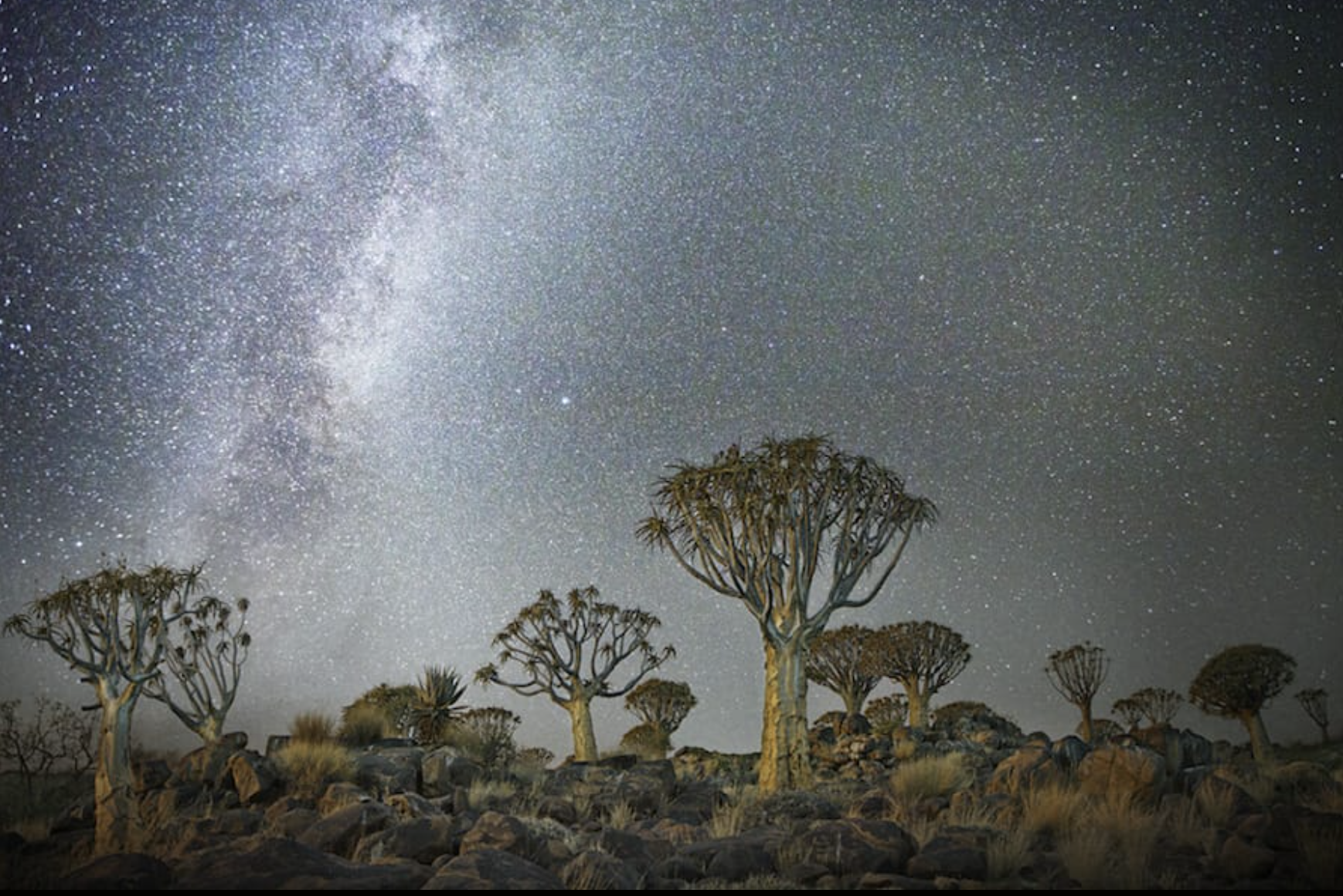
beth moon trees
The Galapagos of the Indian Ocean – Socotra Island, belonging to Yemen.

If you are of the 41 percent that lives in drylands, your future depends on supporting plant biodiversity.

An international team of researchers including Dr. Bertrand Boeken of the Jacob Blaustein Institutes for Desert Research at Ben-Gurion University of the Negev suggest in a new study that plant biodiversity preservation is crucial to buffer negative effects of climate change and desertification in drylands.

The study was published in the prestigious journal Science and is the outcome of a five-year research effort involving more than 50 researchers from 30 institutions in 15 different countries.

The results of this study indicate that the ability of ecosystems in drylands worldwide to maintain multiple functions, such as carbon storage and buildup of nutrient pools (multi-functionality) is enhanced by the number of perennial plant species, mainly shrubs and dwarf-shrubs, whereas increased average annual temperature reduces this ability.
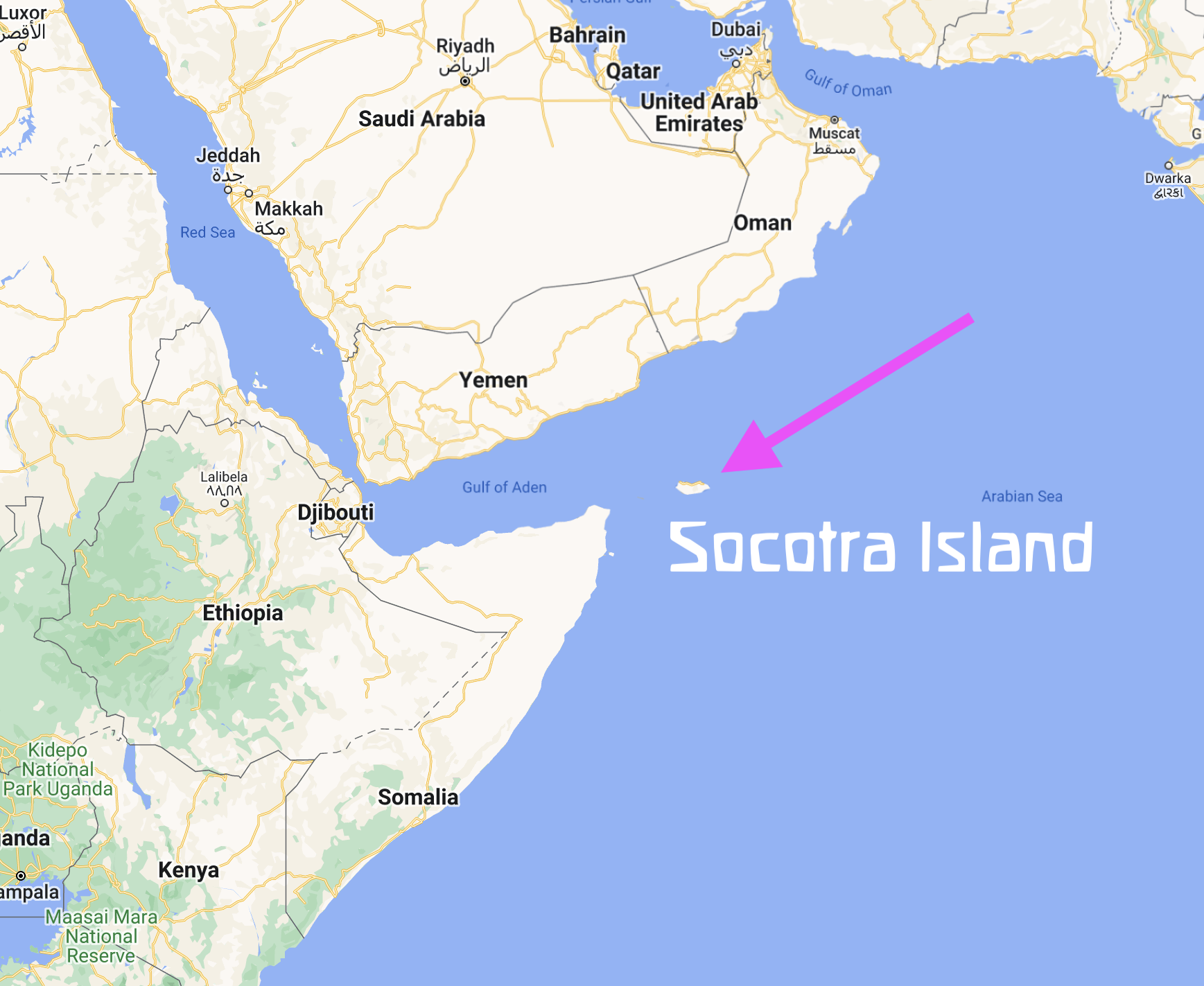
Where is Socotra Island off the coast of Yemen and Djibouti?

While small-scale controlled experiments have provided evidence of the positive relationship between biodiversity and multi-functionality over the years, this study is the first in explicitly evaluating such relationship among real ecosystems at a global scale.

Drylands constitute some of the largest terrestrial biomes, collectively covering 41 percent of earth’s land surface and supporting over 38 percent of the global human population.

They are of paramount importance for biodiversity, host many endemic plant and animal species, and include about 20 percent of the major centers of global plant diversity and over 30 percent of the designated endemic bird areas.

However, dryland ecosystems are also highly vulnerable to global environmental change and desertification.

“This study provides empirical evidence on the importance of biodiversity to maintain and improve ecosystem multi-functionality in drylands, Dr. Boeken says: “Our results also suggest that the increase in average annual temperature predicted by climate change models will reduce the ability of dryland ecosystems to perform multiple functions, which are crucial to support life on earth.

“Plant biodiversity enhances this ability, therefore, maintaining and restoring it can contribute to mitigating the negative consequences of global warming and to promoting the resistance of natural ecosystems to desertification.”

 

Environmentalist Partially Blinded By Illegal Fishermen In Istanbul

0

When marine politics get nasty: Ahmet Aslan recovers in a hospital after being shot in the eye by a gang of illegal fishermen.

Fishing is a time-honored Istanbul tradition. But to catch and sell fish, one must have a license nowadays. That doesn’t stop some from illegally trawling for fish in the Bosphorus, or the two seas that sandwich Istanbul. Today, one such trawler nearly took the life of a man who’s been campaigning against illegal fishing for years.

Solar Powered Vending Machines Along Cyprus’ Bus Routes

31

"solar vending machine"People waiting for the bus on a hot day in Cyprus will soon be able to purchase cold water from a solar powered vending machine.

A few weeks ago Cyprus received the distinction of being the world leader of solar water heater users per capita.  Now it is making strides in cold water as well.  A Spanish-based entrepreneur is in the process of distributing solar powered vending machines that sell cold bottles of water along bus routes in Cyprus, thus quenching the thirst of eco-friendly Cypriot transportation users in a more environmentally sustainable way.

(It could also, of course, quench the thirst of anyone who just finished eating a local pickled songbird dish.)

The vending machines work on a coaxial cooling system, which requires no cooling plate and can be recycled.  This form of cooling is more energy efficient since the products are cooled directly, instead of the air around them.

The solar powered component of the machines means that they are efficient coolers in even the hottest countries.

An agreement has already been reached with the national bus company in Cyprus, stating that the solar powered vending machines will be installed on select routes that have large passenger volume.

The entrepreneur leasing the machines hopes that this idea will spread all over the Middle East and be adopted outside of Cyprus.

Read more about Cyprus:
Solar Water Heaters Give Free Hot Water From Cyprus Rooftops
1 Million Migrating Songbirds are Killed for Pickled Dish in Cyprus
Cypriot Law Threatens to Discourage Cycling

Israel Relaxes Regulations On Medical Marijuana

2
passing the thc joint cannabis two hands
Israel’s recent decision to permit greater use of medical marijuana may relieve thousands suffering from chronic pain.

Cannabis is known to give blessed relief from the pain of cancer. Yet the plant helps people suffering from many other ailments, such as multiple sclerosis, colitis, neurological pain, and post-trauma stress disorder.

Until now, the herb has not been in the first line of treatment for chronic pain. Rather, conventional medicine has viewed it as an almost last-resort method.

Cannabis helps crippling polio pain

Take my friend Rivka. Crippled by polio at age 4, she suffers constant pain from atrophied muscles and deteriorating hip bones. But she’s a fighter. In spite of bad days that oblige her to trade a wheelchair for her usual crutches, she has earned a degree in social work, married and raised a family of her own, and in earlier years took an active part in her community.

Now severe chronic pain has blocked this intelligent and resourceful woman’s ability to to enjoy life and be useful.

Rivka used every conventional method of pain relief before asking her doctors for medical marijuana. Her doctors wouldn’t consider it; getting pot for a patient seemed just too deviant.

How Alan Shackelford changed cannabis as medicine

But in September of 2010, Israel’s Ministry of Health authorized  five hospitals to issue licenses permitting patients to buy marijuana at authorized outlets. In the future, the patients, who now undergo extensive bureaucracy to get those permits, will obtain them via an interview with the managers of their local health funds.

In addition, a new study recommends more extensive use of marijuana to manage severe chronic pain.

Israel’s Haaretz newspaper reported on a study recently conducted at the Sheba Medical Center in conjunction with the Israel Cancer Association, which involved 264 cancer patients who were treated with medical marijuana for a full year:

Israeli Cannabis patients improve their quality of life

“Some 61 percent of the respondents reported a significant improvement in their quality of life as a result of the medical marijuana, while 56 percent noted an improvement in their ability to manage pain. In general, 67 percent were in favor of the treatment, while 65 percent said they would recommend it to other patients.”

The study concluded that more doctors should be prescribing cannabis. Given that cannabis is already proved to be effective, it’s time that people enduring severe chronic pain have access to it right away, instead of having to wait till they’ve tried everything else. We welcome the news that in Israel, times are changing in favor of this.

And even better news, the world’s most well-known physician Dr. Alan Shackelford gives Green Prophet an exclusive interview on his work with Charlotte and the Stanley Brothers here.

Alan Shackelford, medicinal cannabis doctor Charlotte's Web

More on medical cannabis from Green Prophet:

Termite Mounds Inspire Energy Neutral Buildings

0

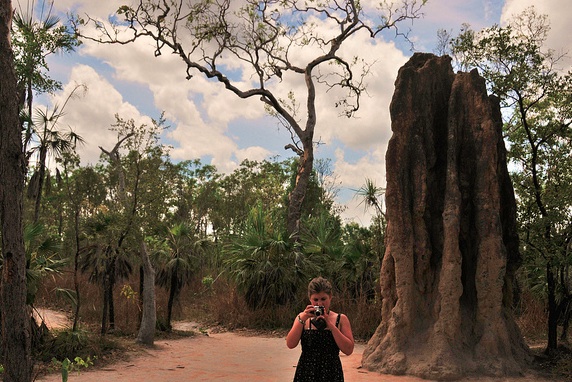
termite mound, adelaide, biomimicryMr. Dubai, why not build your hotel like a termite would?

Green Prophet has written many articles on green building, and the revival of beautiful earth architecture in the Middle East. Earth architecture is certainly a more sustainable and interesting alternative solution – for those lucky enough to own some rural land, but can buildings made from earth be a viable solution for cities? Can earth architecture sustain the ever increasing urban population?

Personally I do not think so. If the entire population of New York, for example, were to live in earth buildings, the total surface area required to fit everyone would be huge. In the end the per capita carbon foot print may be even larger (more roads will be required and greater distances travelled which releases more CO2 for example).

Given that in 2008, for the first time in history, more than half of the human population lived in urban areas and that by 2030, especially in the developing world, towns and cities are expected to harbor up to 81% of the world population; how and what should sustainable architecture and living in urban areas look like?

One solution is to observe nature, and apply its solutions to “human problems”. Nature has had 3.8 billion years’ worth of evolution and trial and error to perfect solutions so that it can become self-sustaining, so learning from it seems like a clever idea.

Biomimicry essentially seeks inspiration from natures’ genius and creativity to improve efficiency and sustainability in the “human” world we have created.  A perfect example is how termite mounds have inspired clever ventilation systems in architecture that reduce energy usage and costs.

Going Green for Your Wedding – 3 Reasons For the Earth

0

green muslim weddingNot a die-hard environmentalist and need other reasons for going nuptially green? Read on.

If you are newly engaged and contemplating your ideal wedding,consider this: if every couple in the world made just one small green choice – and we’ve given you at least seven simple and chic ways to do it already – there would be millions of greener weddings in the world with a noteworthy reduction in our collective carbon footprint.

Jordan’s First Nuclear Reactor: No-Go without Parliamentary Pre-approval

6

jordan nuclear
Jordan Atomic Energy Commission (JAEC) Chairman Khaled Toukan champions a peaceful nuclear power program, despite opposition from environmentalists and Parliamentary MPs.The Chairman spoke earlier this month in a Lower House session, in reply to MP Mahmoud Kharabsheh’s claim that kick-off of a national nuclear program excluded proper assessment of feasibility and environmental impacts. MP Kharabsheh, a nuclear skeptic, says the $21.2 million project cost stresses state coffers and that Jordan’s uranium reserves fall short of JAEC calculations.

He alleges that the preferred builder is “bankrupt”:  energy conglomerate AREVA suspended projects in France, Africa and the USA last December after revenues dropped about $2 billion, citing knock-on impacts caused by Japan’s Fukushima nuclear disaster.

Climate Change Could be as Dangerous to Syria as Bashar al-Assad

1

climate change, war, environment, middle east, Bashar al-Assad, water scarcity, rivers, agriculture, Euphrates River, Jordan River, Fertile CrescentFive thousand Syrians have died since the uprising started but climate change could kill many more in this dry country.

Approximately 5,000 people have been killed in Syria since the uprising began in March last year, according to UN estimates, and an additional 600 detainees and political prisoners have died under torture. And yet there is a force at work that is just as sinister as President Bashar al-Assad, who calmly told ABC’s Barbara Walters that he was unaware of the torture taking place in his country. It’s name? Climate change. 

Balyolu: Turkey’s First Honey Tasting Tour

0

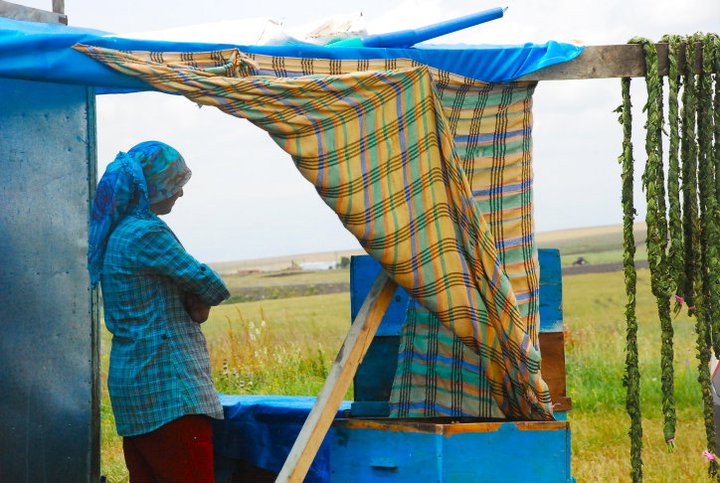
bees, food and health, sustainable tourism, eco-tourism, green tours, beekeeping, travel, natureAnyone who loves nature will enjoy Balyolu’s week long tour on Northeastern Turkey’s honey road.

Update May 20, 2020: this tour is no longer operating. 

It’s impossible to understate the importance of bees. Like fruit bats – thousands of which were gunned down by unknown assailants in Lebanon last weekend – they are pollinators that ensure human survival. And since they are fond of flowering plants, bees are often found in the world’s most beautiful places.

This is especially true in Turkey, where a group of young nature enthusiasts are organizing the country’s first honey-tasting tour from Kars. A seven day walking trip, the unique Balyolu tour will introduce visitors to the special tastes and diversity of Turkish honey as well as ancient nomadic travel routes and artisan culture.

Experience life as a nature nomad

“Honey is so much more than a food. It is experiencing life as a nature nomad, moving with the tastes, and smells of flower blooms and nectar,” according to the Balyolu’s online literature.

Visitors interested in such a sweet journey can join the one-of-a-kind bee and honey celebration in Kars, just a short flight from Istanbul or Ankara or a historic, scenic train ride on the Eastern Anatolian Express. From there they will begin their seven day walk of 6-10 miles per day carrying basic gear including layers and water.

Four trips have been planned, the first starting on May 19th 2012, and the last ending on August 2nd, 2012.

Feasts and yurts

Women training to become world-class beekeepers and rural entrepreneurs will guide this hyper local and sustainable tour, which will include stops at villages along the way that each produce their own brand of honey, as well as feasts of locally sourced vegetables, cheese, yoghurt, pastries, wild greens and even goose for non-vegetarians.

At night, travelers can rest their contented weary bones in yurts, cabins, and private residences, which is included in the cost of the tour.

Although participants are asked to find their own way to Kars, Balyolu will provide guides, transportation, accommodation, honey, and food throughout the seven day tour.

Kickstarter

Green Prophet first learned of the Balyolu project on Kickstarter, a funding platform that allows the crowd (that’s you, me, and anyone else on the planet that has internet access) to support worthy creative projects. Their goal is to raise $35,000 by February 26th, though the trips will still proceed if a minimum of 10 people sign up for each date.

Visit Kickstarter to support this sustainable tourism initiative or Balyolu to sign up for your very own tour on the honey road.

image via the Balyolu Facebook page

More on eco-tourism in the Middle East:

Green Tours Across Palestine (PHOTOS)

Iraq and Libya for Eco-Seeking Bravehearts

Is Troubled Egypt Ripe Enough for Eco-Tourism?

Army Sewage Irrigates Nature Park in Israel

aerating sewage israel idf armyOxygen aerators at Israel’s IDF Nevatim Air Force Base are purifying sewage water for irrigation use. Photo: Trlabarge/Wikipedia


Many modern armies are now practicing clean technology by using equipment run on solar energy. This also holds true for the Israeli Defense Forces known as the IDF which aims to be greener. One of the prime issues in large military bases, often remote and off the grid, is finding greener solutions to getting rid of sewage. The solution to this problem is now on the way to being solved at Israel’s large Nevatim air force base in the country’s Negev desert region.

Gaza’s New Boardwalk Threatens Roman Ruins

gaza city beach
Like Tel Aviv and Beirut, Gaza’s getting a boardwalk, but development threatens ancient Roman ruins.

For years, it was a dusty, often garbage-strewn asphalt ribbon winding along Gaza City’s otherwise beautiful Mediterranean coast. Today, it’s a construction site, with heavy equipment plowing sand into position, digging tunnels and laying pipes.

But if the plans proceed on schedule, Al-Rashid Road, popularly known as the Beach Road, will be transformed into a scenic seaside promenade, or corniche, in the style that has made the meeting between land and sea in places like Beirut, Alexandria and Nice tourist attractions and a gathering place for their residents.

That prospect has brought smiles to everyone from beachgoers to property owners, who are looking forward to seeing the value of their land rise. But not everyone is happy.

Green Man Show Suspended Due to Greenwashing

1

After being on the air for just a few weeks, “The Green Man” TV show has been temporarily shut down due to allegations of bribery and greenwashing. It is funded by an Israeli chemical company.

A new environmental television show called “The Green Man” debuted just a few weeks ago, hosted by well known Israeli news anchor Gadi Sukenik.  The promotional video for the TV show, shown above, shows Sukenik walking through all kinds of environmentally polluted areas and finally asking the viewers how long they can remain detached from the environment.  The real question may be, however, how detached from altruistic environmental goals “The Green Man” is.

Following numerous complaints, the show was temporarily suspended last week until further investigations can be conducted into whether the show received compensation for featuring certain companies, and the extent to which it is a conflict of interest that Israel Chemicals is one of the program sponsors.

The production company is currently being investigated under allegations that companies paid to be on the show, with prices dependent upon the amount of time that the company wished to be featured.  Documents were found suggesting that companies could purchase small amounts of time (such as five minutes) or even an entire episode.

The broadcasting company issued a statement saying that “The Green Man will not be broadcast until the investigation of the production company has been completed.  The results of the investigation will be send to us, and we will respond to the actions of the production company with great severity.”

The show may have been laden with problems since the very beginning, though, since Israel Chemicals is one of the main sponsors.  Sukenik, the host of the show, sees no problem with the sponsor, however, and said that “if you ask me, it’s good that a polluting company takes steps to partly rectify its actions… I believe eventually they’ll repair… I hope it won’t be too late.”

Read more about eco-friendly TV shows and TVs:
Thirteen Part Television Series on Geography and the Environment Broadcast in Israel
Qatari TV Program “Stars of Science” Focuses on Environmentally Friendly Innovations
Israel Has Plans to Outlaw Dinosaur TVs

Put a Zebra in Your Tank: A Chemical Crapshoot?

zebra and butterfly, biofuel
Making alcohol from sugars is easy; maybe the third oldest profession in the world. Making butanol from zebra droppings is another story.

Processors have made ethanol from cornstarch and sugar for decades, but using food products to make biofuel raises demand for staple commodities like corn and seed oils with disastrous impact to the food chain.

So let’s try again, back things up a step. Start with cellulose, not sugar. Add some enzymes that convert the cellulose into sugar. Next ferment the sugar into alcohol. Then distill the alcohol into fuel. Four simple steps and we’re juicing our cars with sawdust and coconut shells instead of Middle East oil.  Scientists know how to turn plants into fuel, but doing it profitably is another thing: Cellulose is the problem.

Breastfeeding Goes Against Big Pharma Vaccines

3

Is a two year old study pitting the natural immune benefits of mothers’ milk against the machine of big pharma?

The Center for Disease Control and Prevention in the United States published a abstract in 2010 that is now alarming some environmental activists around the globe. Naturalnews.com took a strong stance against the recommendations – which suggest women who are nursing should refrain from it in order for vaccinations to work more effectively in their children – stating that “ludicrous notions like these that are birthed from philosophies that view drugs and vaccines as being equal, or even superior, to natural food.”

New Cooling Lagoons Could Save the Gulf’s Marine Enviornment

cooling technology, clean tech, desalination, Gulf countries, thermal power plants, United Arab Emirates
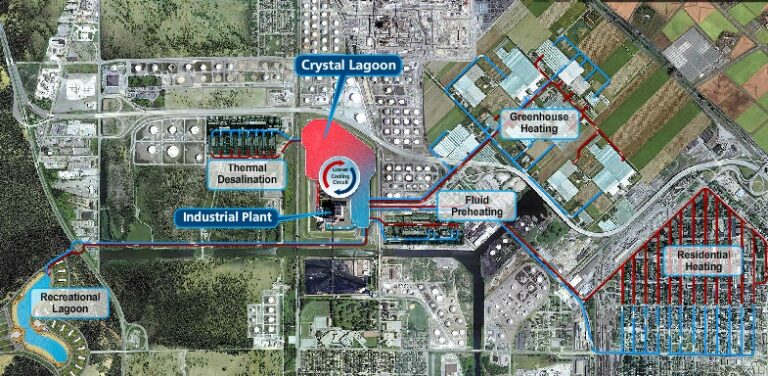
Crystal Lagoons has developed an alternative cooling and energy harvesting system for power plants that doesn’t require the use of seawater.

Gulf countries that lack freshwater resources rely deeply on seawater desalination to meet their daily needs and cool down thermal generation plants. According to Gulf News, the United Arab Emirates alone uses four trillion litres of Gulf seawater each year to cool down its power plants, foundries and desalination plants.

The byproduct of these operations produces a hot briny fluid that is then pumped back into the Gulf, seriously compromising coral reefs and the overall marine ecosystem. But Crystal Lagoons – the same people who were behind the worlds largest artificial lagoon planned for the Red Sea, is marketing a new closed-loop cooling system that would ensure that no more water would have to be extracted from the Gulf to cool down industrial plants!