Enslaved Jews in Egypt built storehouses in Pithom and Ramses, according to tradition. But did they cement the bricks with dates and honey?
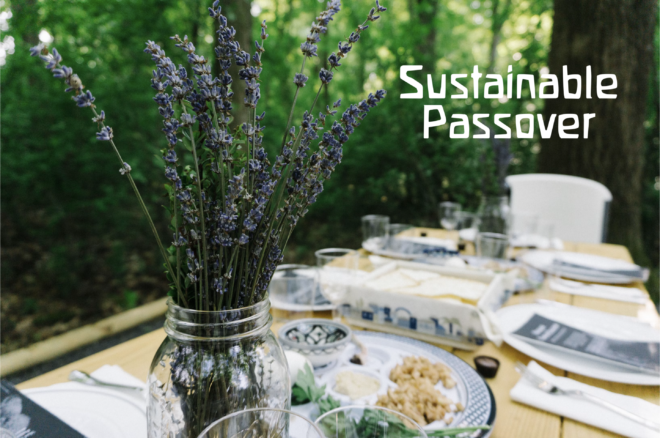
“Seder” means “order.” The first Passover night’s meal follows a specific order, and the first thing we see on the seder table is a plate of symbolic foods. In the center of the plate, three matzot – the unleavened bread Jews are commanded to eat during the Passover week. Matzot replace bread in memory of the departure at night from Egypt, when there was no time to let dough rise overnight. Considering that all dough was leavened with slow-rising sourdough and the need for haste, the Jews simply mixed flour and water and baked flat journey cakes with that.
Two kinds of bitter herbs, alluding to the bitterness of slavery, are arranged on the plate; usually horseradish and lettuce. There is also a dish of salt water and a non-bitter herb – parsley or a potato – to dip into it, so that participants at the table may “taste” the tears of hardship in Egypt. A roasted lamb or chicken bone reminds us of the Passover sacrifice brought to the Temple in Jerusalem. Vegetarians substitute a roasted beet for the bone, for its ruddy resemblance to meat. A hard-boiled egg, also symbolizes the festival sacrifice offered in Temple, but with the difference that hard-boiled eggs, the first food offered to mourners, symbolize mourning. On Passover night, one egg symbolizes mourning over the destruction of the Temple.
And there’s haroset – a sticky brown paste of blended fruit, nuts, wine, and honey. Haroset symbolizes the mortar that Jews used in building storehouses (and some say, pyramids) in Egypt.

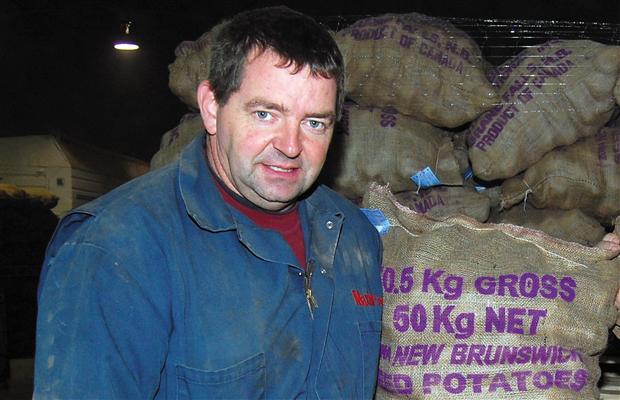
 A Red Notice was sent through Interpol accusing this man of selling rotten potatoes to Algeria. image via





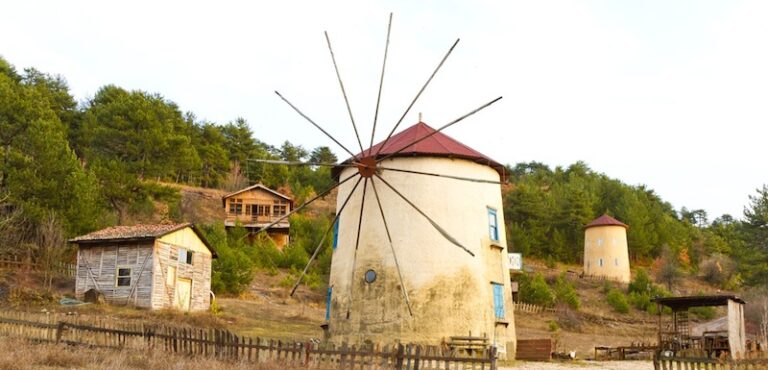
 Virgin wilderness on Turkey’s western coast is threatened by the construction of new wind infrastructure. Above, an image of a traditional Turkish windmill.
 Poo paper produced by Applied Clean Tech.