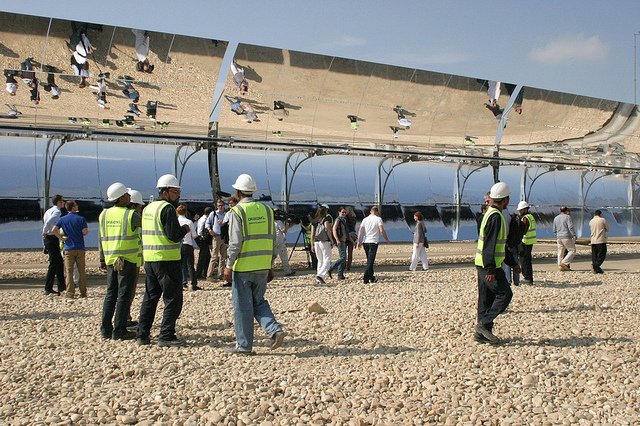
For millennia, the Middle East's water crisis seemed an immutable fact of geography — a region defined as much by what it lacked as by what lay beneath its sands. Today, a convergence of plummeting solar costs, advancing membrane technology, and hard-won engineering expertise is rewriting that story.
Adults who are 21 or older can carry up to 30 grams. This amount applies to personal use within Pittsburgh’s limits. Carrying more could lead to confiscation or legal action. Staying under the limit avoids problems during any public stop.
In the study, the scientists didn’t just test one plant compound at a time. They tested two traditional Chinese medicine compounds together — luteolin (from flowers like honeysuckle and chrysanthemum) and astragaloside IV (from astragalus root, Huang Qi). These plants have been combined in Chinese herbal formulas for centuries to help the body recover from injury and inflammation.
For millennia, the Middle East's water crisis seemed an immutable fact of geography — a region defined as much by what it lacked as by what lay beneath its sands. Today, a convergence of plummeting solar costs, advancing membrane technology, and hard-won engineering expertise is rewriting that story.
Adults who are 21 or older can carry up to 30 grams. This amount applies to personal use within Pittsburgh’s limits. Carrying more could lead to confiscation or legal action. Staying under the limit avoids problems during any public stop.
In the study, the scientists didn’t just test one plant compound at a time. They tested two traditional Chinese medicine compounds together — luteolin (from flowers like honeysuckle and chrysanthemum) and astragaloside IV (from astragalus root, Huang Qi). These plants have been combined in Chinese herbal formulas for centuries to help the body recover from injury and inflammation.
For millennia, the Middle East's water crisis seemed an immutable fact of geography — a region defined as much by what it lacked as by what lay beneath its sands. Today, a convergence of plummeting solar costs, advancing membrane technology, and hard-won engineering expertise is rewriting that story.
Adults who are 21 or older can carry up to 30 grams. This amount applies to personal use within Pittsburgh’s limits. Carrying more could lead to confiscation or legal action. Staying under the limit avoids problems during any public stop.
In the study, the scientists didn’t just test one plant compound at a time. They tested two traditional Chinese medicine compounds together — luteolin (from flowers like honeysuckle and chrysanthemum) and astragaloside IV (from astragalus root, Huang Qi). These plants have been combined in Chinese herbal formulas for centuries to help the body recover from injury and inflammation.
For millennia, the Middle East's water crisis seemed an immutable fact of geography — a region defined as much by what it lacked as by what lay beneath its sands. Today, a convergence of plummeting solar costs, advancing membrane technology, and hard-won engineering expertise is rewriting that story.
Adults who are 21 or older can carry up to 30 grams. This amount applies to personal use within Pittsburgh’s limits. Carrying more could lead to confiscation or legal action. Staying under the limit avoids problems during any public stop.
In the study, the scientists didn’t just test one plant compound at a time. They tested two traditional Chinese medicine compounds together — luteolin (from flowers like honeysuckle and chrysanthemum) and astragaloside IV (from astragalus root, Huang Qi). These plants have been combined in Chinese herbal formulas for centuries to help the body recover from injury and inflammation.
For millennia, the Middle East's water crisis seemed an immutable fact of geography — a region defined as much by what it lacked as by what lay beneath its sands. Today, a convergence of plummeting solar costs, advancing membrane technology, and hard-won engineering expertise is rewriting that story.
Adults who are 21 or older can carry up to 30 grams. This amount applies to personal use within Pittsburgh’s limits. Carrying more could lead to confiscation or legal action. Staying under the limit avoids problems during any public stop.
In the study, the scientists didn’t just test one plant compound at a time. They tested two traditional Chinese medicine compounds together — luteolin (from flowers like honeysuckle and chrysanthemum) and astragaloside IV (from astragalus root, Huang Qi). These plants have been combined in Chinese herbal formulas for centuries to help the body recover from injury and inflammation.
For millennia, the Middle East's water crisis seemed an immutable fact of geography — a region defined as much by what it lacked as by what lay beneath its sands. Today, a convergence of plummeting solar costs, advancing membrane technology, and hard-won engineering expertise is rewriting that story.
Adults who are 21 or older can carry up to 30 grams. This amount applies to personal use within Pittsburgh’s limits. Carrying more could lead to confiscation or legal action. Staying under the limit avoids problems during any public stop.
In the study, the scientists didn’t just test one plant compound at a time. They tested two traditional Chinese medicine compounds together — luteolin (from flowers like honeysuckle and chrysanthemum) and astragaloside IV (from astragalus root, Huang Qi). These plants have been combined in Chinese herbal formulas for centuries to help the body recover from injury and inflammation.
For millennia, the Middle East's water crisis seemed an immutable fact of geography — a region defined as much by what it lacked as by what lay beneath its sands. Today, a convergence of plummeting solar costs, advancing membrane technology, and hard-won engineering expertise is rewriting that story.
Adults who are 21 or older can carry up to 30 grams. This amount applies to personal use within Pittsburgh’s limits. Carrying more could lead to confiscation or legal action. Staying under the limit avoids problems during any public stop.
In the study, the scientists didn’t just test one plant compound at a time. They tested two traditional Chinese medicine compounds together — luteolin (from flowers like honeysuckle and chrysanthemum) and astragaloside IV (from astragalus root, Huang Qi). These plants have been combined in Chinese herbal formulas for centuries to help the body recover from injury and inflammation.
For millennia, the Middle East's water crisis seemed an immutable fact of geography — a region defined as much by what it lacked as by what lay beneath its sands. Today, a convergence of plummeting solar costs, advancing membrane technology, and hard-won engineering expertise is rewriting that story.
Adults who are 21 or older can carry up to 30 grams. This amount applies to personal use within Pittsburgh’s limits. Carrying more could lead to confiscation or legal action. Staying under the limit avoids problems during any public stop.
In the study, the scientists didn’t just test one plant compound at a time. They tested two traditional Chinese medicine compounds together — luteolin (from flowers like honeysuckle and chrysanthemum) and astragaloside IV (from astragalus root, Huang Qi). These plants have been combined in Chinese herbal formulas for centuries to help the body recover from injury and inflammation.
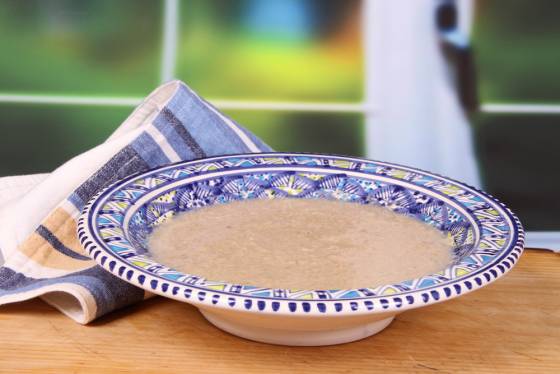
Eat breakfast the way a Moroccan grandmother might make it with this milky, slow-cooked wheat soup.
Vegewarian (vegetarian- aware recipes like these) offer you an alternative to meat-based food. Here’s one for this week which brings Morocco into the kitchen. Home cooks in Morocco make a variety of cereal-based soups and porridge from millet, barley and wheat (see our post about how important wild cereals are to our grain supply). Cracked-wheat soups are most often savory with spices, herbs, and sometimes meat, but this sweet soup, called Herbel, is an exception.
Like the rice pudding that Westerners are familiar with, this sturdy cereal dish requires two cooking times: once in water to tenderize the grains, and again in milk to make a sweet porridge. But wheat kernels, being a whole grain, are infinitely more nutritious and than white rice, giving you steady energy to last through the whole morning.
And Herbel, made luxurious with orange-flower water and a touch of honey, is a delicious way to start the day – or wind up the evening with a comforting dinner.
The wheat grains must be pre-soaked, or rinsed and left to simmer over minimal heat overnight. Not traditional, but very practical for overnight cooking, is cooking the wheat a crock pot on low heat. Myself, I like to soak the grains early the previous evening, then let them cook at leisure for an hour in the morning.
Herbel, Milky Moroccan Wheat Soup Recipe
Herbel, a Moroccan wheat soup or porridge, Image via Arab News
Yield: 6 servings
Ingredients
1 cup – 250 grams whole wheat kernels
6 cups – 1-1/2 liters water
1 1/2 teaspoons salt
4 cups- 1 liter milk
4 tablespoons sugar
2 tablespoons butter
1 tablespoon orange flower water
Cinnamon, butter and honey for serving at table
Pick over the wheat if needed. Rinse until the water runs clear and free of dust. Drain. Put the wheat into a large bowl, cover generously with water, and leave it to soak 10 hours. Add more water if it looks like the grains have absorbed all and are getting dry.
Drain the soaked wheat. Put it in a pot with the 6 cups water and the salt. Bring to a boil, then lower the heat. Simmer for 40 minutes until tender. It’s alright if there’s still some water not absorbed.
Heat the milk separately and add to the wheat in the pot. Add the sugar; stir it in. Add the butter; stir. Cook on low heat until most of the milk is absorbed and everything is very soft and well combined – about 15 minutes.
Remove from heat. Add orange flower water and stir it in. Serve warm, with additional butter, cinnamon and honey for individual servings.
You may cook the herbel ahead of time, but it will have thickened. Reheat over low heat, adding milk to thin it out.
Editor’s note: This dish reminds Moroccans of breakfasts during Aid El Fitr and Eid El Adha. A recipe that has probably crossed the centuries.
Gundeep Singh hasn’t exactly gone from riches to rags, but he has turned over a green leaf and is determined to help others do the same. Formerly a banking executive who owned a yacht and porsche, the Dubai-based man has switched to a hybrid vehicle and founded The Change Initiative, the first shop in Dubai to offer a massive range of green products.
Each of the sixty products available – everything from organic food to sinks that capture and recycle grey water – goes through a rigorous vetting process to ensure that they are genuinely healthy both for the people who use them and for the environment.
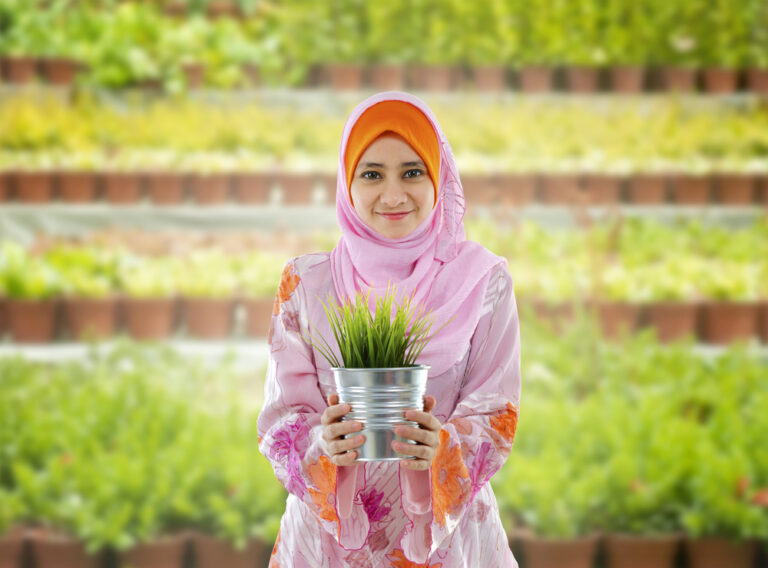
Can gardens really help promote environmentally friendly behaviour amongst the Muslim community? Mark Bryant from Cardiff University who researches Islam and gardens, says they can
There’s nothing like being with nature to help clear your mind and when the weather is as lovely as it has been recently, who can resist spending a couple of hours in the garden? But the humble garden should not be overlooked. According to researcher in the UK, the garden can be a powerful tool in inspiring more climate-aware behaviours.
I instantly stumbled across a little piece of research by Mark Bryant and Sophie Gilliat-Ray based in the UK who state that “Gardens built reflecting Islamic traditions have been shown to have the potential to educate and inform people about environmental issues.”
I caught up with Mark Bryant to find out more about this research and the green Muslim community.
Aburawa: Why do gardens play an important role in Islam and Muslim culture?
Bryant: There are some 166 references to gardens in the Qur’an. These include references to earthly gardens which resemble an oasis or palm gardens found in the Middle East today. Both Eden and Paradise are described in terms of a garden and ‘jannah’ means both garden and paradise in Arabic.
This love for the garden is reflected in the traditions of Muslim poetry, literature and carpet design. And much of what is described as Arabesque design incorporates both realistic and stylised plant forms. In terms of the environment, in addition to respecting nature as part of creation many Muslims regard themselves as having been entrusted with the task of acting as khalifah, or vice-regents, of earth. ‘Later We made you their successors in the land, to see how you would behave’ (Surah 10.14).
The research that you carried out on Islamic gardens in the UK showed that Islamic gardens didn’t generally deal with environmental issues and sustainability. Do you think that this could change in the future?
I feel it is important to draw a distinction here between the traditional formal Islamic gardens and gardens reflecting Islamic traditions. The traditional Islamic garden is a specific form consisting of specific formal elements. On the other hand gardens reflecting Islamic traditions can include gardens which incorporate Islamic influences outside of those found in the traditional form such as good Islamic environmental ethical practice.
While it is true that traditional Islamic gardens were not necessarily concerned with issues such as biodiversity, conservation and sustainability it can be argued that they demonstrated the importance of the natural world in Islam. If we use the definition of gardens reflecting Islamic traditions we find examples of gardens being built using Islamically inspired environmentally-friendly practice.
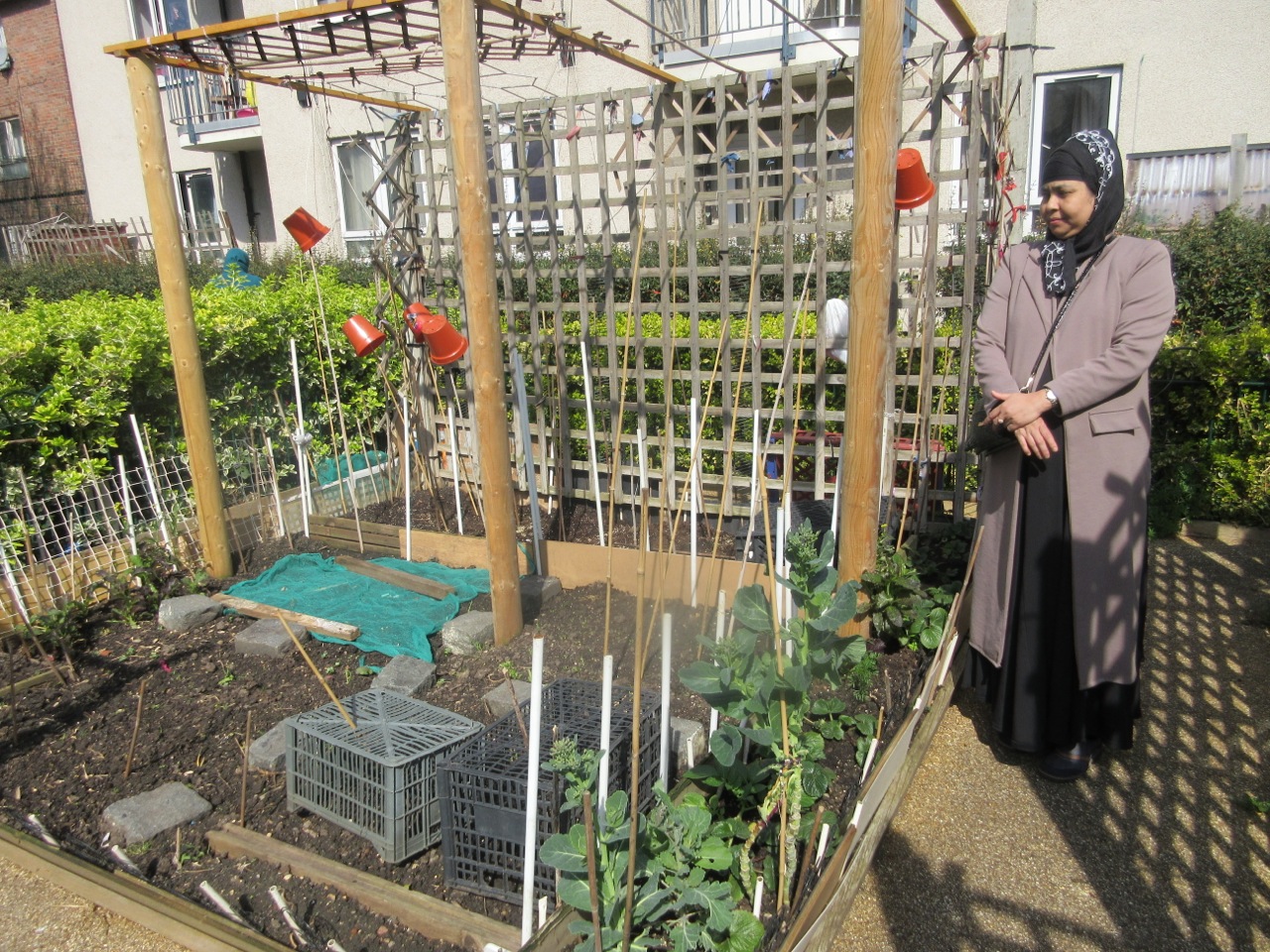
Wapping Woman’s Centre garden in the UK
For example the community garden run by Wapping Woman’s Centre in Tower Hamlets has had a huge impact on changing people’s behaviour around recycling, composting and a general respect for the environment.
As well as research into Islamic gardens, you have looked into the scale of environmental concern British Muslims have. What kind of state did you find the environmental movement amongst British Muslims in the UK?
I think the following quote from the conclusion of the paper we wrote for the Journal for the Study of Religion, Nature and Culture – Are British Muslims ‘Green’? An Overview of Environmental Activism among Muslims in Britain – best answers this question..
So, are British Muslims ‘green’? The answer is both ‘yes’ and ‘no’. Visit nearly any inner-city area in Britain with a large Muslim population and it is evident that the messages of conservation and environmental stewardship that Muslim environmentalists derive from the Qur’an and Hadith are not reflected in the actual behaviour of many British Muslims.
Unkempt urban areas often reflect socio-economic deprivation and a lack of engagement in activities that promote environmental conservation. On the other hand, the findings of our research also demonstrate the emergence of a new generation of British Muslim environmental activists who are using their energy and knowledge to argue that being a ‘good Muslim’ must involve environmental responsibility.
In the Middle East, there are real concerns about the growing scarcity of water. As such, do you think it is justifiable to be building gardens which rely heavily on water?
While I am aware of plans for gardens in the Middle East that are environmentally irresponsible this need not be the case. In fact, within the area of water management, Islamically inspired gardens have the potential to stand as examples of traditional and current good practice in water management.
Traditional Islamic gardens have historically served as showcases for effective water management in water poor areas – this was particularly the case in gardens in Iran.
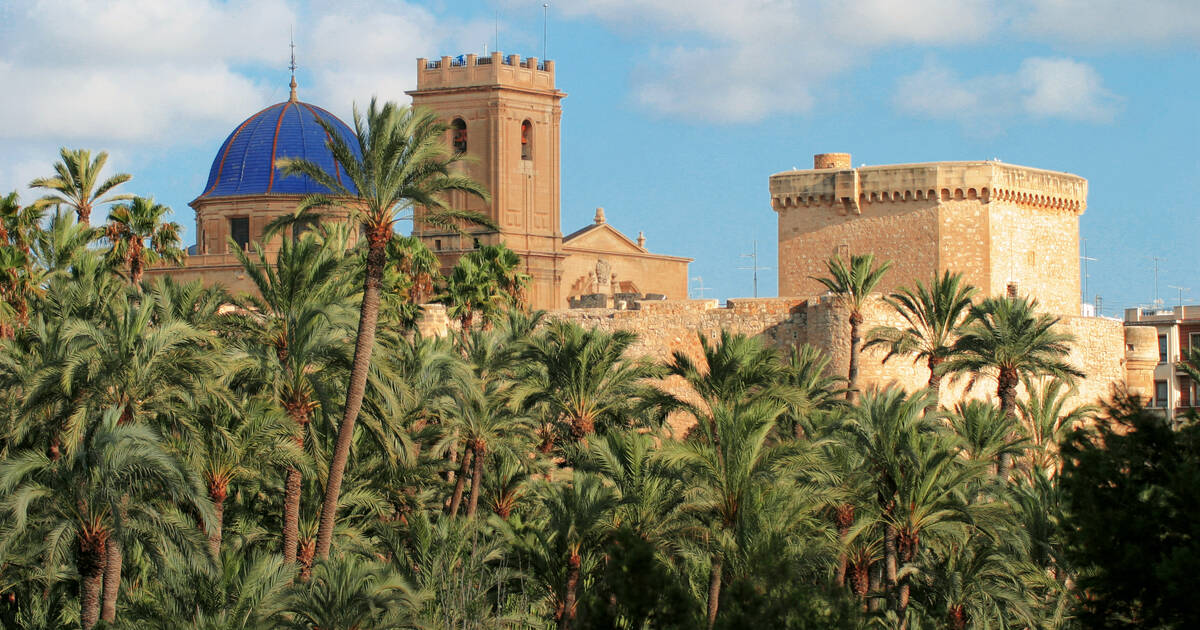
Look to the Palmerals of Elche
The Palmerals of Spain or Palm Grove of Elche is the generic name for a system of date palm orchards in the city of Elche, Spain. It was planted in Roman times and underwent modifications in the medieval period under Islamic and Christian rulers. The Roman empire introduced water management techniques to Elche, but the 10th c. are fed by an 800-year-old water management system developed by the Moors. These systems were in turn studied by French and British engineers to be used in their colonies in Africa.
Palmerals of Spain: With over 70,000 date palm trees in the formally designated palmeral itself and up to 200,000 in the general area around Elche, this ancient palm grove in Spain is really magnificent. It’s one of the largest in the world, and there aren’t any other sprawling groves like it in Europe. It’s also the northernmost palm grove of its kind.
So the Islamic environmental ethic works very well with the currently growing Permaculture movement. In addition many of the traditional methods of water management used in the Middle East represent good examples of effective Permaculture design.
Finally, I think there is potential for palm gardens to be used as an alternative to less sustainable green spaces currently being built in the region.
___
The Islamic gardens research was commissioned by BGCI and was supported by the Islam UK Centre at Cardiff University.
For more on environmental issues in the Middle East see:
Manufactured landscapes and Toskha, a planned city to create a second Nile Valley in Egypt
The Middle East is no stranger to construction failures. This page on Arabia Business gives an almanac of such failures. What is interesting about this list is the presence of some substantially big names. Failure of mega construction projects in the region therefore hardly raises any eyebrows.The story in Egypt daily that talks about the failure of Toshka New Valley Project therefore did not come as a surprise. What is appalling about the story is not just the failure of the project but the complete lack of accountability on part of all key players. From minimal pre-operational environmental impact assessment to a total disregard of ground realities, this project is testament to all that is wrong with the corporate decisions influenced by politics.
Late this February Israeli financial newspaper Calcalist, along with Israel Society for the Protection of Nature in Israel, hosted a competition to honor Israel’s leading cleantech start-ups. Among the 12 competition finalists, was UniVerve, an Israeli biofuel company that specializes in using microalgae to create oil.
UniVerve has gained international recognition for its microalgae technology, including at an apperance this March at the World Biofuels Markets, which can succesfully produce bio-oil from third generation biomass. If any waste biomass is left from the refining process, UniVerve sells it to be used as animal or fish feed.
Toxic gas leaks from gas stations contaminating water in Israel
Israel’s Ministry of the Environment is struggling to rectify the nationwide soil and groundwater pollution from gas stations discovered over a decade ago. Meanwhile new reports show that the leaks are still causing pollution today. The original reports revealed that almost half of Israeli gas stations were leaking fuel. According to more recent reports, only 38% of gas stations were clean of contamination. The reports said that around 200 gas stations across Israel, out of a total of around 1,500, are still leaking.
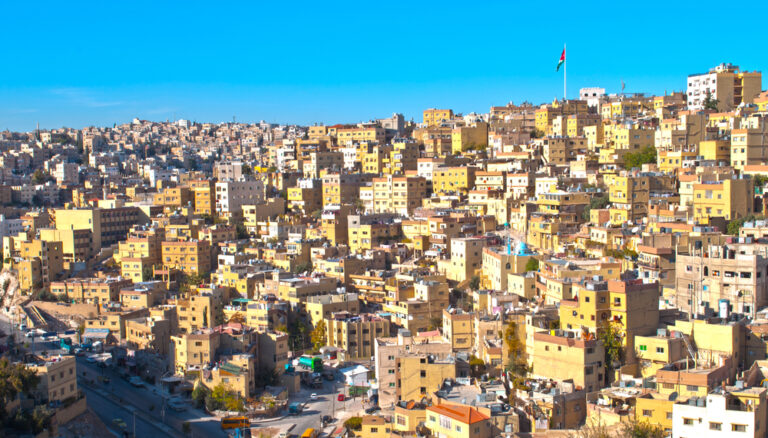
You need half a box of flimsy tissues in Jordan to get the job done. Is there a greener way to dry your hands?
Use more than a single sheet of paper towel per day – prefolded singles, the kitchen kind with perforated tear lines, or auto-cut by dispensers – and you’re a paper towel overconsumer. You know who you are. Bet you also grab more paper napkins than you need at take-out places. But today we’re talking paper towels specifically used to dry our hands. Reduce usage by just one towel per person per day, and divert 571,230,000 pounds of waste from the yearly trash heap. And that’s just in the USA.
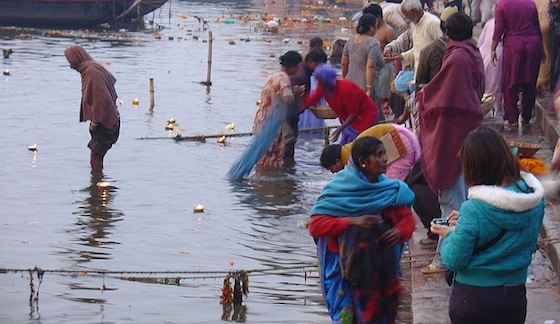
Young Israeli tourists are so common in India that in certain regions, restaurants hang signs and write menus in Hebrew. But Israel is now in the process of sending more than just tourists to the region. At the end of April, Israeli news site Ynet reported that Israel would be sending engineers, researchers and representatives from water technologies companies to help India clean up the notoriously-polluted Ganges River.
The bad news is that Jordan’s Bus Rapid Transit system (BRT) was suspended last year amid concerns about the associated cost and feasibility. Although the multimillion dollar project would have considerably reduced traffic and smog in capital Amman, details of the system conceived by the Greater Amman Municipality in 2009 are still being ironed out. So a couple of teenage boys who say that it’s impossible to find a safe place to ride their bikes in the city have turned one of the new but abandoned bus lanes into a bike lane instead.
Mebiol’s hydrogel could make deserts flourish with crops grown on barren sand.
Here’s another futuristic invention that could completely change the future of agriculture in a desertifying world. Substituting an industrially produced hydrogel for soil makes it possible to farm on sterile desert sand. Similarly to Pink LEDs Grow Future Food with 90% Less Water, this amazing sci fi technology allows the farming of the desert, with 80 percent less water than needed in traditional farming.
Is it back to bonkers ideas in Dubai? Plans to build an underwater hotel hailed as a positive sign of Dubai’s property sector recovery
Whilst I wasn’t happy that Dubai’s property bubble burst back in 2009, it did stop some awfully stupid building projects from going ahead. One of which was the underwater hotel idea. Dubai has more gimmicks and tacky accolades than a Las Vegas souvenir store so the last thing it needs is more plastic tat. It’s just not good and most of these outlandish projects pay very little attention to the environmental impact of their development.
Remember the marine destruction caused by the palm islands development? Well I think we can probably expect more of those ill-thought projects. According to an article in the FT, plans to build this underwater hotel are a “sign that the emirate is shaking off its financial crisis and returning to the grandiose projects of its boom-time heyday.”
It’s a serious crime and offenders face fines of up to €17,000 and three years in jail if caught, but Agriculture Minister Sophocles Aletaris told an EU delegation concerned about environmental issues that even though “this practice is a disgrace for his country,” it is also deeply rooted in the Cypriot mentality and will be very difficult to eradicate.
Tel Aviv’s mysterious gas smell is nothing compared to Cairo’s annual “black cloud”.
Tel Aviv is Israel’s largest city, and at times has been so saturated by car exhaust air pollution environmentalists have sometimes said that people run a serious risk of brain damage if they ride their bicycles there during heavy air pollution days. While perhaps not as polluted as other regional cities such as Teheran, Iran and during “black cloud” days in Cairo Egypt, Tel Aviv certainly does has its share of air pollution.
A pollution of a different kind occurred on Thursday, May 3, when local residents began to complain of a sharp, burning odor that irritated their eyes and lungs. Some called in saying they were afraid to light their cigarettes for fear of blowing up.
It’s estimated that the environmental impact of a single “eReader” (Kindle, iPad…) equals that of 100 books.
Whether the motivation is to truly improve environmental performance, or simply garner positive press, seems every business is jumping on the low carbon bandwagon. Nowhere is exempt from the pressure to green up, not even the beleaguered (and beloved) book industry.
Three years ago, a group called the Book Industry Environmental Council (BIEC) set environmental targets for the American book business, aiming to reduce its baseline carbon footprint by 20 percent in 2020 and by 80% in 2050. The plan was hatched during the infancy of eBooks: Kindle had been around just over a year.
BIEC goals seem attainable. Technological advances slashed the volume of in-house printing. Editors move towards a paperless workflow. Publishers began to reassess traditional processes of creating, transporting, and storing books. The resultant enviro-friendly efficiencies could be replicated worldwide.
Problem is no one foresaw the popularity of eBooks. Last year, Amazon was selling one million Kindles a week. Apple hawked 40 million iPads. And those are just two brands in the digital readers aisle in the world’s virtual tech store.
Conservationists in Egypt are worried about the environmental impact of large-scale solar projects in the desert
It seems renewables are taking a little bit of a bashing at the moment. First research emerges that wind turbines may be contributing to a temperature rise in the area, and now environmental campaigners in Egypt are calling for more careful deployment of solar panels in deserts. Speaking to Egypt Independent, Mindy Baha El Din (a conservationist who we profiled here) says that “There’s a misconception that the desert is a wasteland. It’s got an ecosystem of lifeforms, unique geological landscapes with fossils as well as cultural heritage sites.” And of all of this needs to be protected from various development schemes which includes large solar projects.

 Eat breakfast the way a Moroccan grandmother might make it with this milky, slow-cooked wheat soup.



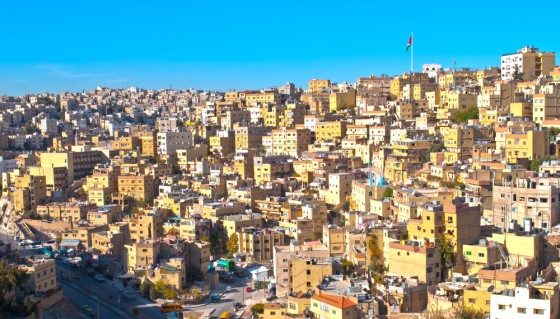




 Tel Aviv’s mysterious gas smell is nothing compared to Cairo’s annual “black cloud”.