Lucid Group, Inc. (Nasdaq: LCID) brands itself as a leader in sustainable mobility, even participating in the United Nations Global Compact, a voluntary initiative promoting corporate responsibility in human rights, labor, environmental practices, and anti-corruption.
“The UN Global Compact challenges companies to conduct business responsibly by aligning their operations and strategies with the UN’s Ten Principles.”
— Lucidmotors.com, April 19, 2023 news release
But while Lucid talks about sustainability, its financial health is anything but stable. Without financial sustainability, even the most promising environmental initiatives can collapse. Producing fewer than 10,000 cars per year, Lucid has burned through billions in losses. Yet, its biggest backer—the Saudi Public Investment Fund (PIF), which owns 59% of the company—continues to pump money into the struggling EV maker.
A Lucid Sedan, 2025
The Public Investment Fund is the sovereign wealth fund of Saudi Arabia. It is among the largest sovereign wealth funds in the world with total estimated assets of US$930 billion. Is this a genuine effort to build a sustainable American car company, or just a vanity project for the oil-rich kingdom?
The Saudi PIF has positioned itself as a major investor in renewable energy and electric vehicles, but its track record raises questions. The fund has spent heavily on flashy, high-tech projects, often with little regard for long-term profitability. Lucid is one of its most high-profile EV investments, yet the company has failed to scale production to a level that justifies its enormous costs. The PIF’s willingness to keep writing checks suggests that Lucid’s survival has less to do with financial success and more to do with Saudi Arabia’s broader ambitions in the global energy transition.
Peter Rawlinson CEO of Lucid
Meanwhile, Lucid’s board hasn’t been shy about rewarding its executives. In 2021, the company approved a $565 million compensation package for CEO Peter Rawlinson, at a time when the company had barely generated revenue. That meant awarding him nearly $1 in stock-based pay for every $1 in projected revenue—a model that doesn’t work unless explosive growth follows. It didn’t. Lucid’s stock has since plummeted, erasing billions in market value, and now, in 2025, Rawlinson is walking away—though not empty-handed. He’ll receive $120,000 per month for two years as part of a consulting contract, plus $2 million in restricted stock units.
Graph 1 shows Rawlinson’s pay for the past 5 years peaking at $565 million in 2021 and adjusting to a more normalize $6.8 million in 2023 a year and change before his departure from the struggling automaker.
While Lucid struggles to survive, the Saudi Fund has remained silent on whether it will keep bankrolling the company indefinitely. The financials tell a grim story: Lucid has lost $10 billion while generating just $2 billion in car sales over the past five years. This is not a sustainable business model, and if the PIF decides to cut its losses, Lucid may not have the means to continue.
Graph 2 shows Lucid’s revenue growing from $0 in 2020 to negligible in 2021 when Rawlinson was awarded a $1.00 in stock value for future $1.00 revenue performance.Graph 3 shows Lucid’s losing streak. Losing $10 billion while selling $2 billion worth of cars is not an obviously sustainable strategy. Rewarding, or trying to reward the CEO with over $500 million seems equally unsustainable. Rawlinson’s departure reinforces the point.
The bigger question is whether the Saudi Fund is serious about creating a thriving EV industry or simply using investments like Lucid for geopolitical leverage and reputation-building. With its deep ties to the fossil fuel industry, Saudi Arabia’s commitment to sustainability remains an open question. And if Lucid fails, it will be a lesson in how throwing money at a problem doesn’t always lead to real change.
__
Over the last couple years I have become increasingly aware of the large pay packages afforded to the C-Suite. I didn’t know if they were appropriate because organizing all the proxy documents to get some context would take many hours of work. So we built www.MySayOnPay.com to provide one-click access to; Executive Pay, Historical Context, Peer Group comparisons, Historical ROE of the Company and Net Profit.
These are the essential datapoints to get a quick idea on who is your CEO. Are his/her interests aligned with shareholders and other stakeholders. Check it out. Input a company symbol like Coca-Cola (NYSE:KO).
Cooper also provides a boutique investment advisory. Contact him at [email protected]
? BEER: Did you know that beer can be greenified? Green ingredients such as matcha and spirulina have hit the international market. Spirulina, a blue-green algae superfood packed with protein, copper, and B vitamins, in particular is growing in popularity among international brewers. RedDot Brewhouse, located next to the Singapore Botanical Gardens, offers a spirulina-infused lager.
Spirulina beer
Japan’s Okhotsk Brewery created the highly popular Okhotsk Blye Ryuhyo Draft with unique local ingredients including spirulina.
? SLÁINTE! Like so many people across the world, the Irish say “Health” to toast to one another’s well-being. Try this nutrient-packed six-seed soda bread to moderate your libations.
? SHAMROCK: Four-leaf clovers are believed to occur every one in one thousand. For a shot at finding one of these rare shoots, consider cultivating a clover lawn. Decimated by the herbicide revolution in the mid-twentieth century, clover lawns are making a comeback as a sustainable alternative or addition to turfgrass. They are heat and drought-tolerant, able to thrive in partial shade, and attractive to pollinators.
? LEPRECHAUN: Leprechauns are often depicted as cobblers. Ireland’s shoe-making traditions are increasingly innovative; Sampla is a sustainable Irish footwear brand pioneering designs made with vegan leather formed from apple waste.
Sampla vegan shoes. Do they come in green?
? RAINBOW: Check out these rainbow-wrapped pencils that are wood and plastic-free, using recycled paper instead. Eco-conscious retailer Friendsheep makes multicolor pom pom coasters out of natural wool.
? GOLD: E-waste is glittering on the economic horizon after Cornell University researchers developed a non-toxic method for extracting 99.9 percent of gold from recycled electronic waste. As an added bonus, the process catalyzes carboxylation, or converts carbon dioxide into organic compounds.
Following the breakdown of the Colombia-hosted COP16 summit in November, global leaders reconvened in Rome in late February for a fresh round of the U.N.’s annual biodiversity summit. While fraught negotiations have this time led to a last-minute deal, critics have already lamented that the agreement lacks the ambition needed to meaningfully tackle biodiversity challenges.
The previous COP16 gathering notably collapsed without a deal on nature restoration financing in developing countries, creating ongoing tensions between Global North and South governments. Deepening geopolitical disputes have since compounded the negotiations’ obstacles, with the new U.S. administration’s aversion to environmental multilateralism and sweeping foreign aid cuts underscoring the ongoing obstacles facing global cooperation.
In this climate, relying on government-led action to curb the global biodiversity crisis is no longer viable, making the private sector’s contribution increasingly vital. Moving forward, large companies from industries traditionally associated with biodiversity loss must now step up, with leading players in the mining, energy and maritime sectors already showing the way.
Political action outpaced by global crisis
Adopted at the COP15 conference in December 2022, the global goal of halting and reversing nature loss by 2030 is rapidly slipping out of reach, with political will failing to match the gravity of a deepening biodiversity crisis. Since 1970, global wildlife populations have plummeted by over 70% and one million species are now on the brink of extinction, while unsustainable agriculture, pollution and deforestation continue ravaging ecosystems at an alarming pace.
Although the fresh deal struck at COP16 has been embraced by certain leaders as a breakthrough for international cooperation, many others – particularly from the Global South – have expressed frustration at its lack of urgency and concrete action. Bolivia’s negotiator, Juan Carlos Alurralde Tejada, has notably decried the agreement’s failure to deliver real progress, warning that prolonged bureaucratic delays will only worsen the environmental collapse. The so-called solutions – such as agreeing to a global biodiversity fund in 2028 and establishing the voluntary Cali Fund without any financial pledges – reflect the international community’s “kick-the-can-down-the-road’ approach to biodiversity.
This insufficiently-ambitious agreement comes amid a broader backdrop of global challenges: trade disputes, shrinking foreign aid and rising political tensions. The absence of the U.S. at the summit – having refused to sign the UN Convention on Biological Diversity – further undermines hopes for meaningful action. The burden of biodiversity preservation thus continues to fall on the shoulders of the private sector, which must now fill the leadership void left by political inertia. As global leaders in their respective sectors, TotalEnergies, CMOC and CMA CGM are setting the stage for a new era of corporate responsibility in biodiversity conservation.
Private firms rising to the occasion
TotalEnergies, with its commitment to the United Nations Sustainable Development Goals, integrates biodiversity into every stage of its operations. Notably, during the construction of the Shetland Islands gas plant in Scotland, the company invested $100 million to excavate and preserve peatlands – critical ecosystems for carbon sequestration and wildlife, ensuring these wetlands are restored to their original state over time.
Building on this momentum, TotalEnergies is also advancing its Tilenga project in Uganda, where the company’s efforts aim for a net gain in biodiversity. The project will protect 10,000 hectares of forest from deforestation and restore 1,000 hectares of tropical woodland. Additionally, TotalEnergies is focused on boosting populations of endangered species, including lions and elephants, in the Murchison Falls National Park. Equally crucial are the actions Total has pledged to avoid, with the company emerging as a pioneer in voluntary conservation, excluding operations in sensitive areas such as UNESCO World Heritage sites and the Arctic.
Chinese mining group CMOC shares this commitment to overhauling the practices of its sector. Guided by its Biodiversity Vision, CMOC Brasil has implemented significant conservation actions, such as a reforestation program in the country, where it has planted over 89,000 saplings and reforested 1,448 hectares. What’s more, CMOC’s environmental control plan includes 34 biodiversity monitoring sites, ensuring ongoing efforts to protect animal and plant populations in Brazil’s Cerrado and Atlantic Forest biomes.
At CMOC’s TFM copper-cobalt mine in the Democratic Republic of the Congo, meanwhile, the company is focused on conserving local plants adapted to the challenging conditions of the area. Through its partnership with the University of Lubumbashi, CMOC has advanced scientific understanding of heavy-metal-tolerant plants and is helping to restore copper-rich soil areas. In 2022, CMOC cultivated over 2,500 plants, with some used for revegetation programs and others donated to local communities. As a result of these efforts, CMOC has protected roughly 40 copper flora species around its TFM site over the last 15 years.
Meanwhile, CMA CGM, a French leader in maritime shipping, is protecting marine biodiversity through its innovative “zero loss” policy, prioritising container security and fleet management to prevent environmental harm. Since 2020, the company has launched its Reef Recovery program, aimed at restoring coral reefs – critical ecosystems that support a quarter of marine biodiversity. Working closely with WWF, CMA CGM is supporting conservation efforts in France, South Africa and the Philippines, underscoring its commitment to healthy oceans and the vital biodiversity they sustain.
The bottom line
Moving forward, governments have a critical role to play in facilitating and expanding the private sector’s contribution to biodiversity, even if they fail to deliver meaningful political cooperation. At a minimum, the public sector must remove barriers that stifle corporate investment in sustainability, offering a clear, consistent regulatory framework that incentivises long-term environmental responsibility. From creating tax breaks for companies that invest in nature restoration to establishing carbon markets and setting mandatory reporting standards for biodiversity-related risks, government measures can empower businesses to act, ensuring they can make meaningful strides in preserving ecosystems.
Given the fragile COP16 deal offering little progress from the breakdown of November’s talks last November, the private sector must fill the gap left by governments’ ongoing inaction. With their resources, technological capabilities and influence, leading companies in industries such as mining and energy are in a unique position to lead meaningful change – now is the time for others to follow suit to drive nature restoration efforts and set the standard for global biodiversity leadership.
If you were presented with an opportunity to reduce waste, cost, and risk while simultaneously driving resilience, innovation, and competitive advantage—would you not seize it? In an era of backlash against ESG, regulatory shifts, and economic uncertainty, it has never been more critical for businesses to demonstrate clear returns on sustainability investment.
Positive Luxury, the leading sustainability expert in the luxury industry, has released a new briefing report that outlines a compelling business case for sustainability, revealing 12 key commercial benefits that brands cannot afford to ignore.
We are entering a new era—the climate era. A period of rapid and accelerating climate transformation, with record-breaking temperatures, stronger storms, and ecosystem shifts that will increasingly disrupt our modus operandi. This is a certainty. It comes with risk and opportunity in equal measure. The question is: will you be sufficiently prepared?” asks Amy Nelson-Bennett, CEO of Positive Luxury.
Amy Nelson-Bennet
Key Takeaways from the Report:
Understand the business case for sustainability
Unlock 12 commercial benefits
Calculate your Return on Sustainability Investment (ROSI)
Sustainability as a Competitive Imperative
Businesses face a clear choice in 2025: integrate sustainability as a core strategy or risk falling behind in the race for talent, investment, and consumer trust. To remain competitive, brands must leverage sustainability to drive business growth. The report identifies four key areas where sustainability creates value:
1. Direct Benefits:
Premium pricing power – Sustainability-conscious consumers are willing to pay more for responsible luxury.
Consumer appeal, engagement & loyalty – Strengthening brand trust through sustainable practices.
New revenue streams – Opportunities in circular business models and sustainable innovations.
2. Cost Savings:
Operational efficiencies – Reducing energy, water, and material waste.
Resource & supply chain optimisation – Securing raw materials and ensuring long-term stability.
Regulatory cost reduction – Avoiding fines and penalties by staying ahead of compliance.
3. Indirect Benefits:
Supply chain resilience – Mitigating risk through responsible sourcing and ethical partnerships.
Talent retention – Employees increasingly prioritize working for purpose-driven companies.
Investor confidence – Attracting ESG-conscious investors and long-term capital.
4. Cost of Inaction:
Reputation risks – Greenwashing and unsustainable practices can lead to consumer backlash.
Climate-related resource risks – Scarcity of raw materials and rising operational costs.
Competitive risks – Falling behind more agile, sustainability-focused competitors.
Positive Luxury’s latest briefing provides luxury brands with the insights and tools needed to measure and maximize their sustainability impact. By making informed decisions today, businesses can ensure they thrive in the climate era.For more information, download the full report from 6th March here.
Sheep Inc sweaters come with a chip to trace your sheep who gave you its comfy wool
It’s not every day you hear about a slow fashion company securing VC capital: welcome to the new world where sustainability in matter, matters.
Sheep Inc., the pioneering fashion brand—co-founded by Edzard van der Wyck & Michael Wessely — renowned for its industry-first carbon-negative supply chain and premium Merino wool garments, has successfully completed its £5 million Series A funding round. The investment was led by Inside Out LLC. Created by environmental advocate, visionary entrepreneur, Founder and CEO Suzy Amis Cameron, Inside Out is an impact investment holding company. Amis Cameron is joined at Inside Out alongside seasoned entrepreneur Erik Stangvik, and former Deloitte Partner Blair Knippel.
This investment fuels Sheep Inc.’s mission to radically redefine the fashion industry, proving that unparalleled quality and unprecedented impact can — and should — coexist. At the heart of this transformation is Sheep Inc.’s naturally carbon-negative supply chain and proprietary Connected Dot technology, which allows customers to trace every garment’s journey — from regenerative farms to the final stitch — offering an unmatched level of transparency in fashion.
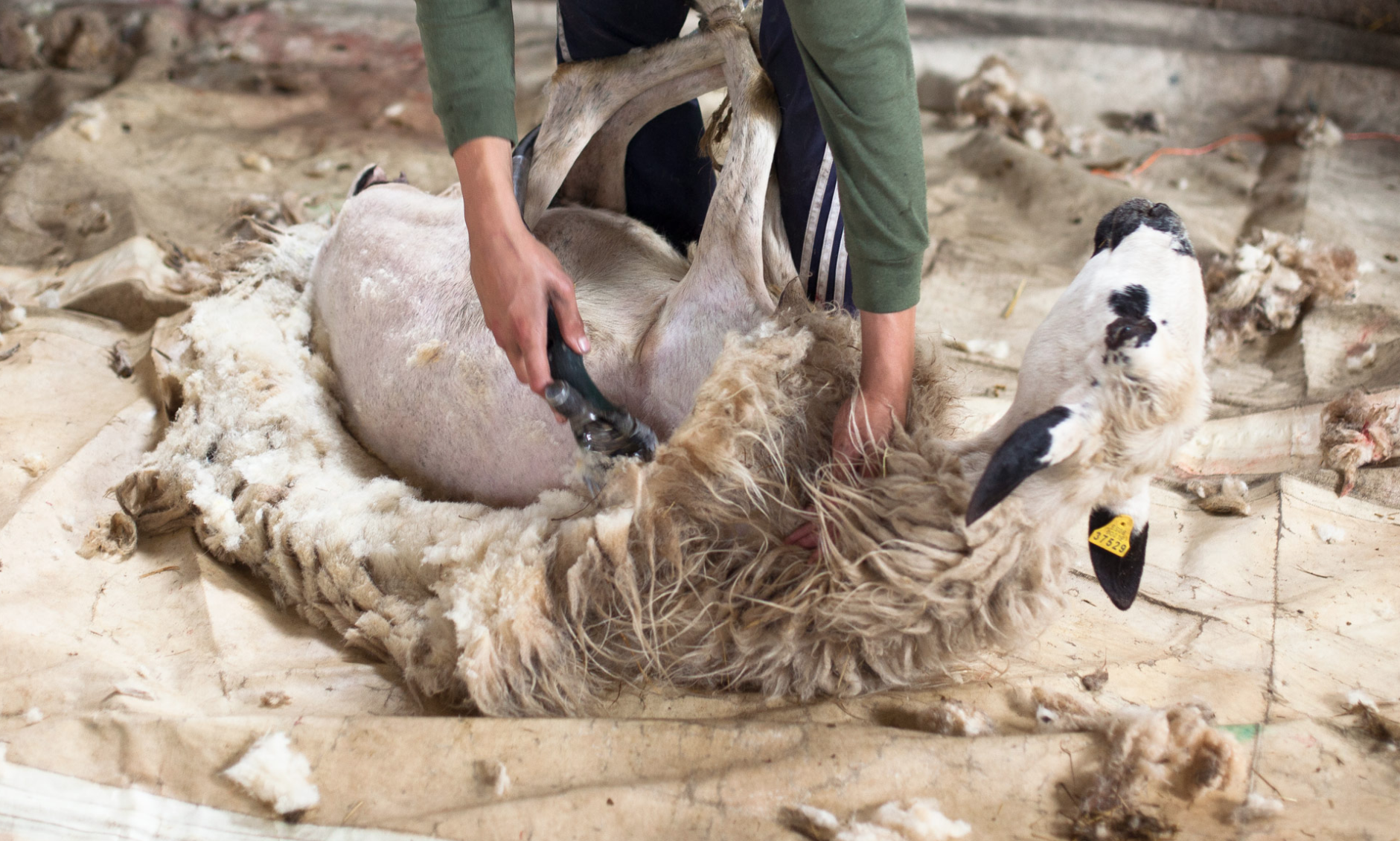
Each sheep has an RFID tag in its ear. Allowing you to follow its daily goings on. Tap the tag on your sweater and you get to see what it’s been up to. Where it’s spending its time. When it has a haircut, when it gives birth.
Crafted with precision, built to endure. Sheep Inc. fuses cutting-edge technology with the world’s finest Merino wool, sourced exclusively from regenerative farms. Every piece is meticulously designed to deliver quality and durability without compromise. This is knitwear engineered to set new benchmarks in luxury, impact, and craftsmanship.
Inside Out’s Fashion, Textiles and Home vertical (one of six divisions at Inside Out LLC), was developed to drive industry-wide environmental and social impact, bringing deep expertise in business for the environment, and extensive specialist knowledge and innovation in responsible business practices. Their additional investments across Science Research Technology, Food, Education, Media and Wellness, further cement their commitment to deliver revolutionary solutions to the world’s most urgent challenges.
As a flagship investment within Inside Out’s Fashion, Textiles, and home vertical, Sheep Inc. has the potential to scale its regenerative supply chain expertise and Connected Dot technology across Inside Out’s broader portfolio, accelerating change beyond its own brand.
“We are incredibly excited to partner with Inside Out,” said Edzard van der Wyck and Michael Wessely, co-founders of Sheep Inc. “Suzy, Erik, and Blair share our vision for redefining the fashion industry — environmentally, socially, and technologically. This partnership not only fuels our growth but accelerates our ability to set new industry standards. We are inspired by the vision Inside Out is creating and look forward to what we will build together.”
“Sheep Inc. stands at the forefront of responsible fashion,” said Founder and CEO Suzy Amis Cameron. “With its pioneering carbon-negative production, regenerative Merino wool, and innovative Connected Dot technology, Sheep Inc. is setting a new benchmark for transparency and quality. We are thrilled to support their expansion, knowing their unwavering commitment to ethical business practices and craftsmanship aligns perfectly with our mission to drive meaningful change across industries.”
Sheep Inc. is a pioneering fashion brand dedicated to transforming the industry through innovation, transparency, and uncompromising quality. By integrating carbon-negative production, regenerative farming, and meticulous craftsmanship, Sheep Inc. creates premium Merino wool garments that merge ethics with exceptional design and durability.
Inside Out LLC is a new wayfinding collective dedicated to creating bold, revolutionary solutions for the world’s most pressing challenges. Inside Out (IO) designs ecologically responsible and ethical innovations across six key areas: IO Science Research Technology, IO Fashion Textiles Home, IO Food, IO Education, IO Media, and IO Wellness.
Founded by renowned environmental advocate, visionary entrepreneur and CEO Suzy Amis Cameron, IO champions the mantra “Business for the Environment.” Amis Cameron is joined at IO by seasoned social entrepreneur Erik Stangvik and former Deloitte Partner Blair Knippel.Through the integration of pioneering science, technology, and education, IO balances commercial success with meaningful environmental and social impact.
Isabella Rossellini has been a beacon of sensual health for decades now.
When you notice changes in your body, it’s easy to question yourself, placing unnecessary blame on your shoulders. In reality, bodies change, especially female bodies, whose luteal phase makes each week a new experience. As women age, reproductive organs shift from a season of fertility to one of menopause. This natural, normal change in hormone composition sends waves of change throughout the body, which may be a surprise. Take note of changes in detail so you can give your healthcare provider a thorough answer to, “how are things?”
1. Changes in Vaginal Moisture
In the early days, you may not have paid much attention to your vaginal moisture levels. But now that things seem a bit dry, it’s all you can think about. Changes in vaginal moisture can be disruptive and painful, and even make urinary tract infections (UTIs)more likely.
If you notice less-than-typical vaginal moisture, have pain during intimacy, or feel uncomfortable during regular activities, dryness may be the issue. Your doctor may recommend a vaginal moisturizer formulated to rehydrate the delicate vaginal area. Make sure that your moisturizer is pH-balanced and fragrance-free to reduce potential irritation and imbalance in the pelvic region.
2. Hair in New Places
You might be surprised to see hair growing from places previously fuzz-free, but it happens to most women. Hormonal changes due to pregnancy, menopause, and medication can make new hair grow or cause existing hair to become darker.
Some hair growth is normal and expected, but other times, it can be a warning sign. If you notice excessive facial hair growth, it could be a symptom of polycystic ovarian syndrome or menopause. Speak with your provider about the changes you’ve noticed to determine if testing is needed.
3. Differences in Menstrual Flow
Women’s bodies can do a lot, but they are often subject to changes due to external factors. Stress, hormones, and even diet changes can shift women’s menstrual flow and frequency, and even stop it altogether.
If your typical cycle habits change, consider what else in your life has changed, too. Your body may be entering perimenopause or your body may be protecting itself from stress. Track your periods as soon as you notice changes so you can provide your doctor with specifics. Include details like the length of your period, flow rate, and consistency so they can make an informed assessment.
4. Pain During Intimacy
Sex is supposed to be fun, so when it starts to hurt, it takes a toll on your life. Not only does the act of intimacy change from one of pleasure to pain, but so does life surrounding it. Women may shy away from tender moments, recoiling at the potential advancement toward painful intercourse.
First, communicate this change with your partner so you can have an open dialogue. Without this conversation, they may begin to wonder if there’s an issue within the relationship, adding unnecessary stress to the situation. Get on the same page as you identify the cause, which could be hormonal, an infection, or a medical condition. Your provider can counsel you on next steps for treatment and improving vaginal moisture.
5. Shifts in Mood
The rollercoaster of hormone-driven emotions is real, even though it’s often over-dramatized in the media. Hormones greatly influence mood, and your body’s natural estrogen and progesterone levels shift as you age.
Hormonal birth control can mask the natural fluctuations of estrogen and progesterone, making it harder to recognize early hormonal changes. When women stop using hormonal birth control and transition into perimenopause, the shift in hormone levels can feel more abrupt. In many cases, mood changes are one of the earliest signs of perimenopause, which can start as early as your 30s.
If you’re postpartum, your provider will give you a questionnaire to assess your risk for depression. Answer the questions honestly and, if you notice depressive or anxious thoughts later, reach out right away. Your provider is there to help you throughout your lifetime and through every phase of reproductive health.
6. Unusual Odor or Discharge
You likely know what your body’s “normal” scents are, so when something is off, pay attention. Typical female vaginal discharge ranges from clear to milky in appearance and is most often a smooth texture. An especially different odor, color, or appearance might indicate an infection like bacterial vaginosis or a yeast infection.
Report any other body odors that seem different to you, including those driven by perspiration, which could indicate hormonal imbalances. Your diet, supplements, and stress levels can influence your body odors, too, so report your typical habits thoroughly. Changes during menopause often cause hot flashes, so you may be sweating more than normal. Here, your provider may have recommendations to make you more comfortable, like changes in clothing or using whole-body deodorant.
Nothing is Off Limits When it Comes to Your Health
Providers specializing in obstetrics and gynecology have dedicated their careers to women’s health, not just pregnancy. Your provider wants to hear from you, even if the changes you’ve noticed feel foreign or embarrassing. Consider your annual appointment your safe space to communicate concerns, ask questions, and get solutions. Prioritize your health, voice your concerns, and learn how to manage your symptoms throughout every stage of womanhood.
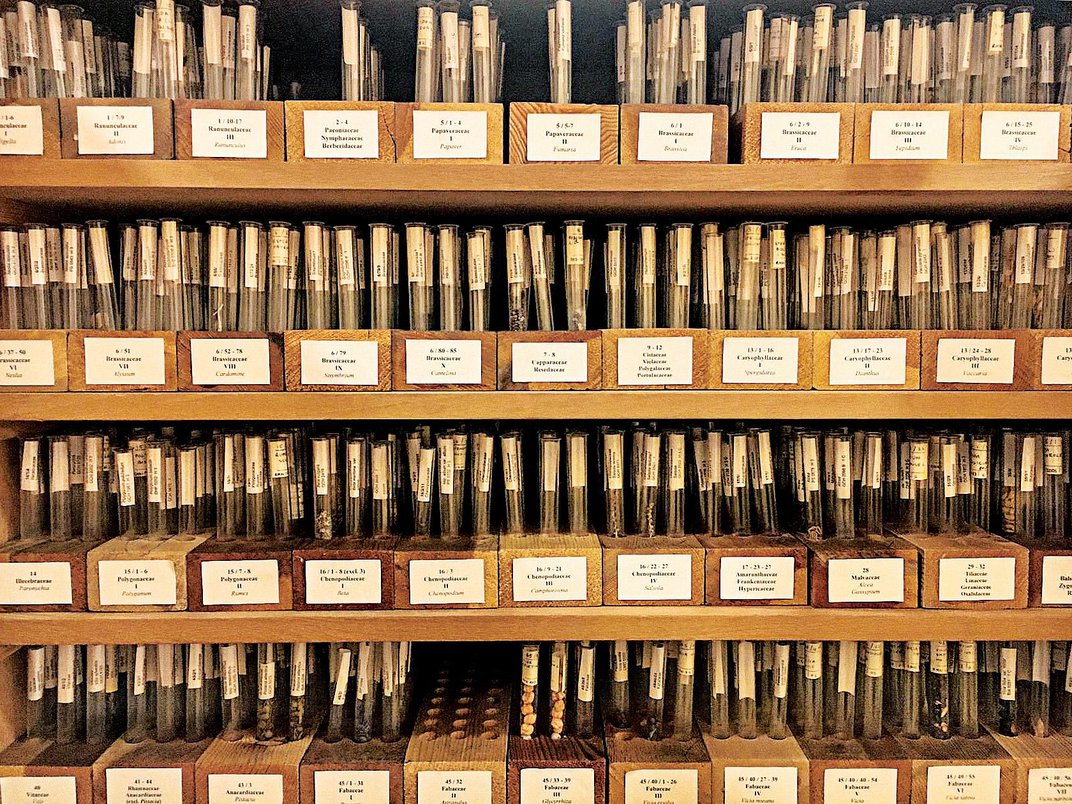
You may have heard about the doomsday Svalbard Global Seed Vault but there are smaller versions of seed banks all over the world. Some in the Middle East
I first heard about seed banks years ago when I joined a Rainbow Family Gathering in a desert in Israel. Before the month-long hippie camp and festival would begin, the experienced would start up a week before, trading seeds for their personal seed banks. Why were people making their own seed banks, I wondered?
Like gardeners who use regenerative and permaculture gardening as activism against pesticides and conventional agriculture (download the Victory Garden handbook here), seed savers are worried that the state of biodiversity in the world is at risk. For this reason they have started their own seed saving in areas local to them. You might have heard of heirloom varieties? These are seeds from plants found in the wild or growing among small-hold farmers and which have unique traits such as taste, drought tolerance, smell or beauty.
You can start your own seed bank in a freezer and roots cellar around the world. I have a friend who collects seeds for cannabis plants, another for unique tomatoes. If these varieties aren’t stored, we might lose them forever much in the way we are losing large mammals. You can’t keep animals dormant forever, but seeds, as we learned in Israel and the 2000-year-old date seeds that grew, you can keep seeds dormant for times when the might be needed.
Seed saving has become increasingly important in the Middle East as a means of preserving biodiversity and ensuring food security in times of climate change and severe water shortages. It’s a global issue.
Seed banks in Syria
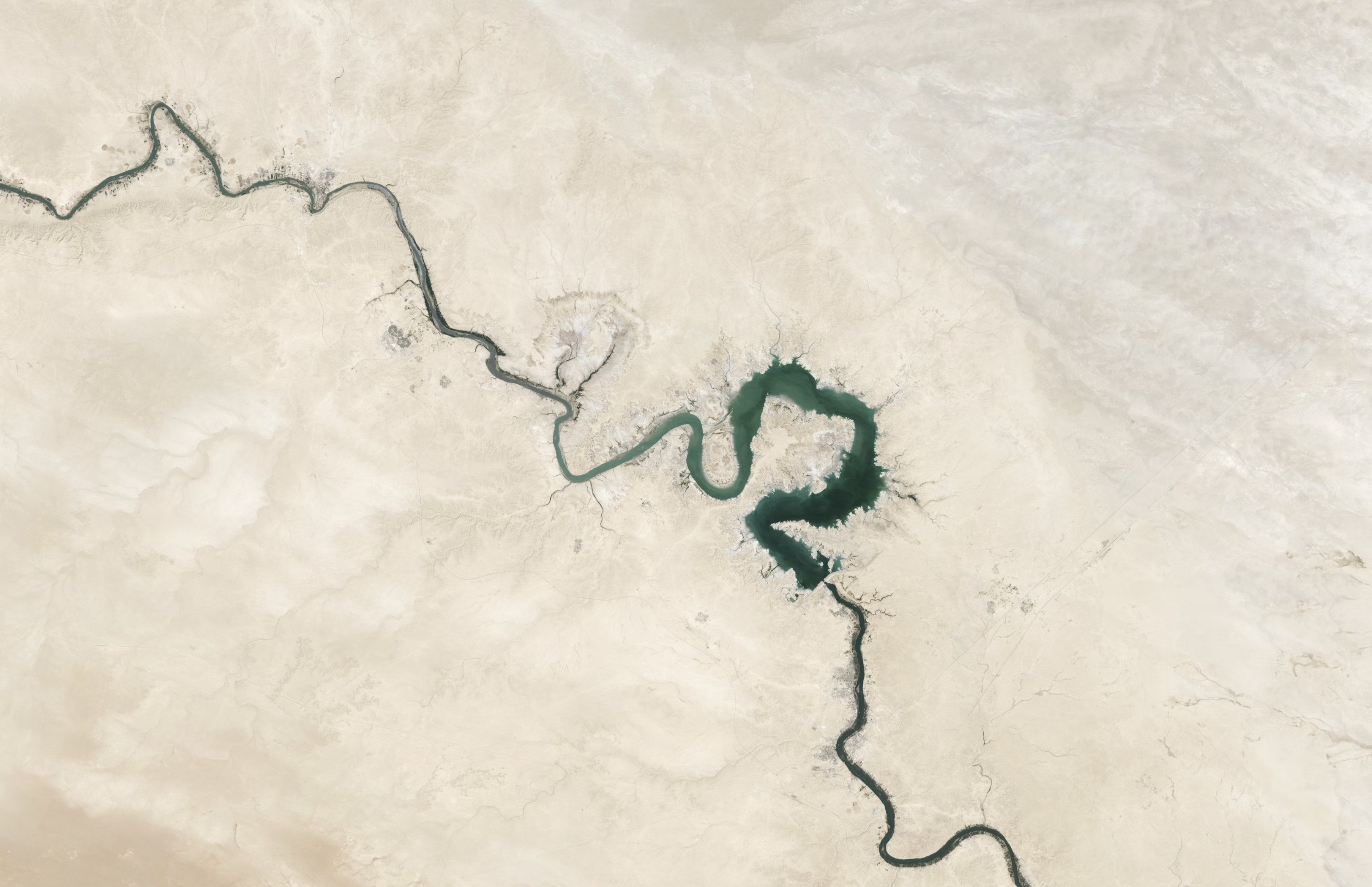
Syria has a long history of agriculture, with the Euphrates River Valley serving as the cradle of civilization (see Kish in Bagdadh) and the birthplace of wheat. Ongoing conflicts in Syria between their government and rebel forces and tribes, has had a devastating impact on the country’s agricultural sector, with many farmers forced to abandon their land and crops. Some say that conflict led to this problem but back in 2007 when we started Green Prophet we could see how water shortages and drought actually created the conflict. In 2010 for instance we reported on murders in Iraq, over water.
Euphrates River, Qadisiyah, Baghdad, Iraq
So seed saving in Syria is more important than ever. Seeds of important include local wheat, barley, lentils, chickpeas, and sesame seeds. The International Center for Agricultural Research in the Dry Areas (ICARDA) has been working to preserve the genetic diversity of crops in Syria through its gene bank, which is located in the city of Aleppo. But at the height of Syria’s civil war researchers believed the seed vault in Aleppo was at risk and they went on an emergency mission to ship them out of Syria with the saga described in this Nature paper. The center has collected and conserved over 155,000 samples of crop seeds from across the region, including varieties of wheat, barley, lentils, and chickpeas. These seeds are stored in a state-of-the-art facility that is designed to withstand natural disasters, wars, and other threats.
The researchers forced to leave the Syrian seedbank wrote:
“The situation in Syria illustrates well the inextricable but complex links between climate change, food security and sociopolitical stability in fragile states. A series of droughts during 2006 to 2009 linked to climate change probably played a role in the uprising in Syria in 2011. It is clear that climate change-induced droughts alone do not account for the Syrian tragedy, but rather was one ingredient in a concoction of social, economic and political factors which together triggered the events that escalated into civil war.
About the seeds at risk in Syria: “they represent some of the most precious biodiversity to humanity on the planet. Genebanks such as ICARDAs are so-called ex situ (outside their natural habitats) conservation facilities for crop diversity, or to use the technical term, Plant Genetic Resources for Food and Agriculture (PGRFA)— seeds, plants and plant parts useful in crop breeding, research or conservation for their genetic attributes. This biodiversity has shaped human societies and cultures for millennia, enabling the growth of sophisticated cities and feeding the expansion of empires. The ICARDA genebank is particularly important in this regard as it harbours the largest collection of crop diversity from the earliest centre of origin of agriculture, the Fertile Crescent.”
Seed banks in Israel
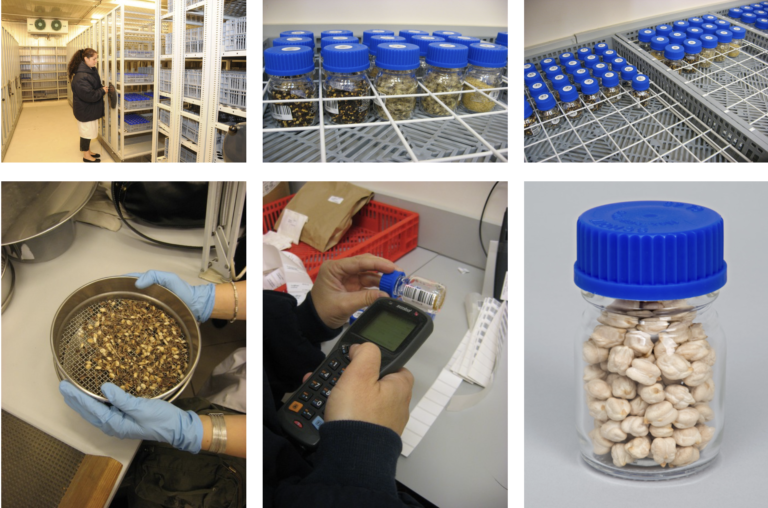
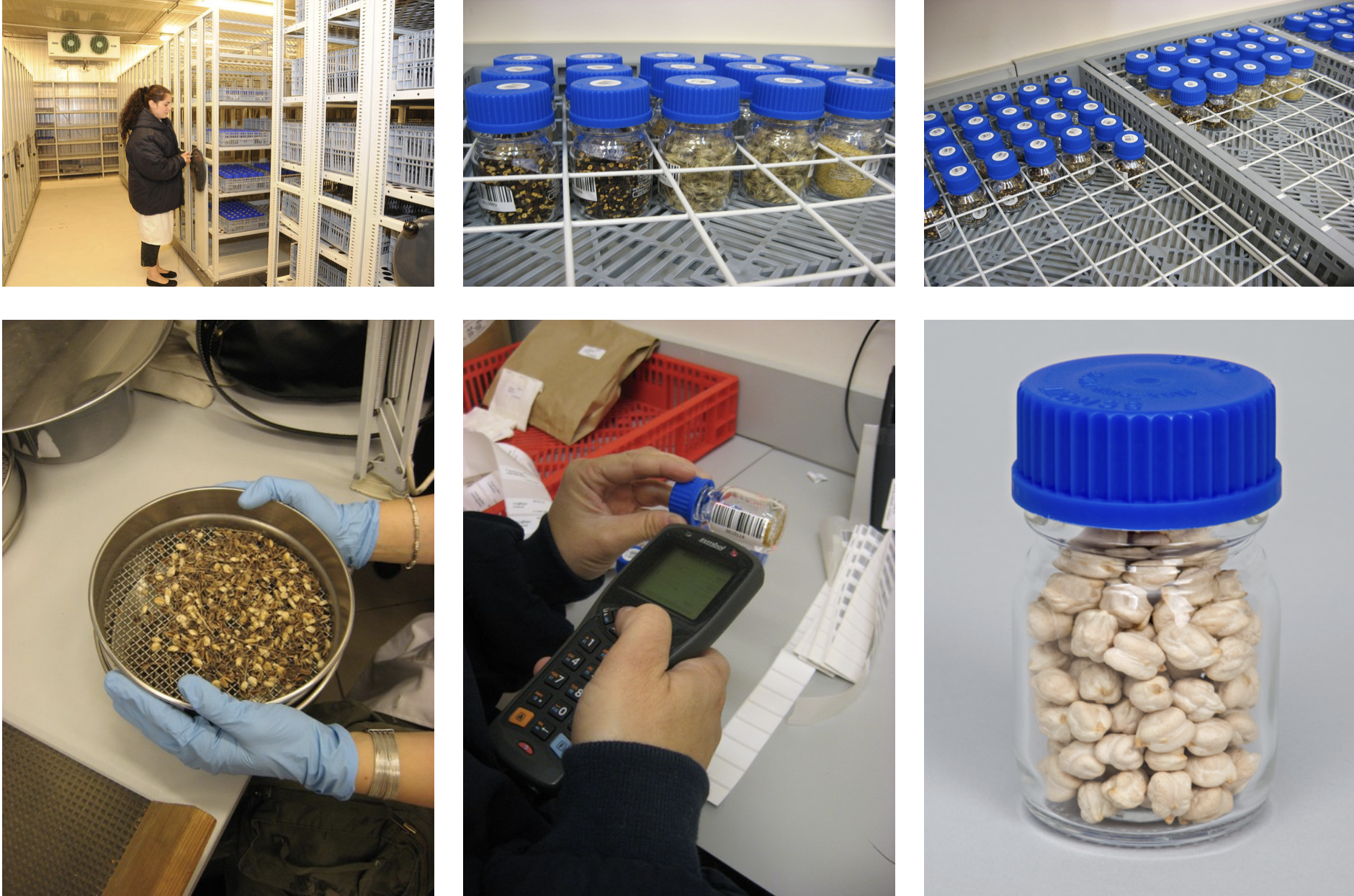
Seed bank in Israel run by the ARO
Israel is home to one of the most advanced seed banks in the Middle East. The country’s national seed bank, the Israel Plant Genebank which is located at the Agricultural Research Organization (ARO) in Beit Dagan (also known as the Volcani Center), was established in 1921 and has since become one of the world’s leading centers for plant genetic resources conservation. The center engages in traditional crop breeding as well as high-tech gene research.
The Israel Gene Bank and ARO collections include 30,000 samples from approximately 2070 different species. Around 15,000 of these samples were collected in Israel, primarily from wild populations.
The seed banks also hold cultivars and commercial varieties from 152 countries on missions when Israeli scientists look for seeds that can adapt to commercial cultivation in Israel. This kind of research started in Israel in the 1800s at Mikve Israel, a Jewish settlement and agricultural school between Jaffa and Jerusalem. The village is now home to Tel Aviv’s Waldorf School, Hinuch Aviv.
Lebanon is home to the Lebanese Agricultural Research Institute (LARI), which is responsible for conserving and preserving the genetic resources of crops in the country. The institute has collected and conserved thousands of samples of crop seeds from across Lebanon, including varieties of wheat, barley, lentils, and chickpeas. A quick look and the website is not working, a sign of the lack of functioning in the Lebanese government experiencing major power outages daily.
But ICARDA, which opened the seed bank in Syria is headquartered in Lebanon. ICARDA’s work in Lebanon is made possible through the support of Lebanon’s LARI, the FAO, UNDP, GCDT, European Commission and in collaboration with the Lebanese University, and the American University of Beirut.
ICARDA today runs four main research stations in the Central Bekaa Valley: Tel Amara, Haush-Sneid, Kfardan and Terbol. Together these centers reflect the three different agro-climatic zones in Lebanon: Mediterranean, coastal and semi-arid climates. Scientists there run trials of winter crops, spring chickpea, and summer crops at the centers.
Terbol, the biggest of the four research stations, is an excellent site for disease screening mainly for durum wheat, bread wheat, and food legumes. Tests contributing to the development of improved production systems for barley, lentil, grasspea and faba beans.
Seed banks in Turkey
Gordon Hillman, a British archaeobotanist who worked in Turkey saved seeds for future use.
Turkey is home to several seed banks, including the Turkish Seed Gene Bank (TSGB), established in 2010 as a unit of Central Research Institute for Field Crops. Turkey is also home to the Aegean Agricultural Research Institute (AARI), which is responsible for conserving and preserving the genetic resources of crops in the Aegean region. Like all the websites in the Middle East, information is outdated and lacking so contact specific researchers for the most current research in the field.
Back in 2020 Turkey raided a British Institute in Ankara and seized a seed collection collected by a British researcher in 1969. The Turks said they don’t want their seeds plundered. There is an important debate on ownership of seed diversity. Should it belong to one culture, nationality or time? Or do these seeds belong to all humanity? Questions worth asking.
Many of the seed varieties that are stored in the Levant area seed banks are at risk of extinction due to a range of factors, including climate change, urbanization, and conflicts which seem to be never-ending. If archeologists and researchers from the past didn’t save them, would they have been saved?
For example, many varieties of emmer wheat that have been grown in the Middle East for thousands of years are at risk of disappearing due to the increasing use of high-yield modern varieties that are more resistant to pests and diseases. Should they be held for safe-guarding by other nations? Or should they stay in the Middle East?
Ancient emmer wheat up close
There are local heroes starting to grow local and heirloom varieties. You will find them when you start looking. Now is the time to start the debate and actions towards saving our seeds.
SpaceX has deployed satellites to run Starlink but there is a limit to what we can send to space, says MIT
MIT aerospace engineers have discovered that rising greenhouse gas emissions are altering the near-Earth space environment in ways that will gradually reduce the number of satellites that can safely operate in this region.
In a study published today in Nature Sustainability, the researchers reveal that carbon dioxide and other greenhouse gases are causing the upper atmosphere to shrink. The thermosphere, a layer where the International Space Station and most satellites orbit, is of particular concern. When the thermosphere contracts, its density decreases, which reduces atmospheric drag—the force that typically pulls old satellites and space debris down to lower altitudes where they burn up upon re-entry.
With less drag, satellites and debris will remain in orbit longer, creating an overcrowded environment in critical regions and heightening the risk of collisions.
The team ran simulations to assess how carbon emissions impact the upper atmosphere and orbital dynamics, estimating the “satellite carrying capacity” of low Earth orbit. Their findings predict that by 2100, the capacity of popular orbital regions could decline by 50-66 percent due to the effects of greenhouse gases.
“Our behavior with greenhouse gases over the past century is affecting how we will operate satellites over the next century,” says Richard Linares, an associate professor in MIT’s Department of Aeronautics and Astronautics (AeroAstro).
“The upper atmosphere is in a fragile state as climate change disrupts the status quo,” adds lead author William Parker, a graduate student in AeroAstro. “At the same time, satellite launches have surged, particularly for broadband internet from space. If we don’t manage this activity and reduce emissions, space could become too crowded, leading to more collisions and debris.”
The study also includes co-author Matthew Brown from the University of Birmingham.
Space junk
The thermosphere naturally contracts and expands in response to the sun’s 11-year activity cycle. During periods of low solar activity, the Earth’s outer atmosphere cools and contracts before expanding again during solar maximum.
In the 1990s, scientists wondered how greenhouse gases might affect the thermosphere. Early models suggested that while these gases trap heat in the lower atmosphere, they radiate heat at higher altitudes, cooling the thermosphere. This cooling, they predicted, would cause the thermosphere to shrink, reducing atmospheric density at high altitudes.
In recent years, scientists have measured changes in drag on satellites, providing evidence that the thermosphere is contracting in response to factors beyond the sun’s natural cycle.
“The sky is literally falling, but at a rate that spans decades,” says Parker. “We can see this by how drag on satellites is changing.”
The MIT team explored how these changes might affect the number of satellites that can safely operate in Earth’s orbit. There are currently over 10,000 satellites in low Earth orbit—an area extending up to 1,200 miles (2,000 kilometers) above the Earth’s surface. These satellites provide vital services like internet, communications, navigation, weather forecasting, and banking. With the recent explosion in satellite launches, operators now perform regular collision-avoidance maneuvers to maintain safety. When collisions occur, debris can linger in orbit for decades or longer, heightening the risk of further collisions.
“More satellites have been launched in the last five years than in the preceding 60 years combined,” Parker says. “One of the key things we’re trying to understand is whether the path we’re on today is sustainable.”
In their study, the researchers simulated different greenhouse gas emissions scenarios over the next century to evaluate their impacts on atmospheric density and drag. For each altitude range, they modeled orbital dynamics and the risk of satellite collisions based on the number of objects present. This approach helped identify the “carrying capacity” of low Earth orbit, a term typically used in ecology to describe how many individuals an ecosystem can support.
“We’re translating the concept of carrying capacity to this space sustainability problem to understand how many satellites low Earth orbit can sustain,” Parker explains.
The team compared several emissions scenarios: one in which greenhouse gas concentrations remain at 2000 levels, and others based on future projections from the IPCC’s Shared Socioeconomic Pathways (SSPs). They found that increasing emissions would significantly reduce the capacity of low Earth orbit.
By the end of the century, the team predicts that the number of satellites safely accommodated in altitudes between 200 and 1,000 kilometers could decline by 50-66 percent compared to a scenario where emissions remain at 2000 levels. If satellite capacity is exceeded in any region, the researchers anticipate a “runaway instability,” where a cascade of collisions would generate so much debris that satellites could no longer operate there.
Although these predictions extend to 2100, some regions are already nearing capacity, especially those occupied by recent “megaconstellations” like SpaceX’s Starlink, which consists of thousands of small internet satellites.
“The megaconstellation is a new trend, and we’re showing that because of climate change, we’re going to have a reduced capacity in orbit,” Linares says. “In local regions, we’re already approaching this capacity.”
“We rely on the atmosphere to clean up our debris,” Parker adds. “If the atmosphere is changing, the debris environment will change as well. Our study shows that the long-term outlook for orbital debris depends critically on curbing greenhouse gas emissions.”
This research is supported, in part, by the U.S. National Science Foundation, the U.S. Air Force, and the U.K. Natural Environment Research Council.”
You can do a sustainable beer tour in Amsterdam, by bike.
Tourism is an economic powerhouse, but over-tourism has strained many beloved destinations, leading to environmental degradation, cultural dilution, and declining quality of life for locals. To counteract these issues, various hotspots have introduced regulations to curb excessive visitor numbers. Many have also developed eco-volunteering opportunities and sustainable lodging options for travelers who want to give back. Below, we explore the measures being taken in different locations and how visitors can engage in meaningful, sustainable tourism.
Ibiza, Spain
To address the influx of cruise tourists, Ibiza has introduced new regulations limiting the simultaneous docking of cruise ships to no more than two at a time. This measure aims to ease congestion and reduce environmental strain.
Eco-volunteering opportunities in Ibiza:
IbizaPreservation: Works on marine and land conservation efforts.
Plastic Free Ibiza & Formentera: Dedicated to reducing plastic waste on the islands.
GEN-GOB Ibiza: Focuses on biodiversity conservation and sustainable farming.
Sustainable Lodging in Ibiza:
Cas Gasi: A boutique eco-hotel focusing on organic farming and renewable energy.
Finca Can Marti: A rustic retreat offering organic food and sustainable living.
La Granja Ibiza: A farmstead that embraces permaculture and community-driven experiences.
Machu Picchu, Peru
Peru has implemented a strict ticketing system requiring visitors to arrive within designated time slots, preventing overcrowding and ensuring sustainable site management.
Eco-volunteering opportunities in Peru:
Conservamos por Naturaleza: Supports conservation initiatives across Peru.
Inkaterra Asociación: Engages in biodiversity conservation and research.
Centro de Rescate Amazónico: Works on Amazon rainforest preservation and wildlife rehabilitation.
Sustainable Lodging in Machu Picchu:
Inkaterra Machu Picchu Pueblo Hotel: A leading eco-lodge with conservation programs.
Sumaq Machu Picchu Hotel: A luxury lodge promoting Andean traditions and sustainability.
Tierra Viva Machu Picchu: A sustainable hotel using eco-friendly practices.
Santorini & Mykonos, Greece
The Greek government plans to limit cruise ships to mitigate the effects of overtourism on the Cycladic Islands, preserving their natural beauty and cultural integrity.
Eco-volunteering opportunities in Greece:
Aegean Marine Life Sanctuary: Protects marine ecosystems in the Aegean.
Archelon – The Sea Turtle Protection Society of Greece: Focuses on sea turtle conservation.
Hellenic Ornithological Society: Protects bird species and their habitats.
Sustainable Lodging in Santorini & Mykonos:
Santorini Eco Retreats: Offers sustainable stays with renewable energy sources.
Mykonos Earth Suites: Built with eco-friendly materials and solar power.
Eros Keros: An off-grid retreat on Koufonisia near Mykonos.
Amsterdam, Netherlands
Amsterdam is taking drastic measures to curb overtourism, including limiting river cruises, banning new hotels, reducing annual visitor numbers by 271,000, and capping overnight stays at 20 million.
Eco-volunteering opportunities in Amsterdam:
Plastic Whale: Organizes plastic-cleaning boat trips on the canals.
Stichting De Noordzee: Works to protect the North Sea ecosystem.
IVN Natuureducatie: Focuses on nature education and conservation projects.
Sustainable Lodging in Amsterdam:
Conscious Hotel Westerpark: A fully sustainable hotel powered by green energy.
Hotel Jakarta Amsterdam: Built with sustainable materials and featuring an indoor rainforest.
Ecomama Hotel: A boutique eco-hostel with a strong focus on social responsibility.
Menorca, Spain
Residents of Binibeca Vell have set time restrictions for tourists, only allowing visits between 11 a.m. and 8 p.m. to prevent noise pollution and overcrowding.
Eco-volunteering opportunities in Menorca:
Menorca Preservation Fund: Supports local conservation efforts.
GOB Menorca: Focuses on environmental protection and sustainable agriculture.
Fundació Foment del Turisme de Menorca: Promotes sustainable tourism initiatives.
Sustainable Lodging in Menorca:
Torralbenc: A luxury eco-retreat using sustainable farming methods.
Agroturismo Son Vives: A rural eco-hotel supporting organic agriculture.
Hotel Rural Biniarroca: A boutique hotel committed to sustainable tourism.
Barcelona, Spain
Barcelona has reduced cruise dockings to seven per day and removed a popular bus route to Parc Güell to discourage peak-season tourism.
Eco-volunteering opportunities in Barcelona:
Projecte Boscos de Muntanya: Works on forest conservation.
Rezero: Focuses on waste reduction and sustainability.
Surfrider España: Engages in marine conservation and beach cleanups.
Sustainable Lodging in Barcelona:
Hostal Grau: A carbon-neutral eco-hotel.
Yurbban Trafalgar Hotel: Focuses on sustainable energy and community projects.
EcoZentric Hotel: Uses renewable energy and eco-friendly products.
Sustainable Travel: A Collective Effort
While governments enforce new regulations, travelers also play a key role in ensuring sustainability. Opting for eco-volunteering experiences and choosing eco-friendly accommodations provide a more meaningful connection to a destination while actively contributing to its preservation. By making mindful travel choices, we can ensure that these breathtaking places remain vibrant and welcoming for generations to come.
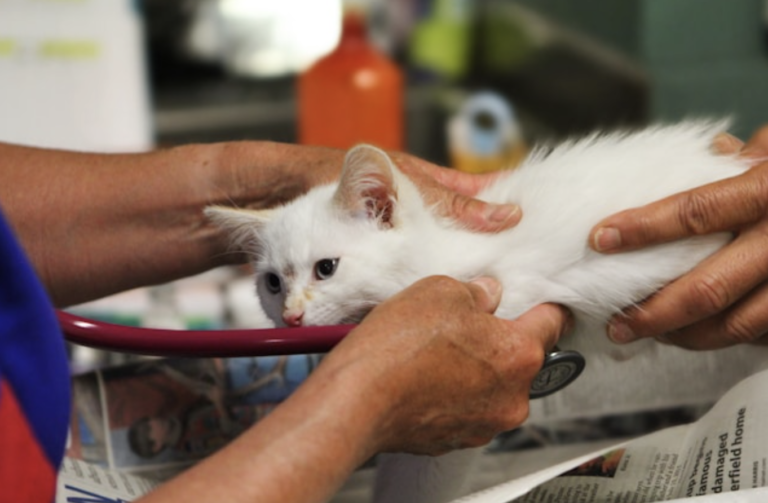
With sustainability quite rightly taking center stage worldwide, different industries have to rethink their environmental impact and what their sectors might look like in 10 or 20 years. Veterinary medicine is one such industry. From waste reduction to energy-efficient medical equipment, animal healthcare is embracing greener solutions that benefit the planet and improve patient outcomes. Let’s take a look.
The Role of Digital Imaging in Reducing Waste
One of the most significant leaps forward in veterinary care has come with X-ray methods. As with human medicine, vets can now take advantage of digital and often portable X-ray machines. Modern veterinary X-ray machine technology eliminates the need for film, reduces radiation exposure, and delivers faster, high-quality results for accurate diagnoses. Additionally, digital records minimize paper waste, making veterinary clinics more environmentally friendly.
To further improve efficiency, many clinics now use PACS (Picture Archiving and Communication System) to manage and store digital images. This system allows veterinarians to access X-rays from any device, share them instantly with specialists, and maintain a secure archive without relying on physical storage. Cloud-based solutions such as Studycast veterinary PACS make the process even more seamless, giving clinics the ability to reduce costs, streamline workflows, and support more sustainable practices.”
Eco-Friendly Innovations in Veterinary Medicine
Veterinary medicine has changed dramatically in the last couple of decades. Once the frequently underappreciated younger sibling of human medicine, animal care has seen some astonishing technological breakthroughs. Yet traditional veterinary practices still often rely on disposable materials, energy-intensive procedures, and chemical-based treatments—but things are changing.
Veterinary hospitals are being constructed with energy-efficient insulation, solar panels, and natural lighting to reduce electricity use. Biodegradable or recyclable pet care products, including compostable bandages and eco-friendly cleaning solutions, are quickly becoming the norm and medication disposal methods are helping to lower the impact of pharmaceutical waste on water systems.
Minimizing the Carbon Pawprint
The food we eat is under the spotlight—but so is what we feed our pets and the animals that go into our food system. While cost has long been at the forefront of people’s minds, the environmental impact and whether eco-friendly alternatives are available are now major considerations. Ethically sourced, plant-based, or insect-based pet food options are reducing the carbon footprint of animal diets. Collars, leashes, and pet beds made from recycled or biodegradable materials are replacing synthetic options, and shampoos, conditioners, and pet wipes free of harsh chemicals and packaged in biodegradable containers are gaining popularity.
Advancing Wildlife and Conservation Efforts
And it’s not just about pets, cows, and sheep; we need to think much wider. Many endangered species rely on veterinary intervention for survival, and incorporating eco-friendly medical practices helps minimize human impact on fragile ecosystems. Veterinarians working in the field are developing non-invasive diagnostic tools and remote monitoring systems to reduce the need for human intervention while still providing life-saving care to animals in their natural habitats.
A Greener Future for Veterinary Medicine
Technology is advancing at a dizzying rate, and so is the opportunity to integrate sustainability into every aspect of veterinary care. From cutting-edge digital tools to greener clinic operations, the shift toward environmentally responsible animal healthcare is no longer a luxury. With the planet’s health at stake, we need to examine every industry, product, and system in place. Are we doing enough? Veterinary care is already a transformed industry, but as with every other, major changes are still to come.
If you’ve ever wondered why modern dish soaps feel thicker and more gel-like than they used to, you’re not alone. Twenty years ago, dish soap was simpler—effective, easy to rinse, and often available in smaller bottles. Today, however, many brands have adopted a thicker, gel-based formula. While this may seem like a minor change, it has significant environmental consequences that are worth considering.
I bought an old pioneer home owned by hoarders and discovered gallons of Palmolive dish soap from 30 years ago. One drop can clean a greasy pot. Now, with new soap, one drop can’t even clean a glass cup. What has happened? Why are all our dishwashing soaps and hair shampoos full of gel? What is this gel made of, and why are we agreeing to this?
What Are These Gels Made Of?
Today’s dishwashing soap feels like 99% gel and 1% actual soap. Patricia Kloosterman demonstrates.
The thickening agents in modern dish soaps are typically synthetic polymers, petroleum-based compounds, or plant-derived cellulose. Common ingredients include:
Sodium Chloride (Salt): Used to thicken surfactant mixtures, but primarily a cheap filler.
Xanthan Gum & Cellulose Gum: Plant-derived thickeners that create a gel-like consistency.
Carbomer & Acrylates Copolymer: Synthetic polymers that help stabilize the formula and create a thick texture.
PEG (Polyethylene Glycol): A petroleum-based compound used to emulsify and thicken soap.
While some of these ingredients are harmless, others contribute to unnecessary waste and pollution. Many are simply cheap replacements for higher-quality, concentrated formulas that once existed.
The Environmental Downsides of Thicker Dish Soaps
Excessive Packaging Waste
With gels taking up more space in a bottle, manufacturers need larger plastic containers to hold the same amount of active cleaning agents. This leads to more plastic waste, contributing to pollution and landfill overflow. A truly concentrated dish soap in a smaller bottle would drastically reduce plastic consumption.
Increased Transportation Emissions
Bulkier, heavier bottles require more energy to produce and transport. More packaging and unnecessary weight mean higher carbon emissions from shipping and distribution. A more compact, concentrated formula would be more efficient and sustainable.
Unnecessary Water Usage
Many modern dish soaps contain fillers that do little more than add bulk. This means consumers are paying for diluted products that use more water during manufacturing. If companies focused on ultra-concentrated formulas, they could significantly reduce their water footprint.
More Chemical Additives
To maintain their thick consistency, many modern dish soaps contain synthetic thickeners and stabilizers. These chemicals don’t always break down easily in wastewater treatment systems and can contribute to water pollution, harming aquatic ecosystems.
Alternatives: Dish Soaps Without Gelling Agents
Sonnet’s natural dishwashing liquid without gels
If you’re looking for effective dishwashing soaps that skip the unnecessary gelling agents, here are some great options available in the U.S.:
Seventh Generation Free & Clear Liquid Dish Soap – A plant-based, fragrance-free soap that’s biodegradable and free from dyes and synthetic fragrances.
ECOS Hypoallergenic Dish Soap – Biodegradable, hypoallergenic, and gentle on hands, while remaining tough on grease.
ATTITUDE Dishwashing Liquid – EWG Verified and vegan, made with naturally derived ingredients and free from dyes and synthetic fragrances.
Sonett Organic Dishwashing Liquid – A concentrated, organic, biodegradable formula that’s gentle on skin and the environment.
A Call for Smarter Dish Soap Design
The shift toward gel-based dish soaps may have been driven by marketing rather than necessity. Thicker soaps create the illusion of being more concentrated, but in reality, they often contain unnecessary fillers that don’t enhance cleaning power. Consumers who care about sustainability should push for more concentrated formulas that require less packaging, use fewer resources, and reduce waste. There are some companies that make dry soap bars for shampoo. Can that work with dishwashing soap for washing dishes manually?
Would you switch to a truly concentrated dish soap in a smaller bottle if it were available? Or maybe we need to demand the value we once had in a larger bottle? The solution to this problem starts with consumer demand. By choosing brands that prioritize sustainability over gimmicky formulations, we can encourage the industry to rethink its approach and reduce its environmental impact.
A camel burger, like reindeer meat, can be a sustainable, local option for those in the Middle East and Australia
Tasty, high-protein and low-cholesterol, camel meat even has the approval of the Australian Heart Association.
Sustainability in the kitchen is our creed, and camel is a far more sustainable meat than beef (which the world was horrified to discover may be contaminated with horse meat). We have posted about camel milk and its health benefits. And where camels are as much a part of the landscape as native trees, people know how tender and tasty camel flesh is.
Looking further into camel as food, we discovered Café Clock, a blog authored by Mike Richardson, proprietor of a famous eatery in Fez by the same name. The Café Clock eatery flips hundreds of camel burgers every day. According to Richardson,
“One camel will produce on average, 150 to 200 kilos of kefta (minced meat). As our burgers are around 180 grams, that works out at 1000 burgers per camel.”
Considering that camels need less feeding and produce so much meat, it makes economic and sustainable sense for Westerners to get used to eating camel. In Morocco and Australia, it’s as acceptable as any other meat – and far easier to get than, say, locusts.
Richardson and his chef shared the secrets of their delicious camel burger with cookbook author Tara Stevens. She has written a well-received cook book, Clock Book, with traditional and modernized Moroccan recipes. The rose petals in the meat mix are said to be aphrodisiac…but we think that the hash fudge recipe would probably do the trick better.
Camel is permitted in halal kitchens, but kosher-keepers must only cast their eyes over the recipe, possibly extracting the tomato sauce called Taza Ketchup to accompany kosher burgers at home.
Camel Burgers recipe
Serves 4
Ingredients:
1 kilo – 2.2 lbs. ground camel meat
1 tablespoon fat from camel hump, or butter
4 tbsp finely chopped red onions
6 cloves of garlic, crushed
2 tbsp chopped cilantro
tbsp chopped parsley
2 tbsp chopped mint leaves
2 tbsp chopped dried culinary rose petals
2 tsp ground cumin
2 tsp red paprika
1 tsp cloves, ground
Lemon juice to taste
Salt and pepper to taste
For the Taza Ketchup:
5-6 ripe tomatoes, roughly chopped
4 tsp ground cinnamon
4 tsp honey
Olive oil
Salt and pepper
For The Burgers:
Put all burger ingredients through a food processor. Pulse (don’t make it too mushy).
Knead together and shape into 4 patties. Cover and chill well before cooking.
Fry on a dry pan or skillet for 4 minutes both sides or to your preferred level of doneness.
Serve on a toasted sesame bun with Taza ketchup and all the trimmings: a slice of cheese, tomato and onion rings.
For The Ketchup:
Blend the tomatoes in a processor until fairly smooth and then gently sauté in a little olive oil for 5 minutes.
Add the cinnamon and honey, season and simmer until the sauce is thick and glossy (about 10 minutes).
More on camel meat and milk from Green Prophet:
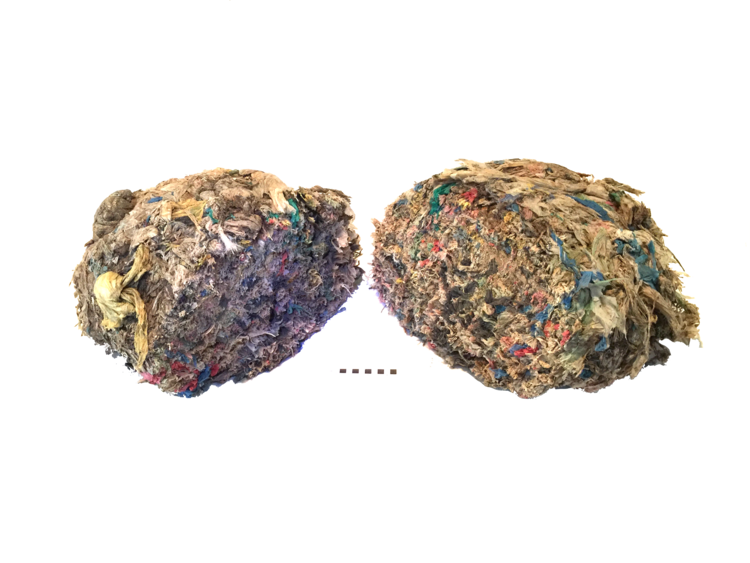
Don’t eat camels from the United Arab Emirates that eat plastic. This is inside their guts
In the world of business, few things captivate attention like the scandal surrounding the firing (or leaving) of a high-profile CEO. On Monday, Kroger’s CEO, Rodney McMullen, was dismissed for cause, and as expected, the media exploded with coverage. Stories of McMullen’s personal failings and corporate drama poured in, each headline adding fuel to the fire. But beyond the salacious gossip and personal allegations, there lies a much deeper story—one about the growing wealth inequality, the unchecked corporate greed, and the environmental toll these systems exact.
Hypothesis: McMullen’s downfall is not just an isolated incident—it is a symptom of a broader, unsustainable corporate culture that prioritizes short-term profits over long-term sustainability, both for the environment and society at large.
And this is where MySayOnPay.com comes in. The platform provides journalists with data that can shift the narrative. By offering access to vital financial information, such as CEO compensation comparisons and broader wealth inequality trends, MySayOnPay.com allows reporters to highlight how McMullen’s enormous wealth came at the expense of workers and the planet.
Michael Cooper, the founder of MySayOnPay, and a personal friend of mine, has long argued that “the unchecked pursuit of wealth by the few at the expense of the many isn’t just bad for society, it’s unsustainable. For every dollar that a CEO makes beyond reason, there’s a broader environmental and social toll.” This statement is key to understanding why McMullen’s story is not just about one man’s rise and fall but about the systemic flaws within corporate America that encourage unsustainable practices and exacerbate wealth inequality. (Read here where Cooper guest authors the article – How to create a 100 year old company).
The Systematic Culture of Excess
McMullen’s compensation package, a staggering $15.7 million per year, places him in a category of corporate elites whose wealth is vastly disproportionate to the average worker, says Cooper. And yet, despite this eye-watering salary, his story is far from unique. A look at McMullen’s pay compared to other CEOs in similar positions reveals a troubling trend: the top executives benchmark themselves against their peers and cause dramatic wage inflation among themselves. Imagine if every time one cashier gets bonus pay, perhaps from working overtime, all the other cashiers who don’t perform long hours get benchmarked to the high performer and pay gets increased.
The disparity is even starker when compared to the wages of workers on the front lines—cashiers, stockers, and others who make up the backbone of companies like Kroge, Cooper explains to Green Prophet.
Graph 2 & 3: Kroger CEO Compensation vs. Average Stock-based Compensation on a per employee basis
Notice the tiny amount that is average compensation per employee when we consider the welfare of all the employees. Typically, total stock-based compensation is not distributed evenly so most of the employees receive nothing and a small group at the top distribute the spoils among themselves.
These figures are not just numbers—they represent a culture of greed and excess. McMullen’s story isn’t just about personal greed; it’s about how a system is designed to reward excess at the top while leaving little for those who actually power the business. This imbalance fuels inequality, both in terms of income and opportunity, but it also contributes to a greater societal and environmental cost.
As Cooper points out, “This unchecked system cannot be sustained indefinitely. Every time a CEO takes home a bonus that exceeds reason, we’re investing in a future where the environment, the workers, and the broader social fabric pay the price.”
The Environmental Toll: The Cost of Corporate Excess
The true cost of this culture is not just economic—it’s environmental. The corporate world, with its relentless focus on profits and short-term gains, has created a model that exploits natural resources, fosters waste, and accelerates climate change. Companies like Kroger, though lauded for their profits, often operate under business models that don’t account for the environmental damage they cause. The packaging waste, supply chain emissions, and unsustainable sourcing practices are all byproducts of a corporate mindset that prioritizes profit over sustainability.
McMullen’s compensation, which peaked in 2020 as Kroger generated depressed profits, and customers endured both unstocked shelves and rampant food inflation, is a direct reflection of a system that rewards the CEO in spite of performance. But as the planet faces the consequences of unrestrained consumerism, it becomes clear that these practices cannot continue.
Cooper’s words ring true here: “The reality is that we can no longer afford to pursue profits without considering the environmental consequences. Sustainability must be at the heart of the corporate model, or we risk a future of social instability and environmental collapse.”
The Personal and the Systemic
As McMullen’s career came to a crashing halt, many journalists focused on the salacious details of his personal life. Yet, as the story unfolds, it becomes clear that McMullen’s personal failings are but one part of a larger narrative about corporate culture. While it’s easy to point fingers at individuals, the systemic issue is far more troubling: A corporate world where greed is not only tolerated but celebrated, where CEOs can amass obscene wealth while their workers struggle to get by.
This is where MySayOnPay.com offers something essential: A way to link these individual stories of scandal with the broader issues of economic inequality and environmental harm. Journalists now have the tools to tell a story that isn’t just about McMullen’s fall from grace—but about how corporate greed and the pursuit of wealth have far-reaching consequences that affect us all.
The unraveling of McMullen’s story is an opportunity to begin a much-needed conversation about how we can build a more equitable and sustainable future for all. It’s a chance to reimagine the way we define success, power, and wealth in a world where the consequences of inequality and environmental damage are no longer ignorable.
As MySayOnPay.com continues to equip journalists with the tools to tell this story, one can hope that McMullen’s fall will not just be remembered as a corporate scandal—but as a turning point in the fight for a more just and sustainable world.
Sweaters by Babaa use real, natural wool for a sweater than won’t shed microplastics to the environment or your body
Babaà was founded in 2012 by Marta Bahillo, a textile designer with a passion for natural fibers and sustainable fashion. After studying textile design in Dublin, Ireland, and gaining experience in Argentina, Bahillo returned to her roots in Spain, where she created Babaà with the goal of offering beautifully crafted, eco-conscious clothing. Her vision was to bring timeless, locally made garments to life, using the finest natural materials sourced from Spanish sheep. Marta’s commitment to sustainability and the slow fashion movement is embedded in every piece, ensuring that each sweater is crafted with care, precision, and respect for the environment.
Babaà’s mission wasn’t just about creating clothes—it was about creating a lifestyle. Bahillo, who values simplicity and a natural way of life, made sure that every aspect of her brand aligned with those values. Whether it’s her preference for wearing only natural fibers or her choice to get movies from a “video club” in Madrid instead of streaming services, Bahillo’s dedication to a more mindful and authentic way of living is at the heart of Babaà.
The Appeal of Babaà Sweaters:
Oversized blue sweater by babaa borrowed by my teenager.
Babaà sweaters have a special place in the hearts of those who love a combination of comfort, style, and sustainability. These thick, cozy pieces have a nostalgic, almost “homemade” charm, reminiscent of something your grandmother might have knitted—if she were an expert at working with the best wool and colors. The sweaters are designed with large buttons, simple yet aesthetically pleasing patterns, and come in a variety of vibrant hues as well as calming shades of oatmeal. Their timeless design and high-quality craftsmanship give them an effortlessly cool, vintage feel, making them perfect for anyone who loves to feel cozy without sacrificing style.
The brand has gained a loyal following over the years, especially among women who appreciate the slow-fashion movement and a natural lifestyle. In fact, The New Yorker even covered the brand’s appeal to a group of women the author dubs “organic moms,” who are known for their love of co-ops, clogs, and laid-back, sustainable living. These women are drawn to Babaà not just for its beautiful designs, but because it aligns with their values—supporting local craftsmanship, ethical production, and natural materials.
Babaà Sweater Review:
I recently had the chance to try out two Babaà sweaters, and I have to say, they absolutely live up to the hype.
The Oversized Blue Sweater
Bold Yet Comfortable: This oversized blue sweater immediately grabbed my attention. With its bright, bold color and relaxed fit, it has that 80s vibe that feels both nostalgic and modern. The sweater is soft—softer than you might expect from a wool sweater—and it drapes beautifully. It’s the kind of piece that stands out on its own, making a statement without feeling over-the-top.
The softness of the blue sweater is definitely a win. Compared to the natural brown one, it’s much softer against the skin, which makes it ideal for those days when you just want to be wrapped up in warmth and softness. It’s the kind of piece that stands out, whether you’re at a casual get-together or just chilling at home. It’s fun, cozy, and the perfect nod to a past decade of fashion.
The Natural Dark Brown Sweater
A Nod to Nature: The natural dark brown sweater has a completely different vibe. This one is all about authenticity and connection to nature. The undyed wool gives it a raw, earthy feel, and the short-neck design adds to its simplicity.
The sweater smells like a sheep—something that may seem odd to some, but for me, it only adds to the charm. It’s clear this sweater was made with the finest natural materials. The texture of the wool is a bit more rugged compared to the softer blue sweater, but it’s still incredibly cozy. This piece is perfect for anyone who appreciates raw, unprocessed materials and loves that “earthy” feel.
A Minor Drawback – Pilling: One minor downside to both sweaters is the pilling. After a few wears, they do show some light fuzzing. It’s not a huge deal, and honestly, it’s easy to overlook because the overall comfort and style of the sweaters far outweigh this small imperfection. If you’re someone who’s sensitive to pilling, you might want to keep a fabric shaver handy, but for the most part, it’s a minor issue in the grand scheme of things.
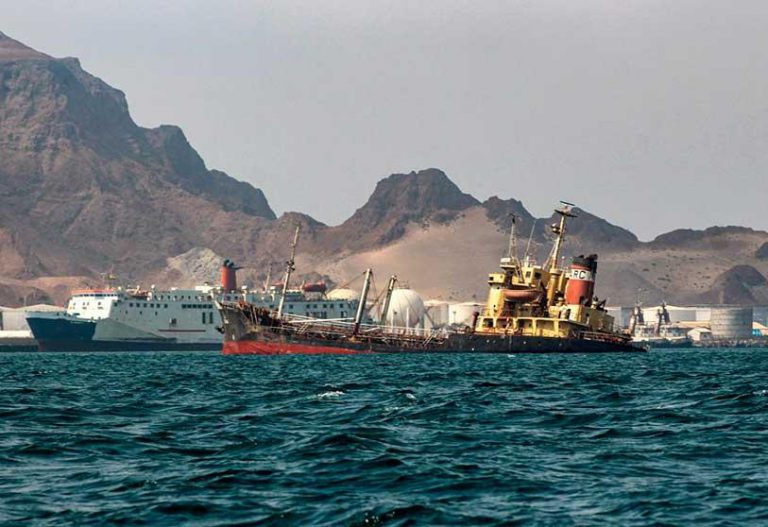
Image of Exxon’s FSO Safer slowly sinking off the Yemen coast after it was held hostage by the Houthi terror group
The US Supreme Court made a landmark decision this week by dismissing a challenge from 19 Republican-led states. This ruling allowed five Democratic-led states to continue their lawsuits against major oil companies, including Exxon, Chevron, ConocoPhillips, Shell, and BP. These lawsuits accuse the oil giants of misleading the public about the environmental impacts of fossil fuels, particularly with regard to climate change.
The legal battle centers on the argument that these companies downplayed the dangers of fossil fuel consumption despite their knowledge of the potential harms, including global warming, rising sea levels, and extreme weather events. The states involved in the lawsuit argue that oil companies’ deceptive practices have contributed to the environmental crises the world faces today, placing both the planet and public health in jeopardy.
This decision marks a significant victory for the plaintiffs, as it paves the way for further legal action against the fossil fuel industry. The lawsuits are aimed at seeking compensation for the costs associated with mitigating the impacts of climate change, such as infrastructure repairs, disaster response, and public health improvements. It also signals a broader shift in accountability, as more states and cities take legal action against oil companies and other corporations linked to environmental degradation.
The ruling is likely to have far-reaching consequences, not only for the oil companies but also for future climate-related litigation. It could potentially set a precedent for more climate change lawsuits across the nation, further challenging the practices of industries contributing to environmental harm. As the court case proceeds, it will likely bring more scrutiny to the role of big oil in shaping public perception and policy around climate change.
This decision is part of a larger movement in the U.S. and globally to hold corporations accountable for their role in the climate crisis, encouraging greater transparency and responsibility in addressing environmental issues. It also underscores the growing tension between state governments, particularly those advocating for environmental protection, and the fossil fuel industry, which has long been a powerful political force in the country.
Why Aren’t Lawsuits Filed Against Saudi Aramco for Climate Deception?
As U.S. states intensify their legal efforts to hold major oil companies accountable for climate change, one notable omission stands out: Saudi Aramco, the world’s largest oil producer, has largely been absent from climate-related lawsuits, despite its pivotal role in global carbon emissions. While American companies like Exxon, Chevron, and BP are facing growing legal challenges for misleading the public about the environmental impacts of fossil fuels, Saudi Aramco, a state-owned enterprise, remains largely unscathed by similar lawsuits.
One of the primary reasons Saudi Aramco has not been targeted by lawsuits in the United States is the principle of sovereign immunity. As the state-owned oil giant of Saudi Arabia, the company enjoys legal protections afforded to foreign governments. Sovereign immunity generally prevents foreign governments and their entities from being sued in U.S. courts unless they waive this immunity or fall under specific exceptions. This creates a significant barrier for U.S. states that are looking to hold Saudi Aramco accountable for its environmental impact, as legal actions against foreign government-owned entities face substantial challenges in U.S. jurisdiction.
Diplomatic and Political Considerations
The diplomatic weight of Saudi Arabia also complicates the legal landscape. Saudi Arabia is a key ally of the United States in the Middle East, with strong ties in areas like defense, trade, and oil production. Pursuing legal action against Saudi Aramco could strain these important relations, potentially affecting broader geopolitical dynamics. Saudi Arabia is a major player in the global oil market, and its actions can have far-reaching economic consequences, especially within the context of the Organization of the Petroleum Exporting Countries (OPEC).
The U.S. government has traditionally been cautious about taking legal actions that could disrupt its relationship with Saudi Arabia, especially given the country’s significance in global energy markets. As the largest oil exporter and a leader within OPEC, Saudi Arabia’s influence over global oil prices is considerable, and any legal move against Saudi Aramco could have unintended global economic consequences.
Beyond the political and diplomatic hurdles, there are significant legal challenges when it comes to suing Saudi Aramco. U.S. courts have traditionally focused on holding companies that directly operate within U.S. borders accountable. While Saudi Aramco does have some operations in the U.S., they are relatively limited compared to the extensive presence of domestic oil giants like Exxon or Chevron.
The question of jurisdiction is another obstacle: can U.S. courts fairly prosecute an oil company owned by a foreign government for actions that occur primarily outside the U.S.? The legal system may find it more difficult to assert control over a foreign entity that is not as closely tied to U.S. consumers and infrastructure. Without a direct link to U.S. communities and businesses, Saudi Aramco is less vulnerable to legal action under current U.S. environmental laws.
For the time being, the legal focus remains on U.S.-based oil companies. Lawsuits targeting domestic corporations are often framed in the context of holding companies accountable for their direct impact on U.S. citizens. These companies operate large-scale refineries and infrastructure in the U.S., and their products are deeply embedded in American society, making them a primary target for climate litigation.