Choosing a sustainable senior living community means looking beyond appearances to care quality, nutrition, safety, social connection, and long-term well-being.
NuCicer has developed Nuchi, a new class of chickpea with 50% more protein and 25% less fat than conventional varieties. Co-founder Kathryn Cook explains how wild chickpea genetics, AI-guided breeding, and centuries-old biodiversity could transform the future of sustainable protein.
Canada's forests generate billions of dollars in economic value each year, yet vast amounts of irregular timber are downgraded to wood chips or biomass. A collaboration between researchers at Carleton University and Aalto University is challenging that model, demonstrating how "ugly wood" can be transformed into high-value architecture while reducing waste and storing more carbon in buildings.
Corporate training videos often require repeated filming, travel, and production resources every time policies or personnel change. AI-powered face swap tools offer a more sustainable approach by extending the life of digital training content, reducing unnecessary reshoots, and helping organizations communicate more efficiently—provided they are used transparently with clear consent and ethical governance.
Imagine developing a severe allergy to steak after a single tick bite. That's the reality for people with alpha-gal syndrome, a rapidly emerging condition linked to lone star ticks and other tick species. As researchers uncover how tick saliva rewires the immune system, health officials warn that hundreds of thousands of Americans may already be living with this unusual red meat allergy.
Choosing a sustainable senior living community means looking beyond appearances to care quality, nutrition, safety, social connection, and long-term well-being.
NuCicer has developed Nuchi, a new class of chickpea with 50% more protein and 25% less fat than conventional varieties. Co-founder Kathryn Cook explains how wild chickpea genetics, AI-guided breeding, and centuries-old biodiversity could transform the future of sustainable protein.
Canada's forests generate billions of dollars in economic value each year, yet vast amounts of irregular timber are downgraded to wood chips or biomass. A collaboration between researchers at Carleton University and Aalto University is challenging that model, demonstrating how "ugly wood" can be transformed into high-value architecture while reducing waste and storing more carbon in buildings.
Corporate training videos often require repeated filming, travel, and production resources every time policies or personnel change. AI-powered face swap tools offer a more sustainable approach by extending the life of digital training content, reducing unnecessary reshoots, and helping organizations communicate more efficiently—provided they are used transparently with clear consent and ethical governance.
Imagine developing a severe allergy to steak after a single tick bite. That's the reality for people with alpha-gal syndrome, a rapidly emerging condition linked to lone star ticks and other tick species. As researchers uncover how tick saliva rewires the immune system, health officials warn that hundreds of thousands of Americans may already be living with this unusual red meat allergy.
Choosing a sustainable senior living community means looking beyond appearances to care quality, nutrition, safety, social connection, and long-term well-being.
NuCicer has developed Nuchi, a new class of chickpea with 50% more protein and 25% less fat than conventional varieties. Co-founder Kathryn Cook explains how wild chickpea genetics, AI-guided breeding, and centuries-old biodiversity could transform the future of sustainable protein.
Canada's forests generate billions of dollars in economic value each year, yet vast amounts of irregular timber are downgraded to wood chips or biomass. A collaboration between researchers at Carleton University and Aalto University is challenging that model, demonstrating how "ugly wood" can be transformed into high-value architecture while reducing waste and storing more carbon in buildings.
Corporate training videos often require repeated filming, travel, and production resources every time policies or personnel change. AI-powered face swap tools offer a more sustainable approach by extending the life of digital training content, reducing unnecessary reshoots, and helping organizations communicate more efficiently—provided they are used transparently with clear consent and ethical governance.
Imagine developing a severe allergy to steak after a single tick bite. That's the reality for people with alpha-gal syndrome, a rapidly emerging condition linked to lone star ticks and other tick species. As researchers uncover how tick saliva rewires the immune system, health officials warn that hundreds of thousands of Americans may already be living with this unusual red meat allergy.
Choosing a sustainable senior living community means looking beyond appearances to care quality, nutrition, safety, social connection, and long-term well-being.
NuCicer has developed Nuchi, a new class of chickpea with 50% more protein and 25% less fat than conventional varieties. Co-founder Kathryn Cook explains how wild chickpea genetics, AI-guided breeding, and centuries-old biodiversity could transform the future of sustainable protein.
Canada's forests generate billions of dollars in economic value each year, yet vast amounts of irregular timber are downgraded to wood chips or biomass. A collaboration between researchers at Carleton University and Aalto University is challenging that model, demonstrating how "ugly wood" can be transformed into high-value architecture while reducing waste and storing more carbon in buildings.
Corporate training videos often require repeated filming, travel, and production resources every time policies or personnel change. AI-powered face swap tools offer a more sustainable approach by extending the life of digital training content, reducing unnecessary reshoots, and helping organizations communicate more efficiently—provided they are used transparently with clear consent and ethical governance.
Imagine developing a severe allergy to steak after a single tick bite. That's the reality for people with alpha-gal syndrome, a rapidly emerging condition linked to lone star ticks and other tick species. As researchers uncover how tick saliva rewires the immune system, health officials warn that hundreds of thousands of Americans may already be living with this unusual red meat allergy.
Choosing a sustainable senior living community means looking beyond appearances to care quality, nutrition, safety, social connection, and long-term well-being.
NuCicer has developed Nuchi, a new class of chickpea with 50% more protein and 25% less fat than conventional varieties. Co-founder Kathryn Cook explains how wild chickpea genetics, AI-guided breeding, and centuries-old biodiversity could transform the future of sustainable protein.
Canada's forests generate billions of dollars in economic value each year, yet vast amounts of irregular timber are downgraded to wood chips or biomass. A collaboration between researchers at Carleton University and Aalto University is challenging that model, demonstrating how "ugly wood" can be transformed into high-value architecture while reducing waste and storing more carbon in buildings.
Corporate training videos often require repeated filming, travel, and production resources every time policies or personnel change. AI-powered face swap tools offer a more sustainable approach by extending the life of digital training content, reducing unnecessary reshoots, and helping organizations communicate more efficiently—provided they are used transparently with clear consent and ethical governance.
Imagine developing a severe allergy to steak after a single tick bite. That's the reality for people with alpha-gal syndrome, a rapidly emerging condition linked to lone star ticks and other tick species. As researchers uncover how tick saliva rewires the immune system, health officials warn that hundreds of thousands of Americans may already be living with this unusual red meat allergy.
Choosing a sustainable senior living community means looking beyond appearances to care quality, nutrition, safety, social connection, and long-term well-being.
NuCicer has developed Nuchi, a new class of chickpea with 50% more protein and 25% less fat than conventional varieties. Co-founder Kathryn Cook explains how wild chickpea genetics, AI-guided breeding, and centuries-old biodiversity could transform the future of sustainable protein.
Canada's forests generate billions of dollars in economic value each year, yet vast amounts of irregular timber are downgraded to wood chips or biomass. A collaboration between researchers at Carleton University and Aalto University is challenging that model, demonstrating how "ugly wood" can be transformed into high-value architecture while reducing waste and storing more carbon in buildings.
Corporate training videos often require repeated filming, travel, and production resources every time policies or personnel change. AI-powered face swap tools offer a more sustainable approach by extending the life of digital training content, reducing unnecessary reshoots, and helping organizations communicate more efficiently—provided they are used transparently with clear consent and ethical governance.
Imagine developing a severe allergy to steak after a single tick bite. That's the reality for people with alpha-gal syndrome, a rapidly emerging condition linked to lone star ticks and other tick species. As researchers uncover how tick saliva rewires the immune system, health officials warn that hundreds of thousands of Americans may already be living with this unusual red meat allergy.
Choosing a sustainable senior living community means looking beyond appearances to care quality, nutrition, safety, social connection, and long-term well-being.
NuCicer has developed Nuchi, a new class of chickpea with 50% more protein and 25% less fat than conventional varieties. Co-founder Kathryn Cook explains how wild chickpea genetics, AI-guided breeding, and centuries-old biodiversity could transform the future of sustainable protein.
Canada's forests generate billions of dollars in economic value each year, yet vast amounts of irregular timber are downgraded to wood chips or biomass. A collaboration between researchers at Carleton University and Aalto University is challenging that model, demonstrating how "ugly wood" can be transformed into high-value architecture while reducing waste and storing more carbon in buildings.
Corporate training videos often require repeated filming, travel, and production resources every time policies or personnel change. AI-powered face swap tools offer a more sustainable approach by extending the life of digital training content, reducing unnecessary reshoots, and helping organizations communicate more efficiently—provided they are used transparently with clear consent and ethical governance.
Imagine developing a severe allergy to steak after a single tick bite. That's the reality for people with alpha-gal syndrome, a rapidly emerging condition linked to lone star ticks and other tick species. As researchers uncover how tick saliva rewires the immune system, health officials warn that hundreds of thousands of Americans may already be living with this unusual red meat allergy.
Choosing a sustainable senior living community means looking beyond appearances to care quality, nutrition, safety, social connection, and long-term well-being.
NuCicer has developed Nuchi, a new class of chickpea with 50% more protein and 25% less fat than conventional varieties. Co-founder Kathryn Cook explains how wild chickpea genetics, AI-guided breeding, and centuries-old biodiversity could transform the future of sustainable protein.
Canada's forests generate billions of dollars in economic value each year, yet vast amounts of irregular timber are downgraded to wood chips or biomass. A collaboration between researchers at Carleton University and Aalto University is challenging that model, demonstrating how "ugly wood" can be transformed into high-value architecture while reducing waste and storing more carbon in buildings.
Corporate training videos often require repeated filming, travel, and production resources every time policies or personnel change. AI-powered face swap tools offer a more sustainable approach by extending the life of digital training content, reducing unnecessary reshoots, and helping organizations communicate more efficiently—provided they are used transparently with clear consent and ethical governance.
Imagine developing a severe allergy to steak after a single tick bite. That's the reality for people with alpha-gal syndrome, a rapidly emerging condition linked to lone star ticks and other tick species. As researchers uncover how tick saliva rewires the immune system, health officials warn that hundreds of thousands of Americans may already be living with this unusual red meat allergy.
Making Ecocide a crime and legally punitive could be one way of getting corporations to respect the environment
Unlike humans, nature does not have a voice. It cannot voice its concerns for being mistreated, overused and abused and it cannot stop the harm it often undergoes; however, this may change soon. In April 2010, Polly Higgins proposed a law on ecocide to the UN Law Commission to stand alongside genocide as an international crime against peace.
Since then, Polly and her team have founded the Wish20 Global Citizens initiative to catalyze global momentum for an international ecocide law. Already the initiative has united governments, faith leaders and businesses with the common aim of holding those responsible for deliberate environmental destruction accountable to the law.
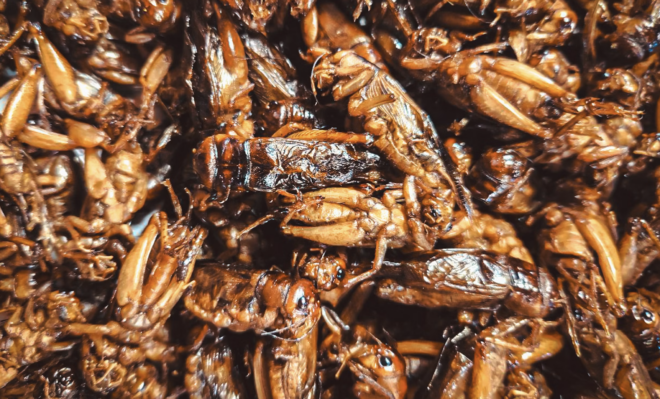
They’re more appetizing if you pull off the head, the short legs, and wings. The long legs are relatively plump, like chicken legs
When does a plague of insects become a healthy snack? When locusts descend on earth. Free food!
When Egyptian skies darkened with tiny whirring creatures bound for tender field crops, Israeli farmers went on high alert to ward off the cloud of locusts heading north.
How to cook locusts?
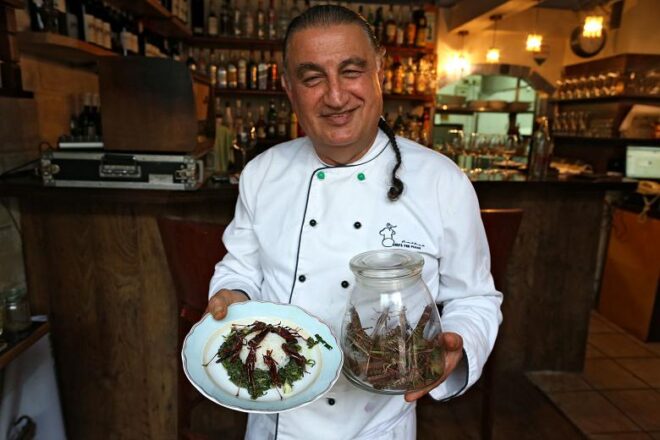
Foodies, on the other hand, recalled that chef Moshe Basson served locust several years ago at Eucalyptus, his high-end Jerusalem restaurant, as part of a special Biblical feast. Why not exploit the food falling from the sky? Especially as these locusts are kosher and halal.
Old-time bars used to serve pretzels and hard-boiled eggs to encourage drinkers to order more beer. With the sudden abundance of free, high-protein food, it seems logical that Middle Eastern eateries should offer the locust as a crunchy, salty snack. At home, instead of offering the family junk food poured out of an obnoxious plastic bag, consider a bowlful of yummy fried locust.
More good reasons to eating locust:
Locust cooking recipes, crispy and salty, and goes with beer. How about on hummus?
You can season them any way you like.
Locusts are an ecologically-logical. There are no greenhouse emissions involved in raising them, because they’re not raised, they’re foraged.
They’re much healthier alternative to industrially produced junk snacks.
No packaging to fill up landfills, and it comes in a convenient bite size.
Not to mention how much cheaper a kilo of locusts is, compared to the same weight of, say, potato chips. Can’t get cheaper than free.
We asked Moshe Basson for advice. How does one cook locusts? Fried, stewed, cooked into soup? And what taste do they have?
What do fried locusts taste like?
“Locust has a taste reminiscent of quail, somehow,” said Basson thoughtfully. “And sunflower seeds. Those familiar with the taste of shrimp will recognize that flavor, also.”
Basson added, “Poor people have always eaten insects in India, the Far East and Africa. They’re an excellent source of protein, but they’re poor people’s food – people are ashamed to say they eat them. Now insects are much more than a culinary curiosity. There’s even talk of an upcoming congress in London where influential chefs will meet to discuss, and cook them. I’d like to present the kosher side of this food.”
We asked how to lower the, well, the ew factor.
How do you cook and eat locusts?
“They’re more appetizing if you pull off the head, the short legs, and wings. The long legs are relatively plump, like chicken legs,” said Basson.
Chef shows how to cook grasshoppers
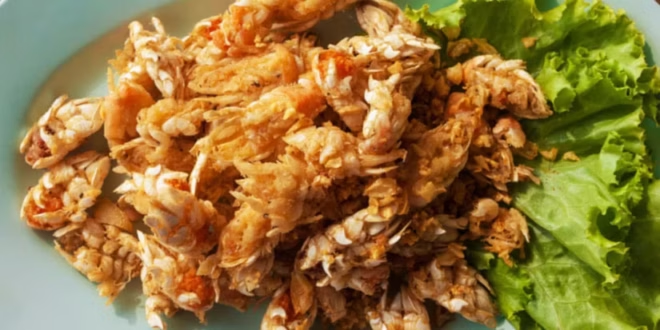
Recipe for Moshe Basson’s Crisp Grasshoppers
Grasshoppers can be a salty, crunchy fried treat
Ingredients:
About 25 locusts
Have ready about 2 liters of vegetable stock (or 10 cups) with a little turmeric added to it.
Throw the locusts in the boiling stock, whole. Cook for about 3 minutes.
Drain the locusts and let them cool somewhat.
Twist off their heads: this will also pull out the black, threadlike viscera.
Remove the wings and small legs.
Make a seasoned flour with 4 tablespoons any flour, 3/4 teaspoon salt, a little pepper and chili powder, a shake of ground coriander, and dried garlic granules.
Roll the pre-cooked locusts in a beaten whole egg, then roll them in the seasoned flour. Shake excess flour off.
Fry in olive oil for 1 1/2-2 minutes, till color turns golden brown.
Make locust schnitzel
Locust schnitzel is a unique, protein-rich dish combining the crunchy texture of cooked grasshoppers with a classic breaded schnitzel preparation. Popularized in culinary history by chefs like Jerusalem’s Moshe Basson, locusts have a flavor often described as a mix of chicken, prawns, and toasted nuts. This image is of cicadias, which are not kosher
Alternately, use prepared “schnitzel” crumbs, or fry in tempura batter. Clean locusts, dip in flour, then egg, then seasoned bread crumbs.
Serve with a lemony tahini sauce, or a za’atar pesto made more lemony than usual.
Crunch! Enjoy!
Convinced? Good. But we are obliged to report two problems with serving locusts or grasshoppers. First, you’ll probably have to tell your family a fat lie and claim it’s something else, or they probably won’t eat it.
Second, if you are eating them in Israel, the Israeli agriculture ministry has sprayed insecticides on the little creatures. So by this time, the cloud of edible visitors has succumbed to a cloud of toxins. So check what’s going on with pest control in your region.
More local and sustainable eating on Green Prophet:
At least 1833 people died when Hurricane Katrina hit the Gulf Coast in 2005, but – as far as we know – nobody went to prison for building houses on land that had sunk 17 feet below sea level in New Orleans.
But Saudi Arabia recently sentenced nearly two dozen people to prison in connection with the drowning deaths of approximately 100 people. The first two men were convicted one year ago after the 2009 and 2011 floods in Jeddah, and the most recent convictions were announced in local press on Thursday.
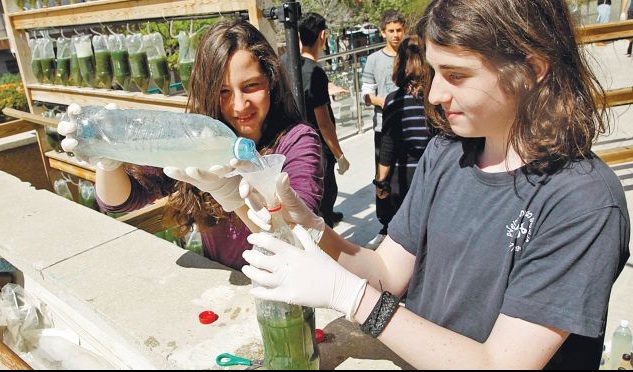
Liquid algae may taste like sushi which is unknown in poor parts of Africa, but it is easy to grow with basic equipment like old plastic bottles, and it is packed full of protein – a veritable superfood. Just ask the Japanese who consume algae and algae derivatives as a way of life. Now, kids from an Israeli highschool are perfecting an algae growing system started in Kibbutz Ein Shemer (and which we reported on here) so that algae farms can made in communities in Africa to wipe out malnutrition in areas where desertification claims land and livestock. The local Israeli newspaper Haaretz reports that the project will be multiplied by ten and replicated at Jewish and Arab highschools in the region.
Officials have confiscated 37 lions and tigers in Saudi Arabia, according to Arab News. The paper said that the National Commission for Wildlife Conservation and Development will be transferring the wild cats that had been illegally smuggled into the Kingdom over the last two years into facilities that comply with the Convention on International Trade in Endangered Species (CITES).
The move is likely to have resounding consequences not only in Saudi but throughout the Gulf region, where it is common to see men riding in cars with cheetahs and other wild animals, or walking them on a leash – violations that until now have eluded stiff penalties. (However, Dubai’s neighbor Ajman completely banned ownership of wild animals last year.)
Greenpeace raises the alarm about the presence of GM crops in Egypt despite an announcement by the Egyptian government that GM seeds had been discarded
Back in 2012, the Ministry of Agriculture in Egypt made the bold statement that no Genetically Modified (GM) crops were to be planted in Egypt. Although this may have been a relief to various campaigners and the average Egyptian concerned about their food, it now emerges that things are not as straight forward as they first appeared. According to Greenpeace a new report has found that Egypt is actually Africa’s third largest country to commercialise a GM crop. So where does that leave Egyptians?
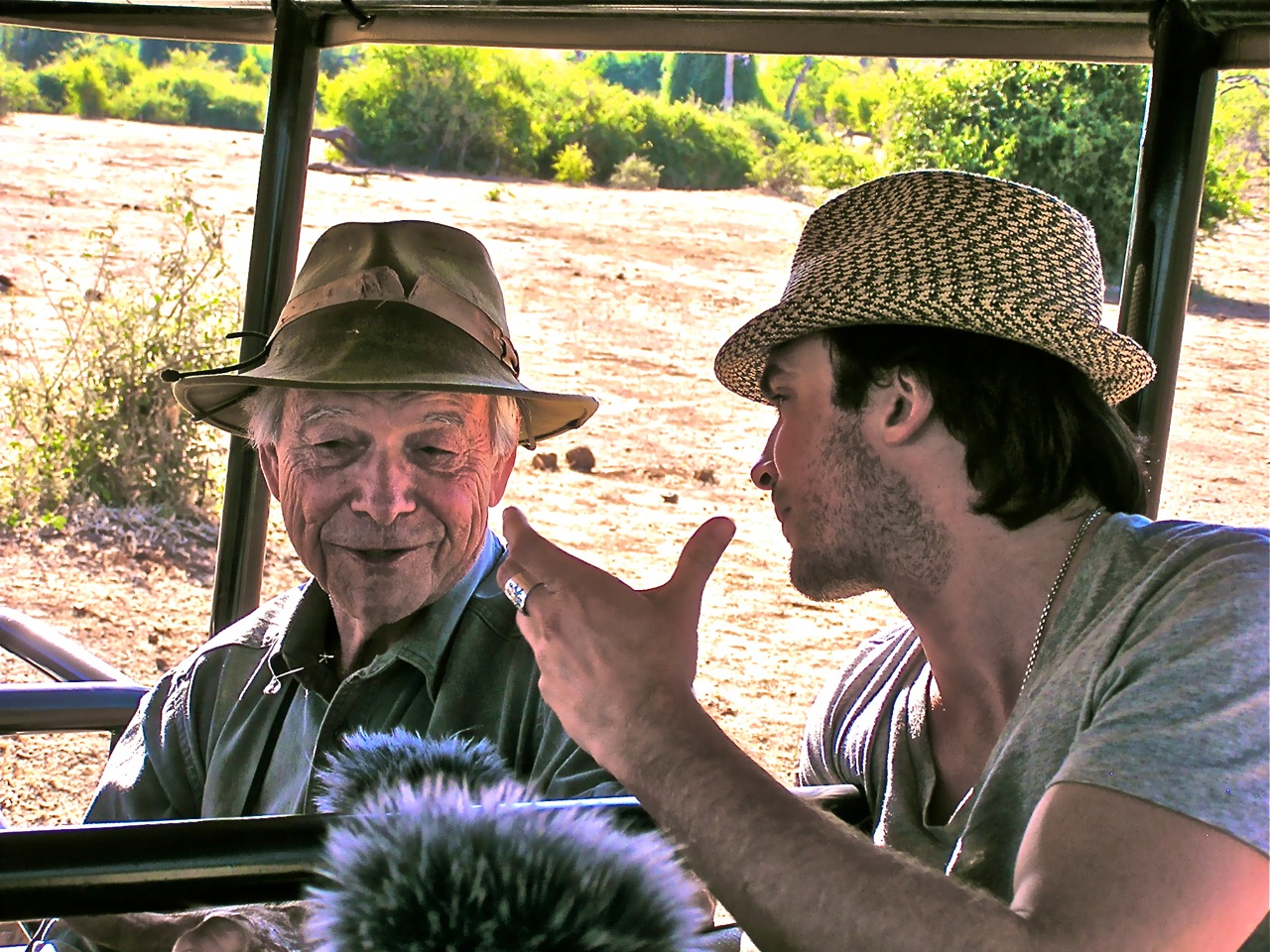
When he first began his career as a young biologist, Allan Savory basically ordered the culling of 40,000 elephants. He and other scientists in Zimbabwe observed that former grasslands set aside as national parks were turning to desert and decided, after considerable research, that elephants were responsible. But it didn’t help to kill them. In fact, the situation got worse.
“Loving elephants as I do, that was the saddest and greatest blunder of my life, and I will carry that to my grave,” Savory said at a recent TED presentation. “One good thing did come out of it. It made me absolutely determined to devote my life to finding solutions.” He has spent the rest of his life trying to understand the causes of and solutions to desertification, efforts that earned the coveted Buckminster Fuller Award in 2010.
Clad in building-integrated photovoltaic panels and an aluminum skin that mimics the brain’s neural mapping. Visual by Meshroom
Foster + Partners, the same UK architectural firm that created the zero-carbon city Masdar, is about to break ground on their first project in Israel – a solar-powered center for brain studies at the Hebrew University of Jerusalem.
Working with local designers Baer, Shifman-Nathan Architects and Sherman Architecture & Programming Ltd, the firm has designed a mixed use, high tech building complete with metal and glass (largely thought to be an irresponsible material choice in sun-drenched Middle Eastern countries) that includes laboratories, classrooms, a lecture room and a research center for the Givat Ram campus. Construction is expected to be completed within three years.
Now tourists can try out Better Place swappable batteries. For $65 a day, electricity and battery packs included.
Better Place, Israel’s controversial electric car network provider, has had its share of issues and adverse publicity which began to heat up after its iconic founder and international CEO Shai Agassi was sacked this past October.
This act was later compounded when Australian Evan Thornley, who took over from Agassi, was also released from his position in January, 2013 following his pep talk to Israeli Better Place car owners. But all hope in the company is not lost: now consumers, and eco-tourists can try out the Better Place car in daily, weekly, monthly – even yearly rentals.
Conceived in 2011 when Palestinian authorities appealed to the United Nations for nationhood status, the sci-fi short film and photographic series takes a critical look at the impossibility of creating an actual physical space where the scattered Palestinian population can reunite. Sansour proposes, with a lot of tongue and even more cheek, an enormous (and obviously fictional) high rise.
Dancing is good for you, but the Harlem Shake is a cringe-worthy global phenomenon that’s spawned a thousand epic fails: the YouTube dance craze’s been done underwater, on commercial air flights over the Grand Canyon, and now, by soldiers in the Israeli Defense Force.
“It’s just a sign of the times when you see soldiers dancing and reacting to internet sensations like the Harlem Shake,” says Guy Lerer, according to the BBC. Lerer, a presenter on Israeli Channel 10’s program about the internet, The Night Tube, added, “I think the army shouldn’t be embarrassed about that. It shows the world that Israeli kids are like kids everywhere else.”
Military brass apparently don’t agree: they jailed two soldiers (14 days for the organizer and 21 days for his commanding officer who approved it) for their roles in producing the video of their dancing artillery battalion. Despite a staggering absence of decorum (and dancing skills), the clip’s been well-received by Israeli media and in online comments. Check out the video below.
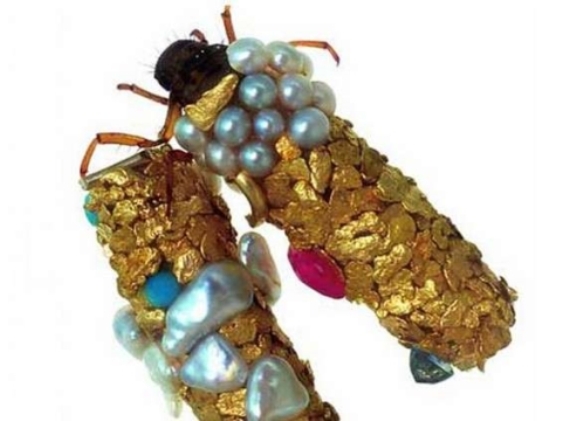
A French artist has stumbled upon a real-life alternative to Cinderella’s ball-gown-sewing mice: spectacular jewelry crafted by bugs.
Hubert Duprat employs insect craftsmen – a species of small, hairy-winged critters called caddisflies. These cousins of moths and butterflies, sometimes called “sedge-flies”, have a genetic predisposition towards waterfront property: their habitat includes streams, rivers, lakes, ponds, and temporary waterbodies formed by rainfall or springs. Duprat uses adolescent bugs to create gorgeous tubular forms out of gold leaf, pearls and gemstones.
He began his work with caddisfly larvae in the early 1980s, after spotting some natural cases alongside a river in southwestern France. Seeing the intricate designs, he wondered how the larvae might adapt if they had different building materials.
Cellphone usage outside is less risky than in a closed environment
Cell phones have blamed for a number of environmental health problems, including collapse of bee colonies; and even problems with human sperm production. In fact, overuse of cell phones has even been considered as being more risky than other environmental hazards like car engine exhaust and insect sprays like DDT. Yet we continue to make them a bigger part of our lives, every day. The problem with proving the link to cancer is that cancer takes about a decade to manifest and it’s hard to prove a direct link, though Israeli researchers from a country which was early adopters and high uses, do suggest a link to cancer. See our story on Sigal Sadetzki.
Now an Israeli who has been using his cell phone inside his bomb shelter (bad idea) has been diagnosed with a cancer he says he got from using his cell phone. In an out of court settlement, the Israeli cell phone company Partner has agreed to give him $100,000. Is this a bid to keep this man quiet? Read on for the details.
Residents of Syrian towns that have run out of heating oil say they are getting sick after resorting to burning crude oil to keep warm. The nearly two-year conflict in Syria made fuel widely unavailable, and though spring is drawing nearer, cold spells are still intermittently hitting some parts of the country.
“The smoke stinks terribly, and many people are suffering from respiratory problems and skin irritations because of it,” said a dentist in the eastern governorate Deir-ez-Zor, calling himself Abu Adnan. “But what can we do? We need warmth and we need something to cook our food with.”

 Making Ecocide a crime and legally punitive could be one way of getting corporations to respect the environment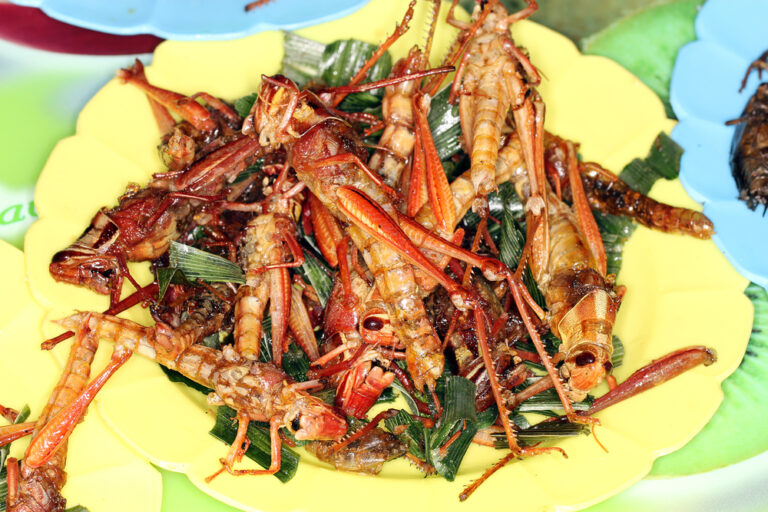















 Cellphone usage outside is less risky than in a closed environment