When the region settles after the American war with Iran, and it will, American and European travelers will come back. Not just for spectacle or headline projects, but for places that feel real. Places that haven’t been engineered to impress and which get into your soul.
We predict that visitors to Saudi Arabia will want to see places like Rijal Alma.When the region settles after the American war with Iran, and it will, American and European travelers will come back. Not just for spectacle or headline projects, but for places that feel real. Places that haven’t been engineered to impress and which get into your soul.
We predict that visitors to Saudi Arabia will want to see places like Rijal Alma.
“Forever chemicals” like the ones ejected by Lulelemon yoga pants into strategic areas don’t go away. They don’t break down in nature, and once they’re in water, soil, or our bodies, they tend to stick around. But scientists at Florida International University think they’ve found a smarter way to deal with them, and it uses something as simple as pH.
Koh Phangan may be known for yoga, detox retreats, and full moon parties, but beyond the curated paradise lies a different reality—one of injured stray animals and the quiet work of rescue. This story explores PACS (Phangan Animal Care for Strays), a grassroots animal shelter tackling overpopulation, disease, and neglect on the island. Through firsthand experience with teens, it reveals how meaningful travel, volunteerism, and compassion offer a deeper kind of healing—far from the Instagram version of paradise.
The earliest stages of life, from infancy through childhood, form the foundation for lifelong health and development. During these years, the brain develops rapidly, children learn social and emotional skills, and the body undergoes significant physical growth.
Back in late 2025, Green Prophet began asking uncomfortable questions about what’s really inside your yoga pants, from transparency failures (yes, those infamous see-through leggings) to the less visible and scarier issue: Your sweat is unlocking microplastics and chemical coatings sitting in the most absorbent parts of the human body.
When the region settles after the American war with Iran, and it will, American and European travelers will come back. Not just for spectacle or headline projects, but for places that feel real. Places that haven’t been engineered to impress and which get into your soul.
We predict that visitors to Saudi Arabia will want to see places like Rijal Alma.When the region settles after the American war with Iran, and it will, American and European travelers will come back. Not just for spectacle or headline projects, but for places that feel real. Places that haven’t been engineered to impress and which get into your soul.
We predict that visitors to Saudi Arabia will want to see places like Rijal Alma.
“Forever chemicals” like the ones ejected by Lulelemon yoga pants into strategic areas don’t go away. They don’t break down in nature, and once they’re in water, soil, or our bodies, they tend to stick around. But scientists at Florida International University think they’ve found a smarter way to deal with them, and it uses something as simple as pH.
Koh Phangan may be known for yoga, detox retreats, and full moon parties, but beyond the curated paradise lies a different reality—one of injured stray animals and the quiet work of rescue. This story explores PACS (Phangan Animal Care for Strays), a grassroots animal shelter tackling overpopulation, disease, and neglect on the island. Through firsthand experience with teens, it reveals how meaningful travel, volunteerism, and compassion offer a deeper kind of healing—far from the Instagram version of paradise.
The earliest stages of life, from infancy through childhood, form the foundation for lifelong health and development. During these years, the brain develops rapidly, children learn social and emotional skills, and the body undergoes significant physical growth.
Back in late 2025, Green Prophet began asking uncomfortable questions about what’s really inside your yoga pants, from transparency failures (yes, those infamous see-through leggings) to the less visible and scarier issue: Your sweat is unlocking microplastics and chemical coatings sitting in the most absorbent parts of the human body.
When the region settles after the American war with Iran, and it will, American and European travelers will come back. Not just for spectacle or headline projects, but for places that feel real. Places that haven’t been engineered to impress and which get into your soul.
We predict that visitors to Saudi Arabia will want to see places like Rijal Alma.When the region settles after the American war with Iran, and it will, American and European travelers will come back. Not just for spectacle or headline projects, but for places that feel real. Places that haven’t been engineered to impress and which get into your soul.
We predict that visitors to Saudi Arabia will want to see places like Rijal Alma.
“Forever chemicals” like the ones ejected by Lulelemon yoga pants into strategic areas don’t go away. They don’t break down in nature, and once they’re in water, soil, or our bodies, they tend to stick around. But scientists at Florida International University think they’ve found a smarter way to deal with them, and it uses something as simple as pH.
Koh Phangan may be known for yoga, detox retreats, and full moon parties, but beyond the curated paradise lies a different reality—one of injured stray animals and the quiet work of rescue. This story explores PACS (Phangan Animal Care for Strays), a grassroots animal shelter tackling overpopulation, disease, and neglect on the island. Through firsthand experience with teens, it reveals how meaningful travel, volunteerism, and compassion offer a deeper kind of healing—far from the Instagram version of paradise.
The earliest stages of life, from infancy through childhood, form the foundation for lifelong health and development. During these years, the brain develops rapidly, children learn social and emotional skills, and the body undergoes significant physical growth.
Back in late 2025, Green Prophet began asking uncomfortable questions about what’s really inside your yoga pants, from transparency failures (yes, those infamous see-through leggings) to the less visible and scarier issue: Your sweat is unlocking microplastics and chemical coatings sitting in the most absorbent parts of the human body.
When the region settles after the American war with Iran, and it will, American and European travelers will come back. Not just for spectacle or headline projects, but for places that feel real. Places that haven’t been engineered to impress and which get into your soul.
We predict that visitors to Saudi Arabia will want to see places like Rijal Alma.When the region settles after the American war with Iran, and it will, American and European travelers will come back. Not just for spectacle or headline projects, but for places that feel real. Places that haven’t been engineered to impress and which get into your soul.
We predict that visitors to Saudi Arabia will want to see places like Rijal Alma.
“Forever chemicals” like the ones ejected by Lulelemon yoga pants into strategic areas don’t go away. They don’t break down in nature, and once they’re in water, soil, or our bodies, they tend to stick around. But scientists at Florida International University think they’ve found a smarter way to deal with them, and it uses something as simple as pH.
Koh Phangan may be known for yoga, detox retreats, and full moon parties, but beyond the curated paradise lies a different reality—one of injured stray animals and the quiet work of rescue. This story explores PACS (Phangan Animal Care for Strays), a grassroots animal shelter tackling overpopulation, disease, and neglect on the island. Through firsthand experience with teens, it reveals how meaningful travel, volunteerism, and compassion offer a deeper kind of healing—far from the Instagram version of paradise.
The earliest stages of life, from infancy through childhood, form the foundation for lifelong health and development. During these years, the brain develops rapidly, children learn social and emotional skills, and the body undergoes significant physical growth.
Back in late 2025, Green Prophet began asking uncomfortable questions about what’s really inside your yoga pants, from transparency failures (yes, those infamous see-through leggings) to the less visible and scarier issue: Your sweat is unlocking microplastics and chemical coatings sitting in the most absorbent parts of the human body.
When the region settles after the American war with Iran, and it will, American and European travelers will come back. Not just for spectacle or headline projects, but for places that feel real. Places that haven’t been engineered to impress and which get into your soul.
We predict that visitors to Saudi Arabia will want to see places like Rijal Alma.When the region settles after the American war with Iran, and it will, American and European travelers will come back. Not just for spectacle or headline projects, but for places that feel real. Places that haven’t been engineered to impress and which get into your soul.
We predict that visitors to Saudi Arabia will want to see places like Rijal Alma.
“Forever chemicals” like the ones ejected by Lulelemon yoga pants into strategic areas don’t go away. They don’t break down in nature, and once they’re in water, soil, or our bodies, they tend to stick around. But scientists at Florida International University think they’ve found a smarter way to deal with them, and it uses something as simple as pH.
Koh Phangan may be known for yoga, detox retreats, and full moon parties, but beyond the curated paradise lies a different reality—one of injured stray animals and the quiet work of rescue. This story explores PACS (Phangan Animal Care for Strays), a grassroots animal shelter tackling overpopulation, disease, and neglect on the island. Through firsthand experience with teens, it reveals how meaningful travel, volunteerism, and compassion offer a deeper kind of healing—far from the Instagram version of paradise.
The earliest stages of life, from infancy through childhood, form the foundation for lifelong health and development. During these years, the brain develops rapidly, children learn social and emotional skills, and the body undergoes significant physical growth.
Back in late 2025, Green Prophet began asking uncomfortable questions about what’s really inside your yoga pants, from transparency failures (yes, those infamous see-through leggings) to the less visible and scarier issue: Your sweat is unlocking microplastics and chemical coatings sitting in the most absorbent parts of the human body.
When the region settles after the American war with Iran, and it will, American and European travelers will come back. Not just for spectacle or headline projects, but for places that feel real. Places that haven’t been engineered to impress and which get into your soul.
We predict that visitors to Saudi Arabia will want to see places like Rijal Alma.When the region settles after the American war with Iran, and it will, American and European travelers will come back. Not just for spectacle or headline projects, but for places that feel real. Places that haven’t been engineered to impress and which get into your soul.
We predict that visitors to Saudi Arabia will want to see places like Rijal Alma.
“Forever chemicals” like the ones ejected by Lulelemon yoga pants into strategic areas don’t go away. They don’t break down in nature, and once they’re in water, soil, or our bodies, they tend to stick around. But scientists at Florida International University think they’ve found a smarter way to deal with them, and it uses something as simple as pH.
Koh Phangan may be known for yoga, detox retreats, and full moon parties, but beyond the curated paradise lies a different reality—one of injured stray animals and the quiet work of rescue. This story explores PACS (Phangan Animal Care for Strays), a grassroots animal shelter tackling overpopulation, disease, and neglect on the island. Through firsthand experience with teens, it reveals how meaningful travel, volunteerism, and compassion offer a deeper kind of healing—far from the Instagram version of paradise.
The earliest stages of life, from infancy through childhood, form the foundation for lifelong health and development. During these years, the brain develops rapidly, children learn social and emotional skills, and the body undergoes significant physical growth.
Back in late 2025, Green Prophet began asking uncomfortable questions about what’s really inside your yoga pants, from transparency failures (yes, those infamous see-through leggings) to the less visible and scarier issue: Your sweat is unlocking microplastics and chemical coatings sitting in the most absorbent parts of the human body.
When the region settles after the American war with Iran, and it will, American and European travelers will come back. Not just for spectacle or headline projects, but for places that feel real. Places that haven’t been engineered to impress and which get into your soul.
We predict that visitors to Saudi Arabia will want to see places like Rijal Alma.When the region settles after the American war with Iran, and it will, American and European travelers will come back. Not just for spectacle or headline projects, but for places that feel real. Places that haven’t been engineered to impress and which get into your soul.
We predict that visitors to Saudi Arabia will want to see places like Rijal Alma.
“Forever chemicals” like the ones ejected by Lulelemon yoga pants into strategic areas don’t go away. They don’t break down in nature, and once they’re in water, soil, or our bodies, they tend to stick around. But scientists at Florida International University think they’ve found a smarter way to deal with them, and it uses something as simple as pH.
Koh Phangan may be known for yoga, detox retreats, and full moon parties, but beyond the curated paradise lies a different reality—one of injured stray animals and the quiet work of rescue. This story explores PACS (Phangan Animal Care for Strays), a grassroots animal shelter tackling overpopulation, disease, and neglect on the island. Through firsthand experience with teens, it reveals how meaningful travel, volunteerism, and compassion offer a deeper kind of healing—far from the Instagram version of paradise.
The earliest stages of life, from infancy through childhood, form the foundation for lifelong health and development. During these years, the brain develops rapidly, children learn social and emotional skills, and the body undergoes significant physical growth.
Back in late 2025, Green Prophet began asking uncomfortable questions about what’s really inside your yoga pants, from transparency failures (yes, those infamous see-through leggings) to the less visible and scarier issue: Your sweat is unlocking microplastics and chemical coatings sitting in the most absorbent parts of the human body.
When the region settles after the American war with Iran, and it will, American and European travelers will come back. Not just for spectacle or headline projects, but for places that feel real. Places that haven’t been engineered to impress and which get into your soul.
We predict that visitors to Saudi Arabia will want to see places like Rijal Alma.When the region settles after the American war with Iran, and it will, American and European travelers will come back. Not just for spectacle or headline projects, but for places that feel real. Places that haven’t been engineered to impress and which get into your soul.
We predict that visitors to Saudi Arabia will want to see places like Rijal Alma.
“Forever chemicals” like the ones ejected by Lulelemon yoga pants into strategic areas don’t go away. They don’t break down in nature, and once they’re in water, soil, or our bodies, they tend to stick around. But scientists at Florida International University think they’ve found a smarter way to deal with them, and it uses something as simple as pH.
Koh Phangan may be known for yoga, detox retreats, and full moon parties, but beyond the curated paradise lies a different reality—one of injured stray animals and the quiet work of rescue. This story explores PACS (Phangan Animal Care for Strays), a grassroots animal shelter tackling overpopulation, disease, and neglect on the island. Through firsthand experience with teens, it reveals how meaningful travel, volunteerism, and compassion offer a deeper kind of healing—far from the Instagram version of paradise.
The earliest stages of life, from infancy through childhood, form the foundation for lifelong health and development. During these years, the brain develops rapidly, children learn social and emotional skills, and the body undergoes significant physical growth.
Back in late 2025, Green Prophet began asking uncomfortable questions about what’s really inside your yoga pants, from transparency failures (yes, those infamous see-through leggings) to the less visible and scarier issue: Your sweat is unlocking microplastics and chemical coatings sitting in the most absorbent parts of the human body.
There is nothing worse than a creased and wrinkled dress, after you get out of the car or leave the table. You can prevent this, by choosing a non-creasing material for your dress to be made of. Many different materials are being used nowadays to sew dresses worldwide. Some of them are natural, some are artificial or synthetic and some are made from a recycled mixture of both. Some of them are more vulnerable to creasing, some are less vulnerable, there are also materials that never get wrinkled at all. What is wort paying our attention to while shopping for such materials?
Non-creasing materials
Artificial material are less then others vulnerable to creasing, as they are being made of artificial grains like polyester or polyamid. But it doesn’t mean that you can only rely on these two fabrics while choosing your dress.
Polyester and polyamid are very resistant to external conditions but also to creasing. They are easy to iron and become dry very quickly. Many dresses are made of polyamid and polyester because this fabrics can come in many different grammage, thicknesses and textures.
But when we look for natural fabrics it is worth looking especially for silk and woolen materials. Silk, including veil silk is the best choice – it is delicate, soft and looks lovely. Wool despite its thickness is less creasing and doesn’t need any ironing. It is perfect for users who cherish simplicity and usefulness.
If you do not want your dress to get creased you should avoid natural materials such as cotton or flax. They are more vulnerable to wrinkling and tend to look much worse short after ironing. Creasing can be also a disadvantage of viscose knitwear after a long day at the office.
Non-creasing materials can be easily ordered at ctnbee.com/en has a wide offer of exceptional materials of different colors and patterns. At ctnbee.com/en you can choose a pattern that best fits your sense of style from the ones available online, or request a custom one, as fabric printing is also an option. The possibilities are unlimited.
The world of cryptocurrencies is a financial jungle. It’s a dog-eat-dog world, and you constantly have to be fighting to hold your own. A lot has been said and a lot of tips given to help traders crack the esoteric bitcoin code of trading. However, there are certain practical tips that are commonly left out which, if implemented correctly, could both save you a ton in losses and make you a ton more in profits.
ICOs
The first thing you need to be well aware of is the public initial coin offering (ICO) or the crowd sale. These are the chosen fundraising vehicle for many new projects. Basically, a crowd sale offers investors the opportunity to buy coins at a low price. The main motivation for these investors is that as soon as the coins are launched, they will begin to trade across major exchanges and the prices will surge, earning the investors a tidy profit in the process. One example that is raising an ICO for the public good, creating a tech that listens to Mother Earth, is flux. See their ICO site here.
To be sure, there have been many successful ICOs in the recent years – see the Top 10+ blockchain technology companies here. This is both in terms of successful projects that managed to take off and coin yields that made many investors rich. Coins ended up doubling, tripling, and quadrupling in value compared to the price at which investors bought them at the ICO. In the process, they made the investors millionaires.
A good case study, in this case, would be the preliminary crowd sale of augur. This ICO yielded 1,000 percent of the initial crowd sale price.
Caution Recommended
However, there’s a catch with ICOs. The ones that make money for investors are few. They are the exception and not the norm. I can even be argued that they are the unicorns of the ICO universe due to how rare they are. To begin, not all projects are beneficial to their investors. In fact, many ICOs turned out to be complete scams. The coins never got traded on exchanges, and some projects even dropped off the map. They disappeared with all the money that had been raised and were never heard from again.
So, how do you know whether to invest in an ICO or not? First, you need to find out just how serious the project is. Does the project have a professionally done website? A website that looks like it was built as part of a summer project by a middle schooler is a huge red flag. Also, look at the team behind the project. Nicknames are a big no-no. Let them give their real names and proudly present themselves on the project’s website. Does the project have a Bitcointalk thread? Does it have a growing Slack community?
For a great overview over different exchanges and the fees they charge, have a look at this Cryptocurrency Exchange List.
Another thing to look at is the amount the project has already raised. If the project raises too little during its ICO, then it won’t be able to develop over time. On the other hand, a project that raised a huge amount of money probably captured the majority of the market in investors. There might not be enough investors left out there to buy the coins on the exchanges.
Most importantly, however, you should always remember your risk management. Do not invest all of your fortune in a single ICO.
Practical Trading Steps
There are a few practical trading tips you won’t hear much about elsewhere. It’s always better to learn them and begin to implement them right away.
Fees: You should always consider the fees you will be paying as you trade. The more trade actions you take, the more fees you pay. It’s always better to post the command or the maker than buy from the order book, the taker. That way you will pay less in fees.
Trading conditions: Never trade unless you’re in the right state of body and mind to trade. The conditions should be optimal for intense decision making, especially when it comes to knowing how and when you will exit your trades. Trades made under pressure almost always end up being losing trades. If you don’t feel like you’re in the right state of mind, wait for the next trading opportunity. There are endless opportunities in the market, and they will always be there.
Goal setting: Always set goals with your trades and start them by placing a sell order. In other words, know your exit before you know your entry. You never know when a whale will pump the price up to meet your buy order. One way you take advantage of this is to place low buy orders and wait for those times when a coin suddenly plunges and then recovers. You can often make a lot of money during these times. Be careful not to be left behind by the market, however, such as when a plunge was the beginning of a protracted selloff.
Watch the news: The market wisdom that tells you to buy the rumor and sell the news isn’t wrong. The best time to get out of a trade is when major news sites begin to publish articles.
Murphy’s law: You placed your trade, set profit taking targets and made money. Then, just when you sell, the price spikes up again, and you feel tempted to get back in. Don’t give in to those thoughts. Whatever can go wrong will eventually go wrong, as Murphy’s law states. You’ve made your money already. Move on to the next trade and forget about the FOMO.
Leave your ego at the door: You’re not trading to be right; you’re trading to make money. That said, you can always expect to lose some of your trades. The point is to make more money than you lose, so stop wasting your time trying to prove how right you are about the market.
If you’ve got a flabby belly, you might want nothing more than to have a flat set of abdominal muscles. There are definitely some easy solutions out there, such as Maxfit Garcinia and other weight-loss diet solutions, but there are also little things you can do here and there that will help you get some great. There are the obvious tips, of course, such as eating more fruits and vegetables and improving the amount of fiber in your diet. However, but there are also some tips that are just as effective but little known. Here are some to help you out.
Drink Up
It’s a belief among many women that drinking too much water isn’t very good for them because it gives them puffy abs. However, the opposite is actually true. We do associate water with being bloated. However, whenever you drink water, you actually flush all the sodium out of your body. That will reduce the amount of bloat you have to experience. One easy way to figure out if you’re drinking enough water is to watch your urine. Such things as the color and quantity of the urine will tell you if there is enough water in your body. If the urine comes out in copious amounts and is pale yellow in color then you’re OK; you’re drinking enough water. If your urine is scant in volume and is darker in color, then you’re likely not drinking enough water. You will also experience other things, such as thirst and the feeling of dehydration. Here are some helpful tips to help you stay dehydrated:
You should drink at least eight 8-ounce glasses of water a day. Go for those beverages that contain little or no calories and little to no sodium or caffeine. Herbal tea is a good example of such a drink. Try to stay as far away as you can from such things as soft drinks and soups that contain lots of sodium. If your food contains lots of water, such as vegetables, fruits or low-sodium soups, then you can meet half of your daily water requirement with ease.
Stay as far away from carbonated drinks. These drinks are known to increase bloating due to the carbon dioxide. The carbon dioxide will get trapped in the bubbles and create gas in your stomach. That gas slows down the emptying of your stomach and makes you look bloated. Your abs will look flabbier as a result.
Be careful about how much caffeine and alcohol you take in as both are natural diuretics. Diuretics tend to increase your loss of fluids and do not replace your bodily fluids as effectively as water or other beverages that are free of caffeine and alcohol. Because of the dehydration that such drinks promote, they tend to flatten your abs.
Watch Your Sodium Intake
Sodium tends to have a bad reputation in the area of nutrition. However, it is very important for the regulation of your body fluids and blood pressure. It is also very important for the transmission of signals in your nerves, the functioning of your muscles, and the absorption of nutrients you need. However, all that said, even a little bit of excess sodium could lead to bloating.
The average woman needs only about 500 milligrams of sodium in a day. Most women, however, take in up 3,000 milligrams a day. The result of taking all of this sodium, which is mostly consumed as table salt and preservatives in the processed foods we consume, is that your abs don’t look as defined. The main reason for this is that sodium and water are bedfellows. Water will always go where sodium goes.
When you eat a meal high in sodium, your body responds to the situation by retaining more water. This high retention of water results in edema and also potentially an increase in blood pressure. The visible traces of sodium will be noticed the next day when you stand sideways in front of the mirror and notice the bloat you’re going through. Here are a few tips to help you deal with it:
Do not take more than 2,400 milligrams of sodium in a day. That’s about a teaspoon of table salt. That’s enough to make sure you have enough sodium in your body even when you sweat profusely.
You should also eat more fresh and natural foods as opposed to commercial foods, fast foods and prepackaged foods. The same goes for cured meats, which are usually very high in sodium. Only 3 ounces of ham contains 1,000 milligrams of sodium.
People have used marijuana, or cannabis, for more than 5,000 years. The plant has a long history of use as a herbal medicine all over the world. Today, marijuana is promoted as a potential panacea that can cure whatever ails you. It is legal in Canada, many states in the United States and soon to be Israel. However, this herb has got a mixed reputation. Its medical value still raises many questions. Let’s answer some of them.
Why is medical marijuana beneficial for your health?
The marijuana plant contains at least 113 cannabinoids. The two of them that are the most-studied may alleviate symptoms of, or treat diseases and conditions. They are:
Delta-9-tetrahydrocannabinol (THC) – the main mind-altering ingredient that makes people “high”.
Cannabidiol (CBD) – another active ingredient that lacks noticeable psychoactive effects but has valuable medicinal properties when it works together with THC.
It’s interesting that THC and CBD don’t naturally occur in their active forms in the cannabis plant. They are produced simultaneously out of cannabigerolic acid when burned in a joint or heated in a wax vaporizer. Eating raw cannabis won’t cause any noticeable changes in cognition or functioning.
What conditions is cannabis used for?
Medical marijuana may help to relieve the symptoms of many illnesses and conditions:
Diseases that affect the immune system, including HIV/AIDS and multiple sclerosis.
Alzheimer’s disease
Cancer
Crohn’s disease
Eating disorders, including appetite loss and anorexia
Glaucoma
Wasting syndrome (cachexia) inflammation
Pain
Nausea
Seizures
Muscle spasms
Substance abuse
Mental disorders, including schizophrenia and post-traumatic stress disorder (PTSD).
Cannabinoids are not proven to assist in treating many of these conditions. So far, there’s enough clear evidence that cannabis can play the therapeutic role in chronic pain management, decreasing nausea and vomiting during chemotherapy, and relieving spasticity (stiff or tight muscles) due to MS.
If you’re a resident in Georgia or any of the other states in the US where medical marijuana is legal, you can consult doctors online in your state in order to get your medical marijuana card online. Secure a seamless renewal of your medical marijuana card with Elevate Holistics.
How to take medical marijuana?
Larapharm creates dosed inhalers which can be helpful for people who don’t smoke, or who have never smoked.
Medical cannabis products come in many different forms. Thus, there’re different ways of consuming it:
Inhalation
It allows adjusting the dosage easily. It also has a rapid effect as the medication goes directly from the lungs into the bloodstream and to the brain. You can inhale cannabis in two ways:
Smoking
A joint, a pipe, and a bong (water pipe) are traditional ways of taking marijuana. Many patients prefer pipes because they’re simple to use and allow better control over dosage; today, it’s easy to buy Smokea weed pipe options online that are designed for smoother, cleaner smoking. A water pipe is more advisable for smoking dried leaves or buds, given the fact that the cool smoke doesn’t irritate the airways as smoking a joint does.
Vaping
Dry herbs/flowers, oil, and wax are the most popular forms of cannabis for vaporizing. This method is better than smoking and here’s why. When the substance is burnt, many harmful chemicals, including carcinogens, are produced. Smokers inhale them together with useful active ingredients. When patients use a wax pen or other types of a vaporizer, they inhale the vapor. The process doesn’t involve combustion. A wax vape pen heats the material and produces vapor rich in cannabinoids and free from undesired chemicals found in smoke.
Oral ingestion
Non-smoking patients prefer edible medical marijuana. It comes in a variety of forms, such as cookies, brownies, candies, or mints. Many dispensaries also offer such edible cannabis drinks like teas, smoothies, juices, sodas, and so on.
Sublingual or oramucosal methods
Putting a few drops of oil or tincture under the tongue (sublingual) or spaying the gum line (oramucosal) also provides a quick effect. These methods are also recommended for non-smokers.
Topical administration
Patients who have skin inflammations, muscle aches, and pains, or arthritis are comfortable with topical administration of cannabis. They apply a balm, lotion, ointment, or cream on skin and the substance is absorbed transdermally.
How does medical cannabis work?
The body releases its own cannabinoid chemicals. To some extent, they are responsible for regulating pleasure, body movement, appetite, memory, awareness of time, thinking, concentration, pain, and the five senses.
Your body has cannabinoid receptors that are in your organs and biological systems. When these receptors are activated by marijuana, the healing process begins. It turns out that cannabinoids put your body back into balance.
Are there any side effects of medical marijuana?
Low doses of medical marijuana may have little to no side effects. Some report dry mouth and fatigue.
If the doses are higher, patients may experience dizziness and mood swings. Overuse may lead to paranoia and hallucinations. Other possible side effects are bloodshot eyes, fast heartbeat, low blood pressure, and depression.
The drug can damage judgment and coordination. So, it’s strongly recommended to refrain from driving while under the influence of medication.
Many ask if medical marijuana is addictive. Several studies show that patients who stick to a recommended low dose face a minimal risk of developing an addiction.
Because smoking cannabis produces many of the same dangerous chemicals found in tobacco smoke, some experts suggest that it could be harmful to the lungs. For those who want to inhale cannabis but avoid potential risks, vaping is a right choice. Just choose the best vape pen for oil, herb, or wax.
Is it legal?
It depends. At the time this article was written, 31 states have legalized the use of marijuana for medical purposes with varying restrictions. But the Federal Drug Administration (FDA) still keeps it in a list of Schedule I drugs. That’s why it remains illegal at the Federal level. Perhaps, that’s why medical marijuana is not covered by insurance. To buy it in a state where it’s legal, you’ll need a prescription, authorization, or medical recommendation. For now many Americans prefer to stay with CBD to be on the safe side.
You may wonder why the FDA hasn’t recognized medical marijuana as a remedy. The reason is the lack of studies to prove its efficiency and safety. Researching of this issue is an intricate task. Given that marijuana is a Schedule I substance, scientists have to get a special license to study this herb.
The bottom line
As you can see, we still don’t know whether we can call marijuana a medical miracle. The only way to discover that is research, which remains difficult to do. But if you’re thinking about this way of treatment, it’s mandatory to consult a doctor who can examine your individual case.
Japan is strongly associated in many people’s minds with high-tech and super-innovative megapolises. But is that all about Japan? Definitely, not! The country has recently launched a new direction in tourism – eco-tourism – which enables newcomers to discover Japan from an entirely new perspective. Learn the nuts and bolts of eco-tourism in Japan here and get ready for a safe, pleasant travel with our recommendations.
Eco-Tourism in Japan – a New Land to Discover
At present, tourists who wish to stay in Japan in a sustainable and eco-friendly way may enjoy trips to hot springs, shrines and temples, involve in river rafting, mountain climbing and hiking, as well as snorkeling and scuba diving. Though eco-tourism starts gaining popularity only now, it emerged 20 years ago in Japan, as soon as the Japan Eco Tourism Society was founded to promote safe, responsible travel. The JES’s aims include:
Promotion of eco-tourism in Japan
Stimulation of local economy
Social contribution to the environment and culture with the help of tourism.
JES also collaborates with the Japanese national forest office Erinsho to conserve environmentally sensitive areas and restrict tours to those places. JES employees organize regular river cleaning activities and hold volunteer events to involve both residents and tourists in sustainable, responsible environmental practices.
Minimum Language Skills for Safe Travel
For those who are concerned about their safety and fear to get lost in a distant, unknown country, it is strongly recommended to learn some Japanese before travel. The reasons for this are numerous:
You will find it easier and more rewarding to communicate with native speakers.
You will be able to get acquainted with the authentic culture and learn new words, which is generally impossible if you don’t know any Japanese.
You will be able to train authentic Japanese when being immersed in the local culture and community. If you studied Japanese before, this will be an immensely useful language practice.
No matter how you study Japanese – alone via the Internet channels or with skilled tutors of some online platform, such as Preply, your efforts will definitely be rewarded when in Japan. Locals are always friendlier to those knowing their language, and you won’t ever get lost or misunderstood in a strange setting.
So, which words should you know at minimum to feel comfortable in Japan? Here is a list to cover first of all:
Learning numbers. This will make it easier for you to find out the date and time, the number of your hotel room, the number of the platform from which your train/bus departs, etc. In other words, numbers will give you the basic opportunity to navigate in an unknown place by knowing the date, time, and other essential numbers.
Learning directions. Even if you can ask where to go in English, and the person understands you, there is no guarantee that he/she can respond in English as well. So, knowing such words as “right,” “left,” “upwards,” “downwards,” “forward,” “backward,” etc. can save you from much trouble if you are occasionally lost.
Mastering questions. In terms of basic interactions with the Japanese locals, you might need such words as “where,” “when,” “how much,” and “who.” It’s crucial to learn these fundamentals to get what you need in Japan.
Additional things to know include colors, praise (for instance, you can praise the food you have been served in a café or when being in someone’s house as a guest), polite words like “thank you” and “please.” Knowing these few simple words in Japanese will definitely contribute to your having a much better travel experience.
Is It OK to Travel without Knowledge of Japanese?
Yes, totally. You can never bother to learn even a couple of Japanese words and still find it great to travel across Japan, especially if you visit only large, developed cities. In such locations, many people know English and will be friendly to you. However, traveling to rural areas is impossible without English, and you should stay away from such locations without basic understanding of the local language. Moreover, we recommend to master some Japanese etiquette basics; it will be a good sign of respect and effort of a positive cultural interaction that locals will appreciate.
People love shopping online. It’s convenient, reliable, and often, cost-effective. As such, it’s imperative that all companies, from eco-friendly conglomerates all the way down to humble small businesses, allow shoppers to find their products online. Unfortunately, setting up an online store is more difficult than it might appear at first blush. Still, if you want your business to experience sustainable growth, you need a competent online platform to support it. The good news is, we’re here to help. Take a look at these four ecommerce faux pas –– so that your business can avoid making any huge mistakes online:
Confusing Layout
If you can’t see the “BUY NOW” call-to-action button on your ecommerce site from across the room, then it’s too small. Don’t make your leads hunt to find the product they want to purchase. Many transactions carry a level of impulsiveness, and if your company’s site creates “friction” and forces a visitor to pause, you risk losing potential customers at the most critical moment.
Broken Pages
As alluded to above, ecommerce transactions need to go smoothly. The main advantage an online store presents over a retail location is that of convenience. Remove that convenience and many visitors will eschew your site. With that in mind, make it a priority to perform regular testing and maintenance on your ecommerce pages. Broken pages, unintuitive redirects, and even slow loading times can confuse and irritate digital visitors. Like anything else, the more TLC you give your online store, the better results you can expect to see from it.
Failing to Market
Believe it or not, all businesses can find innovative ways to market products featured on their ecommerce store. Blogging, social-media posts, and well-constructed email threads will all help you get the word out on new or intricate products within your inventory. At the end of the day it doesn’t matter if you’re trying to promote a vanishpoint blood collection set or an anti-pollution air filter –– solid marketing can make a difference for your company regardless of your industry.
Internal Failure
Perhaps there’s nothing wrong with your online store. Maybe all aspects are working correctly and your customers have no problem completing their orders. But what about order fulfillment? Indeed, messing up someone’s order with an incorrect or massively delayed delivery can wreck all of your good work up to this point. Don’t take a risk when it comes to shipping your goods and instead consider reaching out to a third-party logistics company if the problem persists.
The Bottom Line
Online stores are eco-friendly, cost-effective, and user-friendly. However, that doesn’t mean you can take for granted that your digital shopping center will be a smash hit immediately. Always remember to test your site vigorously before launching. After all, it’s better to be safe than sorry!
Let’s start with this: traveling to the Middle East is a profound and life-altering experience that everyone should do at least once — but ideally many times. Forget what you think you know about the Middle East based on awful movie stereotypes and extreme media bias. The Middle East is not just another region: it is like another world.
And you don’t have to take my word for it. Each year hundreds of millions of people a year visit the Middle East, and their only regret is that they didn’t make the journey sooner. Like I said, there is nothing and nowhere like it, and I could write a book and fail to capture all that the Middle East is about. You simply have to immerse yourself to truly understand it (and trust me, you will!).
However, just like heading to any other part of the world, there are some basic — and important — dos and don’ts when it comes to visiting to the Middle East. Here are some key things to keep in mind to ensure that your trek is rewarding instead of regrettable:
Dress modestly and conservatively.
No, this doesn’t mean that you need to be covered from head to toe, or wear formal attire. After all, you’re on vacation — not back at the car wrap shop, insurance company, or wherever you happen to work. However, generally speaking, it’s important to dress modestly and conservatively. Exceptions to this might be if you’re staying in certain private resorts.
Men: physical contact with women is frowned upon.
In many parts of Europe and North America, it is common for men to have appropriate physical contact with women, such as helping them get on a bus, handshakes, and so on. However, in the Middle East, physical contact between men (especially strangers) and women is frowned upon.
And while we’re on the subject: in places like New York, Los Angeles, London and of course Paris, public displays of affection — PDA — are very common (maybe even too common sometimes!). However, this is not something that you’ll see in the Middle East. As such, if you’re traveling with your significant other, then save your PDAs for the hotel or other private places.
Be respectful of all holy and sacred spaces.
This is a no-brainer, but worth mentioning because some tourists can get carried away — especially if they’re in a group and having fun (which is what vacations are about, right?). Behaving respectfully in and around holy and sacred spaces is a must. Voices should be lowered (or better yet, silenced), shoes should be removed, and the camera should be nowhere in sight.
Be careful with praise.
This is an eye opener for many tourists: it’s not a good idea to praise something that is owned by a local — like a beautiful rug or elegant table — because they may feel obligated to give it to you!
Use common sense!
Because of endlessly negative news coverage, many people are surprised to discover that life in the Middle East is very peaceful. However, it’s also true to acknowledge that there are some trouble areas where protests, demonstrations and violence or the threat of violence can erupt (which of course is not unique to the Middle East — even suburban America with its white-picket fences, lawn trolls, and minivans as far as the eye can see isn’t immune to problems).
The advice here is simple: don’t leave your common sense back at home when you’re on vacation in the Middle East. If you find yourself in a troubling situation, then obey the authorities. Better yet, avoid certain areas if you know that trouble could arise. Remember: you’re a tourist looking to enrich your life and have fun. Not a journalist looking for a scoop. Don’t get carried away!
The Bottom Line
What — you’re still reading? Stop wasting time, contact your travel agent (or head to your favorite travel website), and start planning your magnificent journey to the Middle East. Just make sure that you keep the above in mind. Happy travels!
Jews in Israel will live for a week in a sukkah, starting next week. It’s a time to get back to nature, and one’s roots.
We’ve had a marathon of Israeli holidays the past while. There was Rosh Hashana, Yom Kippur, and next week the holiday Sukkoth. For the Jewish nation in Israel and around the world, there is probably no better time for them to reflect on one’s place in nature and the health of the environment than during Sukkoth, the Festival of Booths or the Jewish harvest festival.
If you are in Jerusalem or tel Aviv next week you’ll see small make-shift huts (sukkahs) being erected everywhere – each one with at least three walls made from wooden clapboard or cloth with a simple roof made from plant cuttings (skakh). It’s a time to remind Jews whether they are rich or poor that all this civilization that we’re accustomed to, a Jew should go back to nature to remind him of the basic things: where he came from.
Integral in this experience is the sukkah. The building of a sukkah is that it must have an uninterrupted view to the sky and stars (and you can decorate it with recycled items). All the week’s meals are to be eaten in the hut and some of the more hardcore types sleep in it as well. There is a host of elaborate customs during Sukkoth (also spelled Succoth) which involve waving plants and blessings on a strange aromatic fruit (etrog) from the citrus family (here’s a great etrog recipe), as well as a mitvah (commandment) for people to travel and explore the land.
From the time of the wandering Jew
What we like most of all about Sukkoth, is that it is a leveller. Rich or poor, young or old, it is a time when people cast aside their worldly possessions and take life’s speed down a notch or two (inside their hut). It is also about living among nature, not as a conqueror but as an equal to other creatures.
There are many different interpretations about the spiritual meaning behind Sukkoth – and one we like is that it teaches that existence is fleeting and momentary. We think that a little bit of reflection on the environment can go a long way around this time. Hey, and if you build a sukkah and are not storing the skakh for next year, don’t forget to compost it. We also hear that etrog makes a fabulous jam.
Two very different management concepts that are inextricably linked within the same network of information technology, IT Asset Management (ITAM) and IT Service Management (ITSM) govern a very broad aspect of the IT environment. Despite the similar acronyms, ITAM and ITSM don’t so much occupy different pages in the same book as they do different books on the same shelf. The success of any ITSM implementation can be judged on the asset management foundation it’s built upon, which will in turn be improved by good service management.
Combining these two concepts isn’t always an easy process, but it is beneficial to long term cost effectiveness and IT strategy. Understanding how the service desk is impacting individual assets, and receiving relational information on how these assets are impacting service desk time is a critical step in improving the RoI on IT spending.
There is already software available that can help marry these two platforms together, like IT asset management software by Sysaid. Having the right tools is a useful first step, but combining the two takes more than just a software upgrade; it requires a rework of the way these two, often separate, departments work together.
What Asset Management Isn’t
Asset management is not intended to be a service department. It can’t be used to fix an aging router, or run a software update on an old desktop. It has no set of instructions to handle directly servicing a broken printer. It’s not a financially focused service desk.
What it does do (or should, if properly implemented) is provide a repository for determining contracts and service agreements related to the aging router, the old software running on a desktop, or the busted printer that’s now coughing up ink all over the boss’ pie charts. It has the relevant information needed for an attached service desk to quickly resolve issues related to these assets.
Strictly speaking, asset management is far more involved with the financial impact of technology assets than the continued operation of them. This means that individuals involved with ITAM are going to lean towards the finance side of business. The procurement, finance, and contractual obligations of technology assets currently in use are the asset management wheelhouse, and that’s generally going to be largely segregated from direct service management.
What Service Management Isn’t
IT service management does not look at asset costs. It generally doesn’t have procedures to track the life cycle of a device, the RoI on individual assets, or the impact a given outage has on a company’s bottom line. It doesn’t track assets or populate an asset list.
Service management does, however, relate to all of these things in a financial sense in that it keeps assets working and functioning. When a new asset is brought in, the service desk is often called in to perform setup, and when an asset breaks service management will outline the procedures used to fix it. It’s a set of processes laid out to govern the handling of incidents and ensure that assets continue to operate smoothly throughout their life cycle.
Service management deals with the front-lines of technology on a day to day basis within a company. It’s responsible for maintaining a consistent, efficient, and effective approach to the assets in use by a business or organization. More specifically, ITSM itself is a set of guidelines to address the complications that IT will inevitably introduce into the infrastructure and tools used by an organization.
The Shelf
Returning to the earlier used shelf analogy, the shelf, that both of these books sit on is the assets themselves. The most common way this is used is through a Configuration Management Data Base (CMDB), a service focused version of an asset registry. The CMDB can be used to take assets, labeled as Configuration Items (CIs), and keep a set of relational information that can be modified to keep asset status up-to-date and readily available to service personnel.
The CMDB is useful for service desk personnel as it can be used to track the current status of a malfunctioning asset and make calls based on that information. It’s also invaluable thanks to its use as a relational database, giving personnel the ability to quickly understand how one asset being modified will affect another. In this way, the CMDB can be used like a set of architectural plans for the service desk to base their work on.
Configuration databases are just the most practical example of the link between ITAM and ITSM. It’s the easiest thing to point to and say “Look at how useful this is!” but it’s far from the only shared aspect these two concepts can benefit from. Asset and service management working together is integral to the continued efficiency of technology in an organization.
Let’s Get Together
Making ITAM and ITSM work effectively together requires more than simply throwing a CMDB towards the service desk and proclaiming a job well done. In order to get the most out of these two systems coordinating with each other, businesses must look at designing their ITSM strategy in tandem with the way they approach asset management. This integration can’t be a secondary consideration; it requires a fundamental understanding of how they can benefit each other. When service management is given the tools to succeed from an asset standpoint, those assets are able to be used to their fullest.
Establishing these concepts together will save time in the end. Being able to generate an asset registry with the foreknowledge that it will eventually be populating a service-oriented CMDB will lead to a better end solution for the service desk to make use of. Likewise, a service desk that’s aware of its role in asset tracking will be able to better provide key information on asset performance and give a more clear picture on how individual assets are effecting the bottom line. This will inevitably lead to better RoI on investments into technology and enable a more cohesive service for the business.
More and more businesses are beginning to see the value in bringing these two concepts together, starting from the ground up, in order to get more out of their technology assets. It will be exciting to see how new and emerging concepts can further integrate asset tracking and service management together to create a seamlessly blended IT picture.
Positive news for a change! The Reef & Rainforest Research Centre (RRRC), a non-profit enterprising Australian organization, has reported substantial signs of recovery for corals affected by mass coral bleaching on the Great Barrier Reef. A milder 2017-18 summer as well as cooperation between science, industry and government is supporting the recovery of the Reef in many important locations.
The majestic Great Barrier Reef is one of the seven natural wonders of the world and the world’s largest living organism, stretching 1,430 miles and featuring an abundance of marine life with over 3,000 individual reef systems and coral cays as well as hundreds of tropical islands with some of the world’s most beautiful sun-soaked, golden beaches.
As an iconic natural wonder and an unforgettable lifetime experience, the Great Barrier Reef is one of the world’s most sought-after tourism destinations, offering an abundance of experiences for travelers such as snorkeling, scuba diving, aerial tours and marine educational tours. Tourism provides critical support of the Great Barrier Reef, as visitor fees contribute to the Great Barrier Reef Marine Park Authority, the federal agency with oversight for the protection and scientific research to support the sustainability of the reef, including regulations that provide a global benchmark for responsible tourism practice.
Reefs around the world experienced bleaching in 2016 and 2017, and while the northern part of the Great Barrier Reef did experience some severe bleaching, this condition did not affect the entire Reef and there are currently encouraging signs of recovery at a variety of key tourism sites. Recent photos taken in June and July 2018 show healthy, vibrant coral at numerous locations that suffered during the back-to back coral bleaching events in 2016 and 2017 including Fitzroy Island, Moore Reef and Saxon Reef near Cairns, among other locations.
Coral bleaching occurs when corals experience too much stress – i.e. from high water temperatures or poor water quality – and eject their symbiotic zooxanthellae, losing their distinctive colors. If stressful conditions persist, the corals will die, but if conditions return to acceptable levels, some corals can re-absorb zooxanthellae and recover. A relatively cooler 2017-2018 summer in the northern Great Barrier Reef has helped many corals affected by the mass bleaching to start the journey back to good health.
The Reef Restoration Foundation, a nonprofit social enterprise creating optimism for the Great Barrier Reef through innovative coral reef restoration techniques, established the first ocean-based coral nursery in the Great Barrier Reef in December 2017 to regenerate damaged coral reefs at Fitzroy Island, Cairns, and have plans to install a series of other nurseries throughout the Great Barrier Reef. They are pleased to report that the first crop of corals have exceeded expectations, increasing in size 2.5 times in six months with nine out of 10 corals thriving and 222 new coral fragments resulting from the initial 24 pieces of coral initially harvested. They will soon attach about 100 of these thriving corals onto damaged coral reefs at Fitzroy Island.
Tourism operators have also reported improvements in the condition of corals at their high-profile dive sites. Quicksilver Group Environmental Compliance Manager Doug Baird said there had been widespread recovery from the 2016 and 2017 mass bleaching events at the company’s regular sites.
“All of our sites that survived the mass bleaching events have shown strong signs of recovery, they look great now. We were fortunate that the effects of bleaching were very patchy,” Doug said. “I was in the water a few weeks ago at our pontoon site at Agincourt Reef and it looks stunning, there’s staghorn coral that’s budding out and regrowing.”
The Reef and Rainforest Research Centre (RRRC) in cooperation with the Association of Marine Park Tourism Operators (AMPTO) conducted detailed surveys of bleaching levels at key dive tourism sites around Cairns in 2016. While many of the primary dive sites were not affected in the 2016 bleaching, quite a few were quite strongly affected in the 2017 event. Fortunately, these are the same reefs showing strong signs of recovery.
“It is important to realize that bleaching occurs in multiple stages, ranging from the equivalent of a mild sunburn to coral mortality – so when a reef is reported as ‘bleached’ in the media, that often leaves out a critical detail on how severe that bleaching is, at what depth the bleaching has occurred and if it’s going to cause permanent damage to the coral at that site,” RRRC Managing Director Sheriden Morris said.
“The Great Barrier Reef is a very large and diverse coral system with a high level of biodiversity and has significant capacity to recover from health impacts like bleaching events. Increasing temperatures experienced around the world from climate change means that the pressure on the Great Barrier Reef is going to continue into the future. In addition to government and community actions to reduce carbon emissions and improve the quality of water running into the GBR, managers and operators on the Great Barrier Reef will need to do all they can to protect and support their individual sites.”
Multiple recent reports and images from marine tourism operators and from the tourists themselves show some sites are recovering quite well.
“Saxon Reef, for example, suffered some form of bleaching on 47.1 per cent of its live coral cover during the 2016 event. Fortunately, much of the bleached coral recovered thanks to better conditions experienced in 2018. However, this recovery is always going to be contingent on environmental conditions. It is critical that all efforts are made to promote the health and resilience of the Great Barrier Reef. It is clearly a misconception that the whole of the GBR suffered from severe coral bleaching and that the reef is dead. This is blatantly untrue” said Sheriden Morris.
Sheriden Morris added “We all know that the reef may suffer further bleaching events as the climate continues to warm, but we have to do everything we possibly can to help protect our Great Barrier Reef.”
The RRRC co-hosted a major Great Barrier Reef Restoration Symposium in July in Cairns, the traditional visitor gateway to the reef. Over 300 scientists, engineers and marine tourism industry representatives from 14 countries explored ways to support tropical coral reefs in the face of the world’s warming climate. The Great Barrier Reef Restoration Symposium was a first of its kind to be held that focused on restoration and recovery of coral reef systems. The Symposium highlighted local actions that can be implemented to recover and be more resilient from impacts such as bleaching.
Direct store delivery (DSD) is the method of delivering products from a distributor directly to the retail store, bypassing a retailer’s warehouse, with the brand or wholesaler managing the product from order to shelf. It could shake up a dangerous unsustainable business model (against small businesses) now with direct to consumer Internet shopping taking over the world in rapid, fast to home delivery. We won’t mention the retailer here so they won’t get more Internet juice than we think they deserve. Because frankly we want real stores to stay in business.
Traditionally the key strengths of this DSD model are that it provides quicker distribution; increased flexibility and reduced out of stocks. However, due to the challenges we will discuss below, the direct store delivery model is now facing competition from alternative distribution options.
So, how can the model evolve to meet present-day challenges and remain a valuable tool?
Up until now, most brands and wholesalers have used processes that offer excellent direct store delivery logistics, but according to experts, future processes will need to combine the capabilities of those logistics with sales and marketing activities to stay relevant.
What are the challenges for the direct store delivery model
According to a survey by Honeywell, 49% of organizations feel increased transportation costs have severely impacted profit margins in the past 12 months. These costs include transport, labor and warehouse costs. In addition, retailers want lower prices due to the increase in competitors constantly attempting to take their market share.
Therefore, to reduce costs, many brands and wholesalers are looking to combine other aspects of the sales process with DSD.
What is the future of Direct Sales Delivery?
To answer this question effectively we can briefly look at the requirements of each of the stakeholders and see how technology can help the DSD model to solve the issues.
What are the objectives of the brand or wholesaler?
To deliver the right quantities according to each order.
To avoid empty shelves.
To receive payment as per agreed credit terms.
To collect point of purchase sales information.
The latest technology means that sales software is now well equipped to manage all of the above requirements. B2B sales reps can visit each customer in their region and gain a full 360° picture of all the goods and products they have. They can take new orders to ensure there are never empty shelves, check customer payment terms and collect all the point of purchase data they need. All from one device and one solution! In addition, all this information can be seamlessly synced with the office and management to help predict future sales.
What are the objectives of the retailer?
For goods to be available in the store at the right place at the right time
To reduce distribution costs
To reduce losses/breakages during transportation
Again, DSD as a solution can help. It will ensure the right goods are delivered to the right place at the right time. With the DSD model, the supplier pays for the cost of transportation, meaning a reduction in the retailers’ distribution costs thus increasing his margins. By transporting the goods directly to the store there is less chance of damage.
What are the retailers customer’s objectives?
To always find the goods they want on the shelves.
To see presentable and attractive displays.
Part of the beauty of a modern DSD solution is that it always ensures the right goods are available at the right place and at the right time.
What does the future hold for DSD?
The direct store delivery model of the future offers much more than just delivery information. With the capability to boost field staff productivity, optimize distribution logistics, provide ERP inventory and sales information, and more, it’s a timeless solution.
Not so long ago the dream vacation included a sail around Italy or a cruise around the Greek Isles. As adventurers become better travelled they look to novel destinations not covered widely in travel books or in Hollywood movies. One of those secret places, unspoilt nature, lovely locals, with a European vibe is Croatia.
There are more than one thousand islands to hop around on in Croatia and if you are a skipper you’ll have no trouble getting around. But there are plenty of sailing around Croatia companies who are willing and happy to make sure your trip is just about smooth sailing. We did a one week trip along the Mediterranean coast of Turkey and absolutely loved it.
Doing so supports a local business and it gets you off the grid. Power, if existent on your boat, is usually solar, and resources you use are kept to a minimum. Enjoy the treats from local fishing and what the captain and his skipper find from local markets. Because they are local you get a double bonus of a wonderful journey and having a local set of tour guides with you 24/7.
Croatia is situated along the Adriatic Coast and getting around by ship is the best way to peek into its secrets. There are however a few specific locations and islands you might not want to miss.
Hvar is a good place to start if you like parties and people. Ask the captain to turn up the music as you cruise to dock into town.
Around town you will find Gothic palaces from the 13th Century, alongside restaurants, bars and beaches. Go for a fine wine at Stari Grad, a local vineyard, and then get your dancing sailor shoes on at the Hula Hula Beach Bar for the sunset. Stay up partying or hop back onto your ship for the night.
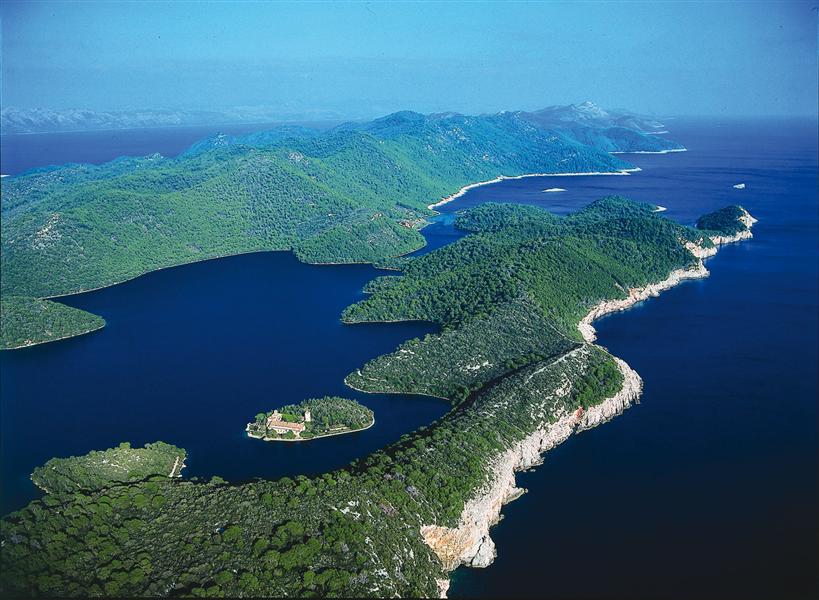
Because you are treehugger like us, right (and are socially aware like Croatians!, you are going to want to get a bit into the wild. One of the sights to see is Mljet, lush with Mediterranean vegetation, pristine waters, super sandy shorelines and underwater animals and plants to die for.
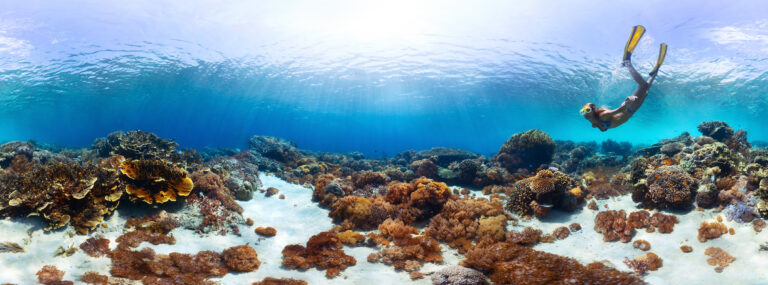
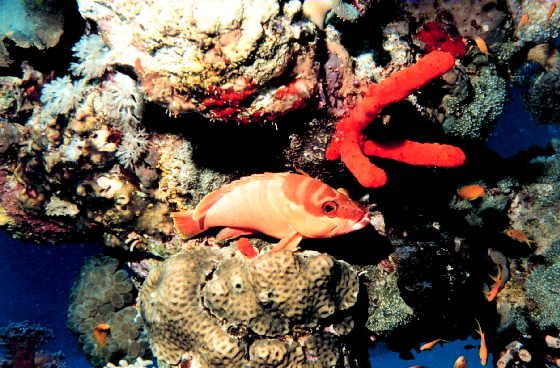
Make sure your pack your SCUBA or snorkeling gear or find some to rent at Mljet Island, a National Park, made up from two inland saltwater lakes. Walk along the canal’s edge or get closer to it in a kayak. Dock for the night and listen to nature and the cool sea put you to sleep.
Vis is the furthest away from the mainland, so it’s a bit of a travel to get there it’s also one of the country’s loveliest. Up until 1989 it was cut off from the public because it was a military base so it had been preserved and its people isolated. It is home to one of Europe’s best beaches, and only small boats like sailboats can pass through the narrow cliffs to get to shore.
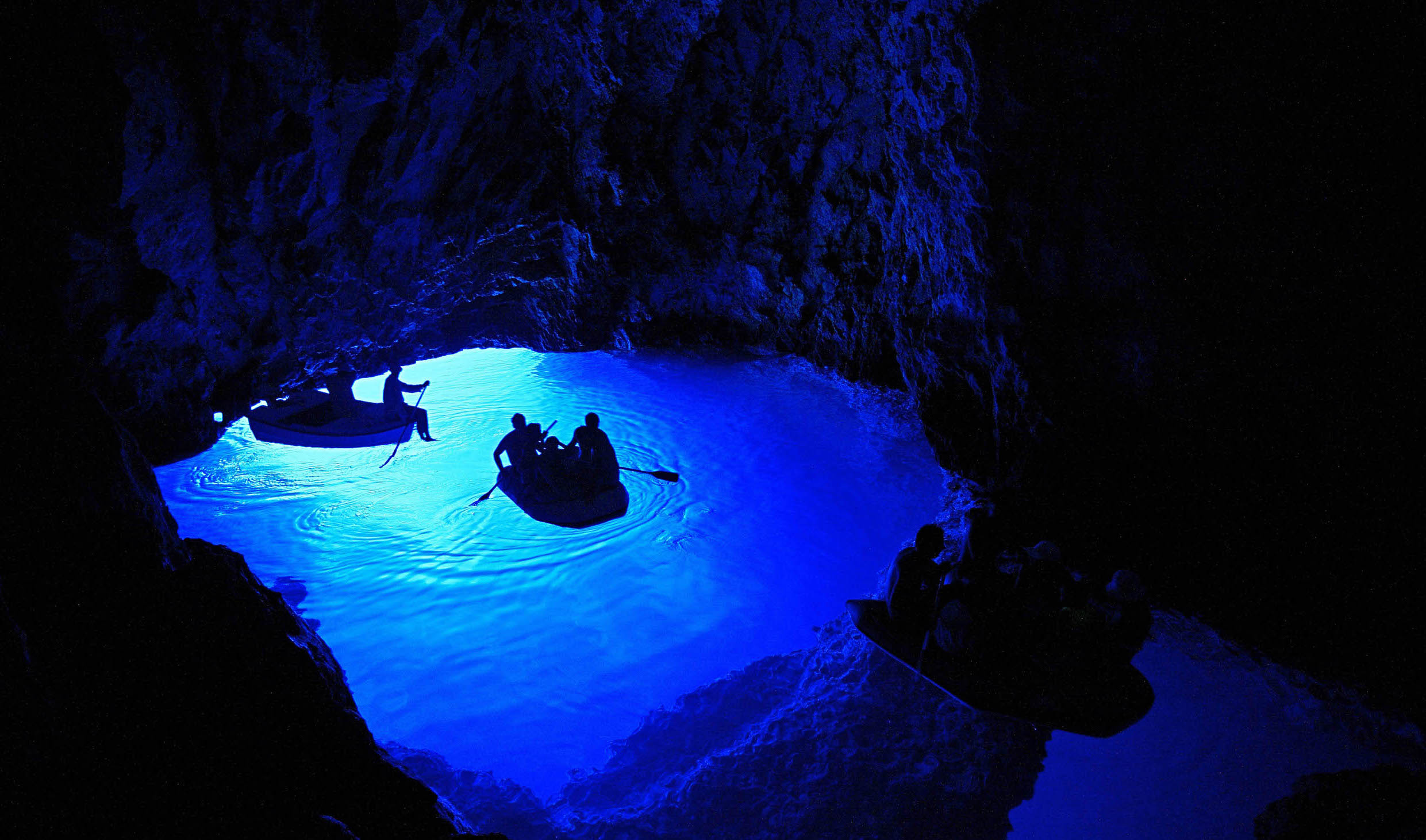
What an adventure awaits! Make sure you visit the Blue Caves when you are there, and notice the famous blue glow from beneath the water. We heard it’s pretty close to heaven.
Utah with its towering mountains, deep canyons, and enchanting valleys is completely stunning. The geological wonder continues to lure tourists from all across the country and world. International tourist arrivals are still growing at a higher rate with many more people exploring new destinations and countries. With endless year-round outdoor activities and recreation facilities, it is no wonder to see the state list among the top destinations among the holidaymakers looking for special experience. There is a growing demand for vacation rentals in Utah, and it points to the increasing popularity of the state.
We have often heard the word sustainability and the concept of going green. The concept of sustainable tourism is based on the ecological, economic and social pillars. Sustainability in tourism evaluates how tourism and touristic activities can benefit local communities, protect the environment and preserve their cultures.
Ecotourism and sustainable tourism
With a steady rise in the number of tourists and travelers globetrotting across the world, it is no surprise to see a growing strain on the natural resources of the popular destinations. With millions of people landing in tourist hot spots, it is no wonder to see the damage caused due to overcrowding and swarming holidaymakers. Besides, there is a strain on local infrastructure and nature too. Unless and until nature gets back what we take from it, the environmental issues are going to mount. This is where sustainable tourism and responsible traveling comes in. Essential questions need to be asked regarding environmental and sustainable practices.
Ecotourism is fast becoming the fastest growing segment of the tourism industry. 2018 Environmental Performance Index shows that the most sustainable nations in the world when it comes to ecotourism include Denmark, France, and Switzerland. There are concerns about global warming, and air travel is one of the significant contributors to greenhouse gases. Utah allows you to create memorable encounters with nature and experience nature in all its glory. However, with that comes to responsibility too and to act as a responsible vacationer and avoid leaving any environmental footprints. For those planning to travel to Utah can help save the environment and prevent global warming by holidaymaker. As a ‘green’ tourist, lead by example and use embrace environmentally-friendly products and policies.
How to travel greener in Utah
The growing awareness of sustainable travel and tourism is good for the environment. When one travels in a responsible manner, they benefit the local economies and tourist spots.
Interact with the local people and respect their culture and way of living. When you care for the locals, you treat the nature around with respect and get closer to their culture
Look for green shops and services for your needs whether it is food or shopping or buying any other services.
Staying at green-rated hotels and vacation rentals is highly recommended to safeguard the environmental requirements. Book your room at environmentally friendly hotels in Utah.
Make use of disposable dishware and recycled paper products during your vacation. Say no to plastic and use only reusable or recyclable goods.
You can carpool and share your bike on your vacation to reduce your carbon print on the environment.
Wherever and whenever possible, take the train and avoid the plane. Walk whenever you can and add to your health as well as the environment/
If you want to donate, give to the reputable local organizations and charities. Give money or goods that can be used in local welfare programs.
Pack light and try not to overload the planes or yourself. No one really cares how you look during your vacation as long as you are decently attired and look presentable.
Support the local economy and shop for local crafts and souvenirs. It is always cheaper and better to add to the local economy that leads to much positive impact.
Go for non-stop flights whenever you can as most of an airplane’s carbon emissions get created during takeoffs and landings.
Use eco-friendly, hybrid and electric vehicles to consume less fuel and emit less carbon emissions.
Stay in greener hotels that promote sustainability initiatives and use solar power, energy-efficient lighting, wind turbines, low-flow toilets, and rainwater harvesting.
Conserve water and limit energy. Avoid the long steamy showers to save both energy and water and switch of the lights.
Benefits of sustainable tourism
Well, people would still travel, only they need to change their ways of traveling and holiday responsibly. The only solution lies in sustainable and responsible travel and protects the local culture and nature, no matter where one goes. One should keep in mind the future generations too and ensure that those touristic hot spots remain as attractive and alluring. Decrease your carbon footprint whenever you travel by being a responsible traveler. Here are seem of the significant advantages of going green as a traveler.
Any negative environmental and social impact is minimized.
The local people enjoy more significant economic benefits, and there are better associations made between the locals and the travelers.
The working conditions and well-being of host communities enjoy significance improvements.
Getting involved with local people not only affect their lives and chances, but one becomes a wiser traveler in the process.
Meaningful connections with local people mean a greater understanding and more enjoyable experiences.
There are positive contributions made towards the natural and cultural heritage, and the world’s diversity is conserved and maintained.
Africa is one of the most visited continents world over. The reason simply being that the continent has a lot to offer. Talk of incredible scenery from Cape to Cairo, ancient cities and buildings, vast tracts of plains housing all sorts of species plus the warm hearts of the African people among many others. Attracted by diverse attractions, many people flock to Africa including other Africans travelling around the continent.
They say that when it comes to travelling, it’s the journey that matters most rather than the destination and as such, an increasing number of visitors to Africa and from Africa now prefer travelling via train. This is because a train takes its time moving from point A to point B in the process giving visitors ample time to enjoy all that Africa has in store.
Below we highlight some of the most popular train travels in Africa.
Rovos Rail (Around Africa)
Rovos Rail is regarded by some to be the best train travel in Africa. Rovos Rail service two routes i.e. the Cape Town to Dar es Salaam route and the Cape to Cairo route. The first route takes 14 days and visitors get to explore four countries starting with South Africa, Zimbabwe, Botswana and then Tanzania. On some occasions, visitors can also be afforded the time to enter Zambia and see the majestic Victoria Falls from the Zambian side (this allows visitors to get a better and more beautiful view of the Devils’ Pool along the Victoria Falls). The second route takes 28 days and visitors get to explore a number of African countries all the way south from South Africa up north to Egypt. However, the Cape to Cairo route occurs only once every couple of years.
Blue Train (South Africa)
The Blue Train is one of Africa’s most popular train travels. The train got its name from its colours i.e. an indigo hue which strikes across the train’s sides. Blue Train serve the Durban to Pretoria route and it takes 27 hours to arrive at its destination. Inside the train, visitors enjoy spectacular views of the South African savannah in the process getting glimpses of common wildlife popular in this part of the world. The train has some top chefs so visitors can expect to be served with the best in terms of wine and food.
Zimbabwe Rail (Zimbabwe)
To relive life in the 1950s and thereabouts, visitors can get on board Zimbabwe Rail. The train serves the Victoria Falls to Bulawayo route. This is a night journey which sees the train depart Victoria Falls around 8 pm and arriving in Bulawayo the next morning around 9 am. The beauty of boarding Zimbabwe Rail is that visitors get to travel overnight in a 1950s era British built coach. Not just this but visitors get to wake up to the sights of baboons, monkeys, and other animals common in this part of the world.
Morocco, a state thriving mainly on tourism as its primary source of foreign exchange, has manifold ventures to offer. Maintaining its place as the top vacation spot in the North African region, Morocco boasts its insights into wonderful surf and yoga facilities, a deep sense of culture and a rich history. Original Surf Morocco is undoubtedly the best option for visitors to lodge in for a satisfying yoga, surfing adventure, eat delicious Moroccan food and experience Moroccan culture.
It is imperative for a traveler to keep himself abreast of the recreational opportunities that a place has to offer. Many platforms speak much about their recommendations for the tourists; Original Surf Morocco has come up with a unique comprehensive list of things and activities you must do when coming to Morocco. So, this one’s a must read:
Must shop a tannery from Fez
Fez, being the signature cultural city of Morocco, holds many talents of leather artistry hidden inside the clustered bazaars. Since medieval ages, these tanneries have sustained their glory and grace in the eyes of both the locals and the foreigners. Even if you don’t plan to shop much, buying a leather item can be the best souvenir from the city of Fez. The skins of animals put out on the canopies and the vibrancy of hues being tainted on the canvases of dried leather will be worth letting your senses absorbed in the atmosphere.
Public Hammams:
Bathroom seems a bit cliché; in Morocco, they have this ancient term “Hammam” symbolizing a place where people used to take a bath in the form of groups long before the concept of separate bathrooms came into being. Morocco still preserves the age old trend of collective hot steam baths and relaxing restrooms as a form of tourist attraction. If you are an enthusiast of relishing the details of Moroccan culture, you must try some time at a Hammam; they have separate “Woman-only” sections to suit your personal preferences as well.
Don’t miss the indigenous food:
Moroccan food, period! It’s famous for its hygienic content as it serves the necessary ingredients that help a dieting aspirant achieve its goals of bodily health; hence the prevalent culture of yoga and meditation. The cuisine here is a mesh of different cultural impressions coming from Arabs, Spanish and French people. If you are planning to stay a little longer, you should indulge yourself in any of the cooking workshops being widely conducted by many outlets. The skill remains, the health continues.
Savour the peace of Djemaa el Fna:
This hub of tranquility in the form of a central square location lies at the heart of Marrakesh. Fna has its tantalizing colours in the form of vibrant mornings and peaceful evenings where people dine out all over the place. The area glows more when jugglers, musicians and live performers steal the moments in public, making the family meals of the nearby diners all the more worthwhile and enjoyable. The stalls and the small hideouts in the vicinity add more life to the overall atmosphere. A meal Fna should be in your to-do list.
The coastline adventures:
It would not be an exaggeration to say that what the Moroccan coast has for the tourists surpasses all other recreational magnets of the region. A perfect way to make the most out of your surf breaks, availing of the Taghazout surfing opportunities. People come here to fish, to swim and to have the ultimate surfing experience. The coast also provides equal facilities for kite surfing and surfing for beginners. But it is highly recommended that you plan your vacation during winters, precisely between September and April, to make the most out of tide strength.
Majorelle Gardens for the win:
Being an epitome of natural beauty and having been designed by a famous French painter, Jacques Majorelle. The garden portrays an image of a ravishing oasis with flaunting date palms and a wide range of floral and botanic beauty. To cherish the blossoming air in these gardens, think about spending some time there with a book in hand or, probably, a picnic bag would do.
The grandeur of Atlas Mountains:
The Moroccan land is blessed with the splendor of the gigantic range of Atlas Mountains, spanning up to 1500 miles and touching the borders of Tunisia. Jebel Toubkal, the highest mountain, remains the foremost trek-to cliff for many climbers and adventurers from across the globe. People having a good knack of hiking always opt to try this one and they prepare for it seriously. The pathway to the top is facilitated by many resting spots and the adjacent villages are a source of joy where you can do your photography or make amazing vlogs as they say nowadays.
The blue of Chefchaouen
Some places amaze you not only because of their landscape beauty but also by their aesthetic appeal. The blue isles of Chefchaouen exhibit an ocean of blue coloured spectrum in the way it is painted. This city is a landmark of history because of its warmth that it had for refugees fleeing from Spain, Germany and many other war stricken countries during the World War 2 era. The blue streets therein are embellished with pure artworks and busy cafeterias. A photograph is a must here.
Schedule your tour during the festival days:
If you really want to witness the revival of Moroccan culture and wish to sniff the air of a spectacular aura, time your travel during the days of the festivals. They have a handsome variety of festivals that attracts cultural aspirants from everywhere; the Fez Festival of World Sacred Music, the Essaouira Gnaoua, World Music Festival, the date festival in Erfoud and the Dades Valley roses festival speak high of the Moroccan identity, to name a few.
The Casablanca Mosque:
If you really want to get a gist Moroccan architecture in less time, we would suggest you pay a visit to this glamorous mosque. It was named after King Hassan II and is known to be the largest mosque in the country with the tallest minaret of them all. Muslims can visit during the praying times, and it is also open for Non-Muslims so that they can appreciate the work that took seven years for its completion.











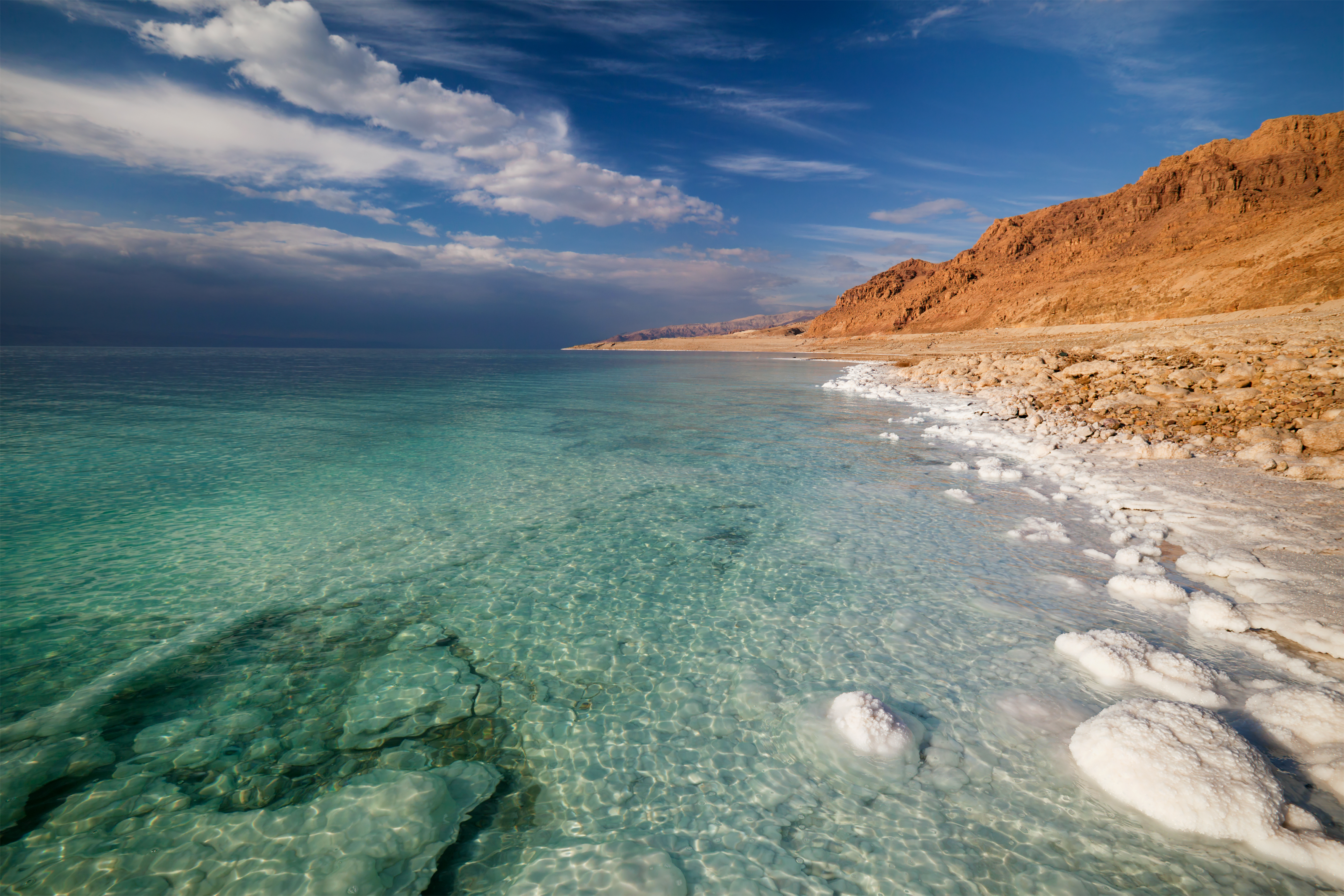

















 Jews in Israel will live for a week in a sukkah, starting next week. It’s a time to get back to nature, and one’s roots.