Home Blog Page 209

Time to AWAKEN spirits and social change in Kuwait

0

awaken kuwait

The small but mighty country of Kuwait wants to wake and shake you up. Join a a new community building festival this November that will bring people together from different backgrounds to think creatively about social issues in Kuwait.

The two day event will use interactive talks, stories, learning, music, theatre, art, food and more to connect people with civic and environment minded ideas; and will feature forward-thinking collaborations to explore new ways for people to understand their role in society.

Are you in Kuwait and want to connect with like-minds? Make change from within.Suitable for ages 16+

Nov. 15 6 – 9pm // Nov. 16 1 – 9pm // Nov. 17 1 – 7pm //

Get your tickets today and follow us on instagram @awake__n for updates! Hosted by en.v earth.

Can clay jugs filter water?

0

ceramic water jug raw water, living water, jaffa, purifier

Cool, fresh drinking water. Westerners turn the faucet on and take it for granted that good water will flow out, but in many countries fresh water is a treasure, gained by hard work. In rural villages all over the globe, people – usually women and children – fill buckets and jerry cans from a communal faucet or from a natural source that may be over an hour’s walk away.

But the water obtained may not be safe to drink. According to UNICEF and the World Health Organization’s 2009 report, diarrhoea, due in large part to the lack of safe drinking water, kills nearly 9 million children under age 5 every year. Poor sanitation and hygiene play important roles in this figure as well.

“According to the latest available figures, an estimated 2.5 billion people lack improved sanitation facilities, and nearly one billion people do not have access to safe drinking water.” (WHO 2009)

Here we discuss filtering water through ceramic vessels for safe drinking. Clay jugs for filtering and cooling water have been used for centuries in India, Africa, the Mediterranean, and Central and South America. Some companies like Mayu were inspired by ways of the ancients and built a new solution.

Water poured out of traditional unglazed clay jugs tastes cool and sweet. Now let’s see how effectively clay jugs filter out disease-bearing particles.

The clay pot filter designed by Dr. Fernando Mazariego in Guatemla, 1981, is the model for the most successful modern clay filter system. Potters for Peace, a non-profit based in the USA, has been supplying the Mazariego filters and teaching villagers how to use and maintain them since 1986. Originally based in Nicaragua, the project has expanded to other underdeveloped countries. Other researchers have adopted the clay jug model. In over 20 countries, people are drinking safe water filtered through these clay jugs, and avoiding the catastrophic diarrheal diseases that kill adults and children within days.

To be effective, the jugs must be made of local clay with mixed with ground, sieved sawdust or other combustible material. When the pots are fired, the clay incorporates the sawdust (or corn or rice husks). It remains porous, but its micro-texture blocks contaminants in the water filtering through and dripping downward into the storage vessel.

Learn how to throw your own clay pot here:

Still, some pathogens are small enough to pass through the clay pores. To remove deadly micro-organisms and prevent mold from growing inside the filters, a layer of colloidal silver is applied to their interiors. Tests prove that these colloidal silver-coated jugs eliminate 99.88% of toxins found in raw water. Introducing copper to the jug, instead of silver, has also proved to be effective.

Some commercial clay water jugs are quite handsome.

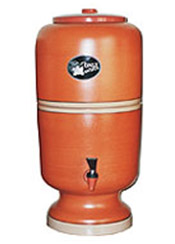
The filters based on the Potters for Peace model are less so, but just as effective. They hold 8-10 liters of water and are placed snugly over a storage vessel, which could be a bucket, or another clay pot. The filter on top is filled with water, which drips down into the storage vessel. A spigot attached to the receiving vessel allows access to the now-pure water. This is achieved by drilling a hole in the bucket or jerry can in order to insert a tap, or in the case of a clay storage vessel, having it made with a spigot. It’s important to prevent people from dipping their hands or cups inside the storage vessel, to prevent cross-contamination.

clay water filter

These clay filters are a cheap, locally-made and effective device for turning contaminated water into safe water. Studies show that where people use them, there is a 60-70% reduction in diarrheal disease. But there are two caveats: while many contaminants stay behind, viruses slip through; and where the jugs are poorly made, or cracked, or not regularly cleaned out, bacteria will accumulate inside them. Care and maintenance of the filter and the water storage vessel are an important part of education in clay filter use. They should be washed with hot water, soap, and a soft brush regularly, and immediately after filtering especially turbid water.

The Centers for Disease Control and Prevention of lists the following advantages and disadvantages of the clay water filter system:

  • The benefits of ceramic filtration are:Proven reduction of bacteria and protozoa in water
  • Simplicity of use and acceptability
  • Proven reduction of diarrheal disease incidence for users
  • Long life if the filter remains unbroken
  • A low one-time cost

Drawbacks of clay filtration

  • Not as effective against viruses
  • No chlorine residual protection – can lead to recontamination
  • Variable quality control for locally produced filters
  • Filters can break over time – need for spare parts
  • A low flow rate of 1-3 liters per hour for non-turbid waters
  • Filters and receptacles must be cleaned regularly, especially after filtering turbid water
  • Ceramic filtration is most appropriate in areas where there is capacity for quality ceramics filter production, a distribution network for replacement of broken parts, and user training on how to correctly maintain and use the filter.

The “raw water” trend that has taken hold of some American’s imaginations is an open invitation for toxins like runoff water pesticides, birth control hormones and fecal matter to invade and wreak havoc. Raw water is after all, responsible for the cholera epidemics that swept Europe and still claim victims around the world. Far better, if a person insists on drinking water in its most natural state, to invest in a clay water filtration system – and to boil the purified water before drinking it or brushing their teeth with it.

:: CDC Centers for Disease Control and Prevention

:: Potters for Peace

Drawing of clay water filter system via designindaba.com

Understanding the Environmental Benefits of Car Removal

0

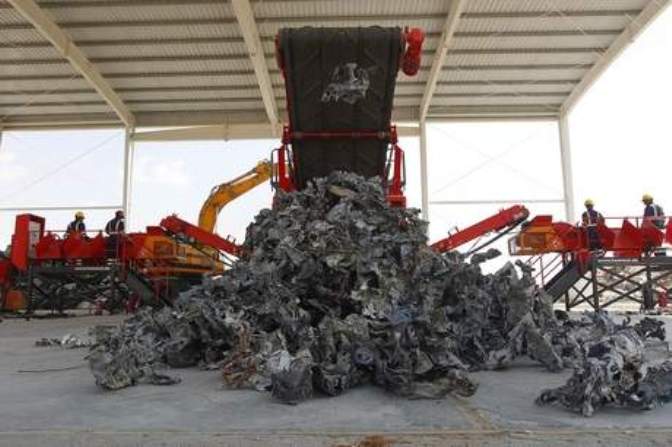
UAE first car recycling plant

Do you have an unwanted car sitting in your yard? Perhaps you have more than one. Those rusting hulks are certainly eyesores, but did you know that they could actually be causing damage to the environment? However, there’s a solution that will get you cash for cars in Perth, but also allow you to protect the planet. What should you know about the effects of unwanted vehicles on the environment and how might you be able to get cash for yours?

The Spread of Petroleum Hydrocarbons

Whether that junk car used diesel, or it was equipped with a petrol engine, the fact is that it is introducing petroleum hydrocarbons into the environment. These hydrocarbons are emitted by any product that includes or was made using petroleum or petroleum products, and can include petrol, diesel fuel, engine oil, tyres, and more. Petroleum hydrocarbons are toxic to many forms of life, particularly to aquatic life, and often make their way into an area’s water system where they wreak havoc.

Introduction of Dangerous Acids

You might not think it to look at the average passenger vehicle, but acids play a major role in their manufacture and operation. For instance, pop the bonnet and you’ll find acid within the car battery. You’ll also find acids in the solvent used in the windshield washer. These are harmful to all forms of life, and can make their way into the soil and water.

Pollution from Heavy Metals

Heavy metals are dangerous to all forms of life, including humans. They can also accrete within some organisms, such as fish and shellfish, and then transmit those heavy metals to animals that prey on those species (including humans). This is one reason that national governments recommend that we watch our intake of tuna – all fish species in the wild today contain high levels of mercury, a dangerous heavy metal. Additional heavy metals, including lead, zinc, and arsenic can leach from a junk car into your yard and the area’s watershed.

By earning cash for cars in Perth, you are able to prevent these threats from having a greater impact on the local environment. Of course, it helps to know more about how these dangers are spread from your unwanted car to the surrounding area.

How Are These Threats Spread?

There are two primary ways that the eco-dangers we listed above can spread in the environment. One of those is through direct contact. For instance, if the oil pan on the car has a leak, oil could continue to drip from that location onto the ground below the car, slowly spreading in the soil.

Another way that these threats spread, and one that is both more frightening and insidious, is through storm water runoff. When it rains, water rushes across the soil. It washes detritus away into gullies, culverts, and then into streams and rivers. Water also carries these dangers into the soil itself, where they can make their way into the underground water table. Here, these toxins can penetrate our drinking water, as well as migrate back to the surface into streams and rivers.

Reusing to Reduce Material Demand

When you get cash for cars in Perth, you are able to do more than just eliminate potential threats from the environment. You are able to reduce the demand for many raw materials. Quite a few components on the average car can be recycled and turned into new products. Tyres can be recycled, old engine oil can be cleaned and reused, even old batteries can be recycled – the lead within them, while toxic to most forms of life, is an essential component for any sort of battery.

As you can see, getting cash for cars in Perth can help your financial situation, but it can also provide a significant benefit to the environment.

Carbon tax will not save us from climate catastrophe

0

Don’t be fooled by big oil’s “noble efforts”: ExxonMobil just announced a $1 million donation to an effort backing carbon taxes. The announcement follows a devastating IPCC report revealing society has a mere 12 years to start rapidly phasing out fossil fuels to limit the worst of the climate chaos ahead.

In response, Food & Water Watch Executive Director Wenonah Hauter released the following statement:

“The alarming findings of the latest IPCC report validate an aggressive approach to deepening climate chaos that scientists, advocates and elected officials across the country are steadily endorsing: a rapid transition off fossil fuels that would make our society almost entirely reliant on clean, renewable energy in the next ten years.

“It comes as no surprise that ExxonMobil and other oil companies are calling for anything and everything short of moving off fossil fuels entirely—most notably, the unwieldy and unproven concept of carbon taxes. The IPCC report acknowledges that carbon taxes would have to be incredibly high to make even a dent in the crisis. Market-based carbon pricing schemes are a false solution to climate change, and a dangerous distraction from the urgent transition to a truly clean, renewable energy future we must undertake now.

“While individual actions are laudable, no amount of lifestyle changes are enough to solve this planetary crisis without strong policies that will transform our society. This not only means how we provide energy, but also, how we provide food. We must tackle industrial animal agriculture, a huge piece of the puzzle, by implementing policies that promote sustainable livestock operations, not factory farms.

“As Hurricane Michael bears down on Florida this week, we can’t forget that climate chaos doesn’t just unfold in number-filled charts in a report—it has real world consequences and costs lives. The IPCC report reinforces what we already know: we have to move Off Fossil Fuels if we want to solve climate chaos. Congress must pass the Off Fossil Fuels for a Better Future Act, the most ambitious climate legislation ever introduced, which provides a just and equitable roadmap for how to proceed.”


We speak with Syrian refugees

0

Nader Diab

As of April 2018, it is estimated that more than 5.6 million refugees have fled Syria and more than 6 million people are displaced internally. Many of these refugees are well educated, experienced individuals. However, they face unemployment and lack of direction as they settle in a completely foreign environment.

NaTaKallam (“We Speak” in Arabic) connects language learners globally with displaced Syrian and Iraqi people over Skype to learn Arabic.

NaTaKallam Founder Aline Sara explains that the platform offers a “gainful income opportunity to displaced people who face restrictive labor policies in their country of resettlement.” Additional benefits include “creating conversations and bridging cultures today between countries, and between individuals who are far from conflict and those who live and breathe it.”

Natakallam provides a unique opportunity in an era of increasing division when the need to build community and enhance cultural understanding is critical. Sara stresses, “We want to show that refugees can contribute positively to society and should not be characterized as passive burdens dragging on public services.”

NaTakallam (“we speak” in Arabic) pairs Arabic-speaking displaced persons with learners around the world for language practice over Skype. The platform offers affordable, flexible, tailored Arabic practice with native speakers for language learners while also providing a valuable income source to displaced people mostly in Lebanon, but also in Turkey, Iraq, Egypt, France, Brazil, Italy and Germany.

Erratic weather toll on Syria’s agricultural output making conflict worse

Seeds for farmers, sustained humanitarian assistance needed to consolidate food security gains

Extreme weather conditions during Syria’s seventh year of conflict has caused domestic cereal production to decline sharply, two UN agencies announced today.

Wheat production this year fell to a 29-year low of 1.2 million tons, about two-thirds of 2017 levels. This was due to an extended period of dry weather early in the cropping season followed by heavy out-of-season rains, according to the latest Crop and Food Security Assessment Mission (CFSAM), conducted jointly by the UN Food and Agriculture Organization (FAO) and the World Food Programme (WFP).

The conflict in Syria has also damaged vast farming areas, displaced thousands of Syrian farmers and triggered a sharp increase in the cost of agricultural inputs.

While more displaced people are returning to their homes and the number of people in hard-to-reach locations has dropped by two-thirds, the report estimates that 5.5 million Syrians remain food insecure and require some form of food assistance, a decline of around 20 percent from the year before. In addition, some 500,000 to 800,000 people in the northern governorate of Idleb may be food-insecure.

“We are encouraged by some improvements in food security levels this year, says Corinne Fleischer, WFP Country Director and Representative in Syria. “However, the conflict has drastically eroded livelihoods and triggered widespread unemployment. Continued humanitarian assistance at scale is essential to prevent the most vulnerable families from falling back and deeper into poverty and hunger. Meanwhile, WFP is working hand-in-hand with FAO to deliver programmes that create employment and livelihood opportunities to empower Syrians as they begin to recover and rebuild their lives and country.”

“Agricultural recovery is essential for Syria now and in the future,” says Mike Robson, FAO’s Representative in Syria. “FAO has focused on keeping production from collapsing during the conflict and is engaged in a host of activities in the country to support irrigation, livestock vaccination, household nutrition and entrepreneurship among the displaced.”

While improved security, stability and the re-opening of supply routes have led food prices to decline by around 40 percent compared to last year, prices remain almost seven times higher than before the crisis. With unemployment rates reaching up to 60 percent, families grapple with reduced purchasing power, restricting their ability to cover their basic food needs.

Challenges farmers face

Adverse weather conditions led to only 38 percent of the wheat crop in rain-fed areas being harvested this year. Farmers have reported it as the worst agricultural season in living memory in Al-Hasakeh, the northeastern region that typically provides almost half of the country’s wheat.

Barley, a more drought-tolerant crop, fared better but production still fell to its lowest level since 2008. According to the report – which is based on interviews and surveys as well as satellite and government data – farmers complained of sporadic water availability, the high cost of fuel to run irrigation pumps and a shortage of tillage equipment.

As the Government regains control of territory and pumping stations, work to restore water treatment plants and irrigation canals has begun. However, the work may take years to complete.

The conflict in Syria has taken a heavy toll on the agricultural sector, as evidenced in limited access to seeds, something which will pose a “major problem” in the year ahead, the FAO-WFP report says. For planting, many farmers rely on grain saved from their own limited harvests. Given this year’s poor cereal harvest, seed quality for re-planting later this month will likely be low, with an expected knock-on effect next year.

Other key inputs and equipment – fertilizers, subsidized fuel, pesticides, functioning tractors, grain silos, milling plants and warehouses – are also in limited supply. Livestock numbers, albeit down by roughly half from their 2011 levels, have stabilised compared to last year but poor crop harvests are likely to lead to culls as feed prices rise.

Building on a positive food security trend

The assessment highlights that food security levels have slightly improved over the past year, due to enhanced security and better market access. However, there remain areas of serious concern where continued conflict is driving new displacements.

Food assistance has been a lifeline for conflict-affected households across the country and will continue to be required as displaced people gradually return to their homes, the FAO-WFP report says. Nearly one out of four households have poor food consumption, including limited access to key micronutrients; most affected are displaced families, returnees and female-headed households.

Declining levels of external assistance could pose a great threat to recent food security gains unless there is substantial economic recovery and growth, according to the report.

WFP is currently reaching around 3 million people with food assistance and plans to make a gradual shift from general food assistance, in the form of food rations, to more market-based programmes where markets are functional and supply routes are strong. This will have the added benefit of stimulating the local market. Over the coming two years, it is essential to explore options for fostering the recovery and development of national safety nets by focusing on the most vulnerable communities, investing in school meals activities and ramping up resilience-based livelihood activities.

FAO’s programmes helped farmers grow enough wheat to feed an additional 1.7 million people in 2017, keep livestock diseases at bay, and are contributing to rebuilding agricultural infrastructure and income-generating opportunities as well as supporting micro-gardens and other small-scale production initiatives among Syrian refugees in neighboring countries.

The report says that the next two years are crucial for rebuilding lives and livelihoods across the country.

Popular Residential Heating Systems in North America

0

"energy efficient winter heating"

With the recent change of seasons, some of us are starting to think about the cold weather. The falling leaves and frosty mornings lead to the eventual snow, ice and cold. We’re eventually going to be spending more time indoors as the temperatures continue to drop.

While we’re indoors, we want to be comfortable. We don’t want to be too hot, but we don’t want to feel the winter chill in our homes, either. We need a balance so that we can work, play and live in comfort.

This is the perfect time of year to start thinking about energy efficient heating choices. There are many different options available for your home. There are many informative websites and you can also find out more information at your local home improvement store or by talking to a heating, ventilation and air conditioning professional.

Here are some of the more popular types of residential heating systems in North America:

1. Furnaces

Commonly used for both central air and central heating. They operate by blowing and moving heated air through a network of ducts in the house to vent in different rooms. These kinds of systems are usually powered by natural gas, fuel oil or electricity.

2. Boilers

Another popular source of indoor heat. They use a pump to bring heat from hot water to different rooms in a home through radiators or other similar devices. Boilers are usually fueled by heating oil or natural gas.

3. Radiant floor heat

A form of a boiler that uses pumps to bring heated water back and forth through tubes in the floor. This is a method that has become increasingly more popular for heating, kitchens and living rooms, especially in areas that are traditionally much colder in the winter months.

4. Heat pumps

It either use the outside air (for air-source heat pumps) or from underground (for ground-source heat pumps) as their source of fuel. Air source heat pumps are usually more common because they are easier to install and are generally less expensive than ground-source heat pumps. However, ground source heat pumps are usually more efficient in the long run, and are preferred by long-time homeowners.

5. Space heaters

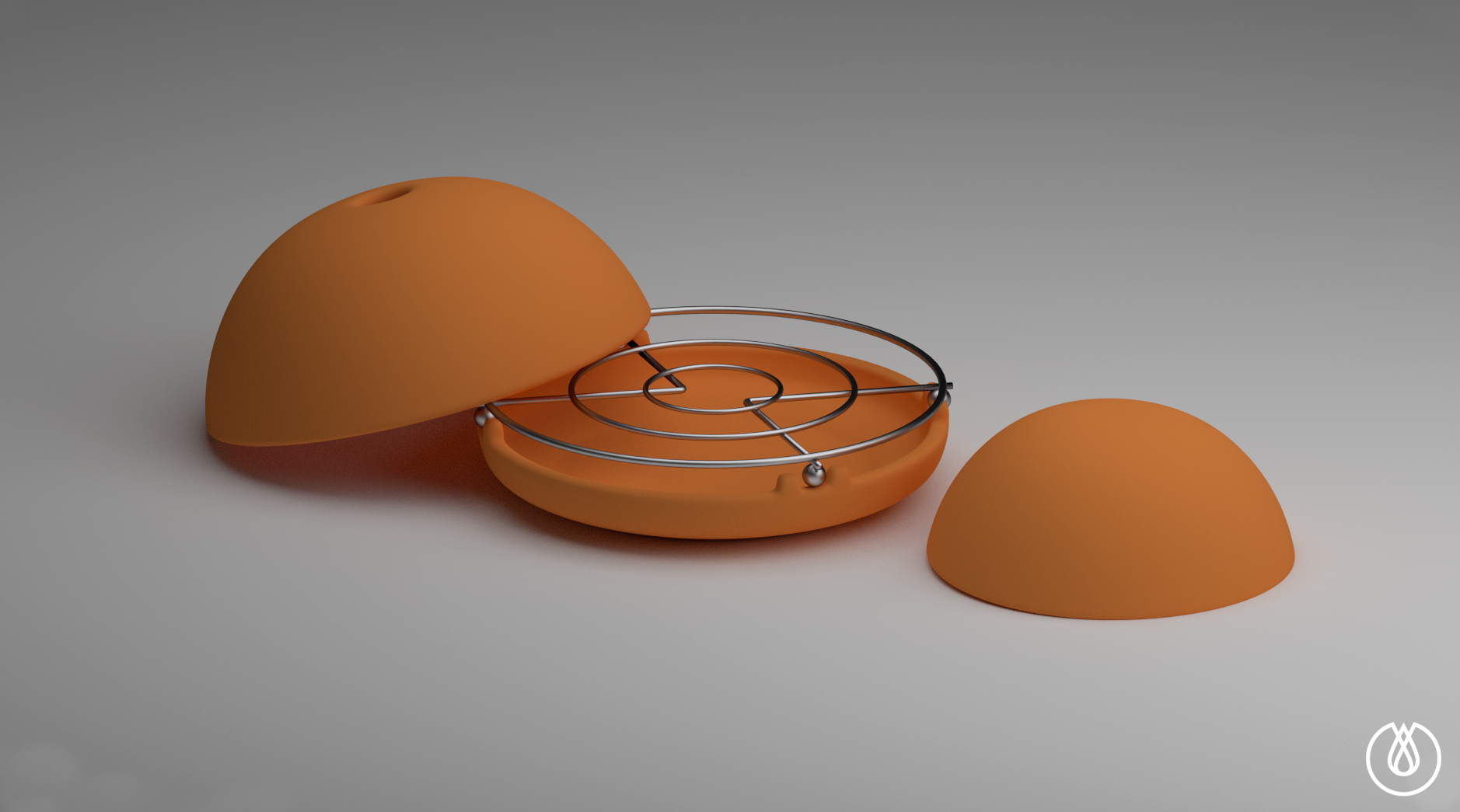
Egloo Candle Heater

A convenient, portable option. They can be mounted or plugged in almost anywhere. Space heaters work best in small places or single rooms. They provide comfort, but are not usually a permanent solution.

6. Wood burning stoves

Wood burning stoves are another affordable choice, they have one of the lowest fuel costs of the major types of home heating systems. They are effective at what they do, but the potential for pollution is a serious concern.

7. Fireplaces

Another popular kind of heating method. They are often a central part of a room’s decor. While they may look appealing, many fireplaces lose more heat than they distribute, because of the air intake from the room that is used for combustion when they are lit.

These are just some of the most popular forms of home heating that are available today. What works best for your home depends on your own needs. Research the types of heating systems carefully. Consider the functionality, and budget for the installation and fuel costs. Keeping your home warm and comfortable is going to be increasingly more important in the coming months, so you want to make sure you have the right option for you and your family.

Jerusalem in writing, the oldest inscription found!

An exciting find from Jerusalem was presented for the first time today (Tuesday) during a joint press conference of the Israel Antiquities Authority and the Israel Museum: a unique stone inscription dating to the Second Temple Period (First Century CE), mentioning Jerusalem, written in Hebrew letters, and using the spelling as we know it today.

The inscription was found this last winter near Binyanei Ha’Uma, during an excavation directed by the IAA’s Danit Levy, prior to the construction of a new road, undertaken and funded by Moriah – the Jerusalem Development Company and the Jerusalem Development Authority. During the excavations, the foundations of a Roman structure were exposed, which were supported by columns. The most important discovery was a stone column drum, reused in the Roman structure, upon which the Aramaic inscription appears, written in Hebrew letters typical of the Second Temple Period, around the time of Herod the Great’s reign.

The inscription reads:

Hananiah son of
Dodalos
of Jerusalem

Prof. Ido Bruno, Director of the Israel Museum, stated: “As a resident of Jerusalem, I am extremely excited to read this inscription, written 2,000 years ago, especially when I think that this inscription will be accessible to every child that can read and uses the same script used two millennia ago. The important and interesting cooperation between the IAA and the Israel Museum, brought to light in the handling and display of new finds, provides an opportunity for the public to be exposed to important discoveries from all over the country, learning about the ancient cultures that developed in Israel over generations.”


Dr. Yuval Baruch, Jerusalem Regional Archaeologist of the Israel Antiquities Authority, and Prof. Ronny Reich of Haifa University, who read and studied the inscription, note that “First and Second Temple period inscriptions mentioning Jerusalem are quite rare. But even more unique is the complete spelling of the name as we know it today, which usually appears in the shorthand version. This is the only stone inscription of the Second Temple period known where the full spelling appears. This spelling is only known in one other instance, on a coin of the Great Revolt against the Romans (66-70 CE). The unusual spelling is also attested to in the Bible, where Jerusalem appears 660 times, with only 5 mentions – of a relatively late date – having the full spelling (Jeremiah 26:18, Esther 2:6, 2 Chronicles 25:1, 2 Chronicles 32: 9, and 2 Chronicles 25: 1).”

According to Dudy Mevorach, Chief Curator of Archaeology at the Israel Museum, “the archaeological context of the inscription does not allow us to determine where it was originally displayed, or who Hananiah son of Dodalos was. But it is likely that he was an artist-potter, the son of an artist-potter, who adopted a name from the Greek mythological realm, following Daedalus, the infamous artist. It is interesting that he decided to add his origin from nearby Jerusalem to his family name.”

In the area of Binyanei Ha’Uma, where the unique find was discovered, excavations have been conducted for many years – most recently by Danit Levy and Dr. Ron Be’eri, of the Israel Antiquities Authority, who slowly exposed extensive portions of a potter’s quarter, which produced vessels for Jerusalem for a period of over 300 years, spanning the Hasmonean Period through to the Late Roman era. According to Danit Levy, “This is the largest ancient pottery production site in the region of Jerusalem.” In the latter part of the Second Temple period, particularly during Herod’s reign, the production was focused on manufacturing cooking vessels. The production installations were found spread across the site, organized into manufacturing units that included kilns, pools for preparing clay, plastered water cisterns, ritual baths, and work spaces for drying and storing the vessels. Alongside the area where the pottery was produced, a small village developed, whose economy was based on pottery production.

The pots were sold in large quantities to the population in Jerusalem and its environs, and those arriving at its gates – in particular the pilgrims arriving in the city. Subsequent to the destruction of Jerusalem in 70 CE, the potter’s workshop resumed its activities on a small scale, until the early 2nd Century CE, when the Roman 10th Legion established its workshop on the site, for the mass production of ceramic building materials – rooftiles, bricks, and pipes, alongside tableware, cooking ware and storage vessels, typical of the Roman army. The legionary kilns and its products are on display in the convention center at Binyanei Ha’Uma and at the Israel Museum.

Beside the unique inscription, two additional finds will be on display at the Israel Museum, beginning tomorrow. The first is a Greek mosaic inscription of the 6th Century CE, exposed near Damascus Gate, commemorating the construction of a public building in Jerusalem in the Byzantine period – likely a hostel – by the emperor Justinian and an abbot by the name of Constantine.

Both are mentioned together in another inscription commemorating the construction of the grand Nea Church, exposed in the Jewish Quarter excavations in the 1970’s, already displayed in the Israel Museum. Both attest to the development of the city some 1,500 years ago by the empire, as part of the mass pilgrimage of Christians to the Holy Land in this period.

How To Hire A Medical Malpractice Attorney

0

medical practice lawyers at work

You are taught from an early age to trust doctors and surgeons. After all, they have spent a number of years in school and training to hone their craft. You probably have the strong belief that doctors always have your best interests in mind. And, this might be true for the most part, but unfortunately, sometimes it isn’t. Sometimes accidents to just happen. Whatever the situation is, you don’t go to the hospital with the intentions of leaving sicker or more injured than when you came in. If this is a situation that you are looking at you are going to need the assistance of a good malpractice attorney and here’s how you can find one.

Experience Is A Must

How do you think Mike Tyson won the heavyweight championship? Sure, he might have been naturally gifted, but he sure put in his work as well. He trained and trained and trained more. You should look for the same qualities in a malpractice attorney. You want one that is backed with experience and training. Hospitals are commonly hit with these types of suits and big organizations like these are backed with the best lawyers that money can buy. You want to make sure that you choose someone with the experience of representing injured patients.

Check For Specialization

Not all lawyers are created the same. Some specialize in a number of laws and some only specialize in one type of law. You wouldn’t go to a burger joint and expect to get a top-notch pizza would you? Apply that same theory when you are searching out medical error lawyers. You want to choose one that specializes in malpractice suits. It might also be important to ask the lawyer if medical malpractice law is their primary focus or if they also represent other cases. A lawyer that focuses on other types of the law might not be as up-to-date with medical malpractice suits as what you require.

A Meeting Is Necessary

Sure, with technology you could probably hire a lawyer without ever meeting them in person. You can easily go online and read reviews, check certifications, and read other testimonials. However, that would be the wrong way to go about hiring a malpractice lawyer. Even if you speak to the attorney over the phone and get a great feeling, a meeting will be necessary. You are going to be closely working with the individual for the oncoming months and you will need to be able to clearly communicate with them. Use your instincts and never doubt them.

Consider Caseloads And Staff

It is not uncommon for attorneys to take on several cases at once. This is how they earn their living. However, taking on too many cases at once can leave a lawyer stretched thin and you might be looking for more dedication. Always ask the attorney how many cases they take on at one time. Your case might require a lot of special care and consideration. It also helps to know that the law firm has the associates and staff members to step in and help in the event that additional labor is required. This might not be something that you would be able to get from a smaller firm.

Top Five Affordable Destination For Fall 2018

0

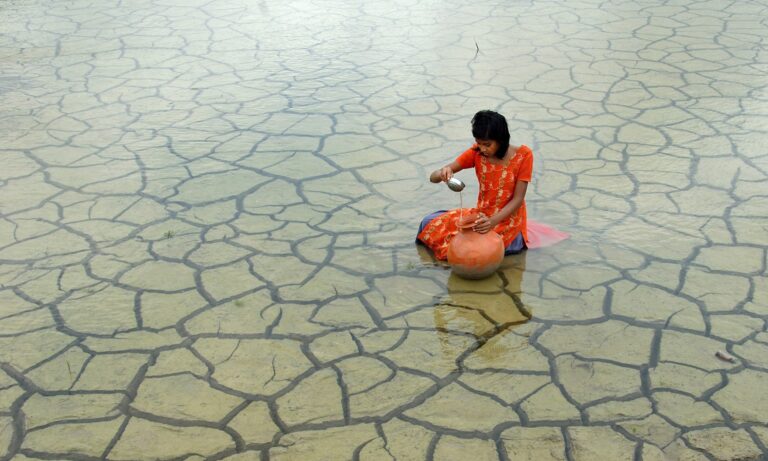
Rainwater collection, 2012, by Prasanta Biswas (India

There is not really a specific season to travel. However, some places might be shining their glorious splendour in certain specific seasons! And by splendour, we mean a powerful exposition of culture, colours and… everything. Now, you might be confused! Should you be going to Russia? Naaa, too cold in Fall. Perhaps Egypt? Too hot? Maybe Los Angeles? Clubs will be too crowded. The North Pole? No Clubs… Only Penguins!

Worry no more, folks! Here are the top five affordable destinations that you can try for Fall 2018. Be sure to update your social media account with your snaps!

Incredible India – Land Of Culture

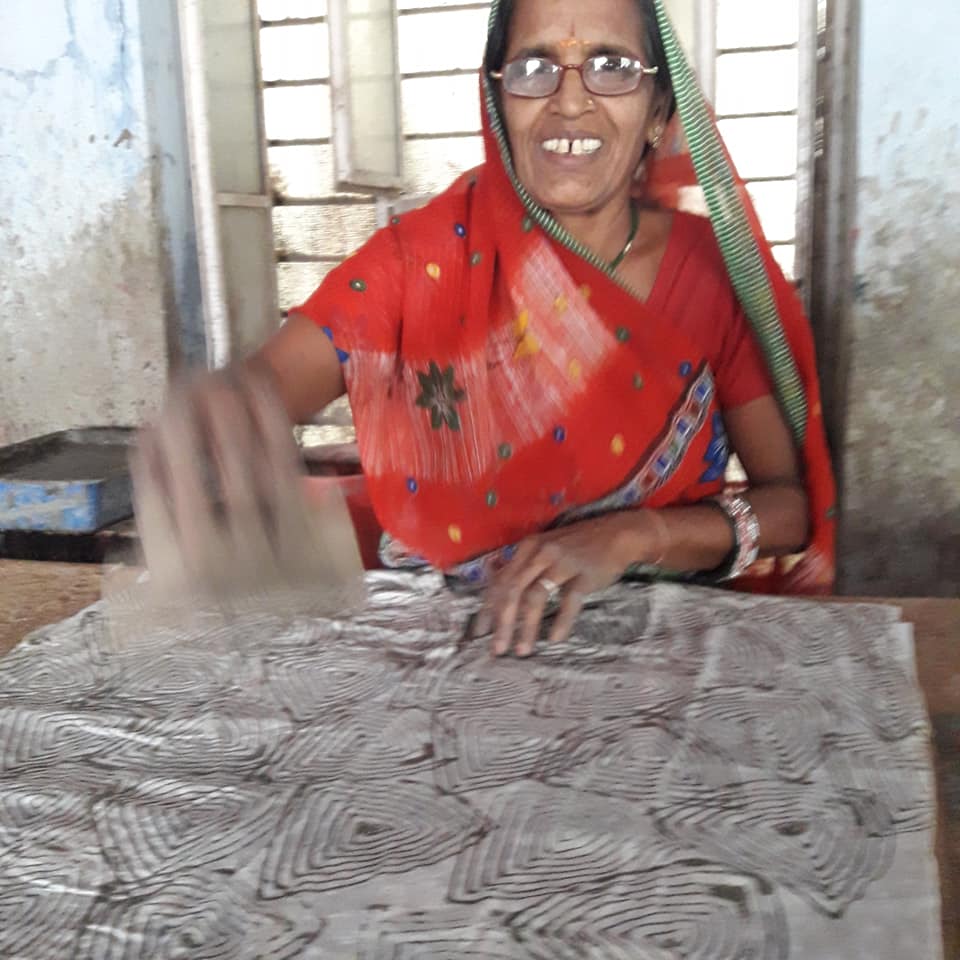
One of the craftswomen that works with Ondi to create the Atelier Om look.

Some of the players have indeed visited India! Through the Bollywood Story Slot at Moon Bingo. The game will captivate your senses with the Indian tune. Not to forget the iconic Indian graphics and concept included in the game. One thing is for sure; all those playing Bollywood Story are entitled to a virtual feel of India. Try not to miss this game at moonbingo.com. But that will only be a glimpse. India promises much more than that! Fall in India does not always mean orange is everywhere but it mostly means the festive seasons. The most amazing festivals in Indian culture happen during these periods. No one has ever returned empty-handed from India. They are filled to the brim with outstanding memories and views. Should India earn a place in your bucket list? Obviously! Just like Bollywood Story.

Pinata Of Canada – Land Of Golden Autumn

One of the most amazing things to do during Fall in Canada is witnessing the exquisite autumn foliages. Seriously, to miss this golden spectacle will be something you wouldn’t want to experience. Canada’s icon, the maple leaf, already brings to mind the iconic autumn leaves but to explore the various locations that pride on autumn foliages, is a thrilling adventure. Don’t want to go sightseeing? Hop onto the bus towards country fairs! Canada is popular for that. Almost every weekend, you can notice fairs being organised. As soon as you pass through one, the fresh scent of pumpkin spice and damp soil will make you go mmm… Canada got the wow factor! And there are no doubts on that. Oh yes! Do not forget to try some freshly baked pumpkin pie! Dessert Lady in Toronto sells the best!

Wear Sombrero In New Mexico – The Land Of Balloons

Travelling outdoors in New Mexico is truly fantastic. Now, imagine travelling outdoor during Fall! The perfect combination of leisure has been reunited at last! Thousands of hikers, bikers and adrenaline-junkies make their way towards the marvellous wild areas that include everything from scenic views to balloon adventures. Yes, you read that right! New Mexico is ultimately a destination for those who fancy Hot Air Balloon travel in Fall. The season helps the air temperatures and wind patterns achieve a stage for perfect ascend and descent on Hot Air Balloons. There are always plenty of enterprises offering breathtaking rides that remain memorable. Time to tip-toe towards New Mexico!

Lushly Lost In Peru – The Land Of Cool Autumn 

Untouched by civilisation, the Macchu Picchu stays silent on its premises. In autumn, the weather turns rainy and clouds literally descent onto the towering peaks. For anyone who visits Peru in Fall, they witness silver clouds embrace the mountains. Tourists consider that those who wish to view the Macchu Picchu in something other than sunny days, they should try a visit in Fall. There jungles are full of contrasts and are humid. If you make it to the peak, the valley is barely noticeable but the legendary city of the Inca appears to be a land in the heavens. Almost something out of this world! Care to join the expedition?

Sun Touched Georgia – The Land Of Peaks & Plains

Georgia is undeniably a country of mountains, valleys and the sea. Even if there could be some acute dips of temperatures in Winter, it still is a popular place to be visited in Fall. The sky is usually clear, with little rain clouds so that you can voyage here and there without caring for the weather. Well, at least it is not supposed to get rainy so easily… if it does, just take refuge at any exotic village. They are very much welcoming. Georgia brings sightseeing to another level. Roads snake through green valleys and mountains with fresh plains on the sites. The country prides on the tundras that become the playground for many livestock and kids. Soothing, fresh and top of the level, this island goes in season in autumn!

Gather your maps and pack up the bags! Some exceptional adventures await this Fall of 2018!


What Are CBD Gummies and How Do They Work?

1

Cannabidiol, also known as CBD, is a naturally occurring cannabinoid derivative of cannabis. Accounting for almost 40% of the hemp plant’s extract, it is one of over 100 different cannabinoids that we know about, and it is regularly used by people who are unable to access pure cannabis and the several health benefits which it provides.

Unfortunately, cannabis isn’t legal everywhere in the world. However, if you are living in a place where you cannot legally access it, you will still be able to access CBD which is a completely legal cannabinoid in virtually most of the world that you can even buy in the form of gummy bears!

If you live in Canada, consider yourself extremely lucky. Canadian edibles can be bought without having to worry about anything. You can purchase CBD gummy edibles Canada products (whether it is THC or CBD), all to your liking and needs.

#1: What Are CBD Gummies?

As a supplement, CBD gummies are starting to grow in popularity among individuals who want to enjoy the full range of cannabinoid benefits in a form that is easy to chew and swallow. When CBD comes in the form of a gummy bear, it is a lot easier and enjoyable for people such as children and pets to consume.

Just like regular gummy bears, CBD gummies are available to purchase in stores and online, in fun shapes and tasty flavors. It’s a great way to provide the kids with the health benefits or enjoy some childhood nostalgia.

#2: How Can CBD Help?

It doesn’t matter what form CBD comes in, all products provide the same health benefits. Research has shown that cannabidiol aids in relieving several types of pains and inflammation, as well as aiding with chronic conditions such as insomnia and anxiety.

Many users of CBD have even stopped taking their prescription and over the counter drugs because CBD provides much better results as a 100% natural product. With the alleviation of aches, pains, sleep disorders and anxiety, it is cannabis extracts which have been shown to relieve symptoms.

#3: What’s the Difference Between CBD and THC?

In places where cannabis is available, THC products including gummies are also available to purchase in stores and online. The main difference between CBD and THC—tetrahydrocannabinol—is what they contain. Whilst CBD does not get you high, THC does and therefore THC is far less popular than CBD as many people want to continue going about their days and not have any side-effects.

It is important to understand the difference between CBD and THC if you plan on providing gummies to children or animals as the side-effects of THC in children and animals are not only dangerous, but it is in many cases illegal to provide THC to minors and animals.

Both THC and CHD offer the same health benefits, though, so it is more down to personal preference if you live in an area where cannabis is legal.

CBD gummies provide a convenient and palatable way to consume CBD, a cannabis derivative that has several benefits for a vast range of chronic health problems, aches and pains. If you want children or animals to access these benefits, CBD gummies are the way to go.

Are our healthcare facilities inadequate?

0

It is often discussed how insurance providers make money but do not provide adequate coverage for medical bills and still find loopholes to charge extra fees and deny covering certain treatments or procedures.

Healthcare costs have gone over the head throughout the globe and when insurance does not cover them, it becomes a huge burden on the backs of people who are already suffering from some health issue or the other.

However, an important conversation that is missing from the healthcare scene altogether­- perhaps, deliberately eliminated due to a capitalist society’s needs for reducing expenses for maximized profits- is the impact of mental health in a person’s overall well-being. Apart from the taboos associated, health insurance plans do not offer any coverage whatsoever to issues associated with mental health.

Health insurance policies in the US aren’t any different than health insurance policies in India when it comes to providing healthcare that truly aims at providing coverage for the all-round well-being of the policyholders.

Mental health IS health

The brain is an organ like any other. If any organ is not working well, we understand that it needs attention and rest.

Such a simple understanding is lacking from minds when it comes to issues of mental health, which, more often than not, are centered in the brain.

Issues like ADHD, Anxiety, Alzheimer’s, Autism, Bipolar, Depression, OCD, PTSD, and Schizophrenia are more common than one would like to admit. Clearly, a part of the reason is the lack of conversation around them.

Why we need better coverage for Mental Health Ailments

Insurance cover for mental health ailments is only the first step towards improving the over-all scene of steadily-worsening mental health.

Some ways in which it will help are:

  1. Greater accessibility

Due to the high costs of medical aid for mental health-care patients are reluctant to seek assistance.

Insurance lacks coverage for mental health ailments, which is why patients have lower or no access to medical help and have to turn to charlatans, or even live through the perpetual discomfort until it takes their life.

If insurance providers gave a better cover to mental health ailments, rather than the insubstantial false-front, it would encourage ailing people to seek medical help sooner.

  1. Improvement of mental health services

As the number of patients reaching out to doctors will increase, it is only a matter of time until research funding will go up too.

With better research and more scholarships, the quality of medical assistance for mental ailments will improve substantially, and so will the quality of life.

  1. Social acceptance and de-stigmatization

Across the world, in Western and Eastern societies, a stigma pervades the space of mental health.

When it is difficult to have a conversation about mental health, seeking medical assistance becomes so much more difficult.

With the acceptance of mental health in legislation and improvement in healthcare and services, it will become much easier to talk about mental health; society, as a whole, will benefit from this substantially.

Where are the authorities?

Mental Health is internationally recognized as a non-negotiable part of a person’s health.

However, it is surprising to see how this knowledge seems to have been completely missed by health insurance providers across the world.

The importance and place of mental health in areas of personal finance and the impact it has on the GDPs of nations across the world as well as on global economy has not been satisfactorily discussed.

WHO recognizes mental health as the key to achieving ‘Global Goals’ while blatant neglect makes it a hurdle in achieving these goals. UN also includes Mental Health in its Sustainable Development Goals.

Despite laws being enacted in countries across the world, insurers still offer cover for physical health with only a marginal portion for mental health.

Legislations and their inefficacy

The US has enacted laws like the Mental Health Parity Act (MHPA) (1996), the Mental Health Parity and Addiction Equity Act (MHPAEA) (2010), and the Affordable Care Act (2010). Not only do insurance providers continue to provide insufficient cover for mental health or charge extensively for it, they even charge higher co-pays and deductibles while imposing caps on the number of hospital visits allowed under the policies for mental health patients.

China, in a historical move, initiated its first mental health law amidst the shocking revelation of a negligible number of mental health facilities throughout the country, and recurring news of human rights violation in the aforesaid health facilities. On May 1st, 2013, the first mental health law of China came into effect.

The law has principles attempting to integrate prevention, treatment, and rehabilitation of mental health and has a comprehensive management mechanism.

The lack of baseline research in China prevents the proper implementation the law, but it is sufficiently clear that there are many loopholes, ranging from the lack of patient’s rights, to unclear guidelines on how the law attempts to improve mental health. Also, dealing with the societal pressure due to the stigma associated with these issues was not made any easier by the introduction of this law.

World Psychiatry brings attention to the fact that in Latin America, mental health issues, accompanied by plaguing poverty, make life very difficult.

The Declaration of Caracas was crafted as a result of enormous pressure from international organizations and revealed the following about Latin American countries:

  • only 64.5% have specific mental health policies,
  • only 80.6% have plans and mental health programs,
  • only 67.9% have specific legislation around mental health,
  • and only 87.1% have disability benefits for psychiatric patients.

But, there is lack of documentation of whether these measures merely exist on paper or if they are being effectively implemented and utilized.

In Singapore, Medisave, which is Singaporean’s national medical savings account, now offers coverage for mental health treatments due to an increased awareness. But, there is a clear lack of laws and even Medisave cover is capped at a limit.

Health insurance in India is anyway not accurate, as only 17% of the population is covered according to an IRDA estimate from 2014. However, the government had enacted the Mental Healthcare Act in April 2017 which is expected to come into effect by July 2018.

These are countries which are growing exponentially, but the lack of legislation and proper implementation of any laws they might have, is slowing them down- economies and societies alike.

While some countries decree equal cover for mental and physical health, there are many more which completely exclude mental health from the agenda.

Start a conversation

In a profit-driven society, change is possible only when the people demand for it by dismissing what is inadequate.

Asking insurers to cover mental health under health insurance plans will serve as the first step to this change.

A Google search for ‘Mental Health Insurance’ will give you no genuine results at all.

This goes on to show that despite glittering recognitions, raving discussion, and blazon laws, we are nowhere near to bringing about a change that is tangible enough to affect the lives of people.

For this, it is crucial to have conversations about mental health. They may seem difficult at first, but that is only because of lack of understanding and the fear of being judged.

Starting the dialogue is necessary to improve the overall healthcare situation in societies across the world.


EcoDataCenter sucks carbon from your data

0

melting computer

With data centers expected to consume as much as 20 percent of the world’s energy within only a few years, the deployment of energy efficient data centers is crucial. Swedish developer of climate-positive data centers EcoDataCenter has taken a global lead in this segment and is now launching the first carbon positive data center in the world, in Falun in central Sweden.

Increased digitalization will lead to data processing at data centers using one-fifth of the world’s total energy production as early as 2025, as calculations from several researchers and experts show. Since fossil fuel sources are responsible for two-thirds of the world’s production of electricity, data centers risk becoming one of the largest sources of carbon dioxide emissions.

Sweden’s EcoDataCenter, a provider of colocation data center solutions, is now ready to give the central Swedich city of Falun the world’s first climate-positive data center. After four years of development efforts, EcoDataCenter has managed to create a data center that is integrated with the surrounding energy ecosystem to reuse the heat generated and create the world’s first climate positive data center; Being climate positive means that not only are there no carbon emissions, but that during operation it even promotes the reduction of total carbon emissions.

Great interest from around the world 
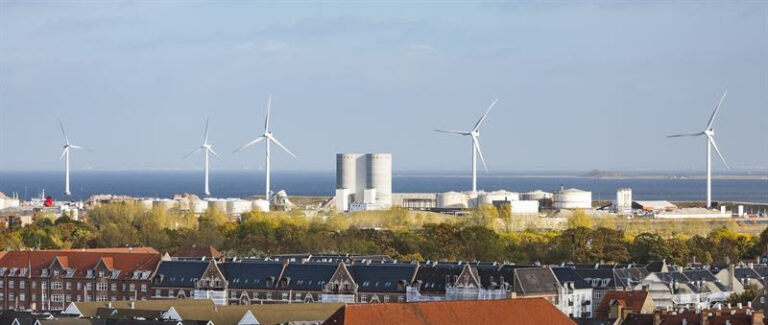
Carbon-positive operation is achieved through green electricity and using the surplus heat from the center in Falu Energi och Vatten’s local district heating networks and a wood pellet factory. During the warmer months, the surplus energy in the district heating network is used for cooling the data center. The facility will have a total capacity of 1.9 mW and will be put into operation in the autumn of 2018.

“The technical design of the data center will be a crucial issue going forward, since it has a tremendous impact on both environment and costs, and we see a very large market for our technology,” said Lars Schedin, CEO of EcoDataCenter.

The steadily increasing need for processing data in the wake of 5G, the Internet of Things and artificial intelligence are what lie behind the expected rise in the energy consumption of data centers. According to Gartner, a leading Internet analyst, there will be more than 20 billion connected objects by 2020, a figure that in the opinion of some commentators could increase to a full 100 billion as early as 2025.

Digital habits impact the environment

Most of us, however, are likely unaware of the fact that our daily digital habits have a serious impact on the environment, according to Lars Schedin, CEO of EcoDataCenter.

“Naturally, one person watching a video on the Internet has a marginal impact, but when several million do it several times, the total energy consumption is very large — something most of us barely think about,” says Lars, citing the example of the video for the megahit “Despacito,” which has now been shown more than 5 billion times on YouTube.

“This means that viewing this video alone has consumed energy equivalent to an estimated 850 GWh. If we start from the fact that it has been viewed around the globe, it is reasonable to assume that this in turn has involved emissions of approximately 360,000 tons of carbon dioxide — as much as 220,000 taxis release in an entire year.”

9 Merits of Online Doctor Consultations

0

In today’s day and age, the internet has massively influenced the lives of people. From online shopping to travel bookings, everything is just a click away. Online doctor consultation has emerged as a blessing for those who live a hectic lifestyle and are not willing to travel long distances for a doctor’s appointment. This kind of service can drastically reduce waiting times in areas like radiology where it can take weeks to get an expert opinion. Saving time, grief and money is something we support at Green Prophet.

This practice is a great option for those who are chronically ill and who want a follow-up examination. This facility has been conceived with the idea so that the patients can get medical help from the comfort of their home.

It is a very convenient method for those who have limited or no health insurance, and for those who are mostly away from their home. Online consultation is also a viable option for those who are hesitant while sharing their medical condition and would choose to ask a doctor online.

An online doctor consultation has made it easier for people to get high quality health services at low costs.  It is mostly preferred by those who are looking for counselling, second medical opinion and medical help pertaining to fertility issues. Listed below are some of the benefits of online medical consultation that everyone should know. Read on.

  1. Convenience: Online doctor consultation is the safest way for those who have limited or no health insurance. It is beneficial for those who are bedridden and cannot go to a doctor. People who are too sick to visit the doctor can also avail online consultation. Gone are the days when patients have to wait for their turn. Today, everything is just a click away.
  2. 24*7 availability: The most significant benefit of this facility is the flexible timing that enables the patients to consult the doctor any time of the day. This facility does not allow the patient to wait for long hours.
  3. Quick medical attention: Patients can get immediate medical attention through a phone call or video chat. This facility does not involve the hassle of traveling and other medical costs. This is a relief for those who live in distant regions, those with limited mobility due to health conditions and budgetary reasons.
  4. Saving from self-diagnosis: With the usage of internet, it is very easier to find all the information that is available. Many people tend to look for symptoms and more often they tend to misdiagnose themselves. As everything is available online, reading various medical blogs can even mislead readers as they do not allow them to identify the underlying cause of the disease. Self-diagnosis can at times be dangerous and can lead to further serious complications.
  5. No geographical limitation: Online consultation is not limited by the location of the patient. Patient can even consult the doctor if they are out of town or even in another country. This facility is beneficial for those who continuously travel for work and need periodic evaluations by the doctor.
  6. Privacy about medical condition: When a patient consults a doctor online, his or her medical records are saved in a digital format including their medical history. The online consultation is beneficial for both parties. In case, if a patient’s health condition is stable, the doctor can just study their current condition with their medical history and prescribe them with the required medications and treatment course.
  7. Obtaining a second medical opinion: During this process, getting a second opinion is also very easy. If the first consultation was a physical visit, then the patient can consult a doctor online just to know more about their complaints. Two different approaches of treatments can give a better idea of the condition. This facility allows the patient to get quick information from a specialist and tackle any complaint or symptom on their own. It enables the patient to analyse their own health and symptoms if they show up again.
  8. Privilege to choose a doctor: Online doctor consultation gives a patient the liberty to choose a doctor based on gender, language and affiliation to a particular hospital etc. Apart from this, the facility allows you to stay away from the chance of getting an infection. A huge number of sick people come to healthcare centres to get treatment. The risk of getting an infection is eliminated in this facility.
  9. Affordable: Doctor consultation services at hospitals have become costly and for those who are in need to visit the centres regularly might have to bear costly medical expenses. This facility is quite economical and they can decrease the need for repeating the consultations.

Patients can get instant answers to their queries instead of waiting for their turns. The online consultation also relieves the patient to share their medical history again as all the data has been stored.

Online doctor consultations are not a replacement of traditional healthcare centres, but they do work as an extension of traditional healthcare that allows the patient to get greater accessibility to care. With this facility, and services provided by medical prescription, patients can choose where and when to get a consultation. Minor medical conditions like flu or cold are easily treatable through these services.

High-Level Renewable Energy Conference to Advance Low-Carbon Development in Egypt

1

Egypt’s Ministry of Electricity and Renewable Energy and the New and Renewable Energy Authority (NREA) together with the International Renewable Energy Agency (IRENA) will co-organise the country’s first high-level renewable energy conference in the Egyptian capital, Cairo next week. The three-day Egypt Renewable Energy Conference, held from October 9-11, will seek to advance renewables development in the country and will feature the release of IRENA’s Egypt Renewable Energy Outlook report, a comprehensive assessment of Egypt’s full renewable energy potential.

Egypt aims to source 20 percent of its electricity from renewable sources by 2022, rising to 42 per cent by 2035 as it works to meet rising demand for power. Total installed capacity currently stands at around 3.9 gigawatts, much of which is from hydropower.

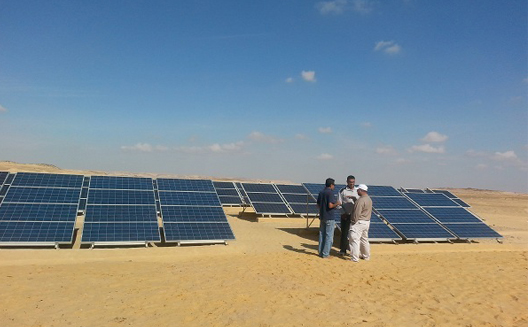
egyptian solar energy for residential consumers

“Our Integrated Sustainable Energy Strategy 2035 supports the development of a diversified, competitive and balanced economy within the framework of sustainable development,” said H.E. Dr. Mohamed Shaker, Minister of Electricity and Renewable Energy. “With renewable energy at the heart of this strategy, IRENA’s role in identifying our potential and advising on the practical steps required to succeed, is key. The Renewable Energy Conference greatly supports this process and we look forward to bringing the investment and policy community together in Cairo to support our national efforts to establish Egypt as a regional hub for clean energy,” he concluded.

The conference will convene investors and national policy makers from Egypt and across the Middle East and North Africa region to advance energy transformation across Egypt as it pursues short and medium-term targets, and capitalise on falling technology costs. IRENA Director-General Mr. Adnan Z. Amin will present the report’s key findings in the presence of ministers and high-level guests.

“Egypt has established its renewable energy ambition and this commitment is evidenced by progress made on world class projects such as the Benban Solar Park in Aswan, which will be one of the world’s largest solar parks once complete,” said Mr. Adnan Z. Amin. “In a country such as Egypt, which possesses tremendous resource potential, sustainable energy can be the backbone of its long-term energy planning.

“By strengthening the enabling environment for renewable energy investment and development, Egypt can increase the speed of its energy transformation, bringing wider economic benefits to the country such as job creation, health improvements and energy security,” concluded Mr. Amin.

Following a presentation of the report and its recommendations the conference will focus on a number of important topics relevant to renewable energy development in Egypt. The sessions will be followed by a training workshop conducted by IRENA on renewable energy project development, which supports the Pan-Arab Clean Energy (PACE) initiative – a regional initiative aiming to promote the integration of greater shares of renewables into power systems in the Arab region. The workshop will inform project developers on the tools available to them that can assist in the development of successful renewable energy projects in the region.

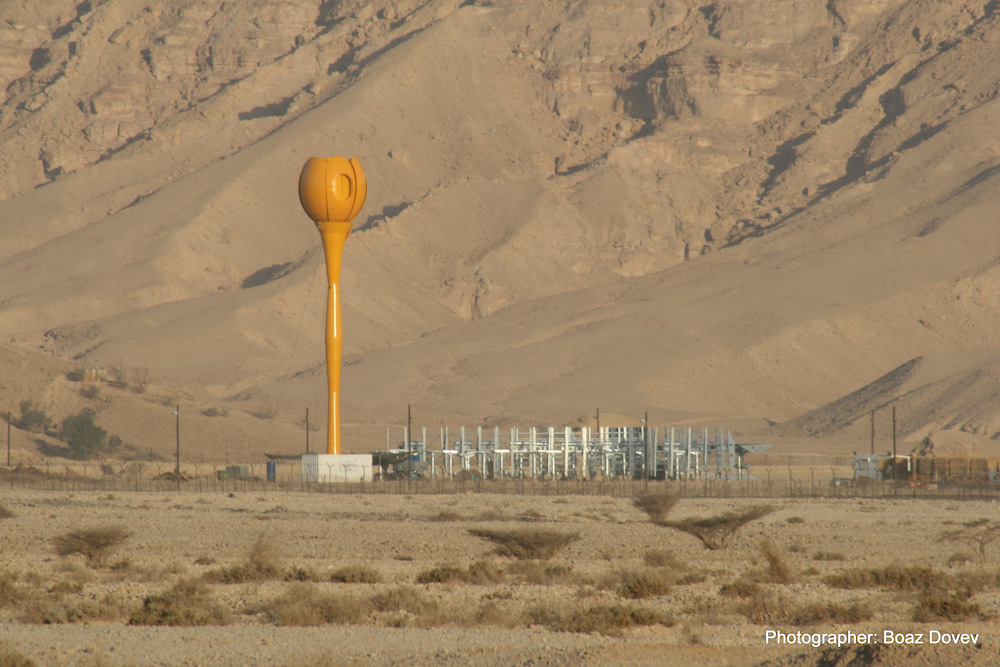
wind energy Tubah

Key topics to be discussed at the event include:


  • Renewable energy deployment policies, featuring ministers and CEO-level participants from across the Middle East and North Africa region and the world
  • Renewable energy investments, identifying the investment frameworks necessary to accelerate the progression of renewables deployment in Egypt
  • Job creation and manufacturing capacity, exploring ways to ensure domestic businesses are positioned to capitalise on the development of a clear, long-term government programme