
Home Blog Page 170

Upcycled oranges are used for CBD in Japan

CBD is a molecule that’s not only found in cannabis and hemp oil. Japanese researchers squeeze it from oranges too.

It takes a plague to figure out where we are putting our fears, our stress, or biggest worries. No doubt then that cannabis companies and those selling THC and CBD extracts –– the molecules or vitamins in medical marijuana –– are seeing a boon

It’s a historic moment for countries where cannabis is legal, like in the United States, Canada and Israel. But still, there are some places where the law is grey, like in about half of the states in the US, where CBD may be okay, but THC the molecule that comes with a high –– is definitely not. 

To steer clear 100% from all the legal issues, and potentially avoid trouble with drug testing at work, more and more people around the world are becoming hip to using CBD sourced from hemp plants, related to the cannabis plant. CBD oil sourced from hemp and hopefully organic hemp contains 0% THC the active material that makes you high. But all in all, CBD on its own has shown benefits, expressed by people, that it makes you feel calmer, it can help with stress, helps with sleep, and relaxes muscles. 

Cannabis supporters are all in favor of non-Ambien solutions to help us de-stress and alternatives to the nasty addictive pharmaceutical industry are very much sought out to relieve pain and anxiety. Clinical trials are now underway in hundreds of indications to show how cannabis oil, or products like a CBD tincture can give an important benefit, in a way that is more harmonious to supporting a healthy body. 

Some of the earliest evidence we see beyond anecdotal papers that CBD helps children with epilepsy was started with the work of Dr. Alan Shackelford in Colorado. And we see today parents flocking to his state to get the needed treatment for their children too.

In countries where rules are black and white about CBD and any potential “contamination” with THC no matter how low, one Japanese company says it can now produce CBD oil using orange peels.  The company Hiro International presented its solution at the Cosme Tokyo cosmetics trade fair and hopes to sell its products in cosmetics. 

Could CBD be an organic botox?

Hiro International claims that the product they are making contains exactly the same active ingredient as that extracted from hemp plants. The only difference is that the oil certainly and 100% contains no THC. This fact would otherwise need to be tested in a lab, and clearly this is a concern in Japan where they have no tolerance for marijuana products. 

You can find CBD oil and products all over Japan, but if you get caught with trace amounts of THC, you might end up in a Japanese prison. This is one of the reasons why Japanese are slow to consume CBD like the rest of the western world. 

“Some companies have run into huge problems because THC has been detected in their products,” Ryousuke Koseki, spokesman for Hiro says in a press announcement. “Many companies are now concerned and consumers are confused.”

Orange CBD offers customers the same active ingredient, the same effect and there are no legal concerns, Koseki claims: “With Orange CBD, you get the same ingredient, same effects and there’s no danger in terms of legality. It also provides a different story of CBD for the consumer that sounds better than being derived from the marijuana plant.”
The company has already developed a few prototypes including a lip balm, a hair product, and a make-up remover using the oil. The company’s main activities are the importing of fruit and fruit juice to Japan. 

Other beauty products trending in Japan? Banana extract, horse placenta extract (what?) and bean extract for nutritional, pharmaceutical and cosmetic purposes. They discovered the CBD in orange peels imported from the US. The peels are normally thrown out. Green Prophets everywhere will be happy to see them put to a new use. I think for now though that if given a choice between a company that deals with horse placentas, I might just buy my CBD from the hemp industry, thank you very much.

Desert Kites are how ancient man trapped his kill

desert kite trap jordan
Desert kites seen by helicopter

The local Bedouin knew about them for thousands of years but in the 1920s, pilots of the Royal Air Force flying over the deserts of Israel, Jordan and Egypt saw mysterious line shapes in the ground that they named “Desert Kites” Because their outlines, as seen from the air in their planes, reminded them of airborne kites.

The Middle Eastern deserts hide many traces from the dawn of mankind. Some of them are so-called desert kites, structures used to capture game animals: gazelles, wild asses, Arabian oryxes, onagers, hartebeests, ostriches and ibexes. From the satellite images, these structures look like gigantic kites that intrigued scholars who spent years researching uninhabited areas of Eastern Jordan, Sinai, Negev Desert and Saudi Arabia.

desert kite

For many years scholars thought that some of the desert kites represented the border between the Roman and Sassanian empires in the Syrian Desert or water channels, but recently scientists reached a consensus that these structures served Neolithic nomads.

According to a French anthropologist Remy Crassard, it is possible that the “desert kites” in Jordan are some of the oldest in the world.

“Until now, we can estimate the use of the kites in Jordan and most probably in the neighboring regions to the end of the Neolithic, which was around 8000 years ago,” said Crassard in an interview for the Green Prophet. Crassard who leads the “Globalkites Project”, added that in northern Saudi Arabia, hunting traps were later constructed while in Armenia, where some 200 kites have been found, they appear to be used during the Bronze Age (around 5000 or 4000 years ago). By 2022, 6500 had been located in the Middle East.

The desert kites were found in areas far from the Middle East, like Kazakhstan where this human-made traps likely remained in use even in the medieval period.

Kites are different in shapes and sizes, the scholar continued, noting that thanks to a statistical approach, we are now able to propose groups of kites that show a real regionalization of them through time and space.  Also, kites might have been used not only for the hunting of wild animals but for their domestication in the Neolithic communities.

In northeastern Syria deposits of animal bones found near desert kites indicated non-selective hunting of animals whose age and sex varies. Some petroglyphs also depict scenes from gazelle and ibex hunting. The most common types of desert traps are bag-shaped kites, star-shaped kites, star-shaped kites with returned enclosures and clover –leafed kites.

In addition to the function of the desert kites, they consist of long dry-stone walls converging on a neck which opens into a confined space that ancient people used as the killing floor.  These walls can be hundreds of meters long and in more recent times, during the British and French mandate, pilots who flew over desert first spotted them in the1920s. T.E Lawrence, better known as Lawrence of Arabia, recorded desert kites in the Negev in 1913 while he explored the area before World War I.

Desert kites, ancient animal traps used by hunters

Regarding other finds, the excavations of the kites do not yield any artifacts, Crassard underlined, saying that the research team is also looking for datable elements, so that they can date the structure itself.

“During our last season of excavations in October 2019, we even found some prehistoric gazelles in one of these traps! After analyses, we will publish very soon our results in scientific journals,” Crassard noted.

Describing these enormous structures made to trap various animals by people from Neolithic period, he said that the research team recorded more than 6000 of them from Saudi Arabia to Uzbekistan in Central Asia.

“This is fascinating to study such mega-structures that were not so well understood before being excavated,” he stressed, underscoring that the new project will now provide many clarifications on the function, the dating and distribution of the desert kites that were until recently considered enigmatic structures.

In order to understand the economic and environmental impact of the desert kites, interdisciplinary studies are needed and they gather not only archaeologists but anthropologists, archaeozoologists and geo-archaeologists. The plan of the team of researchers gathered at The Globalkites is to analyze traps in different parts of the world and reconstruct the way game animals and Neolithic people interacted.

What’s Smudging, And Why Is Everyone Doing it?

smudging out demons
Got a djinn, demon or weird juju going on? Try smoking out your problems using this ancient western east practice, known in the west as smudging.

Seeking to clear sour, unhappy vibes out of the house and leave room for fresh, positive energies to enter, people are reviving the ancient tradition of smudging. This is burning medicinal leaves and sometimes resins, and is used in spiritual traditions around the world, in the belief that the smoke purifies the mind, the emotions, and the air. So smudge away, but keep windows open for ventilation.

Burning incense is akin to smudging, although it’s a often a form of religious offering, rather than an attempt to change our circumstances. Think of the billows of incense rising at a Catholic mass; of joss sticks held in front of Oriental tombs; of the Biblical incense burned twice daily in Solomon’s temple. Some new research even suggests that cannabis was used there. Today people use all sorts of new applications of CBD oil products. Back then, they likely just used the simple and humble plant.

joss sticks
Joss sticks

Incense is also offered in Hindu, and Buddhist, and Islamic ceremonies, among others. Incense offerings carry religious intention and are usually done at set times and places. Burning incense for pleasure or to anchor meditation may be done anytime, anywhere, and usually for the satisfaction of the self. African societies also have a tradition of burning herbs as medicine.

Smudging also has two faces. The First Nations tradition comes to mind first. Traditional herbs burned are tobacco, sage, cedar and sweetgrass, although sage and sweetgrass are the most often used. A booklet released by the Manitoba Indigenous Inclusion Directorate for use in Canadian schools discusses smudging at school.

They quote a community grandmother who clarifies the purposes of smudging: “We smudge to clear the air around us. We smudge to clean our minds so that we will have good thoughts of others. We smudge our eyes so that we will only see good things in others.

“We smudge our ears so that we will only listen to good things about others. We smudge our mouths so that we will only speak well of others. We smudge our whole being so that we will portray only the good part of our self through our actions.”

In the First Nation view, “Smudging allows people to stop, slow down, and become mindful and centered. This allows people to remember, connect, and be grounded in the event, task, or purpose at hand. Smudging also allows people to let go of negative feelings and thoughts. Letting go of things that inhibit a person from being balanced and focused comes from the feeling of being calm and safe while smudging. The forms of smudging will vary from nation to nation but are considered by all to be a way of cleansing oneself. Smudging is part of “the way things are done” and is part of living a good life.”

There we see that smudging is done to elevate the individual. In other cultures, a smoking bundle of herbs may be carried in a skillet from room to room to drive out spirits intent on damaging the residents, or simply to sweep residues of anger or sadness out of the house. Some like to smudge every room of a new house or apartment before moving in.

I know a woman who would burn essential oils or spray bathroom refresher all around her house after she’d quarreled with her husband. “To clear the air,” she said. I don’t know if she was following tradition or her own intuition. But it must have helped: she and her husband loved and lived together for 62 years, until he died. That woman is my mother; her husband was my father.

In Ethiopian and Yemenite tradition, a mix of resins is burned after a family feast and passed around from hand to hand for people to inhale the smoke. I have also heard that when Jewish mystics gather to study and pray, the same crumbly, blue mix is thrown on a live coal and left burning in the room.

If you want to try smudging, you can buy smudge sticks online, made of white sage leaves wrapped tightly into a thick cigar. If you grow sage in your garden, you can make your own. There are instructions online, and it’s easy to do. Remember to keep the doors and windows open when you smudge – the stagnant air needs to escape.

Given the antibacterial properties of rosemary and again, sage, for example, it’s no wonder that in “primitive” cultures small herbal bonfires are made to burn where a woman is in labor or where a sick person lives. Now, how about driving away jinns? I’ll come back to that in a future story.

:: Smudging Protocol and Guidelines for School Divisions, Indigenous Inclusion Directorate,  Manitoba Education and Training, 2019.

Dubai Henna Artist Puts a Modern Mark on an Ancient Stain

Henna artist Azra Khamissa has become an Instagram sensation for her non-traditional spin on this ancient form of body art. Instead of drawing traditional paisley shapes and floral themes, her designs emulate the sleek compositions more commonly seen in contemporary tattoos. This is not your mother’s henna.

Henna is an earthy, paste-like dye sourced from a flowering plant (or “henna tree”) used over centuries to temporarily stain hair and skin. It’s usually applied as an embellishment to hands, feet, and sometimes faces during Eid and for special celebrations such as weddings. The artform has been experiencing a bit of a rebirth, prompted largely by Middle Eastern millennials who are not willing to be permanently inked but still desire to express themselves.

henna tattoo

Khamissa’s family background is Canadian-South African. They moved to the United Arab Emirates when she was 12-years-old. “It was a fresh start in a new country, and I went to an Arabic school in Jumeirah,” she said in an interview with The National.

“We’re Muslim, I was covering, and we started adapting to Emirati culture.” A decade on, her style is fully Emirati, albeit with a modern, trendy flair.

A trained chiropractor as well as a handbag designer, Khamissa added “henna artist” to her resume purely by accident. While waiting for a photoshoot of her handbag collection to get underway, she passed time applying henna to her hand.

“We were waiting for the model to arrive, so we just took a photo of the henna with a camel, and the picture was so cool – it ended up getting featured in ID Magazine,” said Khamissa. She continued to experiment with new designs, posting images on her Instagram account, soon attracting followers who admired her minimalist patterns.

modern henna tattoo

“Traditional designs never really worked for me and my aesthetic, and a lot of girls obviously feel the same way,” she said. Her chiropractic training makes her very body-aware, “I look at the hand as a whole, so I use the joints and the different planes and try to incorporate the whole hand in the design,” she said.

MODERN HENNA

Khamissa says henna markings can be used to convey messages that are deep and effective, much like tattoos. “It’s a way of expressing how you feel, and it’s also a great tool for Muslims who cannot or do not want to get a tattoo.”

khamissa henna
Topography of a woman, a nation, a world

Last March, Puma recruited her for a collection launch where she worked on guests’ hands in a makeshift tattoo parlor.  The event was as daring as her designs, since conventional tattoo parlors are forbidden in the UAE.

Khamissa has recently launched her own Azra-branded henna cone, in time for the holiday. Made in Dubai, the henna is non-toxic and comes in a biodegradable plastic casing. Each cone costs Dh20 (about $5 US) and delivery is available within the UAE.

modern henna tattoo

She believes that henna can also help third-culture residents or long-term expatriates, connect with their cultures. “My great-grandparents are Indian and it is definitely within their culture, and henna is a deep part of the Emirati culture.

d. azra henna tattoo

“I’m very detached from my culture – my parents were brought up in South Africa, I was brought up in Canada and Dubai, but henna is one thing that I find connects so many different cultures together,” says Khamissa. “No single culture owns henna; it is just a plant.”

See more of her work on her Instagram page, where she posts as Dr. Azra – link here.

CBD, the echinacea of 2020

CBD bottle oil

What we are experiencing as a human race is unprecedented. The COVID-19 crisis gives us lots of different challenges in how we face stress and anxieties. But before that, some might argue that their lives were more stressful being part of the daily grind. Some of us have turned to Zoom yoga classes, cooking healthy food, making sourdough bread –– and others –– according to what I am seeing online, are looking to natural aids from herbs like CBD. 

Cannabis science over in Israel with the work of Raphael Mechoulam in the 60s started putting together a lot of anecdotal evidence about the healing properties of medical marijuana. In the beginning, research trickled in that cannabis could help with problems like epilepsy, or help people negotiate the evil pain that comes along with progressive cancers. For some it has been the only way to deal with pain, after the opiates have become too much. 

With so much in limbo over Federal laws and where it stands from state to state and business between states, a lot of young companies have thrown their hats to the wind and have understood that starting companies and making products for CBD, the non-psychotropic molecule in hemp and marijuana, is a safe and legal alternative that any American can turn to when in some medical distress. It’s even being safely used for pets. 

While the clinical or medical studies are not yet up to the speed of what consumers want, Americans are happily testing CBD (cannabidiol) on their own. Find people from one state to the next rubbing it into aching bones, putting strange drops under their tongues, chewing on gummies, or even taking a puff from a CBD-filled vaporizer. Does CBD or CBD hemp oil work? Does it chill them out without the high and munchies? 

According to Quartz, a growing number of people are turning to CBD. And the reasons they are using it? Quartz reports that more than half of the CBD-users they surveyed about 55% say that CBD helps them relax. Another half of those asked say it helps them calm down from stress and anxiety –– the unknowns about tomorrow, unemployment, the kids at home? Spouse in another country? And less than half said that CBD helps them with chronic pain, like joint pain, muscle pain and it helps them sleep. 

So smoke a joint and call me in the morning? Not necessary, probably. Smoking cannabis sometimes gives you too much of an experience, where CBD seems to be giving some of the benefits of the whole plant, without the high or groggy hangover. And street problems. 

Over in Canada where I am from, licensed companies sell CBD drops inside an oil carrier, but the market is well developed in the United States, in chewable gummies and even in health drinks or raw water. You can find low dose THC and high dose CBD strains on the market to grow your own, but when you are in a pinch, turning to local retailers is pretty much the best way to shop local. When you shop local, and not from the street – you support the growers, the scientists, the marketers, the shopkeepers.

5 eco-renovations for your home on a budget

0

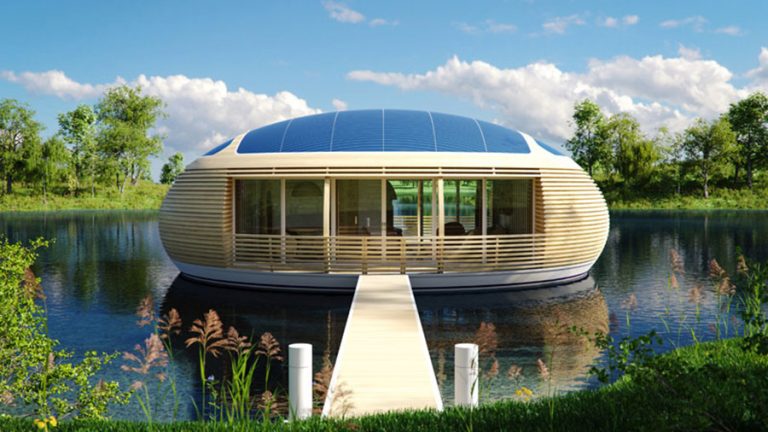
floating home
The hunt for the ultimate (and eco) bed is on!

One good thing about the coronacrisis is that we finally get to spend a lot of time at home. We might be alone with a loved one, or with a crew, but ask anyone you know and it seems like everyone has a little bit –– if not more –– home decorating going on. There are endless ways you can make your house a little more livable, after you have Marie Kondo-ed it. You have probably put away the winter clothes, and blankets and now have a little more space to enjoy. But COVID-19 times have brought on new meaning to home. It should be cozy, functional (maybe it’s an office and a daycare center now?), easy to clean and be uncluttered. 

So here are 5 ways you can ecofy your home without spending much money. 

1.  Make a list of what you need to buy, but don’t buy right now. First just make the list, then after a day or so, cross off half those things from the list. I used to do this when packing for cross-country adventures. The lighter the better. Then because you are eco conscious this means finding brands and deals that suit your mindset and budget. I remember the first time about 15 years ago when I discovered an online coupon for the Gap. It was a coupon that I downloaded online and which kept giving, at up to 70%. Saving money means working less, spending less resources making stuff for our planet. Find home decor coupons online everywhere, local to you. 

2.  Start a garden. Spending time in your garden is much better than spending it online or fighting with your spouse over who is going to do the housework. If you are able, start a small plot in your garden by cutting up some grass. Order seeds online or if it’s safe, go to a local garden center to see what they have. Best bets are herbs if you are new to it, and easy to grow things like zucchini, tomatoes, and cucumbers. Medicinal plants are always a good thing. Here are 7 herbs to grow at home

3. Bring out some eco paint. Yeah it will cost double but when you can find the eco paint, go for it. Paint fumes are nasty and can off gas for a year. Now that you are at home more than ever you will want to minimize the exposure risk. You can even buy a white paint or eggshell paint and stain it with products you have at home if it is acrylic paint. Try spirulina for green, turmeric for yellow, and beets for red and purple. You should have all three of these healthy things at home anyway. Make sure you strain the spices and colors after you add them to the paint. Or leave them in. Whatever floats your boat. 

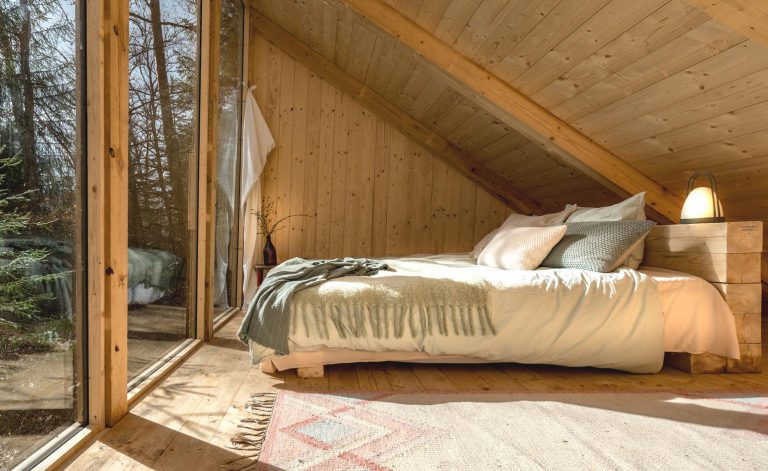
4. Get a mattress you love. Spending quality time at home might mean turning your bedroom into an office or study, or college. If you have the means, find an eco option, like a bamboo mattress not one of those plastic pop out of the box mattresses. One of my favorites is a futon. Find them simple, great for your back, and buy them with cotton batting, preferably from hemp and cotton sources, organic if possible. 

5. Turn your rooms into multiple functioning spaces – like an art studio. Chances are you don’t even need all those rooms. Remember the days when mom or grandma had a sitting room covered in plastic? Rooms are made for truly living in. Maybe you want a pottery studio, a small carpentry shop, a place for putting glitter on the craft projects? Build yourself a hobby horse put an old door on top and you have got the ultimate work table. No need for IKEA or stuff you won’t need. Make smart design choices you will be able to live with and in, now and long after corona.  

Protecting birds from powerlines in the Middle East

0

desert mountain sun egypt power

Many species of birds are threatened by chemicals, alterations in their environment, aircraft, and electrocution. Larger birds, in particular, are more prone to suffering electrocution because their body size and wingspan exceed the phase-to-ground or phase-to-phase distance. When the wings touch the line or ground component, the body forms a path through which an electrical current can flow, leading to electrocution.

The region is located on the migratory route used by millions of birds twice a year between Europe, Africa, and Asia. The country also has almost 40 residents, migratory or rare visiting diurnal raptors, and nine species of owl. On their journey, these birds are using the power structures to perch, roost, or nest. By interacting with the electrical equipment, the avian population was also causing power outages. It was then an ecological and economical matter to find a solution to mitigate the possible interactions in this key territory.

In order to mitigate the risk, a protection plan was collectively developed by a utility in the region and the respective Parks Authority of the Ministry of Environment. A key Middle Eastern environmental NGO was also involved.

To get started the key stakeholders ran a 24-month study of the interactions of birds and high-risk overhead lines in the important bird areas of the region, to understand how birds were harmed by the powered equipment based on their habits. For example, the experts tried to understand where the problem commonly occurred and how often, and the species affected most.

Fixing the Problem

The study revealed key places where some birds were more likely to be electrocuted than others.

At first, the team focused on 22, 33 kV lines because the highest rates of electrocution were seen on these lines. By design, distribution lines and towers had relatively small clearances between phase to phase and phase to ground components and would readily benefit from an insulation solution.

Starting with the high-risk areas and then expanding into others, the local utility installed protective insulating covers from TE Connectivity on several thousand distribution towers all over the country.  The insulation covers were selected by utility engineers after careful consideration. Including materials long-term durability under extreme temperature variances and harsh environments. Post-installation studies have shown that the poles which were retrofitted did not have any electrocutions again.

The team also acknowledged problems that were unique to the transmission towers. The transmission structures located near bodies of water were prone to pollution flashover as well as many electrocutions and collisions into wires. They required another insulation need.

The utility engineer determined that the products available did not fix the issue at hand. They eventually installed a combination of TE’s guano shields to divert guano away from the insulators and insulation installed on the live elements beneath provided cover and protection against pollution flashovers.

The utility involved also selected other wildlife power outage mitigation solutions offered by TE that have been in use all around the world for decades. It installed these elements in 1996 and there are still no signs of degradation to this day, notwithstanding the guano and coastal salt contamination, the high temperatures, and the UV exposure for more than 25 years of use.

Calculate your cities’ solar power potential

viganella mirror on a mountain to let the village sun inViganella is a village in Italy where the sun never shines. So locals installed a giant mirror to project the sun’s rays back onto them. Image via The Atlantic.

There are companies and apps that do it already from the comfort of your own home: you can check the solar panel potential output from your roof. Is the angle right? Are you on the grid? Are you in the right latitude or longitude or what does it all mean? What company do you choose? Type of solar panel?  Local or from the big city? Contracts? Loans? There are lots of things to think about. Rather than have the individual homeowner or business brave it alone a new project out of Israel, masters of solar energy innovation and implementation, helps cities decide if they should go solar.

We already know the Middle East and Mediterranean can power the world with the sun’s solar power 3 times over. So what’s stopping us?

Knowing what cities work best for solar energy can help local planning councils offer tax incentives, attractive feed-in tariffs and market to the public for funds, grants or reimbursements. While there was a steep drop in greenhouse gas emissions over the first part of the year because of the coronavirus, the expectation is that the world will return to rising levels of emissions in the near future. We’ve had enough of cheap oil.

Alternative energy is a critical aspect in meeting reduction targets. Ben-Gurion University of the Negev researchers have developed an algorithm that predicts the best places to install solar panels on urban rooftops with 97% accuracy. Rooftop solar panels are considered the best way to utilize roof space, while weaning cities from dependence on fossil fuels.

The researchers combined ortho-rectified aerial photography (orthophotos) and LiDAR data to create an aspect-slope map.

Building rooftops are not uniform and the amount of solar radiation they receive is also variable. While previous tools provided some information, this is the first time an entire city could be mapped to such a high level of accuracy. Their findings were published in Remote Sensing.

The researchers, Profs. Arnon Karnieli and Isaac Meir, and Karnieli’s student, Arti Tiwari, used the southern Israeli city of Kiryat Malachi as their test site. They utilized an orthophoto produced by the Survey of Israel in 2012.

sun on roofs of apartments in barcelona

Digital Terrain Models and Digital Surface Models were created by an airborne light detection and ranging (LiDAR) map in 2015. After combining the data, an aspect-slope map was produced with a 97.39% accuracy.

As the climate crisis worsens, such practical tools are useful for the transition to renewable energy sources, already required by law in many OECD countries, the scientists report.

Zenith Solar, a solar company founded by David Faiman from Ben Gurion University, filed for bankruptcy in 2013. There was an explosion of solar energy companies starting around 2006 to 2007. The market burst in 2008, and it took basically un until now for costs to go down and financing mechanisms to find their right place.

We’re all electric as lightning

electric signals in nature mirror us
5G voodoo? A new study finds that the electrical activity in the cells of living creatures mirrors the electrical fields in nature. Seems we all like lightning, and evolved with the sun. 

Most electrical activity in animals and insects occurs at very low frequencies you can barely notice them. But they are there and the origin of these signals, as well as medical applications have eluded scientists. A new study from Israel shows a link between electrical fields in lightning and those found in living organisms, including humans.

The study’s findings may change established notions about electrical activity in living organisms, paving the way for revolutionary, new medical treatments. Illnesses such as epilepsy and Parkinson’s are related to abnormalities in the electrical activity of the body, the researchers say.

“We show that the electrical activity in many living organisms — from zooplankton in the oceans, to sharks and even in our brains — is very similar to the electrical fields we measure and study in the atmosphere from global lightning activity,” explains Prof. Colin Price of TAU’s Porter School of the Environment and Earth Sciences, who led the research for the study, published in the International Journal of Biometeorology. In 2008 we featured Prof. Price in the article, The Flash Before the Flood.

“We hypothesize that over evolutionary timescales living organisms adapted and evolved to actually use the electricity in the environment — global lightning,” Prof. Price continues. “This has likely not changed over billions of years and is similar to the evolution of our eyes, which evolved using the sunlight nature gave us.”

As living organisms evolved over billions of years, the natural electromagnetic resonant frequencies in the atmosphere, continuously generated by global lightning activity, provided the background electric fields for the development of cellular electrical activity. Prof. Price’s research found that, in some animals, the electrical spectrum is difficult to differentiate from the background atmospheric electric field produced by lightning.

We resonate like lightning 

“Neither biologists nor doctors can explain why the frequencies in living organisms (0-50 Hz) are similar to those in the atmosphere caused by lightning,” adds Prof. Price. “Most of them are not even aware of the similarity we presented in our paper.”

“Our review of previous studies revealed that lightning-related fields may have positive medical applications related to our biological clock (circadian rhythms), spinal cord injuries and maybe other bodily functions related to electrical activity in our bodies,” says Prof. Price. “The connection between the ever-present electromagnetic fields, between lightning in the atmosphere and human health, may have huge implications in the future for various treatments related to electrical abnormalities in our bodies.”

The study comprised a retrospective review of previous studies on the link between lightning-related fields in the atmosphere and human and animal health. “We collected many different studies over the years to build a clear picture of this link,” concludes Prof. Price. “Going forward, we need to design new experiments to see how these extremely low frequency fields from lightning may impact living organisms, and to investigate how these fields can be used to benefit us.

“One new experiment we are now planning is to see how these fields may impact the rate of photosynthesis in plants.”

Göbekli Tepe built 6000 years before Stonehenge

Göbekli Tepe. Turkey, oldest known ritual site in the world

Believed to be the oldest known temple and the world’s earliest megaliths and it’s where modern agriculture first began. The sprawling 11,500-year-old stone Göbekli Tepe complex in southeastern Anatolia, Turkey. 

Researchers at Tel Aviv University and the Israel Antiquities Authority have now used architectural analysis to find hidden patterns found buried below the surface at Göbekli Tepe in Turkey.

The impressive round stone structures and enormous assembly of limestone pillars were initially planned as a single structure, researchers now find.

It is common throughout antiquity to find buildings made over several generations or added upon over hundreds – sometimes even thousands of years. What is especially impressive about this site is that it was built by hunter gatherers, and is later believed to be the place where modern agriculture started.

Three of the Göbekli Tepe’s monumental round structures, the largest of which are 20 meters in diameter, were initially planned as a single project, according to researchers Gil Haklay of the Israel Antiquities Authority, and Prof. Avi Gopher at Tel Aviv University. They used a computer algorithm to trace aspects of the architectural design processes involved in the construction of these enclosures in this early Neolithic site.

Göbekli Tepe, Turkey

“Göbekli Tepe is an archaeological wonder,” says Prof. Gopher. “Built by Neolithic communities 11,500 to 11,000 years ago, it features enormous, round stone structures and monumental stone pillars up to 5.5 meters high. Since there is no evidence of farming or animal domestication at the time, the site is believed to have been built by hunter-gatherers. However, its architectural complexity is highly unusual for them.”

Discovered by German archaeologist Dr. Klaus Schmidt in 1994, Göbekli Tepe has since been the subject of hot archaeological debate. But while these, and other early Neolithic remains, have been intensively studied, the issue of architectural planning during these periods and its cultural ramifications have not.

How was the Göbekli Tepe complex built?

Most researchers have made the case that the Göbekli Tepe enclosures at the main excavation area were constructed over time. However, Haklay and Prof. Gopher say that three of the structures were designed as a single project and according to a coherent geometric pattern.

“The layout of the complex is characterized by spatial and symbolic hierarchies that reflect changes in the spiritual world and in the social structure,” Haklay explains. “In our research, we used an analytic tool — an algorithm based on standard deviation mapping — to identify an underlying geometric pattern that regulated the design.”

“This research introduces important information regarding the early development of architectural planning in the Levant and in the world,” Prof. Gopher adds. “It opens the door to new interpretations of this site in general, and of the nature of its megalithic anthropomorphic pillars specifically.”

Certain planning capabilities and practices, such as the use of geometry and the formulation of floor plans, were traditionally assumed to have emerged much later than the period during which the Göbekli Tepe was constructed — after hunter-gatherers transformed into food-producing farmers some 10,500 years ago. Notably, one of the characteristics of early farmers is their use of rectangular architecture.

“This case of early architectural planning may serve as an example of the dynamics of cultural changes during the early parts of the Neolithic period,” Haklay says. “Our findings suggest that major architectural transformations during this period, such as the transition to rectangular architecture, were knowledge-based, top-down processes carried out by specialists.

“The most important and basic methods of architectural planning were devised in the Levant in the Late Epipaleolithic period as part of the Natufian culture and through the early Neolithic period. Our new research indicates that the methods of architectural planning, abstract design rules and organizational patterns were already being used during this formative period in human history.”

Next, the researchers intend to investigate the architectural remains of other Neolithic sites throughout the Levant. Their findings were published in Cambridge Archaeological Journal in May.

How to Activate Fat Burning Hormones in our body

0

man in yellow shirt, huge tummy sticking out
Use science for your nature to lost weight.


Many people experience what is known as the “middle-age spread” as they hit their 40s. There is a reason for that. As people age, certain functions like metabolism decreases and that leads to excessive weight gain. What is worse is the weight is almost impossible to lose.

Some people are finding that hormone replacement therapy (HRT) is helpful in weight loss. To understand why it works, you first need to understand how your body and metabolism functions. 

Why Do Young People Stay Thin?

It is easier for younger people to keep weight off than adults. The reason is they are growing. As children grow, their bodies have higher metabolism rates to use every mineral and nutrient in their diets to help them function and continue to grow. This is why it is difficult to keep food in the house once kids hit puberty. After we are fully grown, our metabolism declines and continues to decline as we age. This particularly becomes s a problem for women after they hit menopause.

Children and young people also have increased hormonal rates. This also helps in growth and development. A key hormone in this is the human growth hormone (HGH). This growth hormone is produced at the base of the brain in the pituitary gland. It helps in all aspects of growing from muscle growth to energy, bone density, and organ development. Without this hormone, children have a number of problems from dwarfism to improper organ function and reproduction issues later in life.

What About Adults?

There are adults who can benefit from HGH therapy to lose weight. The growth hormone functions in adults much the same way as it does in children in that it improves organ function, mineral absorption, and energy levels as well as metabolism. 


It helps improve your body’s ability to burn fat and enhance muscle.

  • It helps your body function better so you retain less toxins and water.
  • Your body absorbs more minerals to help improve fat burning.
  • You feel more energetic, so you exercise more.


However, even with all the benefits of HGH therapy, there are some cautions. This type of treatment does have both short-term effects such as an allergic reaction and long-term side effects that can include insulin resistance and cancer.

Also, research studies are inconclusive about how much GHG therapy helps in weight loss. One 1990 New England Journal of Medicine study indicated using HGH amounts to 14 percent loss in body fat without other lifestyle changes. That study has faced enormous criticism since with some saying it was too optimistic in the results.

This is why this treatment is not approved by the Food and Drug Administration (FDA) for weight loss. Adults can obtain it only with a prescription from a medical doctor.

What Does That Mean to Me?

Adults can be prescribed HGH therapy if a doctor determines they are hormone deficient. In other words, their hormone levels have to be lower than what naturally occurs at their age. To make that determination, you must go to a hormone replacement treatment (HRT) doctor and take a blood test. The blood test will show where your hormone levels are and a doctor will determine whether growth hormone therapy is right for you. 

There are also supplements you can take without a prescription if you are ineligible for therapy. Those supplements are safe, will help to naturally boost your HGH and could help you as you add a nutritious diet and exercise to your weight loss routine.

More About HGH Therapy

Human growth hormone therapy is done by injection. The injections contain a synthetic version of the hormone and should be bio-identical for the best and safest results. Injections must be done on a regular basis and you must commit to therapy for a long period of time to see real results. 

Hormone replacement therapy is not a magic pill or a cure-all for weight gain. It is part of a total plan that includes nutrition and exercise to achieve your weight loss goals.

Hormone experts from HGH replacement Clinic suggest you do a variety of natural things to lose weight like adding protein to your diet, find ways to reduce your stress, and get better sleep. All of these things can contribute to a better you and reduce weight.

May 20 is World Bee Day

bee foraging almond blossoms
The International Day to respect the bees.

Mostly we ignore the international world days. But a day for the bees? Yes, time to celebrate. Time to bring out the Ethiopian honey beer. Or brew some honey ale like they do in the White House. Time to check if that honey in your cupboard is real or fake.

It’s impossible to understate the importance of bees. Like fruit bats – thousands of which were gunned down by unknown assailants in Lebanon  – they are pollinators that ensure human survival. And since they are fond of flowering plants, bees are often found in the world’s most beautiful places.

A wide variety of plants critical to human well-being and livelihoods require pollinators. In fact, three out of four crops across the globe producing fruits or seeds for human consumption depend, at least in part, on bees and other pollinators.

However, today these tiny food heroes are declining in alarming numbers largely due to intensive farming practices, excessive use of agricultural chemicals and higher temperatures associated with climate change.

In addition, the recent COVID-19 pandemic has had a drastic impact on the beekeeping sector affecting the production, the market and as a consequence, the livelihoods of beekeepers.

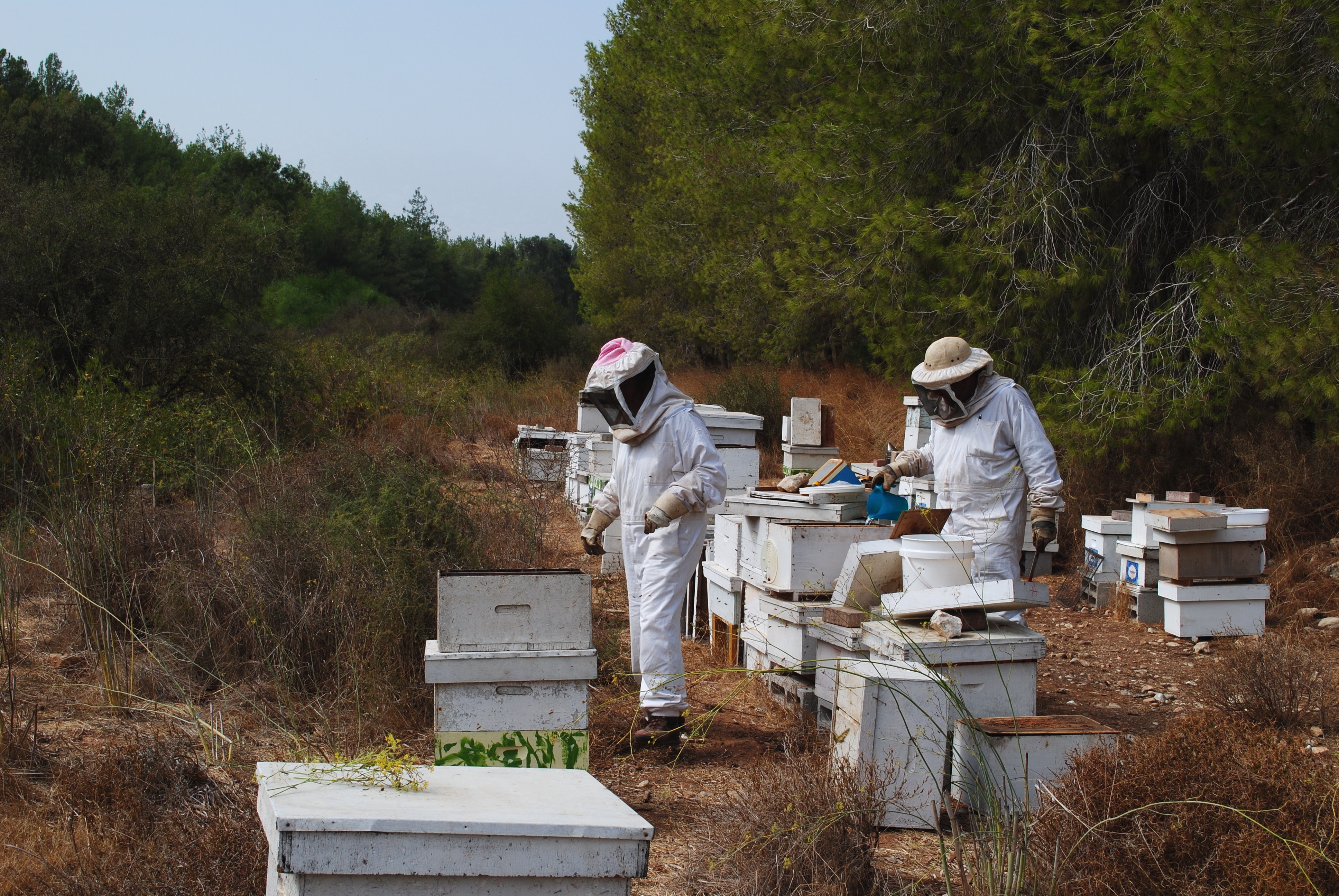
Beekeeping offers decent working opportunities and income generation to people in extreme poverty, including women, youth and even disabled people. It is important to recognize its crucial role in fighting poverty and malnutrition, and help beekeepers overcome the challenges they encounter in the time of pandemic.

bees, food and health, sustainable tourism, eco-tourism, green tours, beekeeping, travel, nature
Beekeeping in Turkey

This year’s theme “Bee Engaged” will shed light on good practices adopted by beekeepers to support their livelihoods and deliver good quality products. It will also highlight the importance of traditional knowledge related to beekeeping, the use of bee-derived products and services, and the role of bees and beekeepers in achieving the Sustainable Development Goals (SDGs).

On the occasion of the third observance of World Bee Day, on 20 May 2020, FAO, in partnership with the Chinese Academy of Agricultural Sciences (CAAS), the Permanent Representation of Slovenia and Apimondia, will hold a virtual celebration.

The event will be webcast here at noon, Rome time.

Coronavirus refugees look for safe havens at overseas colleges

Jerusalem holy city, study abroad
COVID is creating student refugees looking for the safest bet for studying at college next year.

Compared to statistics around the world. Israel fared pretty well in managing the coronavirus outbreak. An early lockdown and restriction of global travel and early quarantine measures for those that returned seemed to dim the impact of the coronavirus, not yet subsiding in America. For young adults looking to broaden their career outlooks, travelling to COVID-safer countries is part of the new agenda, according to a press release by Hebrew University in Jerusalem, now experiencing an overwhelming interest in its overseas programs.

“Throughout the corona crisis, our international call center has lit up with numerous inquiries from potential students,” shared Oron Shagrir, from Hebrew University’s International Affairs unit.

With universities delaying or suspending the start of the upcoming 2020/2021 academic year, many students are beginning to consider pursuing their degrees overseas, especially in countries that have fared better during the coronavirus pandemic.

Last year saw an 17% increase in the number of international students pursuing English-language academic programs at the Jerusalem university and a significant number of those 2,000 students are American, they report.

Recently, as Israel has begun to emerge from its COVID-19 restrictions, there has been an upsurge in interest from USA-based students looking to study at HU for the 2020/2021 academic year.

With more than 40 international graduate degree programs to choose from, Hebrew University has become an attractive academic destination for students seeking academic excellence and a unique student life experience.   In addition to HU’s Rothberg International School for gap year and bachelor degree programs, HU has recently expanded the number of MA and PhD degrees that are taught in English.

Students can now study Law, Business Administration, Medical Sciences, Social Work, International Development, Jewish Studies and Agriculture, among other offerings. Plus they will get to live in a fascinating multicultural city.

To meet the demand and answer queries regarding international graduate degrees and academic requirements, the Hebrew University of Jerusalem will hold its first online Open House for International Students on Sunday, May 24th.

It will be interesting to see how other international universities answer to the challenge that COVID has brought us. And other questions remain about the ability to travel if COVID were to re-ignite, lockdown measures for students and the cost of international insurance.

Israeli Doctor Announces First COVID-19 Vaccine to Enter Phase 2 Testing

Tal Zaks
Tal Zaks

Cambridge, Massachusetts-based Moderna Therapeutics has received fast-track approval from the U.S. Food and Drug Administration (FDA) for its COVID-19 vaccine candidate, mRNA-1273. The company’s chief medical officer, Tal Zaks, M.D., Ph.D., has become a ubiquitous presence on American news programs, explaining how the FDA action allows the company to swiftly proceed to Phase 2 testing of the vaccine, which is expected to begin in weeks.

Zaks explained that the company has had positive results from Phase 1 tests, which involve testing on a small number of healthy humans (about 45 people) to determine if a vaccine produces an immune response that protects against the virus.

According to Moderna, the vaccine proceeding to Phase 2 testing was developed within 42 days of the company obtaining genetic information on the coronavirus. By comparison, it took researchers more than 20 months to start human tests of the vaccine for SARS, an older coronavirus, according to a journal paper written by Dr. Anthony Fauci.

“By about the end of the year, the start of next year, there’s a reasonable likelihood that we’ll see this vaccine on the market, at least on the American market,” he said in a television interview from Moderna headquarters.

Moderna Therapeutics has been a pioneer in the development of messenger RNA (mRNA) Therapeutics across a range of therapeutic applications. mRNA technology platform, which aims to make drugs that direct cells in the body to make proteins to prevent or fight disease.

It makes use of messenger ribonucleic acid, a molecule vital to the proper functioning of the body’s cells. The mRNA approach can produce vaccines faster and more economically than traditional methods, according to UK health policy think tank PHG Foundation.

The Phase 2 studies will include approximately 600 healthy volunteers, half aged 18-55 years old and half over 55 years old, and randomly assigned to receive either a placebo or one of two doses of Moderna’s experimental vaccine. Each participant will receive two shots since early studies suggest two injections might be necessary to jump-start the immune system to generate protection against the COVID-19 virus. Each patient will be monitored for a year as the researchers track their immune responses.

Moderna president Dr. Stephen Hoge said the company plans to launch Phase 3, which is the final stage of human testing, when Phase 2 studies are complete this summer.

Moderna is not the only drug company hoping to find a viable COVID-19 vaccine. Pharma giants Johnson & Johnson and GlaxoSmithKline are also working on vaccines, as are nearly two dozen U.S. companies and dozens more worldwide.

“Submitting this (investigative new-drug application) is an important next step in the clinical development of our mRNA vaccine against SARS-CoV-2, and we are moving rapidly to potentially address this global health emergency,” Zaks said in a statement.

Zaks, a former head of Sanofi Global Oncology, joined Moderna in 2015. He received his M.D. and Ph. D. from the Ben Gurion University in Israel and conducted post-doctoral research at the US National Institutes of Health (the NIH). He completed his clinical training in internal medicine at Temple University Hospital followed by a fellowship in medical oncology at the University of Pennsylvania.

Moderna is privately held and currently has strategic agreements with AstraZeneca, Alexion Pharmaceuticals, and Merck.

How to Make Your Lifestyle Greener

1

hanging out in a tree, woman on branch of large tree
Forest bathing greens everything, inside and out.

Are you looking to live a greener lifestyle and become more environmentally-conscious? It is clear that now is the time to take action to reduce environmental impact and when everyone takes steps (even small ones) it will be then that we start to see positive change and heal the planet. There are lots of easy and effective ways to lead a greener lifestyle – read on for a few ideas.

Become a Vegan

It is one of the more challenging steps to take for many but becoming a vegan can greatly reduce your impact, plus you will also find that this will help you to lead a healthier lifestyle and you could also save a lot of money. If you are unable to be a vegan, even cutting back on meat consumption can make a big difference by reducing the emission of GWP gasses and lessening the need for land for livestock.

Reduce Energy Consumption

The average home uses an enormous amount of energy each month for heating, electricity, washing, lighting and more. Cutting down on your energy usage in the home will make a big difference to your environmental impact, plus you could also make huge savings on your utility bill. A few effective ways to reduce energy consumption include:

  • Energy efficient appliances and lightbulbs
  • Switching items off when not in use
  • Smart thermostat
  • Washing clothes on cold
  • Using a drying rack instead of tumble dryer

Drive Less

Another smart change to make is to drive less and this is another way to save money each month too. Walking/cycling where possible is free and a healthy way to get around while for other journeys you could get the train to your destination. As an example, the train from Cambridge to Ely will be a much cleaner method of transportation than driving, plus it can take the stress out of driving too.

Reusable Bags

One of the easiest ways to lead a greener lifestyle is simply to start using reusable bags. Traditional plastic bags are incredibly wasteful but a strong, canvas bag is an environmentally-friendly option and one which is much more reliable and can be used in many different ways.

These are a few of the most effective ways that you can lead a greener lifestyle. It is important for everyone to take a look at their lifestyle and habits and to find ways that they can reduce their impact and when everyone does this it will start to show positive results.