Home Blog Page 169

The Importance of Your Instagram Bio

0
hanging out in a tree, woman on branch of large tree
What does your social media profile say about you? There is often a disconnect between soft eco business and the polluting corporate world. Choosing your profile photo can get your ideas and products noticed, or simply ignored.

Social networks are no longer limited to staying in touch with friends. More and more businesses are harnessing the benefits of Instagram, with different businesses approaching the platform in several ways.

Despite the focus of Instagram being picture-based posts, there is still a lot of other areas that need some attention, such as the bio.

Why Is the Right Instagram Bio Important?

Regardless of whether you are a business looking for brand awareness or you are a young professional looking to network with like-minded individuals, connections are easy to craft with the right bio.

A well-thought-out bio also ensures that customers are fully aware of what a business does, as well as understand the mission statement of the company. Bios also allow for website links, so it can be a great way of generating some traffic.

How Long is an Instagram Bio?

One of the trickiest aspects of an Instagram bio to contend with is the word count. Instagram bios are limited to 150 characters, so it may be necessary to draft your idea a few times beforehand.

Although the restrictions can be frustrating for some, it does allow you to deliver the concept of your brand clearly and concisely.

It is also worth noting that there are some ways to save space by using other elements of Instagram.

How to Create the Right Instagram Bio

Of course, to be able to enjoy the benefits of a well-crafted Instagram, we need to know where to start. Fortunately, some steps can be followed that not only ensures that you have a professional Instagram bio, but allows you to be found on the social network with ease.

Finding the right ideas for an Instagram profile is not always as straightforward as some would like but taking some time to consider how your profession or brand will interact with the platform allows for traffic to be obtained organically.

Use a Clear Profile Picture

The profile picture is one of the main attractions of your Instagram bio, so it is essential to get it right. Businesses and brands will often use a logo that is clear and delivers the essence of the company. Bloggers and industry professionals may prefer to use a suitable headshot.

The dimensions of an Instagram profile picture are 110 x 110 pixels, so not all logos will be a natural fit. If you have uploaded your logo and it cannot be seen clearly, then it may be worthwhile using an alternative logo which has been tailored for social networks.

Consider Your Keywords

Regardless of whether you are creating a website or a social network profile, keywords will be an integral part of the process. These are mostly what people search for online and can be used uniquely on Instagram.

The name field found within the Instagram bio is different from the username, so can be used to detail the business. For example, those operating a graphic design company may use “graphic design and marketing” whereas a cleaning company may use “professional residential and corporate cleaning.”

Using keywords that reflect the intent of the business means that the bio will appear in relevant search results.

Don’t Ignore Hashtags, But Don’t Overuse Them

There is nothing worse than an Instagram profile filled with hashtags, but this does not mean that they should be ignored. Instead, they need to be used in the right way.

Many people believe that filling their Instagram with hashtags in their bio, the more it will be shown, but this is not always the case. Much like the use of keywords, those crafting the perfect Instagram bio will need to use the most relevant keywords.

A bio can include up to 30 different hashtags, but it is advised to post a maximum of ten. Otherwise, the bio could begin to look spammy.

Make Use of a Business Profile

Even though some use their personal Instagram profile for business, using a business profile allows you to gain more trust with the community. An Instagram business profile will also allow you to enter a category for your business, which can free up more real estate in the bio section.

Another useful way of saving space in the bio section is to use the contact features. Instagram users can call, email and obtain directions to your business, without overburdening the wordcount within the bio section.

Link Other Instagram Accounts (If Applicable)

Many professionals will conduct their business from one Instagram account, whereas others may need to use several. In the latter instance, the bio of each Instagram should contain a link to other associated accounts.

An example of this could be a media website that offers content on different subjects, so uses different Instagram accounts for different sectors of the business.

Connected Instagram accounts can be easily linked used the @ followed by each account’s username in the profile.

Don’t Be Scared of Emojis

Understandably, the use of the emojis can be seen as unprofessional by some. However, people are more drawn towards businesses and brands that have a human element, and nothing conveys this better than the use of emojis.

Of course, you should not litter the bio with emojis as it may distract away from the other information but used in the right way emojis can help draw a crowd to your Instagram bio.

Review the Impact of Your Instagram Bio

Although some people may be fortunate enough to get their Instagram bio right the first time, there can be times when the original draft does not have the desired impact. It can take some time to find the sweet spot when creating an Instagram bio, so those that do not see results straight away shouldn’t be deterred.

Being able to recognise when a profile isn’t winning over the populous will help drive your profile forward and assist you in creating the perfect Instagram bio.

Have a little faith? How Islam dealt with its first plague, the Plague of Amwas

amwas
The site of Emmaus-Nicopolis, called ‘Amwas’ by the Arabs. The plague of Amwas first struck the Muslim Arab troops encamped there before spreading across Syria–Palestine and affecting Egypt and Iraq. The Plague of Amwas was the first major pandemic that hit the early Muslim communities.

Plagues are no stranger to the western east: The Plague of Amwas (Arabic: طاعون عمواس‎, romanized: ṭāʿūn ʿAmwās), also spelled plague of Emmaus, was a bubonic plague epidemic that afflicted Islamic Syria in 638–639, toward the end of the Muslim conquest of the region. It killed about 25,000 Muslim troops and led to some interesting religious rulings on plagues in general.

As we know relations between humans and disease are one of the oldest, older than agriculture or formation of the first urban centers. Different pandemics were sometimes turning points in human history when they caused economic losses, depopulation, political instability, and the collapse of the state.

In 2020, we are witnessing the impact of COVID-19 on the global economy and countries around the world. Five months since the World Health Organization detected COVID-19, epidemiologists still have no clue how to curb the disease while economists didn’t evaluate the final impact of this crisis on the world’s financial system. The blockade will likely continue for the rest of the year, and in the coming years, we will have to fundamentally change our social and work habits, like working from home and teleconferencing. 

During the time of Khalif Oman Ibn Khattab – 634 to 644 years CE – Muslim armies were engaged in the series of military campaigns in the Levant against Byzantine troops. Soon after the conquest of Syria (634-637 CE), something unpredictable happened in 638/639 CE when the plague broke out in the village of Amwas (Ancient Emmaus), about 20 miles southeast of Jerusalem.

Emmaus is a town mentioned in the Gospel of Luke of the New Testament. Luke reports that Jesus appeared, after his death and resurrection, before two of his disciples while they were walking on the road to Emmaus. It is now located in Israel and around it is the home to a national park called Canada Park.

Imwas amwas map national park Canada Park, Israel

The Plague of Amwas was one of the series of pandemics called Justinian Plagues that ravished the Eastern Mediterranean for centuries. It began as usual from rats living and traveling on merchant ships in 540 to 541 CE and lasted with recurrences until 750 CE.

The Plague of Amwas was the first major pandemic that hit the early Muslim communities. The event is famous in Islamic tradition for debate between Caliph Omar Ibn Khatab and prominent Muslim commanders who refused Omar’s advice to withdraw to Medina and the outcome of the pandemic that killed between 25,000 to 30,000 people including Companions of the Muslim Prophet Muhammad.

The plague spread to Syria, Iraq, and Egypt, and the pandemic was preceded by a severe famine in the southern Levant. 

Upon receiving news that the plague broke out in Syria, Caliph Omar Ibn Khattab left the capital Medina to personally monitor what measures were taken to isolate the pandemic. Leaders of the Sham arrived in Sargh to greet Caliph Omar and among them were Amr Abu Ubeidah Bin Al Jarrah (commander of armies that captured Damascus and Jerusalem), Khalid Bin Al Walid (the commander during Ridda Wars that broke out after Prophet Mohammed’s death), Amr Bin Al Aas (the later governor of Egypt), Yazid Abu Sufyan (the commander in the conquest of Palestine) and Suhail Bin Amr (commander of one of the brigades in the Battle of Yarmouk in 636 CE).

During the meeting, the situation in Syria was discussed and one group supported the return to Medina while others insisted on continuing the campaign despite the plague. After Caliph Omar decided to withdraw to Medina, Abu Ubeidah and his supporters returned to Syria.

In the long run, because of his moral and leadership qualities, Omar Ibn Khattab was planning to appoint Abu Ubeidah as his imminent successor, and to save him from the raging plague, he sent a letter to him urging Abu Ubeidah to immediately come for consultations in the capital Medina. Abu Ubeidah read between lines and refused the order telling the caliph that he can’t forsake his men who were dying from the plague. Soon after this reply to the caliph, Abu Ubeidah perished in the plague and very soon after him the newly appointed governor of Syria Muath Bin Jabal faced the same fate.

Words of Wisdom from Muslim Scholars

The Plague of Amwas depleted Muslim ranks in Syria but also showed what steps should be taken in the times of pandemics.

According to Hadiths, Prophet Muhammad reportedly noted: “When you hear that a plague is in a land, don’t go to it, and if it occurs in a land that you are already in then don’t leave it.” (Al Bukhaari [5739] and Muslim [2219)] narrated from ‘Abd ar-Rahmaan ibn ‘Awf.)

Later on, the episode was used for theological debates on predestination, free will, theodicy, and causality as well as jurisprudence (the permissibility of entering or leaving a plague-infested area), and medicine (the nature of contagion, disease transmission, and treatment of the plague or other contagious diseases).  Muslim theologians also hint at another debate: the belief in the transmissibility of the plague and the conviction that dying of the plague while trusting in God results in martyrdom.

What is similar to modern-day measures on COVID-19 is the principle of quarantine: the important element of every pandemic is the human to human contact which should be minimized or completely eliminated during the outbreak. The principle of life protecting in Islam refers to protecting the public and personal health. Therefore Muslims are obliged to follow instructions of experts and in the case of pandemics virologists, epidemiologists, and other specialists.

More stories below that explore Muslim faith and human life:

https://www.greenprophet.com/2018/03/shaving-in-arabia-the-halal-and-the-haram/

Why Muslims don’t drink alcohol

Near-extinct gazelle brings Israelis and Palestinians to peace-making plan

0
gazelle
Why did the gazelle cross the road? In some parts of Israel underground or above ground bridges help the animals move like this wildlife bridge in Turkey, but it’s not enough. A new research project might bring them from the brink of extinction.

The endangered mountain gazelle Gazella gazella was once widespread throughout the Fertile Crescent in parts of present-day Israel, Palestinian Authority, Lebanon, Jordan, Syria, Turkey and Iraq. Most of its former distribution range overlaps with areas in the region that are now densely populated by people.

Archaeological remains also indicate that gazelles were the main prey hunted by people throughout the Pleistocene. Nevertheless, until the 19th century, the mountain gazelle survived this hunting pressure, and thrived.

It’s the same story everywhere: the rise in human population in this region from 1900 to 2016, together with the increased use of firearms and off-road vehicles for hunting, led to the extinction of gazelles from most of this area. Israel and the Palestinian Authority are currently the last strongholds of the mountain gazelle and are home to about 5,000 individuals.

A new research effort led by Prof. Yoram Yom-Tov of Tel-Aviv University and Dr. Uri Roll of Ben-Gurion University of the Negev, together with Amir Balaban, Ezra Hadad, and Gilad Weil, reviews mountain gazelle dynamics in Israel from the beginning of the 20th century and provides an outlook for the conservation of the species. Their findings were published in Oryx—The International Journal of Conservation on Wednesday.

During the 1900s, Israel’s human population increased steadily by 2% per year. The human population density is currently c. 430 persons per km2 and is forecasted to continue to rise. This presents an array of threats to the mountain gazelle. These include: habitat change; fragmentation and isolation by roads, railways and fences, predation by an increasing population of natural predators and feral dogs, poaching, and collisions with road traffic. These threats often act in synergy, amplifying their effects.

In their article, they present an overview of how these factors threatened and continue to threaten the survival of this species. They also review the policy and management actions, both implemented and still required, to ensure the persistence of the mountain gazelle.

In addition, they analyze connectivity of gazelle populations in the landscape, highlighting highly fragmented populations, and suggesting potential interventions. To improve connectivity, they suggest construction of road over/under passes in strategic locations, translocation of individuals when needed, and better monitoring of potential genetic bottlenecks of the at-risk population.

Reducing feral dogs that roam the wild, no poaching

To reduce the effects of predation, they suggest reinstating the control of feral dogs, and improved management of anthropogenic waste. Furthermore, greater efforts should be made to eliminate poaching of gazelles, on the legislative, enforcement, and education fronts. More broadly, Israel’s human population is expected to double in the next thirty years – which will have grave implications on many local species and ecosystems, some of which are of global importance. Efforts should be made at the national level to limit this growth and stop further land conversions from natural habitats to other uses.

The mountain gazelle exemplifies an ungulate with both great vulnerability to anthropogenic pressures and a large breeding potential. As more and more regions are converted to human-dominated landscapes, pressures on wildlife will continue to increase, and lessons from the mountain gazelle could prove valuable elsewhere.

Addiction Trends

0
forest bathing, woman hipster contemplating nature in dark green forest
Living in lockdown can exaggerate but maybe even help people fight addictions. Being in nature and meditating can help.

Addiction is a serious problem across the world, but psychologists and medical researchers are making new inroads into effective addiction treatments every year. Those looking into treatment options for themselves or their loved ones would do well to pay attention because many cutting-edge techniques are already showing incredible promise. Read on to find out about addiction trends to watch in 2020.

Individualized Treatments

It used to be the case that the faith-based 12-step program was more or less the only option available. While no one is questioning the fact that the 12-step program has helped countless individuals overcome their addictions, it’s important to recognize that every addict’s brain works a little differently. Researchers are now beginning to recognize the importance of individualized treatment plans in addiction therapy, but not everyone is on-board yet. Those who haven’t had luck with traditional 12-step programs might find narrative therapy helpful.

Best-of-Both-Worlds Approaches

Combining approaches based on cognitive psychology with support systems like those found in 12-step treatment programs creates a best-of-both-worlds approach to addiction therapy. This is especially true when facilities establish individualized treatment plans for their clients that include both peer support groups and individual interventions.

Focus on Root Causes of Addiction

Just getting clean and sober isn’t enough to sustain long-term recovery. That’s because there’s almost always at least one underlying factor that drove the addict to use drugs or alcohol, to begin with. It’s now becoming clear that addressing these root causes is just as important as treating the symptoms of withdrawal, at least when it comes to preventing relapses.

Whole-Life Improvement

brea

Good addiction treatment facilities also give clients the tools they need to improve their lives, reduce stress, and find more fulfilling activities to occupy their time. Many focus not just on the physical aspects of addiction treatment, but also the mental, emotional, and spiritual aspects of creating a life that will motivate recovering addicts to continue fighting off their cravings. This may include training on how to eat healthier, get enjoyable exercise, find fulfilling leisure activities, build healthy friendships, and more.

Changing Approaches to Medical Interventions

Medical and pharmaceutical interventions can help a lot, especially during the initial phases of addiction recovery. Modern medicine is changing how addiction therapists think about medical interventions by introducing modalities like biochemical restoration and neurofeedback. New pharmaceutical medications are also being investigated, including medications formulated to reduce cravings and alleviate the pain of withdrawal symptoms without creating new dependencies.

Renewed Focus on Holistic Techniques

In recent years, Western therapists have begun to draw inspiration from the rich cultural traditions of Eastern medicine. Techniques like yoga, meditation, and acupuncture have been practiced for thousands of years in other parts of the world, but it is only recently that Western psychologists and addiction counselors have begun to take them seriously. It’s now becoming more common to see addiction treatment centers that take a holistic approach to heal the body and mind by offering meditation and mindfulness training, yoga classes, horticulture therapy, and more.

The Bottom Line

The way people think about addiction is changing. Most people used to believe that addiction occurred as a result of some kind of moral failing, but now, science has proven that addiction is a disease. It’s about time that addiction treatment changed to reflect this knowledge.

Investing in bifacial and tracking solar systems safe bet for future

bifacial two sided solar panel on an office buildingUsing data from NASA, double sided, tilting solar panels create 35% more energy, on average, than immobile single-panel photovoltaic systems, while reducing the cost of electricity by an average of 16%. Above photo via Solup

So many types of solar energy technology from panels to types of collection methods, have come and gone, or have come and gone but still been built despite no longer being efficient systems. This happened in Israel at its Ashalim plant, pictured below. What seemed like a great idea when it was financed with attractive feed-in tariff guarantees, no longer holds its salt when it’s built. The amount of energy gone into it costs more than the price of energy it can sell. Okay, of course, the environment wins, and so do investors but not taxpayers: The technology is already out of date. So how do solar energy companies prepare for tomorrow, or at least the next 10 years? They follow science and trends.

ashalim solar panel plant in Israel

The price of oil has hit rock bottom so investment in renewables is up: Solar power systems with double-sided – known as bifacial solar panels in the industry– which collect sunlight from two sides instead of one — and a single-axis tracking technology that tilts the panels so they can follow the sun are the most cost effective to date, researchers now report. The study is released in the science journal Joule.

The scientists determined that this combination of technologies produces almost 35% more energy, on average, than immobile single-panel photovoltaic systems, while reducing the cost of electricity by an average of 16%.

“The results are stable, even when accounting for changes in the weather conditions and in the costs from the solar panels and the other components of the photovoltaic system, over a fairly wide range,” says first author Carlos Rodríguez-Gallegos, from the Solar Energy Research Institute of Singapore: “This means that investing in bifacial and tracking systems should be a safe bet for the foreseeable future.”

Research efforts tend to focus on further boosting energy output from solar power systems by improving solar cell efficiency, but the energy yield per panel can also be increased in other ways. Double-sided solar panels, for example, produce more energy per unit area than their standard counterparts and can function in similar locations, including rooftops.

This style of solar panel, as well as tracking technology that allows each panel to capture more light by tilting in line with the sun throughout the day, could significantly improve the energy yield of solar cells even without further advancements in the capabilities of the cells themselves. However, the combined contributions of these recent technologies have not been fully explored. A whole industry of companies that produce tracking technologies needs to be investigated.

To identify the global economic advantages associated with the use of a variety of paired photovoltaic technologies, Rodríguez-Gallegos and colleagues first used data from NASA’s Clouds and the Earth’s Radiant Energy System (CERES) to measure the total radiation that reaches the ground each day.

The researchers further tailored this data to account for the influence of the sun’s position on the amount of radiation a solar panel can receive based on its orientation, and then calculated the average net cost of generating electricity through a photovoltaic system throughout its lifetime.

Focused on large commercial PV systems

They focused on large photovoltaic farms composed of thousands of modules rather than smaller photovoltaic systems, which generally include higher associated costs per module. The team validated their model using measured values from experimental setups provided by three institutes and incorporated additional weather parameters to perform a worldwide analysis.

The model suggests that double-sided solar panels combined with single-axis tracking technology is most cost effective almost anywhere on the planet, although dual-axis trackers — which follow the sun’s path even more accurately but are more expensive than single-axis trackers — are a more favorable substitute in latitudes near the poles. But despite this technology’s clear benefits, Rodríguez-Gallegos does not expect this style of photovoltaic system to become the new standard overnight.

“The photovoltaics market is traditionally conservative,” he says. “More and more evidence points toward bifacial and tracking technology to be reliable, and we see more and more of it adopted in the field. Still, transitions take time, and time will have to show whether the advantages we see are attractive enough for installers to make the switch.”

While this work considers standard silicon-based solar cells, Rodríguez-Gallegos and colleagues next plan to analyze the potential of tracking systems combined with pricey, top-of-the-line solar materials with higher efficiencies (called tandem technologies), which are currently limited to heavy-duty concentrator photovoltaics and space applications.

“As long as research continues to take place, the manufacturing costs of these materials are expected to keep on decreasing, and a point in time might be reached when they become economically competitive and you might see them on your roof,” says Rodríguez-Gallegos. “We then aim to be a step ahead of this potential future so that our research can be used as a guide for scientists, manufacturers, installers, and investors.”

8 Ways to Make Your Home and Business More Sustainable

0
passivhaus
Passive house (German: Passivhaus) is a voluntary standard for energy efficiency in a building, which reduces the building’s ecological footprint.

Despite many denying the existence of climate change, today more than ever are we aware of its effects. Steady rise of global temperatures; longer, more intense heat waves and droughts; stronger hurricanes; floods; air and water pollution – the list goes on.

We are no longer experiencing gradual climate change; we are in the midst of it. There are changes we can implement to decrease our consumption and environmental impact.

What’s the Cause?

We are! Humans. Well, at least partly. Are we causing climate change or contributing to it? We sometimes get lost in the debate whether climate change is naturally inherent in the fabric of our environment or man-made. It’s scientifically unverifiable nor unfeasible to attribute climate change as a whole to humans, but individual facets can be objectively verified by data.

Ever since the Industrial Revolution in the 18th and 19th century, the burning of fossil fuels has been increasing and since the mid-1960s, levels of carbon dioxide (CO2) in the atmosphere have been reaching alarming levels.

Main culprits?

In the first place, large fossil fuels companies. Only 20 of them are responsible for one-third of all greenhouse gases emitted. The 5 largest firms paid over $200 million in 2019 to lobbyist groups to influence climate legislation.

Secondly, livestock. Methane, a gas produced from manure and fermentation, has 28 times higher effect on global warming than CO2. We are eating so much meat that it is killing the planet.

Thirdly, we, individually. Everything we do has some effect, even if it´s so minor we can´t imagine it can hurt our environment. Every single person on this plant leaves a carbon footprint which contributes to the total global CO2 and greenhouse gas emissions, which is currently over 36 billion tonnes per year.

So what can be done?

We, at least individually, may not be able to influence what global companies are doing but we can certainly control the role that we play.

It can start with you and your home or business. There’s even an independent authority that governs sustainable accreditation called LEED Certification.

Here are 8 ways you can make changes to your home to make it more environmentally friendly and sustainable.

Decrease your water consumption

The global average of daily use of freshwater per person is 3800 litres, while an average family wastes around 9400 litres of water just from household leaks and around 40000 litres from waiting for water to heat up!

First and foremost, ensure that there are no leaks in your household.

Second, change your habits. Close the tap when you’re brushing your teeth or shaving. Try spending less time showering and shut off the water when soaping. If you like taking long baths, these are a better option than long showers.

Third, don´t wash your clothes frequently (except underwear). Try piling them and then washing bigger loads.

Lastly, look into ways of reusing water sustainably. Collecting and reusing rainwater is a trend that has been growing in recent years. A residential driveway channel drain is a linear drainage system that collects and conveys rainwater to an outlet or catch basin. The materials are made using green materials like recycled cast iron and fiber reinforced concrete. The water is diverted to a storage tank where it is treated and reused for lawn care and other household tasks. Using eco-friendly building materials, sustainable drainage and reclamation of grey water practices decrease overall water consumption and lower home or business operating costs.

Turn off the lights

Even though many people claim that house lights don´t waste much energy, keeping the lights on in billions of homes is bound to have a significant impact. Just think how many people you know who leave all of the lights on? You might be one of them.

So we all should make it a habit to turn off all of the lights that we don´t need. One switch per individual can go a long way.

Replace your lightbulbs

Energy-efficient lightbulbs are not something new, but for some reason, they’ve taken a long time to become widely used in homes. They use less electricity and therefore reduce carbon emission.

For example, light-emitting diodes (LEDs) consume 75% less energy and last 25 times longer than regular, incandescent lighting. Even though pricier, they pay off in the long run through your electricity bill and longevity.

Unplug

Do you know that even though you´re not using an appliance or your charger is not connected to your phone, if it’s plugged in the wall it still consumes a bit of electricity?

And how many electronic devices do you have in your home that are on standby? All of them combined amount to more than just a little bit of energy consumed each they. So whenever you´re not using an appliance or device unplug it from the socket.

Opt for energy-efficient appliances

If you´re shopping for a new refrigerator or a new washing machine, look for energy-efficient models. Their price might be higher, but just like any energy-efficient investment, they pay off in the long run.

These appliances conserve energy by spending the minimum amount to perform their tasks which is reflected in your electric bill as well. Essential in conserving natural resources and pollution, by investing in energy-efficient appliances you directly contribute to a more sustainable environment.

Install solar panels

Depending on where you live and how much you earn, renewable energy might not be an option for you. But if you live in a country where it is legal to produce your energy from the sun and you can afford a one-time large investment, then we strongly encourage you to do it!

More of an ecological than a financial investment, solar panels provide you with completely clean electrical energy, which you can sell back to the grid depending on how much you produce.

Another option, legal in most countries, is installing solar panels only for heating water.

Invest in good insulation

Having high-quality insulation means that most of the heat you produce stays inside your home, so you´re not wasting energy reheating all the time.

Aside from regular insulation within your walls and in your roof, you should consider double glazing all your windows and covering your hardwood floors with area rugs. This is a stylish and cost-effective method of preventing the air from slipping through floor cracks. 

Introduce smart heating

During cold months, we use most of the energy heating our homes. However, more often than not we are overheating, leaving the heating on longer than needed.

You can prevent this by installing a smart meter that can be programmed to heat your home only when you need it, like just before you get home or before you wake up. You are reducing your carbon footprint and saving money at the same time.

By implementing these 8 methods we can have a net positive environmental effect and decrease home and business-related costs. Individual efforts are cumulative in impact and increase in efficacy collectively.

Ceramic tile factory makes roof tiles as bird shelters

bird shelter on terracotta roof tiles Turkey

The Turks and earlier the Ottomans have a rich tradition for pottery and ceramics. Go travelling to Turkey and you will be either be taken to a dozen pottery factories or a dozen shops to buy a carpet. Going back from ancient Ottoman traditions of building mansions for birds, a tile factory Hitit Terra in Turkey had a new idea: turn some of the tiles for roofs into nesting boxes for birds.

Enjoy the pictures below, along with some older renditions of Turkish bird houses.

Before you buy however, read the comments from an experienced bird house builder who claims the opening of the house along with the stick is like a snack dispensary for birds. The openings need to be narrow enough for certain species of birds to enter, but not too wide that predators can get in. We also suspect that with warming climates, best be advised to put them on the roof slope away from the sun.

bird house terracotta Turkish company roof tiles

All handmade things, including these Tunisian tiles risk disappearing forever, along with the birds. Let’s support and do handmade so we can keep our humanity and human scale in the built world.

bird house terracotta Turkish company roof tiles

bird house terracotta Turkish company roof tiles

bird house birds terracotta turkey

Image credits of 3 images above: canercangul

Cloud storage is revolutionizing the gaming and business world

0

seeding clouds, cleantech, water shortages, Gulf, United Arab Emirates, Middle East, geoengineering

Cloud computing is a recent phenomenon, but it is one that is taking the current digital world by storm. It is a form of technology that uses the internet and remote servers to manage data applications. Plus, it is a platform that gives consumers and businesses access to applications without installation as well as their files from any computer with an internet connection. With this kind of technology under its belt, cloud storage is a true game changer.

How cloud storage benefits gamers

Cloud storage benefits many businesses and consumers, but gamers, in particular, have a lot to thank cloud storage for. The cloud is a simple and easy way for gamers to store their games in a reliable fashion and in a way that makes the saved games accessible anywhere.

Cloud also boosts the processing power of consoles with, for example, the Xbox One being backed by 300,000 cloud servers. For those that are more used to playing online games, the cloud also enables you to save your progress and access your favourite site without having to scroll through the whole of Google to find it again on any computer with internet access.

How does cloud actually work?

It’s a simple concept really, but by using an internet service connection, cloud storage enables users to access and download data on any device, whether that be laptops, tablets or smartphones. With the cloud storage facility, users can edit documents at the same time as other users, allowing users to access work on any file, anywhere.

This is a major positive for companies as they now have the opportunity to access anything from apps to storage through a cloud service provider rather than purchasing extremely expensive computing infrastructure or data centers. As such, businesses avoid higher costs as well as the complexity of both owning and operating their own IT infrastructure, making their business much more efficient.

Why is cloud computing different to everything else?

It’s simple; the service is managed for you and provided by someone. You have nothing to worry about in terms of virus attacks that may hamper your computer or corrupt the files you create as this is out of your worrying hands. The difficult task of providing a computing service that is dependable is no longer your responsibility.

Basically, the services are on your demand whenever you need or want them. Users can even “pay as you use” or take a month or yearly subscription out. It’s exactly the same transaction as though you were paying the electricity bill.

More importantly, cloud computing allows us to choose whether we want the settings to be private or public. Public clouds such as Google services, offer email and other free services, encompassed in one platform.

All in all, cloud computing is changing the way in which data is stored. The setup and installation as well as the maintenance cost is much lower than if you were building a system yourself. Add to that the fact that you can scale up or scale down at short notice and there is a freedom to pay only for what you use, cloud computing is hitting the nail on the head. Cloud computing even helps the environment with a lower emission of carbon due to many users efficiently sharing large systems together. It truly is a technological work of art.

Sustainable urban design in Rotterdam, my hometown

rotterdam yellow house, passive energy
Rotterdam is a test bed for sustainable cities. Practical solutions but also a playground of sorts.

When thinking about cities in the Netherlands, most people picture canals lined with charming old houses and narrow brick alleyways. Don’t expect to find any of that in Rotterdam. This is not your typical Dutch city. Rotterdam is known for its modern, experimental architecture and has turned it into a hotspot for sustainable urban design. Once an unappealing port city, the city transformed into a playground for innovation.

Rotterdam’s rising up from the ashes

The second-largest city in The Netherlands, home to about 600,000 people, has always been different from other Dutch cities – and for a long time, it didn’t stand out in particularly positive ways.

Rotterdam was long known as one of the poorest cities in the country, with high criminality and unemployment rates and a large population of unskilled immigrant workers. It was a working-class city, with an economy mainly fueled by the city’s port – once one of the largest ports in the world. It had a gritty image and didn’t appeal much to well-off Dutch people, tourists, and investors.

During World War II, Rotterdam was bombed and the city center was left in ruins. Hence the lack of a historic center, as you will typically find in other Dutch cities. After the war, instead of rebuilding the city center the way it used to be, Rotterdam decided to head in a new direction. It started to reinvent itself as a modern city, characterized by high-rise buildings and experimental architecture.

Over the years, the city has earned a solid reputation. The city that used to be looked down upon, is now a popular tourist destination with international allure, attracting creative minds and designers with big ideas. It is home to dazzling architectural structures and many recent additions to the city’s skyline stand out because of their innovative and sustainable character.

Dealing with Floods in Holland

Rotterdam’s inhabitants like to think of themselves as pragmatic people who aren’t afraid to roll up their sleeves and get things done. It might be their no-nonsense, entrepreneurial spirit that sparked the wave of green innovations in the city. But there is also another, more practical catalyst: rising water.

Like a big part of the Netherlands, Rotterdam is located below sea level. At approximately four meters below sea level, it is basically a big bathtub. Although protected by the country’s extensive water protection systems, climate change presents new challenges, such as rising sea levels and heavy rainfall potentially flooding the city.

water square in rotterdam at night

Several innovative projects were developed as part of plans to make the city climate-proof – Rotterdam aims to achieve this by 2025. Those projects include the construction of a Water Square, featuring concrete basins that serve as recreational facilities but can double as water storage facilities, and a Sponge Garden, where new concepts for collecting, retaining and returning rainwater to the natural environment are being tested.

Sustainable Floating Structures 

The abundance of water also triggered another phenomenon that characterizes sustainable design in Rotterdam: floating structures. While the city’s port is still huge, it is not as significant as it used to be and various old harbors are no longer in use. The space occupied by those harbors is being repurposed with a greener future in mind.

There is a floating pavilion, consisting of three large glass domes which are being used as an event location. The so-called bobbing forest is an artistic project featuring miniature trees floating about on buoys. The floating park, made entirely out of recycled materials, is designed to trap plastic and serve as an urban ecological habitat for animals.

floating park, recycled park rotterdam, inhabitat

Meanwhile, the floating farm – a world premiere – is home to dozens of cows. It claims to prioritize animal welfare, promote circular farming, and produce healthy food right in the middle of the city, close to consumers. The cows are fed with residuals from local companies.

Circular economy across the city

Another innovation hotspot for the circular economy has arisen on the banks of the river Maas that crosses the city. The iconic former swimming pool Tropicana – every inhabitant of Rotterdam born before 1990 swam here at least once – has turned into a hub for sustainable start-ups, named BlueCity.

Blue City Rotterdam, Dezeen

It aims to support starting sustainable enterprises and connect them to each other, creating circular networks in which the output of one process becomes the input for another. At BlueCity, bee wax from a local beekeeper is used by a local carpenter and fruit peels from the local market are processed into fake leather for producing bags.

It all began with the start-up Rotterzwam when two green entrepreneurs realized the humid basement of the former pool was the perfect environment for a mushroom farm. They started cultivating mushrooms in coffee grounds from surrounding coffee shops. The veggie snacks made from the mushrooms are served in low-waste restaurant Aloha and bars and restaurants around town.

rotterzswam

Green spaces in the urban environment

Rotterdam’s concrete urban environment has been upgraded with green spaces. The city is home to the largest public roof park in Europe, the DakPark, complete with vegetable gardens and grazing sheep. In another part of the city, the roof of former train station Hofplein has been transformed into a public park. The nearby Schieblock features a large rooftop farm, measuring 1000m2, where city folks grow fruits and vegetables and keep bees.

dakpark
DakPark

Sustainable housing, though not yet widely available, is being experimented with. The Concept House Village is designed as a test site for sustainable construction, where sustainable concept houses are realized in close cooperation with researchers from local universities. Across the city, the ActiveHouse is designed to have minimal environmental impact, with large windows facilitating natural light and passive heating and a heat pump connected to solar panels to generate energy.

Clean energy and air for Rotterdam

Green energy was also an important consideration during the construction of the new Central Station, which features an iconic angular roof. Over 10,000m2 of the roof is covered in solar panels, making it one of Europe’s largest rooftop solar projects. The solar panels account for an eight percent reduction in the station’s CO2 emissions.

The yet-to-be-built Dutch Windwhell is even more ambitious and aims to generate three times more energy than it uses. The gigantic ring-shaped skyscraper sets out to use a newly developed form of wind technology, combined with biogas from organic waste and solar panels.

Rotterdam is also home to the “largest smog vacuum cleaner in the world”. Funded by a Kickstarter campaign, the seven-meter-tall Smog Free Tower aims to rid the city of pollution by removing tiny smog particles from the air.

Roosegaarde daan smog free tower

The captured smog particles are used to make jewellery.

Prestigious green playground or functional sustainable innovations?

Rotterdam has clearly emerged as a playground for architects, who see Rotterdam as the perfect site for bold experiments. I have to ask myself: what are these innovations all about? Are they just another way for the city and architecture firms to gain prestige and publicity? Or is Rotterdam really leading the way towards a greener, more sustainable future?

Some projects seem to have a high wow-factor but little added value. Others don’t have direct benefits yet but are designed as sites for testing and research – which is arguably important to come up with new technological solutions that can be implemented on a larger scale later. Like what we see at Masdar in the UAE. Or Vertical Forest in Dubai. Or Neom in Saudi Arabia.

Vertical Forest Dubai, Stefano Boeri Architetti

But the projects that really make my green heart jump, are the ones that have a direct impact on the local environment and community.

Those are the small local initiatives – not the fancy ones, but the smart ones. The ones that connect locals to entrepreneurs and city dwellers to nature. The ones that revive neighborhoods and strengthen local communities. The ones that make a big difference on a small scale. That is where transformation happens in real life.

Sure, a sustainable skyscraper is exciting and a carbon ring is cool. But what we really need are practical solutions for daily life that enable us, as urban citizens, to live as green as possible. It is the small local initiatives that are turning dreams of a green future into reality, from the ground up. That befits the city of Rotterdam. After all, groundwork is what Rotterdam has always been good at – even before it became a booming city.

Renewables hands-down cheaper than coal, new report

power county wind farm peat bog

Renewable power is increasingly cheaper than any new electricity capacity based on fossil fuels, a new report by the International Renewable Energy Agency (IRENA) published today finds. Renewable Power Generation Costs in 2019 shows that more than half of the renewable capacity added in 2019 achieved lower power costs than the cheapest new coal plants.

The report highlights that new renewable power generation projects now increasingly undercut existing coal-fired plants. On average, new solar photovoltaic (PV) and onshore wind power cost less than keeping many existing coal plants in operation, and auction results show this trend accelerating – reinforcing the case to phase-out coal entirely. Next year, up to 1 200 gigawatts (GW) of existing coal capacity could cost more to operate than the cost of new utility-scale solar PV, the report shows.

Replacing the costliest 500 GW of coal with solar PV and onshore wind next year would cut power system costs by up to USD 23 billion every year and reduce annual emissions by around 1.8 gigatons (Gt) of carbon dioxide (CO2), equivalent to 5% of total global CO2 emissions in 2019. It would also yield an investment stimulus of USD 940 billion, which is equal to around 1% of global GDP.

“We have reached an important turning point in the energy transition. The case for new and much of the existing coal power generation, is both environmentally and economically unjustifiable,” said Francesco La Camera, Director-General of IRENA. “Renewable energy is increasingly the cheapest source of new electricity, offering tremendous potential to stimulate the global economy and get people back to work. Renewable investments are stable, cost-effective and attractive offering consistent and predictable returns while delivering benefits to the wider economy.”

“A global recovery strategy must be a green strategy,” La Camera added. “Renewables offer a way to align short-term policy action with medium- and long-term energy and climate goals.  Renewables must be the backbone of national efforts to restart economies in the wake of the COVID-19 outbreak. With the right policies in place, falling renewable power costs, can shift markets and contribute greatly towards a green recovery.”

Renewable electricity costs have fallen sharply over the past decade, driven by improving technologies, economies of scale, increasingly competitive supply chains and growing developer experience. Since 2010, utility-scale solar PV power has shown the sharpest cost decline at 82%, followed by concentrating solar power (CSP) at 47%, onshore wind at 39% and offshore wind at 29%.

Costs for solar and wind power technologies also continued to fall year-on-year. Electricity costs from utility-scale solar PV fell 13% in 2019, reaching a global average of 6.8 cents (USD 0.068) per kilowatt-hour (kWh). Onshore and offshore wind both declined about 9%, reaching USD 0.053/kWh and USD 0.115/kWh, respectively.

Recent auctions and power purchase agreements (PPAs) show the downward trend continuing for new projects are commissioned in 2020 and beyond. Solar PV prices based on competitive procurement could average USD 0.039/kWh for projects commissioned in 2021, down 42% compared to 2019 and more than one-fifth less than the cheapest fossil-fuel competitor namely coal-fired plants. Record-low auction prices for solar PV in Abu Dhabi and Dubai (UAE), Chile, Ethiopia, Mexico, Peru and Saudi Arabia confirm that values as low as USD 0.03/kWh are already possible.  

For the first time, IRENA’s annual report also looks at investment value in relation to falling generation costs. The same amount of money invested in renewable power today produces more new capacity than it would have a decade ago. In 2019, twice as much renewable power generation capacity was commissioned than in 2010 but required only 18% more investment. 

Astroscale buys Israel’s ESS to extend the life of satellites in orbit

Israel and Japan join forces to remove space junk. Mission orbital sustainability.

Astroscale, the market leader in securing long-term orbital sustainability, today announced it has entered into a definitive agreement to acquire the intellectual property and other assets and to hire certain members of the staff of Effective Space Solutions R&D Ltd. (“ESS”), an Israeli satellite life-extension and servicing company.

These moves make Astroscale the only company solely dedicated to on-orbit services across low-earth (“LEO”) and geostationary (“GEO”) orbits and bring the company closer to realizing its vision of orbital sustainability for future generations. The closing of the transaction is contingent upon receipt of certain regulatory approvals and other customary closing conditions.

“Imagine if rather than spending hundreds of millions of dollars to replace a GEO satellite, you could affordably extend the life of that satellite in orbit — that is the opportunity we welcome today with our outstanding new colleagues and capabilities,” said Ron Lopez, President and Managing Director of Astroscale U.S. “Astroscale is known for blazing trails in on-orbit debris-removal services in LEO, and now Astroscale U.S. will do the same for satellite life extension in GEO. We are eager to start serving commercial operators, the U.S. government and partner governments around the world, all as a proud part of the U.S. space community.”

Astroscale U.S. has created a new subsidiary, Astroscale Israel Ltd., which upon closing of the transaction will be staffed by former ESS employees and headquartered in Tel Aviv. Astroscale U.S. will focus on meeting clients’ satellite servicing needs, including those of the U.S. government. Astroscale Israel will serve as the company’s satellite servicing research and payload development group for life extension of GEO satellites, which provide critical communications, navigation and national security services.

“Our remarkable engineering team has been pioneering the on-orbit servicing market for the past several years,” said Arie Halsband, founder and CEO of ESS, who upon the closing of the transaction will serve as managing director of Astroscale Israel.

“We share with Astroscale a similar vision and strategy for how our technology and platform could become a logistical solution for commercial and government GEO satellites, and beyond. Astroscale’s acquisition of ESS technology is a testimony to the viability of our work, and we are thrilled to join the Astroscale team.”

ESS has developed some of the most promising and novel on-orbit servicing technologies in the market and has deep experience designing complex GEO missions and programs. Its Space Drone program, which will evolve into an Astroscale U.S. life-extension platform, has been widely acknowledged by leading satellite operators — including prospective customers Astroscale U.S. is in discussions with — as a cost effective, innovative and compatible solution for satellite servicing.

“The world now relies on space-based services, and the COVID-19 pandemic only intensifies that reliance,” said Nobu Okada, Founder & CEO of Astroscale. “Our purpose at Astroscale is to enable space sustainability, and satellite life extension represents a massive leap in our ability to fulfill that purpose. We welcome the Astroscale Israel team and look forward to realizing our vision with them.”

Independent valuations estimate that life extension and other on-orbit satellite services will generate more than $4 billion in revenues by 2028. GEO satellites often cost well over $200 million to deploy, underscoring the value of servicing, repairing or upgrading such satellites rather than just replacing them.

In preparation for supporting this nascent market, Astroscale Holdings recently announced a Series E funding round to support life extension missions. I-NET CORP., a leading Japanese data center provider, became the first investor in this new round, which is expected to remain open through the end of 2020. Astroscale has raised a total of US$140 million in its previous four funding rounds, and this new raise will enhance the company’s already strong portfolio of on-orbit services for space debris mitigation.

Using coronavirus as a restart button for living a sustainable lifestyle

3

sustainable lifestyle buildings

The spread of SARS-CoV-2 has drastically affected the lives of people globally. Some have said that it has shown the worst of people, from hoarding toilet paper, alcohol, and sanitizers to taking advantage of the pandemic for their personal gain. However, the coronavirus has also had some positive effects. By forcing people to stay in their homes, there is less pollution. It’s been an effective way to let the world heal. We, as individuals, can even use the crisis as a reset button for our lives and use it as a means to live sustainably. Aside from making sure that you have a green home, here are some ways you can achieve this:

Limit the Use of Paper Goods

Do you notice how people flocked to grocery stores and hoarded as much toilet paper as they could at the start of the pandemic? It was the first time these grocery aisles ever ran out of toilet paper. Since there is a shortage of it, people are now more conscious of how they consume toilet paper and other paper goods. And if you think about it, before the virus spread, we didn’t even think about how many paper goods we consumed on a daily basis. We can use this crisis as a reminder of how we can be more conscious of our paper usage. Perhaps, we can learn from Asian nations where they hardly use toilet paper.

Limiting Commute

Before COVID-19 hit, many businesses said people couldn’t work from home. Now, it has become the norm. Enterprises are now considering making work from home an option. If you are a business owner, you should start thinking about how limiting the commute of your workers can help them contribute to living sustainably. It would be much more economical on your part, and you can help the environment by limiting the cars driving on streets and consuming gas.

Shopping Sustainably

After many countries imposed lockdowns, people are now seriously looking at buying only the essentials. As such, you can use this crisis as a time to rethink your shopping behavior and solely focus on what you need. It would also be ideal to use this time to consider buying healthier food items, such as more fruits and vegetables. Since it is harder to go out now and buy groceries, many have started their own home gardens where they can grow their food.

Supporting Local Sellers

Perhaps one of the good things that the coronavirus has brought is the growing support for local companies. There is a huge appreciation for local sellers and suppliers that continue to provide for their neighborhood. Farmers can now sell their goods directly to people. Local water and energy companies are lowering their water and electricity rates to help people better cope with the crisis. Building a local network can help you live a sustainable life. How? By realizing that you are not alone in this crisis. In the past it was easy to get lost in a fast-paced lifestyle where we forgot to say hi to our neighbors. Now that most people are confined in their homes, they have more time to look out and realize the great people we used to take for granted.

This Too Shall Pass

While disasters and crises will pass, how we come out of them will define our future. Use this time to self-analyze and see how you are going to adjust to a new lifestyle when this is all over. Living sustainably should not be short-lived. Make sure it becomes your new lifestyle, and you’ll never regret it.

How to control the environmental impacts of the internet?

project loon by Facebook
Loon LLC is an Alphabet Inc. subsidiary working on providing Internet access to rural and remote areas. The company uses high-altitude balloons in the stratosphere at an altitude of 18 km to 25 km to create an aerial wireless network with up to 4G-LTE speeds.

All of us like to buy broadband plans, and other internet connection without even considering their impact on our environment. This is getting serious as the use of the internet is becoming more common compared to the past times. All of us need to be conscious about this fact and start educating ourselves along with the creation of awareness from those who are ignorant about it.

Here in this article, we have compiled the information about the impacts of the internet, which you get through your broadband plans and other resources, on the environment, and how we can counter them to minimize their effect. Let us get started with impacts and then how we can control them.

Alarming Impacts of Internet on Environment

The impacts of the internet on our environment are alarming and becoming out of control. You need to know the facts to consider this problem seriously. Here is the list of few impacts that it creates.

  1. Use of a large carbon footprint as the consumption of energy is also increasing with it. So, this is the prime outcome or impact of the internet on the environment.
  2. Our digital activity is contributing almost about 2 percent of carbon dioxide into the atmosphere, and that is quite a big number to feel fearful about.
  3. Pollution is created due to more video streaming, more use of search engines, and frequent use of emails.

Control of Internet Impacts on the Environment

There are so many ways in which you can control the impacts of the internet on the environment. The most prominent ones are given in the section below. Let us get started with them now.

  1. Start using your gadgets for a longer time. This means that when you buy the laptop or computer system, keep it with you for any years before you throw it out and buy a new one.
  2. Try to learn better management and care of your laptop and similar devices so that they last longer and remove the chance of an environmental issue.
  3. You have to become more responsible and reasonable with the storage that you create online. Keep that to a certain limit, and do not cross it at all.
  4. Try to control your thirst for video consumption, and that is not easy. So, start with simple steps, slow down with time, and eventually switch to need-based streaming only.
  5. You should stop using multiple broadband plans for office and home, rather keep one and connect it everywhere. This is how you can reduce the use of the internet toa great extent.

How to choose a broadband plan

We are sure that now you will think about buying any connection or broadband before finalizing the deal. You can use one connection for multiple locations, like the same for office and home, etc. This is how we can tackle this situation wisely, but not completely.

Try to work on education yourself, become aware, make others aware of the impacts, and then take precautions to prevent it as much as you can.

A holy high? Ancient cannabis traces found at Jewish shrine

cannabis shrine
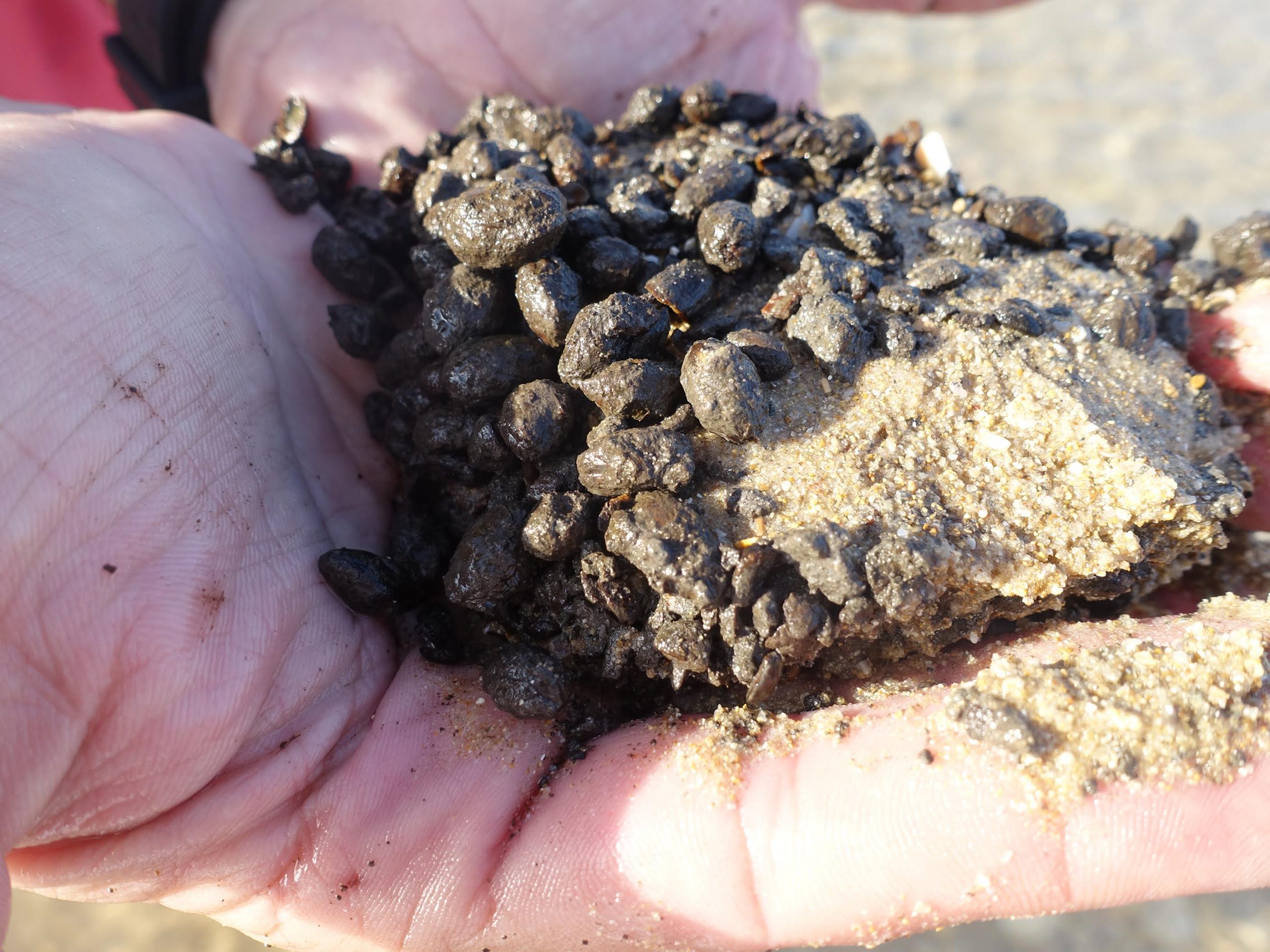
Front view of the shrine at Arad, rebuilt in the Israel Museum. The top down view of the altars show where you can see the black residue of cannabis and frankincense. 

A Holy High? It was often suspected to be part of religious rights. And cannabis or medical marijuana is being applied today in Israel to fight COVID-19. For the first time archeologists reveal that psychoactive cannabis was part of ancient worship rituals in the Holy Land.

Analysis of the material on two Iron Age altars discovered at the entrance to the “holy of holies” of a shrine at Tel Arad in the Beer-sheba Valley, Israel, were found to contain traces of cannabis and frankincense, according to new article in the journal, Tel Aviv.

Lead author Eran Arie from The Israel Museum in Jerusalem commented, “This is the first time that cannabis has been identified in the Ancient Near East; Its use in the shrine must have played a central role in the cultic rituals performed there.”

These unique findings shed new light on cult practices in biblical Judah, suggesting cannabis was used here as a deliberate psychoactive, to stimulate ecstasy as part of cultic ceremonies. Today people use CBD hemp oil for pain relief. Back then, the CBD and THC might have been part of a smudging ceremony.

Frankincense comes from Arabia. Therefore, the presence of frankincense at Arad indicates the participation of Judah in the south Arabian trade even before the patronage and encouragement of the Assyrian empire. Arad provides the earliest evidence for frankincense in a clear cultic context. Frankincense is mentioned as a component of the incense that was burned in the Temple of Jerusalem for its pleasant aroma. Today it’s used along with the cannabis plant as a popular smudge people use to clear the energy in their homes or offices.

Past excavations revealed two superimposed fortresses, dated to the 9th to early 6th centuries BCE, which guarded the southern border of biblical Judah. Highly important Iron Age finds were unearthed, including a well-preserved shrine that was dated to ca. 750-715 BCE.

Two limestone altars (the smaller altar is 40 cm high and about 20 × 20 cm at the top; the larger is about 50 cm high and 30 × 30 cm at the top) were found lying at the entrance to the “holy of holies” of the shrine.

Evidently, they had played an important role in the cult practices of the shrine. An unidentified black solidified organic material was preserved on the altars’ surfaces. Past analysis of these materials failed to identify their content and this dark material was recently submitted to organic residue analysis by modern methods.

The study reveals that on the smaller altar cannabis had been mixed with animal dung to facilitate heating, while the larger altar contained traces of frankincense that was mixed with animal fat to promote evaporation.

The “fortress mound” of Tel Arad in the Beer-sheba Valley in southern Israel was excavated over 50 years ago under the direction of the late TAU Professor Yohanan Aharoni.

Photo credit: Collection of the Israel Antiquities Authority, Photo © The Israel Museum, by Laura Lachman

Finding comfort and love in a plague

0

love plague, painting by magritte

Love is a minefield in good times. In bad times, love might make a bit more sense. It’s like that life raft that the universe sends to us, to give us hope and meaning. To help us navigate the next chapter of our lives, alone or with a spiritual partner?

There are all sorts of creative ways to find love in times of darkness. If you have been following Green Prophet for a while you will know that there is a quiet movement of people, connected or disconnected to each other; either way, they are finding love in nature, with trees, river stones, in the water, from the things that made us. They are self-loving out in nature, should we say, not to be confused with an ecosexual, who makes sure to improve or remove all the products that surround our reproductive health and love life, like foregoing the birth control pill, and choosing bamboo mattresses and paint that is toxin-free.

Unless you live in corona “light” countries such as Israel, New Zealand, or Australia, you might not be meeting much love soon. Until the virus has subsided virtual love might be the way that those of us not yet united or disconnected by countries and distance, might have to make do.

Some virtual ideas for love

Back when our grandparents were young, there were no Facebook or free long-distance calls on Whatsapp or Facetime. There wasn’t even Skype. The love birds of the past used to handwrite notes and wait days, sometimes weeks for a reply. When I was a kid I secretly hoped that the boy I loved, who did not see to return the affection, had sent me a letter in the mail and that when I was 30 it would come back to me and we would find each other and all would be right in the world.

A-Zoom yoga class? Find a yoga class online in a group or ask for a private session with a teacher you both love and Zoom into some asanas.  This is an intimate way of sharing some time, quality time not dozing off, or chewing on cornflakes. And how many more intimate wine meetings can you have? The coronavirus will be letting down soon and you both need to get in shape.

Knit your love a sweater. What says I love you more than something handmade and which takes time to knit? Put your love into every knit and pearl, and if you are like me listen to the podcast Modern Love to add a little more love into the weave.

Bake some biscotti and mail them to your love. Baked goods like biscotti keep well over time. I once wrote a story about an artist in New Mexico and she baked me biscotti and sent them in a box to Canada as a way to say thank you. Or try to make some delicious tehina cookies, you can make them in the shape of a heart. Feeling the love from something in something they made by hand is way more precious than just getting something shipped from the Amazon warehouse. Love comes in many forms and in many ways. I hope you find your true love, which might just be the path to yourself.