Home Blog Page 171

Pumpkin Chershi recipe, A Spicy Libyan Spread

0
Chershi (sometimes spelled chirshi or tershi)
Chershi (sometimes spelled chirshi or tershi) is the main reason why all gardens should plant pumpkins.

First of all, what’s chershi? If you’ve been lucky enough to sit down at a meal from Libyan cuisine, you’ll find that among the usual mezze – small plates of humus, vegetables cooked in olive oil, potato salad, tabbuleh – there will be  an orange-colored dip with intriguing spicy, garlicky flavors. It’s chershi kara’a, a creamy pumpkin spread that takes the sweet vegetable to a whole different level. Sometimes called tershi, it’s a specialty of Tripoli Jews. And especially nice, it’s also a vegan dish.

Many insist that the spread be based on pumpkin, and pumpkin only, but others, not so purist, use butternut squash, sometimes combined with carrots, to delicious effect. So how do you eat chershi? Tear a corner off a fresh pita and dip it into the chershi – as you do with humus. Garnish couscous with chershi. Spoon some on to your plate and top it with a little yogurt and finely-sliced scallions, replenishing as your appetite dictates. Or spread it between slices of bread to enrich any sandwich.

Note: The traditional recipe calls for powdered caraway seed, but if you don’t have it, you can leave it out. But if you have a mortar and pestle, or a coffee grinder, you can easily crush a couple of tablespoons of caraway seeds and store the excess in a small glass jar or small bag with a zipper top. It’ll last longer in a glass jar.

Here’s the traditional recipe.

Chershi Pumpkin Spread
Ingredients:
2 cups – 500 grams peeled pumpkin (fine to use canned)
2 -4 cloves garlic, crushed to a paste
1/4 teaspoon table salt
2 tablespoons vinegar
1/2 teaspoon powdered caraway seed
1/2 teaspoon crushed chili pepper
6 tablespoons olive oil
Chop the pumpkin into large dice.
Heat 4 tablespoons of the olive oil in a large skillet. Add the pumpkin.
Cover the skillet and cook over medium heat, stirring occasionally.
When the pumpkin is tender, remove it from the heat and mash it with a fork or potato masher.
In a clean skillet, gently heat 2 tablespoons of olive oil; add the garlic and chili pepper until the garlic has changed color but hasn’t browned.
Mix the garlic/chili into the cooked pumpkin.
Return the pumpkin to low heat. Cook, stirring, 10 minutes.
Add the vinegar and salt; cook a further 15 minutes.
Add the powdered caraway and mix well.
Serve at room temperature.Variations:
Use canned pumpkin.
Add 3 tablespoons harissa to the mashed pumpkin before adding the remaining seasonings.
Add 1 teaspoon powdered cumin to the garlic/chili. In that case, omit the caraway seed at the end.

Science finds a way to stop cow farts

cows in a pasture Gorgit Yaylası, Artvin, Turkey
Ideally we should all be living like this, with our own personal cow. Until that happens new research finds a way to slow methane development in cow stomachs. Gorgit Yaylası, Artvin, Turkey.

Ben-Gurion University in Israel has successfully manipulated a cow’s microbiome for the first time. By learning to control the microbiome, scientists can prevent cows from emitting methane, one of the most serious greenhouse gases. Prof. Itzhak Mizrahi’s findings were published late last month in Nature Communications.

The microbiome is an underexplored area scientifically, yet it exerts great control over many aspects of animal and human physical systems. Microbes begin to be introduced at birth and produce a unique microbiome which then evolves over time.

Mizrahi and his group have been running a three-year experiment with a group of 50 cows. The cows were divided into two groups. One group gave birth naturally, and the other gave birth through cesarean section. That difference was enough to change the development and composition of the microbiome of the cows from each group.

This finding essentially enabled the development of an algorithm to predict the microbiome development: an algorithm that will predict how the microbiomes evolve over time based on its present composition together with Prof. Eran Halperin’s group at UCLA in the United States.

“Now that we know we can influence the microbiome development, we can use this knowledge to modulate microbiome composition to lower the environmental impact of cows on our planet by guiding them to our desired outcomes,” says Mizrahi.

Prof. Mizrahi has investigated the microbiome of cows, fish and other species to prepare us for a world shaped by climate change. Reducing methane emissions from cows will reduce global warming. Engineering healthier fish, which is another of Mizrahi’s projects, is especially important as the oceans empty of fish and aquaculture becomes the major source of seafood.

Prof. Mizrahi is a member of the Department of Life Sciences in the Faculty of Natural Sciences and a member of the National Institute for Biotechnology in the Negev (NIBN). Earlier this year, he was awarded an ERC consolidator grant and a DIP grant.

A sliver of farmland to create an eco fertilizer farm

0
farmer looking over his field
Switchgrass or sweet sorghum could do a regular farm into an eco-er farm. 

Farmers dump nitrogen on nutrient empty soil so we can have tacos, cereal, a fresh salad. High use also devastates nearby rivers, lakes and seas. But by turning a farm of any size into its own fertilizer machine, with only 5% of their land. It’s a great solution for farmers in developing nations who don’t have access to high cost fertilizers.

Purdue University scientists, led by Nick Carpita show that farmers could raise enough bioenergy crops for fertilizer to make nitrogen-based fertilizers more cheaply and reduce the reach of those fertilizers into nearby waterways.

Use of biomass as the source of hydrogen and energy for ammonia fertilizer is competitive with electricity as a replacement for natural gas or other fossil fuels, the authors wrote. Researchers at Purdue estimate that farmers could use 5% or less of their fields to grow enough bioenergy crops, such as sweet sorghum or a perennial grass such as switchgrass, to create the fuel needed to produce nitrogen fertilizers like ammonia.

Not only would using bioenergy be a cleaner environmental choice than natural gas or coal, but the crops could be used on the edges of fields as buffers to limit the amount of nitrogen that washes from those fields into local waters.

“It’s a small amount of a grower’s acreage to make the energy needed to completely satisfy the fertilizer needs for an entire field. You could apply 150 pounds of nitrogen per acre, which is more than enough, and you’d need only 5% of biomass per acre,” Carpita said. “The biomass has a bonus. Where you grow it could improve ecology. Your biomass could create soil-trapping, erosion-breaking rows that improve the local watershed.”

The biomass crops could be gasified directly or turned into H2Bioil for transport to the gasifier, giving a source of hydrogen needed for ammonia and energy to power the production. The study shows that it costs about $54 for enough natural gas to create 150 kilograms of ammonia. Equivalent electricity or biomass costs in developed nations are currently about four times that, meaning production costs would have to drop or natural gas prices rise significantly to make the process cost-effective.

But it could be beneficial still in developing countries where mobile processing plants or smaller chemical plants could bring production close to farms that lack access to nitrogen-based fertilizers. Those smaller facilities don’t yet exist, but Agrawal said his team is working on developing them.

“We chemical engineers are used to building large plants. We have to rethink not only the unit operations, but how we’re going to simplify everything in a plant to make it function at a smaller distributed scale,” Agrawal said. “The good thing is that we have begun to work on it. This could happen within the decade.”

Burniske said the biomass strategy for ammonia production likely would be feasible sooner in sub-Saharan Africa, where soils are low in nitrogen and there is little fertilizer production in the region.

“Africa is the most nitrogen fertilizer-deficient region in the world, and where fertilizer is available, it is expensive, of poor quality and out of the smallholder farmer’s reach,” Burniske said.

An area in East Africa – where countries are smaller and could share a large production facility, and have the transportation infrastructure to deliver – could use the biomass strategy to create affordable nitrogen-based fertilizers.

“The reduction in fertilizer cost and accompanying increase in quality would boost use by smallholder farmers and increase yields in areas where there are large populations of food-insecure people,” Burniske said. “Horticultural crops in particular would benefit because they are more demanding in nitrogen intake, and horticultural crops are high in micronutrients in a region where micronutrient deficiency is rampant. Farmers producing more high-value horticultural crops would see a boost in income and a multiplying effect increasing economic development in rural communities.”

Linking plant prosperity to our prosperity, using big data and AI

crystal ball, in the forest

Vegetation models don’t just look good on Instagram. Plants and vegetation and the way they grow play a critical role in supporting life on Earth. And your life too. How will coronavirus affect farms and output next year or the next 10 years? Will climate change wipe out species or promote the growth of latent ones, waiting for the arctic ice to break?

There is still a lot of uncertainty in our understanding of how exactly plants affect the global carbon cycle and ecosystem services. While there has been a big focus on big plants and forests, not much is known on how plants as a whole contribute to global weather patterns. A new study explores the most important organizing principles that control vegetation behavior and how they can be used to improve vegetation models.

“Current models are not able to reliably predict long-term vegetation responses,” explains lead author Oskar Franklin, a researcher at the International Institute for Applied Systems Analysis (IIASA) Ecosystems Services and Management Program.

An international team of researchers endeavored to address this problem by exploring approaches to master this complexity and improve our ability to predict vegetation dynamics. IIASA conducts interdisciplinary scientific studies on environmental, economic, technological and social issues in the context of human dimensions of global change.

They explored key organizing principles that govern these processes – specifically, natural selection; self-organization (controlling collective behavior among individuals); and entropy maximization (controlling the outcome of a large number of random processes).

hanging out in a tree, woman on branch of large tree
It seems counter-prouductive, but getting your employees on a retreat in nature, forest bathing, meditating, silent retreats… they return happier and more productive, we mean doing more in less time, in a more positive workplace.

In general, an organizing principle determines or constrains how components of a system, such as different plants in an ecosystem or different organs of a plant, behave together. Mathematically, such a principle can be seen as an additional equation added to a system of equations, allowing one or more previously unknown variables in the system to be determined and thereby reducing the uncertainty of the solution.

A lot of research has gone into understanding and predicting how plant processes combine to determine the dynamics of vegetation on larger scales. To integrate process understanding from different disciplines, dynamic vegetation models (DVMs) have been developed that combine elements from plant biogeography, biogeochemistry, plant physiology, and forest ecology.

DVMs have been widely used in many fields including the assessment of impacts of environmental change on plants and ecosystems; land management; and feedbacks from vegetation changes to regional and global climates. However, previous attempts to improve vegetation models have mainly focused on improving realism by including more processes and more data. This has not led to the expected success because each additional process comes with uncertain parameters, which has in turn caused an accumulation of uncertainty and therefore unreliable model predictions.

The study found that by representing the principles of evolution, self-organization, and entropy maximization in models, they could better predict complex plant behavior and resulting vegetation as an emerging result of environmental conditions. Consider plants in the desert for instance.

Although each of these principles had previously been used to explain a particular aspect of vegetation dynamics, their combined implications were not fully understood. This approach means that a lot of complex variation and behavior at different scales, from leaves to landscapes, can now be better predicted without additional understanding of underlying details or more measurements.

The authors expect that apart from leading to better tools for understanding and managing the biosphere, the proposed “next-generation approach” may result in different trajectories of projected climate change that both policy and the general public would have to cope with.

How cryptocurrency damages the planet

2

Server farm with wires and cables

It hasn’t been long since Bitcoin broke the ground in 2009, turning the monetary landscape upside down. With its decentralized nature and exceptional privacy, cryptocurrency quickly became popular among young people trying to make quick money. But others, like Karin’s Kloosterman’s startup Flux, were creating a nature monitoring system, decentralized, using blockchain technology. There are ways that blockchain can also help the planet.

As interesting as it is for tech and financial experts alike, there’s no way around the harsh truth that’s often swiped under the rug while discussing crypto: it damages the environment and the communities where it’s mined.

There has been extensive research done on the disruptive effects of cryptocurrency on the financial market, however, fewer people have highlighted the environmental damage that it causes along the way.

What is crypto mining?

In order to maximize their profits, crypto miners always try to seek out places with low-cost electricity and weak environmental policies, ultimately creating hazards for the environments and impact local populations without benefitting the communities.

The way the crypto miners produce currency is through an energy-intensive process requiring vast computing resources. According to recent estimates, over the course of a year, cryptocurrency consumes around 64 TWh (terawatt hours) of energy. Ranking it on top of the country of Switzerland by energy consumption, which 58 TWh per year.

As financial technologies become more and more accessible, ultimately making our lives much easier, there are certain aspects of fintech that create lasting damage to human health and the environment around us. Some activities that were once only a prerogative of the privileged few, like foreign exchange trading, are now accessible for everyone with a smartphone. This mobile trading FX brokers list shows just how much more accessible it is for virtually anyone to get involved in the foreign exchange market. With the increased accessibility to both FX, crypto, and other interesting new financial technologies, there should also be an increased awareness of the potential damaging side-effects that they might entail.

Due to its decentralized control, most cryptocurrencies have emerged from the grassroots communities, rather being corporate or government managed. To put it simplistically, cryptocurrencies are generated by using computers to solve puzzles that are stored in a blockchain, which are accessible on a decentralized database.

The difficulty of the puzzles increases proportionally to the number of miners competing to unlock bitcoins. In order to continuously solve the algorithms, mining servers require a tremendous source of energy. Ultimately, if the energy expense of mining exceeds the income from the currency produced, there is no more motivation to continue mining, which also significantly undermines the infrastructure that validates its monetary value.

In practice, this means that the possibility of profiting from mining cryptocurrency rises with the more powerful computer, faster internet connection, and the cheaper infrastructural services, such as electricity.

The damaging environmental impact of crypto mining

Despite its digital nature, the impact that cryptocurrency has on the physical environment and the welfare of communities where it’s mined can’t be ignored.

“With each cryptocurrency, the rising electricity requirements to produce a single coin can lead to an almost inevitable cliff of negative net social benefit,” states a recent study about the monetary price of health and air quality impacts of cryptocurrencies.

Researchers claim that although mining activities produce financial value, electricity use creates “crypto damage” — a term coined to illustrate the effects of digital exchange on human health and the environment.

There are ongoing debates on the exact extent of the impact that mining has on the environment. Even though it is agreed upon that crypto mining damages the environment, the impacts are markedly higher in places where the mining is dependent on dirty energy sources, such as the coal-fueled crypto mines in Mongolia. Coal energy sources offer prices that are 30% cheaper than the average energy consumption rates for industrial firms. With that being said, any cryptocurrency mined in China will produce four times as much CO2 pollution as the volume produced by renewable energy sources in Canada.

Sustainable way forward

With the growing popularity of cryptocurrency, as demonstrated by it entering more mainstream markets and being embraced by traditional financial institutions, we can surely foresee that crypto isn’t going to go anywhere anytime soon. With the damage that it currently does to the environment, it’s also evident that it’s not sustainable, for now.

There are several promising figures that show a sustainable way of going forward with the crypto mining industry.

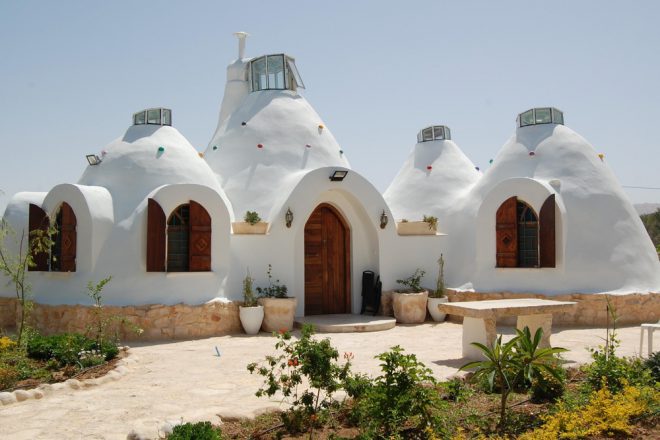
Can ancient structures catch the heat of crypto? 

Recent figures show that crypto-mining facilities are looking into subsidizing the development of renewable energy resources in order to seek the cheapest resource to optimize the consumption value. The relationship between renewable energy and crypto-mining is well demonstrated in the bitcoin mining operations in China. The provinces hosting the most crypto-mining facilities correlate with the ones producing energy with renewable resources.

80% of China’s bitcoin mining operations were based in Sichuan in 2017 – a province that generated approximately 90% of its energy production from renewable resources, thereby accounting for 43% of global Bitcoin mining operations at the time.

The profitability of cryptocurrency mining is heavily dependent on its market value coupled with the price of electricity. If the value of a cryptocurrency decreases and goes below its cost of production, mining becomes unprofitable due to the large costs of the energy it needs. The most well-off crypto-miners work at the lowest cost by accessing the cheapest electricity capable of achieving intense use. As a result, miners are finding inexpensive energy markets while taking advantage of policy conditions that do not control how energy can be consumed.

Going forward, the crypto industry can become more sustainable if it commits to using renewable, clean energy in order to sustain itself. As the statistics show, in the long run, renewable energy is the future of electricity consumption. Utilizing the low-cost nature, crypto miners have an incentive to continue mining while minimizing their damage to the environment. However due to the decentralized nature of crypto that makes it so attractive to many will come as a detriment to the initiative, as at the end of the day there’s no one to make the decision to go green but the individual miners.

Sriracha not burning your mouth off? A new COVID-19 symptom

sriracha hot sauce on a table, partially eaten
Think you have COVID-19? Grab a bottle of your hottest sauce and see if you can taste fire.

Seems to be that Vitamin D deficiency is an underlying factor in those who suffer the most from COVID-19, or coronavirus. New crowd-sourced data, confirms the early and eerie side-effects: seems that not only smell, but taste and the inability to be phased by hot sauce, among the signs that a patient with the flu might be experiencing COVID-19.

A massive, crowdsourced-survey of COVID-19 patients from over 40 countries provides the greatest evidence to date of the link between COVID-19 and the loss of smell, taste and chemesthesis—the ability to perceive cooling, tingling and burning sensations from stimulants such as chili peppers and menthol.

These findings will help distinguish COVID-19 patients from those with common viral infections, such as the cold or flu, and help prioritize the limited supply of COVID-19 tests.

Professor Masha Niv, from the Hebrew University in Jerusalem is a leading member of The Global Consortium for Chemosensory Research (GCCR) which launched this survey on April 7, 2020.  They mined their database for initial findings and have posted their results on medRxiv.

Based on 4,039 COVID-19-positive participants from around the world, the group found that smell, taste and chemesthesis are significantly reduced during the illness.  Nasal blockage, aka a stuffed nose, does not appear to be associated with these sense losses, suggesting that these symptoms may be an important way to distinguish COVID-19 infection from other viral infections.

“Our findings show that COVID-19 broadly impacts chemosensory function and is not limited to smell loss, and that disruption in these functions should be considered a possible indicator of COVID-19,” explained Niv.

The ongoing survey asks participants who have been diagnosed with COVID-19 to quantify their smell, taste and chemesthetic senses both before and during the illness, and to report any nasal blockages.  This project is distinct from previous studies on chemosensory and COVID-19 in that it leverages a multinational, “open-science” approach.

The survey is available in 27 languages, including English, French, Spanish, German, Italian, Japanese, Arabic, Norwegian, Spanish, Swedish and Turkish.  To date, over 30,000 responses have been crowdsourced through traditional print, television, radio and social media.

“What’s needed to fight a global pandemic is a global approach. We’ve harnessed scientists, clinicians and patients from around the world to give us a better understanding of the disease’s impact on various populations and to provide us with significant clues towards better diagnosis and treatment of the COVID-19 disease,” concluded Niv.

Vitamin D-deficient Patients Twice As Likely To Develop Severe COVID-19 Symptoms

Vitamin D foods, corona chart

A new study released by Northwestern University concludes that vitamin D may be an essential weapon to protect yourself from the coronavirus.  According to researchers, lower vitamin D levels significantly increase the likelihood that an infected person will develop severe symptoms and complications.

The study drew upon data from hospitals in China, France, Italy, South Korea, and the United States. Researchers discovered that patients in countries with higher mortality rates, such as Italy and Spain, usually had lower vitamin D levels than patients in other nations.

Because vitamin D is found almost exclusively in animal products (primarily fish and dairy), vegetarians, vegans. and people with milk allergies are at a particularly high risk of not getting enough.

For this reason, plant-based milk substitutes such as almond and soy milk are often fortified with this nutrient. Cereals and orange juice are also commonly available in vitamin D-fortified varieties.

The recommended daily value is 800 IU (20 mcg) of vitamin D per day from food. If you don’t get enough sunlight, your intake should likely be closer to 1,000 IU (25 mcg) per day.

Natural source of Vitamin D

Here are 5 healthy foods that are high in vitamin D. We’ve scoured the Green Prophet archives to bring you ideas of how to easily and deliciously up your vitamin D intake.

1. Salmon – this popular fatty fish is a great source of vitamin D especially if you stick with the wild caught varieties.  Try a delicious grilled salmon and cucumber sandwich. Find Green Prophet Miriam Kresh’s recipe here.

2. Eggs  are another good source, as well as wonderfully economical. While most of egg’s protein is in the white, the fat, vitamins, and minerals are mostly in the yolk. Eggs sourced from free range chickens contain more vitamin D than other varieties. Try Miriam’s easy avocado and egg toast – recipe here.

3. Wild mushrooms are excellent sources of vitamin D, but steer clear of commercially-grown types which are raised in low-light conditions. Miriam offer a trio of vegetarian mushroom-based meals – try them all.  Here’s her take on a traditional Iranian tahcheen (recipe here).  Her mushroom and asparagus risotto (recipe here). And her feta and mushroom and spinach quiche (recipe here). 

4. Herring and sardines can be consumed raw, canned, smoked, or pickled.  The French Guy on YouTube shows you how versatile a can of sardines can be:

[youtube https://www.youtube.com/watch?v=BsvxQ01Oy8k]

5. Soy milk – for non-cooks, score yourself some vitamin D-fortified soy milk and follow Green Prophet Kelly Vaghenas’ recipe for a Spicy Date shake (recipe here). 

The study’s authors caution not to take excessive doses of vitamin D in pursuit of coronavirus immunity.  They also warn that vitamin D is not a cure for coronavirus, and more research is needed before definitive recommendations can be made.

“While I think it is important for people to know that vitamin D deficiency might play a role in mortality, we don’t need to push vitamin D on everybody,” says Northwestern’s Vadim Backman, the study’s lead author, in a press release. “This needs further study, and I hope our work will stimulate interest in this area. The data also may illuminate the mechanism of mortality, which, if proven, could lead to new therapeutic targets.”

All of the data used for this study was publicly available, and an in-depth analysis revealed a correlation between vitamin D levels and cytokine storm (a form of hyper-inflammation due to an overactive immune system). The study is published in medRxiv.7

How has Oil Performed During the COVID-19 Crisis?

0
saudi oil baron looks to oil field
Khaled al Otaiby, an official of the Saudi oil company Aramco watches progress at a rig at the al-Howta oil field near Howta, Saudi Arabia, on Feb. 26, 1997. Energy is the big strand in a web of U.S.-Saudi economic ties that has grown in the six years since an American-led army rolled back Iraqi aggression in the Persian Gulf. (AP Photo/John Moore)

Oil prices and oil products, including gasoline and diesel, have tumbled in the wake of the COVID-19 crisis, and demand is far from ready to rebound. Most of the world is ready to begin the process of reopening their economies, but until consumers get on the road or in the air, oil demand will remain subdued. Generally, at this time of year, US gasoline demand is starting to push into high gear, peaking during the summer above 10-million barrels of demand per day. Ethanol production is experiencing a drastic slowdown in response to the market being flooded with fuel at a time that demand has disappeared. 

What Happened?

The novel coronavirus started to spread in Wuhan China and made its way into Asia, and then western Europe. Italy experienced a major outbreak, and in early February the spread of COVID-19 moved into the east coast and the west coast of the United States. The US is the world’s largest consumer of oil, ingesting approximately 20-million barrels a day. As countries around the globe began to shut down, the consumption of petroleum started to drop. In the US, total consumption has declined by approximately 28%, with most of the drop seen in gasoline and jet fuel.

According to the US Department of Energy, the total volume of petroleum products consumed in the last 4-weeks is 14.5 million barrels a day, down by 28.0% from the same period last year. The breakdown is as follows. During the past month, gasoline demand averaged 5.3 million barrels a day, down by 43.7% from the same period last year. Distillate fuel, which includes heating oil and diesel averaged 3.2 million barrels a day over the past four weeks, down by 15.1% from the same period last year. Lastly, the Energy Information Administration reported that Jet fuel demand was down 61.6% compared with the same month last year

The drop in gasoline has harmed renewable fuels such as ethanol. US ethanol exports were already on the decline and the impact of the COVID-19 has made the issue even worse. US ethanol exports fell by 14% in 2019 even though the number of export destinations increased from 34 destinations in 2018 to 39 destinations in 2019. On the renewable front, the lack of gasoline demand has hit harder than diesel. The trucking industry has had to continue moving production and inventory while Amazon trucks have been busy filling everyone’s home shopping needs.

The Decline in Demand was Met with a Supply Cut

The drop in demand has been the catalyst for the decline in prices, but an initial crude oil war, between the Saudi’s and Russian’s, created an impetus to push prices even lower. In the wake of the spread of the virus, OPEC was looking for a solution that could counter the huge decline in demand. Their goal was to cut production, but Russia was uninterested, as they viewed the rise in US production as a major issue. The US has increased production by more than 1-million barrels a day over the past year. Russia wanted the US to cut production as well before it would come to the table.

Eventually, OPEC+ decided on a production cut that would remove 9.7-million barrels a day from global production. Norway recently followed and plans to reduce production in June. The US has not officially joined the production cuts but has been forced to shutter many rigs. The number of oil rigs that are in production in the US, has dropped substantially. In early April, Baker Hughes, the oil rig giant reported that the number of active US rigs drilling for oil dropped by 53 to 325. The oil-rig count has now declined for seven weeks in a row. The total active US rig count, meanwhile, also fell by 57 to 408. This compares to a 35-year high of 1,609 active rigs and a low of 98-active rigs. This has taken 700 thousand barrels a day off the market. The last time the US active rig count was at the current level, the oil production in the US was approximately 9-million barrels a day.

The Bottom Line

The upshot is that demand will need to come back for prices to rise. Companies involved in the production of oil or renewable fuels will remain under pressure until prices can rebound. Oil companies are cutting production and if the lack of demand persists, dozens will go out of business. While the world is slowly beginning to come back and undertake certain activities, without employees going to work, or people taking vacation it’s hard to see petroleum demand rebounding to prior levels.

If you think the Middle East is dramatic now, 2000 years ago it was a telenovela

0

masada in Israel

The relations between the Herodian Kingdom and the Nabatean Kingdom were very complex and involved political, economic and marriage ties. Through the institution of marriage with local dynasties, Herodians consolidated power in the southern Levant and later became Rome’s client state.

Intermarriage between religious groups was not uncommon, people were open-minded, until they were not. Here’s a little history of the way things were in the Levant, where major world religions brewed and fed each other:

The most prominent ruler of the dynasty, Herod the Great who ruled from 74/73 BCE to 4 CE, was a controversial figure according to historical sources, and one of main villains of The New Testament.

However, despite the popular tradition his rule was characterized by colossal buildings in Judea, including a renovation of the Second Jewish Temple in Jerusalem, construction of the Cave of the Patriarchs in Hebron, the fortress Masada on the eastern edge of the Judean Desert, the maritime port Caesarea Maritima, and monumental palaces like Herodium, 10 miles south of Jerusalem, and Machaerus, 18 miles southeast from the mouth of the Jordan River.

Although his father Antipater I Idumaean (100 BCE to 43 BCE) was an Edomite and his mother Cypros I, a Nabataean, Herod was raised as a Jew. How about that?

An ancient matchmaker

Herod used marriage to bring together different ethnic groups within his realm and making political alliances with other rulers in the same area. In the First Century BCE many members of the Judean elites were Hellenized, which was also the case with Herodians. The process of Hellenization enabled these elites to consolidate and expand their rule in the southern Levant.

The founder of the dynasty, Antipater I already designed a marriage strategy to boost his influence in the region and took a Nabataean noblewoman Cypros I as a wife. She was related to the Nabataean King Aretas III, also known as Philhellen which means Friend of the Greeks.

Kings as babysitters

Relations between them became so cordial that Antipater I would entrust the Nabataean king to take care of his sons while he was participating in the military campaigns against Hasmonean Aristobulus II (66 BC-63 BC).

According to Flavius Josephus, a Jewish historian (37 CE to 100 CE), Antipater I used the Nabataean backing to contact Pompey and Roman generals in the east. Then Antipater I forged an alliance with Caesar, and for his ongoing support of Rome he was awarded with the prize of not having to pay taxes. 

His ascendants automatically became the Roman citizens, therefore his marriage to Cyprus I is only one aspect of a much broader policy that sees Antipater I taking advantage of multiple social, religious and ethnic identities.

However, political relations were not always idyllic: when Cesar was assassinated in Rome in 44 CE the East entered a period of chaos and the Nabataeans mistakenly sided with the Parthians. After the Romans defeated the Parthians, the Nabataean Kingdom was obliged to pay tribute to Romans.

The Roman state used Herod I to punish the Nabataeans when they failed to pay the tribute on time and in 36 BCE Herod I expanded his realm at the expense of the Nabataean Kingdom taking its northern swaths. Wadi Mujib, the biblical Arnon Stream, was a border between Nabataean and Herodian states and, according to a Greek archaeologist Konstantinos Politis, the late researcher Taysir Atiat found a Nabataean temple and a watch tower on the mouth of Wadi Mujib.

Within a Herodian Kingdom there was a port on the eastern side of the Dead Sea called Ain –ez Zara, with rooms for shops as it was part of the incense trade route. Further up an ancient road connects Ain ez-Zara with Machareus fortress, a border stronghold and a palace of King Herod the Great. It was a part of the defensive line with a small settlement under the palace, which was a place where St. John the Baptist was beheaded around 29 CE.

A breakup that leads to war

Herod Antipas (20 BCE to 39 CE) was one of sons of Herod the Great and ruled the Galilee and Perea, where in the former province established a city of Tiberius named after his patron Emperor Tiberius. Continuing practice of his predecessors, he married Phasaelis, a daughter of the Nabataean King Aretas IV. The breakup of that marriage was a pretext for the war between Aretas IV and Herod Antipas as the former invaded Perea and defeated Antipas.

According to Josephus, Jews attributed the defeat of Herod Antipas in 36 CE to the beheading of John the Baptist.

A few generations earlier, the romantic relation took place between Salome, the sister of Herod I, and the Nabataean vizier Syllaeus, who came to Jerusalem in 20 BCE to negotiate a loan of 60 talents on the behalf of the Nabataean King Obodas III.

Afraid of the pagans at Petra

Despite the objections from Herod the Great, his sister continued to date the ambitious Nabataean deputy.  Herod I had tense relations with Obodas III and paranoid, as he was, Herod I thought that Syllaeus would depose him and become the ruler of Judea. Several months later, when Syllaeus returned to Jerusalem to propose to Salome, Herod I added the condition that he had to become a Jew and undergo circumcision.

Fearing the reaction and potential stoning by his fellow pagans in Petra, Syllaeus backed off returning to the Nabataean capital empty handed, without love.

The identity of the Herodians was fluid and dynamic, transforming from one ethnicity, culture and religion to another. The choice of the spouse or partner depended on the constellation of power and relations with the Nabataean kings who were also politically submissive to the Romans.

When Jews rebelled in 70 CE, the Nabataeans joined the Roman army who crashed the uprising. However, the Nabataeans’ relative independence didn’t last for too long and Emperor Trajan annexed their kingdom in 106 CErenaming it in the province Arabia Petrea.

Planet of the Humans: there is also earth-friendly, local mining

Planet of the Humans, Michael Moore, director

Michael Moore’s explosive documentary, Planet of the Humans, full documentary can be seen below, shows how the renewable energy business can never be sustainable. Part of the reason is really about raw materials and where we source them from, like graphite. Lithium ion batteries in electric cars for instance are so energy intensive and have travelled thousands of miles before the owner drives it one, and the reason is because of where we source raw materials.

The production of rare earth metals is a global $4 billion annual market that continues to grow as renewables, solar panels, wind turbines, new electronics, computerized engines for aircraft, warships, electric automobiles, magnets and other critical products are developed that need rare earth metals to perform. The value of the products that require rare earth metals to function is valued at more than $4 trillion per year.

The current challenge is that just one country, China, owns the market on extracting and purifying this critical resource despite the fact that other global countries, including the US, are rich in such metals. The detrimental environmental impact of current acid based separation and purification of rare earth metals prohibits most companies across the globe from entering the market.

New environmentally friendly technologies promise to be “game changers” in this field and enable the US to create a more stable and reliable domestic source of these essential metals. Purdue University-patented extraction and purifying processes using ligand-assisted chromatography are shown to remove and purify such metals from coal ash, recycled magnets and raw ore safely, efficiently and with virtually no detrimental environmental impact.

“It’s a supply chain challenge with wide implications on the US economy and national security. We have a critically needed product and one dominant source for this product. This new patented process promises to enable US independence from the China near monopoly,” said Dan Hasler, founder of Hasler Ventures. “This technology has been researched and developed at Purdue University for more than a decade and has proven to be versatile and robust.”

Hasler Ventures has secured rights from the Purdue Research Foundation that grant the company first rights to commercialize the technology’s intellectual property.

The technology – developed and patented from the laboratory of Nien-Hwa Linda Wang, Purdue’s Maxine Spencer Nichols Professor of Chemical Engineering – has successfully shown to separate the rare earth metals without the devastating environmental effects of conventional acid based methods with high yield and purity.

“About 60% of rare earth metals are used in magnets that are needed in almost everyone’s daily lives. These metals are used in electronics, airplanes, hybrid cars and even windmills,” Wang said. “We currently have one dominant foreign source for these metals and if the supply were to be limited for any reason, it would be devastating to people’s lives. It’s not that the resource isn’t available in the US, but that we need a better, cleaner way to process these rare earth metals.”

According to Wang, after China reduced the export quotas for rare earth metals in 2010, the costs of rare earth magnets for one wind turbine increased from $80,000 to $500,000. After China relaxed the export restrictions 18 months later, the prices returned to lower levels than in 2010.

“Conventional methods for producing high-purity rare earth elements employ two-phase liquid–liquid extraction methods, which require thousands of mixer-settler units in series or in parallel and generate large amounts of toxic waste,” Wang said. “We use a two-zone ligand-assisted displacement chromatography system with a new zone-splitting method that is producing high-purity (>99%) metals with high yields (>99%).”

Wang’s ligand assisted method has the potential for efficient and environmentally friendly purification of the rare earth metals from all sources of recyclates, such as waste magnets and ore-based sources and helps transform rare earth processing to a circular, sustainable process.

“We continue to work diligently in the lab to learn how to adapt the ligand-assisted system to many variations we see in source material and are excited to collaborate with and assess the suitability of potential partners source material be it recycled magnets and batteries, coal ash or domestically mined ore.

Joe Pekny, a Purdue professor of chemical engineering said Wang’s innovation enables the U.S. to reenter the rare earth metals market in a significant way and sustainable way. “Linda’s method replaces a very inefficient process and replaces it with an earth-friendly, safe extraction process,” he says.

Middle Eastern vices

Hookah pipe or shisha pipe, a dangerous middle east vice that can be addictive and make you sick
Addictive shisha pipe smoking.

The Middle East is synonymous with good food and over-zealous smokers. The poorer the town or village and the more you will see chain smoking in younger populations. You see it in the teeth. We know smoking is a vice that is not good to start. 

But what if it’s too late for you? You started and you can’t stop? We know that pretty much any vice except watching kitten videos on the Internet isn’t going to be good for you.

I have friends in Tel Aviv that smoke one cigarette a day –– at the end of the day with a glass of wine –– and have done so for years without leaping to 2 or 3 or half a pack. I think that is a sensible vice. No doubt there are ways to enjoy a vice without it getting out of control. 

Middle Eastern vices are not the same that you find in America or Europe. In the Middle East it’s about hashish. Americans and Canadians love cannabis now, and everywhere in Canada, and in more than half of the US States, you will have no problem with this vice. It is even being given out as medicine to help epilepsy, anxiety, pain from cancer. 

woman smiling smoking cannabis
Woman passing a cannabis joint with CBD and THC.

We know Europeans, especially the french smoke too many cigarettes too, and Americans are busy making a good old healthy THC-less  CBD tincture while out foraging for plants and mushroom chaga tea and living the #vanlife.

Smoking the hookah pipe

One of the most popular Middle East vices are hookah or shisha pipe smoking (nargila in Israel), which are those big Arabian-styled smoking pipes that look like they are from Aladdin’s cave. They get stuffed with a fruit flavored tobacco which is just as, even maybe more dangerous than regular cigarettes if you read some of our past articles. Don’t be fooled by the sweet smelling aroma. 

What is ghat?

Ghat, khat or gat is another vice that started in Yemen, but if you look around the markets around the Middle East you will find ghat leaves for sale – even in Israel. They give a moderate to mild high, and the most addictive part of ghat might be behavioural as it might be the only activity some people in Yemen want to do. It’s been creating some environmental problems in Yemen too

Man chewing gat leaves in Yemen
Hanging out, chewing gat in Yemen.

It is estimated that people in Yemen eat as much as 500 grams of the stuff each day, and seem to be content to enjoy just sitting around and being mildly intoxicated by its effects, which many say are a substitute for the favorite vice of the west –– alcohol –– (officially banned in Muslim Yemen), tobacco, and certain mild narcotics like hashish.

What is Middle Eastern snuff?

A lesser known vice found in the Middle East is naswār or nas. It is a moist, powdered tobacco snuff used in Afghanistan, Pakistan, Iran, Russia and Uzbekistan. Stuff if into the floor of your mouth or the inside of your cheek for 20 minutes and feel the same high effect from snus or dipping tobacco. Naswar was introduced into Western Europe by Ramon Pane, a Spanish monk after Columbus sailed the Americas from 1493-1496.

Years later in 1561, Jean Nicot, a French ambassador in Lisbon, Portugal, sent naswar to Catherine de’ Medici to treat her son’s ongoing migraine headaches. 

Is coffee a vice?

Vices, including coffee, all seem to start from a place where they help us all feel a little bit better. Whether they calm depression after a breakup (I started smoking after a really sad breakup years ago), or take the edge off a headache or a rough time at work, or not having work.

It’s all about moderation, my dear, my mother used to tell me. Although I think she also called cannabis devil’s weed. So take even Mom’s advice with a grain or salt. 

Solar energy plants in the desert – a planning guide

solar power plant aora energy israel
Solar power plants in the desert make use of wasted land, right? Think again. The desert soil has a complex network of pores in its unique soil. This takes hundreds, maybe thousands of years to create. Disturbing the desert may have implications on desertification, flash floods and who knows what else.

While it might look like deserts don’t have soil, they do. It’s just very different from those kinds of soil found anywhere else. Extreme temperatures, very little water and limited plant matter to degrade on the surface make an unusual environment. With little dead plant material to decompose and create a rich layer of organic matter, desert soils are unique. And they need to be protected, finds new research. This is especially important for renewable energy installations being built in the desert, like solar power plants or military installations. For almost ever, people believed that deserts don’t harbor soil or life, but they really do.

It’s just different than what we know and the answers to keep deserts alive are in the pores of the desert soil.

Judith Turk researching fragile desert soil
It takes thousands of years to create and can be wiped out by one dump-truck. Desert soils are fragile eco-systems. Look to the soil. Researchers measure soil infiltration in desert soils near Alkali Lake, NV. Credit: Judith Turk

Judith Turk, an assistant professor at the University of Nebraska-Lincoln in the United States, studies the top layer of desert soils, called the vesicular horizon. This surface layer of the soil is common in deserts and contains pores – or tiny holes – of different shapes, called vesicles and vughs.

“These horizons are important because of their role in many processes,” Turk says. “Vesicular horizons determine how much water soaks into the soil and how much runs off. Since they occur in deserts, they control the distribution of the most limiting resource, which is water.”

Vesicular pores are spherical, look a bit like bubbles, and are not connected to each other. Vughs are similar but more irregular in shape, almost like a clump of bubbles that have not fully separated from each other.

Predict impact on floodwater runoff, flash floods

Turk wanted to learn how these horizons form across different desert soils. In their most recent experiment, they chose small plots of the soils and took samples. They then crushed the soil so the formation of pores would have to start from scratch. They checked the porosity of the soils over the course of a year to compare.

“First, we found that infiltration rates were lowered as a result of disturbance,” Turk explains. “This would normally not be surprising, since disturbance compacts the soil, reducing porosity, and breaking up the pore networks that water flows through.

“However, the pores in V horizons are different,” she says. “Most of the pores are not connected with each other and therefore contribute little to permeability of the soil. So, we weren’t sure how disturbance would affect these horizons.”

She adds that what did surprise them was how a soil’s texture determined how well its porosity in this soil layer came back. They assumed that a soil with more silt would be better for vesicle formation but found vesicles formed more rapidly in relatively sandy soils.

“The capacity for vesicular pores to reform within a year after the V horizon is disturbed is something that is interesting,” Turk says. “The post-disturbance V horizons being thinner with smaller pores tells us that what we observed in the undisturbed soils takes time to form.”

It is important to study these soils because semi-arid lands cover about one third of the planet’s land area. Soils with V horizons are often disturbed because populations of cities in arid environments are growing. There is construction of solar and wind farms, and these areas are popular for military exercises.

oman desert
Much of Oman is desert, but the Arabian Sea coast in the Dhofar region represents a startling difference in climate. This coastal region catches the monsoon rains, or khareef, during the summer months. Drenching rains fall primarily on the mountainous ridge that separates the lush, fertile areas along the coast from the arid interior, recharging streams, waterfalls, and springs that provide plentiful water supplies in the fertile lowlands for the remainder of the year.

It’s vital to take the researchers’ findings into account when planning to disturb the soil.

“Many people are surprised to learn that there are interesting soils in the desert,” she says. “When I moved to California for graduate school, I fell in love with the desert lands of the western US. In the desert you can see the land surface and it’s easy to imagine the processes that have built the soil landscapes that we see today.”

Beat COVID-19 boredom with a few free clicks

Could You Benefit From Boredom? | Mind | US News

It’s now months into your hometown’s COVID-19 paralysis and you’ve exhausted ways to keep positive and productive. You need to replenish your toolkit of coping techniques, whether you’re cooped up solo, shacked up with a mate, or running a home school – slash – daycare center. Fear not! Green Prophet brings you point and click diversions, all free.

I’m in New York City. I’ve Marie Kondo-ed my apartment three times. Cooked weeks’ worth of new vegetarian meals, and shared them with neighbors. Sewn dozens of goofy face masks ’til my elastic stash ran dry.

I’m lucky in that I’m still working; hours of ZOOM and WebEx conferences where the new virtual office “bingo” is guessing who’ll talk the longest before realizing they’re on mute.

Netflix binging and the head-twist of switching between CNN and Fox News have lost their charms. And the 7 PM ringing of pots and pans and clapping and singing for our medical workers – while heartfelt – has me eyeing the rooftops for a good jumping off point.

So much for being positive and productive.  What I need is a new diversion. Seems I’m not at all alone.  Casting out a net via the internet – a digital call for help – and I caught a whopper.  A list, ever-changing and expanding, of free experiential websites that surely contain something that appeals to you.

Check it out, and widely share. And if you have links to other sites that will take users on a much-needed break from current events – please drop them in the comments section. Wash your hands, don’t touch your face, and enjoy.

Drawing:

Drawing tutorials and live draw sessions

Design a Sketchbook

Create your Ideal Bookshelf

Art links – drawing, painting, etc.

Coronavirus Reward Stickers

Shoes to Color

Museums:

Museum Virtual Tours

Van Gogh Museum

Louvre

British Museum

The Metropolitan Museum

Google Arts & Culture

1200 museums online

Musee d’Orsay

Boston Children’s Museum

Cooper Hewitt “Digital Mansion”

NYC Museum List

Books:

Download free books from New York Public Library

Outdoor Destinations:

National Park Virtual Tours

Tour the Great Wall of China

Virtually Tour Famous Gardens

Georgia Aquarium Live Feed

Explore Yellowstone National Park

Farm Tour

Tour Mars with the Curiosity Rover

New York Botanical Garden at Home

Home Workouts;

For Beginners

15 min beginner workout

20 min – no equipment needed

28-day challenge

Low impact cardio

Additional Resource: The Best Deadlift Bar and Deadlift Brands

Yoga:

Down Dog

DoYogaWithMe

Planet Fitness

Yoga with Adrienne

Dance:

Caribbean Dance Fitness

Belly Dance Basics

Dance Fitness

Zumba

Scientific 7 Minute Workout

Bollywood Dance Basics

Hip Hop Dance Basics

Debbie Allen dance lessons

Music:

Online Music Education

Billboard magazine live stream concerts

Marie’s Crisis Live Piano Bar 

Public Broadcasting S 13 Play Recordings

Opera:

The Met Live Streams

Vienna Opera

Puzzles:

Japanese crossword puzzles

Mental Health:

Free Online Classes

Comedy:

Comedy Cellar live stream shows

Animals:

Baby Goat Cam

San Diego Zoo Cam

Aquarium Cam

Smithsonian National Zoo Cam

Sewing:

Learn to Sew

Sew Face Masks

Free films:

Stream curated shorts from Tribeca Film Festival

Free films online

Jewish films and television

Documentaries from Field of Vision

Public Broadcasting free films

Free cultural and educational content

Theater:

15-Broadway-plays-and-musicals-you-can-watch-on-stage-from-home

Streaming Musicals and Theater

More Free Theater

National Theater streaming

Links to streaming theater that’s available now

Cooking:

Cooking with Massimo Bottura

Cooking with Antoni Porowski 

Food Network Kitchen App

Kids:

Live Doodling with Mo Willems daily

Teaching Kids to Sew

Virtual Field Trips for Kids

Tuesday story telling with the Moth and activities for kids

Educational Netflix Shows

Engineering activities for Kids

Scary Crime Stories:

True Crime – listen read, watch

Find something you liked? Know some links we missed?  Please drop your info in the comments section. We all need more positive diversion.

Pregnant as a global nomad

pregnant #vanlife nomad
Not having a stable home or the advice of other cultures are a couple of the challenges, and maybe advantages.

My life, for the past few years, has been anything but common. So when I found out of was expecting a baby – roughly 32 weeks ago – I knew my pregnancy wouldn’t go by the book either.

Krista pregnant global nomad

Any pregnancy is a rollercoaster ride of hormones and emotions, causing amazing and unexpected changes to your body and mind. Add to that some extra ingredients, like a foreign daddy and a nomadic lifestyle, and you’re in for a wild ride. This is the story of my pregnancy and how my lifestyle influenced the way I prepared for the birth of my baby boy.

New life: chapter one

woman on a swing

The story started roughly four years ago when I gave up my regular 9-to-5 existence and decided to travel the world. I quit my job and home, sold my belongings, and bought a one-way ticket to Asia. Little did I know my adventure would forever change my world views and turn into a lifestyle. I was planning on traveling for six months. I never quit. After years of happily roaming around, I found love in Indonesia and temporarily settled down there. Then, life took another unexpected turn and announced a new phase: I was pregnant and to become a first-time mommy.

krista with muslim friends
Me and new friends in Indonesia.

A few months into my pregnancy, I felt the need to go home and see my family and friends. And so it happened that I spent the first half of my pregnancy in Indonesia and the second one in my home country, the Netherlands. As a result, I got to experience a whole range of cultural practices related to pregnancy. Like any cross-cultural learning experience, it has been confusing at times but enriching in the end. Ultimately, it enabled me to see and pick the best of both worlds.

Staying healthy while pregnant

pregnant wand walking as a global nomad
Here I am taking a walk in a forest in Holland.

During the first half of my pregnancy, I went to an Indonesian hospital for my monthly check-ups. After I arrived in the Netherlands, the regular check-ups were performed by a midwife. Not much of a difference there. Bigger differences appeared in the way Indonesian and Dutch society treat pregnant women an expect them to stay healthy during those nine months.

In Indonesia, people were generally pretty relaxed about the whole thing – as they are about everything. Their pregnancy rituals are guided by traditional beliefs and customs. Some of those made a lot of sense to me (pregnant women have to walk a lot and cover their heads from the sun), while others just didn’t (pregnant women can’t wear a wristwatch or sit on the doorstep). Lucky for me, as a foreigner I wasn’t expected to abide by all the cultural rules.

pregnant woman Indonesia
Cover your head, don’t wear a watch. Some of the pregnancy customs in Indonesia.

Life in the Netherlands, on the other hand, tends to be very organized and structured. As I found out, this applies to pregnancy as well. After having spent years in Asia, arriving back home meant I experienced some sort of reversed culture shock – in my own country.

Pregnant women in the Netherlands receive lists with baby items they should purchase, get overwhelmed with books and magazines, and are more or less expected to take some kind of pregnancy course to prepare for childbirth. More than anything, it made me feel nervous, as if giving birth and taking care of a baby wasn’t a natural thing that I should be able to do without having studied for it.

Fortunately, I had a pretty down-to-earth midwife, who assured me I would be fine with or without pregnancy yoga. I decided to simply take things as they came. I skipped the opinions of Internet experts and ignored my mom’s well-meant but counterproductive advice. Instead, I chose to trust in the strength of my own body and mind to guide me through it all. I did my own at-home yoga, went for nature walks, and made sure I ate healthy food and got plenty of rest. Listening to my body and staying calm were my main mantras.

Baby stuff overload

Back in the Netherlands, I was also confronted with another reality that had not been part of my world for a while: that of a society built around consumerism. While abroad, I learned to appreciate a simple life, free of most materialistic possessions. I watched my partner’s little nephew grow up with few toys, but endless opportunities for playing on the beach. I’m convinced he’s no less happy for it.

The Dutch way of life is different though. A visit to a baby store left my mind dazzling. There were just so many products to choose from. I saw baby strollers the price of small second-hand cars – and people were actually buying them. Future parents apparently feel like they have to get their baby top-of-the-line products, in order to fulfill their parental duty to the best of their ability. Or maybe they just like being fashionable.

Whatever the reason, I had opted out of that mindset long ago and wasn’t planning on going back to it now. Many baby products have an ultrashort lifespan and get tossed after having been used for a short period of time. As I’m planning to go back to Indonesia after the baby is born, I would only really be using them for a couple of months. Nope, my baby wouldn’t be showered with stuff, but with love. 

Getting ready for the baby, minimalist-style

In practice, making green and sustainable pregnancy choices turned out to be easy. I’m at that age where all my friends have babies and young kids. Many of them were more than happy to get rid of the baby furniture they no longer needed. Presents from family and friends did the rest. Within a few weeks, I managed to gather all the necessities for a complete second-hand baby room, including a closet bursting with perfectly fine used baby clothes.

As I moved in with family, I don’t actually have a separate baby room, by the way. The baby’s crib is standing right next to my own bed. While born out of necessity, I feel good about having my baby close to me for the first few months. And guess what: I found out it’s what the experts recommend too.

I figured it was no use investing in a baby stroller, as I won’t be able to bring it on a plane or use it on the island in Indonesia. Instead, I invested some money in good quality, ergonomic baby carriers, which are convenient when traveling and can be used anywhere.

When I picked up one of those very Dutch checklists to check if I really had everything I needed, I took a practical approach. I resolved to buy the remaining items that seemed essential to me, but skip the items I wasn’t sure I would need. I could always buy those later, if necessary.

After all the essentials were in place, it was time to think about baby cards. I decided to not send any traditional paper cards. Instead, I designed my own virtual cards online, which can be sent through Whatsapp or e-mail. The designing process was a lot of fun and honestly, the end result is more personal than any ready-made card could be.

Finally, there was the diaper issue: reusable diapers, yay or nay? My green heart bled but lost the battle. The traveler in me decided to go with the most practical solution. In Indonesia, I won’t have a proper washing machine at my disposal and washing diapers by hand won’t get them clean. Disposable diapers it is. If I were to stay in the Netherlands, I would probably have decided differently.

Riding the waves of change

With eight weeks to go, I’m pretty much ready for my baby boy to arrive. The countdown has started. Throughout the past seven months, I have been going through all kinds of emotions, ranging from happiness to panic. Perhaps the most prominent emotion has been uncertainty. Uncertainty about the future and my own capability to be a mom, provide for my baby and give it everything it needs.

The way I see it, it is all part of the nine-month process of becoming a mom. Whenever major life changes occur and require you to transform, this is accompanied by a certain amount of uncertainty. Becoming a mom is definitely a major life change, requiring a major transformation. Becoming a mom in a non-standard situation demands even more flexibility and adaptation. But in the end, the principle is the same. It’s all about learning to ride the waves of change. No matter how big the waves. And there’s nobody who can tell you how to do it. You have to do it your own way.

10 breastfeeding products you do not need to buy

The thing about pregnancy and becoming a mom is this process of change is designed by Mother Nature herself. Because you’re a woman, everything you need to know is already there inside you. So I only have one piece of advice to other moms-to-be: stay true to yourself. Don’t let other people pressure you into buying stuff you don’t need and don’t let so-called experts talk you into doing things that feel unnatural to you. You know what is best for you and your baby. Have faith in that. 

Latest Advancements in Green Seed Tech

seedo grow box, container farms for cannabis

When the average consumer thinks of seed tech, his or her thoughts usually wander immediately to GMO crops. Thankfully, today’s innovators are coming up with more than just ways to genetically enhance crop plants to increase pesticide tolerances. Read on to find out about a few of the latest advancements in green seed tech that show promise for ecologically conscious gardeners and growers.

Improved Medical Cannabis

Evogene has recently branched out into the growing field of medical cannabis. Their recently developed subsidiary Canonic plans to focus on addressing current market roadblocks like genetic stability, yield, and metabolite composition using Evogene’s Computational Predictive Biology (CPB) platform. With the legal cannabis market poised to continue its current growth trajectory worldwide, medical growers are constantly looking for the next great thing. They can order seeds for the coming season if they need more from i49.

Non-GMO Seed Breeding

Equinom is a non-GMO seed breeding startup whose work focuses on tech-driven breeding methodologies for a greener future. This Israeli startup will be using the $10 million it raised recently to figure out how to harness natural genetic variation in plants instead of altering their genomes. They plan to revolutionize the way consumers think about plant-based protein by creating “smart seeds” that re more nutritious than ordinary market varieties. Consider that you can grow plants to boost certain elements of a plant personalized to you, like molecules that enhance aspects of the plant, like CBD for making your own melatonin gummies

AI-Powered Container Farms

Indoor container farming and growing have been around for a while, but Seedo Corp. plans to revolutionize the industry by introducing one of the world’s first commercially viable, fully automated indoor growing machines. The machine is designed for use in commercial-scale, pesticide-free farms and grow ops, which the company’s CEO Zohar Levy believes will be the future of farming. The machine leverages the power of AI to provide optimal growing conditions in airtight, stackable containers to increase usable space and reduce environmental footprints.

Naturally Increased Outdoor Yields

Kaiima Agro-Biotech focuses on increasing yields in outdoor farms, gardens, and grows using a completely different methodology. Kaiima focuses on naturally doubling plant chromosomes to increase photosynthesis and improve plants’ adaptability to field conditions, increasing yields by as much as 10 to 50%. While other companies have attempted to induce artificial polyploidy or chromosome doubling, Kaiima is one of the first companies to successfully employ natural methods that don’t damage the plants’ DNA.

Combating Climate Change-Induced Yield Reductions

At this point, there is little doubt in most experts’ minds that climate change is the planet’s new reality. That doesn’t just mean increasing temperatures. It also creates perfect conditions for more frequent and more intense inclement weather events, ranging from flooding to periods of extreme drought.

Some ag-tech companies are already developing solutions for what most assume is now an inevitable problem. These solutions include advances in drip irrigation and fertilization, reclaiming of marginal water, and new methods for restoring degraded soil. Given that the world’s population is only continuing to rise, it’s a good thing so many established companies and startups are focusing on finding a way to feed everyone sustainably.

The Bottom Line

Gone are the days when seed tech companies focused exclusively on creating genetically altered crops and more powerful pesticides. Today, green seed tech is on the rise and plant breeders, tech experts, and innovators across the world are jumping on board with this trend. Only time will tell which of the innovative crop and seed technologies now in development will prove commercially viable, but there’s no denying that it’s an interesting time for farmers, gardeners, and growers.