9 Things to Know About Living in Seattle Before Moving

Seattle is attracting eco conscious people like never before.

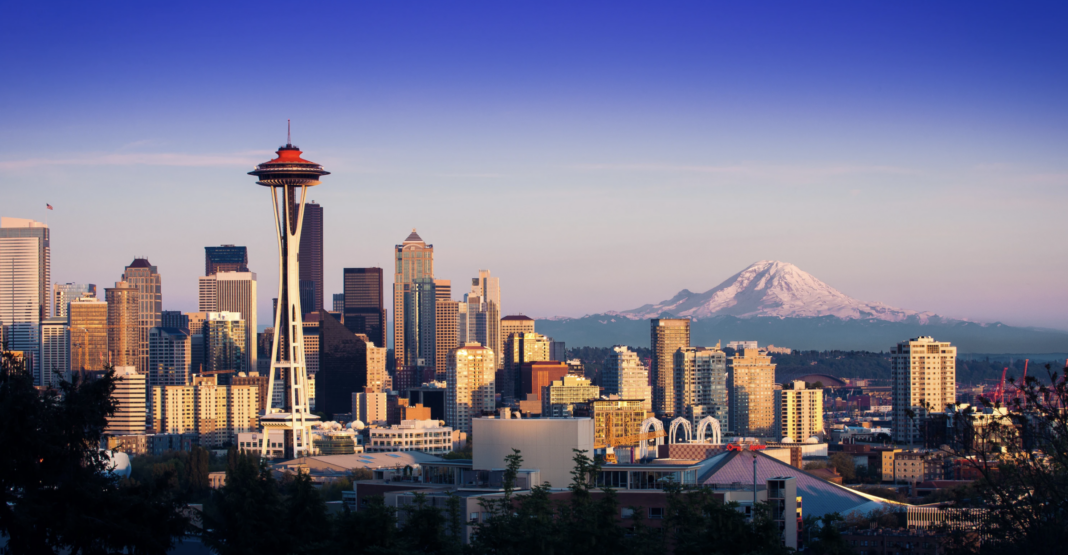
Have you thought about moving to Seattle? It’s a great city, and it’s easy to fall in love with it and its attractions/opportunities. But before you move to Seattle, there are a few things you should find out for your own happiness or safety. Without further ado, here are 9 things to know before moving to Seattle. 

  • High Traffic

This may not come as such a shock. It’s Seattle, after all. The traffic can get really bad, so if you want to go anywhere on a weekday, especially during busy hours, you’ll most likely be fuming in the driver’s seat. It’s always best to plan things in advance and leave home earlier so you’re not stuck in traffic.

  • High Living Costs

Someone who wants to move to Seattle should first make sure that they have a high-paying job because the living costs are not the lowest. On average, a one-bedroom apartment will require $1,370 for rent, and a two-bedroom apartment will require $1,700. Besides, the energy bill can be as high as $206.39.

  • Winters Are Very Gloomy

Compared to other parts of the United States, Seattle is very gloomy. You can expect to walk outside and see clouds on most days. Also, when it comes to rain, it rather manifests as mist, so this is not that much of an issue in the city. 

  • Summers Are Amazing

What makes Seattle summers so great is the fact that while it’s warm, there isn’t too much humidity. So, you can enjoy a lot of activities outdoors without feeling suffocated by the warmth. 

  • There Isn’t Any Income Tax

There is no income tax in Washington State. So, from this point of view, living in Seattle is amazing. Now, of course, you will still have to pay local taxes either way. 

Also, if you want to work in Seattle, finding a job may not be that easy, especially during the pandemic. Very often, employers use automated tracking systems for their applicants, which makes it harder to pick up the applicant’s personality. Not only that, but the applications are also filtered out based on certain keywords. 

Seattle also houses very big companies such as Starbucks, Microsoft and Amazon, and many startups. But it lacks in terms of medium-sized companies. However, it’s a big city, so you’ll have plenty of choices. Even if you want to get hired as a Seattle accountant or Seattle personal injury lawyer, you have many opportunities to do so.

  • You Can Try Global Cuisine

Seattle has multiple restaurants where you can try foods from all around the planet. So, no matter what flavor you want to try, Seattle will have it. 

  • There Are Many Neighborhoods

Seattle is rich in neighborhoods. Queen Anne, Rainier Beach, Beacon Hill, Green Lake, and Ballard are only some examples. Each neighborhood is unique and amazing in its own way and has plenty to offer so you should research them to see which one suits you best.

  • Hills Everywhere

Seattle is hilly, and you have to get your feet ready for this. You may have to climb almost everywhere you go, but if you like a challenge, this is the place for you. 

  • Seattle Loves Coffee

Seattle is where the original Starbucks was born, so locals do love their coffee and take it seriously. If you are a coffee lover, then you’ll be able to try different types and tastes in numerous locations across the city. 

Final Thoughts

As you can see, Seattle is an amazing city, but it has its challenges. Make sure you are well aware of these factors before you move so that you know what to expect. 

Karin Kloosterman
Karin Kloostermanhttp://www.greenprophet.com
Karin Kloosterman is an award-winning journalist, innovation strategist, and founder of Green Prophet, one of the Middle East’s pioneering sustainability platforms. She has ranked in the Top 10 of Verizon innovation competitions, participated in NASA-linked challenges, and spoken worldwide on climate, food security, and future resilience. With an IoT technology patent, features in Canada’s National Post, and leadership inside teams building next-generation agricultural and planetary systems — including Mars-farming concepts — Karin operates at the intersection of storytelling, science, and systems change. She doesn’t report on the future – she helps design it. Reach out directly to [email protected]

Read More

TRENDING

Different Types of Hair Loss Treatments Explained

efore exploring treatments, it helps to understand why hair falls. Hair loss isn't one condition — it has different causes, and those causes affect which treatments actually work.

Dead Sea Scroll mystery may be solved by a calendar that lost touch with the seasons

The 364-day calendar did not disappear entirely. Instead, it may have survived as an ideal: a memory of perfect time at Creation and perhaps a calendar to be restored in the End of Days.

Mysterious metal space balls wash up on Australian shore

Mysterious metallic spheres dubbed "space balls" washed ashore on Forrest Beach in Queensland, Australia. The objects were identified by the Australian Space Agency as pressure vessels from a space launch vehicle that re-entered Earth's atmosphere, and crews successfully removed the safe debris.

Kansas City’s Second Attempt at a Conversion Therapy Ban: What the Proposed Ordinance Does and Why It’s Being Rewritten

Kansas City is attempting to revive protections against conversion therapy with a new ordinance carefully designed to withstand recent First Amendment challenges. Rather than banning conversion therapy by name, the proposal targets harmful therapeutic practices linked to increased risks of depression and self-harm, creating what supporters hope could become a legal model for other U.S. cities.

What to Look for in a Senior Living Community That Truly Delivers

Choosing a sustainable senior living community means looking beyond appearances to care quality, nutrition, safety, social connection, and long-term well-being.

The Essential Guide To Sustainability in Project Management

Sustainability is an approach where businesses and individuals balance the environmental, social, and economic aspects of a project such that current and future stakeholders are not overburdened with the impacts of the project in future.

Yerukim Forms a New Green Economy Where the Money is Really Green

The Yerukim members who pick up the recyclables get to keep the monetary reward, the public earns "green" bills that can be used in shops, and business owners get to be associated with environmentalism.

Choosing Riyadh over Dubai? What Investors Should Know

Saudi Arabia is deploying capital at unmatched scale to catalyze tourism and advanced industry while rewiring its power-and-water backbone. The investable frontier is widening—especially in renewables, grid storage, water efficiency/desal retrofits, and hospitality operating platforms. Prudent investors will insist on phased delivery, enforceable KPIs (energy, water, biodiversity), and RHQ/zone compliance—while pricing political-economy and reputational risks alongside growth upside.

Sell your cooking oil for biodiesel money

Want to make money on old french fry oil? Sell it.

Qatar Alternative Energy Summit Pairs Investors And Innovators

Alternative energy investors and innovators can meet n' greet in Doha, Qatar March 16 and 17.

Here’s How To Implement The Four Pillars Of Employee Engagement

If you throw a party for your work team and they are vegans, don't make it a barbecue. Know the sustainability values of your team to boost moral and retain good people.

Locals From Rishon Fight IKEA

Big Box stores are a pretty new concept in Israel, and thank God that not every Israeli city wants them in their backyard. A word from someone who has see the beautiful farmland around her hometown Newmarket, Ontario stripped and converted into vulgar strip malls of big box shops: they have no place in a healthy and sustainable town or city.

The Jewish National Fund Meets An Inconvenient Truth

According to the JNF, it has transformed thousands of acres of barren land into green forests in Israel. They state that each person emits about 23 tons of carbon per year, estimating that each tree planted can absorb one ton of carbon in its lifetime. That's a whole lot of trees you'd need to be planting. Could so many fit in Israel?

Popular Categories