A coworking space within walking distance can cut commuting time and give you a reliable place to work, but distance alone does not make it useful. Test the internet, noise, privacy, desk setup, environmental claims and real cost before committing to a membership.
Yazan Al Homsi looks at two very different bets — Aduro Clean Technologies and Rocket Doctor — to show what investors should watch as small-cap companies attempt to move from promising technology to commercial scale.
Breast reconstruction can be an important part of recovery, but persistent pain, infection, changes in breast shape or mesh movement deserve medical attention. Here are the warning signs patients should know after breast mesh surgery.
As ABA practices grow, so can their administrative footprint. Smarter billing and documentation systems can reduce duplicated work, wasted staff time and inefficiencies while supporting sustainable growth.
Meta description:
The Houthis have turned Yemen’s Red Sea coast into part of a global geopolitical crisis. But behind the missiles, shipping disruptions and Suez Canal headlines is Mocha — the ancient Yemeni port that gave the world its name for coffee.
A coworking space within walking distance can cut commuting time and give you a reliable place to work, but distance alone does not make it useful. Test the internet, noise, privacy, desk setup, environmental claims and real cost before committing to a membership.
Yazan Al Homsi looks at two very different bets — Aduro Clean Technologies and Rocket Doctor — to show what investors should watch as small-cap companies attempt to move from promising technology to commercial scale.
Breast reconstruction can be an important part of recovery, but persistent pain, infection, changes in breast shape or mesh movement deserve medical attention. Here are the warning signs patients should know after breast mesh surgery.
As ABA practices grow, so can their administrative footprint. Smarter billing and documentation systems can reduce duplicated work, wasted staff time and inefficiencies while supporting sustainable growth.
Meta description:
The Houthis have turned Yemen’s Red Sea coast into part of a global geopolitical crisis. But behind the missiles, shipping disruptions and Suez Canal headlines is Mocha — the ancient Yemeni port that gave the world its name for coffee.
A coworking space within walking distance can cut commuting time and give you a reliable place to work, but distance alone does not make it useful. Test the internet, noise, privacy, desk setup, environmental claims and real cost before committing to a membership.
Yazan Al Homsi looks at two very different bets — Aduro Clean Technologies and Rocket Doctor — to show what investors should watch as small-cap companies attempt to move from promising technology to commercial scale.
Breast reconstruction can be an important part of recovery, but persistent pain, infection, changes in breast shape or mesh movement deserve medical attention. Here are the warning signs patients should know after breast mesh surgery.
As ABA practices grow, so can their administrative footprint. Smarter billing and documentation systems can reduce duplicated work, wasted staff time and inefficiencies while supporting sustainable growth.
Meta description:
The Houthis have turned Yemen’s Red Sea coast into part of a global geopolitical crisis. But behind the missiles, shipping disruptions and Suez Canal headlines is Mocha — the ancient Yemeni port that gave the world its name for coffee.
A coworking space within walking distance can cut commuting time and give you a reliable place to work, but distance alone does not make it useful. Test the internet, noise, privacy, desk setup, environmental claims and real cost before committing to a membership.
Yazan Al Homsi looks at two very different bets — Aduro Clean Technologies and Rocket Doctor — to show what investors should watch as small-cap companies attempt to move from promising technology to commercial scale.
Breast reconstruction can be an important part of recovery, but persistent pain, infection, changes in breast shape or mesh movement deserve medical attention. Here are the warning signs patients should know after breast mesh surgery.
As ABA practices grow, so can their administrative footprint. Smarter billing and documentation systems can reduce duplicated work, wasted staff time and inefficiencies while supporting sustainable growth.
Meta description:
The Houthis have turned Yemen’s Red Sea coast into part of a global geopolitical crisis. But behind the missiles, shipping disruptions and Suez Canal headlines is Mocha — the ancient Yemeni port that gave the world its name for coffee.
A coworking space within walking distance can cut commuting time and give you a reliable place to work, but distance alone does not make it useful. Test the internet, noise, privacy, desk setup, environmental claims and real cost before committing to a membership.
Yazan Al Homsi looks at two very different bets — Aduro Clean Technologies and Rocket Doctor — to show what investors should watch as small-cap companies attempt to move from promising technology to commercial scale.
Breast reconstruction can be an important part of recovery, but persistent pain, infection, changes in breast shape or mesh movement deserve medical attention. Here are the warning signs patients should know after breast mesh surgery.
As ABA practices grow, so can their administrative footprint. Smarter billing and documentation systems can reduce duplicated work, wasted staff time and inefficiencies while supporting sustainable growth.
Meta description:
The Houthis have turned Yemen’s Red Sea coast into part of a global geopolitical crisis. But behind the missiles, shipping disruptions and Suez Canal headlines is Mocha — the ancient Yemeni port that gave the world its name for coffee.
A coworking space within walking distance can cut commuting time and give you a reliable place to work, but distance alone does not make it useful. Test the internet, noise, privacy, desk setup, environmental claims and real cost before committing to a membership.
Yazan Al Homsi looks at two very different bets — Aduro Clean Technologies and Rocket Doctor — to show what investors should watch as small-cap companies attempt to move from promising technology to commercial scale.
Breast reconstruction can be an important part of recovery, but persistent pain, infection, changes in breast shape or mesh movement deserve medical attention. Here are the warning signs patients should know after breast mesh surgery.
As ABA practices grow, so can their administrative footprint. Smarter billing and documentation systems can reduce duplicated work, wasted staff time and inefficiencies while supporting sustainable growth.
Meta description:
The Houthis have turned Yemen’s Red Sea coast into part of a global geopolitical crisis. But behind the missiles, shipping disruptions and Suez Canal headlines is Mocha — the ancient Yemeni port that gave the world its name for coffee.
A coworking space within walking distance can cut commuting time and give you a reliable place to work, but distance alone does not make it useful. Test the internet, noise, privacy, desk setup, environmental claims and real cost before committing to a membership.
Yazan Al Homsi looks at two very different bets — Aduro Clean Technologies and Rocket Doctor — to show what investors should watch as small-cap companies attempt to move from promising technology to commercial scale.
Breast reconstruction can be an important part of recovery, but persistent pain, infection, changes in breast shape or mesh movement deserve medical attention. Here are the warning signs patients should know after breast mesh surgery.
As ABA practices grow, so can their administrative footprint. Smarter billing and documentation systems can reduce duplicated work, wasted staff time and inefficiencies while supporting sustainable growth.
Meta description:
The Houthis have turned Yemen’s Red Sea coast into part of a global geopolitical crisis. But behind the missiles, shipping disruptions and Suez Canal headlines is Mocha — the ancient Yemeni port that gave the world its name for coffee.
A coworking space within walking distance can cut commuting time and give you a reliable place to work, but distance alone does not make it useful. Test the internet, noise, privacy, desk setup, environmental claims and real cost before committing to a membership.
Yazan Al Homsi looks at two very different bets — Aduro Clean Technologies and Rocket Doctor — to show what investors should watch as small-cap companies attempt to move from promising technology to commercial scale.
Breast reconstruction can be an important part of recovery, but persistent pain, infection, changes in breast shape or mesh movement deserve medical attention. Here are the warning signs patients should know after breast mesh surgery.
As ABA practices grow, so can their administrative footprint. Smarter billing and documentation systems can reduce duplicated work, wasted staff time and inefficiencies while supporting sustainable growth.
Meta description:
The Houthis have turned Yemen’s Red Sea coast into part of a global geopolitical crisis. But behind the missiles, shipping disruptions and Suez Canal headlines is Mocha — the ancient Yemeni port that gave the world its name for coffee.
Crypto servers release carbon gas which causes climate change. Choose solutions that use renewable energy.
Cryptocurrency seems like it’s a currency that has no inherent value except for evading the taxman but some companies have decided they can find ways to use the decentralized nature of crypto for good. Some charities give back in tokens, and some donate data or access to it. The startup founded by Green Prophet’s Karin Kloosterman was put in place to decentralize data from the agro business, taking it out of the hands of companies like Syngenta and back into the hands of people, such as farmers who collect the data.
But there are other projects joining the league:
The partnership between Food for Life Global and the Milk and Butter Tokens has proven to be one of the biggest charitable crypto projects, where 5% of every Butter token transaction directly goes into a charity wallet to then be distributed to charities voted on by holders. By investing in the Milk and Butter tokens, crypto enthusiasts can help people in need globally and be a significant factor in reducing world hunger.
Food for Life Global has endeavored to distribute pure plant-based meals around the world since its beginnings, in the hopes of bringing peace and prosperity to the planet. In 1974, the inspiration behind the non-profit, Swami Prabhupada, told his yoga students that “no one within a ten-mile radius of a temple should go hungry!” In 2021, Food for Life Global has over 250 projects in 60 countries providing millions of meals daily.
Meanwhile, Milk and Butter have been steadily ascending since their launch in March and April 2021. During the first week of their launch, $16000 was donated to Food for Life Global, and so far, over $100,000, enabling the non-profit to provide 442,000 freshly cooked meals to people in need.
Milk and Butter are not only a fun way for token holders to give back to the world, but they are both deflationary, which essentially refers to the maximum supply of that specific cryptocurrency and tokens.
Their tokenomics are innovative, and as a matter of fact, their tokens represent the first example of this charitable approach to financial systems. Milk Token holders can “churn” their Milk Tokens to gain free Butter Tokens. The more Milk tokens you stake the more Butter tokens are gained, for instance, a token investor can stake 50% of their Milk Tokens to Butter with zero fees, and 5% of all Butter transactions will go to a charity wallet!
Make the change
To date, the Milk and Butter Tokens have donated over $445,000 to non-profit organizations. Their partnership with Food for Life Global is believed to be the biggest help towards ending world hunger, with over 442,000 children in need being fed through the Butter transaction donations. In fact, the Butter and Milk Tokens have fed nearly 1 million people in total with their donations, and thanks to the OM guarantee certification, Food For Life Global has added an additional EOS blockchain recording system in place to track exactly how many people have been fed with their donations.
For those looking to buy crypto and support charitable initiatives, acquiring tokens like Milk and Butter is an easy way to combine investment with philanthropy. Platforms like Moonpay allow users to seamlessly purchase cryptocurrency, which can then be used to participate in blockchain-based charity programs. As the adoption of digital assets grows, these projects demonstrate how crypto can be a powerful tool for global good.
As mentioned above, the Milk and Butter Tokens are deflationary, but the majority of the public is still doubtful about crypto technology and hesitant to invest. However, a significant event has shown investors to be more attracted to investing in these tokens. Amidst the recent huge market downturn, the Butter Token still raised $69,900 in 7 days! Demonstrating the significant value of the Butter token even through market dips. Food For Life Global received $34,700, and Action Against Hunger $35,200, enough to feed 150,000 hungry children.
While many people are still unfamiliar with blockchain and cryptocurrencies, the increasing interest, funding, and donation opportunities have sparked the interest of many more in the charity sector, prompting not only individual charities to start accepting cryptocurrencies, but also encourages wider adoption of cryptocurrency in charity.
Make Your Pool Life Easier And Smarter With An Automatic Pool Cleaner
One of the growing trends right now is smart home automation systems. The technology has progressed massively over a surprisingly short period. But did you know that you can also make your swimming pool smart? Not to be outdone, the pool world has jumped on board the smart technology to help make your pool maintenance and management easier.
Keeping your backyard oasis sparkly clean and safe for everyone to dive in is time and energy-consuming, not to mention costly. With pool automation, there’s no need for you to depend on the services of a pool company for just about everything. Your automated smart system will notify you when your pool needs something. That means you will be able to control its water level, chemical levels, lighting, and filtration system effortlessly at the palm of your hands.
Moreover, you have smart pool cleaners that can take care of your nasty pool for you even when you’re not at home. So if you’re considering making your pool smart, spending a few extra bucks may just be one of the smartest decisions you can make.
What Exactly Is Pool Automation And How Does It Work?
Pool automation is an electric system wherein you link the equipment of your pool in a wireless connection to the main control unit. You can connect your smart home pool system either on your smart gadget or your home itself. It will depend entirely on your internet connection. That means you don’t have to be physically present at home for it to function.
The best thing about smart pool automation is its simplicity. These systems come with an intuitive app that enables you to manage the settings of your swimming pool wherever you are in the world. In terms of cost, this will depend on the technology’s quality, pool size, and the number of featured apps.
Installing a pool control system will not take an entire life to complete. Once installed, you will be able to control numerous different aspects of swimming pool maintenance and upkeep. This includes its pump, salt chlorinator, filter system, and management system.
Without pool automation, you have to check the pH balance of your pool routinely by yourself or a pool cleaning professional to ensure its water has enough chlorine. On the other hand, this smart home technology will automatically measure the level of chlorine. Not only that, but it will also disperse the proper chlorine level at regular periods. Moreover, a lot of automated pool systems come with self-cleaning features that add further value.
Some of the devices you can link to your smart pool system include the following:
Automatic pool cleaner
Entertainment system
Sound system
Variable speed pumps
Water leak sensor
Water control features
Motion-activated pool alarm
Valves
Heaters
Automating The Way You Clean Your Pool
An automatic pool cleaner is another excellent option for pool automation. They enable pool owners to significantly cut back on pool upkeep. But which is the right type of pool cleaner is best for your needs? Basically, you have three options to choose from:
Robotic Pool Cleaner
A robotic cleaner works using an automated program. This allows the device to factor in your pool’s size and shape. It will traverse across your pool, scrubbing down its floors and walls, ensuring every nook, cranny, and crevice is clean to your satisfaction.
One of its most convenient features is a smartphone app for pool owners. You can use the handy app to turn your unit on and off, as well as set your preferred cleaning schedules. Hence, you don’t have to worry about going home to a dirty pool even when you’re away on vacation or a business trip.
Its filter bag is also easy to clean. Once full, simply remove the canister from your cleaner and use a garden hose to clear it of any debris.
Suction Pool Cleaner
It functions with the aid of a dedicated suction line in your swimming pool. The cleaner uses the suction of the filter pump to propel itself across your pool, allowing it to vacuum and wash the surfaces by getting rid of debris and filth.
Pressure Pool Cleaner
To launch this automatic pool cleaner across your pool, it uses your pool’s pressure side water flow. What fuels it is the water that goes back in your swimming pool. Nevertheless, you can find units that need an extra booster pump to operate. It will filter out debris without the need to use the filtration system, unlike a suction cleaner. Also, it comes with its own filter bag for carrying all the dirt it sucks in, relieving your filter system of wear and pressure.
Among these three types of automatic pool cleaners, the robotic pool cleaner tops the list of most pool owners. That’s because it helps reduce wear and maintenance on your pool equipment, lower down overall energy consumption and costs, and provide you with outstanding cleaning power.
But when shopping around for automatic pool cleaners it will still boil down to what’s suitable to the requirements of your pool. This reliable data source can help you pick out which one is best for your needs.
Is It Possible To Automate My Pool Later?
Yes, of course! If you don’t have the budget right now and can’t afford an entire automation system, you can hold off for a bit. Regardless of how cool this feature is it can wait at a later date. However, ensuring the cleanliness and safety of your pool should be on top of your priority list. So while you may want to postpone fully automating your pool, you can still reap the benefits of technology by opting for an automatic pool cleaner, such as a smart robotic pool cleaner. Doing so is not only best for your budget, but it will work in favor of your beloved pool as well.
Is Pool Automation For Me?
A smart pool system may sound elaborate, but it can make the entire management of your pool quick, easy, and simple. For instance, the main concept behind a robotic pool cleaner is to make the aspects of the pool maintenance to be now programmable instead of doing things manually. You can do the arduous manual pool cleaning chores with a few clicks and taps. This will give you more time on your hands to just enjoy your pool or do other important matters.
Additionally, pool automation gives you the power to control your cleaner and other pool equipment no matter where your geographical location is. This is all thanks to app integration, remote controls, and wireless base stations. So is this a good fit for you? Well, if you want to make your pool life hassle-free and easier, then yes it is.
Solar energy, wind turbines, ocean cleaning technology. All of them need full stack developers. Change the world through programming.
In this article we will discuss various ways to become a full stack developer that enters the web development industry is a relatively easy task at the moment but writing a wave of information technology as a full tea developer is not a cup of tea.
In a work environment that is always dynamic with too many new technologies released too quickly being a Full Stack Developer Online Training requires you to find out all frontend technology and all backend technology that will demand you to know all programming languages or at least the most popular or used one.
You must be good at working on everything that raises from the database to the user interface and things but maybe? Not realistic expect someone to be good in everything even though clients do need different people for different jobs so here I will give you some tips and tricks in this particular field.
Find your niche
You will never be a successful person before knowing where you want to be you might think a full stack is about learning and coding that’s where you are one of the stacks to identify where you want to be there.
Business identification and customer requirements
Determine your focus area
Web technology such as JavaScript is currently crossing the path for many people if you are also related to this area than the full stack of words consisting of HTML, CSS, language and database JavaScript program.
One language is not enough
With your focus on one path you further need to enlarge your technology you will need what you need to do is learn some important technologies and important languages that are important for your full stack career and bring variations in your skill department you don’t need to worry if you don’t know All languages, you can choose whatever you want to learn, you can learn Ruby, Python, PHP or you can take interest in Javascript, CSS, HTML, C #, C ++ and OOP.
When you are clear on your fundamentals, everything becomes easy to stacked fully to find out all about the frontend and backend software development base for developers is CSS and JavaScript so if you start building your knowledge in these two languages first and to know how well you test skills You by practicing and making a small js page is a full programming language itself.
Take the course
Even if you are well prepared, you must be prepared to learn new things on request basically you have to prepare yourself for new technology challenges to do this, you can take inline courses or can watch tutorials.
Build the tissue
The best way to remain relevant on the market must be connected with relevant people You can join a community that is more relevant to your field and can join discussions about the latest trends and updates on the website and software development technology that you have platforms such as social media and Online Chat group to join is a great way.
So persistent and don’t lose focus.
Later, CakePHP is considered one of the best framework for optimal web development. This is an open source framework, with some unique features embedded in.
According to webmasters around the world, CakePHP facilitates easy web development experience. We all know that PHP is a language that is flexible when it comes to web coding, but can be complicated and unorganized at the time. Various codes and complicated files are used in PHP codes to improve the overall functionality of web programs. Even though you might have technical skills, it is always a good idea to hire special CakePHP developers for your development needs. At the same time the PHP can function as the best web development tool, it can disrupt things if you make a mistake in the code.
In addition, PHP continues to evolve as a coding language and newer changes are being introduced to improve the skeletal skeletal ability. As a website owner, it is impossible to survive this continuous technical and will be suggestive to hire CakePHP developers who have the skills to work with such frameworks.
PHP can be used in various frameworks and CakePHP is one of the ideal web development frameworks at this time. To add value to your project, you must hire developers who understand the latest patterns on the market. Experienced developers can use this framework with their full potential to make coding more comfortable.
CakePHP is one of the most reliable framework based on PHP and many programmers have tested the skeleton of this framework in various applications. Multipurpose CakePHP developers will be able to use the model-view-controller, which helps you separate any business logic from the design or presentation. This is why CakePHP is one of the frameworks sought for web development.
One thing you can say about the travel and tourism industry is that it is never static. Yes, there are many evergreen tourism destinations that have stood the test of time, however, the story of modern tourism has been punctuated by change. This is perhaps because newly created attractions have the ability to capture our imagination in unique and interesting ways, a feat that may not be available from older destinations. To see this in action, we’ve turned to the work of Abdulla Al Humaidi. The Kuwaiti European Holding CEO has built a career on creating some of the world’s most exciting new tourist destinations, making his work worthy of further inspection for anyone interested in this ever-changing field.
Abdulla Al Humaidi Background and Expertise
Before we dive into the attractions created by Abdulla Al Humaidi, let’s first look at his background and how that informs his expertise. As head of Kuwaiti European Holding, the business professional is in charge of managing a vast financial portfolio. This has provoked him to build his expertise in a wide range of related areas, including real estate, entertainment, and tourism. This expertise has been developed, at times, due to a need to diversify his company’s assets and ensure that it could weather the natural ups and downs of international financial markets.
The CEO’s focus has also been on creating enduring projects that can be of use to the world at large. While some holding companies seek only to maximize profits, his organization has recognized that the search for stable investments need not have a negative impact on others. In fact, through his access to capital, the business leader has been able to build up a knack for investments that have a positive impact on local communities, the environment, and the economic prospects of global citizens.
We’ll explore this aspect of his work in greater detail below, but in broad strokes, this work has been successful through an understanding that the allocations of funds can be used to create a significant positive impact. This theory has informed the CEO’s work since his early days heading his organization and continues to color the tone and goals of his efforts to the present. As we’ll see, this ultimately has the effect of creating developments that are designed to produce compelling travel destinations that can coexist harmoniously with the world around them.
Aqueous Resort Project
A prime example of the work of Abdulla Al Humaidi has been the Aqueous Resort located on the Red Sea in Egypt. The completion of the resort has been a long-held goal of the CEO and his organization and, with phase one of construction now finished, that goal has now become a reality. The resort itself has been imagined as a way to bring groups together in a location that is both historic and ever-changing. Because of this dynamic nature, the project is a great first example of the ethos of the investment professional when it comes to developing new tourist attractions.
Construction has included an innovative mix of indoor and outdoor spaces that naturally flow into one another. Indoor spaces have been created with a wide range of tasteful modern amenities that can play host to long-term guests or short-term visitors. Throughout the outdoor area of the resort, guests can find numerous spaces to congregate that can handle groups of varying sizes. These spaces are formed through natural and manmade structures that provide alcoves fit for socializing and spending quality time with family and friends. A collection of pools wind through the property allowing for a pleasing diversion for those in attendance and artful lighting allows for the use of the space both day and night.
While the Red Sea has long been considered a place of historical significance, the Aqueous Resort is helping to change how visitors interact with this timeless area. By providing updated access to modern amenities and activities for a wide range of guests, the development exemplifies how the travel industry can change over time. The mix of a historic setting with new development also showcases the norm that many travelers have now come to expect as they seek to access some of the world’s most exciting places while maintaining the convenience of their daily lives.
Abdulla Al Humaidi Sets Focus on Amusement Park
Another exciting example of the way in which Abdulla Al Humaidi is helping to shift world travel norms is through his development of a new themed amusement park in London. The project, which is set to open in 2024, has already been the focus of much anticipation and excitement among international travelers. A good portion of this excitement has focused on the creation of themed lands in the park, drawing comparisons to Disneyland and Universal Studios.
Those themed lands will span a variety of exciting concepts, including a forested land, fantasy land, sci-fi land, and more. Rides will reflect the themes of the lands in which they reside and commercial offerings will also be themed as well. The immersive experience will be further deepened by a number of dramatic offerings, such as shows and other performances, that will tie into the themes present in different areas of the park.
Not only has the park’s adherence to an immersive narrative provoked excitement amongst travelers, but it has also again showcased the manner in which the CEO has sought to move the travel industry forward. The park is already being called one of London’s most anticipated coming attractions and seems ready to become a major landmark in a city already replete with travel destinations. Once again, we see how reliance on innovation and expertise has allowed the business professional to create a sense of dynamic change in an industry famous for innovation.
Building With Positive Intention
As we noted at the beginning of this piece, the mission of the CEO to do good in the world is present in all of his travel developments, and the two explored above are no exception. In the case of the Aqueous Resort, plenty of care has been taken to not only preserve the natural area surrounding the resort but also to improve the economic prospects of local residents. This has manifested through a focus on showcasing local restaurants and vendors and helping to provide easy access for guests to participate in the local economy. In this way, travelers get a chance to experience local cuisines and natural formations, while residents gain a new source of potential income.
In the case of the CEO’s new theme park in London, this idea can again be seen through the efforts made to have a positive environmental impact on the surrounding area. To this end, the business professional has included plans to create protective wildlife refuges that will help to improve biodiversity in the area and maintain the city’s important existing wildlife populations. The development will also incorporate a number of public green spaces to provide access to the area’s natural beauty and allow residents ample opportunities to experience areas of their community that may have otherwise been inaccessible.
While the tourism industry may sometimes feature long-standing destinations, it is also a field that can be marked by change and innovation. This fact can make the sector fascinating for anyone who enjoys travel, development, or the creation of new and interesting business solutions. The efforts of Abdulla Al Humaidi provide a prime example of how this work can be carried out in the real world. Through the creation of resorts, amusement parks, and other developments, the Kuwaiti European Holding CEO is helping to create dynamic change in the field of tourism and allow global citizens to discover the world in new and exciting ways.
CBD saved the life of Charlotte, for whom the high CBD-oil Charlotte’s Web was named.
Nowadays, you can legally buy CBD-infused products practically everywhere. However, these are not FDA approved and regulated medicines, so you can’t really be in control of what you’re buying. Then why not try and grow your own cannabis and make CBD oil products at home?
For a casual gardener, starting to grow cannabis can seem too difficult, but there is a relatively new kind of genetics called autoflowers, and they are quite easy to grow. There are probably thousands of autoflowering strains available on the market today. Most of them are high-THC varieties, but major seed producers have recognized a huge opportunity of CBD medicines and wellness products, so they have bred some high-quality CBD autoflowers and sell them in seed form.
What Type of CBD Oil Products Can be Made from Autoflowers at Home?
CBD products can be roughly divided into four categories:
CBD isolate, or pure CBD,
wide-range CBD products without any trace amounts of THC,
full-range CBD products with less than 0.3% THC (legal limit in the US),
full-range CBD products with unknown percentage of THC (probably illegal in at least some jurisdictions).
The first two cannot be realistically made at home because you would need medical grade lab equipment to either isolate CBD from the rest of cannabinoids and other chemicals, such as terpenes and flavonoids, or somehow remove THC from the mix.
The other two types can be made from autoflowers at home. What you need is the right genetics. By way of an example, let’s consider two cultivars by the FastBuds seed company: CBD 1.1 (aka CBD Crack) and CBD 20.1.
While CBD 1.1 contains more or less equal amounts of THC and CBD (around 7% of each), CBD 20.1 has a very high CBD percentage (10.0–20.0%) and very low THC content (0.3–0.8%).
There is a common misconception among the general public that the only therapeutic substance in cannabis is CBD, while THC only makes you high and is a contaminant that should better be avoided.
In fact, evidence suggests that some symptoms and conditions respond more to the combination of CBD and THC or even to the full-plant extracts, rather than a CBD isolate. This is something called entourage effect—when the whole range of natural chemicals in the plant boost each other’s action.
So, it’s really up to you to decide what type of CBD oil product you would like to try as a medicine or supplement. And depending on that decision, choose the right autoflower genetics: relatively high THC or almost no THC. The two strains we mentioned above are good representatives of what the seed market has to offer.
Why Autoflowers?
Worldwide, there are enough cannabis growers—both cash crop farmers and amateurs—who happily invest time and money into their hobby and are not put off by the steep learning curve of cannabis cultivation.
However, CBD is a much more wide-spread phenomenon, and there are probably millions of people who would jump at the chance to grow their own medicine if it were as simple as growing tomatoes.
Luckily, autoflowers are a type of weed plants that any gardener can bring to harvest, especially outdoors.
The main difficulty with traditional cannabis varieties is that they are short-day plants. Outdoors, this means that such a strain will only start to flower in late summer or early fall—when days get short enough. In some colder climates, it’s virtually impossible to bring buds to full maturity before cold weather arrives. In others, it’s possible, but only with a handful of strains. Autoflowers don’t have these limitations because:
they only need 2-3 months from seed to finish their life cycle,
these 2-3 months can be at any point of the growing season (spring, summer, fall),
autoflowers are small and take very little space in your garden,
they can be grown in garden soil without special fertilizers.
How to Make CBD Oil at Home
Suppose you have harvested some CBD autoflowers. Those don’t usually look like hemp, but resemble regular medical marijuana, meaning that these plants have bulky and solid flower clusters (buds) that are covered in resin and have a strong smell characteristic of weed.
You can make CBD oil from flowers, or from leaves and stems. The principle is the same, only the concentration of CBD and the quality of the product will differ.
First, you’ll have to dry the plant material, then it’s a good idea to ‘cure’ it which means slowly drying it over a couple of weeks. This process removes such unnecessary compounds as chlorophyll, and the result will be a more effective medicine.
Decarboxylation
You need to activate CBD, as well as THC and other cannabinoids, in buds and leaves by heating them.
It’s very hard to find reliable scientific information as to the temperature and the time needed for successful ‘decarbing’. According to this study, “decarboxylation of CBs has been demonstrated to occur at 37°C and 60°C after exposure for several hours or at 100°C for 60 min” (in an open reactor).
On a recipes page of MagicalButter DecarBox, the following chart is given:
THC:- Decarb at 250°F (121°C) for 30-45 minutes
CBD: Decarb at 280°F (140°C) for 60-90 minutes
So, preheat the oven, spread the plant material on a tray, and put it into the oven to decarboxylate. At the end of this procedure, the buds/leaves should be completely dry and brown.
CBD Oil Infusion
You can use the same oven, only with different temperature settings, or some other kitchen appliance, such as a slow cooker (crock-pot, instant pot, etc.). Even a microwave can theoretically be used to extract CBD into a carrier oil, but it’s harder to control temperature and heat the materials evenly in a microwave.
Alternatively, you can formulate a CBD oil product with a butter machine. The most popular one to date is MagicalButter which allows you to make CBD oil and cannabutter, as well as CBD-infused glycerin, tinctures, honey, and even sugar.
You’ll also need a carrier oil which you’ll infuse with CBD. We recommend coconut oil as the most healthy option although you can use olive oil, too. You can also add liquid lecithin which helps extract CBD and thus makes the oil more potent.
Crumble your buds, put them into the pot, and pour enough oil that it covers the buds completely. Then heat the mixture. Again, different sources on the Internet give different figures as to the temperature and the time needed, and scientific data is scarce. One study, where pressurized hot water extraction was used, found that the best way to extract CBD was for 45 minutes at 150-160°C (300-320°F).
Probably more reliable info is given on the MagicalButter website mentioned above. They get feedback from users, so their data is good enough for homemade CBD oil products. For coconut oil, they suggest 60 minutes at 160°F (71°C). But this is probably meant for THC. CBD is known to extract better at higher temps. So try and experiment with 10-20 degrees higher than that. In a multicooker, use the low setting which is usually 190-200°F (88-93°C).
Making a Strong CBD Oil from Autoflowers is Easy
If for some reason you can’t purchase CBD oil or don’t want to, you can grow autoflowers in your garden and make CBD oil products from them very easily. All you need is buy seeds of a CBD autoflower strain, bring it to harvest in 2-3 months, and make a CBD oil using simple kitchen appliances and the most basic ingredients.
Like fast food, Dollar Store and Dollar Tree items are cheap, feel good and offer a temporary fix. Dollar Stores and the concept of buying low quality throwaway plastic goods resonates with everyone but especially with lower income families and people with people of color. A new report finds that 54% of all the products tested at Dollar Stores contain hazardous chemicals linked to cancer, learning disabilities and serious illnesses.
On the eve of the Dollar Tree/Family Dollar annualshareholder meeting, the Campaign for Healthier Solutions – a group of over 200 health, science-based, environmental justice organizations in the United States – released a report about toxic chemicals in products at discount retailers, including Dollar General, Dollar Tree/Family Dollar, 99 Cents Only and Five Below.
The report — Toxic Chemicals in Dollar Store Products: 2021 Results — contains test results from over 200 products such as toys, jewelry, school supplies and other household items. Over half – 54% – contained at least one chemical of concern.
“Once again we have tested products at discount retailers and we are still finding the same harmful chemicals every time. These chemicals disproportionately impact communities of color and low-income neighborhoods. Many of these communities already have multiple exposures because they are located in heavily industrialized areas,” said Jose T. Bravo, National Coordinator for the Campaign for Healthier Solutions.
“Fortunately, Dollar Tree/Family Dollar has expressed interest in cleaning up their supply chain, but Dollar General who this year reported 33 billion dollars in net sales, will not even respond to our requests to discuss the issue.”
BPA in canned foods
The following concerns were identified in the products tested in the new report:
Canned food contained toxic interior coatings that included BPA – a chemical associated with hormone disruption – and polyvinyl chloride (PVC), which can contain plasticizers that are linked to asthma and other lung problems.
100% of microwave popcorn tested positive for PFAS coatings inside the packaging.
We thought this was behind us 10 years ago, but no. One hundred percent of store receipts contained Bisphenol S (BPS), an unfortunate substitute for BPA with similar health risks. Imagine if you are working at these shops as a cashier?
Consumer electronics contained lead in the solder, a toxic metal that harms brain development and could impact the workers who put these products together. These electronics also contained toxic flame retardants and phthalate plasticizers, linked to birth defects, reduced fertility, cancer, learning disabilities, diabetes, and other health issues.
A variety of products contained other chemicals of concern, including antimony compounds, associated with respiratory irritation and organotins associated with hormone disruption.
Earlier this year, the fifth annual Mind the Storereport card was released, ranking 50 companies according to their level of chemical safety in products. Dollar Tree/Family Dollar was one of the most improved, going from a D+ in the last report to aC+ in 2021. Dollar Tree/Family Dollar has met with the Campaign for Healthier Solutions and recently expressed a commitment to clean up their supply chain.
They have also publicly released achemical policy, acommitment to eliminate priority chemicals, and apollinator protector policy, and have stated in private that they plan to expand the number of chemicals that they are phasing out, as well as the number of products they will be cleaning up.
“We’re very encouraged with the communication that we’ve had with Dollar Tree/Family Dollar,” said Bravo. “We’ve made a lot of inroads with their chemical policy to protect customers, workers and the company’s bottom line, and encourage other dollar store chains to be just as transparent in their chemical policies and commitments to improve.”
Dollar General, which received aC- grade in the 2021 report card, has not responded to any recent communication from the Campaign for Healthier Solutions about expanding their list of restricted substances and product categories that they are focusing on.
Although Dollar General received positive attention last week forselling fresh groceries at some stores, they halted communication with the AgriCultura Network (ACN) in Albuquerque, a partner of the Campaign for Healthier Solution. During a face-to-face discussion between ACN and Dollar General in 2019, some parameters were set around certifications that ACN needed to become a local vendor. The project has since come to a standstill. This is an important pilot project because it would potentially give Dollar General a source for locally-grown produce and shelf-stable products directly from community gardens.
“Dollar Stores are often the most convenient places for busy families to purchase snacks and meals,” said Helga Garcia-Garza , Executive Director of the AgriCultura Network. “We will not stop fighting until we know these stores are not selling toxic products, including food, especially products targeted for children.”
99 Cents Only Stores have done nothing to phase out toxic chemicals. They have earned an F grade with zero points on the Retailer Report Card for the third year in a row, landing them in the Toxic Hall of Shame.
Many of the products in Five Below stores are targeted toward children. Still, 66% of the products in the new report from Five Below tested positive for at least one chemical of concern. Although Five Below is a new target for the Campaign for Healthier Solutions, the group’s members are hopeful that they will soon be ready to begin eliminating hazardous chemicals from their products.
The good news is that there was some improvement from the Campaign’s 2015 product testing report –A Day Late and a Dollar Short: Discount Retailers are Falling Behind on Safer Chemicals. At that time, 164 products were tested and over 81% contained at least one chemical of concern, including lead in children’s jewelry, which was not found in the latest round of testing.
“We hope discount retailers will phase out these harmful chemicals once and for all,” said Bravo. “Until then, we will continue testing and releasing the results.”
Happiness might lead to better health but does it help you live longer? That’s a question that researchers at Hebrew University of Jerusalem (HU) took on in a longitudinal study they began back in the 1990s. They looked at the impact of optimism on longevity and found that maintaining a positive outlook can directly extend your life. Professor Jochanan Stessman, Director of HU’s Institute on Aging led the study, along with HU’s Prof. Jeremy Jacobs and Dr. Yoram Maaravi.
They published their findings in The Journals of Gerontology. (And here are 10 ways to feel super happy, super fast).
Is your glass half full or half empty?
The data is based on HU’s “Jerusalem Longitudinal Study”. The long-term study followed 1,200 elderly Jerusalemites who were born in 1920 or 1921 and analyzed their health, ability to function, economic wellbeing, social skills, anxiety level, integrity and optimism. Optimism was measured through questions about participants’ positive experiences and expectations for the future.
“Our findings indicate that optimism has an impact on survival, whereas other studies have shown that it improves health-related functions, such as our immune systems, reducing risk factors for high blood pressure and cardiac issues, and maybe even cancer,” said Maaravi.
In addition to the one-on-one interviews, the researchers looked at participants’ medical and, later, death records and factored in parameters such as gender, economic status, marital and parental status, education levels, physical and social activity, among others.
You can work on optimism
Once they had all the data, the team determined that there was a correlation between a positive outlook and a longer life, and found clear evidence that elderly participants (aged 85-90) with a high optimism score had a 20% higher rate of survival over those who were less optimistic. This number jumped to 25% in the 90+ age bracket. The study also found that men, in general, were more optimistic than the women were.
In countries with large, aging populations, a better understanding of those factors that contribute to a long, healthy life is crucial. “Optimism doesn’t have to be viewed as a trait we’re born with, but one that we can develop,” shared Maaravi. “It’s important to think of ways to increase optimism because it’s more clear than ever that it can help people at all stages of their lives.”
Cultured meat is meat produced by in vitro cell culture of animal cells, instead of from slaughtered animals. It is a form of cellular agriculture. This is different from meat alternatives made from plants because in cultured meat, original meat cells were used from a real life cow. This has been going on for a decade or so with limited commercial success.
Memphis Meat, Mosa Meat and Aleph Farms are a few companies looking to break through. They offer meaty competition to Beyond Meat and the lab-grown plant-based “meat” burgers satisfying vegetarians everywhere.
And if it can be done for meat, entrepreneurs are hoping a cruelty-free dairy product should be done too. Vegans want it, the question is how can they drink a real milk milkshake or cheesecake while preventing animal cruelty?
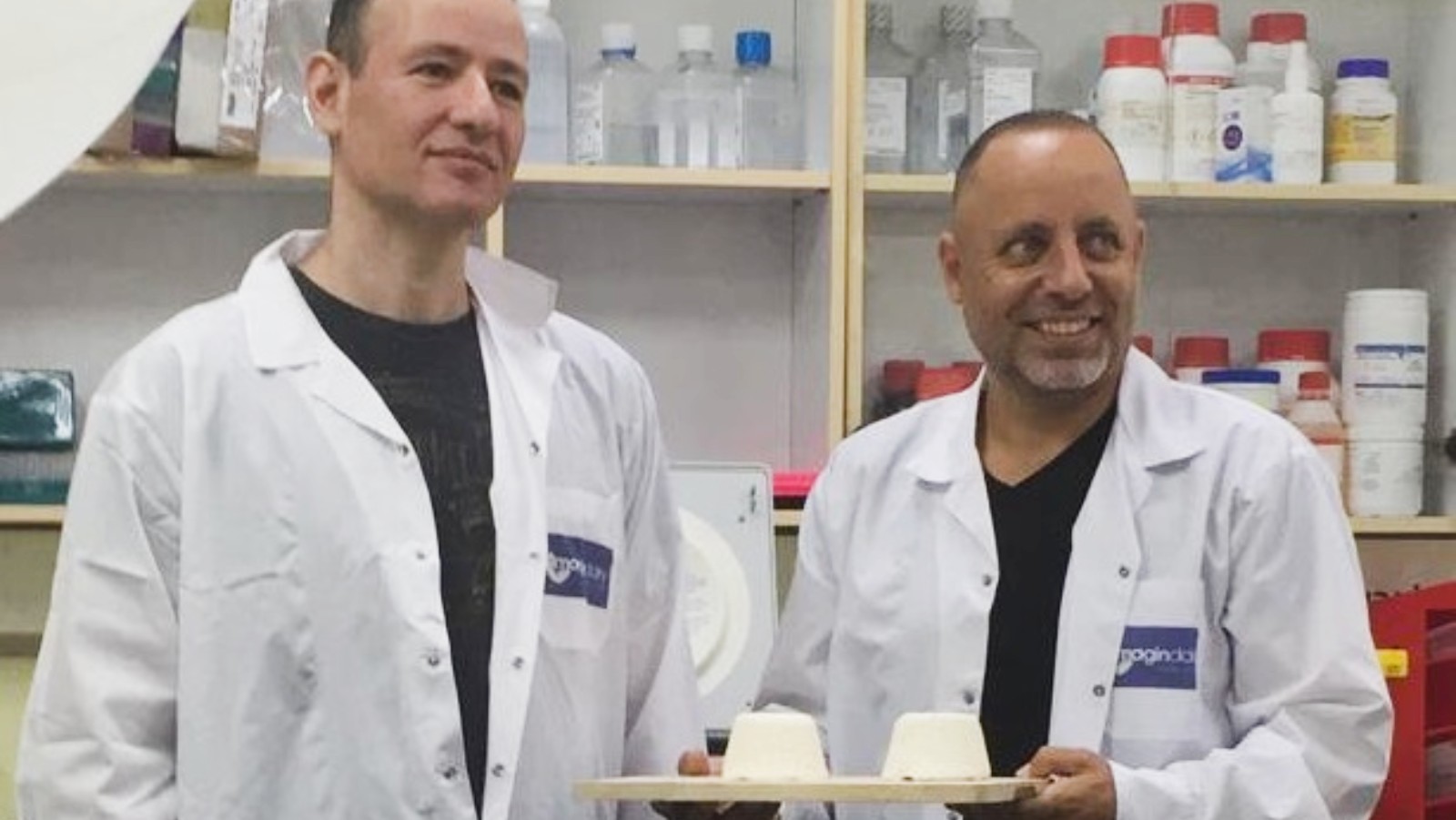
The Israeli start-up Imagindairy is milking new technology to leave the cow out of the dairy equation. The company is creating true milk proteins that are indistinguishable from the real thing via a natural process using fermentation.
Recreating Casein and Whey
Imagindairy recreates nature-identical, animal-free versions of whey and casein proteins that can be used to produce dairy analogs. They have the flavor and texture – and, importantly, the functionality and nutritional value – of their animal-based counterparts. They also are lactose-free, serving consumers with lactose intolerance or sensitivity. At the same time, the company lowers the burden of dairy livestock on the environment.
“The unique protein structure of dairy milk is what provides its characteristic texture, flavor, and nutritional value. Whey is a key source of highly biologically available protein,” says explains Eyal Afergan CEO of Imagindairy.
Awarding the full, guilt-free dairy experience
In response to growing awareness of animal welfare and the environmental impact of animal farming, supermarket shelves have become buoyant with alternative plant-based milk and dairy analogs. There has been almond milk, but almond milk is hurting the bees. There is also oat milk, but that’s full of pesticides. And plant-based dairy alternatives fall short of meeting consumers’ taste demands.
There is no details on “what” the raw materials are for recreating the cow milk in the lab. Because at one point plant-based ingredients will be needed for the process. How will they be sourced? Will they be organic? Will they use wheat or rye or plants grown with pesticides? Questions we will want to know the answers to.
“Our vision was to deliver an animal-free version of the primary dairy proteins — whey and casein — that can allow product makers to match real dairy products in terms of protein concentration, nutrient profile, and the full sensory experiences of the animal-derived versions,” says Afergan. “I look forward to being able to give my kids such treats as a cup of nutritious, tasty milk or creamy yogurt without the hard impact on animals or on the environment they must inherit.”
Imagindairy’s technology can be readily integrated into existing dairy food production facilities. The start-up already raised US$1.5M in seed funding, led by The Kitchen FoodTech hub, with contributions from the Israeli Innovative Authority, CPT Capital, New Crop Capital, and Entrée Capital, and will soon enter its A-round funding series.
GoPro is a very young company, founded in the early 2000s, which in just a few short years has enjoyed incredible and unparalleled success. This new device has quickly become the best friend of adventurers, travellers, photographers and film-makers. The GoPro has completely revolutionized the way people make videos and fulfilled their desire to create memories of their lives. It is also widely used by many youtubers and vloggers, who have contributed to spreading the word about this innovative and cutting-edge new type of camera. In just five years, the name ‘GoPro’ was already on everyone’s mind, and many people decided to buy one for their own personal use. Thanks to numerous model upgrades, the GoPro now allows owners to create truly high-quality content, even when they can’t hold it in their hands. In fact, it is possible to easily retrieve videos on the web of people attaching their GoPro to their helmet, to show the route they take while doing sports, for example.
As it is such a valuable tool, however, it is impossible not to acknowledge how expensive it can actually be. Especially for the enthusiasts, who certainly prefer the latest models, buying a GoPro can be very expensive. What many people don’t know, however, is that there are a few little techniques that can be implemented which help GoPro customers save money on their purchases. Keep reading to find out what they are!
1. DON’T STOP AT THE FIRST WEBSITE YOU COME ACROSS
This paragraph focuses particularly on buying a GoPro online, which is actually the best way for users to save money, and here’s how. Many people make the mistake of looking for the best deal on the first website they visit. This is a bad first step that should not be made! Even if it’s the official GoPro website, do not limit yourself to a single offer you quickly find. Instead, the best thing you can do is to compare several websites, to see which one offers the best price for the model you are interested in. For example, you might happen to discover that the type of GoPro you are looking for is on offer in a certain shop, while in another one you would have to pay full price for it. Also, to make sure that you have checked everything, you can search for your GoPro on one of those sites that already allow users to compare different prices at the same time, such as Amazon for example. In order to make the right choice when buying your GoPro, you need to do some real research and not settle for the first proposal you find on the web.
2. MAKE GOOD USE OF DISCOUNT CODES
Many people forget about GoPro discount codes when they are shopping online. However, they are easy to find on the web, as GoPro has partnered with websites to offer their customers discount percentages, which can often be very high. As a matter of fact, there are some websites that offer the service of providing discount codes and coupons to customers, which can be helpful when making an online purchase. Moreover, discount codes are always a winning asset when it comes to price savings.
3.NEVER FORGET TO SUBSCRIBE
If you are a true GoPro fan, you really should register on the official website. Once you become a member of the GoPro club, you will receive all the updates about the brand by email, but not just that. The company offers its loyal customers exclusive discounts and offers that normal customers cannot access. So, what are you waiting for? Sign up immediately!
4. THE LUCK OF THOSE WHO SEARCH THROUGH THE SECOND-HAND PRODUCTS
GoPro cameras are very often used by people who work in the video business, or who use the camera to document their business in the best possible way. Therefore, it is very common that they decide to discard an old model as soon as a new one comes out, because it is really important for them to be able to display their content in the best possible way. So, if you are a private consumer and don’t need to buy the latest version of the GoPro, always look for second-hand products. Indeed, you will find plenty of people who decide to sell their GoPro, even if it is fully functional and in excellent condition. You might be really lucky and find a great deal!
A town in Italy that brings in mirrors to transfer the sun.
Many tourists presume that Italy is expensive and think that living in Italy is pretty much unrealistic. And if you happen to be at St. Mark’s Square in Italy, the decision to live in Italy might be even more unnerving. But that’s not the case at all! If you move outside the famous tourist places, you’ll find that you don’t have to spend a fortune to lead a good life in Italy.
Now that we already know how great a country it is, foreign investors are taking a keen interest in expanding their base in Italy. Moreover, the country’s economic policies are making it an attractive option— both in terms of living standards and international investments. To put it simply, the government initiatives facilitate and simplify internal regulations to streamline bureaucratic systems for those who wish to start or expand their business.
This is how the “Golden Visa” program came to the limelight. This article will shed some light on the maxims of getting a permanent residency through investment and why you should opt for those who are still new to this concept.
Golden Visa- The Investor Visa Program
The primary program enables foreign citizens to obtain a permanent residency through investment. Experts and professionals also call it “The Italian Golden Visa” or “The Investor Visa.” This program targets individuals with high worth and those who can contribute significantly to the Italian economy.
Having said that, there are other ways that you can consider investing in Italy. To give you an example, you can go for the StartUp program (that further bifurcates into Italia Startup Hub and Italia Startup Visa). Using this scheme will allow foreign nationals to obtain citizenship by setting up a company in Italy.
Other than this, you can also look for options like an entrepreneur visa or self-employment resident permit. Irrespective of all the options available, if you want to enter Italy for business purposes, the Golden Visa program still holds the top spot.
But before we move ahead with all the legalities, you might want to know the reasons as to why you should go for dual citizenship through investment in the first place. Right?
Top Reasons to Opt for Italian’s Golden Visa
Besides the high standards of living and incredible investment opportunities, there are a plethora of reasons that make the Golden visa program such a good option for new-age entrepreneurs and investors.
First things first, you get to be a part of the EU union. So, technically you get the freedom of moving across Europe without any restrictions. Thus, it accounts for the most significant and most vital pros if you list down why you should opt for this Italian investor visa.
For more than 30 years, everyone knows this country as the second-largest manufacturer across Europe. In fact, it is home to a large manufacturing trade surplus and outranks many leaders for a plethora of products.
The country is also home to 20 different universities that rank among the top 500 institutions for quality education worldwide. So, you get access to a skilled workforce within the country itself.
The country values investors, whether new or old. The authorities make sure to form a good relationship with investors. And for that, it offers its investors a variety of information regarding investments and other services to help them at every stage.
If you don’t know where to begin, the following information might help you get started in the right direction.
Since you are eyeing investing in Italy, you must dwell on the necessary knowledge to find the best option. Having said that, experts suggest that if you wish to invest in Italy, you must go for options like telecommunications, renewable energy, life sciences, travel/ tourism, or related sectors.
And if you opt for sectors like capital goods, fashion, robotics, or biotechnology, you will benefit from their high-growth potential. In short, you have a wide array of options to choose from.
Besides this, if you think about settling in Italy, you will benefit from flat tax rates. Not only this, it gives you access to the marketplace with more than 500 million consumers. You can learn more by visiting the website of Bersani Law Firm you will find how the Golden Visa Program is beneficial in the long run.
Also, since the entire process is so streamlined and online, it is quite an easy option to expand your business. Now that you have some motivation as a catalyst for settling in Italy, the experts suggest noting down some things to get going.
Prerequisites For Obtaining an Italian Citizenship by Investment
If you are looking to immigrate to Italy via investment, the following are the minimum requirements that you must fulfill.
The investor must be around 18 years of age to start with the application procedure.
The state of health must be well-documented and excellent.
There must be no criminal record.
Besides, if you go by the September amendments to this investment program, here are some nitty-gritty details about the amount you need to invest in applying for this program.
For a novel startup idea– €250,000
For companies that are working in Italy- €500,000
Government Bonds – €2 million
Philanthropic donations for culture, education, research, and so on- €1 million (minimum).
Note- Since the processing time of the application is around 30 days, the only thing you require is to declare how you will use these funds at the time of application. In other words, you don’t need to invest until you get the final status of your application.
How to Get Started With This Program?
Firstly, you need to file for Nulla Osta/ no impediment certificate. You can even register online and apply for the same. Once you are through with that, you must visit the Italian embassy in your country and apply for a 2-year visa. You can extend it for more and include your family members as well.
Documents Required
If you don’t have all your documents, this procedure might seem a bit complicated or lengthy. Other than Nulla Osta, you must have a valid passport, documents of investment (with the help of a bank statement), and proof of money procurement (In simple terms, the sources from where you got your money.)
Now that you are pretty familiar with the legalities and the process, you will have an idea that you can’t use all your time in filing and procuring documents with so much going around on the ideation or setting up of your business.
This is why you require assistance from lawyers who have experience in the Golden visa investment program. Keep reading, and you will find out more reasons!
Why Should You Hire an Attorney to Apply For The Golden Visa Program?
If everything goes according to the plan and you are starting your journey to obtaining Dual Italian citizenship, you need the support of the lawyers that will take you to the finish line with ease and comfort.
Is that all? Not really! Let’s dive a little deeper and find out more about this.
For starters, if you hire experienced attorneys, they will help you understand both the physical and legal aspects of investing in Italy.
As every situation is unique, the lawyers will provide you with tailored recommendations to smoothly get through the complicated process.
Since you will require several documents to get started, the lawyers will help speed things up to obtain all the necessary documents on time.
To Sum it All
Italy is a country known for its fantastic culture. But that’s not the only reason its popularity is growing in the market. This country is quite open to innovation, which is why it spends around 20 billion euros on R&D. This reason makes it a pretty promising country for investors who wish to invest in diverse markets.
Also, it has more than three universities among the top 10 institutions across the world with around eight significant economies. And if you take into account the “impact factor” of research articles, Italy ranks fifth among the lot. Thus, making this country one of the best options for investments.
Besides these, the country has an excellent infrastructure and gives you access to a skilled workforce with technical knowledge. Also, the government is readily making economic repositioning changes that make it possible for investors to achieve results as anticipated.
In short, if you opt for the Golden visa program, you have everything to gain. But you must have all the documents and investment money to gain entry into this region successfully. For instance,
You must have a Nulla Osta issued before applying for the visa. But make sure the time between Nulla Osta and application is not more than six months.
If you wish to stay, you must inform the authorities to get the permit. You can renew the timeline if you can maintain the investment amount for those number of years.
Hoping that all the information mentioned above will help you make a decision that’s beneficial for you. So, are you ready to expand your business?
It might be a little unsettling to think about, but loads of yeast, fungi, and bacteria live and thrive in the human body. In a healthy body, bacteria and yeast known as candida are essential to proper biological function. However, if there are disturbances or imbalances in the body, candida can get out of control and may develop into infections.
These fungal infections are caused by an overproduction of yeast and this condition is known as candidiasis. This is a rather common health condition and can often be easily treated when diagnosed early with a simplemedical multitest swab. Here are a few tips for recognizing, treating, and preventing common yeast infections.
Types of Yeast Infections, Symptoms and Treatments
Because yeast is prevalent and ever-present in the entire body, a yeast infection can manifest on the skin, mouth, nails, or genitalia. While some varieties of candidiasis are more common than others, any outbreak of candida can pose roadblocks on the path to experiencing optimal health. Here are the most common types of yeast infections and treatments.
Oral Candidiasis: This form of yeast infection occurs in the mouth and is known as oral thrush.Symptoms of oral thrush include sore throat, trouble swallowing, or painful tongue lesions. Oral thrush also develops bumps and white or yellowish patches on the gums, throat, inner cheeks, and tongue. While these symptoms are disturbing, the condition is usually treated easily with an oral antifungal medication. Oral thrush can be a side-effect of HIV, diabetes, or certain cancers. Other causes of this condition are attributed to smoking and/or using inhalers for asthma.
Vaginal Yeast Infections: Most women are familiar with this form of candidiasis. In fact, 75% of women experience at least one yeast infection in their lifetime. Symptoms manifested from this type of infection include vaginal redness, soreness, burning, itching, and/or irregular discharges. Reasons women may encounter vaginal candidiasis include using thewrong types of lubricants, pregnancy, taking certain medications, or wearing tight undergarments that trap excess moisture causing yeast outbreaks. Typical treatments range from taking antifungal agents in the form of ointments, creams, or oral medication prescribed by a doctor.
Finger and Toenail Infections: While this condition is relatively uncommon and usually painless, it can be aesthetically unappealing due to unsightly nail discoloration. Aside from nails turning brown or yellow, other symptoms of nail yeast infections include brittle, cracking nails. These infections tend to subside in their own time, but treatments include topical and oral antifungal medicines. In rare cases, the nail may need to be removed. Yeast infections in nails are more common in toenails because it is a moist environment that entices yeast to grow. Nail candidiasis may also be contracted from unhygienic practices while getting pedicures or manicures. Be sure your nail practitioner is using sterilized tools and all areas are properly disinfected to avoid this yeast-related infection.
Skin Infections: Also known as topical candida, yeast infections of the skin occur when there is an excessive surge of candida on the skin which manifests uncomfortable rashes. Other symptoms of topical candida include redness of the skin, swelling, itching, or scaly patches. These rashes usually crop up in moist areas of the body such as armpits, behind the knees, elbow creases, and other folds in the skin. Treatment for this condition is a topical antifungal as well as keeping these areas dry and aerated. Causes of skin yeast infections are connected with the skin exposed to overly moist and hot conditions, poor hygiene, compromised immune systems, diabetes, and/or alcoholism.
Tips to Preventing Yeast Infections and Closing Thoughts About Candidiasis
While every case of candidiasis is different, there are some standard steps of prevention you can take that will help you avoid or manage yeast infections. Here are a few preventative tips if you are concerned about contracting a case of candidiasis.
Keep Your Body Dry and Clean: Certain areas of the body are naturally warm and moist and this is a breeding ground for yeast to overgrow and bloom into infections. Wear clothing that is loose and breathable, consider moisture-wicking clothing as well. If you live in a warm, humid climate, try to keep yourself as dry and cool as possible. If you’re prone to frequent sweating, change your undergarments and clothes regularly. These simple steps can make a big impact in helping you avoid skin and vaginal yeast infections.
Avoid Bad Lifestyle Habits: Bad habits such as excessive alcohol consumption, chewing tobacco, or smoking are open invitations for yeast outbreaks and infections. Even your diet can play a huge role in the levels of yeast in your body. Your best bet for dodging yeast infections is maintaining a healthy diet and exercise regime. This includes steering clear from known harmful habits that thwart your best success at maximum health.
Talk to Your Doctor: When in doubt, always contact your doctor. Some yeast infections may arise from certain medications you are taking. If that is the case, your physician can assist you in determining your next steps to clear and cure a candidiasis outbreak. Your primary physician can also help you with further preventative tips as well as prescribe medicines that will contribute to your overall wellness.
At the end of the day, yeast infections are preventable. Knowing what precautions to take to avoid candida outbreaks is your first step towards keeping your yeast levels in check. Follow these tips and listen to your healthcare provider to keep yourself healthy and happy today and far into the future.
The new water research institute is being established as part of a strategic commercial collaboration between Watergen, an Israeli water-from-air technology company, and Baynunah, a sister company of Al Dahra Group, an Emirati agriculture group that specializes in food security. It will be working in close collaboration with the Moshe Mirilashvili Institute for Applied Water Studies at Tel Aviv University.
Professor Milette Shamir from Tel Aviv University said: “Research at the joint water institute will build on our special academic strengths and will open a path for collaboration with the United Arab Emirates (UAE) in other mutual areas of research, as well as to student and faculty exchange programs.”
Besides academic cooperation, Watergen and Baynunah laid the cornerstone for a Watergen production facility in the UAE. This joint venture will commercialize Watergen products in the UAE, the Gulf States, and Africa.
This joint venture has already been collaborating with the Abu Dhabi municipality, leading to dozens of Watergen devices already deployed around the city for the benefit of its residents, forming the initial stage of one of this joint venture missions: to deploy thousands of Watergen devices all across the UAE.
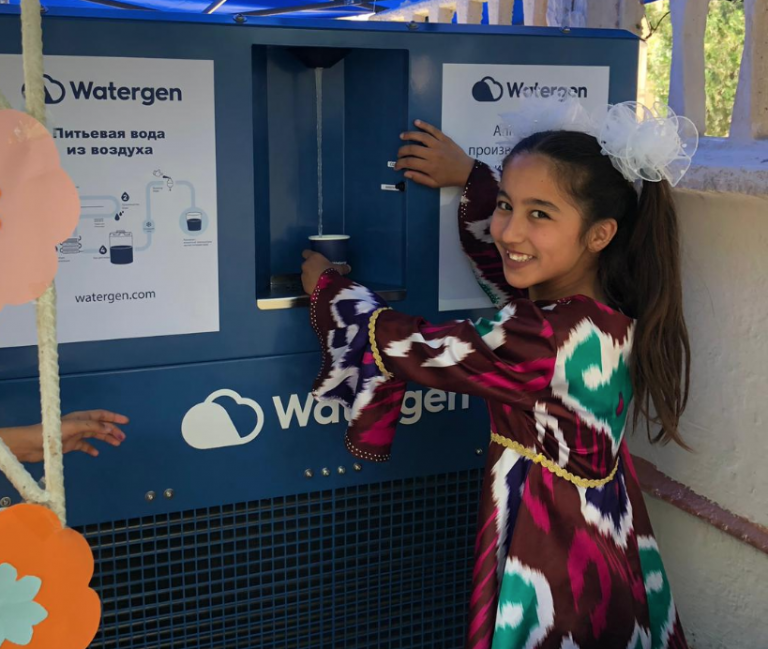
Watergen’s innovative technology enables the production of top-quality pure and fresh drinking water solely from the air. Its devices use a standard connection to electricity or other alternative energy sources such as solar panels and can produce up to 6,000 liters of top-quality pure drinking water per day. One of Green Prophet’s criticisms of the technology is that it requires a significant energy input.
A Watergen unit
Today, Watergen’s devices are deployed in more than 80 countries around the world and are located in remote villages, hospitals, city centers, public parks, schools, office buildings, and even in disaster-struck areas. The partnership between Watergen and Baynunah expends the commercial footprint of Watergen in the region, while serving as a catalyst in strengthening the ties between the two nations.
Peaceful projects built under US-brokered Abraham Accords
“The Abraham Accords have given countries in the Middle East the opportunity to improve and advance relations in various fields,” says Dr. Michael Mirilashvili, Watergen’s President and CEO. “Thanks to the agreements, we — an Israeli company — are able to cooperate with our Middle East neighbors to solve one the region’s difficult problems, water scarcity.
“Throughout history, conflicts have often been centered around controlling water sources. Today we are doing the opposite: building peace and a common future around a groundbreaking Israeli technology that will provide a plug-and-play solution which allows all residents of the UAE and the world an unlimited access to off-grid, top-quality, and pure drinking water.”
Dentistry is a practice where operations are performed on the teeth or adjoining areas. The person who carries out these operations is called a Dentist, and this profession is aimed at:
Educating individuals on good preventive methods for oral hygiene.
Advising on individual oral hygiene and proffer solutions to patients with dental problems.
Although dentistry aims to help societies keep individuals free from oral discomforts, the practice has been found guilty of certain environmental disturbances. And this may be because we live in an era that is extremely cautious about protecting the ecosystem. This idea has been adopted by many, translating to a global movement. The term “going green” is being used to express actions taken to improve the health of the environment and community.
A research carried out showed that dentistry gives out very large carbon footprints. Carbon footprint is the amount of carbon produced by an organization or individual, directly or indirectly. Carbon is a very important greenhouse gas that can be very harmful to the ecosystem. Hence, the implementation of Eco-Dentistry.
Eco-Dentistry is a scheme targeted at reducing the harmful effect of dental services on the environment while adhering to regulations and standards of the dental institution. The Smilist Dental in Brooklyn describes this scheme as a means to contribute more sustainable resources to the environment.
Eco-Dentistry
Eco-Dentistry, also known as green dentistry, environmental friendly dentistry, or sustainable dentistry, originated from environmental movements and environmentalism. The rise of this eco-friendly movement was initially proposed by Rachael Carson, and she has since been credited for the movement. The dental industry adopted the concept of eco-friendliness as a means to satisfy patients who have subscribed to this idea of sustainability and because it aims to contribute to protecting this same ecosystem. The increased environmental consciousness on eco-friendliness has led to a green transformation in the dental industry, resulting in patients seeking oral health advice from professionals who share similar values of environmental wellness. For green dentistry to thrive, the dental institute has to share similar beliefs as the masses (patients) on the need for sustainability in the environment.
The Dental Industry Carbon Footprint
To better understand the rise of green dentistry, we look at why the scheme was adopted and its benefits.
Carbon footprints can be said to be steps taken that can cause significant harm to the environment. The dental industry is known to be a massive consumer of energy and resources from the environment. Hence, these energy and resources are needed for the well-being of our environment. The industry uses a massive amount of energy through the electronic devices used and a large amount of water through the copious amounts of water. As a result, they release harmful substances into the environment through numerous disposable products for preclinical, clinical, and post-clinical use. Most of these disposable products are non-biodegradables.
How Can Eco-Dentistry Rise?
To minimize the carbon footprints of the dental industry, a blueprint that adopts the 4-R models of eco-friendliness was drafted and laid down by the dental industry while upholding asepsis and patient care standards. They are:
The 4-R Model:Reduce —— Reuse —— Recycle —— Rethink
This model aims to curtail waste by emphasizing sustainable consumption habits. This model encourages minimizing landfill waste while conserving energy and resources; this is the reduction phase (Reduce). A majority of the landfill waste from dental industries is disposable products. And in a bid to reduce this waste, the adoption of biodegradable items eliminates the reliance on disposable items because most of the disposable item’s use does not decompose.
Another R-model to be considered is using Reusable products (Reuse). By employing the use of reusable items, it eliminates the need to dispose of used items. Using these reusable items proffers a better option of recycling used products instead of manufacturing new ones, thereby keeping the consumption of energy and resources minimal. With the initiative of reduction or reusables, dental institutes can think (rethink) measures that can be adopted to promote this scheme and protect the environment.
Conclusion
In summary, eco-dentistry is an eco-friendly scheme aimed at protecting the ecosystem and creating a caring environment for the patients. Through this scheme, oral health practitioners are not only reminded of the social values they add to their patients’ lives but how they can also contribute positively to the environment.
Nowadays, people prefer organic and sustainable beauty products over traditional ones. Not only are they beneficial for your skin and overall health, but they also protect our planet’s natural resources as well as plants and animals.
Take an example of chemical-based deodorants. They contain aluminum and other toxic chemicals that are detrimental to our planet and wellbeing. On the other hand, natural deodorant is packed with organic and green ingredients, which work great without causing any harm.
As more companies are becoming eco-conscious, you won’t find it hard to make your beauty routine environmentally friendly. Therefore, this article will uncover different ways to help you make your beauty routine more sustainable. Keep reading to learn!
1. Be Careful With Your Water Consumption
First and foremost, you should be cautious of water consumption during your beauty routine as plenty of water is wasted during cleansing, exfoliation, etc.
Let’s say, after applying cleanser to your face, you shouldn’t leave the water running. Instead, turn off the tap and take a minute to cleanse your face properly. Once you’re done, then you should turn on the water supply.
Although this may not sound like a lot, it makes a huge difference in consuming water.
2. Invest in Brands That Have a Recycling Program
Do you know that there are several brands out there like Lush, MAC Cosmetics, and Kiehl’s that offer recycling programs? Whatever brands you are using now, it’s better to ask them if they have a recycling program. If not, look for alternatives.
This way, you will have peace of mind that all your empties don’t end up in landfills and will be recycled appropriately for other consumers.
3. Replace Cotton Pads/Wipes with Cloths
In order to produce cotton, pesticides and fertilizers are used, contaminating the rivers and lakes. Furthermore, you need approximately 22,500 liters of water to produce 1 kg of cotton.
Cotton pads and wipes are mainly used for applying toners or removing makeup. You can reduce the environmental impact by replacing them with cotton cloths. They are super absorbent, gentle on the skin, and also work great as exfoliators! You can wash and reuse them for years.
4. Minimize the Number of Beauty Products You Use
Rather than buying several different products and increasing the number of containers or bottles in your home, you can use a multi-purpose beauty product.
You can use lipstick on lips but also as a blush
For example, you can buy a 3-in-1 cream that works as a sunscreen, serum, and moisturizer instead of purchasing 3 different bottles. Likewise, you can buy a makeup palette that contains all the basics, such as lip stain, blush, face powder, and concealer. Fewer products mean that you are not putting pressure on the Earth’s natural resources and not harming the planet.
5. Look for Products with Sustainable Packaging
You can always find a greener alternative to a beauty product. It’s imperative for you to look for products that are sustainably packaged. Most companies worry about their environmental impact. Therefore, they use recyclable packaging or packaging made from biodegradable materials to make sure they are easily disposed of.
For instance, reusable glass containers are always better than plastic containers. Similarly, you can purchase bamboo toothbrushes rather than plastic ones as they are 100% natural and biodegradable.
Many brands also offer refilling options for a more sustainable routine, such as The Body Shop, Glow Recipe, Lakme, and Kiehl’s.
6. Bring Reusable Shopping Bags
The trend of taking your own shopping bags for grocery shopping has been here for quite some time now. However, you shouldn’t limit it to grocery shopping only. Instead, you should bring reusable shopping bags with you when shopping for beauty products.
So, rather than using natural resources, you can make a significant impact by bringing your own reusable shopping bags.
7. Look Out for Certain Ingredients
Most beauty products contain toxic ingredients such as parabens, triclosan, artificial fragrance, and sulfates. As you apply products containing these ingredients to your skin, they seep into your bloodstream and can significantly harm your health over time.
Not only your health, but they are also equally detrimental to the environment and the ecosystem. For instance, some exfoliating products contain microplastics, which can kill fish and birds as they assume them to be food.
In addition to this, you may have heard about or read about the “oxybenzone” ingredient on most sunscreens. Although it’s generally known for giving a natural-looking finish while protecting you from the UV rays, it is incredibly harmful to the coral reefs as well as the small fish and species.
Oxybenzone has a bleaching effect on coral reefs. Therefore, it can completely destroy them. Hence, you should look for reef-safe and natural sunscreens that are safe for your health and the environment. Make sure to carefully check the ingredients before you buy one.
Fridges are left open in Saudi Arabia and Israel so people in need can take food. This way leftovers from restaurants and home don’t spoil.
When you are managing a restaurant, food waste is a common issue that needs immediate attention. Every day, restaurants naturally waste food due to over-purchasing and over-serving. When customers over-order, all leftovers are thrown out unless the customer takes it home.
Since food waste reduction in your restaurant is beneficial for the environment, it also makes for good practice for your business. So, how do you get started? Let us take a look at the most effective ways to reduce food waste in your restaurant.
Conduct a Waste Audit
Conducting a waste audit gives you an estimate on future cost savings. Here are the steps for initiating a waste audit.
Gather a team on a specified date. Ask at least four to five people on your staff to do the audit. You need to specify a date for at least five to seven days by calling it your “Waste Audit Week.” During this week, you can get a clear estimate of the daily trash output on a weekly basis.
Determine waste categories. Make a list of waste categories before your “Waste Audit Week” starts. These are the most common waste categories: aluminum cans, cardboard, display materials, food waste, glass, material packaging, meat, paper, plastic bottles, produce, other plastic items, and signage. Feel free to add your miscellaneous categories as you conduct the waste audit.
Prepare tools. Stock up on the following supplies for your team to use during the waste audit: face masks, rubber gloves, labelled boxes with each waste category name, a scale for weighing each box, tongs, rash bags, compost bags, and clipboards for writing down the results. You also need an open space for sorting all the waste.
Sort trash. At the end of the “Waste Audit Week,” gather all recycling and trash from your restaurant. Place the trash in garbage bags and then weigh all the bags. Record the weights of each bag; this will give you an estimate of how much waste you throw out on a weekly basis. Repeat the same steps with recyclables to establish how much you recycle each week.
Analyze the results. Once you have your figures from recyclables and waste, use this data for your waste stream analysis. This is the formula to determine your waste diversion rate: Weight of trash + Weight of recyclables = Amount of both weights. Then, multiply the weight by 100. The final number you get is the percentage of the waste you dispose of into a landfill weekly.
After you have completed the audit, start executing improvements such as menu changes, serving less food, or substitutions. Once you have implemented the changes, continue to monitor your progress and don’t be afraid to schedule another food waste audit in three to six months.
Train Your Staff
Ask your kitchen staff for their input on creative ways to reduce food waste. Then, train your staff, particularly the food handlers with these specific practices. By educating your employees about food waste reduction, everyone can do their part.
Avoid Overbuying
By determining exactly what you need, you reduce overbuying. To avoid overbuying, go through your kitchen and make a list of items that you need at all times. Then, purchase those items in bulk and ensure you use them before their expiration date. Finally, go through your list of secondary items and try reducing those items by replenishing them before they run out.
Store Food Properly
To prevent contamination of your food items, ensure that your staff knows how to store food properly. When it comes to food items that spoil quickly, each food handler should know the protocol for storing high-risk food in refrigerators. If they for some reason don’t know that, definitely enroll them in another food handling course. To improve efficiency, label all perishable food containers with the date received, the expiration date, and the amount of servings.
To avoid bacteria growth, store high-risk food in refrigerators at 1-4°C and freezers set at below -18°C. The optimum temperatures for hot/cold holding are 63°C and below 8°C.
Use the FIFO method
The FIFO method stands for first-in/first-out. It is an efficient approach whereby the oldest items in your kitchen are used first, while simultaneously replacing the previous food items with the new fresh stock. For instance, if you receive meat patties on a Monday and a second batch on Friday, then the Monday meat patties should be used before serving the batch that arrived on Friday.
Donate Unused Food
If you want to help out your community, consider labelling food items with a “serve before” and “donate before” date. At the end of the week, ask your staff members to go through the items that are donatable, have them put those aside, and happily deliver the items to your chosen shelters with kitchens.
Compost
Many restaurants take food scraps and use compost as a natural fertilizer for landscaping. The benefits of composting food scraps is good for the environment because it reduces food waste by preventing it from being disposed of in landfills.
Final Thoughts
Managing a restaurant involves reducing as much food waste as you can. Not only can a food waste audit give you clarity on how much waste is being produced, but it can also save you on operational costs in the future. Try taking some of these quick steps to track and reduce your waste production in order to help the environment and improve your restaurant’s efficiency.