Before promoting sustainability progress, companies must ensure their initiatives are genuine and measurable. Today’s audiences are increasingly skeptical of vague environmental claims, particularly as awareness of “greenwashing” has grown.
Sydney is best known for the Opera House and the Harbour Bridge. If you’re looking to enjoy dinner with views of these landmarks, here are some great options.
It's sea turtles which may in the end save islands in the Seychelles. They may also better help us understand climate change. Like rings on a tree, scientists have found a way to read sea turtle shells and how they are impacted by climate change tells a story.
For centuries, the Sámi shaman drum was one of the most powerful sacred objects in northern Europe, and one of the most feared by church and state. If ISIS looks bad to us today for its religious fundamentalism, Christians were just as fervent.
Before promoting sustainability progress, companies must ensure their initiatives are genuine and measurable. Today’s audiences are increasingly skeptical of vague environmental claims, particularly as awareness of “greenwashing” has grown.
Sydney is best known for the Opera House and the Harbour Bridge. If you’re looking to enjoy dinner with views of these landmarks, here are some great options.
It's sea turtles which may in the end save islands in the Seychelles. They may also better help us understand climate change. Like rings on a tree, scientists have found a way to read sea turtle shells and how they are impacted by climate change tells a story.
For centuries, the Sámi shaman drum was one of the most powerful sacred objects in northern Europe, and one of the most feared by church and state. If ISIS looks bad to us today for its religious fundamentalism, Christians were just as fervent.
Before promoting sustainability progress, companies must ensure their initiatives are genuine and measurable. Today’s audiences are increasingly skeptical of vague environmental claims, particularly as awareness of “greenwashing” has grown.
Sydney is best known for the Opera House and the Harbour Bridge. If you’re looking to enjoy dinner with views of these landmarks, here are some great options.
It's sea turtles which may in the end save islands in the Seychelles. They may also better help us understand climate change. Like rings on a tree, scientists have found a way to read sea turtle shells and how they are impacted by climate change tells a story.
For centuries, the Sámi shaman drum was one of the most powerful sacred objects in northern Europe, and one of the most feared by church and state. If ISIS looks bad to us today for its religious fundamentalism, Christians were just as fervent.
Before promoting sustainability progress, companies must ensure their initiatives are genuine and measurable. Today’s audiences are increasingly skeptical of vague environmental claims, particularly as awareness of “greenwashing” has grown.
Sydney is best known for the Opera House and the Harbour Bridge. If you’re looking to enjoy dinner with views of these landmarks, here are some great options.
It's sea turtles which may in the end save islands in the Seychelles. They may also better help us understand climate change. Like rings on a tree, scientists have found a way to read sea turtle shells and how they are impacted by climate change tells a story.
For centuries, the Sámi shaman drum was one of the most powerful sacred objects in northern Europe, and one of the most feared by church and state. If ISIS looks bad to us today for its religious fundamentalism, Christians were just as fervent.
Before promoting sustainability progress, companies must ensure their initiatives are genuine and measurable. Today’s audiences are increasingly skeptical of vague environmental claims, particularly as awareness of “greenwashing” has grown.
Sydney is best known for the Opera House and the Harbour Bridge. If you’re looking to enjoy dinner with views of these landmarks, here are some great options.
It's sea turtles which may in the end save islands in the Seychelles. They may also better help us understand climate change. Like rings on a tree, scientists have found a way to read sea turtle shells and how they are impacted by climate change tells a story.
For centuries, the Sámi shaman drum was one of the most powerful sacred objects in northern Europe, and one of the most feared by church and state. If ISIS looks bad to us today for its religious fundamentalism, Christians were just as fervent.
Before promoting sustainability progress, companies must ensure their initiatives are genuine and measurable. Today’s audiences are increasingly skeptical of vague environmental claims, particularly as awareness of “greenwashing” has grown.
Sydney is best known for the Opera House and the Harbour Bridge. If you’re looking to enjoy dinner with views of these landmarks, here are some great options.
It's sea turtles which may in the end save islands in the Seychelles. They may also better help us understand climate change. Like rings on a tree, scientists have found a way to read sea turtle shells and how they are impacted by climate change tells a story.
For centuries, the Sámi shaman drum was one of the most powerful sacred objects in northern Europe, and one of the most feared by church and state. If ISIS looks bad to us today for its religious fundamentalism, Christians were just as fervent.
Before promoting sustainability progress, companies must ensure their initiatives are genuine and measurable. Today’s audiences are increasingly skeptical of vague environmental claims, particularly as awareness of “greenwashing” has grown.
Sydney is best known for the Opera House and the Harbour Bridge. If you’re looking to enjoy dinner with views of these landmarks, here are some great options.
It's sea turtles which may in the end save islands in the Seychelles. They may also better help us understand climate change. Like rings on a tree, scientists have found a way to read sea turtle shells and how they are impacted by climate change tells a story.
For centuries, the Sámi shaman drum was one of the most powerful sacred objects in northern Europe, and one of the most feared by church and state. If ISIS looks bad to us today for its religious fundamentalism, Christians were just as fervent.
Before promoting sustainability progress, companies must ensure their initiatives are genuine and measurable. Today’s audiences are increasingly skeptical of vague environmental claims, particularly as awareness of “greenwashing” has grown.
Sydney is best known for the Opera House and the Harbour Bridge. If you’re looking to enjoy dinner with views of these landmarks, here are some great options.
It's sea turtles which may in the end save islands in the Seychelles. They may also better help us understand climate change. Like rings on a tree, scientists have found a way to read sea turtle shells and how they are impacted by climate change tells a story.
For centuries, the Sámi shaman drum was one of the most powerful sacred objects in northern Europe, and one of the most feared by church and state. If ISIS looks bad to us today for its religious fundamentalism, Christians were just as fervent.
Water is life. Any civilisation from the Bible or anywhere needed to live. Archaeologists in Israel uncover an ancient aqueduct in Jerusalem, one used for 2000 years to supply water to the city residents. The archaeologists marvel at the engineering and design.
A segment of the Low-Level Aqueduct to Jerusalem has been exposed over the last few weeks in the Jerusalem neighborhood of Armon Hanatsiv.
The Low-Level Aqueduct winds along a route of about 15 miles from Solomons Pools located south of Bethlehem to the Temple Mount in the Old City of Jerusalem with a very slight gradient – descending by about one yard along every mile.
This amazing water system, started by the Hasmonean kings in order to increase the water supply to Jerusalem and in particular to the Temple Mount where Jews worshipped God, “astounds us until this very day, and due to the aqueducts ingenuity and quality, continued to be used until the British Mandate 100 years ago when the invention of electric pumps replaced it,” the researchers report.
“Two aqueducts brought water from Solomons` Pools, located between Bethlehem and Efrat to Jerusalem- the Low-Level Aqueduct and the High-Level Aqueduct,” says Ya`akov Billig Of the Israel Antiquities Authority, who has researched the ancient aqueducts to Jerusalem:
“It amazes us to think how they managed in antiquity to make the accurate measurements of elevation along such a long distance, choosing the route along the mountainous terrain and calculating the necessary gradient, all this without the modern sophisticated instruments we have today”.
Presently, segments of the Low-Level aqueduct are being revealed under Alkachi street in the Armon Hanatsiv, in an excavation directed by Alexander Wiegmann of the Israel Antiquities Authority.
Following the excavation, conservation experts will do preservation work along the remains towards their exhibition in a park for visitors and the public.
Sour green plums the size of large marbles are in the local Middle East markets now, a seasonal favorite of the Iraqis. Eat them out of hand as a snack, sprinkling each bite with a little salt. The classic Iraqi way to cook them is to pair them with meat in a flavorful stew. And if you want to ask for them in Persian just say “Gojeh sabz!”
Fruits in season in May
The summer wave of colorful fruit has begun, to the rejoicing of cooks who love to put up preserves. Apricots, peaches, and nectarines have entered the markets, and are already sweet enough to be worth buying. Strawberries are still with us, although getting seedy in preparation for disappearing till next year. If you haven’t made your jam yet, here’s our recipe. Kiwis are sweet and ripe.
Cherries have arrived, but they are rather expensive. Some years farmers predict huge crops when there is a prolonged winter, which allows the trees to “sleep” and blossom after the windiest weather. Some years when the weather is intense, windstorms and sandstorms will blow the blossoms off the cherry trees.
Avocados are still in the market, but are getting expensive again as their season wanes. As expected in warm weather, all the melons are sweet and ready for eating. Fresh green almonds have a different character now, because the milky interior gel has hardened into soft, pale kernels already. If you like them, buy now, for they will soon disappear. Loquat season is here.
Citrus fruit are still in evidence, with oranges, pomelos, and clementines for sale. Lemons are big and juicy; some lemon trees give two yearly crops, which accounts for their almost year-round presence. Good news for those who like to put up salty preserved lemons.
May seasonal vegetables
Tomatoes are expensive and will remain until a new crop comes in. If budget-conscious, look for smaller, less glamorous-looking tomatoes; they are just as good and cheaper. Depending on the day, cherry tomatoes can be cheapest of all.
The best bargains in vegetables this season are cauliflower and all the cabbages, which are big, firm, and cheap. Okra is in season, although expensive. String beans, broad Italian beans and wax beans look fine now, as does sweet corn.
Parsley root and celeriac continue full and fat, but as summer temperatures rise, these roots will shrink back and won’t be worth bothering with. The same is true of celery, by the way. Kohlrabi, fennel, beets, turnips, and red radishes are very good now, at reasonable prices.
Summer loves white and red potatoes; time to make one of those Middle Eastern potato salads fragrant with olive oil and lemon. Cucumbers, corn, and eggplants are good now. Come really hot weather, get to the market early for decent eggplants. They are susceptible to heat and in full summer, they buckle in, languishing on the vendor’s stands.
All the peppers are good in May. Look for baby bell peppers for stuffing. Grilled, and combined with grilled eggplant, peppers make a delicious dip, similar to muhamarra.
Here’s our recipe: just substitute grilled eggplants for the bread. Another well-loved Middle Eastern dish is stuffed zucchini – and zukes are looking good now too.
Pumpkins and butternut squash are in season. Combine one of them with a cob of local sweet corn, an onion, a tomato and your favorite herbs for a delicious soup. As every good cook knows, foods that come into season at the same time taste good together.
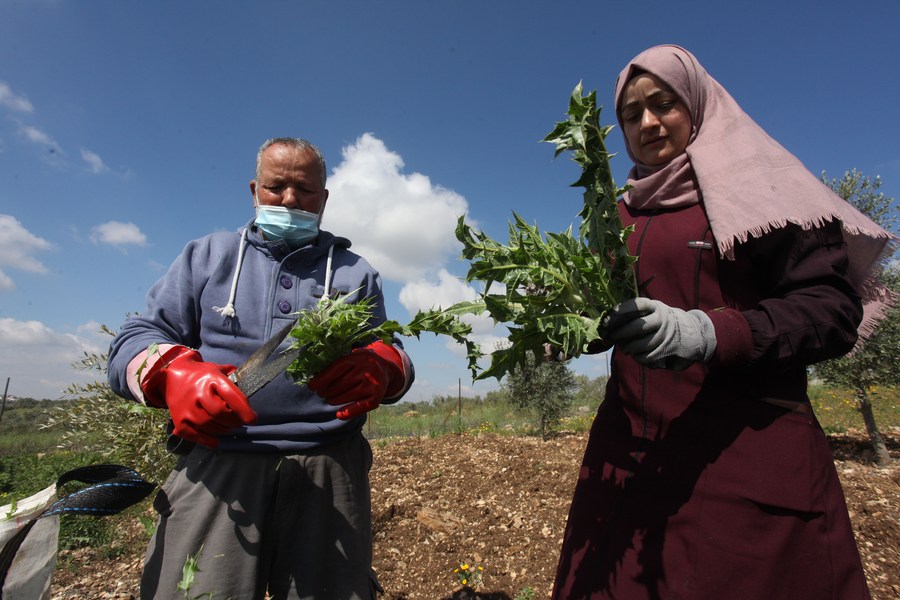
Two Middle-Eastern summer specialties are akoub, or tiny wild artichokes. Akoub is a spiky, edible plant found in a wide swath of the Middle East, from the mountains of Turkey down through the West Bank and Golan Heights to the Sinai Desert in Egypt. Akoub are akuvit hagalgal (the tumble thistle) in Hebrew and gundelia in English. Palestinians traditionally use the sturdy akoub stems and flower buds to make favorite dishes like stews, soups or fried eggs. It’s believed that akoub can treat many diseases from diabetes to bronchitis.
Palestinian farmer Ziad Sawan (L) and his daughter Rana harvest the Akoub plants at their farm in Immatain village, east of the West Bank city Qalqilya, March 31, 2021. (Photo by Nidal Eshtayeh/Xinhua)
They’re very thorny and labor-intensive to clean, so they’re always expensive. But as a seasonal treat, they can’t be surpassed, with their unique, delicate flavor. Any prickles that remain after cleaning soften upon cooking.
Melokhia, or mulokhia (or jute), has started its brief season. Here’s our recipe for traditional melokhia soup. The leaves may be rinsed, patted dry, and hung up by their stems to dry for future soups.
Melokhia or melochia, known in English as jute. Makes a good Egyptian soup.
Herbs in season in May
Basil is back again. At the herb vendors, there are plenty of parsley, coriander leaf, chives, celery, and scallions. Still in evidence are sorrel, tarragon, wormwood, Swiss chard, spinach, leeks and lettuces. Mint continues especially lovely. Grape leaves for stuffing are now being sold in stacks. You may find bunches of lemon verbena for sale now.
Fresh ginger root is in every spice vendor’s and also at the herb stands. Ginger root freezes well and is easy to peel and grate. Just put the remainder right back in the freezer after use, because it gets mushy once thawed out.
The landscape is drying up, with winter’s juicy wild greens just a memory. But there is always something for the alert forager to bring home.
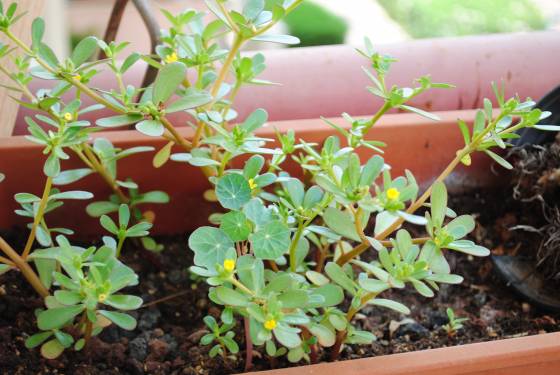
Purslane
Purslane, summer’s featured wild edible, has started to appear on the ground. It’s tender now, so if you come across a nice patch of it, bring it home for your salads.
Honeysuckle
Make honeysuckle wine? For a sip of sweetness and to revive childhood memories, pluck a few honeysuckle blossoms. Honeysuckle can be made into wine: if you are determined and have access to a large quantity of pesticide-free blossoms, you can find the recipe below in a video. To capture that elusive flavor more easily, just drop a handful into a jar, cover with sugar, and wait a week. Rosemary is flowering, and it’s worth robbing the bees of a few blooms to flavor tea.
Dandelion
The dandelion of the Middle East is Taraxacum syriaca. It flowers sparsely and can only be found in hilly regions where winters are cold and consistently rainy. Dandelion is famous for liver support and as an effective diuretic. It’s also a natural superfood, loaded with minerals and vitamins.If you’re lucky enough to live where dandelions grow, pick the tender young leaves to marinate in vinaigrette before adding to salads.
Older, tougher leaves are quite bitter, but a few cooked with almost any soup gives a delicious, not-bitter flavor.
Dandelion roots are excellent in soups and stews. I used to make dandelion beer from the roots and leaves when I lived in the chilly north of Israel. It was good beer, too. There are recipes online like this one by Leda Meredith who once lived in Israel but who is now in Costa Rica.
Chicory
Chicory shares all of dandelion’s medicinal properties, but is difficult to pick. The leaves are tiny, and the root almost impossible to dig out of the hardened soil where the plant is most often found. The fluffy blue flowers are a joy to behold early in the morning, though, especially when you catch just the moment when all of them open spontaneously at the same time.
Bindweed
Bindweed, shown below, is the bane of farmers for its strong, thin vines that strangle crops in the fields, still produces beautiful pink and white flowers. Fill a vase with sprays of honeysuckle and bindweed for a wildflower bouquet to rest your eyes on.
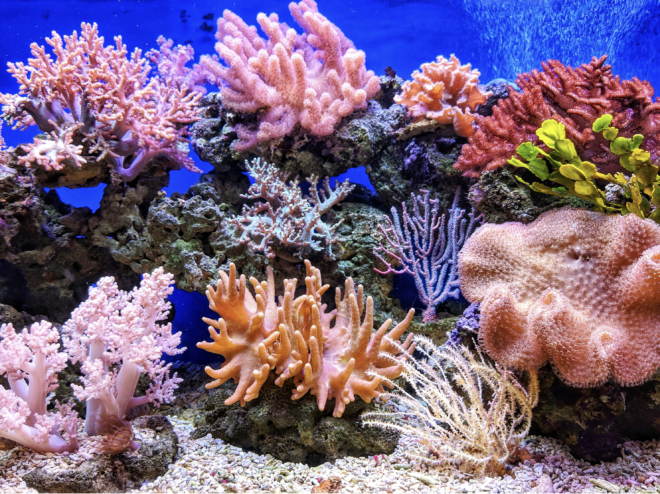
Just like your circadian rhythm needs an LED light-free night for a good sleep, animals around the globe – whether they are nocturnal or diurnal – need a predictable amount of light and dark to develop, reproduce and thrive. When it’s night it should be dark, or with the moon, and when it’s day there should be light. But as urban spaces develop near coral reefs, the pollution from motorboats, freight shipping, pollutants, and now light, put the survival of coral reefs everywhere at risk.
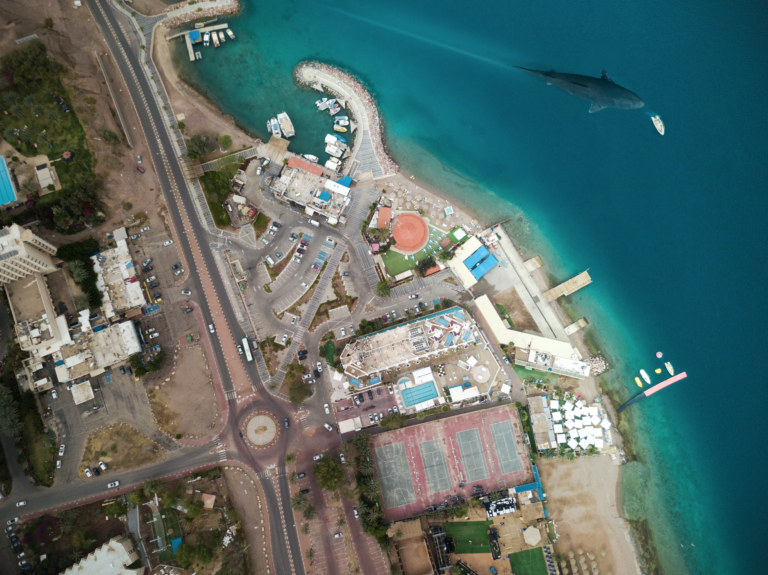
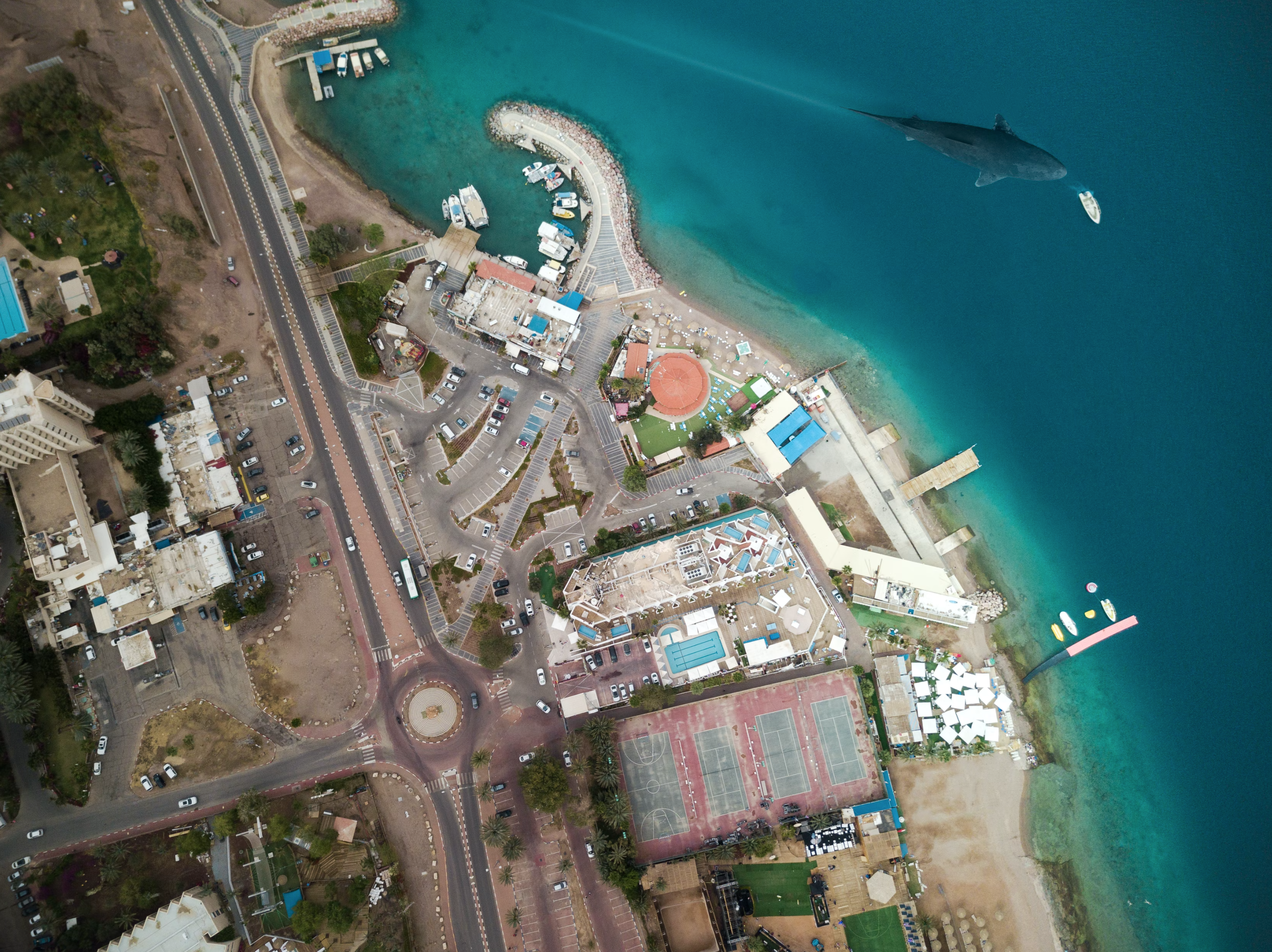
The problem of light pollution and animals was addressed in a Green Prophet article about why you should turn your garden lights out at night. And when it comes to marine health and animals that live in the sea, their needs are about the same. Some 250 scientists have recently signed a protest against lighting up beaches near the coral reefs at night. Israel’s most southern city of Eilat is attempting to light up the night around its Red Sea shores and scientists worried about the already devastated reef fear it will not come back to life.
NASA sees artificial lights at night, from high in the sky
The Tourism Ministry of Israel, reports Haaretz, is moving forward with plans for a new boardwalk for the beaches in the north of the city, including Coral Beach and Zin Beach.
The lighting plan includes light fixtures along the entire length of the boardwalk. But Eilat’s coral reef, which is right off the shore, is one of the world’s most northern coral reefs and its location as such gives it exceptional resistance to climate change.
Because of this scientists believe that it will become a haven for biodiversity when climate change wipes out reefs in more southerly locations.
Biodiversity and beautiful reefs also attract tourists, and since Eilat has a public relations problem with its brash character, and lack of charm (ugly and loud hotels, poor customer service, obnoxious nightlife) tourists tend to bypass it and head to Sinai, Egypt which offers simple, affordable access to natural beaches. I wouldn’t go to Eilat if someone paid me. In short, Eilat needs all the help it can get.
Reefs biology relies on the sun and the moon
The call to stop the lighting around reefs is not a new idea and it has scientific studies backing it. In 2020, Bar Ilan University in Israel reported in the journal Current Biology that the daily light-dark cycle arising from the earth’s rotation is centrally important to biology. Marine organisms, particularly coral reefs, rely on natural light cycles of sunlight and moonlight to regulate various physiological, biological and behavioral processes.
The researchers found that light pollution prevented the syncing of gamete release, when reefs reproduce: “The daily light-dark cycle arising from the earth’s rotation is centrally important to biology. Marine organisms, particularly coral reefs, rely on natural light cycles of sunlight and moonlight to regulate various physiological, biological and behavioral processes,” they wrote.
“Both key coral species were affected by ecological light pollution. They exhibited asynchrony in the reproductive state which was reflected in the number of oocytes per polyp, gametogenesis, and gamete maturation,” says the study’s lead author Prof. Oren Levy at Bar-Ilan University.
“This was further reflected at the population level where only corals exposed to natural light cycles succeeded in spawning synchronization. Light treatment with both cold and warm LED’s had a similar impact on the gametogenesis cycle,” added Levy.
To shed light on how relevant their findings are on a worldwide scale, the researchers created a first-of-its-kind global map that highlights areas most threatened by artificial light at night (ALAN) including the Caribbean Sea and the Pacific and Indian Oceans. One striking example is the Gulf of Aqaba/Eilat in the northern Red Sea, where considerable urban lighting is present close to shore. There the least affected area is 47% brighter than a natural night sky, and this rises to a maximum of 60 times brighter.
With the global transition towards LED lighting, which tends to have higher emissions in the blue spectrum, more near shore coral reefs could be affected by artificial light, as blue light penetrates deeper into the water. This spectral shift is expected to be amplified by the current rapid population growth in coastal regions.
Levy and team’s results demonstrate that artificial light must be considered in conservation plans for coral reefs near areas of human activity and their light pollution impact assessment can help incorporate an important variable in coral reef conservation planning. If blue LED lights shorten the life span of flies (in this Nature study) what are they doing to reefs, to us?
The Emperor’s new clothes
Red Sea Island Project by Foster & Partners. The most sustainable hotel is no hotel. Go to a hut in Sinai instead.
Israel is not alone in managing the Red Sea. There is Aqaba, adjacent to Eilat in the east and Saudi Arabia below Jordan. Jorda, as one of the world’s poorest countries, doesn’t have a current problem with excessive over-development so it should take its cues from Israel who are managing similar environmental problems.
Saudi Arabia is different because typically few people visit or inhabit its beaches. But the prince of Saudi Arabia wants to change that with a bombastic plan to build cities and islands in the Red Sea area. He wants the west to do in Saudi Arabia what he won’t let women in Saudi Arabia do: frolic freely on beaches, drink and have a good time. This is all done with counsel by so-called eco advisors from Europe who talk sweetly about renewable energy and water management while no one mentions the drastic state of the world’s environment and the prince’s grand vision.
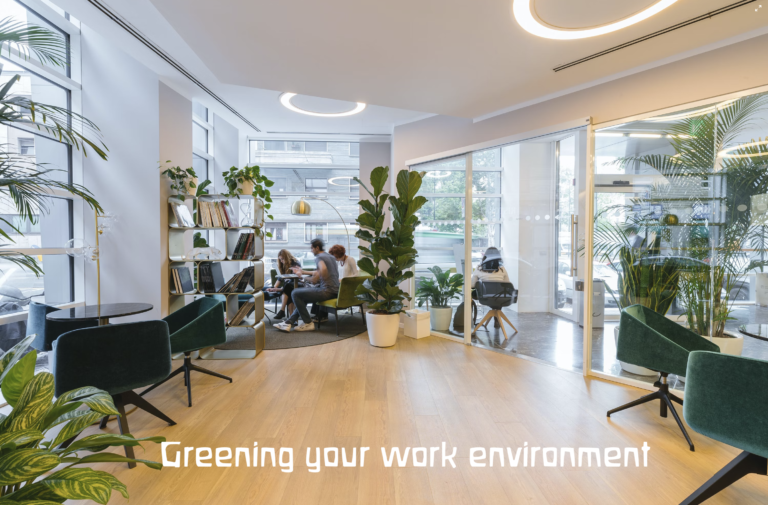
Going green is a path you can take to reduce air pollution and reduce your exposure to toxins. It’s something you can do to not only help the environment, but it offers benefits to your life as well. Choosing to be more environmentally friendly does not have to stop at home because it’s something you can implement at your place of business as well.
Switch to LED Lighting
If you don’t have natural light, you might need to switch to LED, though some complain that the flickering is disturbing.
LED lighting is a type of lighting you can use at home or in the workplace that uses less energy, which reduces energy costs. LED lights are considered energy-efficient and use approximately 75-percent less energy than an incandescent or CFL light would. LED lighting in the workplace can include:
Modular lighting
Parking garage lighting
Outdoor area lighting
Task lighting
Under-cabinet lighting
Recessed downlights
While the upfront costs of switching to LED lighting might be a bit higher than regular light sources, they generally last longer and will save you more money in the long run. The reason why LED lights are more effective at lighting and cost less is that they’re designed to not produce any unnecessary heat, so they don’t get as hot.
Clean The Water
A commercial reverse osmosis system is one method of cleaning the water in your commercial property.By having clean water for your employees, you encourage them to drink the water they have readily available to them instead of buying water bottles and contributing to waste. Tap water typically contains a lot of harmful chemicals, making it less desirable to drink. A reverse osmosis system gets rid of:
Sodium
Chloride
Copper
Lead
Chromium
Sulfate
Nitrate
Magnesium
The way that a reverse osmosis system works is that water flows backward through a more concentrated solution and filters out the impurities.
The plants that can clean your air
Adding plants to the workplace is an easy way to give back to the environment. Plants release oxygen into the atmosphere and they help clean up your air. Plants are also good for helping you focus and improving your well-being. Some plants you might want to consider adding to your business are:
Snake plant
Aloe vera
English ivy
Peace lily
Dracaena
Areca palm
Rubber plant
Philodendron
Spider plant
Plants not only look like they can help increase your productivity at work.
Eliminate Paper Waste
Many businesses produce a lot of paper waste, especially offices. One thing that can help you reduce the amount of paper waste is to think before you print. Think of why you need something printed and any alternative steps you can take to avoid printing a document. You can also take paperless notes instead of filling up notebooks. There are many programs you can utilize online such as Evernote and Microsoft Onenote.
It’s good to encourage employees to print on both sides of the paper if they absolutely must print something. Providing employees with dual monitors can also help eliminate the need for them to print out reference documents.
Encourage Recycling
Just like every business should provide trash cans to their employees, they should also provide numerous recycling bins throughout the building. You can make signs to hang up by the recycling bins that list the items that can be recycled to avoid any confusion. Many items that get tossed in the trash can be recycled instead. These items include:
Food boxes
Jugs
Glass bottles
Paper
Plastic bottles
Food cans
Cardboard
If your employees do not fall into the habit of utilizing the recycling bins, then you can send out reminders to help encourage them to do the right thing.
The environment should be protected and cherished. It’s where you live and it’s where you raise a family. You want to see the environment continue to be a safe place for many generations to come. It may feel like one person is not enough to make a difference, but one person can help cause a chain reaction and encourage more people to get on board.
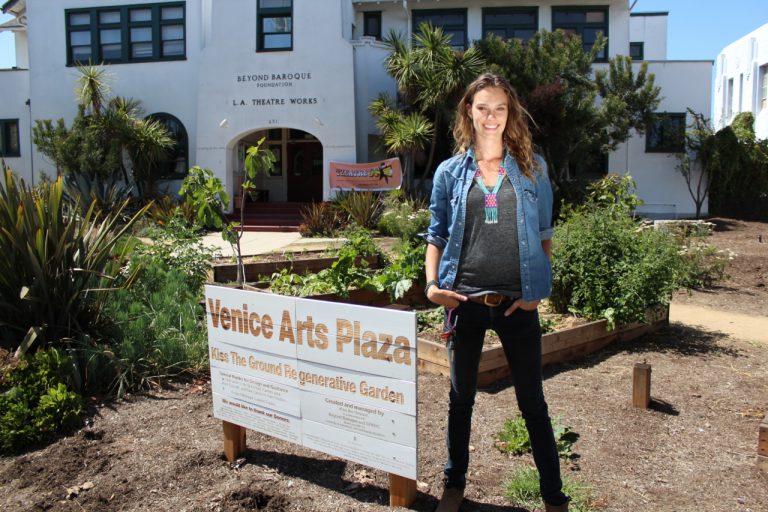
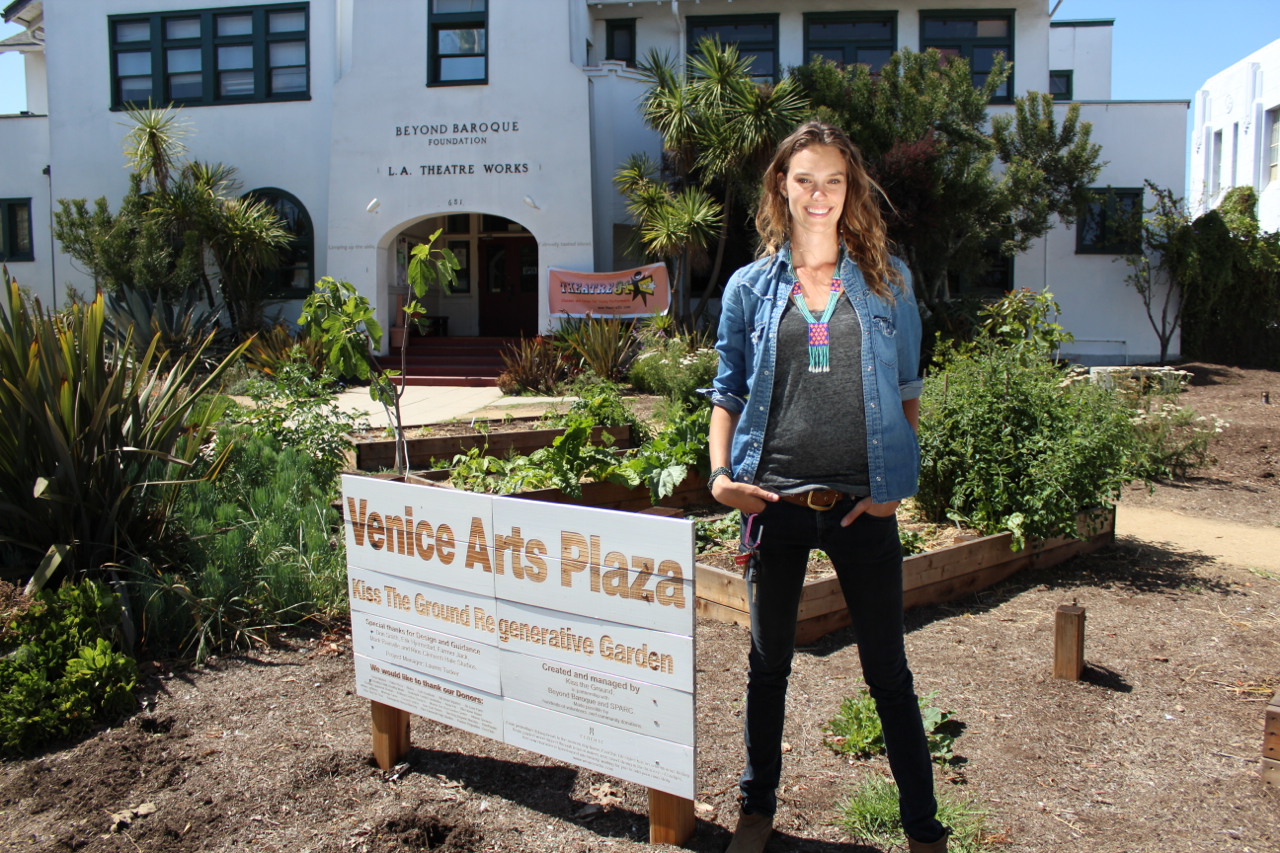
Kiss the Ground is a special eco-organization in Venice, LA that teaches urban farming and regenerative agriculture.
Los Angeles is the biggest city in California and the second-most populous city in the United States. Naturally, a city as diverse, dynamic, vast, mercurial, and frequently misunderstood as Los Angeles has many nicknames. It takes time to adjust to Los Angeles. For most individuals, it’s either love or hate. It can be not easy to know where to begin with all the glamor and splendor. Here are some of the most important things I learned from my trip to Los Angeles. This book will provide you with the necessary information to create the ideal Los Angeles itinerary.
Where to Stay in Los Angeles
With so many wonderful hotels in Los Angeles, it can be hard to choose. The Mediterranean climate of Southern California results in moderate winters, low humidity, and plenty of sunshine. Spring provides spectacular blossoms, fresh strawberry doughnuts, and sunny autumns lengthen the rosé and rooftop season. The expansive city is massive – it has a lot to offer, and there are virtually infinite places to stay. Where you visit will probably have a significant impact on your L.A. vacation.
Try an LA cafe for brunch
There are also a lot of Airbnbs and rental homes to choose from. The most significant suggestion is to choose the neighborhood where you ought to be or want to spend the most time to limit traveling and optimize vacationing and then select a lodging in that neighborhood.
If you plan on staying in Los Angeles for more than three or four days, we recommend staying in two or three different neighborhoods, and using a plan my route app to help you navigate the city efficiently. This way, you can make the most out of your time and see all the sights you want to see without getting lost or spending too much time in transit.
You may relax on the beach for a few days, get an adrenaline rush at the amusement parks for a few days, and then explore the city in Downtown L.A. or West Hollywood. With a slew of new lodging options, many of which are housed in ancient converted buildings, downtown is undoubtedly having a moment. Many of the hippest shops, such as Nomad and The Hoxton, are transplants from other trendy cities. The Ritz-Carlton is a high-end alternative. Award-winning restaurants, stadiums and stages, bars, and museums are all within walking distance in either case.
Try cycling by the sea in Santa Monica or Venice, LA
Santa Monica is the place to go if you want to be near the beach. It’s also on the west side of town, which means the reverse commute will make traveling around the city easier.
This coastal community is an attraction in and of itself, with a mix of celebrities, surfers, and hippies calling it home. While most visitors come to the beach, which is fantastic, there are many other things to do in the neighborhood.
New Things in LA for 2022
Since Los Angeles is such a big city, there will always be something fresh to do and see, be it a temporary exhibit at one of the city’s museums, a festival, a pop-up, or something completely different. The most significant development in Los Angeles is the construction boom. The Los Angeles skyline has already changed dramatically in recent years, with much more to come. This has resulted in a changing skyline, with the OUE Skyspace L.A. being the state’s tallest open-air observation facility. Public transit has also seen significant investment. Visitors to Los Angeles will essentially see this in construction on Metro lines and new stations during the next few years.
This is part of the Metro Vision 2028 Plan, which is a long-term development strategy for projects between now and the 2028 Olympic Games in Los Angeles. This includes a slew of infrastructural upgrades to give Angelenos and visitors more public transportation options, so they don’t have to rely on the freeway.
There are new museums in the future as well. On Miracle Mile, the long-awaited Academy Museum of Motion Pictures has finally opened. This $400 million renovation of a 1939 L.A. landmark has been in the works for a decade. The architecture is stunning, with a distinctive spherical structure and a 1,500-panel glass dome.
Although a road journey from other regions of California, Arizona, or Las Vegas is appealing, most guests arrive by plane, meaning your time in the Southland will likely begin and end at Los Angeles International Airport.
This glitzy glamor capital which is also the epicenter of the nation’s film and television industry inclusive of many electrifying attractions like Universal Studios Hollywood,Beverly Hills, Hollywood Walk of Fame and much more deserves your complete attention.
When you go deep into a desert, whether it’s Iran or Sinai, it has a similar effect of being in a forest. The stark nature of the planet holds you. Deserts may offer less distractions in your peripheral vision but the clouds and sand come to life as you feel yourself expanding within the expanse.
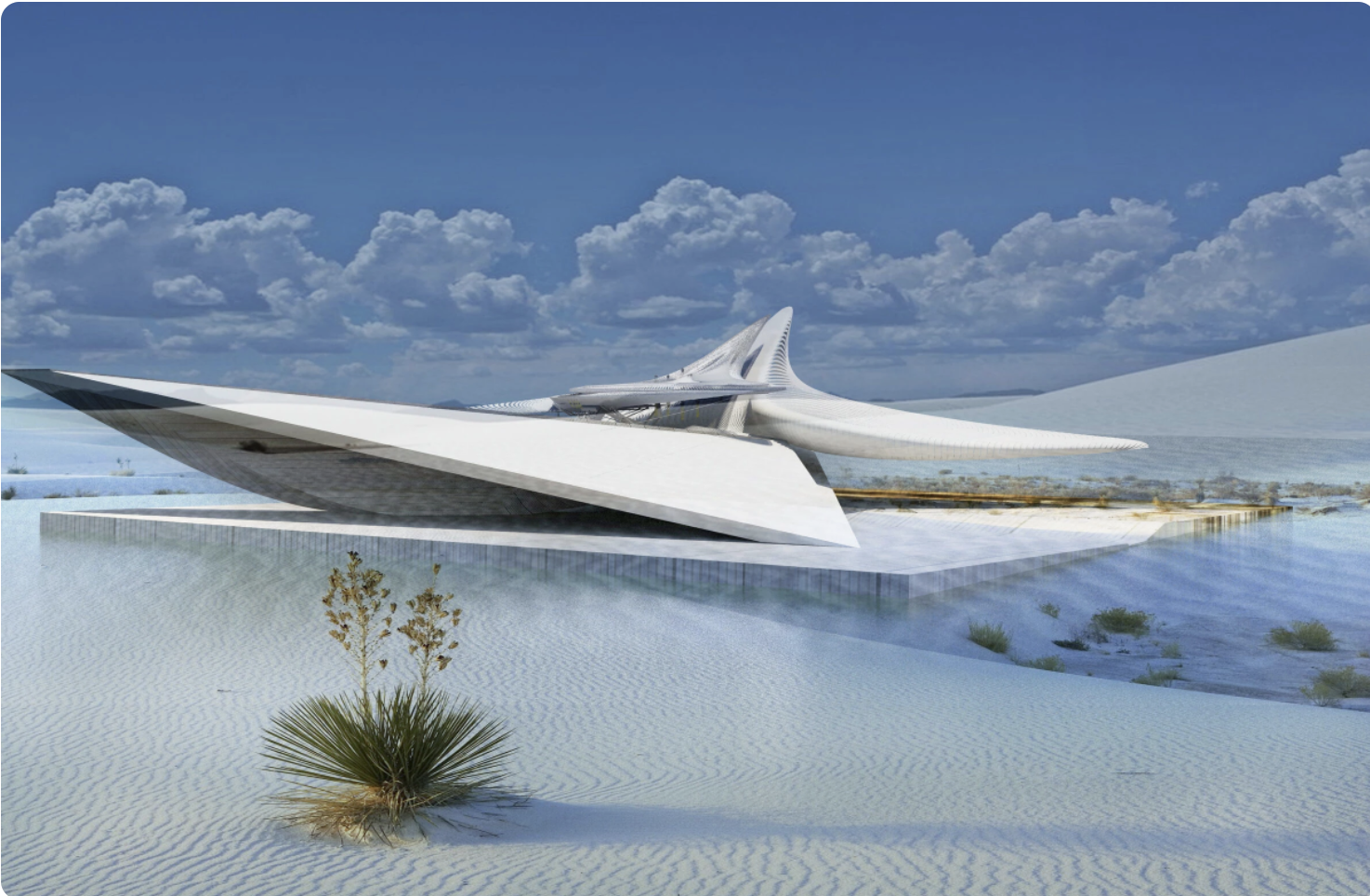
That perhaps was the mood for a new conceptual hotel in Iran designed by Margot Krasojević and uses ancient Iranian methods for desert survival using underground flowing water, called the qanat. In Arabic, this type of channel is more often called a kariz.
Long-ago tribesmen found underground springs in the foothills of the region of Iran and Oman, and engineered a technology that channels the water over the land, irrigating farms and oases and supplying households with water as needed. Although some say that qanat is a concept 3000 years old, others claim 5000 years. But they were definitely engineered before the Roman aqueducts were built.
The hotel in this dreamscape is located in Makran, a semi-desert coastal strip stretching from south-eastern Iran to Pakistan’s Baluchistan, and bordering the coasts of the Persian Gulf and the Sea of Oman.
Krasojević sees an eco-tourism resort that uses wind, heat, and aquifers to create a modern wind tower and qanat system: ancient air conditioning!
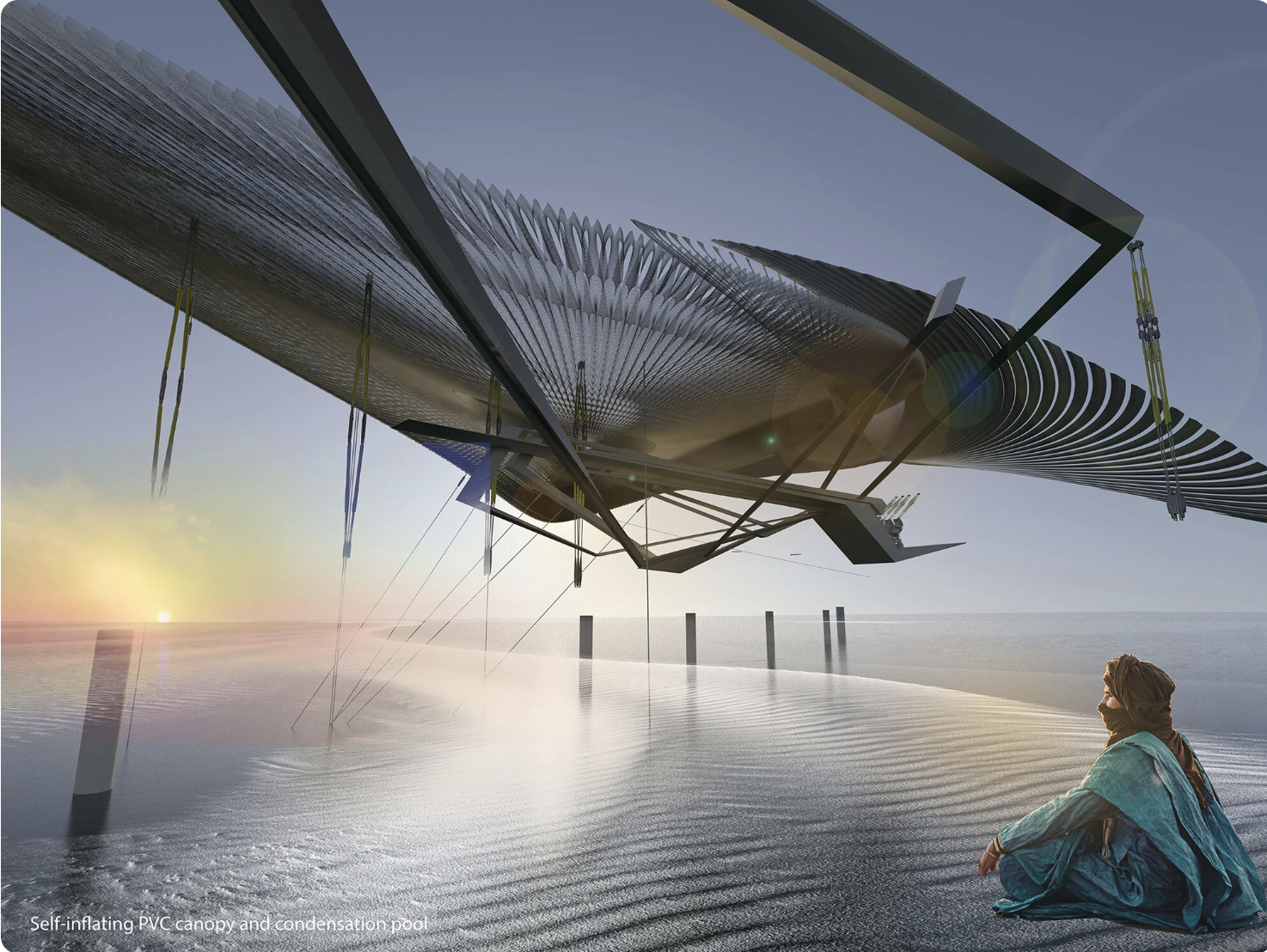
Windcatcher towers were designed for ventilation and evaporative cooling while the hotel provides much-needed shelter in a shapeshifting landscape where survival is not always an assumption. While qanats, vertical shafts and tunnels, ferry water to the ground service without the need for pumping. The hotel sits on an existing qanat, attempting to make it more efficien
A self inflating PVC canopy and condensation pool collects water from thin air.
The hotel, if it were built, would encourage a more even distribution of water further into the desert to water remote farms.
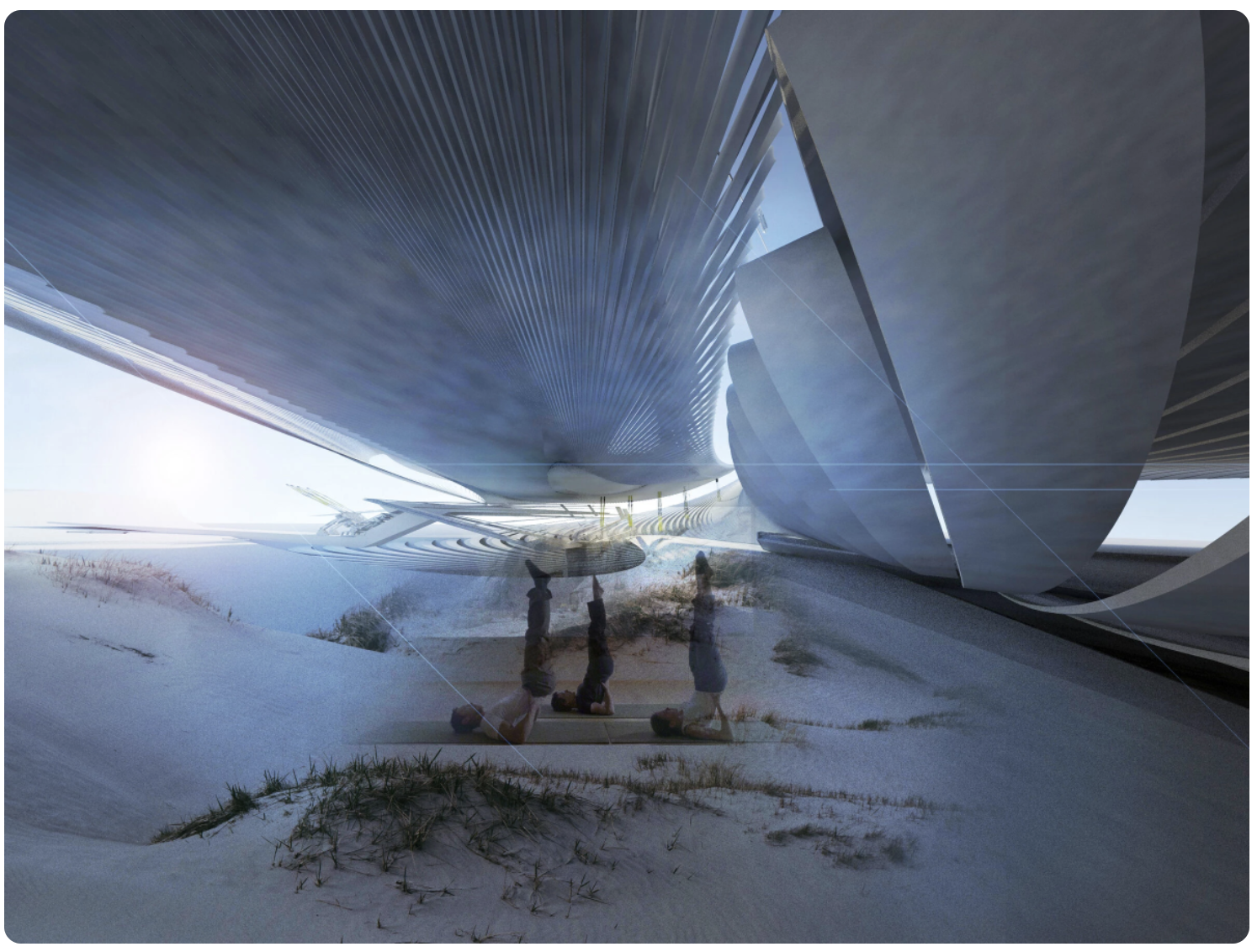
Since the underground can shield us from punishing heat, the hotel rooms are partially built under the earth and open to atriums from which natural light flows.
About Margot Krasojević Architects
Margot Krasojević completed her architectural education at the Architectural Association School of Architecture and University College London and worked with Zaha Hadid Architects as lead undergraduate and masters studio director for sustainable design programs, at UCL, University of Greenwich and University of Washington.
She has since opened a multidisciplinary architectural design studio focusing on integrating environmental issues, renewable energy and sustainability as part of the design process. She is currently working on projects in Asia, where she is integrating and harnessing renewable energy as part of a buildings service infrastructure.
More about Iran’s qanat
A qanat or kariz or foggaras, is a system for transporting water from an aquifer or water well to the surface, through an underground aqueduct. They are ancient structures in Iran like this one in Jupar.
Throughout the dry regions of Iran, farms and settlements are supported by the ancient qanat system of tapping water at the heads of valleys and then conducting the water along underground tunnels by gravity, often over many miles. The Romans had aqueducts, the Iranians qanat.
Well shafts are sunk at regular intervals along the route of the tunnel to enable removal of debris and allow ventilation. These appear as craters from above, following the line of the qanat from water source to agricultural settlement.
Video of how qanat work
https://www.youtube.com/watch?v=zockOFKKX2E
The water is transported along underground tunnels, so-called koshkan, by means of gravity due to the gentle slope of the tunnel to the exit (mazhar), from where it is distributed by channels to the agricultural land of the shareholders.
The levels, gradient and length of the qanat are calculated by traditional methods requiring the skills of experienced qanat workers and this wisdom has been handed down over centuries.
Many qanats have sub-branches and water access corridors for maintenance purposes, as well as dependant structures including rest areas for the qanat workers, public and private hamams, reservoirs and watermills. The traditional communal management system still in place allows equitable and sustainable water sharing and distribution.
Margot Krasojević’s eco hotel pays homage to the qanat and will teach visitors from around the world that low-tech may still be more inventive than the technology that runs on polluting oil.
We are looking forward to the Qanat hotel being built in Iran. No doubt Zaha Hadid‘s legacy lives on through Margot, and more female architects and their worldviews are needed in the Middle East where unliveable phallic towers are becoming the norm, even in more sensible cities like Tel Aviv.
Is the future electric? With cities choking for air, gas prices at an insane level and climate change on our minds, consumers are looking for more efficient and sustainable ways to get around. Electric cars may have reached the turning point in the last year where people no longer see it as the car of the future.
Automakers from Tesla to Rivian to Cadillac have invested in EVs and consumers still want them even though global market conditions and rising commodity costs for key materials in EV batteries have driven up the cost by as much as 20%.
A brave prototype from Mays Motors, the first electric car of the Middle East Starts production in 2023.
In 2017 Turkey’s President Erdoğan started the country’s first electric vehicle company. His government built a coalition and in 2019 a couple of concept cars were presented.
Americans were able to see the cars at CES in Las Vegas in January. As Shai Agassi from Israel learned when trying to start an all electric car company out of Israel 15 years ago, called Better Place, electric cars need to be reasonably priced and they need to be attractive. By the time his car was unveiled, along with Peugeot, neither the car nor the price point cut the mustard. There was no status in driving one and the masses couldn’t afford to anyway, and the almost billion dollars invested in the idea went down the drain. You can look through our archives to learn more about the business model and the eventual decline of Better Place.
Togg turned to car designer Murat Günak who designed the car to look like it’s a generic SUV you can find in Mazda, Volvo, VW or BMW. A safe place. Not what Tesla did. Is it a box or bubble? Read this NY Times article. We’d like to expect something more exciting from Turkey. Islamic design has always been a step above that of the west in my opinion. Next line, maybe be a bit more daring and not follow the pack?
The truth is that Turkey would love to be part of the EU and no matter what it does or doesn’t do, Europe is not ready to let Turkey play. Its role in the Middle East is no longer what it was to Europe, I assume, now that the UAE and Saudi Arabia enjoy oil wealth and have stepped into becoming modern nations. I guess to play it safe Turkey needs to follow, not lead in EVs.
A novel idea would be to employ the Syrian and Afghani refugees in the new Turkish EV plant but I assume Turkey nations would be vying for those jobs themselves. I am a daughter of a GM employee who worked in a Canadian plant all his life. I also worked for Chrysler on weekends when I was going to university. Car plants can pay well.
Car plants can also improve the welfare of communities if labor benefits and a good salary are paid to employees. If Turkey does this right that might be able to earn a much better standing in alliances with the west.
Togg – looks like a generic SUV from Volvo or BMW
In Turkey, car production will be supported by government incentives and they will be built on Turkish soil. A JV with a China EV battery company Farasis (in a JV called Siro) will keep the supply chain close to home, a worry in an unstable commodities market. Daimer and Mercedes also work with Farasis.
The Turkish government has also committed to buying 30,000 cars over the next 10 years. A VAT exemption, income tax withholding support for 10 year, qualified personnel support (up to $24M USD) are some of the other corporate incentives the government has agreed with.
I am looking forward to how this news rolls out. Togg could be the electric bridge we need between the east and west.
With the increase of jobs and lure to tech in the Bay Area, where to lay one’s hat is still a main problem in today’s housing crisis. Maybe you are a carefree environmentalist who can work at the office by day and rent a sleeping pod by night but if you are over the age of 27 living in teeny tiny houses and sharing “pods” and vans with friends, being green is probably no longer a fun experiment. Covid has taught us the importance of a stable home and WiFi, the need for a good kitchen and healthy food –– and also about community and space where we can wander or retreat with our bubble of friends or family.
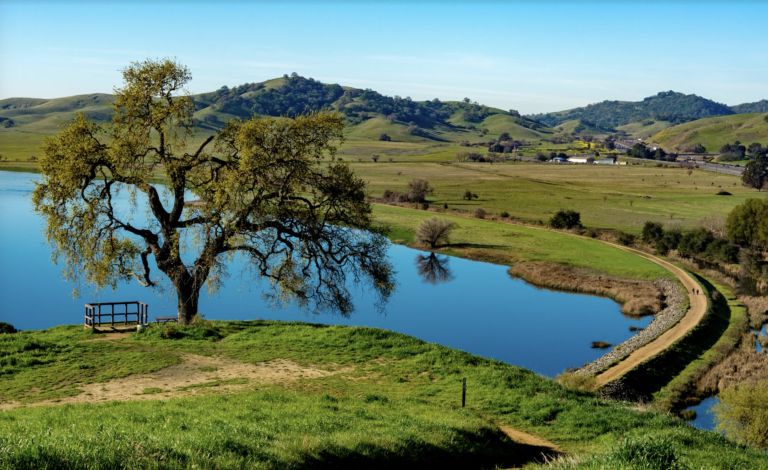
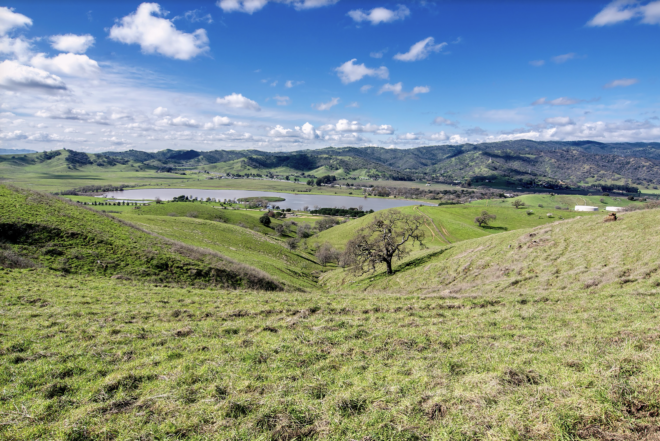
So what are the options for Bay dwellers? A new planned community called Lagoon Valley is being built between the Bay Area and Sacramento, and the project developers believe they are doing their part for planet earth. They are raising the green flag for all the people around the planet who may love Burning Man and glamping but ultimately want to settle into a place that helps define values and community and which may include aging parents.
Using green building codes that will go above Californian standards, Lagoon Valley says they will also protect, improve, and preserve more than 1,300 acres of land and resources. Eighty-five percent of the community’s specific plan is dedicated to open space and parks and recreation — creating an environment where wildlife and people can thrive.
With the Bay Area as the largest tech market in the United States, San Francisco has a cost-of-living index of 269.3, almost twice as high as Vacaville, California. Lagoon Valley, on the outskirts of Vacaville, which broke ground in June, anticipates its first residents will move in summer of 2023. It is just 53 miles from San Francisco and will provide fourteen neighborhoods with 1,015 homes varying in size and price ranges, including neighborhoods offering affordable housing, as well as age-qualified residences, and estate homes designed to encourage multi-generational living.
“We know that creating a conservation community is the right way. However, it is not the easy way, and Lagoon Valley has taken decades to plan,” says Curt Johansen, Development Director, Triad Lagoon Valley, LLC “Investing in the planet means living on it as lightly as possible. We’ve done that with this dynamic community.”
5 ways Lagoon Valley protects the earth and improves “human” well-being
Gardens in the center: The community’s organic, community-supported farming teaches children and adults to respect, protect, and care for the land in ways that inspire stewardship, social connection, and wellness, not to mention delicious dishes.
Wetlands preservation in situ: Communities that combine wetlands preservation and expansive wildlife habitat in their neighborhood planning create positive change. In addition to encouraging the ecological literacy of community residents, they help maintain a balanced ecosystem.
Solar Powered Homes: Solar energy, both active (for electricity) and passive (for winter heat retention and summer cooling), is no longer optional – it is essential to reduce our carbon footprint, reduce impacts to the biosphere, and mitigate climate change.
Car-optional community: like big cities where people can walk to work or walk to their local shops and community centers, Lagoon Valley is an intentional community that will make it easy for people to navigate and shop by foot or by bike.
Using reclaimed water: California’s drought problems are a liability if you are buying a home. Will you have water for the bath tomorrow? Lagoon homeowners have the option to reduce potable water consumption by up to 50% through reclamation of greywater built into their home.
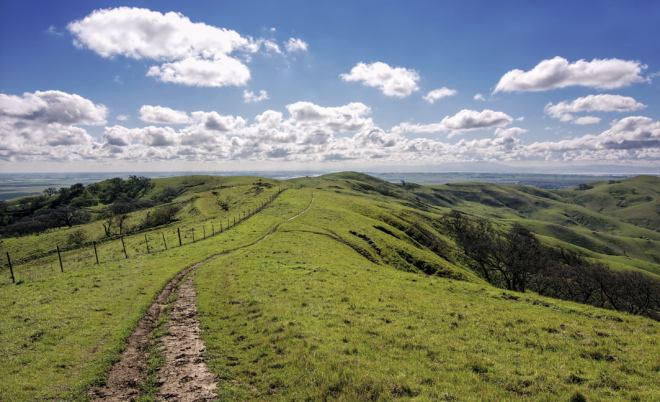
Some 72% of Lagoon Valley’s 2,400-acre specific plan is dedicated open space and 13% for parks and recreation. The neighborhoods are interconnected with trails that offer easy access to adjoining villages, the Town Center, the Community Farm, neighborhood parks, recreational facilities, an 18-hole golf course seeking Audubon certification, and a Community Event Center with a full complement of amenities. It will be the first conservation community of its kind in the San Francisco Bay Area.
A simple medicine to treat heartburn may be linked to cancer.
Zantac, a ranitidine drug, has amassed a lot of limelight because of all the wrong reasons. The troubles for its manufacturers began to exacerbate in late 2019 when several reports were linked to its probability of causing various types of cancer.
Since its release in the 1980s, Zantac has been consumed, marketed, and deemed safe in the medical fraternity. Many people who suffer from illnesses including indigestion, heartburn, GERD (gastroesophageal reflux), and others have been using the medicine for years or even decades to address their symptoms.
Zantac (ranitidine) falls under the histamine-2 blocker class of medicines. It helps reduce the quantity of acid produced by your gut. It has traditionally been used to treat and prevent gut and intestinal ulcers. It has also been used to treat Zollinger-Ellison syndrome, a disorder in which the stomach generates excessive amounts of acid.
This led to the FDA directing all the manufacturers of ranitidine to remove the drug from the market in the U.S. The primary reason for this is that the use of Zantac may raise your chances of cancer because of NDMA, as mentioned above.
The usage of Zantac regularly may lead to many types of cancer including liver cancer. The hypothesis is that the drug’s metabolized by the liver, which can result in the formation of NDMA.
This NDMA can subsequently be transported throughout the bloodstream. Since NDMA generation after intake of Zantac (ranitidine) can occur in multiple parts of the body, it may be linked to a variety of malignancies.
Not Found By FDA, But An Online Pharmacy
The issue with liver cancer and serious liver disorders induced by ranitidine did not come to the notice of the FDA or drug firms. Instead, it was Valisure, an online pharmacy, that did the government service of notifying the public of this significant situation.
Valisure’s approach is to purchase pharmaceutical items and test them independently. The company is dedicated to public safety, and it has discovered contamination in several well-known pharmaceuticals.
Ranitidine contains NDMA
Just when knowledge of the NDMA (N-Nitrosodimethylamine) contamination reached Valisure, the pharma makers, and the shops themselves did react fast. Pharmaceutical corporations that developed Zantac and cheap ranitidine, according to lawsuits, knew for a long time that their medications included a cancer-causing chemical.
Liver Cancer and Zantac
Liver cancer is defined as cancer that begins in the cells of your liver. The liver is a huge organ located in the upper right section of your belly, beneath the diaphragm and above the stomach.
Several malignancies can occur in the liver. Hepatocellular carcinoma is the most frequent type of liver cancer, and it starts in the primary type of liver cell known as hepatocyte. Hepatoblastoma & Intrahepatic cholangiocarcinoma are two less prevalent kinds of liver cancer. While in some cases, liver cancer is treatable, the fatality rate associated with the condition is alarmingly high.
At this time, there is no way of knowing how likely it is that you may get liver damage after taking Zantac. However, there is evidence that the NDMA in Zantac may raise the chance of developing liver problems.
People who have acquired the following cancers as a result of persistent and extended usage of Zantac or comparable ranitidine medicines may be eligible for compensation, in addition to liver cancer:
Bladder cancer is a type of cancer that affects the bladder
Cancer of the stomach
Cancer of the oesophagus and colon
Renal/kidney cancer
Leukemia
Multiple Myeloma
Lymphoma Non-Hodgkin’s
Pancreatic carcinoma is a type of cancer that affects the pancreas
Prostate cancer is a type of cancer that affects men
Cancer of the small intestine
Conclusion
Zantac is no longer available on the market due to various legal claims from cancer patients who were diagnosed as a result of its prolonged use. Just like many other cancer claims, the claims of Zantac causing Liver cancer are not yet fully proven. But there are reported instances where regular use of Zantac has resulted in liver problems. Science will know more in the years to come.
Summer staycations means saving money, keeping things simple and real. How about making your own sunscreen? It's healthier and toxin-free.
With summer on the horizon, some people are looking forward to booking vacations to take advantage of the warmer weather, and the time their kids have off from school. Unfortunately, not everyone can afford to go away to enjoy some fun in the sun, and the good news is — they don’t have to. Whether or not a family goes away for a week or two during the summer months, there is still the rest of the time to enjoy. The best thing is that none of them will break the bank, so you can have fun and drink in the summer weather while keeping your budget intact.
Hiking and Biking
Depending on the size, exploring a new park can be overwhelming, so it might be a good idea to bring a bike with you on the adventure. If you choose to hike, be sure to wear good hiking shoes and sunscreen. You want to tell someone where you’re going, your route, and when you expect to be back in contact. Taking this step can help keep you safe by giving you a point of contact to alert authorities if they suspect you’re in trouble.
Remember, anything can happen on a hike or bike ride because accidents aren’t planned. Even if you’re trained in CPR or have taken the ABEM practice test, that will do little good stuck in the wilderness. So, be sure to have an emergency plan while you bask in all that nature has to offer.
Picnics and Parks
Some would say the perfect way to enjoy the summer weather is to go outside and breathe it in. Taking that concept a bit further, how about packing a picnic lunch and heading to your local park. Better yet, still pack the picnic, complete with potato salad, cold fried chicken, and lemonade, and venture to a new park you’ve never explored before. If you happen to be visiting the US, hundreds of national parks all across the nation participate in fee-free days on certain calendar dates. The National Park Service holds the event every year, so check their site for changing dates. Check parks in your area of the world to see if they run similar programs, or just pick your favorite tried and true spot.
After your lunch, while still at the park, enjoy the greenery and flowers all around you as you explore nature. If available, print off or pull up a map of the park so you can plan your route and bring water for the whole family.
Your Backyard
Enjoying the summer sun doesn’t have to happen somewhere far away or even anyplace new. Sometimes the best place to have fun outside is your own backyard. Fire up the grill, invite friends and family, and play some music while you refresh with a cool glass of iced tea. You can even set up sprinklers for everyone to cool off or a slip and slide if you don’t have a pool to take a dip in. Try looking for foraged plants while you are at it.
Splash Around
One of the best things about summer is getting to splash around in the water. If you don’t have a pool in your backyard, maybe you could visit a local public pool or take a drive to the beach. Listening to the ocean water crash on the shore while sinking your toes in the sand or riding the waves is a classic summer treat. Depending on where you live, water is an essential part of any summer plan. Even if swimming isn’t your thing, there are sprinklers, water balloons, and water guns that can cool you and your guests off when things get too hot. There are rivers and raw water springs and everything you need the moment you look for it.
As you can see, there are many ways to take advantage of the summer months and make memories that will last a lifetime.
Alt Dairy, Alt Meat and Alt Fish are hot trends in the food tech industry. Plus they help farmers produce more protein. Vegans are pushing for the conversion to non-animal sources of milk, meat and fish, and the planet needs it badly too. Animal byproducts are causing climate change.
Maybe because Israel has the highest number of vegans in the world per capita or maybe because the Jewish Kosher food business has always pushed food additives from alternative non-pork or not-dairy sources to follow Jewish Dietary Laws, but Israel is seeing a disproportionately high number of Alt Meat and Alt Dairy companies ranging from cricket burgers to steak grown in a lab from real cow cells.
FoodTech startup Imagindairy, developer of animal-free milk proteins, or in simpler words – milk made in a lab – secured an additional $15M USD in its extended seed-round. The initial round in November 2021 brought in USD13M. This brings the total investment capital to USD28M, making it one of the highest-earning seed rounds in the alternative protein space.
The funding was led by Target Global and joined by the company’s existing investors Strauss Group (which just suffered, Emerald Technology Ventures, Green Circle Foodtech Ventures, Collaborative Fund, New Climate Ventures, and FoodSparks® by PeakBridge, demonstrating a robust commitment to the company’s future progress.
In its mission to provide consumers sustainable, better-for-you, guilt-free dairy solutions, the alt-protein innovators found a way to create animal-free milk proteins from microorganisms via proprietary precision-fermentation technology. The technology allows the production of a broad spectrum of dairy analogs, from raw milk to cheese, without involving animals.
Imagindairy’s dairy proteins are non-GMO, cholesterol-free, and possess the same flavor, texture, functionality, and nutritional value of their cow-based counterparts. Most importantly, they eliminate the burden that livestock imposes on the environment.
Imagindairy’s proprietary platform significantly amplifies protein expression, enabling exceptionally cost-effective production of animal-free milk proteins. This overcomes one of the biggest hurdles in alt-dairy protein production, allowing brands to sell analog dairy products at consumer-friendly prices—a major requirement for mass-market adoption.
The funds raised in this seed round will be used to accelerate the company’s R&D efforts to launch a range of real dairy products without using animals. It also will help attract additional talent to its expanding workforce. Imagindairy is currently in dialogue with major dairy food producers seeking to diversify their product portfolios.
Farmers growing feed for the animal industry? Don’t worry. You will be growing more protein if you switch to growing food for us humans to eat.
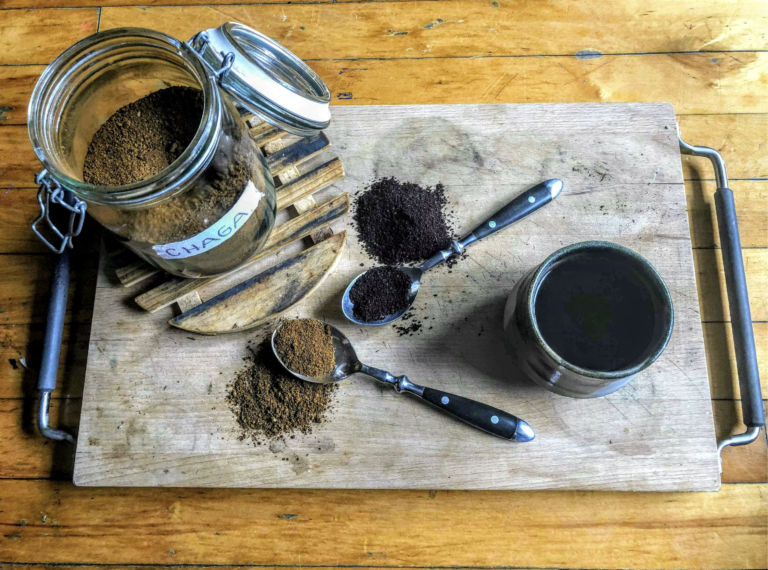
Ground chaga for tea is believed to be a natural protection against cancer. But what do you do when the C word happens to you? There are some natural and non-medical ways for treating your health and peace of mind.
Being diagnosed with cancer is one of the worst things anyone can ever wish for. You may feel frightened, terrified, or depressed after learning of your cancer diagnosis and worry about dealing with it in the coming days. But the good news is that you have options and people who can help you through it.
Before engaging in any self-care, you may need advice from a certified practitioner. For example, someone interested in esophageal cancer natural treatment options should talk to their doctor first before trying anything.
Find Out All You Need to Know About Your Cancer Diagnosis
To make decisions about your medical care, try to get as much helpful information about your cancer diagnosis as possible. This includes information about your cancer type, risk factors, treatment options, and prognosis. The best way to get this is from your doctor. You can either do it (in person or via Skype if needed), who will know all there is to know about your case. So speak to your doctor and try to gather as much information as possible to make informed decisions about treatment.
Stay in Touch with Your Social Circle
Cancer can be a lonely period in your life. When you are experiencing a cancer diagnosis, you have to deal with the physical pain and mental stress of having cancer, but you also have to cope with the possible isolation it can bring. When friends and family may not know what to say, you must stay in touch with your social circle and let them know how they can help you through this difficult time.
Educate Yourself
It is crucial to learn about your specific type of cancer and the best and most innovative cancer treatments available. You can best do this by reading, talking, and asking questions of professionals who offer treatments.
Make Your Own Treatment Decisions
You are the most critical factor in your cancer battle, so do not be afraid to make your own decisions about it. You know what is best for your body and what works for you. Base your decision on the information given to you by your doctor, but ultimately, rely on yourself to decide what cures can work best for you with the help of a medical professional who does not try to push any particular treatment plans onto you.
Be Optimistic and Use Humor
Cancer can be scary, especially when you are going through a particular treatment for it. But, try to stay positive and use your sense of humor when you can to make your cancer journey as easy as possible.
Try Not to Get Overwhelmed by The Physical Pain
Cancer causes severe physical pain, so try not to let it overwhelm you with fear or depression and think it will never disappear. Cancer is a disease and must be treated like one, but there are ways to help ease stress and make treatment easier for you.
Get A First-Hand Look at The End of Treatment
If you are going through therapy or treatment, you should try to get a first-hand look at the end of it all. For example, in many cases, chemotherapy patients may prefer to have the time to finish their treatment before the chemo ends to start their recovery from it as soon as possible. If you are going through therapy or treatment for cancer, try to be patient and wait until your doctor deems that you can handle it all before the end of your treatment.
Try Mindfulness
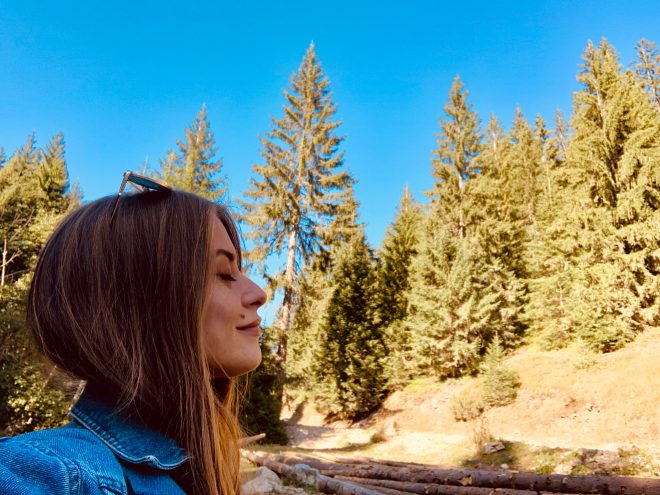
Forest bathing is a kind of therapy called for in some cultures like Japan.
Mindfulness is a great way to cope with cancer and its treatments. By being mindful, you will be able to rethink your psychological condition, find your inner strength, and connect on a personal, more profound level with yourself, helping you through the whole treatment process. Mindfulness can be powerful for cancer survivors, especially when coupled with self-compassion.
Find Ways to Stay Productive Despite Illness
Cancer can be devastating if it prevents an individual from being happy and productive. However, during treatment periods and beyond, an individual can stay productive and reach out to others in a way they once could not have before they were diagnosed with cancer.
Conclusion
Do not despair when you are diagnosed with cancer. When you follow the proper steps daily, you will become the victor. The path to your recovery is as critical as the treatment itself.
The road ahead will make you stronger, so do not give up. It’s essential that you know what to expect, have read up about it, understand your diagnosis, and have the know-how to prioritize the next steps in your cancer journey. Fighting it comes from inside you—finding wisdom and strength from within—so be confident in yourself and go for it!
Emirates might be the world’s sexiest airline (though we don’t suggest joining the Mile High club on a journey to Dubai) but Saudia but be the most eco-sexiest so far. The airline we have never heard of, the national flag carrier of the Kingdom of Saudi Arabia, has operated the world’s longest net positive flight in May this year.
On its maiden net-positive voyage in from Jeddah to Madrid, Saudia claims it offset a total of 346 tonnes of carbon emissions for commercial passenger flight SV227, making the flight flight net-positive. This means that the passengers of this flight help offset more greenhouse gases than their travel created.
Operating with a Boeing 787-9 Dreamliner, the flight time was 5 hours and 55 minutes. It departed from King Abdulaziz International airport in Saudi Arabia at 1030 hrs and arrived at Adolfo Suárez Madrid–Barajas airport at 1535 local time.
The most “eco” way to fly is not flying at all, and the next step is creating greener fuels, more direct flights, but we should still praise airlines looking to go the extra mile despite so many challenges Covid has thrown at the airline industry.
How do you make a flight next positive?
The most creative way would be an airplane that sucks greenhouse gases from the atmosphere as it flies. As that’s not a realistic solution, Saudi turned to CarbonClick and aviation consultancy SimpliFlying.
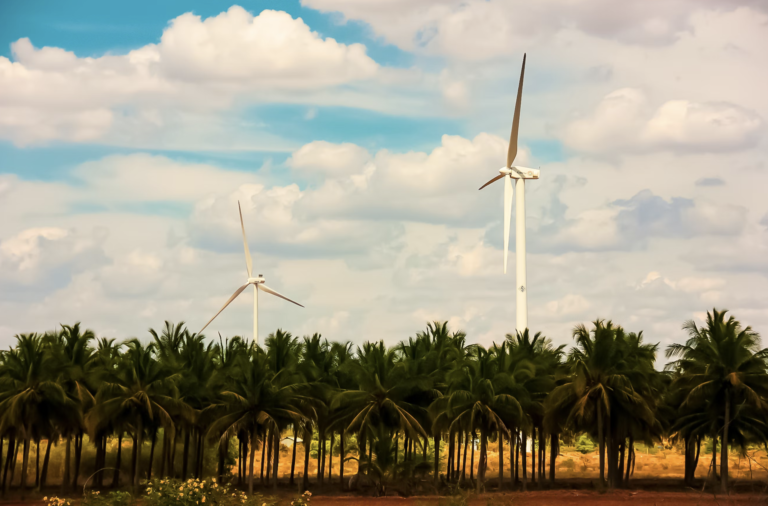
CarbonClick will use proceeds from the flight to generate clean wind electricity for communities in India. From the offsets bought, wind turbines can be powered for 26 days, generating clean energy for the local population.
The project is building wind power in India, displacing an equivalent amount of carbon-intense electricity which would otherwise rely on dirty fossil fuels for cooking, like coal. The contribution by Saudi to this project will supply clean energy to the grid, providing sustainable electricity to families living in Bhuj, in the western Indian state of Gujarat.
CarbonClick has also provided a landing page for guests on all Saudi flights allowing them to voluntarily offset the carbon emission of their travel. Guests who visit this page will be able to calculate the CO2 impact of their flight and make a contribution towards climate-friendly travel, receiving a verified receipt to fully-traceable carbon offsets.
But we can’t discount the efforts: This flight is SAUDIA’s entry into The Sustainable Flight Challenge, an initiative by SkyTeam, one of the world’s three major airline alliances. All SkyTeam airlines are being challenged to go above and beyond by finding the most sustainable way to operate one single flight in their existing networks.
SkyTeam is one of the world’s three major airline alliances. Founded in June 2000, SkyTeam was the last of the three alliances to be formed, the first two being Star Alliance and Oneworld, respectively. Its annual passenger count is 630 million, the second largest of the three major alliances.
The 20 airlines that are members of SkyTeam include Aeroflot, KLM, Korean Air, Vietnam Airlines, and XiamenAir.
Carbon demands now from the millennial generation make it complicated for any business to face a world where they can do better. But in Saudi Arabia’s case future flights may end in the use of novel clean technolgies such as cleanly-produced hydrogen fuel.
Let me explain: Despite Saudi Arabia’s often misinterpreted ideas of how modernity and sustainability should go together (see Neom on the Red Sea) which is paid for by big oil money thanks to Saudi Aramco (the wealthiest company in the world); and Saudi’s undiplomatic response to journalists they don’t like; and the lavish spending habits of its ruling family and Prince, Saudi Arabia is also taking on risks where other companies and countries wouldn’t dare. Its investment into solar desalination early on, and commitment to unproven hydrogen fuel are just a couple of many examples.
“The Kingdom’s Vision 2030 will see 100 million visits to Saudi Arabia by the end of the decade,” said Saudi CEO Ibrahim Koshy. “A cornerstone of that vision is for the Kingdom to be a leader in sustainable and even regenerative tourism.
Regenerative is usually applied to agriculture, an approach that includes permaculture, animal systems and human needs into the picture. Since women in Saudi Arabia are not yet to travel aboard without a man’s permission we leave the level of Saudi’s “regenerative tourism” concept to your imagination. Saudi Arabia does have an ambitious plan to plant a million mangroves. (See: In Saudi, it looks like behind every thriving mangrove, there’s a strong woman.)
Saudi Arabian mangrove forests can help mitigate climate change
The flight will also see the world’s first in-flight sustainability lab, where passengers contribute ideas on how air travel can become ‘greener’, led by SimpliFlying.
“Aviation is a difficult sector to decarbonize. New, more sustainable technologies are emerging, but those advances can be easily outpaced by industry growth,” says Michelle Noordermeer, Chief Operating Officer at CarbonClick. “SAUDIA is setting a huge example by showing what can be done now, carbon offsetting, and using quality carbon credits as a powerful way to remove carbon and neutralize the impacts of radiative forcing.”
Saudi-owned and world’s largest oil company invests in food
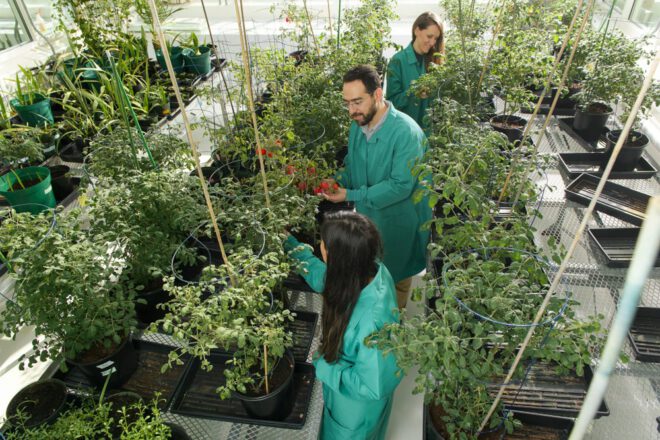
Saudi Aramco is investing in what many people hail as food for the future: hydroponics. Hydroponics means growing food crops like lettuce and fresh herbs (it started with cannabis in Canada) using a water based medium and added nutrients to a closed loop system based on plastic pipes. Hydroponics works well for growing cannabis where the cost of the product is high, but its application for food at items such as lettuce and fresh herbs is still being challenged as a viable business model.
Investors with money to spare are trying on hydroponics: Saudi Aramco has led a $18.5 million USD investment round with the The Savola Group to grow soilless agriculture at the Red Sea Farms in Saudi Arabia.
Saudi Aramco, officially the Saudi Arabian Oil Company, is a Saudi Arabian public petroleum and natural gas company based in Dhahran. As of 2020, it is one of the largest companies in the world by revenue. It is 95% owned by the Saudi government ruled by the Saud family.
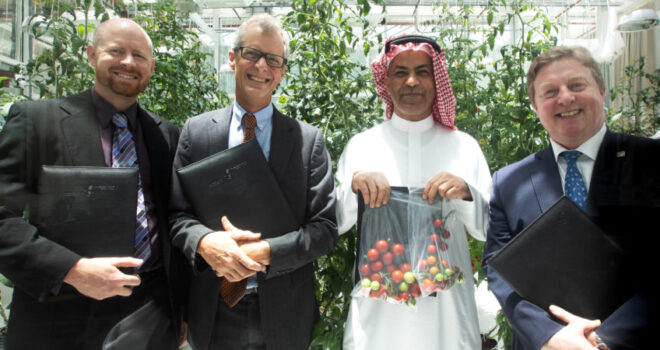
The Red Sea Farms is a jointly-owned Saudi Arabian and United Arab Emirates agtech business that uses less freshwater than traditional agriculture through hydroponics, an approach to farming that requires, still, a heavy dependence on synthetic fertilizers to work.
Red Sea Farms is building an indoor farm to sustainably feed guests at The Red Sea Project and be a main supplier to the luxury destination’s resort; it has partnered with Silal in the UAE to deploy new technologies for sustainable desert farming.
In January 2022, Red Sea Farms expanded into the USA and recently completed a new commercial-scale 6-hectare technology retrofit site near Riyadh, KSA and an R&D facility at the King Abdullah University of Science and Technology in Thuwal, KSA – where technologies are delivering results ahead of expectations.
What is the Red Sea Project?
The Red Sea Project is the world’s most ambitious tourism project, offering an exclusive experience of unparalleled diversity for discerning global travellers. The site encompasses an archipelago of more than 90 pristine islands, miles of sweeping desert and dramatic mountain landscapes.
Red Sea Farms, which will supply food the Red Sea Project, has raised a total of USD $36.5 million to date.
I was at a luxury, sustainable resort in Thailand called Keemala that offered hydroponics food to their guests. A peek under the hood in the backyard and I could see the hydroponics were hardly in operation. Good in theory, in practice, very difficult to do without the right oversight.
For the Red Sea Farms, the recent fund raise was co-led by Wa’ed – the venture capital arm of Saudi Aramco and The Savola Group – the leading strategic investment holding group in MENA food and retail, through their corporate venture capital program. KAUST Innovation Fund, one of Red Sea Farms’ original investors, is also participating, along with OlsonUbben LLC, an investment entity owned by Tony Olson and Jeffrey Ubben. Tony Olson is the CEO of SPINS, a leading wellness-focused data company and advocate for the Natural Product Industry, and Jeffrey Ubben is the Founder and Managing Partner at Inclusive Capital Partners and a pioneer in impact investing.
Proceeds will support Red Sea Farms’ global and regional expansion plans – including expansion of the fresh produce business in the GCC. Global expansion is focused on technology development, and productization – with first generation product sales expected by Q4 2022.
Solar technology advancements have influenced daily life and industry operations over the years. One such advancement involves hybridisation.
Hybrid solar systems are similar to grid-tier solar systems, but they differ in that they store energy using hybrid batteries and inverters. Most hybrid systems can also function as backup power source if a blackout occurs, similar to an uninterruptible power supply (UPS) system.
If you’re unfamiliar with solar technology, including inverters, you may find it difficult to understand them. If you want to learn how hybrid inverters work, you might want to click here to ensure a good start. Although there are a variety of inverters available, hybrid solar inverters are a good option.
How A Hybrid Solar Inverter Works
In general, an inverter is a component of a solar power system that transforms the direct current (DC) originating from the solar panels into alternating current (AC) for usage in homes and businesses.
A typical inverter with solar panels requires an additional inverter to convert AC to DC. A solar panel system with a hybrid converter no longer needs a separate battery inverter. It can work as an inverter that converts energy from the solar panels into electricity while also acting as a battery. Although hybrid inverters are specially structured to integrate storage, a professional can install one without batteries. Some people prefer to install a hybrid inverter ahead of time in case they’ll be adding batteries to their system later on.
What Are The Types Of Hybrid Systems?
There are four major types of hybrid systems, which include:
Basic hybrid inverter
Multi-mode hybrid inverter
Advanced AC-coupled systems
All-in-one battery energy storage systems
In most circumstances, an energy-efficient hybrid solar design with smart controls that identify the most efficient use of available energy is considered an energy-efficient hybrid solar system.
With all these pieces of information, you now have to look at the pros and cons to help you decide about hybrid solar inverters.
The Pros of Hybrid
Ongoing Power Supply
A hybrid solar energy system with storage batteries connected to the inverter can deliver a continuous power supply. If a power shortage unexpectedly happens, the batteries will act as an inverter and provide backup power.
Many believe that if they install a solar system, they’ll never run out of power if a power outage occurs. However, this isn’t true in most cases because traditional grid-tied solar inverters cut off power production from your solar panel system during power outages for safety reasons.
One way to ensure you have backup solar power during a grid outage is by pairing a hybrid inverter with batteries. Some of the hybrid models can work both on-grid and off-grid. It’s an advantage as it provides solar power for your home or establishment, even if the power is cut off.
Use Of Natural Resources To Their Full Potential
Because a battery system is connected to a hybrid system, the sun’s rays are fully utilised on bright sunny days. Generally, the system allows optimal usage of solar energy by storing it during sunny days and utilising the stored power during gloomy or overcast days.
Coordinated Monitoring
When you have a hybrid solar inverter, all the electricity you’ll use for your home, sent to the grid or stored in the battery, undergoes conversion through a single component. The process allows centralised monitoring in which you can monitor both the solar panel system and battery performance on a single platform.
The Cons of Hybrid
Supplemental Add-ons Or Modifications For An Existing Solar Panel Systems
If you currently have a solar panel system and plan to incorporate a battery, an AC-coupled battery with an inverter is an option. A hybrid scheme will entail extra labour and cost because your solar panel system currently has a grid-tied inverter.
Costly Installation
The addition of a hybrid inverter plus batteries to your current system is likely to fetch a higher price than installing a grid-tied solution.
If you have regular power outages or want to use a battery for savings on your utility bill, the extra expense may be a beneficial investment. The conventional grid-tied solar system may be an affordable choice if your power grid is reliable in your area and your utility company offers a favourable net metering incentive.
Short Battery Life
Most battery models have a lifespan of seven to fifteen years. This means you have to get batteries now and then or keep one in stock for when the battery in use comes to the end of its term in the midst of a blackout.
Final Thoughts
A hybrid solar inverter might be the ideal choice for those who want to use a renewable energy source to help the environment. Although a hybrid solar inverter seems promising, knowing about the advantages and disadvantages is crucial so that you can decide if investing in one is right for you.







 Sour green plums the size of large marbles are in the local Middle East markets now, a seasonal favorite of the












 A self inflating PVC canopy and condensation pool collects water from thin air.