Yalla Parkour, directed by Areeb Zuaiter, captures this culture from within. The film follows Zuaiter’s long relationship with Ahmed Matar, a parkour athlete in Gaza, as she reflects on loss, memory, and belonging after the death of her mother. What begins as a personal search gradually opens into a portrait of how movement shapes young lives under constraint.
Al-Rumaydh describes the Sidr less as a single organism and more as a working ecological unit. Its deep roots reach down toward groundwater, while lateral roots spread wide to catch surface moisture. Its dense canopy slows wind instead of blocking it abruptly, reducing erosion.
The supply chain includes chemical and materials heavyweights such as Mitsubishi Corporation, Neste Corporation, Toray Industries, Mitsui Chemicals, Idemitsu Kosan, ENEOS, Hanwha Impact, Formosa Chemicals & Fibre, and SK Geo Centric, among others.
Yalla Parkour, directed by Areeb Zuaiter, captures this culture from within. The film follows Zuaiter’s long relationship with Ahmed Matar, a parkour athlete in Gaza, as she reflects on loss, memory, and belonging after the death of her mother. What begins as a personal search gradually opens into a portrait of how movement shapes young lives under constraint.
Al-Rumaydh describes the Sidr less as a single organism and more as a working ecological unit. Its deep roots reach down toward groundwater, while lateral roots spread wide to catch surface moisture. Its dense canopy slows wind instead of blocking it abruptly, reducing erosion.
The supply chain includes chemical and materials heavyweights such as Mitsubishi Corporation, Neste Corporation, Toray Industries, Mitsui Chemicals, Idemitsu Kosan, ENEOS, Hanwha Impact, Formosa Chemicals & Fibre, and SK Geo Centric, among others.
Yalla Parkour, directed by Areeb Zuaiter, captures this culture from within. The film follows Zuaiter’s long relationship with Ahmed Matar, a parkour athlete in Gaza, as she reflects on loss, memory, and belonging after the death of her mother. What begins as a personal search gradually opens into a portrait of how movement shapes young lives under constraint.
Al-Rumaydh describes the Sidr less as a single organism and more as a working ecological unit. Its deep roots reach down toward groundwater, while lateral roots spread wide to catch surface moisture. Its dense canopy slows wind instead of blocking it abruptly, reducing erosion.
The supply chain includes chemical and materials heavyweights such as Mitsubishi Corporation, Neste Corporation, Toray Industries, Mitsui Chemicals, Idemitsu Kosan, ENEOS, Hanwha Impact, Formosa Chemicals & Fibre, and SK Geo Centric, among others.
Yalla Parkour, directed by Areeb Zuaiter, captures this culture from within. The film follows Zuaiter’s long relationship with Ahmed Matar, a parkour athlete in Gaza, as she reflects on loss, memory, and belonging after the death of her mother. What begins as a personal search gradually opens into a portrait of how movement shapes young lives under constraint.
Al-Rumaydh describes the Sidr less as a single organism and more as a working ecological unit. Its deep roots reach down toward groundwater, while lateral roots spread wide to catch surface moisture. Its dense canopy slows wind instead of blocking it abruptly, reducing erosion.
The supply chain includes chemical and materials heavyweights such as Mitsubishi Corporation, Neste Corporation, Toray Industries, Mitsui Chemicals, Idemitsu Kosan, ENEOS, Hanwha Impact, Formosa Chemicals & Fibre, and SK Geo Centric, among others.
Yalla Parkour, directed by Areeb Zuaiter, captures this culture from within. The film follows Zuaiter’s long relationship with Ahmed Matar, a parkour athlete in Gaza, as she reflects on loss, memory, and belonging after the death of her mother. What begins as a personal search gradually opens into a portrait of how movement shapes young lives under constraint.
Al-Rumaydh describes the Sidr less as a single organism and more as a working ecological unit. Its deep roots reach down toward groundwater, while lateral roots spread wide to catch surface moisture. Its dense canopy slows wind instead of blocking it abruptly, reducing erosion.
The supply chain includes chemical and materials heavyweights such as Mitsubishi Corporation, Neste Corporation, Toray Industries, Mitsui Chemicals, Idemitsu Kosan, ENEOS, Hanwha Impact, Formosa Chemicals & Fibre, and SK Geo Centric, among others.
Yalla Parkour, directed by Areeb Zuaiter, captures this culture from within. The film follows Zuaiter’s long relationship with Ahmed Matar, a parkour athlete in Gaza, as she reflects on loss, memory, and belonging after the death of her mother. What begins as a personal search gradually opens into a portrait of how movement shapes young lives under constraint.
Al-Rumaydh describes the Sidr less as a single organism and more as a working ecological unit. Its deep roots reach down toward groundwater, while lateral roots spread wide to catch surface moisture. Its dense canopy slows wind instead of blocking it abruptly, reducing erosion.
The supply chain includes chemical and materials heavyweights such as Mitsubishi Corporation, Neste Corporation, Toray Industries, Mitsui Chemicals, Idemitsu Kosan, ENEOS, Hanwha Impact, Formosa Chemicals & Fibre, and SK Geo Centric, among others.
Yalla Parkour, directed by Areeb Zuaiter, captures this culture from within. The film follows Zuaiter’s long relationship with Ahmed Matar, a parkour athlete in Gaza, as she reflects on loss, memory, and belonging after the death of her mother. What begins as a personal search gradually opens into a portrait of how movement shapes young lives under constraint.
Al-Rumaydh describes the Sidr less as a single organism and more as a working ecological unit. Its deep roots reach down toward groundwater, while lateral roots spread wide to catch surface moisture. Its dense canopy slows wind instead of blocking it abruptly, reducing erosion.
The supply chain includes chemical and materials heavyweights such as Mitsubishi Corporation, Neste Corporation, Toray Industries, Mitsui Chemicals, Idemitsu Kosan, ENEOS, Hanwha Impact, Formosa Chemicals & Fibre, and SK Geo Centric, among others.
Yalla Parkour, directed by Areeb Zuaiter, captures this culture from within. The film follows Zuaiter’s long relationship with Ahmed Matar, a parkour athlete in Gaza, as she reflects on loss, memory, and belonging after the death of her mother. What begins as a personal search gradually opens into a portrait of how movement shapes young lives under constraint.
Al-Rumaydh describes the Sidr less as a single organism and more as a working ecological unit. Its deep roots reach down toward groundwater, while lateral roots spread wide to catch surface moisture. Its dense canopy slows wind instead of blocking it abruptly, reducing erosion.
The supply chain includes chemical and materials heavyweights such as Mitsubishi Corporation, Neste Corporation, Toray Industries, Mitsui Chemicals, Idemitsu Kosan, ENEOS, Hanwha Impact, Formosa Chemicals & Fibre, and SK Geo Centric, among others.
Baharat is an essential blend you can make at home. It’s like a Middle Eastern answer to curry. But distinct.
I live in the Middle East. Whenever my mom comes to visit she freaks out over the new flavors. Middle East cuisine has its own distinct curries and flavors for vegetables, fish and meat. There aren’t thousands of varieties, but like Indian cuisine the flavor of a good spice blend depends on its source, blend and freshness.
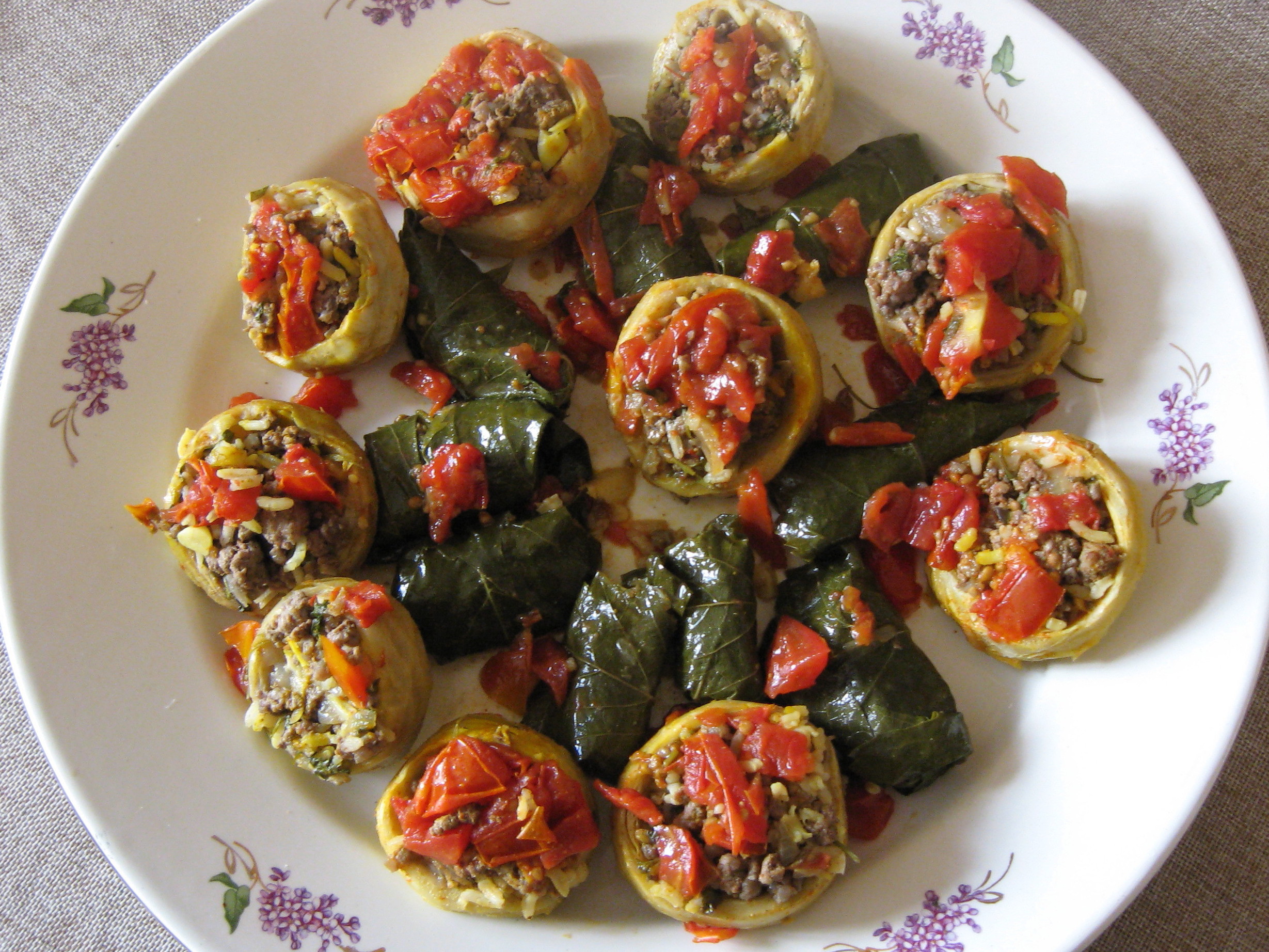
Baharat is a new spice trend in the western world but its an old Arabian favorite. It’s essential if you want to make makluba or mafroum. If you haven’t tasted either of these dishes you haven’t lived.
Bahārāt (Arabic: بهارات) is just an Arabic word for spices and it’s usually used to season lamb, fish, chicken, beef, and soups. It can also be used as a condiment. I’ve been taught by my Arab-Israeli friends how to use it on chicken (season it very, very lightly – sprinkled on top before the oven), and it’s also essential in the Palestinian favorite maklooba (see recipe here). But if you are vegan you can sprinkle it on tofu or seitan. Why not?
Since I live in Jaffa, close to amazing spice shops, I just buy my own baharat.
If you don’t live near an Arabian market that will blend its own fresh spices, make your own. Because old spice mixes don’t work well for any kind of food. When it comes to spices, fresh is best.
Maqlub is a traditional Palestinian, one-pot meal that feeds dozens.
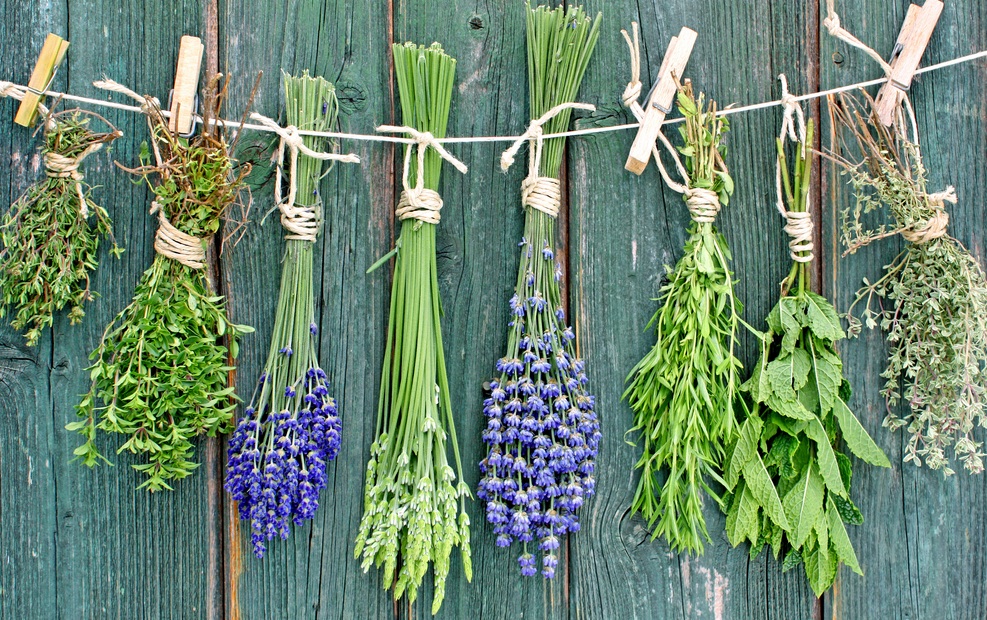
There is different baharat according to where you live. The Turkish baharat includes mint, while in Tunisia, baharat is a mixture of dried rosebuds, pepper and ground cinnamon. In the Arab Gulf, loomi (dried black lime) and saffron may also be used in kebsa, also called Gulf baharat.
Since I live in the Levante, I am going to give you the baharat I know, one used by Arabs in Israel. I’d be happy to know how it’s different in places near by.
Here’s how you make your own baharat:
Baharat Recipe
1 tbsp ground cardamom pods (the black seeds inside)
1 tbsp ground dry ginger
½ tbsp ground nutmeg
1 tbsp ground black pepper
1 tbsp ground cinnamon
½ tbsp allspice*
*Like me, if you don’t have an allspice on hand, you can simply make your own by combining 2 parts cinnamon, one part ground nutmeg and one part ground cloves.
You can simply mix all together, and store in a dark airtight jar for use on all foods that need a little Middle Eastern kick. I prefer to buy some spices like nutmeg, cloves, cinnamon and cardamom – the dried spices, and grind them whole in my Vitamix machine (which also makes a killer ice-cream).
You can also use a mortar and pestle as shown in the video below.
The dry container that you use for grinding flour is the one you use for making baharat. Enjoy!
At the start of the month, markets don’t always have much new. You can still find what’s in season in February. But newcomers like strawberries were still expensive and not sweet yet. Now, seasonal produce is on the upward swing towards summer’s abundance in the Middle East and those piles of strawberries fill the air with their fragrance as you move from vendor to vendor in the shuk. Strawberry prices will continue to fall slightly as spring progresses, but if you want to put jam up now, you won’t regret it.
Fruit and Avocados
Avocados must be the best bargain in fruit right now. Black, wrinkly Hass avocados are sold dead ripe and ready for eating right now. Try our natural moisturizing blend with some of these ripe avocados. The larger smooth green varieties are mostly sold hard for ripening at home.
Melons have begun. The smaller varieties are sweet already, but I advise waiting for hotter weather to buy watermelons. Here’s our guide on how to choose the best one. Oranges and clementines are still around, but fading out of the picture. Lemons are still abundant and good. Bananas are attractive, with prices slightly lower than at the beginning of the month.
Apples and pears are mostly imported from colder climates like Europe and although attractive, not especially sweet. International shipping and perhaps refrigeration seem to draw the sweetness and flavor out of fruit. However, loquats are out in quantity, and they are a purely local fruit to the Near Middle East region.
Other springtime arrivals are passion fruit, and kiwi fruit, both highly priced. Passion fruit vines grow easily in the climate of Lebanon, Israel and the Palestinian Authority regions. Turkey and Jordan too. Find the fruit dropping off garden fences onto sidewalks, but kiwi is produced by farmers in colder hilly regions. Quinces are available and look beautiful, but are most expensive.
Papaya fruit has now arrived, although scanty and expensive. Yellow guavas, with their unforgettable heady odor, are another springtime newcomer.
Timeless cooking principle we live by: cook seasonal produce together. Right now eggplants, peppers and tomatoes are fat and glossy, so cooks here naturally grill, then blend them together with garlic and olive oil. It’s a delicious spread with the slightly charred flavor that says Middle East. Or try grilling chunks of vegetables, our way.
Another tip: garlic confit will never go to waste.
Shakshoukah, eggs poached in a tomato sauce with bell peppers, is another brilliant way to combine seasonal vegetables. It makes for a hearty breakfast to share. Great for brunch.
Those prime ingredients for Middle-Eastern chopped salad, cucumbers and tomatoes, are excellent now and prices are coming down as summer approaches.
Red, green and yellow bell peppers in all their colors are fat and prime for stuffing, grilling and pickling. Red bell peppers are slightly more expensive than their yellow, orange, and green cousins. Beware peppers imported from Turkey though. Buy organic if you can. Peppers are worth buying for salad or muhamarra spread now, but wait for full summer to buy quantities for pickling.
Eggplants again: both long, slender and full-bodied varieties, are worth buying now. Once the hot weather starts eggplants are the first to spoil and buckle in the heat. So buy now and enjoy some baba ghanoush with our tried and tested recipe.
Squash varieties like pumpkins and zucchini are handsome and excellent for light springtime soups.
Green string beans and yellow wax beans are more in evidence although their prices are still on the high side. Artichokes are full and heavy; this is prime season for them.
Red, white, and baby potatoes of both colors are excellent, as always in spring. Onions are improving – you can ignore the sprouty ones that vendors are still trying to get rid of for the fresh new crops.
Short-season vegetables:
Peas are in the markets now, as are green fava beans. Cardoons are in the markets. The cardoon, Cynara cardunculus, also called the artichoke thistle, is a thistle in the sunflower family. It is a naturally occurring species that also has many cultivated forms, including the globe artichoke.
Fresh green garlic is here and if you like it, now’s the time to buy for drying or preserving. Two ways to preserve fresh garlic are peeling and freezing it, or burying the cloves or entire cleaned bulbs in olive oil and herbs and baking till soft. This confit of garlic also freezes well. And eggplants yet again: baby eggplants for pickling are available in some markets. Buy now if you like them.
Some cold-weather vegetables are still firm and worth buying: cabbages, kohlrabi, beets, turnips, carrots, celeriac, parsley root.
Leafy vegetables like lettuces, Swiss chard and celery are very good. Broccoli has been looking rather old, but cauliflowers are going strong, fat, and white.
Season for herbs
Herbs are so exuberantly beautiful and plentiful that they deserve space all to themselves. Mint, thyme, rosemary, parsley, dill, watercress, arugula, rocket, bitter wormwood for a sprig in tea, coriander leaf, fresh fenugreek leaves, which are favored by the Indian community, a garlicky Persian leaf called” richu,” basil, scallions, leeks, fresh ginger and “shav,” or sour grass for soup.
A variety of savory that tastes like za’atar is being sold now.
If you are a forager
Forager’s notes: Mulberry trees will be starting to put out leaves, good for stuffing or drying and crumbling later for tea. Look for them. Shepherd’s purse is flowering and getting leggy, but the heart-shaped seed pods make a peppery accent in salads. Wild marigolds and chamomile flowers are very abundant wherever they’re allowed to grow.
Plantain
Nettles, chickweed and mallows are no longer worth picking. It’s too late in the season. Plantain leaf is especially abundant now because of the recent heavy rains. Fumaria and cleavers are still good. Mandrakes may be seen in cold regions, but beware – the intriguing purple fruit is toxic.
We promised you eggplant ideas, and here they are:
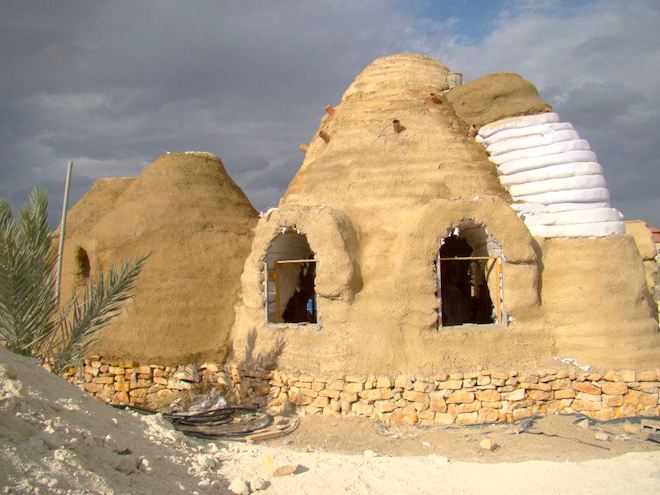
If you look to indigenous people for inspiration many low tech solutions left by our ancestors can suit us fine today. And one dreamer and doer that our friends go to intern with in the past is the late Nader Khalili from Iran. He had a dream to build womb-like homes for desert dwellers and lived out his dreams at Cal-Tech in California where models of his natural buildings made from sand bags can be explored. You can see an example at Cal-Tech below.
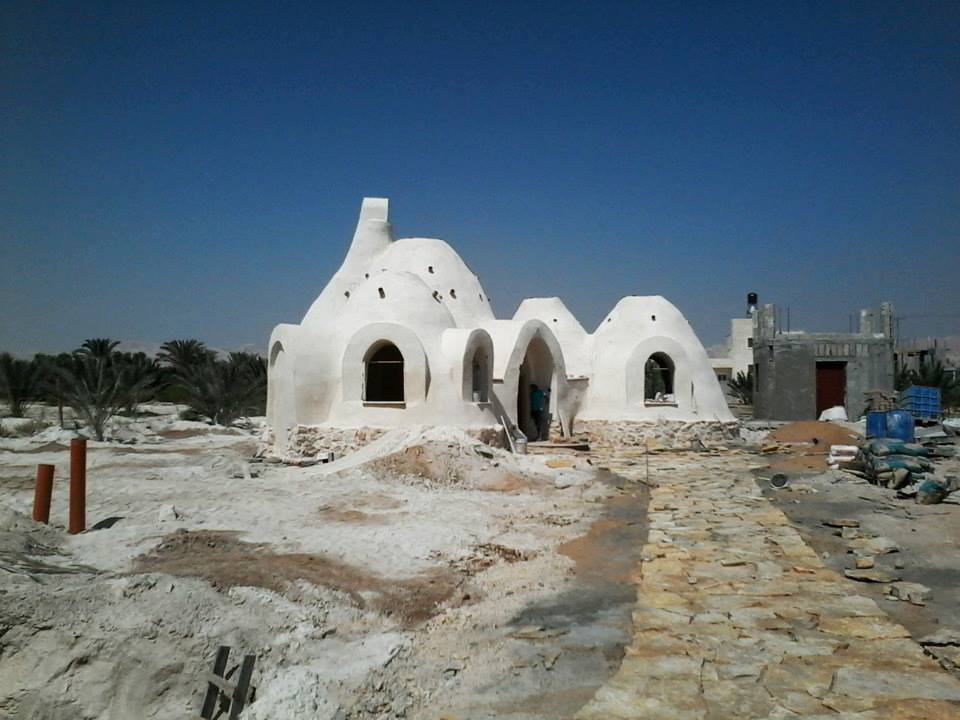
Super Adobe in Jericho
Super Adobe in CaliforniaSuper Adobe in CaliforniaCal-Earth’s Eco Dome, styled by Cordelia Reynold Photo: Eric Simpson / Courtesy of Cal-Earth
Working with NASA as part of an initiative to design homes fit for space, Iranian architect Nader Khalili conceived the dome home, pictured above, as an affordable, accessible, easy to build, and environmentally sensible housing solution. This works in dry desert climates such as Iran, Israel, Yemen, Saudi Arabia and the Palestinian Authority.
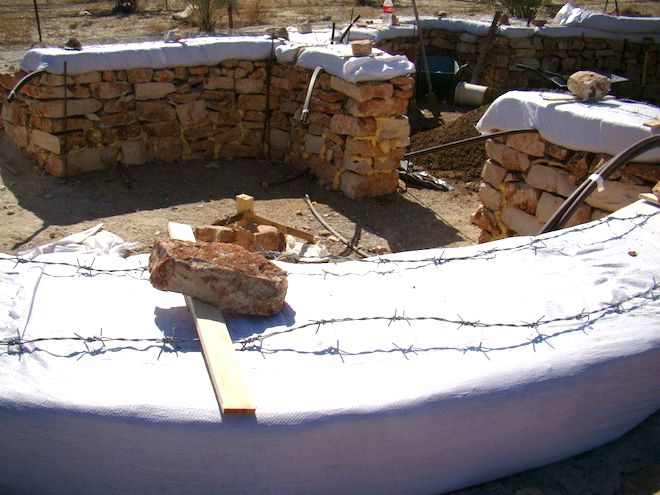
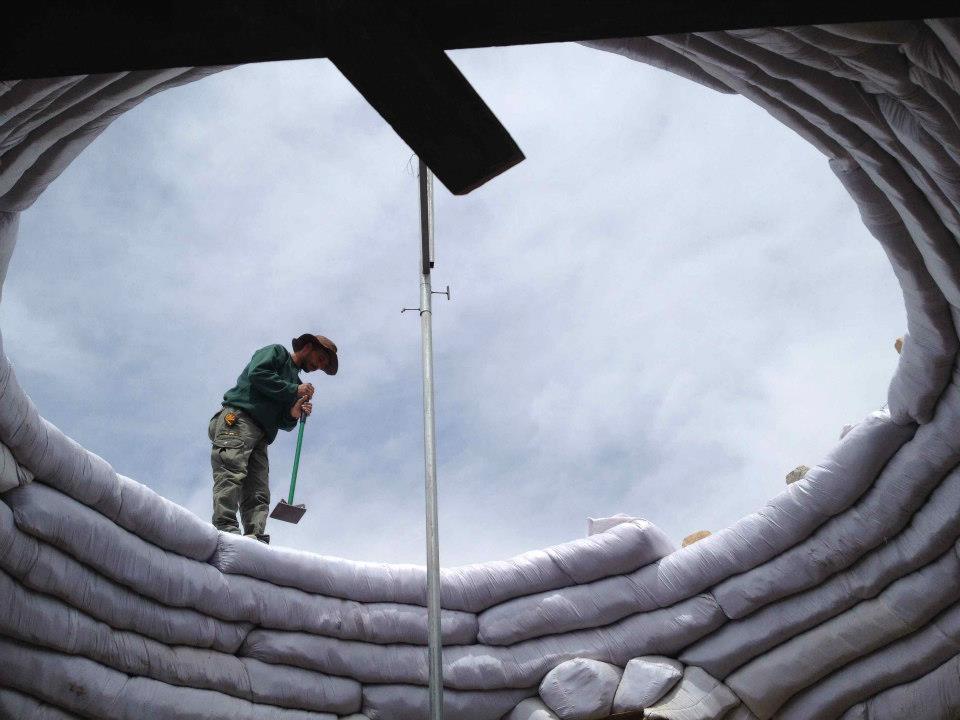
Nader first presented his Superadobe construction method, which involves stuffing bags full of readily available dirt and then stacking them in a circular form. The bags are held together with barbed wire, and then covered with lime plaster. Any holes are filled in with grout.
The resulting homes are so well-insulated, no air-conditioning is necessary in summer, and in winter, the thick walls retain enough heat to keep the interior space comfortably warm
In 1991, Khalili founded the California Institute of Earth Art and Architecture (Cal-Earth), which continues to provide workshops and empower people around the world with these low impact structures.
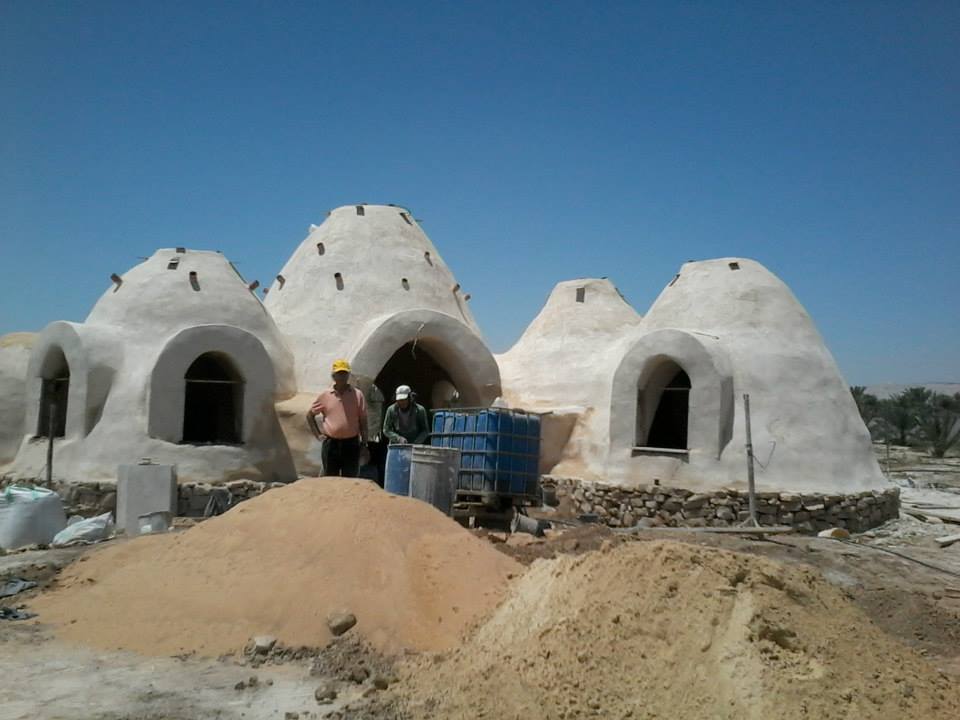
For SharmsArd, a Palestinian firm that Ahmad Daoud commissioned to build his home in Jericho, building with Earth was an obvious choice that allows them to feel empowered in the context of the nation’s ongoing struggle towards a peaceful unification with their neighbours.
One of the firm’s partners, Danna Massad, expresses their collective desire to operate independently of the foreign aid that so many Palestinians have to rely on to make any kind of respectable living in Palestine.
“I think the Palestinian society is oversaturated with international aid,” she told NPR’s Emily Harris several years back.
“Of course, we’re not the only example of a local business that refuses any kind of aid, but we can see how excited people get … to see how you can actually do something without being dependent.”
Despite some skepticism from his community, Daoud is chuffed with his new home. “It’s an environmentally friendly house,” he told NPR. “I can tear it down and nothing will remain. In the summer, I don’t need air conditioning, and in the winter, I don’t need heat.”
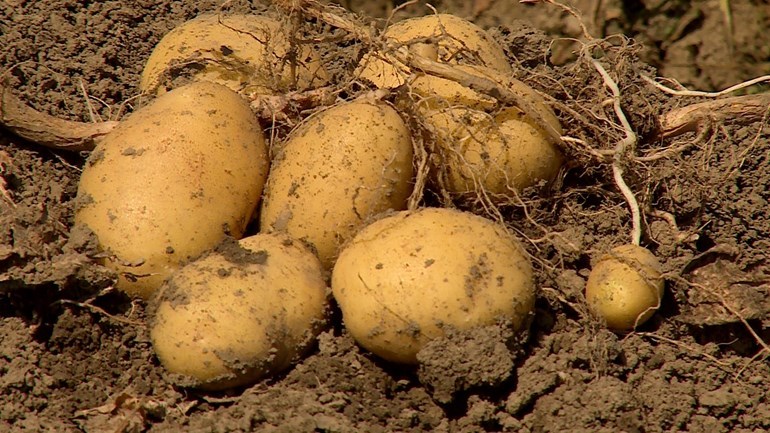
I love potatoes (especially in Moroccan cooking like mafroum) and coming from an immigrant family from Holland and Scotland, eating potatoes was basically a part of every meal, like bread and butter.
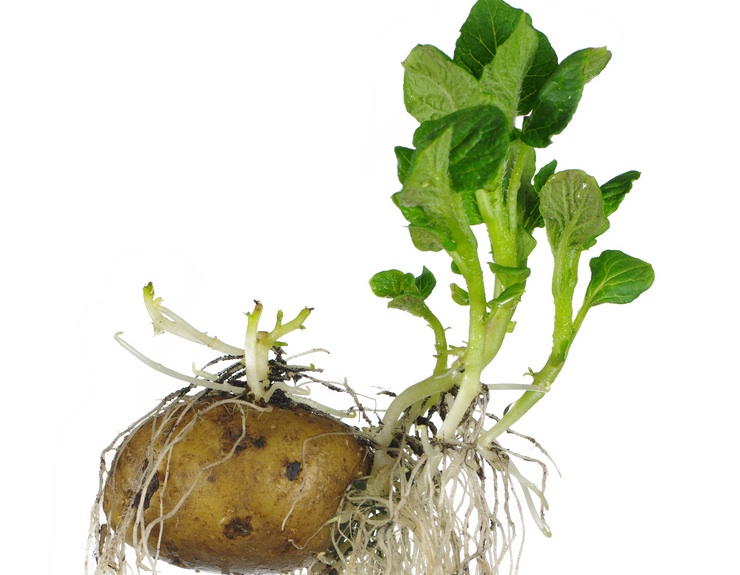
But my mother was always afraid of potato “eyes” and the green bits and she and my dad would prune the unwanted bits away. In a time when we want to eat and forage all food scraps, the green parts of the potatoes are definitely something we need to leave for the compost bin. And maybe not even feed the animals.
It turns out green potatoes are so toxic they can kill.
In 1924, Science magazine reported on a fatal case of potato poisoning: James B. Matheney of Vandalia, Illinois, had gathered about one and a half bushels of tubers, which had turned green due to sunlight exposure.
Two days after eating the potatoes, most of his family – wife, two daughters and four sons – showed symptoms of poisoning; the only exceptions were James himself, who didn’t eat the potatoes, and a breast-fed baby boy. His wife, aged 45, died a week later, followed by their 16-year-old daughter. The other five members of the family recovered.
Although such fatalities are rare among human beings, farm animals often get sick or die after eating green potatoes. Symptoms include damage to the digestive system as well as loss of sensation, hallucinations and other neurological disturbances. Death can be caused by a disruption of the heartbeat.
The culprits are the toxic substances solanine and chaconine; their concentration rises sharply with exposure to light or during sprouting, and they protect the tubers from insects and disease.
Solanine and chaconine belong to the large family of glycoalkaloids, which includes thousands of toxins found in small amounts in other edible plants, including tomatoes and eggplant. These substances have been known for over 200 years, but only recently has Prof. Asaph Aharoni of the Plant Sciences Department at the Weizmann Institute in Israel begun to unravel how they are produced in plants.
He and his team have mapped out the biochemical pathway responsible for manufacturing glycoalkaloids from cholesterol. Their findings will facilitate the breeding of toxin-free crops and the development of new crop varieties from wild strains that contain such large amounts of glycoalkaloids that are currently considered inedible.
Several years ago, in research reported in The Plant Cell, the scientists identified the first gene in the chain of reactions that leads to the production of glycoalkaloids.
In a more recent study published recently in Science, they managed to identify nine other genes in the chain by using the original gene as a marker and comparing gene expression patterns in different parts of tomatoes and potatoes.
Disrupting the activity of one of these genes, they found, prevented the accumulation of glycoalkaloids in potato tubers and tomatoes. The team then revealed the function of each of the genes and outlined the entire pathway, consisting of ten stages, in which cholesterol molecules turn into glycoalkaloids.
Could this mean a future of potatoes that never turn green and which can be stored longer to feed more people efficiently? A story we wrote in 2018 points to this direction. But we aren’t really sure genetic alteration is the key. Genetic selection is okay.
An analysis of the findings produced an intriguing insight: Most of the genes involved are grouped on chromosome 7 of the potato and tomato genome. Such grouping apparently prevents the plants from passing on to their offspring an incomplete glycoalkaloid pathway, which can result in the manufacture of chemicals harmful to the plants.
Looking for aquifers and fresh water from space? Making sure there are no geological hazards before you tap for geothermal energy?
Several leading tech companies have developed extensive knowledge bases with the help of advanced seismic interpretation and mapping technologies. Interpreting and mapping key seismic regions help experts develop geological models of our planet’s subsurface conditions.
These techniques require expertise and experience with all types of seismic methods that cover every stage, from initial exploration to development and drilling. Seismically interpreted data is crucial for conducting a broad range of geological investigations such as regional mapping of stratigraphic facies, faults and fracture trends, and formations. The results of these activities determine the potential existence of oil/gas deposits, geothermal storehouses, and aquifers.
Insights derived from seismically interpreted data are the basis of understanding subsurface conditions, onshore and offshore. Companies such asGeophysical Insights are producing new AI or Machine Learning (ML) based tools that enable companies and governments to obtain greater insights from their seismic and well data.
Let’s look at some ways these studies and data help us with education, energy, and the overall benefit of life on earth.
Geological Infrastructure and Engineering
Engineering and geological applications like groundwater harvesting and geohazard forecasting require complex solutions that involve seismic, gravity, and ground radar data.
Scientists also use seismically interpreted data for hydro research, developing infrastructure for hydropower projects, and harvesting freshwater underground. They use seismic data obtained by conducting gravity surveys that record seismically interpreted magnetic data to locate subsurface freshwater resources.
Furthermore, seismic data also helps find fill-depths and research different types of subsurface particles properties. For example, radar technology used while seismic interpretations allow you to make shallow assessments of the seabed and underground rock bed thicknesses.
Mineral Research and Extraction
Mineral harvesting requires data that help figure out the precise location, quantities, and quality of mineral resources underground. Private contractors and often corporations use seismic data to produce reports that suggest the existence of these minerals. These complex data allow you to perform geological mapping that shows you potential mineral deposits in stipulated regions.
Experts need to distinguish and chart magnetic disruptions, faults, geological units, and alterations using seismically interpreted magnetic data. This will help experts and companies identify faulty regions and locate mineral deposits.
Another kind of data used to obtain the above-mentioned results comes under radiometric and gravity categories. They can further help geological experts with surficial material studies and general geological research of the respective region.
Oil and Natural Gas
Seismic data plays a key role in determining precise locations of potential oil traps that exist in the form of geological structures. The main factors that help record oil and gas data are seismic characteristic values and their resultant patterns.
They are also able to define underwater course stratigraphy. Here magnetic and gravitational data are used to deduce factors such as basin geometry that help locate huge geological structures that are home to oil and gas deposits and underground paths.
Carbon Capture and Storage
One of the ways of mitigating the contribution of greenhouse gases from oil and gas production is Carbon Capture and Storage (CCS), the permanent sequestration of greenhouse gases in underground formations. Underground formations suitable for CCS must meet several criteria, and seismic data is foundational to this process. Engineers and geoscientists are applying machine learning to determine the integrity of the storage reservoir, the physical properties of the region, and the presence of seismic faults, which affect storage formation quality.
Conclusion
So those are three different key areas where seismic interpretations and resultant data play important roles right from the beginning. Another aspect required to further these technological advancements is education derived and developed from current findings.
There are many data banks held by government agencies and several other tech companies that often share key data products to institutions for research and educational purposes. Depending upon these institutions’ infrastructure capabilities, they can avail data that are usable with or without specialized software and equipment. These can help learners practice and run simulations, helping them pioneer advanced techniques and technology of the future.
Such contributions will encourage the continuity of technological advancements that hold the promise of producing energy at a lower carbon footprint, while capturing and storing CO2.
Crowdfunding has been used to raise money for hightech coolers and video games. A group of Israelis hope the model will protect land in Africa.
Thirty years ago when I was in high school in Canada one of the great campaigns of the year was set to raise money on behalf of the school so we could buy land in South America –– precious land that was being deforested so McDonalds could raise more cattle for more burgers.
The land in South Africa was cheap and ideal for low-cost cattle ranching and some open-eyed teacher at the school must have understood that if land in an Amazon forest was up for sale to McDonalds then certainly any public person could buy it too. So we had a campaign that all of us were interested in being a part of – I think it was matchmaking – and raised money.
I remember the announcement on the PA that we had raised enough to buy a couple hundred acres of land that would be protected forever from deforestation. And now that small act of defiance against big corporations that we all support to some extent keeps reverberating. A group of Israelis have started raising money to buy land in Africa to keep developers from encroaching on it.
But there are new projects keeping the idea alive. One of them is This is My Earth, a group that has raised money to buy 749 acres of land in the tropical Rosewood Forest in Belize and 183 acres in Maasai Mara in Kenya, according to a local paper in Israel.
The organization was established in 2015 by Prof. Uri Shanas of the Biology and Environment Department at the University of Haifa-Oranim, and with the help Prof. Alon Tal they’re aiming to roll back the extinction process and combat climate change.
The idea behind the organization is simple, according to YNet: Each year, a scientific committee comprised of experts from all over the world joins and chooses three land plots that are considered biodiversity hotspots with a high risk of extinction.
It’s a great idea that more people emerging from Israel’s lucrative high-tech careers should explore. A young Israeli couple is reported to have donated the largest sum towards buying the recent plots of land, but think of the impact if hundreds or thousands of others did the same.
While ownership is better in the hands of the people who should be stewarding their own land, keeping it in trust out of the hands of international buyers for profit might be the best way forward until the world better appreciates the wildness of biodiverse land.
Are you a solar energy engineer? Here are some ways to get a better green job.
Anyone with ambition and a drive to work toward a brighter future will be interested in improving their job prospects. This could be in respect of gettingyour first job, or it could be in relation to changing your career path or progressing within your current field. Whatever the situation, it is important to find ways in which you can improve your job prospects, and modern technology can help you with this in a variety of ways.
In order to improve your job prospects in the clean energy area, it is important to be proactive and you also need to be very organized. There are a few different steps that you can take in order to boost your chances of success when it comes to your career, and the good news is that it has become much easier thanks to internet technology and online resources. There are various ways in which you can improve your job prospects online, and we will look at some of these within this article.
How You Can Improve Your Chances
We turn to online technology for all sorts of reasons these days fromstreaming movies and enjoying entertainment to shopping and communication. Well, you can also turn to this technology to improve your career prospects, and some of the ways in which you can do this are:
Use Online Educational Platforms
One of the things you need to do in order to improve your job prospects is to ensure you have the skills and qualifications needed for the type of work you want to get into. If you do not currently have what is needed, you can turn to online educational platforms where you can study a range of courses and develop new skills. This is a great way to work toward improved prospects without giving up your existing commitments.
Get Resume Help Online
Another thing that you can do is to get help with your resume online. Your resume plays a big part in being able to get that vital first face-to-face interview, so you need to put plenty of thought and effort into it. You will find plenty of useful resources online – for instance, you canbuild your resume with ResumeNerd. Making sure you create a solid, polished, and comprehensive resume will make a big difference in terms of your success levels.
Register on Job Sites Online
One of the other things that you can do online is to register on online job sites and agencies, and this will make it much easier for you to identify suitable opportunities and make your application. You can add your personal details, job preferences, and even your resume on these sites, and you can then get opportunities emailed directly to you based on the preferences you entered. In addition, employers may be able to contact you directly if they see your details and are impressed by your uploaded resume.
These are some of the ways in which you can improve your job prospects when you go online.
Logistics is critical in renewable energy and building electric cars. Think about how Covid disrupted the supply chain when you think about logistics and your new green business.
A global logistics company is a business that manages global supply chains. This type of company can have many different locations, and it often has complex procedures for shipping goods across the world. It may be challenging to find out how to use one of these global logistics companies or what might be included in their services.
There are quite a few reasons why using a global logistics company saves you money. Logistics is a global industry that covers the whole process of moving products from one place to another. It can be done by sea, rail, road, and air transport while also having warehouses to keep stock.
By outsourcing their global logistics management, companies can save considerable time and money. Plus, global logistics companies make it easy for employees to shop at these warehouses because everything is centralized instead of scattered all over the country or world.
But why would somebody need a global logistics company? There are many benefits for this, ranging from time-saving processes, more cost-effective prices, and the fact that a global logistics company will offer various services that allow you to outsource certain aspects of your business.
Time-saving
The first key benefit of using global logistics companies is saving time. These global logistics companies have built up good relationships with different airlines and shipping ports meaning they can get steep discounts on freight costs. With these significant savings, they then pass on the lower costs to the customer.
The global logistics company will then save time by repackaging your products into a standard global branding recognized around the world. It means it can save costs for local courier companies and save you time processing orders.
Safety, security, and cost
Another key benefit from global logistics companies is safety, security, and cost-effectiveness. They can offer short-term and long-term storage, which means your stock won’t go out of date. Even if it does need to be sent elsewhere, there’s peace of mind from knowing all possible factors have been taken care of by global logistics companies such as insurance, transit insurance, and other essential cargo documentation.
While global logistics companies give an excellent service that saves business owners a lot of money and time, it’s essential to research global logistics companies and compare prices before deciding.
Manage all of your shipments
A global logistics company will manage all of your shipments, including deliveries from warehouses and other suppliers and those you send to customers regularly. Since a global logistics company has relationships with more providers than you likely would on your own, they can often get better prices from those providers, which means they’ll automatically pass some of those savings onto you.
Global supply chain
A global logistics company will put in place a global supply chain system. It is a highly complex arrangement that can integrate data from many different sources and programs so that it’s straightforward to get the supply chain up and running. With this global supply chain, you can get information on things such as inventory levels and delivery schedules, so you’ll always know what’s going on without having to manage anything yourself.
It makes global shipping simple
Global logistics company makes global shipping simple by ensuring everyone follows the same set of rules and adheres to established systems. By working with one global logistics company for all of your shipments, there’s no need to work directly with carriers or ship goods through several companies at once. Using a global logistics company will save you a great deal of money for these reasons and more.
Buy in bulk
Global logistics companies allow businesses to buy in bulk and get goods for a much lower price than if they bought them from another country. Global logistics companies also help businesses reduce their carbon footprint because global distribution centers often take the place of several warehouses located all over the area, which reduces energy costs and overall emissions.
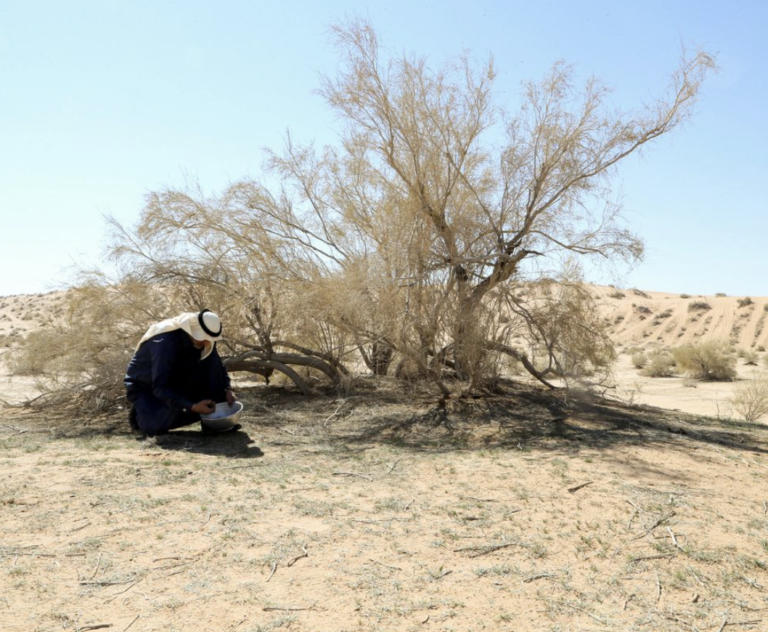
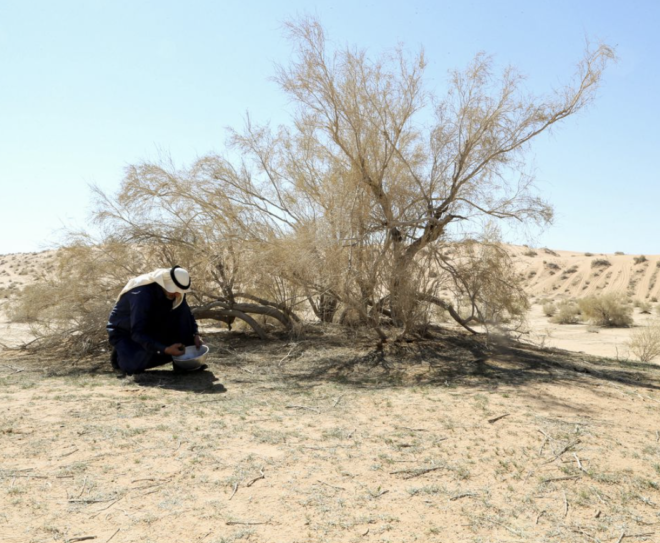
Africa is getting its Great Green Wall, meanwhile Saudi Arabia is also suffering from climate change-induced draught and is starting to do something about it by planting more local trees that love the desert. The country is looking to a traditional tree used by the Bedouins to stop desertification. It’s called the saxaul tree and what’s great about it is that like how pine tree seeds open by fire, the saxaul tree seeds open when it’s extra hot and dry.
Environmental activist Abdullah Abduljabar sees these trees as silver lining for deserts, as reported in Reuters. And beyond slowing desertification by holding back the sand, the saxaul trees, (known in Arabic as Al-Ghadha or Etsion Parsi in Hebrew), provides firewood, food for animals plus shade and medicine for Bedouins who still live in the wild deserts of Saudi Arabia, Jordan, Israel, and Sinai.
Saudi Arabian mangrove forests can help mitigate climate change
Abduljabar, vice-president of the Al-Ghadha environmental association, will plant 250,000 of these trees in Saudi Arabia as a way to improve environmental stability in Saudi Arabia. The Saudi government will provide the funds for the trees.
The country also plans to work with other Arab states to plant an additional 40 billion trees across the Middle East, the Reuters report explores:
“Many Middle Eastern countries are suffering from rising temperatures and longer and more frequent droughts, placing pressure on water supplies and food production. The saxaul can survive for months without a drop of water and thrives in particularly harsh environments where temperatures can soar to 58 degrees Celsius (136 F).”
“The Gulf is one of the hottest places on earth. The Unaizah park last year was recognised by Guinness World Records as the world’s largest saxaul botanic garden, stretching over 172 sq km (66.41 sq miles). On a recent visit, an expanse of saxaul trees stretched to the horizon, enlivening the desert as wind blew through their needle-like leaves.
“The saxaul tree has many qualities, one of the most important ones is that it doesn’t need a lot of water,” said Al-Ghadha association president Majed Alsolaim, as he walked in the park while holding the Guinness certificate in his hands. “That’s why people in Unaizah have taken care of it (in order for it) to become an environmental symbol for this region.”
Saxaul trees typically grow one to four metres high and are indigenous to the deserts of Saudi Arabia, especially in places where the sand is thicker. The wood from these trees can be used to make both furniture and glue, and the tree itself has medicinal uses.
Its latin name is Haloxylon persicum, the white saxaul, is a small tree belonging to the family Amaranthaceae. Its range is Western Asia, including Israel, Egypt, Sinai, Iraq, Saudi Arabia, Iran, Oman, UAE, Afghanistan, and Pakistan, to Central Asia.
Here is a guide to help vegans find more Vitamin D.
Going vegan can be a beneficial choice, for both your own body and for the environment. However, many questions have been raised about the sustainability and balanced nutrition of a vegan diet time and time again. After all, can plants truly fill up the percentage of protein, minerals such as iron, zinc, and – most importantly – the several types and subgroups of vitamins?
Getting your required dosage of vitamins such as Vitamin B12, Vitamin D3, and more when you’re strictly vegan can be hard. Even the Academy of Nutrition and Dietetics has warned about the major Vitamin B12 deficiencies that veganism and vegetarianism may lead to. Now’s a great time to check your current diet and add some necessary nutrients that it may be lacking. Here are some vegan-friendly and vitamin-rich food suggestions.
Fortified Nutritional Yeast (The Ultimate Source for Riboflavin)
Fortification is the process of adding more micronutrients to foods to increase their nutritional value, and these fortified foods are probably the most abundant source of Vitamin B12 and D. Whether you’re all for or against them, we can all agree that consuming them in the right amounts can really help your vegan diet come full circle.
What makes nutritional yeast perfect for vegans, though, is not just how rich in vitamin B12 it is. Nutritional yeast is specifically cultivated as a food product and not a leavening or brewing agent for bread and alcohol. The yeast is cooked before being converted into edible flakes, giving it a completely different composition and flavor profile from regular yeast.
Fortified nutritional yeast is also an excellent source of all nine essential amino acids, as well as a hearty dose of iron and protein, too. It strengthens your blood cells, facilitates the repairing function of your tissues, and helps to prevent anemia. It’s commonly used as a vegan cheese substitute for vegan foods, so feel free to add a healthy sprinkle of it over your meals for an awesome cheesy bite.
Alfalfa (Rich in Vitamins, Minerals, and Protein)
Alfalfa is a legume mostly known as a top-notch animal feed rich in vitamins, minerals, and protein, but you would be pleasantly surprised to know that this superfood can also be eaten by humans. Alfalfa has quite a history as a medicinal herb, but as of late, it has become the vegan’s ultimate source for some rare and essential nutrients, such as iron, magnesium, copper, and Vitamins B12, C, and K.
Sweet Potatoes (Packed With Protein and Vitamins A, C, and B6)
Sweet potatoes have the starchy richness of normal potatoes and some fresh health benefits of their own. They’re surprisingly very nutritious, containing Vitamins A, C, and B6. They also contain copper, manganese, fiber, and protein, making them the ultimate addition to any healthy vegan diet. As an added bonus, they’re also known to improve your vision and brain function.
Brussels Sprouts (Low in Calories, High in Vitamins K, C, and A)
If you love Brussels sprouts, you’ll be glad to know that these greens are amazing for your body and are filled to the brim with nutrients. They’re also quite filling, too, despite being very low on calories. That means that if you want to lose weight, you definitely need to include brussels sprouts in your diet.
In terms of their nutritional values, Brussels sprouts are known for being a good source of vitamins A, C, and K. They also contain manganese, a mineral that strengthens your bones and connective tissues and improves blood clotting, which is ideal for diabetics.
Mushrooms (Delicious pockets of Vitamin D)
Vitamin D is hard to find in nature, and this is why mushrooms are all the more fascinating. Mushrooms grown in nature are soaked up in vitamin D since their tissues absorb sunlight as our bodies do. Vegan diets often lack severely in Vitamin D, especially if they don’t include fortified foods since it is usually only found in dairy.
Vitamin D deficiency first shows up in the form of weakened bones that lead to conditions such as osteoporosis in adults and rickets in children. If you’re an adult over the age of 30, it is extremely important that you test your vitamin D to ensure that your bones are in good shape and you’re getting your required dosage of the nutrient.
If you’re wondering where to start, maitake and shiitake mushrooms – especially ones that are sourced from the wild – are great sources of Vitamin D. You can also dry store-bought mushrooms under the sun for a similar effect.
Living Your Healthiest Vegan Life
Figuring out which nutrients your diet is falling short on can help you identify the root cause of many health issues you might be facing, and in turn, correct them efficiently. And if you’re vegan, this step is all the more important. Don’t be afraid to question and check on your diet every now and then, either, and get a dietician’s advice to make sure you’re eating the healthiest meals possible.
Starting a family at 40? This news might not help you but may be useful for your younger sister. Throughout much of the world, increasing numbers of women are delaying having their first child until they are in their late thirties, and even into their forties. By 50 when a woman has built her career it’s usually too late, at least with her own eggs if she hasn’t frozen them 20 years before.
Even by late 30s and early 40s, a woman’s eggs are rapidly deteriorating and, even with IVF, their prospects of conception are far from guaranteed.
Reversing that deterioration is the ultimate goal of molecular biologist Dr. Michael Klutstein, head of the Chromatin and Aging Research Lab at the Hebrew University of Jerusalem. This possibility has now come one step closer with recent research from his lab, carried out by PhD student Peera Wasserzug-Pash in collaboration with clinicians from Hadassah Medical Center and Shaare Zedek hospitals. Their findings were published in Aging Cell.
What’s the approach? In humans, egg cells begin to accumulate damage to their genetic material when a woman is relatively young. Often by the time she is in her late-thirties, her eggs have accumulated so much damage to the DNA that they are unable to mature and be fertilized. That’s when they turn to IVF and for some the eggs may already be in a state of damage that they can’t be used.
Could there be a way to freshen the eggs up?
Dr. Klutstein’s team successfully identified one of the ageing processes that prevents the successful maturation of an egg cell. Most importantly among them is the loss of the regulation processes that normally stop the damaging parts of DNA from becoming active.
It is in many ways a strange idea to think about: parts of our DNA contain sections of genetic material that can be damaging. In fact, about half of our genome is made of virus-like sequences or fragments of viruses, which can cause considerable damage to the DNA if they are allowed to be activated through expression.
This idea has been studied extensively, and was discovered by Barbara McClintock who received the 1983 Nobel Prize for her work on this topic.
It is the ageing process that causes the failure of the system to keep these damaging elements repressed and inactive. Klutstein and his team’s research, using both mouse and human egg cells, not only identified the details of these processes but showed how they are interrelated and ultimately prevent an egg cell from maturing.
Could egg ageing be reversed?
To confirm their findings, the team then used chemicals that mimic the actual processes that stop repression of sections of the egg cell’s DNA and liberate the DNA-damaging viruses. Reproducing the ageing processes artificially enabled the team to link the processes of loss of genomic regulation and the expression of damaging elements in ageing egg cells.
The final stage of their research tested ways to reverse the destructive ageing processes at work in an egg cell. If viruses or parts of viruses were released and activated in ageing eggs, then perhaps anti-viral drugs could prevent this process and the resulting damage.
In their paper, the researchers showed that anti-viral drugs did indeed reverse the process in mouse egg cells and returned to their former youthful selves.
There has also been similar success using genetic manipulation to insert two genes into the mouse egg cell DNA – the implanted genes produce enzymes which prevent the chain of events that leads to the activation of the damaging parts of the DNA.
“Within a decade, I hope we will be able to increase fertility among older women using anti-viral drugs,” shared Klutstein.
One researcher I interviewed in the past suggested the notion that being pregnant itself is like drinking from the fountain of youth. So perhaps we women could push living well even further by having babies of our own in our 50s and 60s.
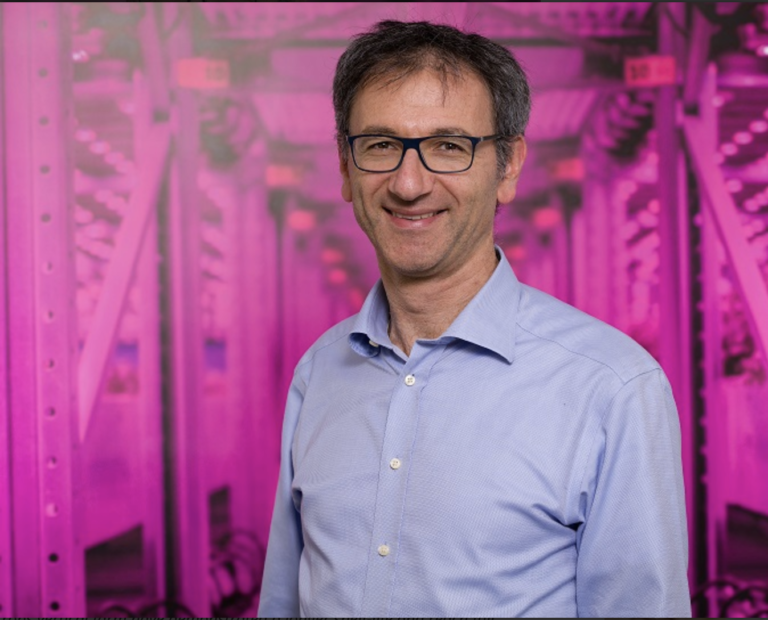
Gary Grinspan of Future Crops. Aiming to make hydroponics more closely resembling nature.
The Dutch know greenhouses and the Israelis know tech. Future Crops, a Dutch-Israeli venture to grow crops in greenhouses on a soil-like substrate and not just water in classic hydroponics, announces a new investment round led by Tencent to accelerate growth.
Hydroponics, or growing plants without soil, was investigated by NASA in the 30s but really took off in the 80s when Canadian pot growers were looking to grow cannabis under the radar, in the winter.
Since then the technology has been developed into a science and the mood has shifted from high quality crops such as medical marijuana to low cost food like lettuce – as the claims go by container farms still very much yet not able to prove their business model works.
InFarm, a group of Israelis in Berlin, have taken another approach, growig fresh herbs and plants inside grocery stores. Their last investment was $170M.
The InFarm team
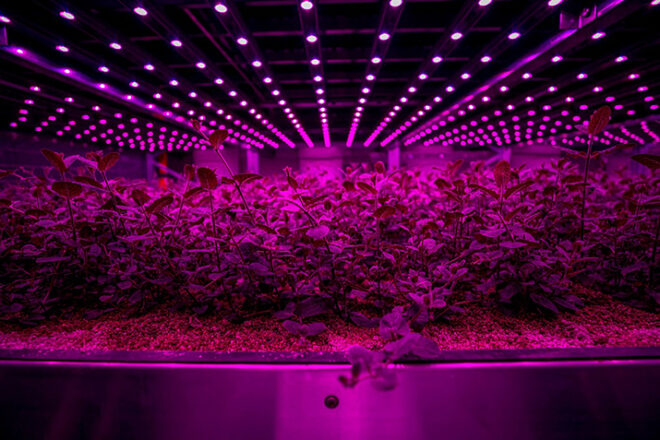
Future Crops, we hope, has learned from the failures with their soil-like substrate in vertical farms to better reproduce the natural environment. The high-tech farm grows fresh, clean, ultra-sustainable, high quality crops at competitive price points.Researchers from Israel’s Agricultural Research Organization (ARO) were an integral part of the team that developed Future Crops’ cutting-edge technology.
Some hydroponics growers mainly in cannabis already have used substrate such as coco coir for a couple of decades. Israelis have been using substrates like this in hothouses as well, basically demineralising soil and then adding nutrients back in using drip feed. The system relies on the petroleum industry and mining for NPK, and does overuse plastics and energy. But it might be a productive middle way until the world turns itself over to more small holder farming and regenerative agriculture.
Future Crops had already raised over $30 million USD in seed funding from the Lerman Family, leaders in the American steel to finance the construction of their state-of-the-art facility and to build their team of experts.
“We are tremendously excited about this investment,” says Gary Grinspan, CEO and Co-Founder of Future Crops. “Tencent’s investment reflects the company’s focus on sustainable innovations and support for technologies, like vertical farming, which can create clean, locally grown sustainable food while helping to mitigate the negative impacts of climate change. We believe our soil-substrate-based platform is closer to nature and produces fresh, longer-lasting, higher-quality produce at improved yields, as plants grow best in soil”.
While Gary says the word “soil” he does not mean healthy living soil that one finds in nature, but rather soil stripped of its nutrients and supporting actors like micro-fungi, and diverse ecosystem while minerals like NPK are added back in.
“Tencent supports companies creating solutions to the world’s most critical challenges, including technologies that can feed more people using fewer resources” said Ling Ge, Chief European Representative, Tencent. “Investments in sustainable agriculture technologies, such as vertical farm systems, aligns with our mission to apply technology for good.
About Future Crops
Future Crops has established a fully automated indoor vertical farm in Westland, Netherlands, known as the “greenhouse hub” of Europe. The facility is equipped with high-precision agricultural technology and creates optimal climatic conditions to suit each crop.
It markets fresh herbs grown and processed in a multistory indoor vertical farming system. The crops are grown in a soil-based substrate developed by the company to be as close as possible to nature. The platform can grow a comprehensive range of herbs and leafy greens all year long, without pesticides or biological substances, and in climate-protected conditions.
Future Crops maintains a strategic partnership with Israel’s Agricultural Research Organization (ARO) and closely collaborates with Wageningen University – both among the leading global research centres in agriculture.
A child in Yemen by Carl Waldmeier, licensed by CC.
Yemen’s already dire hunger crisis is teetering on the edge of outright catastrophe, with 17.4 million people now in need of food assistance and a growing portion of the population coping with emergency levels of hunger, UN agencies tell us.
The humanitarian situation in the country is poised to get even worse between June and December 2022, with the number of people who likely will be unable to meet their minimum food needs in Yemen possibly reaching a record 19 million people in that period, the Food and Agriculture Organization of the United Nations (FAO), the UN World Food Programme and UNICEF alerted.
At the same time, an additional 1.6 million people in the country are expected to fall into emergency levels of hunger, taking the total to 7.3 million people by the end of the year, the agencies added.
A new report also shows a persistent high level of acute malnutrition among children under the age of five. Across Yemen, 2.2 million children are acutely malnourished, including nearly more than half a million children facing severe acute malnutrition, a life-threatening condition. In addition, around 1.3 million pregnant or nursing mothers are acutely malnourished.
Hunger a product of Middle East conflict
“The resounding takeaway is that we need to act now. We need to sustain the integrated humanitarian response for millions of people, including food and nutrition support, clean water, basic health care, protection and other necessities,” said the Resident and Humanitarian Coordinator for Yemen, David Gressly.
“Peace is required to end the decline, but we can make progress now. The parties to the conflict should lift all restrictions on trade and investment for non-sanctioned commodities. This will help lower food prices and unleash the economy, giving people the dignity of a job and a path to move away from reliance on aid,” he added.
Conflict remains the primary underlying driver of hunger in Yemen. The economic crisis – a by-product of conflict – and the depreciation of the currency have pushed food prices in 2021 to their highest levels since 2015. The Ukraine war is likely to lead to significant import shocks, further driving food prices. Yemen depends almost entirely on food imports with 30 percent of its wheat imports coming from Ukraine.
“Many households in Yemen are deprived of basic food needs due to an overlap of drivers,” said FAO Director-General QU Dongyu. “FAO is working directly with farmers on the ground to foster their self-reliance through a combination of emergency and longer-term livelihood support, to build up their resilience, support local agrifood production, and offset people’s reliance on imports.”
Meanwhile, acute malnutrition among young children and mothers in Yemen has been on the rise. Among the worst hit governorates are Hajjah, Hodeida and Taizz. Children with severe acute malnutrition are at risk of death if they don’t receive therapeutic feeding assistance.
“More and more children are going to bed hungry in Yemen,” said UNICEF Executive Director Catherine Russell. “This puts them at increased risk of physical and cognitive impairment, and even death. The plight of children in Yemen can no longer be overlooked. Lives are at stake.”
Yemen has been plagued by one of the world’s worst food crises. Parents are often unable to bring their children to treatment facilities because they cannot afford transportation or their own expenses while their children are being assisted.
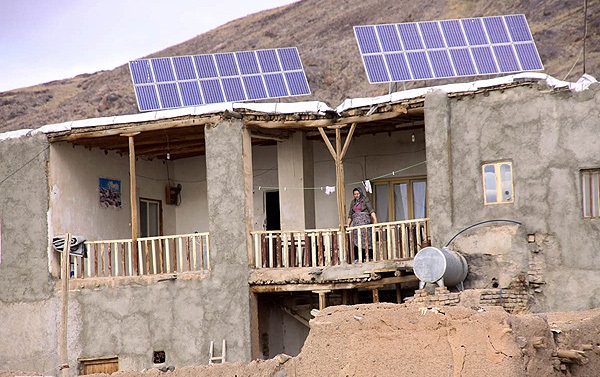
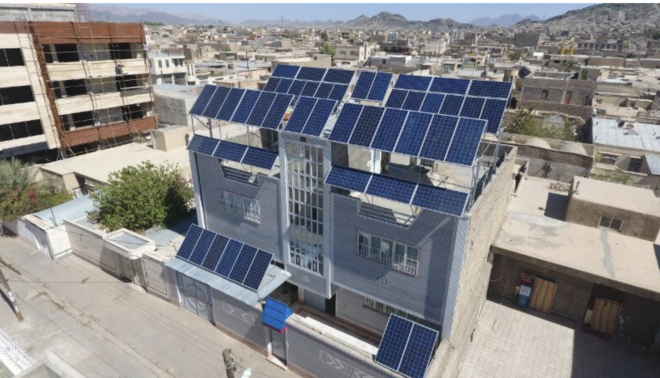
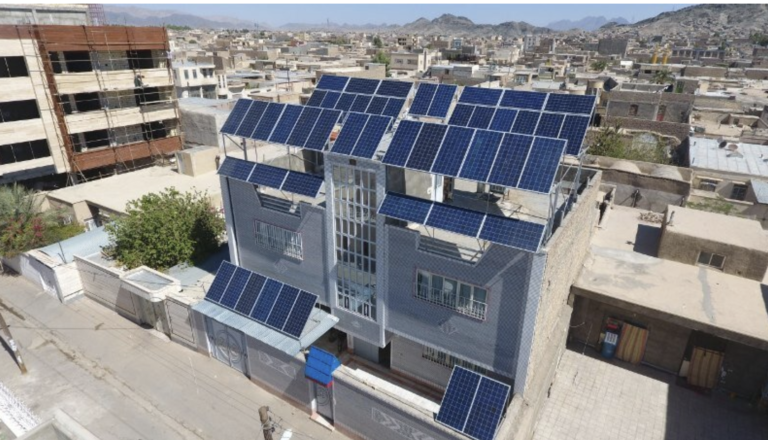
Each house will generate more than 100% of its energy needs and the rest will feed back to the household as a monthly check.
Even oil rich countries understand the importance of solar energy. Saudi Arabia, Kuwait and now Iran in its declaration to install 550,00 rooftop solar installations, as it expands solar energy and renewable energy through the country.
In a report by the English news site in Iran Press TV, rooftop solar units in the country will expand quickly to over 100,000 in the calendar year to March 2023, and the rooftop panels will have a maximum electricity generation capacity of 5 kilowatts per hour.
Rarely would the terms “Iran” and “renewable energy” be considered as having any positive correlation. The Islamic Republic has some of the world’s largest reserves of fossilfuels and relies on their export for about half of its national revenue. Iran is also is the seventh largest carbon emitter in the world, with its population consuming energy at a rate more than four times the global average.
Iran is a leading energy supplier to the world but in renewables it’s doing shabbily. Renewables make up for less than one percent of a power generation capacity of 86 gigawatts (GW).
However, Iran’s leaders, particularly over the past five years, have been making considerable efforts to challenge the dominance of fossil fuels in the country’s energy mix. As part of the 2015 Paris Climate Accords, Iran pledged to reduce its greenhouse emissions by 4% by 2030 through expansion of renewable energy production and utilization.
The Iranian Energy Ministry is offering grants and 10-year loans as incentives to the applicants. The aim is to encourage poorer households to buy into the scheme in order to receive a feed-in tariff each month for the energy they generate. The energy generated will feed back into the grid and not be allocated to specific houses as one sees in off grid projects.
The new government program for expansion of rooftop solar will increase the renewable capacity in the country by 2.75 GW, reports Press TV. We couldn’t find a press release to back up the report,
That comes as the government has announced broader plans for expansion of renewables by 10 GW until 2025.
Energy Minister Ali Akbar Mehrabian said in January that the government will allocate 30 trillion rials (over $115 million USD) to the sector in the calendar year to March 2023.
UK Energy consumers and consumers around the world are facing an energy crisis as the price of energy soars and soon the sector’s regulator, Ofgem will be reviewing the domestic energy price cap. Following which, it is predicted that households are set to endure a hike in the costs of their energy bills of anywhere between £700 and £2,000 per year. Therefore it is no wonder that homeowners are already considering the options that they can take to improve the energy efficiency of their homes in order to reduce their usage of energy ahead of this forecast increase in costs. Throughout this piece, we will be discussing the different ways in which homeowners can improve the energy efficiency of their properties in order to both reduce their carbon footprint and also the household energy bills.
Top Ways of How to Save Energy
There are a wide range of methods that can be implemented in order to save household energy. Some approaches are fairly cost effective, whereas others have a more significant investment, however each strategy will help to become more energy efficient, and over time will aid with the costs of household energy.
Install Insulation
There are many different types of insulation that can be installed within a property, from underfloor or loft, to cavity wall insulation. Insulation works by forming a barrier to keep the heat within your property and therefore reducing heat loss. The prices will vary depending on the type of installation chosen and the location of the property.
It is also worth noting that not all types of insulation may be suitable for the property and therefore it is suggested that a property survey would be recommended to investigate further the current insulation within the property, the area’s most at risk of heat loss and the options available for installing insulation. Further information can be found on the Energy Saving Trust website.
Schedule the heating Programmes
Scheduling the heating programmes enables a routine to be set for when the heating system should operate. Often is not cost effective to have the heating on continuously and therefore by setting a programme to control when the heating and hot water are set to come on, a household can reduce their energy usage.
Using Less Heating
In addition to setting a heating programme as discussed above, another alternative is to use less energy by turning down the thermometer or radiator settings.
Upgrade the Boiler
Unfortunately, old boilers are not as energy efficient as modern units and therefore an investment into a new boiler can save money on heating bills over time.
New boiler installations can be costly therefore it would be worthwhile exploring grants for boilers should the household be eligible or, spreading the cost of a new system by applying for boiler finance, if needed.
It’s also worth checking whether you are entitled to a boiler grant or not, as there are subsidies available to help with the full cost or partial cost of a boiler replacement
Upgrade Lightbulbs and Electric Devices
Replacing normal bulbs with energy efficient LED light bulbs will have save energy over time, especially as LEDs can last up to 10 times longer than their predecessors. In addition, as household electrical appliances come to the end of their life, replacing them with more energy efficient appliances can help save energy.
Switch off Electrical Appliances when They are Not in Use
Another simple habit to get into in order to save energy is to turn off household electrical devices completely when they are not in use, rather than leaving them on standby. Over time this approach can help reduce household energy wastage.
Draught Proofing
Another way of improving a property’s energy efficiency rating is to draught proof the home. Similar to insulation, the objective of draught proofing is to keep the heat inside, however this measure also has another benefit of reducing draughts caused by gaps around doors, windows, letterboxes or other exposure areas. There are a wide range of installations that can be fitted to draught proof such as self-adhesive foam stipes, draught excluding letterbox covers, curtains and door runners or sealants, depending on the type of gaps needing to cover.
Some of these measures like using Alfa Laval heat exchangers built by a Swedish company. These can be undertaken yourself by purchasing the materials and following simple instructions found online, and this can be a relatively cost-effective method of saving energy within a property.
Install double or triple glazing
Energy can be lost through single glazed or ill-fitted windows or doors, and therefore by upgrading to double or triple glazed windows or doors, the energy efficiency of a property can be improved.
Install smart technology
The latest technology can be installed to assist with automating the process of controlling the heating system within a property, such as smart home thermostats. Such devices can zone areas only to be heated as well as controlling the system remotely via an app on a smart phone and therefore only heating the property when required rather than by a rigid programme.
Generate own energy
A larger investment suggestion would be to installSolar panels or a heat pump to the property so that green energy can be produced and captured. The government grant programmes for such investments have changed over the years. To find out more about the current grants available, please visit the governments website.
Summary
As the energy prices rise, and with the social change following the pandemic that more and more people are working from home, there has never been a better time to review the energy efficiency of your home.
During this article we have reviewed a wide range of ideas that can be implemented at a range of costs to reduce the amount of energy used and wasted by a household, which in turn also helps lower a property’s carbon footprint over time. Most of the measures discussed will take some time to positively impact the household energy bills and pay back on the larger investment options may be a number of years, therefore before proceeding it is worth undertaking some calculations to ensure that the measures are suitable for the property and household as well as cost effective over the longer term.




































 Starting a family at 40? This news might not help you but may be useful for your younger sister. Throughout much of the world, increasing numbers of women are delaying having their first child until they are in their late thirties, and even into their forties. By 50 when a woman has built her career it’s usually too late, at least with her own eggs if she hasn’t frozen them 20 years before.