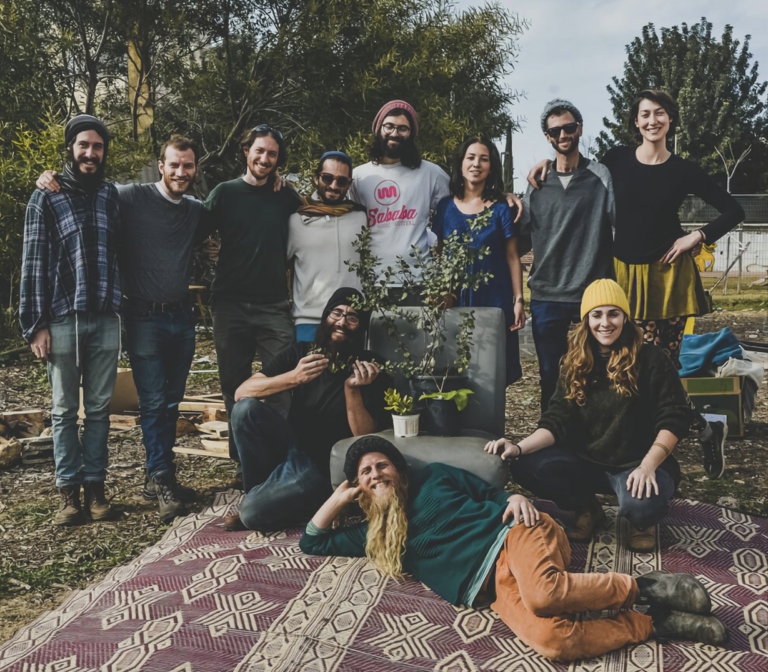
When the region settles after the American war with Iran, and it will, American and European travelers will come back. Not just for spectacle or headline projects, but for places that feel real. Places that haven’t been engineered to impress and which get into your soul.
We predict that visitors to Saudi Arabia will want to see places like Rijal Alma.When the region settles after the American war with Iran, and it will, American and European travelers will come back. Not just for spectacle or headline projects, but for places that feel real. Places that haven’t been engineered to impress and which get into your soul.
We predict that visitors to Saudi Arabia will want to see places like Rijal Alma.
“Forever chemicals” like the ones ejected by Lulelemon yoga pants into strategic areas don’t go away. They don’t break down in nature, and once they’re in water, soil, or our bodies, they tend to stick around. But scientists at Florida International University think they’ve found a smarter way to deal with them, and it uses something as simple as pH.
Koh Phangan may be known for yoga, detox retreats, and full moon parties, but beyond the curated paradise lies a different reality—one of injured stray animals and the quiet work of rescue. This story explores PACS (Phangan Animal Care for Strays), a grassroots animal shelter tackling overpopulation, disease, and neglect on the island. Through firsthand experience with teens, it reveals how meaningful travel, volunteerism, and compassion offer a deeper kind of healing—far from the Instagram version of paradise.
The earliest stages of life, from infancy through childhood, form the foundation for lifelong health and development. During these years, the brain develops rapidly, children learn social and emotional skills, and the body undergoes significant physical growth.
Back in late 2025, Green Prophet began asking uncomfortable questions about what’s really inside your yoga pants, from transparency failures (yes, those infamous see-through leggings) to the less visible and scarier issue: Your sweat is unlocking microplastics and chemical coatings sitting in the most absorbent parts of the human body.
When the region settles after the American war with Iran, and it will, American and European travelers will come back. Not just for spectacle or headline projects, but for places that feel real. Places that haven’t been engineered to impress and which get into your soul.
We predict that visitors to Saudi Arabia will want to see places like Rijal Alma.When the region settles after the American war with Iran, and it will, American and European travelers will come back. Not just for spectacle or headline projects, but for places that feel real. Places that haven’t been engineered to impress and which get into your soul.
We predict that visitors to Saudi Arabia will want to see places like Rijal Alma.
“Forever chemicals” like the ones ejected by Lulelemon yoga pants into strategic areas don’t go away. They don’t break down in nature, and once they’re in water, soil, or our bodies, they tend to stick around. But scientists at Florida International University think they’ve found a smarter way to deal with them, and it uses something as simple as pH.
Koh Phangan may be known for yoga, detox retreats, and full moon parties, but beyond the curated paradise lies a different reality—one of injured stray animals and the quiet work of rescue. This story explores PACS (Phangan Animal Care for Strays), a grassroots animal shelter tackling overpopulation, disease, and neglect on the island. Through firsthand experience with teens, it reveals how meaningful travel, volunteerism, and compassion offer a deeper kind of healing—far from the Instagram version of paradise.
The earliest stages of life, from infancy through childhood, form the foundation for lifelong health and development. During these years, the brain develops rapidly, children learn social and emotional skills, and the body undergoes significant physical growth.
Back in late 2025, Green Prophet began asking uncomfortable questions about what’s really inside your yoga pants, from transparency failures (yes, those infamous see-through leggings) to the less visible and scarier issue: Your sweat is unlocking microplastics and chemical coatings sitting in the most absorbent parts of the human body.
When the region settles after the American war with Iran, and it will, American and European travelers will come back. Not just for spectacle or headline projects, but for places that feel real. Places that haven’t been engineered to impress and which get into your soul.
We predict that visitors to Saudi Arabia will want to see places like Rijal Alma.When the region settles after the American war with Iran, and it will, American and European travelers will come back. Not just for spectacle or headline projects, but for places that feel real. Places that haven’t been engineered to impress and which get into your soul.
We predict that visitors to Saudi Arabia will want to see places like Rijal Alma.
“Forever chemicals” like the ones ejected by Lulelemon yoga pants into strategic areas don’t go away. They don’t break down in nature, and once they’re in water, soil, or our bodies, they tend to stick around. But scientists at Florida International University think they’ve found a smarter way to deal with them, and it uses something as simple as pH.
Koh Phangan may be known for yoga, detox retreats, and full moon parties, but beyond the curated paradise lies a different reality—one of injured stray animals and the quiet work of rescue. This story explores PACS (Phangan Animal Care for Strays), a grassroots animal shelter tackling overpopulation, disease, and neglect on the island. Through firsthand experience with teens, it reveals how meaningful travel, volunteerism, and compassion offer a deeper kind of healing—far from the Instagram version of paradise.
The earliest stages of life, from infancy through childhood, form the foundation for lifelong health and development. During these years, the brain develops rapidly, children learn social and emotional skills, and the body undergoes significant physical growth.
Back in late 2025, Green Prophet began asking uncomfortable questions about what’s really inside your yoga pants, from transparency failures (yes, those infamous see-through leggings) to the less visible and scarier issue: Your sweat is unlocking microplastics and chemical coatings sitting in the most absorbent parts of the human body.
When the region settles after the American war with Iran, and it will, American and European travelers will come back. Not just for spectacle or headline projects, but for places that feel real. Places that haven’t been engineered to impress and which get into your soul.
We predict that visitors to Saudi Arabia will want to see places like Rijal Alma.When the region settles after the American war with Iran, and it will, American and European travelers will come back. Not just for spectacle or headline projects, but for places that feel real. Places that haven’t been engineered to impress and which get into your soul.
We predict that visitors to Saudi Arabia will want to see places like Rijal Alma.
“Forever chemicals” like the ones ejected by Lulelemon yoga pants into strategic areas don’t go away. They don’t break down in nature, and once they’re in water, soil, or our bodies, they tend to stick around. But scientists at Florida International University think they’ve found a smarter way to deal with them, and it uses something as simple as pH.
Koh Phangan may be known for yoga, detox retreats, and full moon parties, but beyond the curated paradise lies a different reality—one of injured stray animals and the quiet work of rescue. This story explores PACS (Phangan Animal Care for Strays), a grassroots animal shelter tackling overpopulation, disease, and neglect on the island. Through firsthand experience with teens, it reveals how meaningful travel, volunteerism, and compassion offer a deeper kind of healing—far from the Instagram version of paradise.
The earliest stages of life, from infancy through childhood, form the foundation for lifelong health and development. During these years, the brain develops rapidly, children learn social and emotional skills, and the body undergoes significant physical growth.
Back in late 2025, Green Prophet began asking uncomfortable questions about what’s really inside your yoga pants, from transparency failures (yes, those infamous see-through leggings) to the less visible and scarier issue: Your sweat is unlocking microplastics and chemical coatings sitting in the most absorbent parts of the human body.
When the region settles after the American war with Iran, and it will, American and European travelers will come back. Not just for spectacle or headline projects, but for places that feel real. Places that haven’t been engineered to impress and which get into your soul.
We predict that visitors to Saudi Arabia will want to see places like Rijal Alma.When the region settles after the American war with Iran, and it will, American and European travelers will come back. Not just for spectacle or headline projects, but for places that feel real. Places that haven’t been engineered to impress and which get into your soul.
We predict that visitors to Saudi Arabia will want to see places like Rijal Alma.
“Forever chemicals” like the ones ejected by Lulelemon yoga pants into strategic areas don’t go away. They don’t break down in nature, and once they’re in water, soil, or our bodies, they tend to stick around. But scientists at Florida International University think they’ve found a smarter way to deal with them, and it uses something as simple as pH.
Koh Phangan may be known for yoga, detox retreats, and full moon parties, but beyond the curated paradise lies a different reality—one of injured stray animals and the quiet work of rescue. This story explores PACS (Phangan Animal Care for Strays), a grassroots animal shelter tackling overpopulation, disease, and neglect on the island. Through firsthand experience with teens, it reveals how meaningful travel, volunteerism, and compassion offer a deeper kind of healing—far from the Instagram version of paradise.
The earliest stages of life, from infancy through childhood, form the foundation for lifelong health and development. During these years, the brain develops rapidly, children learn social and emotional skills, and the body undergoes significant physical growth.
Back in late 2025, Green Prophet began asking uncomfortable questions about what’s really inside your yoga pants, from transparency failures (yes, those infamous see-through leggings) to the less visible and scarier issue: Your sweat is unlocking microplastics and chemical coatings sitting in the most absorbent parts of the human body.
When the region settles after the American war with Iran, and it will, American and European travelers will come back. Not just for spectacle or headline projects, but for places that feel real. Places that haven’t been engineered to impress and which get into your soul.
We predict that visitors to Saudi Arabia will want to see places like Rijal Alma.When the region settles after the American war with Iran, and it will, American and European travelers will come back. Not just for spectacle or headline projects, but for places that feel real. Places that haven’t been engineered to impress and which get into your soul.
We predict that visitors to Saudi Arabia will want to see places like Rijal Alma.
“Forever chemicals” like the ones ejected by Lulelemon yoga pants into strategic areas don’t go away. They don’t break down in nature, and once they’re in water, soil, or our bodies, they tend to stick around. But scientists at Florida International University think they’ve found a smarter way to deal with them, and it uses something as simple as pH.
Koh Phangan may be known for yoga, detox retreats, and full moon parties, but beyond the curated paradise lies a different reality—one of injured stray animals and the quiet work of rescue. This story explores PACS (Phangan Animal Care for Strays), a grassroots animal shelter tackling overpopulation, disease, and neglect on the island. Through firsthand experience with teens, it reveals how meaningful travel, volunteerism, and compassion offer a deeper kind of healing—far from the Instagram version of paradise.
The earliest stages of life, from infancy through childhood, form the foundation for lifelong health and development. During these years, the brain develops rapidly, children learn social and emotional skills, and the body undergoes significant physical growth.
Back in late 2025, Green Prophet began asking uncomfortable questions about what’s really inside your yoga pants, from transparency failures (yes, those infamous see-through leggings) to the less visible and scarier issue: Your sweat is unlocking microplastics and chemical coatings sitting in the most absorbent parts of the human body.
When the region settles after the American war with Iran, and it will, American and European travelers will come back. Not just for spectacle or headline projects, but for places that feel real. Places that haven’t been engineered to impress and which get into your soul.
We predict that visitors to Saudi Arabia will want to see places like Rijal Alma.When the region settles after the American war with Iran, and it will, American and European travelers will come back. Not just for spectacle or headline projects, but for places that feel real. Places that haven’t been engineered to impress and which get into your soul.
We predict that visitors to Saudi Arabia will want to see places like Rijal Alma.
“Forever chemicals” like the ones ejected by Lulelemon yoga pants into strategic areas don’t go away. They don’t break down in nature, and once they’re in water, soil, or our bodies, they tend to stick around. But scientists at Florida International University think they’ve found a smarter way to deal with them, and it uses something as simple as pH.
Koh Phangan may be known for yoga, detox retreats, and full moon parties, but beyond the curated paradise lies a different reality—one of injured stray animals and the quiet work of rescue. This story explores PACS (Phangan Animal Care for Strays), a grassroots animal shelter tackling overpopulation, disease, and neglect on the island. Through firsthand experience with teens, it reveals how meaningful travel, volunteerism, and compassion offer a deeper kind of healing—far from the Instagram version of paradise.
The earliest stages of life, from infancy through childhood, form the foundation for lifelong health and development. During these years, the brain develops rapidly, children learn social and emotional skills, and the body undergoes significant physical growth.
Back in late 2025, Green Prophet began asking uncomfortable questions about what’s really inside your yoga pants, from transparency failures (yes, those infamous see-through leggings) to the less visible and scarier issue: Your sweat is unlocking microplastics and chemical coatings sitting in the most absorbent parts of the human body.
When the region settles after the American war with Iran, and it will, American and European travelers will come back. Not just for spectacle or headline projects, but for places that feel real. Places that haven’t been engineered to impress and which get into your soul.
We predict that visitors to Saudi Arabia will want to see places like Rijal Alma.When the region settles after the American war with Iran, and it will, American and European travelers will come back. Not just for spectacle or headline projects, but for places that feel real. Places that haven’t been engineered to impress and which get into your soul.
We predict that visitors to Saudi Arabia will want to see places like Rijal Alma.
“Forever chemicals” like the ones ejected by Lulelemon yoga pants into strategic areas don’t go away. They don’t break down in nature, and once they’re in water, soil, or our bodies, they tend to stick around. But scientists at Florida International University think they’ve found a smarter way to deal with them, and it uses something as simple as pH.
Koh Phangan may be known for yoga, detox retreats, and full moon parties, but beyond the curated paradise lies a different reality—one of injured stray animals and the quiet work of rescue. This story explores PACS (Phangan Animal Care for Strays), a grassroots animal shelter tackling overpopulation, disease, and neglect on the island. Through firsthand experience with teens, it reveals how meaningful travel, volunteerism, and compassion offer a deeper kind of healing—far from the Instagram version of paradise.
The earliest stages of life, from infancy through childhood, form the foundation for lifelong health and development. During these years, the brain develops rapidly, children learn social and emotional skills, and the body undergoes significant physical growth.
Back in late 2025, Green Prophet began asking uncomfortable questions about what’s really inside your yoga pants, from transparency failures (yes, those infamous see-through leggings) to the less visible and scarier issue: Your sweat is unlocking microplastics and chemical coatings sitting in the most absorbent parts of the human body.
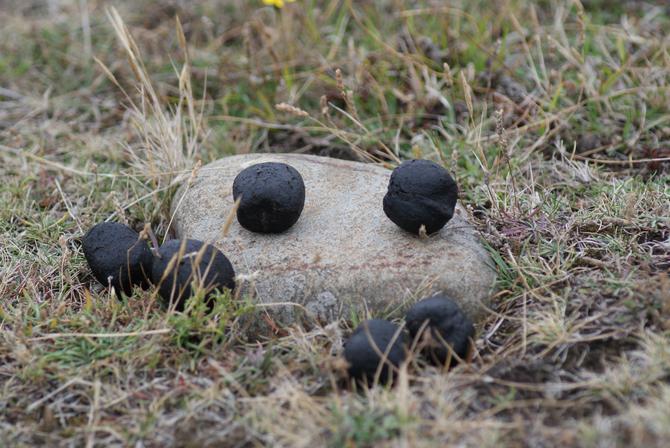
Why do some animals poo pellets, some tubes, and others pies, and how is it similar to cooling lava? Cracking the code for cubed poop.
Walk around a forest in Canada and you can’t miss the precise piles of round animal poop: Deer, moose, and rabbits. But there is one animal in the world (that we know of) that poops in cubes and it’s a wombat. How does the Tasmanian mammal do that? Yes, serious researchers want to know. Biologists get to ask ridiculous questions like this when they grow up, and then try to answer them using tools from science.
A team from the University of Tasmania has determined that a wombat’s surprisingly long and intermittently stretchy intestines compress their poop (or stool) into cubes. The team has now pinpointed another factor to making cube poop, which seems to apply to all animals that produce feces in pellet form: how the poo dries in the animals’ guts.
The research has been supported by the Ig Nobel Prize, the satirical prize awarded annually since 1991 to celebrate unusual or trivial achievements in scientific research.
In the latest study, researchers built an artificial wombat digestive system and passed corn-starch ‘poop’ through plastic troughs, simulating intestines and added heat lamps to dry them out. Greater drying resulted in more closely spaced cracks — wombat poo, which contains 65% water, cracked into little cubes.
Human poo, made up of 75% water, comes out in longer tubes, and cow pat, containing up to 90% water, just slops right out.
Scott Carver and a wombat, via University of Tasmania
The researchers leading the wombat study is Scott Carver from the University of Tasmania and Georgia Tech’s Professor David Hu. They set out to crack the secret of the unique cubed poo of wombats: “There are many colourful hypotheses to explain the phenomenon, but nobody had ever investigated it. This research has been a fun effort to answer the questions of how and why,” says Carver.
How and why wombats produce cubed faeces has been a fascination to many people for a long time, he added.
And there are applications in human health. Certainly you’ve seen photos or videos of how a healthy human poop should look? The scientists looking at wombat stool agree: “the methods and physical picture shown here may be of use to physicians and veterinarians interested in using feces length as a marker of intestinal health.”
Jokes aside about cubed wombat poop in Tasmania (it’s made so it doesn’t roll away in Tasmanian wind!), nature has the best technology. We study it so we can learn from it to make energy more efficient and medicine more attuned to our bodies. The field is also known as biomimicry. Wombats know why their poop is cubed. Do you?
At one point Reddit users agreed that a 12-story residential building in Bat Yam, Israel is the ugliest building in the world. Don’t worry Bat Yam: Amman nearby in Jordan is the 3rd ugliest city. But still, the rumor circulated around the globe and whether it’s true or not is a matter of opinion. We went over to film the building so you can decide for yourself.
World’s ugliest building, Bat Yam. The Nahum Tower. Via Haaretz
The Bat Yam building is called the Nahum Tower, and it was once a center for local life and creativity in Bat Yam. Why is this important and part of the sustainability discussion? Sustainable architecture is not just a question of use of local, low carbon materials and emissions-free building technology.
Buildings also need to be beautiful if they are to last for a long time, say researchers from Denmark: “If buildings speak to our senses, we look after them better,” they write.
Constructed in the 1970s and resembling a Soviet-era residential block, the Brutalist style building in Bat Yam has become an eyesore – like most other apartment buildings in the area of Tel Aviv – because residents build over their balconies and hang air conditioners and junk such as plastic storage cabinets wherever they please. This contrasts with Moshe Safdie’s 1967 Brutalist building built for the Montreal Expo. I’ve visited it and see how vision and maintenance can preserve the intent of the architect?
Habitat 67, a Brutalist housing project by Israeli architect Moshe Safdie for Expo 67 in Montreal. Karin Kloosterman for Green Prophet
As for the Nahum Tower in Bat Yam, “I’ve seen uglier buildings in Australia. This one is pretty unremarkable,” writes one Reddit reader. “I’ve seen uglier ones in Israel, in almost every city,” writes another. Others comment that it’s ugly compared to the price of a cost of an apartment.
Marion Greenhouse sketch for the Nahum building in Bat Yam
The Bat Yam building today overlooks a large network of shopping centers and clinics, which include disintegrating wedding halls, and a car park.
As you can see above, the original sketch by the architect Marion Greenhouse, was not that bad. Done in a Brutalist style, common in Israel, what the architect didn’t plan for was the Israeli concept of “trisim” or plastic shutters that would cover the open spaces to make room for extra living space. Oftentimes the shutters are broken or malfunctioning, and there is no city bylaw telling residents how their balconies should look.
Sketch of the Nahum Tower by Marion Greenhouse. His family was in the Holocaust
The ugly Nahum building was filmed by a drone and published by a user on Reddit, where it earned the first place in the ranking, scoring higher than a Soviet building in Sofia in Bulgaria, slums in the city of Manila in the Philippines or buildings in Cape Town in South Africa.
In his memoirs, Greenhouse wrote about the project and that it was interrupted in the middle, lending reasons to why the building never looked the way it was intended: “The bankruptcy was due to the fact that they didn’t listen to me … I recommended to the developers that they build it in stages, starting with the commercial areas, and with the money they got from the sale of shops and the cinema they could finance construction of the residential tower. They told me that maybe I understand architecture, but I don’t understand business.”
Today, the cost of housing is astronomical in Israel where the cost of living doesn’t match the salaries, unless you work in hightech or the wedding industry.
With a general disregard for making apartments attractive, visitors to Tel Aviv will notice how many of the older residential buildings are crumbling apart, and full of junk on balconies and roofs. Beautiful cities aren’t born they are made. Consider that Paris has bylaws for keeping it beautiful: I’ve rented apartments there for a couple months of my life and notes from the owners were very clear: No watering the plants after 7am (so the water doesn’t drip on people below), and no hanging laundry in the windows or off the front balconies. All laundry must air dry on the roof.
Tel Aviv and Israelis in general don’t might hanging out their laundry in public. In fact, it’s encouraged. Where I live in Jaffa, it’s not uncommon to see strings of it hanging from small apartment flat windows on devices that attach to the windows. Even to see laundry hung in public spaces on lines between trees. Hanging laundry to air dry is a good thing. It means less power for electric dryers is used. But one of the problems in Tel Aviv is that it can be dusty. So know when to hang.
But back to the ugly question: what is the balance between respecting the things we own if they are maintained and physically attractive? Could we argue that better looking buildings are more likely to be cared for and protected? Let’s look to a Sicilian window below.
The laundry in Sicilian windows isn’t ugly.
When the clothes go out in towns in Sicily, it looks like a celebration. They use a standard yellow or blue striped drape that gives uniformity, shade and also privacy to your tighty whities. Sicilians also fill their balconies with plants, and use quality ceramic pots and water their plants regularly so they stay alive.
The environmental artist Ran Morin once told me that he does not want to replicate Oranger Suspendu at hotel lobbies around the world, even though he’s been asked. “Do you know how hard it is keeping one tree alive,” he once told me when I ran into him in Jerusalem. Something to think about before we plant on balconies. Last thought so you are more informed here is an article on how to grow an olive tree in a container.
The best way to deal with carbon is not to release it in the first place. Carbon capture is not the ultimate solution.
Sometime in the 1970s when our family outings were usually to places like Yogi Bear Jellystone park or the local drive-in movie, my father drove us to a coal-fired power plant. The local electric company had just installed smokestack scrubbers to comply with the Clean Air Act. The transformation from sooty grey smoke to puffy white clouds of steam seemed like a miracle.
Nixon-era greenwashing
Dad taught Science so he was able to explain how the scrubbers used electricity to attract ash and soot. It was similar to the way a charged balloon attracted our hair or clinged to the wall. These scrubbers were amazing but they were not designed to reduce the lung-rotting sulphur dioxide (SO2 – sox for short), nitrogen oxides (NOx – nox for short) or ozone (O3). They did little to reduce the levels of brain-rotting mercury or lead and did nothing to slow the release of carbon dioxide (CO2) into our atmosphere.
Twenty-five years later the company proposed three additional “clean-coal” power plants on the same site to take advantage of the grandfather clause of environmental laws written when the original plants were constructed in the 1950s. The proposal’s Environmental Impact Statement (EIS) said that new technologies did capture more pollution. Per megawatt-hour, each new plant would produce less SO2, NOx and O3 than the older ones. This factoid was repeated on advertising along with the promise for jobs. But the devil was in the details. In sum total along with the existing plants, regional air quality would decline and barely meet Clean Air Act standards only if the smokestacks were built higher than the Federal Aviation Association (FAA) allowed.
The new “Clean-coal” power plants were expensive to build so they would have to stay online for at least 50 years in order to be cost-effective. Gas turbine power plants produce less CO2 per megawatt and are cheaper to build but they are more expensive to operate. Computer models recommended thousands of megawatts of offshore wind farms as the most cost-effective energy source. But these models were ignored.
Jobs were the ultimate trump card in the power plant debate but environmentalists brought up the probable negative impact of mercury and thermal pollution on the state’s fishing industry and the impact on traffic from the freight trains that would bring more than 6000 tons of coal every day to generate approximately 1100 Megawatts of electricity and release 12,000 tons of Carbon Dioxide into our atmosphere.
Despite more than a century of science showing the impact of CO2 on climate and the fact that a CO2 concentration of 4% is fatal, this invisible gas is not considered a pollutant. When anyone brought up the topic of CO2, the word “sequestering” was used as if it was a magic incantation that would cure our carbon-based troubles.
What is Sequestering?
The dictionary gives: Se·ques·ter verb
isolate or hide away.
“Tiberius was sequestered on an island”
In the context of carbon dioxide, sequestering refers to any method which can lock this greenhouse gas safely away from where it can harm us and our environment. Since the O2 component of CO2 is not harmful, the simplest way to sequester CO2 would be to separate the Oxygen from the Carbon, reversing the coal-burning reaction:
C + O2 → CO2 + energy
to:
CO2 + energy → C + O2
Unfortunately unburning coal is almost as difficult as unbaking a cake. A wise college professor named Merlin once taught us the three laws of physics as:
You can’t win
You can’t break even
You shouldn’t even try.
Even if coal was pure carbon and air was pure oxygen, the coal unburning reaction would take more energy than we got from burning the coal. But let’s be optimistic. Maybe there is a way to sneak around that third law of physics, a trick to hide the carbon from mother nature.
Nature
Plants use chlorophyll and energy from sunlight to absorb carbon dioxide and release oxygen. They already know how to sequester carbon. Over time these plants will eventually become coal which is mostly carbon. So it is possible to reverse that chemical reaction! Climate impact’s nature based solutions use plants as part of the carbon offsets which help companies move towards a carbon-neutral balance. According to an article published in the journal Nature, fast growing trees such as Eucalyptus and Acacia can absorb up to 5 tons of carbon per hectare per year. Going back to my neighbourhood coal power plant, in order to store the 12,000 tons of carbon dioxide this 1.1 Gigawatt plant emits every day we would need more than 876,600 hectares of eucalyptus or acacia trees. That’s 8766 square kilometre, a forest more than 11 times the size of Bahrain! Even if this much land is available and not being used for housing or agriculture, trees don’t live forever and forests are typically cut down where their wood eventually decays or burns, releasing its carbon back into the atmosphere. Seaweed, algae and other plants have also been explored for their potential to sequester or capture carbon but it’s helpful to put sequestering into perspective. It took nature more than one hundred million years to sequester carbon into the coal we’ve already burned over the past 350 years. So go ahead and plant a tree. Plant as many as you have land for, but they aren’t the quick and easy solution we were looking for.
Physical Limits of Carbon Capturing
A second method for sequestering carbon is to store it directly. For example, the large caverns created by salt mining could be used as giant carbon dioxide storage tanks. Dry oil wells and abandoned coal mines could also be used for direct storage. According to the U.S. Department of Energy, Canada and Norway are already storing more than a million metric tons of carbon dioxide underground every year. Other large scale underground carbon storage projects are underway in the U.S., China, Australia and Europe. But not every hole in the ground would make a good carbon dumpster. High pressure carbon dioxide could cause environmental problems similar to what we’ve already seen with fracking.
The Chemistry of Carbon Capture
One promising form of carbon sequestering involves a chemical trick. If carbon dioxide is pumped into an underground cavern made out of a type of volcanic rock called basalt, a chemical reaction takes place. The basalt is carbonized as it captures carbon dioxide into a mineral form. In an experiment conducted in Iceland where basalt volcanic rocks are common, 90% of the carbon dioxide injected was captured into stone in only two years. Similar natural processes would take thousands of years.
Pacific Northwest National Laboratory recently refined this technique and published in a peer-reviewed journal the current record for the cheapest carbon capture at $39 per metric ton. Previous state-of-the-art carbon sequestering typically cost $57 per metric ton.
Carbon Sequestering raises the cost of coal
We know coal isn’t good for our environment but we still burn it because it’s cheap. Coal currently costs about $40 per ton. But since burning coal produces twice its weight in CO2and the cost of burning coal and sequestering its carbon is very close to three times the cost of coal: $120 per ton.
There are other chemical tricks involving building materials. One very common building material is lime mortar. Over time the mortar absorbs Carbon Dioxide from the air as it hardens into something resembling limestone in this reaction: Ca(OH)2 + CO2 → CaCO3 + H2O
The Giza pyramids in Cairo are slowly returning to a material like limestone
The lime mortar used in the Great Pyramids at Giza are very slowly reacting with carbon dioxide as the mortar turns into something resembling the limestone from which it came. Self-healing concrete is how the Romans built structures to last thousands of years.
On the surface this reaction happens quickly but even after thousands of years, this reaction is not yet complete for the mortar that holds the great pyramids together. It is possible that new discoveries in chemistry will help us produce buildings that absorb more CO2 than was released during its construction.
What’s next for carbon sequestering?
We have more than a century of solid science telling us that our grand experiment to release millions of years of carbon into our atmosphere over the course of a few hundred years will end in tears. Each generation has kicked this looming environmental disaster down the road and passed it on to the next. The reason coal is still an enormous part of our energy mix is that our global accounting system doesn’t measure its true cost. We pretend coal is cheap but if we could measure the true cost of environmental damage or sequestering, it’s likely it would lose every advantage it has over wind energy, solar power or even nuclear power.
We must continue to explore new ways of sequestering carbon dioxide while reminding each other that the best way to remove carbon from the atmosphere is to not put it there in the first place.
Travel provides us with endless opportunities to explore some of the most incredible wildlife destinations on the planet. However, it is important that we should do so in a responsible manner, in order to safeguard the environment and protect our flora and fauna for future generations to come.
Decades of rampant wildlife tourism has already damaged our fragile national parks and reserves, as a result mature lovers are now seeking places that promote conservation and uplift the local communities for sustainable travel.
As we fast forward 2023-24, a buoyant growth has been forecast for the tourism industry. As such many of the destinations given below are bolstering their responsible offerings by offering tailor-made safari holidaysseeing the increased interest of the tourist to invest in a sustainable wildlife experience.
South Africa
The Noka Camp, Waterberg, Limpopo in South Africa is one of the few resorts on the planet that plough back 100% of their financial gain into the local community, for the benefit of the wildlife.
The camp enjoys a breathtaking location on a hilltop 100′ high, providing astonishing views of the Big 5 Lapalala Game Reserve and the meandering waters of the Palala River.
When it comes to sustainable tourism, the stunning lodge leads by example from generating their own electricity to manufacturing gin from the locally sourced products available in the reserve, apart from financing local animal breeding and relocation initiatives.
Brazil
From love of football to colorful carnivals and dense green forests, Brazil is a country where nature flourishes, especially since it holds almost 50% of the Amazon Rainforest, which is home to 10% of the animal species found worldwide.
Your journey begins in North Pantanal, a UNESCO World Natural Heritage and Biosphere Reserve known to have the best concentration of flora and fauna on the planet, while staying at the sustainable Cristalino Lodge, located in the middle of a private reserve.
The clear and clean waters of the Cristalino River are best explored by boat.The birdlife here is exceptional, while wildlife enthusiasts can spot animals high up in the canopy from the top of the nature towers. You can also explore the forest trails on foot, to engage in a unique wildlife hiking experience.
Kenya
Located in the wild northern part of Kenya, the Saruni Samburu luxury lodge enjoys a prime location in the Samburu National Reserve in a pristine and private wildlife conservancy. Tourism here is used to directly support conservation and give back to the community who in turn protect this valuable environment.
The area around Samburu is practically teeming with wildlife and is considered to be the most exciting in this part of East Africa, simply because of the abundance of rare species.
Moreover, the lodge is perched overlooking a number of waterholes and provides a spectacular view of some of the famous wild animals found in Samburu, which often gather here to quench their thirst.
Tanzania
The Southern Serengeti in Tanzania is characterized by classic grassy plains and acts as the setting of the eco Lemala Ndutu Mobile Tented Camp.This mobile camp is known for providing a truly authentic bush experience in the northern part of the Ngorongoro Crater.
The camp moves from North to South with the season, to ensure that guests get a ringside view during the period of the great wildebeest migration between December and March. Predators and other members of the Big 5 are easily spotted during these months and guests can watch the drama which unfolds at this time of the year from their convenient location on the edge of a marsh.
The camp has been recently renovated to offer guests a comfortable safari experience, especially at the end of a hard day in the bush. Meals are freshly prepared and the camp ensures that a sufficient amount is set aside for the local community whose efforts are vital for conservation of the wildlife of the region.
Puerto Rico
Meet creatures in Puerto Rico
One of the most beautiful islands in the Antilles, Puerto Rico is becoming one of the top destinations for eco-conscious travelers around the globe. Puerto Rico has a wealth of natural beauty, from rugged mountains to tropical reefs and dense forests, densely populated by local wildlife. Puerto Rico is home to a plethora of unique species – from native plants to rare, exotic animals.
According to Laura Juliá of Alandis Travel, an education group travel company to Puerto Rico, “the island would like to focus its tourist profile on ethical tourists that will respect the island and contribute towards its growth by giving back to the island during or after their visit.”
Are you up for the challenge?
Sri Lanka
The Sinharaja Rainforest Reserve is a UNESCO World Heritage Site located in the Enselwatte Estate in Sri Lanka. This is a place where time stands still as the eco-friendly lodge has been especially designed to provide the guest an exceptional experience of the surrounding forest in its pristine glory.
The comfortable chalets are designed using recycled shipping containers and come with every amenity one can hope for in the middle of nowhere.The eco-tourism concept is very much visible in the architecture of the chalets, perched upon stilts overlooking a tea patch.
Bamboo panelling adorns the interiors, while the floor and the observation deck are made from discarded railway sleepers. There are numerous nature trails from the lodge which allow the visitor to observe the local wildlife, spot a few of the 147 bird species and experience the unique rainforest ecosystem.
Andaman and Nicobar Islands
Tucked away in a corner of a tropical forest in the spectacular Andaman Islands is an ecological collection of thatched tents and cottages which beckon visitors looking for a ‘green’ escape in the Bay of Bengal.
Barefoot at Havelock is probably the best sustainable accommodation option where guests can stay in spacious and tastefully decorated rooms, with attached bathrooms and all modern amenities.
Activities here include diving and snorkelling in the crystal clear waters looking for corals and other interesting marine animals. The key attraction at Barefoot is swimming with the elephants and enjoying a forest walk with these gentle giants along the beach.For those looking for a holistic experience, the in-house spa facilities at Barefoot are top class.
India
The Kanha National Park and Tiger Reserve is located in the central Indian state of Madhya Pradesh and enjoys a reputation as one of the best destinations for spotting tigers in the wild in the entire subcontinent.
Tucked away on the periphery of this famous park is Kipling Camp, the brainchild of Bellinda Wright, the driving force behind the Wildlife Protection Society of India, and one of the first eco-friendly lodges established here in 1982. As many as 15 acres of land has been set aside by the camp to offer minimum disturbance to the wildlife around the camp.
All the rooms have been constructed with the local style of architecture, connected by natural pathways and no fencing between the adjacent jungle and the property.The local community is engaged to keep the area clean and mingle with the guests for an unparalleled cultural and natural experience.The Gond artists and the local Bagia tribes find plenty of financial support from Kipling Camp.
The verdict
Eco-friendly resorts that combine comfort with greenery and wildlife are today the best launching pads for wildlife safari discoveries and for providing support to the local communities as well.
We can’t live without salt. That’s a known fact. To satisfy the craving for this essential nutrient, people have fought wars to own it, built roads to transport it, suffered extreme labor to extract it from the earth, and paid high taxes for the right to consume it. What we still aren’t sure of is how much salt we need in our diet, and how much is too much.
Medical wisdom has linked excess salt intake to high blood pressure and cardiovascular disease since ancient times. In the 1900s, studies funded by manufacturers of salt and processed foods tried to disprove this. Between these two mighty opposing forces, with their financial interests and professional reputations at stake, is the salt-sensitivity theory from the University of Indiana School of Medicine. According to this study, people sensitive to salt may be at increased risk of cardiovascular disease as a direct reaction to salt, not because of high blood pressure caused by salt intake.
Himalayan salt is now preferred since it contains no traces of microplastics, unlike sea salt
The salt shaker’s resident evil genie is sodium chloride, which makes up about 99% of table salt. Western society’s rocketing blood pressure levels are blamed on sodium chloride. The American Heart Association provides a handy guide showing how much of it is in typical amounts of table salt, and advises on salt intake.
Up to 2% of additives to salt are allowed by the American Federal Drug Administration. Salt manufacturers claim to use much less. Common additives to refined table salt are Potassium iodide at levels of 0.006 to 0.010% – this is iodine, included by law in order to prevent iodine deficiency leading to thyroid disease. In addition, dextrose is added at about 0.04%, to stabilize the potassium iodide and prevent it from evaporating. Finally, to keep salt from clumping, there are sodium ferrocyanide, and ferric ferrocyanide. They are added in amounts of 20 to 100 ppm.
Macrobiotics and salt
Then there is the macrobiotic theory, which holds that sea salt and food fermented in it (soy sauce, miso, pickles) is good for you, taken in moderation. It seems that unrefined sea salt has 95% sodium chloride, 4% potassium chloride, and 1% minerals and trace elements essential to health. Refined table salt is missing the crucial minority nutrients, and only iodine is replaced in it.
Healthy use of salt in cooking. The key words are sea salt, and moderation.To get the most of the nutrients and flavor in salt – always sea salt – cook it into your food, don’t shake it your food at the table. Even for salads, make your vinaigrette dressing ahead of time so that the salt can integrate and be “cooked” by the acid element (vinegar, lemon juice).
You don’t need commercial salt substitutes, most of which are overbalanced with potassium and may lead to other health problems. Just decrease your salt intake. Cook with wine or with good-quality soy sauce. Reduce vegetable or chicken stock to almost a syrup, and you’ll have a delicious base for sauces. (The very word “sauce” is derived from “salt.”) Combine toasted sesame seeds and dried nettles or seaweed in a coffee grinder; grind and use the powder to “salt” your food.
And of course, avoiding processed foods is probably the best thing you can do for your health. Processed foods, even those claiming to be “healthy,” are packed with salt, even if you can’t taste it. Check labels and see for yourself. The salt levels in commercial salad dressings, breakfast cereals, and processed meat products go sky-high.
Keep looking – you’ll see the advantage to cooking from fresh raw ingredients like we do in the Middle East. Who can compare the industrial taste of soup shaken out of a package or poured out of a can to home-made soup? Here are 10 winter soups we love. Not to mention the comforting feeling that says “home” as the aroma of food made by hand wafts through the house.
Upcycle refined sea salt
Make your own salt scrubs. This way you can add fresh oils and natural smells and it won’t cost you an arm and a leg.
So you’ve bought some sea salt, but hate to throw out that refined table salt that suddenly looks so threatening. What can you do with it? Here a few tips:
Make a hand scrub. Mix a tablespoon of salt with a tablespoon of good oil (olive is great) and rub the mixture all over your hands. Rinse off with warm water – no soap. Towel dry, and enjoy your velvety hands.
Keep your kitchen smelling sweet by pouring very salty water down the kitchen sink. This will help dissolve grease built up in the plumbing.
Treat tired, achey feet with a hot, salty footbath. Do the same for the rest of you; soaking for a little while in hot, salty water relaxes and revives you.
We have even heard of a Chassidic tip for increasing the chances of conception in women: buy Dead Sea salts, dissolve them in a tubful of hot water, and soak for 15 minutes. It hasn’t been proved by us, but we heard it from the lips of a well-known Chassidic rabbi.
Finally, keep your goldfish happy and healthy with a salty bath. Add one teaspoon of salt to a quart of fresh water at room temperature. Let your goldfish swim in it for 15 minutes, then put them back in their tank.
Let’s say you run an NGO to save the turtles. There are many kinds of software that can help you with fundraising and outreach.
Many nonprofit organizations need software to succeed. For example, it can be essential for organizing some high-quality volunteer work by coordinating the efforts of the relevant individuals through apps. In this article, we review the key challenges of developing software for nonprofits. In case you’re interested in the creation of some apps for your nonprofit company, we also have a great link here:
Strategies for Developing Software for Nonprofits
Many strategies exist regarding the development of software for nonprofits. Here are the most essential ones:
Responding to the objective needs of the organizations: applications have to solve some specific issues. For example, they have to target the coordination of volunteers who work with the refugees;
Apps have to be user-friendly: most nonprofit apps have volunteer and client audiences in mind. This information means that they should appear with a clear focus on the users;
Maximal security should appear from the onset: many nonprofits have governments or political entities as opponents. This information means that the leak of relevant information can be devastating for the security of involved individuals. In this light, the most crucial aspect is to focus on the choice of secure technology from the beginning.
Common Challenges of Developing Software for Nonprofits
Many challenges touch upon the long-term development of software for nonprofits. Firstly, a major problem is the limited nature of resources. Many nonprofits don’t have many funds to spare. This means that compromise solutions are crucial in this process. Secondly, nonprofits usually don’t have direct access to competent developers. This means they have to rely on outsiders for the majority of their processes. Lastly, the problem of access to technological advancements is also large. Some apps may require an investment into potent servers, for example. Nonprofits need to find solutions that take these problems into consideration.
One effective approach is adopting tools like donor management software and CRM for nonprofits that are specifically designed to be budget-friendly and scalable. These platforms help streamline operations, manage donor relationships, and improve fundraising efficiency without straining limited resources.
Benefits of Developing Software for Nonprofits
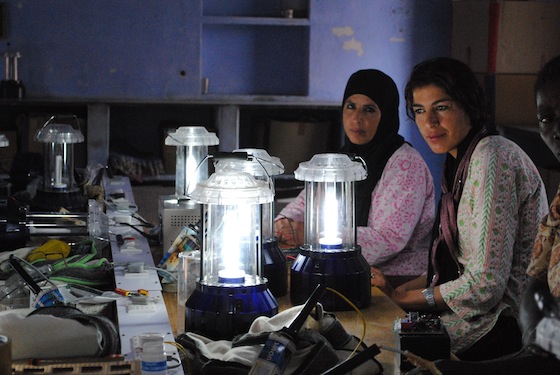
Barefoot College helps women learn solar engineering. Building software for non-profits gives good karma to this world.
Despite all the potential problems, the development of software for nonprofits brings about tremendous benefits. What are those? Above all, apps solve many organizational problems for the average organization. Nonprofits can better coordinate their volunteers in this way, for example. Another vital factor is that many people get better access to nonprofit services. A good site or app means that a large number of people can quickly find and access the help of some nonprofit organizations. Cooperation with nonprofits is also of great benefit to developing organizations. It’s a perfect chance to boost their reputation as many nonprofits perform vital work for the well-being of various disadvantaged groups and nations.
Conclusion:
To summarize, nonprofits should pay more attention to web and mobile app development. It offers many benefits that can enhance the visibility of the relevant organizations. If you work for a nonprofit and find app development interesting from the standpoint of your needs, we have some interesting options. KeenEthics is a company that can help you with developing relevant products for volunteers and clients. You can find the company via this link.
Car accidents even happen to electric car drivers and you need to know how to protect your rights.
Medical expenses after a car crash can add up quickly and be a financial burden. The financial strain can worsen if you can’t work due to your injuries. One of the biggest concerns for those involved in a crash is who will pay the medical bills.
The answer will depend on the circumstances surrounding your case. In Clearwater, your insurance provider may cater to your medical expenses. A car accident lawyer can help you understand all your legal options.
Read on to learn the possible scenarios in which medical bills get paid after an auto accident.
Medical Payments Coverage (Med Pay)
Med Pay is an optional type of auto insurance. It pays for medical expenses caused by an auto accident, regardless of fault. The amount of coverage offered by Med Pay policies varies. You, the policyholder, can choose the amount of coverage you want. The premium for the coverage is typically based on the amount of coverage selected.
Med Pay coverage pays for a variety of medical expenses. Examples include ambulance fees, hospital stays, X-rays, and dental work. It is important to note that Med Pay coverage has limits. That means there is a maximum amount that the insurer will pay out for medical expenses. A significant advantage of Med Pay is that you eliminate out-of-pocket medical expenses.
Your Health Insurance Company
One way to pay medical bills after an auto accident is health insurance. It provides coverage for medical expenses, including those incurred due to an accident. The coverage can include costs for hospital stays and doctor visits. It may also include diagnostic tests and other treatments.
You may receive a settlement from the at-fault driver’s insurer after an accident. Health insurance policies typically have a subrogation clause. It allows the insurer to recover the amount paid for medical expenses from any settlement you receive. The clause prevents you from receiving a double recovery for the same medical bills.
If You Are in a Fault State
In a fault state, the person responsible for your auto accident pays for damages. That includes lost wages, property loss, pain and suffering, and medical bills. Usually, their automobile insurance company caters to your medical costs by providing compensation.
You must file a claim to recover compensation from the at-fault driver’s insurer. After doing so, the insurer will launch an investigation into the accident. Settling your car accident claim may take a long time.
During that time, healthcare providers will still need to get paid. So, you can use other means to pay medical bills while waiting for compensation. For example, you can use your health insurance as discussed above.
If You Are in a No-Fault State
In some states, medical expenses after an auto accident get paid through a no-fault system. In no-fault states, drivers must carry personal injury protection (PIP) insurance. It covers medical expenses for the policyholder regardless of who caused the accident.
Your medical expenses may significantly exceed the no-fault policy limit. Alternatively, you may have sustained catastrophic injuries from the accident. In either case, you may be able to file a lawsuit against the liable party for compensation. However, the resolution of the case may take a while. So, you’ll need to find a way to pay the medical costs.
Uninsured or Underinsured Motorist Coverage
You may get involved in an accident with a driver who does not have insurance. In such a case, uninsured motorist (UM) coverage pays for your medical expenses. It also covers other losses like damage to your car. The coverage can also protect you if you’re in an accident with a hit-and-run driver. UM coverage is mandatory in some states and optional in others.
Other drivers may have inadequate insurance coverage. That’s where underinsured motorist (UIM) coverage comes in. It covers your medical bills if you are in an accident with an underinsured motorist.
Wrap Up
The answer to who pays medical bills after an auto accident isn’t straightforward. It depends on several factors, such as the laws of the state where the accident occurred.
A corporate sustainability course can help you take the rights steps on the green path.
Implementing a corporate sustainability strategy is an excellent first step. However, once this strategy is in place, the real work begins. Organizations must measure and track their performance against key sustainability indicators to ensure the sustainability strategy is being effectively implemented.
Measuring and reporting on an organization’s sustainability performance can be challenging. However, to ensure the success of a corporate sustainability program, it is essential to have a clear understanding of how performance is tracked and reported.
In this post, we will discuss how to select the right metrics and KPIs, establish baselines for performance tracking, generate useful reports to communicate sustainability performance, and develop an effective process for measuring and reporting.
To explore related topics in more detail, consider registering for a corporate sustainability course where you can develop the skills necessary to understand and manage sustainability performance in organizations. This can be an invaluable experience that helps you understand the complexities of measuring and reporting on corporate sustainability performance.
What is Corporate Sustainability?
Starting with the basics, corporate sustainability is the practice of integrating economic, environmental, and social considerations into a company’s decision-making processes.
It involves understanding and managing an organization’s performance across all three dimensions:
Economic
This involves integrating sustainability into the core business strategy and making decisions that consider the long-term financial impacts of investments and activities.
Environmental
Waste, energy and water usage, pollution control, and natural resource management are some of the most important environmental considerations. It also includes mitigating climate change impacts and considering the environmental impact of the products produced.
Social
This includes workforce safety, diversity, employee engagement, consumer protections, and community relation initiatives. Social sustainability also includes considerations around ethical sourcing and supply chain management.
Once an organization has established a corporate sustainability strategy, it is crucial to measure and report on performance, including any successes or failures. Measuring sustainability performance will help the organization understand its progress and identify potential areas for improvement.
Why Measure and Report on Sustainability Performance?
Measuring and reporting on sustainability performance is essential for any organization that wants to ensure the success of its sustainability program. It provides an understanding of how well a company is doing regarding its sustainability goals and helps identify areas for improvement.
Additionally, it allows companies to assess their progress against external standards and benchmarks, demonstrate accountability to stakeholders, identify risks and opportunities in time to take corrective actions, and ultimately build stakeholder trust.
How to Select Metrics and Key Performance Indicators (KPIs)
What are your green KPIs? Take your team to the next level by involving them
When measuring and reporting on corporate sustainability performance, selecting appropriate metrics and KPIs is important to capture the desired data points.
Some standard metrics used for tracking corporate sustainability performance include energy usage per unit of production, greenhouse gas emissions per employee, waste recycling rate, and water usage rate.
KPIs are metrics used to measure the performance of a business against specific goals. Examples include water usage intensity, energy efficiency, employee engagement, and customer satisfaction.
To be sure you’re choosing the right metrics and KPIs, it’s essential to consider the goals you want to measure and then select metrics that will accurately capture relevant data points. You can also research industry standards to see what other organizations are tracking. For example, if your business is a manufacturer, you might look at industry-specific benchmarks.
Establishing Baselines for Performance Tracking
When measuring performance, it is important to establish baselines so that progress against sustainability goals can be tracked over time. Establishing a baseline involves setting targets for each metric or KPI being measured and then tracking improvements relative to those targets.
Baseline targets should be established based on an organization’s current performance level and desired future state, considering any constraints such as budget or personnel resources. It is also important to ensure that the chosen metrics are applicable across all business units in order to maintain consistent reporting standards.
Generate Useful Reports
Once an organization has established metrics, KPIs, and baselines, it can begin generating useful sustainability performance reports. Reports should clearly communicate results, provide detailed information about individual performance indicators and offer insights into trends or underlying causes of progress or decline.
Additionally, reporting on sustainability performance is vital for demonstrating accountability to stakeholders as well as building trust in the business.
Develop an Effective Process for Measuring and Reporting
Finally, organizations must develop an effective process for measuring and reporting on corporate sustainability performance. This involves creating a framework that outlines how data will be collected, who will be responsible for monitoring performance, and how results will be communicated. This process should also consider any legal and regulatory requirements to be met when reporting on sustainability performance.
For example, if an organization operates in multiple countries, it must ensure its reporting process complies with local regulations. Additionally, organizations should determine how often they will update their sustainability performance metrics and establish a timeline for completing reports. Finally, if they use outside consultants, they should consider how often these individuals need to be engaged for the process to run smoothly.
Strategies for Measuring and Reporting Your Organization’s Sustainability Performance
Now it’s time to put all this into action.
Here are some strategies for measuring and reporting your organization’s sustainability performance:
Identify and track metrics relevant to your goals
Establish baselines for tracking progress over time
Generate useful reports to communicate results effectively
Develop an effective process for monitoring performance
Incorporate legal and regulatory requirements into reporting standards
By following these strategies, organizations can accurately measure and report on their sustainability performance to identify risks, opportunities, and areas for improvement. Doing so allows them to ensure their efforts are making a positive impact and helps them build trust with stakeholders.
Final Thoughts
To effectively measure and report on sustainability performance, organizations must take the time to identify the most relevant metrics, establish baselines for tracking progress over time, and develop an effective process for monitoring performance. Additionally, they should consider legal and regulatory requirements when designing their reporting process. Through these strategies, organizations can accurately assess their current position and progress toward sustainability goals.
By measuring and reporting on corporate sustainability performance, organizations are taking a crucial step toward creating a more sustainable future. With this information in hand, businesses can make informed decisions about how to best manage resources and drive positive change. In doing so, they will be able to contribute to a healthier planet while also remaining competitive in the ever-evolving marketplace.
If you throw a party for your work team and they are vegans, don’t make it a barbecue. Know the sustainability values of your team to boost moral and retain good people.
Are you looking for ways to improve employee engagement in your organization? If so, you’re not alone. Many companies struggle to engage their employees and boost morale. Luckily, a few key strategies can make a big difference. This blog post will share four pillars of employee engagement and how you can start implementing them in your business today. Doing so can create a more positive work environment and improve productivity levels company-wide. Let’s get started!
Define what employee engagement means to your organization.
Employee engagement is a crucial part of our organization’s culture. We value employee growth and satisfaction, and employee engagement is vital to accomplishing this. We provide employees with the resources, guidance, and honest feedback to foster employee success. To ensure employee engagement remains central and the highest level of productivity is achieved, we use employee engagement tool such as surveys which gauge employee opinion and the effectiveness of policies. Through this process, we can make timely changes that create a positive working environment for our employees.
Assess where your company stands in terms of employee engagement.
Assessing employee engagement is essential to the success of any business. A comprehensive employee engagement tool can help organizations identify areas for improvement and provide feedback on employee satisfaction. This enables enterprises to eliminate silos and improve employee loyalty, leading to higher performance levels within the company. Employee engagement tools can also create more effective communication between the business and its workforce, allowing companies to attract and retain quality talent. Taking the time to assess employee engagement will ultimately lead to better morale, productivity, and profitability.
Create a plan to improve employee engagement at your organization.
Improving employee engagement at our organization is an important goal. To achieve this, we should focus on providing clear communication between all departments, establishing meaningful and frequent employee feedback, and offering employee engagement tools. Communication between departments should stay consistent to ensure employees understand the company’s vision. Additionally, employee feedback needs to be considered to ensure their ideas are heard and acknowledged. What do they think about solar energy, greenhouse gases? Climate change? Are you doing enough in that area to satisfy the ecologists among you? Finally, employee engagement tools can play a crucial role in keeping employees motivated and engaged, including employee surveys or online workshops. With this plan in place, your organization will benefit from higher employee engagement levels.
Implement the plan and track progress over time.
Taking the first steps toward successfully implementing any plan can be daunting, especially if employee engagement is necessary. To ensure success, having an employee engagement tool that tracks progress over time is vital. This not only lets you know how far along the plan is in being executed, but it also allows you to make any changes if needed quickly and easily. Using this kind of tool will help keep your team informed and up-to-date with the most accurate data points possible as they strive to achieve their goals.
Celebrate successes and learn from failures along the way.
As life progresses, we must recognize our successes and learn from our failures. A helpful employee engagement tool to consider is celebrating successes and reflecting on mistakes along the journey. Doing so can be a powerful motivator for employees; feeling accomplished for a good outcome or taking away valuable lessons from an unsuccessful result will help keep individuals focused and provide them with a sense of purpose. Celebrating successes and learning from failure can be an excellent method to foster employee growth.
Employee engagement is a process that requires ongoing effort and vigilance from every level of your organization. By taking the time to assess where you are today, define where you want to be, and create a plan to get there, you’ll be well on your way to improving employee engagement at your company. And as always, remember to celebrate your successes and learn from your failures along the way!
Hydrogen energy may be the future. Currently it costs more to produce than it’s worth but testing, testing, optimising, testing again. This is how energy becomes cleaner and greener.
Every industry has been going through massive changes within the last few years. They are molding themselves rapidly to align themselves with the constant demand for better service and products. The IT industry is no different. Product needs, market circumstances, development processes, and developing codebases are some of the shifting parts of it. Constant movement is essential for software development teams in every facet. Digital transformation testing is making significant progress now.
What is digital transformation?
Since the digital transformation process will take on various forms inside various organizations, defining it as a whole might take time and effort. Nonetheless, digital transformation is the pervasive use of digital technology throughout an organization. It dramatically changes how organizations function and the value they provide to their consumers.
More than that, digital transformation is a shift in mindset. It demands regular questioning of the current quo, frequent experimentation, and a willingness to learn from setbacks. This sometimes necessitates cutting down tried-and-true business methods and welcoming a fresh approach.
Major forces influencing the evolution of testing
When software fails, it may have a devastating effect on finances. Businesses look for new testing practices and higher standards to save costs, improve quality, and shorten testing times. In addition, the testing environment is changing because of the developments in the testing business to deal with specific testing domain needs.
Software testing has evolved to focus on responding quickly and efficiently to the ever-shifting demands of the market. Agile software development is the main reason behind it and is undoubtedly becoming increasingly popular. Thus businesses should have testing and quality assurance procedures tailored to this methodology.
Technological advancements define businesses in the modern era. Cloud computing, mobile technology, and analytics are all being used by companies to engage customers more. It is essential to have specialized equipment and cutting-edge testing solutions to fulfill demand in these fields. Better ROI is the goal.
Every end-user expects a flawless experience every time. Customers anticipate that companies will do an excellent job from the start, as poor quality may cost money and resources and damage a company’s brand. It is now fundamental to the software development life cycle (SDLC). Thus businesses must pay close attention to detail to identify and meet all the criteria for each project.
Companies are making concerted efforts to elevate the quality of their software creation and testing procedures. Existing quality assurance techniques could be more efficient and effective. But often, they need to catch the zero defect aim for the deadlines despite substantial investment in testing.
Current procedures need to adequately describe test requirements, resulting in missing, erroneous, confusing, or unstable conditions, which can negatively impact the overall project. Furthermore, they rarely detail verification techniques to track requirements and test results effectively.
Another area that needs to be addressed in traditional test methods is test planning and scheduling. Often, test case descriptions are mistaken for test plans. Even when attempted, scheduling seldom results in enough time to conduct all necessary testing, mainly when the process is carried out manually. The fact that testing is frequently performed too late in the development cycle, which has severe consequences in terms of time, money, and quality, is the most annoying problem.
When businesses try to employ commercial testing tools, they often choose the wrong ones or don’t use them effectively. It’s tough for testers to use these tools since they need to be entirely adequate. Organizations must have adaptable testing models with the appropriate instruments and a sufficient degree of process maturity.
Transformation of testing and QA
Digital transformation testing aims to increase efficiency and reduce overhead expenses by adopting a “shift left” methodology throughout all testing processes. This allows businesses to reap cost and quality savings year after year.
Improving product quality while decreasing development costs and risk for businesses are the primary goals of transformation. A robust method integrates numerous processes and process aids with tools and procedures to hasten the transition from the present to the desired state. The first step is to provide a complete answer by combining the creation of a methodology based on standardization, optimization, improvisation, and automation.
MBT, or model-based testing, is a powerful test transformation strategy for developing and automating tests by the desired behavior (often functional) model.
MBT increases coverage and performance to new heights. Developers can include quality into test requirements, speeding up the various stages of testing and allowing for earlier issue identification. By automatically creating and running test cases, MBT drastically cuts testing times. As a result, it saves money while dramatically improving the reliability of the tested system.
An in-depth analysis of the test criteria is the first step in this process since it reveals previously unknown information and aids in documenting the finer points of the test’s specifications. Specifications or behavioral criteria are then used to guide the automation of the test model. It speeds up the process of automatically creating test cases and makes it possible to update test scripts in real-time to reflect any changes in the accompanying documentation. As a result, new test cases are not required.
Testing beyond digital transformation
A solar powered Roomba that cleans solar panels. They were tested for thousands of hours and are still tested to see how small tweaks make more energy
Implementing a digital transformation is a process that can have far-reaching effects and necessitates adjustments across many groups and departments. The difficulties posed by these shifts might be either technological or organizational. Many businesses find that modifying their testing procedures is one of the most challenging and time-consuming improvements they must make.
Digital experience monitoring is another way to think beyond digital transformation. It is a branch of performance analysis that aids in enhancing a digital agent’s behavior and operational experience while interacting with an organization’s application and service portfolio.
Conclusion
Testing is not limited to digital transformation. As IT is one of the fastest evolving industries, software testing needs to evolve with the same. For the big picture, invest in a tool like HeadSpin. Its AI-based testing insights will help you make faster decisions and improve your product anytime from anywhere in the world.
Workers at Los Alamos National Laboratory in New Mexico used organic cat litter to clean up nuclear waste. The litter triggered chemical reactions that later caused a drum to burst. US Department of Energy
We’ve all made this kind of mistake. A friend asks you to pick up some organic chicken and you buy free-range eggs, or your spouse asks for a dozen flowers and you bring back a dozen bags of flour. It’s worse when you are ordering items online and in a second language. Ever order one eggplant and receive one dozen? These things happen to the best of us. But imagine being the person who caused a nuclear accident by ordering the wrong kitty litter?
It happened in February 2014 at a nuclear weapons waste processing facility for the Los Alamos National Laboratory in New Mexico. Anyone involved may be trying hard to forget that it ever happened. The confusion began with a typo in a request for “kitty litter/zeolite clay.” (Zeolites can also be used in energy storage as I wrote here).
At some point this was replaced with kitty litter (clay). This was further transformed into an order for organic cat litter, specifically the sWheat Scoop brand which the manufacturer claims is 100% wheat. Now while the word organic has a folk meaning to environmentalists and hipsters at your local cafe, to chemists it means something more specific.
A two-letter typo led to a $500 million nuclear accident that exposed 22 people to radioactive contamination. Oops. Waste Isolation Pilot Plant (WIPP) near Carlsbad, NM. Photo by (US Department of Energy)
According to the Material Safety Data Sheet (MSDS) hyperglossary, the organic definition –– in the context of chemistry and materials, organic refers to a materials based on carbon (a chemical element abbreviated as C). Additional elements that are commonly found in organic materials are hydrogen (H), nitrogen (N), oxygen (O), phosphorus (P) and sulfur (S).
An unrelated and confusing definition of organic is used most often in reference to “natural” foods. For example, a simple definition of “organic produce” is fruits or vegetables that have been raised without the use of pesticides or herbicides. Of course, many pesticides and herbicides are actually themselves organic (using either or both definitions of “organic”).
Materials that are not organic are usually referred to as inorganic.
sWheatScoop kitty litter may have fit both the chemist and hipster definition of organic. But it was not what the nuclear waste chemists were looking for. To further confuse things, zeolite is not a clay even though it contains many of the same elements as clay and has some related properties. Zeolite takes in water by adsorption into a porous microstructure while clay slips water molecules between atomic sheets an a process called adsorbtion. (Apologies to autocorrect, yes adsorbtion and absorption really are two different things.)
So the boss’s request for zeolite clay might as well have been a request for a magic-colored unicorn, it doesn’t exist in this universe. Such is the imprecision of human languages in our complicated world.
Don’t try this at home
Green Prophet recently covered the possibilities of using Zeolite for energy storage and this amazing mineral has many more tricks up its sleeve. But while it might seem obvious that anything capable of detoxifying cat pee would be equally effective for nuclear waste disposal, this isn’t necessarily true.
The problem with using 100% organic wheat-based organic kitty litter for your nuclear waste disposal instead of zeolite (non-clay) kitty litter has to do with its reactivity and flammability when confined in a barrel with plutonium, americium, uranium and nitrate-based processing chemicals when compared to zeolite. It doesn’t help that all of this takes place deep underground in an abandoned salt mine where there is much more salt and nuclear waste than there are people to watch it.
So the problem wasn’t discovered until barrel #68660 burst, releasing radiation into a ventilation system. It is believed that several hundred nuclear waste barrels were contaminated with the wrong kind of kitty litter. The cost of the cleanup is said to have been more than half a billion.
So the next time you think you’ve had a bad day, think of this story and imagine how much worse it could be. And be careful with off-label uses of kitty litter.
Even if deflation appears to have a positive effect on household budgets for consumers, it is more dangerous for the economy than inflation. Deflation is the opposite of inflation and means a fall in prices. If there is no more price increase, one speaks of stagnation.
Deflation can become a dangerous downward spiral for an economy. To combat deflation, central banks lend cheap money to banks. These should stimulate investments by granting cheap loans, which in turn should create jobs and thereby strengthen purchasing power and increase demand.
Definition of deflation
What is deflation? When there is deflation, the prices of goods in the market fall. So, the value of money is increasing – people can buy more with their money. However, what sounds good at first has serious disadvantages. In fact, with inflation, money loses purchasing power.
Let’s understand the causes of deflation before we talk more about its serious consequences.
Causes of deflation
Deflation can occur when a central bank reduces the money supply too much as part of its monetary policy. Another reason can be that companies produce too many goods and there is an oversupply on the market.
Deflation is often favored and accelerated by reduced spending by private households and companies. In difficult economic times, people prefer to save. You don’t know if the future won’t get even worse. Companies are also cutting back on their investments.
Deflationary spiral
The monetary policy of the central banks is based on the optimization of the so-called magic square. This regulates the interaction between:
Full employment,
Price stability,
Balanced foreign trade
Steady economic growth.
It is the development and interaction of these factors that lead to deflation. When economic growth falls, the employment rate tends to fall as well. Rising unemployment leads to a drop in demand for goods. However, since companies have to sell, they are initially forced not to raise prices, which, together with rising unemployment, leads to falling wages. If demand continues to fall, stockpiles are formed. In order to reduce this, a price reduction must take place. The downward spiral has thus begun.
Consequences of deflation
Inflation results from rising demand and drives economic growth through higher production figures. During deflation, productivity falls, and there is no economic growth. Only foreign trade still offers a solution in this situation. Since prices in one economic zone drop significantly during deflation, companies may be able to deliver cheaper than their competitors in other economic zones with higher price levels.
Approaches to fighting deflation
When deflation occurs, there is a lack of demand, which usually results from high unemployment. So, the first step would be to create new jobs. These arise when companies have funds to make investments. For this purpose, the banks have to grant loans on more favorable terms.
The central banks can take the step of increasing the liquidity (free reserves) of the banks. In theory, banks can provide a credit on more favorable terms once they receive sufficient cash reserves from central banks. This gives companies the opportunity to create new jobs through investments. More jobs increase the purchasing power of the population and lead to increased domestic demand, which in turn means an increase in the production of consumer goods due to increased demand. This will stimulate economic growth again.
The banks have a key role in handling this situation since the central banks themselves are not allowed to lend to the economy. However, this cycle cannot be broken if private credit institutions remain reluctant to lend money.
Is inflation better than deflation?
Qataris and climate change
Central banks consider an annual inflation rate of two percent to be healthy. A moderate price increase signals that there is a steady economic growth. Rising personnel costs, as one of the drivers of rising prices, demonstrate a certain degree of employment, which in turn means demand. Japan suffered from the effects of deflation in the 1990s, and today confirms that this was the most difficult period in the Japanese economy. The recovery period lasted longer than the period of deflation itself.
Some environmentalists talk about negative growth or deflating economies to stop climate change and carbon emissions but if people can’t afford basic necessities such as heating a deflating economy might be worse than an inflating one. Companies respond to falling prices by slowing down their production, which leads to layoffs and salary reductions.
Hagay Ben Yehuda is taking matters into his own hands and making bread from ancient grains. He cultivates about 5 acres of land he plants with ancient grains.
We feel what happens to food prices and our lifestyle when conflict broke out in the Ukraine and Russia. So much of our daily lives are interdependent on the global village that countries, and people, know they need to start thinking more locally to support food traditions and the culture they love. On one side of the spectrum you have China building 8-story vertical pork farms, and on the other, thankfully you have individuals leading a new kind of sanity, like Hagay Ben-Yehuda. He is making bread by hand using ancient grains.
While the emmer wheat was native to the Levantine area, and helped usher in this region as the breadbasket of civilization, in recent decades all of Israel’s wheat, except for religious customs, is typically imported from America.
Funny, in the religious Jewish culture that devotes so much of its prayers and blessings to bread that these “blessings” have been brought from far and away lands, farmed on pesticide-intense mono-culture farms, and brought on ships.
But that’s changing thanks to a slew of bakers in Israel and no doubt the world, bringing on their own change loaf by loaf. But at a cost. Because local farming and hand baking doesn’t come cheap in one of the most expensive countries in the world. While the cost for fancy sourdough bread in Israel is rather high, about $9 or $10, customers are willing to pay for it as a commodity they can’t live without.
Ben Yehuda says that as a fifth generation baker “bread is an inseparable part of my family, of my memories and in general of who I am.”
Wheat hunters
Emmer wheat is one of the wheat he uses. It’s known as the “mother of wheat”, as it is the wheat used for bread in Biblical times and was then rediscovered growing wild near Mount Hermon, on the borders with Syria and Lebanon, by the 1940s.
Other strains of ancient wheat from the region include jaljuli, hourani, abu fashi and dubiya samra – all grown locally for millennia in the Levantine area, but by the 1960s already replaced by imported common wheat which is cheaper and for some easier to digest, but much less good for the body.
Israeli ancient wheat
Making a few hundred loaves a day, mostly going to Tel Aviv Ben Yehuda says he wants people to have the right memories from childhood, and does it as a labor of love. He says: “For the past for years I have been sowing ancient wheat varieties that were once grown here in the land of Israel in order to bring back the flavors and textures that originally belonged to this land, thus producing bread and local culture in the full sense of the word.
Zaha Hadid was an Iraqi and Middle Eastern woman architect, a starchitect legend who died too soon. She was the first female architect (and first Muslim) to win the prestigious Pritzker Prize. But the firm behind her name and iconic feminine language carries on. While we don’t love that Zaha Hadid‘s firm is behind the obnoxious ski resort in the Saudi Desert we do love that they have partnered for a nobler cause to bring more humane life-sustaining shelter to refugees who need homes.
There are millions of refugees in the Middle East and as we see after an earthquake in even politically-stable countries like Turkey where thousands of died and hundreds of thousands are now homeless, quick and safe and human shelter can be needed overnight. We wrote about 10 different kinds of shelters we hate to love and want to add Zaha Hadid’s to the list.
A joint venture between Zaha Hadid Architects and the Qatari foundation Education Above All Foundation (EAA), the newly donated tents will serve as schools, clinics and emergency shelters. The tents, modular and weather-proof, are designed for use in schools, clinics and emergency shelters in refugee and displaced communities.
Education Above All is founded by Sheikha Moza bint Nasser Al-Missned is one of the three wives “called consort” of Sheikh Hamad bin Khalifa Al Thani, the former Emir of the State of Qatar. She is also the co-founder and chairperson of the Qatar Foundation.
Three tents are already being used as schools for hundreds of displaced Pakistani and Syrian children in Pakistan and Turkey. The newly donated structures will be used as schools, clinics and temporary shelter for displaced communities in Syria, Turkey and Yemen.
Fifteen tents will be given to IOM, of which 10 will serve as schools and five as health clinics in Turkey and Yemen. In Syria, Qatar Red Crescent will receive 12 structures that it will serve as shelters for displaced communities in Syria according to press material.
Weather proof and allowing for daylight to enter, the tents are modular structures that can be easily moved and re-assembled, incorporating components that can also be upcycled or recycled for sustainability, thereby making them ideal for displaced populations.
A central enclosed space in the 12 metre-long by eight metre-wide module will primarily serve as a classroom for up to 45 students. Sail-like forms surround the space and give shade.
Unfortunately refugees in the Middle East oftentimes find themselves in permanent states of homelessness, giving them time to plant gardens. Their homes are usually no more than ragged tents and boxes.
With more than 70 million people displaced in their own countries or living as refugees, and half under the age of 18, the EAA saw a critical need for suitable infrastructure that could serve as classrooms, temporary housing, and medical centres for displaced children and their families.
The Qatar Foundation is supported by an endowment funded by the country’s enormous hydrocarbons revenues. The size and details of the endowment are unknown. The foundation is governed by a seven-member board of trustees and a board of directors.
The joint project will place 27 tents in Syria, Turkey and Yemen and will house schools for children to learn.
“Together, we developed a robust, cost-effective, and lightweight modular architectural system with fabric envelope to build structures that can be adapted in many variations to meet the conditions and lives of displaced children and children on the move,” said Zaha Hadid’s project architect Gerry Cruz.
Gerry Cruz, Zaha Hadid
“We hope that these newly donated tents will bring safety, learning and play to thousands in Yemen, Syria and Turkey.”
Tu B’Shvat Sameach, happy birthday, and happy new year to the trees! I write this from my farm in Ein Kerem, in the Jerusalem Forest, as the trees awaken from dormancy. The almond flowers are showered across the landscape – a Matisse painting of pinks and whites dotting the hills. The first signs of Spring.
As the outer landscape awakens from her slumber, our inner landscape does the same. All organisms are affected by this stirring, this emergence from hibernation – bacterial, plant, human…even organizations! This Tu B’Shvat, I’d like to introduce you to FIG (Food Integrated Gardens), my permaculture education, consultancy, design, and landscaping business.
Permaculture is a holistic environmental design system where we draw inspiration from patterns in nature to create functional design. Check out www.foodingardens.com if you’re looking for support in designing a landscape that is full of plant-food, plant-medicine, and features that heal and regenerate the earth, instead of depleting it. At FIG, we’ve worked on incredible projects, both in Israel and abroad, from conception and design, through installation. Seeing our clients’ ideas come to life, from dream to reality, is my favorite part of the work.
FIG is also a non-profit. We address environmental, social, and spiritual needs through educational programs, workshops, retreats and festivals. Our educational programs include a Shmita Permaculture Design Course (next one starts February 22nd until March 22nd – more info here!) apprenticeships, gardening programs, farm tours, youth-at-risk programming, and workshops.
We also convene six annual festival gatherings (Elul, Tu B’Shvat, Yom Kippur Chanukah, Pesach and Shavuot). These events are set in nature and connect participants to the Earth, to deep, joyful, embodied Jewish practice, and to one another. Each event culminates in a community work day and tangible, lasting permaculture project.
Gatherings take place at Har Hayot, our farm and home base, on 60 dunams (15 acres) of land in Ein Kerem, Jerusalem. Our permaculture farm is a living model of how to create a resilient landscape nourished by agricultural Jewish roots. We practice regenerative agriculture and have established a drought-tolerant food forest as an outdoor classroom. Our free-ranging goats and donkeys prevent forest fires and our honeybee hives ensure robust pollination. Through our programs, Har Hayot is becoming a green gathering point for urban-dwellers, a community resource, and a source of inspiration, spiritual renewal, health, and creativity in Jerusalem.
Our next event, taking place this Friday, is our Tree Faces Tu B’Shvat Festival. As of this writing, tickets are still available. I will be leading a tour of the food forest on the farm, where we will plant native, heirloom plants and fruit trees. We will make and plant seedballs, practice breathing tree meditation and Chi Kung, learn some Tu B’Shvat torah, dance, sing, and draw along with incredible local musicians, DJs, artists, and dancers. We’ll enjoy delicious hot food and an elixir bar stocked with special herbal winter remedies to keep us healthy and vital.
Can’t make it to the event but still want to support a greener, more sustainable Jerusalem? Sponsor a tree! We are purchasing only native heirloom trees and companion plants, which act together form guilds, the basis of our food forest. A food forest is a diverse planting of edible plants that attempts to mimic the ecosystems and patterns found in nature. It features a synergistic design in which the various layers of the forest work in harmony to promote soil health, clean air, water retention, biodiversity, and habitat for species. With the help of our goats and donkeys, our food forest even acts as a bulwark against forest fires. It also fights climate change, drought, and flooding. Lastly, the food forest produces abundant, local, delicious food! It provides its own pest control, creates its own fertilizer and protects itself from pernicious weather. You can sponsor a tree for yourself, for future generations, or in honor or memory of a loved one (we’ll e-mail them to let them know).
The trees will be planted on our farm, Har Hayot, in the Jerusalem Forest, on February 10th.
This Spring, as we emerge from a season of inward orientation, I hope to meet and connect with you. Whether in person, at the Tu B’Shvat event, or online, by sponsoring a tree, we would love to partner with you. To hear about future FIG happenings, join our mailing list.
On behalf of FIG, I’m wishing you a fruitful season. Keep connecting to your roots and harvesting fruits!