

Tu B’Shvat Sameach, happy birthday, and happy new year to the trees! I write this from my farm in Ein Kerem, in the Jerusalem Forest, as the trees awaken from dormancy. The almond flowers are showered across the landscape – a Matisse painting of pinks and whites dotting the hills. The first signs of Spring.
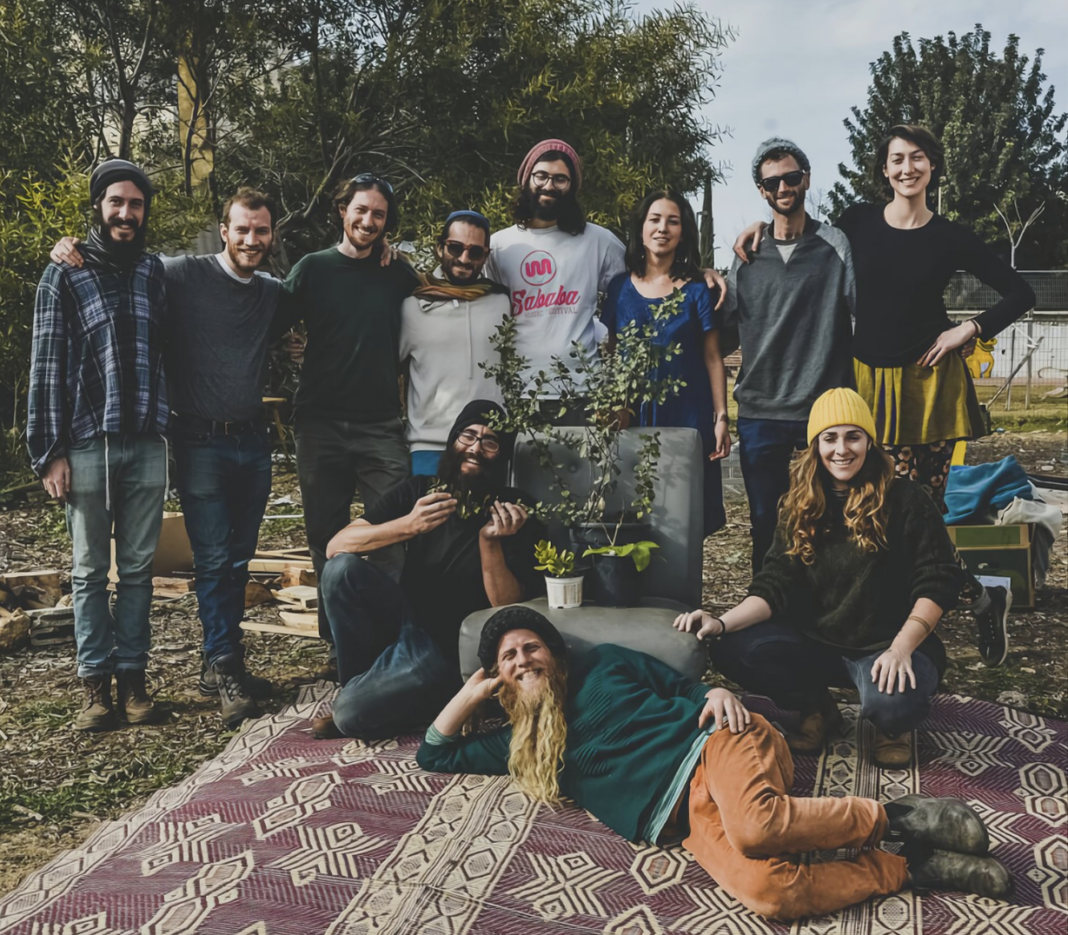
As the outer landscape awakens from her slumber, our inner landscape does the same. All organisms are affected by this stirring, this emergence from hibernation – bacterial, plant, human…even organizations! This Tu B’Shvat, I’d like to introduce you to FIG (Food Integrated Gardens), my permaculture education, consultancy, design, and landscaping business.
Permaculture is a holistic environmental design system where we draw inspiration from patterns in nature to create functional design. Check out www.foodingardens.com if you’re looking for support in designing a landscape that is full of plant-food, plant-medicine, and features that heal and regenerate the earth, instead of depleting it. At FIG, we’ve worked on incredible projects, both in Israel and abroad, from conception and design, through installation. Seeing our clients’ ideas come to life, from dream to reality, is my favorite part of the work.
FIG is also a non-profit. We address environmental, social, and spiritual needs through educational programs, workshops, retreats and festivals. Our educational programs include a Shmita Permaculture Design Course (next one starts February 22nd until March 22nd – more info here!) apprenticeships, gardening programs, farm tours, youth-at-risk programming, and workshops.
We also convene six annual festival gatherings (Elul, Tu B’Shvat, Yom Kippur Chanukah, Pesach and Shavuot). These events are set in nature and connect participants to the Earth, to deep, joyful, embodied Jewish practice, and to one another. Each event culminates in a community work day and tangible, lasting permaculture project.
Gatherings take place at Har Hayot, our farm and home base, on 60 dunams (15 acres) of land in Ein Kerem, Jerusalem. Our permaculture farm is a living model of how to create a resilient landscape nourished by agricultural Jewish roots. We practice regenerative agriculture and have established a drought-tolerant food forest as an outdoor classroom. Our free-ranging goats and donkeys prevent forest fires and our honeybee hives ensure robust pollination. Through our programs, Har Hayot is becoming a green gathering point for urban-dwellers, a community resource, and a source of inspiration, spiritual renewal, health, and creativity in Jerusalem.
Our next event, taking place this Friday, is our Tree Faces Tu B’Shvat Festival. As of this writing, tickets are still available. I will be leading a tour of the food forest on the farm, where we will plant native, heirloom plants and fruit trees. We will make and plant seedballs, practice breathing tree meditation and Chi Kung, learn some Tu B’Shvat torah, dance, sing, and draw along with incredible local musicians, DJs, artists, and dancers. We’ll enjoy delicious hot food and an elixir bar stocked with special herbal winter remedies to keep us healthy and vital.
Can’t make it to the event but still want to support a greener, more sustainable Jerusalem? Sponsor a tree! We are purchasing only native heirloom trees and companion plants, which act together form guilds, the basis of our food forest. A food forest is a diverse planting of edible plants that attempts to mimic the ecosystems and patterns found in nature. It features a synergistic design in which the various layers of the forest work in harmony to promote soil health, clean air, water retention, biodiversity, and habitat for species. With the help of our goats and donkeys, our food forest even acts as a bulwark against forest fires. It also fights climate change, drought, and flooding. Lastly, the food forest produces abundant, local, delicious food! It provides its own pest control, creates its own fertilizer and protects itself from pernicious weather. You can sponsor a tree for yourself, for future generations, or in honor or memory of a loved one (we’ll e-mail them to let them know).
The trees will be planted on our farm, Har Hayot, in the Jerusalem Forest, on February 10th.
This Spring, as we emerge from a season of inward orientation, I hope to meet and connect with you. Whether in person, at the Tu B’Shvat event, or online, by sponsoring a tree, we would love to partner with you. To hear about future FIG happenings, join our mailing list.
On behalf of FIG, I’m wishing you a fruitful season. Keep connecting to your roots and harvesting fruits!