
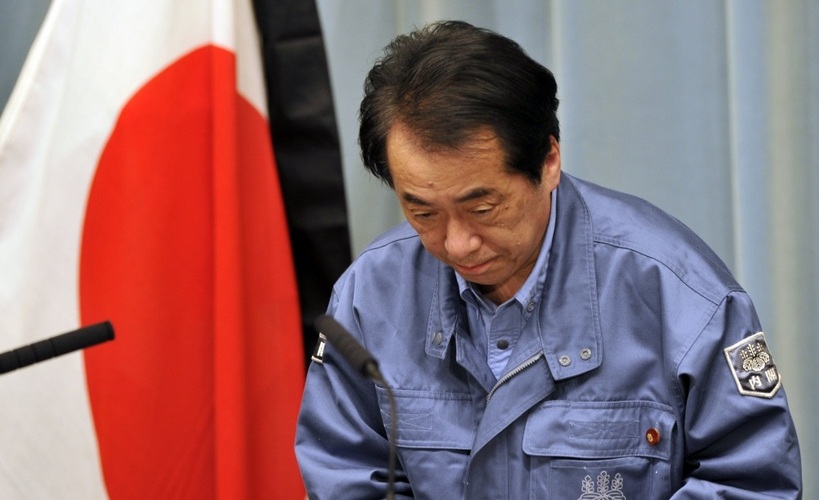

 Japan’s PM Naoto Kan apologizes to his nation, and to the world, concerning radiation leakage at Fukushima reactors
Is the Japanese nuclear radiation crises getting better, or getting worse? It depends on who is reporting the ongoing events at the Fukushima nuclear reactors, which were heavily damaged by the 9.0 magnitude earthquake and subsequent tsunami that hit offshore two weeks ago. The radiation leakage at the Fukushima reactors, which many are saying will have a serious affect on the world’s environment, is already having a catastrophic affect on Japan’s immediate environment, with indications of radiations levels even surpassing those of the 1986 nuclear accident in Chernobyl.
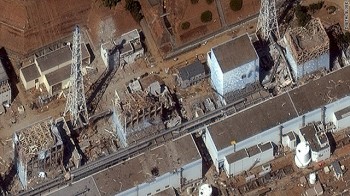
Fukushima reactors, Friday, March 25
In an update reported on CNN it is now estimated that radiation levels in the ocean near the Fukushima nuclear plants are as much as 1,250 times normal levels. And salt water corrosion has further damaged the reactor’s fuel rods.
Can Japan’s Fishing Industry Survive This Crisis?
Such high levels of radiation could be a disaster to Japan’s fishing industry, from which the country heavily depends on as a major supplier of protein and other food products, including various types of kelp and other marine seaweed.
Japanese Prime Minister Naoto Kan has made numerous appearances on Japanese television stations in an effort to keep the public informed and try to calm their fears regarding the radiation leakage problems which have resulted in many food products and even water supplies being considered as contaminated by higher than normal levels of radiation.
PM Kan has even gone as far as giving an official apology to persons living in the vicinity of the plants; especially to the nuclear plant workers, who have been exposed to as much as many times the normal radiation dosages. He said he apologizes for the damages caused by the radioactivity in food and water supplies and especially to those directly exposed to dangerous radiation levels. He said that his government “will do everything possible to compensate and care for the victims of radiation, and reduce radiation levels back to normal.”
The prime minister’s efforts at calming public fears may be too little and too late, however, as he said that: “we are in a position that we must not be optimistic, and must treat every new development with the utmost care.”
That comment is putting it lightly, as far as what may actually be going on in regards to the true state of the situation and how it is affecting everyone; especially Japanese farmers and other food producers, who see their livelihoods being destroyed by the nuclear radiation crises.
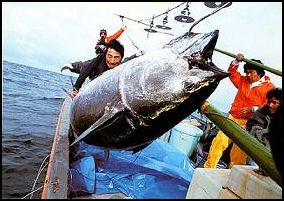 Will these tuna be radioactive?
One thing that has resulted from the Japanese nuke crises is that governments all over the world are now reassessing their own nuclear energy programs. This includes the Turkish government, which has decided to go head with their nuclear energy program.
Other countries in the Mediterranean and Middle East regions, including Israel, may not be so positive as Turkey is, however. Israel was considering building a nuclear power plant in its northern Negev desert region and is now apparently having second thoughts about doing do. Scientists who are familiar with Israel’s small scientific reactor near the Negev city of Dimona, are claiming that this 50 year old reactor could be in danger of having its own nuclear accident if the reactor’s aging cooling system should fail.
Undoubtedly, we’ll all be watching to see what develops in Japan during the coming days, as radiation levels in both the sea and in fresh water supplies continue to be carefully monitored. In the meantime, it is still being advised in many areas in Japan not to give tap water to infants under one years old.
More on Japan nuclear crises and implications for the Middle East:
Japanese Nuclear Plant Melt Down Could Affect World Environment
As Japan Nuclear Plants Melt Down, Israel to Build “Safe” One in the Desert
Despite Japan Nuke Crisis, Turkey Goes Ahead With its Nuke Reactor Program


world is shocked with the Earthquake & tsunami in Japan. Now Japan is suffering with radiation threat. World countries are well known about the threat from the Nuclear Power Plants.Every Country should not build Nuclear power plants. They should search for other alternatives for power generation.
Thanks, CrisisMaven. This can be a great topic for another article.I’m sure it can later be translated into Japanese, etc.
You may also be interested in how to treat radioactively contaminated drinking water:
http://crisismaven.wordpress.com/2011/03/22/dangers-properties-possible-uses-and-methods-of-purification-of-radioactively-contaminated-drinking-water-e-g-in-japan/
Maybe someone wants to help with Japanese and other languages?