Abu Dhabi’s "Wondering Where the Lions Are" (And Why The Corals Won't Come Back)

abu dhabi water pollution persian and arabian gulf photoScientists seek to solve the mystery of disappearing coral in Abu Dhabi. Bring in Inspector Clouseau!

It doesn’t take a whole lot of common sense to figure this one out: you build monolithic structures and artificial islands on a fragile seashore along the Persian Gulf, have oil tankers pulling petrochemicals from the land which leaks into the water. Add a little global warming, sewage and fish farming to the mix, and well, corals –– one of the most delicate structures in the marine ecosystem –– just die.

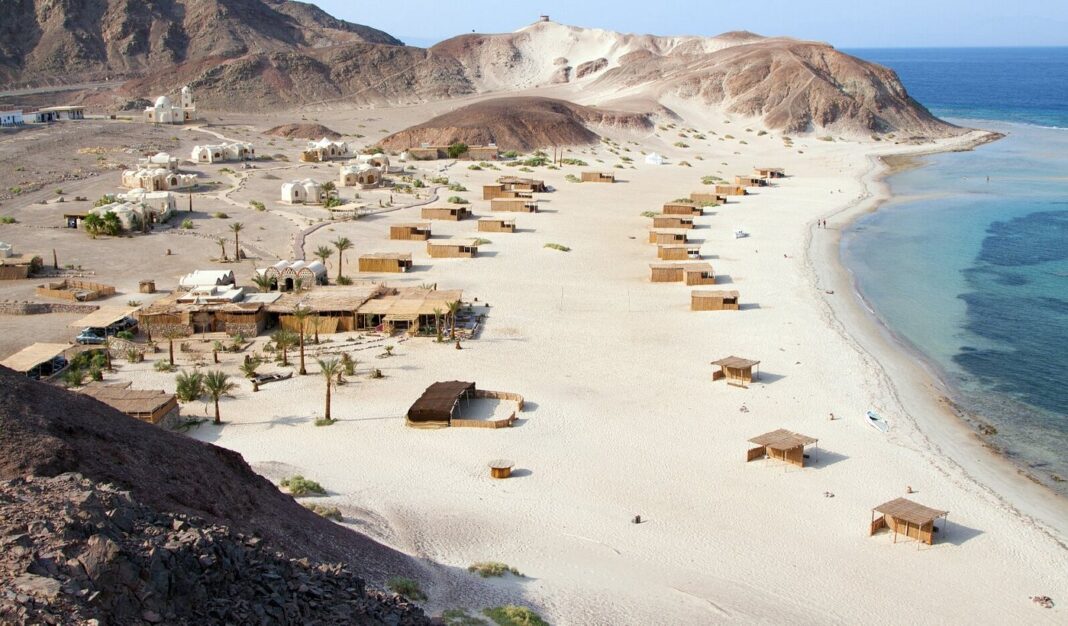
That’s what’s been happening west of the city of Abu Dhabi, the capitol of the United Arab Emirates, where a coral “wipe out” 10 years ago, has failed to revive itself. The whole sad story of the mess humanity is doing to this world makes me think of the old Bruce Cockburn song “Wondering Where the Lions Are.”

According to the Abu Dhabi newspaper, The National, the coral reefs west Abu Dhabi are not regrowing, as was hoped. Now, a US-Abu Dhabi team seeks to find out why. Led by Prof. John Burt from New York University, the team will investigate and study nine locations along the Abu Dhabi coastline to find out more.

“We are covering reefs all the way from the border with Qatar to the border with Dubai,” said Prof Burt to the newspaper, who noted that only around 20% of the original coral is left since he started monitoring bleaching events.

The reef in question, genus Acropora, west of Abu Dhabu is particularly sensitive to environmental changes. They are always almost the first ones to die in cases of high salinity, temperature or high amounts of sediment,” Prof Burt said.

Bye, bye grouper bye, bye

We already know that although coral reefs cover just a small amount of the ocean floor and they house some its greatest marine life diversity. In the Abu Dhabu region, if coral disappear so will certain types of commercial fishing, such as the orange spotted grouper. Pollution from commercial fish farming and silt from coastal destruction takes its toll on marine life – we’ve already learned about the effects of coastal erosion in this evolutionary hotspot, so why the big question of where the corals are. Human activity have killed them.

Reefs east of Abu Dhabi have showed signs of recovery, but those in the west have not. Prof. Burt believes that western conditions such as high salinity and warmer temperatures could be the reason. Or poor water circulation. We think it’s all these factors mixed in with all of the above manmade causes: coastal erosion, pollution and global warming. Meanwhile Prof. Burt is going to test the waters with a series of ceramic plates at nine locales to see what clings to the surface. Coral larvae he’s to collect may give some important clues. We hope some proof to the international community who can stop the frenetic takeover of the Gulf waterways.

Meanwhile, if you are still wondering where the coral reefs – or lions are – mull over the question of our place in history with this great Bruce Cockburn song… thinking about eternity (see video below). If you want to do your part, consider joining or supporting an eco-organization in the United Arab Emirates. We wish we knew of some worthwhile to recommend. Start with the UAE’s environment ministry. They might have some good ideas.

[youtube width=”560″ height=”400″]http://www.youtube.com/watch?v=ZL4CdHd9ma4&feature=related[/youtube]

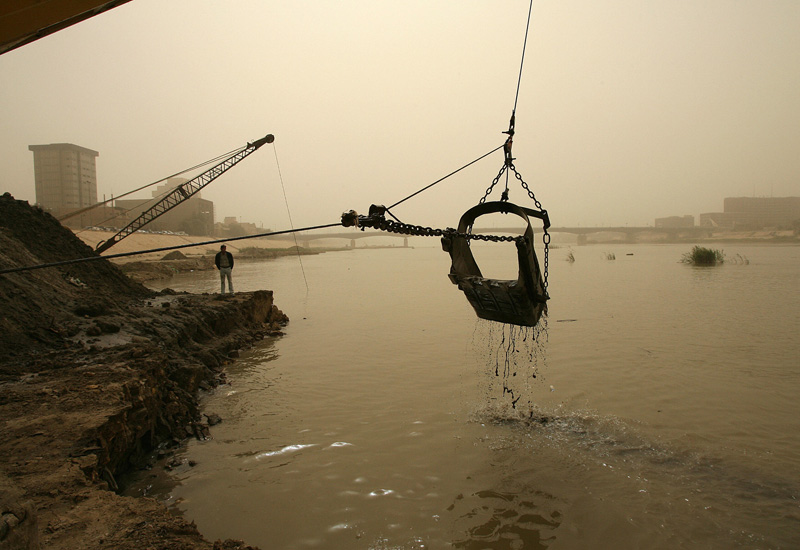
(Above image: Pollution from Iraq’s Tigris River flows straight into the Persian Gulf. Image via AP and the website utilities ME).


Karin Kloosterman
Karin Kloostermanhttp://www.greenprophet.com
Karin Kloosterman is an award-winning journalist, innovation strategist, and founder of Green Prophet, one of the Middle East’s pioneering sustainability platforms. She has ranked in the Top 10 of Verizon innovation competitions, participated in NASA-linked challenges, and spoken worldwide on climate, food security, and future resilience. With an IoT technology patent, features in Canada’s National Post, and leadership inside teams building next-generation agricultural and planetary systems — including Mars-farming concepts — Karin operates at the intersection of storytelling, science, and systems change. She doesn’t report on the future – she helps design it. Reach out directly to [email protected]

Read More

1 COMMENT
  1. I love this song and what a great parallel. Agreed that human beings can be pretty stupid sometimes. Quite frankly it looks quite scary what's going on in the Middle East vis a vis wildlife protection. Who's there defending nature?

Comments are closed.

TRENDING

Meet Seramic Materials from Abu Dhabi

Based in Masdar City, Abu Dhabi, Seramic Materials was founded in 2019 by Dr. Nicolas Calvet and Dr. Jean-François Hoffmann, researchers working at the intersection of renewable energy and materials science. The company grew out of the Masdar Institute ecosystem and is supported by clean tech programs like The Catalyst, with early backing of around $150,000 and more than $2 million invested in research and development over time.

OPEC and energy stocks in the UAE – insight from eToro

Energy equities are responding unevenly to the evolving landscape. Companies with direct exposure to UAE production growth and infrastructure are benefiting from increased activity expectations, while global oil majors face a more mixed outlook.

Renewables hit 5,149 GW in 2025 as the world edges away from oil shocks and fossil-fueled conflict

“In the midst of uncertain time, renewable energy remains consistent and steadfast in its expansion,” said Francesco La Camera, IRENA’s Director-General. “A more decentralised energy system, with a growing share of renewables and more market players, is structurally more resilient.”

What are AWG air-water generators, and why they aren’t a golden-bullet solution (yet)

Atmospheric water generators (AWGs) sound like magic: machines that can pull drinking water out of air. The idea is mentioned in the Bible, where the elders would pray for water collected as dew on plants and the catch on turning this into a machine is in the physics. To turn invisible vapor into liquid, you must remove heat, especially the latent heat of condensation.

BM Studios is designing systems, not just buildings in the UAE

Balsam Madi is an architect and systems thinker whose work bridges culture, sustainability, and design intelligence across the Middle East and Europe.

How to quiet noise from construction in your office

Streets need to be resurfaced in New York but the humming and grinding noise is unsettling. Noise is environmental pollution. 

EarthX and a blueprint for sustainable investing

Trammell S. Crow, a Dallas-based businessman and father of four, is focusing his efforts on impact investing, and media that focuses on saving the planet through EarthX.

Mining Afghanistan’s Mineral Discoveries Similar to Avatar

Now that American forces in Afghanistan are commemorating the longest period of any war that America has been involved in, including the 1965-73 Vietnam War, the recent discoveries of large and extremely valuable mineral and metal deposits may finally bring to light a reason to continue the presence of US fighting forces in this war torn and backward country.

From Pilot Plant to Global Stage: How Aduro Clean Technologies’ 2026 Expansion Signals a Turning Point for Chemical Recycling Investors Like Yazan Al Homsi

The company's Next Generation Process (NGP) Pilot Plant in London, Ontario, has officially moved into initial operating campaigns, generating the kind of structured, repeatable data that separates laboratory promise from commercial viability.

Nobul’s Regan McGee on Shareholder Value: “Complacency Is the Silent Killer” 

Why the governance framework designed to protect shareholders so...

Should You Invest in the Private Market?

startustartup Unlike public stock exchanges, which offer daily trading, strict...

How to build a 100-year-company

Kongō Gumi is a Japanese construction company, purportedly founded in 578 A.D., making it the world's oldest documented company. What can we learn about building sustainable businesses from them?

How AI Helps SaaS Companies Reduce Repetitive Customer Support Work

SaaS products are designed for large numbers of users with different levels of experience, and also in renewable energy.

Popular Categories