Zentera drops “ethical wool” claim after peta exposé into zq-certified farms

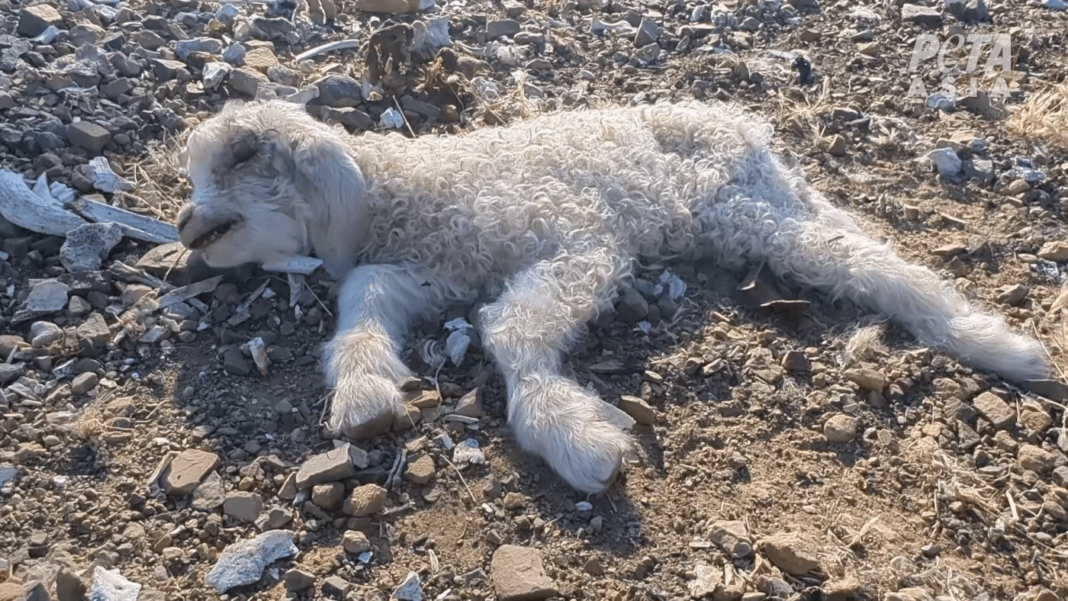
One worker callously said that instead of providing care for sick or struggling sheep, it was “easier” when they died “out of sight, out of mind.”

The problem with outsourcing ethically-farmed anything to third party companies. This news should shift how ethical fashion operates and considers liability for wrongful marketing.

The New Zealand Merino Company, now rebranded as Zentera, has quietly removed the phrase “world’s leading ethical wool brand” from its website, a notable change that comes after a disturbing investigation by PETA Asia-Pacific into the company’s ZQ-certified wool supply chain, PETA reports to Green Prophet. Zentara, according to its website, supplies wool for 30 leading fashion brands. They are a supplier that CSR VPs have come to rely on for annual and quarterly reports.

They have changed wording on their website and say that their wool is “grown with care.”

ZQ, which now stands for “Zentera Quality,” is Zentera’s official wool certification label, marketed as a standard for animal welfare, traceability, environmental stewardship and social responsibility. Big brands which feature their products as ethical and “kind” are sold by brands including Allbirds, icebreaker, Smartwool (I love their socks), Mons Royale who touts “we are going regenerative!”; and Untouched World, all of which publicly market items made with ZQ- or ZQRX-certified wool.
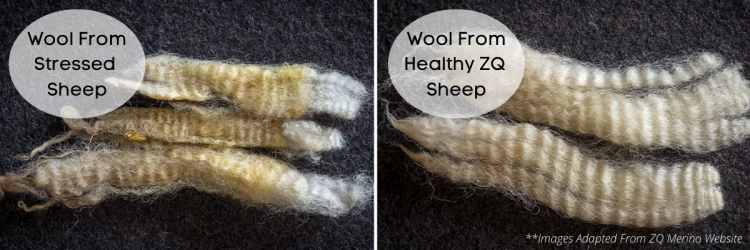
Zentera offers a "superior" unstressed wool
Zentera offers a “superior” unstressed wool

For years, wool has been sold to consumers as the natural, sustainable alternative to synthetic fibers. But when “ethical” becomes a marketing shield rather than a measurable reality, the industry has a serious credibility problem. (We buy sweaters from babaa in Spain).

If you go to some of the companies that use ZQ wool they are still celebrating the “eco credentials of their suppliers, like with SmartWool, this screen capture taken April 1. This is not April Fool’s.
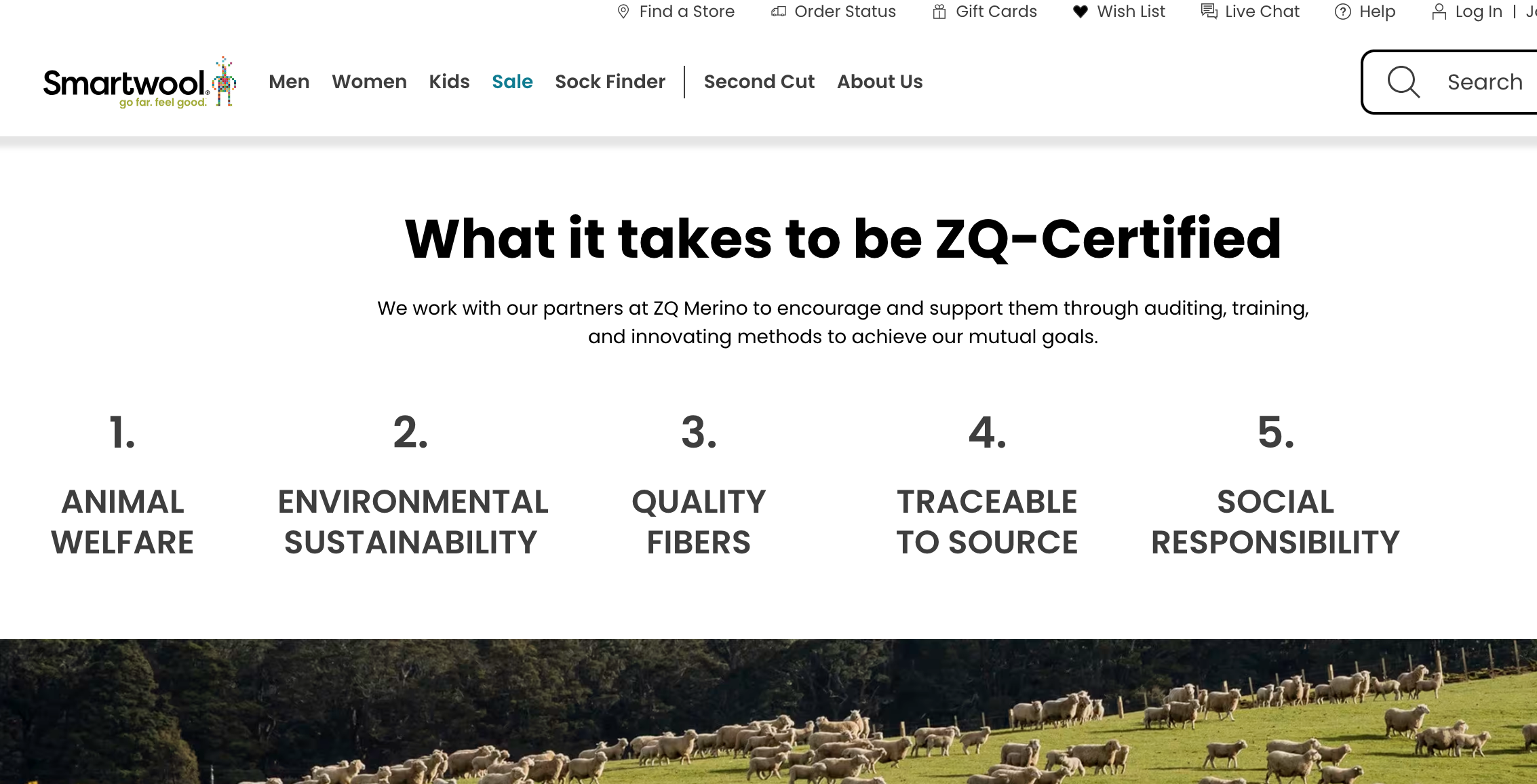
SmartWool uses ZQ-certified wool

PETA Asia-Pacific says it went inside 11 farms and shearing sheds in New Zealand that produce ZQ-certified wool, which it describes as “a sham certification standard developed and owned by The New Zealand Merino Company.” According to the animal rights group, investigators found that “shearers kicked, beat, and stomped on sheep and threw them down chutes. One worker slammed a sheep’s head against a hard wooden board three times.”

All Birds advertise ZQ wool on their website
All Birds advertise ZQ wool on their website: April 1, 2026

The allegations do not stop at the shearing shed.
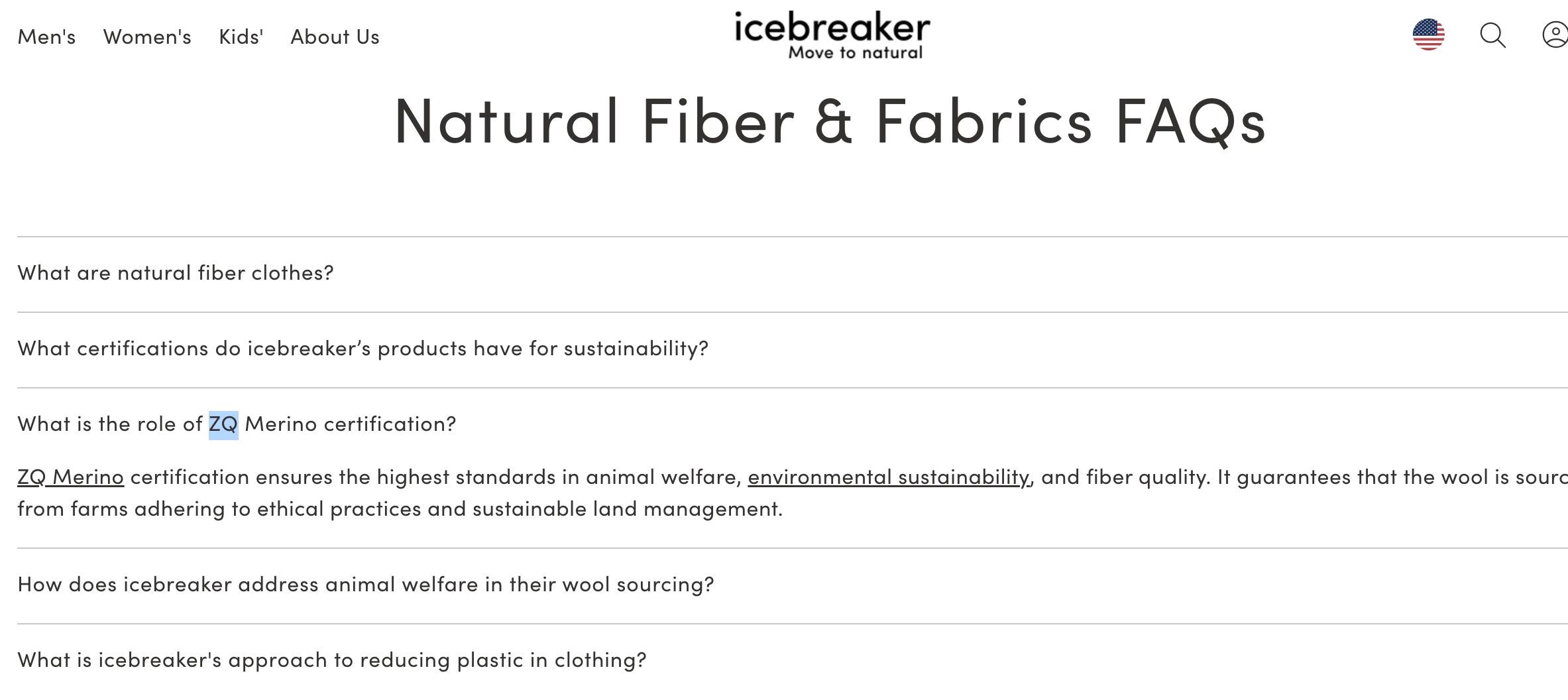
Despite PETA putting out an alarm about Zentera wool in December, 2026 companies like icebreaker still advertise their supplier's eco-credentials. April 1, 2026
Despite PETA putting out an alarm about Zentera wool in December, 2026 companies like icebreaker still advertise their supplier’s eco-credentials. April 1, 2026

PETA says that sheep from ZQ-certified farms whose fleece production had declined were later sent to slaughter, including to a slaughterhouse owned by Silver Fern Farms. There, according to the organization, sheep were “forced onto conveyer belts, electroshocked in the head, and violently killed.” In its account of the footage, PETA says the stunning process was at times inadequate and that some sheep appeared to show signs of consciousness after their throats were cut. One worker laughed at dying sheep when blood was pouring from its eyes.
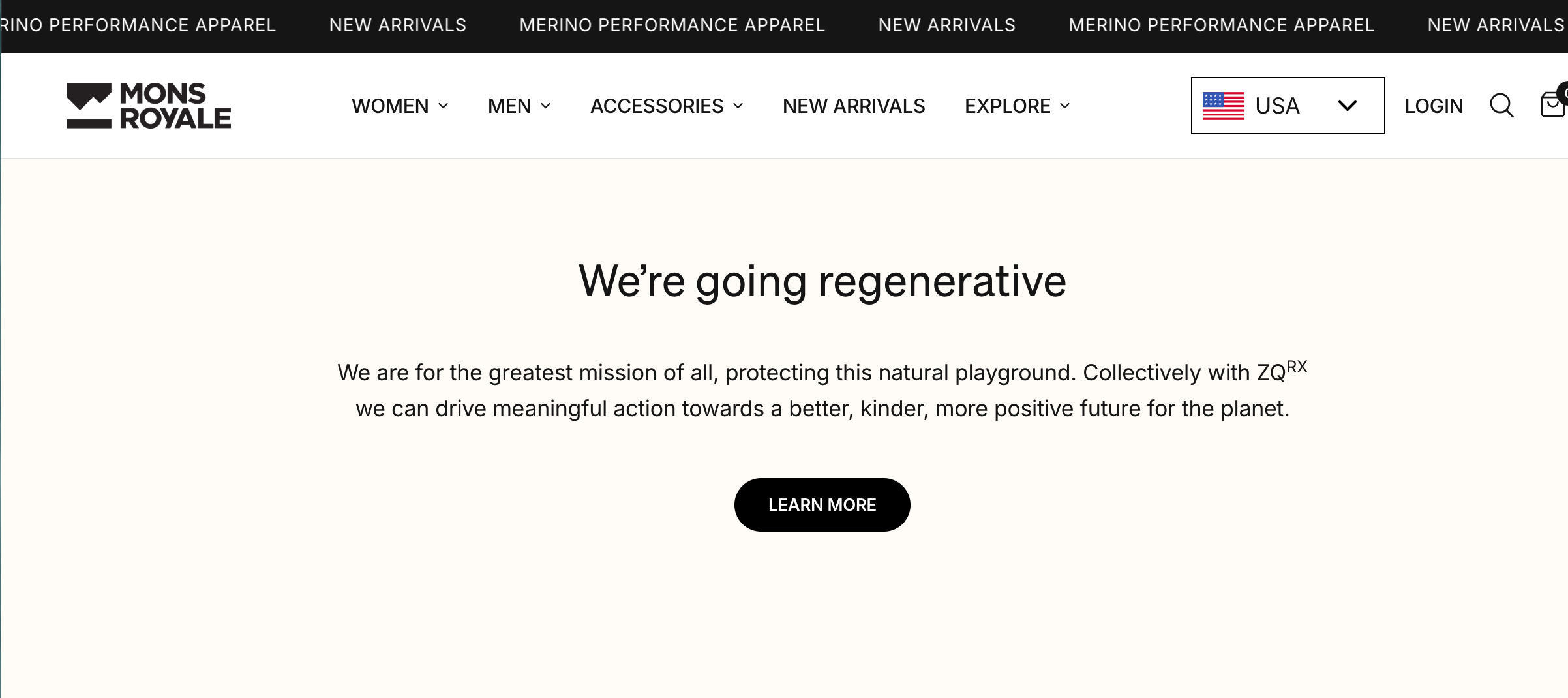
Mons Royale uses "regenerative" wool
Mons Royale uses “regenerative” wool

The group says it has submitted evidence from the farms to New Zealand’s Ministry for Primary Industries, calling for investigation and charges over what it describes as apparent violations of animal cruelty laws. Green Prophet has not independently verified the footage or the full scope of the allegations, but the claims are serious enough to put pressure on every brand still using ZQ wool as a reassurance label. We have reached out to Zentera for a comment.
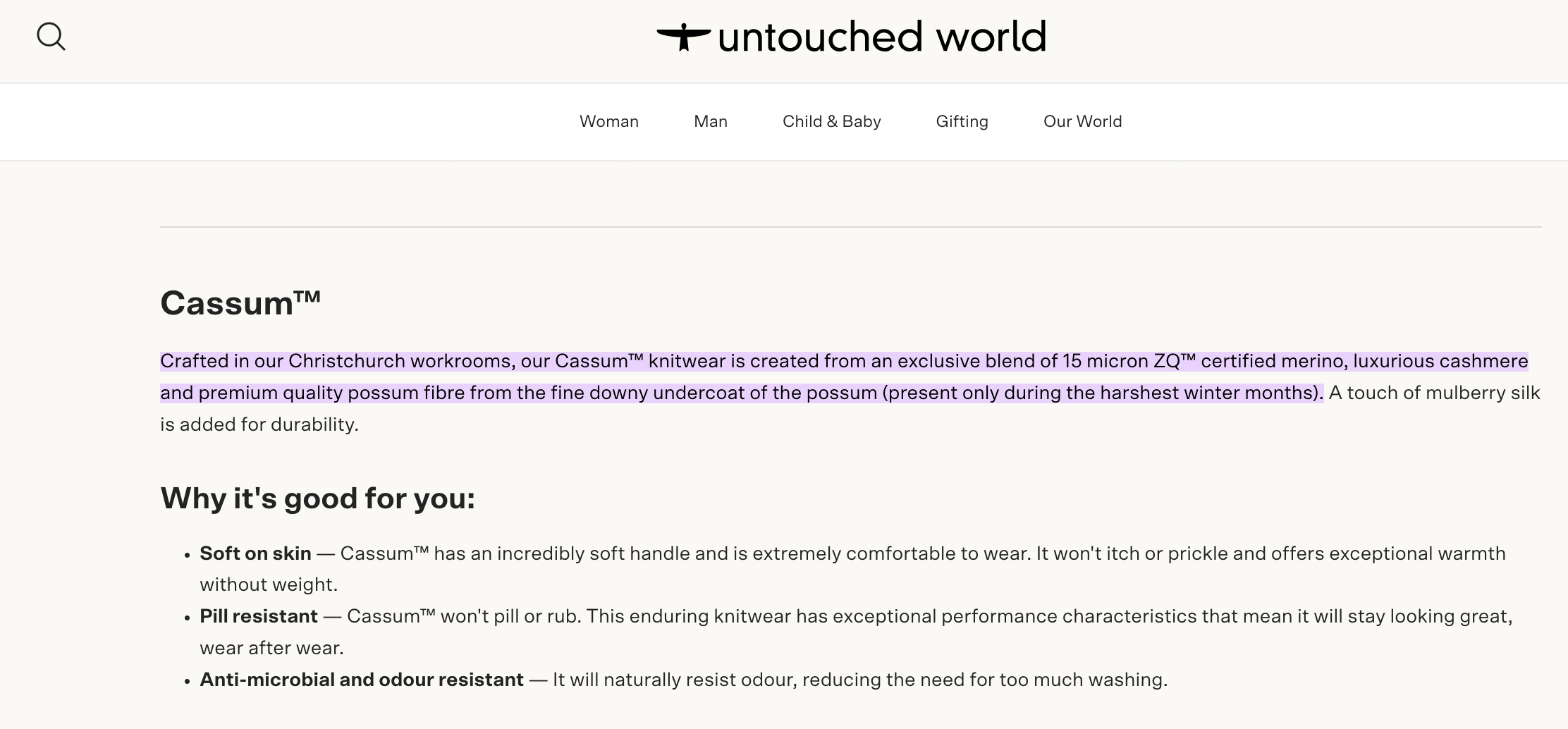
Untouched World touts using ZQ-certified cashmere from possums (Screengrab April 1)

Among the most shocking findings documented by PETA Asia-Pacific were claims that “workers whipped, tackled, and hit sheep with various objects, including a ski pole,” and that “sheep were left with gaping wounds that were stitched up without painkillers.”

“One worker laughed at a sheep as blood ran down their face from an eye injury,” PETA told Green Prophet.

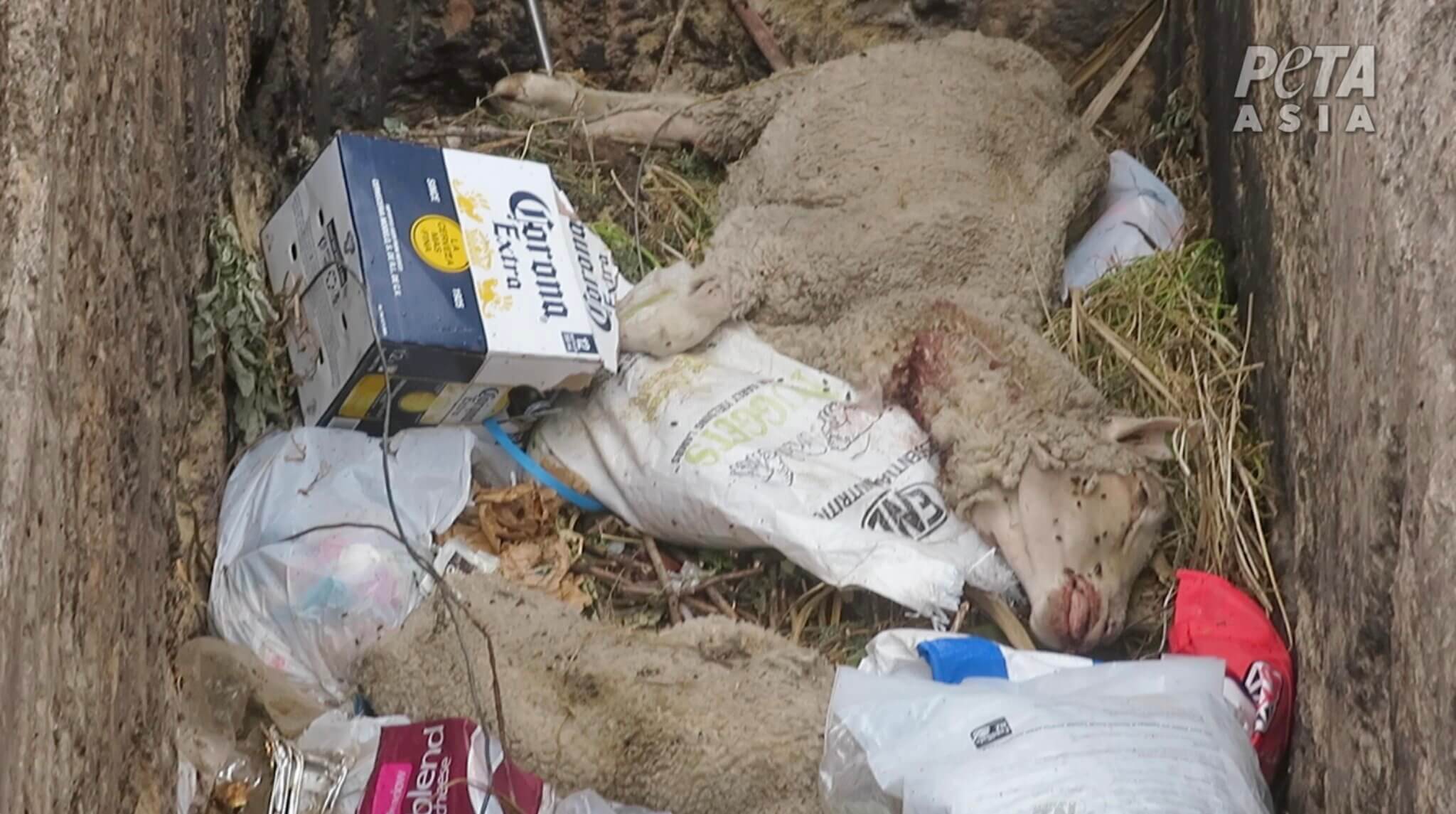
The investigation also describes overcrowding so severe that one sheep was allegedly “smothered to death,” after which “her wool was still shorn to be prepared for sale.” In another alleged incident, “a farmer slit the throat of a conscious sheep after the animal spent days struggling and collapsing. Her body was dumped into a trash pit.”

These are not the kinds of images consumers picture when they buy a merino sweater labeled “ethical.”

And that may be the larger story here.

Fashion has become adept at swapping one moral language for another. “Natural.” “Regenerative.” “Ethical.” “Responsible.” These words can reassure shoppers who want to avoid petroleum-based fast fashion, but they can also obscure what is happening to animals in industrial supply chains. Wool may biodegrade but that does not automatically make it humane.

For brands relying on ZQ-certified wool, the Zentera rebrand raises uncomfortable questions. Was the removal of the “ethical wool” claim a routine repositioning, or a quiet retreat from language that no longer withstands scrutiny?

Either way, the burden now falls on fashion labels, outdoor brands, and luxury houses using certified merino to explain what exactly they mean when they ask consumers to trust them.

Because if “ethical wool” can include animals who are, in PETA’s words, “kicked, punched, killed,” then the label may not mean much at all.

 

Karin Kloosterman
Karin Kloostermanhttp://www.greenprophet.com
Karin Kloosterman is an award-winning journalist, innovation strategist, and founder of Green Prophet, one of the Middle East’s pioneering sustainability platforms. She has ranked in the Top 10 of Verizon innovation competitions, participated in NASA-linked challenges, and spoken worldwide on climate, food security, and future resilience. With an IoT technology patent, features in Canada’s National Post, and leadership inside teams building next-generation agricultural and planetary systems — including Mars-farming concepts — Karin operates at the intersection of storytelling, science, and systems change. She doesn’t report on the future – she helps design it. Reach out directly to [email protected]

LEAVE A REPLY

Please enter your comment!
Please enter your name here

TRENDING

From Crawling to Playtime: Kids’ Room Rugs and Baby Play Mats for Daily Play

Introduction: Explaining the Importance of Play for Children's Development Play...

PETA pressures H&M to ban mohair again after new farm abuse investigation

Remember PETA? The group of animal activists that threw...

Stay at Michelberger in Berlin, your home base for the last cool city on earth

Berlin still feels like the last real city where you can just walk out the door and live without a schedule. Staying at Michelberger gave us a base in the middle of Friedrichshain’s raw energy – near RAW-Gelände, Skatehalle, Boxi and all the vegan food and alt shops you could want. From there, Berlin unfolds on foot, by tram, and without ever needing a tourist plan.

Regenerative circling faming with man, AI, robots and solar power

In the next wave of regenerative agriculture, the farm is no longer a grid of efficiency but a living circle—with the human spirit at its core. Instead of replacing the farmer, AI and robotics now orbit like silent companions, extending our hands rather than erasing them. A rotating robotic arm moves through the plot not as a master, but as an assistant, guided by ecological intelligence and human intuition. This is not automation for profit—it’s a return to sacred design, where technology becomes humble, circular, and in service to the soil, the grower, and the wider web of life.

Rewilding the Suburb: Lagoon Valley’s Profound Plan for Conservation Community in California–– An Interview with Developer Curt Johansen

Lagoon Valley developers have set aside a remarkable 85% of its total land for open space, trails, and protected habitats—a rare move in an era of unchecked development. This isn’t just a nod to green space; it’s a full embrace of a conservation community model, where nature isn’t a backdrop but a partner.

Nobul’s Regan McGee on Shareholder Value: “Complacency Is the Silent Killer” 

Why the governance framework designed to protect shareholders so...

Should You Invest in the Private Market?

startustartup Unlike public stock exchanges, which offer daily trading, strict...

How to build a 100-year-company

Kongō Gumi is a Japanese construction company, purportedly founded in 578 A.D., making it the world's oldest documented company. What can we learn about building sustainable businesses from them?

From Pilot Plant to Global Stage: How Aduro Clean Technologies’ 2026 Expansion Signals a Turning Point for Chemical Recycling Investors Like Yazan Al Homsi

The company's Next Generation Process (NGP) Pilot Plant in London, Ontario, has officially moved into initial operating campaigns, generating the kind of structured, repeatable data that separates laboratory promise from commercial viability.

How AI Helps SaaS Companies Reduce Repetitive Customer Support Work

SaaS products are designed for large numbers of users with different levels of experience, and also in renewable energy.

Pulling Water from the Air

Faced with water shortage in Amman, Laurie digs up...

Turning Your Energy Consultancy into an LLC: 4 Legal Steps for Founders in Texas

If you are starting a renewable energy business in Texas, learn how to start an LLC by the books.

Tracking the Impacts of a Hydroelectric Dam Along the Tigris River

For the next two months, I'll be taking a break from my usual Green Prophet posts to report on a transnational environmental issue: the Ilısu Dam currently under construction in Turkey, and the ways it will transform life along the Tigris River.

Related Articles

Popular Categories