Printing coral reefs in Abu Dhabi

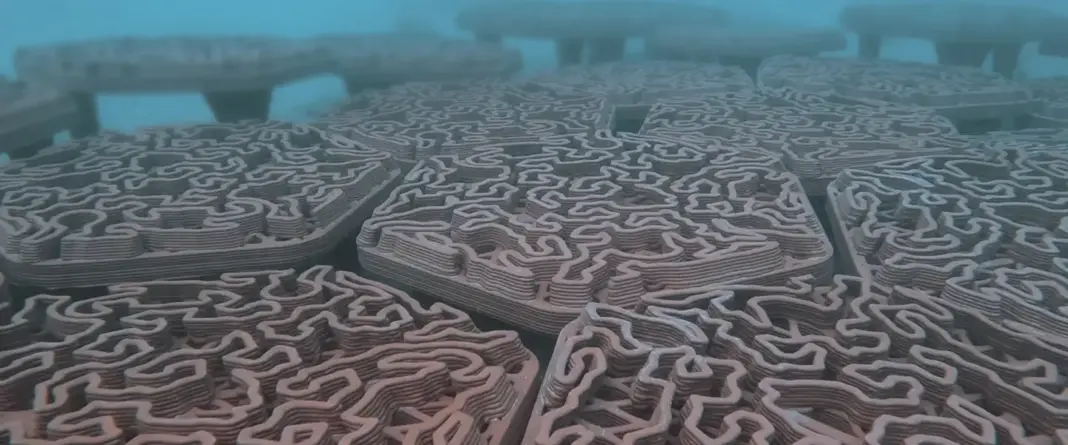
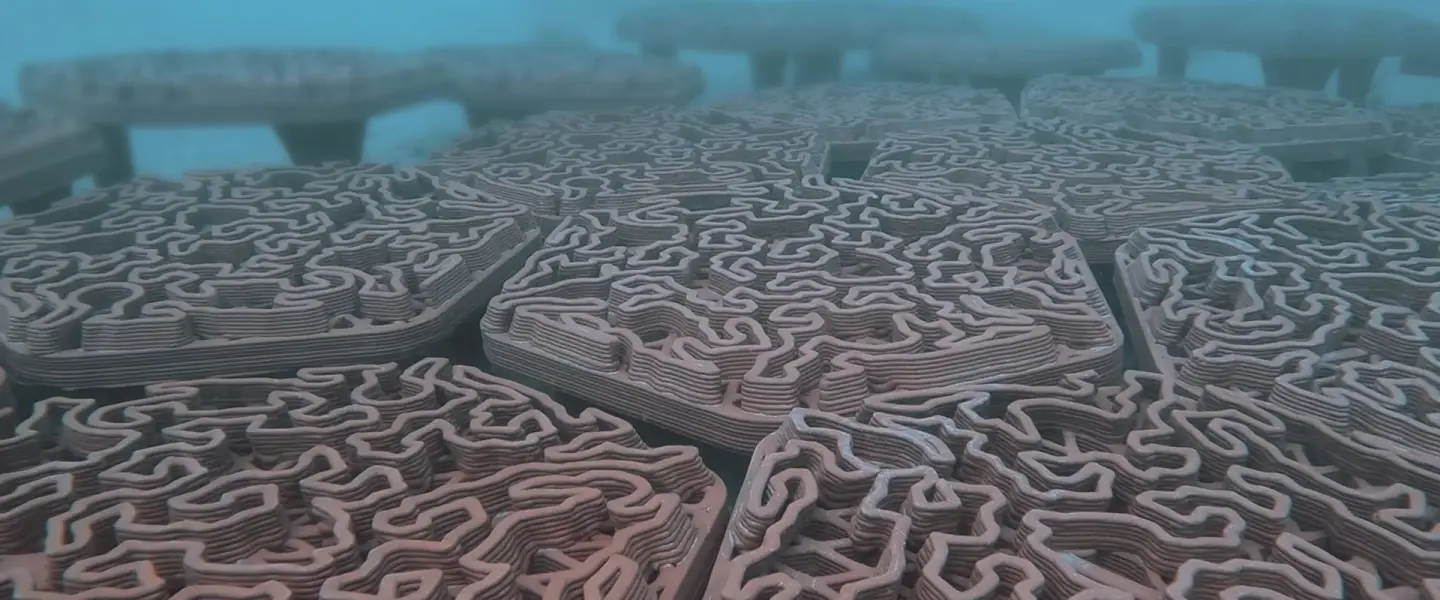
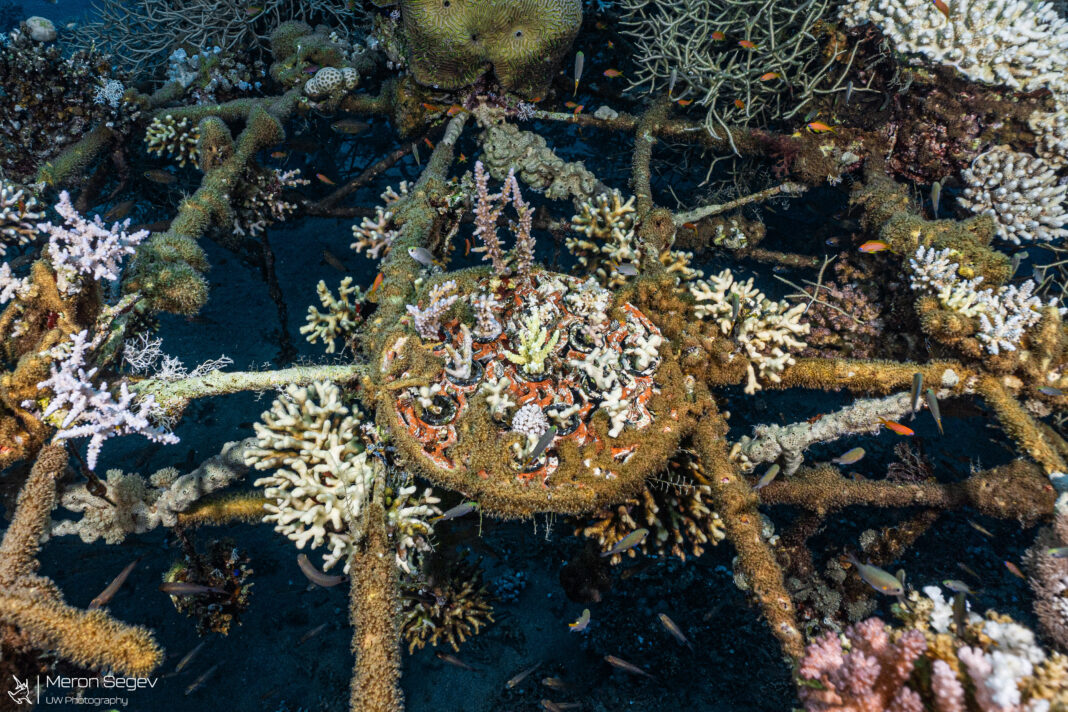
A 3D printed terracotta tile used in Abu Dhabi, UAE

ADQ, an Abu Dhabi-based investment company, the Environment Agency – Abu Dhabi (EAD), the region’s largest environmental regulator, and Archireef, a climate technology company based in Hong Kong, have deployed artificial 3D printed terracotta reef tiles to aid coral restoration in the Persian Gulf off the shore of Abu Dhabi.

The tiles were designed by a team of marine biologists and architects and produced through custom 3D clay printing in Archireef’s new production facility.
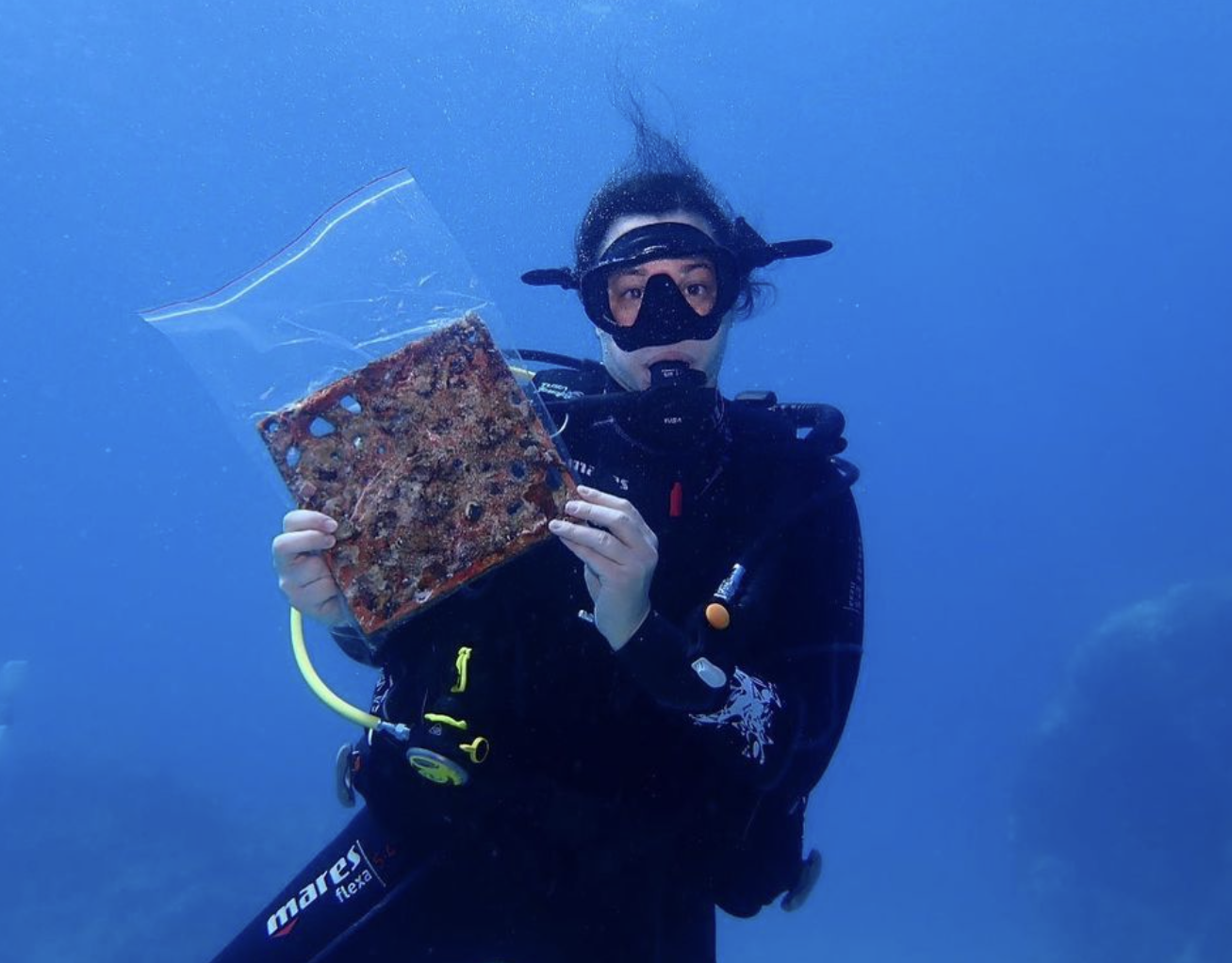
Natalie Levy works with artificial, terracotta reefs to restore life in the Red Sea
Natalie Levy works with artificial, terracotta reefs to restore life in the Red Sea.

The partnership between ADQ and Archireef funds research and development of eco-engineering solutions for marine biodiversity restoration – combining scientific research with the use of the latest technologies in 3D printing, IoT, and AI.

Related: Artificial Reefs in the Red Sea

“Our partnership with Archireef brings a unique and innovative coral restoration method to Abu Dhabi to safeguard our Emirate’s natural environment and promote sustainable development. It is a memorable moment for ADQ to be part of this project providing a lifeline to endangered coral reefs, which is the first of its kind in the UAE and the wider region.

Underlining our commitment to adopting practical solutions powered by R&D and innovation to address environmental challenges, this biodiversity restoration initiative aligns with our ESG aspirations, and we believe it will have a positive impact not only on our planet but also on local communities we operate in,” said Anas Jawdat Albarguthi, Chief Operating Officer at ADQ.

Source: Archireef.

In contrast to other types of artificial reefs, the 3D printed terracotta reef tiles are environmentally friendly and engineered to closely mimic the natural pattern of corals and prevent sedimentation build-up, which is a major threat for corals. It basically chokes them.

The plantation site is at Um Khorah Island in the Al Dhafra Region, in Abu Dhabi, housing around 1,200 coral fragments grown in specialized nurseries, owned by EAD.

Abu Dhabi waters are home to 34 different types of hard coral. In 2017 alone, the Emirate lost most of its corak, 73% of its reefs, due to mass coral bleaching, caused by an increase in water temperature due to climate change, manmade coastal disruption and the shipping industry and pollution.

::Archireef

TRENDING

What are AWG air-water generators, and why they aren’t a golden-bullet solution (yet)

Atmospheric water generators (AWGs) sound like magic: machines that can pull drinking water out of air. The idea is mentioned in the Bible, where the elders would pray for water collected as dew on plants and the catch on turning this into a machine is in the physics. To turn invisible vapor into liquid, you must remove heat, especially the latent heat of condensation.

BM Studios is designing systems, not just buildings in the UAE

Balsam Madi is an architect and systems thinker whose work bridges culture, sustainability, and design intelligence across the Middle East and Europe.

UAE Green Finance Report 2025

Masdar is the the UAE’s flagship renewable energy company. Compare it to Neom in Saudi Arabia. Masdar has become one of the world’s most active clean energy investors, with projects in more than 40 countries across six continents. Established in 2006 and jointly owned by ADNOC, Mubadala, and TAQA, Masdar operates and develops solar, wind, and green hydrogen projects with a current portfolio exceeding 50 gigawatts of capacity. Masdar also buys companies, and paid $50 million for this US business Terra-Gen last year. 

Ocean Action Forum 2025: Can Saudi Arabia Redefine the Future of Marine Stewardship?

Saudi Arabia, a nation better known for its oil...

We’ve reached the coral tipping point

“Preventing tipping points requires ‘frontloaded’ mitigation pathways that minimise peak global temperature, the duration of the overshoot period above 1.5°C, and the return time below 1.5°C. Sustainable carbon dioxide removal approaches need to be rapidly scaled up to achieve this.”

Should You Invest in the Private Market?

startustartup Unlike public stock exchanges, which offer daily trading, strict...

How to build a 100-year-company

Kongō Gumi is a Japanese construction company, purportedly founded in 578 A.D., making it the world's oldest documented company. What can we learn about building sustainable businesses from them?

From Pilot Plant to Global Stage: How Aduro Clean Technologies’ 2026 Expansion Signals a Turning Point for Chemical Recycling Investors Like Yazan Al Homsi

The company's Next Generation Process (NGP) Pilot Plant in London, Ontario, has officially moved into initial operating campaigns, generating the kind of structured, repeatable data that separates laboratory promise from commercial viability.

How AI Helps SaaS Companies Reduce Repetitive Customer Support Work

SaaS products are designed for large numbers of users with different levels of experience, and also in renewable energy.

Pulling Water from the Air

Faced with water shortage in Amman, Laurie digs up...

Turning Your Energy Consultancy into an LLC: 4 Legal Steps for Founders in Texas

If you are starting a renewable energy business in Texas, learn how to start an LLC by the books.

Tracking the Impacts of a Hydroelectric Dam Along the Tigris River

For the next two months, I'll be taking a break from my usual Green Prophet posts to report on a transnational environmental issue: the Ilısu Dam currently under construction in Turkey, and the ways it will transform life along the Tigris River.

6 Payment Processors With the Fastest Onboarding for SMBs

Get your SMB up and running fast with these 6 payment processors. Compare the quickest onboarding options to start accepting customer payments without delay.

Related Articles

Popular Categories