

A new study shows that the Israeli part of the Levantine coastline of the Mediterranean Sea is contaminated with over two tons of micro-plastics
Last week the rains started falling in the Eastern Mediterranean, or Western Middle East. One man in Lebanon died because the storm sewers over-flooded from plastic bags and he drowned. The next day storm sewers in Tel Aviv opened to the sea bringing piles of plastic bits and wrappings along the beach. Oily tar and other pollution built up from the summer also joined the party. But just how much plastics is going out to sea from Lebanon, Turkey, Israel, Syria, Gaza, Lebanon or Egypt? Look to this first of its kind study to get an estimate of what’s probably happening in other countries spewing out plastics unchecked.
A new study by Tel Aviv University and the Mediterranean Sea Research Center found that Israel beaches are contaminated by 2 tons of microplastics. The most polluted Israeli beaches are in Tel Aviv and its northerly neighbour Hadera. The study’s findings show that the sources of plastic pollution include food packaging, single-use plastic products, and fishing nets.
The dangers of microplastics
Microplastics pair up with other volatile pollutants, compounding their effects in the human or any animal body. In light of the alarming findings, the researchers warn that given the current situation in Israel, exposure to microplastic waste, which is dangerous to the environment and human health, is inevitable.
The study was led by doctoral student Andrey Ethan Rubin and master’s student Limor Omeysi from the laboratory of Ines Zucker. The study was published in the scientific journal Marine Pollution Bulletin.


Rubin explains that over the course of 2021, the researchers collected samples from six areas along the coast: Ashkelon, Rishon LeZion, Tel Aviv, Hadera, Dor Beach and Haifa. The samples were then taken to the laboratory where various analyses were performed, including particle count, mass measurements, image analysis, and chemical analysis to identify the polymer the plastic was made up of, as well as the elements adsorbed onto the microplastic particles.
“It was interesting to see that plastics of terrestrial origin, such as food packaging, were more dominant than plastics of marine origin, such as fishing nets,” says Rubin. “This indicates a need for better regulation of coastal waste.”

The research findings show that the beaches of Tel Aviv and Hadera were the most polluted of the beaches tested. The level of contamination on these beaches, which are located near stream estuaries (the Yarkon in Tel Aviv and Nahal Alexander in Hadera) was four times higher than that of Rishon Lezion and Dor Beach, which were the two beaches with the lowest concentration of microplastic particles. Still, even in the Dor Beach nature reserve, which is cleaned frequently, a considerable amount of microplastic particles were found.
Where do the microplastics come from?
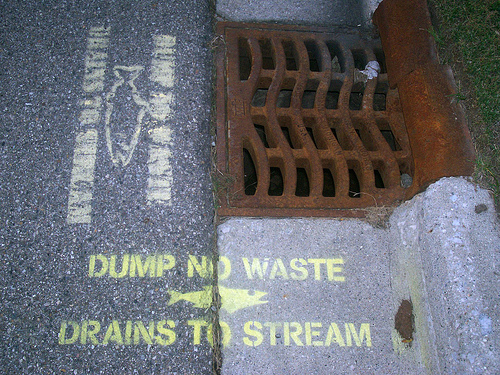
Where do microplastics come from? Probably streams, rivers, storm sewers. The researchers’ assessment is that the high level of pollution on the beaches of Tel Aviv and Hadera and the fact that they are in close proximity to streams indicates that the stream’s waters carry microplastic particles with them into the sea, thereby intensifying the level of contamination on the beach.
For example, the researchers say that Nahal Alexander collects leachate from untreated sewage from the West Bank, as well as waste from agricultural and industrial areas located near the riverbeds. Similarly, microplastics accumulate at the Yarkon River from the industrial centers in Tel Aviv.
“Our research reveals that the Israeli coastline likely contains over two tons of microplastic waste,” says Rubin. “Environmental conditions slowly break this plastic down into even smaller particles. The smaller the plastic particles, the harder it is to remove them from the environment, and the more dangerous they are to the environment and to our health. The microplastic particles that drift into the sea are swallowed by fish, and their remains eventually reach humans.”
Zucker adds: “Plastic monitoring research in Israel is still lacking, and we must monitor the smaller plastic particles and additional environmental samples, such as sea water and streams, in order to better understand environmental patterns with regards to the presence of microplastics.
“In a practical perspective, regulatory steps are required in order to reduce Israel’s contribution to microplastic pollution in the Mediterranean.”