
 Starting a family at 40? This news might not help you but may be useful for your younger sister. Throughout much of the world, increasing numbers of women are delaying having their first child until they are in their late thirties, and even into their forties. By 50 when a woman has built her career it’s usually too late, at least with her own eggs if she hasn’t frozen them 20 years before.
Even by late 30s and early 40s, a woman’s eggs are rapidly deteriorating and, even with IVF, their prospects of conception are far from guaranteed.
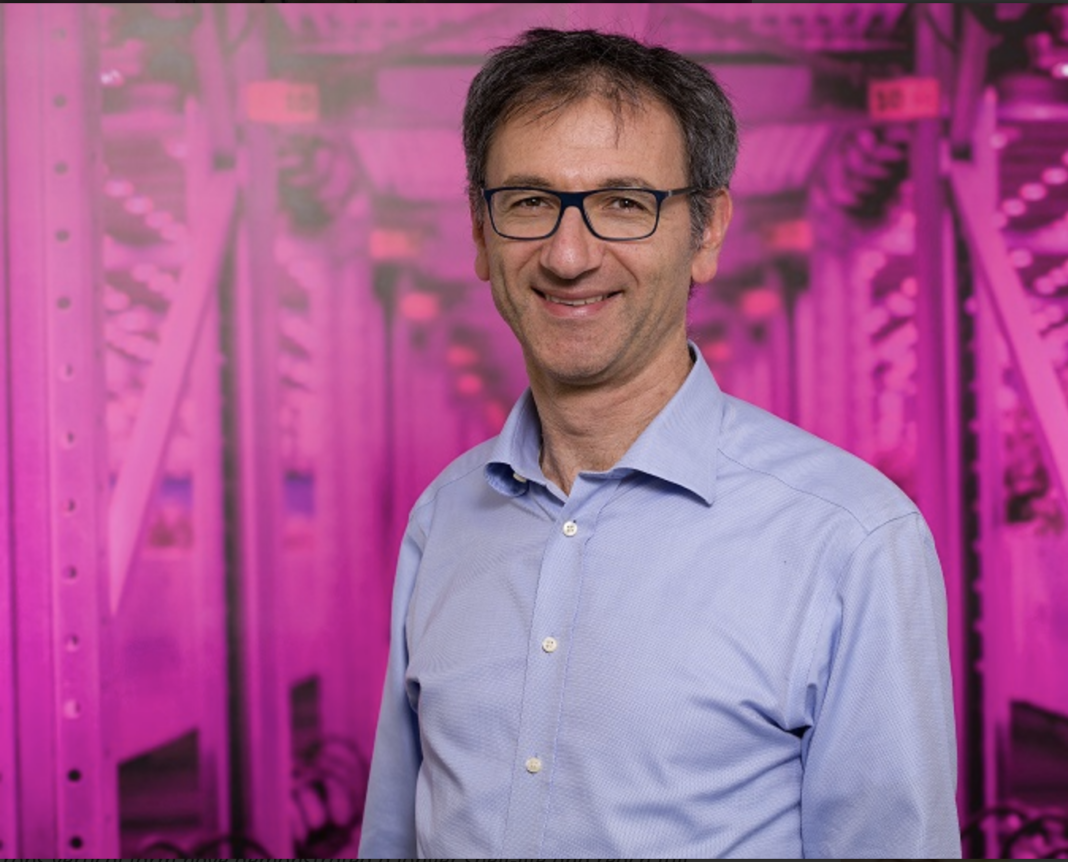
Reversing that deterioration is the ultimate goal of molecular biologist Dr. Michael Klutstein, head of the Chromatin and Aging Research Lab at the Hebrew University of Jerusalem. This possibility has now come one step closer with recent research from his lab, carried out by PhD student Peera Wasserzug-Pash in collaboration with clinicians from Hadassah Medical Center and Shaare Zedek hospitals. Their findings were published in Aging Cell.
What’s the approach? In humans, egg cells begin to accumulate damage to their genetic material when a woman is relatively young. Often by the time she is in her late-thirties, her eggs have accumulated so much damage to the DNA that they are unable to mature and be fertilized. That’s when they turn to IVF and for some the eggs may already be in a state of damage that they can’t be used.
Could there be a way to freshen the eggs up?
Dr. Klutstein’s team successfully identified one of the ageing processes that prevents the successful maturation of an egg cell. Most importantly among them is the loss of the regulation processes that normally stop the damaging parts of DNA from becoming active.
It is in many ways a strange idea to think about: parts of our DNA contain sections of genetic material that can be damaging. In fact, about half of our genome is made of virus-like sequences or fragments of viruses, which can cause considerable damage to the DNA if they are allowed to be activated through expression.
This idea has been studied extensively, and was discovered by Barbara McClintock who received the 1983 Nobel Prize for her work on this topic.
It is the ageing process that causes the failure of the system to keep these damaging elements repressed and inactive. Klutstein and his team’s research, using both mouse and human egg cells, not only identified the details of these processes but showed how they are interrelated and ultimately prevent an egg cell from maturing.
Could egg ageing be reversed?
To confirm their findings, the team then used chemicals that mimic the actual processes that stop repression of sections of the egg cell’s DNA and liberate the DNA-damaging viruses. Reproducing the ageing processes artificially enabled the team to link the processes of loss of genomic regulation and the expression of damaging elements in ageing egg cells.
The final stage of their research tested ways to reverse the destructive ageing processes at work in an egg cell. If viruses or parts of viruses were released and activated in ageing eggs, then perhaps anti-viral drugs could prevent this process and the resulting damage.
In their paper, the researchers showed that anti-viral drugs did indeed reverse the process in mouse egg cells and returned to their former youthful selves.
There has also been similar success using genetic manipulation to insert two genes into the mouse egg cell DNA – the implanted genes produce enzymes which prevent the chain of events that leads to the activation of the damaging parts of the DNA.
“Within a decade, I hope we will be able to increase fertility among older women using anti-viral drugs,” shared Klutstein.
One researcher I interviewed in the past suggested the notion that being pregnant itself is like drinking from the fountain of youth. So perhaps we women could push living well even further by having babies of our own in our 50s and 60s.