African kids born in these Star Homes are less likely to die

The modern design of Star Homes, which include a system to collect and store rainwater and a solar-powered electric light, presents “a significant change” from conventional homes in the area
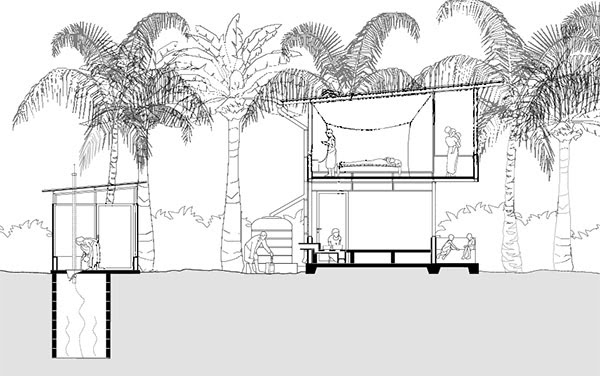
 

Star Home layout
Star Home layout

When I had my first baby, we installed a baby gate and covered the gaping holes of the open-concept space that might lead to a crawling or exploring baby plummeting to her death. We have all the fixtures of a modern home, so her being exposed to sewage was obviously not my concern. But it is one for parents in some African villages.

A new experiment in Tanzania is showing that architecture can do more than provide shelter, it can protect health, especially for children.
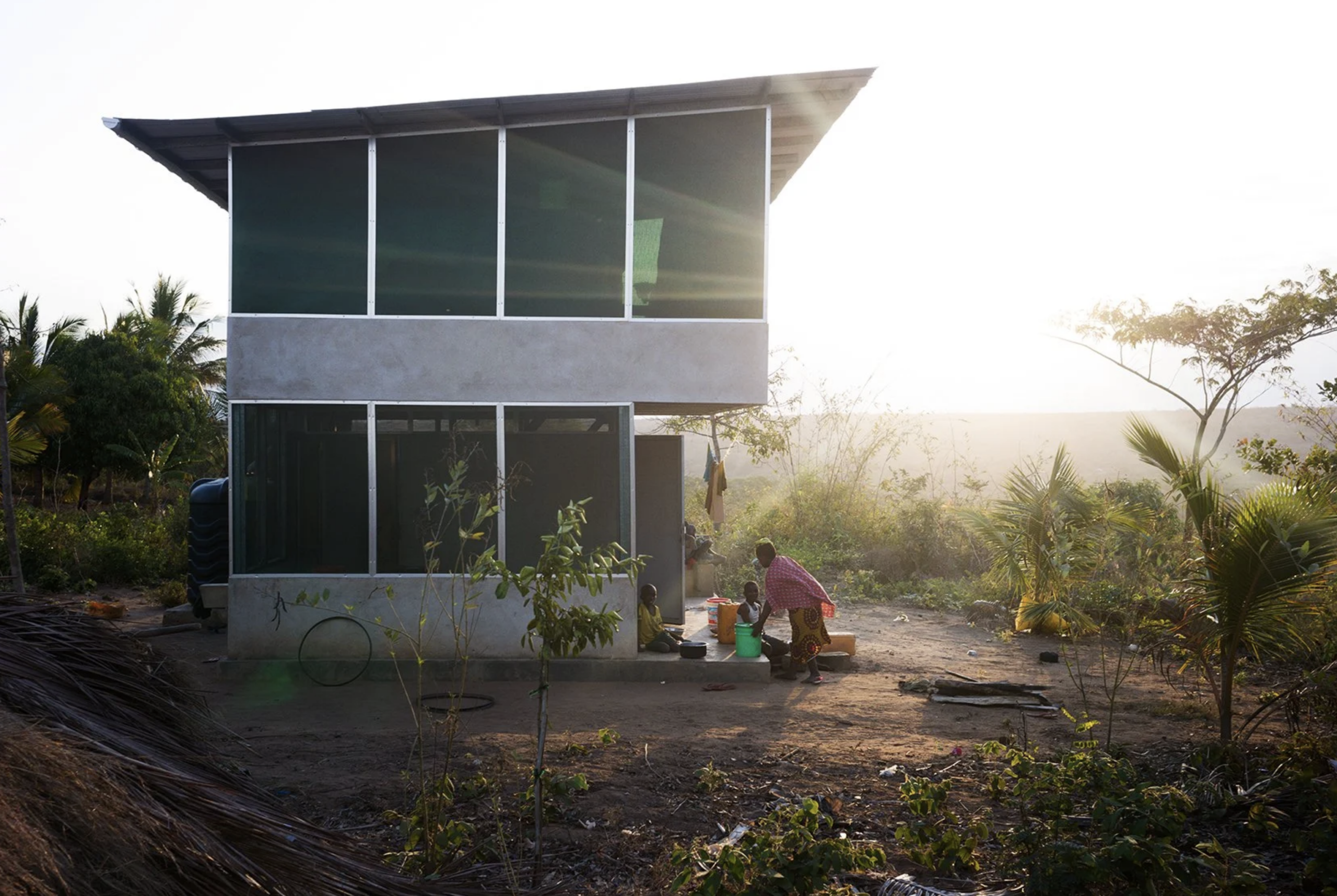
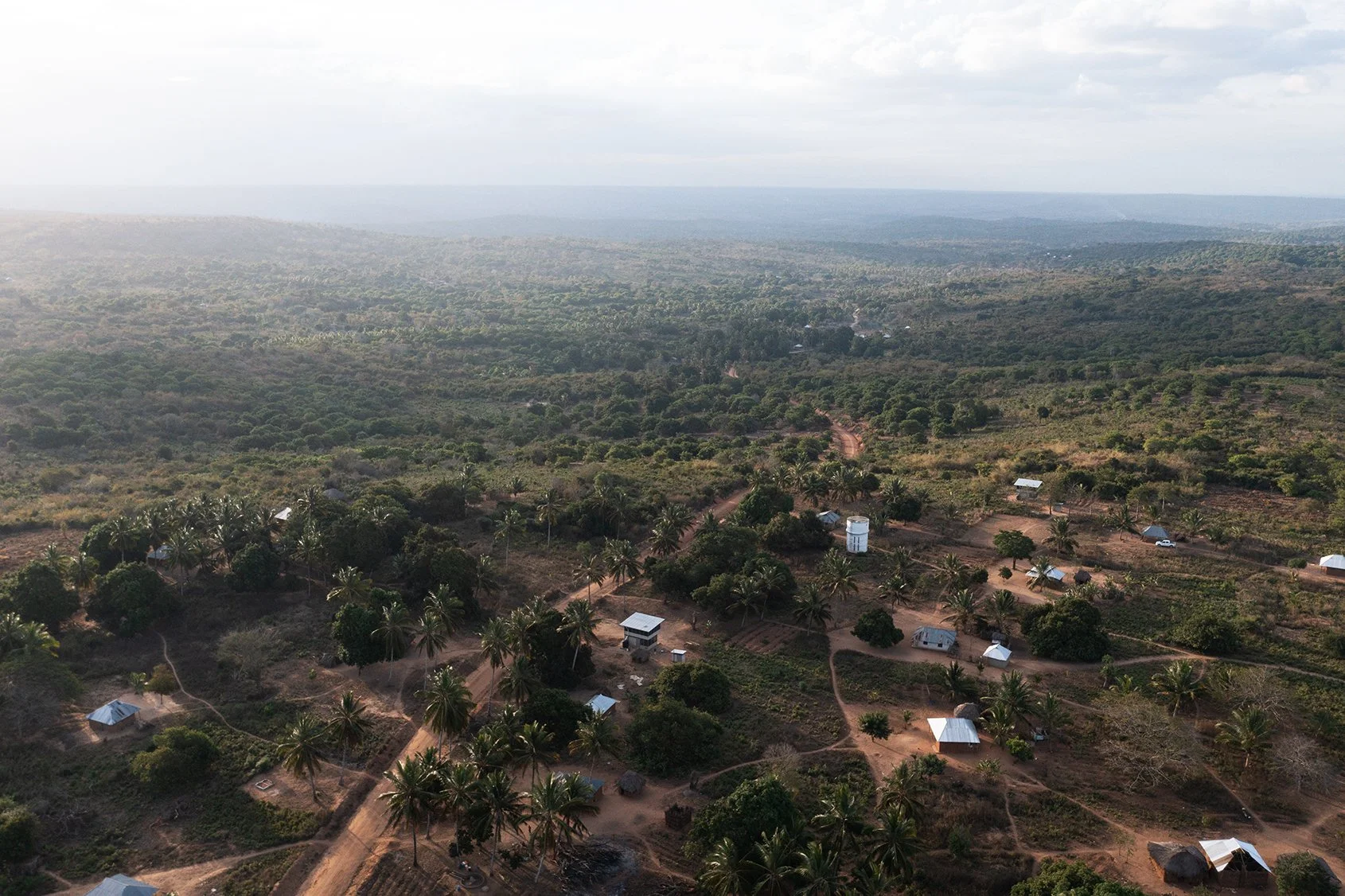
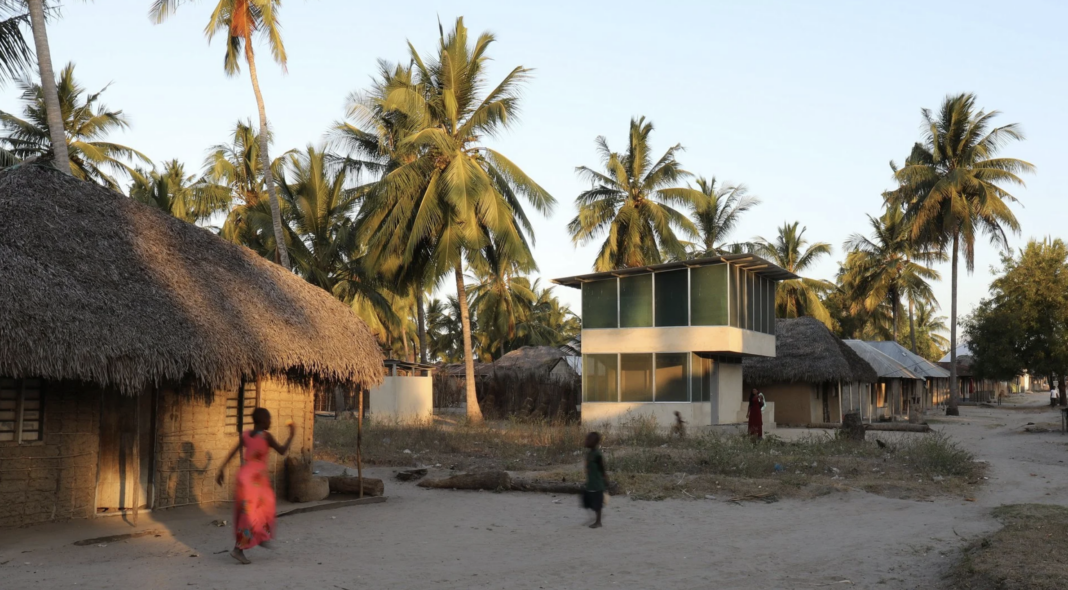
Mtwara, Tanzania, 2022. Photo: Julien Lanoo

In a long-term study spanning 10 years, children living in specially designed “Star Homes” were significantly less likely to suffer from malaria, diarrhoea, and respiratory infections compared to those in conventional houses. The difference wasn’t medicine or technology, it was design. As more and more people increase their wealth in Africa, they tend to move on from a natural material home made with thatched roof, to a solid concrete block which relies on air conditioners to keep it cool.

A recent three-year trial by Professor Steve Lindsay from Durham in Tanzania found that children living in specially designed two-story “Star Homes” had dramatically lower rates of malaria, diarrhoea, and acute respiratory infections compared with children in traditional mud-and-thatch houses. The children in the Star Homes also grew taller as a result of their better health. He published the results in Nature Medicine.

Malaria, diarrhoea and acute respiratory infections are three major causes of mortality in young children in sub-Saharan Africa. In the trial of those kids living in a Star Home, malaria was reduced by 44%, diarrhoea by 30% and respiratory infections by 18%. The researchers are calling on architects, builders, and governments to think differently about rural house design to help protect children from disease.

The Star Home is the outcome of almost 40 years of research by Lindsay. The healthy house design was informed by his research on how mosquitoes enter homes, and multiple clinical trials of house-screening in traditional African houses.

The Star Homes Project was then developed by architect firm Ingvartsen in cooperation with the Hanako Foundation based in Singapore to rethink how a house interacts with its environment. Can cement houses be created so they cool passively, and prevent disease exposure?
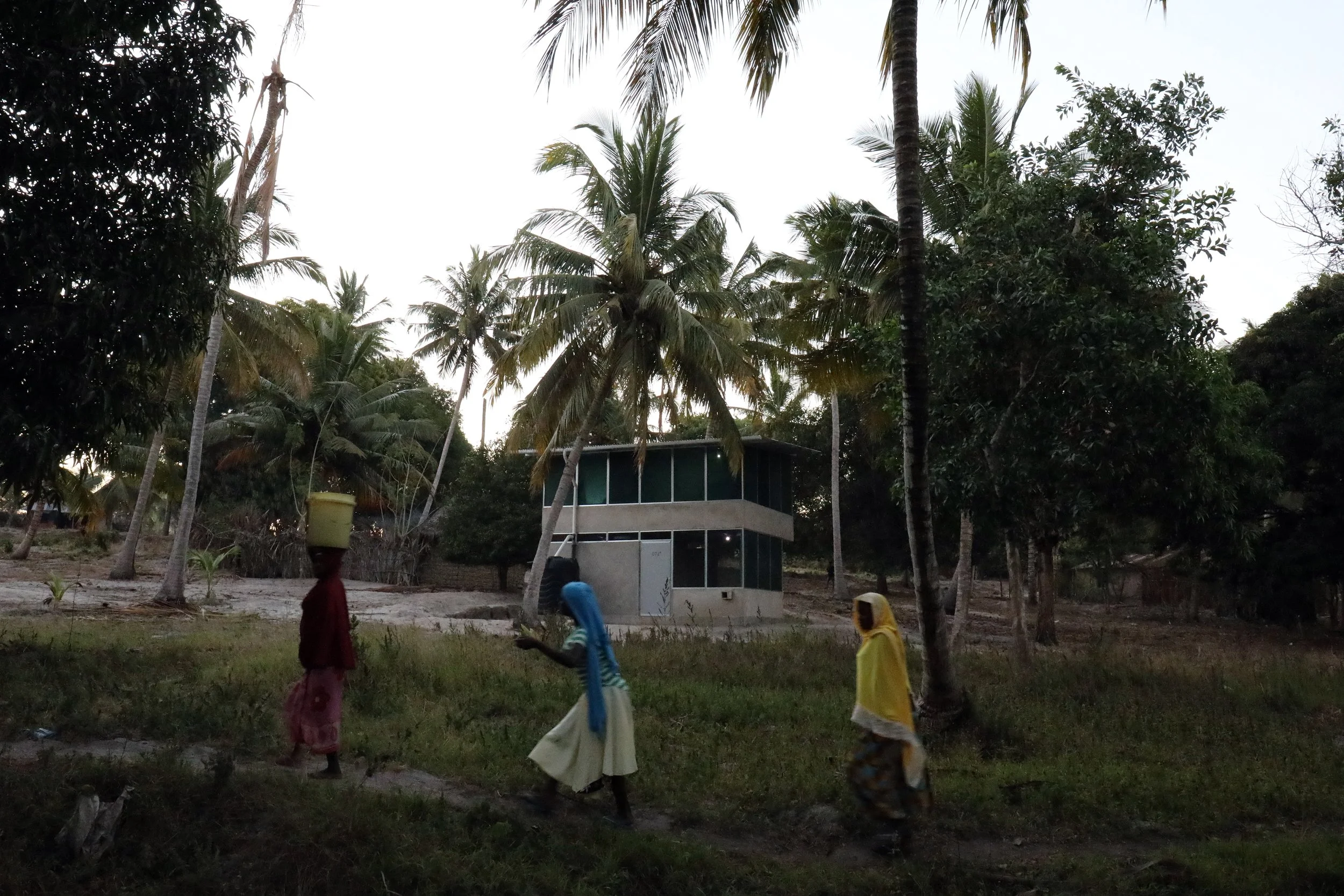
Star Home exterior

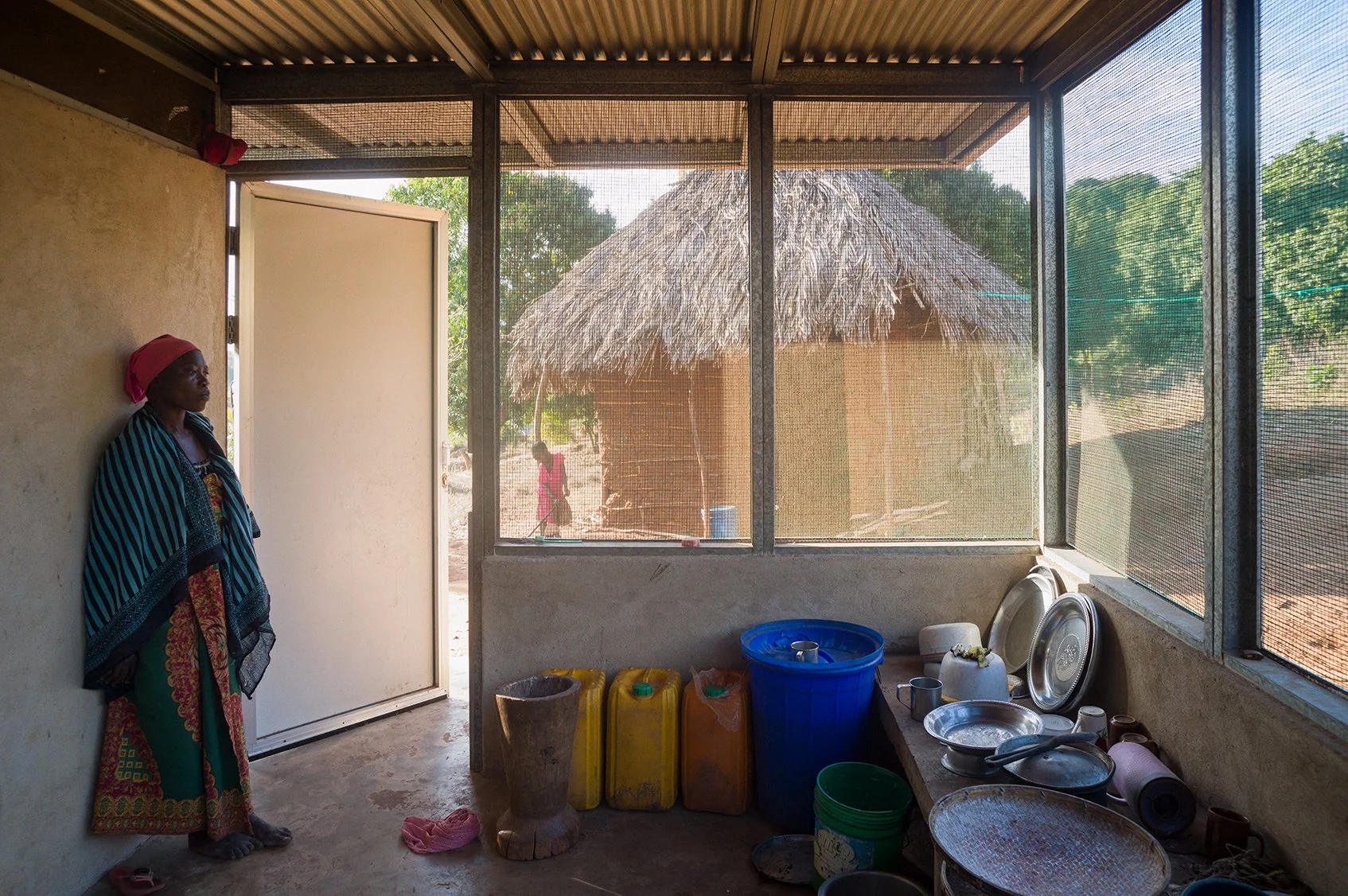
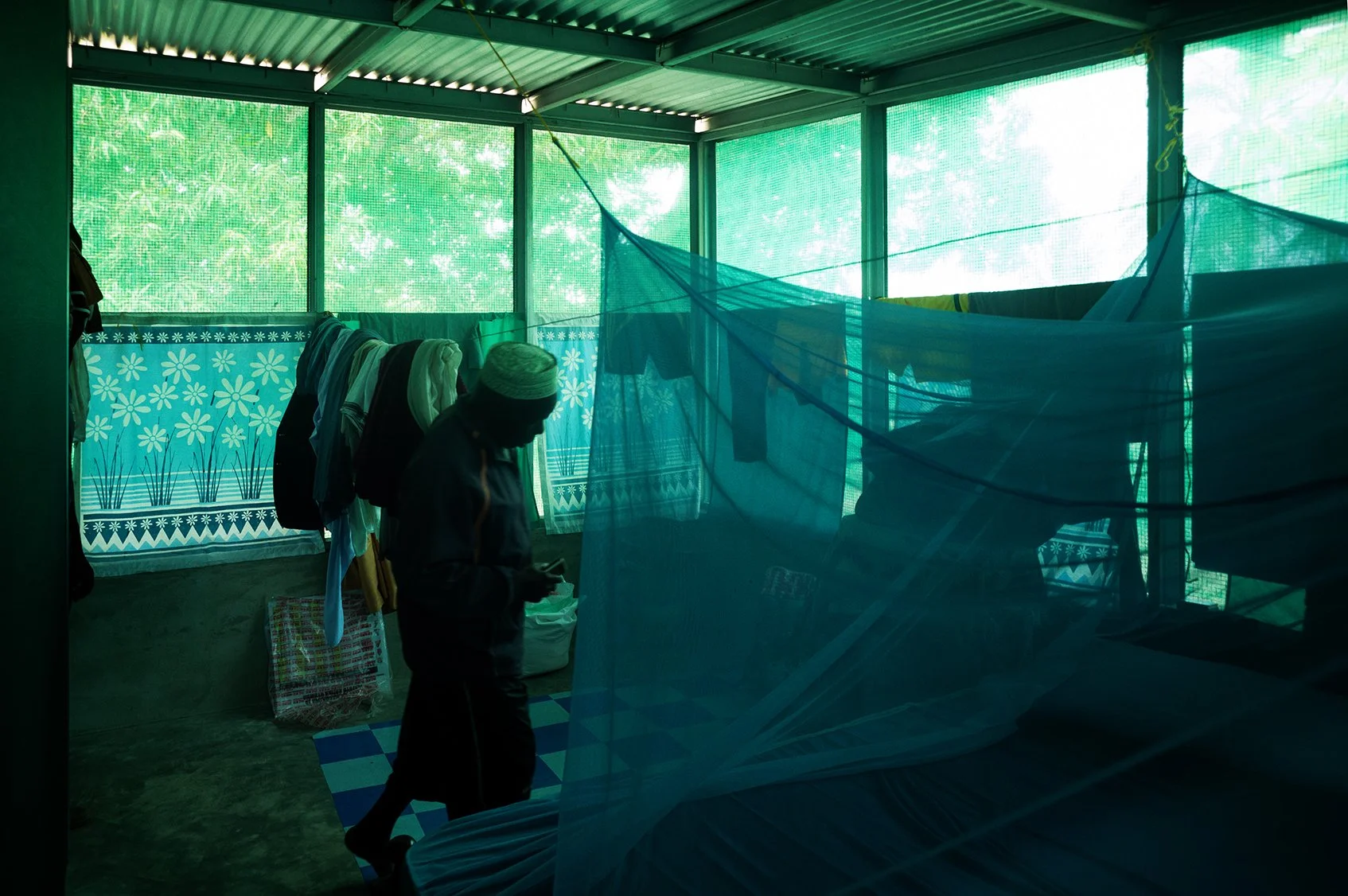
Bedrooms are placed on an upper floor, reducing exposure to mosquitoes that carry malaria. Mosquitos tend to stay closer to the ground. Ventilation is improved, helping reduce indoor air pollution and respiratory issues. Even the placement of the latrine—moved outside, limits the spread of diarrhoeal disease that can kill kids in infancy.
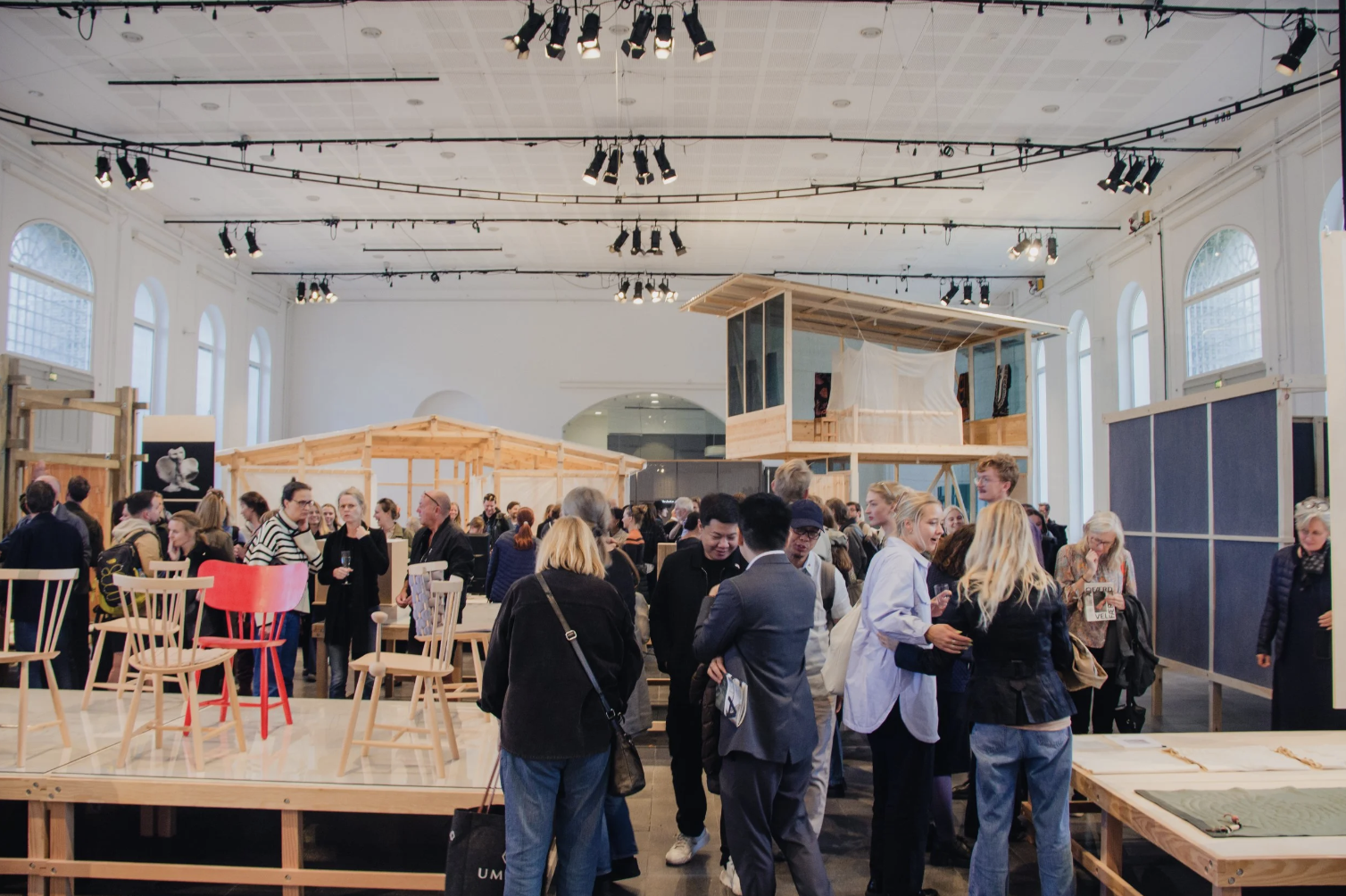
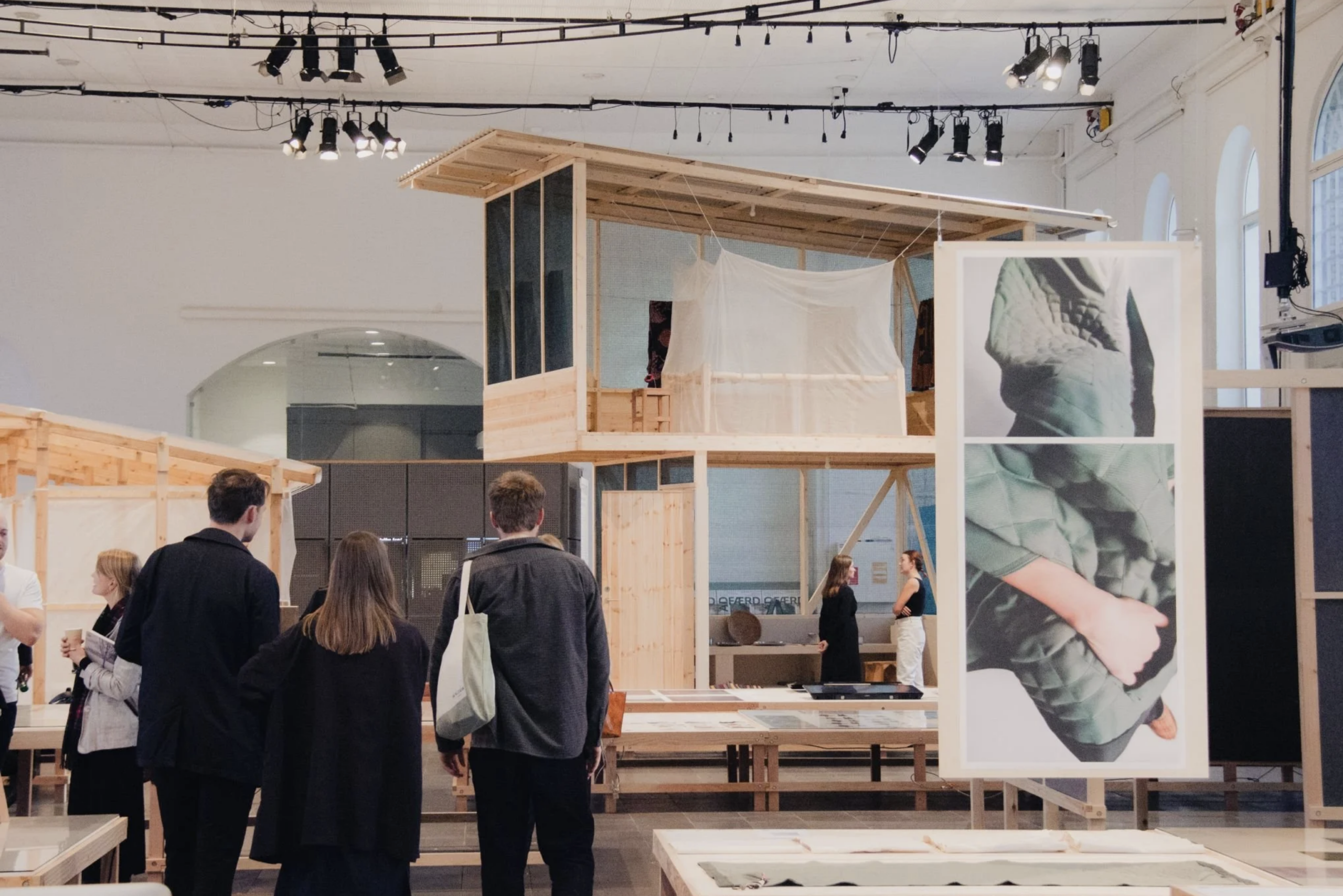
Star House Europe

The Star Homes Project at Milan Design Week
The Star Homes Project has been presented internationally across exhibitions and professional forums addressing architecture, housing, health, and social welfare. The project and accompanying research studies were exhibited by LABÒ Cultural Project during Milan Design Week (6–11 April 2025), hosted at Fondazione Rodolfo Ferrari, where it was framed within contemporary debates on experimental housing and spatial innovation.


Star Home

It’s a simple idea with powerful results: build homes that prevent illness instead of treating it.

But there’s a catch. At around $8,800 per house, the design remains out of reach for many of the families who would benefit most. Those that were awarded a house were part of a lottery. Still, researchers say the project is not about mass rollout yet, it is about proof of concept.

Its creators note: “The Star Homes have been designed to be easily scalable and optimise resource use to reduce their environmental impact and build cost. Unlike most rural Tanzanian housing, our prototype house is two stories high. This reduces the area of the foundation and roof, which are typically the most expensive and material intensive components of a house.”
“The result is a home that uses 70% less concrete compared with a typical concrete block design and has 40% less embodied energy.”
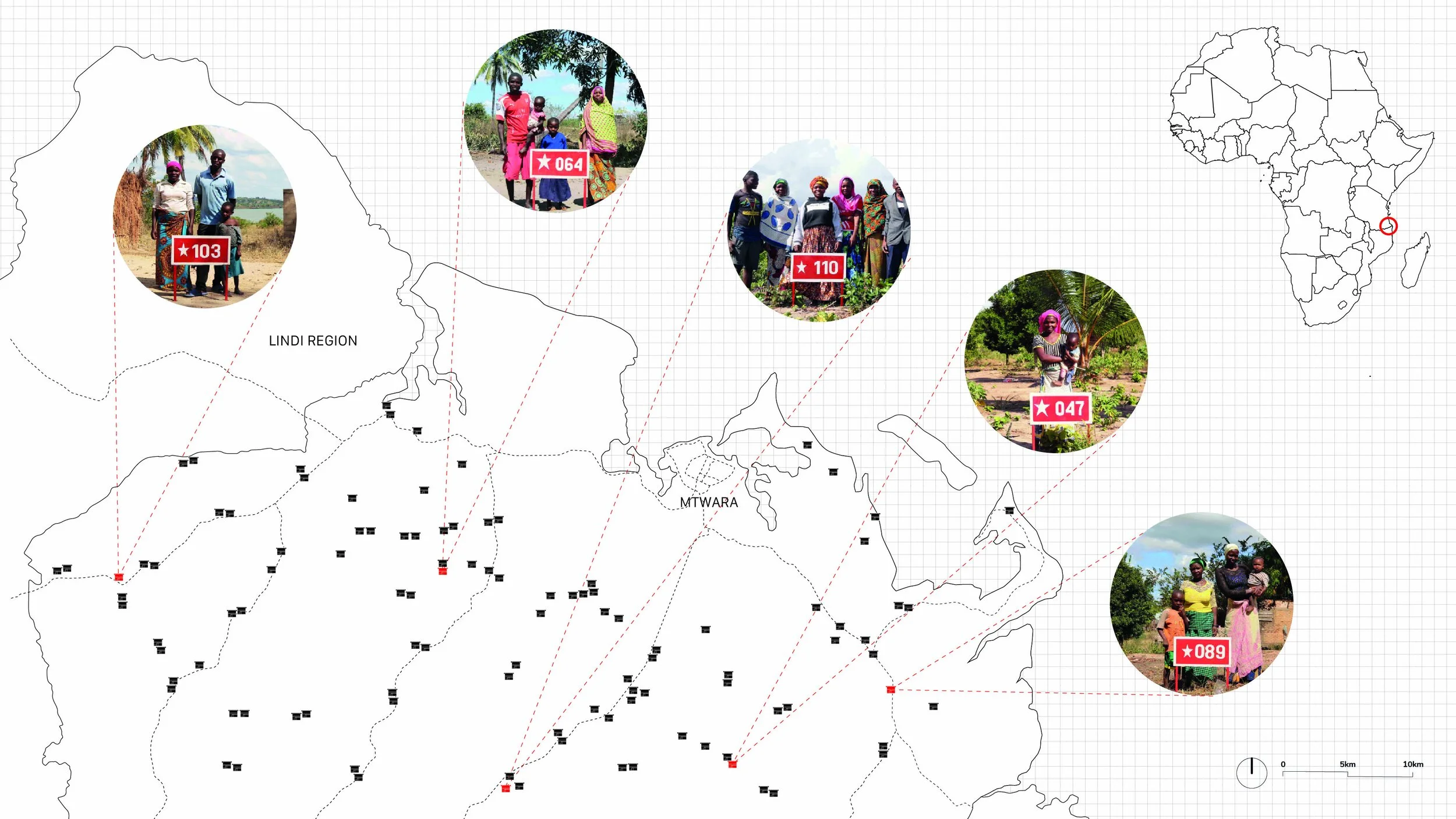
Star Homes map

“Rainwater is collected from the roof and stored in a 2000L tank via a first flush system, providing clean drinking water. A 40W solar panel provides lighting and USB charging. All materials and labour are sourced locally, and components can be reused or recycled.”

What the Star Home demonstrates is something bigger: health can be built into infrastructure. Instead of relying only on healthcare systems, communities can reduce disease at the source—through smarter design.

Reminds us of the clay pot water systems that filter water.

In a world facing rising populations, climate pressure, and strained health systems, this kind of thinking could reshape how we build.

Want to learn how to build a Star Home?
Enter here

Karin Kloosterman
Karin Kloostermanhttp://www.greenprophet.com
Karin Kloosterman is an award-winning journalist, innovation strategist, and founder of Green Prophet, one of the Middle East’s pioneering sustainability platforms. She has ranked in the Top 10 of Verizon innovation competitions, participated in NASA-linked challenges, and spoken worldwide on climate, food security, and future resilience. With an IoT technology patent, features in Canada’s National Post, and leadership inside teams building next-generation agricultural and planetary systems — including Mars-farming concepts — Karin operates at the intersection of storytelling, science, and systems change. She doesn’t report on the future – she helps design it. Reach out directly to [email protected]

LEAVE A REPLY

Please enter your comment!
Please enter your name here

TRENDING

Kinder Rain imagines vernacular architecture for early learning

Kinder Rain reinterprets this vernacular architecture through a series of pyramidal classroom volumes, clustered together like houses in a tiny town.

Afghanistan’s earthquake and mud-brick homes. Can they rebuild safer and more sustainably?

A 6.0-magnitude earthquake in eastern Afghanistan killed over 800 people as mud-brick homes collapsed in rain-soaked landslides. Here’s why traditional earthen houses failed, how human-driven slope damage worsened the disaster, and how sustainable, earthquake-resistant construction can save lives.

How Termites and Ants Built the Tropics’ Best Soil

This is like discovering that the pyramids weren’t built by natural erosion, but by ancient engineers

Five Innovative Architecture Firms Building with Bamboo

Bamboo, often referred to as the "green steel" of the future, is quickly gaining popularity as a sustainable alternative to traditional building materials. With its fast growth cycle, minimal environmental footprint, and impressive strength, bamboo is emerging as a game-changing material for the construction industry. Not only is it an eco-friendly choice, but its versatility allows it to be used in everything from flooring to scaffolding, and even entire buildings.

This stunning ancient citadel in the Sahara Desert Has a mysterious past

Today, the Rock Round Palace stands as a historical site, a reminder of the diverse cultural heritage that once thrived in the region. Videos circulating on Youtube suggest that anyone off the street can wander inside and around the citadel suggesting it's not being protected well for future generations.

Nobul’s Regan McGee on Shareholder Value: “Complacency Is the Silent Killer” 

Why the governance framework designed to protect shareholders so...

Should You Invest in the Private Market?

startustartup Unlike public stock exchanges, which offer daily trading, strict...

How to build a 100-year-company

Kongō Gumi is a Japanese construction company, purportedly founded in 578 A.D., making it the world's oldest documented company. What can we learn about building sustainable businesses from them?

From Pilot Plant to Global Stage: How Aduro Clean Technologies’ 2026 Expansion Signals a Turning Point for Chemical Recycling Investors Like Yazan Al Homsi

The company's Next Generation Process (NGP) Pilot Plant in London, Ontario, has officially moved into initial operating campaigns, generating the kind of structured, repeatable data that separates laboratory promise from commercial viability.

How AI Helps SaaS Companies Reduce Repetitive Customer Support Work

SaaS products are designed for large numbers of users with different levels of experience, and also in renewable energy.

Pulling Water from the Air

Faced with water shortage in Amman, Laurie digs up...

Turning Your Energy Consultancy into an LLC: 4 Legal Steps for Founders in Texas

If you are starting a renewable energy business in Texas, learn how to start an LLC by the books.

Tracking the Impacts of a Hydroelectric Dam Along the Tigris River

For the next two months, I'll be taking a break from my usual Green Prophet posts to report on a transnational environmental issue: the Ilısu Dam currently under construction in Turkey, and the ways it will transform life along the Tigris River.

Related Articles

Popular Categories