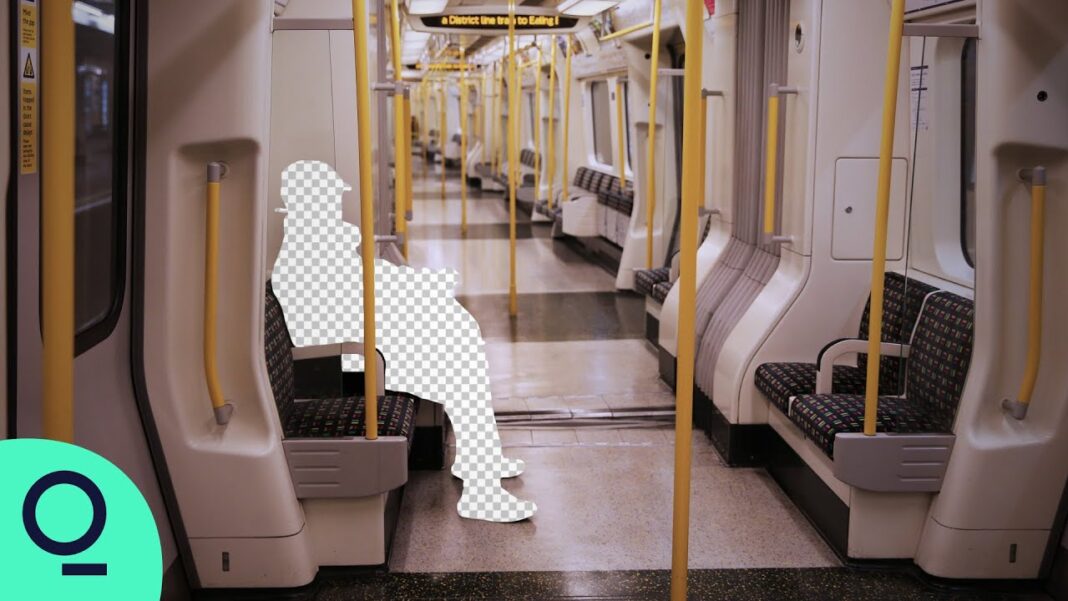


COVID-19 has had some terrible and tragic consequences, killing millions of people worldwide. The tiny virus has had an enormous impact on the way we live, revolutionizing how we develop vaccines, for example. Another revolution has come about with the way that we work. The “new normal” of working from home was forced upon us thanks to the pandemic, but many remote workers want to continue working from home to some degree, even when it’s safe to work back in the office.
Remote Work – Is it a Good Thing?
Pre-pandemic commutes to work across the world were getting longer each year. Long commutes are rarely seen as a positive thing- two-fifths of those surveyed considering the commute the worst part of the day. A significant cause of stress, a long commute means less time at home, less exercise and fast or faster, processed food. Some studies have even found that commutes that last longer than one hour are correlated with a higher risk of divorce by as much as 40%.
With more than 25 million pre-pandemic Americans commuting over 90 minutes every day, the data do not add up too well. Remote working and a hybrid approach to work, combing remote and office-based work, is likely to result in much higher satisfaction for workers who, in the main, are keen to continue working from home to some degree.
Remote Work & The Environment
Remote working does cut carbon emissions, but it can significantly increase individual utility bills and carbon emissions generated at home. However, according to this Ted Talk presented by Jackson Carpenter, it is possible to drastically cut your carbon footprint by signing up to a renewable energy supplier.
By signing up to an alternative energy supplier, one that uses renewable energy as the energy source, you can cut your carbon footprint today by 15%. In addition, if your AC unit runs on electricity and your heating runs on electric you can reduce your carbon footprint by an additional 17%
Using biodiesel for other heating appliances and converting your car to use alcohol or biodiesel can cut your carbon footprint by an additional 28% – for those days, you are working from the office or taking the kids to soccer practice.
Creating a Green Home Office
Using a renewable energy supplier is a great idea, but if you want to make renewable energy a step further and learn some new skills at the same time, creating a solar-powered home office might be a project to consider.
Always remember to get a qualified installer to check your work during and after installation. Consulting a professional can also be a great idea before you buy any solar equipment. If you are self-employed, you can run a business from your garden shed, especially if you are willing to outsource phone answering duties and maybe even a virtual office address.
If you don’t have an outbuilding, then a shed can make a brilliant home office. For example, a Tuff Shed or summerhouse can be easily converted into a home office, with a few additional pieces of furniture. If you don’t have a spare room, outbuilding or shed, you can always build one. Another viable alternative is to convert a large van into an office and attach the solar panels to the van’s roof.
In addition to a building with a roof sturdy enough to take the weight of several solar panels, you will need:
– Solar Panels (4 x 100w)
– Mounting Brackets
– Charge Controller
– Battery
– Inverter
– Fuse block
You will also need the necessary cables to connect relevant parts and sections of equipment together, for example, the solar panel to the charge controller. You can buy solar panel kits that have all of the essential equipment. For example, the 400 watts solar panel kit from Renogy comes with four solar panels (100w each), wires, a charge controller, a blue tooth connector, mounting brackets and screws.
It is usually recommended to install solar panels on the side of the building that faces south to maximize exposure to the sun. Of course, if you are using a van, it doesn’t matter too much!
Step by Step Solar Panel Power
Disclaimer – always get your work supervised and checked by a professional electrician or solar power installer.
Before you start, ensure that you know the dimensions of the solar panels and the roof on the shed or outbuilding – to make sure that they fit! You may also wish to mark on the roof exactly where the solar panels are to be placed.
You may also need to drill some holes so that the leads/wires from the solar panels can be fed through from the roof, into the building or the van. You may also need some kind of mount, for example, a wooden board attached to the inside of the shed’s wall, to place the charge controller.
The batteries can also be relatively large, so finding a safe and sturdy way to mount and store the batteries is important if you are using them.
We recommend not attaching the main cables to the solar panel until the rest of the kit is set up and in place.
- Mount the charge controller & batteries safely inside the building
- Screw the mounting brackets onto the panels, ensuring they are tight
- Place the solar panels on the roof.
- Connect the wires to connect all of the panels
- Use a drill to screw the solar panel’s brackets to the roof (typically 3-inch screws)
- Without attaching them, feed the wires into the building or van – you may need to drill a hole.
- Attach the wires to the charge controller – red wire to the positive inlets, black to the negative*
- Tighten the wires into place with a screwdriver
- On the charge controller outlets, attach the red and black wires to the positive and negative outlets, respectively.
- Attach the wires coming out from the outlets on the charge controller to the terminals on the battery. The battery will have a negative inlet that will have a negative symbol, or it will be black. The positive terminal will be red or have a positive symbol (+).
- If you wish to test everything – attach the relevant wires to the solar panels and inspect the lights on the charge controller to ensure power is coming into it.
- To attach the invertor, we now need to remove one of the solar panel cables to remove the power source and then remove the wires from the battery (more info here)
- Separate from the battery – attach the wires for the invertor to the invertor. Always connect the wires to the inverter first before attaching them to the battery. You can add a fuse to the positive cable if you wish.
- Attach the negative wire from the inverter to the negative terminal on the battery and the positive wire (usually red) from the inverter to the positive terminal on the battery. They may be a spark when you attach the positive.
If you are screwing holes into the top of a van, be sure to use the necessary sealant to ensure that water does not leak into the van. Here is a step-by-step video detailing how to add solar panels specifically to the top of a van.
*Be sure to double-check that this is the case; some solar panel kits may use a different system or identification for positive and negative.
And that’s it! Again, we emphasize the need or at least the recommendation that you use a qualified electrician or installer to guide and sign off your work. Here is an excellent step-by-step video that also takes you through the process.