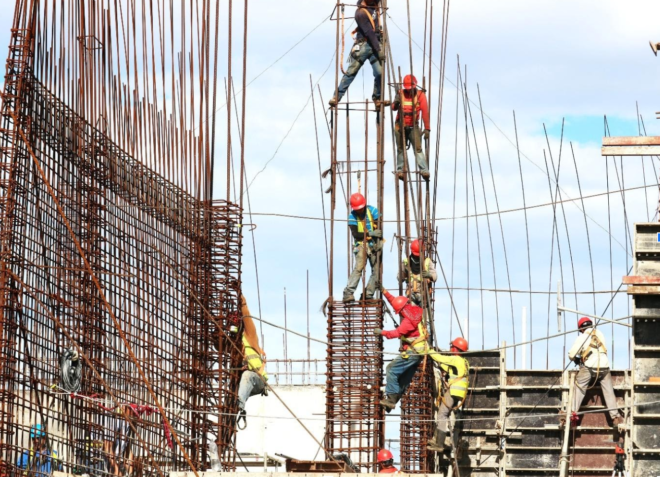
The construction industry is considered one of the most hazardous workplaces in the UK. Although it contributes to close to 3.1 million jobs per year, the industry is filled with all kinds of hazards, with thousands of workers experiencing work-related illnesses each year.
Workers get exposed to all manners of risks every day that substantially increase their death or injury risks. To name a few, some of the common risks include structural collapses, falls from heights, falling objects, electrocutions, and machinery malfunctions.
To this end, Engelbert Strauss has committed itself to manufacturing quality and affordable protective footwear for construction workers. Its line of shoes is extraordinarily light and strong as concrete and can be worn for both business meetings and construction sites.
Below, we will look at the importance of safety shoes, including when to wear them and how to ensure you are fully protected.
Personal Protective Equipment
PPE or personal protection equipment refers to the special equipment worn by construction workers to create a barrier between their bodies and germs. In this case, the barrier is meant to ensure they don’t touch, spread, or become exposed to germs.
Often, wearing the right PPE can prove the difference between being safe and sustaining life-threatening injuries, especially when the work equipment is appropriate for the task.
Types of PPE
Head Safety
When it comes to safety tools, head protection happens to be one of the essential equipment in the construction industry.
While construction work needs to be organized to ensure there are no injuries to the workers, everyone at the site is required to ensure they have a safety helmet on at all times.
Employers have to provide their employees with suitable head protection in compliance with the Personal Protective Equipment Regulations 1992.
The regulations also state that bump caps should be made available where employees are dealing with non-moving hazards.
Foot and Leg Safety
An injury to the leg tendons or muscles can prohibit movement for a few months. Therefore, it’s crucial to ensure employees are provided with a toe cap.
Used appropriately, the toe cap and shoes with non-slip soles can reduce the risk of getting a foot injury.
Ideal footwear should protect against penetration wounds, punctures, and dropping objects.
Ear Safety
Ear damage may arise from too much or prolonged exposure to construction noise. In some cases, exposure to high noise levels, even for a short duration, may cause permanent damage.
Personnel working at a construction site should be provided with the right kind of hearing protection based on the kind of work they perform at the site.
Available options for ear protection include canal caps, earmuffs, and earplugs. The ear protection provided shouldn’t compromise communication or safety.
Lungs Safety
Vapours, gases, and dust are common risks that workers need to deal with daily. When it comes to selecting lung PPE, care must be taken to ensure that the work equipment fits each person correctly.
Selecting the wrong gear means that a seal will not be formed, exposing the wearer to all kinds of menaces.
Common types of tools used under this category include:
- Fresh air hose
- Filtering facepieces
- Self-contained inhalation apparatus
- Power-assisted respirators
- Respirators
Every filter is designed for a specific range of risks. As such, there’s a need to ensure that the chosen filter is suited for the task at hand.
Moreover, each filter comes with a limited lifespan. Workers should use filtering cartridges if they are to be exposed to atmospheres with a limited oxygen supply, confined spaces, or high levels of harmful fumes.
Eye and Face Protection
Face and eye safety are crucial when dealing with sites contaminated with radiation, chemicals, vapours, metal splashes, gas, projectiles, or dust. Common types of eye and face safety tools include:
- Visors
- Safety spectacles
- Face shields
- Face screens
- Goggles
Ensure the eye and face protection selected is suitable and well-fitting for each worker. If it doesn’t fit properly, it means the workers will still be exposed.
Whole Body Protection
Construction sites vary, which means there are instances when workers may need to work on sites contaminated with asbestos. Some other sites may also have pressure leaks, metal splashes, or chemical exposures.
In such instances, it may be necessary for all those on site to wear disposable or conventional overalls, chemical suits, aprons, or boiler suits. All this provides an additional layer of protection against the dangers present at the construction site.
Conclusion
As seen above, different types of safety work equipment are present in the market. Knowing which equipment is ideal for each job will ensure the workers are sufficiently protected.
Employers have to ensure their workers have all the tools they need to get the job done. Failure to do so would be contravening the workplace regulations already in place.
Depending on the work being done, the employer may need to provide more than one type of PPE.