Lebanese organize plastics cleanup to save the sea

It seems like every year there is some sort of garbage crisis in Lebanon, where landfill sites from cities spill into the Mediterranean Sea. A new movement, called #BalaPlastic mains to take aim at plastic, but to help fight against the problem of waste in general. While it seems like baby steps, look to any household garbage now in the Middle East. Bottles and bottles and plastic bags upon plastic bags. #BalaPlastic’s aim is to convince people to shy away from single-use plastic products like water bottles, cups, cutlery, and straws.

In Lebanon, only an estimated 10% of its garbage gets recycled. Alternatives?
Don’t buy bottled water. Make more real food, and eat less frozen, packaged junk. Bring your own bags to the store. Shop at a local greengrocer who doesn’t wrap veggies and fruit in easy to consume plastic coverings.

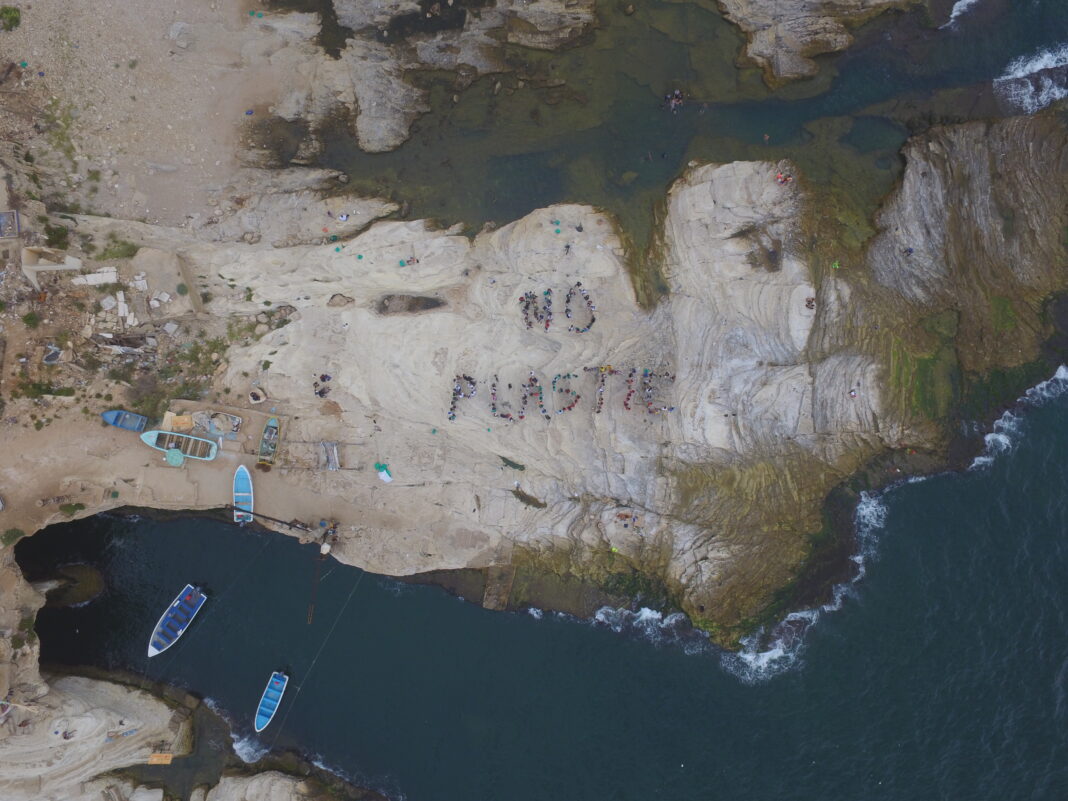
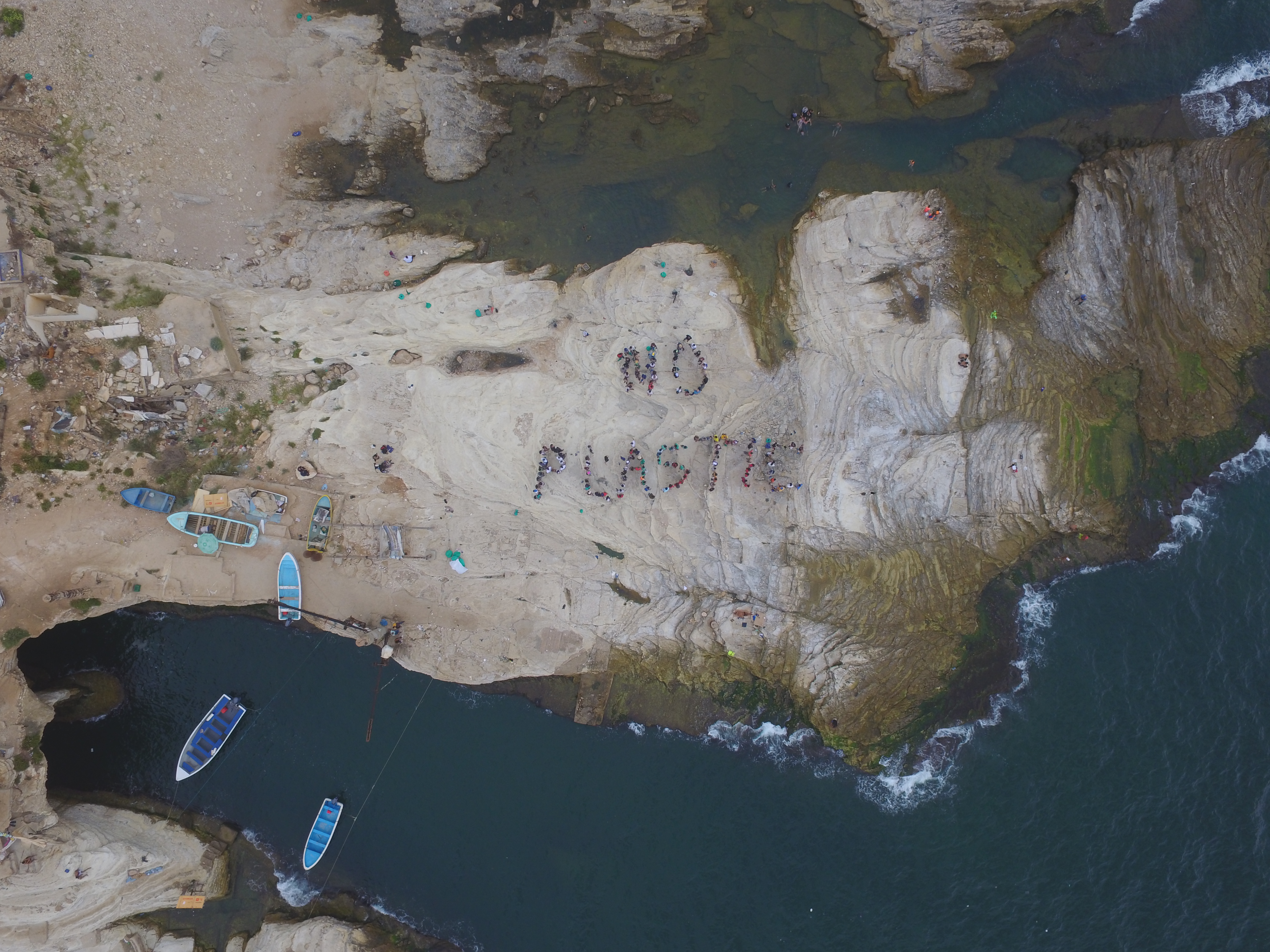
Actions that give local Lebanese hope are Greenpeace’s ship the Rainbow Warrior, which is travelling the Mediterranean Sea to countries like Greece, Italy and Spain to raise awareness on single use plastic. This plastic junk is impacting the future we all share. This report shows how terrible it all is. Thankfully organizations like Recycle Lebanon  organize beach cleanups. See the gorgeous image taken from their last one in August from the Raouche Dalieh beach.

The group plans on growing bigger to is to make this the biggest ever beach clean up in Lebanon, with lots of NGOs, groups and individuals participating in cleaning up the beach and sorting out the plastic. Stay on top of what’s happening with plastics and Lebanon via Recycle Lebanon.

Karin Kloosterman
Karin Kloostermanhttp://www.greenprophet.com
Karin Kloosterman is an award-winning journalist, innovation strategist, and founder of Green Prophet, one of the Middle East’s pioneering sustainability platforms. She has ranked in the Top 10 of Verizon innovation competitions, participated in NASA-linked challenges, and spoken worldwide on climate, food security, and future resilience. With an IoT technology patent, features in Canada’s National Post, and leadership inside teams building next-generation agricultural and planetary systems — including Mars-farming concepts — Karin operates at the intersection of storytelling, science, and systems change. She doesn’t report on the future – she helps design it. Reach out directly to [email protected]

Read More

TRENDING

Atmospheric Water Generators won’t work until we create clean energy to power them

Water from air sounds like magic: machines pull moisture from the atmosphere and turn it into drinking water. But atmospheric water generation comes with an energy cost, making clean energy essential if the technology is going to help solve water scarcity without worsening climate change.

Flock Safety Cameras Are Watching American Cities. What Is the Environmental Cost?

AI surveillance cameras are spreading across American cities. As Virginia residents question Flock Safety over privacy and data sharing, another issue emerges: what is the environmental cost of watching and storing everything?

Ozempic is changing our bodies. Could it shrink the economy too?

GLP-1 drugs are shrinking appetites and waistlines, but could they shrink our environmental footprint too? From fashion and food waste to lighter airplanes, packaging and transportation, Ozempic-era weight loss could have unexpected effects across the economy.

A billion dollar bet on Pacific Fusion’s New Mexico campus

Pacific Fusion is building a $1 billion fusion research facility in New Mexico, betting that enormous electrical pulses can help push fusion energy beyond the laboratory and toward practical clean power.

Europe’s circular fashion mandate in effect by 2030

Europe is forcing fashion to confront its waste problem. New EU rules ban large companies from destroying unsold clothing and are expanding producer responsibility for textile waste, pushing brands toward repair, resale, recycling and circular design.

The Essential Guide To Sustainability in Project Management

Sustainability is an approach where businesses and individuals balance the environmental, social, and economic aspects of a project such that current and future stakeholders are not overburdened with the impacts of the project in future.

Yerukim Forms a New Green Economy Where the Money is Really Green

The Yerukim members who pick up the recyclables get to keep the monetary reward, the public earns "green" bills that can be used in shops, and business owners get to be associated with environmentalism.

Choosing Riyadh over Dubai? What Investors Should Know

Saudi Arabia is deploying capital at unmatched scale to catalyze tourism and advanced industry while rewiring its power-and-water backbone. The investable frontier is widening—especially in renewables, grid storage, water efficiency/desal retrofits, and hospitality operating platforms. Prudent investors will insist on phased delivery, enforceable KPIs (energy, water, biodiversity), and RHQ/zone compliance—while pricing political-economy and reputational risks alongside growth upside.

Sell your cooking oil for biodiesel money

Want to make money on old french fry oil? Sell it.

Qatar Alternative Energy Summit Pairs Investors And Innovators

Alternative energy investors and innovators can meet n' greet in Doha, Qatar March 16 and 17.

Here’s How To Implement The Four Pillars Of Employee Engagement

If you throw a party for your work team and they are vegans, don't make it a barbecue. Know the sustainability values of your team to boost moral and retain good people.

Locals From Rishon Fight IKEA

Big Box stores are a pretty new concept in Israel, and thank God that not every Israeli city wants them in their backyard. A word from someone who has see the beautiful farmland around her hometown Newmarket, Ontario stripped and converted into vulgar strip malls of big box shops: they have no place in a healthy and sustainable town or city.

The Jewish National Fund Meets An Inconvenient Truth

According to the JNF, it has transformed thousands of acres of barren land into green forests in Israel. They state that each person emits about 23 tons of carbon per year, estimating that each tree planted can absorb one ton of carbon in its lifetime. That's a whole lot of trees you'd need to be planting. Could so many fit in Israel?

Popular Categories