
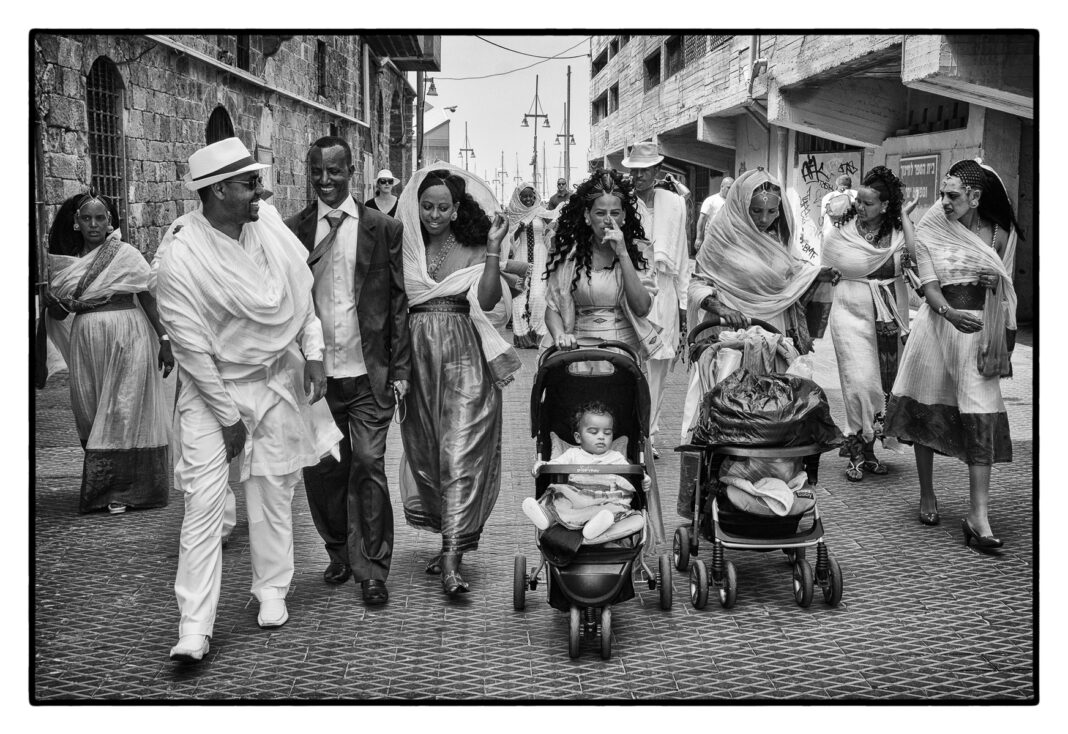

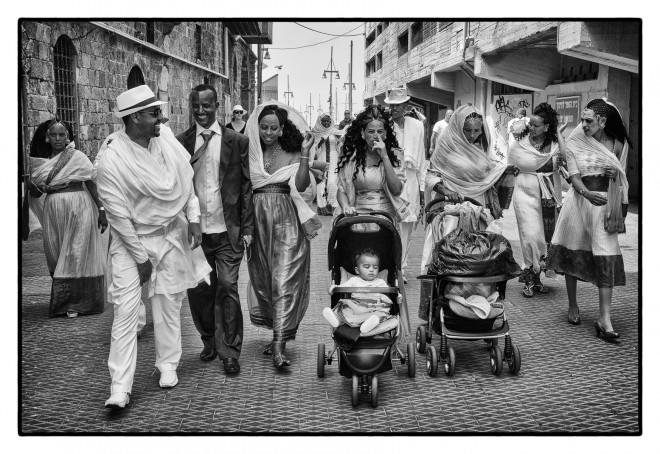
 Photographer Nathan Miller shows another side of Arab/Jew relations in “Somewhere in Jaffa”, a striking book of black and white images taken in this ancient Mediterranean city. His portraits of everyday living illustrate that for the different ethnicities that claim Jaffa as home – despite headlines and heated rhetoric – life goes on.
 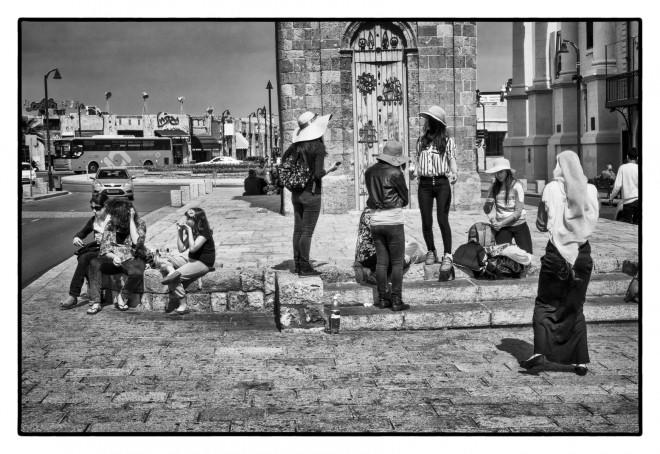 His pictures document a side of the Middle East you don’t see on TV news. “At the end of the day, TV and newspapers are interested in the controversial; that’s what people like to see. You don’t get the background of the story,” Miller told Green Prophet. “I’m showing you the background. I’m showing the landscape, the human landscape and the landscape itself.”
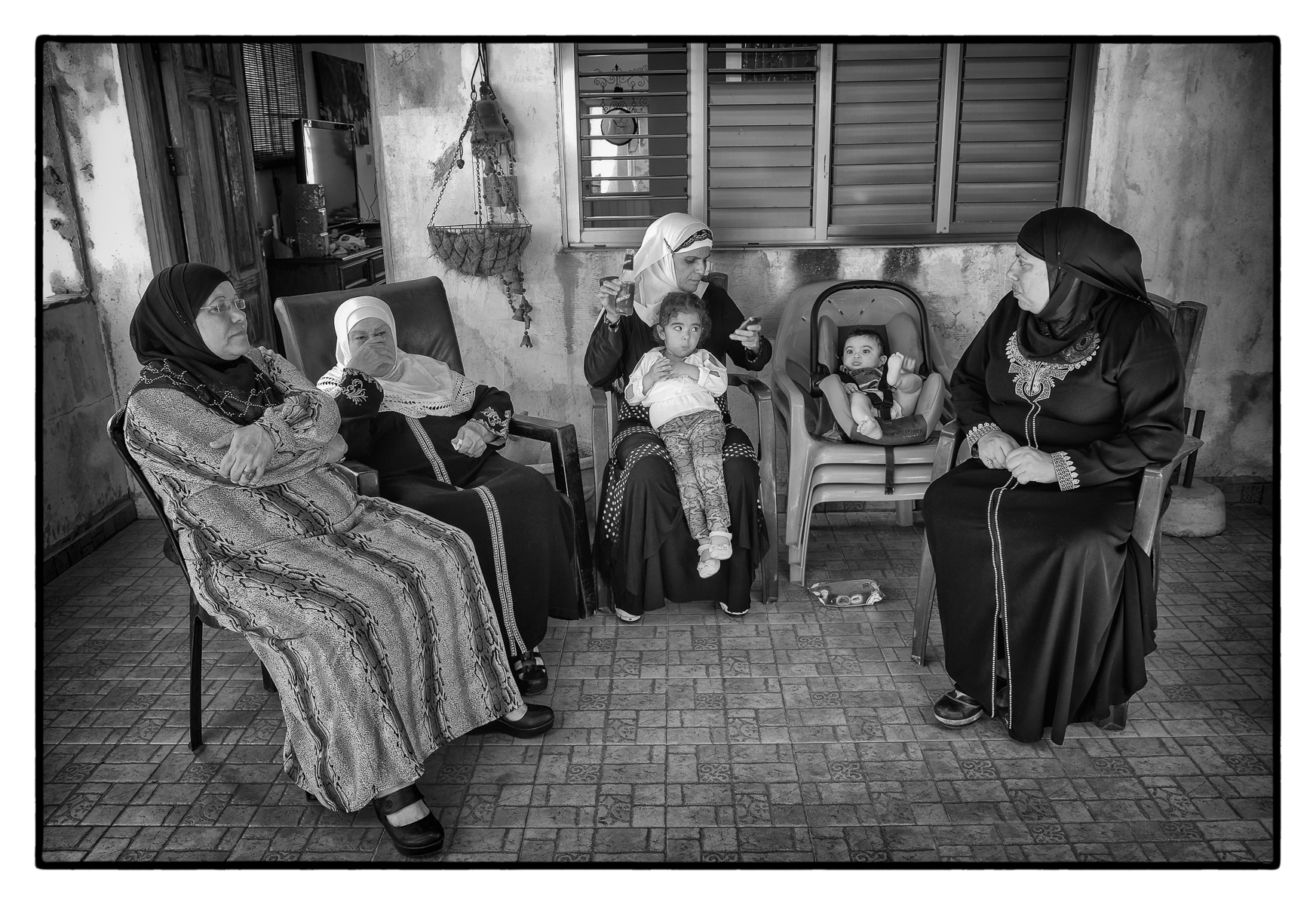 One of the world’s oldest cities, with perhaps the oldest operational port, Jaffa is called out in the Bible as the launch point for Jonah before he was inconveniently swallowed by a whale. Some historians believe it was named after Japheth, a son of Noah credited with founding the port town after the Great Flood.
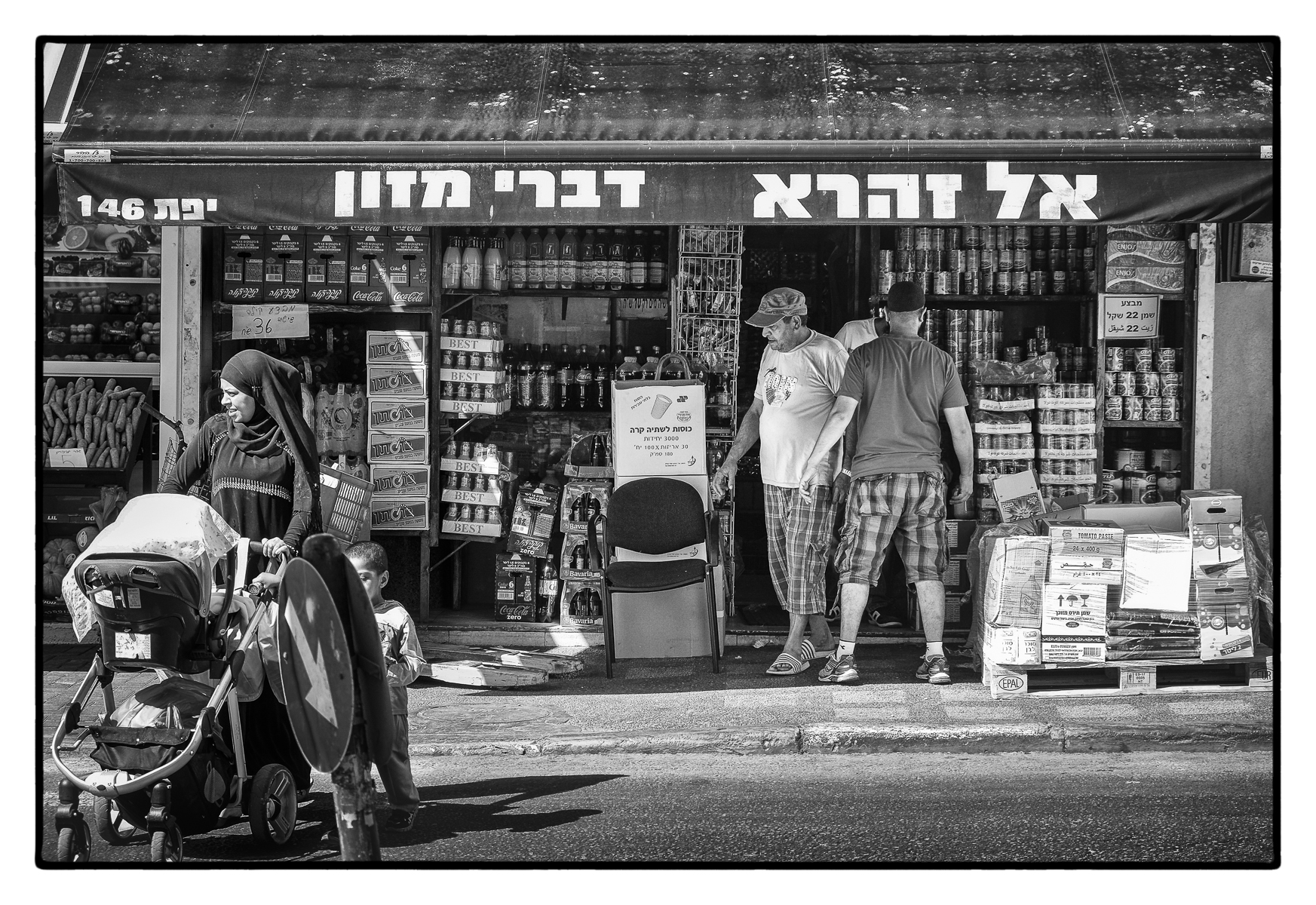 Jaffa merged with modern Tel Aviv in 1950, forming the metropolis now called Tel Aviv – Yafo. It is a mixed bag of cultures where Muslims, Christians and Jews – secular and observant, across all economic strata – coexist.
 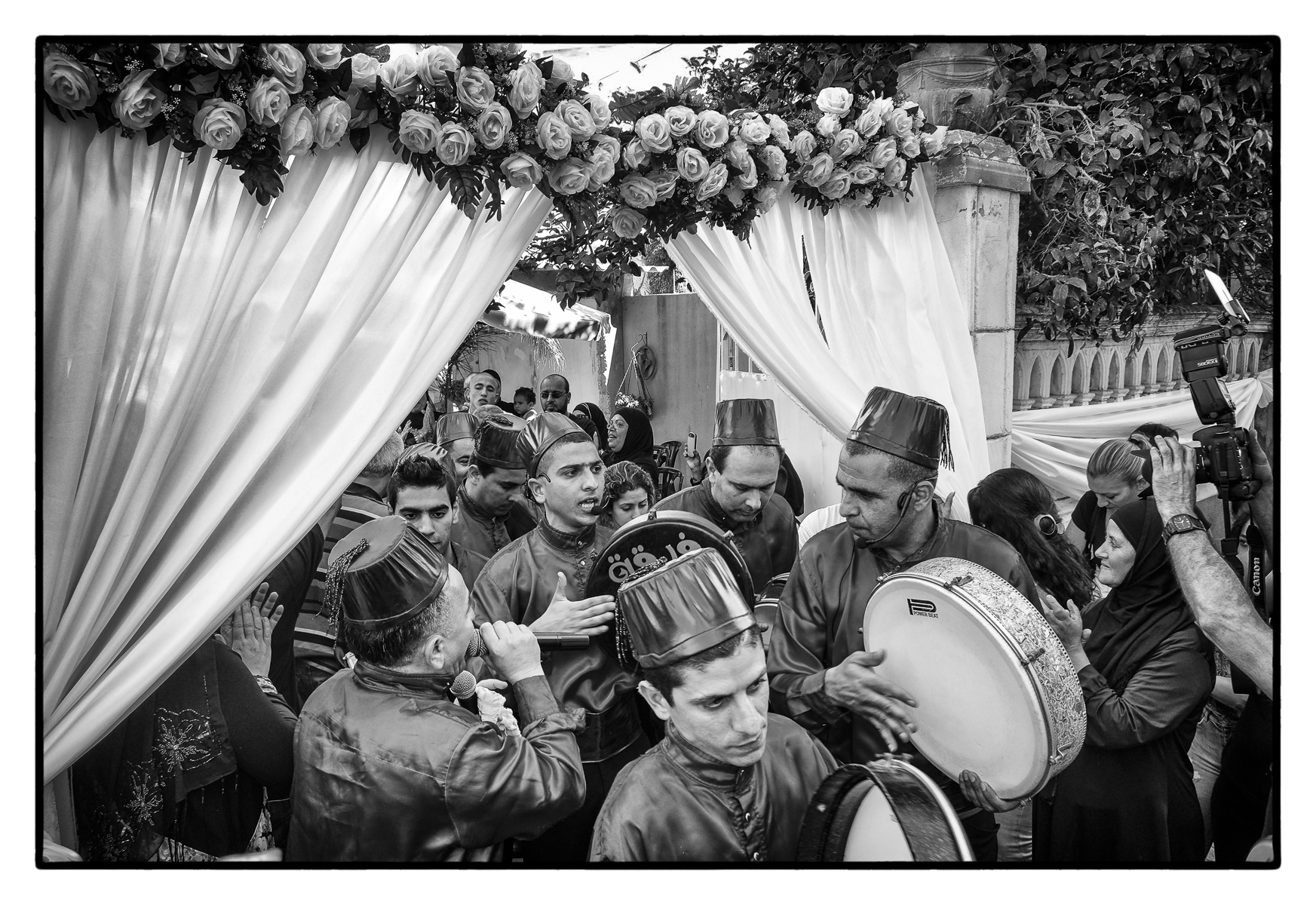 Miller’s project captures simple, commonplace, scenes that show the city’s diversity and vibrancy.
 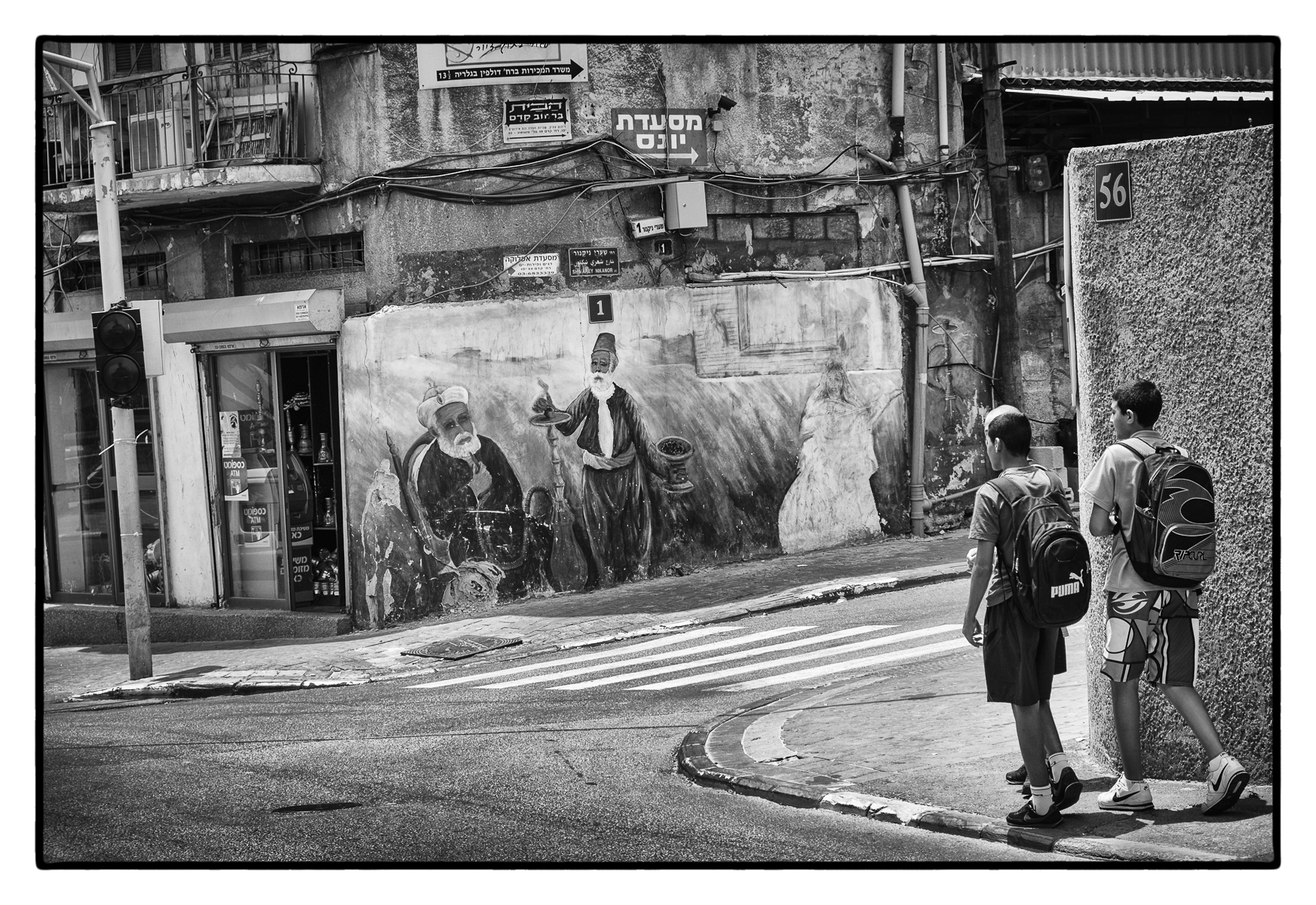 “Jaffa is a place where you’ve got more or less half Jews and half Arabs and they completely mix with each other,” Miller told the Sydney Morning Herald. “Arabs are buying from Jewish-owned shops and vice versa. They still have their own views. But… they’re living in one community.”
 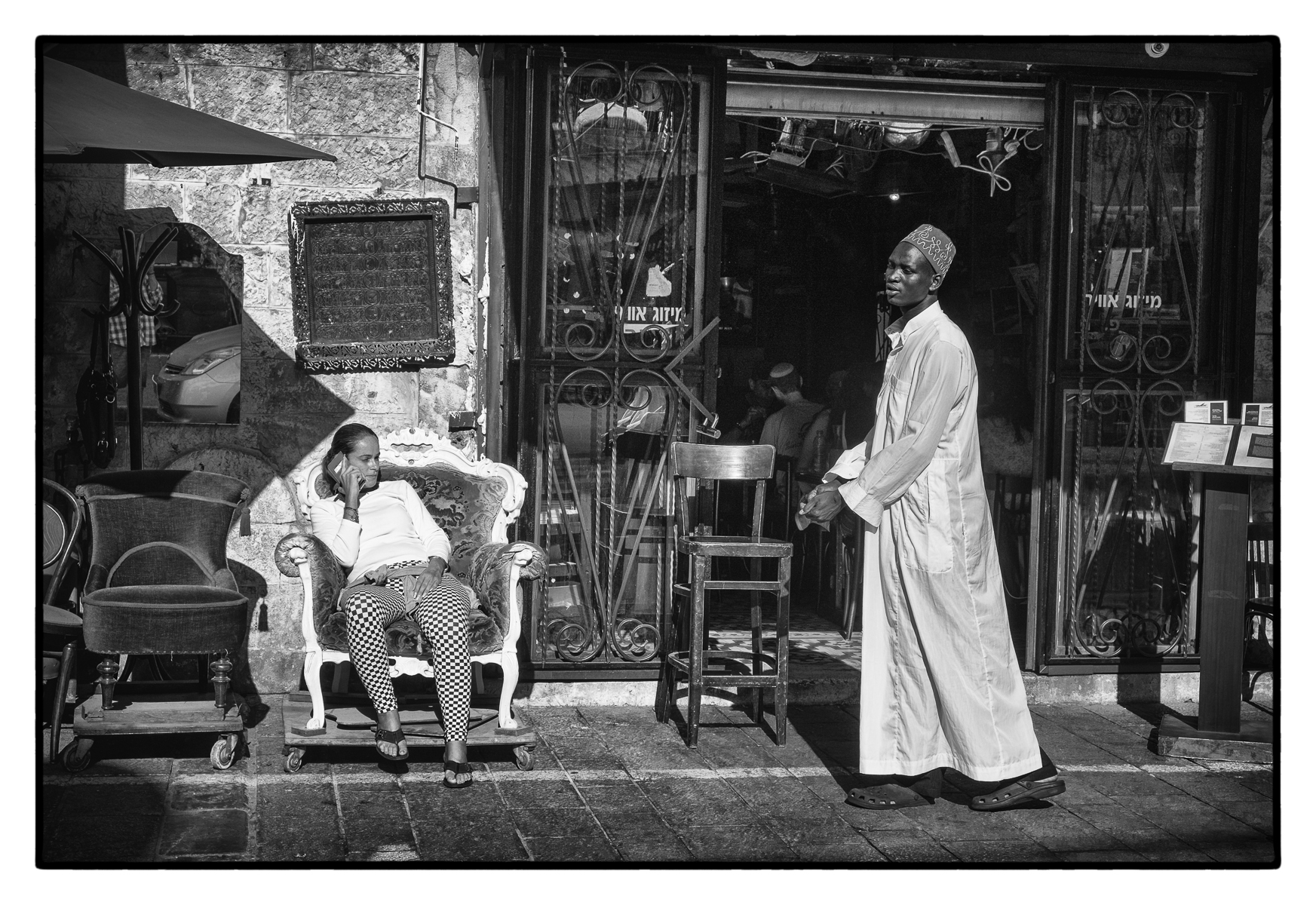 Miller sidesteps politics, without glossing over community tensions. In fact, he enlisted Israeli-Arab political activist and journalist Asma Agbarieh-Zahalka to address the inequitable division in wealth in the city in an essay included in the book. Raised in Jaffa, she describes Miller’s work as “an honest record of a difficult period in the life of a town struggling to maintain her dignity and her charm.”
[youtube]https://youtu.be/Pz0HLk93bSc[/youtube]
For millennia, people of different cultures with opposing politics have coexisted in peace and mutual tolerance across the Middle East where early inter-regional commerce created immigrant enclaves on the fringes of its ports and major trade routes. War and waves of conquest also introduced new people to base populations.
Modern Middle Easterners claiming Circassian, Ottoman, Druze, African, and Roman ancestry attest to the natural order of human assimilation. We treasure our historical roots, but they are a backstory to the business of daily living.
Stories of tolerance don’t make headlines. They are largely overlooked in the Old Testament and Quran too. Rupert Murdoch didn’t invent human love for news of all things violent and salacious, those themes have been garnering “clicks” since the birth of reporting. The story of peaceful coexistence is one of the most under-reported stories in human history.
“Somewhere in Jaffa” opens a new window to those who have only met the city – and the wider region – through the news. Miller’s website (link here) where you can view all 77 images in this series, order the book and prints. He hopes to encourage greater understanding of Jaffa.



[…] long-ago memories. I say that taste runs a close second. A recent dinner with a great friend in Jaffa hurled me back to a Manhattan apartment circa 1982 and a dish whipped up by the exotic Moroccan […]