
Gulf Coastal Ecosystems At Growing Risk Due To Development

gulf coast riskUN scientists say rapid coastal development, booming populations and the fossil fuel industry is wreaking havoc in the Arabian Gulf

The Arabian Gulf, which is also known as the Persian Gulf, is a semi-enclosed area of sea in the Middle East region that has eight bordering countries from Iraq down to Oman. As a major shipping route for the oil industry and the site of various up-scale residential developments (Qatar’s resorts and Dubai’s Islands), it is at growing risk from environmental degradation. According to a report by scientists at the United Nations University Institute for Water, Environment and Health, the Gulf is at risk from various types of environmental degradation and the current protection policies are simply inadequate.

Polluting Impact of Oil Industry

 The UN report collated data from various researchers and UN scientists and focused on eight Gulf nations– Bahrain, Kuwait, Iran, Iraq, Oman, Qatar, Saudi Arabia, and the United Arab Emirates. It charted the impacts of overfishing, pollution and the growing population of Gulf States on the coastal ecosystems of the Arabian Gulf.

The Gulf region contains around 55 percent of the world’s crude oil reserves and around 33 percent of the world’s oil supplies. As such, the report found “persistently high levels of hydrocarbon pollution throughout the Gulf, predominantly along the Iranian coastline.” The high-rate of fossil fuel use, which we have previously covered, also means that the carbon emissions of the region are three times the world average.

Desalination and The Death Of Coral Reefs

As well as oil tankers weaving their way across the Arabian Gulf and causing pollution, desalination was highlighted as a problem as plants ‘deliver toxic brine into the Gulf’. The report estimated that 79-90 percent of freshwater in the Gulf states was delivered through desalination plants which remove salt from water to make it potable but leave behind a salty by-product.

Another worrying impact of development on the marine ecosystem was illustrated by the degradation of the coral reefs. Using complied data, the report found that 70 percent of original reefs has been affected by dredging and could disappear altogether without “aggressive steps” to ameliorate the impacts of development.

Recognise and Manage Environmental Risk

Due to the rapid rate of growth and development in oil-rich Gulf States, regulation, which could help protect important ecosystems, is just not there. For example, the report states that due to the lack of infrastructure waste is frequently dumped directly into the Gulf or riverbeds or wetlands where it then seeps into shallow aquifers and coastal waters.

To deal with these problems, the report points out that Gulf nations need to build greater awareness of the ecological risks of taking the Gulf for granted, enact better legislation and encourage environmental science in the region.

::Al Arabiya

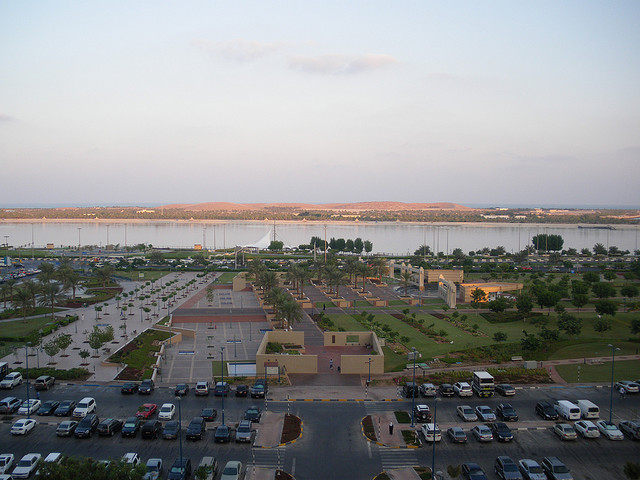
Image via Uggboy/flickr.

For more information on the marine environment see:

Kuwait Marine Life Degrading At Alarming Rate

Q&A with Greenpeace Campaigners Raefah Makki

Loss of Marine Life Could Lead To Ecosystem Collapse

Hope Amidst Dubai’s Marine Destruction

A Day In The Life Of A Marine Scientists- Interview With Rima Jabado
Arwa Aburawa
Arwa Aburawahttp://www.greenprophet.com
Arwa is a Muslim freelance writer who is interested in everything climate change related and how Islam can inspire more people to care for their planet and take active steps to save it while we can. She is endlessly suspicious of all politicians and their ceaseless meetings, especially as they make normal people believe that they are not part of the solution when they are the ONLY solution. Her Indian auntie is her model eco-warrier, and when Arwa is not busy helping out in the neighborhood alleyway garden, swap shopping or attempting fusion vegetarian dishes- with mixed success, she’d like to add- she can be found sipping on foraged nettle tea.

Read More

TRENDING

HelloFresh’s pride prepping ad raises a bigger question: we are we still outsourcing dinner?

The backlash against HelloFresh's Pride Month marketing campaign has sparked a wider conversation about food, labor, sustainability, and whether consumers should reconnect with local farmers, butchers, and home gardens instead of relying on subscription meal kits.

Regenerative Wool or Greenwashing? Zentera Responds to Critics

Zentera responds to questions about ZQ wool, animal welfare, regenerative farming, ethical fashion and the fallout from PETA's New Zealand investigation.

The Ocean’s Hidden ‘Dark Web’ Is Being Fished Before Scientists Understand It

Deep below the ocean's surface, in a dimly lit region known as the twilight zone, millions of fish are being caught every year. Scientists say the consequences are largely unknown.

Barnacle glue could fix coral reefs, inspire new advances in building and medicine

Aalto University researchers create a protein-based adhesive inspired by barnacles and mussels that works underwater and could aid coral reef restoration.

Jaakko Torvinen finds that the next green building revolution is misfit trees

Crooked, forked and curved trees are often treated as second-class timber. They are considered less valuable, and not suitable for load bearing walls or support systems in building. If a tree trunk is not straight enough to become a saw log, it is frequently diverted into pulp production or burned for energy. Now, new research from Aalto University could help change that.

Locals From Rishon Fight IKEA

Big Box stores are a pretty new concept in Israel, and thank God that not every Israeli city wants them in their backyard. A word from someone who has see the beautiful farmland around her hometown Newmarket, Ontario stripped and converted into vulgar strip malls of big box shops: they have no place in a healthy and sustainable town or city.

The Jewish National Fund Meets An Inconvenient Truth

According to the JNF, it has transformed thousands of acres of barren land into green forests in Israel. They state that each person emits about 23 tons of carbon per year, estimating that each tree planted can absorb one ton of carbon in its lifetime. That's a whole lot of trees you'd need to be planting. Could so many fit in Israel?

How to quiet noise from construction in your office

Streets need to be resurfaced in New York but the humming and grinding noise is unsettling. Noise is environmental pollution. 

EarthX and a blueprint for sustainable investing

Trammell S. Crow, a Dallas-based businessman and father of four, is focusing his efforts on impact investing, and media that focuses on saving the planet through EarthX.

Mining Afghanistan’s Mineral Discoveries Similar to Avatar

Now that American forces in Afghanistan are commemorating the longest period of any war that America has been involved in, including the 1965-73 Vietnam War, the recent discoveries of large and extremely valuable mineral and metal deposits may finally bring to light a reason to continue the presence of US fighting forces in this war torn and backward country.

From Pilot Plant to Global Stage: How Aduro Clean Technologies’ 2026 Expansion Signals a Turning Point for Chemical Recycling Investors Like Yazan Al Homsi

The company's Next Generation Process (NGP) Pilot Plant in London, Ontario, has officially moved into initial operating campaigns, generating the kind of structured, repeatable data that separates laboratory promise from commercial viability.

Nobul’s Regan McGee on Shareholder Value: “Complacency Is the Silent Killer” 

Why the governance framework designed to protect shareholders so...

Should You Invest in the Private Market?

startustartup Unlike public stock exchanges, which offer daily trading, strict...

Popular Categories