Pakistan razing the mud home of Afghan refugees fleeing the Taliban, 2023 screenshot of video below Radiofree Europe
Millions of Afghans had fled to Pakistan over the years as refugees – some from since the Taliban takeover in 2021, many from decades before. They have built homes and lives in Pakistan, some homes built from mud with their own hands, and believed they would be welcomed to stay, live and continue working in the Muslim-majority country of Pakistan. This past October, according to the BBC, Afghan refugees have have been told it’s time to return to Afghanistan.
Afghan refugee. Many were born in Pakistan but now they are being sent back to the Taliban. VOA
Pakistan is sending them back to the Taliban terror group, of which they are terrified, and is bulldozing mud homes that Afghan refugees have built over the years.
“I am very sad about leaving my house. I can’t express in words the pain I felt leaving it. Our house was made of mud, and we built it ourselves. I planted many trees there. My neighbours and friends were in tears [when I left] – It’s the cruel government that is making us leave,” says Abdullah, who has a family of 20 people all born in Pakistan, while speaking to the BBC.
Pakistan is conducting a nationwide return of Afghans and others who they say are in the country illegally. A decree was issued at the beginning of October this year that some 1.7 million Afghans must return to Afghanistan. Pakistan has seen an increase of terror attacks, of which they are linking to Afghans. But they are collectively punishing all Afghans for any Taliban involvement.
The United Nations and its aid agencies in Afghanistan posted a message on Tuesday that they urgently need funds to provide “post-arrival” assistance to hundreds of Afghan families returning from neighboring Pakistan daily to avoid arrest and deportation.
“More than 60% of arrivals are children,” a UN coordination agency said in a statement. “Their condition is desperate, with many having traveled for days, unclear of where to return to and stranded at the border.”
The Pakistani government, in early October, ordered the deportation of all foreigners without legal documents, including 1.7 million Afghans, warning those who remained in the country beyond November 1 would be arrested and expelled to their countries of origin.
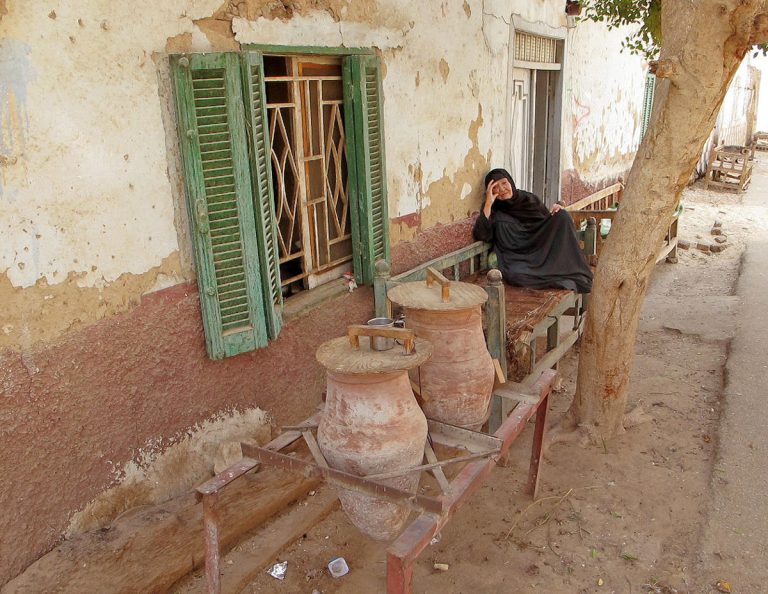
Traditional mud house, Badakhshan, Afghanistan, April 16, 2021
The UN refugee agency UNHCR, migration agency IOM, together with children’s agency UNICEF, said they are “deeply concerned for the safety and well-being of children and families affected…and alarmed at the potential consequences of this plan’s implementation.”
Almost 30 million people require humanitarian assistance and 3.3 million are internally displaced inside Afghanistan amidst overlapping crises. According to the UN, since September 15, an estimated 160,000 Afghans have left Pakistan, with 86 percent of families reported fear of arrest as the most common reason for leaving.
According to the AP those that leave Pakistan come with nothing because all their property was seized at the border crossing from Pakistan. There is no food, housing, toilets on their return.
Arshad Malik, country director for Save the Children, said those returning are coming back without education documents, making it difficult for them to continue their learning, as well as lacking the local Afghan languages of Dari and Pashto because they studied Urdu and English in Pakistan.
He warned that child labor in Afghanistan as well as their involvement in smuggling are likely to increase due to poverty as most returning families were among the poorest migrants in Pakistan.
A girl in Kabul, Taliban-ruled Afghanistan, 2021
“Smuggling at Torkham by children was one of the concerns from the past, so the involvement of children in smuggling and illegal goods’ transfer will increase,” Malik said.
According to the UN, Afghans make up one of the largest refugee populations worldwide. There are 2.6 million registered Afghan refugees in the world, of whom 2.2 million are registered in Iran and Pakistan. Some are in the United States, and some are in Europe. According to Canada’s CBC news Canada has welcomed 30,000 Afghan refugees recently.
Another 3.5 million people are internally displaced, having fled their homes searching for refuge within the country. In light of the rapidly deteriorating security situation since the Taliban took over in 2021, the number of people fleeing will likely continue to rise. Meanwhile, the Taliban is visiting Iran looking to cooperate.
The Taliban returned to power in 2021 after capturing Kabul and overthrowing the government of the Islamic Republic of Afghanistan, ending the 2001–2021 war. In September 2021 the Taliban re-established the Islamic Emirate of Afghanistan. The Taliban government remains internationally unrecognized.
As officials from Mediterranean countries gather this week for the the UN’s General Fisheries Commission for the Mediterranean (GFCM) annual session in Croatia. The FAO-based group are working with NGOs urging the adoption of measures that would allow the GFCM to tackle illegal, unreported and unregulated fishing and cases of non-compliance within its region – a call backed by a legal analysis published this week that shows that GFCM has the competency to impose such measures.
The Mediterranean is being overfished and damaging, illegal trawlers are killing undersea ecosystems. But with the UN’s poor track record in fighting and naming larger issues such as terrorism, it is likely that a UN group will have full faith buy-in for people fighting for fish.
The proposed system under discussion this week – which already exists in other regional fisheries management organisations – would allow the UN-run GFCM group to take action against countries that consistently disregard fishing regulations.
Several organisations of the Med Sea Alliance argue that creating a compliance mechanism is crucial for the Mediterranean’s biodiversity, fish stock recovery, and the communities that rely on marine resources.
“At the moment, the GFCM cannot act when countries systematically fail to follow its requirements on, for example, fleet control or properly reporting on their fishing activities, but with such a system in place, the GFCM could apply measures such as suspending fishing authorisations or requiring increased controls,” said Helena Álvarez, Senior Marine Scientist at Oceana in Europe. “This is a prerequisite for ensuring the survival of the Mediterranean’s unique biodiversity, to support the recovery of fish stocks and the communities that rely on marine resources”.
“The Mediterranean Sea, rich in biodiversity and vital to the livelihoods of countless fishermen, faces persistent challenges”, said Nils Courcy, Senior Jurist, Marine & Mediterranean, at ClientEarth. “Fishing rules and regulations are established through consensus, but implementation and enforcement often fall short. A compliance mechanism can help enforce regulations that prevent destructive fishing practices, such as bottom trawling, which can harm or destroy vital habitats, such as seagrass (Posidonia oceanica). This gap in enforcement endangers shared natural resources and the very existence of the fishermen who depend on them.”
A legal analysis by Professor Tullio Scovazzi – retired former professor of international law at the Universities of Parma, Genoa, Milan and Milan-Bicocca, Italy – and Professor Simone Vezzani, – professor of international and European law at the University of Perugia, Italy – confirms that the GFCM has the competency to impose corrective measures in cases of non-compliance.
The analysis was commissioned by the Med Sea Alliance, a coalition of non-governmental organisations working to improve the health and productivity of the Mediterranean Sea, in response to questions raised during the GFCM Compliance Committee meeting in May 2023 about the compatibility of such a system with international law. The legal analysis concludes that the current lack of a compliance mechanism is not a legal, but rather a political question.
“As this legal analysis shows, the only thing holding back GFCM from effectively dealing with states who don’t follow the rules is a matter of political will,” said Jesús Urios Culiañez, Environmental Justice Foundation’s lead campaigner for the Mediterranean. “This week, GFCM Members have an opportunity to make the meaningful change we need. By establishing a strong enforcement system for the conservation and management of the Mediterranean, they can protect marine ecosystems and support the livelihoods of those who rely on them. They must not let this opportunity slip away.”
In a Call to Action published during the GFCM High-level conference on MedFish4Ever initiatives, several member organisations of the Med Sea Alliance urged GFCM members to create a compliance mechanism, expand vessel tracking and that other tracking measures (AIS) and ensure that that trawl bans in the Mediterranean Sea are fully enforced and complied with to support the recovery of fish stocks and the protection of sensitive habitats.
Hair serum can be natural or pharmaceutical but great hair often starts with a good diet
Most people are pretty passionate when it comes to their hair. The average person spends countless hours washing, drying, cutting, and styling their locks throughout their lifetime. Unfortunately, your hair isn’t guaranteed to stay luscious and thick just because you take good care of it. Hair loss can happen to anyone at any time. Depending on its underlying cause, it could be mild or severe.
Whether your missing locks are from a genetic condition or excessive stress, you may be wondering what to do next. Is it possible for your hair to grow back like your nails do after you cut them? Or could it be that your condition is permanent and you have to learn how to deal with the new you? The answers to these questions may not be the same for everyone. But here are a few things you should know about available hair loss treatments and their effectiveness for regrowing hair.
Effectiveness of Available Hair Regrowth Treatments
Over the years, scientists and researchers have tried to “crack the code” to hair loss and regrowth. Through meticulous study and research, they have learned much about the top causes of balding. In response, they have developed products to help combat thinning hair caused by common conditions such as male pattern baldness and telogen effluvium. These products aren’t guaranteed to work for everyone, but they offer hopeful hair regrowth results for many people.
The following list of hair regrowth treatments isn’t a comprehensive one. But it includes some of the most well-known products and procedures available. Learn more about the details and effectiveness of each option. That way, you can make an informed decision about which one you want to try first.
Topical Solutions
Topical hair regrowth products are very popular because they’re effective, easy to use, and often easily accessible. Topical minoxidil is one of the most popular topical solutions for stopping hair loss and stimulating regrowth. It’s FDA-approved and works for many people. When it comes to the effectiveness of topical minoxidil products, concentration can matter. In one study, men who used 5% minoxidil for 48 weeks experienced45% more hair regrowth than study participants who used 2% minoxidil. Women typically can see fairly decent results with a 2% solution though.
Finasteride is another popular hair loss solution for men. It is available in both oral and topical forms. Many men choose the topical form because it’s associated with fewer side effects. Topical finasteride can help regrow scalp hair byreducing dihydrotestosterone (DHT) levels by up to 75%. DHT is one of the key hormones linked to male pattern baldness. Finasteride often isn’t recommended for women because of the possibility of birth defects.
Supplements
In addition to hair regrowth medications, you also have the option to take nutritional supplements for your thinning locks. Most hair supplements contain a variety of vitamins, minerals, or herbs believed to slow hair loss and promote new growth. Nutrafol and Viviscal are two popular options. Nutrafol contains biotin (a B vitamin), vitamins A and C, and an herb called saw palmetto. Many users report improved hair growth after about six months of consistent use.
Viviscal is another supplement with a similarly good track record. It contains marine collagen, which provides amino acids that the body can use to create hair. Like Nutrafol, it also contains biotin. The body uses this vitamin to produce keratin, which is a key component of hair. A biotin deficiency can lead to hair thinning, so it’s important to supplement with this vitamin if you have hair problems.
Hair Transplants
A hair transplant is a type of surgery that moves hair from one portion of the head to another. It’s also commonly referred to as hair replacement or hair restoration. For many people, hair transplants are a last resort for hair regrowth. They’re more invasive than the other treatments mentioned here. However, they’re also highly effective and offer permanent results.
Follicular unit transplantation (FUT) is a method that moves a skin flap from the rear of the head to the top areas experiencing thinning. Follicular unit extraction (FUE) is a method that takes follicles one at a time from one location and implants them to another. When it comes to effectiveness, high-end clinics report that both options have around 99% success rates. However, FUE is often preferred because it’s less invasive and causes less noticeable scarring.
Prosthetics
Of course, if all other treatments fail, there’s always the possibility of using hair prosthetics. These are wigs or hairpieces that may cover the entire head or only the balding portions. There is nothing wrong with wearing a wig, especially if you’re dealing with irreversible hair loss.
The nice thing about prosthetics is that they are very effective at covering up balding areas. Therefore, you don’t need to worry about spending money on a method that may not end up working well for you.
No matter what’s causing your hair loss, you don’t have to settle for thin or balding hair. Give the hair regrowth treatments above a try. In many cases, taking quick action could be the difference between reversible and irreversible balding. Don’t wait to see if your hair stops falling out on its own. Be proactive to increase your chance of being able to regrow your beautiful locks.
Blood diamonds, or diamonds mined from countries that use slave labor and low wages to harvest diamonds are out. Vintage diamonds are in, but if you want maximum bling and want to buy a few carats, your best bet in style and cut will be a lab-grown diamond.
My small-town jeweller in Ontario, Canada says that he can’t tell the difference and will only buy lab-grown diamonds after his mined diamond stock runs out. Bigger diamonds are preferred and the biggest, unless you are married to the prince of Saudi Arabia, will be out too.
She wants bling, so make is sustainable and a lab-grown diamond
So we thought to bring you some solid choices from companies around the world who grow their diamonds in a lab. You can shop in person or online for your ring, and some if they know what they are looking for and can be guaranteed a good return policy. Lab-grown diamonds are known by different names: cultured diamonds, man made diamonds, synthetic diamonds are a few. A carat and a half of a synthetic diamond (1.5 carats) starts at $2000 USD, so don’t expect cubic zirconium prices.
We are talking about real diamonds, made in a laboratory under pressure, in a week and a half inside a large appliance with conditions that are just like in nature, but sped up with the help of pressure.
Leading lab-grown diamond manufacturers in the world?
VRAI is a new diamond retailer selling diamond engagement rings online. They are lab-grown, which means eco, sustainable and cartel-free
Some of the companies that manufacture lab diamonds sell only directly to shops or wholesalers while others sell directly to the consumer. Large and important purchases are probably best made in person, while sizing your ring. But we know that people trust online shopping so the below list includes wholesale companies as well as those who do direct to consumer purchases.
Clean Origin
Clear Origin is a US based company that lets you customize size, cut clarity, setting and a pile of other things that might be important to you. This company sells directly to consumer and the price range for a round, 1/5 carat in a gold setting is about $1500 USD.
Vibranium Lab
Vibranium Lab is a London-based company that also does direct to consumer shipping, with a list of customizable details that you can select. The cost for a 1.5 carat round diamond is about $2500 USD. Being in a central hub likes London makes it easier for returns or changes in settings.
James Allen
James Allen has a really visual site that lets you see a large ranges of diamond cuts, not in illustration format. The US-based company does direct to consumer shipping and custom orders. They are known for variety so if you want to be dazzled go to James Allen.
Blue Nile
Blue Nile is an online jewellery retailer founded in 1999. It is based in Seattle, Washington. As of February 2017, it is a subsidiary of Bain Capital. They mainly lead you to their conflict-free diamonds, with 1.5 carats starting around $5000 USD. But if you dig around a bit you find their expansion into lab diamonds. The series is called Lightbox.
Ritani
Ritani, from White Plains, NY has a better landing page when you enter than Blue Nile, helping you chose earth-grown diamonds over a lab diamond. Choose your own adventure.
Diamond Foundry
Diamond Foundry is a producer of lab grown diamonds in San Francisco, California, USA. They have about 120 employees, so it’s an established company. I like their advertising, “compressed greenhouse gas.” Which goes on, “Just diamond. No mining. No carbon emissions. No cartel pricing.
VRAI
VRAI, which means “real” or “true” or “right” in french, is a fine jewellery brand specialising in ethical, man-made diamonds. Using recycled gold and utilising unusual diamond shapes their modern take on luxury jewellery makes for great heirlooms. In terms of settings, they go for a minimalistic “hipster” feel which I like. They are considered best for premium cuts. Visit a showroom to help you select.
12FIFTEEN
Environmentally superior lab grown diamonds at a fraction of the cost. Welcome to diamonds made simple, says 12FIFTEEN based in Franklin, Wisconsin.
Pandora
Pandora offers its Brilliance collection, a range of lab-created diamond jewellery, and every piece features a round, brilliant cut gemstone.
Queensmith
Queensmith is a UK-based diamond seller offering lab diamonds as identical to the ones found in nature.
Noemie
Noemie diamonds are the best lab grown diamonds if you are looking for delicate styles.
Lark and Berry
Lark and Berry do classic rings best.
Swarovski
Swarovski is a glass-based company that somehow managed to market crystal, that look like my Polish aunt’s serving chalices, into luxury goods. The company is now expanding into lab-grown diamonds. They are based in Austria.
Brilliant Earth
Brilliant Earth is one of the leading brands in marketing sustainable or cruelty-free diamonds. Our lab grown diamonds display the same physical, chemical, and optical characteristics as natural diamonds, and exhibit the same fire and scintillation.
Have a brand to add? Contact our sustainable luxury editor at [email protected] or enter the name in the comments below.
In this image from surveillance video aired by Iranian state television, women pull 16-year-old Armita Geravand from a train car on the Tehran Metro in Tehran, Iran, October 1, 2023. (Iranian state television)
The despotic enforcers of Iran’s “hijab law” have claimed another victim in the name of religion. In a mysterious incident reported a few weeks ago in international press, a young woman Armita Geravand, just 16 was injured going into the Tehran Metro in Iran. She was in a coma for a few weeks and has since died. Her death takes place a year after the death of 22-year-old Mahsa Amini which unleashed a flurry of protests in Iran: Mahsa was taken into custody, sustained injuries in some sort of mysterious way, and then died in the hands of the police not long after. Same story.
A teenage Iranian girl who fell into a coma after she was allegedly assaulted by the country’s morality police for not wearing a headscarf has died, according to Iranian state media.
Women who defy Iran’s mandatory headscarf-wearing, or hijab, law is a clear sign that they are unhappy with the Iranian regime. Iran is a theocracy that disappears environmental activists, whistleblowers, journalists (one we interviewed was later disappeared) and people who practice homosexuality. You will even go to jail if you dance in an Instagram or TikTok video in Iran. Or if you try to save lakes, like the protestors working to save Lake Urmia from dying up.
Iran drafted a Hijab and Chastity Bill—which is a draft law consisting of 70 articles—all which would increase punishments for those seen wearing a “western” dress code, and which challenges the ethics put in place by the Islamic Republic. Increased fines and jail time, and AI cameras to catch the violators is part of the Morality Police code of tools.
Armita Geravand
What happened to Geravand when she entered the train on October 1 remains a big question. A friend told a local TV station that she hit her head on the platform, but soundless footage offers no clues and it is likely that those who truly know are afraid of being silenced with a gun –– the same “silencing” that will happen to you in Gaza if you do not comply with the Hamas code, which is rule of the jungle.
TIME offers a great background on the law and how it can be enforced in Iran.
According to the Norway-based human rights group Hengaw which interviewed her two friends, Geravand was assaulted by the morality police for not wearing a head covering. She fell and hit her head and was admitted into the hospital with “severe brain injuries”. The Iranian regime have denied any physical confrontation took place. They said she fainted from low blood pressure, a similar stance taken after Mahsa Amini was murdered for the same offence.
Iran has a reputation for evaporating people, or for whisking them away and brainwashing them until they lose a part of themselves like the Godfather of blogging Hossein Derakhshan we interviewed in the past –– or Soheil Arabi who was sentenced to death for his Facebook posts.
What the footage did catch is Geravand’s limp body being carried away. Now she is dead for wanting her her free hair to blow in the wind.
This video shows why #ArmitaGaravand, Iranian schoolgirl got beaten by hijab police & killed.
Cameras are everywhere to identify & arrest unveiled women. But see how bravely she was walking unveiled to show her resistance to forced hijab.
She’s a hero.
Iranian journalist activist Masih Alinejad writes on X: “This regime excels at suppressing and killing women, all while negotiating and forging ties with Western politicians. How many more innocent girls need to perish before Western countries realize that this regime is irredeemable?
“This is the very regime that not only oppresses its citizens but also instigates unrest in Ukraine, Israel, Iraq, and Syria. After decades of atrocities by this totalitarian Islamic regime, the world must finally take a stand and hold them accountable.”
Climate change is heating our seas so less oxygen can be absorbed. What does this mean for reef health and conservation? Can genetic tools help keep what we may lose?
DNA sequencing has long been revolutionizing science and the field of genomics. Since the process was developed in the 1970s, nearly 30 million people have had their genomes sequenced to gain vital insights into their health, such as predispositions to allergies and diseases. Genomic sequencing is instrumental to the future of public health and can even track the proliferation of viruses like COVID-19 and malaria.
Thanks to advances in science and technology, genomic sequencing has never been more accessible than the present. Today, an entire genome can be sequenced for less than $1,000, leading scientists and ambitious entrepreneurs like Colossal Biosciences’ Ben Lamm to push the envelope of the process’s potential and applications.
Colossal Biosciences’ mission, according to its website, is “Through technological and engineering breakthroughs in biosciences and genetics, Colossal is accepting humanity’s duty to restore Earth to a healthier state, while also solving for the future economies and biological necessities of the human condition.”
Colossal Biosciences: Mitigating the Current Extinction Crisis
The haunting socotra trees in Yemen are at risk
While genomic sequencing has always been known for its benefits to human health care, plants and animals can also have their genome sequenced. In addition to providing vital information such as a species’ evolutionary history and native environment, genomic sequencing may be the key to preventing extinction and even reversing it. This has prompted the creation of a scientific field known as conservation genomics, which uses whole-genome sequencing technology to combat urgent issues plaguing our fauna.
In an effort to mitigate the current extinction crisis (which currently results in up to an estimated 150 species of plants and animals lost each day), several companies around the globe have embraced conservation genomics and the importance of sequencing species and analyzing the data these sequences hold. Colossal Biosciences, the billion-dollar startup well known for its innovative de-extinction projects, is one enterprise heavily invested in conservation genomics and how it can benefit endangered and extinct species.
In addition to Colossal’s project’s reliance on genetic sequencing, Colossal’s co-founder George Church has an extensive history with the process. In 1984, Church pioneered the first direct genomic sequencing method. That same year, Church helped initiate the Human Genome Project, which officially launched in 1990 and generated the first sequence of a human genome. The Human Genome Project took 13 years to complete and remains the world’s largest collaborative biological project.
The Sequence to Predicting Extinction
A female cheetah and her kittens
Despite being a relatively new scientific field, conservation genomics is already being used to inform wildlife management decisions and aid endangered (and potentially even extinct) species.
In a study published in Science, researchers from the San Diego Zoo Wildlife Alliance and the University of California, Santa Cruz, found that a species’ vulnerability to extinction can be determined by evolutionary information found in the genomic sequence of just one individual.
According to the study, species with a small population throughout their evolutionary history are more likely to be at risk of extinction, as genomic sequences reveal that these species are more likely to face harmful genetic mutations and have lower diversity.
“These results show that genetic information, even if only from a single individual for a given species, offers immediate, actionable guidance for scientists designing conservation strategies as well as those with boots in the field,” said Aryn P. Wilder, Ph.D., one of the paper’s two lead authors.
This has incredible implications for conservation, as these precursors to endangerment can be spotted by an algorithm that automatically ranks a species’ risk of extinction from “least concern” to “critically endangered.” For species that are understudied and underdocumented, scientists just need to sequence one individual’s genome to determine an entire population’s conservation status and potential management practices.
Genetically Engineering a Species’ Future
Once a species’ conservation status has been determined, scientists can use a fully sequenced genome to make informed genetic modifications. Whether using highly precise gene-editing tools like CRISPR, or tried-and-true breeding processes like artificial selection, genetic modifications to a species help ensure they have the fitness or necessary traits to endure indefinitely.
In a process known as genetic rescue, scientists can use a genomic sequence to determine which genes are negatively impacting the survival of a species and work to replace those genes with ones beneficial to survival.
Colossal Biosciences: Sequencing the Mammoth’s Revival
Colossal Biosciences is using the genomic sequences of the African and Asian elephants to revive the long-extinct woolly mammoth.
With the help of the Vertebrate Genome Project — a scientific consortium dedicated to generating error-free sequences for all living vertebrate species — Colossal has successfully generated DNA sequences of the Asian and African elephant.
Not only do these sequences aid in the conservation of endangered species, but they also provide a reference genome for which woolly mammoth DNA can be transferred to create a hybrid species. The woolly mammoth was the first extinct species to have its genome partially sequenced in 2008 after scientists were able to extract hair from two ancient specimens found buried in Siberian permafrost.
Colossal plans to transfer cold-adapted genes found in the woolly mammoth’s genomic sequence into the cells of an Asian elephant, which shares 99.6% of its DNA with the mammoth. Doing so would create a hybrid species functionally equivalent to the mammoth that can be reintroduced as an Arctic keystone species to slow rising temperatures and permafrost melts.
While the team at Colossal Biosciences certainly has their work cut out for themselves, including sequencing as many mammoth specimens as possible for an accurate and gapless genome, developing a reference genome for both elephant species is a significant step toward their goal.
The Northern White Rhino: A Colossal Emergency
A de-horned white rhino in Africa
Colossal remains years away from its goal of reviving the mammoth by 2027, but the company continues to use its groundbreaking strategies to protect species in urgent need. One species in desperate need of conservation is the northern white rhino. Not only is the northern white rhino critically endangered, but its entire population consists of only two remaining females, Najin and Fatu, both of which live in a wildlife sanctuary in Kenya.
Using the principles of genetic rescue, Colossal has created a toolkit for rebounding the northern white rhino that involves sequencing preserved museum samples and specimens to uncover favorable genes no longer found in the living population. Colossal can then insert these genes into embryos created from the species’ two remaining females to establish a genetically diverse population.
BioRescue has already created 29 viable embryos which can be edited and inserted in a southern white rhino surrogate (the northern white rhino’s sister taxon, or closest relative) to produce northern white rhino calves, which can insulate future herds from disease and prevent potential inbreeding.
With Colossal and BioRescue working side by side, the pair have high hopes that a healthy new member of the species will be born as early as 2025. In a world on the cusp of its sixth mass extinction event, Colossal Biosciences’ conservation toolkit and innovative use of genomic sequencing are quickly becoming the answer to rebounding endangered species’ populations and reversing elimination.
In the azure waters surrounding the Italian island of Procida in the Gulf of Naples lies a rich and dynamic marine environment. This is the home of the stony, purple sea urchin (Paracentrotus lividus), an important herbivore, as well as prey for a number of fish, starfish and molluscs. This small and spiky creature regulates the volume of algae and is therefore a key species in keeping intact the dynamics of ecosystems close to the seashore.
As one of the organisms that defines the ecological system in the region,it has also been used as a model in developmental biology and as a means for assessing environmental quality. Sea urchins are sensitive to environmental conditions, and this species has been affected by climate change and pollution. The sea urchin is also considered a culinary delicacy in many countries and faces the additional threat of overfishing in some areas.
However, while some sites are lacking in the species, other areas are experiencing excessive sea urchin populations (like in the Red Sea) that can lead to the depletion of algae and other marine vegetation, so-called sea urchin barrens. These two contrasting situations call for individualized solutions.
The General Fisheries Commission for the Mediterranean (GFCM) of the Food and Agriculture Organization of the United Nations (FAO) is helping countries and farmers to tackle these two issues. In the one case, the GFCM is creating specific guidelines for restorative aquaculture, concentrating on key species like sea urchins, algae and shellfish, and in the other, it is helping with the removal of urchins and their sale in culinary markets, helping to restore algae populations while enhancing the value of these species.
Conservation through aquaculture
The population of sea urchins in the Mediterranean region has garnered attention. While the species’ status and impacts can differ based on local factors and harvesting practices, conservation efforts are required in certain areas.
In Procida, where sea urchins face overfishing, the GFCM engaged with local producers and researchers to perform underwater sampling, collecting valuable information on sea urchin farming and restocking. This is helping to boost farming of sea urchins, valued for its prized roe, while providing vital scientific guidance for restoring local sea urchin populations.
The GFCM conducted a series of technical consultations with Echinoidea, a small-scale aquaculture facility which was established in Procida in 2016. Echinoidea, in collaboration with the research institute, Anton Dohrn Zoology Centre (Stazione Zoologica Anton Dohrn), has produced more than 20 000 sea urchin larvae through artificial fertilization at the Procida farm. Once the adults are ready, they are released back into their natural environment to continue growing in an area specifically intended for aquaculture, helping to alleviate the pressures of sea urchin fishing of wild populations.
The GFCM’s Maissa Gharbi says, “Sea urchin aquaculture is a very promising field; yet it is challenging due to the very high mortality rates recorded during early stages of life. Production of sea urchins requires extensive monitoring and attention during the reproduction process.”
Although the Procida initiative still requires further development, it has the potential to become a model for sea urchin farming that could be expanded across the Mediterranean Sea.
“Sea urchin farming is a new activity that combines innovation with the restoration of ecosystems. It must be studied well so that the right models can be proposed for the Mediterranean and Black Sea region,” says Ibrahim Al Hawi, Chairperson of the GFCM Scientific Advisory Committee on Aquaculture.
“Restorative aquaculture leads to improved environmental sustainability and ecosystem services alongside supplying aquatic foods and opportunities for livelihoods,” says Al Hawi.
The GFCM recently produced a booklet with guidelines for sustainable replenishment and called for more intense monitoring of vulnerable species, including sea urchins.
“The main purpose of these guidelines is to support Mediterranean and Black Sea countries in restocking and stock enhancement while preventing harm to biodiversity, natural habitats, ecosystems and related ecosystem services, based on good practices and the best available knowledge,” says Al Hawi.
Restoring balance
In a separate project in Spain, the GFCM is collaborating with Urchinomics, the Department of Climate Action, Food and Rural Agenda (DACC) in Catalonia and the Institute of Agrifood Research and Technology (IRTA), on the restoration of macroalgal forests and seagrass meadows. Sea urchins overgraze these types of marine vegetation. With an overpopulation of sea urchins, which can be caused by organic pollution, overfishing of their predators and phytoplankton productivity, some of these areas have become barren, putting stress on the ecosystem and other species that depend on algae.
The GFCM has supported their removal, so that seaweed and seagrasses may regrow. These sea urchins are then sold in markets that value them for their roe.
Bootstrapping in business, whether you run a tech startup or a brewery, means doing everything you can with your own hands and skills before you pay someone else to do it.
The success of startups in 2024 depends on a dynamic interplay of various factors. These factors, if effectively addressed, can significantly enhance the chances of a startup thriving in a rapidly evolving business landscape. Let’s delve into these critical aspects that entrepreneurs must consider:
Market Research and Validation
In the dynamic and fiercely competitive world of startups, conducting comprehensive market research is akin to possessing a reliable compass that can guide your entrepreneurial journey towards success. As we delve into the year 2024, it becomes abundantly clear that having a brilliant idea alone will not suffice; you must delve deep into the intricacies of your target audience’s psyche and preferences.
Understanding your target audience on a profound level is no longer a luxury; it’s an imperative. You must embark on a quest to uncover their needs, preferences, and pain points. Your startup’s potential for success hinges on your ability to provide a solution that resonates deeply with your customers. In this era of hyper-personalization, the more intimately you understand your audience, the better you can tailor your offerings to cater to their specific desires and challenges.
Technology and Innovation
Cheaper and more sustainable air travel is brought to you by an all-electric aircraft startup, Eviatan
Innovation isn’t merely a choice; it’s an imperative in 2024, an era where technological progress is the driving force behind success and relevance. Embracing and harnessing technological advancements is not just an option; it’s a necessity if you want your startup to flourish and thrive. In this rapidly evolving landscape, staying at the forefront of innovation is the key to unlocking unprecedented growth and sustainable success.
The contemporary business landscape is characterized by the ever-accelerating pace of change, with technology as the driving catalyst. This means that to remain competitive and to carve out a lasting niche for your startup, you must actively seek opportunities to innovate and adapt. Technologies such as artificial intelligence (AI), blockchain, and the Internet of Things (IoT) are the vanguards of this transformative wave, offering exciting possibilities for disruption and value creation.
Insurance Coverage
Navigating the uncertain terrain of the startup world comes with inherent risks. Insurance is an indispensable safeguard to protect your venture from potential setbacks. Understanding the importance of insurance coverage tailored to your specific needs is crucial for your startup’s financial well-being and long-term stability.
Insurance coverage for startups may encompass various types, each designed to shield against different risks:
Liability Insurance: This coverage safeguards your startup from legal claims and financial liabilities. It includes general liability insurance, which shields you from third-party claims, and business negligence coverage, which is vital for service-based startups.
Property Insurance: Property insurance is essential if your startup has physical assets such as office space, equipment, or inventory. It protects against damage or loss due to unforeseen events like fires or natural disasters.
Cybersecurity Insurance: As digital threats become increasingly sophisticated, cybersecurity insurance is a critical consideration. It helps mitigate the financial fallout from data breaches, cyberattacks, and privacy violations.
Specialized Policies: Depending on your industry and business model, specialized insurance policies may be necessary. These can include product liability insurance, key person insurance, or even business interruption insurance, tailored to your specific needs.
Regularly reviewing and updating your insurance policies is just as important as obtaining them initially. As your startup evolves and faces new challenges, your insurance coverage should evolve with it. This ensures that you remain protected from potential risks as your business continues to grow and adapt to the ever-changing landscape of the startup ecosystem.
Sustainable Practices
A new app helps consumers and stakeholders trace ESG policies and practices of luxury goods.
Sustainability is no longer a passing trend—it’s a fundamental expectation. Incorporate sustainable practices into your startup’s DNA, from eco-friendly product design to responsible supply chain management. Beyond appealing to environmentally-conscious consumers, sustainability can also set your startup apart in a socially-conscious marketplace.
One of the primary ways to embrace sustainability in your startup is through eco-friendly product design. This means rethinking the materials you use, the manufacturing processes you employ, and the life cycle of your products. By prioritizing eco-friendly materials and production methods, you can significantly reduce your carbon footprint and minimize environmental harm. Sustainable product design aligns with the values of environmentally-conscious consumers and positions your startup as a responsible steward of the planet.
Adaptability and Agility
The business landscape is constantly shifting. Startups that can adapt to market changes and evolving consumer behaviors have a significant competitive edge. Being agile in decision-making and recognizing when to pivot are crucial traits for success. Stay nimble and open to change. The concept of agility in decision-making is paramount. It means being proactive in monitoring market trends, consumer preferences, and industry disruptions. Staying informed and remaining attuned to shifts in your business environment is essential for making timely and informed decisions. This proactive stance allows your startup to seize emerging opportunities, address potential threats, and stay ahead of the competition.
Recognizing when to pivot is equally crucial for startup success. Sometimes, despite your best-laid plans, market forces may necessitate a change in direction. Pivoting could involve altering your product or service offering, entering new markets, or adjusting your business model entirely. It’s a strategic shift designed to better align your startup with the evolving demands of your target audience and the marketplace.
Talent Acquisition and Retention
Every business, especially green ones, need to organize staff to common goals. Yours may be loftier than others.
Your team is the backbone of your startup. Attracting and retaining top talent is essential. Cultivate a positive work culture, offer competitive compensation packages, and provide opportunities for professional growth. In a competitive job market, having a talented and motivated team is invaluable. Encourage cross-functional skills to ensure adaptability and flexibility within your team.
Customer-Centric Approach
Exceptional customer experiences are no longer a nice-to-have; they’re a must. Continuously gather and act on customer feedback to improve your products or services. Fostering customer loyalty can lead to long-term success and positive word-of-mouth recommendations.
Customer feedback serves as the North Star guiding your startup’s growth and development. It provides invaluable insights into your customers’ needs, preferences, and pain points. By actively soliciting and listening to feedback, you can gain a deep understanding of what your customers value most and where your products or services might fall short.
Moreover, customer feedback is a powerful tool for improvement. It not only highlights areas in need of enhancement but also enables you to fine-tune your offerings to align more closely with customer expectations. By acting on feedback, you can refine your products or services, resolve issues, and optimize the overall customer experience.
Digital Marketing and Branding
In the digital age, establishing a robust online presence through strategic digital marketing initiatives is paramount for startup success. A comprehensive branding strategy is your toolkit for setting your startup apart from the competition and creating a distinct identity in the minds of your target audience. This identity is what will make your startup memorable and trustworthy.
Leverage powerful tools like Search Engine Optimization (SEO) and content marketing to enhance your online visibility. SEO ensures that your startup’s website ranks well in search engine results, increasing your chances of being discovered by potential customers. Content marketing, on the other hand, allows you to create valuable and engaging content that not only educates and entertains your audience but also positions your startup as an industry authority.
In today’s digital-first world, having a strong online presence can be a game-changer. It provides you with a global reach, 24/7 accessibility, and the ability to engage with your audience in meaningful ways through various digital channels. Digital marketing and branding are not just optional strategies; they are essential components of building a successful startup in 2024.
Legal and Regulatory Compliance
Navigating the complex and ever-changing legal and regulatory landscape is a critical aspect of running a startup. To safeguard your business and avoid potential pitfalls, it’s crucial to stay informed about industry-specific regulations and legal requirements that may impact your operations. This includes everything from intellectual property laws to data protection regulations.
Conducting compliance audits helps you proactively identify and address potential legal issues before they escalate into costly problems. Engaging legal experts or consultants who specialize in your industry can provide an additional layer of protection. They can offer valuable guidance on compliance, contracts, and other legal matters, ensuring that your startup operates within the bounds of the law.
Maintaining meticulous legal and regulatory compliance not only minimizes the risk of legal disputes but also builds trust with customers and partners who expect your startup to operate ethically and responsibly.
Networking and Partnerships
Building a strong network within your industry is more than just a social activity; it’s a strategic move that can significantly benefit your startup. Seek out opportunities to connect with like-minded professionals, potential mentors, and industry leaders. These connections can provide valuable insights, guidance, and even potential partnerships.
Collaborating with established companies or complementary startups can open doors to new markets and resources that might otherwise be out of reach. Strategic partnerships can lead to joint ventures, shared marketing efforts, and access to a broader customer base.
Networking, both online and offline, is a powerful way to cultivate relationships that can fuel the growth of your startup. Attend industry events, conferences, and meetups to expand your network and stay updated on industry trends and opportunities.
Resilience and Perseverance
The path of a startup is often filled with unexpected challenges, setbacks, and moments of uncertainty. Recognizing and acknowledging these obstacles is the first step towards overcoming them. Approach adversity with resilience and perseverance, viewing it as an opportunity for growth and learning.
Learn from your setbacks and use them as stepping stones toward your long-term goals. Every obstacle you encounter can provide valuable insights and experiences that shape your startup’s trajectory. It’s important to maintain a growth mindset and stay flexible in your approach.
To stay motivated and inspired during tough times, draw inspiration from real-life stories of startups that faced adversity and emerged stronger. These success stories often highlight the power of perseverance, innovation, and unwavering dedication to a vision. Remember that the journey of a startup is a marathon, not a sprint, and resilience is one of the key traits that will see you through to success.
Conclusion
Success in the startup world in 2024 requires a holistic approach. By addressing these key factors—market research, innovation, sustainability, adaptability, talent management, customer-centricity, financial responsibility, legal compliance, networking, and resilience—you can lay a strong foundation for thriving in an ever-evolving business landscape. Embrace change, stay adaptable, and persevere through challenges, and your startup can survive and thrive in 2024 and beyond.
Parlous: an old-fashioned word meaning “full of danger or precarious.” And it would be foolish to deny that these are parlous times. The best is to search for ways to stay calm. And for me, one of those ways is to make sure my family eats well, keeping comfort food at the top of the list.
What does comfort food mean to you? My imagination runs to carbs. But there’s little comfort in noshing on mass-produced snacks in cellophane bags that the great junk food manufacturers entice you to buy. Too often we go through a bag of chips, wash it down a soft drink, and afterwards feel shame, or self-disgust.
The solution: put in about half an hour of baking or cooking, and produce your own, hand-made, delicious snacks yourself. You control the sugar and salt in the dish. You adjust the recipe to your own preference. And you’ll congratulate yourself on choosing the smart – not to say economical – way.
I’m fond of old-fashioned food traditions, as well as of old-fashioned words. Here’s a happy word: tea-time. Some of my cookbooks feature old-timey foods like the date and nut bread above; perfect. Nice and carby, but not decadently unhealthy. It has little sugar relative to the rest of the ingredients, and still satisfies that craving for something sweet.
Date and Nut Bread is an easy, home-made baking powder loaf; perfect with a cup of tea or coffee. It takes minutes to whip up, and bakes 40 minutes in the oven while you’re doing something else.
Date/Nut Bread Recipe
Adapted from The Joy of Cooking 1995 edition
Yield: a 9×5” – 23×13 cm. loaf.
Preheat the oven to 350°F – 176°C
Have a medium and a large bowl ready.
Ingredients:
2 tablespoons butter, neutral-flavored oil, or other solid fat of choice
1 egg
1 cup milk of choice
1/2 teaspoon vanilla extract
2 cups flour
1/2 cup white or brown sugar
2 teaspoons baking powder
1 teaspoon salt
3/4 cup pitted, chopped dates or date paste
1/3 cup chopped walnuts
1. In medium bowl:
If using a solid fat, melt it gently and let it cool. Pour it into the medium bowl.
Beat the egg into the melted fat or oil.
Beat the milk and vanilla into the egg mixture.
Stir in the melted fat or oil.
2. In large bowl:
Sift together all the dry ingredients.
3. Stir the egg/butter mixture into the dry mix. Beat well to blend thoroughly.
4. Fold in the dates and nuts, lifting the dough several times to distribute them evenly.
5. Bake in a greased or parchment-lined loaf pan for 40 minutes.
Eat it slowly, appreciating your delicious handiwork.
Known for their habitual restraint, the Germans rarely resort to hyperbole. Thus, when Germany’s Agricultural Minister, Cem Özdemir, recently remarked that “the climate crisis increasingly turns our harvests into a game of chance,” he wasn’t being melodramatic. Indeed, Özdemir’s assertion is corroborated by Germany’s recently released harvest data; the year witnessed a series of weather extremes, causing marked variations across regions and production sectors.
The report highlighted several factors that made the harvest unpredictable, such as an unusually mild winter in 2022, a spring that began wet and concluded dry, and an arid summer that turned wet just in time to disrupt the harvesting of key crops.
It’s evident that future-proofing the agriculture sector in Germany—and in Europe at large—is an essential and pressing challenge. In Germany, this year’s overall grain yield was 4% below the multi-year average; the harvest was particularly disappointing in the centre and the northeast of the country.
Winter wheat, a primary grain crop, had a yield 3% below the usual. In response to the disappointing results, Özdemir made a compelling observation, stating, “Delaying climate protection and adaptation efforts doesn’t serve German agriculture’s best interests.” This sentiment was mirrored by Joachim Rukweid, President of the German Farmers Association, who noted the palpable impacts of climate change.
A farmer’s field in Germany
While there’s broad European consensus acknowledging that climate change is dealing a devastating blow to the continent’s agriculture, the European Union’s strategy to ‘future-proof’ against looming challenges remains ambiguous.
Legislation in limbo
Concrete policies from the European Commission might be slow in coming, especially given how contentious many agricultural. For a hint at their pace, consider another Commission objective with major impacts on the continent’s agricultural sector: the introduction of front-of-pack (FOP) nutritional labels. The harmonisation of these labels across the bloc, initially planned for 2022, has already been delayed—unsurprisingly, given how divisive the issue has proven, with deep disagreements emerging between member states.
Particular controversy has sprung up over one label in particular, the French initiative Nutri-Score. Once considered the frontrunner for a harmonized FOP label, Nutri-Score’s fortunes have fallen in recent months as its fundamental shortcomings have become evident.
Despite being a relatively new system, Nutri-Score’s algorithm is already on its umpteenth iteration in an apparent attempt to patch a hole on a sinking ship, after countless accusations that the algorithm by which Nutri-Score classifies foods lacks scientific rigour. Simple on paper—Nutri-Score classifies foods from a green A to a red E depending on their apparent nutritional value—some of Nutri-Score’s classifications appear completely irrational and the label has even been banned by the Italian Competition Authority, which dubbed it “misleading” and found that it could cause consumers to eat unhealthy amounts of certain foods.
Agricultural producers across Europe, meanwhile, are up in arms over the controversial label. They argue that the algorithm behind Nutri-Score, while in theory attempting to provide a holistic view of a product’s nutritional value, often fails to capture the nuances and complexities of traditional European foods. For instance, certain high-fat but nutritionally dense products, like olive oil, may receive a less favourable rating than some processed foods with added sugars and low nutritional content, simply due to their fat content. This can negatively impact the image of traditional and regional specialties that have been part of European diets for centuries. Moreover, producers believe the system could inadvertently encourage consumers to prioritize products with better scores over traditional, wholesome foods, thereby affecting sales and potentially eroding cultural food heritage.
A dangerous labelling obsession?
A Dr. Bronner soap label. They have always been this outrageous.
The Nutri-Score debate is just one example of controversy springing up in the agri-food sector over what seems to be an ever-increasing stable of food labels. Nutri-Score’s home country of France has also concocted the “Eco-Score”, a label intended to describe the environmental impact of food products—supposedly taking into account the entire life cycle of the foodstuff, from its production, to its processing, to its packaging and the logistics of getting it to consumers. Under the Eco-Score system, foods are given scores out of 100—and then, depending on these scores, are put on a green A to red E scale very similar to Nutri-Score.
Like Nutri-Score, however, Eco-Score’s algorithm has come under fire, and the label has been particularly criticized by the organic farming sector. Jan Plagge, head of Europe’s major organic food and farming trade association, IFOAM, has argued that the system could increase customer confusion. “Instead of fighting greenwashing,” Plagge posited, “labelling schemes like the Eco-Score contribute to it. They potentially misled consumers about the organic or non-organic nature of the food products on which they are displayed, and favour products from intensive agriculture”. IFOAM has even brought legal action before Paris courts to try and block the Eco-Score system, claiming that it is “unfair to organic production and deceptive for consumers”.
Genuine progress on future-proofing goes beyond labels
The challenges faced by Europe’s agricultural sector due to erratic weather patterns underscore the urgent need for comprehensive strategies to future-proof the industry. However, the current focus on food labelling (it’s also on mattresses and all sorts of eco products), as evidenced by the controversies surrounding labels such as Nutri-Score and Eco-Score, suggests a diversion from the core issue. While labels can play a role in informing consumers, they should be scientifically rigorous, transparent, and not mislead or oversimplify complex nutritional and environmental factors.
Slow Food is a food movement in Europe that find the best Slow Cheese in Europe. So many organizations. So many labels. So many movements.
Europe’s agricultural resilience hinges not just on labels, but on holistic policies that address the multifaceted impacts of climate change. It’s imperative to preserve cultural food heritage and ensure sustainable practices across the entire food production chain. As Europe grapples with the tangible effects of climate change on its harvests, it’s crucial that the continent’s strategies prioritize genuine, long-term solutions over superficial measures. The emphasis should be on fostering a resilient and sustainable agricultural sector that can withstand the challenges of the future.
As you age, your needs evolve. Your body is usually more prone to injury and less adaptable to change. The same rule applies to your pets. The exact age at which they become senior differs between species, but the extra attention they deserve remains the same. Their joints can wear out, leading to reduced mobility, and their digestion slows down causing weight gain. They may also become clingier as they age, making it harder to leave them alone for too long.
Just like your 80-year-old grandpa, traveling with your senior pet can be a challenge. Start off with a trip to the vet to ensure they are strong enough to travel. Once you get the green light, plan the journey meticulously. Here are five tips you can follow so that your pet enjoys the trip just as much as you do.
1. Choose the Best Route
Whether you’re going by bus, train, or plane, double check the pet policies. Many planes allow smaller pets onboard in pet carriers while larger pets are checked in as cargo. Either way, try to select direct flights to minimize the stress for your furry friend. You could also consider hiring a professional pet transport service to handle the complex logistics for you. You’ll have one less thing to worry about, as your pet is transported door-to-door by a reliable driver.
Senior pets may get more agitated in closed spaces. Have some practice sessions with them in their carrier, before you travel. Pets may also urinate more as they grow older, so this is something to consider. Car rides may be longer, but they have the advantage of frequent breaks. Your pet can do its business and run around to prevent stiff joints. Make sure to pack some pet toys for them to play with during travel.
2. Pack Smart
Your pet is another family member, so plan for their luggage space too. Although pet food may be available in lots of places, senior pets often don’t like trying new brands. Pack their favorite treats and food. Buy a collapsible water bowl, which won’t take much space but will allow your pet to drink water comfortably. For maximum comfort on the go, explore the pet tech offered by Pet Snowy to automate feeding and manage temperature in the carrier. Keep in mind, the more they drink, the more they pee. So keep extra cleaning supplies on hand too, just in case there’s an accident.
To be on the safe side, keep your pet’s health records with you. Consult with your vet and pack some medications in case your senior pet gets motion sick or anxious. With age, pets become more vulnerable to temperature changes. A blanket should be available in case they’re cold and a cooling mat helps if the weather gets too hot. Keep checking on your pet throughout the trip. Just being there for them may help keep them calm.
3. Maintain Their Routine
Senior pets thrive on routine, so try to stick to their regular feeding and sleeping schedule as closely as possible. Even play sessions and snuggles should be scheduled timely to overcome separation anxiety. Familiar items like toys and treats help strengthen the consistency in their surroundings. They are also much more likely to sleep on time if they have their own bedding.
Maintaining their routine is helpful, but if your pet isn’t eating or starts throwing up, don’t force it. Let them laze around and relax. When you do get to your final location, help them settle in by keeping their routine the same.
4. Don’t Compromise on Safety
While their comfort is a priority, so is their safety. Older pets may have mobility problems, so keep a ramp or foldable steps to help them climb stairs if needed. Prevent falls or accidents by keeping them in their crate while the vehicle is moving. Larger dogs can be harnessed with a dog seat belt, which may be more comfortable.
Even while they’re stretching their legs during a flight lay-over or a pit stop along your drive, your pet’s safety is paramount. Keep them on a leash as senior pets often get lost in new places. Ensure your pet’s ID tags are up-to-date with your contact information. You can also considermicrochipping your pet, so that you are able to locate them if they accidentally wander off.
5. Give them Extra Attention
Travel anxiety is a common phenomenon, and you can’t help but worry about your luggage and travel documents. Keep in mind that your pets sense your vibes. Even if you’re stressed, keep talking to your pet so that they remain calm. Senior pets can react worse to stress. Some older dogs develop cognitive dysfunction syndrome, which leads to degenerative age-related changes in the brain. Often, this can mean your dog may bark, use the bathroom, or go places it shouldn’t, and it may not mind very well. In such cases, control your own behavior. They’ll often calm down if you do.
If you notice signs of distress, such as excessive panting or restlessness, stop and check on your pet. Give them plenty of water. If they’re adequately hydrated, try to make the environment more comfortable. Open the window, if possible, or put on some music to soothe them. Like blinders help horses,calming caps can block stressful visual stimuli for dogs. The dog can still see, but it dulls their vision and helps them relax.
Ease Into the New Place
Even when you reach your destination, keep up with the familiar objects and routine. Your senior pet may take longer to get over any travel anxiety. Even with their familiar bedding and food, they may still be confused. You may have a busy itinerary, but don’t immediately go off without them.
Traveling with your senior pet requires you to be much more alert and attentive, but it can be worth it. Your pet has been with you for so long, take the time to make special memories with them. Once you’re back home, help them transition again. Once you do, you can continue making memories with your faithful, furry friend.
Video editors are in demand. But not always easy to find. Tap into a global talent pool.
There is a convergence of factors contributing to a workforce talent shortage. Early retirements, low immigration rates, and rising self-employment are just a few. Regardless of the “why” a company struggles to find new hires, it’s often a major problem for them.
A global pandemic certainly left its mark on the hiring market. But it also propelled the technology development necessary for remote work. And that downsizing of the world creates some lucrative opportunities for employers willing to go global.
Expanding a workforce across borders was once the purview of only large, multinational enterprises. Today, it’s possible for quite small companies to hire globally as well. Here’s how any brand can seize the opportunities.
Partner With an Employer of Record
Countries don’t just allow foreign companies to hire their citizens. Governments require those employers to establish a legal entity in-country, subject to local laws. Doing that can appear daunting, especially to a small company wanting to hire internationally.
However, there’s a fairly easy workaround if you don’t want to establish a legal entity in other countries. You can partner with an employer of record (EOR) that has already done it. The EOR serves as the employer, but the employee works for you.
An EOR makes onboarding new hires swift and smooth, tackling all the human resources paperwork and processing. As the official employer, the EOR also removes the risk of running afoul of local employment laws. If there’s a compliance issue, it’s on the EOR, not your company.
If you want tohire international employees, take the stress out of it. That way, you can just enjoy filling an open position with a qualified candidate. That’s the talent shortage problem solved.
Seek Out Pockets of Talent
Looking for solar engineers? Not every country produces the same kind of talent
To take advantage of building a presence in another country, plan ahead. Rather than hiring employees in several countries for certain positions, look for pockets of the type of talent you need. Then, focus all your international recruitment efforts on them.
For example, Silicon Valley isn’t the only spot to find tech pros. Zurich, Singapore, and Berlin turn them out as well. The Philippines, India, and Poland have reputations for top call center talent. Need product engineers? Try Ukraine, Brazil, and Canada.
By concentrating your foreign hires in one or two countries, you can build a reputation there. That can help with both employee recruitment as well as provide space for potential market expansion there. You may have both applicants and customers knocking on your door.
Define the type of talent you need, then do a little research to find out where they live. Talk to potential EORs to make sure you’re on target. Then, hire away.
Leave Employees Where You Find Them
Work remote, do the #vanlife or stay where you are. Work environments are flexible these days
There are two ways to have an international workforce. You can hire international recruits and jump through all the hoops to bring them to your domestic headquarters on work visas. This can be a costly and time-consuming endeavor full of paperwork as well as legal and relocation expenses.
The second way is to leave your international employees right where you find them. Remember, working with an EOR makes this relatively easy. Unless the talent you recruit wants to live somewhere else, they’re likely to be happier to stay home.
Employees have families, friends, and established routines in their home countries. Although many might welcome the opportunity to visit your headquarters, they may not want to live near it. Plus, cultural differences related to work-life balance vary widely between countries, which could cause employee discontent if forced to relocate.
Recruiting globally will help you deepen the available talent pool. But if that talent can work remotely, let them. You’ll be getting the best of both worlds.
Outmaneuver Your DEI Difficulties
Diversity, equity, and inclusion (DEI) efforts are certainly taking a political pummeling right now. But that doesn’t mean a firm commitment to DEI practices in your company should go by the wayside. Studies show that brands that invest in DEI are more profitable and better at coming up with solutions to complex problems.
If a shrinking recruitment pool has put the kibosh on your attempts to achieve DEI goals, you’re in luck. Global hiring is inherently diverse, especially on issues of race, religion, and cultural backgrounds. You may need to redefine what diversity looks like for your company, but that’s an acceptable task.
Of course, to capitalize on the opportunities presented by global hiring, you will need to address the potential for bias. And odds are, you’re going to need to revise job descriptions for your target countries due to cultural differences. Fortunately, there are artificial intelligence (AI) and automation tools you can put to work on the problem.
When you begin to employ talent from other countries, your corporate culture will likely change to some degree. The good news is that change should be better for you, your stakeholders, and your bottom line. That sounds like a win all the way around.
Seize the Day
As the world becomes increasingly smaller, savvy companies need to take advantage of the situation. Going global offers opportunities for filling open positions, expanding markets, and diversifying your workforce.
If you’re looking for new ways to help your company grow, don’t let global hiring intimidate you. It might be precisely the solution you need.
Hydrogen might be an endless source of energy in the future but for now your organization has a limit and to reach it you need a great leader
According to Isaac Newton, momentum possesses magnitude as well as direction. Moreover, momentum will continue forward until another force changes its course. In climate change or business, that force could be a change of leadership.
New leadership can change everything about a company, from overarching goals to daily operations. A little disruption can be a good thing, adding to rather than limiting momentum, even if it does change course. Still, if a company is cruising straight ahead, you may wonder why it’s necessary to rock the boat.
A change in leadership can be an opportunity to propel a company toward greater success. What you don’t want to encounter are obstacles. Here’s how you can sustain company momentum even when leadership changes hands.
Open the Lines of Communication
Changes in company leadership are disconcerting for everyone from the top down. Even if rank-and-file employees weren’t enamored with the leadership before, it was at least a known commodity. Change, no matter where it occurs, is unsettling.
The best antidote for anxiety caused by change is honest and open two-way communication. In addition to inviting employee input, new leaders must talk to employees about their vision for the company. Doing this effectively will involve top-downstrategy alignment.
Strategy alignment requires that leaders engage employees in conversations about the direction and priorities of the company under their watch. Employees need to know and understand those goals and how what they do contributes toward achieving them. If they don’t, momentum will slow if not stop all together.
It’s important that everyone understand their day-to-day roles and responsibilities. But they also need to see where those fit into the larger scheme of things. When the big picture changes, they’ll keep the ball moving as long as they can see the end zone clearly.
Go Beyond Onboarding New Leaders
The definition of “onboarding” differs from company to company. Perhaps it’s no more than signing the human resources paperwork and setting up a new user account for the computer network. For other companies, there are meet and greets, mentor assignments, and routine check-ins for months.
But no one needs to grasp the intricacies of the corporate culture, team dynamics, and internal politics more than leaders. Yet they are often either left to figure those out on their own or given the perspective of only one or two people. Either can delay their ability to truly lead for months — or worse, lead to resignations before they even begin.
New leaders need to develop insights into key stakeholders without having them colored by people who surround them most closely. For example, they should spend time reading HR files of the members of their leadership and management teams. Then they can ask relevant questions and form their own opinions.
The goal is to find ways for incoming leaders to gain the information they need in order toassimilate quickly. With the right intel, they won’t be the force that slows momentum. Rather, they will pick up the ball and run with it.
Ensure Smooth Handoffs Between Champions
One of the inevitable costs of changes in leadership is the loss of champions of certain projects or initiatives. If your company was in full swing, driving toward completing goals, you could lose that momentum. Champions rarely just appear. They’re developed.
Consider a top-performing team in the company that comes up with innovative solutions to overcome obstacles. If the leader championing that team moves on, the team may stumble. Team members may feel undervalued, powerless, and stifled without their voice.
When companies change one leader, it often causes other leadership alterations as well. You need to anticipate where those changes may occur and make sure there’s a smooth transition from one champion to another. This may involve giving a team member more responsibility to provide some consistency during a transition.
Of course, new leaders may shift how teams do their work and which priorities they focus on. So long as there’s no abrupt halt in what they’re doing when change occurs, good teams will adapt. They just need to know that someone with a voice always has their backs.
Preserve the Company Culture
Companies are established to achieve a specific mission and vision. Acompany’s culture is shaped by the mission and vision and supports the achievement of them. If the current culture is driving the company toward achieving its goals, new leaders need to preserve it.
Leaders come and go, and a healthy company culture shouldn’t be beholden to those individuals. Instead, it should be embodied by every stakeholder. It’s the one constant when other things are being altered, which is how stakeholders can weather change without losing momentum.
Culture comprises shared viewpoints, values, and beliefs. And new leaders of successful companies need to embrace the established culture. It is the one component that, from the outset, they’ll have in common with everyone in the company.
Aspects of culture can certainly change under new leadership, but not overnight and not by mandate. Any change must happen gradually and organically, bringing everyone along with it.
Keep the Momentum Going
Leaders new to a company that’s already moving in the right direction should take advantage of the existing momentum. Once they understand the elements that are making the company successful, they can determine what does and doesn’t need disrupting. That way, they’ll be a force for good and not an obstruction to success.
Sugaring is an ecological way for shaving your legs
As climate change continues to threaten the planet, an environmentally conscious life has evolved from being a choice to a responsibility. From rising temperatures to the alarming depletion of natural resources, the alarm bells everywhere are demanding change.
Fortunately, living a more sustainable lifestyle doesn’t require drastic sacrifices or a complete overhaul of your current routines. Simple swaps can make a significant difference and pave the way to a greener future. Here are some easy changes you can make for a more eco-friendly lifestyle.
1. Replace Animal-Based Foods With Greener Alternatives
100% vegan mac and cheese
Switching from animal-based foods to greener, healthier ones positively impacts your health and the environment. The production of meat and dairy products is a massive contributor to greenhouse gas emissions. Livestock farming generates enormous amounts of methane, which traps more heat in the atmosphere than carbon dioxide. Choosing plant-based foods like fruits and vegetables significantly lowers your carbon footprint.
Raising animals also requires vast amounts of water, food, and land resources. Plant-based diets are more resource-efficient since they need less land and water. Growing fruits and vegetables can help reduce habitat destruction, water pollution, and the over-extraction of resources.
Making changes to your diet is easier to do when you start gradually. Begin by reducing how often you eat meat and substitute greener options when possible, like swapping a veggie patty for traditional beef. If you want a simple way to add more nutrients to your diet, try supplements like super greens powder and protein powder. Embracing different plant-based alternatives is a great way to care for your body and the planet.
2. Switch From Single-Use Items to Reusable Options
A bamboo and basket serving tray looks nice, feels nice, and goes easy on our planet.
While single-use items might have the appeal of convenience, they are horrible for the environment. Luckily, reusable products can help you save money and the planet. For example, invest in a reusable water bottle made of stainless steel, glass, or BPA-free plastic instead of buying individual plastic bottles. Coffee cups are another reusable staple. Bring your own mug to the coffee shop or fill it up with coffee you make at home.
In addition to using sustainable containers for your drinks, consider planet-conscious methods of storing and transporting food. Instead of using plastic wrap or styrofoam containers, switch to reusable containers for packing meals or storing leftovers. Shopping sustainably is important as well, so bring your reusable shopping and produce bags with you for every grocery trip.
The pros of ditching disposables go beyond saving money and reducing unnecessary waste. By opting for reusable, you contribute to a culture of sustainability and mindfulness that can help inspire others. These eco-friendly choices can also assist in preserving wildlife. Many single-use items, especially plastics, can harm animals when they end up in their habitats. Opting for reusables reduces this risk and helps keep animals safe.
3. Be a Thrift Store Fashionista
Thrift shops this way —>
The fashion industry is notorious for producing a massive amount of clothing waste. Buying secondhand items allows you to extend the lifespan of existing garments, reducing the amount of clothing that ends up in landfills. Producing clothes also consumes significant resources on the front end, including raw materials, energy, and water. Thrifting reduces the demand for new production, thus helping to conserve these resources and cut down on carbon emissions.
You can find secondhand gems in several places. Firstly, thrift stores, consignment boutiques, and vintage shops are dedicated to selling used clothing. If you’re an online shopper, numerous e-commerce platforms and apps specialize in secondhand pieces. You could also keep your eyes peeled for neighborhood yard sales, where people often sell clothing and other accessories.
4. Choose Cleaning Products With Minimal Packaging
Oranges are made in the most sensible package
Opting for cleaning items with minimal packaging is essential to adopting a more sustainable lifestyle. Traditional cleaning products often come in bulky plastic containers that contribute to plastic pollution. Selecting items with minimal or no packaging helps reduce the amount of plastic waste generated. For example, using cleaning tablets or pods that dissolve in water to create cleaning solutions is more eco-friendly than traditional liquid cleaners in plastic bottles.
Some stores offer refill stations where you can bring your own containers to fill with cleaning products. This concept is great for common household items like dish soap, laundry detergent, and all-purpose cleaners. In addition, investing in a quality reusable spray bottle is great for cutting down waste. You can refill a reusable spray bottle with homemade solutions or concentrated cleaners.
Another option is to avoid plastic bags altogether.
Another way to help the environment is to buy in bulk. This purchasing method reduces the overall packaging per unit and can lead to cost savings in the long run. In addition, instead of disposable cleaning wipes, use washable cleaning pads or microfiber cloths. These products can be laundered and reused, unlike single-use wipes that pile up in the landfill.
Giving Mother Earth a Helping Hand
Living an eco-friendly life is not a trend but a necessity for a thriving planet. By making conscious choices, you’re lightening your personal environmental burden while setting an example for others. Remember that the path to a cleaner and greener future is built upon the foundation of countless decisions you make daily. So let the small steps you take today make for a brighter tomorrow.
Hassan Fathy was an Egyptian architect, poet and visisionary who worked to revive vernacular architecture for the Egyptian people. His vision is relevant for much of the Middle East and Levante area, Greece and Turkey included. New Gourna was his vision – a novel earthen community commissioned by the Egyptian Department of Antiquities in the sugarcane fields below the concentration of ancient Egyptian tombs. The village was designed and built between 1946 and 1952 to resettle villagers with a history of raiding and pillaging antiquities. Here is the story of New Gourna, an experimental village that can shape the way architects can design our future.
Why was New Gourna built?
In the heart of Egypt’s arid landscape, nestled on the west bank of the Nile, lies a village that defies convention. Its story begins around 1940 when an Egyptian architect with a vision named Hassan Fathy set out to redefine the way we build and live. New Gourna, as it came to be known, was born from a noble purpose – to provide a better life for the people who called it home.
Hassan Fathy, vernacular architect for the people of Egypt
Hassan Fathy, who we have featured over the years, embarked on this ambitious mission to address the dire living conditions of the impoverished residents of Old Gourna. Its inhabitants lived in abject poverty, crammed within mud-brick houses that were falling apart. Instead of living in ramshackle slums, Fathy’s vision was to create a sustainable, self-sufficient, and culturally sensitive community that would uplift the lives of the villagers while preserving their heritage. He was hoping to build them homes they could build and repair themselves. A proud place to call home.
Fathy drew his inspiration from the vaulted Islamic architecture of historic Cairo and the traditional mud-brick houses that could be found all over Egypt, from the Nile valley to the desert oases. The synthesis of these two styles became the foundation of Fathy’s designs, and were his way of protesting against what he saw as an invasive and concrete-heavy wave of modernism influenced by the West. We learn here about one of the problems of concrete.
Why wasn’t New Gourna a success?
New Gourna, aerial view. World Monuments Fund.
Photographer: Hubert Guillaud, World Monument Fund
New Gourna Village, Gina Haney/CommunityConsortium & World Monuments Fund
Limited Resources: Fathy’s commitment to using traditional, locally-sourced materials and techniques meant that the construction process was slow and resource-intensive. This, coupled with a lack of funding, hindered the completion of the entire village. Only parts were ever completed.
Government Bureaucracy: The Egyptian government didn’t fully support Fathy’s unconventional approach to architecture and urban planning created obstacles. They were more inclined towards modernization and urban development, which didn’t align with Fathy’s vision. This is still true in all parts of the Middle East. While the United Arab Emirates was proud to fund Masdar, a zero energy city near Abu Dhabi, no residents from the region wanted to live there. A great idea that failed to launch.
Socioeconomic Factors: The future inhabitants of New Gourna were resistant to Fathy’s ideas, as they required them to adapt to a new way of life.
Maintenance Challenges: New Gourna’s low-tech architecture made from earthen materials requires maintenance, which the villagers struggled to afford and do.
Incomplete Vision: Some say that Fathy’s ambitious vision for New Gourna was never fully realized. Only a portion of the planned village was constructed before funding dried up and the project was abandoned. Hassan Fathy also used dome ceilings which were linked to spiritual buildings and houses of worship, such as mosques. (Related: 5 beautiful and sustainable mosques). This made the local resist living in such homes.
What can vernacular architects learn from New Gourna?
New Gourna, Hubert Guillaud, World Monument Fund
While New Gourna may not have achieved the success Hassan Fathy initially envisioned, it offers valuable lessons in sustainable architecture and community development:
Cultural Sensitivity: Fathy’s commitment to preserving the cultural heritage of the villagers by using traditional building materials and techniques is a testament to the importance of respecting and valuing local culture in architectural projects. Every outsider coming to build a new “vision” even if they are from the place and speak the language needs to really listen and understand the needs of the future inhabitants.
Sustainability: The village’s eco-friendly design showcased the potential for sustainable architecture long before it became a global concern: this was before environmentalists understood the role of the circular economy and the impact of sustainable building. Lessons from New Gourna can be applied to contemporary efforts to create eco-friendly and energy-efficient structures. New Gourna is more relevant than ever especially when crimes against nature are about to be built – see the Neom project in Saudi Arabia.
Community Involvement: Involving the community in the design and construction process is crucial for the success of any sustainable development project – especially in low-income areas. New Gourna’s struggles highlight the importance of garnering local support and participation. If you look to natural builders like Bill and Athena Steen in Canelo, Arizona, they have recruited a global following and community who come to learn and share natural strawbale building techniques. Or Nadar Khalili, a refugee from Iran who lived in California, working at Cal-Tech. Khalili was an Iranian-born American architect, author, and educator. He is best known for his inventive structures that incorporated a range of atypical building materials to provide shelter in the developing world and emergency contexts. Superadobe homes are potentially the solution for sustainable housing around the world. See how they are used by Palestinians here.
Resourcefulness: Fathy’s ability to create innovative solutions with limited resources is a testament to human ingenuity. It underscores the importance of finding sustainable, cost-effective solutions to modern urban challenges.
What materials were used in the construction of New Gourna?
Locals engaged in brick making for New Gourna, around 1945.
Hassan Fathy’s architectural philosophy revolved around using locally-sourced, sustainable materials to build structures that were in harmony with the environment and culture of the region. In the construction of New Gourna, several key materials were employed:
Mud Bricks: The primary building material in New Gourna was mud bricks, also known as “adobe.” Famously used in Mexico and New Mexico, entire towns can be made from mud bricks as we see in Yemen. These bricks were made from a mixture of clay, sand, and straw, and they were dried in the sun. Mud bricks are not only eco-friendly but also provide excellent insulation against extreme temperatures.
Palm Wood: Palm wood was used for roof structures and beams. It is a readily available, renewable resource in the Egyptian desert and provided a natural aesthetic to the buildings.
Stone: In some cases, stone was used for foundations and structural support, providing stability and durability to the buildings.
Reed: Reed was used for ceilings and as a shading material in the hot desert climate. It allowed for ventilation and reduced the need for energy-intensive cooling systems.
Natural Pigments: Natural pigments were used to decorate the buildings, adding colorful patterns and designs to the exteriors. If you have ever travelled to Sinai you will see sand and rocks that range from a dark black to pinks, mauves and purples.
Original photo from the mid-1940s of New Gourna
Fathy’s choice of materials was not only sustainable but was also rooted in the vernacular architecture of Egypt, ensuring that New Gourna seamlessly blended with its surroundings.
Who was Hassan Fathy?
Egyptian architect Hassan Fathy
Hassan Fathy was a visionary Egyptian architect who left an indelible mark on the world of architecture and sustainable design. Born in 1900 in Alexandria, Egypt, Fathy studied architecture in Cairo and later in France, where he was exposed to modernist architectural trends. However, he felt disillusioned by the disconnect between modern architectural practices and the needs of his homeland. You could say it was the time. A lot of new spiritual movements were gaining momentum. There was Rudolf Steiner in Austria and Germany and spiritualists like Viktor Schauberger. working on water.
Fathy’s architectural philosophy was deeply influenced by a reverence for traditional Egyptian architecture, a commitment to social equity, and a concern for the environment. Spanning thousands of years, Egyptian architecture is not one style, but a set of styles differing over time but with some commonalities. He believed that Egypt’s architecture should be accessible to all and that it should be in harmony with its cultural and environmental context.
Throughout his career, Fathy championed the use of local, indigenous materials and construction techniques, advocating for sustainable architecture long before it became a global movement. His most famous work the village of New Gourna, exemplified his dedication to these principles.
Fathy’s legacy extends beyond his built works. He wrote extensively, with his influential book “Architecture for the Poor” (originally published in 1969) outlining his architectural philosophy and principles. His ideas continue to inspire architects and designers worldwide who seek to create sustainable, culturally sensitive, and socially responsible architecture.
What is the status of New Gourna today?
New Gourna Village, World Monuments Fund
Today, the village of New Gourna is a mixture of both success and stagnation. Many of the original buildings still exist, bearing the architectural and cultural marks of Fathy’s vision. These structures continue to attract architectural enthusiasts, historians, and tourists who come to appreciate the unique blend of tradition and innovation that characterizes the village.
It was open to the public around 2018 and you can visit it on the way to the Memnon Colossi, the Ramesseum or the Hatshepsut Temple. The mosque is easy to see from the end of the main village road. Look for a sign to the Hassan Fathy architecture in New Gourna. Some parts are only open in the mornings, so travel early.
However, New Gourna remains a divided community. Some of the residents have embraced Fathy’s ideas and have maintained their homes in the spirit of his vision, while others have gradually abandoned the traditional mud-brick houses in favor of more modern dwellings. The maintenance and upkeep of the adobe buildings have been a significant challenge for the residents, leading to the decay of some structures.
The Egyptian government has recognized the cultural significance of New Gourna and its potential as a heritage site. Efforts have been made to preserve and restore some of the buildings, but financial and logistical constraints have hindered comprehensive restoration projects.
Despite its challenges, New Gourna continues to serve as a source of inspiration for architects and urban planners worldwide. Back in 2010 the World Monuments Fund expressed support in preserving New Gourna. A PDF report of the site was created by the World Monuments Fund with the support of the Robert W. Wilson Challenge to Conserve our Heritage, and in collaboration with the UNESCO World Heritage Centre and the Luxor Governorate of Egypt. You can get the 2010 report on New Gourna here.



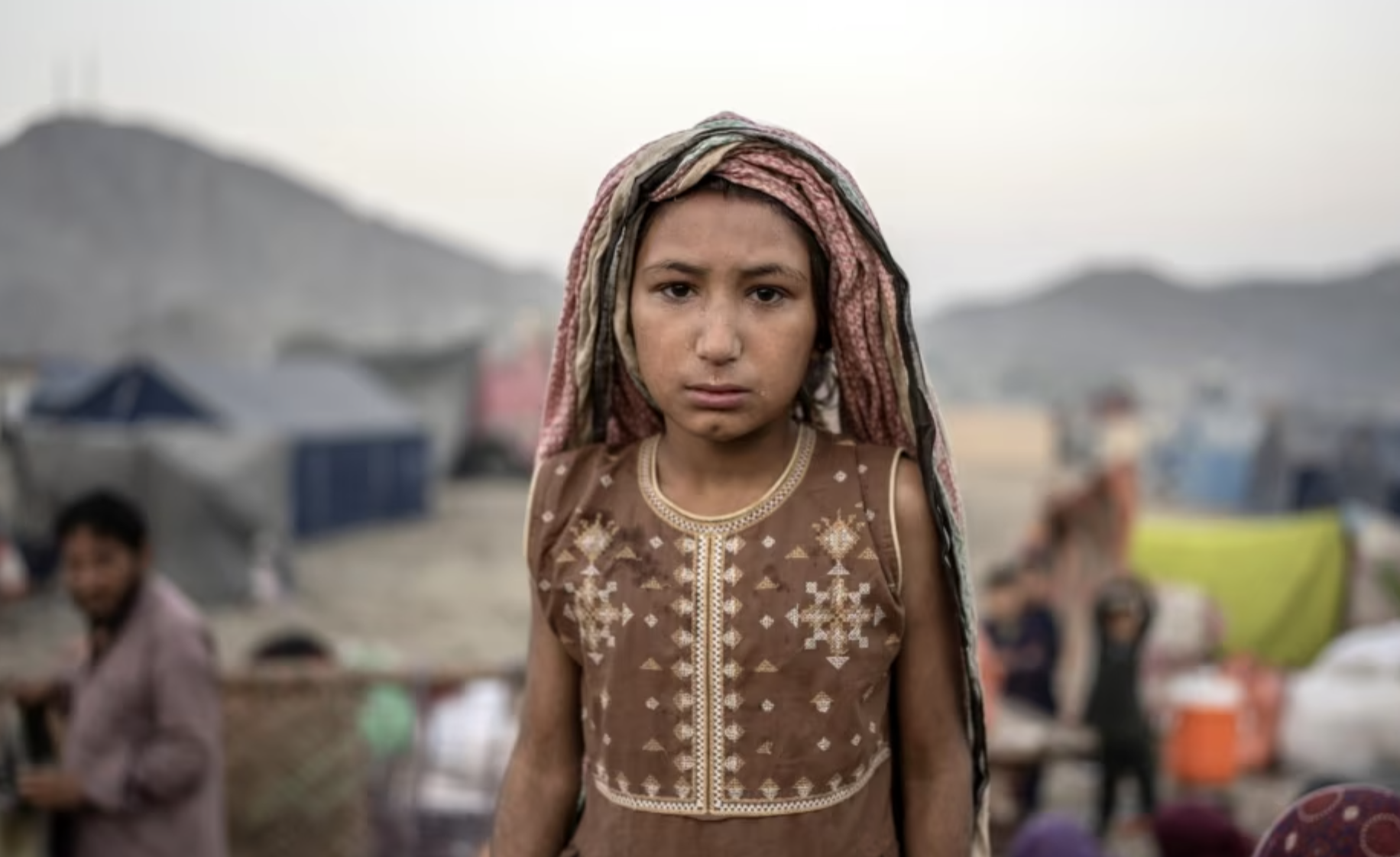













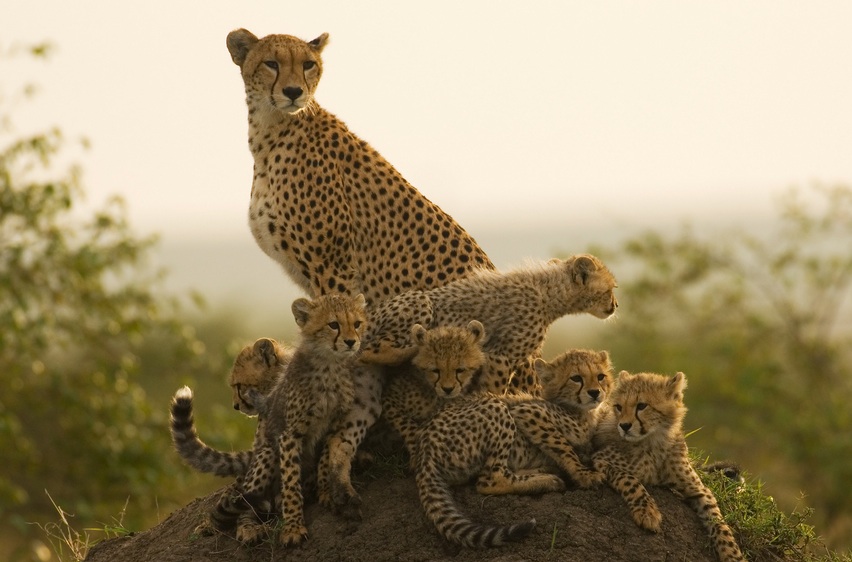















 Video editors are in demand. But not always easy to find. Tap into a global talent pool.