Home Blog Page 93

New Gourna and Hassan Fathy’s earth architecture for the people of Egypt

Hassan Fathy was an Egyptian architect, poet and visisionary who worked to revive vernacular architecture for the Egyptian people. His vision is relevant for much of the Middle East and Levante area, Greece and Turkey included. New Gourna was his vision –  a novel earthen community commissioned by the Egyptian Department of Antiquities in the sugarcane fields below the concentration of ancient Egyptian tombs. The village was designed and built between 1946 and 1952 to resettle villagers with a history of raiding and pillaging antiquities. Here is the story of New Gourna, an experimental village that can shape the way architects can design our future.

New Gourna in Egypt

Why was New Gourna built?

In the heart of Egypt’s arid landscape, nestled on the west bank of the Nile, lies a village that defies convention. Its story begins around 1940 when an Egyptian architect with a vision named Hassan Fathy set out to redefine the way we build and live. New Gourna, as it came to be known, was born from a noble purpose – to provide a better life for the people who called it home.

hassan, hasan fathy, Egypt, green sustainable architect
Hassan Fathy, vernacular architect for the people of Egypt

Hassan Fathy, who we have featured over the years, embarked on this ambitious mission to address the dire living conditions of the impoverished residents of Old Gourna. Its inhabitants lived in abject poverty, crammed within mud-brick houses that were falling apart. Instead of living in ramshackle slums, Fathy’s vision was to create a sustainable, self-sufficient, and culturally sensitive community that would uplift the lives of the villagers while preserving their heritage. He was hoping to build them homes they could build and repair themselves. A proud place to call home.

Fathy drew his inspiration from the vaulted Islamic architecture of historic Cairo and the traditional mud-brick houses that could be found all over Egypt, from the Nile valley to the desert oases. The synthesis of these two styles became the foundation of Fathy’s designs, and were his way of protesting against what he saw as an invasive and concrete-heavy wave of modernism influenced by the West. We learn here about one of the problems of concrete.

Why wasn’t New Gourna a success?

New Gourna, World Monuments Fund
New Gourna, aerial view. World Monuments Fund.
Photographer: Hubert Guillaud, World Monument Fund
New Gourna Village, Gina Haney/CommunityConsortium & World Monuments Fund

Despite the noble intentions, New Gourna faced numerous challenges that ultimately prevented it from realizing its full potential. More than 10 years ago Arwa Aburawa reported here that New Gourna was in shambles. Several factors contributed to its lack of success:

  1. Limited Resources: Fathy’s commitment to using traditional, locally-sourced materials and techniques meant that the construction process was slow and resource-intensive. This, coupled with a lack of funding, hindered the completion of the entire village. Only parts were ever completed.
  2. Government Bureaucracy: The Egyptian government didn’t fully support Fathy’s unconventional approach to architecture and urban planning created obstacles. They were more inclined towards modernization and urban development, which didn’t align with Fathy’s vision. This is still true in all parts of the Middle East. While the United Arab Emirates was proud to fund Masdar, a zero energy city near Abu Dhabi, no residents from the region wanted to live there. A great idea that failed to launch.
  3. Socioeconomic Factors: The future inhabitants of New Gourna were resistant to Fathy’s ideas, as they required them to adapt to a new way of life.
  4. Maintenance Challenges: New Gourna’s low-tech architecture made from earthen materials requires maintenance, which the villagers struggled to afford and do.
  5. Incomplete Vision: Some say that Fathy’s ambitious vision for New Gourna was never fully realized. Only a portion of the planned village was constructed before funding dried up and the project was abandoned. Hassan Fathy also used dome ceilings which were linked to spiritual buildings and houses of worship, such as mosques. (Related: 5 beautiful and sustainable mosques). This made the local resist living in such homes.

What can vernacular architects learn from New Gourna?

New Gourna, Hubert Guillaud, World Monument Fund

While New Gourna may not have achieved the success Hassan Fathy initially envisioned, it offers valuable lessons in sustainable architecture and community development:

  1. Cultural Sensitivity: Fathy’s commitment to preserving the cultural heritage of the villagers by using traditional building materials and techniques is a testament to the importance of respecting and valuing local culture in architectural projects. Every outsider coming to build a new “vision” even if they are from the place and speak the language needs to really listen and understand the needs of the future inhabitants.
  2. Sustainability: The village’s eco-friendly design showcased the potential for sustainable architecture long before it became a global concern: this was before environmentalists understood the role of the circular economy and the impact of sustainable building. Lessons from New Gourna can be applied to contemporary efforts to create eco-friendly and energy-efficient structures. New Gourna is more relevant than ever especially when crimes against nature are about to be built – see the Neom project in Saudi Arabia.
  3. Community Involvement: Involving the community in the design and construction process is crucial for the success of any sustainable development project – especially in low-income areas. New Gourna’s struggles highlight the importance of garnering local support and participation. If you look to natural builders like Bill and Athena Steen in Canelo, Arizona, they have recruited a global following and community who come to learn and share natural strawbale building techniques. Or Nadar Khalili, a refugee from Iran who lived in California, working at Cal-Tech. Khalili was an Iranian-born American architect, author, and educator. He is best known for his inventive structures that incorporated a range of atypical building materials to provide shelter in the developing world and emergency contexts. Superadobe homes are potentially the solution for sustainable housing around the world. See how they are used by Palestinians here.
  4. Resourcefulness: Fathy’s ability to create innovative solutions with limited resources is a testament to human ingenuity. It underscores the importance of finding sustainable, cost-effective solutions to modern urban challenges.

What materials were used in the construction of New Gourna?

Brick making in New Gourna, around 1945
Locals engaged in brick making for New Gourna, around 1945.

Hassan Fathy’s architectural philosophy revolved around using locally-sourced, sustainable materials to build structures that were in harmony with the environment and culture of the region. In the construction of New Gourna, several key materials were employed:

  1. Mud Bricks: The primary building material in New Gourna was mud bricks, also known as “adobe.” Famously used in Mexico and New Mexico, entire towns can be made from mud bricks as we see in Yemen. These bricks were made from a mixture of clay, sand, and straw, and they were dried in the sun. Mud bricks are not only eco-friendly but also provide excellent insulation against extreme temperatures.
  2. Palm Wood: Palm wood was used for roof structures and beams. It is a readily available, renewable resource in the Egyptian desert and provided a natural aesthetic to the buildings.
  3. Stone: In some cases, stone was used for foundations and structural support, providing stability and durability to the buildings.
  4. Reed: Reed was used for ceilings and as a shading material in the hot desert climate. It allowed for ventilation and reduced the need for energy-intensive cooling systems.
  5. Natural Pigments: Natural pigments were used to decorate the buildings, adding colorful patterns and designs to the exteriors. If you have ever travelled to Sinai you will see sand and rocks that range from a dark black to pinks, mauves and purples.
Original photo from the mid-1940s of New Gourna

Fathy’s choice of materials was not only sustainable but was also rooted in the vernacular architecture of Egypt, ensuring that New Gourna seamlessly blended with its surroundings.

Who was Hassan Fathy?

Hassan Fathy
Egyptian architect Hassan Fathy

Hassan Fathy was a visionary Egyptian architect who left an indelible mark on the world of architecture and sustainable design. Born in 1900 in Alexandria, Egypt, Fathy studied architecture in Cairo and later in France, where he was exposed to modernist architectural trends. However, he felt disillusioned by the disconnect between modern architectural practices and the needs of his homeland. You could say it was the time. A lot of new spiritual movements were gaining momentum. There was Rudolf Steiner in Austria and Germany and spiritualists like Viktor Schauberger. working on water.

Fathy’s architectural philosophy was deeply influenced by a reverence for traditional Egyptian architecture, a commitment to social equity, and a concern for the environment. Spanning thousands of years, Egyptian architecture is not one style, but a set of styles differing over time but with some commonalities. He believed that  Egypt’s architecture should be accessible to all and that it should be in harmony with its cultural and environmental context.

Throughout his career, Fathy championed the use of local, indigenous materials and construction techniques, advocating for sustainable architecture long before it became a global movement. His most famous work the village of New Gourna, exemplified his dedication to these principles.

Fathy’s legacy extends beyond his built works. He wrote extensively, with his influential book “Architecture for the Poor” (originally published in 1969) outlining his architectural philosophy and principles. His ideas continue to inspire architects and designers worldwide who seek to create sustainable, culturally sensitive, and socially responsible architecture.

What is the status of New Gourna today? 

New Gourna Village, World Monuments Fund

Today, the village of New Gourna is a mixture of both success and stagnation. Many of the original buildings still exist, bearing the architectural and cultural marks of Fathy’s vision. These structures continue to attract architectural enthusiasts, historians, and tourists who come to appreciate the unique blend of tradition and innovation that characterizes the village.

It was open to the public around 2018 and you can visit it on the way to the Memnon Colossi, the Ramesseum or the Hatshepsut Temple. The mosque is easy to see from the end of the main village road. Look for a sign to the Hassan Fathy architecture in New Gourna. Some parts are only open in the mornings, so travel early.

However, New Gourna remains a divided community. Some of the residents have embraced Fathy’s ideas and have maintained their homes in the spirit of his vision, while others have gradually abandoned the traditional mud-brick houses in favor of more modern dwellings. The maintenance and upkeep of the adobe buildings have been a significant challenge for the residents, leading to the decay of some structures.

The Egyptian government has recognized the cultural significance of New Gourna and its potential as a heritage site. Efforts have been made to preserve and restore some of the buildings, but financial and logistical constraints have hindered comprehensive restoration projects.

Despite its challenges, New Gourna continues to serve as a source of inspiration for architects and urban planners worldwide. Back in 2010 the World Monuments Fund expressed support in preserving New Gourna. A PDF report of the site was created by the World Monuments Fund with the support of the Robert W. Wilson Challenge to Conserve our Heritage, and in collaboration with the UNESCO World Heritage Centre and the Luxor Governorate of Egypt. You can get the 2010 report on New Gourna here.

 

How CVP Everest Reduces Packaging Waste

0
packaging eco solutions
Eco packaging solutions
With e-commerce at an all-time high in 2023, it’s becoming increasingly important for businesses of all sizes to consider their operations to reduce outgoings, maximize productivity, and provide nothing short of the top services to consumers around the world. With this in mind, automated packaging is growing in popularity, and CVP Everest is the top way to ensure your orders are taken care of fast, with sensitivity, and at the best possible price point available.

The benefits of automated packaging solutions

When businesses choose automated packaging, CVP Everest is the perfect solution to handle all of their packaging needs. You can expect:

  • A more productive packaging process
  • Fit-to-size boxes for every product/order
  • The option to select between single or multi-item orders
  • High-quality packing materials guaranteed
  • A reduction in shipping volume
  • Lesser need for packaging personnel
  • The ability to offer same-day delivery with fast packaging solutions
  • Maximum efficiency for the entire process

Overall, businesses will be able to expect a more efficient packaging process while saving on labor and material costs. This is all while promoting faster and more effective shipping processes that will have an affect on the individual or company selling products, consumers, and even the wider environment.

How does CVP Everest in specific reduce packaging waste?

CVP Everest was designed by Sparck Technologies as a more productive solution for larger businesses, those who want to increase output, and those who want to ensure that all packages can be delivered in record time. While automation is key, the biggest consideration for many businesses is actually the fact that this combination of machinery and software has the ability to reduce packing waste to minimize cost and promote a better environmental approach to delivering goods.

Fit-to-size packaging technology

When it comes to reducing packaging waste, CVP Everest takes each package and applies auto-boxing technology that intuitively measures products for both single and multiple orders, whether they are hard or soft, and then constructs the right-sized box. Each one will take 3 seconds to complete and the system works consecutively to provide up to 1,100 items per hour.

As CVP Everest custom-packages every single item, unnecessary volume is no longer a concern, but waste reduction also applies to packaging tape and fillers that often get overlooked when larger boxes are used to ship items.

Is CVP Everest the right packaging solution for your business?

The answer to this is undoubtedly going to be yes; especially if you are hoping to scale your business, have a well-established consumer base, have seen an increase in sales, are you are looking to improve your packaging processes for any number of reasons. One of the great things about Sparck Technologies is that they have a dedicated customer support team that is on hand to provide everything a business needs to ensure that their packaging processes run as smoothly as possible.

6 Ways to Reduce Your Reliance on Limited Natural Resources

0
natural resources, jute bag
Limited resources means shopping responsibly

Our planet is home to limited and finite natural resources, including water, oil, gas, and other non-renewable materials. Unfortunately, humans consume these resources faster than our planet can replenish, leading to resource depletion and environmental degradation. 

As responsible Earth citizens, we must take steps to reduce our reliance on these limited resources. Below, learn six practical ways to reduce your dependence on finite natural resources and lead a more sustainable and eco-friendly life.

Stop Buying Plastic Bottled Drinks

Plastic is one of the biggest environmental threats of our time. Plastic bottles take hundreds of years to decompose and can harm wildlife, marine ecosystems, and our health. Fortunately, it’s easy to find alternatives to plastic bottles, including those made from glass, aluminum, or stainless steel.  The best option is using a reusable water bottle to reduce the amount of plastic waste you generate and save money in the long run.

Use Portable Power Stations

With the rise of portable power stations, you no longer need to rely on traditional power sources to charge your devices. These devices come equipped with batteries that can be charged using solar panels or other renewable sources. They’re perfect for outdoor activities and emergencies and allow you to get the power you need without depleting the Earth’s natural resources. Using a portable power station can reduce your dependence on electricity from the grid, which is often generated from non-renewable sources.

Take Shorter Showers

Taking shorter showers is one of the easiest ways to reduce water consumption at home. Showering accounts for a significant amount of water consumption in most households, nearly 17% of indoor water use. By cutting down the time you spend in the shower by a few minutes, you can save hundreds of gallons of water per year.

Pro Tip: Install low-flow showerheads and faucets to reduce water usage further.

Use Smart Home Systems to Reduce Electricity Use

Smart home systems can help you optimize energy use by remotely controlling lights, thermostats, and appliances. By optimizing your energy use, you can significantly reduce your reliance on non-renewable energy sources while lowering your electric bill.

Reuse What You Can

Instead of throwing away items you no longer need, consider reusing them. For example, you can use old T-shirts as cleaning rags or glass jars as food storage containers. Reusing items can reduce waste while helping save money you would have otherwise spent buying new things.

Shop Secondhand

Shopping at secondhand stores, garage sales, and thrift stores is a great way to reduce your consumption of new goods, the manufacturing of which relies on heavy use of water and natural gas. You can extend the product’s life and simultaneously reduce the demand for new products, creating a more circular economy.

Small Ways, Big Change

Reducing your reliance on limited natural resources may seem daunting, but you can make a big difference with these small steps. Start today and make a difference in creating a cleaner and healthier planet for future generations – you may be surprised at how easy these minor tweaks can be and how big of a lasting impact they can make.

How to grow a hammerhead shark

0
hammerhead shark embryo stages gif
How a hammerhead shark develops his hammer

At some point in our lives we’ve been to a science museum where we see the stages of animals in embryo form growing from an egg or inside the womb. In the early stages we all sort of look like like a lizard or a puppy. But at some point we start to diverge and develop our characteristic traits.

Scientists have recently studied the hammerhead sharks start to grow their iconic head shape about halfway through gestation, discovered scientists who conducted the first study of bonnethead (Sphyrna tiburo) embryos at different developmental stages.

lizard and human embryo development
A lizard and human embryo. We look very similar.

In this small species of hammerhead shark, which gives birth to live young, the cartilage that forms the hammer develops about two months after conception. It first appears near the nose and then expands sideways. And did you know that a baby hammerhead shark is called a pup?

This new bipolar blood test uses AI

0
mental health bipolar
Mental health can be diagnosed using a blood test and AI math. The findings of the mathematical model were capable of predicting at a level of precision of over 90% whether an individual suffers from bipolar disorder, and whether they respond to lithium treatment.

Are you or someone you love suffering from bipolar disease but aren’t sure? If playing with dirt isn’t helping your mental health maybe you need some more serious intervention. A simple blood test to help get the treatment and attention needed is now on the way. Researchers at Haifa University have developed a simple blood test to identify people coping with bipolar disorder (formerly known as manic depression) and can predict the efficacy of lithium, the drug given to patients with this disorder.

The study was published in Molecular Psychiatry: “For the first time, the findings of the study enable us to use a blood test to find out – within a short timeframe of a few days, and at a relatively low cost – whether a person is suffering from bipolar disorder. We can also predict the efficacy of lithium, the drug given to people coping with bipolar disorder, and to adjust the medication individually,” explains Dr. Shani Stern of the University of Haifa, the corresponding author of the study.

Bipolar disorder, better known by its former name manic depression, is a chronic psychological disorder characterized by recurrent, sharp changes in mood, oscillating between extreme happiness and sadness and depression. The prevalence of the condition among the adult population around the world is between one and three percent and the average age of onset is 19 years.

At present, the evaluation of the level of bipolar disorder is undertaken by a specialist physician in the field of psychiatry, and includes questions intended to determine whether or not the patient has bipolar disorder and what is the most effective treatment in their case. One of the commonest treatments is lithium, but only around one-third of patients respond to this drug.

Dr. Stern notes that due to the strong similarity between manic depression and other disorders, such as schizophrenia, there is a risk of misdiagnosis, at least in the early stages. Moreover, at present there is no way to know in advance whether or not lithium will help an individual patient.

The current study was undertaken by Dr. Stern and her research team in collaboration with Dalhousie University and the Salk Institute. The study sought to examine whether it is possible to use a blood test to identify a person suffering from bipolar disorder and to predict the efficacy of lithium treatment for that individual. The study examined cells from three different groups in the population: people who are not suffering from bipolar disorder; people who are suffering from bipolar disorder and who respond to lithium treatment; and people suffering from the disorder who do not respond to lithium.

In the first stage of the study, white blood cells isolated from all the participants were examined; a cell culture is produced that can be maintained for a long period by infecting the cells with the EBV virus, which causes mononucleosis. In the second stage the researchers extracted RNA from the cells in order to understand which genes are expressed in each population and to identify genes that are expressed differentially.

90% reliable test

The findings show that 80% of the differences in gene expression are related to the expression of immunoglobins, the chief components of the immune system. “The most significant finding is that in people suffering from bipolar disorder, a difference was found at the expression level of genes of the receptors to the antibodies; this may explain the high rate of comorbidities. There is a known correlation between various psychiatric disorders and ancillary morbidity,” Dr. Stern noted.

After obtaining the biological findings, the researchers used a computational model based on artificial intelligence comprising neural networks; the AI model was developed at Dr. Stern’s laboratory for the purpose of verifying the findings. The researchers also used cells from other laboratories that executed the same biological processes as in the current study in order validate that the computational model also works for cells sampled in various laboratories.

The findings of the mathematical model were capable of predicting at a level of precision of over 90% whether an individual suffers from bipolar disorder, and whether they respond to lithium treatment. “This method can enable people coping with psychiatric disorders to save many months of suffering by adjusting the right medication for them,” Dr. Stern concluded.

Essential Tips for Managing Your Child’s Screen Time

0
kid programming, screen time
Screen time may be the reason why your kid is acting out

Balancing your child’s online activities with their offline time can be a juggling act, especially when it comes to managing screen time. It’s no secret that our world is increasingly digital; from computers and smartphones to video game systems and tablets, technology has become an essential part of kids’ lives. Therefore, it’s important for parents to not only get involved in their children’s online habits but also manage them responsibly so they get the most out of their tech use. In this blog post we’ll discuss several tips for setting limits on how much time your child spends on screens and ensuring they are safeguarded against potential harms that come along with using technology. Keep reading to learn more about how to make managing safe screen time as easy as relocating with a top Delaware moving company.

Set a screen time limit for each day and stick to it

In today’s digital age, it’s easy to get lost in the world of screens. Whether it’s binge-watching the latest show or scrolling through social media for hours on end, it’s important to set boundaries for how much screen time we consume each day. By setting a screen time limit and sticking to it, we can ensure that we’re using our time wisely and not getting sucked into the endless scroll. It might be tough to put down our devices at first, but by prioritizing other activities like exercise, reading, or spending time with loved ones, we can build healthier habits and ultimately feel better both physically and mentally. The key is to find the right balance that works for you and your lifestyle. Give it a try and see how setting a screen time limit can benefit your daily routine.

Put tech gadgets away from the bedroom at night 

In today’s world, it’s easy to feel like we always need to be connected to our tech gadgets, even when we’re trying to catch some shut-eye. However, research has shown that keeping these devices out of the bedroom is not only beneficial for our sleep habits, but also for our overall health and well-being. The blue light emitted by phones and computers can disrupt our natural sleep patterns, leading to difficulties falling or staying asleep. Additionally, being constantly connected can increase stress levels and anxiety, preventing us from truly relaxing and winding down for the night. So, why not try leaving the tech gadgets outside the bedroom and see how it affects your sleep and overall quality of life? Your body and mind may thank you for it!

Use parental control apps to monitor what your child is watching or playing online

As parents, we all want our children to be safe while exploring the vast online world. With the increasing access that children have to smartphones, tablets, and computers these days, it can be tough to keep tabs on the content that they are viewing or playing. This is where parental control apps come into play. These apps are designed to give parents access to their child’s online activities, enabling them to monitor what their child is watching or playing and ensuring that they are not exposed to content that is unsuitable for their age. So, if you want to give your child the freedom to explore the internet while still keeping them safe, parental control apps are definitely worth considering.


Bluewalker 3 satellite outshines the stars and worries astronomers

0
Bluewalker 3 satellite
Launched in 2022, BlueWalker 3 is the first of a new series of satellites aimed to become orbital cell towers. Credit Michael Tzukran

Astronomers are worried about the launch of the latest satellite to Earth’s orbit, the Bluewalker 3. The new satellite which unfolded in Low Earth Orbit in November, measures about 700 square feet in size, about the same size as a studio apartment in New York City. The satellite is meant to be used for cellular communication, but the amount of light pollution it emits makes it harder for astronomers to see the night sky. At its peak BlueWalker 3, which looks like a Tetris block flying across the sky, is as bright as two of brightest stars we can see with our eyes.

Bluewalker’s bright light is about the same stars Procyon and Achernar, two of the brightest stars in the night sky. And this satellite is just the first of dozens of constellations of satellites planned for Low Earth Orbit.

“After BlueWalker 3 unfolded its 64m2 array it is visible in both dark sky and urban skies, though in urban settings, this will be limited to when Bluewalker 3 passes overhead,” said Jeremy Tregloan-Reed, a co-author in the new study from the Universidad de Atacama in Chile.

Bluewalker satellite
The Bluewalker 3 satellite by AST SpaceMobile

But the appearance of the satellite is a growing concern as satellite groups like Elon Musk’s Starlink eject thousands of light-polluting satellites to our skies, all of which become space junk at the end of their days. Astronomers are outlining the problem of Bluewalker 3 as a wake up call as more and more companies like Starlink race to cover the world in high speed internet – even if Starlink can help Iranian dissidents.

Other companies, such as Amazon and OneWeb, have similar ambitions to launch satellites in space, and many countries are developing their own private communications constellations. Astronomers are very worried.

Watch the video of Bluewalker 3 below captured by astromers

A ground telescope tracks the BlueWalker 3 satellite in orbit on April 3, 2023. Dimmer Starlink satellites are also visible. Credit Marco Langbroek/Delft Technical University

“Large constellations of bright artificial satellites in low Earth orbit (LEO) pose significant challenges to ground-based astronomy,” the study’s authors write in the journal Nature.

Tregloan-Reed explains, among other problems, a large reflective brightness interferes with space telescopes like Hubble. When a satellite crosses the detector of a telescope, it often leaves a streak of light that can be difficult to remove.

Observations by the Hubble telescope have been affected by Starlink streaks because the telescope was in a LEO, sitting below that of the Starlink constellation.

While the researchers acknowledge that efforts are being made by the aerospace industry, policymakers, astronomers and others to mitigate the impact of such satellites, “the trend towards the launch of increasingly larger and brighter satellites continues to grow,” they write.

It’s sort of like asking the petroleum industry to regulate the use of fossil fuels.

BlueWalker 3, built by AST SpaceMobile, is a predecessor to a planned constellation of satellites nicknamed BlueBirds. AST SpaceMobile plans to make cellular broadband connections available to people who are currently without –– a solution that could help alleviate poverty or save lives in remote locations.

AST SpaceMobile BlueWalker 3’s array is so large, they say, so they can beam strong cellular coverage directly to phones on Earth. The satellite is comprised of small antennas which connect to existing smartphones. This is different than Starlink which requires a ground antenna or dish.

AST SpaceMobile has agreements and understandings with mobile network operators globally that have over 1.8 billion existing subscribers, including a mutual exclusivity with Vodafone in 24 countries. Interconnecting with AST SpaceMobile’s planned network including Vodafone Group, Rakuten Mobile, AT&T, Bell Canada, MTN Group, Orange, Telefonica, Etisalat, Indosat Ooredoo Hutchison, Smart Communications, Globe Telecom, Millicom, Smartfren, Telecom Argentina, Telstra, Africell, Liberty Latin America and others, the ability to offer extended cellular broadband coverage to their customers who live, work and travel in areas with poor or non-existent cell coverage, with the goal of eliminating dead zones with cellular broadband from space.

“We want to close coverage gaps in our markets, particularly in territories where terrain makes it extremely challenging to reach with a traditional ground-based network. Our partnership with AST SpaceMobile – connecting satellite directly to conventional mobile devices – will help in our efforts to close the digital divide,” said Luke Ibbetson, Head of Group R&D, Vodafone and an AST SpaceMobile director.

AST SpaceMobile issued a statement that the company is working on anti-reflective materials for the next generation of satellites and they they will avoid broadcasting in the US National Radio Quiet Zone. But the frequency sound waves they use are close to those used by astronomers today making interference an issue with ongoing and future studies.

The latest research on Bluewalker 3 was done by amateur and professional astronomers from Chile, the US, Mexico, New Zealand,Netherlands and Morocco.

Indigenous groups and the astronomy community are now invested in protecting the night skies: “We shouldn’t have progress at any cost,” Tregloan-Reed said. “It’s like building a brand-new development over a historical site. You can’t just do that. You have to protect these things.”

While astronomers don’t own the night sky they don’t want to see it taken by the highest bidder in the name of progress: “What we’d like to do is share the night sky and get the public to understand that this is a potential issue,” he said.

Meet Earth in 250 million years where Canada and Nigeria are neighbors

0
earth landmass in the future
Earth is drifting and when the parts collide it will not be disastrous but it will be grim. Only a fraction of the planet’s surface will be habitable to mammals when the next supercontinent, Pangaea Ultima, forms. Image Credit: Alex Farnsworth and Chris Scotese

When we think of the effects of climate change we worry about our future, our children’s future and maybe we skip ahead to a grandchild. But most of us don’t think beyond a hundred years but we should when it comes to sustainable investments and building companies that last. Also consider we have a long future as a species ahead of us. Or do we? Have you thought about thousands or millions of years into the future? In a few billion years life is no longer expected to be sustainable on earth but it could happen sooner.

You may or may not know it but the earth’s landmasses do drift. And Up to 92% of Earth could be uninhabitable to mammals in 250 million years according to a new Nature paper.

As our home planet’s landmasses drift, a merged Afro-Eurasian continent will eventually crash into the Americas to form a new supercontinent: Pangaea Ultima. This means Canadians will be next-door-neighbors to Nigeria. Americans will be bordered by Botswana and Angola.

Pangea Ultima, via Vivid Maps 

The supercontinent’s creation will drive volcanism, which will increase carbon dioxide levels and turn most of the land into a barren, hot desert. In a worst-case scenario, just 8% of the planet’s surface would be habitable to most mammalian life, which would lead to a mass extinction:

The researchers report: “Mammals have dominated Earth for approximately 55 million years thanks to their adaptations and resilience to warming and cooling during the Cenozoic. All life will eventually perish in a runaway greenhouse once absorbed solar radiation exceeds the emission of thermal radiation in several billions of years.

“However, conditions rendering the Earth naturally inhospitable to mammals may develop sooner because of long-term processes linked to plate tectonics (short-term perturbations are not considered here). In about 250  million years all continents will converge to form Earth’s next supercontinent, Pangea Ultima.

“It does seem like life is going to have a bit more of a hard time in the future,” says Hannah Davies, a geologist at the GFZ German Research Centre for Geosciences in Potsdam. “It’s a bit depressing.”

Revolutionizing agriculture: Treetoscope raises $7M in seed funding for smart drip irrigation

0
Treetoscope’s ingenious system monitors plant indicators in real time to provide worldwide farmers a SaaS platform to optimize irrigation at substantial water savings
The Treetoscope sensor collects information about water and soil nutrients to turn on irrigation systems at the right time

Plant stressor sensor Treetoscope has raised $7M USD in a seed fundraising round. The IoT device gives farmers information when using drip irrigation, helping them automate precise water and fertilizer use when the plants are hungry and thirsty. The tech can automate drip irrigation by applying AI and sensors to understand plant water needs real time. Investment will be applied towards expanding company sales and R&D. 

Treetoscope’s technology gives insight and automation to the amount of water and fertilizer to give to plants and trees, reducing wasted water and efficiently managing plant nutrient levels. Environmentalists tend to support organic agriculture with a push to regenerative farming practices where no pesticides or soil-enhancing fertilizers are used at all. But that’s in a more perfect world.

Israel, where Treetoscope was born, is the home to the inventor of modern-day drip irrigation Simcha Blass. Drip irrigation applies long plastic pipes incised with tiny holes throughout a farm. There are variations on the way it is applied, but this is the most common method. The pressure in the pipes administers water only at the root or base area of the plant to avoid unnecessary evaporation and loss of water. In general this technology is very primitive, much like plumbing is today, with the majority of applications using timers to turn the water on only at night when the plants can best absorb it.

In the last 15 years or so dozens if not hundreds of companies from Israel have emerged looking to take on parts of the equation to make every drop of water, fertilizer and pesticide count. Fertigation is the term often used in the industry.

The Treetoscope app

With areas like the Dead Sea shrinking because of fertlizer harvesting, and countries like China looking for intensive agricultural solutions to feed a growing in affluence population, solutions like Treetoscope will be more and more in demand.

In areas of the United States where climate change makes farming areas of almond farms impossible due to ongoing droughts, Israel-made sensor tech might save the day.

Some solutions like the wildly successful CropX operate in the same space as Treetoscope and my company Flux was operating in the cannabis and hydroponics space in this niche (see Future Crop $30M investment), quite likely too early for only a infant market for hydroponics 10 years ago. Back then investors told me hydroponics sensors and AI was a “nice” to have solution but more like a vitamin than a bandaid, as goes their analogy.

Covid changed thinking, supply chains and investments as the need for local food sources that don’t depend on the political climates of other countries such as the Ukraine and Russia. InFarm, a team of Israelis, were heralding in the golden era of hydroponics but focusing on a consumer model. They raised almost $200M to expand into grocery stores but then had to lay off over half their staff by December last year.

Israeli farmers take on Berlin
The InFarm team

The investment in Treetoscope fortifies the more sober area of conventional farming and it was led by Champel Capital venture capital fund, a leading European-Israeli fund focusing on impact technology investments. Other strategic investors include Leon Recanati’s GlenRock fund, SeedIL, YYM-Ventures, and previous fundraising investors, as per their press announcement.

This builds on $3M USD already raised which includes grants from the Israel Innovation Authority from the Offices of the Chief Scientist and BIRD, a joint Israel-US government fund which funds medicine and hightech ventures between Israel and the United States.

Treetoscope is currently operating in in North America and Europe via collaborations with such leading enterprises as The Toro Company, Netafim, and Hektas, with 20 employees in total. Treetoscope’s manpower includes 20 employees in Israel and internationally.

Treetoscope dashboard

“Humanity is currently facing one of its greatest challenges – a lack of freshwater resources,” says Dotan Eshet, CEO of Treetoscope. “Today, 70% of the world’s freshwater consumption is used by the agricultural sector, with this consumption expected to increase by approximately 60% by 2025.”

Through the technology Treetoscope has developed, according to them farmers can save approximately 30% in irrigation expenses, increase the yield, as well as the weighted profit of the farmers in Europe and the US, by ~$32 billion per year. 

“Treetoscope has developed a unique solution to one of the most painful problems in the worldwide food chain, where fresh water is becoming a rare, expensive commodity,” says Amir Weitman, managing partner at Champel Capital. “We are proud to help the company make solutions available to farmers to save significant amounts of water and create a genuine impact in the world.”

About Champel Capital 

Champel Capital is a venture capital fund that invests in Israeli startups in the realms of foodtech, agritech, medtech, industry 4.0, fintech and traffic. To date, the fund has made 21 investments, yielding 4 exits and 1 unicorn – Lemonade. Champel Capital is headed by partners Amir Weitman and Arié Benguigui, who have been investing in the Israeli venture capital scene since 2017. The advisory committee is Eyal Waldman, Omer Moav, Raoul Bino, Eyal Orion and Hillel Fuld.

::Treetoscope

Where to go for a sustainable ski holiday?

0
Trojena, Saudi Arabia, ski resort, Neom, Asian Winter Games, Zaha Hadid, Unstudio
Trojena, a new ski resort planned for Saudi Arabia is the opposite of sustainable

Skiing is an extremely popular middle-class winter sport that sees thousands of enthusiasts jet around the globe to slide down the slopes, only to return home a few days later after pursuing an environmentally unfriendly pastime.

Resort skiing is an energy consuming operation and across the European Alps ski resort owners are striving to meet the ever increasing energy demands for grooming slopes, running lifts and keeping their resorts warm.

This increasing movement towards reducing the carbon footprint, ski destinations have had to adapt. Resorts are tightening guidelines to ensure properties are using sustainable methods to provide a greener alpine experience. 

So the next time you are planning to go for an eco-friendly and green ski holiday, consider visiting any of the below mentioned sustainable ski destinations and booking with reputed providers like Alpine Elements

Skiing in 1940

Tignes

Tignes was the first ski resort which was awarded the Green Globe Label, way back in 1995, which is an international certificate program that rewards those organisation’s in the tourist industry that contribute positively to people and the planet.

Tignes wins green award. 

Apart from dismantling and removing over 100 lift towers from the ski area, Tignes has introduced a number of waste management initiatives like complementary pocket ashtrays and eco-responsive use of products where possible.

Every year fresh grass is transplanted to carefully blend the ski runs into the landscape in order to provide the snowpack with a more stable base.

Where to stay in Tignes: Skiers looking for a great location and a cosy mountain retreat should look no further than Chalet Marilyn a charming place to stay for eight persons.The accommodation lies just two minutes from the Chaudanne and Pacquis chair lifts, means you can ski back to within 100 m of the chalet.

Avoriaz 

The brainchild of former Olympic champion skier Jean Vuarnet,this purpose built ski resort of Avoriaz was established in the 1960s and its striking appearance sets it apart from all other ski destinations in the Portes des Soleil ski area.

Avoriaz is a totally ski-out resort which means you don’t have to lug your heavy ski equipment to the slopes and moreover, as far the environment is concerned, the resort is completely car free.

Apart from the Green Globe certificate Avoriaz has been awarded an ISO 14001 Environmental Management award for being the most innovative resort for sustainability.Since 2016, the ski resorts of Avoriaz have been powered 100% by solar power and hydro wind.

Where to stay in Avoriaz; Enjoying a wonderful location and Chalet Marie lies right on the piste near the centre of Avoriaz. This incidentally is the only ski-in and ski-out chalet in the Portes des Soleil ski area and a firm favorite among snowboarders and skiers.

La Plagne

Plagne for sustainable skiing

La Plagne is another very popular ski destination that has contributed much to sustainable tourism by using 100% renewable electricity to power its lift system which is shared with Les Arcs and is committed to a more sustainable and greener future.

Since energy is the essential element of any resort, La Plagne Centre has installed a biomass heating plant,which has been running since 2009, and has been supplying 90% of the energy the resort needs.

As far as transport is concerned, the tourism office has opted for only electric vehicles to prevent emission of greenhouse gases when skiers travel around. Connected with a dynamic rail network,there is no need to take a car to access the resort.

Where to stay in La Plagne; Chalet Charmant lies bang in the centre of Plagne village near some of the best ski slopes in the region at minimal walking distance.The chalet sleeps up to 12 adults and is perfect for a self-catered chalet experience.

Meribel

Meribel, like all other resorts in the Three Valley Skiing area, sources the energy it needs to power the snow cannons and lifts from renewable sources in the form of hydro power generated by the hydroelectric dams located throughout the region.

Additionally, the ski area in Morzine also utilizes solar energy for all radio communication that is necessary to maintain the slopes as well as for powering the swimming pool and the ice rink.

The green plan Meribel encourages more and more people to walk that provides the perfect solution to reduce traffic in not only Meribel,but in the surrounding villages as well. The free bus service has helped reduce local emissions by eliminating the need for private cars.

Where to stay in Meribel: Chalet Jolie in Meribel, offers a large self-appointed staying option with 10 ensuite bedrooms for twenty guests.The chalet has a hot tub, sauna and skiers can ski back to within 300 m of the chalet. Not only that, the free bus service stops just outside the chalet, making it very easy to access the place from the Meribel city centre and the Chaudanne chair lift. Your package will include breakfast on each day, afternoon tea and cakes and a three course dinner with complimentary wine for six nights 

Morzine 

The French ski resort of Morzine was the ninth winner of the Flocon Vert,or “Green Snowflake” sustainability label at a ceremony in September 2020.The award is given by the Mountain Riders, a European organization,to resorts that endorse sustainable development measures.

This includes various schemes aimed at introducing environment-friendly public transport, opening more pedestrian areas, traffic reduction and incorporating waste reduction techniques.

Moreover,the Montagne Verte organization is based in Morzine and has succeeded in encouraging both tourists as well as locals to act sustainably by cutting their carbon footprints by consuming local food and products.

Where to stay in Morzine: For a truly luxurious travel experience,the Chalet Well in Morzine is a premium property which can sleep 14 persons, looking for a high standard of service. Apart from oozing alpine charm from every corner,the chalet sits high overlooking Morzine, providing sweeping views of the valley below,not to forget a warm hot-tub awaiting you at the end of a hard day on the slopes.


How to Quit Smoking For Good

0

quit smoking

Are you ready to finally quit smoking for good? If so, then you’ve come to the right place! Quitting smoking can be as difficult as finding real estate leads without Haines, but it is possible with the right strategies and support. In this blog post we will go over some key strategies to help ease your transition away from cigarettes and onto a healthier lifestyle. We’ll talk about ways to manage cravings, make healthy habits stick, and build a supportive network of family and friends who can help you along your journey. We know how hard quitting can be–but don’t worry! With the resources in this blog post, you’ll have all the information you need on hand in order for quitting smoking for good!

Identify your reasons for wanting to quit smoking and become clear about them

Deciding to quit smoking is a big step, and it’s important to be clear about why you’re making that choice. Maybe you’re tired of feeling winded after a short walk, or maybe you’re concerned about the impact smoking is having on your health. You may be ready to save money by kicking the habit, or you might be motivated by a desire to set a positive example for your kids or loved ones. Whatever your reasons, taking the time to identify them can help you stay focused and committed as you work towards a smoke-free life. So take a deep breath, reflect on what matters most to you, and let those reasons serve as your guiding light as you embark on this journey towards better health and wellbeing.

Create a plan to quit smoking – find replacement behaviors, medication, and other methods that work best for you

Chiang Mai is the ultimate place to relax at this four seasons

Quitting smoking can be challenging, but it is an incredibly worthwhile and important endeavor. The good news is that many replacement behaviors, medications, and other methods are available to help you kick the habit. For example, some people find success in chewing gum or hard candies to replace the oral fixation of smoking, while others turn to nicotine gum, patches, or other prescription medications to help ease withdrawal symptoms. Additionally, exercise, mindfulness practices, and support groups can all be beneficial in helping to quit smoking. Ultimately, the most successful plan to quit smoking will be tailored to your specific needs and preferences, so don’t hesitate to try different methods to find what works best for you.

Get rid of all the cigarettes and related items in the house

It’s time to clear the air and get rid of all those cigarettes and smoking paraphernalia that may be lurking in your home. Whether you’re a smoker trying to quit or simply want to promote a healthier environment for yourself and your loved ones, getting rid of these items is a powerful first step. Dispose of those lingering cigarette butts, empty the ashtrays, and toss out any unused lighters or smokeless tobacco products. By removing these triggers and reminders from your environment, you’ll be better equipped to say goodbye to smoking for good. So take a deep breath, gather your resolve, and start cleaning house to embrace a healthier future.

Essential Tips for Going Vegan

0
Are you a vegan who has decided it’s time to move?

Are you considering leading a vegan lifestyle (maybe moving to a vegan community or the forest) after a major life change such as a relocation with Black Tie Moving? Making the switch to a plant-based diet and moving away from animal products can be daunting. However, the many benefits make it an exciting choice. With these essential tips, you can go vegan with ease and quickly find yourself feeling healthier, more energized, and much happier!

Research vegan recipes and ingredients to get familiar with plant-based meals

Exploring the world of vegan cooking can be exciting and delicious. With more people incorporating plant-based meals into their diets, researching vegan recipes and ingredients can be a great way to get started. By experimenting with ingredients like lentils, tofu, and fresh vegetables, you can discover new and tasty ways to prepare your meals. Vegan cooking doesn’t have to be bland or boring, and with so many recipes available online, you can find something to fit your tastes and preferences. Some staples to keep on hand when cooking plant-based meals include whole grains, nuts, and a variety of spices. So why not dive in and give it a try? Who knows, you may discover a new favorite dish!

VioLife 100% vegan mac and cheese

Stock your pantry and fridge with vegan-friendly items, such as tofu, nuts, vegetables, and legumes

Making the decision to transition to a vegan lifestyle can feel intimidating at first, but stocking your pantry and fridge with vegan-friendly items can make all the difference. Tofu, nuts, vegetables, and legumes are not only delicious and nutritious, but they also provide a wide array of options for meat-free meals. Whether you’re looking to make a stir-fry with tofu and mixed vegetables or whip up a hearty lentil soup, these vegan staples have got you covered. Plus, not only will incorporating more plant-based foods into your diet benefit your health, but it’s also a great way to reduce your carbon footprint and help protect the planet. So, go ahead and give it a try – your taste buds (and the planet) will thank you!

Try out new products like vegan cheese or mayo to replace non-vegan foods

oat milk
Non dairy oat ilk

As more people become conscious about the impact of their food choices on the environment and animal welfare, the demand for vegan alternatives is on the rise. Trying out new products like vegan cheese or mayo can be an exciting and delicious way to replace non-vegan foods in your diet. With more and more companies offering innovative and tasty plant-based options, it’s easier than ever to make the switch. Whether you’re a dedicated vegan or simply interested in incorporating more plant-based foods into your meals, experimenting with new products is a great way to keep things interesting and discover your new favorite foods. So why not give vegan cheese or mayo a try? You might just be pleasantly surprised.

Upgrading China’s steel plants could save the world years of carbon emissions

Think about the business opportunities for engineers who can build retrofit solutions. Time for impact investors to start creating incentives for new technologies.

Upgrading, or retrofitting, the world’s iron and steel processing plants early could reduce carbon emissions by up to 70 gigatonnes by 2050, roughly equivalent to two years’ worth of net global carbon emissions, according to a new study led by UCL researchers.

Published in the journal Nature, the researchers found that by upgrading the world’s iron and steel production facilities, carbon emissions can be reduced by 58.7 gigatonnes between 2020 and 2050, roughly equivalent to two years’ worth of net global carbon emissions. In addition, they found that by bumping forward emissions reduction retrofits five years ahead of when they would be typically scheduled, it would reduce emissions by 69.6 gigatonnes over that time frame. Iron and steel production contributes about 7% to total global carbon emissions.

To develop this schedule, the team created a comprehensive database of 19,678 individual processing units located in 4,883 individual iron and steel plants around the world, inventoried by their technical characteristics, including their locations, processing technologies, operating details, status and age.

Iron and steel production is a carbon emissions heavy process. The researchers found that as of 2019, the last year that data is available, 74.5% of the world’s steel was produced in coal powered plants that release considerable carbon emissions. Technologies exist to reduce these admissions, but upgrades are expensive and time consuming and so are usually only undertaken at the end of a processing unit’s operational lifetime.

Refining is also hard on the equipment, and the individual processing units within each plant need to be retrofitted periodically to prolong their operational lifetimes. Overall, 43.2% of global iron and steel plants have been retrofitted with new technologies or have otherwise enhanced their processes to extend their operating lifetime. The frequency of their retrofits depends on the technique they employ and how old they are, but typically they occur after 15 to 27 years of use.

The researchers found that if all currently operating processing units were upgraded to incorporate low-emissions technology at their predicted time of their refit, total emissions from the iron and steel sector could be reduced by 58.7 gigatonnes between 2020 and 2050, but if all the refits and upgrades were bumped forward and completed five years early, the total carbon savings would be 16% greater at 69.6 gigatonnes.

But the team also emphasises that mitigation efforts will have to take place at the individual facility level, and that the decarbonisation of the entire iron and steel industry depends on the efforts undertaken by every single plant. Because of the complexity and variety of methods involved in steel production around the world, there’s no one-size-fits-all decarbonisation technology or solution for the entire sector, and each processing unit should be upgraded individually according to its technical specification.

Dabo Guan
Dabo Guan

Senior author Professor Dabo Guan from the UCL Bartlett School of Sustainable Construction said: “Our results lend vivid background to the possibility of achieving net-zero carbon emissions in iron and steel production in the future. By retrofitting existing plants with low-carbon technologies, and improving scrap collecting and recycling, the iron and steel sector can dramatically reduce its carbon emissions. This study sheds light on the specific emissions reductions that are possible within the iron and steel industry.”

About 63% of the world’s steel production is from some type of blast oxygen furnace, while most of the remaining capacity is produced by electric arc furnaces. Upgrading the global inventory of blast oxygen furnaces will yield the greatest net carbon savings, about 74% of the total projected carbon savings. Upgrades to electric arc furnaces would account for the second highest net carbon savings, at about 16% of the projected whole, though this may be limited by the total amount of stock scrap available worldwide as the technique is dependent on recycling existing metals.

The researchers hope that this data can be used to identify improved ways to update ageing steel plants with emission reduction technologies in order to reach net-zero carbon emissions more quickly. Compiling this publicly available global database of iron and steel plants and tracking all their ages and technologies has significantly improved the detail of data around the carbon emission of global iron and steel production.

The researchers emphasise that because of the wide range of production methods and plant designs, the particulars of individual upgrades and mitigation effort of each processing unit will have to be done on an individual basis. Their research will help policymakers create a roadmap of when and how to upgrade iron and steel plants to meet emissions reduction targets.

The top five carbon emitting iron and steel plants contribute 7% of the total CO2 emissions from the global iron and steel industry but only make up 0.1% of the total 4,883 plants.

They are:

  1. Anshan Iron & Steel (China)
  2. Posco – Pohang Iron & Steel (South Korea)
  3. Shanghai Baosteel (China)
  4. Jiangsu Shagang (China)
  5. Maanshan Iron & Steel Group (China).

The researchers say that retrofitting these plants to lower their carbon emissions would demonstrate the feasibility for other, similar plants. The research was led by UCL and conducted in collaboration with Tsinghua University, Peking University and King’s College London.

Deep sea mining for concrete

0
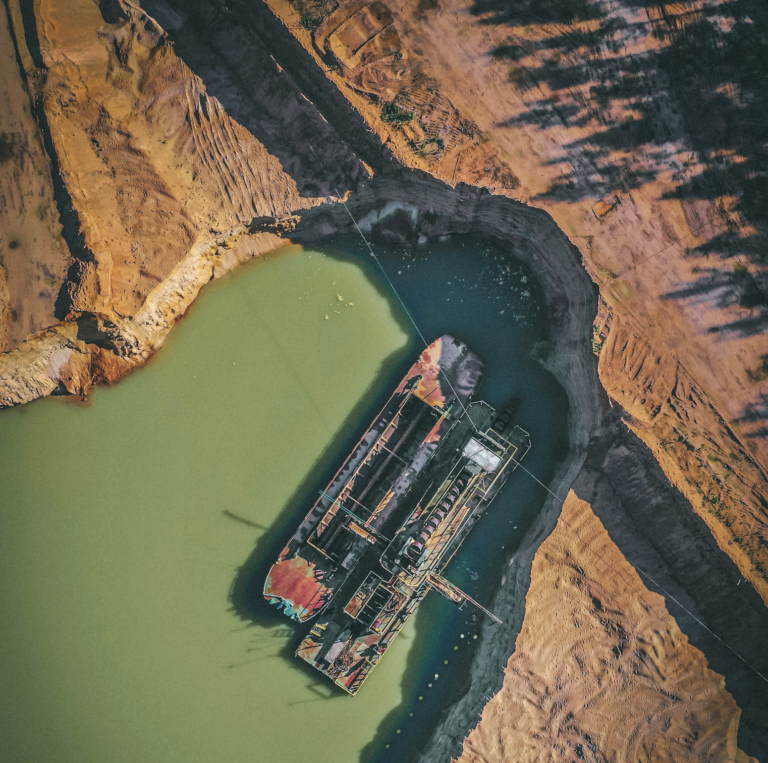
Sand mining in the Czech Republic

The excellent article on Green Prophet: Deep sea mining and killing the seas so you can drive an electric car was timely and extremely relevant. Deep sea mining is not only taking place for minerals and metals, but also for a very basic element found on the sea bed: sand.

One of the most common uses of beach or sea sand in general, is in construction. Sand is one of the ingredients in the production of concrete and other building materials. Concrete is made up of a mixture of water, cement, and aggregate, which is composed of crushed rock, gravel and sand. Sea sand is also used as a raw material in the glass, silicon and ceramic industries and for land restoration. 

The construction industry consumes about 4 billion tons of cement every year and 40 billion tons of sand for construction. The total use of sand worldwide is estimated at 50 billion tons annually. The dredging industry for sand is active in South China Sea, the North Sea and the East Coast of the United States, according to the University of Geneva, with China, the Netherlands, the United States and Belgium being the most active countries in this field. Interestingly enough, although deserts have plenty of sand, the desert sand is unsuitable for construction. Its rounded faces and high dust content, give concrete of very low quality, that does not comply with the industry standards.

Regulating sand mining from the seas

sand mining on the beach in Morocco
Illegal sand mining activities linked to Spain are devastating Moroccan beaches. Image via the ISS

Sand is one of the world’s most consumed natural resource on the planet, after water. But, despite the damage it causes, it is still unregulated. According to the UN the practice is unsustainable and could irreparably affect marine life. Pascal Penducci, director of UNEP’s Global Resources Database, described the marine sand dredging as a “giant vacuum cleaner”, draining the seabed by removing all the micro-organisms that support sea life.

Consider, what the ISS reports: “state developments in Morocco require an estimated 30 million tons of sand every year. Coastal sand along the western seaboard and Mediterranean is increasingly extracted, legally and illegally, by both registered companies and traffickers. The result is a series of lunar-like landscapes along Morocco’s coastline, which damages fragile ecosystems and increases the vulnerability of infrastructure to storms and rising sea levels.”

The ECOWEEK week of lectures, films and design workshops address design and construction practices and promote sustainable design and circular practices primarily among graduate and undergraduate students of architecture and design in 17 countries.

In 2018, ECOWEEK hosted the Today Tomorrow project of EUNIC (European Union National Institutes for Culture) in Tel Aviv. Within this collaboration the film “Sand Wars” was screened. Released in 2013 it is directed by Denis Delestrac.

The film “Sand Wars” tracks the contractors, smugglers and property developers hoarding sand from legal or illegal mining on sea shores and sea bed dredging. It presents the unsuccessful efforts by Municipalities, draining municipal budgets, to replenish seashores with sand. Only to be washed away, due to the voids created by deep sea mining. The film also presents the struggle of local communities to protect their sea shore residences from coastal erosion and damage and the loss of coastal shorelines, caused by sand extraction from the sea and shores.

If electric cars are a luxury – as compared to other modes of sustainable transportation, such as, public buses, light rail, bicycles and walking – mining sand for concrete is essential for construction. Especially, when trying to cope with destruction caused by earthquakes or floods. Building in concrete seems like an inevitable choice for relative resilience. However, the increasing use of concrete, and sand mining, makes cities more vulnerable and destroys ecosystems that support life. Read about this Israeli desert sand dunes being cleared for concrete.

Like in every story, there may be a happy end in this story too: recycled glass. Recycled glass is obtained from recycling old and waste glass. Glass can be recycled endlessly without affecting quality and purity, through crashing, melting and blending with other materials. Unlike desert sand, recycling glass is an acceptable replacement to sea sand for construction.

How much of this dome house in Santorini is built from sand?

The recycled glass market is estimated at $1.1B USD. It is low carbon, requires lower energy consumption, lower melting temperature, and less wear and tear on the manufacturing furnace. In terms of volume it is estimated at about 40,000 tons annually.

From grassroots initiatives like the recycling program “Glass Half Full” in Louisiana, to major industries, recycled glass is widely used in the food and beverages, automotive, healthcare, aerospace and defense industries. It is also used in construction. To provide more recycled glass for construction, an increase in the practice of glass recycling, is needed. More government and municipal initiatives and regulations in waste management are needed, raising public awareness and encouraging more initiatives in that direction by local industries.

Many cities today are engaged in urban renewal. This involves extensive demolition of existing buildings. Yet, with a disappointingly low rate of recycling and reclaiming of old materials, such as glass. Regulating demolition – and increasing refurbishment and retrofit, would considerably reduce construction waste, and wisely utilize the embodied carbon from producing these products in the first place. Less demolition would also reduce the need for new construction and use of concrete and sand.

Related: Peak sand

There is no doubt that the debate is relevant and urgent today. Not only, among architects and designers. But, among municipalities as well. With recycling rates ranging from 10 to 90%, there is a long way to go to reach 50% reduction in carbon by 2030 and zero carbon by 2050. And to reduce waste, particularly construction waste, estimated at one third of total waste.

Superuse Studio
A Superuse Studio project reusing waste wood in new creative uses

Architectural practices, such as the Dutch Superuse Studio and architect Thomas Rau, are leading the way on circular design in small and large scale projects, materials passports for buildings and reuse of waste, from wood to wind turbines at the end of their lifetime (20 years). 

A Super Reuse studio circular economy project using CNC waste as building façade

It is time for other architects and designers to take the lead too. To seriously reconsider the impact of design and construction on the planet. To consider only specifying construction methods that are local, low-carbon, low-impact and circular. Even start putting a cap on construction, densifying and utilizing existing buildings and reducing the floor area of modern apartments, as alternative construction methods and materials are becoming limited and the need to reduce the carbon footprint of construction is becoming imperative. 

Thomas Rau: Triodos Bank Headquarters | Photography: Bert Rietberg

The debate on the impact of the construction industry is complex yet essential. It certainly must engage professionals more than just designing planters on the balconies or the roofs, or specifying recycled wood for façade facing. These are nice gestures, but view them more like a “greenwash”. And compare them to the unregulated and unprecedented destruction of life and ecosystems taking place with every single new concrete formwork.

Elias Messinas, Ecoweek
Elias Messinas

Elias Messinas is a Yale-educated architect and urban planner, creator of ECOWEEK and Senior Lecturer at HIT. He completed this year the interior restoration of an historic synagogue in Greece, based on circular practices. Although small in scale, it reduced waste, new raw materials and the budget by nearly 50%.


Top Five Healthiest Countries in the World

0
Healthy smiling girl India
If the world’s health index were based on smiles, then India, Indonesia and Thailand would be the top 3 healthiest countries in the world.

There is no promising way to calculate the health of a country. The best one can do is to rely on metrics such as environmental factors, average life expectancy, and other signifiers to list one country on top of the other. It is the only way to determine the healthiest countries in the world. Other factors such as happiness and satisfaction with one’s life come into play.

It is not only about how developed a country is or what an average person’s annual income is either. Other factors such as alcohol consumption, smoking habits, obesity rates, and many other factors can also contribute to a country’s position in the list of healthiest countries across the world.

Keep reading to find out more about the healthiest countries in the world.

India

India is a place where tourists from around the world visit and then never leave

If you are looking for a meat-free ideal, you cannot overlook India, the most vegetarian country in the world. According to research, more than 40% of percent of people in India stick to a strictly vegetarian diet. Healthy vegetables are an unhindered part of every Indian kitchen.

Despite the high poverty rates, the country has one of the largest agricultural yields. The obesity rates in the country are on the rise. Yet, it remains to be one of the healthiest and most resilient countries in the world. This country can move above the list with better healthcare in the rural areas.

Switzerland

Bergsee, Switzerland is health on a mountain

There is no competition when it comes to the highest life expectancy. Switzerland remains to be the country with the highest life expectancy. With a clean environment, exceptional health policies, and financial bliss, people of every age live a prosperous and healthy life.

In addition to a prosperous and comfortable life, Switzerland is also known to be the country with the lowest mortality rate. Looking at all factors, such as a healthy lifestyle and access to fresh food, it is not hard to see why people in Switzerland live a long, comfortable, and healthy life.

Indonesia

Indonesia house concrete diapers, nappies
A house in Indonesia is made with a mix of concrete and used diapers. Talk about environmental invovation!

Thanks to tons of research and case studies, the disadvantages of alcohol consumption are not unknown to people anymore. Understanding the potential harm alcohol causes, it is fair to assume that Indonesia, a country with the lowest rate of alcohol consumption, will make it to the list of healthiest countries.

Indonesia is a Muslim-majority country with a strict ban on alcohol consumption. People who consume alcohol in Indonesia are frowned upon. In addition, the excessive taxes on alcohol also help in deterring people from purchasing and consuming alcohol.

Hungary

Vaccinations have made healthcare easier and more accessible for millions of people worldwide. While people have different points of view about vaccinations, Hungary remains the country with the highest vaccination rate, with more than 99.9% of children vaccinated against children. The benefits of reliance on vaccination have contributed to strengthening their overall health.

Experts agree that improving the healthcare system of Hungry can bring it to the top of the list. As the country’s vaccination efforts continue to strengthen, they may gain a lot of benefits from expert healthcare providers and dedicated nurses.

Iceland

geothermal power in iceland
Geothermal powered nature hot tubs in Iceland.

Smoking is very detrimental to your health. It is a truth that has been established for decades. Keeping this in consideration, think about a country to advertise about banning tobacco on mass media. Yes, Iceland also has the honor of banning all promotions on tobacco products. This is a very positive forward.

Although Iceland is one of the most high-income countries in the world, entertaining smoking as a habit can be a challenge to your budget. Hence, it is fair to say that smokers must think twice before visiting or moving to Iceland.

With the highest cigarette prices in Europe to keep people away from the deadly habit, many people are unable to afford this life-threatening hobby. In short, Icelanders care about health, happiness and wealth. They also value renewable energy, keeping the skies clean and the carbon emissions low.