Home Blog Page 88

How to make the world microplastics free

plastic soup, boy with plastic heap at sea
Plastics are washing up everywhere. A Greek-Israeli architect explores the problem while on daily walks. And offers solutions and people driving innovation.

For the past three months we’ve been living on a Greek island, Aegina island, a marine-dependent community and  economy. In my morning walks along the sea front, I meet neighbors, dog owners, couples, and joggers, who enjoy the outdoors in a climate-changed warm winter.  

My walk passes by rocky and sandy beaches, and small docks with fishing boats. It also passes by sculptures by renowned artists Yiannis Moralis, and Christos Kapralos, the former residence of author of “Zorba the Greek”, Nikos Kazantzakis, overlooking the Saronic sea.

Elias Messinas collects plastics
Elias Messinas collects plastics washed up from the Saronic Sea

I also pass by the Bouzas lighthouse, exquisite chapels like Aghia Filothei and Agioi Apostoloi, studios of artists, like Christos Kapralos and Nikos Nikolaou, and the former residences of archaeologists Gabriel Welter, and Belle Mazur, who studied and published the ancient mosaic of the local synagogue dating from the 4th century CE. 

The morning walk is like a history tour. With such a legacy on the island, it is difficult to remain indifferent when encountering a plastic bag or a plastic bottle or a white piece of polystyrene foam stuck between the rocks or lying on the sand on the seashore. Especially near one of these important cultural heritage sites. 

Greek Island, Zorba the Greek

Living in a sea-dependent community, one realizes the practical meaning of the Cradle-to Cradle cycles. The technical cycle, such as the manmade environment, where waste must be carefully disposed and reused. The biological cycle, or the natural environment, where organic waste free of chemicals is absorbed back into the natural ecosystems. Biological cycles can also be generated by human activity, like composting household organic waste at home. 

In reality, keeping the two cycles apart, seems like a Herculean feat, especially in communities  who still struggle with basic household waste management. So, the system has flaws. Leading to waste entering the biological or natural cycle, in particular the marine environment, and in particular, through plastic waste pollution. It may prove to be a ticking bomb, as polluting  marine life and habitats in the sea and seashore threatens the human food chain through the  consumption of local fish. 

This local community of 14,000, growing to 40,000 or more in the summer, is a small  percentage of the global more-than 6.4 billion people who live in coastal communities in 192  countries. Collectively, they generate 99.5 million tons of plastic waste discarded within 50 km of the ocean. Although, 8.3 billion tons of plastics were produced in the past sixty years, only  9.5% were recycled. The numbers are certainly a reason to worry. With an estimated 150  million tons of plastic already polluting the world’s oceans, 9.1 million tons are added every  year, with an estimated growth of 5% annually. Studies estimate that by 2025 plastics will be  equal to one third of fish (by weight), and in 2050, plastic waste will weigh more than fish  stock.  

Plastics in the sea, decompose and break into tiny fragments, called microplastics, that threaten sea life. Plastic waste pollutes the beaches and is often riding the waves. But, can also sink in the seafloor, affecting marine organisms in their reproduction. Plastic waste may cause  injuries and death of marine species. Studies show that plastic waste has affected at least 267 species worldwide. Further, the human food chain, and the local economy, are also affected,  as coastal tourism is directly dependent on the quality and health of fish, sea and seashore. 

As I observe plastic polystyrene pieces and fragments, plastic bottles, bottle cups, straws, lighters, ropes, hangers, wraps, bags, and wrappers, in my morning walks, I often try to  imagine ways of dealing with this worrying issue. I would prioritize the reduction of plastic  production and consumption. Some countries, like Canada, are already considering such moves, although the COVID pandemic caused a serious regression in phasing out single-use  plastics in many countries. 

gold dust graduation from Walmart
The gold dust bought at Walmart may make your graduation photo pretty. But one blow and it’s forever cycling as microplastics that will get into our lungs.

Another solution would be to substitute plastics with bio-degradable materials. On the island some businesses already use bio-degradable bags. However, most businesses still opt for the cheap plastic choice. Education is key in raising awareness to prevent irresponsible disposal of  plastics. Education can also encourage people to substitute single-use plastics and plastic  products in their daily routine. 

Local and national governments could tax the use of specific plastic products, considering the  damage they cause at local marine ecosystems. I often think of the day when consumers’ IDs  will be printed on the plastic product, container or wrapper, and consumers would be subject to fines. Finally, the day may come when plastics are banned, or replaced by bio-based  alternatives. 

These actions would certainly tackle the problem. However, they would take may years to  realize and bring results. This is why many organizations choose immediate action. 

For example, the Aikaterini Laskaridis Foundation in collaboration with the Netherlands based design firm The New Raw, have initiated the BlueCycle initiative to collect and reuse plastic waste from shipping and fishing activities. They create raw material to produce high quality 3D printed urban furniture and other design products. [Listen to ECOWEEK Green Talks podcast with architect Panos Sakkas of The New Raw]

PETMAT Pet Mat plastics

Pet Mat recycled plastics

PetMat, pet mat recycled plastics for architects
PetMat, a Prague based NGO that upcycles plastics

Prague-based NGO PETMAT focuses on the reuse of plastics, in the form of recycled PET in 3D printing of architectural projects, in creating the ‘PET(b)rick’ through recycled plastic blow molding, and through design pieces constructed of empty water bottles. [Listen to ECOWEEK Green Talks podcast with Katerina Novakova of PETMAT]

The New Raw recycled plastics from fishing

The Polish Recycling Band young musicians build and perform in instruments created in collaborative workshops, by using plastic containers that otherwise would be sent to a landfill, or pollute the sea. 


At ECOWEEK workshops, we guided young architects and designers to engage in circular  practices in design and reuse waste such as plastic bottles, furniture, ceramic pots, wood, and wooden decks and pallets. They used these materials to upgrade the school yard of a public  elementary school in Crete, Greece and to construct a wooden outdoor exhibition space in  an urban park in Milano, Italy. 

ECOWEEK 2016 in Crete, Greece - Plastic bottes and reused materials upgrade a public school yard
ECOWEEK 2016 in Crete, Greece – Plastic bottes and reused materials upgrade a public school yard

There is also much to do on an individual level. For example, at the island, in my morning  walks, when I see plastic waste by the sea, I stop and collect it. It has become part of my daily  routine, a sort of meditation that does good both ways. It is also a great way to socialize. One  morning, for example, I was joined by two young activists from Canada.

Cyrielle Noel and Georgina Faber are both active environmental advocates who engage in marine and coastal planning and design, research and consultation, and community engagement. 

Cyrielle Noel and Georgina Faber are both active young environmental advocates who engage in marine and coastal planning and design, research and consultation, and community engagement.  Through Eau daCité, their social enterprise, they reconnect cities, citizens, and companies to their original source of urbanization: waterways. Eau daCité promotes waterway literacy, activate sustainable development and connect social ecological transformation. 

Through Eau daCité, their social enterprise, they reconnect cities, citizens, and companies to their original source of urbanization: waterways. Eau daCité promotes waterway literacy, activate sustainable development and connect social ecological transformation. 

Inspired by this unexpected visit this Christmas, I invite readers to join me in Greece, or create your own group in your community, to remove plastics from the marine environment.  It is truly fulfilling and empowering to know that you can intervene in reducing plastic  pollution right now. To clean up natural ecosystems and reduce human exposure to plastic  pollution. We can make our world a cleaner and better place. 

—-

Elias Messinas, Ecoweek
Elias Messinas

Elias Messinas a Yale-educated architect, urban planner and author, creator of ECOWEEK and Senior Lecturer at the Design Faculty of HIT, where he teaches sustainable design and coordinates the new SINCERE EU Horizon program, which aims to optimize the carbon footprint of cultural heritage buildings, through innovative, sustainable, and cost-effective restoration materials and practices, energy harvesting, ICT tools and socially innovative approaches. www.ecoama.com and www.ecoweek.org


The barrel sauna longevity hack

0

In some areas of Canada people think about the value of stuff in terms of cost of a case of beer. If you have ever visited Finland or know any Finns, they speak about the value of things in terms of saunas. How many saunas would that cost? they might ask in understanding the price of a car.

Saunas, health experts agree, are good for your health. In a study from Finland in 2022, researchers found that saunas combined with exercise is good for heart health.

Barrel sauna, panoramic window, serene beauty, lush forest, precision-crafted, cylindrical design, nature integration, wellness experience, unobstructed view, tranquil ambiance, rustic charm, modern functionality, charming retreat, contemporary luxury, natural splendor, rejuvenating journey, heart of the forest, sauna escape, forest sanctuary, soothing warmth, panoramic serenity.
A barrel sauna with a panoramic window. Saunas may be the new longevity hack.

The study from the University of Jyväskylä, Finland, found that a sauna together with exercise is a viable preemptive combination for improving cardiovascular health and lowering the risk of CVD. In short

“The results of this study lend support for the regular use of sauna bathing with regular exercise, and shows promise as a therapeutic adjunct, particularly for those with lower exercise capacities,” says Earric Lee, a Doctoral Researcher in the Faculty of Sport and Health Sciences at the university.

Barrel sauna, panoramic window, serene beauty, lush forest, precision-crafted, cylindrical design, nature integration, wellness experience, unobstructed view, tranquil ambiance, rustic charm, modern functionality, charming retreat, contemporary luxury, natural splendor, rejuvenating journey, heart of the forest, sauna escape, forest sanctuary, soothing warmth, panoramic serenity. Barrel sauna, panoramic window, serene beauty, lush forest, precision-crafted, cylindrical design, nature integration, wellness experience, unobstructed view, tranquil ambiance, rustic charm, modern functionality, charming retreat, contemporary luxury, natural splendor, rejuvenating journey, heart of the forest, sauna escape, forest sanctuary, soothing warmth, panoramic serenity. Barrel sauna, panoramic window, serene beauty, lush forest, precision-crafted, cylindrical design, nature integration, wellness experience, unobstructed view, tranquil ambiance, rustic charm, modern functionality, charming retreat, contemporary luxury, natural splendor, rejuvenating journey, heart of the forest, sauna escape, forest sanctuary, soothing warmth, panoramic serenity.

The exercise protocol used for the study adhered to well-established international and national guidelines: 50 minutes of exercise, three times a week. Each session consisted of 20 minutes of resistance exercise, followed by 30 minutes of aerobic exercise.

The participants in the exercise and sauna group went for 15 minutes of a typical Finnish sauna bathing after the exercise session. Maybe a run or a vigorous canoe?

Canoe on the great lakes

CVD is the major contributor to morbidity and mortality in the world. Annually, it costs the public healthcare system in Finland tremendous amounts of money. “Any approach that has the potential to alleviate the burden, and work alongside other preventative strategies such as exercise is really worth further consideration,” Lee points out.

So saunas are good and this is the one we want: A barrel sauna built in Canada with a large dome window is both energy efficient and pleasing. Barrel saunas are naturally energy efficient saunas because as the cedar heats up it expands in an even way around the sauna.

The circular design causes the warm air to rise continuously and cool air to fall so the air is constantly moving and being reheated, allowing it to maintain internal temperatures more effectively. The round womb-like structure lends a coziness that feels human.

How long can a barrel sauna last?

Manufacturers say that the average lifespan of a barrel sauna can range from 10 to 20 years depending on the climate and how you maintain the sauna. The barrel sauna keeps its shape over time as it expands and contracts with the climate and weather, but it does not have insulation or a protected roof. If it’s for a summer residence cover it with a tarp in the winter to prevent moisture buildup over the winter.
Other tips: vacuum out the sauna regularly to prevent dust, dirt, or tracked-in leaves. If you live in a wet or snowy climate, check the sauna every few months for water seepage. The barrel bands can be tightened after you first assemble your barrel sauna. If the bands are loose, you can add extra staves to seal the exterior tightly.

Solve the migrant crisis in Europe? Help Africa with drought

0
Migrants are moving around Africa because of drought

In 80% of African countries people moved toward rivers and into cities during or following drought, increasing the number of people living in flood-risk areas in recent decades, according to a new study. This resettlement pattern will likely intensify in coming decades as climate change is expected to make droughts more frequent and severe. And this is a major concern as more African migrants flee Africa through North Africa to Europe as the climate crisis gets worse.

Climate refugees literally risk their lives as they travail dangerous sea passages hoping for safety and food security in Europe.

“It’s a cycle that exacerbates how many people are negatively impacted by drought, and not only in the ways we might normally expect,” said Serena Ceola, a hydrologist at the University of Bologna in Italy who led the study.

“As regional climates change and both droughts and floods become bigger problems, more people will struggle to find a safe place to settle. People may move from one drought-affected place to another or move somewhere that just poses different climate risks.”

In Somalia, for example more than 3.8 million people have been displaced in part by drought over the last three years. Many of those climate refugees sought shelter near rivers, where farming could resume, but heavy rains and flash floods then displaced more than half a million people.

The study was published in Earth’s Future, which publishes interdisciplinary research on the past, present and future of our planet and its inhabitants. Prior to this study, research on drought-driven migrations in Africa focused on single countries or specific drought events, limiting scientists’ understanding of how drought influences patterns of human settlements at large scales.

The new study is the first to examine changes in human settlement patterns associated with droughts on a continental scale.

“We want the whole society to be aware of just how many people are moving from one climate threat to another,” Ceola said.

Untangling drought and linking it to conflict

Droughts may push people closer to rivers to continue agricultural activities, and others may adapt by moving to cities, which offer diverse economic opportunities when drought limits agriculture. Scientists have hypothesized that drought can be a main driver of human displacement, but many factors — often inextricably linked to drought itself — can contribute to displacement.

Drought can exacerbate conflict, political violence and food and job insecurity, each of which can prompt mass migrations on their own. This happened before the civil war in Syria. People were not able to farm because conditions had changed.

The researchers chose to focus on drought alone due to its potential impact on many different factors. They used two indices, EM-DAT and SPEI-12, which respectively reflect socioeconomic and evapotranspiration impacts of drought, to look for droughts in 50 African countries from 1992 to 2013.

They included in their analyses the years preceding and following the drought to test for strength of the drought signal and lingering effects of drought on human movement.

To determine whether people moved to rivers, the researchers used satellite-based nighttime light detection to check for either changes in existing settlements’ luminosities or the development of new settlements. They used annual, country-based World Bank census data to track populations in urban centers.

To the river or the city?

The study found people moved toward rivers or urban centers in up to 80% of African countries experiencing droughts as indicated by at least one of the two indices used. During drought years identified by at least one of the indices, about half to three-quarters of all studied countries had settlements move closer to rivers, and one-third to half of countries had urban populations grow. The urban-growth signal could have been weaker than river-based migration because people may move to cities for many reasons, Ceola said.

Seventeen countries experienced droughts according to both drought indices during the study period. Up to 65% of those countries saw increased human movement toward rivers during drought years when the pre-drought year was included in the analysis.

Notably, all countries in southern Africa saw drought-related migration toward rivers based on at least one drought index over the study period.

Ceola pointed to Burundi, Guinea Bissau and Namibia as particularly interesting.

The methods have some limitations. Nighttime lights are used as a proxy for human settlements and activities, meaning that the amount of observed light may not reflect the number of people.  Smaller concentrations of lights may not show up, and it might leave out the poorest groups that lack enough lights to appear. Limited data for many regions and populations on the continent mean scientists have to get creative with the sources of information available to prepare people and governments for current and future hazards, Ceola said.

“Policy makers need data and detailed information in order to implement strategic planning, support sustainable development and increase the resilience of people living in vulnerable areas. Likewise, people living in those areas need to be aware of the risks and should have the opportunity to freely move to safer locations,” Ceola said.

Are Christmas tree chemicals toxic to humans?

0
Cork, Ireland rents out Christmas trees https://cravingcork.ie/sustainable-cork-start-up-lets-you-rent-a-living-reusable-pot-grown-christmas-tree/
Measuring the chemicals emitted by a Christmas tree in the lab

Jingle Bells, what’s that smell? Many families enjoy not only having a live tree inside their homes but also smelling the fresh fragrance it creates at Christmas. That smell comes from chemicals produced by the tree called volatile organic compounds (VOCs). And they may have health effects, perhaps not all positive.

Dustin Poppendieck, an environmental engineer at the National Institute of Standards and Technology (NIST) looked into it. He took a common type of Christmas tree — a Douglas fir— and sealed it inside a chamber. He and his team measured the amount and type of VOCs it emitted over 17 days and how they related to indoor air quality.

“Our nose is a good chemical sensor,” says Poppendieck. “We know that these trees are emitting something, and the question then becomes: How big of a source is it?

“We wanted to explore which chemicals are emitted and how much, and to put that into the context of other sources of chemicals in a house.”

The fresh smell that is commonly associated with Christmas trees comes from a group of VOCs called monoterpenes, he says, which are also found in air fresheners, candles and some personal care products. In the outdoors, conifers, the group of plants that includes most Christmas trees, release natural monoterpenes, and they can affect outdoor air quality.

But little is known about how much monoterpene is released when a tree is cut down and placed indoors.

In their experiment, the researchers simulated a home environment. They decorated the tree in a typical holiday lighting setup and shone bright lights on it to mimic the day-night cycle. They turned off the lights every 12 hours and watered the tree every day. They brought in outside air at a rate typical for households, and constantly measured chemicals in the indoor air.

Monoterpenes, they found, were the most abundant VOC emitted from the tree. They peaked during the first day before diminishing significantly by the third day. Their concentration was initially at the same level of a plug-in air freshener or newly constructed house before it quickly dropped by nearly 10 times its original amount, said Poppendieck. The researchers detected 52 distinct types of monoterpenes in their sampling.

Researchers then injected ozone into the chamber to see how it affected indoor air chemistry. They found that ozone reacted with the monoterpenes, forming byproducts such as formaldehyde, another type of VOC, as well as other reactive chemicals.

A case for allergies at Christmas time?

The monoterpene concentration diminished even more with the introduction of ozone, the researchers found, while formaldehyde levels rose, which showed an impact on indoor air chemistry. However, the amount of formaldehyde created was relatively small at around 1 part per billion. Typical US houses have formaldehyde concentrations ranging from 20 to 30 parts per billion. Sources include treated wood, furniture and paint. Other chemicals that may affect the tree, and then you are pesticides. Is the tree from a chemical free, organic farm?

Where is formaldehyde found in the home?

  • Pressed-wood products (plywood, particle board, paneling)
  • Foam insulation.
  • Wallpaper and paints.
  • Some synthetic fabrics (example: permanent press)
  • Some cosmetics and personal products like lipstick.

For people who are sensitive to VOCs, Christmas trees could be one possible cause for watery eyes and noses, especially when the cut trees are brought indoors. In that case, Poppendieck suggests, opening a window near the tree will reduce exposure. In addition, newly cut trees can be left outdoors or in a garage for three days before bringing them into the home as the emission strength naturally decays over time.

“But for most people,” Poppendieck said, “this shouldn’t be a major concern. I’m still going to have a Christmas tree in my house.”

Don’t forget to water your Christmas tree every day, he adds. The greatest risk is a dried-out tree, which can become a fire hazard for your home.

The team’s findings have been published in the journal Indoor Environments.

Non-plastic alternatives to cut trees? Trees in a pot

In Cork, Ireland you can rent a Christmas tree. Maybe they will give off less aggressive VOCs because they aren’t in pain and dying?

You can find the services in Paris, Cork, Ireland and in some cities in Germany –– companies renting out Christmas trees in the pot every year. You rent a tree and then return it alive after the holidays. The trees last about 7 years and when they get too big for the home, they are planted in the forest.

Are potted Christmas trees off-gassing less than cut trees?

There are more that planetary reasons to save 30 million Christmas trees every year in America. Trees are a carbon sink and the more we keep them growing, the better it is for greenhouse gas emissions.

We asked Christmas tree researcher Poppendieck if the potted trees might be healthier in terms of volatile compounds and off-gassing. But the verdict is out:

“Since the described tree is still alive,” he tells Green Prophet, “I would expect the long-term emissions to remain constant and higher than the long-term emissions from a tree that has been cut and is dying.  However, it would require more testing to determine if this level would be higher, the same or lower than the initial emission we measured for the cut tree.

“A cut tree has a biological response that may or may not increase the emission of the chemicals we measured relative to a live tree.”

Colm Crowley from Christmas Tree says: “It’s a very sustainable way to celebrate Christmas as the Christmas tree gets to live on, and it’s something I’m really passionate about.”

Beetle private parts shaped like a bottle-opener: time to open a Carlsberg?

0
beetle bottle opener, genitals penis looks like opener
A specimen of the beetle that brings the world a new beer opener

Penises are more prevalent in some lines of work than others. And for researchers who study biodiversity of insects, penises play a significant role in their daily workload – for good reason.

“Genitalia are the organs in insects that evolve to be different in every species. As such, they are often the best way to identify a species. That’s why entomologists like us are always quick to examine insect genitalia when describing a species. The unique shape of each species’ genitals ensures that it can only reproduce with the same species,” says biologist Aslak Kappel Hansen of the Natural History Museum of Denmark, whose work entails describing insect species.

Illustration of a beetle penis that can inspire us to make better bottle openers

By studying beetle specimens that have been hidden in the museum for decades, Aslak and colleagues have discovered six new species of the rove beetle genus Loncovilius. The sexual organ of one of the six beetles immediately drew associations among the researchers.

“This species is characterised, among other things, by the fact that the male’s sexual organ is shaped remarkably like a bottle opener.

“Therefore, we thought it is obvious to dedicate this species to the Carlsberg Foundation, which has generously supported independent research for many years. Their support for various projects, expeditions, or purchase of the scientific instruments at the Natural History Museum of Denmark contributes to the discovery of new species on our planet,” states Aslak Kappel Hansen.

While the researchers have no inkling as to why the penis of this certain beetle evolved as it did, its shape has earned it the name Loncovilius carlsbergi.

Beetle penis bottle opener
This is why entomologists are weirdos. Don’t trust them. They make bottle openers out of penis shaped beetle parts. Their research was funded by Carlesberg.

“It is estimated that as many as 85% of all species on Earth are still not formally named and described. Many species go extinct without ever having been named or recognized by science and as a consequence by humanity as a whole. A taxonomic name is important because nature conservation relies on knowledge about species in particular areas. Without such a description, species are often left out of conservation efforts,” explains Josh Jenkins Shaw.

The researchers hope that the penis of Loncovilius carlsbergi might sparkle a broader interest to insects and make a difference. It doesn’t just look like an opener – it can actually pop open a cold beer now!  That’s because the researchers had a model of the beetle’s sexual organ made in stainless steel.

“It’s important that we recognise the vast wealth of yet to be researched species around us before it’s too late. We would like for people around the world to talk about the crisis facing our planet’s species. A move towards serious learning and awareness may be sparkled by a light chat that takes place over a beer,” concludes Aslak Kappel Hansen.

The researchers are now working on putting the bottle-opener into production. Would you buy one?

Is keeping a pet octopus cruel?

0
An octopus as a pet
Have you thought about keeping an octopus as a pet?

So, you’ve heard about keeping an octopus as a pet, and it sounds super cool, right? Well, let’s dive into it and see if it’s as awesome as it seems.

Octopuses are wicked smart and love checking out their surroundings. People who own them say they can even learn tricks and recognize their owners. It’s like having a brainy underwater friend. But, here’s the catch—it’s more like having a pet for show and less like having a cuddly cat or dog.

Octopuses need a fancy setup to live happily, and that means a big tank and lots of special equipment. The tank alone can cost a fortune up to $1,000 and if you have seen any videos online, you will notice that an octopus is good at escaping. They are also picky eaters and prefer live prey like shrimp, crayfish, and crabs. They can eat frozen food if they have to.

Now, here’s the not-so-great stuff. Octopuses are wild animals, and keeping them in tanks might stress them out. Some experts say they get bored and even hurt themselves. Also, they’re not like your average fish; they aren’t a fish at all. They may not live long in captivity, even with the best care.

Another thing is, they’re escape artists! Octopuses can squeeze through tiny spaces, so you need a secure lid for their tank. And guess what? They’re messy eaters, so keeping their water clean is a bit of a hassle.

What to tell a friend who want an octopus

Some people say it’s not cool to keep octopuses as pets because they’re so smart and keeping them in tanks isn’t great for their happiness. They argue that octopuses are meant to be in the ocean, not our living rooms. Others think it’s possible to take good care of them and enjoy their company. But even the best owners admit that having an octopus is more of a show than a petting zoo experience. It takes time to build a connection, and some octopuses never really get used to being in captivity.

What’s the Alternative?

There are people like Giovanni DiGarimore, who think the best place for octopuses is the ocean. He bought a giant octopus named Fred and set him free in the sea.

Degarimore, who owns a fish market, told a Californian news station that he had a change of heart about selling or consuming octopus after learning about their intelligence and an experience he had playing hide-and-seek with one while scuba diving in Fiji. His dock manager called him about a local fisherman selling an octopus caught in a crab trap.

Degarimore couldn’t bear the thought of it being cut up. So he bought it, named it Fred and kept it in a tank for a few days before releasing it back into the ocean. “It’s just been a culmination of events through the last 10 years. Essentially, we played a game of hide and seek for 15 minutes under the ocean. It was an experience I’ll never forget.

A good teaching moment is the film My Octopus Teacher.

Green Prophet’s verdict? Don’t keep an octopus in captivity. It is cruel. Other options? Build a terrarium. Plant herbs at home. Grow moss.

Personal accident cover: Is it compulsory for owner-drivers? 

0

How to make your bike ugly and theft-proof

Personal accident cover is an insurance policy created to provide financial support in the event of accidental injury, disability or death. For owner-drivers, who operate and own their vehicles, the question arises: Is personal accident cover compulsory? Let’s walk you through the concept of owner-driver accident cover and shed light on whether it is mandatory or optional.

Understanding personal accident cover

Personal accident cover offers financial support to the insured or their family members in the event of disability or loss of life resulting from an accident. It is a type of insurance that provides compensation in case of accidental bodily injury or death. The coverage typically includes medical expenses, disability benefits and death benefits, depending on the severity of the accident.

mooncool electric trike for seniors
Mooncool electric trike for seniors. Mobility ebiking. Do you need insurance if it’s considered a bicycle accident?

Compulsory personal accident cover for owner-drivers

Personal accident cover is a mandate as per legal requirements in India. Owner-drivers need to familiarise themselves with the specific regulations. You are legally required to include personal accident cover as part of your insurance policy, this means if you own and operate your vehicle. The purpose of this requirement is to ensure that owner-drivers have financial protection in case of accidental injuries or death.

However, it’s essential to note that the specifics of the coverage, including the coverage limits and benefits, may differ. Therefore, it is necessary for owner-drivers to carefully review their bike insurance policy to understand the extent of coverage provided by the personal accident cover.

Bike riders have far bigger chances of sustaining serious injuries compared to those in enclosed vehicles, especially in high-traffic areas. Victims of bicycle accidents need to consult a specialist who understands the legal and medical implications that come with such incidents. Understanding how compensation works in these cases can help victims access necessary treatments and long-term support. Reviewing policy details ahead of time ensures there are no surprises when it matters most.

Benefits of personal accident cover

Personal accident cover provides several benefits to owner-drivers, including:

  • Medical expense coverage: It typically includes coverage for medical expenses resulting from accidental injuries. Personal accident cover can help reduce the financial burden of hospitalization, surgery, rehabilitation and other necessary medical treatments.
  • Disability benefits: Personal accident cover can provide disability benefits in the event of a severe accident that results in disability. These benefits can help with income replacement, rehabilitation expenses and other costs associated with adapting to the new situations.
  • Death benefits: Personal accident cover often includes death benefits, which provide financial protection to the family or beneficiaries of the insured in the event of their death due to an accident. This can help cover funeral expenses and provide ongoing financial stability for the family. Remember when eco-hero Shmirit was killed while riding an electric scooter?

    Shimrit Perkol Finkel
    Shimrit Perkol Finkel , founder of Econcrete death by scooter and hit by a cement truck
  • Peace of mind: Personal accident cover can provide peace of mind for owner-drivers and their families as it offers reassurance that financial protection is in place in case of an unfortunate accident.

Conclusion

Owner-drivers need to understand the specific regulations as the requirement for personal accident cover for owner-drivers differs. Personal accident cover offers valuable financial protection in case of accidental injuries, disability or death. Owner-drivers should carefully review their insurance policy and consider the potential benefits of including personal accident coverage in their insurance plan.


Dubai’s new $4.5 billion solar energy park

0
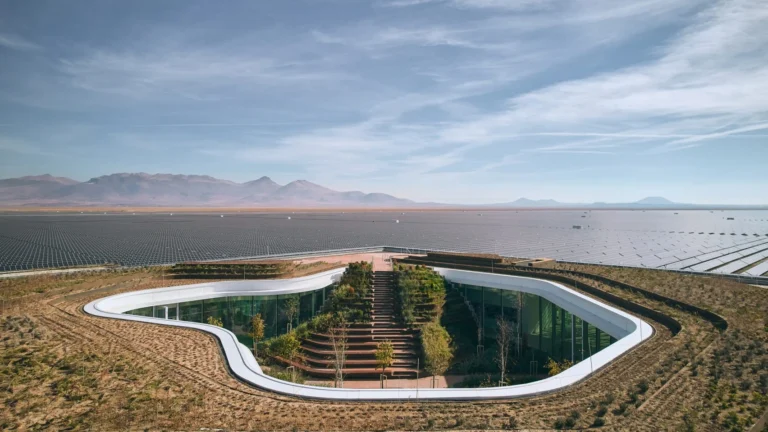
Mohammed bin Rashid Al Maktoum Solar Park, in Dubai, is a leading solar energy project with innovative technologies, boasting significant capacity

In recent years, the Middle East has become a focal point for sustainable energy initiatives, with the United Arab Emirates (UAE) at the forefront of pioneering projects as it divests away from oil and natural gas. Among these initiatives, the Mohammed bin Rashid Al Maktoum Solar Park stands as a testament to Dubai’s commitment to clean energy. This massive undertaking aligns with the UAE’s ambitious goal of achieving net-zero emissions by 2050, as outlined in the ongoing Cop28 climate conference in Dubai.

On December 7, 2023, Sheikh Mohammed bin Rashid, the rule of Dubai officially inaugurated the world’s largest concentrated solar park. This momentous occasion marked the completion of the fourth phase of the Mohammed bin Rashid Al Maktoum Solar Park, representing a significant stride towards Dubai’s clean energy aspirations.

With a staggering investment of Dh15.78 billion (USD 4.3 billion), the fourth phase covers an expansive area of 44 square kilometers. Boasting a remarkable capacity of 2.8GW a new addition of 950 MW will provide renewable energy to approximately 320,000 households in the UAE. More impressively, it is expected to contribute to an annual reduction of carbon emissions by an estimated 1.6 million tonnes.

Key Features of the Fourth Phase

The fourth phase of this CSP plant introduces features that underscore Dubai’s commitment to pushing the boundaries of renewable energy technology. Notably, it features the world’s tallest solar tower, standing at over 263 meters, and a record-setting thermal energy storage capacity of 5,907 MWh. This innovative approach reflects the convergence of three hybrid technologies – 600 MW from a parabolic basin complex, 100 MW from the tower, and 250 MW from photovoltaic (PV) solar panels.

Sheikh Mohammed bin Rashid highlighted the significance of the solar park in achieving sustainability goals, emphasizing its role in the global effort to combat climate change. This sentiment resonates with the objectives of the Cop28 climate conference, where nations gather to discuss strategies for mitigating the impacts of climate change.

Strategic Importance and Global Leadership

The Mohammed bin Rashid Al Maktoum Solar Park is a pivotal element of Dubai’s Clean Energy Strategy 2050 and Net-Zero Carbon Emissions Strategy 2050. These strategic roadmaps aim to achieve 100 percent energy production from clean sources by the middle of the century. Spearheaded by the Dubai Electricity and Water Authority (DEWA), the solar park is set to reach a total capacity of 5,000 MW and reduce carbon emissions by 6.5 million tonnes annually upon its completion in 2030.

The fourth phase has already commissioned 717 MW, incorporating over 790,000 PV solar panels and integrating 70,000 mirrors that dynamically track the sun’s movement.

Noor Energy 1, a consortium led by DEWA and Saudi Arabia’s ACWA Power, played a pivotal role in designing, building, and operating the fourth phase. This collaboration further solidifies Dubai’s status at the forefront of the clean energy revolution, showcasing its commitment to sustainable development and global leadership in the renewable energy sector.

The latest phase of construction brought the farm’s total capacity up to 2.8GW, comparable to the capacity of the Golmud Solar Park in China, the largest solar farm by capacity.

The differences between CSP and PV solar

Concentrated Solar Power (CSP) and Photovoltaic (PV) solar technologies are distinct approaches to collecting solar energy. CSP systems concentrate sunlight using mirrors or lenses to generate heat, which is then used to produce steam and drive turbines for electricity generation. This technology is particularly effective in areas with high direct sunlight, offering the advantage of energy storage capabilities through the use of thermal storage systems.

CSP solar system by Aora. The company founded in 2002, Israel appears to be no longer in business

On the other hand, PV solar systems convert sunlight directly into electricity through the photovoltaic effect, where semiconductor materials in solar cells generate an electric current when exposed to sunlight. PV technology is versatile, scalable, and widely applicable, making it suitable for various installations, from small residential rooftop systems to large-scale solar farms. PV systems do not require water for operation, making them well-suited for arid regions.

solar energy, abu dhabi, renewable energy, fossil fuels, oil
PV solar panels

Successful CSP plants around the world

Several large Concentrated Solar Power (CSP) installations around the world showcase the immense potential of this technology in harnessing solar energy for electricity generation.

  1. Ivanpah Solar Power Facility, USA: Located in the Mojave Desert in California, Ivanpah is one of the largest CSP installations globally. With a capacity of 392 megawatts (MW), it utilizes three centralized solar thermal power plants to produce electricity by focusing sunlight on tower-mounted receivers.
  2. Noor Complex, Morocco: The Noor Complex in Ouarzazate is a series of CSP plants, with Noor III being the standout. It has a capacity of 150 MW and employs a solar power tower technology to generate electricity. The entire Noor Complex is expected to have a total capacity of 580 MW.
  3. Solana Generating Station, USA: Situated in Arizona, Solana has a capacity of 280 MW. It utilizes parabolic trough technology with thermal energy storage, allowing it to provide electricity even when the sun is not shining.
  4. Ilanga-1, South Africa: Ilanga-1, located near Upington, has a capacity of 100 MW. It uses parabolic trough technology and contributes to South Africa’s efforts to increase renewable energy capacity.
  5. Shouhang Dunhuang, China: The Shouhang Dunhuang project in Gansu Province, China, is a 100 MW molten salt tower CSP installation. It incorporates advanced energy storage technologies, enhancing its ability to supply electricity consistently.
  6. Israel’s Ashalim Power Station is a notable CSP plant. Combining parabolic troughs and a solar tower, it has a capacity of 300 MW, contributing substantially to Israel’s renewable energy goals.


Collagen Peptides Research in 2023

0
SóliomeCo-founders Micah Nelp (L) and Anthony Young (R) took inspiration from a natural UV-filter to develop biodegradable sunscreens
Sóliome co-founders Micah Nelp (L) and Anthony Young (R) took inspiration from a natural UV-filter to develop biodegradable sunscreens using peptides.

Collagen is a remarkably vital and versatile protein. Connective tissue relies on its fibrous structure. Connective tissue is widespread and plays an important role in the structure of bone, skin, muscles, tendons, and cartilage. It aids in making tissues robust and elastic so they can better endure strain.

Collagen is a protein that exists inherently in the connective tissues of animals such as meat and fish. A wide range of animal and plant byproducts provide components for its manufacture. Collagen production declines with age, and this decline may be accelerated by UV damage and other environmental or physiologically damaging activities. Collagen in the dermis becomes less of a finely woven web and more of a tangled labyrinth with age. Wrinkles form once collagen fibers have been damaged, losing thickness and strength due to environmental exposures.

What are Collagen Peptides?

meat tobacco
Meat proteins can be grown with the help of tobacco plants. This is the foundation of some new sustainable meat companies.

Hydrolyzed collagen and collagen peptides are collagen that has been broken down into tinier pieces to make it easier to absorb. Amino acids, the building elements of protein, may be found in collagen, and other nutrients like vitamin C, biotin, and zinc that support skin and hair repair and development.

Collagen Peptides Research Studies

Collagen peptides have been heavily studied using animal research models, all preclinical. Although collagen has been touted as a prevalent biological supplement, few to no clinical studies have been conducted that report any significant findings. The body of information available from research studies is speculative and incomplete. The studies also are prominently linked to parties interested in the outcome, with the result that very few independent studies are available for review. As a result, there is little definitive data available for scientists. 

Many studies have looked at the properties of collagen peptides for joints and skin. Some randomized controlled trials and animal research have proposed that collagen peptides may increase skin suppleness. 

Studies on research models of osteoarthritis have suggested similar results, with more apparent joint mobility. Studies suggest that the breakdown of collagen might direct to a loss of cartilage and joint difficulties since collagen makes up around 60% of cartilage, a highly tough tissue that envelops bones and buffers them from the shock of high-impact movements.

Collagen-Rich Nutrients

picture of meat
Red meat is full of collagen but not a great option for vegans

Red meat is typically collagen-rich, as it is high in connective tissue. Fish cartilage, skin, and bone all contain collagen as well. Currently, there is a shortage of independent studies on collagen peptides. Protein foods, whole grains, fruits, and vegetables all contribute to natural collagen formation.

Given the scarcity of collagen peptides studies, scientists interested in further researching these compounds can buy collagen peptides from the Biotech Peptides website, the highest quality, most reliable online vendor available online. Please note that none of the substances mentioned in this article have been approved for human consumption and should, therefore, be purchased and utilized by licensed professionals only in contained lab environments.

References

[i] Rinnerhaler M, Bischof J, Streubel MK, Trost A, Richter K. Oxidative Stress in Aging Human Skin. Biomolecules. 2015 Apr 21;5(2):545-89.

[ii] Avila Rodríguez MI, Rodriguez Barroso LG, Sánchez ML. Collagen: A review on its sources and potential cosmetic applications. Journal of Cosmetic Dermatology. 2018 Feb;17(1):20-6.

[iii] Proksch E, Segger D, Degwert J, Schunck M, Zague V, Oesser S. Oral supplementation of specific collagen peptides has beneficial effects on human skin physiology: a double-blind, placebo-controlled study. Skin pharmacology and physiology. 2014;27(1):47-55.

[iv] Kim DU, Chung HC, Choi J, Sakai Y, Lee BY. Oral intake of low-molecular-weight collagen peptide improves hydration, elasticity, and wrinkling in human skin: a randomized, double-blind, placebo-controlled study. Nutrients. 2018 Jul;10(7):826.

[v] Bello AE, Oesser S. Collagen hydrolysate for the treatment of osteoarthritis and other joint disorders: a review of the literature. Current medical research and opinion. 2006 Nov 1;22(11):2221-32.

6 natural methods for softening hard water

0
Softening hard water might be better for your body

Hard water is common in many households and it happens when rainwater percolates through mineral-rich rock formations, particularly those abundant in calcium and magnesium. While these minerals are generally harmless and even beneficial for health, their heightened concentrations can trigger various issues, ranging from limescale accumulation in your appliances to soap not working. Ever see people who bathe in natural springs that are naturally soft water? Their hair shines. Let’s uncover six natural ways to soften hard water at home.

What makes water hard?

Hard water means by elevated mineral content such as limestone, chalk, or gypsum. The primary minerals responsible for water hardness are calcium (Ca2+) and magnesium (Mg2+). In industrial settings, hard water can lead to boiler malfunctions, while in homes, it may manifest as soap scum and clog up laundry and shower valves. Your machines might stop working.

Considering the health implications of consuming hard water, there is a delicate balance between positive and negative effects inside our bodies. On the positive side, hard water can serve as a nutrient source, providing essential minerals like calcium and magnesium that contribute to healthy bones, teeth, and overall bodily functions. Studies suggest there may be potential cardiovascular benefits, indicating that minerals like magnesium in hard water might offer protection against heart disease. Some people might prefer the taste of hard water.

On the flip side, excessive mineral content in hard water can lead to digestive issues, kidney stone formation, and adverse effects on the skin and hair. The mineral deposits left on the skin and hair by hard water can result in dryness and a less-than-smooth texture, particularly problematic for individuals with certain skin conditions.

Benefits of Soft Water

Castille Soap by Dr. Bronner
Castille sopa by Dr. Bronner is not very soapy so to get more lather, use soft water

The choice between soft and hard water often hinges on personal preferences and the specific needs of a household. Soft water, achieved by reducing the mineral content, offers several advantages:

  1. Improved Lathering: Soft water allows for more effective lathering, facilitating the use of less soap for various purposes, from washing dishes and clothes to personal hygiene. You get get soapier!
  2. Reduced Scale Buildup: Unlike hard water, soft water doesn’t leave behind mineral deposits such as limescale on fixtures, appliances, and plumbing.
  3. Extended Appliance Lifespan: Soft water contributes to the longevity of appliances like water heaters, dishwashers, and washing machines by reducing scale buildup and maintenance requirements.
  4. Efficient Cleaning: Cleaning chemicals are more effective in soft water as they don’t react with minerals, ensuring a more thorough and efficient cleaning process.

6 Natural Ways to Soften Hard Water

Lemon cleaner also makes water soft

While the installation of a water softener is a direct solution to hard water, you can collect soft water from air conditioners, and there are also natural methods to consider:

  1. Boiling and Cooling: Boiling hard water for a few minutes and letting it cool before use can improve its taste temporarily. Though it doesn’t eliminate minerals entirely, it provides a quick remedy. You will see a buildup on the kettle indicating that the hardness is coming out of your water.
  2. Using Baking Soda: Adding half a cup of baking soda to the washing machine along with regular detergent minimizes the effects of hard water on laundry. It will allow you to use less soap as well. Go for an ecological kind if you can. Ecover or Dr. Bronner is popular at health food stores.
  3. Vinegar Treatment: Adding a cup of vinegar to the washing machine during the rinse cycle softens clothes, and soaking faucets and showerheads in vinegar overnight dissolves mineral deposits. If buildup is happening in your toilet causing a dark stain in the bottom of the bowl, attempt to drain the water from the bowl and add the highest concentration of vinegar you can find. Allow it to dissolve the hardness for an hour or so.
  4. Using Citrus Fruits: Applying lemon juice to faucets and fixtures and rinsing with water helps combat limescale and adds a pleasant scent.
  5. Distillation: Boiling water to create steam, which is then condensed to remove unwanted minerals, offers a methodical approach to softening water. However, it’s energy-intensive. But water distillation is a great water treatment idea if you are using a product like Mayu for remineralizing your water.
  6. Using the rain. For those with regulations permitting, collecting rainwater for household purposes, such as watering plants and outdoor cleaning, offers a sustainable alternative to relying on hard tap water.

Meet Vita Sapien’s founder Guy Lane

0
Vita Sapiens, Guy Lane
Guy Lane, Vita Sapiens founder. Can this new religion save the planet?

Normally, I am upbeat about all this environmental stuff, but today, I feel glum. Maybe I am hung-over from the session of wine and talk with my friend, last night. We were up until all-hours discussing the abruptness of climate change, biosphere collapse, and the near total absence of transition to a sustainable global economy. 

Fortunately, I know this glumness will soon pass because I have a powerful antidote to the sadness that comes from being awake to the reality of the Anthropocene. 

You see, I am Vitan which means that I follow Vita Sapien Organization (VISO) that advances Vita Worldview, Lifewise Philosophy, and Vita Religion.

Vita is very different from the normal sort of religion we are familiar with as it doesn’t hold a position on the existence of God/s or an eternal soul. Instead, it is a nature-based religion devoted to our Living Planet.

Vita Religion teaches all life on Earth – plus the ocean, atmosphere, and soil – form part of a single living being called Vitae-planeta, of which we humans are part. Some readers will recognize this concept by other names such as Gaia, Mother Nature, Pachamama and so one. It’s the idea that the biosphere is a single living entity

Vita Religion teaches that all the living things on Earth – including we humans – are cells in the body of Vitae-planeta and that she maintains the temperature and chemistry of the ocean and atmosphere to foster an abundance of life on Earth. She has been doing this successfully for billions of years. 

Guy Lane, Vita Sapien

When Vitae-planeta is in good health, Planet Earth is an abundant home for humans providing everything that we need to live healthy, happy, and productive lives.

Vita Religion does not regard Vitae-planeta as a God, or a deity. Vitae-planeta is not conscious or self-aware. Vitae-planeta didn’t create the Universe, and Vitae-planeta doesn’t observe you or make judgements about your behavior. 

Instead, Vitae-planeta is an emergent property of the natural laws of the Universe playing out through the tapestry of life on Earth. Vitae-planeta is Planet Earth’s version of Pananima, and there are probably trillions of Pananimas throughout the Universe on planets that are in the Habitable Zone of their star where liquid water exists.

Vita Religion details how you can live a meaningful life, a happy, contented life. Which brings me back to my gloomy disposition, today.


Viat Sapien, Guy Lane
Vita Sapien, Guy Lane creates a new religion, a nature-based religion devoted to our Living Planet

As a follower of Vita Religion, I choose not to close my eyes to what we humans are doing to Living Planet, of which I am a part. 

Fortunately, Vita’s philosophical foundation offers enlightenment on these matters. 

To be enlightened is to understand how things really are, and Vita is a unique religion in that its teachings are grounded in environmental science and framed by ecological spirituality. 

Furthermore, unlike most religions that have a fixed texts, Vita Religion’s texts are continually being written in scientific research institutes around the world. In addition, the core texts are planned to drift overtime to keep in synch with the cultural zeitgeist of the time.

This is important as the adherence to science allows Vita Religion to offer an evidence-based pathway for humans and the other species of Earth to co-exist deep into the Long Future.

The concept of the Long Future says that our planet will be habitable for life for several billions of years if it is not destroyed by human agency, first. 

If we humans can radically change our ways, it is conceivable that our race could exist for millions more years on this Earth. 

However, for this to happen we need to learn how to become wise stewards of the whole Earth system. 

Can we do this? I believe we can. 

Will we do this? I’m listening to the oil men plotting our future at COP28. It’s not looking good, right now.

If you read the science of climate, Planetary Boundaries, and the Anthropocene, you will understand that we humans have triggered a perfect storm that may yet be fatal. We may have already passed major climactic tipping points that will set our biosphere on the path towards a rerun of the Permian Extinction – the Great Dying – that killed-off more than 80 percent of all living things on Earth, some 253 million years ago. 

While this may be the case, it also may not. So, while we are still breathing, we should make haste to implement the antidote for these human-caused woes. The antidote is action, and lots of it.

If enough people believe, know and practice accordingly, we may be able to avert this looming extinction and instead live to enjoy the Verdant Age, the time when humans and the Living Planet thrive in synergy.

It is believed that there are around 53 million people who would adopt Vita Worldview, Lifewise Philosophy, and maybe even Vita Religion once the idea is put before them in a compelling manner. One aspect of this enrolment is fostering rapid, mass-ecophany.

Ecophany is the idea of a spiritual, intellectual, or emotional awaking to the wonder of our Living Planet and the dread of what will befall us if we let her remain in ill health. 

Vita Sapien Organisation is developing Ecophany Programs to help millions of people wake and stand up for the Living Planet. 

53 million people is a lot of people. That’s 8% of the Western Adults. To put this number into context, Extinction Rebellion literature suggests that no non-violent rebellion has failed with 3.5% of the public were actively involved. 

Vita Sapien Organization believes that only a spiritual awakening to nature in tens of millions of people can prevent the heat death of the human race. Vita Worldview, Lifewise Philosophy and Vita Religion can help make this happen. 

::Vita Sapien


Ancient Egyptians kept sacred baboons in dismal conditions

0
Baboon skulls ancient Egypt

Given that baboons we associated with the ancient Egyptian gods of Thoth and Babi, you would guess that captive baboons in ancient Egypt lived like a pharaoh or at least a prince.

Yet a new study of baboon remains mummified 2500 to 2800 years ago at a sacred animal necropolis near Luxor, Egypt published in the journal PLOS ONE, suggests otherwise.

Out of 36 baboon skeletons analyzed (including skulls pictured above), researchers found all but four of them showed evidence of metabolic diseases and deformed bones, typical of conditions such as rickets that stem from vitamin D deficiency.

The study suggests that the apes’ captors fed them an unbalanced diet and kept them indoors all the time without sunlight—possibly to prevent them from escaping. This was no isolated incident: Baboon remains mummified elsewhere in Egypt around the same time carry similar bone deformations, the study researchers say.

Animal rights is a relatively new concept. And still hundreds of millions of farms animals are still being kept in tiny cages.

Related: Turks try to revive Thoth – the Syrian bald ibis. According to local legend in the Birecik area of Turkey, the northern bald ibis was one of the first birds that Noah released from the Ark as a symbol of fertility.


Keeping the faith at COP28

0
Cop28 Jonathan Neril
An interfaith walk from the Faith Pavilion at COP28 in Dubai, UAE

To promote interfaith climate action, faith communities came together to host the first-ever robust Faith Pavilion at a UN climate conference, COP28. The Faith Pavilion featured 65 sessions and 325 speakers, and took place at COP28, the UN climate conference that concluded last week in Dubai, UAE. Among the speakers were Pope Francis (via video), Sadhguru, Sri Sri Ravi Shankar, the Grand Imam of Al Azar El Tayeb (via video), and Chief Rabbi David Rosen.

The first chapter of Genesis records that after creating the world, God saw creation and ‘behold it was very good.’ Out of our love for this wondrous and majestic world that we are blessed to live in can emerge a call to protect it and take responsibility for it. You can read Eco Bible for a new Jewish take on planet and faith. It was co-authored by Rabbis Yonatan Neril and Leo Dee. eco bible, by Jonathan Neril

Eco Bible

The Faith Pavilion mobilized faith leaders and communities to call for urgent climate action, inspire the world with solutions, and demonstrate the pivotal role of faith communities in tackling the climate crisis in support of people and the planet. During COP28, faith communities issued a Call to Action urging for more ambitious agreements, reflecting the values of justice, interconnectedness and compassion for those most affected.

eco faith, green religion

Situated at the heart of COP28, adjacent to the Global Climate Action Hub, the Faith Pavilion brought together religious and other civil society representatives, Indigenous Peoples, scientists, youth, and political leaders. As a hub for sessions, advocacy and media, the Faith Pavilion furthered the leadership role of religion and spirituality in the climate movement.

#FaithAtCOP28  #FaithClimateAction

Child bride hangs for murdering her husband

0
Samira Sabzian
Samira Sabzian

The case of Samira Sabzian didn’t end well. The child bride from Iran was married at 15 and then jailed at 19 after murdering her abusive husband. She was in prison for 10 years and was executed yesterday, age 29, in the Ghezel Hesar prison in Karaj, said the Norway-based Iran Human Rights (IHR) group. She was executed by hanging.

“Samira was a victim of years of gender apartheid, child marriage and domestic violence, and today she fell victim to the incompetent and corrupt regime’s killing machine,” IHR director Mahmood-Amiry Moghaddam said.

Samira Sabzian

During her detention Sabzian was denied meeting her children according to Iranian activists, one who shared her jail cell. And this was a source of great suffering to her.

Sabzian was hanged at dawn yesterday based on Iran’s sharia murder laws that come from a principle of ‘qesas’ (retribution in kind).

Human rights groups say the laws don’t take domestic violence into consideration. The victim’s family, however, can choose whether to accept the death penalty or ask for financial compensation. Sabzian’s husband’s parents asked for the death penalty.

According to IHR,18 women have been executed this year including Samira Sabzian. The rights groups says there is a surge in executions in Iran that put 115 people put to death in November alone. Amnesty International said Iran is authoring a “horrific state-sanctioned killing spree”.

Iran is a notorious killer of human rights. You can go to jail for dancing on social media in Iran. You can lose your life if you uncover your hair.

Niloufar Mardani, a world leading athlete and veterinarian
Niloufar Mardani, a world leading athlete and veterinarian was threatened by the regime when she competed without a hijab.

Following the 1979 revolution, Islamic sharia law came into effect and the hijab, or full body covering, became a compulsory dress code for women in Iran. Since then, women have been required to wear the hijab, or face harassment and legal consequences from the morality police. Iran is also using face ID technology to catch women “criminals”.

Women who don’t comply might also be “disappeared” and whisked away into vans. This is what has happened in the past to well-known bloggers Green Prophet has interviewed like Hossein Derakhshan and to Faranak Farid who was beaten and tortured for trying to protect a disappearing salt lake, Lake Orumieh.


A Journey into Middle Eastern Bread Traditions

0
Simit, the Iraqi bagel on your head

Bread holds a special place in Middle Eastern culture, serving not only as a staple food but also as a symbol of hospitality, community, and tradition. The diverse and rich history of the Middle East is reflected in its bread-making techniques, which vary across regions. In this guide, we’ll explore the fascinating world of Middle Eastern bread traditions, from the ingredients used to the methods employed in creating these delectable staples.

  1. Varieties of Middle Eastern Bread: Middle Eastern countries boast a wide array of bread varieties, each with its unique flavor, texture, and purpose. Some of the most prominent types include:
    • Pita Bread (Khobz/Arabic Bread): A round, flatbread with a pocket, perfect for stuffing with various ingredients or for eating with olive oil and za’atar.
    • Naan: A leavened, oven-baked flatbread common in Iran, Central Asia, and parts of the Middle East.
    • Lavash: A thin, unleavened flatbread with a soft texture, often used for wrapping or dipping. Lavash is one of the most widespread types of bread in Armenia, Azerbaijan, Iran and Turkey.
    • Markook: Also known as “Arabian Mountain Bread,” this thin, unleavened bread is commonly enjoyed in Levantine countries. Markook shrak is a type of thin bread. The dough is unleavened and usually made with only flour, water, and salt, and after being rested and divided into round portions, flattened and spread across a round cushion until it is thin then flipped onto the saj. It is often folded and put in bags before being sold.
    • Jump down to the bottom of this article where you will get recipes for breads from Morocco, Yemen, Iraq, The Emirates, Yemen, Israel and Jordan.
  2. Traditional Techniques:
    Haguy Ben Yehuda making emmer wheat into bread
    Haguy Ben Yehuda making emmer wheat into sourdough bread
    • Tandoor Oven: In some regions, bread is baked in a traditional tandoor oven, which imparts a unique smoky flavor and a characteristic texture.
    • Griddle Baking: Flatbreads like pita and lavash are often cooked on a griddle or saj (convex griddle), allowing for quick and even cooking.
    • Sourdough Fermentation: Some traditional breads, such as Persian Barbari, use natural sourdough fermentation for leavening, resulting in a tangy flavor.
  3. Ceremonial and Festive Breads:
    Oriental bread moulds
    Oriental bread moulds used for Christenings, Eid or good celebrations. Image via Lebanon Postcard.
    • Eid Bread: During festive occasions like Eid, special bread varieties are prepared, such as the sweet Iranian Noon-e Sheereen. They resemble the festive bread of the Bukharian Jews.
    • Wedding Bread: In many Middle Eastern cultures, weddings are celebrated with elaborate bread designs and decorations, symbolizing prosperity and fertility. In Spain there is wedding bread dance where the bread goes on the head.
  4. Culinary Customs:
    • Bread as a Utensil: In some Middle Eastern countries, bread is used as a utensil for scooping up food, emphasizing communal eating.

      eating hummus dip with pita in israel
      This is a couple eating hummus.
    • Bread and Dips: Various breads are served alongside an assortment of dips, like hummus, baba ganoush, and tahini.

Middle Eastern bread traditions are deeply rooted in history, reflecting the diverse cultures and culinary practices of the region. Whether it’s the comforting aroma of baking bread in a tandoor or the joy of tearing into a freshly baked pita, the bread culture in the Middle East is a testament to the importance of this humble yet essential food item in daily life. As you delve into the world of Middle Eastern bread, you’ll discover not only delicious flavors but also a rich tapestry of traditions that have stood the test of time.

Get some Middle East bread recipes? 

khameer bread