Home Blog Page 509

Marzan’s Luminescent Future Cityscapes With Solar OLEDs

2

Israeli inventor Meidad Marzan has a vision of solar-powered futuristic city lights

Solar power embedded in tiny tiles cladding the sides of skyscrapers could be used to efficiently power programmable light-scapes like lamps creating ever-changing patterns on buildings at virtually no energy cost, using the nascent technology of OLEDs, suggests Marzan.

UK hiking holiday specialist heads for Lebanon

0

lebanon hikerEco-tourism holidays in Lebanon offer picturesque fishing villages and ancient remains

British walking holidays specialist Ramblers Worldwide has added Lebanon to its list of destinations, according to a recent announcement. Ramblers Worldwide have long included Jordan, Morocco, Oman and other Middle East and North African destinations on their itineraries, although some scheduled trips to Egypt and Syria have been disrupted by recent political events in the region. However, according to Marketing Manager Tony Maniscalco, “The Middle East is a popular destination for our clients who like to include culture, history and sightseeing on their walking holiday. Jordan, Egypt and Syria have proved especially popular. The recent turmoil in the area has had an impact on sales to this region and we unfortunately had to cancel 2 departures – Egypt and Syria – due to FCO advice.”

A Geophysicist’s Guide to Striking it Rich – With Natural Gas

0

natural gas bahrainIsraeli researchers say they can provide a more integrated way for surveying for natural gas. As the race is on to find natural gas in the Middle East Med region, could this tech help the region switch from oil?

Prospecting — the search for valuable reserves such as gold, diamond and natural gas — isn’t just a matter of luck. It’s about knowing where to look. Now researchers at Tel Aviv University have modernized the hit-or-miss search with cutting-edge technology that scans the earth for signs of lucrative resources that could lurk beneath our feet. Combining a number of surveying techniques for the first time, Prof. Lev Eppelbaum has found a more accurate and in-depth land survey of Israel and the surrounding Mediterranean area than ever before. Their findings pinpoint the most likely places to find reservoirs of natural gas and oil.

80% of Middle East and Africa Concerned About Climate Change

1

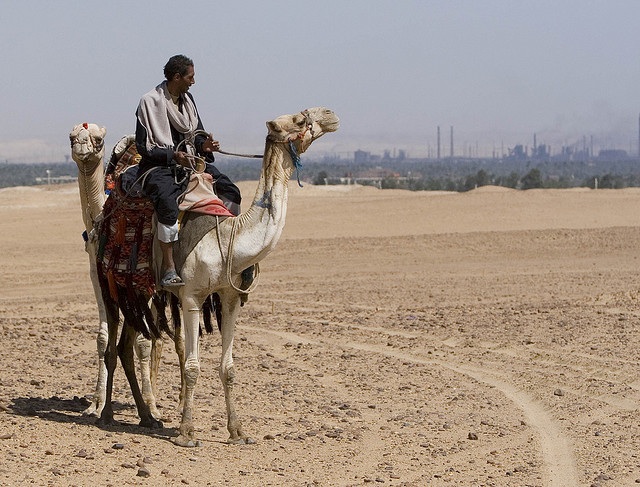
middle east camel climate changeAccording to a recent survey, Africa and the Middle East is the second region in the world that is most concerned about climate change

For those of us dealing with climate change and environmental issues in the Middle East, it can feel like the region is constantly playing catch-up to the rest of the developed world. Despite the Middle East’s growing environmental movement and important green groups in countries from Jordan to Iran, we still look to the high-status green campaigns and campaigners of America and Europe for inspiration.

However, a recent survey has found that whilst less than half (48%) of all Americans are concerned about global warming, around 80% of citizens in Africa and the Middle East worry about climate change. So in one aspect at least, the Middle East is leading the way.

Herpes in the Middle East

0

mother kiss child herpes

Expressions of affection, even natural ones from mother to child, are often the way herpes is spread from person to person.

From private organizations to the World Health Organization (WHO), the experts agree: regardless of region, sexually transmitted diseases (STDs) are a pressing reality that stress individuals, families and communities, and call upon public health officials to advance education, treatment and prevention of viruses and STDs.

What’s more, in the Middle East, where social mores are more conservative, rates of some STDs including one of the most common, herpes simplex, are not necessarily significantly lower than global averages. This is because the local population does not have the antibodies to fight STDs like herpes.

Raising awareness is an essential topic for environmentalists dedicated to improving health and wellbeing of residents in the region, because while there is no known cure, treatments are available, including natural remedies to minimize the discomfort of herpes.

Middle East Diet for Treating Herpes Naturally

However, before treatment can be effectively administered, diagnosis needs to occur. Getting people to test for herpes using an at home STD test or at their local clinic, is the primary challenge being faced.

According to the WHO, South-Asia and Sub-Sahara Africa have the highest rates of herpes infections (approximately 29% and 45% respectively), while in the MENA region, 8.6% of males and 9.6% of females test positive. These rates are roughly similar to what is seen in Western and Eastern Europe and North America, whereas places like Japan and Australia show significantly fewer cases of herpes infections.

Prevalence in Israel

The remainder of this article focuses on incidences in Israel, and follows up on our report of treating outbreaks naturally. For global and regional rates in women and men, we refer you to the WHO report.

Rates of herpes in Israel vary across region according to religious affiliation, gender, country of birth and age, among other demographics. According to one source, the seroprevalence (in the blood vs. an active outbreak) of HSV-1 in Israel is 59.8% and, “increases with age in both genders but the adolescent seroprevalence has been declining as in most industrialized nations.”

“An estimated 9.2% of Israeli adults are infected with HSV-2. Infection of either HSV-1 or HSV-2 is higher in females; HSV-2 seroprevalence reaches 20.5% in females in their 40s.

These values are similar to levels in HSV infection in Europe.”

That means that on average, one in five women living in Israel are infected with genital herpes. These rates are approximately three times higher in immigrants from the former Soviet Union, than among Israeli-born Jewish and Arab women.

That is because, “antibodies for HSV-1 or HSV-2 are also more likely to be found individuals born outside of Israel, and individuals residing in Jerusalem and Southern Israel; people of Jewish origin living in Israel are less likely to possess antibodies against herpes.”

It has also reported that three out of four individuals are asymptomatic: they test positive for the virus, but show no signs of infection, and can pass on the virus to sexual partners if they don’t use proper protection, such as a condom.

Read more sexual health news:

Treating Herpes Naturally

GM Foods Shrinking Sexual Health in a Womb Near You

Love Begins with L: New Condom Company

Middle East Diet for Treating Herpes Naturally

22

women with legs in the air

Certain foods common in Middle East diets are better at minimizing the symptoms of herpes, a sexually transmitted viral infection that causes painful lesions on the mouth and genitals.

Good news for ecosexuals looking for more natural ways to promote intimate wellbeing: promising research suggests that an herb indigenous to mainland Europe and Asia, known as Tansy, may provide natural relief for the symptoms of herpes. The joint research project between groups in Greenwich and Spain found that Tansy, a plant commonly known as Mugwort or Golden Buttons, has several compounds that may act as antioxidants.

Herpes Basics

Herpes is caused by either of two main viruses, herpes simplex 1 (HSV-1) and herpes simplex 2 (HSV-2). Most genital lesions are attributed to HSV-1, with HSV-2 causing most cases of oral (mouth and lips) lesions, though this is not always the case. Transmission of either virus occurs through the exchange of fluids during unprotected oral, genital or anal sex, and either virus has been found to cause outbreaks on the mouth, lips and genital-perineum region in men and women.

Oftentimes, an individual will be infected but never show an outbreak: such people are called carriers. In Israel, its been estimated that 78% of infected individuals are asymptomatic, meaning they test positive for HSV-1 or HSV-2, but have never developed any outward signs of infection. For more on herpes infection rates, read Prevalence of Herpes in the Middle East.

The most effective way to known whether you have herpes is to get a ‘serum’ test, something that needs to be ordered by a physician, to determine the presence of antibodies to the herpes virus in the blood.

Generally, women are more susceptible to infections than men because their reproductive systems provide a moist environment that allow for the easier transmission and spread of sexually transmitted diseases. Using certain types of condoms (latex for example) provide an excellent barrier method for preventing infections reported on a condom company, Love begins with L, an eco company that manufactures, sells and distributes eco-friendly condoms.

Science Daily.com reports on the value of antioxidants in treating skin lesions, such as those incurred during a herpes outbreak.

Herpes more common with HIV/AIDS

“Antioxidants are important for healing wounds and can be used to treat the skin eruptions and blister-like lesions or cold sores that are the symptoms of herpes.

“The drugs currently available to treat the disease like Zovirax are becoming less effective as the virus is developing resistance to them. Diseases such as genital herpes are also increasing due to immunosuppressive illnesses such as AIDS.”

Why Natural Research Matters

Such studies are timely for many reasons. As traditional medicines lose efficacy, and natural remedies gain in popularity, research into natural remedies are “proving the scientific basis for many traditional medicinal plants,” explained Dr. Solomon Habtemariam from the School of Science at the University of Greenwich at Medway, one of the lead researchers.

“We are now able to identify even more structurally complex natural products and those that are present in plants in minute concentrations with our state-of-the-art analytical facilities. In collaboration with our international partners, we are searching for novel antidiabetic, antimicrobial, anticancer, anti-inflammatory and neuroprotective agents from natural sources,” Dr. Habtemariam said.

Herpes Management Leads to the Mediterranean Diet

The bad news is that once someone has been infected with HSV-1 or HSV-2, there is no known ‘cure.’ The primary objective becomes two-fold: limit outbreaks and prevent transmission of the herpes virus.

For example, someone with a cold sore on their lips should avoid kissing anyone, particularly children, infants or other immunocompromised individuals, as in rare case, acute herpes infections have been known to be fatal.

It’s imperative that couples, even those in monogamous relationships, use a barrier method (such as condoms) when engaged in sexual activity, especially if one partner is infected. Even if no oral or genital lesions are noted, the virus can still be passed from one person to another.

Besides tansy, olive oil and tea tree oil may help sooth skin outbreaks.  Keep the skin dry, reduce stress, and avoid artificial sweeteners such as aspartame which have been linked to increased numbers of outbreaks (possibly because of lower immune system response).

Finally, diets high in lysine and low in arginine, both common amino acids, may help some sufferers. In some drug stores in the western east it is possible to buy amino acids like lysine (try lysine on Amazon – it may deliver to your state or country) and of course the ideal way to avoid arginine is to not eat it in your foods.

We tried to buy lysine Canada but the pharmacist said they don’t carry it.

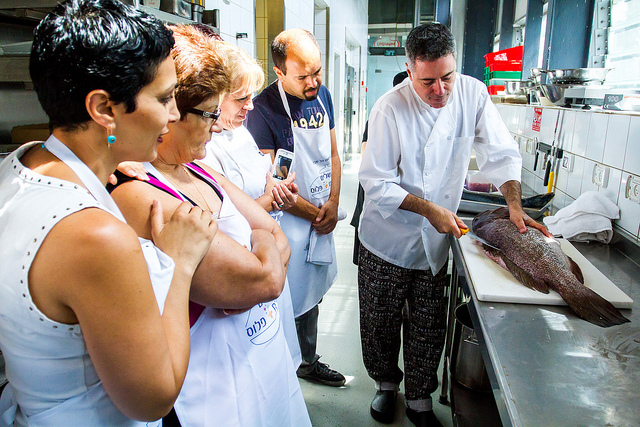
Typical Middle East foods to suppress a herpes outbreak include:
open restaurants tel aviv

Meat and fish

  • fish
  • chicken
  • beef
  • lamb

Dairy-based products

Seafood

    • oysters
    • shrimp
    • snails

Plant-based sources of lysine:

    • avocados
    • apricots
    • mangoes
    • beets
    • leeks
    • tomatoes
    • pears
    • green and red peppers
    • potatoes

Legumes

  • soy-based products like:
    • tempeh
    • tofu
    • soybeans
    • soy milk
  • beans, including:
    • kidney beans
    • navy beans
    • black beans
  • chickpeas and hummus
  • lentils
  • edamame

Nuts, seeds, and grains

  • pumpkin seeds
  • pistachios
  • cashews
  • macadamia nuts

Grains aren’t usually rich in lysine but there are some exceptions — and they happen to be great for you, and include:

  • quinoa
  • amaranth
  • buckwheat
  • seitan

Food to avoid if you have herpes virus

  • chocolate
  • coconut
  • oats
  • whole wheat
  • white flour
  • peanuts
  • soybeans
  • wheat germ
  • aspartame

Read more sexual health news:
Love Begins with L: New Condom Company
Fundamentals of Ecosexuality


Bahrain Gives a $4 Million Post-Ramadan Gift to Famine-Struck Somalia

2

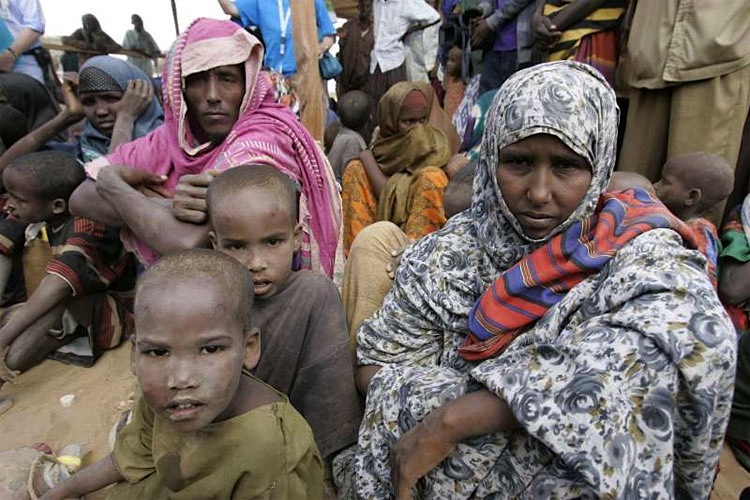
famine, drought, UN, Bahrain, Somalia, Horn of AfricaAlthough Ramadan is now officially over, Bahrain’s Information Affairs Agency (IAA) raised $4 million for famine-struck Somalis in keeping with their “religious, moral, and patriotic duty.”

The Horn of Africa famine has already claimed 29,000 children under the age of five and shows no signs of abating. The images of emaciated babies with bones piercing through their skin and horror-struck mothers who have no choice but to abandon their lifeless children on the side of dusty roads are perhaps too difficult for most people to see. Avoiding the unspeakable seems human enough, but Bahrain’s Information Affairs Agency (IAA) could not continue to look away from the people in Ethiopia, Kenya, and Somalia who stare down death every day. 

Life Is a Spontaneous Picnic With the Picnic Dress

10

"spontaneous picnic dress"Find a good spot and plop down in your picnic dress for an impromptu meal on the grass.

Picnics are great because they allow us to appreciate the great outdoors (sometimes motivating us to take more efforts to protect it).  But sometimes picnics are not so great because they result in picnic littering, or the use of non-biodegradable plastic plates and silverware, or excess garbage in general.  The Buttercup picnic dress, though, from the Israeli designers at Reddish Studio (the same team that brought us the bath tub chair and the upcycled candlestick menorah) solves these problems with a design that allows you to plop down, have a picnic, and get up leaving no litter behind.

Turkey Avoiding Greenhouse Gas-Reduction Despite Rapid Increases in Emissions, New Report Finds

54

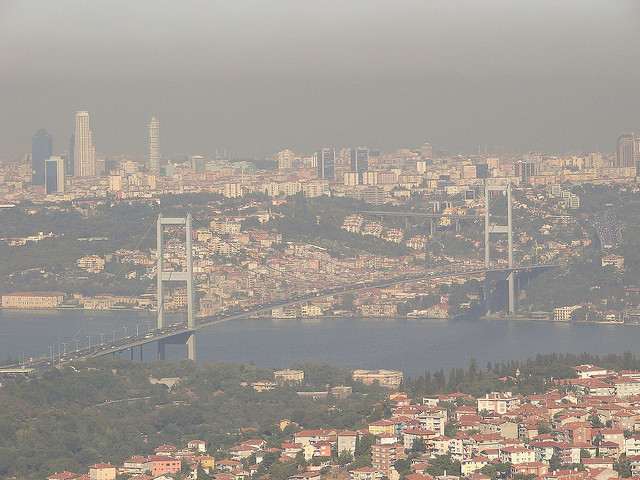
Greenhouse gas emissions from Turkey don’t just pose an abstract, future threat to the country — the same gases that contribute to climate change periodically envelop Istanbul in smog.

Turkey’s greenhouse gas (GHG) emissions have increased by a whopping 98 percent in the last two decades, from 187 million tons of CO2 equivalent in 1990 to 370 million in 2009. That’s not as bad as India or China, where GHG emissions increased by 152 and 186 percent, respectively, in the same time period. But it’s a lot worse than the United States, where the increase was only 6 percent — or every country in the European Union, for that matter, where greenhouse gas emissions have all decreased since 1990.

What’s more, the Turkish government has resisted any binding solution to its skyrocketing GHG-emission rate. That, at least, is the conclusion of a new report by Bahçeşehir University Center for Economic and Social Research (BETAM) Research Fellow Barış Gençer Baykan.

Pomegranates are a natural aphrodisiac

1

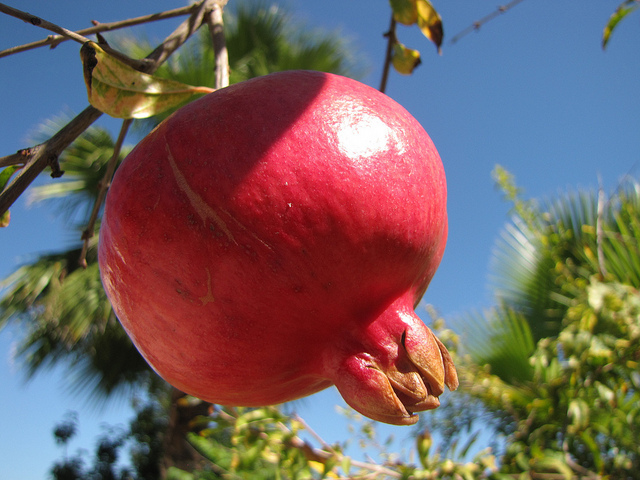
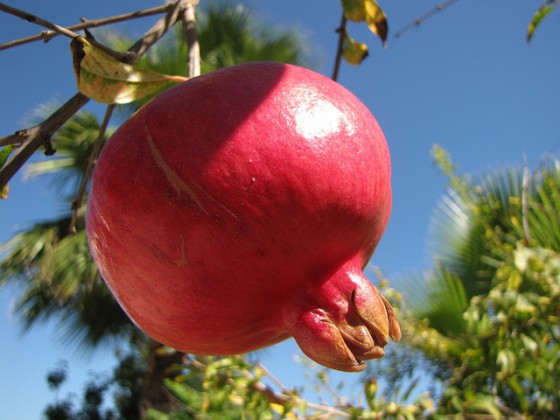
pomegranate middle east aphrodisiacPomegranates are enjoying a resurgence in popularity around the globe, in part because they are nutritious as well as deserving of their reputation as a food to put you in the mood.
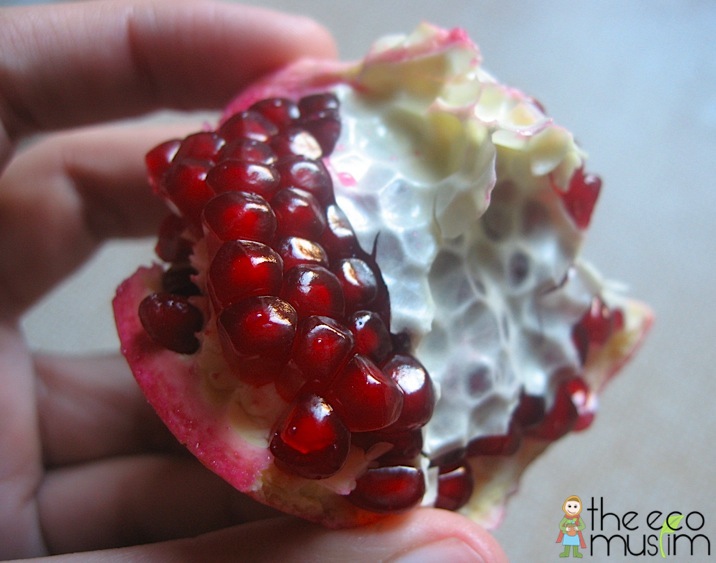

This time of year, Mediterranean landscapes display the ripening fruits of the fall harvest season. Few are as impressive as the grand dame of them all, the pomegranate. Native to Persia, endemic to the Middle East, and a central symbol to the Jewish New Year, pomegranates embody the essence of mythological and religious lore.

They are also a potentially potent aphrodisiac, a delicious and elegant addition to those who want to eat well and make love sustainably.

Symbolic Food

Few fruits besides the pomegranate have made such a lasting impression as a symbol of hope and eternal life. Jews recognize this ruby jewel as one of the first fruits of the autumn harvest season, and eat it during the high holidays.

In Greek mythology, Hades, the god of the underworld is said to have seduced the goddess of fertility, Persephone, with pomegranate seeds. And while the apple usually takes the blame for humanity’s fall from grace, some biblical scholars have suggested that the forbidden fruit of the Bible wasn’t an apple, but the red beauty known as rimon in Hebrew.

Health Basics

pomegranate seeds

Pomegranate seeds are delicious and nutritious (Please note, the roots and tree bark are considered herbal medicines too, but should only be administered by a trained professional).

Rich in antioxidants, a 100-gram serving of the seeds provides a healthy boost from the B-vitamins (thiamine, riboflavin, niacin, B5, B6 and folate), vitamin C, dietary fiber, magnesium, phosphorus, potassium and zinc. They also offer micronutrients such as polyphenols, specifically tannins and flavonoids.

This means that from Alzheimer’s disease (eating them with olive oil!) to fertility, to cancer prevention and cardiovascular health, pomegranates are rightly hailed as a mega go-to food both in conventional medical circles, as well as in ancient and holistic modalities.

For example, the ancient Ayurvedic system uses pomegranate to treat diarrhea and intestinal parasites. The juice is astringent and a tonic for the heart and throat.

Sexual Health

A woman’s fertility benefits from adequate levels of vitamin C and the B-vitamins, as does proper fetal development.  A 100 ml serving of pomegranate juice provides up to 16% of an adults daily Vitamin C needs. Folate is particularly important to prevent certain birth defects, most notably fatal or debilitating neural tube deformities of the spinal cord.

Magnesium improves premenstrual symptoms, and zinc is critical for a man’s sexual performance.

Does this make them an aphrodisiac? The answer depends on our understanding of what an aphrodisiac is. For example, viewed from a cardiovascular or reproductive health point of view, the answer is affirmative.

Foods that maintain and improve our heart health, necessary to enjoy the full range of sexual pleasures, particularly for men, are sex-positive edibles.

A popular cookbook that helped launch our modern fascination with foods that help you go hump in the night, Intercourses, points out that aphrodisiacs don’t always work by increasing staying power or interest in sex; sometimes the suggestive nature of certain foods warms the hearth.

No matter what your thoughts are on the authenticity of aphrodisiacs, these ruby jewels of the Middle East add a colorful splash to many traditional Persian, Arabic, Jewish and Mediterranean dishes. Adorn your salads and rice dishes with the kernels, or use the juice to add zest to your dressings, beverages and sauces.  (Greenprophet.com offers several pomegranate recipes for those who want to add some crimson color to their foods.) Here are simple instructions to deseed pomegranates, compliments of eatsomethingsexy.com:

Score the rind in several places and soak the fruit in a bowl of water. Then rip the flesh apart with your fingers and loosen the membranes, freeing the seeds into the bowl. Alternatively, break off a section of the whole, ripe fruit and tap the rind side with a spoon, coaxing the seeds to fly loose into an empty bowl.

Read more aphrodisiac and sexual health news:

Natural Herbs for Breast Health and Enhancement

Four Reasons to Eat Pomegranates During the New Year

World’s Most Expensive Spicy Aphrodisiac: It Really Works!

Saffron is a natural aphrodisiac

Pomegranate in the Quran


Big Brother? Masdar Monitors Student Energy & Water Consumption

0

energy conservation, Masdar city, water conservation, smart-gridA one-year investigation by  researchers will hopefully reveal what incentives are most likely to encourage energy and water conservation among Masdar’s student body.

There’s nothing sinister about it really. Masdar City in Abu Dhabi is aiming for carbon neutrality in an unforgivingly hot and dry environment teeming with young students. Naturally these twenty-somethings – among the world’s brightest – will strive to achieve the maximum amount of comfort in their spaceship home away from home even as they are participating in one of the most expensive carbon-less experiments on the planet. But now they are being watched! In an effort to understand what incentives and stimuli drive students to switch their lights and taps on or off, Masdar will track their energy and water consumption over the next year. 

Car Bodies and Windows As Solar Energy Panels to Recharge Lithium Batteries?

8

lithium solar batteries for electric carsWhat would you call solar panels if attached to this Tesla S2 sports coupe: spoilers?

One of the more challenging aspects of developing electrics is finding ways to extend the cruising range of electric cars, which are anywhere from 40 to 160 kilometers on a single charge. Companies dealing with the technologies involved in producing electric cars and the lithium ion battery systems used to power them, include those like Better Place, who recently entered into a partnership with the GE electricity  appliances giant in order to further improve the infrastructure needed for the public use of electric cars. Some electric car manufacturing companies, such as Tesla Motors, even claim that their high price electric sports models are capable of achieving cruising ranges of 160 miles or 257 km.

Police Beat, Tie-Up, and Fire On Citizens Protesting Dying Ramsar Protected Lake in Iran

2

environmental activism, Lake Urmia, Iran,

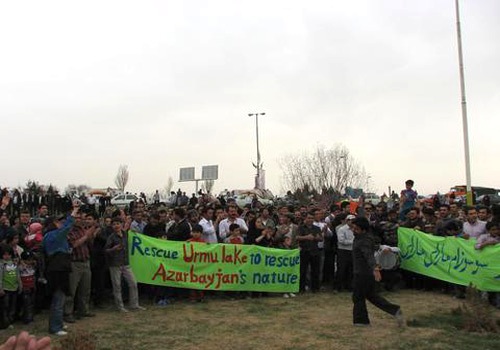
Police violently repressed activists protesting the nearly irreversible damage done to the Middle East’s largest salt lake over the weekend. This image was taken of a protest earlier this year.

Like a chain of dominos, citizen protests are erupting everywhere: following the Tunisian and Egyptian revolutions catalyzed in part by skyrocketing food prices, political protests have swept throughout the Arab world. But it hasn’t stopped there, and not all battles are political.

In Jordan, ordinary people are protesting government plans to include nuclear power in its arsenal of energy sources, while in the United States, Bill McKibben and other well-respected community members, including Jim Hansen from NASA, have been arrested for marching against the Keystone XL Pipeline –  a carbon bomb that climatologists say would officially end the battle against climate change (humanity 0 vs. climate change 7 billion). But none of these latter environmental events has garnered such an extreme response as the Lake Orumiyeh protests in Iran, where bloggers report that people are being arrested, beaten, and in some cases tied to trees for protesting the slow death of the world’s second largest salt lake.

environmental degradation, Lake Urmia, Iran, Salt Lake, protestors

Dried up Mecca

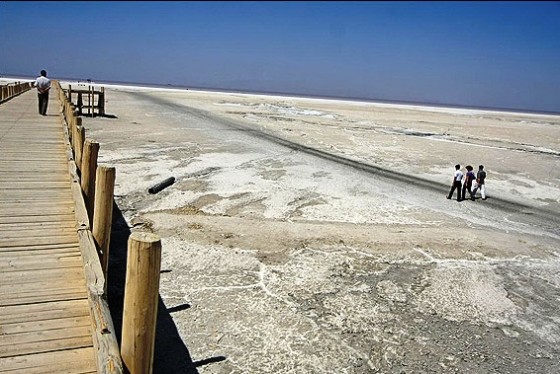
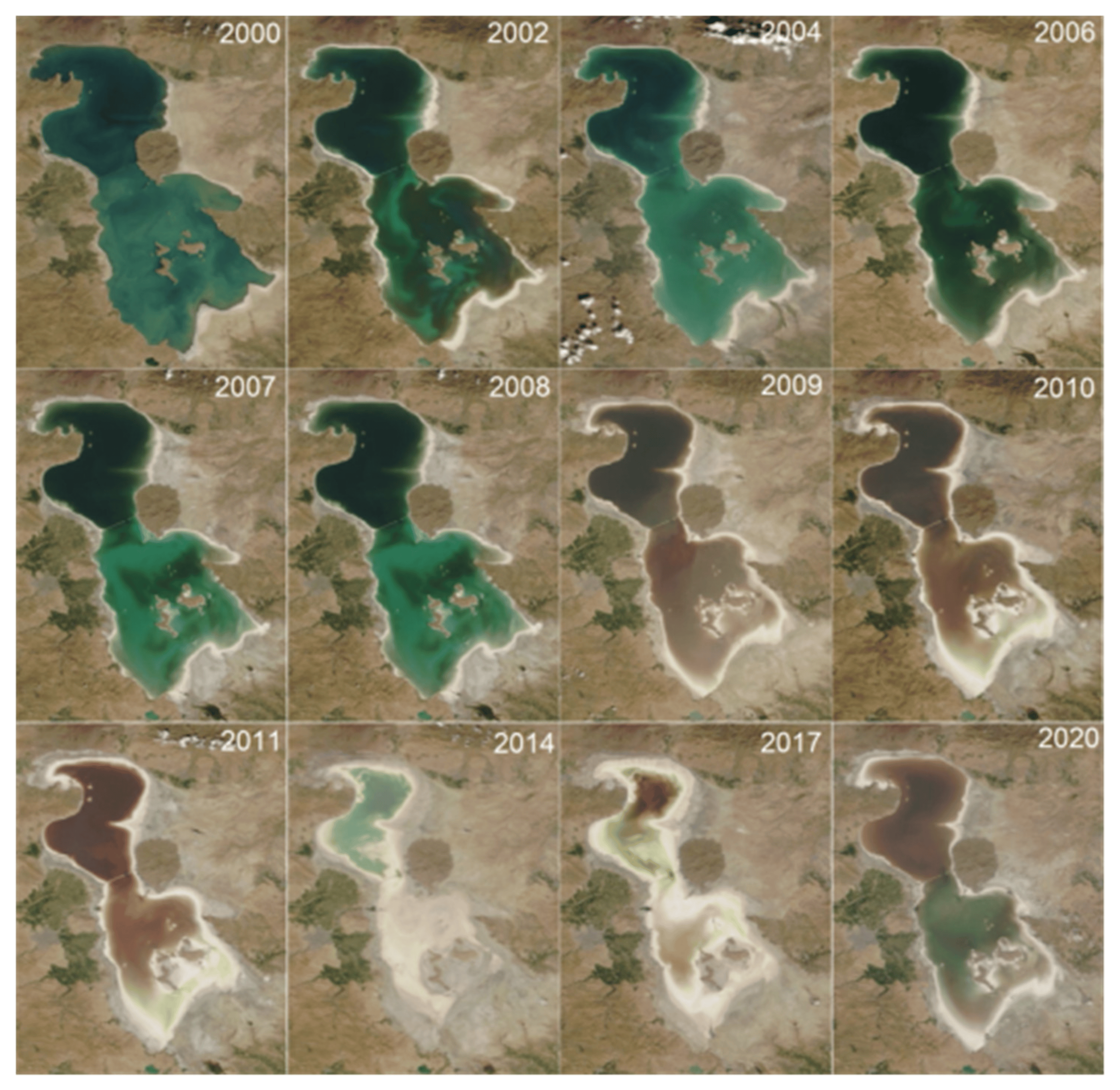
In part because of drought and in part because of poorly managed dam construction and irrigation projects, Lake Orumiyeh or Urmia in Northwestern Iran has shrunk to roughly 60% of its original size. Once a mecca for flamingos and other wildlife, the dying lake now more closely resembles a dusty moonscape.

Residents in Azerbaijan that rely on the Ramsar protected site for their sustenance claim that Revolutionary Guards are responsible for shrinking lake levels and the subsequent rise in salinity and decrease in biodiversity. Global Voices claims that if Lake Urmia dries up completely, millions of people will have to settle elsewhere.

Authorities get dirty

Lake Urmia according to NASA, over time

Spurred on by these concerns, thousands of protestors spilled into the streets of Tabriz and Urmia last weekend in order to put pressure on the government to step up conservation efforts. But eyewitnesses report that protests quickly took an ominous turn.

According to one blogger, Urmuiscielli, policemen beat and arrested protestors, some of whom were tied to trees.

Although the police crackdown was censored in the mainstream Iranian press, Iran’s Independent Press picked up the story, and the blogosphere was populated by video footage and calls for other citizens to support Azeri activists and re-launch anti-regime demonstrations.

Crimes against humanity

If taken seriously, the increase of environmentally-themed disputes between citizens and their governments, even in the Middle East, could spur a whole new era of accountability measures. Protestors who show little willingness to compromise until real action is taken have the power to disrupt the smooth functioning of society to such an extent that governments (a la Egypt) will have no choice but to instill effect change.

And eventually, when environmental degradation is unequivocally linked to an increase in environmental refugees, green-minded lawmakers such as Polly Higgins, who has been campaigning the United Nations to make Ecocide a crime against humanity, will be better poised for success.

Of course, none of this will happen in Iran anytime soon given that country’s oppressive regime and appalling environmental record, even though these protests show an increasingly emboldened (or desperate?) populace.

:: Global Voices

More on Iranian Environmental Issues:

Saltier than the Dead Sea, Lake Orumiyeh is in Trouble

Iran Lacks Water Planning

Iran and Qatar Align to Help the Environment

Greek Cyprus Fearful Over Offshore Gas Well Drilling

15

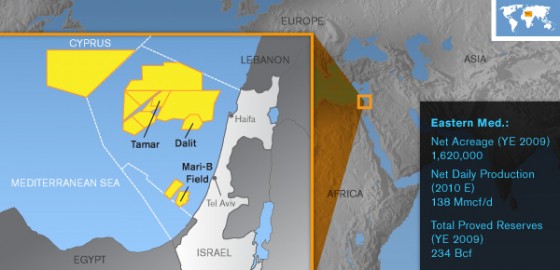
cyprus gasMap showing disputed Cyprus underwater gas fields, as well as those being contested by Israel and Lebanon

Undersea drilling for natural gas by the Greek Cypriot government now appears to be more problematic than just their fears of disturbing the undersea environment or undersea territorial claims by regional countries like Israel and Lebanon. Cypriot’s “neighbor,” the Turkish-occupied and controlled Northern Cyprus, is now giving more than just “veiled threats” according to two regional news sources, Cyprus News Report, and Turkey’s Hurriyet News Company. Will the next Middle East war be over water or natural gas?

Google Maps To Bring Virtual Eco-Tourists to Israel

6

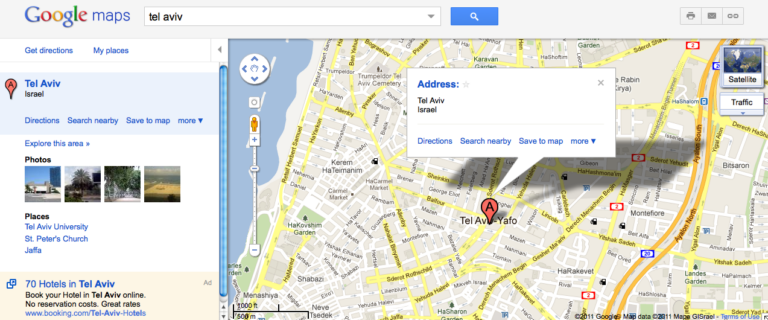
"tel aviv google map"Soon virtual tourists will be able to view images of Israel via Google street view, reducing the need to get on a carbon-emitting airplane.

Google, our modern-day cartographers, have been discovering new ways to map out the world since 2007 when they came out with Google Maps.  One of the ways in which they’ve created their online globe is through ‘Street View’, a set of photographic images that gives you an actual 360 degree view of the address you have entered.  When you search for an address on Google Maps and use the Street View feature, with a little imagination you can pretend as if you’re in that location and walk the streets, take in the sites, and look up at the sky.  Israel, together with several other countries, has objected to the potential loss of privacy that Google Street View creates, and has not allowed the company’s photography crews to document the country.

But now, Israel is allowing Google to operate its Street View feature, enabling locals to get better directions and foreigners to explore the country in new ways without getting on an environmentally polluting airplane.