Before promoting sustainability progress, companies must ensure their initiatives are genuine and measurable. Today’s audiences are increasingly skeptical of vague environmental claims, particularly as awareness of “greenwashing” has grown.
Sydney is best known for the Opera House and the Harbour Bridge. If you’re looking to enjoy dinner with views of these landmarks, here are some great options.
It's sea turtles which may in the end save islands in the Seychelles. They may also better help us understand climate change. Like rings on a tree, scientists have found a way to read sea turtle shells and how they are impacted by climate change tells a story.
For centuries, the Sámi shaman drum was one of the most powerful sacred objects in northern Europe, and one of the most feared by church and state. If ISIS looks bad to us today for its religious fundamentalism, Christians were just as fervent.
Before promoting sustainability progress, companies must ensure their initiatives are genuine and measurable. Today’s audiences are increasingly skeptical of vague environmental claims, particularly as awareness of “greenwashing” has grown.
Sydney is best known for the Opera House and the Harbour Bridge. If you’re looking to enjoy dinner with views of these landmarks, here are some great options.
It's sea turtles which may in the end save islands in the Seychelles. They may also better help us understand climate change. Like rings on a tree, scientists have found a way to read sea turtle shells and how they are impacted by climate change tells a story.
For centuries, the Sámi shaman drum was one of the most powerful sacred objects in northern Europe, and one of the most feared by church and state. If ISIS looks bad to us today for its religious fundamentalism, Christians were just as fervent.
Before promoting sustainability progress, companies must ensure their initiatives are genuine and measurable. Today’s audiences are increasingly skeptical of vague environmental claims, particularly as awareness of “greenwashing” has grown.
Sydney is best known for the Opera House and the Harbour Bridge. If you’re looking to enjoy dinner with views of these landmarks, here are some great options.
It's sea turtles which may in the end save islands in the Seychelles. They may also better help us understand climate change. Like rings on a tree, scientists have found a way to read sea turtle shells and how they are impacted by climate change tells a story.
For centuries, the Sámi shaman drum was one of the most powerful sacred objects in northern Europe, and one of the most feared by church and state. If ISIS looks bad to us today for its religious fundamentalism, Christians were just as fervent.
Before promoting sustainability progress, companies must ensure their initiatives are genuine and measurable. Today’s audiences are increasingly skeptical of vague environmental claims, particularly as awareness of “greenwashing” has grown.
Sydney is best known for the Opera House and the Harbour Bridge. If you’re looking to enjoy dinner with views of these landmarks, here are some great options.
It's sea turtles which may in the end save islands in the Seychelles. They may also better help us understand climate change. Like rings on a tree, scientists have found a way to read sea turtle shells and how they are impacted by climate change tells a story.
For centuries, the Sámi shaman drum was one of the most powerful sacred objects in northern Europe, and one of the most feared by church and state. If ISIS looks bad to us today for its religious fundamentalism, Christians were just as fervent.
Before promoting sustainability progress, companies must ensure their initiatives are genuine and measurable. Today’s audiences are increasingly skeptical of vague environmental claims, particularly as awareness of “greenwashing” has grown.
Sydney is best known for the Opera House and the Harbour Bridge. If you’re looking to enjoy dinner with views of these landmarks, here are some great options.
It's sea turtles which may in the end save islands in the Seychelles. They may also better help us understand climate change. Like rings on a tree, scientists have found a way to read sea turtle shells and how they are impacted by climate change tells a story.
For centuries, the Sámi shaman drum was one of the most powerful sacred objects in northern Europe, and one of the most feared by church and state. If ISIS looks bad to us today for its religious fundamentalism, Christians were just as fervent.
Before promoting sustainability progress, companies must ensure their initiatives are genuine and measurable. Today’s audiences are increasingly skeptical of vague environmental claims, particularly as awareness of “greenwashing” has grown.
Sydney is best known for the Opera House and the Harbour Bridge. If you’re looking to enjoy dinner with views of these landmarks, here are some great options.
It's sea turtles which may in the end save islands in the Seychelles. They may also better help us understand climate change. Like rings on a tree, scientists have found a way to read sea turtle shells and how they are impacted by climate change tells a story.
For centuries, the Sámi shaman drum was one of the most powerful sacred objects in northern Europe, and one of the most feared by church and state. If ISIS looks bad to us today for its religious fundamentalism, Christians were just as fervent.
Before promoting sustainability progress, companies must ensure their initiatives are genuine and measurable. Today’s audiences are increasingly skeptical of vague environmental claims, particularly as awareness of “greenwashing” has grown.
Sydney is best known for the Opera House and the Harbour Bridge. If you’re looking to enjoy dinner with views of these landmarks, here are some great options.
It's sea turtles which may in the end save islands in the Seychelles. They may also better help us understand climate change. Like rings on a tree, scientists have found a way to read sea turtle shells and how they are impacted by climate change tells a story.
For centuries, the Sámi shaman drum was one of the most powerful sacred objects in northern Europe, and one of the most feared by church and state. If ISIS looks bad to us today for its religious fundamentalism, Christians were just as fervent.
Before promoting sustainability progress, companies must ensure their initiatives are genuine and measurable. Today’s audiences are increasingly skeptical of vague environmental claims, particularly as awareness of “greenwashing” has grown.
Sydney is best known for the Opera House and the Harbour Bridge. If you’re looking to enjoy dinner with views of these landmarks, here are some great options.
It's sea turtles which may in the end save islands in the Seychelles. They may also better help us understand climate change. Like rings on a tree, scientists have found a way to read sea turtle shells and how they are impacted by climate change tells a story.
For centuries, the Sámi shaman drum was one of the most powerful sacred objects in northern Europe, and one of the most feared by church and state. If ISIS looks bad to us today for its religious fundamentalism, Christians were just as fervent.
“The problem is bigger than just the smoke we’re inhaling.”
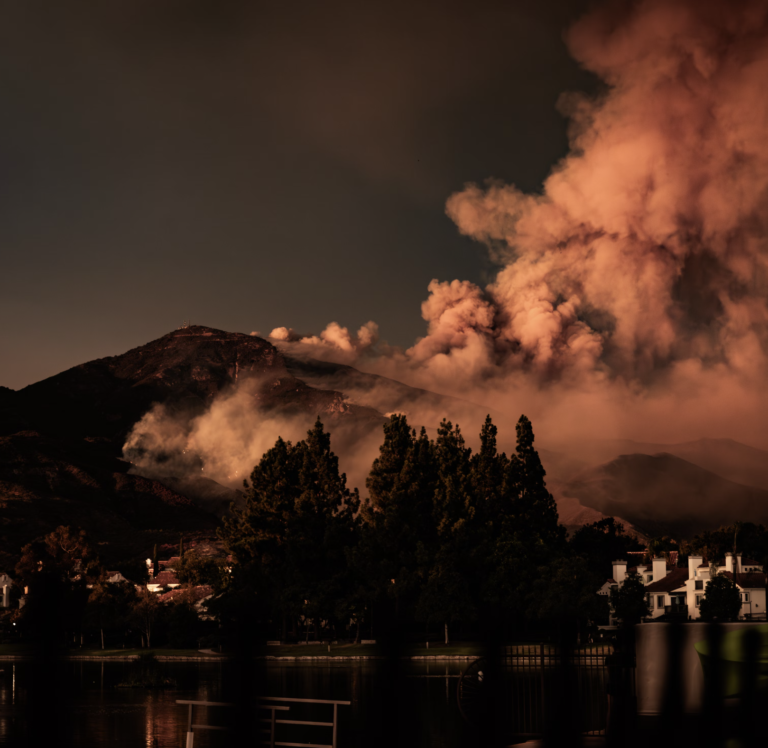
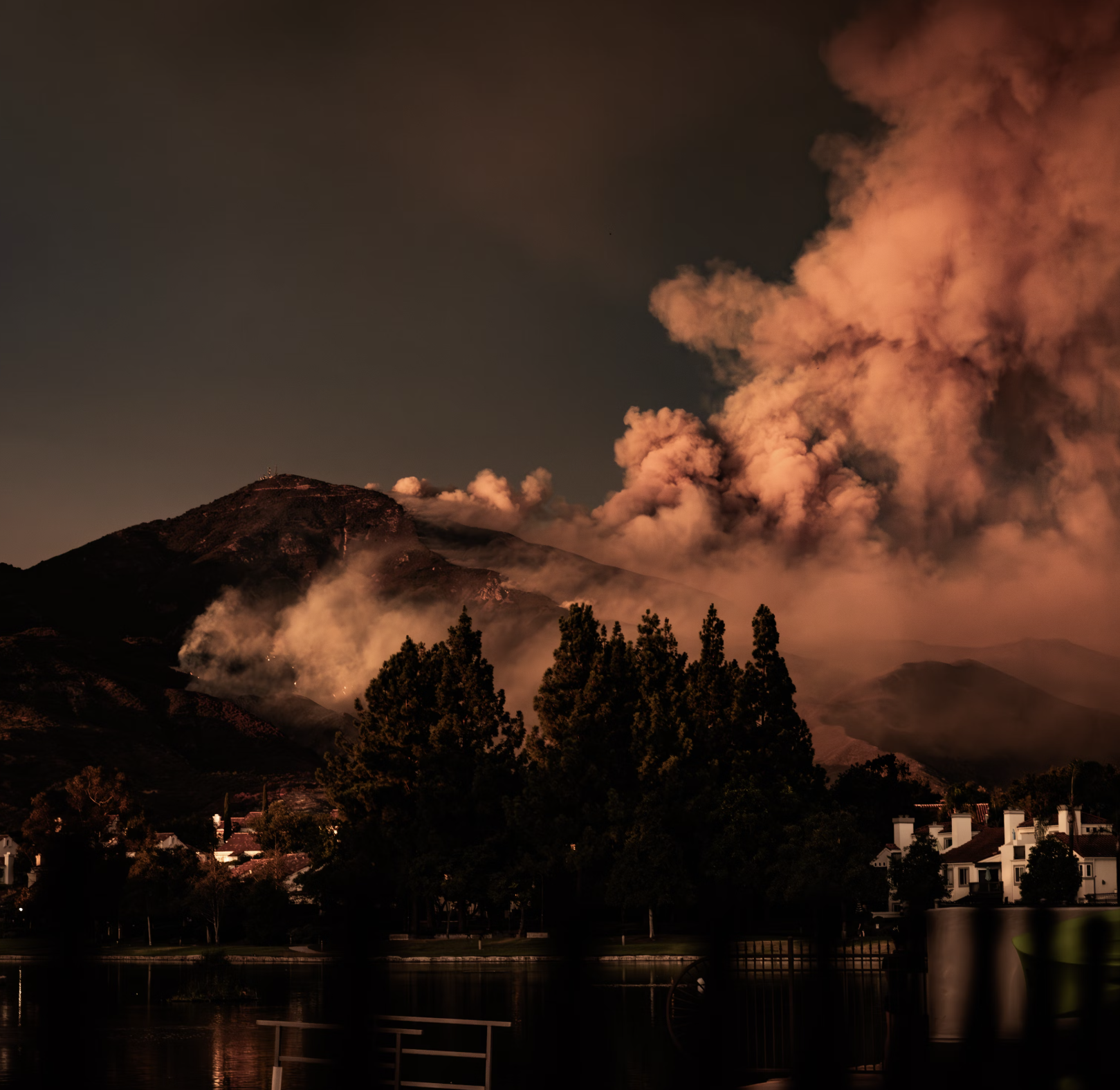
WVU toxicologist Timothy Nurkiewicz said the January fires burning in the Los Angeles area will create air pollution that can reach hundreds of miles in distance.
As the deadly California fires persisted into a second week, a West Virginia University air quality expert said people within hundreds of miles may experience the effects.
Timothy Nurkiewicz, professor of the physiology, pharmacology and toxicology in the WVU School of Medicine, said he also believes that — beyond any immediate health concerns — a swift, thorough cleanup must occur to prevent lingering effects in the environment.
“The folks within a 10-mile radius are in the greatest peril. With extremely high air pollution resulting from the fires, even a healthy person may have irritation of the eyes and complications breathing. What we’re seeing in hospitals are people with asthmatic events and bronchitis.
Timothy Nurkiewicz, professor, Department of Physiology, Pharmacology and Toxicology, WVU School of Medicine
“For those with pre-existing conditions, cardiovascular diseases can be exacerbated after inhalation exposure to this smoke. That could mean symptoms such as elevated blood pressure and chest pain.
“What we’re seeing in Los Angeles is called a ‘wildland urban interface fire.’ This is different from a typical wildfire. In a wildland urban interface fire, you have housing and urban environments built up against and in the wildlands.
“Now we’re getting two different profiles of toxicants — one from the wildlands and one from the urban environment and its building materials. The frequency and intensity of these fires will continue to increase with ongoing development and building into the wildlands.
Nurkiewicz directs the Center for Inhalation Toxicology, a research hub for investigators to measure, identify and discover how air particles affect human health.
“It’s fair to estimate that the smoke will travel hundreds of miles away. But the smoke will be diluted down by the time it reaches mid-America,” he warns.
How can authorities and people help slow the damage?
“While everyone’s focused on the immediate effects, as they should be, there must be cleanup after the fire, says Nurkiewicz. “A smoke plume is going to cover a tremendous area and that smoke will settle into the environment we’re interacting with. It’s like cigarette smoke. If someone’s sitting in a room smoking cigarettes, it will settle onto surfaces. It’s the same thing with these fires. You can’t just leave all these ashes around and not have some sort of exposure.
“The problem is bigger than just the smoke we’re inhaling.”
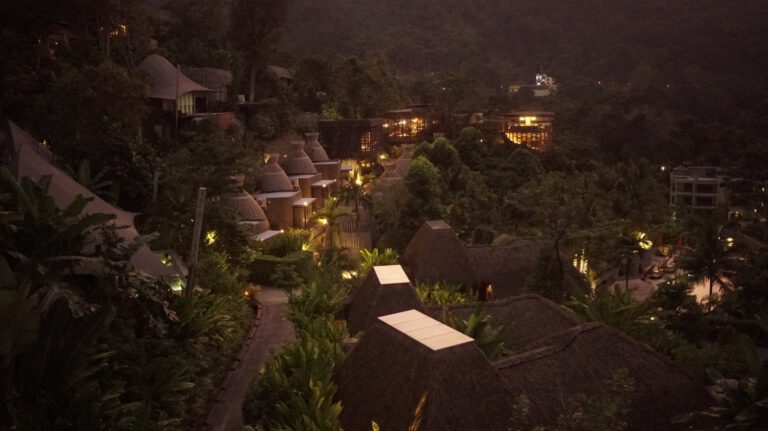
How do eco resorts like Keemalah get noticed? You can’t find them in the jungle but you can see this 5 star eco resort on social media. Image by Green Prophet
What do you use social media for? To chat with friends, share interesting facts, or read the news? Great, but these powered resources offer far more opportunities than just entertainment and casual interactions. These platforms have become essential tools for developing professional pages, expanding businesses, and generating new orders. Having a strong presence is no longer optional for companies—it’s mandatory. Your clients are already online, scrolling through their feeds, searching for solutions, and engaging with brands.
But not every brand succeeds in standing out. Some struggle to attract buyers, some fail to compete effectively, and others simply don’t know how to interact with their subs. While the reasons for failure may vary, one thing is clear: achieving success requires a solid strategy. Whether through creative content, audience connecting, or leveraging services like Viplikesto purchase important interactions such as followers or comments, you can position your eco-business for growth. In this article, we’ll explore one paid and two free methods to make your eco-brand flourish.
Content Optimization (Free)
Creating amazing content is essential, but it’s wasted effort if users don’t see it. That’s where optimization comes in. Hashtags are one of the simplest tools you can use to make your posts discoverable by your target audience. However, using too many hashtags can backfire, making your content look spammy or desperate.
The key is to focus on quality over quantity. Choose 2–3 highly relevant hashtags for each post, ensuring they align with your audience’s interests and your niche. For example, if your company focuses on sustainable packaging, hashtags like #Sustainability, #EcoFriendly, and #GreenLiving can be effective.
To maximize results, conduct research to identify the hashtags that resonate best with your audience. Test different combinations, track their performance, and refine a strategy over time.
Connect with Users (Free)
Sites thrive on interaction. Entrepreneurs that actively engage with potential buyers build stronger relationships, foster trust, and generate loyalty. Start by responding to comments on your posts, thanking users for mentioning your brand, and answering their questions. These small actions show that you value your audience’s input and care about their opinions.
Additionally, take the initiative to engage on other profiles. For example, if someone posts, “Does anyone know a good eco-friendly product brand?” don’t hesitate to join the conversation. Share your expertise, suggest your brand, and connect with clients.
Investing in Your Page (Paid)
The rapid growth of marketing has given rise to various services designed to help succeed online. One of the most working strategies for accelerating your growth is using sites to purchase targeted boosts for the company’s page.
For instance, if you frequently post links to your website or products, buying instant link clicks can significantly increase traffic. Similarly, you can purchase subs, likes, comments, and shares to enhance your profile’s credibility. These metrics make your page look more established and trustworthy, encouraging organic subs to interact with your posts.
In 2025, investing in such services is a cost-effective way to stay ahead of the competition. Even a modest advertising budget can yield substantial results. For eco-businesses, where building trust and showcasing authenticity are crucial, these paid boosts can provide the foundation for long-term success. By using Viplikes, you can focus on creating meaningful content while letting strategic investments handle the initial growth phase.
Brilliant engagement isn’t just about replying to comments—it’s about creating a community around your brand. Encourage your potential clients to share their stories, post testimonials, and participate in challenges or giveaways. This organic interaction not only strengthens your online presence but also amplifies your reach through word-of-mouth marketing.
When it comes to travel and holidays many people today focus on sustainability. This has become a new norm for travellers who care about the planet and want to make sure that they can reduce their carbon footprint. Various countries today are equally committed to this cause and want to provide travellers with better sustainable options.
Southeast Asia offers a wide range of beautiful landscapes, vibrant cultures, and unparalleled hospitality. However, many countries have risen to the occasion blending eco-conscious practices with luxury and charm. Today you will find a variety of destinations in Southeast Asia that offer eco-resorts and other sustainable practices for eco-conscious travelers.
With Experience Travel Group you can tour some of the leading destinations in Southeast Asia that follow sustainability practices and offer you the best eco-friendly accommodations.
Bali, Indonesia
One of the top destinations leading sustainability practices in Southeast Asia is Bali, Indonesia. Hence, if you are an eco-conscious traveller you would want to look out for the best eco-resorts in Bali that can offer you amazing holiday experiences.
Bali’s natural beauty and spiritual culture ensure that you can make the most of the moments even when you are staying in these eco-friendly accommodations. Various luxury and affordable hotels and resorts in Bali make use of renewable materials and support local artisans to thrive in the local economy.
Also, travellers can look out for a range of outdoor activities like trekking Mount Agung in Bali which ensures you can focus on environment-friendly activities. Bali is also committed to banning single-use plastics and has introduced concepts like zero-waste restaurants that help keep the environment clean.
Chiang Mai, Thailand
When you are thinking of holidays in Southeast Asia, Thailand is one of the top choices known for its pristine beaches and sumptuous cuisine. However, Thailand’s Chiang Mai has now become a hub for sustainable tourism.
This small town known for its serene temples and vibrant markets has attracted travellers from around the world for its sustainability practices. There are plenty of things to do in Chiang Mai that would keep you busy and offer the best experiences.
The city heavily promotes eco-friendly initiatives that also prioritize animal welfare. With a lot of focus on organic cafes, diners and support for local artisans, Chiang Mai is one of the leading cities in Thailand that is making genuine efforts to reduce its environmental footprint.
Luang Prabang, Laos
Over the years, Laos has become one of the popular destinations in Southeast Asia for those who want to relax and unwind. With its laidback vibe and serene temples, Luang Prabang has become one of the top spots for sustainable tourism in Southeast Asia.
Nestled between lush mountains and the Mekong River, Luang Prabang is a UNESCO World Heritage site attracting travellers from all over the world. However, the city has made further strides by introducing more eco-friendly lodges that make use of renewable and natural materials.
This blends perfectly with the natural landscape the city has to offer. Visitors can enjoy various walking tours, bicycle tours and even sustainable river cruises that allow them to explore the natural landscape of the city. The city has also been striving to promote local artisans through vibrant night markets.
Singapore
If you are looking for a luxurious urban escape, Singapore is a great choice, especially in the Southeast Asia region. The city-state is known for its cutting-edge architecture that blends itself into the lush green landscape.
Although Singapore is a bustling metropolis it is also a model for sustainable urban living and has green spaces like Gardens by the Bay and Marina Barrage that are made with the environment in mind. Apart from these, various must-see attractions in Singapore run on solar energy.
While you are in Singapore you can choose to stay at various eco-certified hotels, you can enjoy dining experiences that prioritize locally sourced ingredients and allow you to enjoy all the luxuries without harming Mother Nature.
Hoi An, Vietnam
Vietnam has quickly become one of the popular destinations in Southeast Asia. While the charming lantern-lit streets of Hoi An offer a sustainable touch to this place, there are many ways in which Hoi An promotes eco-tourism attracting more tourists from all over the world.
As more environment-conscious travellers travel to Hoi An, the popularity of this place has been increasing. To promote sustainable tourism, Hoi An is pushing initiatives like organic farming tours, bicycle tours, and walking tours.
Various hotels and resorts today make use of renewable and natural materials that attract eco-friendly travellers. Also, these resorts promote workshops on traditional crafts that support local livelihoods.
Ubud, Indonesia
Known as Bali’s cultural heart, Ubud is ideal for those who love lush greenery and a quiet environment. Overlooking the rice fields, visitors can stay in bamboo villas and resorts that replicate nature’s designs.
Visitors can also interact with local artisans at sustainable markets and indulge in organic meals made from locally sourced ingredients. The town is also known for its eco-friendly cafes where travellers can unwind and make the most of their time. With plenty of nature and sustainable practices, Ubud is a holistic destination in Southeast Asia.
Phnom Penh, Cambodia
With its rich history and plenty of ancient sites to discover, Cambodia is a hot favourite with history buffs and those who prefer eco-friendly destinations in Southeast Asia. With plenty of eco-friendly lodges in Phnom Penh, travellers can make the most of their holidays in Cambodia.
The city has also been promoting local workshops and activities that support local communities. Visitors can also enjoy cultural tours that focus on Khmer traditions, dine at restaurants that train underprivileged youth and shop at various markets that support local sustainable products. Travelers can also explore various parts of the city with walking and bicycle tours.
Koh Samui, Thailand
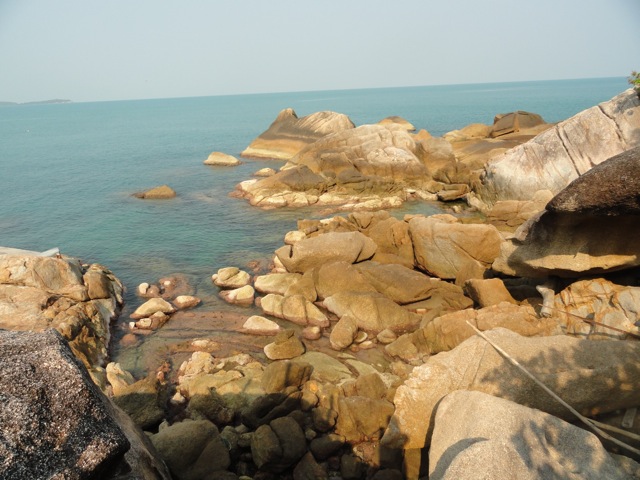
Kala Beach on Koh Samui
While Koh Samui is known as a luxury destination in Thailand it also attracts travelers who prefer sustainable tourism. The island has been promoting green initiatives like the use of renewable energy and materials in various resorts and hotels.
This attracts people from various corners of the globe who prefer eco-friendly tourism. Travelers can participate in various coral restoration projects, and ethical diving practices and enjoy locally-sourced cuisine.
With a growing demand for sustainable tourism and destinations, Koh Samui has become one of the top choices in Southeast Asia.
Siargao, Philippines
If you are a surfing enthusiast, Siargao in the Philippines is a haven for eco-tourism. The island has been promoting sustainable tourism via various green initiatives like waste reduction and the protection of natural resources.
The island has also been promoting hotels and resorts that make use of renewable energy and materials. Various projects include mangrove reforestation and farm-to-table meals for travelers making it one of the destinations in Southeast Asia for sustainable tourism.
In November 2024, with the festive spirit on the horizon, Tempest Photography collected additional funds for its charity partner Raise Your Hands. The photography leader worked with local businesses in Cornwall, collecting prizes for a grand raffle and bake sale.
Tempest Photography’s Partnership With Raise Your Hands
Tempest Photography partnered with Raise Your Hands in 2024, offering to donate 5% of all monies when families purchase a charity photo pack. This product has proved popular with customers, whose orders are helping the photography experts support the philanthropic initiative.
In the 2024 holiday season, Tempest was keen to go the extra mile to support Raise Your Hands. It launched the raffle and bake sale, which raised £750. The raffle offered high-value prizes like hotel stays, afternoon cream teas, escape room experiences, and treat-packed hampers. Numerous people got involved, and the winners were delighted with their prizes.
About Raise Your Hands
Raise Your Hands provides essential financial support and advice to 16 small children’s charities. As the biggest 5% of charities receive 88% of funding, the non-profit organisation ensures that smaller charities also receive the funds they need to achieve their missions.
Whether they work to reduce HIV or suicide, these charities are experts in their niches. They have the ability to transform and save lives. Raise Your Hands recognises that, in many cases, smaller charities are better placed to address specific challenges than bigger charities. This is because they are often specialists.
Tempest Photography in Conversation With Raise Your Hands
Tempest Photography has interviewed Raise Your Hands’ Partnerships Manager Madelaine Jones on the charity’s essential work.
Jones explained that great ideas only tend to receive backing in the corporate world. In the philanthropy space, this is typically only the case for well-known charities with big budgets. Even when small charities have the most effective ideas, they don’t usually have the marketing budget to reach lots of people.
That’s why Raise Your Hands provides long-term funding for small charities supporting children. Over the past decade, it has raised more than £2 million for these organisations. The donations are unrestricted, which means the charities can pour the funding into the resources they know they need most.
When Tempest asked about the challenges Raise Your Hands faces, Jones explained that the difficult economic climate can make it difficult for companies to back the organisation. However, plenty of companies looking to support young people do get involved and help the organisation with its critical work.
As a result, in 2023, Raise Your Hands’ charities’ income climbed by 17%. Their staff teams grew by 12%. And the number of children they supported rose by 25%. This is a fantastic milestone given that the number of young people in the UK needing support is higher than ever.
Thanks to Raise Your Hands’ support, various charities — like Football Beyond Borders — have grown so much they’ve passed the £2 million threshold the organisation uses to define a small charity.
About Tempest Photography
Tempest Photography sits at the forefront of the UK’s photographic industry. Since Horace Tempest founded the company over eight decades ago, it has supported schools, nurseries, and universities all over the UK with its classic and fun portraits, group photos, and ceremony shots. Since then, Tempest has added military and travel photography to its services, not to mention yearbooks, hoodies, and visual marketing.
Photography aside, Tempest is committed to creating social impact. The company is proud to support Raise Your Hands and hopes its customers will continue purchasing charity packs to support the organisation.
The Californian fires are devastating and no doubt families will want to rebuild what was lost. There is a lot of talk on social media platforms, like by investor Bill Ackman who is looking to invest in AI technologies to predict and help drones stop fires. But sometimes, vernacular building and sound ecological practices can save the day before technology, in a space called low-tech.
Fire hydrants and water packed drones might put out a fire if caught in time, but disaster-proofing your future might be a sound and sustainable move. Hemp blocks, also known as hempcrete are already on the market and are eco-friendly and sustainable construction materials composed of hemp, lime, and water.
What is hemp concrete?
Hempcrete or hemplime is biocomposite material, a mixture of hemp hurds (shives) and lime, sand, or pozzolans, which is used as a material for construction and insulation. It is marketed under names like Hempcrete, Canobiote, Canosmose, Isochanvre, and IsoHemp.I
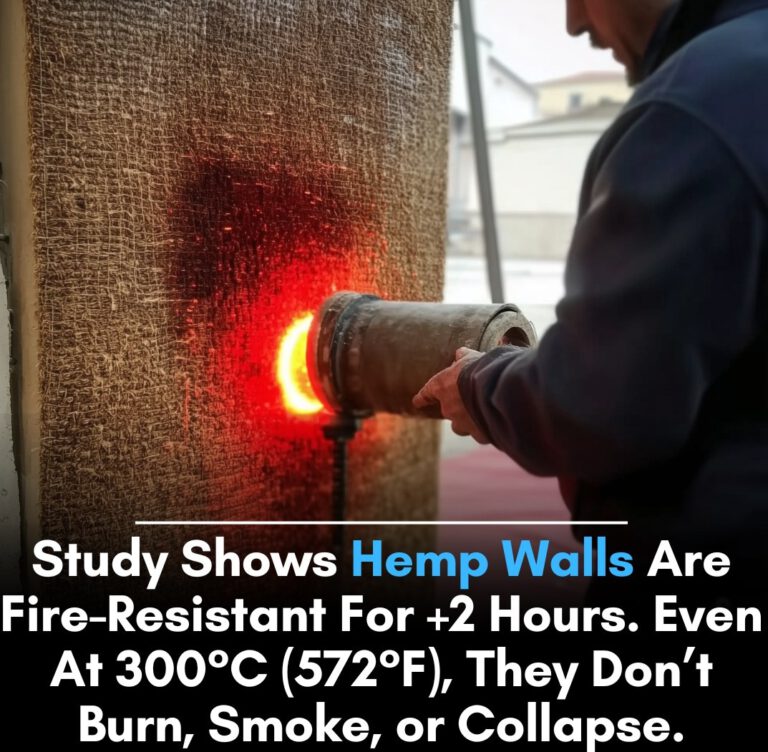
In a recent study scientists look at the fire behaviour and structural performance of hemp-based materials in varying formats. They tested raw hemp shives, hemp blocks, and non-load-bearing hemp block walls.
Testing hemp concrete with fire
Researchers tested how various kinds of hemp reacted in fire safety and strength tests.
The study found that hemp blocks don’t catch fire with open flames but rather just smolder slowly, producing very little smoke. In fact, walls made of hemp blocks stayed structurally intact for 2 hours during fire tests.
Tests conducted include cone calorimeter, bomb calorimeter, standard furnace, heat-transfer rating inducing system (H-TRIS), and small-scale elevated temperature material tests. Hemp shives exhibit ignition with sustained flaming, a relatively high heat release rate (HRR), and a relatively low critical heat flux (CHF).
However, the hemp blocks exhibited no flaming ignition, only smouldering combustion, and an HRR an order of magnitude lower. Hemp blocks and hemp shives produced minimal smoke. Hemp blocks charred, and associated discoloration zones have been documented. Tests indicate that limited structural capacity is lost up until 200 °C, whereas at 300 °C, the residual material strength is almost negligible.
Their conclusions were that the hemp block walls maintained their structural stability and integrity for 2 hours of standard fire testing. The ambient-temperature compressive strength of the hemp blocks was determined to be 1.0 MPa. This work is the first comprehensive study on the fire behaviour of hemp blocks and highlights their good performance, whereby they are likely to have a limited impact on fire risk in buildings.
The research was led by Yohannes WerkinaShewalul and Richard Walls from Stellenbosch University, South Africa.
Hemp, or industrial hemp, is a plant in the botanical class of Cannabis sativa cultivars grown specifically for industrial and consumable use. It can be used to make a wide range of products. Along with bamboo, hemp is among the fastest growing plants on Earth which makes a great, hearty, sustainable fiber. It has taken nations years to recognize hemp as a viable building and material alternative because tiny amounts of the active ingredient of THC can be found in hemp.
Companies producing hemp blocks:
Hemp and Block
Colorado. The company offers made-in-USA hempcrete, hemp blocks, pre-cast hemp-lime products, and hempcrete binder, sourcing materials domestically to support the American economy.
Builds with and supplies natural high-performance building materials, including HempLime (hempcrete), to create healthy buildings and retrofit structures.
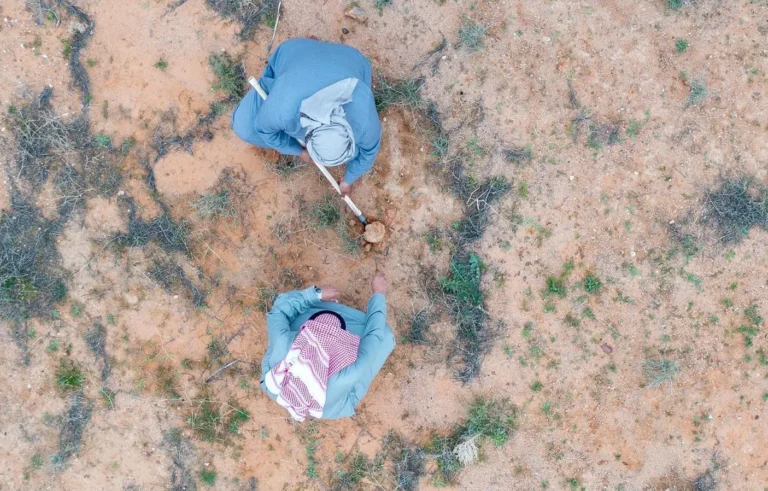
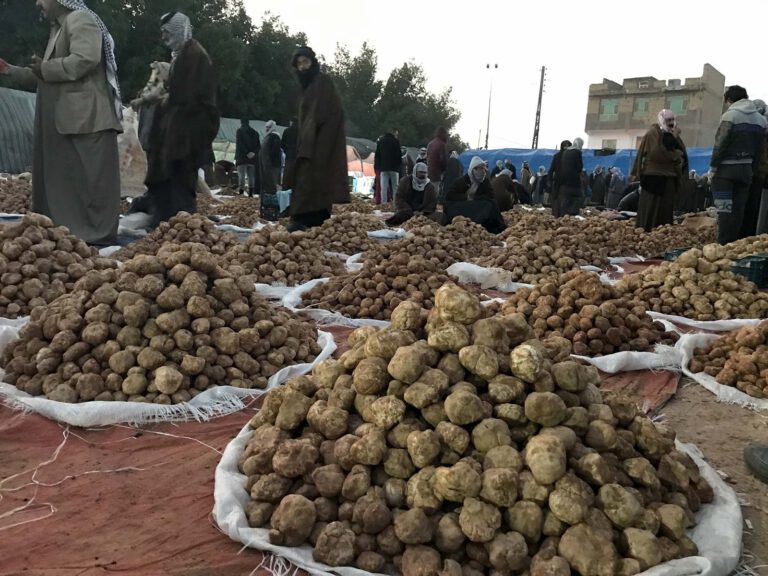
Saudi Arabian framers finding truffles without a pig. Handout the Saudi Arabia Press Agency.
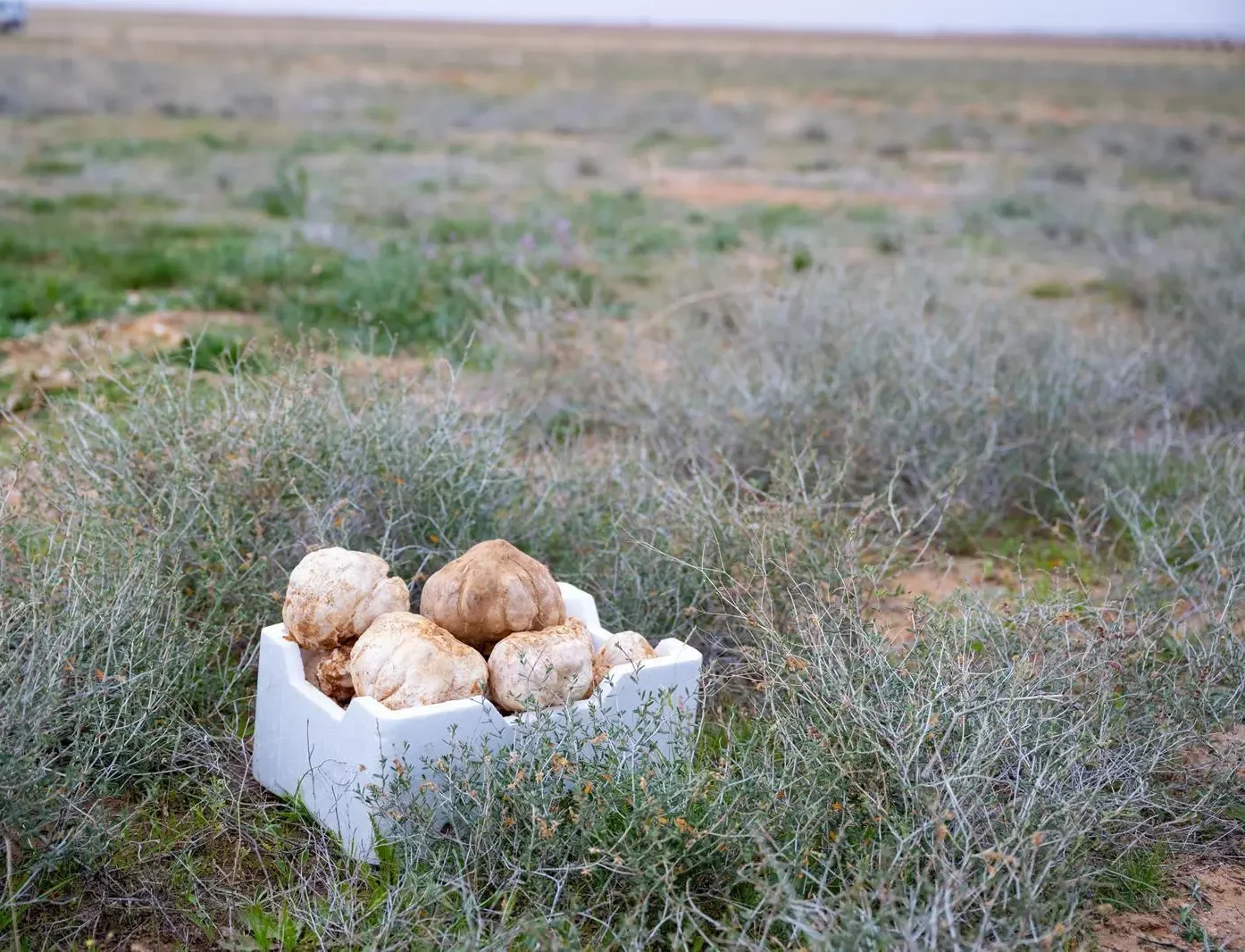
Desert truffles can grow in the sand in dry conditions and they have high nutritional value. Find them growing wild in the Mediterranean basin and Western Asia. Many studies have looked at the nutrition in desert truffles, including their phytochemical composition as potential anti-cancer therapies but a study led by a researcher from Amman, Jordan, looked specifically at the anticancer effects of Terfezia boudieri, a delicious desert truffle.
The researchers applied different solvent extracts from the truffle and the researchers tested these chemical properties against different kinds of cancers in the lab. assay was used to measure their anticancer activity against cancer cell lines.
Truffles in the Middle East. Handout the Saudi Arabia Press Agency.
The scientists found that the growth of cancer cell lines was inhibited by the desert truffle extracts in a dose dependent manner which the chemical N-hexane extracted from the truffle as being the most potent against most cancers as part of the study. The researchers concluded that the use of T. boudieri provides variable health benefits and specifically the extracts N-hexane, ethyl acetate, and aqueous/methanol extracts exhibited anticancer activities and are potent stimulators of both innate and acquired immunity.
Saudi Arabia is home to desert truffles.
The researchers were from the Applied Science Private University, Amman, Jordan, the Pharmacy Department, AlNoor University College, Mosul, Iraq and the Department of Health Sciences, College of Natural and Health Sciences, Zayed University, Abu Dhabi, United Arab Emirates.
Further testing is needed to identify the biologically active compounds and detect them quantitatively using scientific methods. A new door of research for scientists in the Mediterranean?
When I think of truffles, I imagine hunters tromping through a dark Provencal forest and a trained pig snuffling around damp leaves. The joyful surprise of the huntsman when it uncovers a truffle! The fragrant black prize so carefully cherished, like a pot of gold! Because the black and white truffles of Europe are like gold to everyone who trades in them.
But the sands of Middle Eastern and North African deserts also yield truffles. They’re known as zubaidi,fagaa, terfez, kamaa (or kima), depending on the country they come from. The botanical name is Terfezia Leonis. And now, with winter in the Middle East drawing on, it’s prime time for a desert truffle safari. Well, if you have an experienced Beduin guide. See what else is in season now here.
Desert truffles have been known and valued as a delicacy since antiquity. The Roman poet Juvenal disdained bread and meat, if only he could dine off imported desert truffles. “Keep your grain, O Libya, and unyoke your oxen, if only you send truffles!” he wrote.
A Jewish legend claims that truffles were the original manna that fed the Hebrews during their 40 years’ wandering in the desert. Reasonable to think so, as they have a wealth of protein and antioxidant properties.
The huntsmen who find and sell desert truffles today are the Beduin. They wouldn’t dream of using a pig or a dog to find the fungus. They locate it by noticing where the yellow-flowered “Rock Rose” plant grows (Helianthemum sessiliflorum). This shrub enjoys a symbiotic relationship with the truffle, who transfers phosphorus to its roots. In return the truffle receives photosynthesized nutrients from the Rock Rose. Win-win for plant and fungus, and for the forager, a flag indicating that truffles are nearby.
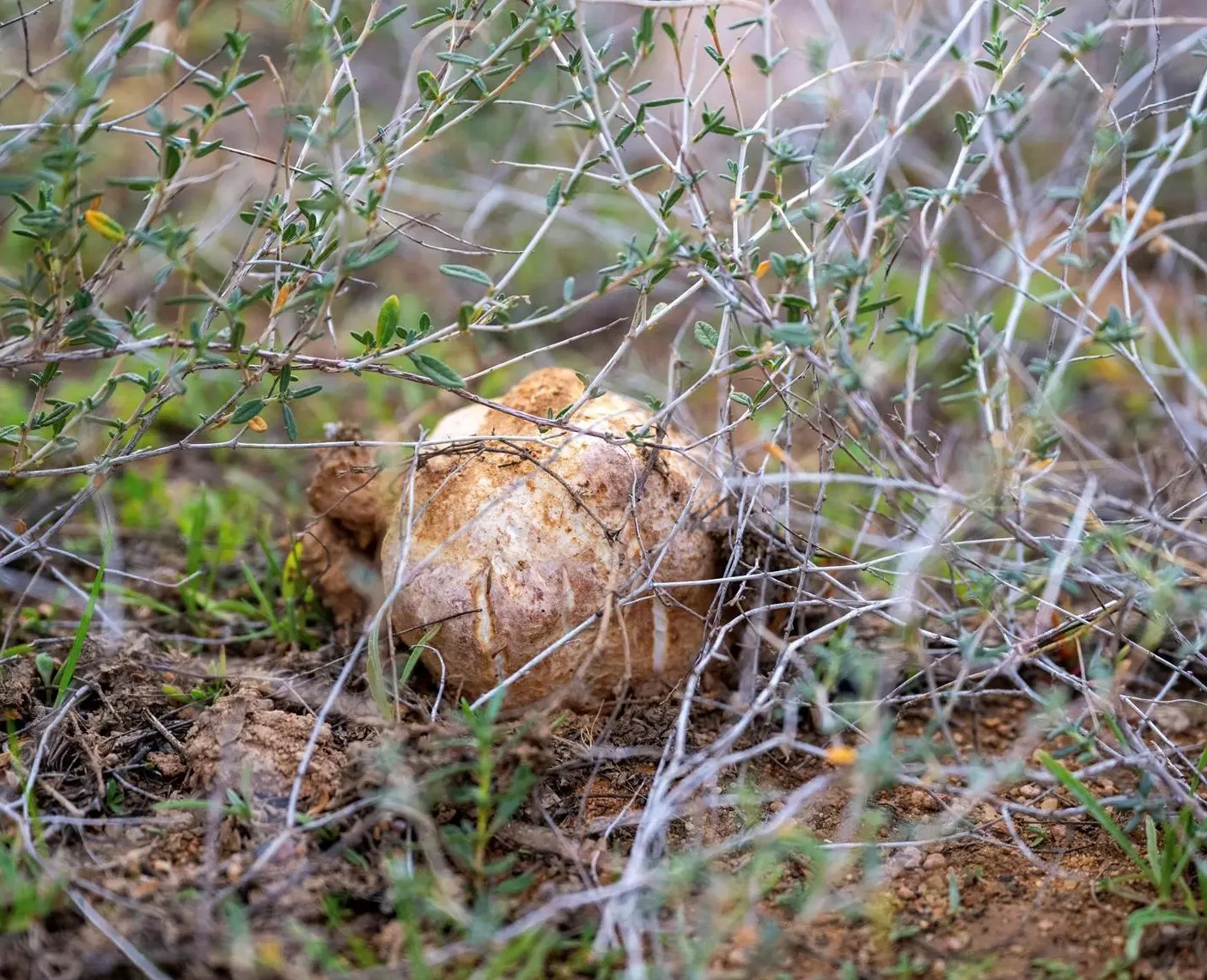
That’s the prosaic explanation. Much more fun is the legend that claims truffles grow where lightning strikes the sand. This is because there’s a forked crack on the ground where the truffle struggles to emerge. Desert foragers know that under that crack is a truffle.
It’s true that lightning causes changes in the atmosphere where nitrogen is released and washed onto the ground by rain, which fertilizes plants. And it’s true that winter rains favor a larger truffle harvest. But alas for the romantics among us, truffles aren’t born of lightning strikes. Like all mushrooms, they grow from humble spores.
Desert truffles have been an important seasonal source of protein for the Beduin populations; less so today as they become scarce due to scanty winter rains and current geopolitical issues.
When available, they’re grilled over fire, boiled and marinated as salad and stewed with meat. Modern cooks may use them as the common supermarket mushroom (only far, far more expensive) – sauteed in butter with garlic and spices. It’s said that sliced thinly and sprinkled with salt, they’re delicious raw.
Beduin folk medicine uses desert truffles to cure eye infections and skin rashes.
The fungus’s looks aren’t especially appealing, most being a sandy beige with a knobbly skin. There are regional differences in their color; in Turkey, for example, you may find dark-blue desert truffles.
Their flavor depends on where they come from: Kuwaiti truffles are said to be blandly earthy, while Turkish truffles are supposed to have a fine, almost nutty taste. None have the pungent, decadent aroma and flavor of their European counterparts. In any case, desert truffles are full of sand in all their cracks and crevices, and need a lot of careful scrubbing before they’re fit to cook.
The Ben-Gurion University of the Negev tried to cultivate them as a possible sustainable crop, but apparently to no avail, as the only, rare, desert truffles seen in Israel have been brought from the Negev by Beduin. Under all their Arabic names, desert truffles command high prices and are eagerly sought in the markets of MENA countries at this time of year.
Ask any driver of a Tesla and you will find a happy customer. The cars look good, drive incredibly fast quickly, they cost a quarter of the price of petrol to run, and they have a fart cushion feature that makes every kid laugh.
With electric mobility continuing to gather pace especially in urban environments, recycling high-voltage batteries is increasingly under the spotlight. This is where urban miners, and companies that can recycle batteries and parts after a product’s first life is over.
Raw materials pulled from a BMW electric car battery.
After successfully launching a closed-loop recycling system for the reuse of raw materials from high-voltage batteries thanks to the BMW Brilliance Automotive Joint Venture in China in 2022, BMW has now hit another milestone on its journey to make cleaner, greener electric cars.
This past November, BMW launched a pan-European partnership with SK tes, a company that can mine valuable minerals such as cobalt, nickel and lithium from used batteries before returning them to the value chain to make new batteries.
BMW to recycle rare minerals from its electric car batteries with the company SK tes. Images supplied by BMW
This closed-loop system is set to expand to the car markets in the US-Mexico-Canada regions as early as 2026.
Its long-term partnership with SK tes sees the BMW Group directly involved in the practical recycling processes, allowing it to feed back valuable insights to the development departments: high-voltage batteries from BMW Group development, production and markets in Europe that are no longer fit for use are to be delivered to SK tes in what is the first step towards an effective and sustainable circular economy for batteries.
SK tes then converts the old batteries into high-quality metals that can be reintroduced to battery production. The latter process sees the batteries mechanically shredded, during which the metals are concentrated to leave a material called black mass.
The valuable materials, namely nickel, lithium and cobalt, are then recovered in a highly effective chemical process called hydrometallurgy. Among other things, these secondary raw materials will be used for the new GEN 6 drive train. Government groups like the Department of Energy are actively funding the development of mineral recovery technologies –– we recently reported on more than $20 million USD going toward funding the recycling of decommissioned wind turbines.
“Partnerships like this increase our efficiency in terms of the circular economy. In the closed-loop process, all partners mutually benefit from their experiences,” says Jörg Lederbauer, Vice President Circular Economy, Spare Parts Supply High Voltage Battery and Electric Powertrain at BMW AG.
We interviewed Regenx on its business model. And how lucrative upcycling minerals can be as the world looks to dangerous alternatives such as deep sea mining to develop new sources of minerals like lithium which exist waiting to be pulled from existing end-of-life products.
“The promotion of circular economy is an important strategic topic for the BMW Group. The development of recyclable products, the increase of secondary materials in our components, and the closing of loops play an equally important role,” says Nadine Philipp, Vice President Sustainability Supplier Network at BMW AG. “And by the means of circular economy we are also increasing our resilience in the supply chains.”
The BMW Group follows the principles of Re:Think, Re:Duce, Re:Use, and Re:Cycle in the sense of a conservation of resources when it comes to circular economy.
From vehicle design and production to recycling and reuse: everything is geared towards ensuring BMW vehicles become a raw materials source for new cars once they reach the end of their useful life. One such example is the BMW Group’s Recycling and Dismantling Centre.
Over a period of 30 years now, the centre has developed processes and put them into practice, making key progress in parts and materials recycling.
Michael Pollan, in Defence of Food, once called Americans “corn people” for the amount of corn products in their diet. As the world fights to find viable alternatives to plastics, the people may have found the best bio-polymer, made from… corn.
Michael Pollan
Corn Next has officially launched CornNext-17, a game-changing bio-based material designed to combat the global plastic pollution crisis. CornNext-17 says it can replace traditional plastics. Derived from renewable corn starch, CornNext-17 utilizes a patented fermentation-based process to create a fully biodegradable material with superior versatility and performance.
Unlike traditional plastics and bio-plastics such as PLA and PHA, CornNext-17 retains its natural polysaccharide structure, enabling rapid decomposition within 30 days in natural environments while maintaining the mechanical properties necessary for diverse applications. We all know that most plastics are never really recycled and when they are the process is toxic. The only solution to the plastic problem is a bio-based plastic. One that can fully decompose and degrade, not just break down into littler bits of plastic.
“CornNext-17 represents a significant leap forward in sustainable materials,” said Randy Yongzhong Zhang, Founder and CEO of Corn Next. “We are proud to offer a solution that addresses the urgent need for environmentally friendly alternatives to conventional plastics. The development of CornNext-17 is guided by our vision to revolutionize how materials are used and discarded. As a fully natural biodegradable innovation, it marks not just a breakthrough in material science, but a significant milestone in humanity’s pursuit of a greener, more sustainable future.”
Key Features of CornNext-17
Fully Biodegradable: Decomposes naturally within 30 days, leaving no harmful residues.
Versatile: Suitable for a wide range of applications, including packaging, consumer goods, and industrial components.
Cost-Effective: Produced through an efficient manufacturing process, offering competitive pricing.
High Performance: Exhibits excellent mechanical properties, including strength, flexibility, and heat resistance.
Eco-Friendly: Derived from renewable corn starch and produced without harmful chemicals.
Market Potential and Industrial Applications
CornNext-17 has the potential to transform multiple industries by replacing traditional plastics with a sustainable alternative:
Consumer Goods: CornNext-17 is ideal for creating compostable tableware, single-use products, food containers, and eco-friendly packaging solutions that cater to environmentally conscious consumers.
Packaging Industry: The material’s strength, flexibility, and resistance to heat and moisture make it a superior choice for biodegradable packaging, including retail, food, and industrial applications.
Agriculture: CornNext-17 can be used to manufacture biodegradable mulch films, seedling trays, and irrigation components, reducing waste and enhancing soil health.
Medical and Healthcare: With its ability to decompose fully, CornNext-17 is well-suited for disposable medical supplies such as gloves, syringes, and packaging, ensuring environmental safety.
Automotive: Lightweight and durable, CornNext-17 can be utilized in creating automotive components such as panels, trim, and interior parts, contributing to vehicle sustainability and fuel efficiency.
Electronics: As a biodegradable alternative, CornNext-17 can replace certain plastic components in electronics, helping reduce electronic waste.
The global push for environmentally sustainable materials positions CornNext-17 to capitalize on increasing regulatory support and consumer demand for green products. Its adaptability, cost-effectiveness, and eco-friendly properties provide a competitive edge in addressing the growing plastic pollution crisis.
Corn Next (or Y & J World Inc.) is a biotech company based in Irvine, California and is dedicated to eliminating plastic pollution. Their bio-based material CornNext-17 is a patented, 100% natural, biodegradable material derived from renewable corn starch.
Unlike traditional plastics, CornNext-17 fully decomposes within 30 days without leaving toxins or requiring costly recycling. After eight years of R&D, the company transformed CornNext-17 into a granular form, securing our proprietary technology and expanding its applications. This innovation led to the world’s first corn-based drinking straw, protein spoon, dinner knife, and forks, with future uses in utensils, dental floss, packaging and more
Corn-based plastics for packaging is a market which reached a market size valued at USD 0.56 Billion in 2022 and is projected to reach USD 1.20 Billion by 2030.
A Stella McCartney decomposing shoe
Bioplastics are derived from renewable biomass sources such as vegetable fats and oils, corn starch, straw, woodchips, sawdust, algae and recycled food waste. Fashion designers like Stella McCartney use bioplastics in fashion, thanks to companies like Balena, which develop a bio-based raw material that looks and acts like rubber but which decomposes at the end of its life.
We Used to Be Seaweed creates a dialogue between historical and contemporary perspectives of the Aral Sea. Once the world’s fourth-largest lake, the Aral Sea has been depleted to an eighth of its size due to large-scale irrigation projects.
Hosted at the Savitsky Museum, this exhibition recontextualizes the museum’s famous collection of Soviet avant-garde and Turkestan modernism to open new conversations about identity, environment, and transformation.
The exhibition brings together contemporary artists whose works address the ecological, cultural, and historical transformations of the Aral Sea region.
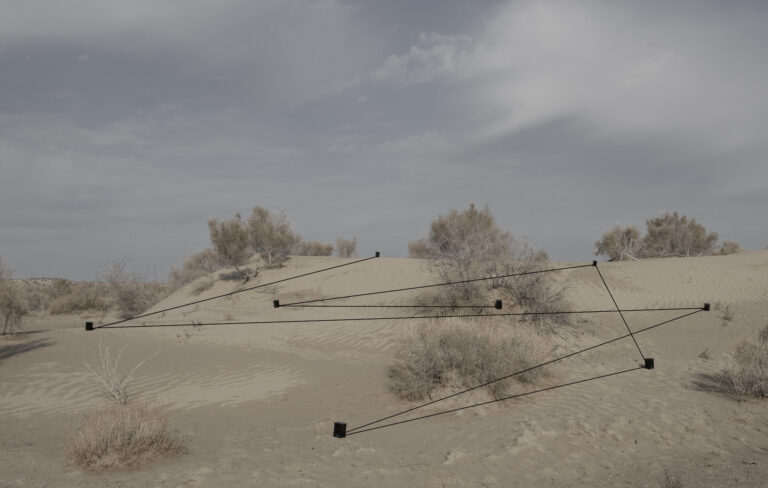
Alexander Ugay deconstructs the sea’s vanished horizon through his cameraless photographic work. Saodat Ismailova’s videos examine the extinction of the Turan tiger and the lives of three generations of Aral fishermen.
Saodat IsmailovaSaodat Ismailova. 18,000 Worlds, January 21 – June 4, 2023, Eye Filmmuseum, Amsterdam. Exhibition view of Zukhra, 2013. HD video installation, 30 min., colour, stereo. Image courtesy Eye Filmmuseum. Photograph by Studio Hans Wilschut.
The2vvo contributes a sound sculpture combining found sounds, underwater and field recordings, and testimonies, exploring the interconnectedness of human and non-human life in the area.
the2vvo
Lilia Bakanova presents a textile installation about imaginary life in the Aral Sea, created from raw silk and cotton—materials produced with water that was redirected away from the Aral Sea.
Lilia Bakanova
In conversation with selected works from the museum’s collection, these pieces reflect on the region’s histories, shared water resources, and the intertwined relationships between culture, nature, and memory.
What happened to the Aral Sea through an artist’s lens:
Imagine a journey that starts with a long train ride followed by an off-road drive through the desert, ending at what used to be the Aral Sea. Once the world’s fourth-largest lake, it has reduced to an eighth of its size since the 1950s due to water being diverted for cotton farming.
This made a drastic impact on the climate and life in Central Asia, mainly in Kazakhstan and Uzbekistan.
Against expectations, this landscape reveals striking beauty rather than depression: the desert blooms with a poignant tenderness; colors are muted by a superfine sandy powder, creating a velvety touch; unknown grass smells of chemically flavored lollipops.
Now imagine that in this remote town with no tourists where you hired the car, there is a world-class collection of Russian and Central Asian avant-garde. This is Savitsky museum, named after an artist who rescued paintings discarded by museums across the USSR in the 1960-70s. This town, Nukus, was so far from the Soviet government, that the collection survived. It not only educated and inspired local artists but also includes their works, many depicting the Aral Sea throughout the 20th century.
This exhibition will create a dialog between historical and contemporary perspectives of the Aral Sea and the life around it. The Museum provides a perfect backdrop for the exhibition, given its history of resilience and collection of paintings depicting the region’s transformations.
Featured contemporary works will include:
– A Kazakh-Korean artist explores the Aral area through imaginary history. Using AI, he reconstructs his family’s archive lost during deportation of Koreans from the Soviet Far East to Kazakhstan in 1937. The work will invite the viewers to consider a link between the erasure of culture and landscape, between identity and displacement.
– An Uzbek video artist connecting inadequate exploitation of shared water resources and female labour in Central Asia.
– An installation that will engage with the visitors through imaginary textures, sounds and smells, making the invisible resilience of Aral visible. This artist’s projects are focused on accessibility to diverse audience. To build on this inclusive effort, she will create t touchable versions of the paintings featured in our exhibition. This will complement the museum’s wheelchair access by introducing a wider range of sensory experiences.
– A photographic project by a Kazakh photographer will bridge the Kazakh and Uzbek regions of the Aral, fostering understanding and sensitivity between communities by offering glimpses into each other’s lives and shared water challenges.Beyond looking, touching, smelling and listening, the gallery is inviting people to get involved.
“Visitors can help plant seeds that they can take home and later return to the desert as seedlings for the local biostation. We’ll also teach them how to make biodegradable containers for holding water for these plants. This is about more than just raising awareness; it’s about small collective actions and new connections,” announce the artists.
February 13 to March 12; Savitsky Nukus Museum of Art Rsaev Str., Nukus 23100, Republic of Karakalpakstan, Uzbekistan
Artists:
Saodat Ismailova
Lena Pozdnyakova and Eldar Tagi
Alexander Ugay
Lilia Bakanova
It’s been taboo to talk about it but first cousin marriage is common in the United Arab Emirates. Only a few scientific studies have documented it but there is a direct impact of consanguineous marriages and the health of one’s children. One study found that up to one-third of all marriages in the UAE are to first cousins, with about half of all marriages are between people considered interrelated.
Thalassemia, a blood disease found commonly between the children of people who marry is a major health concern in the United Arab Emirates yet previous studies have focused on genetics while neglecting culture and society, write authors in an International Health study. The authors of the 2023 study indicate that tradition and religion in the UAE –– consanguinity, illegality of abortion and in vitro fertilisation, plus adoption restrictions –– affect the prevention and management of this disastrous blood disorder.
They propose changing attitudes towards traditional marriage practices, education and awareness campaigns targeting families and young people, and earlier genetic testing, which are all culturally acceptable solutions to curbing the high incidence of thalassemia in the UAE.
The treatment of thalassemia mostly depends on life-long blood transfusions and removal of excessive iron from the blood stream.
Saudi Arabia has one of the highest prevalences of thalassemia in the world, ranging from 0.4% in the Northern region to 5.9% in the Eastern region.
Thalassemia is a blood disorder passed down through families (inherited) in which the body makes an abnormal form or inadequate amount of hemoglobin. Hemoglobin is the protein in red blood cells that carries oxygen. The disorder results in large numbers of red blood cells being destroyed, which leads to anemia.
Complications from this disorder may include delayed growth, bone problems causing facial changes, liver and gall bladder problems, enlarged spleen, enlarged kidneys, diabetes, hypothyroidism, and heart problems, according to John Hopkins.
With high rates of inbreeding found in Muslim populations not only in the United Arab Emirates but also in Pakistan and among Palestinian Muslims and even Christians, there is an increase in the number of health conditions that could have been prevented if a couple married outside the family.
In India a Special Marriage Act was drafted in1954 in accord with the Hindu Marriage Act 1955 which also does not allow marriage with any first cousin. But this legal firm writes that you can marry a first cousin in India if you are Muslim.
I met a woman from Canada, a Christian Arab who had come to Israel to marry her first cousin –– a concept that seemed foreign to me but which is more common than most westerners know. She told me it was to keep the family business –– in the family. Some hospitals help with hearing aids for communities that suffer from inbreeding depression and heating loss and in Israel, for instance, young couples are advised to undertake genetic counseling before they have children to avoid any genetic disease being passed to their child. First cousin marriage is not forbidden by Jewish law in sources that I have found online but it is frowned upon due to the possibility of transmitting genetic diseases.
The legal status of first cousin marriage varies considerably from one US state to another, ranging from being legal in some states to being a criminal offense in others. It is illegal or largely illegal in 32 states and legal or largely legal in 18. However, even in the states where it is legal, the practice is not widespread. It is also not common in Canada where I grew up and it’s highly stigmatized in rural communities.
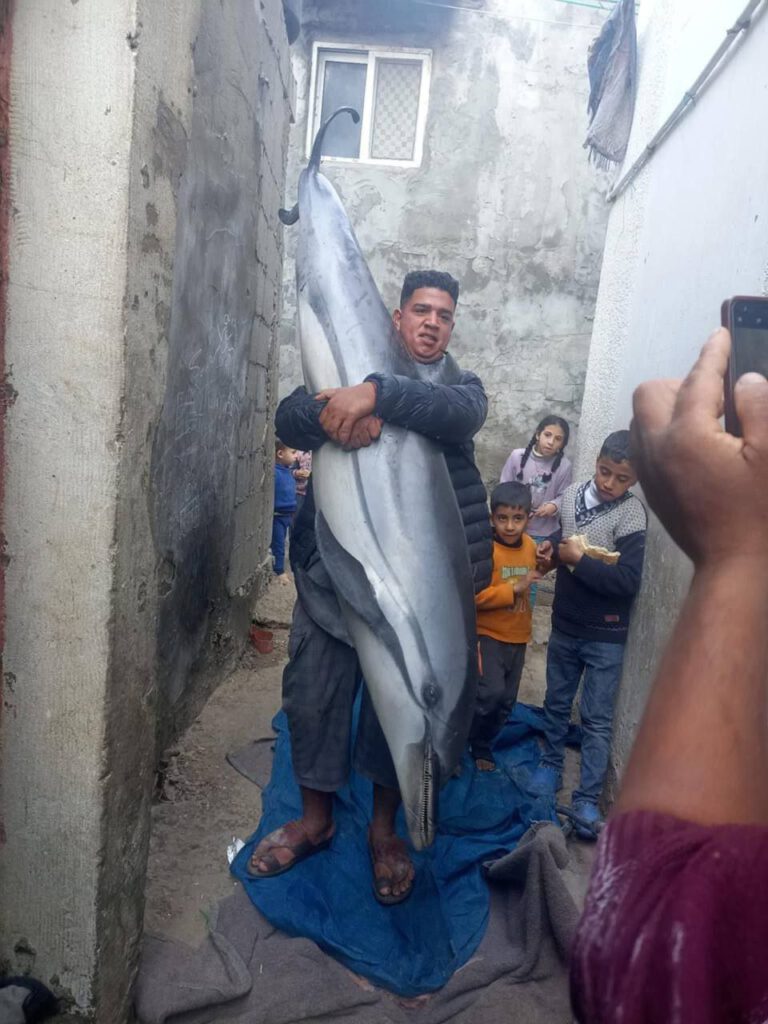
Online critics are alarmed at Gazans catching dolphins and sharks for dinner. But with little fresh protein available would this stop you from eating an endangered creature?
Before you wag your finger over eating dolphins in Taiji, Japan the fishermen’s union hunts, capture, and slaughter different types of dolphins. They claim it’s tradition. This is the heart of the captive dolphin trade. The slaughtered dolphin meat is sold in local supermarkets, but is not very popular.
Hunters in Japan coralling dolphins
The Japanese government sanctions it and sends their Coast Guard and even their Navy to escort and protect these hunters. At least 1,800 dolphins were killed last year in Japan for meat according to the Dolphin Project.
In the Faröe Islands owned by Denmark, the locals partake in hunting and terrorize dolphins and whales, driving them onto the beaches where men, women, and children join in the slaughter. According to Sea Shepherd Global this past September 7th, over 150 white-sided dolphins were killed in a grindadrap (whale and dolphin hunt) in the Faroe Islands bay of Skalafjord.
The slaughter documented by Sea Shepherd crew on the ground, has drawn significant criticism due to the targeting of white-sided dolphins, a species that is not traditionally hunted in the Faroes and has seen declining support for such hunts in recent years. Historically the locals did hunt dolphins in small numbers on human powered boats. Now with motor boats the dolphins don’t stand a chance.
Washington bans farmed fishing at sea to protect Puget Sound
Washington State made history, becoming the first—and only—place in the world to successfully remove and permanently ban commercial net pen aquaculture.
Farmed fish can occur at sea and on land in pools, rainfed ponds, in tanks or in raceways. The approach is called aquaculture and for decades has been sold as a viable, and sustainable alternative to fishing from seas that are overfished. But not all environments are suitable for marine aquaculture, where fish live in cages and their effluent discharges at high concentrations in the coastal areas.
In addition to sea lice and viruses, a number of other pathogens found in farmed fish may pose a risk to wild salmon. Bacteria: Two bacterial diseases have the potential to impact wild salmon. The first, bacterial kidney disease (BKD) is caused by Renibacterium salmoninarum.
Because of the reduction of wild salmon in areas like Puget Sound, local orcas are starving as wild populations dwindle.
On January 7, the Washington State Board of Natural Resources cast a landmark vote to adopt a new rule prohibiting commercial finfish net pen aquaculture in all state-managed marine waters. Fish pens endandered Puget Sound’s ecosystems, and the activists who brought this decision to life say they are safeguarding the health of Washington’s public waters for generations to come.
“This is a landmark moment for environmental protection,” said Emma Helverson, Executive Director of Wild Fish Conservancy who led the change in law. “Thanks to the commitment of the public and the leadership of Tribal Nations, we have achieved something extraordinary. This victory is not just for Puget Sound—it’s for every community, every species, and every ecosystem that has been impacted by the harmful practice of commercial net pens.”
Puget Sound is home to wild salmon and Southern Resident orcas.
An orca in Canada British Columbia
This week’s victory is the direct result of Commissioner of Public Lands Hilary Franz’s 2022 decision to deny the industry new decade-long leases for net pens, and her subsequent executive order directing the Department of Natural Resources to develop rules to permanently ban this practice.
These actions resulted in the complete removal of commercial net pens in Washington, making 2024 the first year in four decades that Puget Sound was free from daily pollution and the devastating impacts that net pens cause.
Just days before the vote, Tahlequah (J35), the Southern Resident orca who made global headlines in 2018 after she carried her stillborn calf for 17 days straight, was observed once again grieving her newest dead calf. Recent research shows an alarming 69% of Southern Resident orca pregnancies end in miscarriage due to malnutrition and that miscarriages far outnumber births of endangered orcas. J35 “Tahlequah” (pronounced tah-le-KWAH) is a 25-year-old female Southern resident killer whale. She is the matriarch of the J17 matriline.
The stark reality of mother orcas losing their calves is a painful reminder that these whales are starving and struggling to survive due to the depletion of large, quality, and abundant wild Chinook salmon, their primary food source.
A fish farm in the UAE
“I hope the public will join us in thanking Commissioner Hilary Franz and her committed agency staff. From the very first steps she took in response to the 2017 Cypress Island net pen collapse, Commissioner Franz has been a fierce and unwavering leader, holding the industry accountable for their harmful actions, listening to the public’s voices, and ultimately making this historic victory possible,” says Helverson.
The rule was adopted by a majority 4-2 vote, with Commissioner Franz, Skagit County Commissioner Lisa Janicki, University of Washington’s Dan Brown, and Governor Jay Inslee’s financial advisor Jim Cahill all voting to approve the ban. The decision was informed by overwhelming public support, with over 80% of public comments submitted in favor of the permanent ban and is a direct response to the ongoing crisis facing wild salmon populations and Southern Resident killer whales, which rely on healthy, abundant runs for survival.
“In casting their votes for the permanent ban, these leaders set a new standard of environmental stewardship for governments and leaders, emphasizing that merely minimizing risks isn’t enough given the crisis facing wild salmon and the orcas who depend on them, “says Helverson. “These leaders recognize completely avoiding risk and harm is the only way to prevent the further decline toward extinction for these iconic species and to protect the public’s immense sacrifices and investments in their recovery.”
Since 2017, Wild Fish Conservancy has led the Our Sound, Our Salmon (OSOS) campaign and coalition to protect wild salmon and Puget Sound from the harm of net pen aquaculture. Over the past decade, this dedicated coalition has worked alongside Washington’s Tribal Nations in the legislature, courts, and countless advocacy efforts.
Washington’s success will also serve as a powerful model providing important momentum for the global movement to eliminate open water net pens, an industry that poses a threat to marine ecosystems everywhere in the world they exist.
Similar efforts to protect public waters and ecosystems from this industry are already underway in countries such as British Columbia, Chile, Scotland, Norway, Finland, and Tasmania and through the Global Salmon Farming Resistance.
How we can help? According to the Global Salmon Institute, the farmed salmon industry has grown substantially in the past 60 years. Approximately 70% of salmon produced worldwide is farmed. In 2021, more than 2.8 million tons of farmed salmonids were produced. In comparison, only around 705,000 tons of wild salmonids were caught.
Outside the United States in developing economies in the Middle East like Saudi Arabia, farmed fishing is growing quickly and there are non-existent activist groups to protect nature. Saudi Arabia’s fish farming industry, the production of fish farmed in saltwater and inland waters has surged by 56.4% since 2021, reaching an unprecedented 140,000 tons in 2023. In addition to aquaculture, marine fisheries in the Red Sea and Arabian Gulf contributed 74,700 tons, which represents a 16.2% increase over 2022. This brings the total fish production from aquaculture and marine fishing to 214,000 tons in 2023 –– yet how many activists or researchers are documenting the harm to the whales and sharks in the Red Sea?
Meanwhile the goal in Saudi Arabia, according to its Ministry of Environment, Water, and Agriculture is to increase the per capita fish consumption to 30 pounds annually. Popular fish varieties in Saudi Arabia include Nile tilapia, sea bass, dentex, and shrimp.
As suburbs grow and cottage country expands, how do mammals fare with humans encroaching on wild spaces? Tracking coyote movement in metropolitan areas shows the animals spend lots of time in natural settings, but a new study suggests the human element of city life has a bigger impact than the environment on urban coyote survival.
Researchers monitoring coyotes in Chicago found that habitat – areas with relatively high levels of vegetation cover and low levels of human infrastructure – did not influence coyote survival in positive or negative ways. Instead, areas densely populated with humans were associated with longer coyote lifespans. This means coyotes lived longer around people than out in the wild.
“What we found was really interesting, in that the societal characteristics seem to play a much more important role in predicting coyote survival time than the environmental characteristics,” said Emily Zepeda from The Ohio State University. “And then we found this positive effect of human population density on survival time. Both of those things are unexpected because we usually associate human activity with detrimental effects on wildlife.”
The study was published recently in the journal Urban Ecosystems.
Urban coyote researchers
The data comes from the Urban Coyote Research Project, a long-term study of coyote ecology in the Chicago Metropolitan Area led by Stan Gehrt, a wildlife ecologist at Ohio State and senior author of the new paper.
Gehrt and colleagues estimate that 4,000 coyotes live in Chicago, one of the largest metropolitan areas in North America. Gehrt’s previous behavioral, genetics and biological studies offer hints at how coyotes have adjusted to life in the city. This new work sought to identify the diverse urban factors that help or hinder their ability to survive.
Putting on a VHF radio-collar
Tracking data on the movement of 214 coyotes living in the Chicago area between 2013 and 2021 was used for the study. The duration of each coyote’s tracking period served as a proxy of its survival time.
Potential factors the researchers predicted would affect urban coyote survival included a mix of societal and environmental characteristics: neighborhood median income, human density and demographics; and road density, parks and golf courses, and “disturbed” regions dominated by infrastructure and vacant land. These factors were analyzed alongside the coyote monitoring data in a statistical model to determine their relationships with survival time.
The results showed a positive relationship between survival rate and human population density – at low human densities, coyote survival was generally low. The data also revealed an interaction between neighborhood income and density: In areas with low human density, median income was not significantly associated with survival, likely due to the absence of humans. However, at moderate and high levels of human density, coyotes in lower-income areas were 1 1/2 times more likely to survive to age 2 than coyotes in high-income areas.
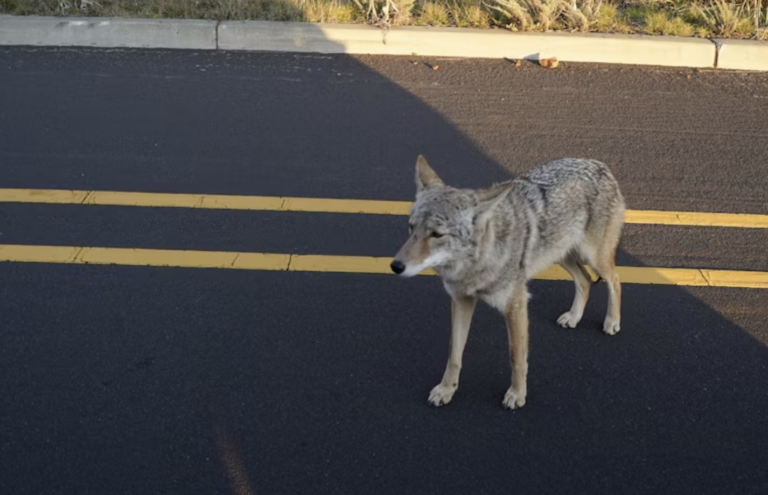
City coyote – coyote attacks are rare
“We’ve hypothesized that population density may have a positive effect because it’s actually providing resources like human-related structures or food that allow coyotes to weather the harsh conditions of the winter, which is a major mortality factor for Chicago coyotes,” Zepeda said.
Plentiful resources might become problematic, she said, when the food and shelter, combined with more vegetation and less pollution in high-income areas, draws a crowd of coyotes – which leads to higher disease transmission and fighting over territory.
“There might be more individuals in those areas, but survival time may be shorter there,” she said. “You might die younger in an area where there are a lot of competitors.”
The findings build on growing evidence that societal processes that benefit and marginalize human populations trickle down to urban ecosystems – suggesting that the presence, or lack, of humans, and the conditions in which they live, has potential to override natural influences on urban wildlife.
And yet, it was surprising not to find a connection between natural habitats and longer survival, Zepeda said, because “anecdotally, we see really high densities of coyotes in nature preserves and urban parks. That’s often where you see coyotes in the city if you see them at all.”
Researchers can only speculate, but Zepeda said it could mean the habitat categories on city maps aren’t specific enough or that hunting and trapping is more common in natural settings. Or it could simply be a sign of how crafty coyotes are.
“It could speak to how adaptable they are that they might prefer natural habitat, but at least in terms of survival, they can do just as well in more urbanized areas,” she sad.
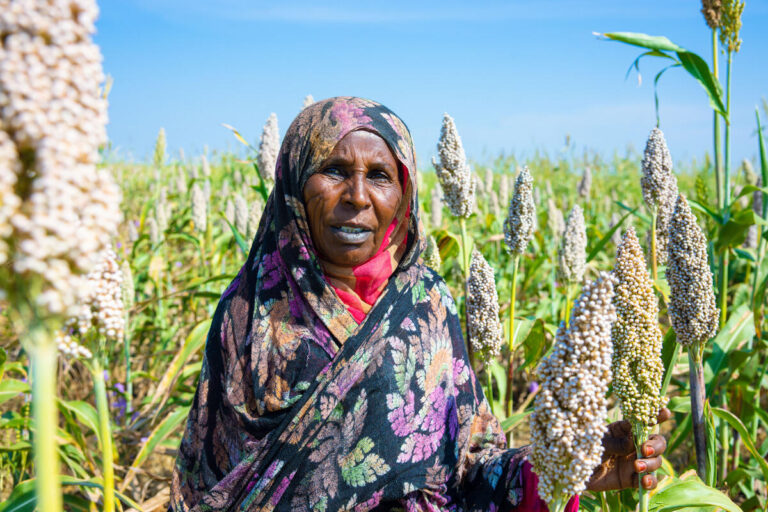
21 October 2024. Gadam Baliah village, Wasat Al Gedaref locality, Gedaref, Sudan. Hawa Ahmed, a resilient farmer from Gadam Baliah village, Gedaref, showcasing her crops’ progress.
Urgent action, in particular immediate and unimpeded humanitarian access, is required to address the widening famine in Sudan, where almost 25 million people face acute food insecurity.
According to the latest analysis from the Integrated Food Security Phase Classification (IPC), half of Sudan’s population – or 24.6 million people – are facing acute food insecurity levels. This is 3.5 million more people since June 2024.
The latest report by the IPC, a multi-partner initiative for improving food security and nutrition analysis and decision-making, is the worst in the country’s history. Widespread starvation and acute malnutrition have already resulted in tens of thousands of deaths in a country where almost two-thirds of the population depends on agriculture.
Production of key crops such as sorghum, millet and wheat during the first year of the conflict – the 2023/24 season – was down 46 percent from the previous year. This production loss could have fed approximately 18 million people for a year and represented an economic loss of between $1.3 and $1.7 billion.
Restricted humanitarian access is exacerbating the situation, while sustained violence and economic turmoil have disrupted markets, driving the price of staple goods to unaffordable levels.
This marks the fourth time that famine has been confirmed in a country over the past 15 years.
“We must take urgent action to address the famine in Sudan,” said Beth Bechdol, the Deputy Director-General of the Food and Agriculture Organization of the United Nations told a UN Security Council meeting in New York.
“If we fail to act now, collectively, and at scale, millions of lives are even further at risk, and (…) so is the stability of many nations in the region,” she added.
According to Bechdol, the following actions deserve prioritizing and require the Security Council’s support:
1) political leverage to end hostilities and bring relief to the people of Sudan;
2) immediate and unimpeded humanitarian access, as well as safe reopening of commercial supply routes to address current shortfalls in key hunger hotspots, as stated recently by FAO and its UN partner agencies;
3) the delivery of multi-sectoral humanitarian assistance, especially emergency agricultural support which is key to ensuring local food production, building resilience and preventing further humanitarian catastrophe.
The source of Sudan’s conflicts?
2020 Pew Research Center data estimates that 91 percent of the population is Muslim, 5.4 percent Christian, 2.8 percent follow Indigenous religions, and the remainder follow other religions or are unaffiliated. Some religious advocacy groups estimate non-Muslims make up more than 13 percent of the population.
Sudan ended over a quarter-century of Islamist-military rule with the 2019 overthrow of President Omar al-Bashir, whose rule was based on Islamism, Arab supremacy, and the ruthless application of military power, according to the Jameston Foundation: A joint civilian-military government was formed to lead the transition to a civilian-led democracy. However, an October 2021 coup led by Sudan’s military and security forces ended all progress toward civilian rule, severing at the same time most of Sudan’s economic and financial ties to the West.