PEOPLE Festival returns to Berlin’s Funkhaus this October, bringing 180 musicians together for a week of collaboration, improvisation and more than 200 one-off performances.
Teletherapy can make mental health care easier to access by reducing travel, scheduling and location barriers. Here are six ways virtual therapy can help people connect with professional support more easily.
A coworking space within walking distance can cut commuting time and give you a reliable place to work, but distance alone does not make it useful. Test the internet, noise, privacy, desk setup, environmental claims and real cost before committing to a membership.
Yazan Al Homsi looks at two very different bets — Aduro Clean Technologies and Rocket Doctor — to show what investors should watch as small-cap companies attempt to move from promising technology to commercial scale.
PEOPLE Festival returns to Berlin’s Funkhaus this October, bringing 180 musicians together for a week of collaboration, improvisation and more than 200 one-off performances.
Teletherapy can make mental health care easier to access by reducing travel, scheduling and location barriers. Here are six ways virtual therapy can help people connect with professional support more easily.
A coworking space within walking distance can cut commuting time and give you a reliable place to work, but distance alone does not make it useful. Test the internet, noise, privacy, desk setup, environmental claims and real cost before committing to a membership.
Yazan Al Homsi looks at two very different bets — Aduro Clean Technologies and Rocket Doctor — to show what investors should watch as small-cap companies attempt to move from promising technology to commercial scale.
PEOPLE Festival returns to Berlin’s Funkhaus this October, bringing 180 musicians together for a week of collaboration, improvisation and more than 200 one-off performances.
Teletherapy can make mental health care easier to access by reducing travel, scheduling and location barriers. Here are six ways virtual therapy can help people connect with professional support more easily.
A coworking space within walking distance can cut commuting time and give you a reliable place to work, but distance alone does not make it useful. Test the internet, noise, privacy, desk setup, environmental claims and real cost before committing to a membership.
Yazan Al Homsi looks at two very different bets — Aduro Clean Technologies and Rocket Doctor — to show what investors should watch as small-cap companies attempt to move from promising technology to commercial scale.
PEOPLE Festival returns to Berlin’s Funkhaus this October, bringing 180 musicians together for a week of collaboration, improvisation and more than 200 one-off performances.
Teletherapy can make mental health care easier to access by reducing travel, scheduling and location barriers. Here are six ways virtual therapy can help people connect with professional support more easily.
A coworking space within walking distance can cut commuting time and give you a reliable place to work, but distance alone does not make it useful. Test the internet, noise, privacy, desk setup, environmental claims and real cost before committing to a membership.
Yazan Al Homsi looks at two very different bets — Aduro Clean Technologies and Rocket Doctor — to show what investors should watch as small-cap companies attempt to move from promising technology to commercial scale.
PEOPLE Festival returns to Berlin’s Funkhaus this October, bringing 180 musicians together for a week of collaboration, improvisation and more than 200 one-off performances.
Teletherapy can make mental health care easier to access by reducing travel, scheduling and location barriers. Here are six ways virtual therapy can help people connect with professional support more easily.
A coworking space within walking distance can cut commuting time and give you a reliable place to work, but distance alone does not make it useful. Test the internet, noise, privacy, desk setup, environmental claims and real cost before committing to a membership.
Yazan Al Homsi looks at two very different bets — Aduro Clean Technologies and Rocket Doctor — to show what investors should watch as small-cap companies attempt to move from promising technology to commercial scale.
PEOPLE Festival returns to Berlin’s Funkhaus this October, bringing 180 musicians together for a week of collaboration, improvisation and more than 200 one-off performances.
Teletherapy can make mental health care easier to access by reducing travel, scheduling and location barriers. Here are six ways virtual therapy can help people connect with professional support more easily.
A coworking space within walking distance can cut commuting time and give you a reliable place to work, but distance alone does not make it useful. Test the internet, noise, privacy, desk setup, environmental claims and real cost before committing to a membership.
Yazan Al Homsi looks at two very different bets — Aduro Clean Technologies and Rocket Doctor — to show what investors should watch as small-cap companies attempt to move from promising technology to commercial scale.
PEOPLE Festival returns to Berlin’s Funkhaus this October, bringing 180 musicians together for a week of collaboration, improvisation and more than 200 one-off performances.
Teletherapy can make mental health care easier to access by reducing travel, scheduling and location barriers. Here are six ways virtual therapy can help people connect with professional support more easily.
A coworking space within walking distance can cut commuting time and give you a reliable place to work, but distance alone does not make it useful. Test the internet, noise, privacy, desk setup, environmental claims and real cost before committing to a membership.
Yazan Al Homsi looks at two very different bets — Aduro Clean Technologies and Rocket Doctor — to show what investors should watch as small-cap companies attempt to move from promising technology to commercial scale.
PEOPLE Festival returns to Berlin’s Funkhaus this October, bringing 180 musicians together for a week of collaboration, improvisation and more than 200 one-off performances.
Teletherapy can make mental health care easier to access by reducing travel, scheduling and location barriers. Here are six ways virtual therapy can help people connect with professional support more easily.
A coworking space within walking distance can cut commuting time and give you a reliable place to work, but distance alone does not make it useful. Test the internet, noise, privacy, desk setup, environmental claims and real cost before committing to a membership.
Yazan Al Homsi looks at two very different bets — Aduro Clean Technologies and Rocket Doctor — to show what investors should watch as small-cap companies attempt to move from promising technology to commercial scale.
The Pentagon’s decision to introduce annual testosterone testing for U.S. military personnel over the age of 30 has reignited a wider debate over men’s health, social media influence and whether “Low T” has become the latest frontier of health misinformation.
The Pentagon’s new testosterone testing policy has reignited debate over “Low T,” social media misinformation, the manosphere, and men’s health.
U.S. Defense Secretary Pete Hegseth recently announced that service members aged 30 and older will receive routine testosterone screening as part of annual health assessments. The policy is intended to ensure troops remain “strong, resilient and capable” with the “maximum psychological and mental readiness” required for military service.
The move has drawn criticism from some public health researchers, who argue that routine screening of healthy adults is not supported by current medical guidelines. Most medical organizations recommend testosterone testing only for men with persistent symptoms of hormone deficiency, confirmed through repeat blood tests.
At the same time, researchers are warning that online influencers are reshaping how men think about hormones and masculinity.
Brooke Nickel, a public health researcher at the University of Sydney, recently studied how social media influencers promote low testosterone as part of a broader “masculinity crisis,” encouraging hormone testing and supplementation.
“What’s concerning is this appears to be happening in tandem with mis- and disinformation about masculinity circulating on social media,” Nickel said.
“Young, healthy men are being told that common experiences like tiredness, stress or changes in libido are signs that something is medically wrong and that testosterone is the solution.”
She says the marketing often relies on idealized images of muscular men and dramatic transformation stories. We ask the broader question? Is it normal, healthy and reasonable to expect women and men to replace “lost” hormones as they age. Is it possible that nature has a plan by reducing testosterone and estrogen as we age?
“Testosterone supplementation is marketed by sexualised gym imagery, muscular physiques, and before and after transformation photos and stories,” said Nickel.
“These reinforce the idea that testosterone is a gateway to strength, dominance and sexual success.”
Doctors stress that testosterone levels naturally vary between individuals and decline gradually with age. Diagnosis requires symptoms and repeated testing, and not simply one low reading.
“The reality is there’s a range of ‘normal’ testosterone levels,” says Nickel.
“There is little science to back the Pentagon’s decision to offer yearly routine screening for those over the age of 30.”
Her comments reflect an ongoing medical debate. While many specialists question universal screening, others argue military personnel may face unique risks because of blast injuries, traumatic brain injury and chronic physical stress.
Meanwhile, testosterone replacement therapy has become big business, driven by online clinics, fitness influencers and the broader manosphere, where hormone optimization is increasingly marketed as a route to confidence, strength and success.
Researchers say the growing popularity of “Low T” messaging highlights the need to distinguish evidence-based medicine from social media marketing, and to remember that testosterone is an important treatment for genuine hormone deficiency, not a cure-all for the normal challenges of ageing.
Natural foods to boost T?
Rather than turning to hormone injections or online “Low T” supplements, many physicians recommend first addressing the lifestyle factors that are known to influence testosterone levels naturally. Regular exercise, especially strength training, adequate sleep, maintaining a healthy weight, and managing stress all have stronger scientific support than routine hormone testing for otherwise healthy men.
Diet also plays a role, according to experts. Foods rich in zinc and magnesium, such as pumpkin seeds, lentils, chickpeas, leafy greens and nuts, along with healthy fats from olive oil, avocados and oily fish, help support normal hormone production.
Green Prophet has also explored how Mediterranean-style diets, whole foods and plant-forward eating can benefit both personal health and the planet—a reminder that the path to resilience often begins in the kitchen, not the medicine cabinet. This could explain why Zorba the Greek looks so Zorba.
When most people imagine private aviation, they immediately think of sleek business jets, luxurious cabins, and exclusive travel. While the aircraft itself is undoubtedly an important part of the experience, seasoned private flyers often point to another factor as equally valuable: the private terminal.
Known within the aviation industry as Fixed Base Operators (FBOs), private terminals fundamentally transform the airport experience. They eliminate many of the frustrations associated with commercial air travel and replace them with efficiency, comfort, privacy, and personalized service.
For first-time private jet travelers, the FBO experience can be one of the most surprising aspects of flying privately. Instead of arriving hours before departure, standing in security lines, navigating crowded terminals, and waiting at busy gates, passengers enjoy a streamlined journey designed around their schedule.
Explore the complete private terminal experience in business aviation. Learn how FBOs provide VIP service, privacy, luxury lounges, expedited boarding, enhanced security, and seamless travel for private jet passengers.
At Hera Flight, we believe understanding the private terminal experience helps travelers fully appreciate the value of private aviation. Here’s an inside look at what happens before you even step aboard the aircraft.
What Exactly Is an FBO?
A Fixed Base Operator (FBO) is a dedicated aviation facility that serves private aircraft, charter operators, corporate aviation departments, and private travelers.
Unlike commercial airline terminals that handle thousands of passengers daily, FBOs are specifically designed for business and private aviation.
These facilities provide:
Passenger lounges
Flight crew facilities
Aircraft handling services
Concierge assistance
Customs and immigration support
Ground transportation coordination
Fueling and maintenance support
Many of the world’s leading airports operate one or several premium FBOs dedicated exclusively to private aviation.
Examples include facilities serving private travelers in London, New York, Paris, Dubai, Geneva, Los Angeles, Miami, and Singapore.
The Arrival Experience: No More Airport Stress
One of the greatest advantages of private aviation becomes evident the moment you arrive at the airport.
Commercial travel often involves:
Arriving 2–3 hours early
Searching for parking
Waiting at check-in counters
Navigating crowded terminals
Passing through lengthy security lines
Waiting at boarding gates
Private aviation eliminates most of these steps.
Instead, passengers drive directly to the private terminal.
In many cases, a vehicle can stop only a few meters from the entrance.
The process is simple, efficient, and designed around the traveler—not the airport.
Why Private Travelers Arrive Only Minutes Before Departure
One of the most common questions first-time clients ask is:
“How early do I need to arrive?”
The answer often surprises them.
For many domestic and regional private flights, passengers typically arrive just 15 to 30 minutes before departure.
This is possible because:
Passenger volumes are significantly lower;
Check-in procedures are simplified;
Dedicated security processes are used;
Boarding is direct and immediate.
For busy executives and entrepreneurs, these time savings can be worth hundreds of hours annually.
A Personalized Welcome
Private aviation is built around individualized service.
Upon arrival at an FBO, passengers are greeted by trained staff who assist with every aspect of the departure process.
Services may include:
Greeting guests by name;
Assisting with luggage;
Confirming travel documents;
Coordinating transportation;
Managing special requests.
Unlike commercial airports, where travelers often feel like one of thousands, private terminals focus on delivering a highly personalized experience.
Luxury Lounges Designed for Productivity and Comfort
Private terminals are often compared to five-star hotel lounges.
Most premium FBOs feature sophisticated interiors designed to accommodate both business and leisure travelers.
Common amenities include:
Executive Lounges
Comfortable seating areas allow passengers to relax before departure in a quiet environment.
Business Centers
Many travelers use private aviation for corporate travel. Business facilities often include:
Private meeting rooms;
Video conferencing capabilities;
Printing services;
High-speed internet.
Refreshments and Dining
Many facilities provide:
Complimentary beverages;
Gourmet snacks;
Premium coffee;
Catering services.
Family-Friendly Areas
Families traveling with children often appreciate private waiting areas away from crowds and airport noise.
Privacy That Commercial Airports Cannot Match
For many clients, privacy is one of the most important reasons for choosing private aviation.
Private terminals offer:
Separate entrances;
Restricted access areas;
Private lounges;
Confidential boarding procedures.
This environment is particularly attractive for:
Corporate executives;
Entrepreneurs;
Athletes;
Celebrities;
Government officials;
High-profile families.
The ability to travel discreetly without public exposure is a significant benefit.
Security Without the Crowds
A common misconception is that private aviation lacks security procedures.
In reality, private aviation operates under strict security regulations.
The difference is that these procedures are typically conducted more efficiently.
Passengers benefit from:
Dedicated screening processes;
Smaller passenger volumes;
Streamlined verification procedures;
Enhanced operational oversight.
Security remains a top priority while avoiding the congestion commonly associated with commercial terminals.
Direct Boarding: One of Aviation’s Greatest Luxuries
Perhaps the most memorable moment for many first-time private flyers is the boarding process.
When the aircraft is ready, passengers are escorted directly from the terminal to the jet.
There are no:
Boarding groups;
Gate announcements;
Jet bridges;
Crowded waiting areas.
Instead, passengers often walk directly across the ramp to the aircraft.
The entire process may take only a few minutes.
This seamless transition creates a travel experience unlike anything found in commercial aviation.
Ground Transportation Coordination
Private aviation extends beyond the flight itself.
Many FBOs coordinate:
Luxury vehicle transfers;
Chauffeur services;
Limousines;
Executive transportation;
Security escorts.
In some locations, passengers can transition from vehicle to aircraft in a matter of minutes.
Upon arrival, transportation is often waiting directly beside the aircraft.
International Travel Through Private Terminals
Private terminals also simplify international travel.
Many FBOs offer:
Dedicated customs processing;
Private immigration clearance;
International flight coordination;
VIP arrival services.
These procedures vary by country and airport but often provide significantly greater efficiency compared to commercial arrivals.
For business travelers with tight schedules, this can be a major advantage.
A Better Experience for Families
Families often discover that private terminals remove many of the challenges associated with traditional air travel.
Benefits include:
No crowded terminals;
Less waiting;
More flexibility;
Reduced stress;
Easier luggage management.
Children can relax comfortably before departure, while parents enjoy a more manageable travel experience.
Pet-Friendly Travel at Its Best
Private aviation has become increasingly popular among pet owners.
Private terminals make traveling with pets significantly easier by providing:
Comfortable waiting areas;
Simplified boarding;
Reduced exposure to crowds;
Less stressful environments.
Pets can remain close to their owners throughout much of the travel experience.
The Technology Behind Modern FBOs
Today’s leading private terminals utilize advanced technology to improve efficiency and service quality.
Modern facilities often feature:
Digital flight tracking;
Automated scheduling systems;
Enhanced security platforms;
Real-time operational monitoring;
Smart facility management systems.
These technologies help ensure smoother operations and improved passenger experiences.
Sustainability in Modern Private Aviation Facilities
As sustainability becomes increasingly important across the aviation industry, many FBOs are adopting environmentally responsible initiatives.
Examples include:
Energy-efficient buildings;
Electric ground support equipment;
Sustainable fuel programs;
Waste reduction initiatives;
Carbon management strategies.
Many private aviation providers are actively working to reduce environmental impact while maintaining exceptional service standards.
Why Frequent Flyers Value FBO Access
Ask experienced private jet travelers about the biggest advantages of private aviation, and many will mention the terminal experience before they mention the aircraft.
Common reasons include:
Time savings;
Privacy;
Reduced travel stress;
Personalized service;
Operational efficiency.
For travelers who fly frequently, these benefits can significantly improve both productivity and quality of life.
The Hera Flight Experience
At Hera Flight, we understand that exceptional travel begins long before takeoff.
That’s why we work with carefully selected FBO partners around the world to ensure every client receives:
Efficient airport access;
Personalized support;
Premium facilities;
Seamless coordination;
Exceptional customer service.
Our goal is to deliver a travel experience that reflects the highest standards of modern private aviation.
Conclusion
The private terminal experience is far more than a luxury amenity. It is an integral part of what makes private aviation so valuable.
By eliminating many of the frustrations of commercial travel and replacing them with efficiency, privacy, comfort, and personalized service, FBOs create a fundamentally different travel experience.
From the moment you arrive at the airport to the moment you board your aircraft, every aspect of the journey is designed around your needs.
For many travelers, once they’ve experienced the convenience of a private terminal, it’s difficult to imagine traveling any other way.
FAQ:
What does FBO stand for in aviation?
FBO stands for Fixed Base Operator, a private aviation facility that provides services for private aircraft, passengers, and flight crews.
How early should I arrive at a private terminal?
Most passengers arrive between 15 and 30 minutes before departure, although international flights may require additional time.
Are private terminals available at all airports?
Many major airports have dedicated FBOs, while some smaller regional airports may offer limited private aviation facilities.
Is security screening required at private terminals?
Yes. Security procedures remain an important part of private aviation, although they are often more streamlined and efficient than those at commercial airports.
Can private terminals handle customs and immigration?
Many international FBOs offer customs and immigration services for private aviation passengers.
Are private terminals only for celebrities?
No. Private terminals serve a wide variety of travelers, including business executives, entrepreneurs, families, sports teams, and leisure travelers.
What amenities do private terminals offer?
Common amenities include executive lounges, meeting rooms, refreshments, concierge services, Wi-Fi, business centers, and luxury waiting areas.
Can I bring pets through a private terminal?
Yes. Private terminals are generally very pet-friendly and often provide a more comfortable experience for animals than commercial airports.
Why do business travelers prefer private terminals?
Private terminals save time, increase privacy, improve productivity, and offer a more efficient travel experience.
Does Hera Flight arrange private terminal access?
Yes. Hera Flight coordinates access to premium private terminals worldwide as part of our comprehensive private aviation services.
Can a candy company reinvent cocoa? After testing CocoaVia for six days, Green Prophet explores Mars’ 40-year investment in cocoa flavanols, sustainability, and the future of functional foods.
One lesson I’ve learned after decades covering sustainable food is that innovation rarely follows a straight line.
More often than not, a passionate founder creates something unusual, builds a loyal following, and eventually attracts the attention—or the acquisition offer—of a much larger company.
I’ve watched that story unfold many times. A friend of mine Cathy Richards founded SimplyProtein after struggling with Crohn’s disease and searching for a protein bar she could actually eat. Years later, the company became part of the Atkins portfolio. I’m also an investor in Zevia, a sugar-free soda company that started as a niche natural soda challenging conventional soft drinks, before growing into a nationally recognized beverage brand that even featured Cardi B in one of its advertising campaigns. Parents love it because they can give their kids root beer without the sugar spike. (It uses stevia).
Cocoavia on my shelf at the cottage
These companies remind us that today’s small ideas can become tomorrow’s household names. That’s why CocoaVia surprised me.
Unlike many functional food brands, CocoaVia didn’t begin in the kitchen of an entrepreneur or inside a Silicon Valley wellness startup. It emerged from Mars, the global company better known for M&M’s, Snickers and Milky Way. Instead of buying its way into the wellness market, Mars spent decades asking a scientific question: What if cocoa’s greatest value wasn’t its sugar or fat, but its naturally occurring flavanols—plant compounds that are significantly reduced during conventional chocolate processing?
That question eventually led me to a cottage in northern Ontario.
For six days, I shared meals, conversations, forest walks and long evenings with my friends Carrie and David, longtime followers of the raw food movement. David, in particular, has spent years exploring plant-based nutrition and natural health. Every morning we prepared mugs of CocoaVia, comparing notes on taste, texture and how it fit into our daily routines.
By the end of the retreat, we’d almost emptied the entire container. That alone said something.
Carrie laughed and apologized that she’d enjoyed so much of it that I’d barely had a chance to drink my fair share.
Usually products arrive with lofty promises only to end up forgotten in the back of a cupboard. This one became part of our daily ritual.
What surprised me most wasn’t that it tasted like chocolate—because it did, and it didn’t.
Nor did it resemble the thick ceremonial cacaos that have become popular among wellness communities. Those drinks are often rich, oily and almost meal-like. CocoaVia was lighter, more like tea or coffee: clean, elegant and surprisingly satisfying. Mixed with warm milk or oat milk, it felt more like a refined morning beverage than a decadent indulgence.
Personally, I found it gave me a gentle sense of clarity that paired beautifully with quiet mornings and conversation around the breakfast table. That’s my own experience—not a scientific conclusion—but it made me curious enough to ask a bigger question.
Forty Years Chasing One Question
I reached out to Mars to understand how one of the world’s largest candy companies became deeply invested in cocoa science. The answer begins more than four decades ago.
“Our research into the distinct flavanol components found in cocoa began in the 1980s with work done in Brazil, Indonesia, and the United States. In the early years, we were focused on understanding the types and forms of flavanols in cocoa and how processing affected them. In the 1990s, we started looking at what they might do in the body—getting our first indication that there might be health benefits. In 2001, we published our first paper which showed evidence of potentially profound cardiovascular benefits.”
— Mars to Green Prophet
The research by Mars Science revealed something unexpected.
“Another revelation? We found that traditional chocolate processing destroys those beneficial cocoa flavanols.”
— Mars to Green Prophet
That discovery changed the company’s direction.
Rather than creating another premium chocolate, Mars developed a proprietary extraction process known as CocoaPro, designed to preserve much of cocoa’s naturally occurring flavanols.
According to the company:
“CocoaPro preserves most of the flavanol content and produces a product containing a high concentration of these beneficial compounds. This process is what we use to make our cocoa extract, the key ingredient in CocoaVia supplements.”
— Mars to Green Prophet
Today, CocoaVia delivers between 500 and 750 milligrams of cocoa flavanols per serving, making it one of the highest-concentration cocoa flavanol supplements currently available in the United States.
Why Add Carob?
Another ingredient immediately caught my attention.
Why was there carob in a cocoa product?
Carob has deep roots in the eastern Mediterranean. In Jewish tradition, Rabbi Shimon bar Yochai is said to have survived for years in a cave sustained by a miraculous carob tree. Across Israel today, children still snack on sweet carob pods, and the fruit has long been used as a chocolate substitute because of its naturally rich flavour.
Mars says the decision had nothing to do with chasing food trends.
“As you know, CocoaVia 500 mg Cocoa Flavanols Powder is a dietary supplement consisting primarily of our clinically proven cocoa extract, CocoaPro, for its brain and heart health benefits. While the product was already low in contaminants, CocoaVia decided to improve the formulation by lowering heavy metal content even further with the addition of carob powder.”
— Mars to Green Prophet
It’s a thoughtful response to growing consumer concern over naturally occurring heavy metals such as cadmium and lead that can occur in cocoa products. Mars says the addition of carob was intended to reduce those levels even further.
For consumers increasingly asking where their food comes from—and what’s in it—that matters.
A Candy Company with a Different Mission
Mars is rarely the first company people think about when discussing sustainability.
Yet cocoa has become one of the defining environmental crops of our time. Author Simran Sethi has written extensively about the fragile future of beloved foods such as chocolate, coffee and wine, reminding us that climate change, disease and biodiversity loss threaten crops we often take for granted.
How chocolate is grown influences tropical forests, biodiversity, water use and the livelihoods of millions of smallholder farmers across West Africa, Latin America and Southeast Asia. Companies that depend on cocoa increasingly recognize that protecting the future of chocolate means protecting the ecosystems and communities that produce it.
While CocoaVia itself is a nutritional supplement, it also represents something larger: decades of investment in understanding one of the world’s most culturally and economically important plants. It’s a reminder that meaningful innovation doesn’t always arrive from startups. Sometimes it comes from companies willing to rethink what they already know.
How Does It Compare?
CocoaVia isn’t trying to replace ceremonial cacao.
If you’re looking for a rich, traditional cacao ceremony experience, brands like Ora Cacao may be a better fit. If you’re after a coffee alternative, Crio Bru offers roasted brewed cacao with a completely different flavour profile.
CocoaVia occupies another category entirely. Its appeal lies in standardization. Rather than emphasizing ritual or indulgence, it focuses on delivering a consistent amount of cocoa flavanols backed by decades of scientific research.
What are the health benefits of Flavanols?
The strongest, evidence-based summary is:
Support healthy blood flow by helping blood vessels function normally (this is the best-established effect of cocoa flavanols).
Support cardiovascular health in healthy adults.
May support certain aspects of cognitive function, particularly in older adults, through improved blood flow. The evidence is promising but more mixed than for heart health.
Antioxidant plant compounds called cocoa flavanols.
That won’t appeal to everyone, but it gives consumers something unusual in the wellness market: consistency and transparency about what they’re getting.
The flavour is mild, slightly earthy and nutty, unmistakably cocoa but without the richness of conventional drinking chocolate or the bitterness of some raw ceremonial cacaos. I preferred it with milk, while my friends enjoyed it with oat milk.
The Bigger Picture
During our six days together, we spent very little time talking about Mars.
Like many people, I had assumed the company had simply acquired a clever startup and wrapped it in good marketing. That wasn’t the story at all.
Instead, I discovered a team of scientists who had quietly spent forty years studying one remarkable plant and asking how it could retain more of its naturally occurring compounds through better processing.
One of the world’s largest confectionery companies had created a product that wasn’t asking us to eat more candy. Instead, it invited us to think differently about cocoa itself—not simply as the foundation of chocolate, but as a remarkable tropical plant whose chemistry, ecology and future deserve far more attention than they usually receive.
There’s still plenty of room to ask hard questions about cocoa sourcing, sustainability and the role of multinational food companies. Those conversations should continue. But after almost finishing the entire container over six days, I came away with a different impression than I expected.
CocoaVia isn’t trying to be the next trendy superfood.
It’s the result of a forty-year scientific experiment asking whether one of humanity’s oldest pleasures can also become one of its most carefully studied functional foods.
In an era obsessed with the next startup success story, that’s a reminder that meaningful innovation sometimes grows slowly—and in the most unexpected places.
Disclosure: The author is an investor in Zevia. Mars answered Green Prophet’s questions for this article but had no editorial control over its content.
Heavy industry is under pressure to produce more with less waste. Factories still need to shape, press, cut, and assemble strong parts for construction, energy, transportation, agriculture, and infrastructure. At the same time, customers, regulators, and investors expect cleaner operations with lower environmental impact.
For many heavy industrial plants, hydraulic systems sit at the center of daily work. Presses, forming machines, lifts, clamps, and support equipment all depend on fluids, seals, pumps, valves, hoses, and cylinders. When these systems run well, production is smoother. When they leak, overheat, or fail, waste rises quickly.
Sustainable manufacturing frameworks help companies manage this reality. Instead of treating maintenance as a repair task, leading facilities treat it as an environmental strategy.
Why Waste Starts at the Machine Level
Waste in heavy industry is often pictured as scrap metal, excess packaging, or energy use. Those are major factors, but fluid waste deserves more attention. Hydraulic fluid leaks, dirty oil, poor filtration, worn seals, and rushed fluid changes can create avoidable environmental and financial costs.
In plants that rely on metal forming, hydraulic systems often operate at high pressure for extended shifts. These machines may form thick sheet, plate, structural parts, brackets, panels, housings, and frames. The work is demanding, and the equipment needs stable fluid quality to protect precision and force control.
When hydraulic fluid breaks down or becomes contaminated, problems can spread. Pumps may run hotter. Valves may stick. Cylinders may lose efficiency. Seals may wear faster. Operators may see inconsistent movement, slower cycle times, or defects in the finished part. The result can be more scrap, more downtime, and more fluid disposal.
This is where sustainability becomes practical. A factory does not need to wait for a major redesign to reduce waste. It can start by keeping existing systems cleaner, tighter, and better monitored.
Sustainable manufacturing is the creation of products through processes that reduce negative environmental impacts while conserving energy and natural resources. That idea fits heavy industry well. Better maintenance can support production goals while cutting leaks, waste, and unnecessary material use.
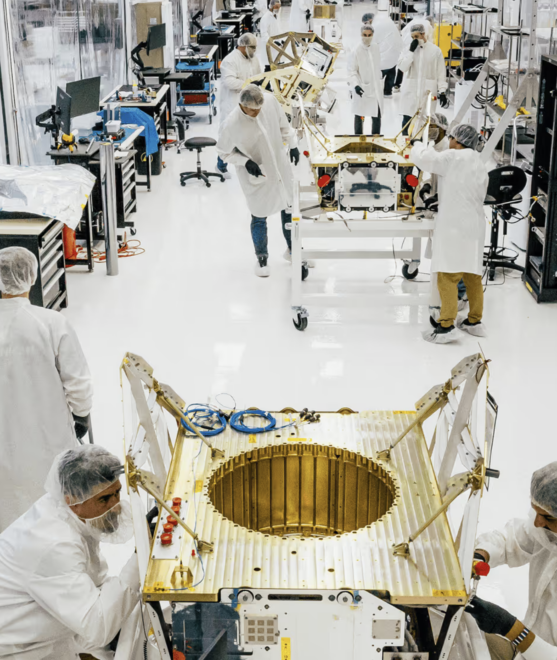
Apex Space factory floor; they make space busses
For fabricated metal products, the EPA has also described waste minimization as a mix of source reduction and recycling. In plain terms, the best waste is the waste that never gets created. A strong maintenance program supports that goal by reducing fluid loss before it becomes a cleanup problem.
Maintenance Programs That Lower Fluid Waste
A sustainable maintenance framework does more than schedule occasional repairs. It creates a system for tracking equipment condition, fluid health, and repeat failure points. The goal is to extend machine life, protect product quality, and reduce waste at the source.
A strong program usually starts with regular inspections. Technicians check hoses, fittings, seals, reservoirs, filters, cylinders, and pumps. Small leaks are repaired early, rather than ignored until they become larger spills. This simple habit can prevent fluid loss and reduce the risk of contaminated floors, drains, and work areas.
Fluid analysis is another useful step. Testing can show whether hydraulic oil contains water, metal particles, dirt, or signs of chemical breakdown. When teams know the fluid’s condition, they can avoid changing it too early or using it for too long. Both mistakes create waste. Early changes send usable fluid to disposal. Late changes can damage equipment and increase scrap.
Filtration also plays a major role. Clean fluid helps hydraulic systems run with less wear. Better filters, proper replacement schedules, and clean storage practices can keep contaminants out of the system. Even small particles can damage precision components over time, especially in high-pressure equipment.
Temperature control matters as well. Hydraulic systems that run too hot can shorten fluid life and stress seals. Heat may come from overworked pumps, dirty filters, restricted flow, low fluid levels, or poor cooling. Monitoring operating temperature helps teams find problems before they waste energy and fluid.
Training is part of the framework too. Operators are often the first to notice small changes, such as unusual noise, slower motion, drifting pressure, or oil around a fitting. When employees know what to report, maintenance teams can respond earlier. This turns frontline awareness into a waste reduction tool.
Digital tracking can strengthen the process. A facility can record leak history, fluid test results, filter changes, repair work, and downtime by machine. Over time, patterns become easier to see. If one press keeps contaminating the fluid or one hose location keeps failing, managers can fix the root cause rather than repeating the same repair.
These steps also support lower carbon impact. Fewer emergency repairs can mean fewer rush shipments for parts, less rework, lower scrap rates, and better energy performance. A well-maintained hydraulic system often operates under less strain, helping the factory run more efficiently.
Cleaner Factories Begin With Smarter Care
Sustainable manufacturing can sound like a large, costly transformation. In heavy industry, some of the most useful changes are grounded in daily discipline. Keep fluid clean. Stop leaks early. Track equipment history. Train workers to notice problems. Replace parts before failure creates waste. Review data often enough to catch patterns.
This approach does not slow production. It supports it. Factories with reliable equipment can plan work more effectively, protect quality, and reduce the hidden costs associated with downtime and cleanup. Customers also benefit from more dependable suppliers that can meet demand without wasting resources.
For leaders, the message is clear. Sustainability is not separate from maintenance. It is built into maintenance. Every repaired leak, extended fluid cycle, cleaner filter, and avoided breakdown helps reduce the footprint of heavy industry.
The factories that take this seriously will be better prepared for the next phase of industrial demand. They will not only produce strong parts, but also do so with less waste, better control, and a clearer commitment to environmental responsibility.
Before there were pharmacies, there were Jewish grandmothers. A restless child might be given chamomile tea or poppy seeds before bed. A cough soothed with honey and herbs. Garlic hung in the kitchen was as much medicine as food, while olive oil treated dry skin and minor wounds. Across the Jewish world, from Morocco and Yemen to Poland and Lithuania, plants were companions in everyday life, offering nourishment, healing and comfort long before modern medicine arrived.
Much of this knowledge never found its way into medical textbooks. It was carried in family kitchens, whispered from mother to daughter, written in the margins of old notebooks and remembered through recipes, blessings and seasonal traditions. Like so many forms of traditional ecological knowledge, Jewish herbalism survived because people lived it.
Today, that living tradition is experiencing a quiet revival.
Naomi Spector
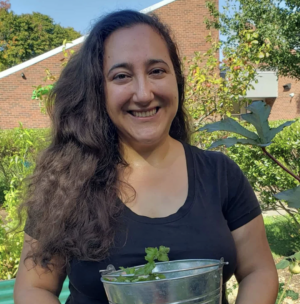
One of the people helping uncover this forgotten world is Naomi Spector, an ethnoherbalist, educator and plant historian whose work explores the botanical traditions of Jewish communities across the diaspora. Through books including The Jewish Book of Flowers and Sefardi Herbalism, along with courses such as Jewish Herbalism for Farmers, Spector invites students to rediscover how plants shaped Jewish life, not simply as remedies, but as part of culture, ritual, agriculture and identity.
Rather than treating herbalism as an alternative health trend, Spector approaches it as cultural history. Her research draws from medieval medical texts, oral traditions, Judeo-Spanish and Yiddish sources, folklore, recipes and the writings of physicians such as Moses Maimonides. The result is a picture of Jewish life that is rooted quite literally in the soil.
One story from the course immediately caught my attention.
In some Ashkenazi communities of Eastern Europe, poppy seed tea was brewed as a calming remedy for children who could not sleep. Historical accounts also describe teething children being given traditional poppy seed sweets to soothe them. Maimonides himself described poppy as a sleep-inducing plant, while in Judeo-Spanish the word for poppy, dormidera, reflects its reputation as “the sleeper.” These practices belong to the history of folk medicine rather than modern healthcare, but they reveal how closely everyday Jewish life was intertwined with the plant world.
What makes Jewish herbalism especially fascinating is that it was never isolated from the cultures around it.
Jewish communities borrowed knowledge wherever they settled. They learned from Arab physicians in the Middle East, from Greco-Roman medical traditions, from Persian healers, from European folk medicine and from Indigenous knowledge of local landscapes. They observed which plants thrived, what neighbours were using and how different cultures approached healing.
Yet that knowledge did not simply become generic herbalism: It was filtered through Jewish law, ritual, language, food customs and community life.
Herbs found their way into Sabbath tables and holiday celebrations. Plants became part of childbirth traditions, wedding customs and mourning rituals. Remedies were discussed in Yiddish, Ladino and Judeo-Arabic, preserving not only recipes but also a distinctly Jewish vocabulary for the natural world. Dietary laws shaped the preparation of foods and medicines, while the Jewish calendar kept communities connected to agricultural rhythms even after centuries in exile.
In this way, Jewish herbalism became an expression of diaspora itself.
Every migration added something new. Sephardi Jews who settled in Morocco and the Ottoman Empire encountered rosemary, saffron and citrus. Ashkenazi Jews adapted to forests, meadows and colder climates, learning the medicinal uses of nettles, elderflower, chamomile and poppies. Yemenite Jews developed their own botanical traditions suited to desert landscapes. The plants changed, but the thread connecting them remained unmistakably Jewish.
Perhaps this is one of the least appreciated forms of Jewish resilience.
People often speak of the Jewish diaspora in terms of migration, persecution and survival. Less attention is given to the ecological knowledge that travelled alongside families. Seeds, recipes, healing plants, seasonal foods and practical wisdom crossed borders with them. Jewish communities adapted to every landscape they entered while preserving customs that reflected their own beliefs and values.
For Green Prophet readers, this story feels surprisingly familiar.
Over the years we have explored Maimonides‘ practical approach to health, biblical plants that continue to flourish in Israel, the medicinal qualities of olive oil, tehini, and herbs, and the traditional recipes and food wisdom shared by longtime contributor Miriam Kresh. Again and again, these stories point to the same truth: our ancestors did not separate food from medicine or agriculture from spirituality. The garden, the kitchen and the home were deeply connected.
That connection is finding new relevance today. As people search for more sustainable ways of living, many are rediscovering skills that previous generations took for granted: growing herbs, making teas, understanding seasonal foods and recognizing the value of local biodiversity. Jewish herbalism fits naturally into that conversation. It reminds us that caring for the earth has always been part of Jewish tradition, not because it was fashionable, but because survival depended upon understanding the landscapes in which people lived.
Spector is also helping cultivate a new community around that idea. She is a co-creator of the Jewish Herbalists Network, part of the Jewish Farmer Network, which connects farmers, gardeners, herbalists, beekeepers and others interested in renewing the agricultural roots of Jewish life. Through workshops, lectures and field-based learning, participants explore everything from flowers and medicinal herbs to farming, pollinators and the environmental teachings embedded within Jewish tradition.
Even if the current session of Jewish Herbalism for Farmers has already begun, Naomi Spector’s work is well worth following. At a time when so much traditional knowledge risks being forgotten, she reminds us that one of the richest archives of Jewish history is still growing quietly beneath our feet.
There is something transformative about leaving land behind. After a day or two at sea you stop thinking about your inbox, your phone begins to lose its importance, and your attention shifts to the horizon. You notice the changing colour of the water, the direction of the wind and the rhythm of the waves. You hope to spot sea turtles, dolphins or, if you’re lucky, a whale.
This is how people find their sea legs. Learning to sail isn’t simply about overcoming seasickness, although that is often part of the experience. It is about learning to trust the movement of the ship, understanding how to move with the sea rather than against it, and becoming comfortable in an environment that initially feels unfamiliar.
One of the best places to discover this is aboard the **Neptun of Marstal**, a traditional Danish brigantine based in the historic sailing town of Marstal on the island of Ærø. Rather than offering passengers a cruise, the Neptun invites people to become part of the crew, whether they have sailing experience or not.
The vessel has had several lives. Built in 1947, it originally worked as a fishing vessel before being restored as a sail-training ship. Today it operates as a non-profit organization that welcomes trainees of all ages who want to experience life under sail while learning traditional seamanship. It is less about tourism and more about participating in a way of life that has shaped coastal communities for centuries.
Days are divided into watches, meals are prepared together, and everyone has a role to play. You might find yourself helping to raise sails, steering the ship, keeping watch during the night or learning how weather, tides and wind work together. Experienced captains and crew guide newcomers through every task, and no previous sailing experience is expected. All hands on deck.
There is something refreshing about doing something real instead of logging into the Wi-Fi at a café.
Scientists explain that our brains and inner ears gradually adapt to the constant motion of the sea. Sailors often joke that the real surprise comes when they return home and solid ground feels strangely unsteady. There is some truth to this. Our sense of balance recalibrates after several days on the water, and the body begins to accept movement that once seemed unsettling.
People come to the Neptun to learn sailing, but they often leave with something else: a greater appreciation for teamwork, simplicity and the natural world.
Behind the Neptun is a community of sailors, volunteers and maritime educators who believe that traditional sailing skills should remain part of our shared cultural heritage. Based in Marstal, one of Denmark’s most historic seafaring towns, the organization maintains the ship not simply as a museum piece, but as a living classroom. Every voyage helps preserve knowledge that might otherwise disappear, from sail handling and navigation to the practical art of working safely and respectfully at sea.
The organization operates as a non-profit, relying on a combination of voyage fees, volunteers, supporters and partnerships to keep the ship sailing. Maintaining a traditional sailing vessel is a labour of love, and every season requires careful maintenance, fundraising and countless hours of work from people who believe these experiences are worth passing on to future generations.
Getting involved is refreshingly straightforward. You don’t need years of sailing experience or your own foul-weather gear. The Neptun regularly welcomes beginners alongside experienced sailors on voyages ranging from short training trips in Danish waters to longer international expeditions. Under the guidance of experienced captains and crew, newcomers quickly become active members of the ship’s company, learning by doing rather than simply watching from the sidelines.
The cost is about $3500 for 50 days and incudes
·Sail training and education
·Shelter and unpolished adventure
·Food and provisions
·Maintenance of the vessel
·Diesel & gasoline
·Clearance / customs
·Other variable expenses
Six white beluga whales rose slowly above the pools of Marineland in Niagara Falls this week, suspended in heavy-duty slings as cranes lifted them onto waiting trucks. The images of the whales of my childhood, when we were told to dream about a day out at Marineland, look like a real-life version of Free Willy. But unlike the Hollywood film, these whales will never be free.
Traffic was shutdown on highways to the Pearson Airport this week as the first 6 of the 30 beluga whales are relocated from the now closed Marineland Canada to accredited aquariums in the United States and Europe. Four bottlenose dolphins still remain at the facility and are expected to be moved under the same international rescue effort.
The transfer marks the end of one chapter in Canada’s history of keeping whales in captivity, and the beginning of another that remains deeply controversial. With marine parks operating around the world, why is Marineland closing?
Marineland’s decline took years in the making. The Niagara Falls attraction, which gave summer visitors a little extra “fun” after watching the waterfalls, faced mounting financial pressures, declining attendance, legal disputes and years of public criticism over its treatment of marine mammals. Canada is one of the leading voices in the world for environmental activism and animal rights, so much that it created the sprit of Green Prophet, to report on environmental issues and people that impact the Middle East. We have seen stories of dolphins in captivity in places like Egypt, where they have been kept in swimming pools and we know humanity can do better for these intelligent beings.
Back to Marineland: after the deaths of longtime owners John and Marie Holer, the heart of the operation, the park stopped functioning as a traditional amusement park and announced plans to relocate its remaining animals while selling off rides and redeveloping the property.
The park has repeatedly denied many allegations made against it about the treatment of the whales over the years and has said it complied with animal-care regulations. According to Last Chance for Animals, Marineland should not be allowing trainers to make dolphins and whales perform for tricks leading to the creation of new animal cruelty provisions in theCriminal Code of Canada. These provisions impose restrictions on keeping whales, dolphins and other cetaceans in captivity. These sections allow organizatins that had cetaceans before the bill came into effect to keep the cetaceans but impose restrictions on their handling.
Ironically the animals will be kept in captivity and will have to pass the most harrowing journey they may experience in their lives, in water, by plane.
Nevertheless, Marineland became one of the most controversial marine parks in North America.
Why are the whales being moved?
Keeping whales and dolphins requires funds for aquariums and feed. Marineland announced it could no longer provide long-term care for its remaining belugas, it initially sought permission to send all 30 whales to the Chimelong Ocean Kingdom in China.
Canada’s federal government rejected that proposal in 2025, saying it was inconsistent with the country’s 2019 law ending the captivity and breeding of whales and dolphins for entertainment. Marineland later warned that without approval to relocate the whales, or financial assistance from the government trying to enforce laws against the animals the same government promoted as a national treasure, it might have to consider euthanasia because it could no longer afford their care.
A new rescue plan was approved in 2026 and under that agreement, 28 belugas will move to accredited institutions in the United States and two will go to Oceanogràfic València in Spain. The relocations are expected to occur over several weeks as veterinarians determine which animals are healthy enough to travel.
Only six whales have begun the journey so far, making this week’s operation the first phase of the rescue and blocking traffic along major byways in Toronto.
Were the whales actually abused and did Marineland deserve all the bad press? That question remains contested. Captive lions, rhinos, elephants and other land animals in Canadian zoos have become more protected over the years. The Zoo in Toronto makes it so the public will only see the animals if the animals “feel” like appearing. It wasn’t always like that. And while the zoos can increase the size of the cages, it’s harder for aquariums to adjust. Ripleys have developed a series of city-based aquariums that provide an immersive experience up close, making old-world marine parks a bit antiquated. But these wild whales and dolphins can’t be released to the wild where they have no social skills. They will probably fail to thrive.
Animal welfare organizations, former trainers and whistleblowers have, for years, alleged inadequate living conditions, poor water quality and insufficient veterinary care at Marineland specifically in the hopes the owners could step up and make it better. Those concerns prompted investigations, lawsuits and repeated public protests. If investors don’t want to take over such a contested business, who blames them?
Marineland has disputed many of those allegations and has maintained that its animals received appropriate and proper care under veterinary supervision. Some allegations were never tested in court, while others resulted in regulatory investigations without findings of deliberate abuse.
What is not disputed is that at least 20 whales, including belugas and the park’s lone orca, Kiska, and a seal have died at Marineland since 2019, according to tallies based on official records and company statements. So the quality of animal care must be addressed.
Many people ask the obvious question: Why can’t they simply be released? if captivity is ending, why not let the whales go free?
Marine mammal experts say it is not that simple. That’s because many of Marineland’s belugas were born in captivity or have spent decades under human care. They have never hunted independently, migrated with wild pods or learned the social behaviors that wild belugas acquire from their families.
A direct release could leave them unable to survive and could also pose health risks to wild populations. Whales learn from each other. Would the Marineland whales be teaching the wild new, negative tricks – like the whales that flip sailing boats in the Mediterranean as vengeance against fishermen?
For these whales, the realistic options were continued human care or an uncertain future.
A rescue that satisfies almost no one
Supporters of the relocation argue that accredited aquariums can provide stable funding, modern veterinary care and better long-term management than a shuttered marine park. Critics respond that moving whales from one aquarium to another is not freedom. They had hoped the animals could eventually live in a protected coastal sanctuary—something between captivity and the wild.
The Canadian belugas are set for America and will stay in the waterfront Abbott Oceanarium, which has room for another six rescued whales.
“Now that they are here, the full attention of our care and veterinary teams is on getting to know these whales and providing whatever supplemental support, care, treatment, nutrition and attention we can provide to help them acclimate to their new environment,” Shedd Aquarium said in a statement.
Nursing can be an extremely rewarding career; few other professions allow you to have such a direct impact on the health and happiness of others, or provide such a deep sense of purpose and fulfilment.
At the same time, nursing can be a very demanding career. It’s fast-paced and high-stress, time and resources are often limited, and decisions can literally mean life or death.Burnout is common, and a significant proportion of newly qualified nurses leave the profession within their first year.
Succeeding in this environment, particularly long-term, takes a specific type of person. They need a unique set of skills, a specific personality, and a clearly defined set of values.
Let’s take a closer look at the characteristics that the most successful nurses share.
They genuinely care about people
Being concerned about the well-being of others is fundamental to the role of a nurse. It’s what turns clinical treatment into meaningful care. It’s also what makes the difficult parts of the job, the heartbreaking developments, and the ‘gross’ moments worthwhile.
This isn’t something that can be faked or even learned. Real empathy and compassion are required to build trust and connection with patients and colleagues. To see past the symptoms to the person underneath; acknowledge their fears, hopes, and individual circumstances; and advocate for their best interests.
Importantly, while a nurse’s care for others must be genuine, it also needs to have clear boundaries. They can understand and acknowledge a patient’s emotions and concerns, but they do not assume responsibility for them. This can be a difficult balance to strike, but it’s necessary to be as supportive as possible without getting overwhelmed.
Strong communication skills underpin this, with nurses often acting as the bridge between patients and the healthcare system. They need to be able to accurately explain complex medical concepts in simple language and sensitively manage difficult conversations. They also need to maintain detailed records of interactions, thus ensuring that important information is clearly conveyed to other care team members.
They like solving problems
Nurses solve problems
Planning and delivering treatment is often like trying to put together a puzzle.
The patient will usually provide some of the pieces, describing their symptoms and other important details. Technical knowledge and clinical experience will also provide some guidance on putting everything together. But nurses have to work out the answer, finding the missing pieces of information and facilitating the solution.
Often, this will mean working with the patient to understand the whole picture. Thoughtful questions may be required to uncover details the patient didn’t realize would be important. And careful observation could be required to pick up on subtle clues and spot when details are being held back.
It will also often mean collaborating with doctors, therapists, and other medical specialists. Synthesizing information and insight from multiple sources may be needed to determine the best course of action. And advocating for the interests and preferences of the patient may be necessary to ensure treatment plans are suitable and effective.
Decisiveness is also essential. As their first point of contact, nurses are generally best positioned to notice a sudden change in a patient’s condition. When they do, they need to quickly analyze the situation, determine whether escalation or immediate action is required, and execute that confidently.
They notice things others don’t
In healthcare, small things can make a big difference. For example, a simple typo or slight misreading of a medication dosage can have dire consequences. This makes accuracy and strong attention to detail critical.
To assist with this, procedures often require nurses to double and triple-check their work. Most facilities have strict standards for record keeping, tidiness of workspaces, and use and storage of consumables. For that reason, administrative systems tend to be rigidly structured to reduce the risk of mistakes and missed information.
As common activities like taking vitals and administering medications are often time sensitive, consistency and punctuality are also important. But again, speed needs to be balanced against the requirement for precision, with nurses needing to both work quickly and maintain accuracy. This has been exacerbated by staffing shortages, whichhave become a national crisis.
An interest in continuous growth and ongoing education is also required to keep pace with the latest research, technology, and practices. For those looking to further develop their professional skills, structured pathways, like those offered byRockhurst University, support ongoing education for nursing professionals. Less formal, on-the-job training and mentorship are also good ways to keep skills sharp and knowledge current.
They are comfortable with ambiguity
Healthcare is not always an exact science, and experimentation is sometimes needed to accurately diagnose and plan treatment. This process can, understandably, create some discomfort for patients and their families, and it requires careful management to minimize anxiety and maintain their trust. More than this, it also requires nurses to embrace uncertainty and navigate their way through with curiosity and an open mind.
Resilience is also a characteristic that’s frequently associated with nurses, and for good reason. Nurses are, in general, dealing with people who are at their worst, while still being expected to remain calm and professional at all times, even in the face of open aggression and hostility.
The environment nurses operate in is also extremely dynamic, with new technologies being regularly introduced and patient needs constantly evolving. Working across multiple departments and facilities also means they have to adapt to different cultures and protocols. This demands a high level of flexibility and a willingness to accept change as it comes.
They have a strong support network
Coping with the difficult nature of both the work and environment takes a high level of emotional strength and intelligence. Nurses need to be able to acknowledge when they’re okay, and when they should ask for the help they need.
Often, this will mean leaning on their colleagues. The collaborative nature of healthcare makes teamwork essential, and care teams often share strong bonds built on mutual respect. There is also a shared understanding of the difficulties of the job and a willingness to support each other when times are tough.
It also means knowing how to switch off when not on shift. When work time is so demanding, personal time needs to be relaxing and rejuvenating. There needs to be a clear boundary between these two worlds to help stop stress bleeding over.
Most importantly, successful nurses acknowledge and accept the limitations and realities of their role. They understand that perfection is impossible and growth is just as important as performance. They know that, as long as they do their best, their contribution is valuable, whatever the outcome may be.
Hair loss is one of those things most people notice slowly — a few extra strands on the pillow, a slightly wider part, or a hairline that seems to be moving backward. By the time it becomes obvious, it’s usually been happening for a while. The good news is that hair loss is rarely a dead end. There are real treatment options out there, and understanding how they work makes it easier to choose what’s right for your situation.
There are natural ways through nutrition, to help deal with hair loss
Why Hair Loss Happens in the First Place
Before exploring treatments, it helps to understand why hair falls. Hair loss isn’t one condition — it has different causes, and those causes affect which treatments actually work.
Some common reasons include:
Hormonal imbalances, especially DHT sensitivity in the scalp
Nutritional deficiencies like low iron, zinc, or B12
Chronic stress, which disrupts the hair growth cycle
Thyroid disorders that affect metabolism at the cellular level
Scalp conditions like dandruff or seborrheic dermatitis
Genetics, which determine how sensitive your follicles are to hormones
Knowing your root cause isn’t optional — it’s the starting point. Treating stress-related hair loss the same way as genetic hair loss rarely works.
Topical Treatments
Topical solutions are applied directly to the scalp. The most well-known is minoxidil, available over the counter in 2% and 5% concentrations. It works by widening blood vessels in the scalp, improving blood flow to hair follicles, and extending the growth phase of the hair cycle.
Minoxidil works reasonably well for certain types of hair loss, especially in the early stages. But it requires consistent, long-term use. Stopping it usually means the hair gained during treatment falls out again. It also doesn’t address the underlying hormonal or nutritional factors driving the loss.
Other topical options include DHT-blocking shampoos, caffeine-based serums, and peptide sprays. These work more gradually and are typically used as supporting tools rather than standalone treatments.
Oral Medications
Finasteride is the most commonly prescribed oral medication for hair loss in men. It works by blocking the enzyme that converts testosterone into DHT — the hormone directly responsible for shrinking hair follicles in people with androgenetic alopecia.
It’s effective for many men, but it comes with potential side effects including reduced libido and mood changes. It’s also not suitable for women, particularly those of childbearing age.
Oral minoxidil, at lower doses, is also gaining traction as an option. It tends to have a more systemic effect than the topical version and is increasingly being prescribed by dermatologists for both men and women.
Nutritional and Ayurvedic Approaches
There are natural Ayurvedic ways to deal with hair loss
Hair needs raw materials to grow — proteins, vitamins, minerals, and good scalp circulation. When those are missing, no topical product will compensate. Nutritional approaches focus on correcting deficiencies from within.
This includes:
Biotin, which supports keratin production
Iron and ferritin, especially important for women with hair loss
Vitamin D, which plays a role in follicle cycling
Ashwagandha and Bhringraj, Ayurvedic herbs with adaptogenic and scalp-nourishing properties
Amla, which is rich in Vitamin C and antioxidants that protect follicles
Ayurvedic treatments look at hair loss through the lens of internal imbalances — weak digestion, elevated stress hormones, and poor circulation — which aligns surprisingly well with what modern science shows about systemic triggers.
Procedural Treatments
For more advanced hair loss, procedural options are available. PRP, or Platelet-Rich Plasma therapy, involves drawing a small amount of blood, concentrating the growth factors, and injecting them into the scalp. It’s non-surgical and has shown positive results, though it requires multiple sessions.
Hair transplant surgery — either FUE or FUT — is considered the most permanent solution for significant hair loss. It physically moves follicles from donor areas to thinning ones. Results look natural when done well, but it’s expensive and still requires maintenance afterward.
Finding the Right Approach
There’s no universal fix for hair loss, and anyone who tells you otherwise is selling something. Effective treatment almost always involves identifying the real cause first, then using a combination of approaches rather than a single product.
If you’re trying to support your hair health alongside a treatment plan, understanding practical hair growth tips — things like scalp care, diet adjustments, and stress management — can make a meaningful difference over time. Platforms like Traya take a combined approach, addressing hair loss through Ayurveda, nutrition, and dermatology together, which tends to be more sustainable than any one-ingredient solution.
Final Thoughts
Hair loss and hair removal is manageable for most people — but it takes some patience and the right information. The treatments that work best are the ones built around your specific cause, not whatever’s trending. Start by understanding why your hair is falling, then choose your tools accordingly. That’s really the most important step.
For the ancient Jewish community, often referred to as the Essenes, that lived near the Dead Sea more than 2,000 years ago, time was supposed to follow a perfect order. The year contained exactly 364 days. Every festival arrived on the same day of the week. The harvest, first fruits and religious life could all be placed within an elegant cycle of 52 complete weeks. There was no leap year, and no added month as the Jewish calendar uses today to sync up with the seasons. Take for example the Muslim calendar which has 13 months, and which is not in sync with natural seasons at all. Ramadan can happen in summer or winter.
There was just one problem with the Essenes plan back then – nature did not cooperate.
A clay version of the Dead Sea Essene calendar at Qumran
A new study proposes a solution to one of the enduring mysteries surrounding the Dead Sea Scrolls: whether the unusual 364-day calendar described in the Qumran texts, recently decoded by artificial intelligence, was ever actually used.
Prof. Eshbal Ratzon from Tel Aviv University argues that it was in her new research paper, until the people at the Dead Sea, isolated from their community, realized that their calendar was drifting away from the seasons it was supposed to organize. Jewish holidays and seasons are connected to harvesting, growing, and the moon, dictating when to give honorings at the temple in Jerusalem and when to fast.
Dead Sea scroll researcher Prof Ratzon
Video on understanding the Dead Sea scroll calendar
The finding offers a fascinating glimpse into an ancient conflict between mathematical perfection which the Essenes thought they’d solved, and the ecological reality of nature. A calendar may be created by people, high priests or political authorities, but agriculture and the pulse of the planet still answers to the movement of the Earth, the return of the rains and the changing seasons.
A perfect calendar with an environmental flaw
How did it work and where did they go wrong: The calendar associated with the Qumran community contained exactly 364 days, a number divisible by seven. That meant every year contained precisely 52 weeks, with religious festivals such as Passover or Succoth, the festival of the booths, always falling on the same day of the week.
For the Jewish sect, this was more than convenient scheduling. It represented to them a divine order and a rejection of the religious authorities in Jerusalem, who determined important dates according to the prevailing lunisolar calendar, or – the moon.
The Qumran community believed that sacred time had already been established at Creation and should not be altered in any way by human beings. But unknown to them, the solar year is roughly 365¼ days long. A calendar of only 364 days falls behind the seasons by about one and a quarter days every year. Over time, those days add up.
Over 20 years, that discrepancy adds up to nearly four weeks and eventually they figured out that over longer periods, festivals associated with spring harvests and first fruits would gradually migrate into winter or autumn.
For an agricultural society that depended on giving their first fruits and tithes to religious authorities in Jerusalem, the calendar would eventually make no sense.
Ratzon’s study suggests that this accumulating ecological mismatch may explain what happened next. Researchers have long debated whether the Qumran community periodically inserted additional days or weeks to correct its calendar, much as other calendar systems use leap years or intercalation. In the Jewish calender, they add a whole extra month every 4 years.
Others have suggested that the 364-day system was never intended for practical use at all. Ratzon argues that the Dead Sea Scrolls support a different explanation: the calendar was real, important and actually used — but it was eventually abandoned.
Nearly 20 scrolls discovered at Qumran deal with calendars and astronomy, an unusually large body of material that demonstrates how central the measurement of time was to the community. The Book of Jubilees, an important text in the Qumran library, strongly attacks the lunar calendar and presents the 364-day year as the original calendar given to Moses at Mount Sinai.
According to Ratzon’s reconstruction, the calendar was probably used during the sect’s formative period in the second century BCE and contributed to its rupture with the religious establishment in Jerusalem. But eventually, the growing gap between the calendar and the natural seasons became impossible to ignore.
Politics may also have helped change the community’s position. During the reign of the Hasmonean king Alexander Jannaeus, relations apparently improved. Jannaeus supported religious interpretations closer to those of the Qumran community and opposed the Pharisaic leadership.
That political thaw, Ratzon argues, may have allowed the community to give up its insistence on a calendar that was becoming increasingly impractical and adopt the calendar used at the Temple in Jerusalem.
The 364-day calendar did not disappear entirely. Instead, it may have survived as an ideal: a memory of perfect time at Creation and perhaps a calendar to be restored in the End of Days.
“The Qumran calendar has long been regarded as one of the Qumran sect’s defining features, but also as one of the most baffling mysteries of the Dead Sea Scrolls,” Ratzon says.
“This study proposes an alternative for the seeming contradiction between a functional calendar and a theoretical one. It is quite possible that the calendar was in fact used for a certain period of time, but then, losing its practical role due to both inherent problems and political changes, became a religious ideal and a symbol of identity. This would explain both its centrality in the Qumran scrolls and its gradual disappearance from historical reality.”
The story has an unexpectedly modern resonance. Humans have always tried to impose neat systems on the natural world and we’ve been trying to fit our own messy reality and humanity onto God. But seasons, harvests and planetary cycles do not bend easily to ideology.
For the people of Qumran, a calendar designed to express perfect cosmic order may ultimately have failed because it could not keep pace with the Earth itself. Time will tell.
Dead Sea Guardians
For those who want to take action, the Dead Sea is shrinking. It is being pumped for minerals and materials for agro-business and virtually no original fresh water is streaming back to replenish it. The Dead Sea is also bordering Jordan. Work with the Dead Sea Guardians to help stop the sinkholes and bring the Dead Sea back to life.
Last summer I sat in my living room and watched a ball of fire land in the back of the forest. Strange things happen when you spend enough time in nature. It’s like you start getting gifts like meteors, the northern lights or the visits from blue herons flying by your window. An Australian couple walking on the beach thought they’d seen a new floating natural phenomenon, but it turns out it’s a new kind of space junk that’s coming back to earth. The Aussies are calling them Space Balls.
Mystery metal balls wash up on a beach in AustraliaWhat are these mysterious metal balls? Have aliens landed on earth?
We’ve written about the problem of space junk in the past. And while it’s comical, Elon Musk sent his own junk there on purpose, one of his first cars, now orbiting the sun with a mannequin waving. The Tesla was launched in 2018 to serve as a dummy payload for the Falcon Heavy’s first mission, which Musk predicted would have a 50/50 chance of success.
Elon Musk’s cherry-red Tesla Roadster is currently in a heliocentric (Sun-centered) orbit traveling through deep space.
The latest objects washing up on the Australian shore are actually the remains from a space launch vehicle, says Australia’s space agency.
Space archeologist Alice Gorman says “This is a classic example of what is known as ‘space balls’,” and they are pressure vessels that contain rocket fuel. These balls can resist reentry into orbit and are buoyant so they don’t sink. “More rockets means more space junk,” Gorman says, noting that we are going to be seeing more of this.
NASA says that that most of the time these kinds of re-entry space objects burn up on entry. So there is probably no need to wear tin helmets, yet.
Conversion therapies are controversial and can be damaging to the gender diverse.
Kansas City is once again trying to ban conversion therapy, but this time, it’s taking a markedly different legal route. The effort, introduced in June 2026, follows a turbulent few months in which the city repealed its own seven-year-old ban, drew sharp criticism from LGBTQIA+ advocates, and watched the legal ground shift beneath it after a U.S. Supreme Court ruling. Here’s a plain-language explanation of what’s actually on the table.
The short version
In early June 2026, Mayor Quinton Lucas and 6th District Council member Johnathan Duncan announced a new ordinance targeting conversion therapy, the discredited practice of attempting to change a person’s sexual orientation or gender identity. They were set to introduce it on June 11, with a possible committee hearing and public comment period, as early as June 23. Lucas, in the announcement, claimed the measure would give the city “the strongest new municipal protections in the country.”
What makes this attempt notable isn’t just that it exists. It’s how it’s written.
How Kansas City got here
To understand the new proposal, you have to understand what happened in May 2026.
Kansas City’s original ban dated to 2019, when the Councilvoted to outlaw the practice for licensed professionals treating minors. That ban stood until last spring, when the Councilrepealed it on a 7–5 vote. Several members who voted yes said they did so reluctantly, viewing repeal as the safer option against mounting legal exposure.
That exposure had two sources. First, Missouri Attorney General Andrew Bailey wassuing the city on behalf of a group of Christian counselors who argued the ban violated their free-speech rights. (The same suit also targetsJackson County’s 2023 ban, which remains in effect.) Duncan said the city expected to lose millions of dollars in that litigation, money he argued would otherwise go to city services.
Second, and more consequentially, the legal terrain had changed nationally.
The Supreme Court ruling that changed the math
In March 2026, the U.S. Supreme Court issued its decision in Chiles v. Salazar, a challenge to Colorado’s conversion-therapy ban. The plaintiff, licensed counselor Kaley Chiles, argued that the law restricted the speech she engages in during talk therapy and that she did not try to “convert” clients.
The Court sided with Chiles. Writing for the majority, Justice Neil Gorsuch concluded that Colorado’s law “censors speech based on viewpoint.” The decision didn’t strike down the Colorado ban outright; it sent the case back to the lower courts for review under a higher level of constitutional scrutiny. In a lone dissent, Justice Ketanji Brown Jackson warned the outcome could usher in “an era of unprofessional and unsafe medical care.”
The practical takeaway for cities like Kansas City: bans that single out conversion therapy by name, as a specific disfavored practice, are now on shaky First Amendment footing.
What the new ordinance actually says
This is where Kansas City’s approach gets legally interesting. According to the reporting, the proposed ordinance never names “conversion therapy” at all. It also contains no language referencing the LGBTQIA+ community or minors specifically.
Instead, it prohibits “dangerous and life-threatening therapeutic practices” performed in exchange for compensation. It defines those as any service intended to treat, cure, change, or eliminate a behavior or condition that is not recognized as a mental disorder in the American Psychiatric Association’sDiagnostic and Statistical Manual of Mental Disorders. The measure specifically targets practices shown to increase the risk of self-harm or depression.
A few key features distinguish it from the 2019 version:
It covers everyone, not just minors. Duncan noted the old ban applied only to minors, and that no one was ever charged under it. The new proposal extends to any person who receives the practice.
It targets the harm, not the label. “We focused mostly on the harm and not the practice itself,” Duncan said.
It penalizes payment. The ordinance restricts paying for these practices, a mechanism Duncan described as a way to hold parents or guardians accountable for exposing children to them.
Enforcement is through licensing. Violators face a $1,000 fine and revocation of their business license.
Duncan also predicted the framework could become “a template for other cities” trying to protect residents within the constraints the Supreme Court left behind.
Does the new approach solve the legal problem?
Legal experts interviewed by KCUR were cautiously intrigued and pointed to fresh complications.
Allen Rostron, a law professor at the University of Missouri–Kansas City, said the Chiles ruling will make existing bans hard to sustain because the justices saw Colorado’s law as discriminating based on the content and viewpoint of a counselor’s speech. By avoiding any reference to a single named practice, Rostron said, Kansas City’s draft “seems to improve their position on the First Amendment issue.”
But that same vagueness, he cautioned, opens a different line of attack. “It talks about any dangerous or life-threatening therapeutic practice. What are those?” Rostron asked. “Who’s now going to decide which ones are sufficiently dangerous and life-threatening?” A law that’s too broad or subjective can be challenged on those grounds instead.
Carl Charles, an attorney with the LGBTQ+ civil rights organization Lambda Legal, flagged a more specific drafting wrinkle. The ordinance hinges on conditions not recognized as mental disorders in the DSM, but gender dysphoria, which many transgender people experience, is still listed in the manual. “It is not a mental disorder, that’s important to note,” Charles said, but he warned the definitional mismatch “could face unnecessary pushback” in court.
In short, the new structure may dodge the precise problem Chiles created, while inviting scrutiny over whether it’s too vague or whether its DSM hook actually reaches the conduct it intends to.
Why officials say it matters
Beyond the legal chess, supporters frame the ordinance as a public-health measure. Major medical organizations, including theAmerican Psychological Association and theAmerican Medical Association, have long condemned conversion therapy as ineffective and harmful. A 2023 federal review by SAMHSA,Moving Beyond Change Efforts, concluded the practice should never be provided to young people.
James Moran of the local LGBTQ+ nonprofit Our Spot KC told KCUR that bans offer vulnerable youth a measure of reassurance, and that reopening the door to the practice “is scary” for the community. Duncan, who has spoken about living with PTSD, framed the city’s obligation in personal terms, calling it “absolutely incumbent upon the city” to act.
What to watch next
The ordinance now moves through the council process, including the committee hearing and public comment. The open questions are whether it can hold up against the inevitable legal challenge, given both the Chiles precedent and the vagueness and DSM concerns experts raised, and whether, as Duncan hopes, it becomes a model that other municipalities adopt. For now, Kansas City has positioned itself as an early test case for how local governments might regulate a practice the medical establishment rejects, in a post-Chiles world that has made doing so considerably harder.
Selecting a senior living community requires closer attention than a polished tour can invite. Families need evidence that personal care, clinical oversight, nutrition, and social contact hold up every day. Reliable places show their standards through staff behavior, prompt responses, clean surroundings, and steady routines. Those signs affect strength, mood, sleep, and confidence. They also help older adults preserve dignity, familiar rhythms, and a lasting sense of belonging.
Spending time in the greenhouse is good for the person and the planet
Care That Fits Daily Life
Early research often starts with price, address, and floor plans, yet daily support tells far more. For families comparing assisted living in Nashville, the better questions concern bathing assistance, medication administration, mobility assistance, and nurse availability. Needs can shift after illness, a fall, or gradual frailty. Flexible care reduces strain, limits disruptive transfers, and protects continuity for residents who depend on stable routines.
Staff Presence Matters
Staffing patterns shape nearly every resident outcome. Skilled caregivers who remain visible through the day can assist with transfers, hygiene, continence, and unexpected symptoms before distress escalates. Continuity matters just as much as headcount. Familiar team members often recognize subtle changes in gait, appetite, skin tone, or cognition. That early notice can lead to quicker clinical follow-up, fewer complications, and better comfort.
A Clear Safety Standard
A sound safety program should feel organized, calm, and easy to explain. Families should ask how the team responds to falls, missed medications, wandering risk, or sudden confusion. Favorable answers include clear escalation steps, prompt charting, and staff who know each resident well. Secure entrances matter, yet so do handrails, lighting, uncluttered paths, and bathrooms that support safe transfers without causing embarrassment.
Dining Supports Health
Meals influence body weight, hydration, blood sugar stability, bowel regularity, and general morale. Strong dining service offers fresh options, balanced portions, and choices that respect chewing limits or swallowing concerns. Residents should be able to enjoy food that feels recognizable and appealing. Shared tables matter too. Conversation during meals can support appetite, reduce withdrawal, and reinforce orientation through predictable daily timing.
Activities Should Feel Purposeful
When it comes to training the older mind there is nothing like chess
Busy calendars can look impressive while offering little therapeutic value. Better programs include movement, music, discussion, reading, spiritual practice, and sensory engagement matched to physical capacity. Residents benefit when activities support balance, memory recall, hand strength, or social confidence. Choice remains important. Participation should feel inviting, never pressured. Well-run programming gives structure to the day while helping older adults maintain interest and identity.
Memory Support Needs Depth
Memory support deserves careful review because vague promises can hide weak preparation. Families should ask about staff education, cueing methods, nighttime routines, and approaches for agitation or sundowning. A thoughtful setting lowers overstimulation and helps residents remain oriented through repetition, visual prompts, and calm redirection. Impactful dementia care protects safety while preserving personhood, emotional comfort, and meaningful engagement linked to each resident’s history.
Health Access Adds Stability
Ready access to clinical services can reduce transfers and prevent avoidable setbacks. Communities with nursing oversight, therapy coordination, and strong physician communication often manage change more smoothly. After surgery, infection, or dehydration, residents may need close observation and rehabilitation support. Fast coordination helps recovery. Proximity to hospitals and outpatient specialists can also shorten delays, which matters when symptoms shift quickly or mobility becomes limited.
Living Spaces Shape Comfort
Physical surroundings influence stress, sleep quality, balance, and willingness to leave a private room. Families should notice noise, glare, odors, hallway width, seating comfort, and outdoor access. Thoughtful design supports movement without confusion. Shared spaces should offer both energy and quiet refuge. Housekeeping, transportation, laundry service, and practical storage also affect daily ease, especially for residents managing fatigue, arthritis, or impaired vision.
Ask About Future Changes
A community should meet current needs without ignoring what may come next. Health status can change gradually, then shift sharply after hospitalization or cognitive decline. Families should ask whether support levels can increase without another move. Contract terms deserve close reading as well. Clear explanations about fees, temporary care, and partner coordination often reveal whether a provider can offer dependable continuity under pressure.
Conclusion
A senior living community proves its quality through ordinary moments, not polished language. Families should look for attentive caregivers, sound clinical practices, nourishing meals, useful activities, and spaces that support safe movement without feeling institutional. Memory support and medical coordination also deserve close review. When those pieces work together, residents are more likely to keep strength, comfort, and self-respect, while families gain steadier trust in the choice.
With 50 percent more protein and 25 percent less fat than conventional chickpeas
The world has a protein problem. As the global population grows and demand for more sustainable, scalable options surges, the crops we rely on have not kept pace. The food system has relied on starch-rich crops like wheat, corn and rice for affordable calories, and the crops powering today’s alternative proteins have real limitations. Consumers are asked to adapt, and food formulators spend enormous effort masking their taste and functionality challenges. The result is longer ingredient lists, more processing, higher cost, and products that ask consumers to settle.
Kathryn Cook, CEO and co-founder of NuCicer, developed a high-protein chickpea using wild chickpea genetics.
There is a better option. It has been feeding people for thousands of years. And until now, no one had unlocked its full potential.
Kathryn Cook had spent her career pushing the boundaries of what materials and systems could do, first as a materials and process aerospace engineer at Boeing, then leading programs in autonomous aircraft systems and AI-voice technology at Facebook. She had been watching the alternative protein movement grow and thinking about where she wanted to have an impact. What kept drawing her back was food: the ingredients, the supply chains, and the question of whether plant-based proteins could deliver on their promise without asking consumers to make trade-offs between flavor, nutrition, and affordability. She believed those trade-offs were unnecessary limitations of an outdated system.
The answer, it turned out, had been growing in her father’s lab.
Professor Doug Cook, a plant geneticist at UC Davis and Kathryn’s father, had spent years chasing that potential. He led an international expedition into the mountains and river valleys of southeastern Türkiye, the rugged birthplace of the chickpea, to collect and study its wild ancestors. His team sequenced the genomes of over 1,000 wild chickpea plants and made a striking discovery: roughly 97% of the crop’s genetic potential had been lost during domestication, left behind in the wilderness when ancient farmers first cultivated the plant thousands of years ago. The wild Cicer genus, from which the chickpea takes its name and from which NuCicer takes its own, contains over 40 species. Most of that diversity never made it into the domesticated crop. The diversity that could solve modern agricultural challenges was still out there, waiting.
Professor Doug Cook of UC Davis researched wild chickpea genetics that led to NuCicer.
Doug’s lab set out to reclaim it. By crossing wild Cicer relatives with cultivated varieties, subspecies separated by tens of thousands of years of evolution, they unlocked traits that had never existed in farmed chickpea, including resistance to disease, tolerance of drought and difficult soils, and strong symbiosis with the soil microbes that enrich the plant. But the most unexpected discovery came from a simple experiment on nutrition. Some of the new plant lines carried protein concentrations above 35%, compared to the 20 to 22% found in commodity chickpea today, putting it in the range of soybean, the gold standard of plant protein crops. At the same time, fat content dropped from 6 to 7% down to 4.5 to 5%, a shift with meaningful implications for protein extraction and processing. And the flavor was nutty, creamy, and neutral, making it ideal for processing without masking agents.
When Kathryn heard what Doug’s lab had found, she understood immediately what it meant. She spent six months pressure-testing the idea, thinking through the science and the commercial opportunity. By the end of 2019, she had made her decision. Kathryn co-founded NuCicer with Doug, now Chief Science Officer, and Dr. Brendan Riely, a Senior Scientist at UC Davis and now NuCicer’s Director of R&D. As CEO, Kathryn licensed the genetic library and underlying research from UC Davis to form the company’s foundation. The goal was something more than a better ingredient. It was to create a future staple crop for the global food system.
Searching for lost genetics: Nuchi chickpeas contain 50% more protein and 25% less fat than conventional chickpeas.
Chickpea has been woven into the fabric of human civilization for thousands of years, accepted across cultures in ways that other plant proteins have not. It is gluten-free and hypoallergenic, and unlike most plant protein ingredients, delivers fiber that is essential for health and wellbeing. It enriches the soil with nitrogen as it grows, reducing the need for synthetic fertilizer.
And now, with NuCicer’s breakthrough, chickpea has the protein content to compete at the center of the plate. No other crop carries the same combination of nutritional profile, flavor, function, sustainability, and centuries of consumer acceptance. The natural diversity that nature preserved, combined with the predictive breeding platform NuCicer built to harness it, is what makes a new future for protein ingredients possible. Today, NuCicer is translating that potential into commercial scale, with 10,000 acres planted in 2026—a fourfold increase over last year. This chickpea gives NuCicer the platform to create the future of protein ingredients.
Wilds in the greenhouse
Why now?
The global protein market is changing rapidly. Consumers are actively seeking higher-protein foods, driven by changing diets, healthy aging, sports nutrition and the growing use of GLP-1 medications, which have increased demand for protein-rich foods.
At the same time, manufacturers face an unexpected challenge: a shortage of whey protein. Whey protein concentrate prices have risen sharply as demand has outpaced supply, forcing food companies to reformulate products and look for reliable alternatives.
Traditional plant proteins also come with trade-offs. Pea protein often requires flavor masking because of its beany taste. Fava protein can present similar formulation challenges with bitter flavor compounds. Soy brings a different set of hurdles as one of the nine major allergens designated by the FDA, requiring labeling that many clean-label brands prefer to avoid. Whey, meanwhile, is carbon-intensive, animal-derived, increasingly expensive, and unlike legumes, contains no dietary fiber.
Introducing Nuchi – A New Class of Chickpea
Chickpeas in their natural state. NuCicer, 2026
NuCicer believes chickpea has always been uniquely positioned to compete, but conventional varieties simply lacked the genetics. Nuchi changes that. With 50 percent more protein and 25 percent less fat than conventional chickpeas, Nuchi is a new class of chickpea, offering manufacturers an ingredient that is naturally high in protein, rich in fiber, easy to process and compatible with existing pea-protein manufacturing equipment. Its improved protein-to-fat ratio means processors can avoid the costly defatting steps that make standard chickpeas difficult to use at scale.
NuCicer’s Nuchi chickpeas combine wild chickpea genetics with AI-guided breeding to deliver 50% more protein, less fat, and improved sustainability for the future of food.
Nuchi can be simply milled into high-protein flour, separated with airflow to make low-fat flour and protein concentrates, or processed into protein isolates, offering flexibility across everything from baked goods to pasta and protein-enriched foods.
For growers, the benefits extend beyond protein. As a legume, chickpeas naturally fix atmospheric nitrogen, reducing fertilizer requirements while improving soil health for the crops that follow. The first Nuchi variety also matures two to three weeks earlier than conventional chickpeas, reducing weather risks in northern growing regions such as Canada and the Pacific Northwest.
A natural and wild chickpea growing out of a rock
Q&A with Kathryn Cook, CEO and Co-Founder of NuCicer
Green Prophet: NuCicer’s journey began in southeastern Türkiye. Why was it important to start where chickpeas first evolved?
Kathryn Cook: The wild ancestors of today’s chickpea still grow in southeastern Türkiye. That region preserved genetic diversity that disappeared as humans domesticated the crop thousands of years ago. My father’s research asked a simple question: what if the traits modern agriculture needs are still there? That search ultimately became the foundation of NuCicer.
Green Prophet: Doug’s background research found that domestication left behind nearly 97 percent of the chickpea’s genetic diversity. How significant is that?
Kathryn Cook: It completely changed how we thought about the crop. Domestication gave us an extraordinary food, but it also narrowed its genetic base. The wild Cicer subspecies still contained enormous untapped potential. Our work has been about recovering those naturally occurring traits through breeding.
Green Prophet: Many companies are pursuing gene editing. Why did NuCicer choose another path?
Kathryn Cook: The diversity already existed in wild chickpeas, and nature had already done the hard work. What remained was harnessing it. Gene editing is most efficient when one or a few known genes have a major effect on a trait, but traits like total protein content and yield are polygenic, shaped by large numbers of genes working in combination. NuCicer’s AI-guided predictive breeding platform looks across the entire genome, using controlled crosses between wild relatives and cultivated varieties to drive rapid evolution and produce a new class of high-protein chickpea, which is Nuchi.
Green Prophet: What exactly is Nuchi?
Kathryn Cook: With 50% more protein, Nuchi is not your average chickpea—it is a completely new class. The food industry has spent years working around the limitations of standard chickpea, formulating past its fat content and compensating for what it could not deliver. Nuchi eliminates those limitations at the source. This is what the chickpea was always capable of. We just had to reclaim it.
Green Prophet: Why is higher protein only part of the story?
Kathryn Cook: Higher protein is important, but Nuchi also contains less fat. The higher protein-to-fat ratio makes it much easier and more economical to process. Manufacturers don’t need expensive defatting steps, and food formulators benefit from not needing flavor-masking ingredients. These benefits combine to support cleaner, shorter ingredient labels. And let’s not forget about the strong fiber content—another critical component for human nutrition that naturally exists in chickpea.
Green Prophet: Before NuCicer you worked at Boeing and Facebook. What convinced you to leave aerospace and technology?
Kathryn Cook: My engineering background trained me to look at performance problems from the input side. If the material is wrong, everything built around it fights it. When I looked at alternative protein, I kept seeing the same pattern. The industry was engineering around a starting material that was never designed for the job. My question was: why weren’t the challenges of affordability, flavor and nutrition being addressed with better materials, better inputs, better crops? When I heard what my father’s lab had uncovered in wild chickpea, I realized this wasn’t simply another crop improvement project. It had the potential to reshape sustainable protein production. So I decided to build NuCicer.
Green Prophet: The story feels almost archaeological, returning to ancient landscapes to recover forgotten seeds.
Kathryn Cook: I love that visualization. Yes, this is a story about the power of nature coming together with cutting-edge machine learning and data systems to meet today’s human and planetary health needs. We are rediscovering what survived in nature for thousands of years and using it to address challenges modern agriculture is only beginning to face.
Green Prophet: Why should consumers care where their protein comes from?
Kathryn Cook: Consumers increasingly want food that’s nutritious, sustainable and minimally processed. By improving the crop itself instead of relying on industrial alterations afterwards, we can create ingredients that perform naturally while supporting more sustainable agriculture.
Green Prophet: What does Nuchi offer farmers?
Kathryn Cook: Chickpeas naturally fix nitrogen from the atmosphere, reducing fertilizer needs for future crops. The first Nuchi variety also matures two to three weeks earlier than conventional chickpeas, giving growers greater flexibility while reducing weather risk in shorter growing seasons.
Green Prophet: Why are the Northern US and Canada important?
Kathryn Cook: They already have strong pulse-growing traditions and provide excellent conditions for rotational cropping systems. They’re ideal places to demonstrate both the agronomic and commercial advantages of Nuchi.
Green Prophet: Looking ahead, where do you hope chickpeas fit into the global food system?
Kathryn Cook: Today, so much of the food system is built on starch-rich crops. Those crops will always matter, but the next generation of food needs crops that can deliver more protein, fiber and nutrition from the beginning. That is the opportunity we see for chickpea. We’d like to see chickpeas become one of the world’s primary protein crops. They’ve nourished civilizations for thousands of years. Now they have the opportunity to become one of the defining sustainable protein ingredients of the future.
Canada’s forest sector contributes roughly 25 billion USD to the country’s economy every year, while the US forest products industry generates an estimated $288 billion USD per year. Together, North America’s timber economy is worth hundreds of billions of dollars.
Yet an astonishing amount of perfectly good wood never becomes part of a building. A friend of mine works in grading wood. Only the straightest, unblemished trees fetch the high prices. The rest? Off to the chipper or back to the forest floor.
Torvinen Jaakko: Instead of chipping bent and irregular trees, researchers at Carleton University and Aalto University are exploring how “ugly wood” can become the foundation for a new generation of sustainable architecture.
Those castaways, the bent trunks, twisted branches, unusual forks and organically shaped knots and sections are chipped, burned, or left as firewood or to rot (the mushrooms are happy!) because they don’t fit the standardized lumber industry.
Torvinen’s work in Finland
The problem here is economic as much as aesthetic. Timber markets reward straight, uniform logs that can be milled efficiently into dimensional lumber. Those unusual trees with bends, curves, knots that might resemble the face of your uncle, or which are used in weekend cottage projects, are typically downgraded to low-value pulpwood.
Yet for foresters and landowners, these “misfit” trees often sell for only a fraction of the value of premium sawlogs, representing millions of dollars in lost value every year while also shortening the time carbon remains locked away in buildings.
Researchers at Carleton University and Aalto University are proving that bent and irregular “ugly wood” can become valuable building material, offering Canada’s timber industry a new path to reduce waste, increase profits, and build more sustainably.
Architect and Aalto University PhD researcher Jaakko Torvinen believes it’s time to rethink the way we see forests. And he’s been working with a Canadian university, Carleton, for proof on how it can be done.
After Green Prophet featured Torvinen’s work in Finland, where he demonstrated how “ugly wood” could become beautiful architecture rather than biomass, he brought the idea to Canada, co-leading a graduate design studio at Carleton University in Ottawa with Dr. Peter Osborne.
The collaboration merged two complementary research directions.
Architecture students at Carleton University transform irregular “ugly wood” into sustainable building prototypes, demonstrating how bent and misshapen timber can reduce waste in Canada’s forestry industry.
Torvinen tells Green Prophet: “The graduate studio at Carleton University was a combination of my research and Dr. Peter Osborne’s research. He focuses on trait-based wood utilization in timber construction, aiming to expand what wood species we use in building products. I am investigating how we could utilize the organically shaped parts of trees that are not utilized architecturally and structurally.”
Rather than beginning with blueprints, students began in the forest.
They analyzed the woodlands around Ottawa, Ontario studying which tree species grow locally and how their natural characteristics might become assets instead of defects. The class then sourced material from a local arborist, wood that otherwise would have been fed into a chipper, and transformed it into structural prototypes.
“After building the prototypes, the students designed a fictional public building, the architecture of which was guided by the prototypes they had previously made,” Torvinen explains.
The exercise turned conventional architecture upside down. Instead of forcing trees to conform to industrial standards, the buildings evolved from the shapes the trees had already grown.
For Canada’s forestry sector, the implications reach far beyond an architecture studio. As governments and industry search for ways to reduce waste, increase carbon storage locked into wood, and improve the value of every harvested tree, researchers like Torvinen and Osborne suggest that innovation may lie not only in engineered wood products like cross-laminated timber, but also in embracing the irregular forms the industry has traditionally rejected. Torvinen shows how unusual forms can be sound and solid.
Canada has an opportunity to lead. By creating new markets for crooked trunks the forestry sector could generate greater returns from every harvest while reducing waste and keeping more carbon locked inside long-lasting buildings.
Credit to Carleton students: Alvin Ahn, Dennis Avgerinos, Mostafa Bdeir, Andre Cusson, Haseena Doost, Maria Fares, Alexis Gawlina, Rashida Leslie, Rayan Mazeh, Nadine Mustafa, Shagana Muttiah, Rebecca Sondermeyer, Katrina Tarcia.