Home Blog Page 5

Why Health Systems Are Reaching a Turning Point

0
Heinz J. Sturm is a system architect and analyst exploring integrated climate, energy, water, and health systems as initiator of the Bonn Climate Project and developer of Ars Medica Nova.

Heinz J. Sturm is a system architect and analyst exploring integrated climate, energy, water, and health systems as initiator of the Bonn Climate Project and developer of Ars Medica Nova.

Across Western countries and large parts of the Middle East, health systems are approaching a structural turning point.

Rising costs, chronic disease, demographic change, and environmental stress are exposing the limits of existing healthcare models.

What is becoming visible is not a crisis of medicine, but a crisis of system design.

Policymakers are increasingly recognizing that the future of health prevention and healthcare cannot be secured through medical expansion alone. Long-term stability will depend on how foundational systems—water, food, energy, and living environments—are designed and integrated.

In this article, I point out why health must be understood as the outcome of coherent system architectures. The question is no longer whether health systems will need to change, but whether they will be redesigned deliberately—or forced to change under pressure.

From System Loss to System Design – Why Health Begins Long Before Hospitals

In many countries, healthcare costs are rising faster than economic growth. At the same time, chronic disease is placing lasting pressure on public budgets. This situation is often described as a medical crisis. In reality, it is a structural one.

Health is not a medical sector.

Health as an outcome of integrated water, food, energy, and living systems.

The model shown describes health not as an isolated medical service, but as the outcome of a continuous energy and material system linking water, food, living systems, and human physiology.
At the foundation lies water—not only as a resource, but as a primary form of biological energy. Clean water carries minerals and energy into soils and plants. Through food systems, this energy is transferred to animals and ultimately to humans.
Nutrition, in this context, is not merely the intake of substances, but the transfer of biologically active energy required for cellular function, metabolism, immune regulation, and physiological balance. Health emerges from the availability and quality of this energy flow.
Cells can only function stably when continuously supplied with clean, low-resistance biological energy derived from water, minerals, and food. When this energy and material flow is disrupted—through poor water quality, degraded soils, or nutrient-poor food—physiological stress and disease risk increase.
Technical energy systems complement this biological cycle. They enable water treatment, irrigation, agricultural production, storage, and food distribution. When properly designed, they support biological energy flows rather than displacing them.
The interaction of biological and technical energy and material systems strengthens resilience, reduces long-term health costs, and stabilizes societies. Health appears in this model as the result of functioning systems—not as the product of isolated interventions.

It is the outcome of systems.

Modern health policy focuses primarily on hospitals, pharmaceuticals, and clinical care. These are necessary, but they intervene late—after imbalances have already emerged.

Health begins earlier: with water quality, food systems, living environments, and the ecological conditions of daily life. When these systems are unstable or poorly regulated, disease rates rise and healthcare systems enter a permanent repair mode.

This is not a failure of medicine.
It is a failure of system design.

Historically, this understanding of health was self-evident. Medical traditions across the Levant and the wider region viewed health as balance between human beings and their environment. Water, food, climate, and lifestyle were central medical factors. These systems were preventive and sustainable over time.

Today, it is becoming clear that intervention-based health systems—however effective in acute care—face economic limits. Even the countries that developed them struggle with rising costs and structural overload.

A different path is possible.

Where water systems are stable, nutrition improves. Where nutrition is stable, human physiology stabilizes. Where living environments support biological needs, long-term health costs decline. Health does not emerge as a service delivered, but as the result of good design.

This also changes how medicine itself is understood. Originally, the physician was a system thinker. In this sense, many professions shape health—from water and agricultural experts to urban planners and infrastructure operators.

This systemic relationship is illustrated in the accompanying graphic.

What Comes Next?

If health is a system outcome, reform cannot begin with isolated projects. It must take place at the level where systems are designed: states and ministries.

The next step lies in developing national health architectures that integrate water, food, living environments, and infrastructure as a coherent foundation. The goal is no longer intervention, but prevention—and long-term stability.

::Bonn Climate Project

___


Heinz J. Sturm is a system architect and analyst working at the intersection of energy, water, health, and societal resilience. He is the initiator of the Bonn Climate Project, where he develops integrated system frameworks linking climate action with public health and long-term stability. Sturm is also the developer of Ars Medica Nova, a conceptual platform exploring new models of preventive health that draw on systems thinking, biology, and infrastructure design. His work focuses on translating complex system architectures into practical narratives for policymakers, researchers, and civil society.

Sustainability That Sells: How Profit and Purpose Come Together in the Hive

0
Simon Mildren the founder of Hive Keepers makes it easy and sustainable for home owners to keep bees and harvest honey. Image: supplied

For too long, sustainability and profit have been treated as opposites.

One was about doing good, the other about doing well. But the businesses that will define the next decade are the ones that understand the two are now inseparable.

Sustainability is not a cost. It is a new way to make money.

At HiveKeepers, we stopped asking how to make beekeeping more sustainable and started asking how sustainability could make it more profitable. That shift led to the Micro Honey Harvester, a world-first modular system that lets anyone, anywhere, harvest pure honey without the complexity, cost or waste of traditional extraction.

Hivekeeper extractor holds one small frame and allows you to harvest a little, not a lot, without pressure to the bees. Gif: supplied.

Traditional honey extraction is messy, expensive and inaccessible for most people who care about sustainable food production. Large rooms, heavy machinery and dedicated facilities all create barriers for smaller producers trying to operate profitably.

The Micro Honey Harvester removes those barriers entirely. Designed with precision and intention, it eliminates the need for an extraction room. With a simple push of a button, beekeepers can harvest fresh honey from hive to home in minutes with zero mess. The result is less waste, higher yield, lower setup costs and a cleaner product ready for sale.

And here’s the part businesses rarely acknowledge: it can make you money.

Whether you are a commercial grower, hobbyist beekeeper or retail equipment supplier, this system opens a new income stream with minimal environmental impact.

For the first time, sustainability is no longer only an ethical choice. It is a financial strategy.

Consumers today expect transparency and traceability from the businesses they support. They want to know their purchases make a difference. By integrating sustainable systems like the Micro Honey Harvester, businesses don’t just meet this expectation, they exceed it. They attract new customers, command stronger margins and tell a genuine story that resonates with modern buyers.

HiveKeepers is already proving this model works. Our technology has been recognised globally, winning both an Apimondia Gold Innovation Award and an Australian Good Design Award. These accolades represent more than engineering excellence. They signal a vision for how design, purpose and profitability can coexist.

Hivekeeper extractor holds one small frame and allows you to harvest a little, not a lot, without pressure to the bees. Gif: supplied. Hivekeeper extractor holds one small frame and allows you to harvest a little, not a lot, without pressure to the bees. Gif: supplied.
Hive Keeper’s Simon Mildren. Image: supplied to Green Prophet.

As Founder Simon Mildren puts it, “We didn’t want to make another product. We wanted to redesign an entire process and make it profitable for everyone involved, from the beekeeper to the planet.”

The Micro Honey Harvester reflects a shift in mindset. It shows what happens when sustainability sits at the centre of design, not the edge. Every element was created to reduce waste, save energy and simplify the harvesting process without compromising quality. The result is a product that benefits both the environment and the economy. It empowers individuals and businesses to take part in regenerative production, turning sustainability into something tangible and rewarding.

This is also a glimpse into the future of food production. Local, traceable, small-scale and connected. Just as microbreweries redefined beer, micro-harvesting is redefining honey.

Distributed production strengthens resilience and creates a closer relationship between the producer, the consumer and the land. It shortens supply chains, reduces waste and builds a more transparent and trustworthy marketplace.

The entire HIve Keeper kit. Image: supplied.

HiveKeepers is part of a growing movement proving that innovation and sustainability are not competing goals, they are the same goal. The companies that understand this will lead the next wave of growth.

The Micro Honey Harvester is not just for beekeepers. It is for innovators, growers and entrepreneurs who see that doing better for the planet and doing better for their business are now one and the same.

This is not a trend. It is the future. Sustainability is the way forward, and it is the way to make money moving forward.

Simon Mildren, HiveKeepers: [email protected]

The Fitness App Revolution: Building the Future of Wellness Through Strategic Development

0
Sexy man doing yoga
Hot yoga has its benefits. Modern fitness in thai chi, running, forest bathing. Get moving. Image via Unsplash.

Introduction: The Digital Pulse of Modern Fitness

In an era where smartphones are ubiquitous and health consciousness is at an all-time high, the fitness industry has undergone a radical digital transformation. Fitness applications have moved far beyond simple pedometers, evolving into comprehensive wellness platforms that serve as personal trainers, nutritionists, and community hubs right in our pockets. This sector is not just growing—it’s exploding, with the global fitness app market projected to exceed $120 billion by 2030. For a forward-thinking software development company, this represents a monumental opportunity. However, success in this competitive arena requires more than just coding ability; it demands a deep understanding of user psychology, seamless hardware integration, and data-driven personalization. This is where the specialized expertise of a partner like Cogniteq becomes a game-changer, transforming a standard development project into a strategic, market-leading digital health solution.

The Engine of Growth: Key Drivers Fueling the Fitness App Boom 1. The Post-Pandemic Paradigm Shift in Health

The COVID-19 pandemic served as a profound catalyst, permanently altering our relationship with health and fitness. With gyms closed and routines disrupted, millions turned to digital solutions for the first time. This shift revealed lasting advantages: unparalleled convenience, flexibility, and personalized pacing. What began as a necessity has solidified into a preferred modality for a vast user base, creating a sustained and growing demand for high-quality, at-home, and on-the-go fitness guidance.

2. The Quantified Self and Data-Driven Wellness

Today’s fitness enthusiasts are empowered by data. Users no longer simply “work out”; they seek to optimize every variable—from heart rate zones and calorie burn to sleep quality and recovery metrics. Modern fitness apps satisfy this demand by aggregating data from wearables (smartwatches, heart rate monitors, smart scales) and using sophisticated algorithms to provide actionable insights. This transformation of raw data into personalized coaching advice is a core value proposition that keeps users engaged and subscribed.

3. The Rise of Holistic and Mental Wellness

The definition of “fitness” has broadened significantly. Users now seek a 360-degree approach to well-being that integrates physical training with mental health, nutrition, and recovery. Leading apps have expanded their offerings to include guided meditation, stress management exercises, sleep stories, and macro-nutrient tracking. This holistic approach increases user stickiness by addressing multiple facets of their wellness journey within a single, cohesive ecosystem.

4. Gamification and the Power of Community

Human beings are intrinsically motivated by achievement and social connection. Top-tier fitness apps brilliantly leverage this through gamification (badges, streaks, challenges, leaderboards) and community features (social feeds, group challenges, direct messaging). These elements transform the solitary act of exercise into a shared, competitive, and rewarding experience. This social layer is a critical driver of user retention, turning a utilitarian tool into a daily habit supported by accountability and camaraderie.

Critical Technical Pillars for a Successful Fitness App

online yoga classes, two women
Apps can help connect people to a gym and a membership, making it feel like community. Image via Unsplash.

Building an app that captures this market requires overcoming significant technical challenges. A superficial application will quickly be abandoned; a robust, intuitive platform becomes indispensable.

Seamless Wearable and IoT Integration: The app must act as a central hub, effortlessly syncing with a wide array of devices via Bluetooth, ANT+, and Wi-Fi. This requires deep expertise in SDKs and APIs for platforms like Apple HealthKit, Google Fit, Fitbit, and Garmin to ensure reliable, real-time data flow without excessive battery drain.

Intelligent Personalization with AI/ML: Static workout plans are obsolete. The most engaging apps use machine learning to analyze user performance, preferences, and feedback to dynamically adjust workout difficulty, suggest new activities, and predict potential burnout or injury. This requires a robust backend capable of processing complex user data to deliver a truly adaptive experience. High-Performance Content Delivery: Whether it’s streaming HD workout videos, delivering real-time form correction via the camera, or providing audio coaching during a run, the app must manage media efficiently. This demands a strong content delivery network (CDN), adaptive bitrate streaming, and offline download capabilities to ensure a flawless user experience under varying network conditions. Security and Privacy by Design: Fitness apps handle highly sensitive Personal Health Information (PHI). Implementing stringent data encryption (both at rest and in transit), ensuring compliance with global regulations like GDPR and HIPAA, and providing users with transparent privacy controls are not optional features—they are foundational requirements for building trust.

The Cogniteq Advantage: A Blueprint for Excellence in Fitness App Development

Navigating these technical, design, and market challenges is a complex endeavor. This is where the specialized methodology of a partner like Cogniteq provides a decisive strategic advantage. Their approach to fitness app development made by Cogniteq is built on a foundation of precision engineering and user- centric design.

End-to-End, User-Focused Development Lifecycle

Cogniteq manages the entire product journey, ensuring every feature serves a clear purpose for the end-user:

  1. Strategic Discovery & Planning: This initial phase goes beyond gathering requirements to deeply understand the target audience’s motivations, pain points, and desired outcomes, ensuring the app concept is both viable and compelling.
  2. Architecture & Design: Specialists design a scalable technical architecture and an intuitive, motivating UI/UX. The interface must be simple to use even during intense physical activity, with clear data visualization and easy navigation.
  3. Agile Development & Integration: Using an iterative Agile methodology, developers build the core application while seamlessly integrating third-party APIs, wearable SDKs, and payment gateways. A focus on clean, maintainable code ensures long-term stability.
  4. Rigorous Real-World Testing: Quality assurance extends far beyond checking for bugs. Testing includes performance under low-network conditions, battery consumption analysis during GPS tracking, and usability testing in actual workout scenarios (e.g., with sweaty hands or while moving).
  5. Launch, Analytics & Evolution: Post-launch, the focus shifts to monitoring performance with advanced analytics, gathering user feedback, and planning iterative updates to introduce new features, content, and optimizations that drive continued growth.

Proven Expertise in Performance-Critical Domains

Cogniteq’s experience in building high-stakes software translates directly to the fitness domain. Their developers excel in creating applications that are:

Highly Reliable: Ensuring workout data is never lost and video streams do not buffer mid-session. Performant and Efficient: Optimizing code to ensure smooth 60fps animations for video guidance and minimal battery impact during outdoor activities.
Scalable: Architecting backends that can support from hundreds to millions of concurrent users, particularly important for apps offering live, interactive group classes.

Conclusion: Building More Than an App—Building a Health Ecosystem

The fitness app market is booming because it successfully addresses fundamental human desires: to improve, to belong, and to understand one’s own body. For a software development company, entering this space is a strategic move toward a future where digital health is inextricably linked to daily life.

Success, however, requires a partnership that blends technical excellence with a genuine passion for wellness. It demands a team that understands that they are not just coding features—they are building digital environments that motivate, educate, and empower.

Choosing a partner like Cogniteq for your fitness app development initiative means investing in this holistic philosophy. It provides a pathway to not just enter the market, but to define it with a superior, engaging, and technically impeccable product. In the race to capture the attention—and the fitness journeys—of millions of users worldwide, the right development expertise is the most powerful competitive advantage you can secure. The opportunity is vast, the users are ready, and the future of fitness is waiting to be built.

A Brief History of Basil From India to Italy

0
Iraqi rayhan growing in terracotta ciotola in an indoor garden
Iraqi rayhan basil growing in terracotta ciotola in an indoor garden. Image by Zara Nur.


Beloved, fortunate, sweet, and royal; an herb with a long and storied history in Asia and across the world. Called by many names, basil has featured in previous Green Prophet articles, so enjoy another serving, a brief history of basil. Humble yet vigorous, after Greek basilikon phyton or in English “royal plant”. Or basilikon okimon, which is the root of the Latin scientific name Ocimum basilicum.

Tulsi tea in an orange tea mug sitting on a white cloth screenprinted with illustrations of hornworms crawling on tomato plants
Tulsi basil tea in an orange tea mug sitting on a white cloth screenprinted with illustrations of hornworms crawling on tomato plants.  Image by Zara Nur.

Tulsi: Revered in India, Embalmed in Egypt

Yet the historical origins of basil are literally “matchless” among plants, the Hindu goddess Tulasi’s name means just that. She’s the namesake for the plant tulsi or as many know her, “holy basil”. Ancient Indians cultivated the peerless plant intensely, seeing her as the goddess Tulasi. Then she spread her roots and legends in every direction out of India. Rooted in romance and royalty, Tulasi is the beloved of the deity Vishnu who Vaishnavites see as the Supreme Being. Just like humanity, basil herself has a deeper origin as plant medicine in the mother continent of Africa.

Various African cultures traditionally use basil for both magic and medicine by various cultures. Herodotus the Greek historian documented her as a component of the embalming process for Egyptian mummies. Despite the proximity to Northern Africa, Greeks basil isn’t from the Egyptians. Note that off the coast of Tanzania in Eastern Africa, basil is mrehani on the island of Zanzibar. Mrehani is a Swahili word, Swahili being an Arabic-flavored Bantu language.

Mrehani seedlings growing beneath tomato seedlings in terracotta ciotola in an indoor garden
Mrehani basil seedlings growing beneath tomato seedlings in terracotta ciotola in an indoor garden. Image by Zara Nur.

Pho Cups in Vietnam

Instead basil traveled east from India to Southeast Asia. This includes the common use of tulsi in Thai cuisine where it’s called krapow. Thailand also lends its brand to the strongly anise-flavored “Thai basil” called horapha. Horapha and related cultivars are used in Vietnam as well in the popular soup called pho. While tulsi is locally known as selasih in Indonesian, there is a lemon-flavored variety called kemangi. Both kemangi and selasih are common in Malaysian and Laotian cuisines as well.

A Thai basil bush in with distinctive mauve flower in front of a blue and white flag
A horapha basil bush in with distinctive mauve flower in front of a blue and white flag. Image by Zara Nur.

Tokhm-e sharbati, a Cool Summer Drink

Traveling west through what’s now Pakistan, where sweet basil is niazboo in Urdu. Basil seeds are tukhmalanga soaked in water, creating a widely regionally-popular “cooling” beverage. Basil seeds as a beverage in Iran is tokhm-e sharbati, tokhm-e means “seeds” in Persian much like tukhmalanga in Urdu. Sharbati means a sweet drink like juice or syrup; this is a traditional and popular summer drink. Persia brought basil to West Asia, including the Levant.

In the Levant tulsi took on a new name from the Aramaic word ריחא or richa, meaning “smell” as in a scent. This became the basis for calling her rayḥān (Arabic), rayhān (Persian), and many other variants in Armenian, Azerbaijani, Georgian, Hebrew, Tajik, Turkish, and mrehani in Swahili as mentioned above.

You should not confuse rayhan with “Arabic basil” or habak, which is a mint plant from the mint genus Mentha. Both mints and basils are a part of Lamiaceae, somewhat confusingly called the mint family. Yet basils are from the genus Basilicum, the Latin for basilikon. Most of what we think of as mints are part of the Mentha genus. The wider Lamiaceae family contains many well-known herbs including rosemary, sage, oregano, hyssop/zaatar, thyme, lavender, perilla/shiso, catnip, bee balm, and many more.

From Moorish Romances to Pesto

From the Levant, rihan came to the beautiful volcanic island of Sicily where it became part of local magic, legend, and decor. Basil became basil there through Greek occupation as a calque the Greeks directly translated the Persian name meaning “kingly herb”.

Later on the Sicily, a custom rooted in old legends arose from the later Moorish occupation. Though often gruesome, the Moor’s Head is retold in many forms with both tragic and noble romances. In one such story a local girl falls in love with an invading Moor who turns out to have a family back home. She jealously beheads him, places his head in a decorative planter, then basil grows from it. In another story he’s still an invader but converts to the local religion and settles down to live happily ever after. There are other stories, some more tragic and others less so. Regardless of the story this is why you will find these oddly charming ceramic planters of a North African man and an Italian woman all over sunny Sicily.

And Pistare to Pistou

Emanuele Rossi concocted  pesto alla Genovese in 1852 CE, just over 170 years ago, the first common pesto to use basil as an ingredient. In Italian pesto simply means “paste”, a sauce properly made with a mortar and pestle to bring out the full flavor, based on the ancient Roman herb and cheese spread known as moretum and a more recent Ligurian garlic and vinegar innovation called aggiada. Likewise this is where French pistou originates; whether in French, Italian, or Sicilian we can see the common Latin root pisto/pistare that means “I pound”/”to pound”.

Siracusa basil tops next to a pestle, set in a mortar that is sitting on a white cloth screenprinted with illustrations of hornworms crawling on tomato plants
Siracusa basil tops next to a pestle, set in a mortar. Image by Zara Nur.

Two More Servings to Come

Delightfully, basil keeps growing vigorously wherever we plant her seeds, even in our heads! In each land the way basil spices up recipes varies as much as basil cultivars themselves.

How Renewable Energy is Revolutionizing the Way We Power Our World

0
Solar energy field in Texas via Unsplash

Renewable energy has moved from the sidelines to the center of how we power modern life. Costs have fallen, projects scale faster, and grids are adapting. What once felt like a future bet now looks like common sense for homes, businesses, and entire countries.

The Tipping Point for Clean Power

A wave of new solar and wind projects is reshaping the electricity supply. The buildout is happening across rooftops, parking canopies, farms, and utility sites. As the share of clean power rises, grids rely less on imported fuels and more on local resources.

Solar’s Fast Climb

Solar has become the star of the transition thanks to modular hardware and straightforward installation. It fits dense cities and remote towns alike. Many companies are turning to rooftop arrays and carport systems – and exploring commercial solar installation as a practical way to lock in future savings. Falling equipment prices and faster interconnection timelines are helping projects pencil out for small and mid-sized facilities.

Economics that Keep Improving

Solar energy from above in Texas via Unsplash

Power prices have been volatile in recent years, which makes predictable solar output valuable. Analysts tracking U.S. markets reported that faster utility rate hikes can shorten project payback times by about one third, making systems more attractive to finance and own. That shift encourages facility managers to size arrays for daytime loads and pair them with smarter controls.

A recent outlook from European industry researchers described a record year for new solar capacity and a steep rise in global totals. Big volumes matter because they push manufacturers to scale, lowering per-watt costs for panels, inverters, and mounting gear. Those cost drops ripple into quicker timelines and more bankable proposals for site owners.

What Businesses Gain

For many organizations, energy is a top operating expense. Solar can reduce monthly bills and hedge against future spikes. It also helps meet sustainability targets that customers, employees, and regulators expect.

  • Lower and steadier energy costs over 20+ years
  • Better power quality when paired with smart inverters
  • Visible progress toward emissions goals
  • New shade and weather protection from solar carports
  • Potential tax credits or incentives, depending on location

Smarter design choices

Good design starts with load profiles and roof conditions. Flat roofs might use ballast systems to avoid roof penetrations. Sloped roofs may favor rail and clamp attachments. Carports can free up rooftops for HVAC or future expansions. Right-sizing inverters and planning wire runs can save labor hours and reduce losses.

Storage and Software Tighten The Fit

Batteries make daytime solar more flexible by shifting energy to late afternoon and evening peaks. Simple rules like charging when the sun is strong and discharging during high-tariff periods improve savings. Site controllers can also pre-cool buildings or stagger equipment start times to smooth demand.

Industry analysts recently noted that higher retail electricity rates compress payback periods further when paired with batteries and demand management. That combination can change a 6-year outlook into something closer to 4 years for many commercial users, improving project approvals and access to capital.

Scale that Changes Markets

Global market trackers reported that the world added hundreds of gigawatts of solar in a single year, pushing total capacity into the multi-terawatt range. Rapid growth at that scale is transforming supply chains, workforce skills, and grid planning. It is also normalizing PPAs and leases, providing businesses with more options to fund projects without incurring high upfront costs.

The energy system is changing fast. With solid economics, practical designs, and smarter controls, renewable power is becoming the new baseline. The shift will not look the same everywhere, but the direction is clear, and the momentum is real.


How does one start prepping?

0
Building a 72-hour prepping kit for a snowstorm or war. Image supplied Creative Commons.

The extreme weather threatening the US and parts of Europe has already downed electricity for thousands of people and made it hard to access supplies. Be smart; be prepared. Build a family emergency kit to get you and your household through at least 72 hours without normal services, as comfortably and safely as possible.

Make a list of things each family member regularly uses and can’t do without. For instance, a baby will need diapers, many changes of clothes, moist towelettes and specific food. Anyone depending on medications should have seven days’ supply stored away. Feminine hygiene products, entertainment items, pet supplies – each person or pet has unique needs.

Discuss it with your family. They’ll remind you of things you may not have thought of. Make sure you have these things, then store them in an accessible place.

If you can, make up an individual box or package for each person, and put it where they can easily find it.

Now let’s look at an all-purpose list of indispensable supplies. Below is the Red Cross list, with our comments in parenthesis:

  • Water: one gallon per person, per day: 3-day supply for evacuation, 2-week supply for home. (We bought water purification tablets and used them to store tap water in tightly closed buckets. But plain non-perfumed bleach will also serve to sanitize water. Find instructions here.

  • Food: non-perishable, easy-to-prepare items: 3-day supply for evacuation, 2-week supply for home. (Store foods that your family likes. And a manual can opener)
  • Flashlight (or two)
  • Battery-powered or hand-crank radio
  • Extra batteries for flashlight and radio
  • First aid kit (Things to have in the first-aid kit )
  • Medications (7-day supply) and medical items
  • Multi-purpose tool
  • Sanitation and personal hygiene items (toilet paper, feminine hygiene products. Baby wipes can be used in a pinch for personal hygiene when no running water available. Also, shops that sell adult diapers often sell full-body moist towels; worth having for hygiene and comfort.)
  • Copies of personal documents: medication list and pertinent medical information, proof of address, deed/lease to home, passports, birth certificates, insurance policies (plus marriage/divorce documents, bank account information). Put these documents in sealed, waterproof bags and keep them in a getaway suitcase in case of evacuation. Here is FEMA’s guide to safeguarding critical documents and valuables.
  • Cell phone with chargers (and a portable power bank)
  • Family and emergency contact information (put these names and numbers on everyone’s phones. Plus keep a paper copy taped to the refrigerator.)
  • Extra cash
  • Emergency blankets or sleeping bags
  • Map(s) of the area

Depending on the types of disasters that are common where you live, also consider adding these things to your kit:

  • Whistle (to call for help)
  • N95 or surgical masks
  • Matches
  • Rain gear
  • Towels
    Work gloves
  • Tools/supplies for securing your home
  • Extra clothing, hat and sturdy shoes
  • Plastic sheeting
  • Duct tape
  • Scissors
  • Household liquid bleach
  • Entertainment (and comfort) items
  • Two-way radios
  • Extra set of car keys and house keys (give a set to a trusted neighbor or friend)
assemble first aid kit
Image of 72-hour prepping kit via Unsplash

We add:

  • Moist antiseptic towels to sanitize areas.
  • A portable solar-powered or hand-crank lantern, to avoid tripping in the dark.
  • Several long-burning candles for comforting light; assuming that it’s safe to have fire burning.
  • Two or three cigarette lighters. A cigarette lighter supplies fire many more times than a box of matches.

If the suppy list seems too long to deal with, the Red Cross sells emergency kits of all sizes on their site. But we recommend building your own kit that suits your particular needs.

Other notes:

Wash and dry all the laundry in the hamper, and don’t let more accumulate. If the power goes down or water stops running in the pipes, you’ll at least have clean changes of clothes. This is important not only for hygiene but for mental health: having to live in dirty clothes makes stress worse.

If it seems likely that running water might stop, improvise a toilet made from a tall, sturdy metal bucket, strong plastic bags to line it, and a tight lid. You can also order a portable toilet online.

If you wonder where to store the emergency supplies, stash the boxes or suitcases in unused spaces. Under a table. Under beds; under the sofa. On top of closets, or under a sink. In the space under the stairs. Out on the patio; in the garage – always assuming it’s safe to go outside. Put decorative items away and use the space for emergency storage. It might feel crowded, but you’ll restore order after the emergency.

The important thing is to stay safe and be prepared.


Fishermen sue tire manufacturers on behalf of the salmon

0
Earthjustice attorney Todd True has been working to protect wild salmon for more than two decades. (Chris Jordan-Bloch / Earthjustice)

A federal trial in San Francisco has brought US tire manufacturers, fishing groups, and environmental scientists into court over a chemical most drivers have never heard of — but which scientists say may be silently reshaping aquatic ecosystems. The case centers on 6PPD, a chemical antioxidant used in nearly all vehicle tires to prevent cracking and extend tire life. When 6PPD on tire treads reacts with ground-level ozone on the road, it transforms into 6PPD-quinone (6PPD-Q), a compound now at the center of a major environmental and legal dispute.

The lawsuit was filed by American fishing organizations, including the Institute for Fisheries Resources (IFR) and the Pacific Coast Federation of Fishermen’s Associations (PCFFA), represented by Earthjustice. Earthjustice is a nonprofit environmental law firm founded in 1971.

The plaintiffs argue that continued use of 6PPD in tires violates the US Endangered Species Act (ESA) because its byproduct, 6PPD-Q, harms protected salmon and steelhead populations. 6PPD-Q is added to tire rubber to prevent cracking and degradation of rubber caused by ozone and oxygen in the air. But fishermen are sure this material is causing toxicity and salmon die-off.

“Fishing families up and down the West Coast of the United States depend on the health of salmon populations for their livelihoods,” said Glen Spain, General Legal Counsel for IFR and PCFFA. “Whether or not this should continue will be up to the Court.”

The defendants are US tire manufacturers, represented collectively by industry counsel. Common US tire makers include Bridgestone, Goodyear, and Michelin and Pirelli.

What the Scientists Testified about 6PPD-Q

Edward Kolodziej, credit: University of Washington

The court heard from multiple academic researchers whose work focuses on toxicology, hydrology, and fisheries biology.

Edward Kolodziej, an environmental chemist and award-winning researcher at the University of Washington, first identified 6PPD-Q in 2021, and testified that the compound is the primary cause of decades-long episodes of mass coho salmon mortality linked to stormwater runoff. His testimony described how cities like Seattle invested millions in creek restoration only to see the salmon continue dying — prompting research that ultimately traced the deaths back to tire-derived chemicals.

Kolodziej emphasized that his findings have since been replicated across regions and methodologies, which he said strengthens the scientific consensus around 6PPD-Q’s toxicity. He also said the tire industry knew about his research.

According to Mavensnotebook, Kolodziej said his team was contacted in 2018 after witnesses documented female coho salmon dying in urban streams before reproducing. His team identified a mortality signature for the chemicals that were present in the water when the fish perished, identifying the majority of the chemicals as derivatives from tire rubber. A 2021 study published by his team concluded that 6PPD-quinone was the primary toxic chemical in Urban Runoff Mortality Syndrome.

“It opened up our eyes that there are a lot of abundant tire rubber chemicals we knew little about,” he said. “Learning more and more about tires could explain this case of mortality.”

John Stark, a Professor of Ecotoxicology at Washington State University, testified that 6PPD-Q is toxic to coho, Chinook, and steelhead at concentrations likely to occur in real-world habitats. He told the court that, in his research career, he has not encountered a chemical as toxic as 6PPD-Q. According to Stark, fish exposed to the compound did not recover even when returned to clean water. We wonder what happens when people eat fish that have ingested 6PPD-Q.

Stark’s peer-reviewed paper, admitted into evidence, shows significant mortality occurring below current EPA safety benchmarks.

Dr. Robert Lusardi, a conservation biologist at UC Davis, testified that salmon and steelhead are present in the freshwater habitats of the 24 ESA-protected species named in the case throughout the year. When asked directly by the judge whether 6PPD-Q was a “silent killer,” Lusardi responded that it was.

During September, sockeye and coho salmon (Oncorhynchus nerka and kisuch) intermingle during their spawning migration in an Alaskan stream. (Thomas Kline / Design Pics)

How the chemical reaches salmon

As tires roll on roads, they wear down from friction. This creates tiny particles called tire wear particles (a mix of rubber, fillers, and additives) which includes 6PPD-Q.

On the issue of exposure pathways, Derek B. Booth, a geologist and hydrologist specializing in stormwater, testified that roads generate runoff that transports contaminants — including 6PPD-Q — into streams and rivers. Booth told the court that existing stormwater treatment systems are not sufficient to prevent the chemical from reaching aquatic habitats.

He stated that after reviewing extensive peer-reviewed data and walking thousands of waterways, there is “no reasonable way” that 6PPD-Q is not entering fish habitats. Supporting this, Maureen Goff, M.Sc., a GIS mapping expert, presented maps showing extensive overlap between roadways and critical habitats for ESA-protected species.

Tire makers offer a defense with paid scientists

The tire industry’s witnesses focused on uncertainty, feasibility, and safety tradeoffs.

Corissa Lee, called as a tire expert, testified that she could not estimate how long a tire made without 6PPD would last or whether it would meet federal motor vehicle safety standards. She acknowledged that alternative chemicals under review by the US Tire Manufacturers Association present unresolved technical or toxicity concerns.

She also testified that she was aware that Flexsys, the largest US manufacturer of 6PPD, announced in November that it had developed a viable alternative — but said she did not consider that alternative when concluding that 6PPD is uniquely effective.

Other defense witnesses, including William Goodfellow and Tiffany Thomas, testified despite having no direct laboratory or field research on 6PPD-Q itself. Court testimony noted that Thomas was paid $450,000 for her work in the case and had not conducted independent studies on the chemical. She is a principal scientist at science consulting firm Exponent, and she was reported to have testified at the trial that 6PPD-quinone is quick to degrade and has the opportunity to react with different chemicals and undergo many physical actions between the road surface and surface water.

“Without understanding all these factors, the ability to predict is speculation,” she said, adding that Kolodziej acknowledged the factors, but did not weigh them in his opinions.

All three defense witnesses were paid and are affiliated with Exponent, a consulting firm long used by industry in environmental and health litigation. Exponent has previously faced public criticism over the objectivity of its research, including in a 2010 Los Angeles Times investigation when Toyota called in the “paid scientists”

Toyota’s 2010 investigation was on unintended acceleration, and they covered cases involving secondhand smoke, asbestos exposure, and toxic waste contamination. The LA Times investigation reported that many companies facing environmental or public-health litigation turned to Exponent for expert analysis and courtroom defense. While Exponent employs credentialed scientists and engineers, the firm’s work has drawn criticism from some academics and public-interest advocates who question the independence of industry-funded research.

One of the trial’s most notable moments came when the judge asked whether there was any dispute that tire manufacturers knew tires shed 6PPD-Q and that it could run off into waterways. Defense counsel confirmed there was no dispute on that point.

The trial has concluded, and the judge is expected to issue a decision in the coming months. At issue is not only the future of a common tire additive, but how courts weigh emerging chemical science against industrial safety standards and endangered species protections. If there are no proven and safe alternatives, what can tire manufacturers do? Can we treat or spray our tires with a material that will stop the shed of micro-particles? Should tire manufacturers heed the call and offer millions in CEO compensation and executive bonuses to mitigate risks to wildlife, rivers and human health? Note that 4 of the biggest tire companies are from Japan?

According to Simply Wall Street Mark W. Stewart from Goodyear is making about $25 million USD a year on tires in 2024. He is credited for turning the company around from a loss.

Company (by market cap) CEO Market Cap (USD, approx.) Estimated Total CEO Pay (USD) Estimated Bonus / Incentives (USD)
Bridgestone Shuichi Ishibashi $28+ billion $1.5M–$3M $300K–$1M
Michelin Florent Menegaux $26+ billion $2M–$4M $500K–$1.5M
Continental Nikolai Setzer $15+ billion $2.5M–$5M $800K–$2M
Pirelli Andrea Casaluci $7–8 billion $1.5M–$3M $400K–$1M
Yokohama Rubber Masataka Yamaishi $6+ billion $1.5M–$3M $300K–$900K
Hankook Tire Cho Hyun-beom $5+ billion $2M–$4M $700K–$1.5M
Sumitomo / Dunlop Satoru Yamamoto $4+ billion $1M–$2M $200K–$600K
Toyo Tires Takashi Shimizu $4+ billion $1M–$2.5M $300K–$800K
Goodyear Mark W. Stewart $2.5–3 billion $25–26M (actual) $18M+ (signing + incentives)
Cooper Tire (now Goodyear)

“As expert testimony and the evidence have made clear this week: 6PPD-Q is devastating to vulnerable salmon populations, yet 6PPD continues to be used by U.S. tire manufacturers,” said Perry Wheeler, spokesperson for Earthjustice, in a statement following the trial’s conclusion.

Listening to Water: Tarek Atoui’s Next Work for Tate Modern

0
Tarek Atoui - Tate Modern
Tarek Atoui – Tate Modern

Water doesn’t behave the same way twice. It absorbs sound, distorts it, carries it, and sometimes erases it altogether. That instability is where artist Tarek Atoui works. We’ve seen it in Bjork’s live concerts and now Atoui is bringing his installation to the Tate.

Tarek Atoui - Tate Modern
Tarek Atoui – Tate Modern

This October, Atoui will create the next annual Hyundai Commission for Tate Modern’s Turbine Hall, one of the most demanding spaces in contemporary art. Rather than filling it with volume or spectacle, Atoui is likely to do something quieter — letting sound move through materials. (Our feature and review on In The Dark bears some likeness to this upcoming event.)

Tarek Atoui - Tate Modern
Tarek Atoui Eröffnung

Born in Beirut, Lebanon in 1980 and now living in Paris, Atoui has spent years building instruments that don’t sit comfortably in concert halls. Many of them involve water, glass, and ceramics — materials that react to sound instead of simply producing it. Water ripples, bowls hum, glass vibrates at the edge of breaking. Sound becomes something you encounter physically, not something delivered from a stage.

Tarek Atoui - Tate Modern
Performance-Reihe mit Tarek Atoui. With Tarek Atoui, Nicolas Becker Cristal Baschet, Synthesizer, Laure Boer Dan Bau, vietnamesische Stabzither, Gobi Drab Blockflöte, Susanna Gartmayer Bassklarinette, Mazen Kerbaj Trompete, Crackle Synthesizer, DJ Sniff Turntable, Electronics

Much of Atoui’s work takes place in low light or near darkness. When the room dims, listening changes. You stop scanning for meaning and start paying attention to sensation: vibration in the floor, resonance in a vessel, a faint shift in air pressure. Sound moves slowly, negotiated through touch, breath, and mechanical movement.

Water, glass, and ceramics aren’t supporting actors here. They carry the whole piece.
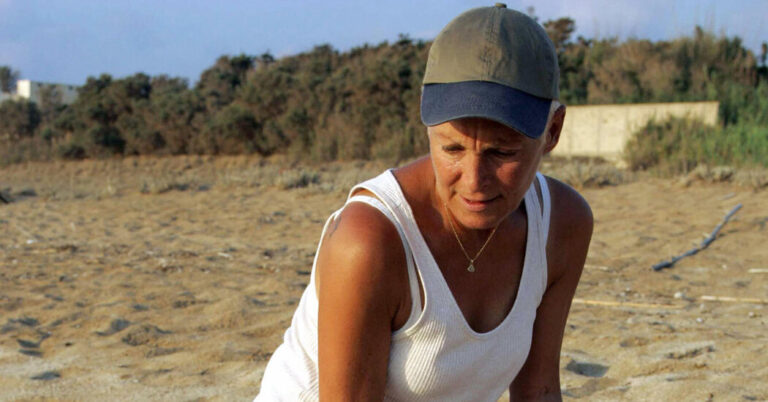
Tarek Atoui - Tate Modern
Tarek Atoui – Tate Modern

Atoui’s instruments are often activated by visitors rather than performers. A hand turns a surface. Breath enters a pipe. A motor stirs liquid in a shallow bowl. Sound emerges unevenly, depending on how gently or insistently the materials are engaged. Nothing is fixed.

This approach is evident in works like Waters’ Witness, shown at Kunsthaus Bregenz in Austria and later at Pirelli Hangar Bicocca in Milan, where sound passed through water-filled vessels and ceramic forms. The experience was less about listening to a composition and more about becoming aware of how sound behaves in matter — how it pools, disperses, and leaves residue. Of course the easiest way to access this kind of natural “art” is just to sit by a lonely brook and listen to Mother Nature herself, without the pomposity.

The Turbine Hall itself is an acoustic body: vast, industrial, difficult to control. Rather than overpowering it, Atoui’s practice suggests a tuning of the space — allowing sound to circulate, settle, and respond to the architecture’s own history as a former power station.

At a time when sound is usually amplified, compressed, and consumed instantly, Atoui’s work insists on slowness. It asks visitors to stay with uncertainty, to notice small changes, to listen with their hands and feet as much as their ears.

Tarek Atoui - Tate Modern
Tarek Atoui – Tate Modern

There are no instructions. No single vantage point. Just materials doing what they do best when left room to act.

Leading Through a Dual-Energy Transition: Balancing Decarbonisation with Energy Security

0
Hydro-electric dam
Hydro-electric dams are not just engineering feats. MBAs, carbon credit financing, and real estate negotiation are part of the art of the deal. Image: Supplied.

When people think of sustainable energy and the transition to a renewable model, they might think of it as a clean break: fossil fuels are out, renewables are in. Unfortunately, the process is anything but clean or linear. Decarbonization is moving forward, but hydrocarbons are still an integral part of our energy systems, economies, and infrastructure. It can’t just be turned off.

This creates what amounts to a dual transition. Leaders are in a position where they must reduce emissions while still keeping the lights on and the economies stable. It’s not merely a question of technology, it’s also a huge leadership challenge that calls for strategy, policy, and risk management.

A Dual-Energy Transition: Double the Challenge

Today’s energy systems are under pressure from several directions at once. Climate targets are calling for a rapid reduction in emissions, while energy security concerns are pushing governments and companies to ensure there’s a reliable, affordable supply of energy. As one might expect, these goals don’t always line up neatly.

Geopolitical tensions, trade dynamics, and infrastructure limitations further complicate things. Things like pipeline capacity, grid limitations, and regional resource distribution all influence how quickly new energy sources can be brought to bear. Added to which, demand is continuing to rise. Expanding data centers and AI-driven technologies are currently sucking up enormous amounts of water and electricity. Not only do today’s sustainability professionals have to continue to meet this skyrocketing demand, but they also have to plan for sustainable growth and cut carbon intensity at the same time. It’s a lot.

Hydrocarbon vs. Renewables: Competing or Coexisting?

A dual energy landscape isn’t some dreamed-of future. In reality, hydrocarbons and renewables are already coexisting. Oil and gas are still the backbone of the world energy supply, while wind, solar, and other low-carbon technologies are continuing to grow.

Many companies and organizations now manage mixed energy portfolios that include both renewable and traditional energy projects. Reliable fossil fuels most often provide grid stability, while renewable capacity expands and storage technologies mature. There are also technologies like carbon capture and storage that seek to reduce emissions while long-term transitions take place. Many companies are trying to bridge the current energy reality and the renewable future, which is an ongoing and sophisticated balancing act.

That brings us to the question of leadership and the role it must play in this transitional period.

The Leadership Challenge

Today’s senior leaders in the energy sector are under a lot of pressure. On one hand, they have to pursue decarbonization goals in order to meet regulations and investor demands, while on the other they are held accountable for stability, profitability and access in regards to energy.

Every decision made at this level can have long-term consequences. Investing too slowly in low-carbon technologies could result in stranded assets and damage to one’s reputation for not embracing sustainability; moving too quickly without securing energy supply runs the risk of outages, price spikes, and political backlash.

This sort of complex and delicate situation calls for leaders who can operate in the strategic, regulatory, and commercial spheres with equal skill. Technical knowledge is a necessity, but it’s also not enough. Today’s energy professionals need to understand how markets, policy, and finance all intersect with the realities of sustainable engineering.

Developing Leaders for the Dual-Energy Era

In other words, today’s leaders need a broad and integrated skill set. What kind of skills in particular? For one, a working knowledge of policy and regulatory frameworks is crucial. Financial management skills play a major part, since projects are often long, involved, and can be tremendously costly. Strategic planning and problem-solving are also a vital part of the core skillset, as professionals have to deal with uncertainty, balance stakeholder interests with feasibility, and be able to adapt to a constantly and rapidly changing environment.

This is a large-scale challenge, and one that calls for structured leadership development. Experience in one area of the energy industry isn’t enough to guarantee readiness across all the others. That’s where a structured program like an MBA in energy can come in. Today’s advanced curricula explore energy economics, finance, policy, and strategic management alongside the technical subjects. And when pursuing an energy MBA online, professionals can skill up and retrain without having to step out of the labor market — an important perk at a time when skilled professionals are already in short supply.

The energy transition is not a linear progression. It’s a period of overlap, tension, and recalibration as mistakes are made and technologies emerge or are abandoned. Those technologies will always be evolving, but the need for skilled leadership will remain a constant. Those who can balance decarbonization efforts with energy security and profitability will help shape the future of our energy landscape.

From Green Energy to Healthy Societies: Why old systems thinking is becoming relevant again

0
Heinz J. Sturm is a system architect and analyst exploring integrated climate, energy, water, and health systems as initiator of the Bonn Climate Project and developer of Ars Medica Nova.
Heinz J. Sturm is a system architect and analyst exploring integrated climate, energy, water, and health systems as initiator of the Bonn Climate Project and developer of Ars Medica Nova. Image: supplied.

Across the Middle East and North Africa, large investments are being made in green hydrogen, renewable energy, water infrastructure and sustainability. Most of these efforts are discussed in the context of climate change, decarbonization and economic diversification. That framing is important, but it may not capture their full value.

If these systems are designed well, they can do more than produce clean energy or reduce emissions. They can help create healthier societies and greater long-term stability.

Today, health is usually treated as a medical issue. We think of hospitals, drugs and treatments. From a systems and economic perspective, this approach is becoming increasingly expensive and limited. Health does not begin in hospitals. It begins much earlier, in the conditions people live in every day.

Clean water, healthy soil, reliable energy, nutritious food and safe environments shape human health long before anyone sees a doctor. When these foundations are weak, chronic illness increases, healthcare costs rise and societies become more fragile. Medical systems then try to manage the consequences, often treating symptoms rather than underlying causes.

This challenge exists everywhere, but it is especially visible in regions facing water scarcity, climate stress, rapid urban growth and demographic change, including the Levant, the Gulf states and the wider MENA region.

From a health-economics perspective, many modern healthcare systems function as repair systems. They step in late, once disease has already developed, and continue treatment over long periods of time. 

As a result, healthcare spending grows faster than the economy, chronic disease consumes a growing share of public budgets, and long-term affordability becomes a serious concern.

For many countries, copying high-cost Western healthcare models is neither realistic nor necessary. The more important question is how societies can reduce the need for medical intervention in the first place.

This is where green energy, water and food systems become relevant in a different way. When renewable energy and green hydrogen are developed together with clean water supply, sustainable agriculture and resilient food systems, they form the real infrastructure of prevention. Clean energy supports water security. Clean water supports fertile soil and healthy food. Good food supports stable human health.

The Bonn Climate Program: supplied.


Seen this way, health is not something that constantly needs to be repaired. It emerges naturally when systems are designed properly.

This way of thinking is not new in the Middle East. The Levant and surrounding regions were once centers of advanced medical and scientific knowledge. Thinkers such as Hippocrates, and later scholars including Ibn Sina, ar-Razi and al-Kindi, understood health as a balance between the human body, the environment and daily life. Their focus was on water quality, nutrition, lifestyle and the relationship between people and their surroundings.

In modern terms, this was forward-looking knowledge. Not mystical, but practical. It recognized that the way systems are designed determines long-term outcomes.

What is new today is our ability to explain this older systems wisdom using modern science, including biochemistry, electrochemistry and economics, and to apply it to today’s policy and investment decisions.

If green hydrogen and renewable energy projects are seen only as climate measures, their potential remains limited. When they are connected to water, food and health systems, they become foundations of societal resilience. This has clear economic benefits: lower healthcare costs over time, fewer chronic diseases, better returns on sustainability investments and greater social stability.

The next phase of the energy transition is therefore not only about reducing emissions. It is about creating the conditions in which healthy societies can emerge.

Medical care will always be important, but it cannot carry the system alone. Health grows upstream, in water, energy, food and living conditions. When these systems work, health follows naturally, at lower cost and with greater stability.

This idea is old. But in a time of rising costs and increasing pressure on societies, it may be more relevant than ever.

::Bonn Climate Project

___

Heinz J. Sturm is a system architect and analyst working at the intersection of energy, water, health, and societal resilience. He is the initiator of the Bonn Climate Project, where he develops integrated system frameworks linking climate action with public health and long-term stability. Sturm is also the developer of Ars Medica Nova, a conceptual platform exploring new models of preventive health that draw on systems thinking, biology, and infrastructure design. His work focuses on translating complex system architectures into practical narratives for policymakers, researchers, and civil society.

We saw peace – an interreligious encounter deep in our eyes

0
United Religion Initiative
People from all faiths meet in Istanbul for peace. Credit: Eric Roux

Istanbul, mid-December 2025. The global interfaith organization* of which I am currently the president organized, for the first time since October 7, 2023, a meeting of its Middle East – North Africa branch, with 50 participants chosen from among the leaders of the many “cooperation circles” that the organization has in these regions, for 4 full days.

They came from Israel, Palestine, Jordan, Iraq, Yemen, Morocco, Tunisia, Lebanon, Egypt… There are Sunni Muslims, Shiite Muslims, Jews (Orthodox and Reform), Orthodox Christians, Coptic Christians, Protestant Christians, Druze, Baha’is, a Scientologist.

Eric Roux is the President of the European Interreligious Forum for Religious Freedom (EIFRF)

I was, how can I put it, a little anxious about having Israeli Jews and Palestinians, and other worthy representatives of the Arab world, in the same room. I was wrong.

You don’t learn about the world through the media, whether social or otherwise. You learn by traveling, and for the past two years, Israel and Palestine haven’t been among my destinations. You also learn by listening to people who live what you want to learn about. And I learned so much in four days.

Everything that happened in Istanbul is shrouded in secrecy for the safety of the participants, especially regarding their identities. That is why I will primarily use fictitious first names.

From anti-Jewish fighter to peacekeeper

One of us, Amin, came to tell me his story. He’s in his fifties, slim, with an elegant bearing, a weathered face, and dark eyes that sparkle with life. Amin has lived in a refugee camp in Palestine, seemingly his whole life. He told me that when he was younger, he was a “fighter” against Israel. He was convinced that a good Jew was a dead Jew, and that he would earn his place in paradise by killing the enemy. Until the day he met our interfaith organization, fifteen years ago. In short, this encounter made him realize that he could talk to a Jew. And that if he could talk to him, it meant that the Jew was also a human being. With this realization, he understood that he had been lied to all his life, and he decided to dedicate his life to helping people see their humanity as something that transcends all prejudice. “  We are first and foremost human beings, before we are Jews, Muslims, Christians, or anything else,  ” he told me. “  Without that, we are nothing, and war begins .”

Not only has Amin come a long way, but in his refugee camp, he faces daily the influence of Hamas and others who don’t share his view of the enemy’s humanity. He also has to deal with the abuses sometimes (or often, depending on who I listen to) committed by Israeli soldiers, which only complicate matters. But he remains steadfast. He explains that he teaches young people how to pass checkpoints by observing Israeli soldiers and imagining them at home, with their families, at the beach—anywhere they would find a human image, regardless of the soldiers’ behavior. The result, he tells me, is often (though not always) miraculous. It’s the soldiers who then change their attitude and become, in effect, more humane.

His analysis is this: each of the two groups (Israelis and Palestinians) sees the other as something devoid of humanity. If one of them infuses humanity into their gaze, then the other receives it and becomes what they have always been: human. It’s not much, but it’s all they have to fight for, and ultimately, it’s all that can make a difference in this part of the world. For him, that’s a divine mission.

The enemy children

Steven is a devout Israeli Jew who runs an organization in Tel Aviv that teaches dialogue for peace to young people. When the October 13th massacre occurred, he felt compelled to do something to prevent succumbing to hatred. He knew that nothing would ever be the same again, and even before, things weren’t great… So he launched a project for the young people who followed him—Palestinian Muslims and Christians, and Israeli Jews, Muslims, and Druze—to preserve and strengthen what he calls “the connection beyond divisions.” Through writing, young Israelis and Palestinians collaborate to express their suffering, their difficulties, their hopes, their resilience, and their courage—the courage to imagine a future of peace where the present seems to contradict them. Two books have already emerged from this project.

Yet his project was not universally accepted. Many of his students’ parents called him to criticize the fact that their children might sympathize “with the enemy.” He, too, remained steadfast. Often, it was the children themselves who convinced their parents of the merits of the approach, and of the “lack of merit” in the enemy’s rhetoric.

Do they hate it a little, a lot, passionately, or not at all?

One day, I asked Mohamed, a Palestinian from Bethlehem, if it was true that people in the West Bank hated Israelis. A somewhat silly, naive question, but if I didn’t ask him, who would I ask? Mohamed was Muslim, but he told me he didn’t really practice. He didn’t really care about practice. For him, God doesn’t express himself through practice. To each their own path. He replied, ”  That’s true, but not only that. You have to understand that for many Palestinians, all they know about Jews are the soldiers, those they encounter at checkpoints, those who regularly mistreat them, those who have sometimes killed children in their neighborhoods. Before, there were more Palestinians who went to work in Israel and had more opportunities to interact. Since October 2023, that number has drastically decreased, and the divide has widened even further.” So yes, many people hate Israelis. Perhaps you would hate them too if you were in their situation. And then there’s the propaganda. Propaganda has a field day. It dehumanizes Jews, and every time a Jew commits a wrong here, it wins. There’s only one solution: dialogue and the recognition of our shared humanity. This shared humanity comes up like a recurring theme, day after day, conversation after conversation.

Equal height and equal rights?

Then there’s Karin, an Israeli journalist, who manages to speak to me privately. She tells me I absolutely must talk to Sara, a young Baha’i woman from Jordan, because she’s convinced that a solution in the Middle East might come from the Scientologists and the Baha’is, because the Jews (including herself), Muslims, and Christians are too entangled in these age-old conflicts; they’re trapped in existential struggles that prevent them from seeing things from a broader perspective. They want to save their own skin, and to do that, they have to destroy “the other.”

Sara, a Bah'ai in Istanbul with Eric Roux. Credit: URI
Sara, a Baha’i in Istanbul with Eric Roux. Credit: Eric Roux

So I talk to Sara, who is absolutely fantastic. Every day she takes five hours on trains (yes, trains, not just one) to help children in a refugee camp on the border with Palestine. Once, I ask her if Baha’is face discrimination in Jordan. She immediately says no, but when I ask her a little more, I learn that they don’t have the same rights as others (which, of course, is the very definition of discrimination). The difference in rights, from what she tells me, mainly concerns family rights, but the more I talk to her, the more she shows me that they are, in fact, discriminated against. We get used to everything, to the point where we don’t even see the problem anymore. She says she loves her country, and that for that reason, she’s willing to accept the hardships. I tell myself that I love my country too, but that doesn’t change my rejection of discrimination. I think we’re being taken for a ride when they manage to make us believe we have to accept the unacceptable in the name of some kind of patriotism. But anyway, it doesn’t matter, Sara is brilliant and full of genuine kindness.

There’s also Kamal, a Lebanese Druze. When Kamal learns that I’m friends with Sheikh Bader Kasem, a prominent figure in Druze Islam (who lives in Israel), he wants to learn more about Scientology . When he learns that I, too, believe we are immortal spiritual beings who pass from body to body, life after life, he’s happy because he’s no longer alone.

All these religions are a breath of fresh air.

There’s also Mina, a Christian from Egypt, a renowned professor of medicine, who didn’t even know my religion existed. It’s the first time he’s heard its name. He knows me, but it had never occurred to him. So, he starts talking about it while we’re all gathered together. And everyone begins discussing how there’s nothing better than learning that there aren’t just five major religions in the world (Christianity, Islam, Druze, Judaism, and Baha’i). They want me to tell them about all these religions they know so little about. It’s a breath of fresh air for them. The world is vast, diverse, and rich. It reinforces their belief that the most important thing is that we are all human. Hallelujah.

Adar, for his part, is Kurdish, from Iraq. He talks about Mandaeism , an ancient religion that now only has a few thousand followers, mainly in Iraq. I ask him if he practices it; he says no, he’s Christian. But he says that in Kurdistan, everyone does what they want. I doubt it, but I don’t really know. So he invites me, along with his two companions, one of whom is part of the Kurdish government. I said I’d go. And I will.

The other’s language

And then there’s Shlomo. Shlomo is Jewish, but he taught Arabic in Israel his whole life. For him, language is the gateway to peace. If you speak the language, you understand. If you understand, you don’t wage war. He published a Hebrew/Arabic dictionary, which has been reprinted several times. He explained to me that his parents, in his younger years, were very disappointed with his life path. Teaching Arabic, you have to be a little crazy. But anyway, he became the National Inspector of the Arabic Language, a lecturer at the Faculty of Education of the Hebrew University of Jerusalem, and Israel’s representative to the European Committee for Reading and Literacy. So they were forced to admit that he had made something of his life, and they changed their minds. Shlomo seems not to care; he’s old and he’s seen it all. And yet he is still present at all the gatherings, even at over 80 years old.

Mariam, from Hebron in Palestine, is a Christian. She speaks a grating Arabic, not because it isn’t beautiful, but because she speaks so loudly and always seems to be yelling at you, even when she smiles and you understand that she likes you. She complains. She complains about Israel, which “makes her life miserable.” She complains about Hamas, which “makes her life miserable,” she complains about the Palestinian Authority and its “corrupt President,” which “makes her life miserable.” But she pats everyone on the shoulder, Jews included, with an energy that knows no bounds.

She also tells me about the Israeli settlers. She says that in many places the settlers and the Palestinians get along very well. They live together and work together. Why am I surprised?

Peace?

Understand this clearly: these are not pro-Israel Arabs. They are not pro-Palestine Jews. They are not eccentric dreamers from some beatnik fantasy. These are people who have lived through the harsh realities of war, and who continue to grapple with them, but who have not lost their intelligence or their humanity.

Finally, on the last evening, we celebrated Hanukkah, lit the candles, and listened to the prayers in Hebrew. No photos, please; it’s not like we’re having a village festival. And taking photos is dangerous. But we celebrated anyway. Together.

And then everyone went their separate ways. On the group messaging app, which some had to leave and delete from their phones before returning to their countries, the conversations continued for several days. Everyone went back home, to the fight, the fight for a better world, for a better region, for a better neighborhood, for better people. We promised we would see each other again. And we did.

And we know. We know that peace is possible and that those who say otherwise are, deep down, the ones who don’t want it. We know that war is not inherent to humankind, because, precisely, humanity is the solution to war. From the moment we see it, recognize it, and grant it its humanity. Does that sound naive? No, it’s a flower nourished by the blood of victims, which, despite everything, has grown, and which defies the status quo.

* This is the world’s largest grassroots interreligious organization, with over 1,200 affiliated groups in more than 110 countries. Founded by the former Episcopal Bishop of California, Reverend Bill Swing, it celebrated its 25th anniversary last year. Beyond its creation and scale, these 25 years have primarily demonstrated the strength of its model: decentralized interreligious cooperation, driven by local actors themselves. URI has enabled very diverse communities to meet, overcome religious and cultural divides, and work together for peace, reconciliation, education, equality, social justice, and the care of the Earth. By prioritizing inclusion, shared governance, and concrete action over rhetoric, it has helped to embed interreligious dialogue in daily life and make it a genuine driver of lasting social transformation.

This article was first printed in French, on Rebelles. It is reprinted with permission.

Can biochar reduce ‘Forever Chemicals’ in food if it’s used in farms?

2
New York Carbon has a facility located between the Catskill Mountains and the Hudson River. They produce high carbon biochar from local waste biomass in their Tigercat Carbonator 6050. Image via NY Carbon.

PFAS — often called “forever chemicals” — are among the most stubborn pollutants on Earth. Used for decades in firefighting foams, industrial coatings, and consumer products, their carbon–fluorine bonds make them extraordinarily persistent in soil, water, and living organisms. Worse, PFAS don’t just stay put. Even at low concentrations, they can be taken up by crops and move through the food chain, with short-chain PFAS proving especially mobile.

A growing body of research suggests that biohacking soil chemistry, rather than removing contaminated soil entirely, may offer a practical way forward. One promising tool: biochar.

A study published in Environmental and Biogeochemical Processes (27 November 2025) by Jason C. White and colleagues at The Connecticut Agricultural Experiment Station shows that iron-fortified biochar can significantly reduce PFAS uptake in food crops. In controlled soil–plant experiments, iron-modified biochar lowered total PFAS accumulation in radish plants by nearly 50%, and reduced PFAS concentrations in the edible bulb by more than 25%.

The researchers worked with PFAS-contaminated sandy loam soil impacted by legacy firefighting foams. They tested hemp-derived biochar produced at different temperatures, with and without iron fortification. While standard biochar showed mixed results, low-temperature (500 °C) biochar fortified with ~8% iron proved highly effective, immobilizing PFAS and preventing them from moving into plant tissue.

Biochar is not the same as coal. Image copyright Green Prophet

Why iron? Lab analysis revealed that iron fortification dramatically increased biochar’s surface area and pore volume, creating reactive sites that bind PFAS molecules through electrostatic and ligand-exchange interactions. Importantly, the biochar caused no phytotoxic effects and often improved plant growth — a critical factor for agricultural use.

The implications are significant. Instead of costly soil removal or long-term land abandonment, farmers could use iron-enhanced biochar as a soil amendment to lock PFAS in place, reducing human exposure through food. Because biochar can be made from agricultural waste like hemp and applied using existing farming practices, the approach fits neatly within circular-economy and climate-smart agriculture frameworks.

Biohacking soil won’t erase PFAS from the planet. But this research suggests it may help break the chain between polluted land and polluted food — a meaningful step toward safer agriculture in a contaminated world.

How Biochar Is Made

Biochar is produced by heating organic material in a low-oxygen environment so it does not burn. This process, known as pyrolysis, transforms plant matter into a stable, carbon-rich material.

The feedstock can include agricultural residues such as wood chips, crop waste, nutshells, hemp stalks, or manure. These materials are first dried, then heated to temperatures typically ranging from 350 to 700 degrees Celsius in a sealed kiln or reactor where oxygen is limited. Because oxygen is absent, the biomass does not combust; instead, volatile gases are driven off, and the remaining carbon reorganizes into a porous, charcoal-like structure.

Once the heating phase is complete, the material is cooled in low oxygen to prevent ignition. The resulting biochar contains a network of microscopic pores that give it a large surface area and unique chemical properties. These pores allow biochar to retain water, nutrients, and contaminants when added to soil.

Biochar can also be engineered after production. It may be steam-activated to increase surface area, fortified with minerals such as iron to bind pollutants, or “charged” with compost or nutrients before soil application. When applied correctly, biochar can persist in soil for hundreds to thousands of years.

How Biochar Is Different From Coal

Although biochar and coal may look similar, they are fundamentally different materials with very different roles in the carbon cycle.

Coal is a fossil fuel formed from ancient plant matter that was buried and transformed under heat and pressure over millions of years. It is mined from the ground and burned for energy, releasing carbon that has been locked away since prehistoric times. Coal often contains sulfur, heavy metals, and other impurities, and its primary purpose is combustion.

Biochar, by contrast, is made from recent plant material and produced intentionally in modern systems over hours or days. It is not designed to be burned. Instead, biochar is meant to remain stable in soil, where it can improve soil structure, retain nutrients, immobilize pollutants, and store carbon.

From a climate perspective, the distinction matters. Burning coal releases ancient carbon into the atmosphere, increasing net emissions. Biochar locks up carbon from the current biological cycle, helping reduce atmospheric carbon when used as a soil amendment.

KEMET addresses the limited access to capital that restricts the development and scaling of biochar carbon capture projects. Image via KEMET

In short, coal is an energy source. Biochar is a soil tool. And it’s an investable commodity.  A new fund manager in Texas has her eye on the growing demand for carbon credit projects that remove carbon from the atmosphere. Biochar, created through a process called pyrolysis that involves heating biomass and biowaste, is an emerging solution for trapping carbon. The biochar not only sequesters carbon, it can restore soil health and enable soil to store greater amounts of carbon. Founder Heather Stiles and her firm Kemet make debt and equity investments in companies supporting biochar production and use, waste-to-energy projects, and carbon trading. “The nascent biochar market lacks dominant players,” the company says. And now they have a new market: in agriculture.

Biochar companies in the US and Canada

NY Carbon – Large-scale biochar producer serving New York and New England markets

Finger Lakes Biochar – Regional biochar production for agriculture and remediation

Vermont Biochar – Farm- and soil-focused biochar production

The Biochar Company – Biochar for agriculture, remediation, and carbon storage

Integro Earth Fuels – Biomass pyrolysis and biochar production

Re:char – Mobile and modular biochar systems, soil and waste applications

Seattle Biochar – Biochar production from regional biomass waste

Whitfield Biochar – Biochar and carbon materials for soil and remediation

Carbonity (Airex Energy subsidiary) – Industrial-scale biochar and biocarbon production (Canada)

Canadian Biochar Investments (CBCI) – Modular biochar systems and carbon removal projects across Canada


In The Dark Review – An Immersive Music Experience in Total Darkness at St Andrew Holborn

0
attachments: ‘In The Dark’ Press Pack, inc. official images & logo’scopy of ITD - show - Love - 2025 - 69 & 15 : these 2 jpeg’s are of St Andrew Church (credit Alice Camera)
‘In The Dark’ Press Pack (credit Alice the Camera)


I was delighted to get invited to a special performance of ‘In The Dark’ this week in London, after seeing the project get birthed and thrive in my home city of Cambridge quite a few years ago.

Dynamic cultural producer Andrea Cockerton has worked within music for many years, and knew that the idea of giving audiences an immersive live musical experience – in darkness – could bring tremendous benefits, and over several iterations, this project is thriving, and has now been brought to London audiences – with the hope it will grow into the projects permanent home.
The Space:

‘In The Dark’ Press Pack,(credit Alice the Camera)
‘In The Dark’ Press Pack (credit Alice the Camera)

The current venue is St Andrew Church in Holborn, on Chancery Lane, right in the heart of London’s economic district – and as I stepped out of the tube station into the street, the grey gloom of the capital City greeted me, with all the busyness and throng of a Thursday evening at rush hour. I often feel a special thrill at going to an arts event in such a mercantile environment: arts, culture and the imagination so often feel threatened by the push for finance and economic stabilty within this current political climate, in funding the sciences for instance, and this was no exception, particularly as it was in a church in the heart of it all. While inside this very special church, restored and renovated in 1668 by the eminent architect Sir Christopher Wren, outside us office blocks are reaching up high, whereas for many years previously only sky would peer in.

‘In The Dark’ Press Pack,(credit Alice the Camera)
‘In The Dark’ Press Pack (credit Alice the Camera)

St Andrew’s has vaulting pillars, beautiful golden screens, some sculptures and statues, and uplighting that matches the pillars, alongside oak panelling, all in a straightforward display – a fresh simple and yet deeply spiritual space for prayer, contemplation, and tonight, immersive live sound! The space had been lit with reds, blues, and greens, enhancing the atmosphere greatly.

I took my dear friend, Mick Collins, Norwich-based therapist and writer, who talked in rhapsodic terms about the venue and the whole experience afterwards.

Music:

‘In The Dark’ Press Pack,(credit Alice the Camera)
‘In The Dark’ Press Pack (credit Alice the Camera)
The band after rehearsals for ‘In The Dark’ Press Pack (credit Alice the Camera)
‘In The Dark’ Press Pack,(credit Alice the Camera)
Listening like a prayer – ‘In The Dark’ Press Pack,(credit Alice the Camera)

Transported by the choral and instrumental offerings that popped up across the space, in corners, in front of us, and alongside us. The performance was genuinely breathtaking and profound, and it needed some quiet time to fully digest the experience. Those first moments after the concert had ended were gloriously ineffable. At no stage in the hour was I tempted to lift the eye mask and peek at the scene, though I did wonder if I might have loved this even more were I lying on the floor! I particularly loved hearing male voices starting, and solo female voices, as well as elements of rhythm and percussion leading some of the pieces.

‘In The Dark’ Dr. Barts, Credit: Ian Olsen
Singers envelope the audience in rapture at ‘In The Dark’ Dr. Barts, Credit: Ian Olsen

We could hear the voices and instruments travel around the space, and I felt a sharper sense of hearing sounds thrown between instruments, bouncing off each other and responding to the piece. Maybe a sound came from my row of seats, then a singer was in front, and then a chorus of voice rose from the far left. And so forth, punctuated by silences between each of the pieces.

For some of the music, I really felt there was a watery theme (having spent much of last years promoting films and activism engaging with water and rivers), which delighted me, and scanning through the programme we were cleverly handed afterwards, the titles of some of the tracks bear this out. I won’t spoil the surprise and talk about the specifics and the songs that are part of the event as I really want to maintain the joy and surprise of the not knowing, and absolutely want to encourage everyone to go and experience this event if they are able. There was a glory in sitting and having the sounds wash over me, with no knowledge, anticipation, or even expectation of anything specific. Seeing the musicians as we peeled off the provided (very thick and comfortable and available to take home! ) eye masks who clearly were as happy as the audience were, and receptive to our cheers and applause, brought us all into rapt synergy.

‘In The Dark’ Press Pack,(credit Alice the Camera)
Laying down some contrabass ‘In The Dark’ Press Pack,(credit Alice the Camera)

All my neurons were buzzing and melting, and after a few thank you’s, hugs, enjoyment of the space and the folk we had shared this with, we melted out of the church, lifted divinely by having been ‘In The Dark’.
The projects publicity says “no phones and no distractions” and absolutely, what a joy that is.

Reflection:

Walking back to the tube, and then the train home, we were both pretty speechless, unable to find words for what we have both witnessed through our audible senses. We thought a bit, sat in quiet reverie, danced with some words, and then decided to reflect overnight and see the next day how we felt. After a deep slumber, all my neutrons moulded back into the shape of me, and we checked in with each other –

Mick: “ at one stage I felt I was inside a prayer – the experience was effervescent on the inside, like champagne bubbles: certain pieces brought this up. A very sacred experience. Afterwards I was left with a sense of oneness, in a true sense of the word. Very light in the body, and my mind had been cleansed – the vibration of the sound and the instrumentation. A beautiful beautiful experience. “

‘In The Dark’ is an exceptional immersive cultural experience like no other. Hearing these musicians perform together, to us and with us, in this unique and held spiritual environment of St Andrew Holborn, is both restful and stirring, joyful and deeply prayerful, beyond words.

::In The Dark

How Quality of Hire Shapes Modern Recruitment

0
Hiring office workers in New York. Photo by Vitaly Gariev

Key Takeaways

  • Quality of hire is emerging as a central recruitment metric, emphasizing long-term results over speed or hiring cost.
  • Technological innovation, including AI, adds value to recruitment but still requires thoughtful integration for lasting impact on hire quality.
  • Workplace evolution is driving employers to prioritize soft skills, adaptability, and cultural alignment.

Table of Contents

  1. Introduction
  2. Defining Quality of Hire
  3. The Shift Towards Quality Metrics
  4. Technological Advancements in Recruitment
  5. Challenges in Measuring Quality of Hire
  6. Strategies to Enhance Quality of Hire
  7. The Role of Soft Skills and Adaptability
  8. Conclusion

Introduction

The shifting landscape of talent acquisition is propelling organizations to evaluate the actual effectiveness of their recruitment efforts. Instead of merely trying to fill positions quickly, hiring teams are exploring how each candidate contributes to the organization’s longer-term performance, cultural growth, and resilience. This emphasis on quality of hire marks a profound evolution from traditional recruitment KPIs that prioritized speed, volume, or hiring costs alone.

As businesses face tighter competition for top talent and the relentless pace of market changes, hiring the right people becomes crucial—not just for immediate productivity, but for adaptability and future success. Industry leaders now recognize that recruitment strategies that foster enduring value are fundamental to sustainable growth and innovation.

Quality of hire is about more than a flawless resume or technical competency. It integrates cultural match, career alignment, and employee engagement—qualities that have far-reaching impacts on workplace morale, retention, and business performance. Companies are investing more resources into uncovering these less tangible attributes while fostering environments where high-quality hires can thrive and grow.

A 2024 survey by Deloitte found that 76% of talent leaders now consider long-term retention and workforce contribution among their most important hiring success metrics—far surpassing time-to-fill or cost-per-hire. As the expectations for new hires deepen, companies must also confront the inherent challenges in redefining and accurately measuring hiring quality.


Creative Commons

Defining Quality of Hire

Quality of hire refers to the total value a new employee brings to the organization, going beyond surface qualifications. Key indicators include job performance, return on investment, retention, and cultural alignment. This multifaceted approach enables companies to move beyond the “fastest-to-hire” mentality that has historically dominated recruitment, instead focusing on outcomes that matter most to long-term business health.

Establishing a shared organizational definition of quality of hire can bridge gaps between HR, hiring managers, and executive leadership. Metrics may include performance evaluations at key milestones, input from team members and supervisors, and retention data, as per guidance from the Society for Human Resource Management (SHRM). While no universal formula exists, a data-driven approach—calibrated for industry, role, and company values—provides essential clarity.

The Shift Towards Quality Metrics

The evolution toward quality-focused recruitment is reflected in the growing adoption of robust hiring metrics. A 2025 industry report revealed that nearly one-third of staffing agencies now rank quality of hire as their top measure of recruiting effectiveness, surpassing historically dominant benchmarks like cost-per-hire and time-to-fill.

This shift signals a more profound understanding that every new hire has a significant impact on morale, team productivity, and ultimately, business outcomes. Companies that invest in monitoring post-hire performance—by tracking employee output, cultural alignment, and retention—are more likely to sustain competitive advantage and lower long-term recruitment costs.

Technological Advancements in Recruitment

Innovative technologies, particularly artificial intelligence and machine learning, are reshaping how companies identify and evaluate potential talent. AI-powered tools are now standard for resume parsing, skills matching, and pre-employment assessments, expediting the screening process and uncovering qualified candidates faster than ever before.

Despite the efficiencies these tools provide, recent studies suggest that technology alone cannot guarantee higher-quality hires. Human insight remains crucial in contextualizing technical data, evaluating soft skills, and making informed hiring decisions. As Forbes reports, organizations that blend intelligent automation with structured human interviews see the most significant improvements in hiring quality.

Challenges in Measuring Quality of Hire

Achieving accurate and meaningful assessments of hire quality presents several obstacles. First, each organization must determine which factors (e.g., performance, retention, peer feedback) are most relevant to its goals. Second, the subjective nature of qualities like cultural fit and adaptability can complicate consistent measurement from one department or manager to another.

Moreover, insufficient data collection or analysis capabilities may undermine efforts to track hire performance over time. Inconsistent processes and a lack of standardized benchmarks can also prevent teams from identifying systemic recruiting issues or areas for improvement.

Strategies to Enhance Quality of Hire

  • Comprehensive Job Descriptions: Defining precise duties and required competencies in job postings attracts applicants whose values and expertise genuinely fit the organization’s needs.
  • Structured Interview Processes: Standardizing assessment criteria and using evidence-based interview techniques minimizes unconscious bias and ensures impartial candidate comparisons.
  • Data-Driven Assessments: Leveraging skills tests, predictive analytics, and reference checks delivers objective insights into potential job performance and future loyalty.
  • Effective Onboarding Programs: Thoughtfully structured onboarding programs boost early engagement, align expectations, and increase the likelihood of new hire retention and success.

Industry case studies highlight that companies implementing multiple improvement strategies not only see higher retention rates but also report greater employee satisfaction and business growth.

The Role of Soft Skills and Adaptability

The modern workplace increasingly values soft skills, such as communication, active listening, and resilience, over purely technical qualifications. LinkedIn’s Global Talent Trends 2024 report emphasizes that six of the top ten in-demand skills are interpersonal in nature, reflecting the premium employers now place on teamwork and leadership.

Adaptability and emotional intelligence are now critical predictors of future job performance, particularly as industries and technologies continue to evolve rapidly. Research indicates that employees who demonstrate empathy and flexibility adapt more quickly to new challenges and achieve better team results than those with technical strengths alone. This insight is prompting organizations to refine their sourcing, interviewing, and evaluation techniques to gauge these essential traits more effectively.

Conclusion

Centering recruitment strategies on the quality of hire helps organizations secure the talent needed for sustained growth and resilience. By adopting comprehensive, data-informed, and human-centric approaches—paired with the right balance of technology—companies can elevate not only the caliber of their hires but the vibrancy and stability of their workforces.

Play spogomi the garbage picking sport and win a World Cup

0
The Spanish team separates the garbage they picked up during the SPOGOMI World Cup.(©SANKEI by Kazuya Kamogawa)

“People who had never picked up trash before, and people who weren’t particularly interested in environmental issues, were starting to join. I think that’s because we presented litter picking as a sport.”

That insight comes from Kenichi Mamitsuka, the Japanese innovator who turned garbage collection into a competitive team sport known as spogomi — a portmanteau of sport and gomi, the Japanese word for trash. If you’ve ever visited Tokyo, you will get a taste for just how fussy the Japanese are about picking up trash. They use claw graspers for tiny bits of things, and scrub brushes on sidewalks.

What began as a local experiment has grown into something unexpectedly global. Spogomi now includes organized leagues, referees, time limits, scoring systems, and even a World Cup, drawing participants who might otherwise never attend a beach cleanup or environmental rally. The story, recently highlighted by National Geographic, points to a powerful truth: behavior change doesn’t always start with ideology. Sometimes, it starts with play.

Want to know the rules?

Environmental movements have long struggled with a perception problem. Too often, they feel moralistic, joyless, or reserved for the already converted. Spogomi flips that script. It reframes responsibility as action, and action as something social, physical, and — crucially — fun. Teams compete not just on volume of trash collected, but on sorting accuracy and teamwork. Winning isn’t symbolic – you can measure it.

There’s something quietly radical about this approach. By removing guilt and replacing it with momentum, spogomi attracts people motivated by camaraderie, competition, and pride rather than climate anxiety. It also sidesteps politics. You don’t need to agree on why waste is a problem to agree that it shouldn’t be on the street.

In a world saturated with environmental messaging, spogomi offers a reminder that solutions don’t always need to be heavier. Sometimes they need to be lighter — structured like a game, grounded in community, and designed to meet people where they already are.