Home Blog Page 364

Is Pakistan Aiming to “out-Vegas” Dubai With World’s Biggest Tower?

1

Worlds Tallest Building PakistanDidn’t Azerbaijan just claim to be building the world’s tallest tower?  

Abu Dhabi Group will construct the world’s tallest building in Pakistan. It’s the stuff of dreams. Let’s hope it stays that way. The project will surpass Dubai’s Burj Khalifa (the world’s tallest building in Dubai) as part of a $45 billion national investment by Pakistani tycoon Malik Riaz Hussain, according to Construction Week Online.

The mega-deal between Sheikh Nahyan bin Mubarak Al Nahyan, chairman of Abu Dhabi Group, and Hussain was just inked in Abu Dhabi.  Sheikh Al Nahyan said, “I am genuinely happy that in this historic project we are working with visionary Malik Riaz Hussain, this guarantees that the project will be delivered beyond our expectations but also before time. We will Inshallah be welcoming first residents in next three to four years.”

Watch that space.  Not a single major capital project has come in as per original schedule in the Middle East in a decade (developments related to elite sporting events are excluded from that broad smack-down).  It’s the economy, stupid.  Development money flows at a trickle, and new space is hard to sell.

DESERTEC Power Launch in Saudi Arabia Ushers in Clean New Era

0

solar energy, DESERTEC Power, Saudi Arabia, DESERTEC Foundation, KA-CARE, clean tech, renewable energy, alternative energy, oil, kingdom, GulfWhen Spain ditched DESERTEC’s solar interests in Morocco, the blogosphere was quick to pronounce the initiative Dead Before Arrival. Underestimating the German foundation’s tenacity, critics could never have anticipated what happened next. Morocco found its own way to proceed with Ourzazate and Saudi came on board.

DESERTEC Power, backed by the original DESERTEC Foundation, recently launched in Saudi Arabia with plans to work alongside scientists and researchers at the King Abdullah City for Atomic & Renewable Energy (KA-CARE) to usher in a clean, renewable new era for the world’s most notorious oil producer.

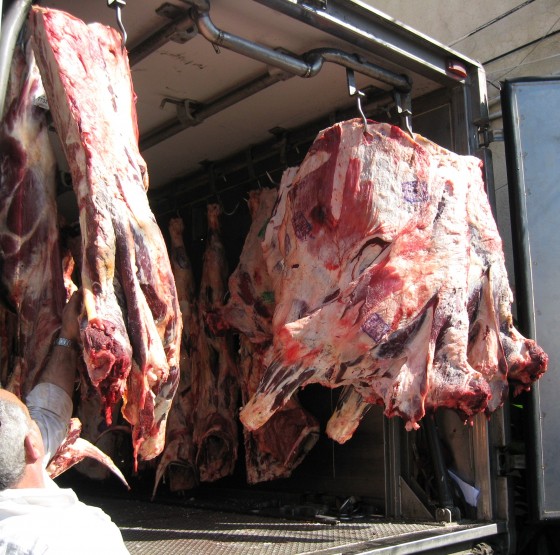
Eat Less Meat and Save The Planet

2

eat less meat Cut your meat consumption by half to combat global warming, urges UN Environment Program.

All over the US, Europe and even in the Tel Aviv University, people are adopting Paul McCartney and Yoko Ono’s Meat-Free Mondays. But one meatless day a week isn’t enough to undo the environmental damage that  industrial farming methods cause. The UN Environmental Program (Unep) is asking us to cut our meat consumption in half.

UK consumers are buying less meat since the horse meat scandal came to light through contaminated Burger King Whoppers. Now its believed that the fraud stretches across the European Union, with horse meat even appearing in school lunches. It’s like a finger pointed at the meat-eating consumer, shaking us into awareness.

While appreciating the useful, although nauseating lesson in transparency and awareness, there’s an issue just as serious at stake. That is, at steak.

If the first world doesn’t curb its runaway appetite for meat, the fragile balance of the natural world will tip over.

12 Cosmetic Chemicals You Don’t Want to Touch

8

beauty, cosmetics, David Suzuki Foundation, make up, chemicals, cancer, carcinogens, hormone disruptorsBeauty ads make a plethora of cosmetics virtually irresistible: this lipstick will accentuate your luscious lips and this moisturizer will keep you eternally young and attractive, but there are all kinds of hidden dangers associated with these cosmetics that are very poorly understood – particularly in the Middle East and North Africa region, where regulations are slightly less robust than elsewhere.

The David Suzuki foundation has published a list of the “dirty dozen” chemicals present in cosmetics that are known carcinogens or hormone disruptors, pesticides or reproductive toxins. We’ve adapted our list from there in order to spread the all-important message that women especially need to read labels to ensure that the products they use contain no invisible dangers. Or use sustainable cosmetics made by people like this Bedouin woman in Israel.

Rooftop Farm in Egypt Finally Trumps Red Tape

2

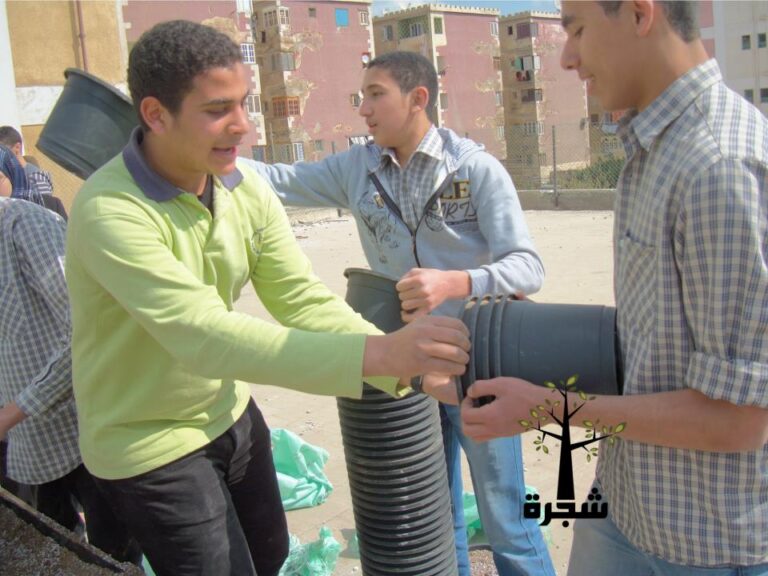
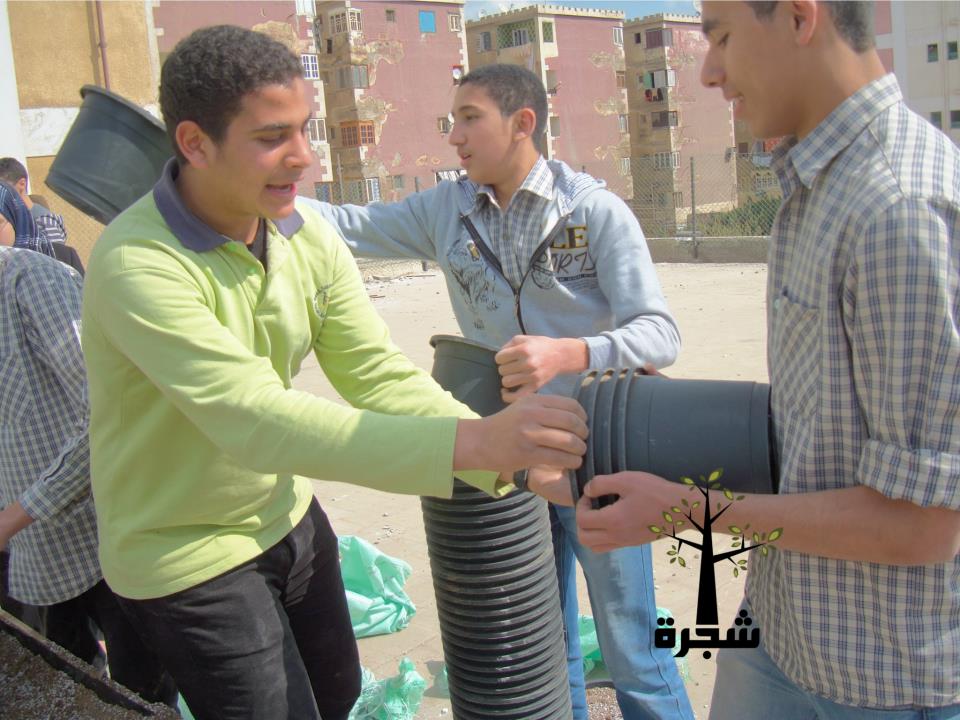
urban, rooftop farming, egypt, shagara, NGO, global warming, carbon emissions, cairoIt has been two years since Mohamed Ashraf Abdel Samad founded Shagara – a non profit organization that aims to green Cairo with urban rooftop farms and other carbon-sapping trees and plants – and virtually every day since has been a struggle. After studying for some time in Norway, where his “semi hippie” friends introduced him to the many wonders of nature, Samad completed his MA in Belgium.

He then returned to Cairo, where the overwhelming pollution caused all kinds of health problems. His doctor advised him to leave. Instead, he set out to uproot the problem by planting mini carbon sponges throughout the city – a goal that seemed attainable after Mubarak was ousted. Despite the numerous obstacles he faced, Samad persevered, and the organization’s first rooftop farm is currently being installed on the roof of Hassan Abu Baker School.

Be On Lookout for “Fake” Zaatar in Lebanon

0

zaatar pita breadNot even zaatar gurus can spot a fake that easily.

Although it pains me to say it, I might have to think twice about buying zaatar items at the next Middle Eastern bakery I pass:  It could be the case that there are harmful additives in the spice mixture.

Zaatar, the unique combination of such spices as thyme, sumac, oregano, and sesame, among others, is seen in bakeries and in home kitchens across the Middle East.  Food connoisseurs like Green Prophet’s own Miriam Kresh probably don’t hesitate to make homemade zaatar, but for the rest of us, it’s as simple as stopping in our favorite bakeries for a quick purchase.

However, industry sources in Lebanon have recently revealed that bakeries have started to use unfit ingredients in zaatar, to decrease its production costs.  After all, prices of produce are going up, but the government has done little in terms of subsidization.  Kazem Ibrahim, the head of the Association of Bakeries in Lebanon, admitted the likelihood of some bakeries’ use of “fake zaatar.”

English Cyclists Killed After Surviving Iran and Turkey

6

A surge of round-the-world cyclists have emerged in the last few years as touring gear has improved and borders have become more fluid (for certain passport holders.) Two South African men cycled to Mecca, and a pair of American women traveled the Silk Road to support trans-boundary conservation efforts.  But these adventures are not without perils.

Tragically,  a young couple from the UK were killed last week while on their global journey. They had survived Iran and Turkey previously, but a truck in Thailand struck them down.

New Renault Twizy Electric Car Being Tested in Tel Aviv Rental-Share Plan

4

twizy tel avivMore than a skateboard, less than a car; that’s Renault’s new electric Twizy

Tel Aviv’s serious pollution and car parking problems which were partially alleviated with the Tel-O-Fun bike sharing program  back in 2011;  and with proposed  ideas to ban trucks during the morning rush hours. The city’s Municipality may now have an even better program involving a new rental share agreement using a tiny two seat electric car, the Renault Twizy. The Twizy, which the New York Times refers to as “more than a skateboard, less than a car” is already being tried out in big European cities like Paris to help solve urban commuting and parking problems in there as well. And now Tel Aviv’s mayor gave it a spin. 

Garbage Art Ideas from Mary Ellen Croteau

0

garbage art ideas Maryellen-Croteau-Artist

Plastic bottle cap picture by Mary Ellen Croteau

The caps are synthetic artifacts, plastic products that usually aren’t (and more often, can’t be) recycled.  Self-described political artist Mary Ellen Croteau explores absurdities of social norms, exposing the “underlying bias and sexist assumptions on which culture is constructed. So says her website, but her amazing artworks also show a wicked environmental sensitivity which you can try at home in DIY art projects.

She’s Making Graffiti at the Most Dangerous Place on Earth (PHOTOS)

malina suliman afghani graffiti artist taliban photoMalina Suliman’s Fighting the Taliban with Paint and Graffiti

Sometimes graffiti can be seen from space. In Tunisia it graces the country’s tallest minaret. In Lebanon, they are making green graffiti for the city streets. And Egyptians have converted military barriers into trompe l’oeil streetscapes. Afghan artist Malina Suliman finds her inspiration in southern Kandahar, the birthplace of the Taliban and one of the most dangerous places in the world. She aims to change the cultural environment through sculpture and painting that depicts the challenges of her war-weary generation.

Born and raised in Kabul, Suliman moved to Pakistan in 2007 to study with Art Council Karachi. She returned to Kabul and its nascent art scene, joining local art association Berang.  The group works to promote the arts in her deeply conservative hometown.

Tajine of Sweet Potatoes and Prunes Recipe

1


sustainable sweet potato tajineA vegetarian slow-cooked casserole with a fine Middle Eastern blend of flavors.

Sustainable cooking means healthy food from local sources and  fair worker’s wages. Sustainable agriculture not only maintains, but also enriches the natural resources that our food supply depends on. Join Green Prophet as we tour the Middle East region offering the quintessential sustainable dishes each country has to offer. Today, visit Israel.

Multicultural Israel’s cuisine changes almost daily. It’s a tasty process of evolution as each of its dozens of ethnic streams contributes to the heady cooking pot. The early French and Italian influence over fine dining slowly gave way to flavors  that people know from home, and from North Africa in particular. Today, many chef’s restaurants feature traditional North African dishes like beef head meat with chickpeas or stuffed artichokes in piquant sauces that emigrated straight out of their grandmothers’ kitchens.

But not everything need be meat-based. The country has the largest number of vegans per capita in the world. With the abundance of produce available (and see our February seasonal produce post here), it’s only natural to concoct delicious things out of vegetables in season. Sweet potatoes and carrots are fat and hearty right now. Combined with the mild tartness of prunes, they make an excellent late-winter dish to serve with rice and a leafy salad. You may substitute smen preserved butter for ordinary butter if you wish.

Tajine of Sweet Potatoes and Prunes

Serves 4-6

Ingredients (try sourcing organic food when you can)

3 tablespoons olive oil plus 1 of butter

1″ slice of fresh ginger root, chopped fine or grated – or 1 teaspoon powdered ginger

1 small cinnamon stick or 1 teaspoon ground cinnamon

16 shallots (or 3 small red onions, peeled and quartered)

2-3 medium sweet potatoes, around 700 grams – 1- 1/2 lb. total

2 medium carrots

175 grams – slightly less than 1 cup pitted prunes

1 tablespoon dark honey or silan date syrup

2 cups hot vegetable stock or water

1 small bunch cilantro (coriander leaves), stems removed and leaves chopped

2 tablespoons fresh mint, chopped

Salt and black pepper to taste

Make Israeli vegan tajine

Peel the shallots and leave whole. Peel the sweet potatoes and carrots and chop into bite-sized pieces.

Heat the oil and butter, if using, in a tajine or heavy-bottomed pot. When the fat is hot, add the ginger and cinnamon. If using ground spices, stir to prevent burning and lower the heat.

Add the shallots. Allow them to color slightly, then add the sweet potatoes and carrots. Cook for a few minutes, stirring, until the vegetables start to soften.

Add the prunes and honey, stirring them in.

Add 1-1/2 cups of the hot stock, and bring all to a boil. Lower the heat so that the liquid barely simmers. Cover and cook for 1/2 hour, stirring once in a while. Moisten the vegetables from the reserved 1/2 cup of stock if necessary.

When all the vegetables are tender, add half the cilantro and mint. Season with salt and pepper to taste. Keep the pot uncovered and let the juices reduce to a syrup –  another 3-5 minutes’ cooking.

Before serving, scatter the remaining cilantro and mint over the top.

Serve right away, and enjoy!

More delicious and sustainable Middle Eastern foods on Green Prophet:

Photograph by Miriam Kresh.

Oldest Persian Leopard Roams Threatened Iranian Park

0

wildlife conservation, leopards, big cats, Iran, Persian leopard, threatened park, Bafq Protected Area, Yazd Province, An old Persian leopard has been captured on camera in Iran, but this is not the first time. The cat was first photographed by a camera trap in 2004, according to wildlife conservationists in the area, and has since been spotted by both game wardens and visitors on numerous occasions.

In 2007, the Conservation of Asiatic Cheetah Project (CACP), the Wildlife Conservation Society (WCS) and Panthera fitted the male Leopard with a GPS collar, which revealed that virtually all of the 88,500 hectare Bafq Protected Area is the leopard’s play area. Sadly, the territory is now in jeopardy as a planned road could traverse the heart of the park.

Istanbul Municipality Forces Neighborhood To Make Way For Planned Gentrification

0

tarlabasi

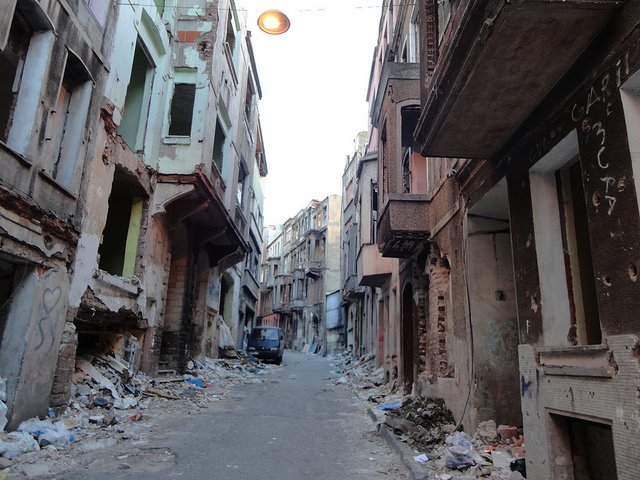
Until a recent urban renewal project that forced most residents out, the neighborhood of Tarlabaşı was home to a diverse array of Istanbul’s minority populations.

In the early 20th century, Tarlabaşı’s winding streets and colorful buildings were home to many of the city’s Greek residents. After violence against the Greek population their mass emigration from Turkey, Roma and Kurdish families moved in. But today, a municipal plan to turn the area into a wealthier, more mainstream neighborhood has forced out most families — and is making life miserable for the residents who refuse to leave, reports independent media agency Bianet.

Israel Uses CIA and FBI Technologies to Find Pesticides

0

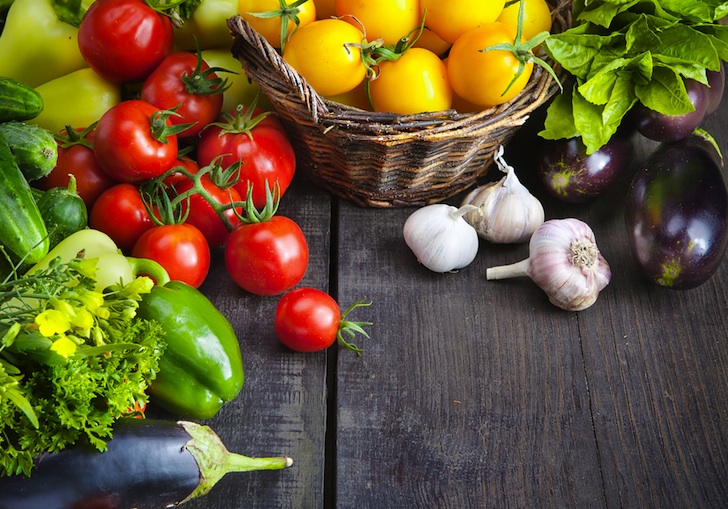
tomato and looking glass israel vegetablesFarmers and consumers face a new kind of chemical terror: pesticides. Since it is very difficult to detect the presence of toxic chemicals in various crops, an Israeli organization has deployed a failsafe method to root out the threat using the same kind of equipment used by America’s Central Intelligence Agency (CIA) and Federal Bureau of Investigation (FBI) to protect citizens against chemical warfare.

Small American Farmer Sends Monsanto Seed Patents to Supreme Court

7

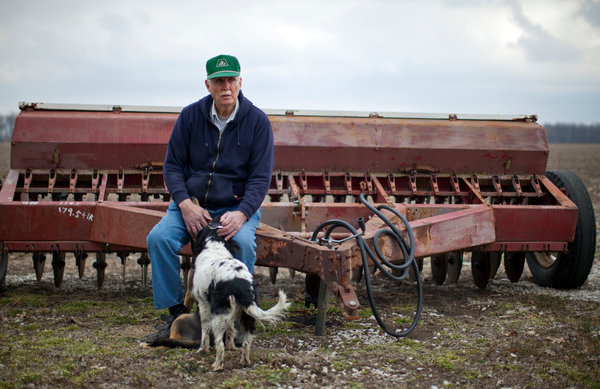
MONSANTO-Vernon Hugh BowmanVernon Hugh Bowman, farmer vs Monsanto, billion dollar seed and biotech company.

It sounds like something from a book about the perils of the future, a future that is strangely today reality: The seed-engineering company Monsanto genetically engineers seeds to have desirable traits that make them hearty or the plants resistant to the effects of herbicides like Roundup. But when farmers buy and use these seeds they must sign away rights to use the seeds of future generations. After all, Monsanto is investing in the biotechnology (the company reasons) and it needs to ensure future business for its investment.

Holding back the use of one’s self-made seeds sounds almost as bizarre as bottled air in the Lorax, or the bottling of water. But in the case of water, bottled O2 and seeds: these things do happen in our polluted world.

Environmentalists typically are against the practices of Monsanto, claiming that there are certain inalienable rights people and farmers have when they buy seeds. Some farmers in Egypt have resisted Monsanto’s GM maize, while a new company from Israel called Morflora claims to have a new way of washing seeds to avoid Monsanto’s ethical problems altogether. But farmers need to think about their future, and profits. They buy Monsanto seeds because in some markets it is the only way to stay relevant.

So far Monsanto has been a winner in cases against farmers it has taken to court who have gone against the company’s terms, recounts a recent story in the New York Times. Now an American farmer Vernon Hugh Bowman, from Indiana has gone against Monsanto by using soy seeds produced by his crop. The trick: he bought his own seeds back from a grain elevator which sells the seeds for animal food.

According to the Times article: “the 75-year-old farmer from southwestern Indiana will face off Tuesday against the world’s largest seed company, Monsanto, in a Supreme Court case that could have a huge impact on the future of genetically modified crops, and also affect other fields from medical research to software.”

Bowman pleads that he honored Monsanto’s agreement and didn’t use the seeds from his harvest and noted that the contract he signed didn’t make provisions for him buying the same seeds back from another party. He told the NYT that he didn’t want to pay Monsanto huge sums of money for their soy seeds because he planted his crop late in the season, after the wheat harvest, and that it was bound to fail.

He lost to a district court hearing in 2007, and had to pay Monsanto more than $80,000 for infringing on patents owned by the company.

But now Bowman who is planning to fight till the end says, “I was prepared to let them run over me, but I wasn’t getting out of the road.”

Once the beans are sold to the grain elevator, Bowman claims that Monsanto has no more rights to them. And this is what he is bringing with him to court.

He is being helped by lawyers working pro bono.

The question about patenting living organisms has long been considered immoral, but it is the only legal tool in place that can support and grow the biotechnology industry, proponents for the industry argue.

Sources say that any Supreme Court ruling on this new case could have monumental impacts on the biotechnology industry.

I have to note that the seeds in question are ones Monsanto produces to make crops tolerant to Roundup (a Monsanto product ), a strong herbicide that kills weeds but not the crop. Roundup has also been linked to birth defects and God knows what else. Were more farmers to return to permaculture methods of farming, ones that use organic-friendly and natural pesticides, and sometimes heirloom seeds, all this business of Monsanto would be irrelevant.

Yet when I say this people I know who argue for genetic engineering they say GMOs are the only choice for feeding a hungry world. What do you say?

Image of  Vernon Hugh Bowman via the NYT

Update 2013: United States Supreme Court patent decision in which the Court unanimously affirmed the decision of the Federal Circuit that the patent exhaustion doctrine does not permit a farmer to plant and grow saved, patented seeds without the patent owner’s permission. Vernon lost.