
Itchin’ to best Betty Crocker by baking up new awareness to the plight of our home planet? Take a page from an Aussie zoologist who’s created an astounding series of planetary cakes with scientific accuracy that goes deeper than sugary frosting.

Itchin’ to best Betty Crocker by baking up new awareness to the plight of our home planet? Take a page from an Aussie zoologist who’s created an astounding series of planetary cakes with scientific accuracy that goes deeper than sugary frosting.
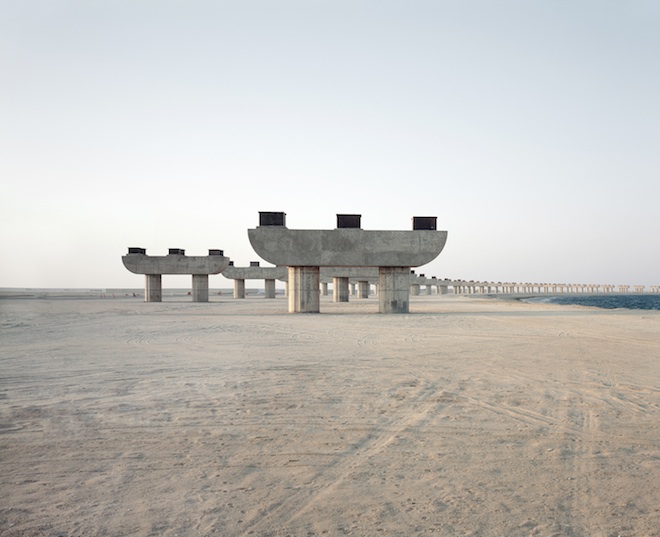
Continuing the theme of mysterious abandoned developments, the identity of this one is better known than the desert lakes I featured in my previous two posts.

With Masdar City, Foster & Partners was the first international architecture firm to design buildings in Abu Dhabi that borrow from the region’s desert-savvy vernacular. Now they are continuing that tradition with the Zayed National Museum on Al Saadiyat Island, which will sport five wing-shaped solar thermal towers when completed.
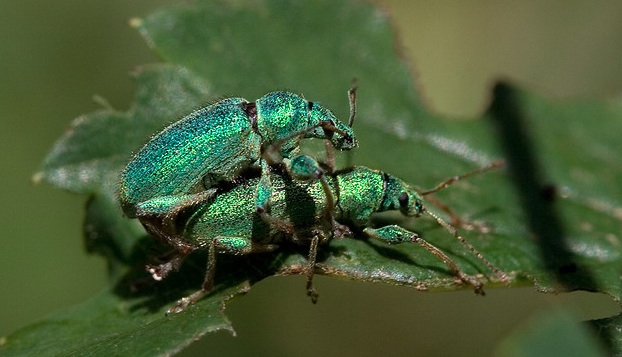
We have to laugh at this research, given the latest news that there is a gay test being developed by Kuwait to weed out homosexuals from Gulf regions: scientists from Israel and Switzerland find that while many kinds of insects and spiders “act” gay, they probably are gay by accident.
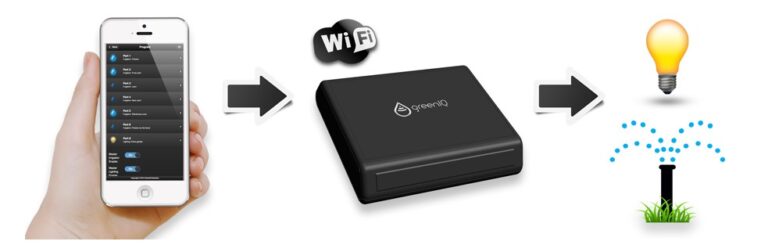

Smart phone developers aren’t just devising novel ways to deliver information about composting and how to save energy (like 5 green apps that can save the planet). They are helping us run our homes.


The Middle East boasts some of the world’s saltiest waterbodies, but none approach the horror of Lake Natron in Tanzania, one of the harshest environments on the planet. It’s hot, chalky waters can turn birds and land animals into calcified statues, spookily captured by photographer Nick Brandt in his new book, Across the Ravaged Land.

A disused government-owned slaughterhouse in Casablanca that ceased to operate in 2000 now hosts art exhibitions, music shows, film screenings and other cultural activities run by La Fabrique Culturelle.
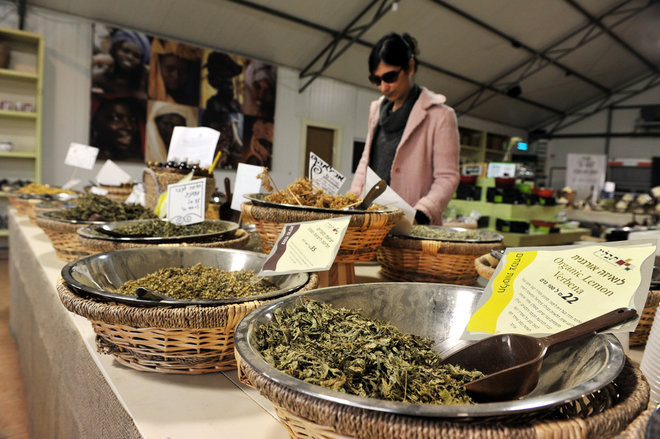
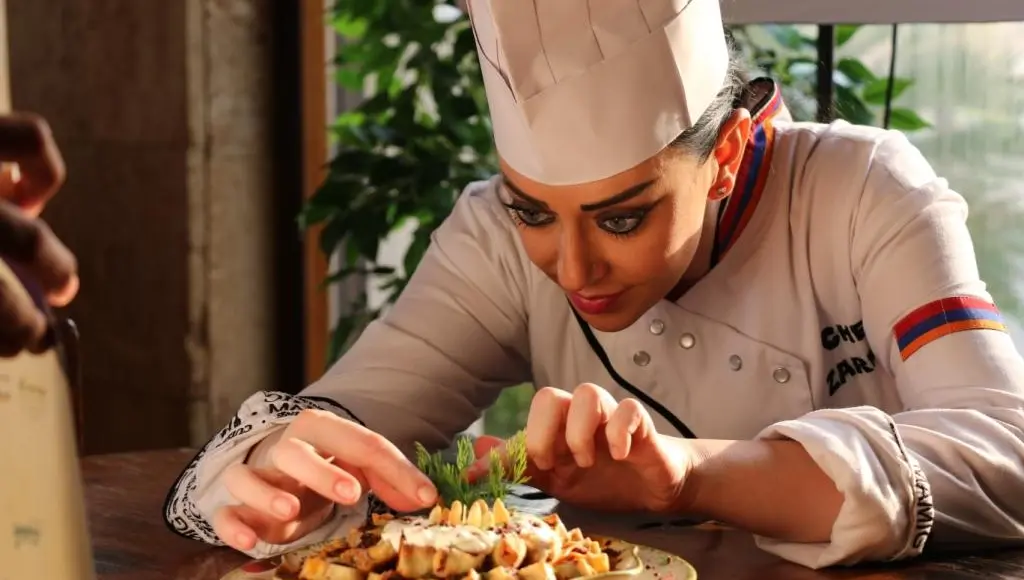
“Middle Eastern food” is a catch-phrase that embraces the cuisines of so many countries, and ethnic streams inside those countries, that a list of 60 essential ingredients can’t cover everything. But if you love the flavors of the Middle East…be it cumin-scented, crunchy falafel or the fragrance of rose-water in pastries like ma’amoul, it’s worth organizing space in your kitchen for the ingredients listed below.
You probably already have many of the suggested items in this post. We have also posted recipes for some exotic things, like pomegranate molasses, that you can make yourself. Some items, like sheep’s tail fat, are available only in Middle Eastern butcher shops and supermarkets. Olive oil or smen (clarified butter) are fine substitutes for sheep’s tail fat.
In most cases, you can omit or substitute ingredients. Some are unique, though, like the unmistakable taste of saffron (the world’s most expensive aphrodisiac). Much as we appreciate turmeric and indeed often cook with it, it will never smell or taste the same as saffron. For the cook experienced with Middle Eastern fare, this post may look like a shopping list, useful for reminding which items to replace. For those eager to learn more about cooking Middle Easter delicacies at home, it’s a good start.
 Dry Spices
To bring out spices’ best flavors, buy them whole, in small quantities, and grind them yourself. A traditional mortar and pestle takes little space in the kitchen and does the job quickly.
 Fresh Herbs In Season
Place your leafy green herbs in a jar of water where they can get some indirect light, and they will keep for at least a week. Some, like mint and basil, might actually grow roots. Those, you can transplant to dirt and put outside to snip bits off whenever you need some.
 Varied Seasonings
If you’re not familiar with an ingredient – say, dried limes – buy only a little at first, then find a recipe using it. Once you’re comfortable with the ingredient, decide if you want to invest in a little more.
 Sheer Necessities
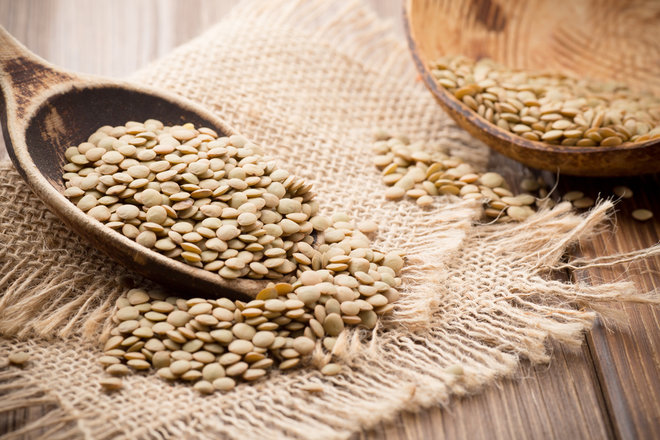
Some items listed below, like walnuts and raisins, are not exclusively Middle Eastern, but are there because every Middle Eastern cook has some on hand, all the time.

Dry Spices
Allspice berries
Anise seeds
Bay leaves
Black pepper
Cardamom (ground and whole seeds)
Chilies, dried
Cinnamon (ground and sticks)
Cloves (ground and whole)
Coriander seed (ground and whole)
Cumin
Fennel seeds
Fenugreek seeds
Ginger (ground or fresh root)
Mint, dried
Nigella seeds
Nutmeg
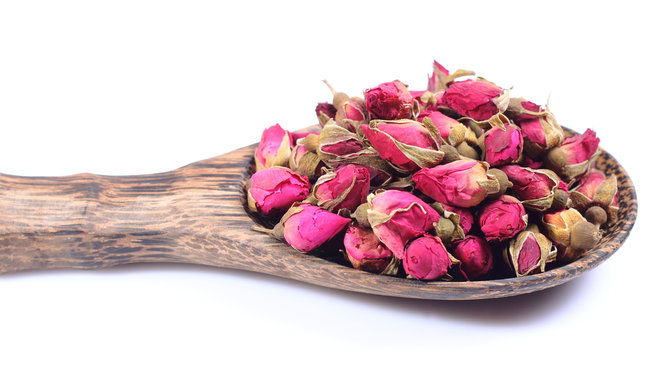
Rose petals, dried
Saffron
Sesame seeds
Sumac
Turmeric (ground or fresh root)
Za’atar leaves, dried
Basil
Chives
Coriander leaves (cilantro)
Fenugreek
Garlic
Ginger root
Hot peppers (varieties)
Mint
Onions
Parsley
Rosemary
Scallions
Thyme / Lemon thyme
Turmeric root
Za’atar
Anba (pickled mango relish)
Date honey (silan)
Honey (local)
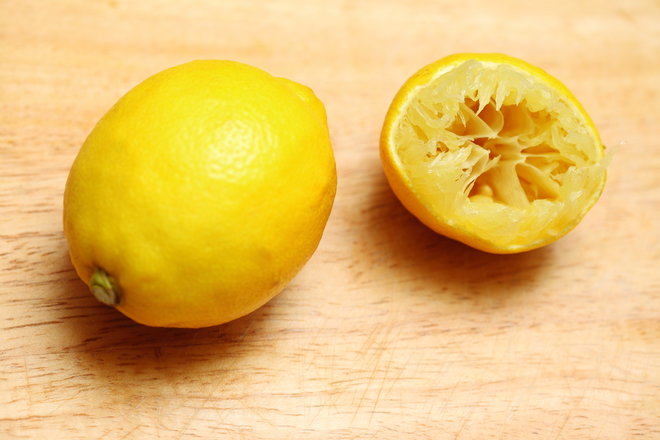
Lemon juice
Lemons and limes, dried
Orange-blossom water
Pomegranate molasses
Rosewater
Tahini paste
Tamarind paste or syrup
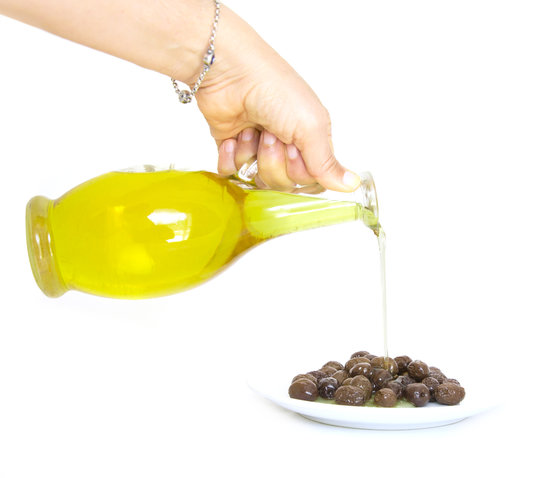
Olive oil
Smen (clarified butter)
Sheep’s tail fat
Almonds (whole or blanched)
Arak
Beans (navy and fava)
Burgul (cracked wheat)
Chickpeas (dried or canned)
Couscous (instant)
Dates
Lentils
Pine nuts
Raisins (black and golden)
Rice (Persian or Basmati)
Semolina
Walnuts
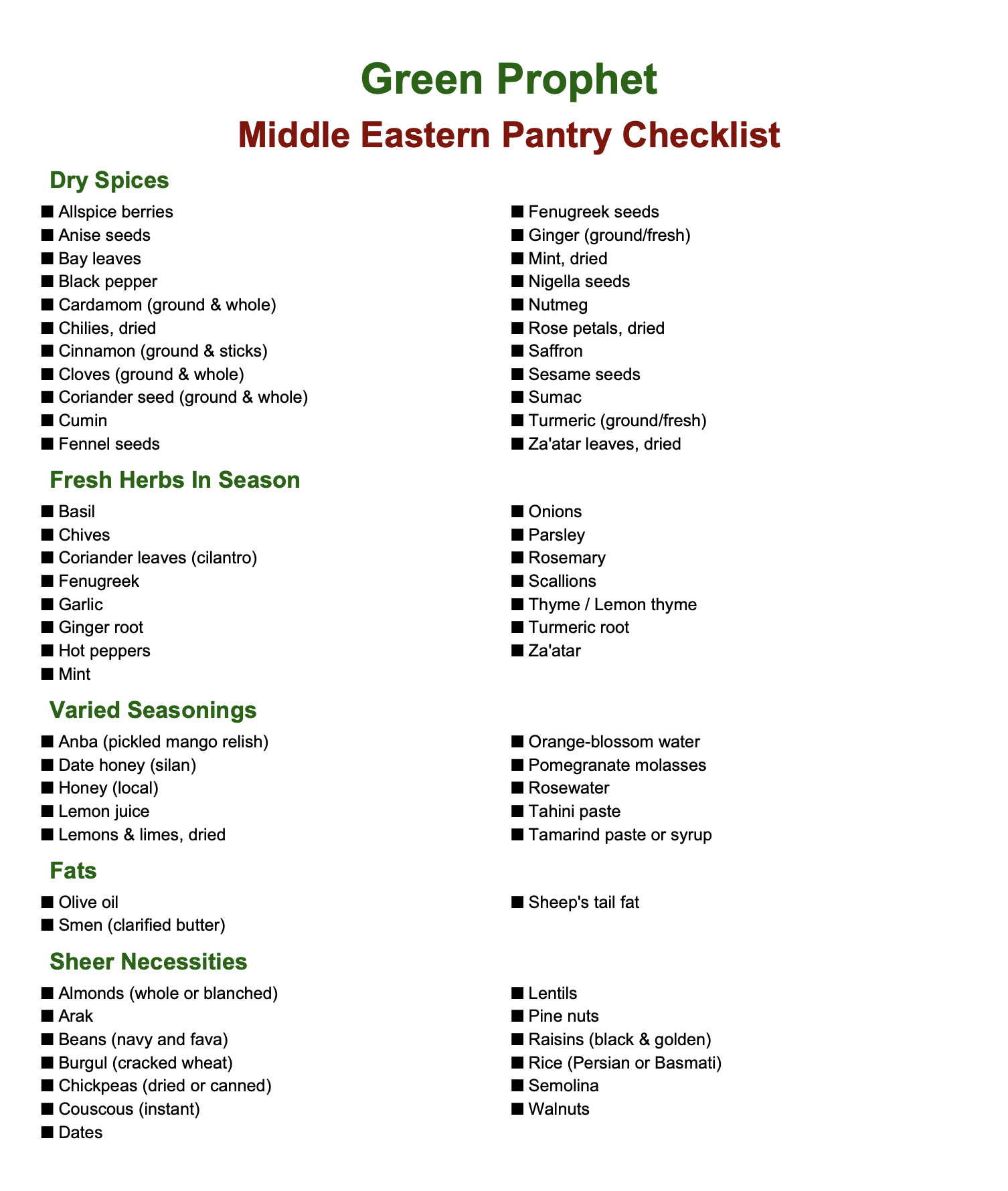
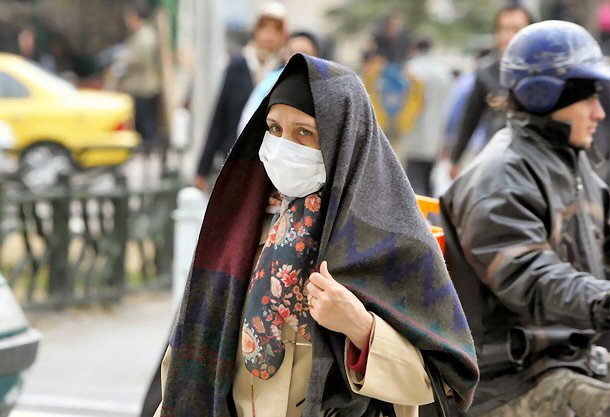
It doesn’t take a genius or a position paper to figure out that air pollution in cities and near industrial zones is toxic to human health. But now that it’s got an officially bad status with the United Nations, up there with asbestos and 100 other killer chemicals, maybe governments and cities will listen.

King Tutankhamen’s tomb continues to give up its secrets. This time it reveals something about a past far more ancient than the life and death of this boy-king some 3300 years ago.
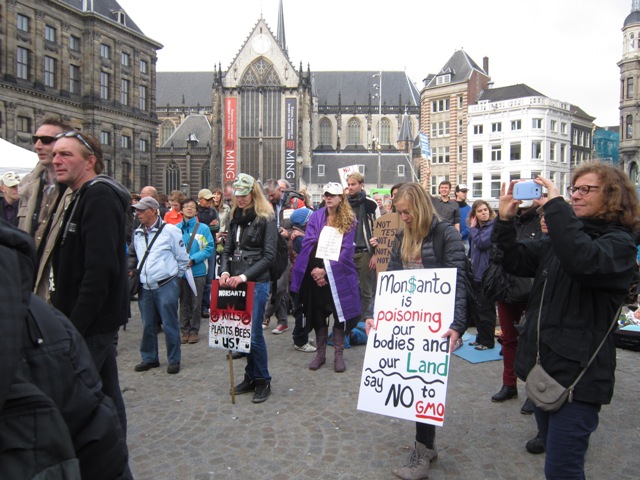
World Food Day, commemorated on October 16 is an annual event whose purpose is to find ways to alleviate hunger and malnutrition in various parts of the world. Green Prophet was there.

Dubai is getting another enormous development, except this time, Emaar Properties and Dubai Holding are pitching The Lagoons as an entrepreneurial and cultural hub for tomorrow’s youth.
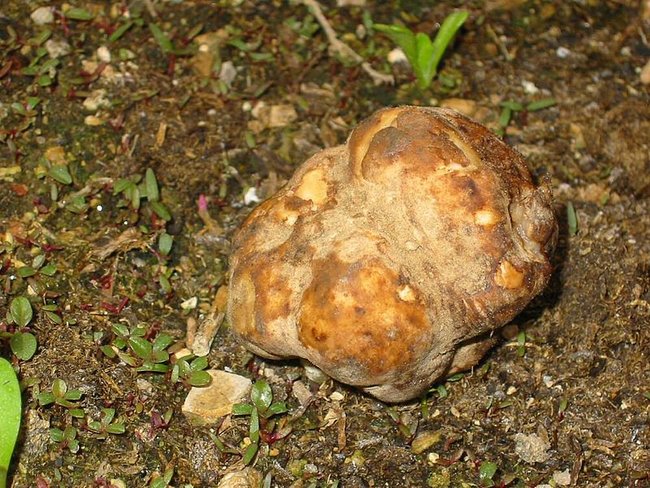
Truffles -the delicious tubers- have been a topic in food literature throughout the ages, from neo-Sumerian inscriptions in the 20th century BCE, to the writings of 19th-century chef Brilliant Savarin, to the joyful greediness of contemporary author Peter Mayle. But if you think that good truffles come exclusively from Italy and France…

An emergent studio from Kazakhstan has designed a curious glass tube home that wraps around a large Fir tree in the tectonically active mountainous region of the country.
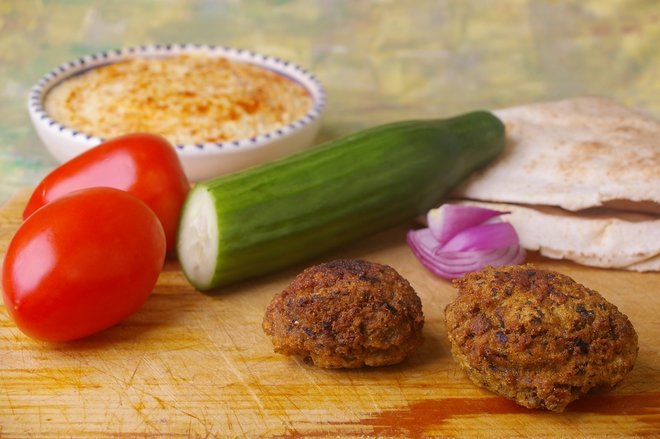
There’s nothing like homemade falafel when you’re in the mood for those savory, crunchy chickpea balls packed into a fluffy pita. We teach you how to make whole-wheat pita here. Making your own falafel, you decide exactly which fixings go into your package of chickpea goodness.
Do you like lots of chopped cucumber and tomato, or do you prefer strips of breaded, fried eggplant? Some people adore a good smear of humus (recipe for humus here) on the inside of their pita, while others go with a generous dose of tahini on top of the ensemble. And here are some suggestions on how tahini can enhance every meal. Some like both. How about tucking some thinly-sliced onion into the corners, or pickles – or a dribble of hot sauce?
Those additions, and others, decorate and add relish to your falafel. But the heart of the matter lies in the freshly fried chickpea balls and their seasonings. Add or omit salt, cumin, garlic and green herbs according to your personal taste. It’s easy to do. Make up the basic recipe, fry one ball, and taste. Then you can decide how you want to change the rest of the falafel batter – or if you like it just the way it is.
There are three things to keep in mind when you make falafel at home. One, the chickpeas must soak 8 hours, so you need do that first step the night before – or early in the morning, if you’re planning to serve falafel at dinnertime. Two, the oil has to be very hot – it should shimmer. And three, you should have your pitas ready at hand and your vegetables or relishes pre-chopped and set out in bowls, so you can fill up and serve as soon as the falafel balls come out of the oil.
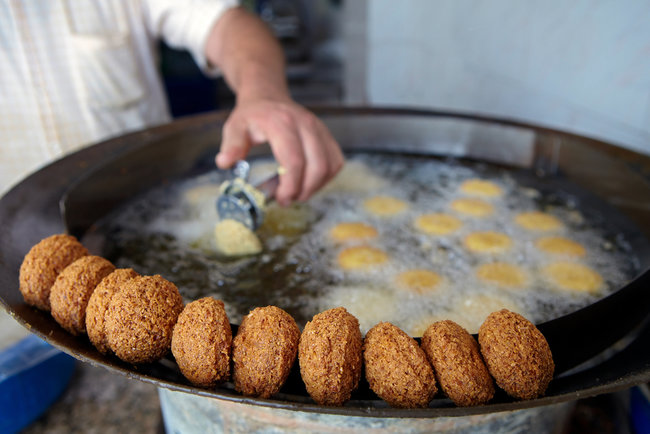
Commercial falafel stands put the ingredients through a meat grinder, but home cooks produce good falafel out of food processors, and that’s what I recommend.

Falafel
Yield: about 20 falafel balls
Ingredients:
250 grams – 1- 1/4 cups dried chickpeas
1/2 cup chopped onion
2 cloves garlic, peeled
3 tablespoons fresh parsley or cilantro leaves
1/2 teaspoon freshly-ground black pepper
1 teaspoon salt
1/4 teaspoon chili flakes
1 teaspoon powdered cumin
1/2 teaspoon powdered coriander
1/2 teaspoon baking powder
4 tablespoons water
1- 1/2 cups flour
1 bottle cooking oil – 750 grams – 3 cups
Soak the chickpeas in plenty of cold water overnight. Check them after several hours to make sure that they remain covered with water as they swell.
Drain the chickpeas and put them in the food processor. Add the onion, garlic, and herbs. Pulse until you obtain a mass that sticks to itself. Scrape the sides down a few times.
Add the spices, flour, baking powder, and salt. Add 3 tablespoons of water. Run the food processor again to blend. Add the final tablespoon of water if it seems necessary to hold the mass together.
Turn the chickpea mass out into a bowl. Heal the oil in a heavy pan until it shimmers.
Wet your hands and form a round ball about the size of a walnut in its shell. Compact it between your palms. Fry this first falafel ball. Taste it and adjust seasoning in the raw mass if needed.
Fry until the outside of the falafel balls are brown and crisp, and the inside is cooked through. The first ball will tell you how long to keep them in the oil, although as you proceed, they will fry more quickly. Don’t crowd the balls while frying. Drain on crumpled paper and serve right away. Yum!
 More mouth-watering Middle Eastern recipes on Green Prophet:
Photos of traditional Egptian falafel and frying falafel in Lebanon via Shutterstock.

Have news to share? Renewable energy news, architectural, artificial intelligence, biotech, sustainable design ideas, eco-architecture, green travel?
Email us: [email protected]
Get important news delivered directly to your inbox and stay connected!
© 2007 to 2026 Green Prophet, All Rights Reserved