
The quinoa craze turned what was once a cheap, nourishing staple diet for Bolivians and Peruvians into an unaffordable grain for many of the poor locally. Read here about the dirty secret of quinoa. The appetite of western culture, and fanatic vegetarianism has increased demand for quinoa stratospherically: in 2013 the price of quinoa tripled from 2006 prices.
Prices have risen to such an extent that the poorer populations of Peru and Bolivia can no longer afford it and instead substitute for cheaper imported junk food. In Lima, quinoa now costs more than chicken and outside the cities land is increasingly being turned into quinoa monocultures.
Gaga for agar-agar
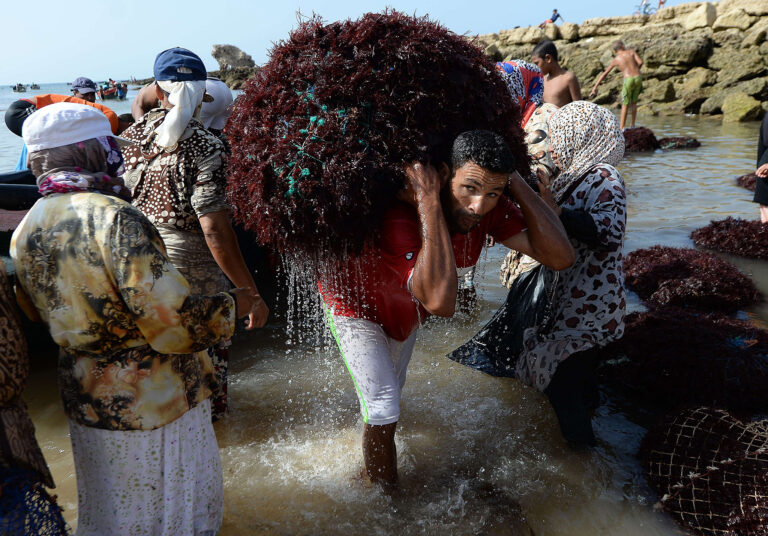
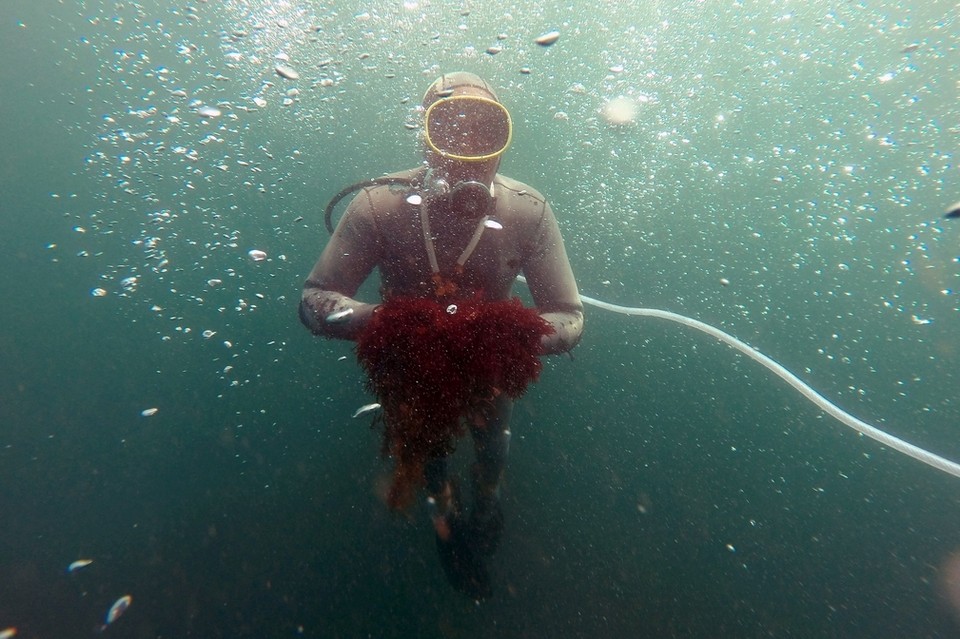
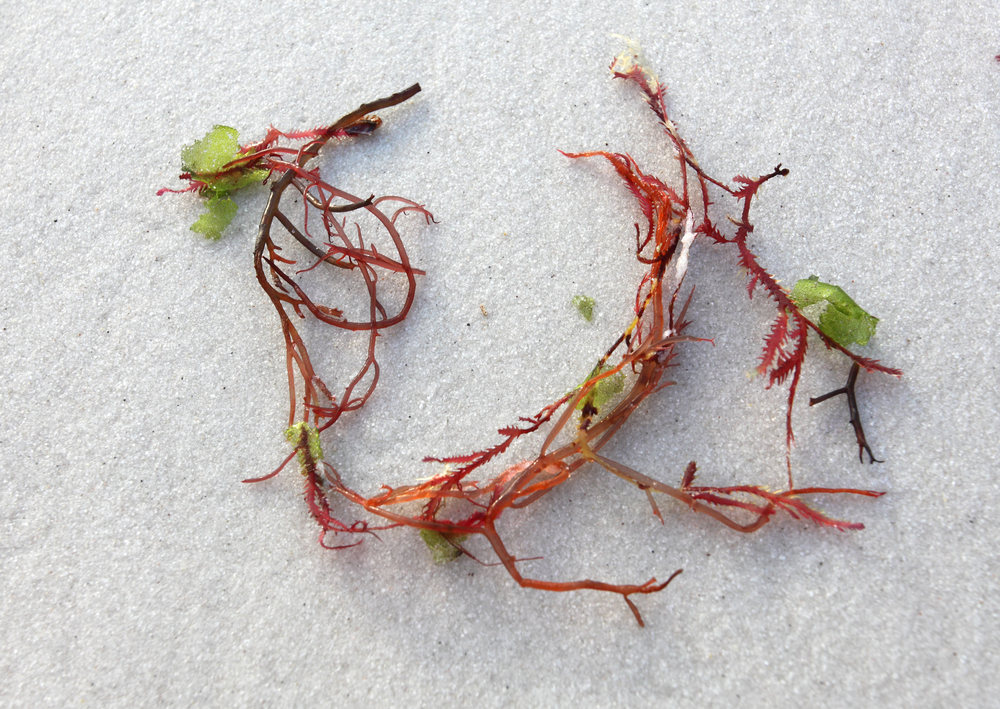
A similar story is happening in Morocco, El Jadida, with “red gold” a mineral rich seaweed used to produce agar- agar a natural gelling agent popular with cooks and professional chefs, used in pharmacology and cosmetics and an alternative to animal-sourced gelatins for vegetarians and religious groups that ban pork.
Over in Japan, agar is used for sauces, soups, jellies, and desserts. In the Western world, it is used as a gelling and stabilizing agent by meat and fish canneries, and in baked goods, dairy products, and candies as well.
In 2010 over exploitation pushed the fishing ministry to place quotas restricting its harvest, and today rising demand and falling supply has resulted in increasing export prices.
Agar-agar is an important gelling agent for people who cannot consume pork products, like Jews and Muslims. But it is also a staple for vegans.
Yet fishermen and are not seeing the economic benefits from these rising prices, research has shown that fishermen often sell the produce half the price pre-established by the quota and are forced to dive deeper, with dangerous consequences in the hope of finding this increasingly scarce, expensive “gold” (which by the way, currently sells at 0.4 USD per Kg- so not really gold) .
Killing Morocco’s ecosystem and society
Aside from the negative social consequences, overharvesting seaweed also has obvious negative to the local marine ecosystem. Seaweed plays a major role in marine ecosystems , in fact they are considered “keystone species” since they are one of the first organism in marine food chains.
They provide nutrients and energy for animals, either directly when fronds are eaten, or indirectly when decomposing parts break down into fine particles and are taken up by filter-feeding animals. Seaweeds also act as filters by taking up nutrients and carbon dioxide from seawater reducing local coastal eutrophication and ocean acidification.
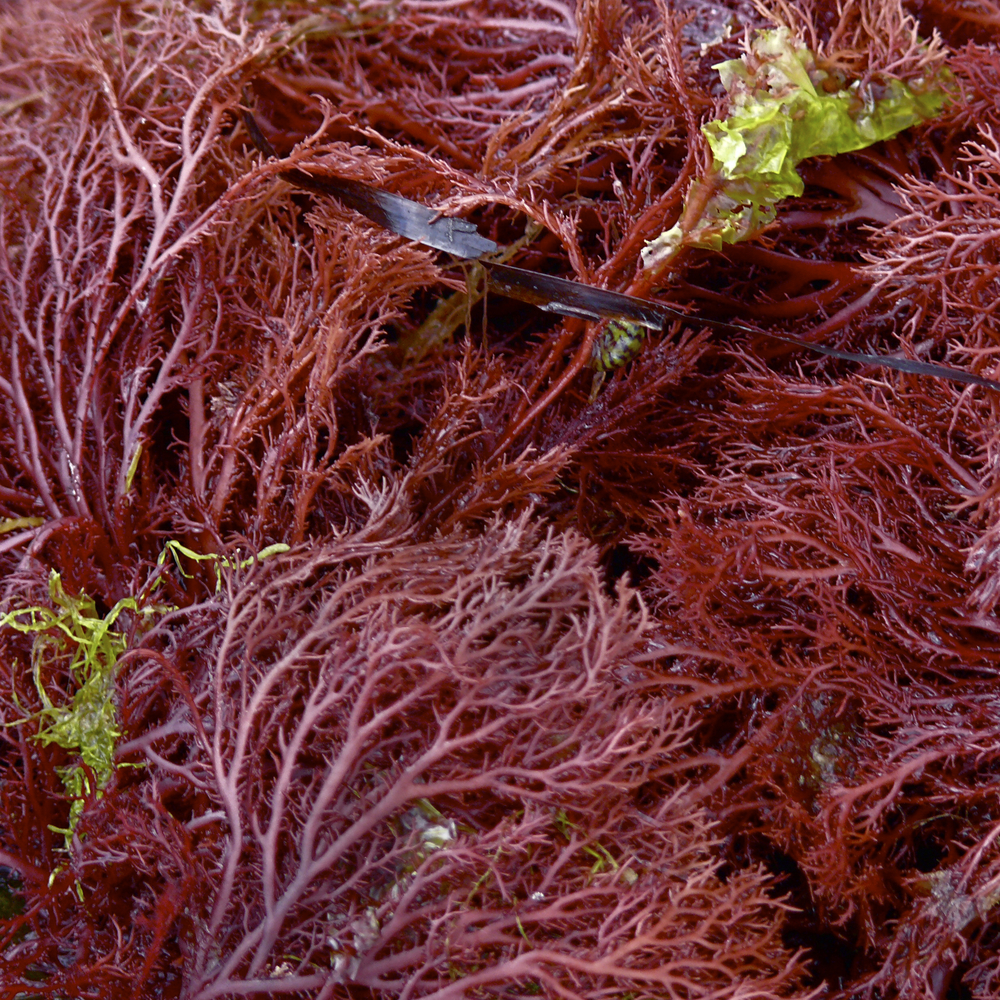
What was once ordinary red algae, has now become “red gold” with negative consequences on the fishermen and the environment.
We have to remember that nowadays crazes have a more significant impact than in the past. Globalization, increasing communication streams, increasing population, and rising incomes and the concomitant increase in purchasing power means that the decisions we make today have a larger ripple on effect on populations and environments that are far from our sight.
Using exotic foods, supplements and medicine to fulfill health habits, or becoming fanatic about not using certain produce may not be the answer to a more sustainable, global economy.
Looking at your own country’s tradition, local crop and seed wealth and medicinal herbs is just as efficient at supporting health and has a marginal and sustainable impact on local economies. Like always, balance is the key and the solution lies right next to you.
Image of Red gold seaweed harvest in Morocco by Fadel Senna; image of agar red seaweed from Shutterstock