

The Kingdom of Saudi Arabia (KSA) will soon require increased insulation in all new buildings across 24 major cities that, in total, account for 80% of the country’s population. The action intends to substantially cut energy consumption and waste; electricity bills can be reduced up to 40% with a properly insulated structure.
Building codes have been around for nearly 4,000 years. The first was embedded in the Babylonian Code of Hammurabi dating back to about 1754 BC. If ancient Mesopotamia was hip to mandated construction guidelines, why is KSA so slow to join in? Especially since nearly KSA accounts for nearly 40% of Gulf Cooperation Council’s construction sector.
It is estimated that only 25.4% of the Kingdom’s buildings are thermally insulated. In Jeddah, 87.5% of the buildings lack insulation, the ratio is 72.6% in the Eastern Province and 51.3% in Riyadh according to a report issued last year. Mind-blowing statistics when you consider the punishing heat gain these structures are subjected to and the resulting cooling loads needed to make them inhabitable.
Hossam Al Rashodi, CEO of Maskan Arabia Real Estate Development Company, told Maktoob News that the Saudi Building Code should be amended to oblige developers to use energy-efficient materials. The Saudi code is based on international standards which specify insulation values with respect to roofs, walls and floors, based on the requirements of US and EU climate zones. That makes for a solid point of reference, but KSA codes need to reflect the climactic and insolation conditions of this specific region.
The code is applicable to all new buildings, but enforcement is lax and most buildings are still constructed without insulation, relying on mechanical air conditioning to mitigate high levels of temperature and humidity. Saudi buildings consume 80% of all generated electrical, 50% of this is used by air conditioning alone, and consumption is increasing 7% annually. At issue is inflated demand based on building inefficiencies and increased urbanization.
Public awareness is also a challenge because most KSA energy prices are highly subsidized; consumers are unaware of the true value of electricity.
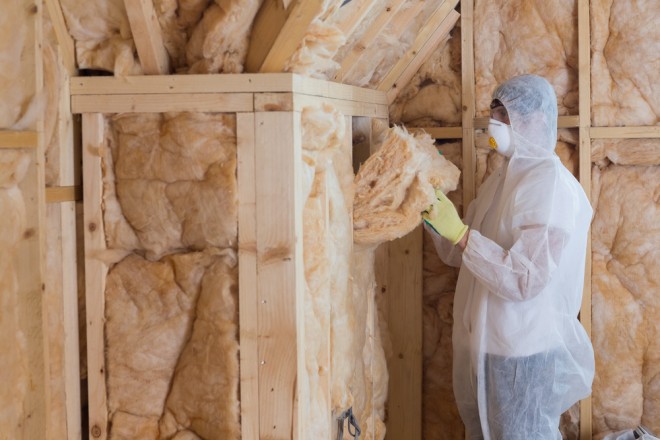
Thermal insulating systems do cause construction costs to rise, on average by 3 to 5% depending on building size and function. However, this uptick in first investment is quickly negated by reduced investment in expensive air conditioning systems, lower power tariffs, and less wasted energy over the life of the structure.
Rashodi said that properly insulating walls, roofs and glass in villas yields owner benefits such as reduced energy consumption, sizable utility cost savings, and enhanced comfort of living. Studies prove buildings with lower operating costs are easier to sell, too. Good-to-know-facts that are older than the Kingdom.
KSA is new to legislated sustainability, but it can pick from the world’s best building standards and, as critically, select best means of code enforcement. With bold leadership on the part of government, developers and designers, the enormous capital being invested in KSA construction projects could be a game-changer for green design. Sadly, the KSA construction business is stalled on breaking world records and superficial glitz.
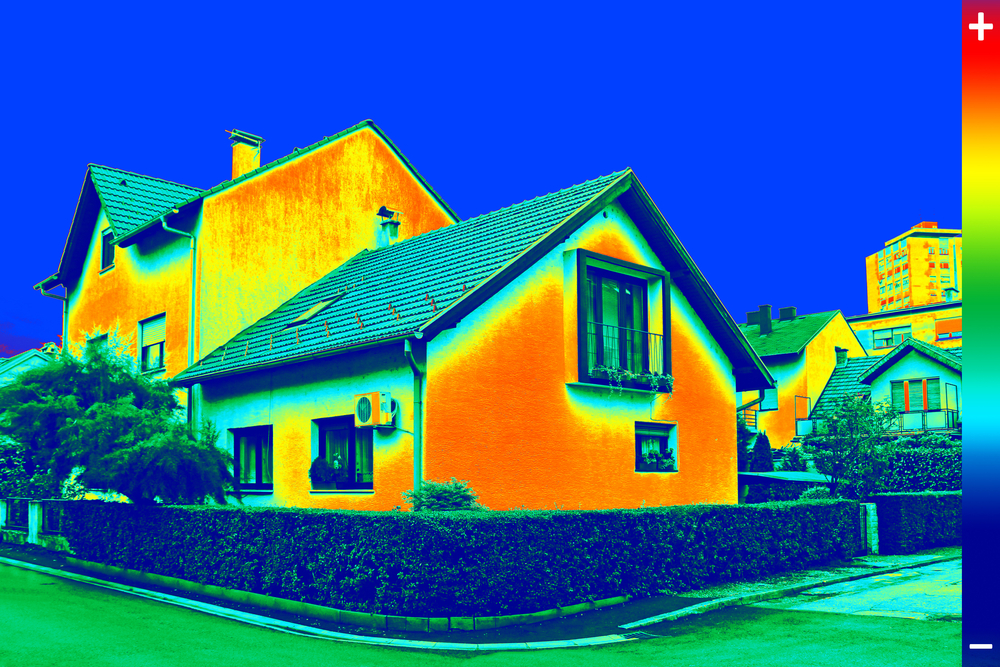
Infrared thermovision image of an insulated house from Shutterstock



[…] Saudi Arabia to become more insulated than ever! […]