The CFTC, FINRA, and NASAA have jointly warned retirees about precious metals fraud targeting retirement accounts. This checklist provides a structured framework for evaluating any company before transferring savings — and illustrates what credible providers look like across 7 measurable criteria.
A vast and largely untapped lithium reserve may be hiding beneath one of North America’s oldest landscapes, the Appalachian Mountains, offering a surprising twist in the global race for clean energy materials. According to new findings from the U.S. Geological Survey (USGS), as much as 2.5 million tons of lithium could be buried across the region, stretching from the Carolinas up through New England.
Energy equities are responding unevenly to the evolving landscape. Companies with direct exposure to UAE production growth and infrastructure are benefiting from increased activity expectations, while global oil majors face a more mixed outlook.
All air conditioners release water. That's Physics. Cities like Los Angeles pour billions of water down the drain every year. And while home owners who are savvy to water reuse are finding ways to use AC water in the garden (here are 5 ways to use air con water at home), or in art studios (it's basically free distilled water), cities could save water in meaningful ways by using creative ideas. These are solutions you can send to urban planners and those running smart city accelerator programs. Pick one of them and you might win the grant!
As tensions rise in one of the world’s most critical maritime chokepoints, the ripple effects go far beyond oil—touching food systems, climate pressures, and regional stability
The CFTC, FINRA, and NASAA have jointly warned retirees about precious metals fraud targeting retirement accounts. This checklist provides a structured framework for evaluating any company before transferring savings — and illustrates what credible providers look like across 7 measurable criteria.
A vast and largely untapped lithium reserve may be hiding beneath one of North America’s oldest landscapes, the Appalachian Mountains, offering a surprising twist in the global race for clean energy materials. According to new findings from the U.S. Geological Survey (USGS), as much as 2.5 million tons of lithium could be buried across the region, stretching from the Carolinas up through New England.
Energy equities are responding unevenly to the evolving landscape. Companies with direct exposure to UAE production growth and infrastructure are benefiting from increased activity expectations, while global oil majors face a more mixed outlook.
All air conditioners release water. That's Physics. Cities like Los Angeles pour billions of water down the drain every year. And while home owners who are savvy to water reuse are finding ways to use AC water in the garden (here are 5 ways to use air con water at home), or in art studios (it's basically free distilled water), cities could save water in meaningful ways by using creative ideas. These are solutions you can send to urban planners and those running smart city accelerator programs. Pick one of them and you might win the grant!
As tensions rise in one of the world’s most critical maritime chokepoints, the ripple effects go far beyond oil—touching food systems, climate pressures, and regional stability
The CFTC, FINRA, and NASAA have jointly warned retirees about precious metals fraud targeting retirement accounts. This checklist provides a structured framework for evaluating any company before transferring savings — and illustrates what credible providers look like across 7 measurable criteria.
A vast and largely untapped lithium reserve may be hiding beneath one of North America’s oldest landscapes, the Appalachian Mountains, offering a surprising twist in the global race for clean energy materials. According to new findings from the U.S. Geological Survey (USGS), as much as 2.5 million tons of lithium could be buried across the region, stretching from the Carolinas up through New England.
Energy equities are responding unevenly to the evolving landscape. Companies with direct exposure to UAE production growth and infrastructure are benefiting from increased activity expectations, while global oil majors face a more mixed outlook.
All air conditioners release water. That's Physics. Cities like Los Angeles pour billions of water down the drain every year. And while home owners who are savvy to water reuse are finding ways to use AC water in the garden (here are 5 ways to use air con water at home), or in art studios (it's basically free distilled water), cities could save water in meaningful ways by using creative ideas. These are solutions you can send to urban planners and those running smart city accelerator programs. Pick one of them and you might win the grant!
As tensions rise in one of the world’s most critical maritime chokepoints, the ripple effects go far beyond oil—touching food systems, climate pressures, and regional stability
The CFTC, FINRA, and NASAA have jointly warned retirees about precious metals fraud targeting retirement accounts. This checklist provides a structured framework for evaluating any company before transferring savings — and illustrates what credible providers look like across 7 measurable criteria.
A vast and largely untapped lithium reserve may be hiding beneath one of North America’s oldest landscapes, the Appalachian Mountains, offering a surprising twist in the global race for clean energy materials. According to new findings from the U.S. Geological Survey (USGS), as much as 2.5 million tons of lithium could be buried across the region, stretching from the Carolinas up through New England.
Energy equities are responding unevenly to the evolving landscape. Companies with direct exposure to UAE production growth and infrastructure are benefiting from increased activity expectations, while global oil majors face a more mixed outlook.
All air conditioners release water. That's Physics. Cities like Los Angeles pour billions of water down the drain every year. And while home owners who are savvy to water reuse are finding ways to use AC water in the garden (here are 5 ways to use air con water at home), or in art studios (it's basically free distilled water), cities could save water in meaningful ways by using creative ideas. These are solutions you can send to urban planners and those running smart city accelerator programs. Pick one of them and you might win the grant!
As tensions rise in one of the world’s most critical maritime chokepoints, the ripple effects go far beyond oil—touching food systems, climate pressures, and regional stability
The CFTC, FINRA, and NASAA have jointly warned retirees about precious metals fraud targeting retirement accounts. This checklist provides a structured framework for evaluating any company before transferring savings — and illustrates what credible providers look like across 7 measurable criteria.
A vast and largely untapped lithium reserve may be hiding beneath one of North America’s oldest landscapes, the Appalachian Mountains, offering a surprising twist in the global race for clean energy materials. According to new findings from the U.S. Geological Survey (USGS), as much as 2.5 million tons of lithium could be buried across the region, stretching from the Carolinas up through New England.
Energy equities are responding unevenly to the evolving landscape. Companies with direct exposure to UAE production growth and infrastructure are benefiting from increased activity expectations, while global oil majors face a more mixed outlook.
All air conditioners release water. That's Physics. Cities like Los Angeles pour billions of water down the drain every year. And while home owners who are savvy to water reuse are finding ways to use AC water in the garden (here are 5 ways to use air con water at home), or in art studios (it's basically free distilled water), cities could save water in meaningful ways by using creative ideas. These are solutions you can send to urban planners and those running smart city accelerator programs. Pick one of them and you might win the grant!
As tensions rise in one of the world’s most critical maritime chokepoints, the ripple effects go far beyond oil—touching food systems, climate pressures, and regional stability
The CFTC, FINRA, and NASAA have jointly warned retirees about precious metals fraud targeting retirement accounts. This checklist provides a structured framework for evaluating any company before transferring savings — and illustrates what credible providers look like across 7 measurable criteria.
A vast and largely untapped lithium reserve may be hiding beneath one of North America’s oldest landscapes, the Appalachian Mountains, offering a surprising twist in the global race for clean energy materials. According to new findings from the U.S. Geological Survey (USGS), as much as 2.5 million tons of lithium could be buried across the region, stretching from the Carolinas up through New England.
Energy equities are responding unevenly to the evolving landscape. Companies with direct exposure to UAE production growth and infrastructure are benefiting from increased activity expectations, while global oil majors face a more mixed outlook.
All air conditioners release water. That's Physics. Cities like Los Angeles pour billions of water down the drain every year. And while home owners who are savvy to water reuse are finding ways to use AC water in the garden (here are 5 ways to use air con water at home), or in art studios (it's basically free distilled water), cities could save water in meaningful ways by using creative ideas. These are solutions you can send to urban planners and those running smart city accelerator programs. Pick one of them and you might win the grant!
As tensions rise in one of the world’s most critical maritime chokepoints, the ripple effects go far beyond oil—touching food systems, climate pressures, and regional stability
The CFTC, FINRA, and NASAA have jointly warned retirees about precious metals fraud targeting retirement accounts. This checklist provides a structured framework for evaluating any company before transferring savings — and illustrates what credible providers look like across 7 measurable criteria.
A vast and largely untapped lithium reserve may be hiding beneath one of North America’s oldest landscapes, the Appalachian Mountains, offering a surprising twist in the global race for clean energy materials. According to new findings from the U.S. Geological Survey (USGS), as much as 2.5 million tons of lithium could be buried across the region, stretching from the Carolinas up through New England.
Energy equities are responding unevenly to the evolving landscape. Companies with direct exposure to UAE production growth and infrastructure are benefiting from increased activity expectations, while global oil majors face a more mixed outlook.
All air conditioners release water. That's Physics. Cities like Los Angeles pour billions of water down the drain every year. And while home owners who are savvy to water reuse are finding ways to use AC water in the garden (here are 5 ways to use air con water at home), or in art studios (it's basically free distilled water), cities could save water in meaningful ways by using creative ideas. These are solutions you can send to urban planners and those running smart city accelerator programs. Pick one of them and you might win the grant!
As tensions rise in one of the world’s most critical maritime chokepoints, the ripple effects go far beyond oil—touching food systems, climate pressures, and regional stability
The CFTC, FINRA, and NASAA have jointly warned retirees about precious metals fraud targeting retirement accounts. This checklist provides a structured framework for evaluating any company before transferring savings — and illustrates what credible providers look like across 7 measurable criteria.
A vast and largely untapped lithium reserve may be hiding beneath one of North America’s oldest landscapes, the Appalachian Mountains, offering a surprising twist in the global race for clean energy materials. According to new findings from the U.S. Geological Survey (USGS), as much as 2.5 million tons of lithium could be buried across the region, stretching from the Carolinas up through New England.
Energy equities are responding unevenly to the evolving landscape. Companies with direct exposure to UAE production growth and infrastructure are benefiting from increased activity expectations, while global oil majors face a more mixed outlook.
All air conditioners release water. That's Physics. Cities like Los Angeles pour billions of water down the drain every year. And while home owners who are savvy to water reuse are finding ways to use AC water in the garden (here are 5 ways to use air con water at home), or in art studios (it's basically free distilled water), cities could save water in meaningful ways by using creative ideas. These are solutions you can send to urban planners and those running smart city accelerator programs. Pick one of them and you might win the grant!
As tensions rise in one of the world’s most critical maritime chokepoints, the ripple effects go far beyond oil—touching food systems, climate pressures, and regional stability
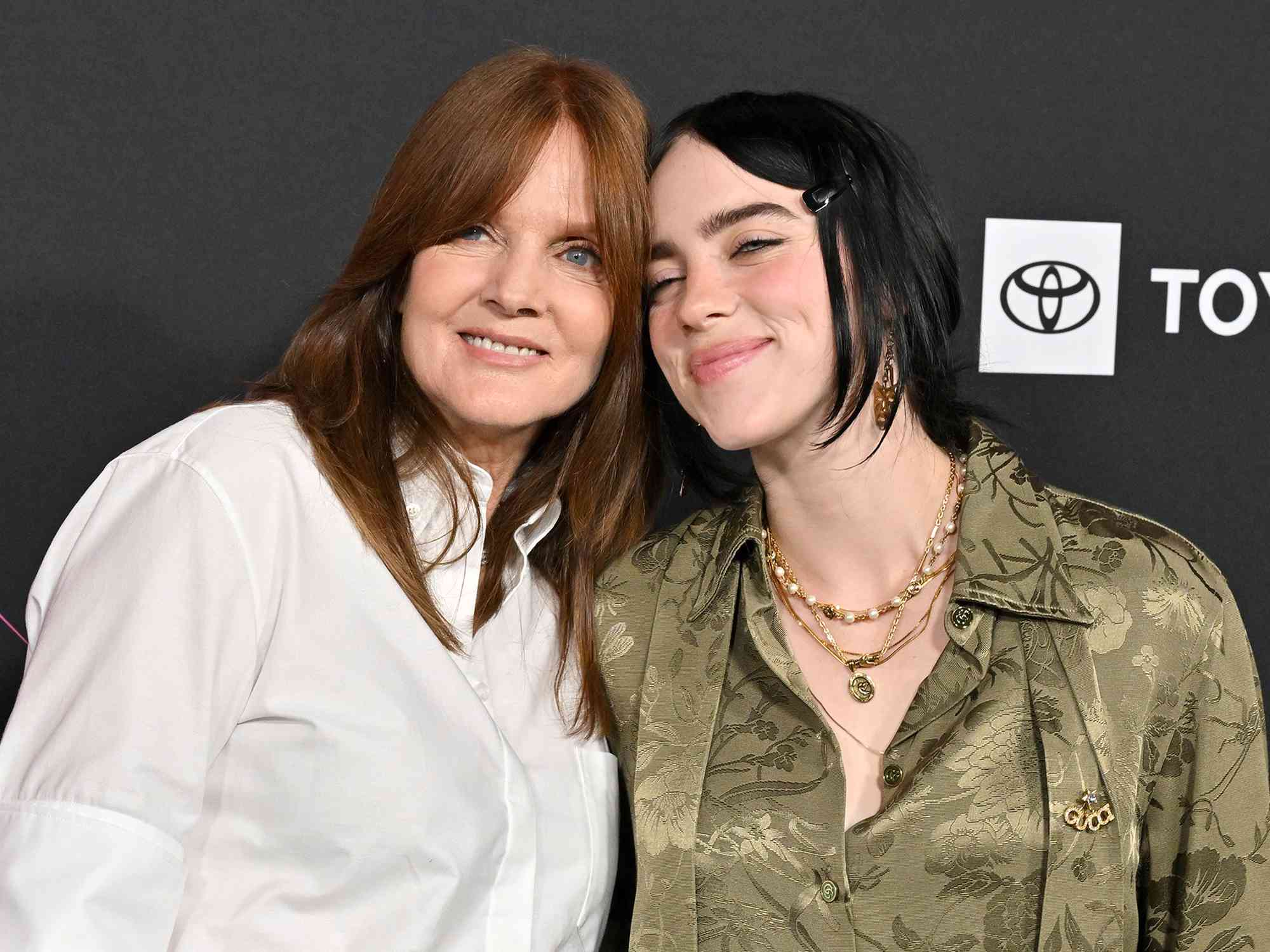
Maggie and Billie – maybe her mother will share the recipes for raising a daughter’s success?
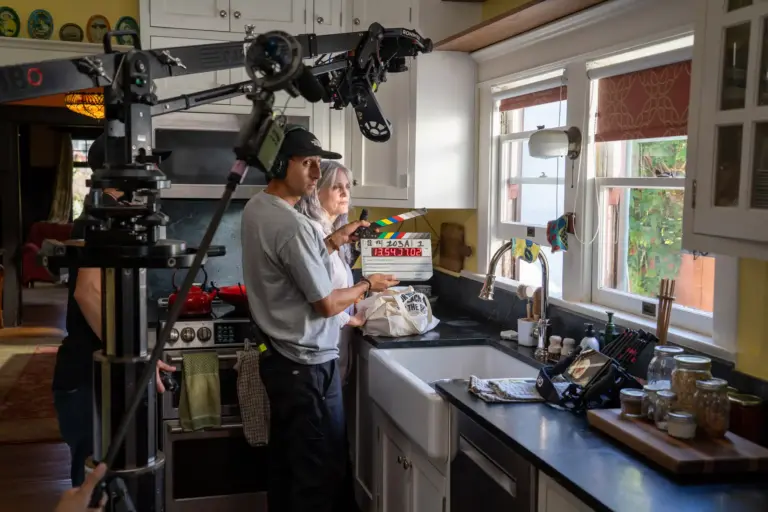
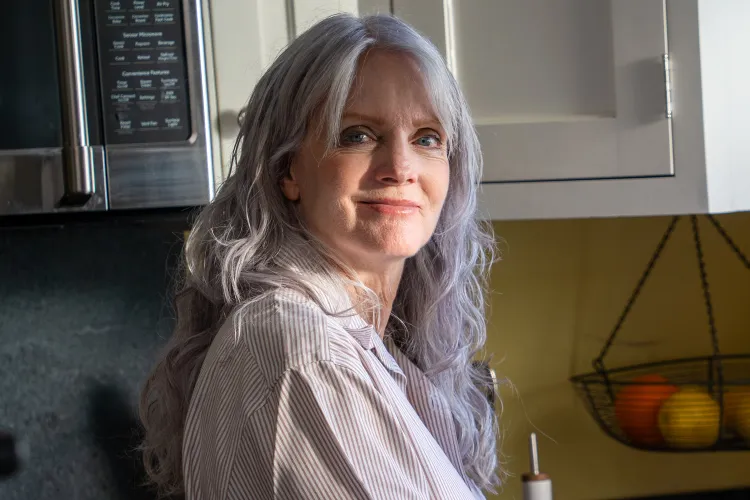
Maggie Baird, best known as the mother of Billie Eilish and Finneas O’Connell, is stepping into a much larger spotlight, this time as a climate storyteller.
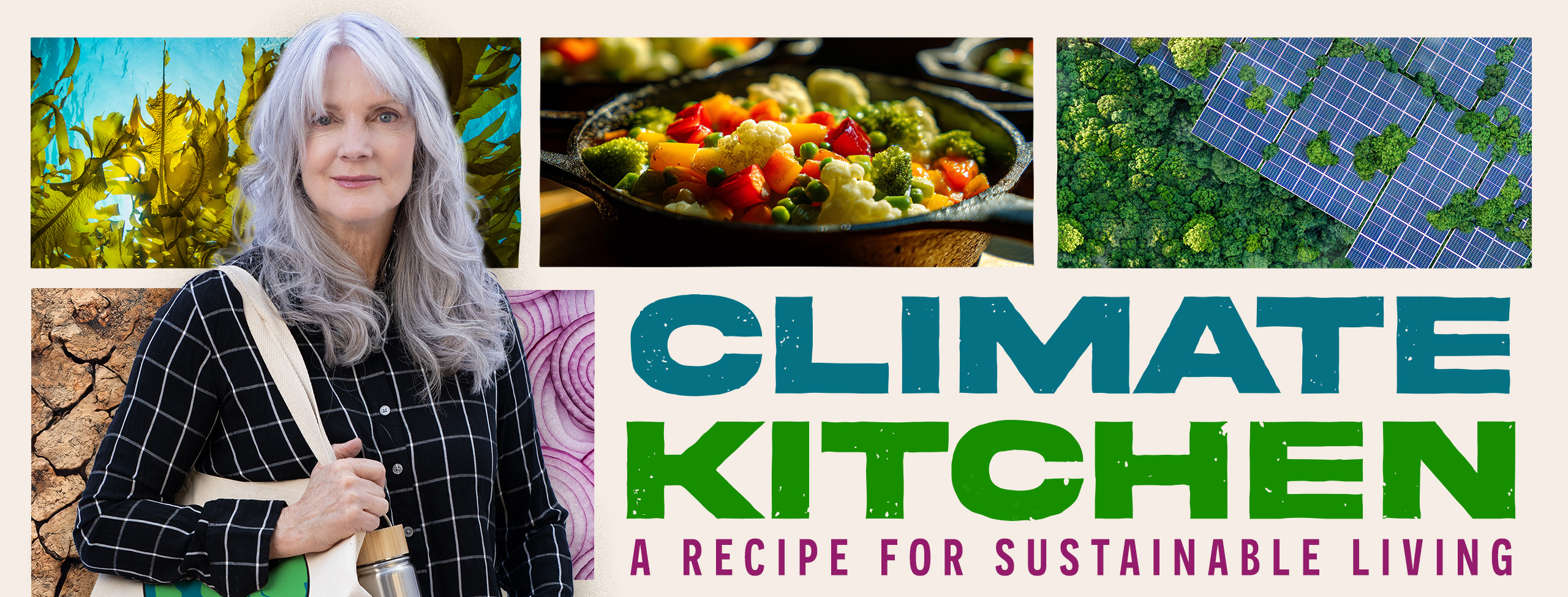
The founder of Support+Feed has partnered with WETA Washington, D.C. to launch a new public television series, Climate Kitchen, set to begin production later this year and air nationwide in 2027. The show will blend cooking, lifestyle, and documentary storytelling to explore how everyday food choices connect to climate change, health, and social equity.
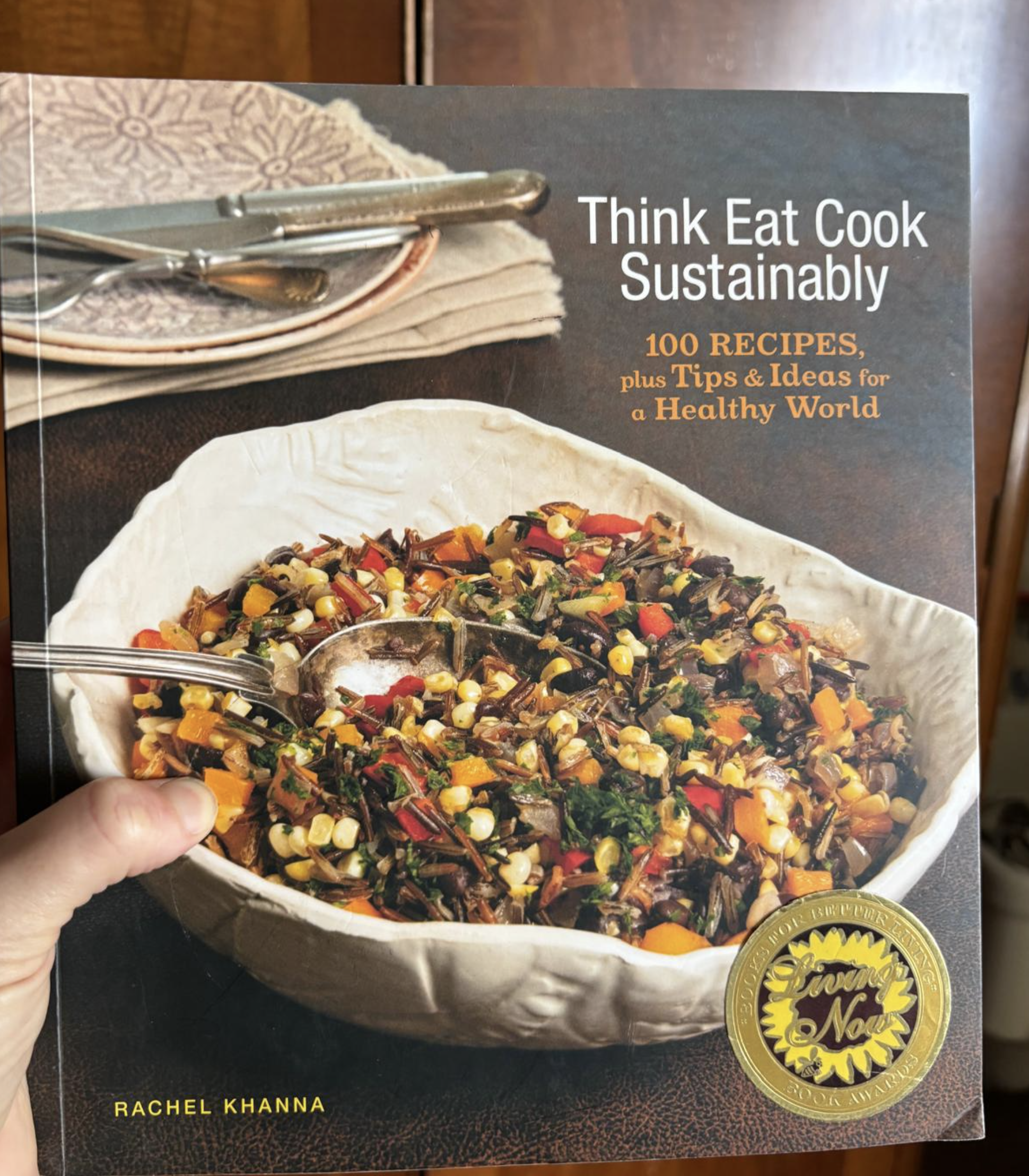
The book by Rachel Khanna offers formulas—not rigid recipes—so that you can cook anything, from anywhere, with whatever the Earth gives you.
If that sounds like another celebrity cooking show a la Meaghan, it isn’t. The premise is more ambitious: to bring climate action into the most familiar space we have, the kitchen. The book Think Eat Cook Sustainably covers this space. But so much more can be done, from teaching people how to forage, to using time-honored local and seasonal recipes, to learning how to grow our own victory gardens.
Climate Kitchen with the mom of Billie Eilish
“Living a more sustainable, earth-friendly lifestyle can seem… overwhelming,” Baird said in the official announcement. “Climate Kitchen is about embracing progress over perfection… showing how small, simple behavior shifts can build toward lasting difference.”
The series will feature a wide-ranging lineup that reflects where climate conversations are heading, from Indigenous activist Xiye Bastida to oceanographer Sylvia Earle, alongside mainstream figures like Martha Stewart and Baird’s own children, Billie and Finneas. That should be fun. Veganism has definitely grown from being a trend to becoming a movement.
The idea is not to preach but to translate. Climate change, in this framing, isn’t just about policy or technology, it’s about food systems, affordability, and daily habits. Baird has long argued that what we eat is one of the most accessible entry points into climate action, even if it’s not the only solution.
Maggie Baird will share healthy vegan recipes
For WETA, the series is part of its broader “Well Beings” initiative, which focuses on public health and societal challenges. Executive producer Tom Chiodo described the goal simply: helping people make a difference “one recipe, one meal… at a time.”
There’s something strategic here. Climate messaging has often struggled to connect with mainstream audiences. But food, personal, cultural, emotional, cuts through.
Billie Eilish’s mamma is gong to teach you how to cook.
If Climate Kitchen works, it won’t just teach recipes. It may redefine how climate action is communicated: not as sacrifice, but as something lived daily, one plate at a time.
Want some climate-friendly vegan recipes? Why didn’t you ask? Vegetarian hummus is the best one to start. We picked up this recipe from peacemakers in Haifa.
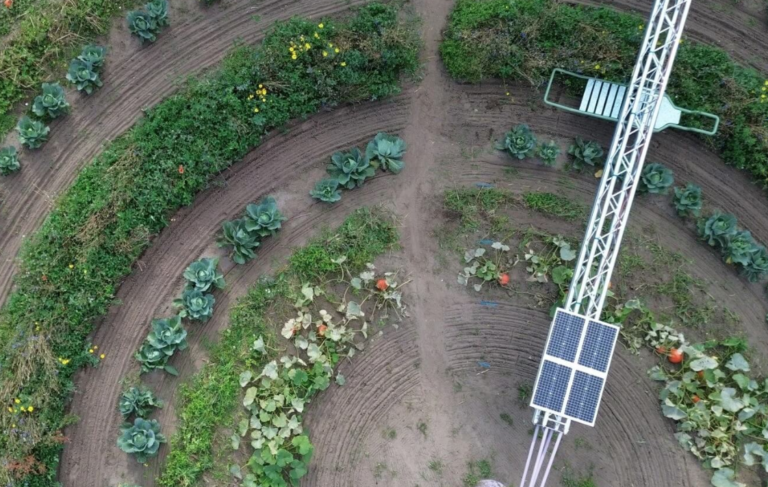
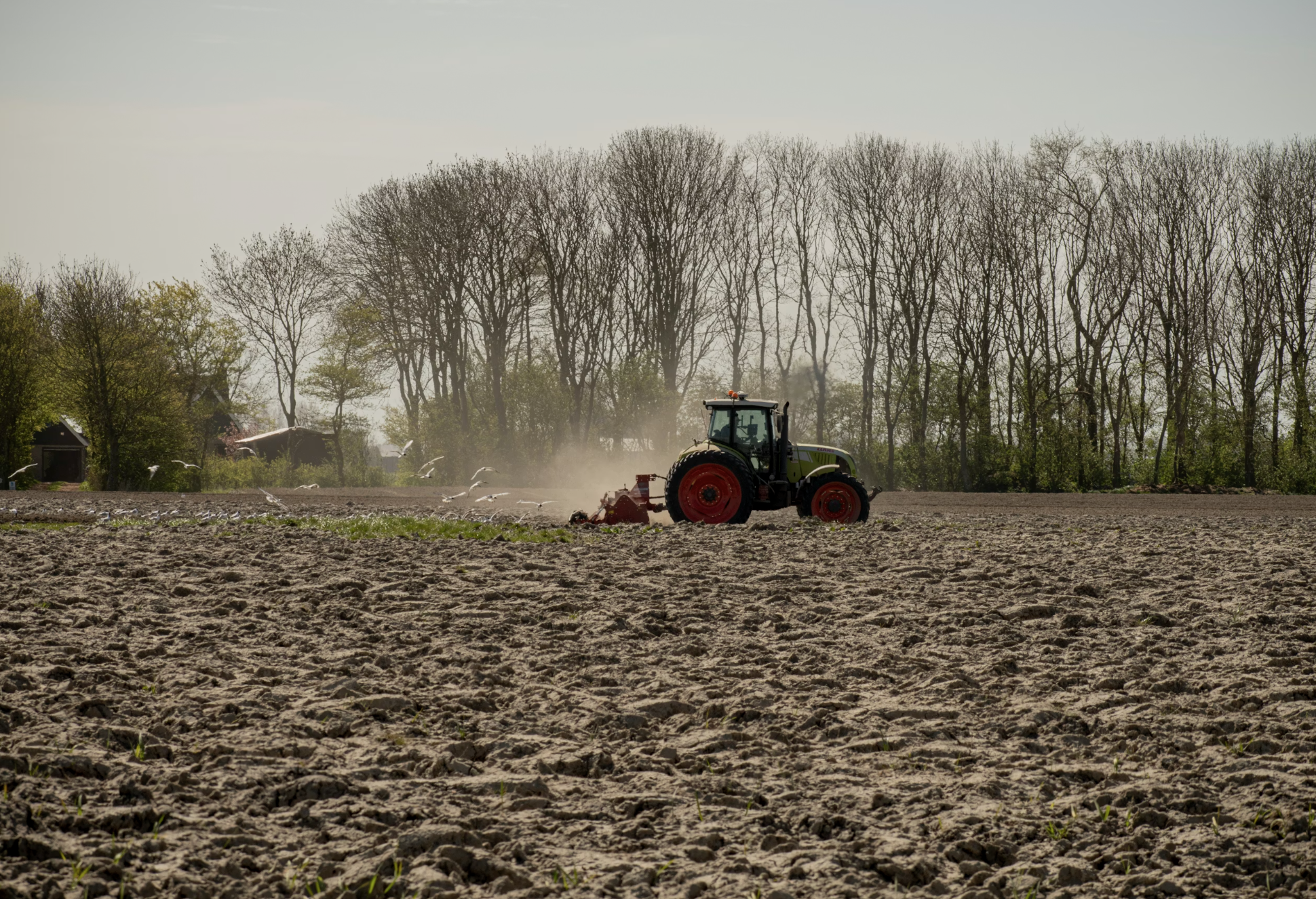
Tillage is one of the clearest signals of how a farm treats its soil. Intensive plowing can degrade structure, release carbon, and increase erosion. Conservation practices—no-till, cover cropping, minimal disturbance—do the opposite. They build soil, retain water, and support biodiversity. But until now, measuring these practices at scale has been slow, expensive, and often self-reported.
Conservation tillage practices, such as no-till and reduced till, are critical for sustainable agriculture, and they are gradually becoming popular with farmers across the Midwest. Monitoring tillage usage can provide insights into soil health, water levels, and nutrient loss, as well as guide management and policy decisions.
AUniversity of Illinois Urbana-Champaignresearch team has developed a dynamic framework that uses satellite imagery and machine learning to detect tillage practices over large areas and long time periods. The team discusses their methodology and findings in anew paper.
Xiaocui Wu
“Conservation tillage helps reduce soil erosion, and it affects soil nutrients and moisture retention. Mapping tillage practices across large areas is also important to quantify soil carbon change. But current data are mainly obtained from farmer surveys, which lack timely and detailed spatial information,” said lead author Xiaocui Wu, a research scientist affiliated with the Agroecosystem Sustainability Center.
Other studies have applied remote sensing with hyperspectral or multispectral imagery to monitor tillage practices by estimating crop residue. But these approaches are typically limited to smaller regions, and the images are sensitive to soil and weather variations, which can lead to inaccuracies.
“We found that satellite signals could vary across regions, as they are affected by soil type, moisture levels, and weather variables. The model needs to account for those elements,” Wu said.
To address these challenges, the researchers developed a new framework that combines crop residue indices from remote sensing data with environmental factors and machine learning to create a dynamic model. They used the approach to estimate tillage percentage across the U.S. Midwest from 2000 to 2022.
“It is a novel solution as one of the first studies to have this level of detailed, long-term tillage information. We have filled a major data gap and scientific gap for this work,” said Kaiyu Guan, the principal investigator of the study, the founding director of the Agroecosystem Sustainability Centerand ACES Levenick Professor. “This is especially valuable for policymakers for conservation planning and policy evaluation.”
Overall, the researchers found that conservation tillage increased gradually across the Midwest for both corn and soybean from 2000 to 2022. The maps also revealed clear differences by crop and region: soybean fields generally showed higher no-till adoption, while corn fields relied more on reduced-till practices, and adoption trends varied substantially across the northern and eastern Midwest.
No-till adoption is more common in drier regions such as the Great Plains, where leaving crop residues on the soil surface helps conserve soil moisture. It is also more prevalent in warmer regions, where slower soil warming under residue cover does not strongly constrain planting, the researchers found.
“Understanding how farmers manage soil is essential for evaluating agriculture’s impacts on soil health, water quality, and long-term resilience,” Guan said. “These insights from our study can help agencies and policy makers refine programs and policies for greater effectiveness in the future.”
Tillage is one of the clearest signals of how a farm treats its soil. Intensive plowing can degrade structure, release carbon, and increase erosion. Conservation practices—no-till, cover cropping, minimal disturbance—do the opposite. They build soil, retain water, and support biodiversity. But until now, measuring these practices at scale has been slow, expensive, and often self-reported.
The findings are also important for researchers, who implement tillage practice effects in their modeling of soil, water, nutrients, and environmental impacts.
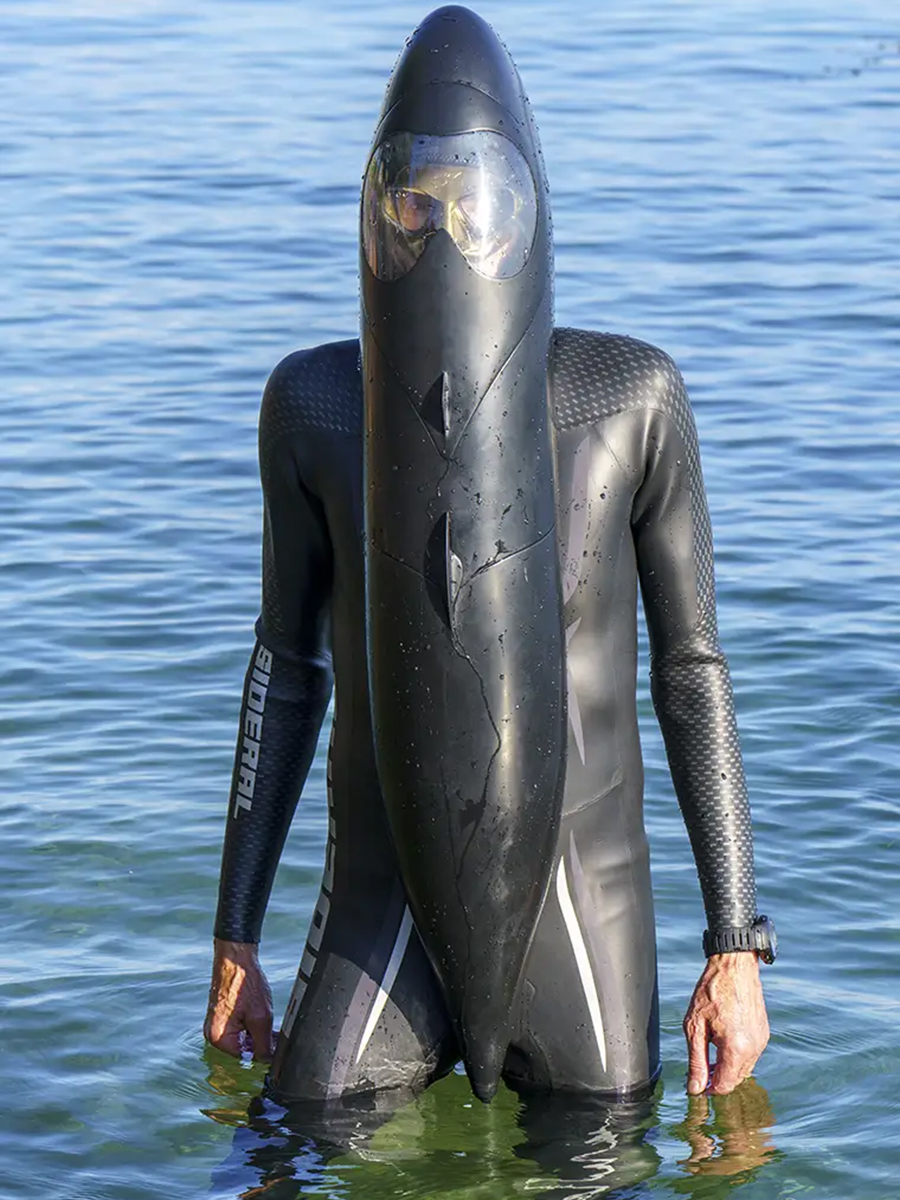
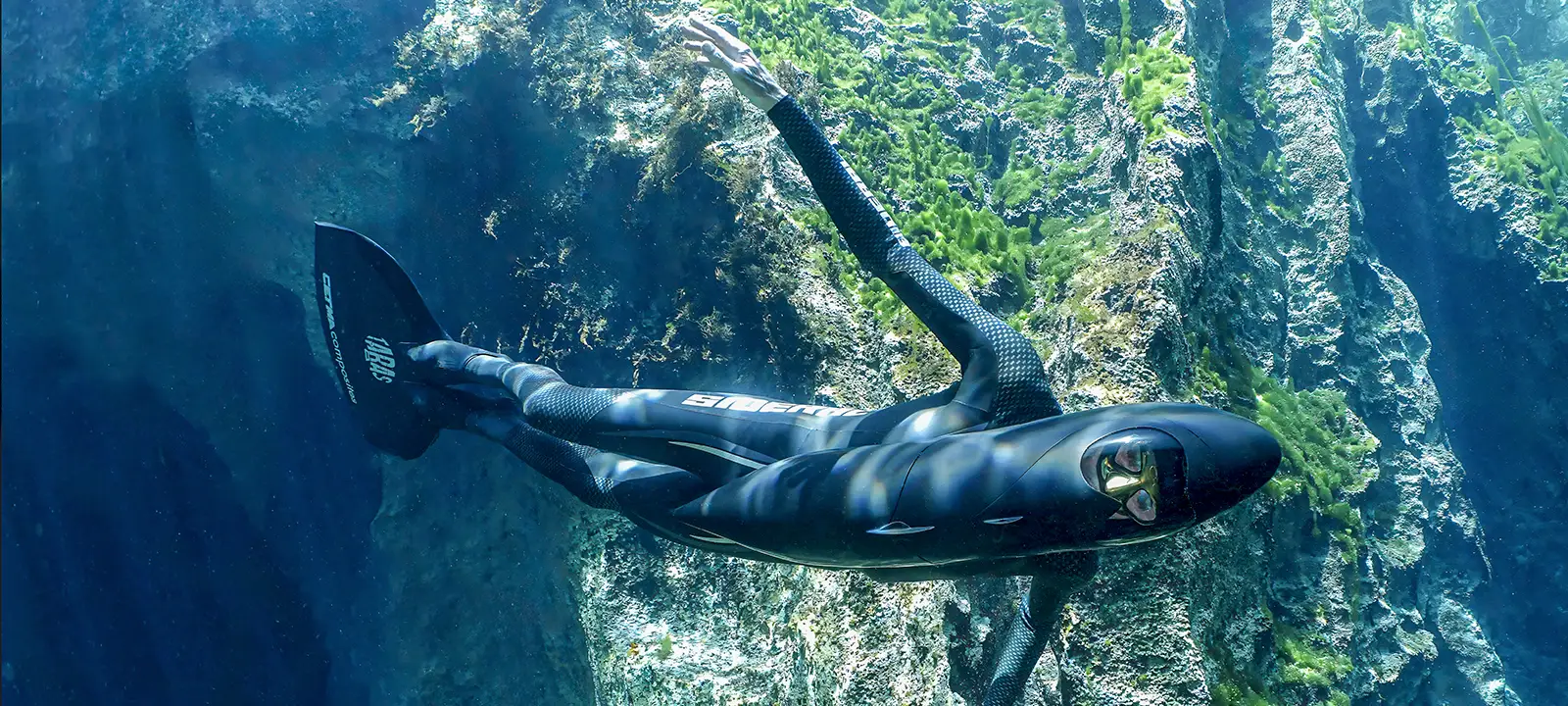
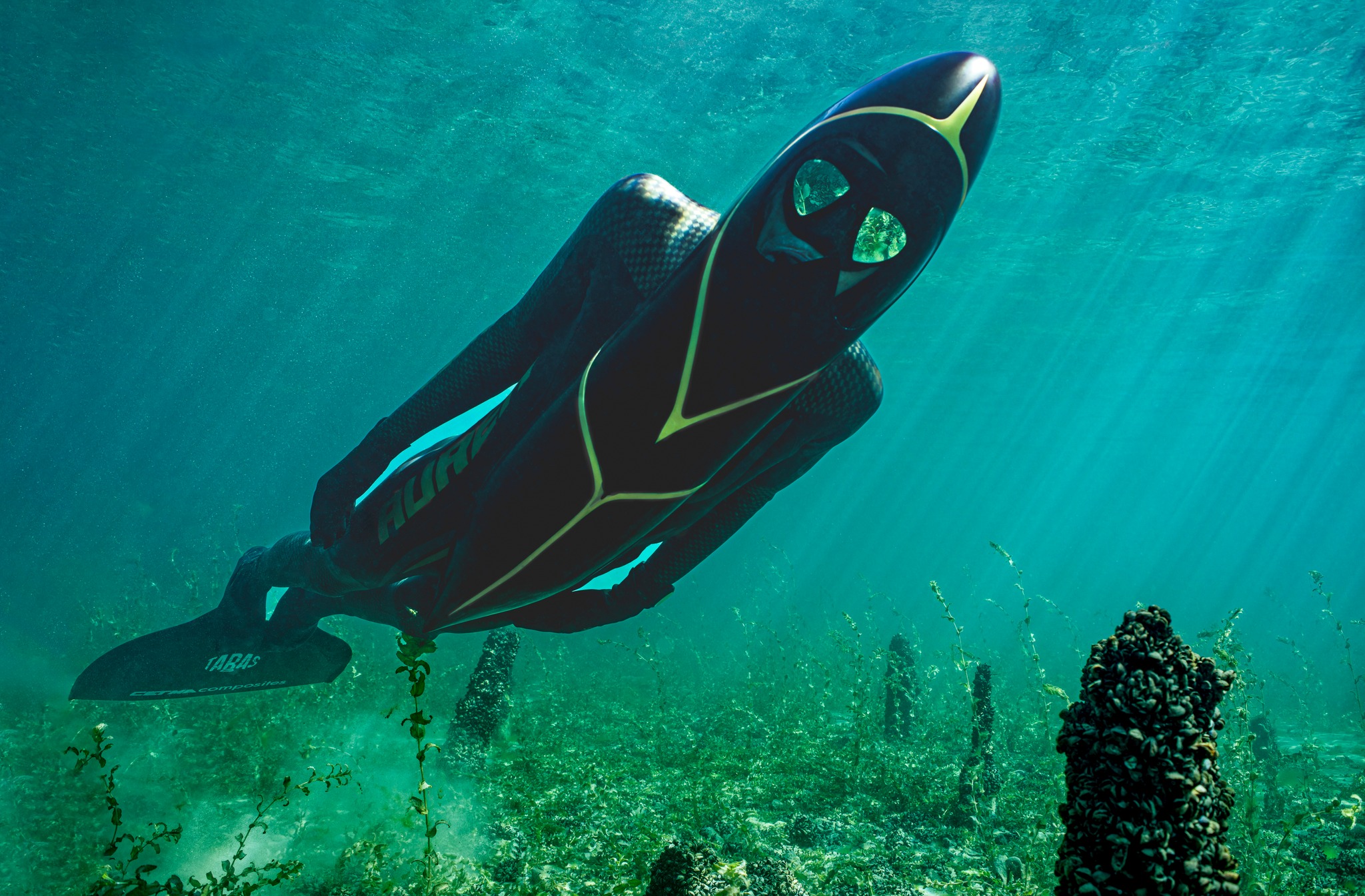
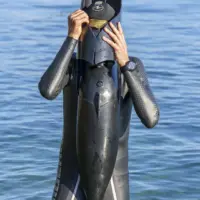
Hydrophilis, Oliver Isler’s experimental rebreather suit, reimagines diving by reducing drag, eliminating bubbles, and bringing humans closer to the natural movement of marine life.
Oliver Isler didn’t begin with a product idea. He began with a dream. “More than fifteen years ago,” he said to In Depth Magazine, “I had a beautiful dream in which I was swimming peacefully among whales and dolphins,” he writes, recalling the moment that set everything in motion. When he woke, the thought stayed with him: perhaps with a small, integrated breathing system, a human could move through the ocean with something closer to that same ease.
From that idea came Hydrophilis, a device that looks less like dive gear and more like an attempt to reshape the human body into something hydrodynamic. When I first learned to dive, it was no easy task connecting all the parts of the breathing apparatus. Under the water, it never really felt like it belonged to me. Could this new invention make Scuba diving more accessible and safe?
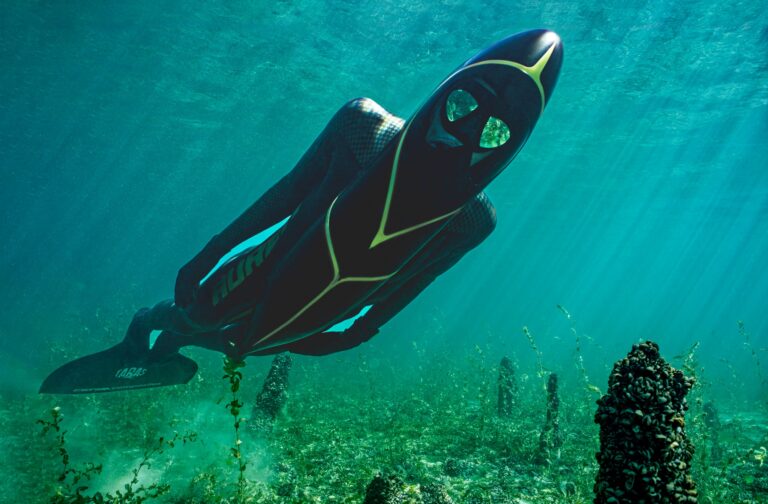
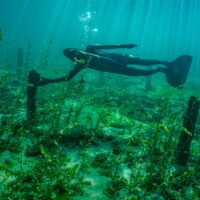
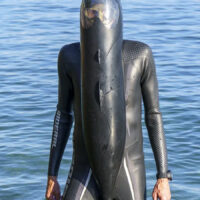
The Hydrophilis: a 10 kg, chest-mounted rebreather shaped to reduce resistance in the water. Fourteen years from concept to current prototype, with ongoing tweaks to buoyancy, visor geometry, and breathing behavior during dives.
The problem Oliver is trying to solve is not simply how to breathe underwater. That problem was addressed long ago. The deeper issue is how awkward, noisy, and inefficient humans remain in the water even with modern equipment. Complicated tanks, hoses, and regulators turn the diver into a slow, bubbling machine.
Even advanced rebreathers, while quieter, are still bolted onto the body, creating drag and distance between the diver and the environment. Hydrophilis tries to erase that separation. Isler approached the design as an aerodynamics problem, noting that “the ideal shape for minimum resistance is the National Advisory Committee for Aeronautics (NACA) airfoil,” and he built the entire form around that principle.
Hydrophilis by Oliver Isler
The result is a system where the breathing apparatus is not worn but integrated. The rebreather sits on the chest rather than the back, which he chose deliberately “to avoid Immersion Pulmonary Edema (IPE), a dangerous affliction whose risk is higher when inhaling… from a back-mounted counterlung.”
The helmet extends forward in a smooth cone, reducing turbulence, while the body remains close-fitted and free of external weights that would disrupt flow. Even the ballast is hidden in the fabric. Everything is shaped to move water aside rather than fight it.
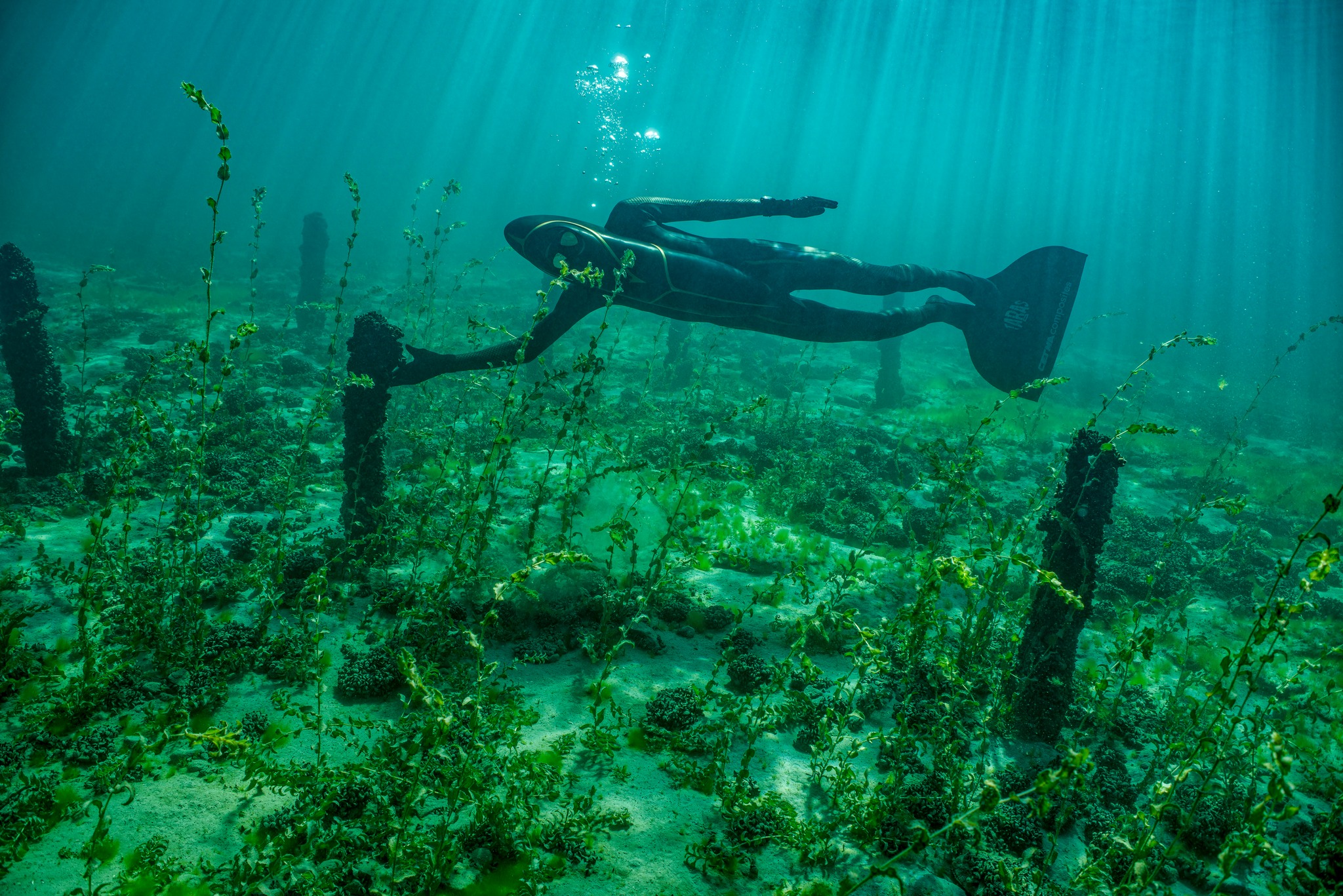
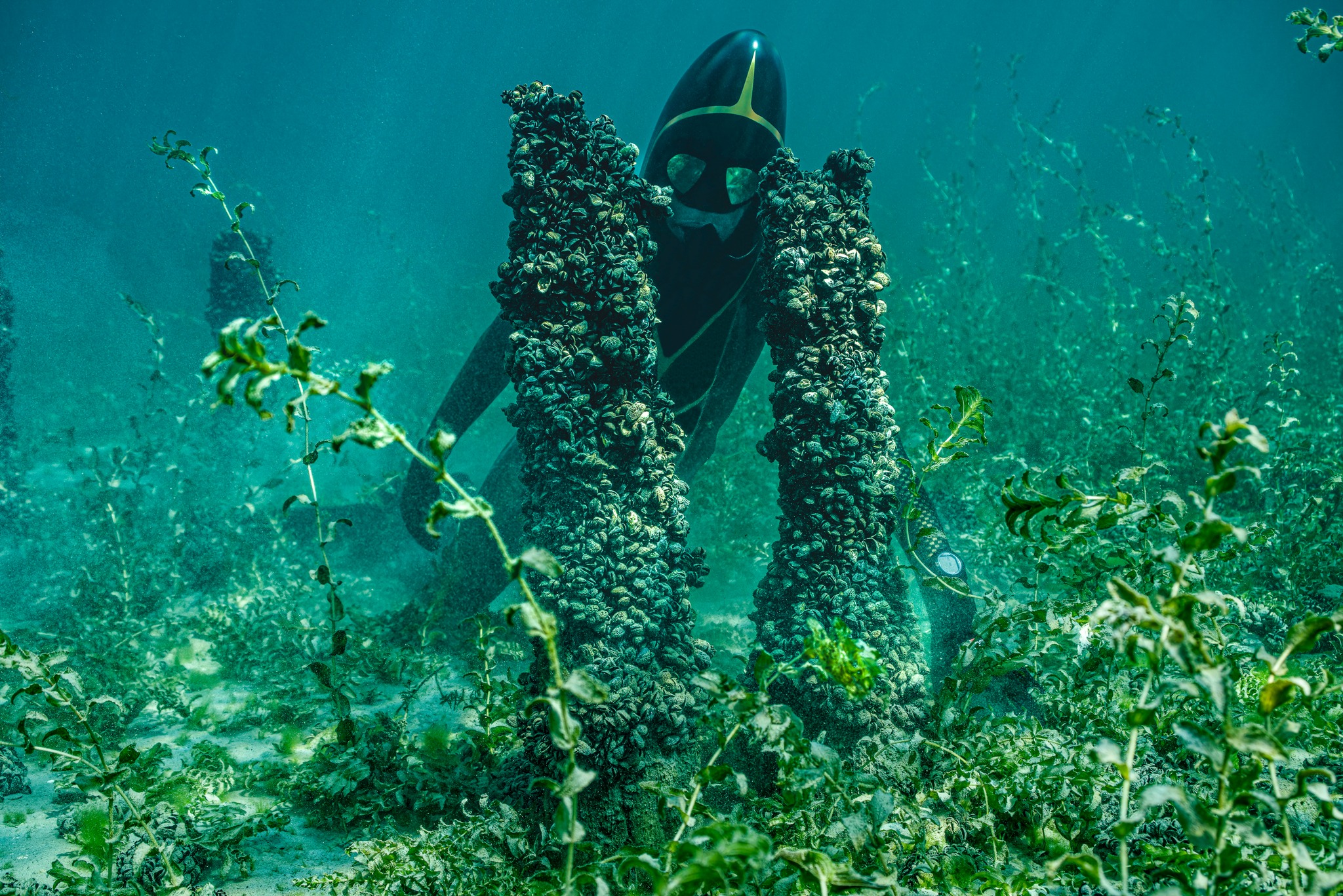
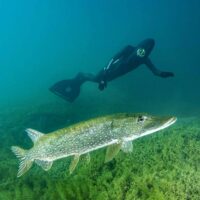
Dive into the past… Palaffitic site of Preverenges Lake Léman. The pilots date from the ancient bronze (1770 – 1600 BC. J.C. ! ). These sites are UNESCO World Heritage Site. Photo by MAURO ZURCHER and posted on Oliver’s Facebook page.
A dive into the past… Préverenges Pile Dwelling Site, Lake Geneva. The piles date back to the Early Bronze Age (1770-1600 BC!). These sites are listed as UNESCO World Heritage Sites. Photo by MAURO ZURCHERPhoto by MAURO ZURCHER
There is also a philosophical shift here. Traditional dive gear assumes resistance and compensates for it with power and air supply. Hydrophilis assumes that the better solution is to reduce resistance until less effort is needed in the first place. Isler reports that the system allows “reasonably good” speed with minimal effort, especially when paired with a monofin, and that autonomy reaches between 60 and 90 minutes depending on exertion.
That is achieved with a remarkably small system, built around a one-liter tank and a compact rebreather, far removed from the heavy configurations divers are used to.
Still, the project is not finished. Isler has completed a few dozen dives and continues to refine the design, adjusting buoyancy, improving visibility, and solving issues like occasional leakage under certain breathing conditions. There is no commercial version yet (angel funding anyone?), no certification pathway announced, and no clear date when something like this might be available beyond experimental use.
Even he is cautious about its future, writing that “it’s impossible to say whether it will become a model for the future,” though he clearly finds satisfaction in having built something entirely original.
What Hydrophilis does offer, even in its unfinished state, is a different direction. Jacques Cousteau helped free divers from the surface by giving them independent air, but the systems that followed defined the diver as someone carrying life support into an alien world. (Related: we interview Cousteau’s grand-daughter here).
Isler’s work suggests another path, one where the human form adapts to the physics of water instead of overpowering it. The silence of a rebreather, the reduced drag of a continuous shape, the possibility of moving without bubbles or strain, these are not just technical improvements. They change the relationship between diver and ocean.
Dive into the past… Palaffitic site of Preverenges Lake Léman. The pilots date from the ancient bronze (1770 – 1600 BC. J.C. ! ). These sites are UNESCO World Heritage Site.
A big hat to MAURO ZURCHER for making these beautiful photos in difficult conditions. Bravo!
A dive into the past… Préverenges Pile Dwelling Site, Lake Geneva. The piles date back to the Early Bronze Age (1770-1600 BC!). These sites are listed as UNESCO World Heritage Sites.
Hydrophilis by Oliver Isler
Hydrophilis, Oliver Isler’s experimental rebreather suit, reimagines diving by reducing drag, eliminating bubbles, and bringing humans closer to the natural movement of marine life.
Hydrophilis, Oliver Isler’s experimental rebreather suit, reimagines diving by reducing drag, eliminating bubbles, and bringing humans closer to the natural movement of marine life.
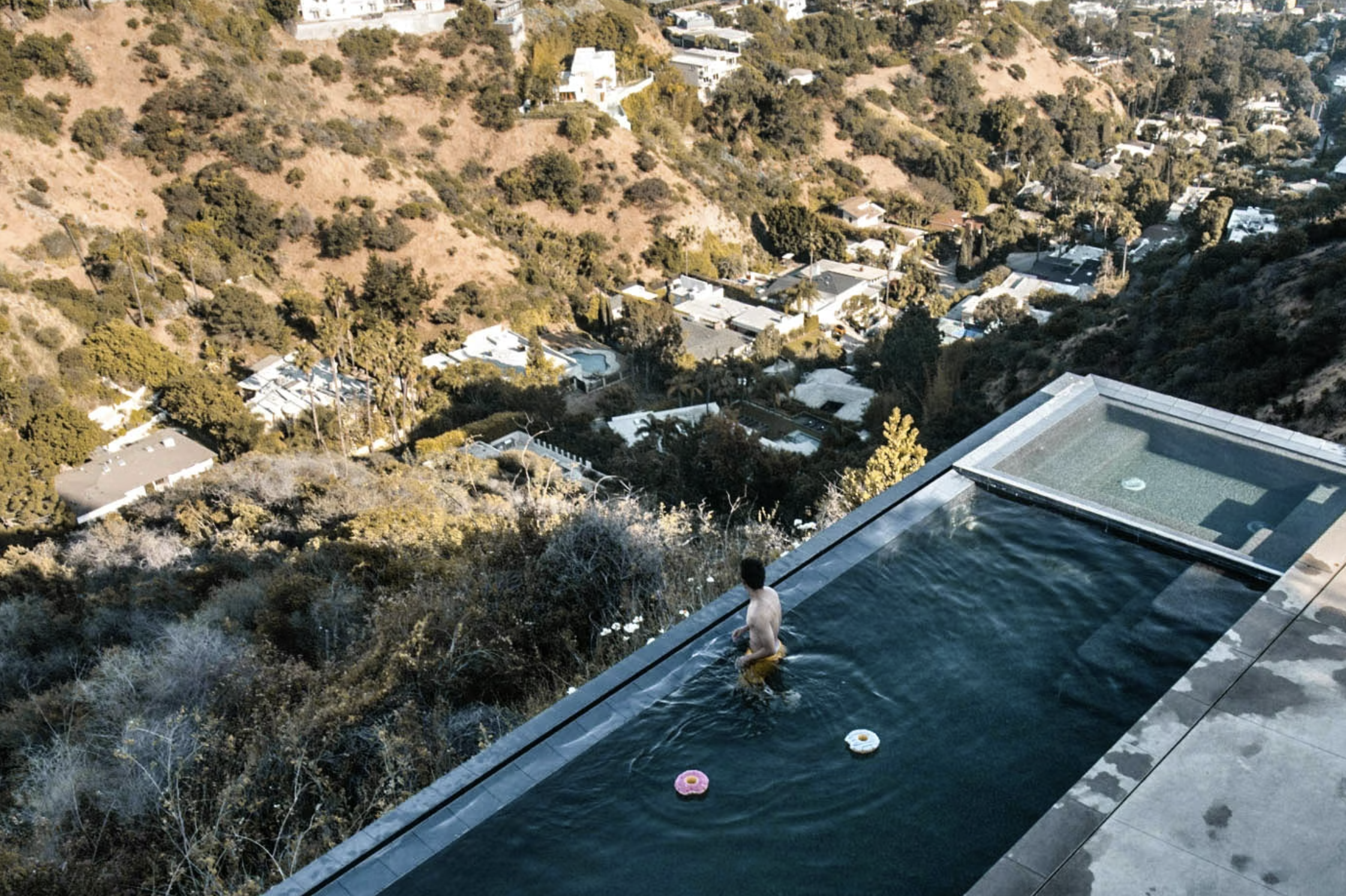
A new pool installation is cool for the owner, but it can put the construction team at risk if they’ve been drinking
Drinking alcohol the night before physical labor or exercise in hot conditions of Texas, California, Florida and in the Middle East may increase inflammation in the body and raise the risk of heat-related illness, according to research presented at the 2026 American Physiology Summit in Minneapolis, the flagship meeting of the American Physiological Society.
This is especially relevant for outdoor workers in roofing, paving, hardscaping, pool installation, and residential construction exposed to extreme heat.
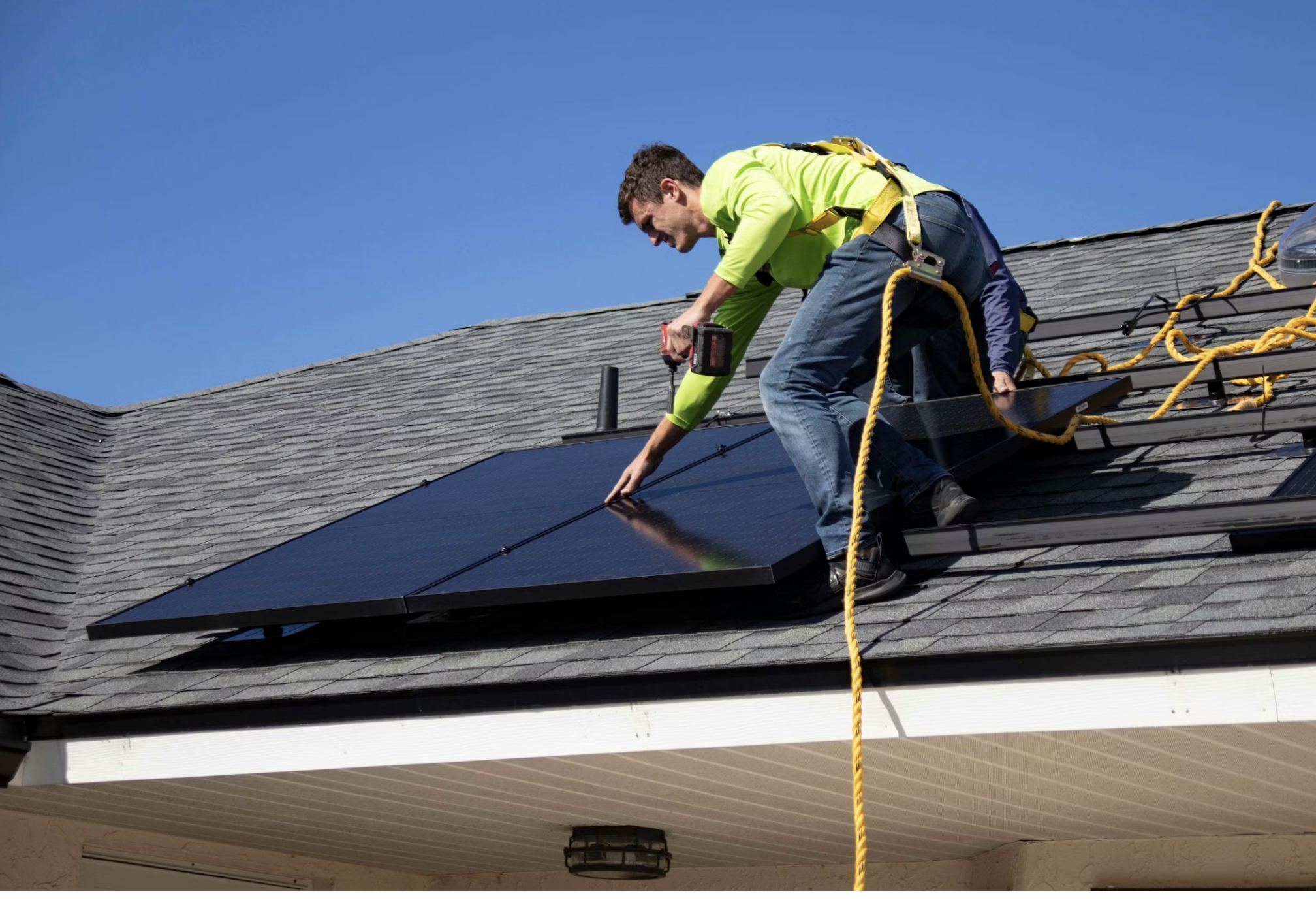
Solar panels require heavy lifting in the summer sun. Be careful about drinking the night before work.
Working or exercising in heat already triggers inflammation as part of a normal stress response. But excessive inflammation can contribute to heat illness. Alcohol can further elevate inflammation, especially darker alcoholic drinks such as whiskey, tequila and red wine, and through acetaldehyde, a toxic byproduct created when the body metabolizes alcohol. Alcohol may also irritate the gut, allowing bacteria to enter the bloodstream and activate an immune response — a concern for construction crews, landscape contractors, and tradespeople working long hours outdoors.
Elevated inflammation can strain the heart by making it work harder in heat, impairing blood vessel function, and increasing the risk of heat exhaustion or heat stroke.
While a cold beer is the first thing you will want after a day in the sun — whether roofing, laying down pavers, building decks or installing backyard pools — what happens when alcohol and heat exposure are combined is less clear. Previous research suggests around 30% of construction workers report working with hangover symptoms at least once a month. Alcohol-related inflammation is typically temporary, but its interaction with heat stress is still being studied.
In two trials, volunteers walked on a treadmill for four hours, simulating half a workday, in a hot room (100°F with 40% humidity). In one session, participants consumed about eight standard drinks the night before (reaching a blood alcohol level of 0.11), while in the other they abstained. Blood samples taken after exercise showed higher levels of inflammatory markers following alcohol consumption.
“These findings suggest that drinking alcohol the night before prolonged physical work in the heat may amplify parts of the body’s inflammatory response,” said Jonathan Specht, PhD, the study’s corresponding author. “Those exerting themselves after drinking should take extra precautions, including hydration, rest and seeking shade.”
The take home? Be mindful about alcohol consumption. Cancer studies have found that no amount is safe, and if you are hard-working and in the sun, don’t drink heavily the night before. Your heart health may depend on it.
April is National Garlic Month! We’re close to the end of April, but fear not: the North American garlic harvest lasts through July, and you can pick up the bulbs until Fall. Even after the green stalks wither and the bulbs are drier, your garlic will remain pungent for any months if you store it well.
The trick is to keep the fresh garlic in a well-ventilated, shady place away from steam and heat. Not by the stove, in other words. I place a tension pole in a shady spot in the laundry room, not close to the washer/dryer, and hang my year’s harvest from it by the stalks. I’ve also cut the stalks off and stored the garlic heads in wicker baskets, on a well-ventilated shelf.
Buy plump, firm bulbs wearing their sheath of papery outer skin. If it’s soft or shriveled, or feels light in the hand relative to its size, it’s not worth buying.
The little bulblets inside the stalks may be worth the trouble of extracting. Press the stalk and judge if the bulblet is big enough to bother with. Sometimes they are.
Now for peeling the cloves. One way is to crush a clove with the flat side of a knife. Just place the knife over the clove and bang your fist down on the knife, taking care to avoid the knife edge. This loosens the garlic skin and makes it easy to pull off. If you prefer to peel the cloves whole, pour hot water over them for a few seconds. The peels will come off with a little help from a paring knife.
A tip for crushing garlic: throw away the metal garlic crusher. You can reduce garlic to a paste on your chopping block in seconds by chopping the cloves coarsely, then scraping the bits with the edge of your knife. One less gadget to wash, and no time spent digging garlic out, blunting your knife in the process.
Where does American garlic come from?
Approximately 80% of the garlic consumed in the United States is imported from China. Prices have gone up with the current tariff war, but some pre-tariff produce may still be found. It won’t be fresh, though. You may find garlic imported from Spain, Argentina, Egypt, India, or Mexico in your grocery store.
Photo by kairi kaljo via Unsplash
California produces about 90% of American-grown garlic. Local garlic very much fresher and tastier than garlic imported from China, and here’s why you should prefer it.
A commenter on Reddit who goes by hamdunkcontest manages the garlic category for a fairly large industrial food ingredients company. These are his insights regarding what American garlic consumers can expect in 2027:
“Assuming the tariffs hold, for this year specifically, some amount of the demand will still be covered by Chinese garlic that was already imported into the US. The balance will likely be covered by Indian garlic.
“The US can’t feasibly cover their current demand with US-origin product. Even if we wanted to increase production, the land we’d use to increase acreage will also need to be considered for other crops that are also impacted by the tariffs.
“What we’ll instead likely see is a modest increase in US production for next year, with the balance of the gap being covered by: 1) Indian or other small tertiary sources, 2) demand being reduced by companies reformulating garlic out of recipes, and 3) Chinese garlic that is illegally dodging the tariffs, though things like falsifying the country of origin.”
It’s enough to make you uproot your lawn and plant garlic, isn’t it? Many in the US and Canada do.
Green Prophet’s editor, Karin Kloosterman, says that in her native Ontario, the local CSA brings the garlic harvest down to one July weekend when they announce that the garlic’s ready to pull. The news spreads around the community by word of mouth and that’s how home gardeners known when to start digging.
Here I go to the local open-air market and revel in the garlic abundance.
photo by Miriam Kresh for Green Prophet
But I can’t hang around reveling too long, because the season is short, a month at the longest. I ensure a year’s supply of local garlic by buying a tad more than I’ll need, to account for some inevitable loss over the months.
Eating Garlic a Natural Medicine
People have been claiming health benefits from eating garlic for centuries. Today we include:
Eating a raw clove daily keeps your heart strong, as it reduces cholesterol and blood pressure, and prevents blood clots.
Garlic is known to be antibacterial and antifungal.
Raw garlic, freshly cut, works as a home-remedy antibiotic in a pinch. In other words, sliced raw garlic applied to an infected cut, scrape, or pimple will clear it up. Mashed cooked garlic also works. Obviously, a serious infection calls for standard medical help.
Is all this talk about garlic getting you hungry? We have some great garlicky recipes, like this vegan roasted cauliflower dish and creamy roasted garlic soup. I recommend the soup as a delicious pick-me-up for any time you’re tired and disheartened.
Creamy garlic soup
And if you’re not convinced that garlic is the answer to the world’s woes, try this decadent garlic bread recipe from the American food writer Ruth Reichl (taken from her Substack newsletter, La Briffe):
Make Decadent Garlic Bread
1 loaf sturdy French or Italian bread
1 stick sweet butter
1 head garlic
Zest from 1 lemon (optional)
¼ cup freshly grated parmesan cheese (optional)
2 tablespoons chopped parsley or chives (optional)
Begin by cutting the bread in half, lengthwise (a serrated knife helps). Preheat oven to 350⁰ F.
Peel and finely chop the garlic. Melt a stick of sweet butter, and add the garlic.
Slather the garlic butter onto the bread, cut side up, with a brush. Let it soak in. Use it all, and evenly spread the bits of garlic all over. Now is the time to salt it if you want to, and to sprinkle on the zest.
Bake the loaf, cut sides up, 15 minutes. Remove the bread from the oven and wait to take the final step just before serving.
Turn the heat up to broil. Add cheese, if using. Broil for about 2 minutes, watching carefully to make sure it doesn’t burn. Sprinkle with herbs just as it comes out of the broiler and serve immediately.
My note: include all the optional ingredients. It’s the best garlic bread you’ll ever eat.
Tony Cho is inventing regenerative placemaking to make life and communities livable and lovable
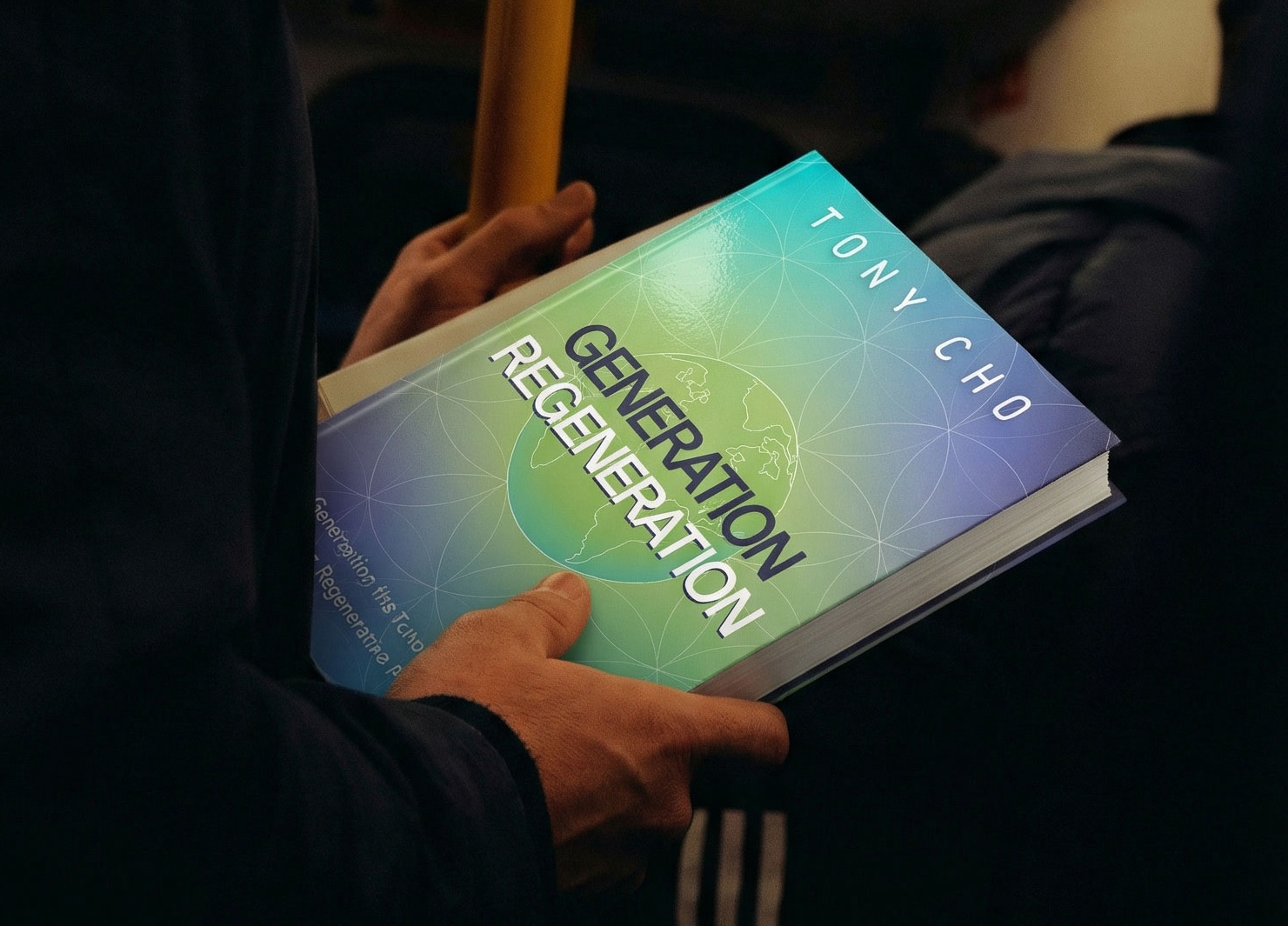
Generation Regeneration, launching August 2026, is a book by Tony Cho positioned as a blueprint for the future of cities: it’s a piece of thought leadership aimed at investors, planners, students, and policymakers trying to make sense of urban life in an age of climate stress and social fragmentation. When Green Prophet wrote about California’s first farm to table community in California called The Cannery, we received hundreds of emails about it. Back then the idea was fresh and new and it resonated with people looking for a new kind of suburb and intentional community.
But Tony’s new book explores the surface of what will make people and planet happy. Behind his book sits a message and a business: regenerative real estate development. District-scale projects like PHXJAX in Jacksonville and investment vehicles, including a Portugal-based fund tied to the Golden Visa program. In Cho’s model, culture, community, and ecology are not side effects of development, they are part of the value proposition.
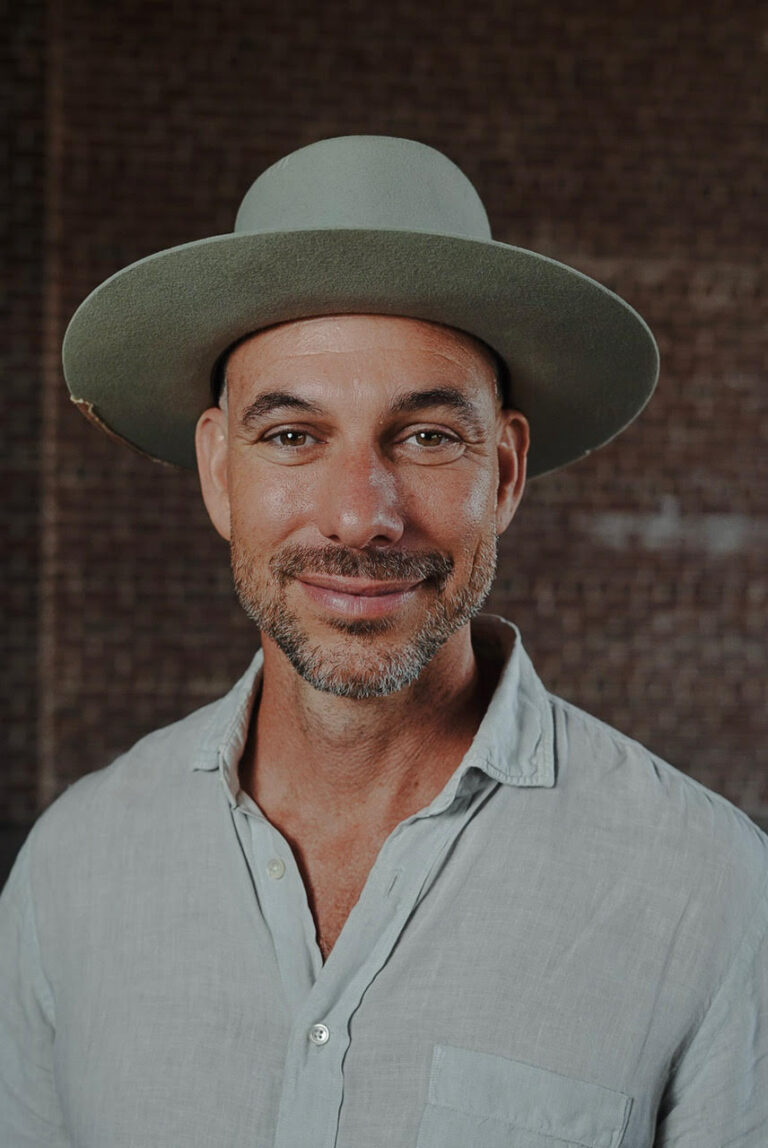
Tony is a regenerative developer and community builder focused on designing cities as living ecosystems that support human connection and ecological balance. A key figure in Miami’s urban transformation, he helped shape the Wynwood Arts District and founded the Magic City Innovation District. Influenced by an unconventional upbringing that included time in an ashram, Cho brings a spiritual lens to real estate, blending culture, community, and capital into what he calls regenerative placemaking.
Wynwood Arts District, Miami via Wikipedia
Call it regenerative placemaking, or strip it down further: a new way of packaging cities as living systems that can generate both meaning and returns. We spoke with Cho about how the model works, who it serves, and whether cities can truly be built like ecosystems, without repeating the extractive patterns they claim to replace. Thousands of communities around the world have tried to build alternative communities, and communes. Nothing to date has survived to become a replicable model for greatness. Does Tony have new answers?
Interview: Tony Cho on Regenerative Placemaking and the Future of Cities
Green Prophet: You talk about regenerative placemaking almost like a living system. Where does money fit into that? Is it philanthropy, or something else?
Tony Cho: Real estate value creation is the financial engine — but its purpose should be to serve the community, not extract from it. Strategic public-private partnership is what unlocks a district’s potential in the first place: public investment de-risks the environment, private capital activates it, and together they generate the income streams that sustain operations over time.
That real estate-derived value then becomes the container — the stable financial infrastructure that allows grant programming and philanthropic investment to do what they do best: fund social and educational programming, community events, and youth engagement.
We’re actively demonstrating this across Florida, which I talk about in my forthcoming book Generation Regeneration: Codesigning the Future of Cities Through Regenerative Placemaking coming out this August.
Green Prophet: That sounds balanced in theory, but real estate has a long history of extracting value from communities. What keeps this from becoming just another version of that?
Tony Cho: Community participation has never been a box-ticking exercise for us — it’s been foundational from day one. From early visioning workshops to open meetings, surveys, and collaborative design sessions, residents and cultural stakeholders have helped shape public programming and activations, define what local success looks like, give feedback on design and build strategy, and co-curate arts, events, business incubation, and youth priorities.
We say “we build with you, not just for you.” That distinction is the difference between a development that lands in a community and one that grows from it.
Green Prophet: You’ve worked in Miami and Jacksonville — places with layered histories and tensions. What lessons translate to older port cities or culturally complex places like Jaffa?
Tony Cho: Decades of neighbourhood and district work has taught me a few things that I believe travel well across geographies and cultural contexts.
First — start with people and plants, not buildings. Before a single blueprint is drawn, we ask: who lives here, and what once grew here? Listening to long-time residents and reading the native ecology of a place — its soils, its waterways, its indigenous plant communities — are not separate acts. They’re the same act. Transformation that lasts is always rooted in what came before.
Second — pair cultural narrative with economic strategy. Historic and port cities aren’t just real estate opportunities; they’re living stories with layers of identity, memory, and meaning. The most resilient districts weave culture and commerce together — public art, festivals, and markets alongside mixed-use development and eco-literacy — so that each reinforces the other rather than replacing it.
Third — hybrid financing creates resilience. Blending private capital, public incentives, and mission-aligned funding rather than relying on any single source is what allows a project to weather political cycles, market shifts, and the inevitable friction of long-term development.
And fourth — let community programs lead, not just follow, development. Spaces enlivened by real community life — education, youth programming, makers, artisans — scale more equitably and more durably than places that simply layer new uses onto existing fabric without cultural rootedness.
In places with deep historical layering — where displacement and cultural erasure are not theoretical risks — these principles aren’t just best practices. They’re ethical imperatives.
The community isn’t the audience for the development. They’re its co-authors.
Green Prophet: You’re now expanding internationally, including into Portugal. Is regenerative placemaking becoming a global model, or is this just another way to package real estate for investors?
The Algarve Coast in Portugal. It’s probably the fastest growing country in the world for attracting people building intentional communities.
Tony Cho: Yes — and Portugal is where that expansion is taking shape most concretely right now. Future of Cities is expanding into Europe through a venture capital fund that qualifies for Portugal’s Golden Visa program. The fund is designed to invest in a portfolio guided by our Regenerative Placemaking strategy, with at least 60% of investments in Portugal and the remainder primarily in the U.S.
The two core investment themes are hospitality and community revitalization — which should feel very familiar to anyone who has followed our work in Jacksonville and Miami.
Portugal made sense for a number of reasons. It has been voted Europe’s best destination, holds one of the world’s most powerful passports, and is emerging as a genuine leader in regeneration and sustainability. But beyond the metrics, it’s a country with historic port cities, rich cultural layering, and neighborhoods that are ripe for the kind of adaptive, community-rooted development we practice.
More broadly, while there aren’t formal Regenerative Placemaking branches overseas just yet, the underlying framework is being discussed and explored in cities around the world — at global forums, summits, and in direct conversations with communities navigating growth.
The core idea travels: ground the project in community identity, align financial sustainability with social outcomes, and co-design with local stakeholders from day one.
Green Prophet: Final question, can cities really be built like ecosystems, or is that just language?
Tony Cho: The principles that are shaping our current projects — adaptive reuse, hybrid financing, community co-design, cultural preservation alongside economic vitality — are not uniquely American ideas. They’re responses to universal challenges that cities everywhere are facing. The idea is simple, even if the execution is complex: align human systems with living systems. When you do that, cities don’t just grow — they evolve.
In a world of smart cities and sensor grids, Cho is betting on something more resilient: when people are given a place to belong, they will do the work of regeneration themselves.
Adding a watering hole increases mating opportunities
Sometimes conservation doesn’t begin with moving animals around in cages or intervening in their genes. Sometimes it begins with something quieter and easier: where you place water, how you let a landscape develop, how you choose to share its resources. And in this research project, it’s a first for me: the first one that I have seen that is funded between the UAE, and Israel. Peace happens when partners have a common interest
A research team from Ben-Gurion University of the Negev is suggesting that small, thoughtful shifts in habitat management can ripple outward into the genetic future of a species.
In a paper published this month in Ecological Applications, Dr. Shirli Bar-David, Prof. Amos Bouskila, and PhD researcher Noa Yaffa Kan-Lingwood explore how the simple redistribution of essential resources can reshape mating systems, reproductive success, and ultimately genetic diversity in wild populations.
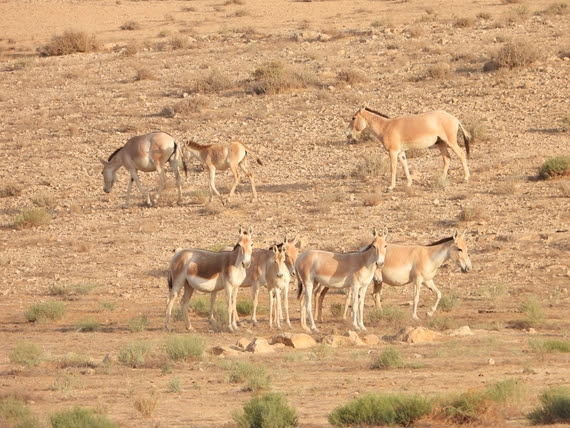
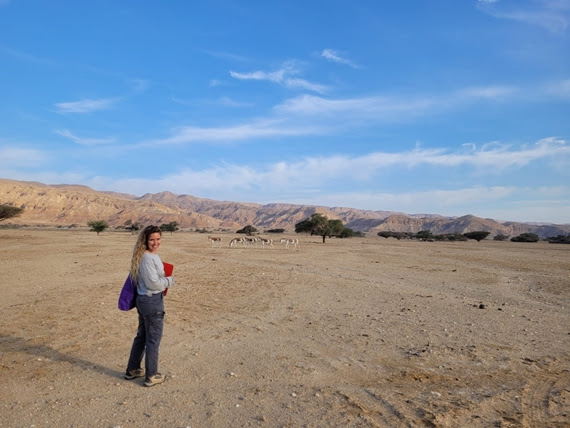
Their case study takes us into the Negev Desert, where the Asiatic wild ass (Equus hemionus) still moves across a harsh and beautiful terrain. Here, survival (and love!) revolves around water.
These animals follow a mating system known as resource-defense polygyny: males establish territories near scarce water sources, and in doing so, gain access to females. Control the water, and you shape the social order, hypothesized the researchers.
So they something deceptively simple: they increased the number of water points from one to three. The result wasn’t just ecological, it was social, and political.
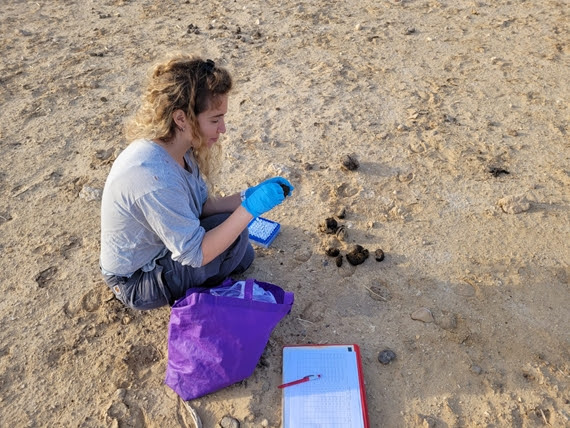
Researchers augment the reserve in low-cost ways for monumental success: supplied by BGU
Before the intervention, only about 16% to 18% of males held territories and reproduced. Afterward, that number rose sharply to 42%to 48% because more males had a chance. And in terms of science, more makle voices entered the genetic conversation.
And with that, genetic diversity increased as well, from 34.9 to 38.4.
“We saw new reproducing males establishing themselves בעיקר near the new water sources,” says Kan-Lingwood, pointing to how quickly landscapes can reorganize social hierarchies when resources shift.
The new males didn’t come from nowhere. They emerged at the edges, near the newly available water, claiming space that didn’t exist before. A quiet redistribution of opportunity.
Bar-David notes that the implications stretch far beyond the Negev: species under pressure — especially those clustered around limited resources in deserts may benefit from this kind of low-intervention thinking. In a warming world, where habitats are shrinking and fragmenting, the idea that we can support genetic resilience without capture, relocation, or heavy-handed management is more than useful.
Additional contributors to the study include Dr. Liran Sagi, Prof. Alan R. Templeton, Naama Shahar, Ariel Altman, Nurit Gordon, Prof. Daniel I. Rubenstein, and Prof. Amos Bouskila.
The research was supported by the United States-Israel Binational Science Foundation and the Mohamed bin Zayed Species Conservation Fund. In the end, it’s a reminder: sometimes the most powerful conservation tool isn’t intervention. It’s placement.
My mother smoked two packs a day while pregnant with me in Canada in the 1970s. It was normal then. Doctors didn’t panic, they smoked beside their patients and left ashtrays in the waiting room. My parents smoked in the car, windows closed, despite my protest. Entire generations inhaled smoke before they could walk.
Today, Britain is attempting something that would have seemed unthinkable back then. Lawmakers have passed legislation designed to create a “smoke-free generation,” meaning that people who are currently children will never legally be able to purchase tobacco if the policy remains in place. They have started by promoting that sales of tobacco will be banned to anyone born after 2008.
The law works by raising the legal age for buying tobacco by one year every year. This means that those who are under the legal age today will not grow into eligibility later. The policy has passed through Parliament and is moving through the final stages required to become law. These laws could explain why tobacco companies have started investing in cannabis instead.
The aim is to gradually phase out smoking in the UK, where tobacco use still causes tens of thousands of deaths annually.
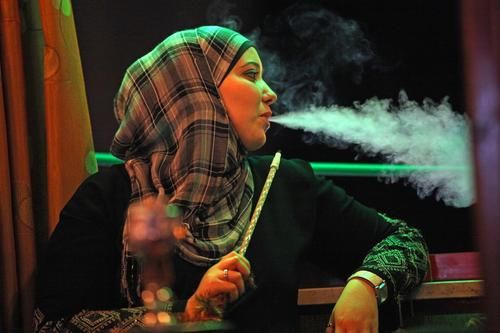
Women in smoking in a hijab
The scope of the law includes all tobacco products, including cigarettes, cigars, and loose tobacco. Vaping is not banned under the same framework, but it is being increasingly regulated, with separate measures tightening controls on marketing, flavors, and youth access. The UK government has also proposed restrictions on disposable vapes as part of a broader effort to reduce nicotine use among young people.
The cultural implications are more complex when it comes to practices such as shisha, also known as hookah or nargila, which are common in parts of the Middle East and among Arab communities globally. When tobacco is involved, these practices fall under existing tobacco regulations, meaning the same age-based restrictions would apply.
Cannabis is not included in this legislation and is governed under separate laws.
Britain is among the first countries to pursue a generational approach to tobacco control, although similar ideas have been discussed or proposed elsewhere. New Zealand previously passed a comparable policy but later reversed it before implementation, highlighting the political challenges of sustaining such measures over time.
The scientific evidence around smoking behavior suggests that restricting access can reduce uptake, particularly among young people, but it is not the only factor. Research indexed in PubMed and across public health studies has shown that early exposure, peer influence, stress, and social environment all play significant roles in whether individuals begin and continue smoking.
What Britain is attempting is not only a public health intervention but also a cultural shift. It is testing whether a habit that was once deeply embedded in daily life can be gradually removed through policy.
Women smoke too and shisha pipes may be worse because they have no filters
The change from my mother’s generation to today reflects a profound shift in how risk and health are understood. What was once widely accepted is now increasingly restricted and discouraged.
Children growing up under this framework may never encounter smoking as a normal part of adult life, at least in legal terms.
Whether the law achieves its intended outcome will depend not only on enforcement but on whether social norms continue to move in the same direction.
The ambition is clear. It is not simply to reduce smoking rates but to make smoking obsolete over time.
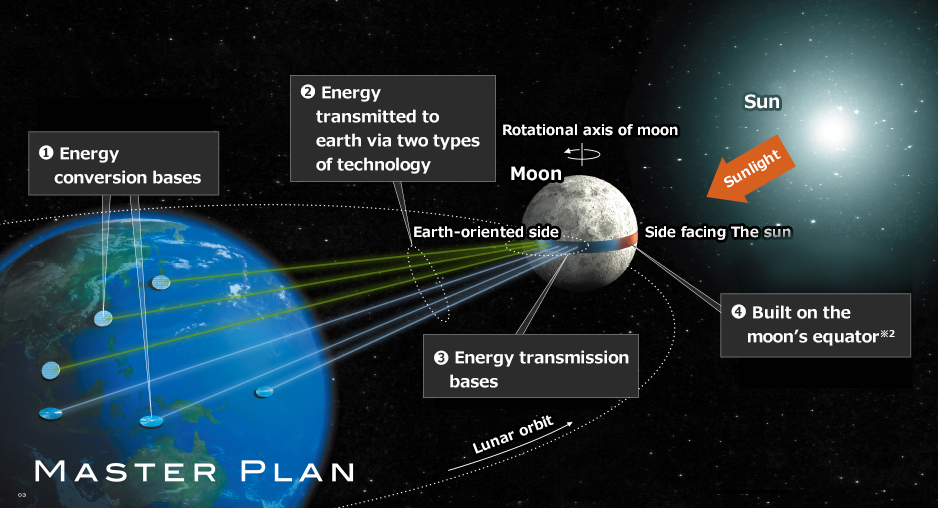
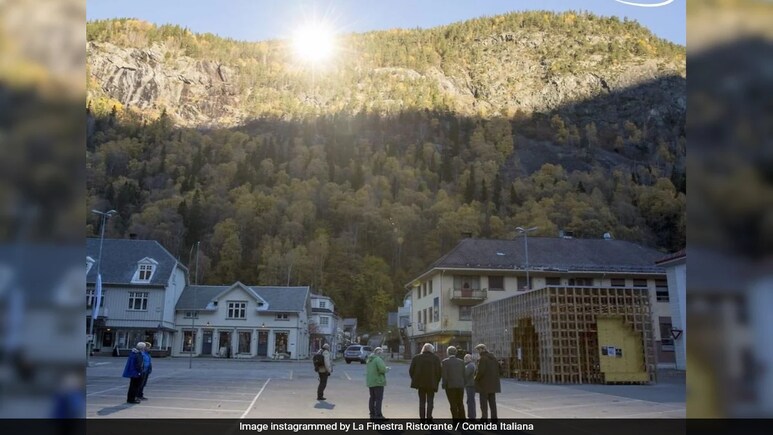
A bold Japanese proposal is reimagining the future of energy—not on Earth, but far beyond it. Scientists have floated the idea of building a massive ring of solar panels around the Moon, capturing constant sunlight and transmitting the energy back to Earth. Remember when a village in Italy used a mirror to reflect sunlight to its shadows?
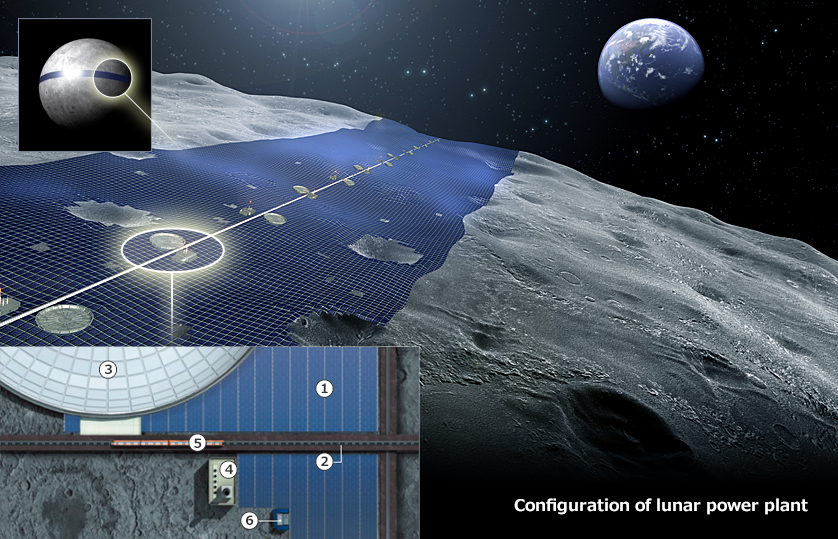
Japanese construction company Shimizu Corporation developed the concept known as the “Luna Ring”—a massive belt of solar panels around the Moon designed to generate continuous energy and beam it back to Earth.
Unlike solar power on Earth, which is limited by night cycles, weather, and seasons, the Moon offers something close to uninterrupted exposure to the Sun. By placing solar infrastructure in orbit or along the lunar surface, engineers could generate continuous clean energy at a scale that may exceed global electricity demand, the Japanese scientists say.
The concept relies on wireless power transmission, converting solar energy into microwaves or lasers and beaming it to receiving stations on Earth. While this might sound like science fiction, the underlying technologies are already being tested in smaller applications.
Shimizu Corporation
If successful, a lunar solar ring could solve one of renewable energy’s biggest challenges: intermittency. Instead of relying on storage systems or backup fossil fuels, power would flow steadily, day and night.
But the challenges are immense. Building infrastructure on the Moon would require breakthroughs in space transport, robotics, and materials engineering. Costs would be astronomical, and questions remain about efficiency, safety, and geopolitical control of such a system.
Still, the proposal reflects a growing shift in thinking. As energy demand rises and climate pressures intensify, researchers are beginning to look beyond Earth-bound solutions. Space-based solar power, once dismissed as impractical, is being reconsidered as part of a long-term energy strategy.
Mirrors shine the sun onto this Italian village that is cast in shadows 3 months of the year.
The Moon, long a symbol of exploration, could become something else entirely: a power station for a planet in transition.
Whether this vision becomes reality or remains speculative, it signals something important. The future of clean energy may not just be about improving what we have on Earth—but about expanding where we look for it.
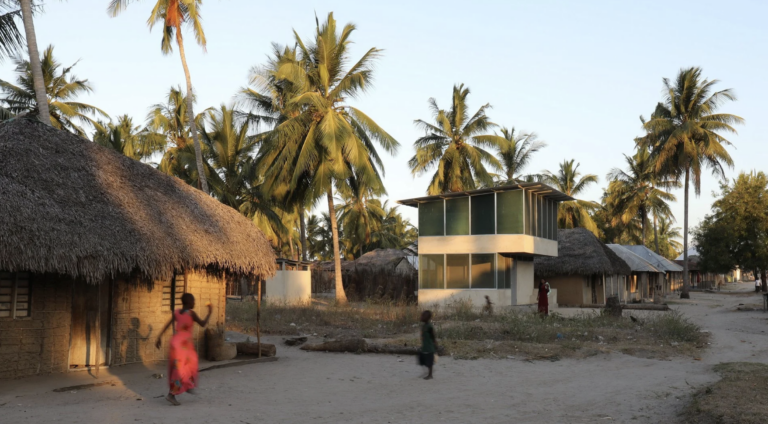
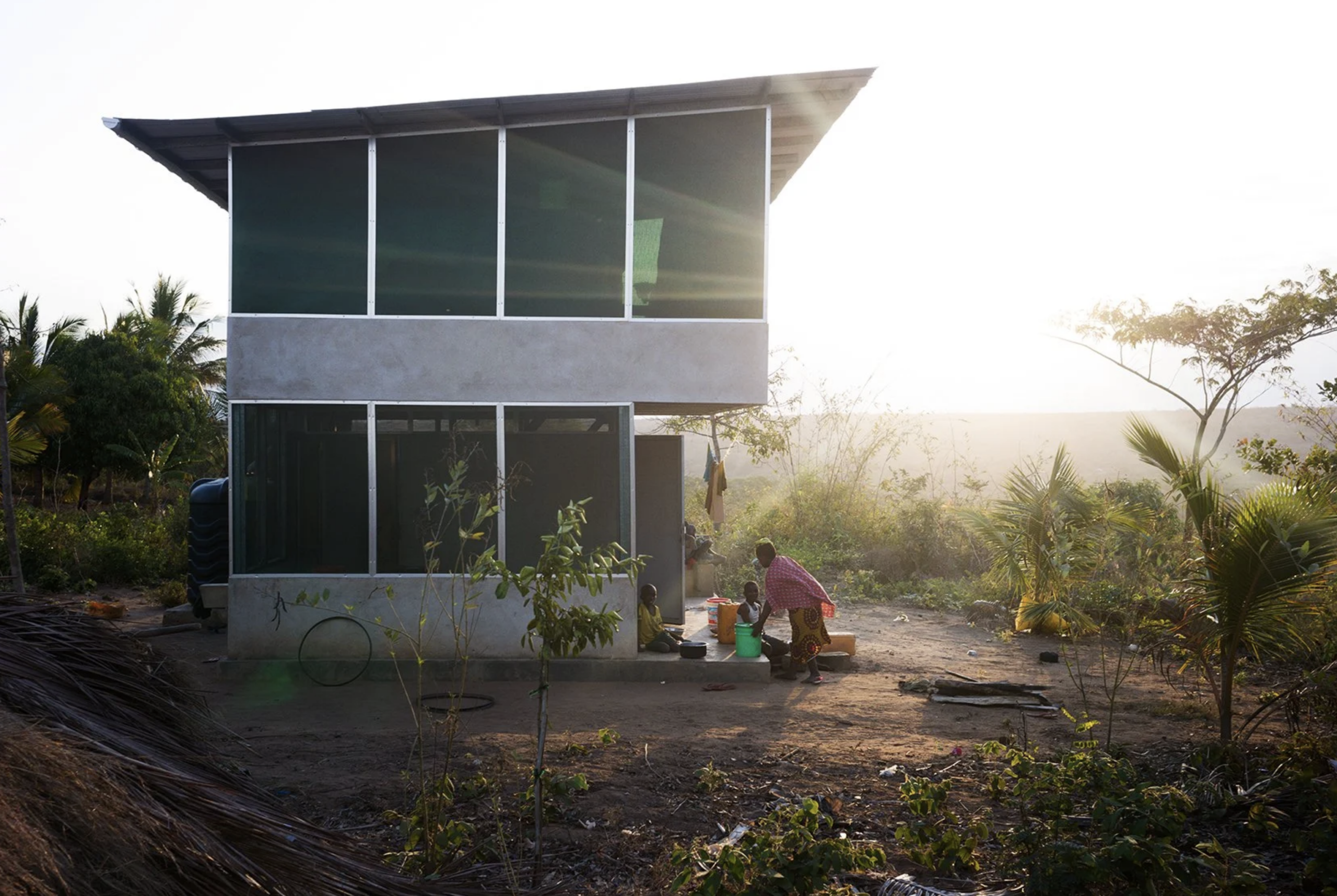
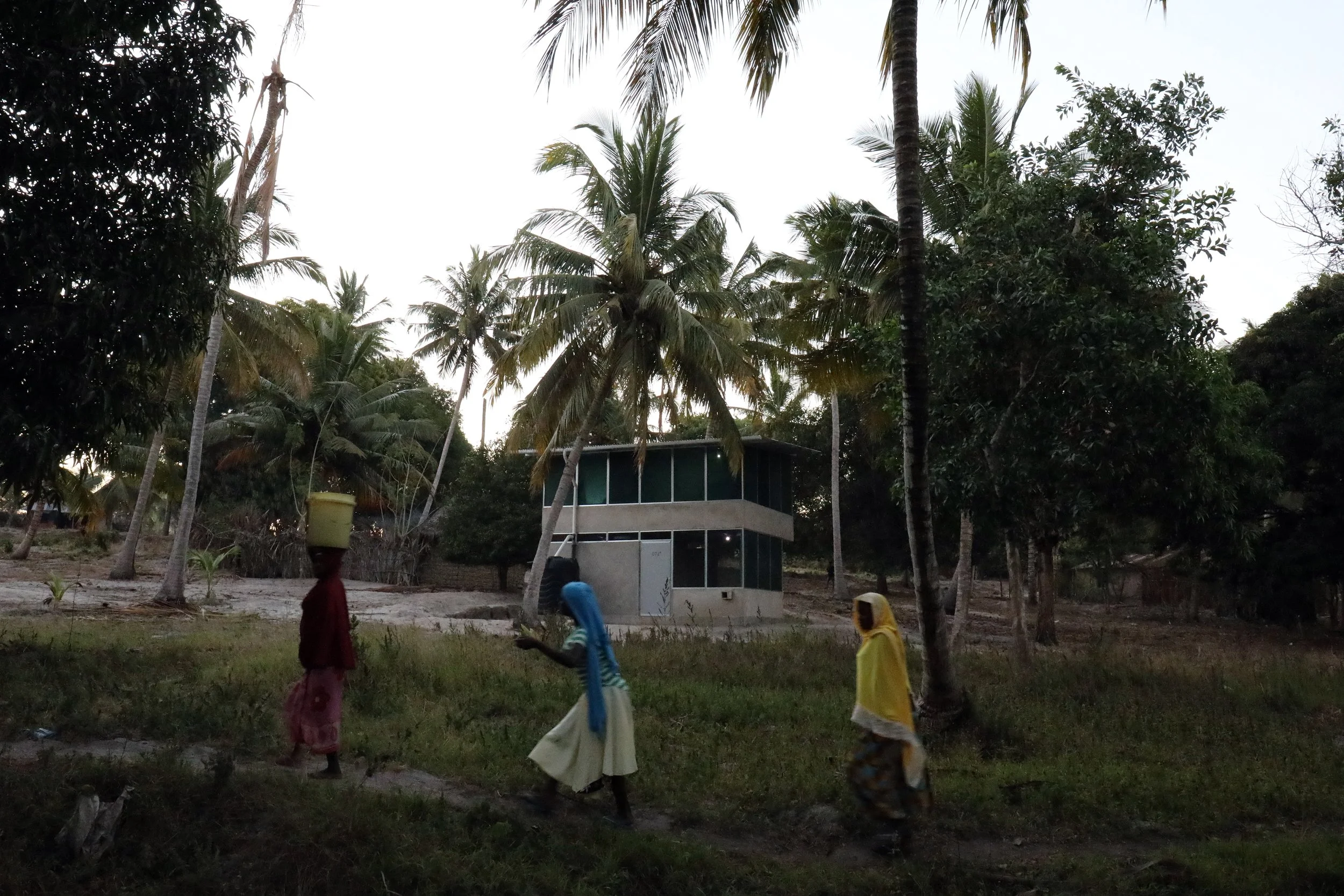
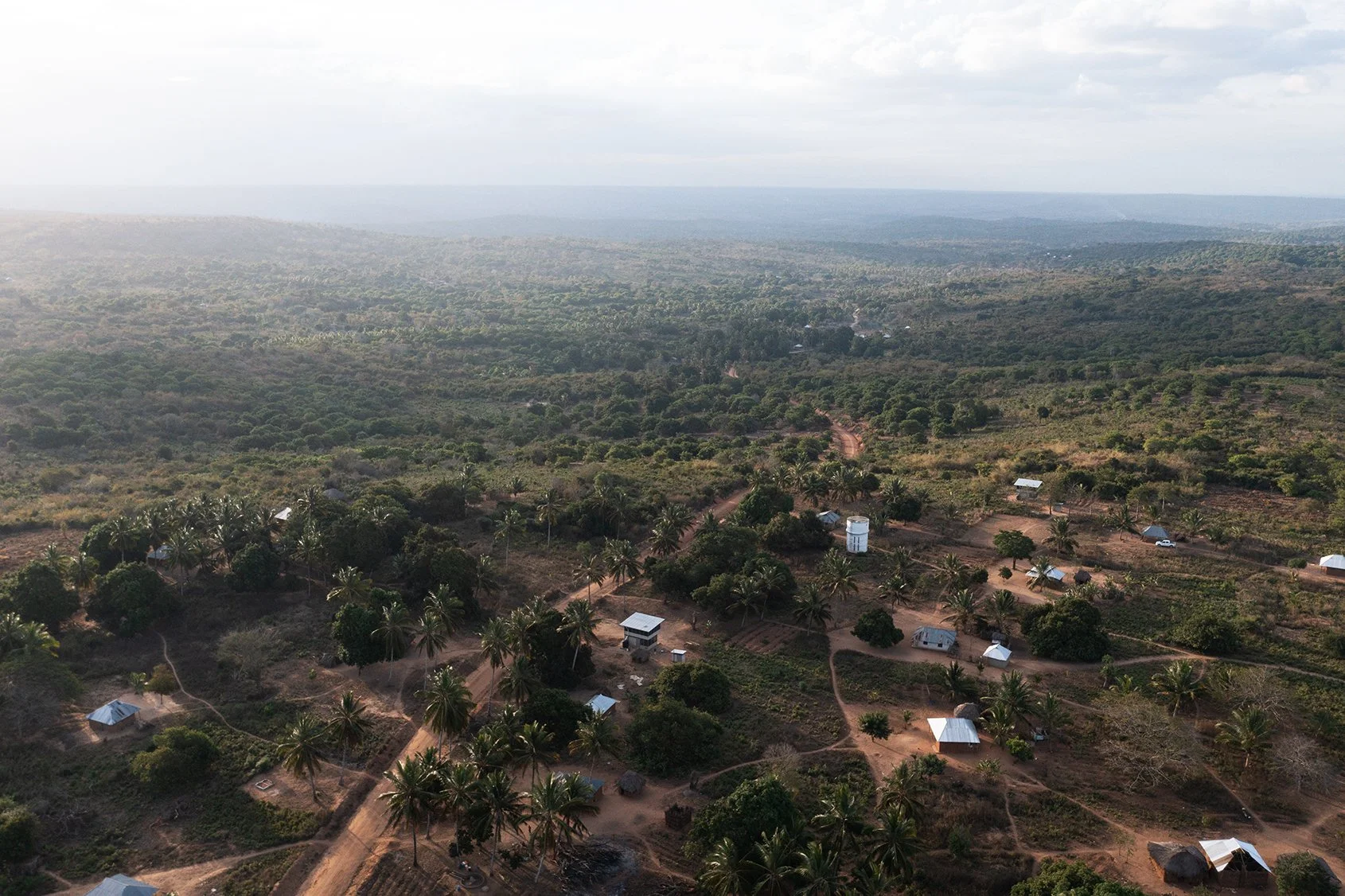
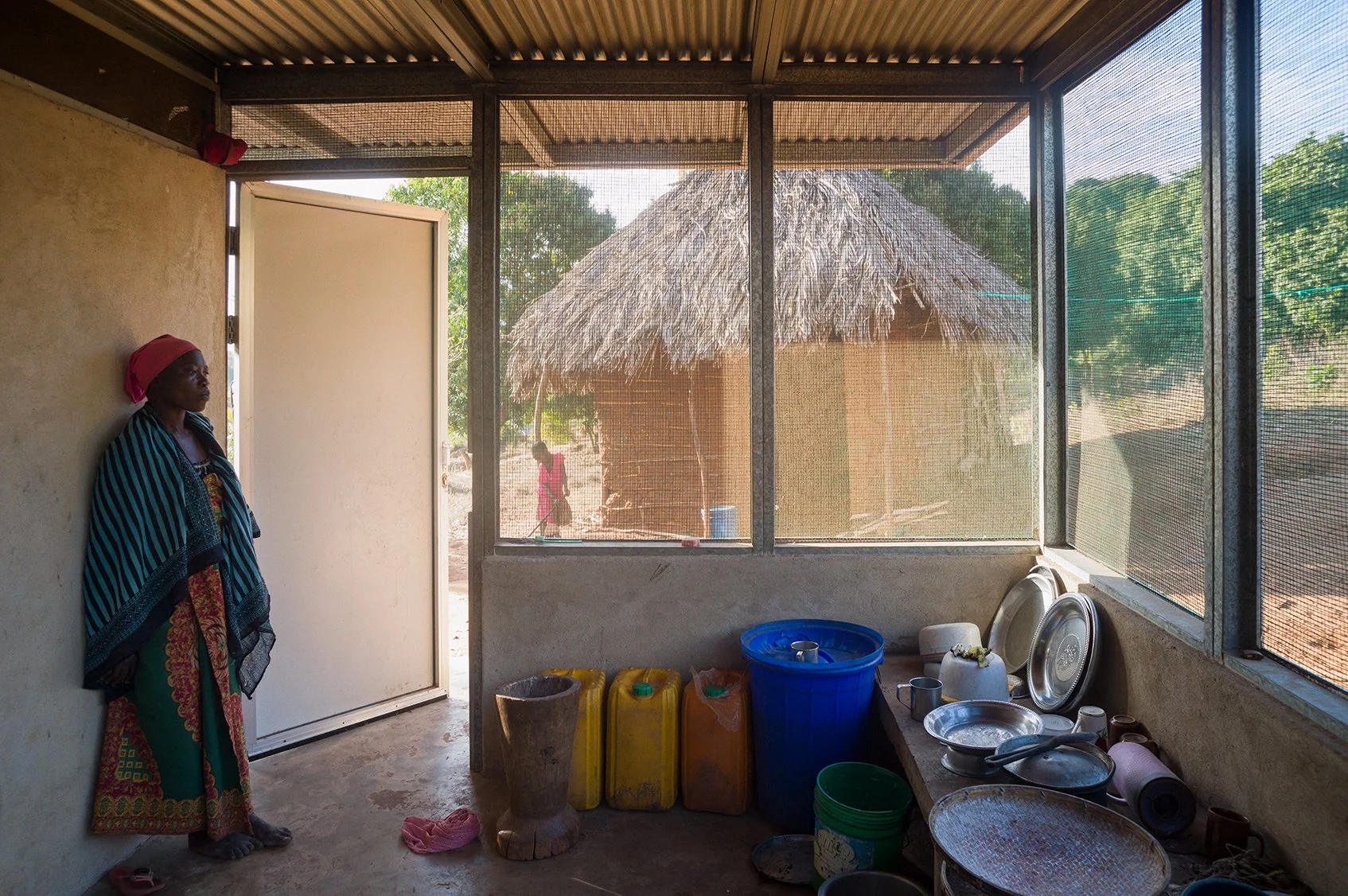
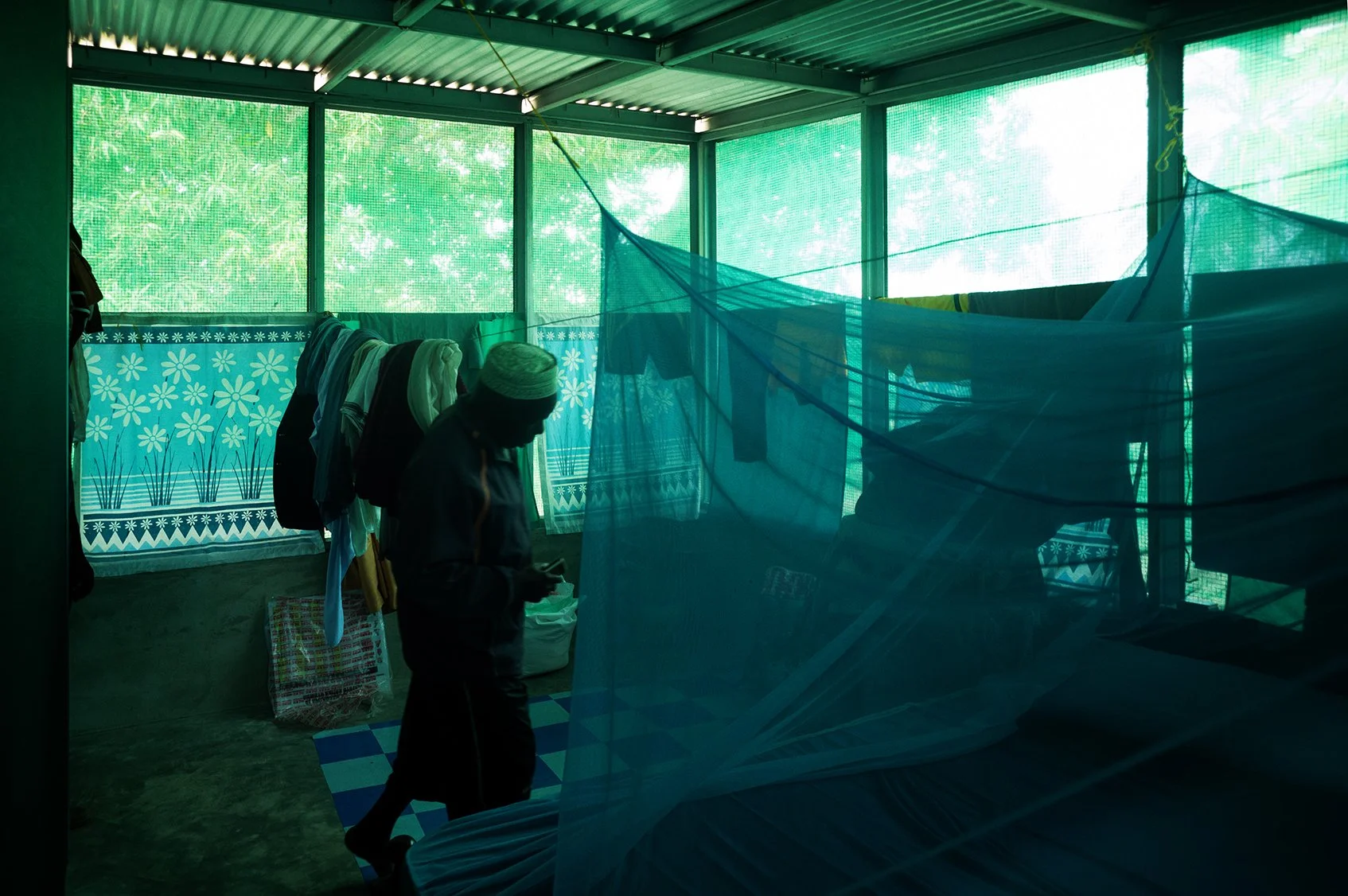
The modern design of Star Homes, which include a system to collect and store rainwater and a solar-powered electric light, presents “a significant change” from conventional homes in the area
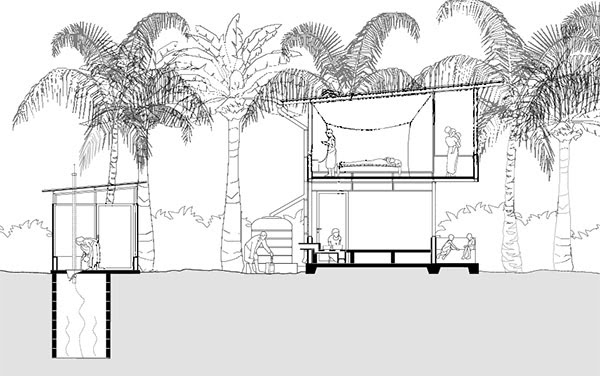
Star Home layout
When I had my first baby, we installed a baby gate and covered the gaping holes of the open-concept space that might lead to a crawling or exploring baby plummeting to her death. We have all the fixtures of a modern home, so her being exposed to sewage was obviously not my concern. But it is one for parents in some African villages.
A new experiment in Tanzania is showing that architecture can do more than provide shelter, it can protect health, especially for children.
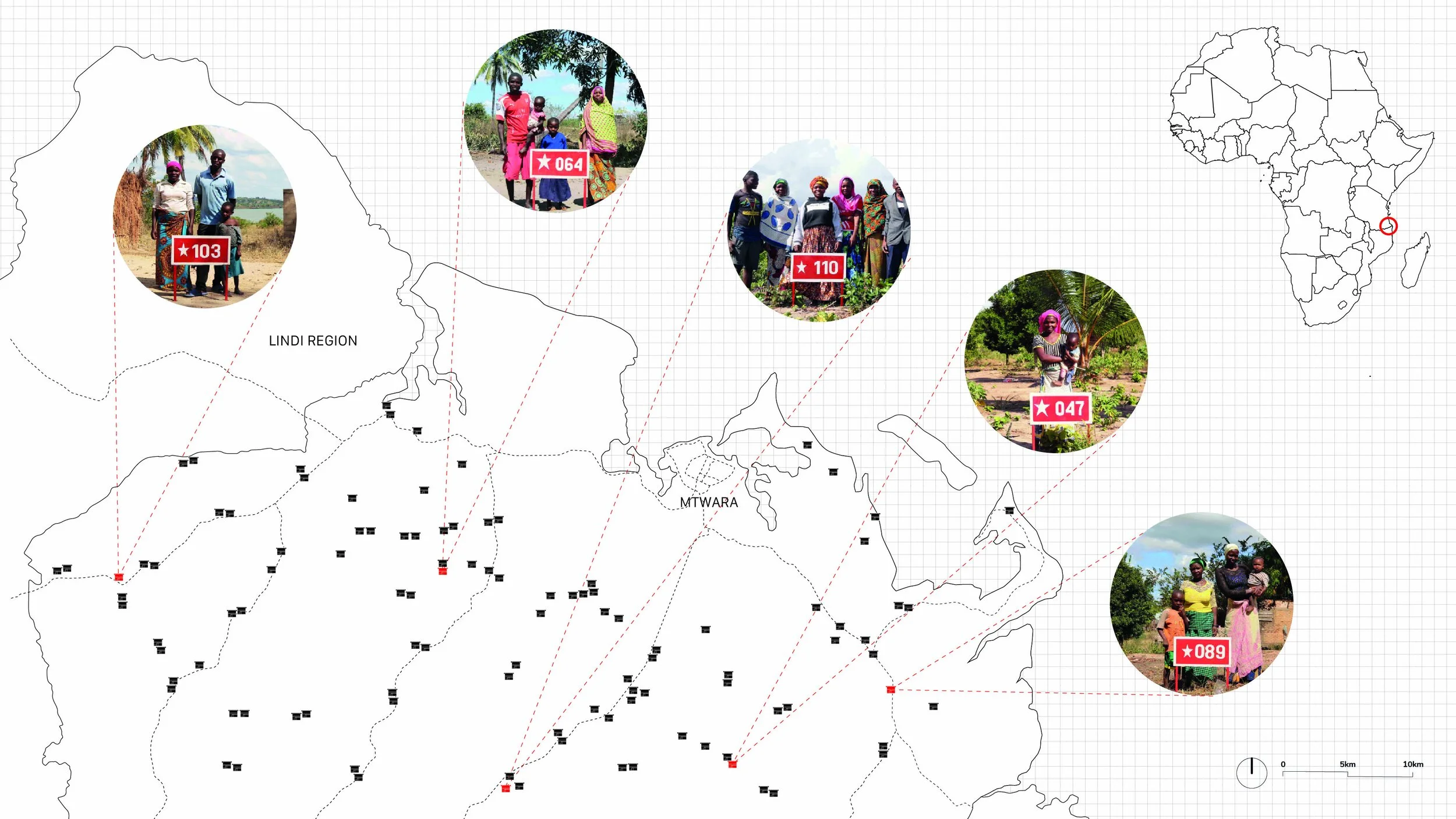
Mtwara, Tanzania, 2022. Photo: Julien Lanoo
In a long-term study spanning 10 years, children living in specially designed “Star Homes” were significantly less likely to suffer from malaria, diarrhoea, and respiratory infections compared to those in conventional houses. The difference wasn’t medicine or technology, it was design. As more and more people increase their wealth in Africa, they tend to move on from a natural material home made with thatched roof, to a solid concrete block which relies on air conditioners to keep it cool.
A recent three-year trial by Professor Steve Lindsay from Durham in Tanzania found that children living in specially designed two-story “Star Homes” had dramatically lower rates of malaria, diarrhoea, and acute respiratory infections compared with children in traditional mud-and-thatch houses. The children in the Star Homes also grew taller as a result of their better health. He published the results in Nature Medicine.
Malaria, diarrhoea and acute respiratory infections are three major causes of mortality in young children in sub-Saharan Africa. In the trial of those kids living in a Star Home, malaria was reduced by 44%, diarrhoea by 30% and respiratory infections by 18%. The researchers are calling on architects, builders, and governments to think differently about rural house design to help protect children from disease.
The Star Home is the outcome of almost 40 years of research by Lindsay. The healthy house design was informed by his research on how mosquitoes enter homes, and multiple clinical trials of house-screening in traditional African houses.
The Star Homes Project was then developed by architect firm Ingvartsen in cooperation with the Hanako Foundation based in Singapore to rethink how a house interacts with its environment. Can cement houses be created so they cool passively, and prevent disease exposure?
Bedrooms are placed on an upper floor, reducing exposure to mosquitoes that carry malaria. Mosquitos tend to stay closer to the ground. Ventilation is improved, helping reduce indoor air pollution and respiratory issues. Even the placement of the latrine—moved outside, limits the spread of diarrhoeal disease that can kill kids in infancy.
The Star Homes Project has been presented internationally across exhibitions and professional forums addressing architecture, housing, health, and social welfare. The project and accompanying research studies were exhibited by LABÒ Cultural Project during Milan Design Week (6–11 April 2025), hosted at Fondazione Rodolfo Ferrari, where it was framed within contemporary debates on experimental housing and spatial innovation.
It’s a simple idea with powerful results: build homes that prevent illness instead of treating it.
But there’s a catch. At around $8,800 per house, the design remains out of reach for many of the families who would benefit most. Those that were awarded a house were part of a lottery. Still, researchers say the project is not about mass rollout yet, it is about proof of concept.
Its creators note: “The Star Homes have been designed to be easily scalable and optimise resource use to reduce their environmental impact and build cost. Unlike most rural Tanzanian housing, our prototype house is two stories high. This reduces the area of the foundation and roof, which are typically the most expensive and material intensive components of a house.”
“The result is a home that uses 70% less concrete compared with a typical concrete block design and has 40% less embodied energy.”
“Rainwater is collected from the roof and stored in a 2000L tank via a first flush system, providing clean drinking water. A 40W solar panel provides lighting and USB charging. All materials and labour are sourced locally, and components can be reused or recycled.”
What the Star Home demonstrates is something bigger: health can be built into infrastructure. Instead of relying only on healthcare systems, communities can reduce disease at the source—through smarter design.
Oman is returning to the Venice Biennale with Zīnah, an immersive installation by artist and curator Haitham Al Busafi that transforms a traditional form of horse adornment into a large-scale sensory experience.
Rooted in the Omani practice of Al-zaanah, where both horse and rider are equally adorned as a sign of mutual respect, the work reimagines this Middle East tradition as something visitors can physically enter.
Arab Horses from the book ‘Walking Through History’
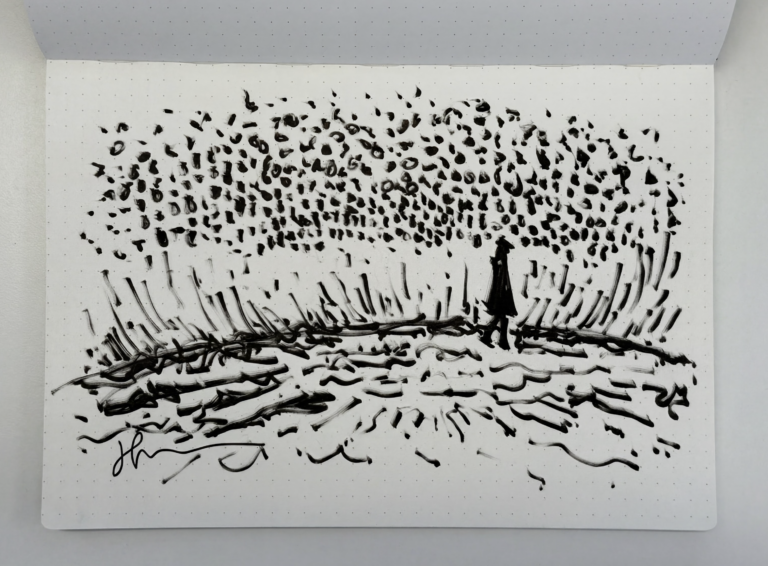
Instead of viewing objects on display, people walk across a sand-covered space beneath suspended silver forms that move and produce sound in response to their steps. A sketch of the installation is provided above.
The result is a shifting environment where each visitor becomes part of the artwork. Movement creates sound. Paths form in the sand and over time, the installation evolves through collective participation rather than remaining fixed.
The piece was also shaped through community involvement in Oman, where artists and members of the public contributed markings to the silver elements. This idea of shared authorship continues in Venice, as each visitor leaves a trace through movement and interaction.
Haitham Al Busafi’s Memory Grid at London Biennale, 2025
At its core, Zīnah is about rethinking value, extending ideas of beauty, care, and recognition beyond humans to include animals and the environment. It aligns with broader themes at the Biennale calling for more sensory, reflective forms of art rather than spectacle, says the artist.
Presented at the Arsenale in Venice from May to November 2026, the installation marks Oman’s continued effort to bring its cultural knowledge into global conversations.
About Haitham Al Busafi
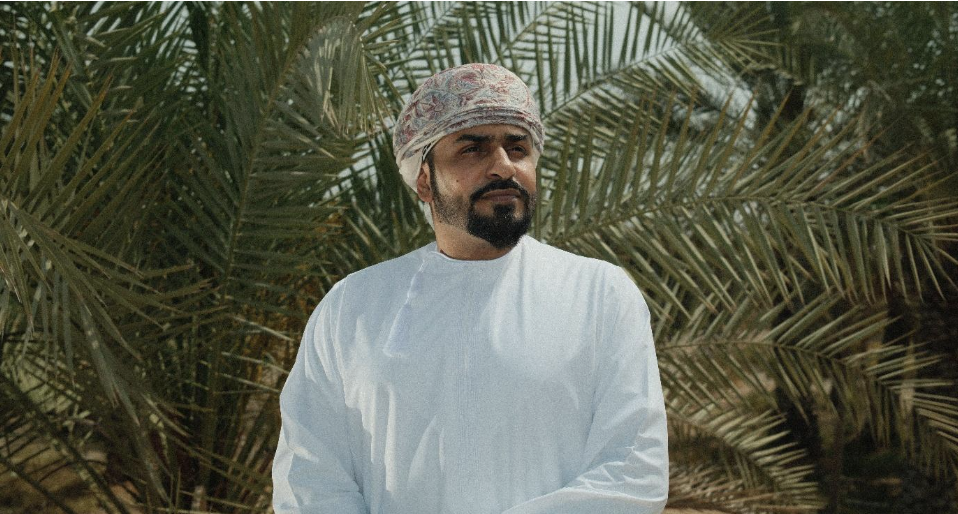
Haitham Al Busafi (b. 1985, Muscat, Oman) is an interdisciplinary artist, architect, and curator whose practice operates at the intersection of architecture, art, and technology. Educated at the University of Applied Arts Vienna (dieAngewandte), his work foregrounds immersive environments, and the translation of cultural narrative into spatial experience.
Zīnah extends his ongoing investigation into how heritage knowledge can be activated through contemporary immersive form, moving from the participatory frameworks of Memory Grid into a fully kinetic and sonic environment.
Ji-Soo Jang Ph.D. Senior Researcher at Korea Institute of Science and Technology
Professor Ji-Soo Jang, in collaboration with Professor Taekwang Yoon of Ajou University and Professor Hansel Kim of Chungbuk National University, has developed a novel energy device that generates electricity during the process of capturing greenhouse gases.
The research team introduced a new concept device termed the Gas Capture and Electricity Generator (GCEG), which produces electrical power as greenhouse gases are adsorbed from the atmosphere. This innovation goes beyond conventional approaches that merely capture greenhouse gases, transforming them into a usable energy resource.
Professor Ji-Soo Jang stated, “This research demonstrates that greenhouse gases are not merely pollutants to be managed, but can serve as a new energy resource. We aim to further develop this technology into an environmental platform that not only achieves carbon neutrality but also generates energy.”
Amid growing global efforts to address climate change, carbon capture, utilization, and storage (CCUS) technologies have gained attention. However, existing CCUS systems typically require substantial energy input for gas collection and processing.
To overcome this limitation, the research team proposed a fundamentally new mechanism that directly converts the physicochemical energy generated during gas adsorption on electrode surfaces into electrical energy.
The developed GCEG device consists of an asymmetric structure combining carbon-based electrodes with hydrogel materials. When greenhouse gases such as nitrogen oxides (NOx) or carbon dioxide (CO₂) are adsorbed, charge redistribution and ion migration occur within the device, enabling continuous direct current (DC) power generation without any external power source. In essence, atmospheric pollutants act as the “fuel” for electricity generation, simultaneously purifying the environment while supplying energy.
This technology is expected to be widely applicable in self-powered smart environmental sensors, battery-free IoT systems, and industrial facilities where large volumes of emissions are generated. In such settings, it could enable simultaneous energy harvesting and carbon reduction. In particular, its integration into distributed energy systems is anticipated to accelerate the realization of carbon neutrality.
The research findings were published in Energy & Environmental Science, one of the world’s leading journals in materials science.
There are a few adjacent spaces and players working toward similar goals, though not always in exactly the same way.
Carbon capture and utilization startups like CarbonCure, Climeworks, and LanzaTech are not generating electricity from CO₂, but they are treating emissions as a resource, turning them into concrete, fuels, or chemicals. The philosophy is similar: carbon is not just waste.
Carbon capture from the ocean
Several academic groups, including teams at MIT, Stanford, and across Europe, are working on electrochemical carbon capture using electro-swing adsorption. These systems use electricity to capture and release CO₂ more efficiently, though they are not fully self-powered like GCEG.
There is also a growing field of micro-energy harvesting—technologies that generate small amounts of power from heat differences, humidity, motion, or chemical gradients. The GCEG fits into this category, but with a twist: the “fuel” is pollution itself.
Other experimental systems generate electricity from moisture in the air or from ion movement. These rely on similar physical principles, using natural gradients, but are not specifically designed to capture greenhouse gases.
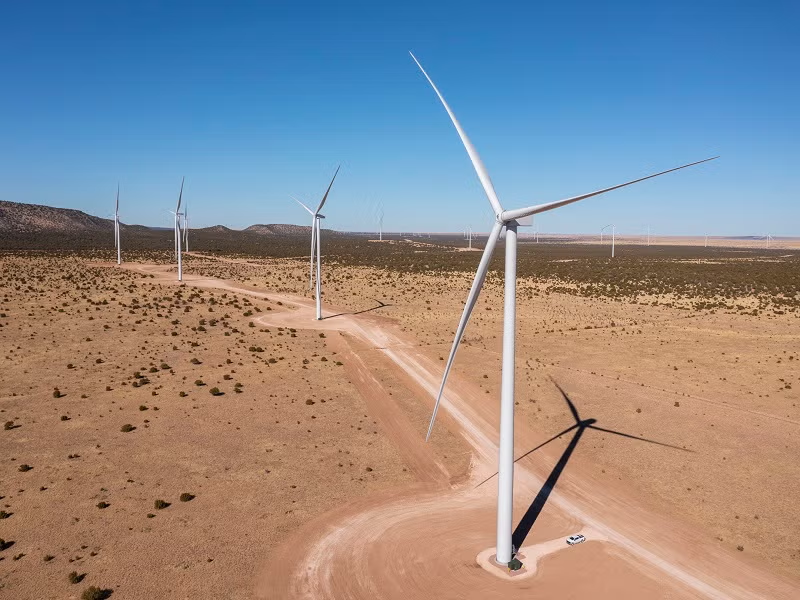
Pattern Energy’s SunZia project in action. Via Pattern Energy
After nearly two decades of planning, delays, and persistence, the largest renewable energy project in America’s history has begun generating electricity. (Ivanpah could have been a success were it not for politics). The SunZia Wind project is now sending vast amounts of wind power from New Mexico to California, marking a major milestone in the country’s transition to clean energy.
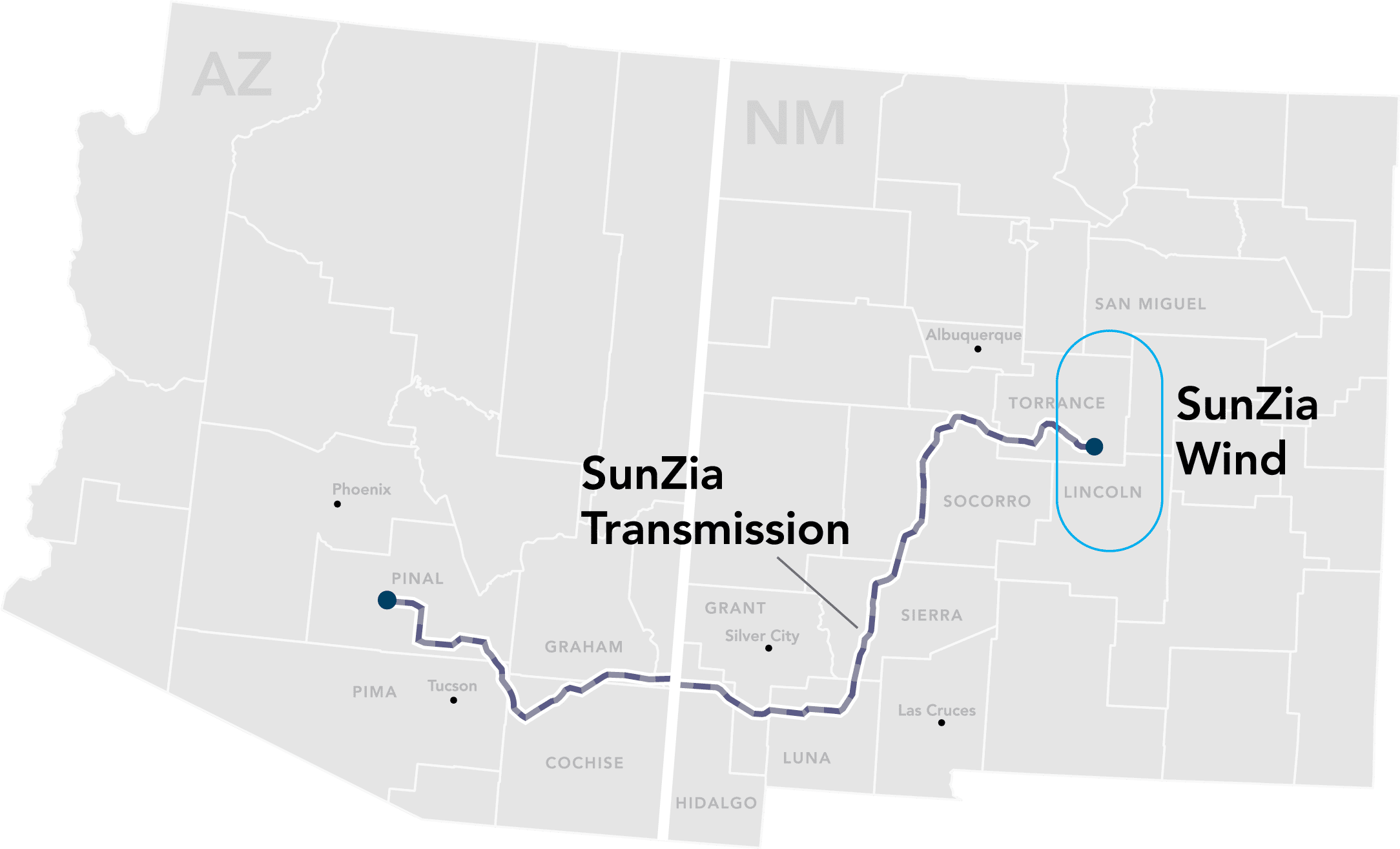
At full scale, SunZia is enormous. The project includes 916 wind turbines and a 3.5-gigawatt capacity, enough to supply electricity to around 3 million people across California and Arizona. Power travels along a 550-mile transmission line, which is an essential piece of infrastructure that connects remote wind resources to urban demand.
SunZia energy transmission map, via Pattern Energy
The impact is already being felt. California has broken its wind generation record multiple times in recent weeks as SunZia begins feeding electricity into the grid. It’s a glimpse of what a renewable-powered future could look like when large-scale infrastructure finally comes online. Can we start saying goodbye to Saudi Aramco and Arabian Gulf oil?
Probably not for a while. As much as we create, the gurd eats more. Electricity demand in the western United States is surging, driven by population growth, electrification, and the rapid expansion of data centers used for crypto currency mining and artificial intelligence. SunZia arrives at a moment when utilities are under pressure to deliver more power, without increasing emissions.
SunZia not only cuts carbon pollution but it also help replace natural gas plants, particularly in communities already burdened by pollution.
One of SunZia’s unique advantages is when it generates power. Unlike solar, which peaks during the day, wind production often increases at night, precisely when California relies more heavily on fossil fuels. That makes SunZia a strategic complement to the state’s existing renewable mix.
The road to completion has not been simple. First proposed in 2006, the project faced years of permitting challenges, including concerns from environmental groups, Native American tribes, and the US military. Routing changes and ongoing legal discussions reflect the complexity of building infrastructure at this scale.
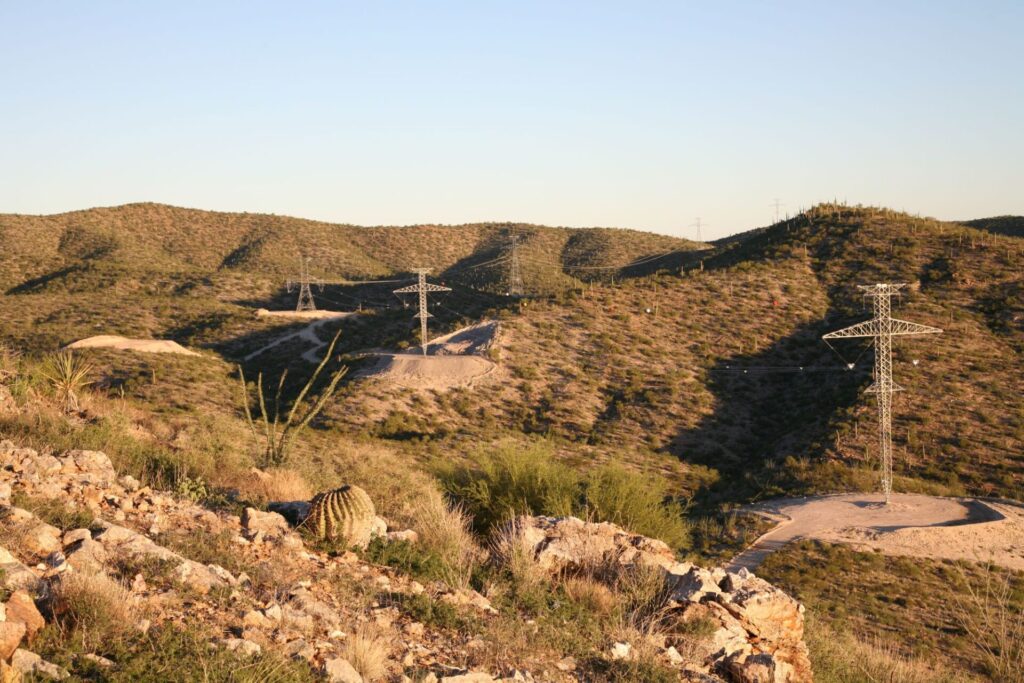
SunZia towers, tower pads, roads, and tensioning sites run north from Redington Pass through a 33-mile tract of previously undisturbed lands in the most ecologically and culturally sensitive portion of the lower San Pedro River Watershed. via Archeology Southwest
Still, SunZia represents something bigger than a single project. It shows that the United States is entering a new phase of the energy transition, one where renewable energy is not just about generation, but about moving power across long distances at scale.
About SunZia
SunZia Wind and Transmission is owned and developed by Pattern Energy, one of the largest renewable energy companies in the United States, led by CEO Hunter Armistead and President Kristina Lund, who oversee the project’s strategy, execution, and integration into the US grid.
Originally advanced by SouthWestern Power Group and New Mexico’s Renewable Energy Transmission Authority, the project has grown into the largest clean energy infrastructure build in US history, with total costs estimated between $8.8 billion and $11 billion.
Financing was secured through a major green loan syndicate including global banks such as BNP Paribas, Crédit Agricole, ING, Natixis, Société Générale, Sumitomo Mitsui Banking Corporation, and Wells Fargo, with key administrative roles held by Deutsche Bank.
A Vestas turbine
Industrial partners and suppliers include turbine manufacturers GE Vernova and Vestas, which delivered and installed hundreds of turbines across the project. SunZia has created thousands of construction and engineering jobs across New Mexico and Arizona, while generating long-term economic benefits through land leases, tax revenues, and infrastructure investment, positioning it as a cornerstone project in scaling renewable energy across the American West.
Cancer counseling means finding ways to avoid cancer risks.
I grew up with parents in a constant fight, and in a marriage myself know that the day to day isn’t always easy. But if being stressed about getting married is a question in your court, the research is in favor of tying the knot for a healthier, longer life. A large new analysis of more than 4 million cancer cases is raising eyebrows towards conservative values, with a striking finding: people who have never been married appear significantly more likely to develop cancer than those who are or have been married.
According to the research from the University of Miami, cancer risk was 68% higher in never-married men and 85% higher in never-married women.
At first glance, the conclusion seems simple that wearing a wedding ring protects your health. But scientists are also pushing back on the conclusion. Being married, they suggest, may reflect a cluster of lifestyle and social factors that influence long-term health. This lifestyle could be repeated with the non-married people. And what happens if you get a divorce?
Researchers point to differences in behavior. People who are married they say on average, less likely to smoke, more likely to seek medical care, and more likely to go for routine screenings. They may also experience more stable daily routines and emotional support, factors that can reduce chronic stress, which is increasingly linked to disease risk.
For women, reproductive history may also play a role. Having children, something more common among married individuals in many populations, can influence the risk of certain cancers, including breast and ovarian cancer especially if they breast feed.
Nursing can prevent certain cancers in women
Clinical psychologist Frank Penedo, one of the researchers involved, emphasizes that the takeaway isn’t about relationship status, it’s about awareness. “If you’re not married,” he says, “you should be paying extra attention to cancer risk factors, getting any screenings you may need, and staying up to date on health care.”
Friends could create cancer-support nodes for screening, recovery and post-care.
That advice applies broadly. You may not have someone on you about regular checkups, healthy eating, exercise, avoiding tobacco, and managing stress. So you should be aware of these co-factors to cancer, regardless if someone is married, single, divorced, or widowed.
The findings also highlight something deeper: the role of social connection in health. Humans are social beings, and strong support systems, whether through partners, friends, or community, can influence how people take care of themselves and respond to illness “It’s a clear and powerful signal that some individuals are at a greater risk,”says Penedo.
Other studies have found that singleness comes with its own benefits, including more close relationships and greater opportunities for personal growth, so, as always, the research needs to be put in context.
There has also been evidence that marriage has its downsides – with a higher risk of dementia attached, for example. It’s not simply that marital status, one way or the other, is the healthier option.
Fight against wildlife traffickers and those who can’t speak for themselves
A quiet emergency is unfolding in the skies, oceans, and landscapes that connect our planet. At a major UN wildlife meeting in Brazil, the Convention on the Conservation of Migratory Species of Wild Animals (CMS), governments agreed to extend protection to 40 more migratory species, from cheetahs and striped hyenas to snowy owls, giant otters, and great hammerhead sharks. Too many of them are slipping toward extinction .
This is not just about animals. Migratory species are the living threads that hold ecosystems together. They pollinate crops, control pests, move nutrients across continents, and sustain fisheries and food systems that millions of people depend on. When they disappear, entire ecological and social networks begin to unravel.
Cheetahs and hyenas both need protection
The warning signs are already here. Nearly half of migratory species protected under the UN treaty are in decline, and the pressures are intensifying: habitat loss, infrastructure that blocks migration routes, plastic pollution, industrial fishing, climate change, and even emerging threats like deep-sea mining. These animals don’t belong to one country—they cross borders, oceans, and political systems. That means no single nation can save them alone.
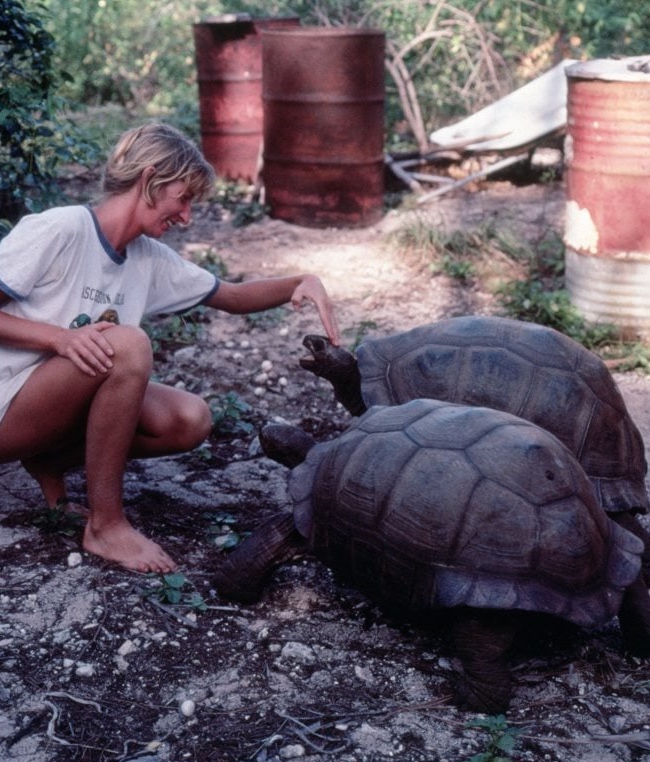
Jeanne Mortimer in her early days with the tortoises and turtles in the Seychelles
The new protections matter. Species added to the highest level of protection must be strictly safeguarded, their habitats preserved, and the dangers along their migration paths reduced. Others will benefit from coordinated international action: shared research, joint conservation plans between countries, and aligned policies across the world.
What really needs protecting now goes beyond individual species. It’s the invisible highways they depend on: flyways, ocean corridors, river systems, and seasonal habitats, the UN group tells Green Prophet. It’s also the communities living alongside these species, whose knowledge and cooperation are essential to conservation.
“We came to Campo Grande knowing that the populations of half the species protected under this treaty are in decline. We leave with stronger protections and more ambitious plans but the species themselves are not waiting for our next meeting. Implementation has to begin tomorrow,” said CMS Executive Secretary Amy Fraenkel.
“Expanded protections for cheetahs, snowy owls, giant otters, great hammerhead sharks, and many more, demonstrate that nations can act when the science is clear. Our duty now is to close the distance between what we’ve agreed and what happens on the ground for these animals.”
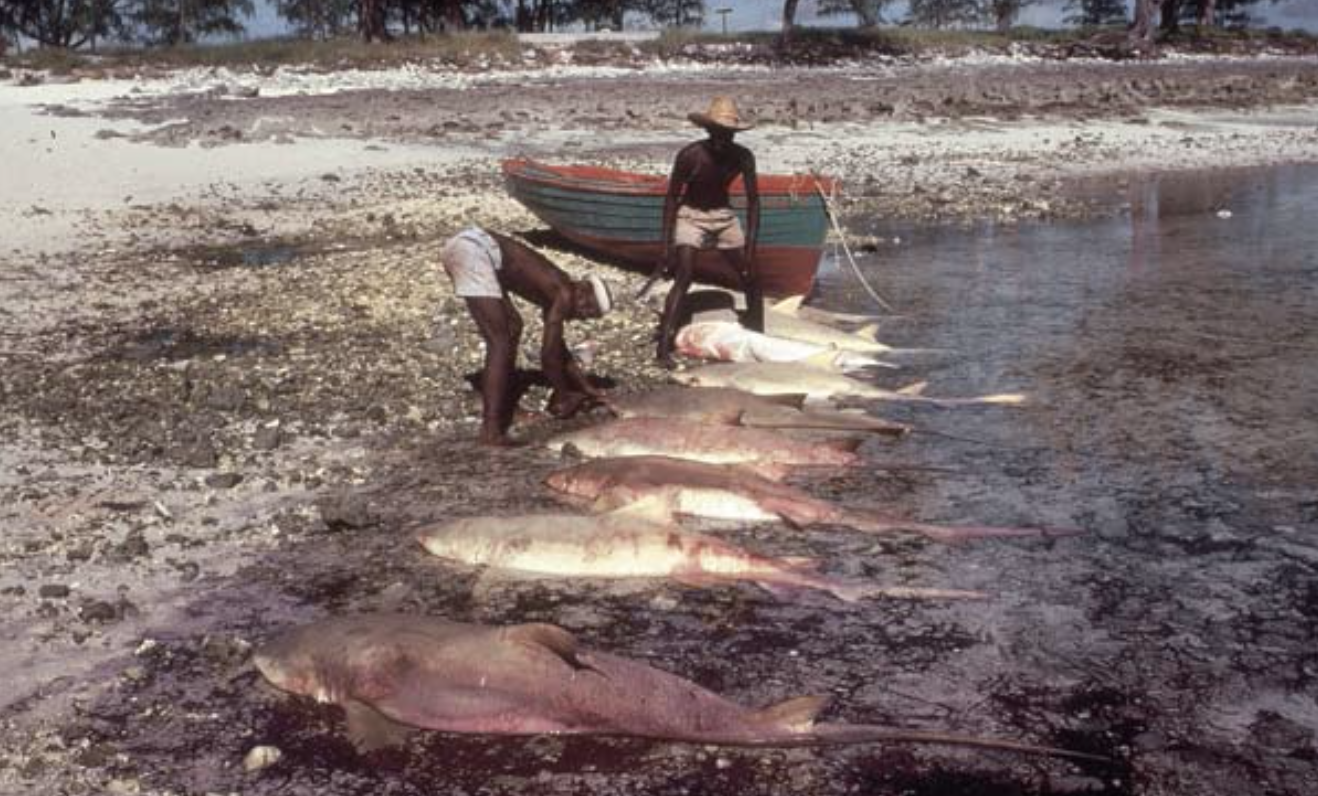
Shark Fishing at Cosmoledo in 1982 Above: Sometimes the men, especially Mazarin, went out in their small boats and fished for shark all night long. A single night’s catch might comprise as many as 10 large sharks.
And it’s the fragile balance between development and nature, especially as energy, transport, and infrastructure expand across the same routes animals have used for thousands of years.
The urgency is clear. Scientists and policymakers at the meeting agreed on stronger plans, but they also acknowledged a hard truth: the animals cannot wait for the next conference. Protection must move from promises to action—on land, at sea, and across borders.