Kansas City is attempting to revive protections against conversion therapy with a new ordinance carefully designed to withstand recent First Amendment challenges. Rather than banning conversion therapy by name, the proposal targets harmful therapeutic practices linked to increased risks of depression and self-harm, creating what supporters hope could become a legal model for other U.S. cities.
Choosing a sustainable senior living community means looking beyond appearances to care quality, nutrition, safety, social connection, and long-term well-being.
NuCicer has developed Nuchi, a new class of chickpea with 50% more protein and 25% less fat than conventional varieties. Co-founder Kathryn Cook explains how wild chickpea genetics, AI-guided breeding, and centuries-old biodiversity could transform the future of sustainable protein.
Canada's forests generate billions of dollars in economic value each year, yet vast amounts of irregular timber are downgraded to wood chips or biomass. A collaboration between researchers at Carleton University and Aalto University is challenging that model, demonstrating how "ugly wood" can be transformed into high-value architecture while reducing waste and storing more carbon in buildings.
Corporate training videos often require repeated filming, travel, and production resources every time policies or personnel change. AI-powered face swap tools offer a more sustainable approach by extending the life of digital training content, reducing unnecessary reshoots, and helping organizations communicate more efficiently—provided they are used transparently with clear consent and ethical governance.
Kansas City is attempting to revive protections against conversion therapy with a new ordinance carefully designed to withstand recent First Amendment challenges. Rather than banning conversion therapy by name, the proposal targets harmful therapeutic practices linked to increased risks of depression and self-harm, creating what supporters hope could become a legal model for other U.S. cities.
Choosing a sustainable senior living community means looking beyond appearances to care quality, nutrition, safety, social connection, and long-term well-being.
NuCicer has developed Nuchi, a new class of chickpea with 50% more protein and 25% less fat than conventional varieties. Co-founder Kathryn Cook explains how wild chickpea genetics, AI-guided breeding, and centuries-old biodiversity could transform the future of sustainable protein.
Canada's forests generate billions of dollars in economic value each year, yet vast amounts of irregular timber are downgraded to wood chips or biomass. A collaboration between researchers at Carleton University and Aalto University is challenging that model, demonstrating how "ugly wood" can be transformed into high-value architecture while reducing waste and storing more carbon in buildings.
Corporate training videos often require repeated filming, travel, and production resources every time policies or personnel change. AI-powered face swap tools offer a more sustainable approach by extending the life of digital training content, reducing unnecessary reshoots, and helping organizations communicate more efficiently—provided they are used transparently with clear consent and ethical governance.
Kansas City is attempting to revive protections against conversion therapy with a new ordinance carefully designed to withstand recent First Amendment challenges. Rather than banning conversion therapy by name, the proposal targets harmful therapeutic practices linked to increased risks of depression and self-harm, creating what supporters hope could become a legal model for other U.S. cities.
Choosing a sustainable senior living community means looking beyond appearances to care quality, nutrition, safety, social connection, and long-term well-being.
NuCicer has developed Nuchi, a new class of chickpea with 50% more protein and 25% less fat than conventional varieties. Co-founder Kathryn Cook explains how wild chickpea genetics, AI-guided breeding, and centuries-old biodiversity could transform the future of sustainable protein.
Canada's forests generate billions of dollars in economic value each year, yet vast amounts of irregular timber are downgraded to wood chips or biomass. A collaboration between researchers at Carleton University and Aalto University is challenging that model, demonstrating how "ugly wood" can be transformed into high-value architecture while reducing waste and storing more carbon in buildings.
Corporate training videos often require repeated filming, travel, and production resources every time policies or personnel change. AI-powered face swap tools offer a more sustainable approach by extending the life of digital training content, reducing unnecessary reshoots, and helping organizations communicate more efficiently—provided they are used transparently with clear consent and ethical governance.
Kansas City is attempting to revive protections against conversion therapy with a new ordinance carefully designed to withstand recent First Amendment challenges. Rather than banning conversion therapy by name, the proposal targets harmful therapeutic practices linked to increased risks of depression and self-harm, creating what supporters hope could become a legal model for other U.S. cities.
Choosing a sustainable senior living community means looking beyond appearances to care quality, nutrition, safety, social connection, and long-term well-being.
NuCicer has developed Nuchi, a new class of chickpea with 50% more protein and 25% less fat than conventional varieties. Co-founder Kathryn Cook explains how wild chickpea genetics, AI-guided breeding, and centuries-old biodiversity could transform the future of sustainable protein.
Canada's forests generate billions of dollars in economic value each year, yet vast amounts of irregular timber are downgraded to wood chips or biomass. A collaboration between researchers at Carleton University and Aalto University is challenging that model, demonstrating how "ugly wood" can be transformed into high-value architecture while reducing waste and storing more carbon in buildings.
Corporate training videos often require repeated filming, travel, and production resources every time policies or personnel change. AI-powered face swap tools offer a more sustainable approach by extending the life of digital training content, reducing unnecessary reshoots, and helping organizations communicate more efficiently—provided they are used transparently with clear consent and ethical governance.
Kansas City is attempting to revive protections against conversion therapy with a new ordinance carefully designed to withstand recent First Amendment challenges. Rather than banning conversion therapy by name, the proposal targets harmful therapeutic practices linked to increased risks of depression and self-harm, creating what supporters hope could become a legal model for other U.S. cities.
Choosing a sustainable senior living community means looking beyond appearances to care quality, nutrition, safety, social connection, and long-term well-being.
NuCicer has developed Nuchi, a new class of chickpea with 50% more protein and 25% less fat than conventional varieties. Co-founder Kathryn Cook explains how wild chickpea genetics, AI-guided breeding, and centuries-old biodiversity could transform the future of sustainable protein.
Canada's forests generate billions of dollars in economic value each year, yet vast amounts of irregular timber are downgraded to wood chips or biomass. A collaboration between researchers at Carleton University and Aalto University is challenging that model, demonstrating how "ugly wood" can be transformed into high-value architecture while reducing waste and storing more carbon in buildings.
Corporate training videos often require repeated filming, travel, and production resources every time policies or personnel change. AI-powered face swap tools offer a more sustainable approach by extending the life of digital training content, reducing unnecessary reshoots, and helping organizations communicate more efficiently—provided they are used transparently with clear consent and ethical governance.
Kansas City is attempting to revive protections against conversion therapy with a new ordinance carefully designed to withstand recent First Amendment challenges. Rather than banning conversion therapy by name, the proposal targets harmful therapeutic practices linked to increased risks of depression and self-harm, creating what supporters hope could become a legal model for other U.S. cities.
Choosing a sustainable senior living community means looking beyond appearances to care quality, nutrition, safety, social connection, and long-term well-being.
NuCicer has developed Nuchi, a new class of chickpea with 50% more protein and 25% less fat than conventional varieties. Co-founder Kathryn Cook explains how wild chickpea genetics, AI-guided breeding, and centuries-old biodiversity could transform the future of sustainable protein.
Canada's forests generate billions of dollars in economic value each year, yet vast amounts of irregular timber are downgraded to wood chips or biomass. A collaboration between researchers at Carleton University and Aalto University is challenging that model, demonstrating how "ugly wood" can be transformed into high-value architecture while reducing waste and storing more carbon in buildings.
Corporate training videos often require repeated filming, travel, and production resources every time policies or personnel change. AI-powered face swap tools offer a more sustainable approach by extending the life of digital training content, reducing unnecessary reshoots, and helping organizations communicate more efficiently—provided they are used transparently with clear consent and ethical governance.
Kansas City is attempting to revive protections against conversion therapy with a new ordinance carefully designed to withstand recent First Amendment challenges. Rather than banning conversion therapy by name, the proposal targets harmful therapeutic practices linked to increased risks of depression and self-harm, creating what supporters hope could become a legal model for other U.S. cities.
Choosing a sustainable senior living community means looking beyond appearances to care quality, nutrition, safety, social connection, and long-term well-being.
NuCicer has developed Nuchi, a new class of chickpea with 50% more protein and 25% less fat than conventional varieties. Co-founder Kathryn Cook explains how wild chickpea genetics, AI-guided breeding, and centuries-old biodiversity could transform the future of sustainable protein.
Canada's forests generate billions of dollars in economic value each year, yet vast amounts of irregular timber are downgraded to wood chips or biomass. A collaboration between researchers at Carleton University and Aalto University is challenging that model, demonstrating how "ugly wood" can be transformed into high-value architecture while reducing waste and storing more carbon in buildings.
Corporate training videos often require repeated filming, travel, and production resources every time policies or personnel change. AI-powered face swap tools offer a more sustainable approach by extending the life of digital training content, reducing unnecessary reshoots, and helping organizations communicate more efficiently—provided they are used transparently with clear consent and ethical governance.
Kansas City is attempting to revive protections against conversion therapy with a new ordinance carefully designed to withstand recent First Amendment challenges. Rather than banning conversion therapy by name, the proposal targets harmful therapeutic practices linked to increased risks of depression and self-harm, creating what supporters hope could become a legal model for other U.S. cities.
Choosing a sustainable senior living community means looking beyond appearances to care quality, nutrition, safety, social connection, and long-term well-being.
NuCicer has developed Nuchi, a new class of chickpea with 50% more protein and 25% less fat than conventional varieties. Co-founder Kathryn Cook explains how wild chickpea genetics, AI-guided breeding, and centuries-old biodiversity could transform the future of sustainable protein.
Canada's forests generate billions of dollars in economic value each year, yet vast amounts of irregular timber are downgraded to wood chips or biomass. A collaboration between researchers at Carleton University and Aalto University is challenging that model, demonstrating how "ugly wood" can be transformed into high-value architecture while reducing waste and storing more carbon in buildings.
Corporate training videos often require repeated filming, travel, and production resources every time policies or personnel change. AI-powered face swap tools offer a more sustainable approach by extending the life of digital training content, reducing unnecessary reshoots, and helping organizations communicate more efficiently—provided they are used transparently with clear consent and ethical governance.
Your loved one has passed and you are looking to remove contents and sell the things that were loved in an eco way.
Usually, estate cleanouts are not a happy time for the responsible person. The cause of estate selling may lot including the passing of a beloved person, financial burden, or a big life event. Also, it could be a possible eviction.
It doesn’t what the reasons are; it’s a very stressful time for you if you’re affected. So, you must be looking for the simplest way to get done your estate cleanout.
As a result, you might be looking for some “trash removal services near me” on the internet. Before you do it, just complete reading to know more about the issue.
Things To Consider While Performing An Estate Cleanout
For the best result and to make your task easier, you have to consider some things during an estate cleanout.
Be Thorough
While reviewing your estate, you must be thorough and need to ask essential questions. Ensure there are no garages or extra storage units by inspecting all things that should cleanout. Also, check your backyard if there is overlooked storage space or shed.
Besides, make sure checking the conspiracy nut under the old mattress if your relive had the issue. Because they don’t trust banks to keep their money, they might have stored some cash under a mattress.
Financial Documents
Most obviously your estate may face the issue of probate if the estate involves the death of one or multiple family members. In such a situation, you have to keep your financial document in a secure place.
These may include your life insurance records, estate deeds, stock certificates, and bank statements. They’ll need to file something for income taxes for the next year and also for some other reasons.
Everyone Is Not Your Enemy
When you’re in some issues, these times you’ll find the faces of some ugly people. But, don’t think everyone in the same way and you always should be friendly with your family members and friends during the time of cleanout.
Also, don’t forget one more thing that everyone will not support your strategies and it often happens. It’s because everybody is emotional in the situation. If you notice the disagreements are getting bigger then consider hiring someone else to help you. The relationship is always worth to keep continuing.
Analyze Estate Cleanout Cost
Adding up quickly that days are passing with unsold or rent-less of your estate. It could be more than your pocket expense that was never expected like taxes, repair costs, and mortgage amounting.
As a result, you should make an action plan as quickly as possible to get rid of these issues. What you can do it that reviews the extra expenses that you don’t know or think about. So, you need to perform a methodical cost analysis.
Final Thought
Apart from the above-said things, you should know about some more. These include boxes to ship and their fees and think about having insurance. Also, you have to think about the time that you spend cleaning your estate while reviewing the additional costs.
Calculating the impact of surgery on the environment.
In traditional circles there’s often talk about how automobile exhaust and agricultural practices contribute to greenhouse gas emissions. However, as experienced anesthesiologist Dr. Subrata Chakravarty focuses on the best applications to help patients through the use of anesthetic agents, he is also acutely aware of global warming trends and the possible impact of them.
The reality is that popular anesthetic agents including nitrous oxide (also known a laughing gas, which is often still used for sedation in the dentist’s chair) as well as isoflurane (used in procedures requiring general anesthesia) both have a potential impact on the environment. In fact, stats show the health sector in the U.S. is responsible for about 10 percent of the overall greenhouse gases produced by the country (although medical gas providers peg the impact at lower than one percent of emissions from burning fossil fuels.)
While isoflurane is a chlorofluorocarbon (CFC) that has been shown to deplete the ozone layer, CFCs were phased out as part of an international treaty. The result is that while the hole in the ozone is repairing itself, it has also made more room for other agents used by an anesthesiologist such as sevoflorine and desflurane, both of which are hydrofluorocarbons (HFCs). This may sound positive on the surface, but while these latter agents do not harm the ozone, they are potent greenhouse gases that can contribute to the climate crisis.
There is no shortage of these agents being used – in fact, there’s an expected increase of more than 300 percent by 2030 compared to 2005 levels. Dr. Subrata Chakravarty shares that this projected increase is partially a result of developing countries having more access to healthcare.
Why Inhalation Agents are Potentially Harmful to The Environment
When discussing global warming, the finger is most often pointed at carbon dioxide. However, the potential of these analgesic gases used by an anesthesiologist to provide comfort to patients actually has significantly higher potential than CO2 for heating up the globe – perhaps surprisingly, as many as hundreds or even thousands of times more.
But why? There are essentially three criteria when it comes to judging the greenhouse effect potential of a gas. One is how long it can exist in the atmosphere (also known as atmospheric lifetime). For some context, nitrous oxide, which is still used for some applications (and recreationally) has an atmospheric lifetime of around 150 years.
Next there’s its potential during its atmospheric lifetime for absorbing infrared radiation that’s normally destined for space. The last consideration is whether there are other atmospheric elements such as moisture that absorb infrared rays on the same wavelength. If not, the potential for the greenhouse gas effect skyrockets. In the case of both CFCs and HFCs, all three boxes are ticked.
How much greenhouse gas does a procedure using desflurane produce? To put it in perspective, Subrata Chakravarty shares one estimate pegs the amount of gas flow during a seven-hour operation as the same as a 200-hour drive in a car. Other data suggests that just one hospital might have equivalent emissions of more than 1,000 cars.
Meanwhile, data suggests CFC and HFC anesthesia gas emissions are equivalent to 3 million tons of CO2, roughly the same amount produced from the annual energy consumption of 359,000 homes’.
How An Anesthesiologist Can Reduce The Impact?
Here’s what typically happens in an operating room. A patient breathes in sevoflurane or another anesthetic gas to completely knock them out during a procedure. However, Dr. Subrata Chakravarty states only a small portion of the gas is actually used by the patient, and the rest typically gets sucked out of the operating room via ventilation.
This is especially harmful if the anesthesiologist is using desflurane, as it is significantly more potent as a greenhouse gas than its counterpart sevoflurane. What’s more is that desflurane has an atmospheric lifetime of about 14 years, while the other has a lifespan of about a year. From a financial perspective, sevoflurane is considerably cheaper meaning it can save hospitals several thousands of dollars over the course of a year.
Knowing which gases have less potential for contributing to global warming is one approach being used by Dr. Subrata Chakravarty. He further explains that it’s not just the type of gas that’s important – it’s limiting the amount released into the atmosphere.
A Gradual Shift in Thinking
An anesthesiologist like Dr. Subrata is most likely focused on the health of the patient during a procedure – not the health of the planet. However, that’s not to say that some anesthesiologists aren’t making the switch when they learn the data behind potential environmental impacts.
However, there could be some sticking points. One of them is that desflurane actually allows faster recovery for the patient compared to sevoflurane. So, from a medical perspective, desflurane may still have advantages despite being a bigger problem environmentally. To be clear, sevoflurane is still regarded as a safe anesthetic in terms of patient impact. In fact, both nitrous oxide and isoflurane are considered essential medicines, according to the World Health Organization.
Another possible sticking point is that anesthetic gases weren’t included in the Paris Climate Accord, so more attention might be going to other known environment offenders.
Currently there are government guidelines in place to help reduce gas exposure inside a hospital setting, but so far there aren’t any rules about how much a hospital can emit. While a possible mitigation approach would be setting an emissions limit for anesthetic gases, it may also come down to adopting anesthetic gases that have no harmful properties to the earth – xenon is one gas that has been discussed for this reason as an alternative to nitrous oxide. Unfortunately, xenon is quite rare and therefore not too widespread aside from its use primarily in Europe.
Subrata Chakravarty’s Final Thoughts
In the meantime, Dr. Subrata Chakravarty and his anesthesiologist colleagues are focused on awareness of the issue to try to influence a change in behavior. The best hope in the short-term is that more medical professionals will choose anesthetics with the least impact, until newer and more sustainable gases are found for patient care.
Beautiful nature may not be something that pops into your mind when you think of Dubai. Mostly everyone knows the skyscrapers and glitzy side of it. Nature and Dubai might seem a bit inconceivable together. But surprisingly, there is a side of Dubai that is entwined with nature.
Here are three things to do in Dubai if you want to explore its terrain and wildlife:
A safari trip to the desert
There are places even in Dubai filled with lush greenery. But they are all backdropped with the burnt orange color of the sand. So the predominant character of Dubai’s nature is this — desert sand spotted with patches of green vegetation. That doesn’t mean there is no life in it. In the desert, life thrives inside the desert dunes. Some animals and birds live burrowed under the sand. Beneath it, some seeds have been lying dormant for thousands of years.
A safari tour will let you experience the intricacies of the desert. You can easily find great desert safari deals here. The safari trip starts from the red dunes of Lahbab. Lahbab desert is a 45 minutes’ drive from Dubai city. The place where you arrive in the desert itself is scenic. You can click pictures as you wait for other desert safari cars to arrive.
After the safari cars have come and form a convoy, it’s time for dune bashing. You might have gone to amusement parks and experienced roller coaster rides that give butterflies in your stomach. Dune bashing is a lot like that, but instead, it is on the sand. The loose and mushy sands provide a perfect terrain for this thrill.
The dune bashing lasts for 30 minutes, taking breaks in between for snapping pictures of the sunset. After that, we go to the desert camp. It is the camp where all the rest of the fun happen. You can ride on camels, take the quad bikes out for a spin, and capture pictures with the national bird of the UAE.
Explore the Arabic heritage and Bedouin life in the desert camp. There you can try the traditional dress and henna painting. It’s also about the food. After the sunset, the floor is open for dinner and entertainment performances. When it gets dark, gaze upon the sky with innumerable stars. Nowhere else you can get an unobstructed and exquisite view of the sky.
A relaxing dinner cruise
A dinner cruise is a great way to explore the waterways of Dubai. There are natural and artificial waterways in the city. The naturally occurring creek aided the development of Dubai from its beginning. The other one is the Dubai Marina, which was once the largest marina in the world. It still is the poshest area in Dubai, and dhow cruises operate in both of these places.
Dhow Dubai cruises in Marina and Creek are in stark contrast to each other. A dinner cruise through Creek lets you witness the history and heritage of Dubai. There you can see the old buildings before the boom in the 60s and 70s. These areas are now preserved as a part of the Al Fahidi historical district. Just adjacent to that, there is an open-air shopping mall with buildings that resemble the old settlements. On the other side is Deira, which is more of a market area than Bur Dubai. It is where Dubai’s famous souks are — the Spice Souk and Gold Souk. These are the traditional versions of the modern shopping malls where you can buy things at affordable prices.
The marina dinner cruise is very different in this regard. There are gravity-defying buildings all over the place and top-notch restaurants showing off the luxury and upbeat. When you are on the dhow, you can see luxury yachts docked in the wharves, upscale dining areas, five-star hotels, and western tourists who are there to have a good time.
Dhow cruise combines excellent dining with a great sightseeing experience, which makes it one of the must-try things in Dubai. You should experience a dinner cruise in both Marina and Creek if your budget and time allow for that.
Exploring the sea
The sea has been the lifeline of Dubai for hundreds of years. Though the Arabs don’t hunt pearls anymore, it still plays a major role in the economy of Dubai.
A yacht trip takes you to the sea and around the famous landmarks of Dubai. It is also interesting that there are so many attractions in Dubai that are located near the beaches, not to mention a slew of artificial islands.
A yacht charter also gives you privacy and an escape from the busy and noisy cities. Sail into the tranquility of the sea and enjoy the view. You can catch fish and cook them onboard or simply tell us if you want your dinner arranged on the boat. One of the exquisite venues to host parties in Dubai is the yacht. It ensures that your guests enjoy every moment of the party.
When you have walked around the dazzling cityscape and wish to try something new, try the activities that are close to nature.
Do you shampoo or do no poo? Some countries have soft water, others hard. How can you keep your eco “poo” regimen while you travel?
With a daily routine set in stone for us to achieve healthy hair, travelling can throw a spanner in the works. However, travel-sized products, as well as forward planning, can help to ensure as little disruption as possible. Though it can be difficult to combat hair loss for those that have been experiencing it for a long time there are a number of FUE hair transplant UK clinics that can provide outstanding results to restore the hairline and aid in building confidence. Whether you are considering a hair transplant to help with the hair loss already experienced or you are looking to prevent it before it gets too bad, it is important to have a plan in place, even when travelling to ensure healthy hair at all times.
UV Protection From The Sun
When travelling it can be difficult to determine what the weather will be like beforehand, and although the weather may be slightly cooler depending on where you are travelling to, the hair can still be affected by the sun. Therefore, opting for UV protection serums or a spray can protect the hair from becoming damaged as well as ensuring that the scalp does not become burnt throughout the course of your trip.
Hats And Scarves In Cold Weather
If the weather is significantly cooler where you are travelling it may be beneficial to use a hat and a scarf to prevent damage. Whether this is the prevention of split ends or the reduction in the amount of wind-damaged caused to the hair as it is pulled in all directions. This will not only help to reduce the damage caused but it will help to keep you significantly warmer throughout the course of the trip. It is also important to brush the hair when returning home at the end of every day as cool weather can cause the hair to tangle.
Conditioner To Help Prevent Dryness
Conditioner is your best friend when travelling as it can help to protect the hair against breakage whilst allowing you to fully untangle the hair without causing breakage. Whether this is a deep conditioning mask or a 3-minute conditioner treatment, these travel-sized products can help to rejuvenate the hair without taking up to much space in your suitcase. This conditioner should be applied to the lengths of the hair to prevent them from breaking without weighing your hair down a significant amount as this can lead to your washing your hair significantly more.
Avoid Using Hotel Hair Products.
Though it may seem tempting to use the products in the hotel, it is important to avoid using the hair products as the harsh formula can strip the hair of natural oils. Though this is not the case with every hotel, the majority of establishments provide strong shampoo that deep cleans the hair however this can leave it feeling dry. By bringing your own travel-sized shampoo and conditioner, you are able to maintain healthy hair regardless of the humidity and the water type. With a wide range of shampoo and conditioners in a travel size, you can bring all your favourite products away without exceeding any limits.
Whether you are looking to travel in the near future, or you are planning a big trip for 2020, you can be sure that your hair remains healthy and happy by following these few simple rules. Which will you be choosing first?
The young generation is always the one to make the most changes, as history’s already shown us, and the problem of keeping a more eco-friendly world is not an exception to that. We’ve seen it recently from the example of Greta Thunberg who’s dedicated her time to knock on the world’s most powerful politicians to actually start to do something about the climate change before it’s too late. However, each and every school or college student can contribute a great deal, and there is a number of ways to be more green and become an example for someone. Let’s explore the X green habits we can develop to become our second nature.
Consume Less
Recycling is great, reusing is awesome, but consuming less beats it all. No, we aren’t talking about eating less, taking less medication or living an ascetic life. We’re talking about thinking twice before paying for a t-shirt that will end up in the landfill after 2-3 wearings. We’re talking about using papers when you can be perfectly fine with using the applications to note things down. Surely, they are just a few small things, but any research will show you how huge the difference they can make.
Convert to reusables
The market is full of items that can be used over and over again until they are broken and yet, everyone will pay for another coffee cup when ordering a takeaway beverage. The question is “Why?” Why do that when you can buy a travel mug, a tumbler, a thermos, a bottle — anything to carry your favorite drink around? Why throwing money on single-use plastic forks, spoons, and straws if you can be perfectly fine with the ones made of stainless steel or other long-lasting material? Finally, do you really need that plastic bag from the supermarket if you have a shopper in the trunk?
Educate Other Folks in Your Writing
The more you research the issue, the more interesting findings you can share with others in your essay, blog article, research paper, or op-ed. Doing that for free or small pay will bring more common good for those who cared enough to read that. And yes, those who google ‘pay someone to do my research paper’ are, probably, less informed about the issue, but it’s up to you to put them in the know in your next APA paper.
Support the Green Initiatives of Your Community
It’s hard to imagine even a small town that doesn’t want to make their area cleaner and greener. Many authorities are launching the eco-initiatives supported by the local businesses, and it will be dumb not to make an effort where you can. You can donate your unwanted clothes for those in need, you can start a bookcrossing thing at the library, or conduct a lecture for the community members how they can spend less for what eventually become garbage. Haven’t you found the initiative that is something like you’d support? Write to the corresponding person your vision of what should be implemented. After all, isn’t youth the main force of changes?
Find an eco-friendly way to commute
As a student, you probably can’t afford an electric car just yet but is you wonder how you can change the way you get around, here is what we suggest. Riding a bike might be a great option if you need just to move from A to B on a short to medium distance. Same with a birdie. Have you got a car? Ask the neighbors if you can arrange the carpool with them, so you use the car less. It will be cheaper for both of you and beneficial for the environment. The bottom line: don’t use the gas-fueled vehicles until you absolutely have to.
Recycle Properly
Not all the garbage goes into one bin, and you should know that by far. All the glass items (even the broken ones) can be reused again after the term processing. So why support new manufacturing that will need more water, more electricity, and human resources if you can contribute to recycling. Many hipster locations are looking for old chairs or beds of other items. Why not donate them for a good cause? And yes, people who throw all the garbage into one container while there are few for different things, will automatically go to the worst hell.
Save water and energy
We can’t do without these two these days, but what we can is to consume them responsibly. If you can buy an energy-efficient fridge, by all means, do that. If you can install the solar panels for your home, that will be the best for your budget and nature as well. If you need to wash the fruits, please, use that water for your plants rather than watering them with fresh. And please, for the planet’s sake, use shower, not the bath.
Lead by an Example
We all have the friends/relatives who all think that the eco-friendly initiatives are nothing but greenwashing by the big corporations. Although you want to yell at them as loud as you can, start with a dialogue and ask them what made them think so. Try to understand their point of view to come with examples and proofs of why they are wrong. The conflicts are the least needed thing here, but the examples of not using a bag or gifting them with a cool shopper can be the gamechanger we all need.
There are so many ways to live an eco-friendly life and still enjoy every moment without missing a thing. What it needs is a bit of education, developing a habit, and showing the example for the others to follow. The latter can take a bit more time, but in the end, we might have a chance to turn into a responsible generation that takes care of the only home we all have – the Earth.
Michelle Obama helps start backyard gardens, one school at a time.
We’ve heard the word “Green” thrown around for years. Sometimes it means recycling our newspapers and sometimes it means massive federal legislation to change our car exhaust. Or maybe it means, as Alexandria Ocasio-Cortez (known in the media as AOC), the U.S. Representative for New York’s 14th congressional district believes, that this can only be accomplished through massive lifestyle changes for every American? Or are real changes accomplished in your own backyard?
And most importantly, is AOC’s Green deal truly about being green?
100% percent of the power demands of the United States through clean, renewable, and zero emission energy. Green, but anytime “100%” is used, it is unrealistic.
Upgrading all existing US buildings to be energy efficient. Green, but again “all” means unrealistic.
Working with farmers to eliminate all pollution and greenhouse gas emissions – no animal waste, no machinery in farming. Are farmers really the largest polluters in the US?
Overhaul the whole US transportation system including expanding electric car manufacturing, installing building “charging stations everywhere” and expanding the high speed rail system to a scale where air travel stops to become unnecessary. Not realistic.
A guaranteed job with a family sustaining wage, adequate family and medical leave, paid vacations and retirement security for every American. Nothing to do with being “Green”.
High quality health care for all Americans. Again, nothing “Green” here.
Of the top 100 polluters, they fall into the following major categories: power plants, oil refineries, natural gas systems, chemical companies, metal and mineral processing plants, paper processing plants, waste management systems, and that is it. Old McDonald’s farm is not on the list.
Where did AOC’s New Green Deal come from?
AOC’s New Green Deal, which originated from a 2009 UN Report. The three objectives of the UN’s Global Green New Deal (2009) are the following:
Revive the world economy, create employment opportunities and protect vulnerable groups.
Reduce carbon dependency, ecosystem degradation, and water scarcity.
Further the millennium development goal of ending extreme world poverty by 2015.
Two out of the three goals of the UN’s Global Green New Deal (2009) have nothing to with “being Green”. They have to do with economics. More specifically, worldwide economics and worldwide redistribution of wealth.
So why is it under the umbrella of “Green”? The answer is to make people feel guilty for not accepting worldwide wealth redistribution with unelected people living halfway across the world making the rules.
AOC’s chief of staff, Saikat Chakrabarti, has admitted the plan’s true objective is to radically transform America’s free enterprise economy into a socialist system. Chakrabarti said this in a meeting with Sam Ricketts, climate director for Democratic presidential candidate wannabe, Gov. Jay Inslee.
“Do you guys think of it as a climate thing?” Chakrabarti continued. “Because we really think of it a how-do-you-change-the-entire-economy thing.”
AOC’s New Green Deal and the UN’s Global Green New Deal are doing the same thing. they are hijacking the real green movement to hide their true intention of worldwide economic change.
If you truly want to “be green”, the solution is not in AOC’s New Green Deal or the UN’s Global Green New Deal. The solution is actually in your own backyard, micro gardening.
What is micro gardening?
Do you really want to see real change to our environment, to the economy, to help the poor, to eliminate poverty? The solutions start in your own family, in your own neighborhood, your own backyard, even your own windowsill.
Some people mistakenly believe that doing change means that it has to be grand, huge, and on a worldwide scale. The truth is that the most powerful changes happen on the micro level.
Have you ever heard of micro container gardening? Indoor or urban micro container gardening is the practice of cultivating vegetables, herbs, roots, and tubers in small spaces. These gardening spaces might be balconies, small yards, patios, or rooftops, which make use of containers. Containers can be traditional plant pots, inspirational, repurposed old tires, plastic buckets, trash cans, or wooden pallets.
These gardens can either be traditional soil-based gardens, hydroponic gardens, or a combination of the two, soil on the top with a way to store water below the soil while still providing a way for the roots to get water.
Water for these gardens can be obtained from tap water, filtered handwashing or bath water, or collected rainwater.
The point is that a bunch of micros become a macro garden.
What this means is that even a person living in an apartment living in a city can still have a positive impact on the environment through their own direct actions.
What to have even more impact?
Try this. When you are going to or from school or your job, take a small grocery bag with you. Make the commitment to pick up 10 pieces of trash on your journey. How much of an impact will that have over a week, a month, a year, or even 5 to 10 years? But what about the ripple effect. Many people are hesitant to be the first to do something, but when somebody else does something, other people follow their lead. How much impact will that have in your local environment to not only yourself but other people and animals in your community?
Being in a healthy and clean environment not only affects the physical environment around us, but it also affects the emotional environment around us as well. We look around us and we smile. When we smile, others smile.
Smile and be friendly, and the other person will respond with smiling and being friendly as well.
Air conditioners pull water from the air, literally. It’s distilled so not great to drink, but useful in other ways.
Whether you live in a place with extreme heat like Miami, Florida, or in the cold reaches of Alberta, Canada, researchingenergy plans in your area is a good idea. Finding the right plan can help you save on energy costs. https://homevew.com/easy-power-plan-review/ has some great tips to guide you on how you can reduce your energy bills.
Naturally, utility companies charge higher rates when you use electricity while the power grid is under heavy demand. For example, more people run their dishwashers when they get home from work or right after lunch.
If you want to save money, use large appliances, such as dishwashers and washing machines, after 7 p.m. Avoid running them at around noon, which is when the power grid is under the heaviest demand.
Likewise, you can save even more money if you unplug energy-sucking devices during peak hours. Modems, laptops and coffee makers continue to consume power even when they aren’t in use. Try unplugging these devices when you leave for work or aren’t at home to save even more money.
Choose Gas Appliances Over Electric
Switching electric appliances, such as the kitchen range and clothes dryer, to gas can reduce your overall energy consumption. One reason is that natural gas is almost always cheaper than electricity, according to Consumer Affairs. In fact, it found that switching to gas appliances decreases utility bills by nearly 30%.
Another reason why natural gas saves on energy costs is that it heats faster. Electric ranges, for instance, have to gradually heat up. With gas ranges, the heat is instant when you turn it on. This means that you’ll run a gas stove and oven less to cook the same food.
In most cases, gas appliances cost about the same as their electric counterparts. In addition, they’re easier to maintain and have lower maintenance costs. Thus, you’ll save money on keeping your appliances up and running as well.
Switch to LED Bulbs
Most homes use a lot of energy on lighting. However, you can reduce the amount of energy that you use when you switch all of your bulbs to LED lights. However, why do LED bulbs save so much money? After all, the upfront cost is much higher than traditional bulbs.
One reason is that LED bulbs last around 20 times longer than incandescent bulbs. While the initial cost is higher, they save you money in the long run because you don’t have to buy bulbs as often.
Also, LED bulbs use a lot less electricity than incandescent bulbs. As a result, you won’t just save money on buying fewer bulbs. You’ll save money on your energy bill right away since they use far less electricity.
Invest in a Smart Thermostat
Are you looking for an investment that can easily pay for itself? If so, invest in a smart thermostat. Once again, the upfront cost of installing one is a bit pricey. However, the amount that you save with a smart thermostat pays for itself.
With a smart thermostat, you can easily control your home’s HVAC system even when you’re away. During the summer, for example, you don’t have to keep your home cool when you aren’t there to enjoy it. You can turn the temperature up while you’re gone and lower it when you’re on your way home. Then, you still enjoy a nice cool house when you get home without paying for all-day cooling.
Of course, this method also works for heating your house. There’s no reason to heat it while you aren’t there. Using a smart thermostat, you can control the temperature with your smartphone or tablet no matter where your are.
Start making smarter energy-saving decisions today by using these tips. Making the right choices when it comes to energy usage not only saves you money but also lowers your carbon footprint.
Simplifying everything, even the food you eat will make you healthier. This is Sandor Katz. He pickles everything.
Obesity is a serious health concern in United States, as it can and often does give way to a whole range of medical problems including but not limited to hypertension, arterial blockage, heart disease, diabetes, osteoarthritis, asthma and certain types of cancers. This is not exactly news to doctors and nurses of course, but it is so difficult to stay motivated and find the energy to exercise daily, after long, tiring workdays.
Why Staying Fit Goes Beyond Personal Health Goals for Medical Professionals
Healthcare professionals are not just aware of what obesity or being overweight can do to a person’s health, they also deal with the consequences of their patients’ poor lifestyles on a daily basis.
It is for that reason that physicians, nurses and others involved in direct patient care should make it a goal to remain as fit and healthy as possible. In addition to the personal health and productivity benefits, this is also effective in inspiring patients towards leading better, fitter lifestyles.
Athletic, Healthy and Ambitious: Is It Even Possible for a Medical Professional?
If you are a fulltime nurse, who is also ambitious enough to continue her education and get to a better place in her career, there’s no denying the fact that exercising daily and maintaining a decent enough diet is going to be hard. Nonetheless, thanks to online education, it’s still possible.
You can complete your CCNE accredited online Masters in Nursing with programs specifically designed to fit around the schedule of a busy, working nurse.
These Online Masters in Nursing programs are flexible, can be completed from virtually any location in the world and most importantly, they allow busy nurses at least a bit of time for themselves. It’s much easier to get your meals in order, when you can prepare them in your own kitchen and do not have to waste hours daily on commuting to and from nursing school, the hospital and your home.
Fitness Doesn’t Always Have to Involve a Gym
We just discussed how nurses can complete their higher studies from home, thanks to online education, and the same is also applicable when it comes to staying fit and healthy. Being a medical care worker, you likely have a decent idea regarding diet already, and as far as the exercise is concerned, there are so many online resources to explore for that as well.
Does going to a gym help you get more from your workout sessions? Most certainly, but if your goal is to stay healthy and fit, you do not necessarily have to get an expensive gym membership for that.
For most of us, all we need to do is powerwalk for 20-30 minutes every day at the local park, or even on a treadmill for that matter! You can make your workout routine more beneficial by mixing things up and throwing in three days of bodyweight training and a few sets of HIIT to alternate with three-days of powerwalking. At most, you will be spending half an hour every day on your fitness goals, and that’s about all you need to do.
Keeping your conditions under control while staying active is one of the best ways to maintain long-term health. Don’t shy away from effective medicines for diabetes that support your lifestyle and allow you to stay consistent with your exercise routine. When paired with daily movement, the right medication can stabilise blood sugar and boost overall energy levels. This balance helps you feel better day to day and makes it easier to stick with your wellness goals.
Getting the Basics Right While at Work
It is quite likely that if you are a medical worker, most of what we are going to discuss next are things that you know too well yourself, and maybe you provide more detailed advice regarding similar things to your patients on a daily basis!
Nonetheless, due to the very nature of the medical profession itself, it is easy to forget that what you are advising applies to you as well. Therefore, even if to only remind yourself about them, go through the following basics of maintaining a healthy lifestyle at work.
Hydration
Dehydration can sneak up on you, irrespective of how well aware you may be of its effects. To avoid forgetting to drink at least 3 liters of water on a daily basis, try the following method:
Fill up three one-liter bottles of water at the beginning of your shift
Label them as 1, 2 and 3
Place them at a location where you spend the most time
Be sure to drink all three bottles of water by the end of your shift
If your shifts are not particularly long, just 2 bottles will be sufficient; drink the other liter at home
Some of us find drinking 3-liters of water daily a tough ask, so try flavored water instead (no sugar), if that’s a problem.
Eating Small Meals at Work
Instead of eating large meals, break down your meals into multiple, bite-sized ones. It is a scientific fact that having multiple tiny meals throughout the day is better than having three big ones.
Whether they can actually contribute to weight loss or not is a debatable topic, but smaller meals are easier to digest, the constant supply of food keeps the body energized throughout the day, and most importantly for a busy medical worker, you don’t have to spend more than a few minutes to eat any of the meals.
There is one very important factor to consider here though; you cannot eat six junk meals a day and expect it to help your health, irrespective of how portion controlled they might be!
Admittedly, at times, it might be impossible to eat healthy at work, but we should try to do so as much as we can anyway. Besides, working in a hospital means that the cafeteria almost certainly has multiple healthy food options for the employees to choose from; a luxury that most professionals do not have and one that you should definitely take advantage of.
Staying fit and healthy doesn’t just mean sweating it out and keeping your meals in check, but it involves mental fitness as well. Given that doctors, nurses and other medical workers work constantly with life and death, there is serious potential of psychological issues developing, if the accumulating stress is left unaddressed.
Find an activity which helps you to destress and use it to its full effect. Sometimes, a major episode at work might also require therapy to get over, and being a medical professional, you should know when it’s time to talk to someone.
In order to run a successful business, you will need to make sure that your operating costs are as low as they can be. With that being said, it’s important that you make a list of your expenses and research what you can save on. You can find numerous business gas suppliers across the country today. Since fueling your company can be a big expense, you might want to consider switching to a different supplier. Before you do that, here are some of the things you should know about business gas.
Know your usage
If you want to save money on your gas bills, you’ll need to know your usage. In the event that you just relocated your company, you can ask the previous tenant or owner of the property for their utility bills. This will help you determine what your usage will be. This is important because, depending on how much gas you will use, you will then start looking for a service provider with an offer that suits your business.
Compare gas providers
This means that you should compare not only the price, but also the quality of service they provide. Although you may have been with your current supplier for years, that doesn’t mean you should stop looking for alternatives. It’s imperative that you wait for the right time to switch suppliers, though, especially since business gas prices can fluctuate drastically. Of course, this means waiting for the prices to drop before securing a long-term contract. Still, what most companies do is wait until their previous contract is almost done, and then start looking for a new provider, when in fact they should have started a year earlier. That way, you can best negotiate the terms of your new contract until you reach a deal that works for you.
When you’re interested in switching to a different supplier, the first thing you should do is request quotes from several different companies. Once you receive them, you’ll be able to compare prices and find the best deal for you. Before you decide to make a switch, make sure you have paid all of your debts to your current provider. If you don’t do this, switching gas suppliers won’t be possible.
Learn how to deal with meters
Whether you’re registering your reads manually or someone else is doing it for you, there’s a possibility of human error, and the last thing you want is to pay extra money because you didn’t know how to get the reading. So, it’s important that you know how to deal with gas meters. They can be either digital or dial. In both cases, read from left to right and ignore the red figures. In digital, you should also neglect any digits after the decimal point, as well as zeroes. As for the dial ones, you should take the lower figure if the point is between numbers.
You need to think carefully about how much you want to pay for your business gas and just how important it is for your company. Then, you should do a little digging until you can find the best service provider. Once you have a better understanding of the basics, it really shouldn’t be a cause for concern.
“Why do you go away? So that you can come back. So that you can see the place you came from with new eyes and extra colors… Coming back to where you started is not the same as never leaving.” – Terry Pratchett
Are you pondering travelling overseas to a new location for your next holiday? If so, the world is filled with unique places to visit. It’s a matter of choosing where to go, and who to travel with.
There is a small caveat that must be mentioned here, based on the recent global collapse of Thomas Cook, one of the world’s largest travel agencies. It is vital to ensure that, if you are booking a tour or safari, you book with a reputable company. And, without being a fatalist, it is equally important to make sure that you take out travel insurance so that you can be repatriated back to your home country in the event of an emergency.
Travel Benefits
Furthermore, there are well-known and well-documented benefits of travelling to new continents, countries, and regions. Calida Jenkins, in her article titled “10 Wonderful Benefits of Traveling” highlights some of the more valuable advantages of travel, including personal growth and development, mental health, and education.
Furthermore, the definite advantages of travel are also summarised in this quotation mentioned above by Terry Pratchett, the well-known author of the Discworld series as well as other fantasy and humorous novels. His statement: “So that you can see the place you come from with new eyes and extra colors” should be considered a succinct summary and final word on the benefits of travel.
Sustainable growth and development
Therefore, the question that should be asked and answered is not why you should travel, rather, it is where you should travel. And, if you decide to tour parts of East Africa, it is important to partner with a safari company that considers positive impact and sustainability.
What is sustainable development?
According to the International Institute for Sustainable Development, the most widely accepted definition is that “sustainable development is development that meets the needs of the present without compromising the ability of future generations to meet their own needs.”
Furthermore, it is vital for safari companies and tourist organisations to give back to the community in terms of infrastructure development, education, and work opportunities for the local communities. In other words, it is important to form business partnerships with the local communities as a way to drive community upliftment programs and to ensure a steady cash injection into the community.
The primary reason for this is that sustainable business programs will provide the local community with the means to purchase the basic necessities like food, clothing, and heating sources.
Without sounding arrogant and superior, this partnership will allow for the growth and protection of the natural resources like wild animals. Otherwise, the natural resources will end up being food sources. And this is not a long-term solution for anyone, especially the local community.
Going for a year abroad on a sailboat can change everything about how you see the world.
Summer school is an alternative to normal school that some people who love to study, attend. Summer school is not always necessary for students, but those people who are willing to study more, always try to invest their time and effort in summer schools. In this article, we’ve shared some facts that tell us howgeography summer school can help children understand the importance of saving the environment.
Geography summer school is a place where students of all ages and types come to understand what the world around us actually is, and how the various geographical locations in the world are doing right now.
Geography summer school teach students stuff
The geography summer schools help teach students the various stuff that they need to know about the world. Geography summer schools will help teach the kids about the stuff that can help them find the root cause of their problems, and help them potentially save the world or least be a part of the solution of the world. Besides, summer schools have also helped many students in applying for college.
Save the environment through sessions
You can’t save the environment if you don’t know what actually is wrong with the environment. This is a natural law. You can’t fix something if you don’t know what the root cause of that problem actually is.
This is where education comes in. By having live sessions and other similar approaches, people will be more educated about what is wrong with the environment and they will help implement the different techniques that will save the world from imminent disaster. The point of no return is very near us.
Calculate and reduce world resources usage
When it comes to saving the environment, the first thing that all people can do is help reduce the natural resources that we all use on a very daily basis. This is what geographical schools will teach students. Students who pass their summer school through geography will know how rare and how arduous it is to find natural resources like petrol, gasoline and other fuels that we use in our transport vehicles every day.
These are non-renewable and will eventually die out. Plus burning of gases increases the amount of CO2 in the atmosphere, which will definitely result in the world collapsing sooner than later.
Raise animal awareness
It is not only the world that is in danger, but the animals around us are also in danger because of the effects that we humans are having on the world.
By studying geography, we can understand how our artificial emission of hot gases in the atmosphere is damaging entire ecosystems around us. By studying various geographical figures, we will be able to find what is happening to animals’ shelters, and how our efforts can save them from extinction.
Conclusion
All these points definitely conclude that geography summer school is definitely the choice for you if you want your children to learn how important it is that we save the environment, and how these various methods can help save the environment too.
If you are one of many in the eco-sphere or the eco voice among many, how do you get heard on the internet?
By Andrew Oziemblo, Founder & CEO of Chicago SEO Geeks, the digital marketing & SEO agency helping businesses achieve long-term growth goals.
There is no denying that search engine optimization is critical for all businesses today. However, you also need to recognize that the world of SEO is changing all the time. One of the latest trends in SEO is voice search. It is estimated that there are one billion voice searches carried out on a monthly basis. Moreover, mobile voice searches are three times more likely to have a local focus. In this blog post, we are going to take a look at the different reasons why you should optimize your campaign for voice search now.
What is Voice Search?
There is only one place to begin, and this is by revealing what voice search actually is. This happens when you speak to your device, be it a computer or smartphone, in order to conduct a search for a particular business or topic. For example, if you are driving home and you want to find a gas station, you don’t want to start typing on your phone. Instead, all you do is instruct your phone to open a voice search and then you can ask it where the nearest station is.
When we use voice search, it is likely that we are going to have a conversational tone, as opposed to stating a short phrase in the manner we would if we were typing out our search. This is important because it makes a huge change in terms of how we optimize for voice search.
Why should you optimize for voice search?
Now that you know what voice search is, it is important to understand why you should be concerned with this. You only need to look at the popularity of voice search to see why this is the case. It is extremely popular at the moment, and it is something that is only going to get more and more popular, especially with the younger crowd. It is a lot easier to use voice search simply because you don’t need to type. You will also usually receive one answer for your search, depending on the device you are using. This means you do not have to comb through the search results. And, despite the fact that mobile search has taken over, voice search is not only suitable for mobile devices like smartphones. Consumers are able to use voice search on their PCs, tablets, and laptops as well. That means that voice search can be used pretty much irrespective of the device.
Moreover, the research shows that everyone is using voice search! Here are some statistics that back this up…
Did you know that global voice commerce is expected to be worth $40 billion by 2022?
Almost 20 percent of all voice search queries are triggered by just 25 queries
Playing music is the most popular use of smart speakers at the moment
55 percent of households are expected to own smar speaker devices by 2022
30 percent of all web browsing sessions will be done without a screen by 2020
50 per cent of all online searches are going to be voice-based by 2020
31 per cent of smartphone users around the world use voice tech at least once per week
20 percent of all Google searches are now voice
When you take these statistics into consideration, it is not hard to see why voice search is so important today and why it needs to be part of your search engine optimization strategy if you want to attract nearby customers, on-the-go, who are searching for your service or product on their smartphones.
As you are making improvements, you ought to ensure that the structured data / schema, is also optimized. Structured data is information about your company that is hidden in the source code of your website. Although website visitors cannot see this data, it is vital in terms of optimization for voice search.
Long-tail keyword research
As we mentioned earlier, when it comes to voice search, searches are likely to be longer because they involve conversational spoken phases. When we type something online, we often use shorter phases, however, we use longer phases when it comes to voice search. For example, we may type ‘gas station’ but when we use a voice search we may say something like ‘where is the nearest gas station?’
Why does this matter? Well, it has an impact on the sort of keywords you are going to be using when targeting voice searches. These are known as long-tail keywords. In order to optimize for voice search, you are going to need to do some research into the long-tail keywords that are linked to your location and industry. There are a number of different keyword tools out there that can assist you. Tools like this will help you to figure out what terms your consumers are using when they are trying to find companies like yours.
However, you always need to remember that more natural language is used with voice search when compared with text searches. Because of this, while you need to use long-tail keywords, it is also imperative that you use them in a natural language. One common tactic is to use natural language and long-tail keywords in order to answer the queries that your consumers and target consumer base may typically pose.
As you can see, there is no denying that voice search is the latest trend in the world of search engine optimization. If you want to get ahead of your competition, then you are going to need to ensure that your online presence is optimized for voice search. Hopefully, this article helped you realize just why that is so critical for companies to employ regardless of their size or industry.
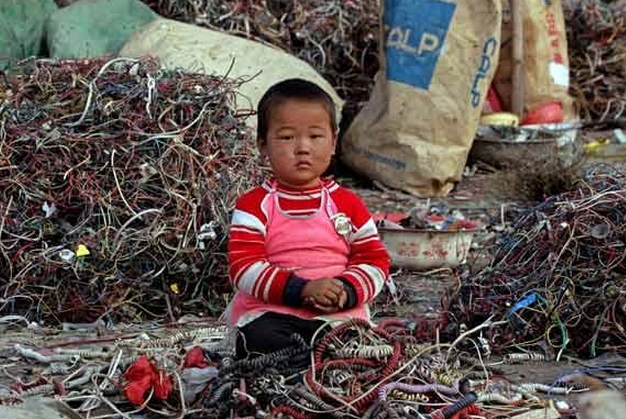
Children from all over the world are making a living sorting through e-waste.
More than one hundred organisations from over forty countries worldwide will organise activities as part of the second International E-Waste Day taking place on 14th October.
E-waste is an abbreviation for electronic waste, all the metals and materials that get dumped when we throw out our old devices. Some countries like Canada have a fee on new goods bought to recycle them at end of life, and plenty of facilities to bring them to when they die. But not every country is like this.
So, the event organised by the WEEE Forum, is intended to educate people better on the e-waste problem. An international association of e-waste collection schemes, and its members, brings together e-waste stakeholders across the world to promote the correct disposal of electrical and electronic equipment to enable reuse and recycling.
The International Telecommunication Union, the UN agency responsible for ICT is involved. Well as much as its able. The UN moves slow for action but does serve an important role in motivating countries to file reports about the size of the e-waste problem.
Growing problem of poisonous e-waste
It is estimated that 50 million tonnes of e-waste will be generated across the planet in 2019. Half of this is personal devices such as computers, screens, smartphones, tablets and TVs, with the remainder being larger household appliances and heating and cooling equipment.
Only around 20% of global e-waste is recycled each year (this company from Israel is one of them – in Hebrew), which means that 40 million tonnes of e-waste per year is either placed in landfill, burned or illegally traded and treated in a sub-standard way and this is despite 66% of the world’s population being covered by e-waste legislation. E-waste or electronic waste happens when you throw out your computer, laptop or cell phone, generating hazardous materials from electronics parts.
E-waste loses raw materials forever
This results in the huge loss of valuable and critical raw materials from the supply chain and causes serious health, environmental and societal issues through illegal shipments of waste to developing countries.
Initiatives being undertaken by participant organisations are designed to increase consumers’ knowledge about e-waste and how to dispose of it correctly. These initiatives are many and diverse and include conferences, school and city collections, promotions in stores and recycling centres, videos and animations, and an online guide for proper e-waste disposal. All of these will be promoted locally on and around International E-waste Day.
Infographics for electronic waste
The WEEE Forum itself has developed a series of infographics that illustrate the growing e-waste problem as well as videos featuring different representatives from e-waste value chain giving their take on how to tackle the challenge. All the materials can be viewed here.
Karmenu Vella, EU Commissioner for Environment, Maritime Affairs and Fisheries explained in his dedicated video message for International E-Waste Day, “We are entering the next stage in Europe’s commitment to foster a circular economy. This will be part of the new Green Deal for Europe announced by the incoming Commission President Ursula van der Leyen.”
He continued “Prevention and dealing with e-waste will be part and parcel of our coming work. This means recycling all our electronic waste where it cannot be avoided. But it also means rethinking the value chain for electronic goods. It means considering their appropriateness for reuse or recycling from conception. It means even going beyond and prioritizing dematerialization and closed loop systems.”
EU makes a pact to clean up e-waste
Pascal Leroy, Director General of the WEEE Forum, said, “From 2019, the minimum collection rate to be achieved annually in EU member states will be 65% of the average weight of appliances placed on the market in the three preceding years, or alternatively 85% of WEEE generated. The new collection targets seek to ensure that around 10 million tonnes, or roughly 20 kg per capita, will be separately collected. Such a high collection rate is impossible to reach without the involvement of all actors in the value chain, including citizens. We are confident that International E-Waste Day will contribute to improving the societal awareness and through this help in improving the collection rates not only in Europe, but also globally.”
He added: “There are many countries worldwide that are currently in the process of implementing e-waste legislation. We are therefore very pleased to have participants from six continents involved in this year’s International E-Waste Day”.
Toray Industries of Japan tells Green prophet that its new technology called ROMEMBRA – a reverse osmosis (RO) tech will be working for Saudi Arabia to create even more desalinated water. Saudi Arabia is looking for desalination technology to help provide drinking water for its growing population.
Saudi Arabia has the means, from oil, to produce water energy intensive desalination. Only rich nations can afford this. Environmentalists see this as a last resort solution when all other options to conserve water have been explored.
Japanese reverses osmosis for desalinated water
Japanese technology will be used at Saudi Arabia’s largest desalination plant facilities (Shoaiba 3 Extension 2 and Shoaiba 4 Desalination Plants). This will bring the oil-rich nation a total of 650,000m cubic meters of water per day. A lot of water needed.
Israel leads the world in reverse osmosis desalination tech, but with shaky relations with Saudi Arabia, the eastern neighbor chooses Japanese solution.
The Japanese-made RO membrane will not only help severe water shortages in the Middle East. Yemen, Syria and Jordan are among the worst hit and maybe Japan will work with them too. This move in Saudi Arabia helps cement its new new Saudi Vision to reduce its need for oil, a national initiative which the Japanese government supports.
Desalinated water the only choice for Middle Eastern nations
Gulf countries like the United Arab Emirates and Saudi Arabia are investing in desal tech to cater to rising populations and a dire situation due to mismanaging resources and climate change. And they are looking to solar and alternative energy solutions to power such technologies.
The RO or reverse osmosis method consumes less energy over conventional evaporation method.
The oil-fire powered desalinated water, desalination plant in Shoaiba Saudi Arabia. Think of all the resources used to create fresh water from the sea.
Shoaiba, Saudi Arabia’s second largest city located around 120 kilometers south of Jeddah, has also decided to implement RO method in its first expansion of Shoaiba 3 desalination complex. They have been producing up to 150,000 cubic meters of water daily after going online in 2009.
Toray has supplied ROMEMBRA in all of its desalination system since, after being highly evaluated for over 10 years of stable operation at Shoaiba 3 expansion plant, contributing to the region by producing 800,000 cubic meters of water a day.
It is expected that there will be higher demand of water in the Middle East with increase in population and growth of industry in the near future.
ROMEMBRA is used not only at desalination plants, but also for waste water treatment , achieving a production capacity of 68,000,000 cubic meters a day, which is equivalent to the water needs of 480 million people, more than 6% of the world’s population.
Entrepreneurs across the globe are now fully embracing the green revolution. From air-purifying roof tiles to eco-concrete, these individuals are hard at work trying to find new renewable energy solutions to help ease the earth’s climate crisis.
If you have a passion for eco-friendless and also just so happen to have an entrepreneurial streak coursing through your veins, be an environmental entrepreneur could very well be your calling in life.
For advice on what you can do to get yourself started on this route to success, be sure to read on.
Live the life
First and foremost, you cannot be an environmental entrepreneur if you don’t live a sustainable lifestyle. For one, not living the life will make investors wonder whether or not you are fully committed to the cause, and that may make them consider pulling their funding from you. It’s important, then, that you embrace the green lifestyle and that everything you do on a day-to-day basis is done with the environment in mind.
One way to prove just how seriously you take climate change is to have solar panels fitted on your roof. Should they ever visit your home, this will prove to investors that you are willing to go the extra mile to harvest your own source or renewable energy. Of course, having such technology installed atop of your home will also bring you a host of other benefits, including reduced energy usage, no noise pollution, and little to no ongoing maintenance. Click here for more information on solar panels and the specific rewards you stand to reap from embracing their usage.
Hone in on a niche
To stand out in the ever-growing field of environmental entrepreneurs, you’re going to have to hone in on a niche that makes you unique.
Stuck for ideas on what you can do to make a name for yourself in the field of renewable energy? If so, be sure to take inspiration from the eco-technologies listed below:
Cooling pavement
Plastic roads
Smog-eating buildings
Organic solar film
Clothing made of waste milk
Wooden computer chips
Devise your business plan
To provide yourself with goals to work towards and a strategy for success that you can use to sell yourself to potential investors, you must devise your very own business plan. When it comes to developing this strategy, it’s important that you conduct some initial market research. Take a look at other eco-friendly businesses, both those in your specific market and those in the industry as a whole, and see what has and hasn’t worked for them. Doing so will help you to hone in on a target market and it will assist you in finding valuable material suppliers and partners.
There’s nothing wrong with making a bit of money out of your passion for renewable energy. And you never know by taking on the challenge of being an environmental entrepreneur, you might very well go on to create a piece of technology that saves the planet from climate change once and for all.