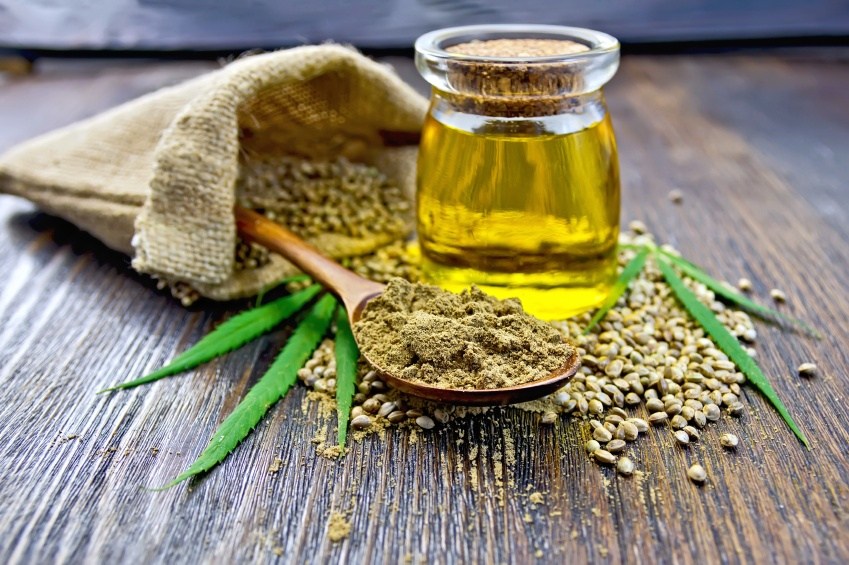
We all know that cannabis products like CBD oil, readily available, may be a greener way to mitigate pain and health problems. But what dosage when?
There is a lot of misinformation associated with CBD and its associated products. From CBD oil to gummies and everything in between, CBD has become something of a cultural phenomenon in the last few years, but what’s the truth behind this incredible compound? This natural plant-based compound is trusted by millions for everything from anxiety to pain management and, yes, even sleep. The calming effects of CBD gummies seem to help improve sleep patterns, and there’s even some research to prove it. Keep reading to learn more about how CBD can help you get a better night’s sleep.
CBD or THC?
Let’s clarify the difference between these two compounds before we move on, as this is where most people get hung up on CBD. This is because both compounds come from the Cannabis Sativa plant, which, when grown with higher concentrations of THC, is considered to be marijuana. The THC in marijuana is responsible for its euphoric “high” that occurs when its inhaled, ingested, or otherwise absorbed into the bloodstream. While both of these compounds are derived from the same plant and both interact with the body’s endocannabinoid system, they’re entirely different.
CBD has no psychoactive effects whatsoever and is taken (legally) from plants containing less than 0.3% THC on a dry-weight basis. This is federal law as of 2018, with the passing of the Farm Bill which effectively removed hemp and its derivatives from the schedule 1 drug classification. While CBD is legal, THC and marijuana remain illegal at the federal level, despite several states legalizing both substances on individual levels for medicinal and personal use.
CBD oil is safe to use, natural, and has almost no side effects despite cases of dry mouth, fatigue, and diarrhea. In addition, you won’t feel high from broad-spectrum CBD products that contain no THC.
There is even CBD oil for pets.
What Do We Know About CBD?
CBD has been widely popularized in recent years, with the market exploding and continuing to grow with very promising projections for the coming decade. While we do know quite a bit about CBD thanks to recent research, we don’t quite know everything about how this compound interacts with the body. So far, though, the compound has been found to be completely safe for human consumption and doesn’t have harmful side effects. CBD brands all over the country provide high-quality CBD gummies and other products that help fund research and expand our information on CBD.
Sleep
The body’s endocannabinoid system is responsible for maintaining homeostasis, and sleep is an important part of that process. Maintaining body temperature, blood pressure, and other important bodily functions are this system’s job, and it can’t function properly without a good cyclic sleep schedule. CBD has been found to reduce the symptoms of some common sleep-related issues, including chronic pain and anxiety.
CBD seems to have a calming effect on the mind and the body, which can help you get a better sleep simply by reducing the stress levels you’re experiencing. If you’re one of the millions of Americans who suffer from chronic pain, you’ll find that taking CBD on a nightly basis reduces that pain and improves your overall sleep quality.
CBD gummies for sleep seem to be especially effective, considering they’re absorbed through the digestive system, and, therefore, are absorbed into the bloodstream much slower. This means you’ll get a steady dose of CBD throughout the night, not only helping you to fall asleep but to stay asleep once you’re there.
The Future
CBD has shown great promise in the medical field, and the FDA has even recognized the effectiveness of the compound; approving a CBD-based drug for rare seizure conditions. As we move further into the future and the industry grows, we’re sure to see a surge in the number of studies conducted on the compound’s effects on the body. As we learn more, we’re seeing only benefits for the body, as CBD has very few side effects, and they’re much less impactful than some prescription and OTC medications.
When you’re looking for the best CBD gummies, be sure you’re choosing a company that only sources its CBD from high-quality USA-grown hemp. The problem with hemp grown elsewhere in the world is the regulations aren’t as stringent, and you could end up with pesticide-laced hemp that will affect your CBD products. Always choose USA hemp!
Conclusion
The bottom line is that CBD does help with sleep, among other things. Not only does it help calm the mind to reduce the symptoms of conditions like anxiety and depression, but it also helps reduce pain and inflammation in those with chronic conditions. This amazing compound is truly a wondrous discovery, and the future of the industry looks bright as more research is completed.
In today’s time of green awakening, it is needed by all to be conscious about living sustainably. It does not only mean leaving a lower carbon footprint at home but in every aspect of life, including travel. Begin green travel by making smarter choices about the way you travel and the things you do during your trip. Follow these handy tips to keep your carbon footprint light on your next holiday.
1. Stay in eco-friendly places
Eco-friendly accommodation is the current rage amongst travelers and hoteliers, with the industry looking to make carbon-neutral stays. Today, many places offer stylish eco-friendly luxury villas that are modern, comfortable and still conscious about their carbon footprint. Some tips include using solar heating instead of electrical, switching to natural and organic toiletries and ditching the use of plastic. So hop onto the green bandwagon, and settle only for such an accommodation whenever you travel.
2. Reduce air travel
You can contribute significantly if you reduce air travel for your vacations. It does not mean that you travel by a ship from the US to see the Great Wall of China, but it could definitely help if you took one direct flight instead of changing multiple flights. Or travel over land within the country and keep to air travel for inter country vacations. During air travel also, always choose economy class as the first-class has double the carbon footprint with all the excesses offered. You could also check out the airlines that have the lowest emissions per passenger mile.
3. Reduce waste
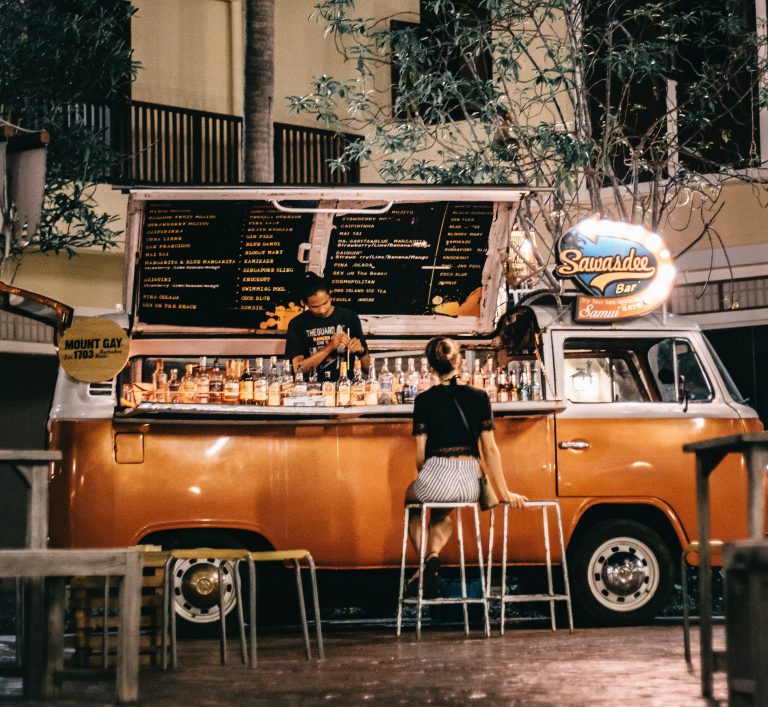
eco bus entertainment van
While on that dream holiday, try not to use single-use plastic. Carry your own everyday use items such as water bottles, food containers and coffee cups. Use bamboo cutlery and always have a cloth shopping bag handy for all the souvenirs you buy. Try to carry your own toiletries that are organic with biodegradable packaging. Try to repurpose the use of everyday items. For instance, carry a peshtemal that can be doubled up as a blanket while traveling by air, used as a beach towel, and also as a carpet to lie down on at a park. Refrain yourself from buying single-use napkins and instead opt for a more sustainable travel tissue packs that you can wash and reuse multiple times. This will cut down on using things provided by the airline or your hotel, which is usually wrapped in plastic.
4. Travel off-beat or off-peak
The Canadian Shield, rich in graphite, water too
Over-tourism is straining the infrastructure in many places. For instance, the natural wonders are being destroyed and degraded, leading to restrictions because of the throngs of people visiting the same place at the same time. So next time you plan your holiday, take the road less traveled. It will be less crowded as well as much cheaper. If you have the lure for that one famed tourist destination like the Eiffel Tower in Paris, then try to travel in the off-season. You will not be jostled around with hordes of people, and also the money spent will help the locals in the off-season time when they actually need it.
Travel is a must as it is a stress buster; a time to reconnect and rejuvenate. However, be a mindful and responsible traveler and do your bit to leave a positive footprint wherever you go.
If you are reading this from the United States, the UK, or Canada and you are interested in cannabis as medicine from Israel (because you have read so much about what we are doing over here –– Dr. Raphael Mechoulam, for instance) and then all the advances at Hebrew University, Haifa, The Technion, Tel Aviv University… you probably think that Israel is either a paradise for people who need cannabis as medicine or that people are smoking up freely as they like.
If you think so, you are both right and also absolutely wrong. I want to give you a few things to think about that I have learned over the years working with scientists and patients who use cannabis as medicine.
On one hand cannabis is credited as the secret sauce to Israeli startups. That’s what my co-founder partner told me when I asked him the question. We were building a robot to help people grow food with less water, and also help cannabis growers grow better hybrids. And, he had to sign a paper in the army that he would not cannabis while in the army or ever again in the future. State secrets, you know.
When I first moved here 20 years ago, it seemed like every other person in their 20s was smoking regularly. According to some estimates that about makes sense. Not because Israelis are party animals or that they like to check out of life and get stoned. About half of the country is suffering from PTSD (post traumatic stress disorder) –– an after effect of going to the army, numerous wars, the challenge of life under conflict. They use cannabis (then it was illegally) not because they are stoneheads, but because they are self-medicating. Or looking for the secret sauce while programming.
I learned that from a scientist I met from the Technion. Until then I felt I could be judgemental about people who seemed to be using cannabis for fun. Not the case he told me. People are finding ways to treat themselves and it’s more common than you think, he explained. So when I remember my lawyer boyfriend back then, still going on his month-long army duty every year, and the things he passed at work and in life. Definitely. He was self-medicating. Life is very stressful here.
Israeli patients desperate for alternatives that give them pain relief from arthritis pretty much have to humiliate themselves to a pile of lies, tests and treatments before they get cannabis as medicine –- unlike in Canada where even before it was only medically legal or in the grey area –- you could Skype call with a doctor from a clinic and get pretty much anything you wanted if you had the right condition – cancer, pain, that sort of thing.
People in Israel who are desperate for relief have to first wander through a maze of finding a doctor. Dr. Bareket Schiff is one of the best in the field, but she is sometimes derided because she cries from the experiences that her patients have to go through to get cannabis. She is outspoken and vocal.
So if you do manage to pass the year long exam with a physician who will put you on a course of excessive and potentially addictive painkillers (the smart ones get the prescription filled and then scatter it out over dumpsters in the city) –- then report back saying they don’t work. Who wants to get addicted to painkillers?
The ones with patience and the time to kill eventually may get the prescription but then find that there is no cannabis available and/or they have to stand in long lines to get it, and then it costs a fortune. Don’t blame the growers though. Blame the government for not allowing enough patients in the system. The growers aren’t making money. Those like Tikkun Olam and Breath of Life make their money in other ways. In joint ventures and IP they sell outside of Israel.
So what’s a person to do in Israel who needs cannabis? Go through the rigamarole I mentioned above with painkillers and a doctor you may never find nor be able to access because they are overbooked. Wait maybe a year to get your first appointment. Or find a dealer. That’s where Telegrass came in handy. I never used it but I thought about it. Someone I loved was in an extreme amount of pain for a chronic condition and the little bit of cannabis I could get her helped. She started the process with Bareket Schiff and then in the end decided not to play the charade.
She has open eyes and is smart, like a stealthy Israeli. You have to be over here or someone will take your place in line, pull the rug out from under you, or hit you with a bill you don’t deserve. Or worse change the law. What happens if you are in the system in Israel registered as a medical cannabis patient and you get in a car accident? Or if you are looking for a job in a special high security position?
This information will be accessible by someone now or in the future. For those that use cannabis they know that there is a waiting period where it can take some time and it will be out of your system –– there are companies in the US that do this. They can send you a home kit and you can test yourself to know when you are in the clear. Because what I have learned over the last 5 or 6 years building companies in cannabis and then consulting for others –– you never know which way the wind will blow.
I hope that Israel does blow its own smoke or vape or oil … in the same direction as Canada. That it gives up on holding onto antiquated laws. Those that are able will self-medicate, and those that are really not able will suffer deeply in pain and agony or maybe die from a drug overdose when the opiates stop working. Go the way of Canada, Israel. To the direction where even those in the military can now smoke cannabis freely, without free of criminalization, without fear of losing everything.
Cannabis can teach us a lot. Even if you just smoke it once or a few times. Or maybe you will try products high in CBD (like CBD oil) and low in THC help you with inflammation, anxiety? For me, I was high when I decided to move to Israel.
Deep in the middle of nowhere in Switzerland, with the donkeys and the green mountains… I knew I needed to change something in my life. I was how do you say it, completely stuck.
The ideal place to use medical cannabis, think big thoughts and figure out how to change your life.
A few puffs later from my Canadian friend and I was meandering home back to my village. I was processing how to be unstuck, how to deal with what needed to be fixed. I’d visited Israel once, I’d loved it. But could I move there with no VISA, or job? Sure you can, cannabis whispered in my ear.
What makes an electric car run? It’s much much more than a charismatic CEO. Sure we need lithium in the batteries, but a less known fact is that graphite is a plain, but key resource needed in electric car batteries.
Before a diamond, you need graphite –– and the renewable energy industry is rushing to mine it, as it’s a key material in solar panels and electric car batteries. A Canadian company is touting its “mine local” and “mine revival” mindset showing investors that when renewable energy resource mining, the industry should also walk the walk for reducing carbon emissions.
From a plane or satellite above you can see the opportunities that Canada offers. Lots of raw water, lots of trees. But under all the rock, especially in areas like the Canadian Shield, also called the Bouclier canadien in French –– you find even more treasures, nickel, gold, silver that has made Canada wealthy. But even more promising for Canadian mining companies is graphite, a once overlooked material, is now key in renewable energy production.
We all talk about driving electric cars (thanks Elon Musk), and devolving from oil and fossil fuels to natural and renewable energy, but does anyone know where the raw materials from the renewable energy industry come from? Graphite, exposed on outcrops of the Canadian Shield, is a key resource for renewable and clean energy generation and batteries. To grow the industry we need more graphite.
Graphite is the black stuff we now use in pencils after we understood lead wasn’t safe. Chemically speaking, it is also known as plumbago, and is a crystal carbon form in a hexagon shape, and the most stable form of carbon. After millions of years in nature, and under high pressure, graphite turns into a diamond, and it may be worth as much as the renewable energy business soars.
Why is graphite essential for renewable energy?
Graphite is essential to silicon production used in solar panels. Because it is resistant to extreme heat it is perfect for the crucibles and moulds used to cast the silicon in solar panels, and in use it works as heat shield and thermal insulation. It is also used in the batteries that store the energy from solar and wind farms once the energy is produced.
Tesla has built a business around lithium ion batteries but also consequently, graphite. Consider that in 2016, some 1.2 million tonnes of graphite was mined across the world for this purpose. In the same year, about one tenth of this of this weight of graphite was used to produce battery anodes. Its low cost and thermal conductivity also makes graphite a contender in capturing solar energy, researchers from the universities of Manchester and Pretoria are finding.
Recycling mines as part of the new eco-mindset?
Canada, rich in resources, is also rich in graphite and companies like Berkwood Resources (CVE: BKR, TSX-V: BKR) are looking to Canada to mine graphite, much of it sitting on the surface. Some of the mines they are looking at were used already for mining other minerals and metals.
The Canadian Shield, rich in graphite, water too
But as they report, minerals that were value-less are now valuable and there are so many compelling reasons as to why the renewable energy needs to adopt a mine local mindset, much in the way the food industry and eating local or shop local has pervaded the consumer mindset:
https://www.youtube.com/watch?v=8wd0upCady8
Since Canadians are concerned about the environment, the company is not digging down far, but they are pulling the graphite off the surface.
“Being a green mineral, and if you can mine it with less impact on the earth, the better,” says Berkwood Resources President and CEO Tom Yingling: “Our first shovel in we can sell. More importantly if you have a resource 100 meters down, you have to remove a lot of rock before you can get to the pay zone.”
Berkwood, who reached out to us to tell us about the improved ecological impact of mining local, also believes that they have some of the best graphite in the world –– with 70 to 80 percent of their graphite in Jumbo or Large Flake form –– considered the most valuable and used in the EV batteries or in batteries for wind and solar energy production.
On top of that their graphite grade is 17%, among the highest grade of all the known mines in the world, they report. As it’s on the surface from previous mining activities, with roads leading to the mines from previous mining activities, the environmental impact is reduced further. Other valuable materials were extracted in the past, and the less appreciated graphite was simple left behind.
“If it’s not grown, it needs to be mined”
Your electric car battery has already travelled 35,000 miles before you drive it once, compelling TED talk video by Lucy Crane explains. We should mine local and the “not in my backyard mindset” is really important to reconsider when we are talking about undervalued minerals, she explores.
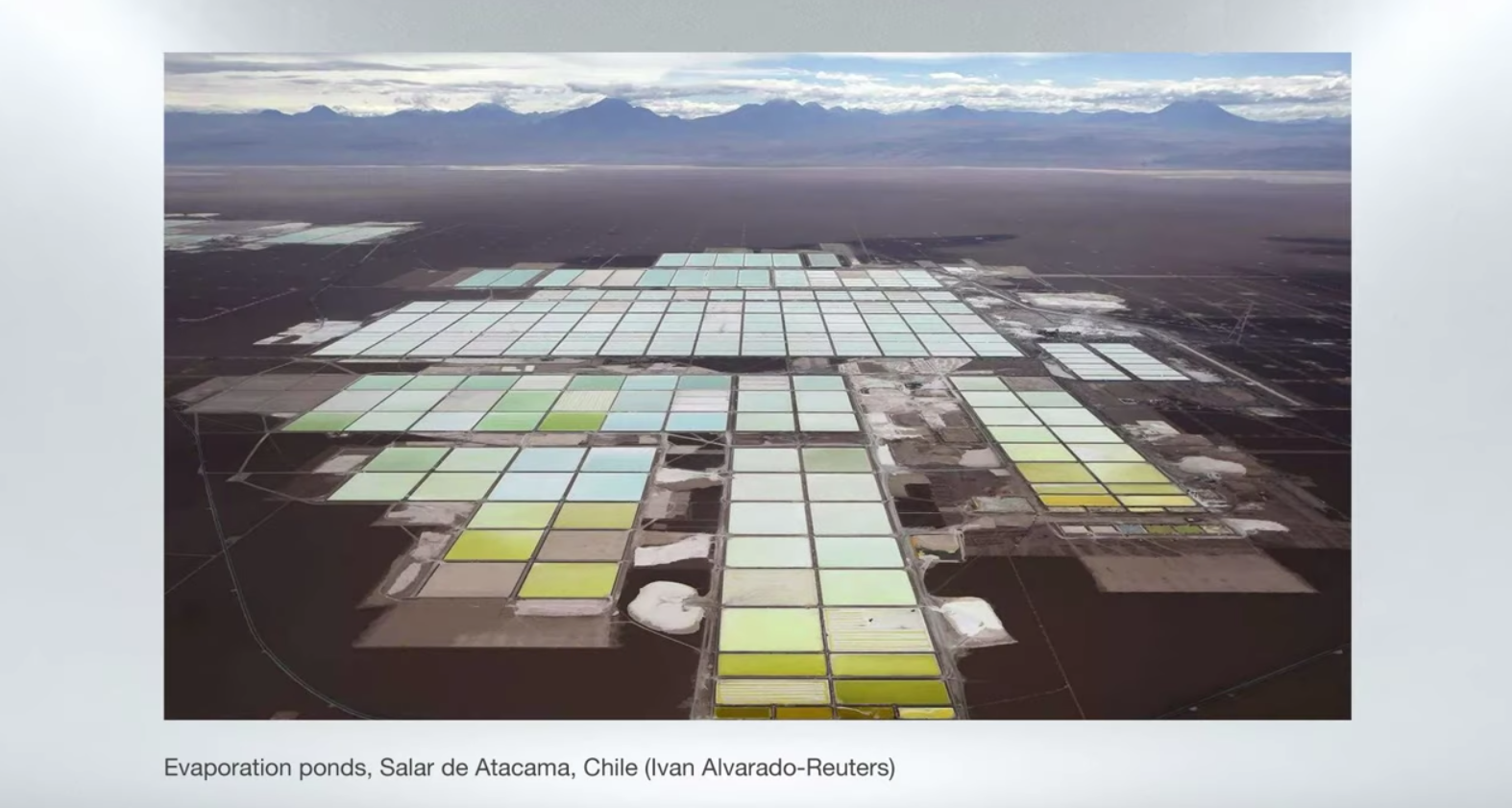
Consider lithium, which is pulled from a polluting salt mine in Chile (see photo above), then travels to China and back again to North America to be turned into a lithium battery. The lithium travels 50,000 km before the car has driven a single mile. Crane talks about the importance in localizing the production of materials for electric cars and renewable energy, to reduce the environmental footprint of raw materials and production by 90%.
All this sums up to a compelling reason to invest in mines that put the environment in mind. Canada right now is experiencing a surge in mining investments in all areas from raw materials in renewables to gold mining.
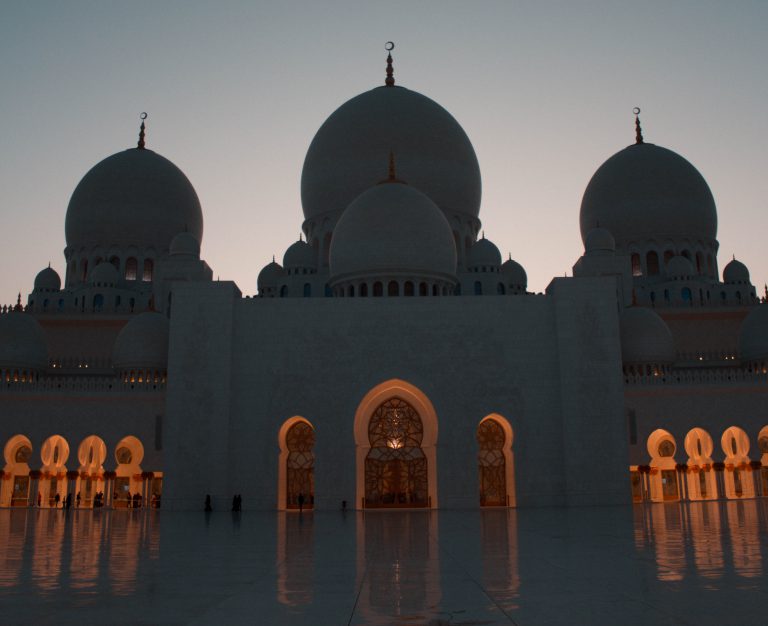
Zakat is a form of alms-giving treated in Islam as a religious obligation or tax, which, by Quranic ranking, is next after prayer in importance. As one of the Five Pillars of Islam, zakat is a religious duty for all Muslims who meet the necessary criteria of wealth. During early Muslim states, zakat was a state affair, while in modern times, it’s left to an individual to decide whether or not they will donate money to the needy.
Zakat represents the old social safety net that alleviates economic problems of vulnerable communities within a Muslim society. The word zakat means “to clear, to purify” when extra wealth that is believed to be acquired with the help of divine power is shared with less fortunate members of the community. There are charities that provide a zakat calculator.
In a materialistic world we live in, zakat is an attempt, a mechanism of dealing with enormous social and wealth gaps. Various Muslim organizations distribute food, water, money and clothing to needy in the predominantly Muslims societies and outside of them, in Europe, Americas, Southeast Asia and Australia. And religious Muslims estimate what they owe, this year by Ramadan 2020.
Zakat is mentioned multiple times in Koran and is one of five pillars of Islam with the profession of faith (Shahada), daily prayers (Salat), fasting during Ramadan (Saum) and pilgrimage to Mecca (Hajj).
The zakat is levied on five categories of property—food grains; fruit; camels, sheep and goats; gold and silver; and movable goods—and is payable each year after one year’s possession.
Emanuel Shaeublin
According to Emanuel Shaeublin, a Swiss anthropologist from University of Zurich, zakat is considered in Islamic tradition as a contribution or “a tax serving purpose”.
Shaeublin argues that the practice of zakat is central to the Islamic tradition of applying Islamic scriptures to regulate the social life.
“As such, zakat practice takes on different forms according to changing contexts,” he tells Green Prophet.
“In the nineteenth and early twentieth century zakat practice in Palestine was closely tied to mosques, which constituted spaces of teaching, hosting travelers, healing and collecting and distributing charitable funds.
“In the twentieth century, zakat practices in Palestine began to be institutionalized under the hierarchical administrative structures of various modern governments,” Shaeublin explained to us.
Personal items such as home, furniture, cars, food and clothing (unless used for business purposes) are not included.
In the last decades, the notion of zakat has inspired the rise of a heterogeneous Islamic charity sector connecting Muslim communities worldwide, Shaeublin continued, adding that certain types of zakat practice have taken shape as institutions registered by the administrative apparatuses of modern states.
Other types of zakat practice, however, have continued to operate on an informal, personal level.
Historically speaking, during early Muslim states, zakat was a state affair, while in modern times, it’s left to an individual to decide whether or not they will donate money to the needy.
The Muslim countries where zakat is law
More recently, in 6 out of 47 predominantly Muslim countries zakat is mandatory and they are Saudi Arabia, Sudan, Yemen, Pakistan, Malaysia and Libya, though at least two of them are engulfed with the sectarian and tribal conflicts.
Koran and Hadith (sayings and practices of the Prophet Mohamed) underlined voluntary almsgiving, while in Shiite Islam it is required a payment of an additional one-fifth of the tax to the Hidden Imam and his deputies.
The nineteenth century Dutch Orientalist scholar Snouck Hurgronje (1857-1936) interprets zakat within the context of the Islamic teaching and the changing political context leading to its institutionalization in the first Islamic polity in Medina. The move to Medina came to be known as the Hijra (migration), and marks the beginning of the Islamic calendar.
Hurgronje’s analysis of zakat rests on the distinction between revelations occurring in Mecca and those occurring in Medina, elaborates Shaeublin, adding that his argument is that “zakat was slowly transformed from a virtuous gift into a justification used by the nascent Islamic polity led by the Prophet to extract public contributions from Muslims”.
Looking at the Quranic verses on zakat revealed in Mecca, Hurgronje, who later converted to Islam, observes “an intimate link between zakat and virtues such as justice and piety”. He draws the parallel between zakat of the Aramaic work zakut, which means merit, justice and was used by both Jews and Christians of the area.
How much do we give in zakat?
Zakat is based on income and the value of all of one’s possessions. It is customarily 2.5% (or 1/40) of a Muslim’s total savings and wealth above a minimum amount known as nisab, but Islamic scholars differ on how much nisab is and other aspects of zakat.
In addition, the late Suliman Bashear( 1947-1991), who was the author of books Studies in Early Islamic Traditionand Arabs and Others in Early Islam argued that during the time of the Prophet Mohamed zakat wasn’t yet an obligation to pious Muslims regulated by religion and that it was instituted after his death.
Zakat, sadaqa and waqf? What is the difference?
The two are different in their own respects. Zakat means growth, purification and blessing in Arabic. Sadaqa or sadaqah means sign of sincerity of faith. While Zakat is obligatory, Sadaqah is voluntary.
Besides zakat, there is also sadaqa (sounds like tzedakah – the Jewish charitable giving) that is additional, voluntarily donation and it’s not specified in terms of assets.
Sadaqah encompasses any act of charitable giving done out of compassion, love, friendship or generosity.
Sadaqa includes the notion of waqf (endowment of property), and it is a social cement that connects human, physical and financial elements. Waqf endowments were behind mosque building, establishment of hospitals, public buildings, fountains, waystations on the pilgrimage roads and bridges.
We hope more will be made in the name of the environment and improving social conditions between people of all faiths.
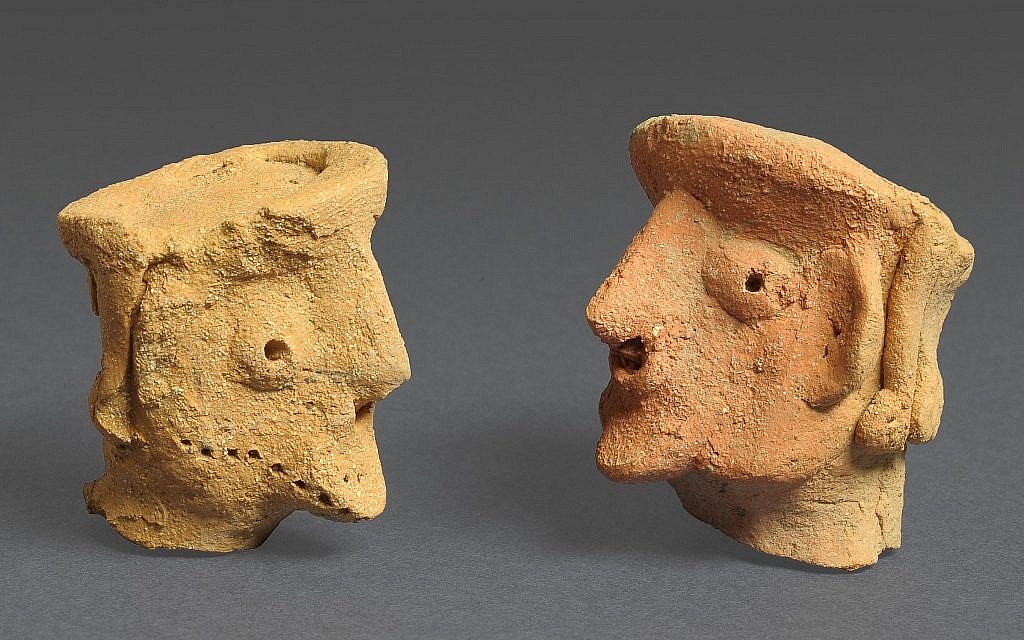
Heads of human figurines excavated at Motza (Clara Amit/Israel Antiquities Authority)
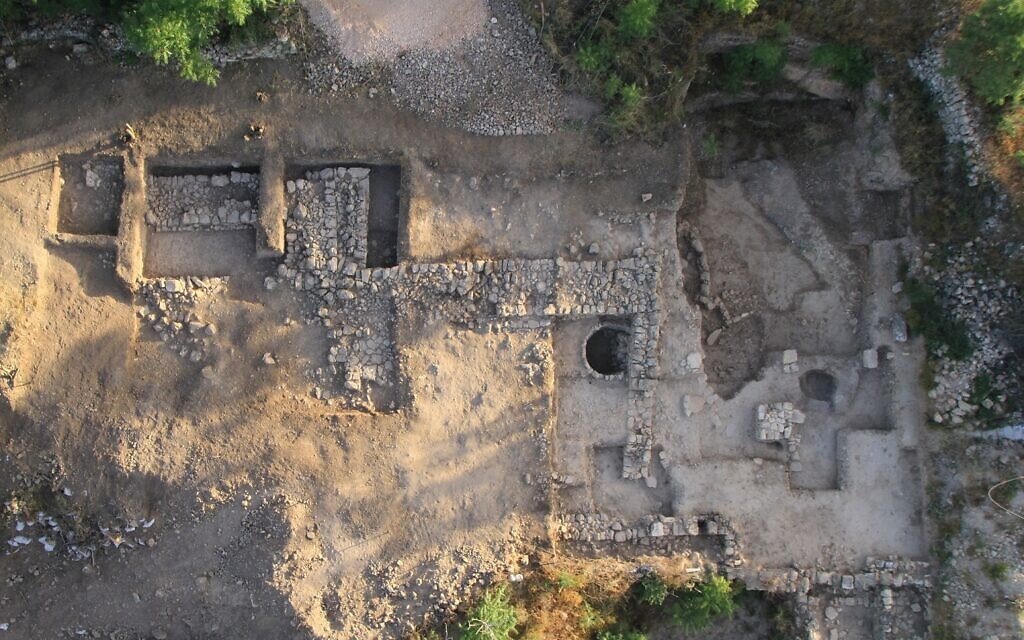
Excavations in Tel Motza, four miles north of Jerusalem, reveal a huge Iron Age II temple where local ancients practiced cultic worship. This is surprising, given the recorded efforts of Biblical kings Hezekiah and Josiah to eliminate pagan religions in Israel.
It’s estimated that the temple was built in the late 10th or early 9th centuries BCE and was used for worship until the early 6th century BCE. These estimated dates bring it into the time during which the David’s Temple in Jerusalem functioned as the Holy Land’s religious center and governmental authority.
Archaeologists Shua Kisilevitz of the Israel Antiquities Authority and Oded Lipschits of Tel Aviv University’s Institute of Archaeology recently published research into the excavation in the January/February 2020 issue of Biblical Archaeology Review.
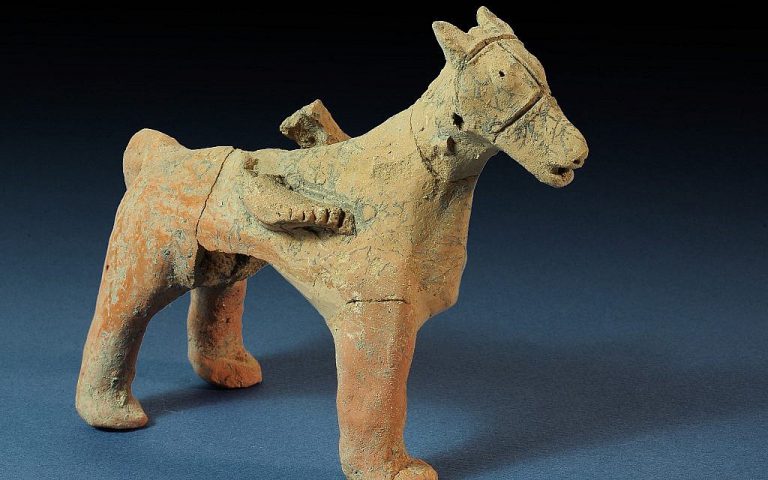
Horse figurine discovered at the temple complex at Motza. (Clara Amit/IAA)
Motza has been inhabited for close to 9,000 years. It was a fertile agricultural center, a major hub for grain storage, and famous for horse breeding in ancient times. Crucially, it was also a crossroads linking the south to Jerusalem, bringing pilgrims, merchants, and emigrants through the region, which increased its economic importance.
Findings suggest that the government centered in Jerusalem’s Temple recognized the religious needs of non-Hebrew populations. Or one might consider that as Motza was an important economic center largely populated by cult worshipers, it would have made sense for the government to allow the building of this temple. Being close enough to Jerusalem, it would have been easy to keep an administrative eye on it.
“You could not have built a major monumental temple so close to Jerusalem, without sanction by the ruling polity,” said Kisilevitz.
The cultic temple is laid out according to the same plan as David’s Temple, with the east-west orientation typical of sites of worship of those times; a rectangular building, and a fore-court where congregants would gather. The archaeologists note that this plan was commonly used to construct temples in the Near East, such as those in ‘Ain Dara and Tell Ta‘yinat, Syria, The Motza temple feasibly could have been built by Syrian workers, as was also the Temple in Jerusalem.
Aerial view of Motza excavations (P. Partouche, SkyView)
Kilievitz says,
“Definitely there was cultic activity going on throughout the region. I think at some point we will find more temples.”
Lipschits states, “Our discoveries thus far have fundamentally changed the way we understand the religious practices of Judahites.”
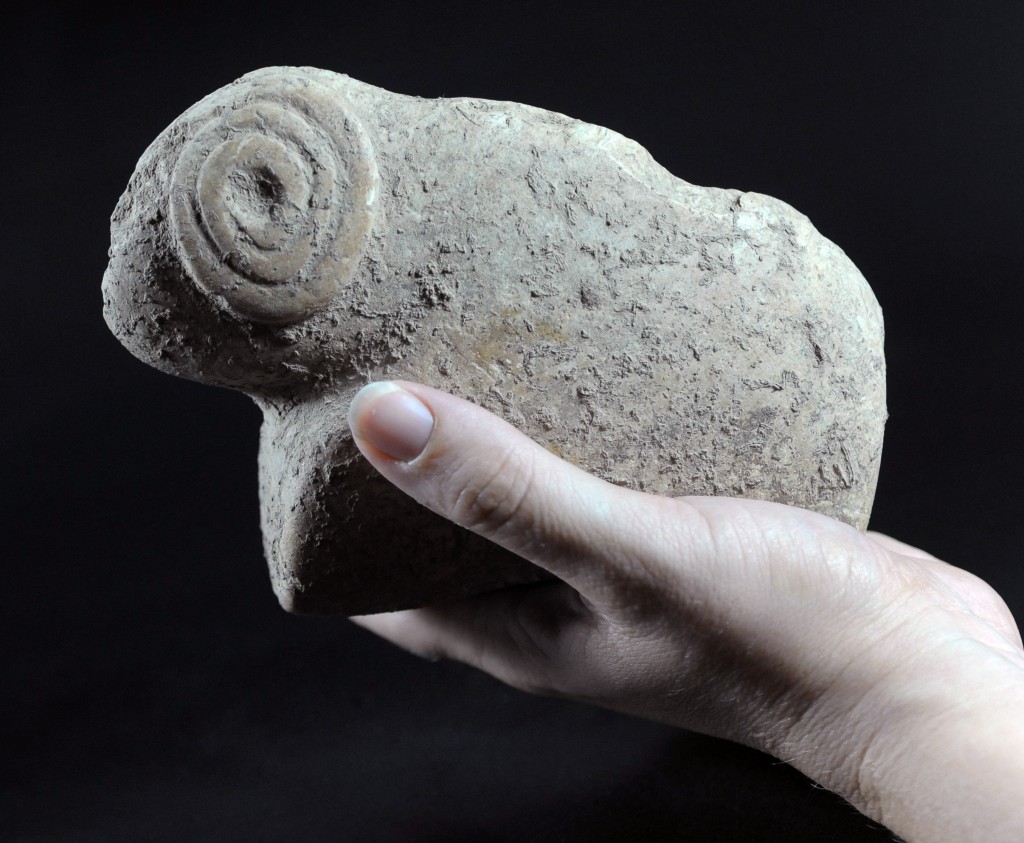
Among other findings are an altar and a wealth of artifacts, including animal and human figurines, bowls, cult stands (ceramic or stone stands for ritual use) and a pit where animal bones, presumably sacrifices, and discarded ritual objects were respectfully laid away.
(Yael Yolovitch/Israel Antiquities Authority)
The variety of gods identified by figurines and representations on other objects points to the temple being dedicated to no one particular god, but to a pantheon, including the bloody Ba’al and the fertility goddess Astarte.
The researchers say that discovering when the temple stopped being used as such is a key issue. King Josiah’s reforms, ca. 640-609 BCE, would have caused it to shut down for cultic worship – but when or if this site was affected by those reforms is still unknown. It would be nice to think that, through a stroke of luck, some sort of document will be unearthed to enlighten us.
“All we know so far is that when it was constructed, the Motza temple was likely the undertaking of a local group, but by the Iron IIB period, it was clearly under Judahite rule and must therefore have been royally sanctioned by the realm. The rest remains to be discovered,” the archaeologists wrote.
Excavations began in 2012 and continue, as the site has not been fully uncovered. The team working there in the 2020 and 2021 seasons will comprise staff from Tel Aviv University, Prague, Germany, and UCLA.
How Did Dinosaur Parents Know When Their Kids Had a Fever? Prehistoric egg shells provide clues to dinosaurs’ evolution from cold- to warm-blooded creatures.
From the time that dinosaur fossils were first discovered, these creatures have fascinated scientists and laypeople alike. In the academic world, their remains provide important clues into the prehistoric world; in popular culture, dinosaurs have inspired blockbuster hits, such as Jurassic Park and King Kong.
Now, a research team headed by Professor Hagit Affek at the Hebrew University of Jerusalem’s Institute of Earth Sciences has unlocked a mystery that has stymied researchers for decades: How did dinosaurs regulate their body temperatures? Were they warm-blooded or cold-blooded?
Affek’s study, published today in Science Advances, relies on a novel method to measure historical temperatures. Called clumped isotope geochemistry, this method analyzes chemical bonds among heavy isotopes in calcium carbonate minerals—the main ingredient in egg shells. This allows scientists to calculate both the temperature at which the minerals formed and the body temperature of the mother that laid the egg.
Affek and her team applied this method to fossilized eggs from three distinct dinosaur species along the evolutionary path from reptile to bird and found that their body temperature ranged from 35-40 degrees Celsius. However, this bit of information still did not answer the question as to whether dinosaurs were endothermic or exothermic, meaning, did they generate their own body heat or get warm from the sun and their environment?
“The global climate during the dinosaur era was significantly warmer than it is today. For this reason, measuring only the body temperatures of dinosaurs who lived near the equator wouldn’t tell us whether they were endo- or exothermic because their body temperature may simply have been a cold-blooded response to the hot climates they lived in,” shared Affek.
To address this issue, her team focused on dinosaurs that lived in high latitudes like Alberta, Canada—far enough north to ensure that their warm body temperatures were the result of an internal, metabolic warming process rather than merely reflecting the climate around them.
To verify their hypothesis, Affek and her team needed to determine the environmental temperature in Alberta back when dinosaurs lived. They accomplished this by applying their isotope method to mollusk shells that lived in Alberta alongside the dinosaurs. Since mollusks are cold-blooded creatures, they reflect the ambient climate of the time. The mollusks’ body temperature measured 26°C and showed that the dinosaurs living in Alberta were endothermic; otherwise, they could not have maintained a body temperature of 35-40°C.
As dinosaurs evolved, they moved from lizard-like (cold-blooded) characteristics to avian (warm-blooded) ones. “We believe that this transformation happened very early on in dinosaurs’ evolution since the Mayasaura eggs—a lizard-like dinosaur species that we tested—were already able to self-regulate their body temperature, just like their warm-blooded, bird-like cousins, the Torrdons,” explained Affek.
The fact that both of these species, located at opposite ends of the dinosaur evolutionary tree, had body temperatures higher than those of their environment means that both had the ability to warm themselves.
Either way, Mother of Dragons, if your baby is showing a fever of 41 degrees, it’s time to call the doctor.
Yes, we know. This is a site where we delve into issues facing the western east. The region that the world knows as the Middle East but which we are rebranding as something less archaic, more in tune with what the near East is about. Like the rest of the world, we look to America to Canada to learn best practices about environmental policy and research.
Consider this, most Americans are sort of in denial when it comes to climate change and their food. That means more steaks on the barbecue, less care about food miles, and more interest in eating fast? But is that the whole picture?
The report, titled“Climate Change and the American Diet,” found that half (51%) of Americans surveyed said that they would eat more plant-based foods if they had more information about the environmental impacts of their food choices.
But, 70% rarely or never talk about this issue with friends or family.
Nearly two-thirds of the Americans surveyed report having never been asked to eat more plant-based foods, and more than half rarely or never hear about the topic in the media. Guess they aren’t listening to NPR. 🙂
However, the report found that more than half of Americans are willing to eat more vegetables and plant-based alternatives and/or less red meat. So that’s good news for startups like Impossible Food and Beyond Meat that are using labs to create plant based meat, without harmful soy, and which tastes and even bleeds like meat.
But at the same time American consumers are already changing their diets and purchasing habits in favor of plant-based foods.
Are you doing Meatless Mondays?
Okay, eating a plague of locusts might be too much to ask, but how about a vegan burger on Monday instead of chicken?
Although four percent of Americans self-identify as vegan or vegetarian, 20% choose plant-based dairy alternatives about two to five times a week or more often. Roughly the same percentage choose not to buy products from food companies that are not taking steps to reduce their environmental impact.
“Many American consumers are interested in eating a more healthy and climate-friendly diet,” said Anthony Leiserowitz of Yale University. “However, many simply don’t know yet which products are better or worse — a huge communication opportunity for food producers, distributors and sellers.”
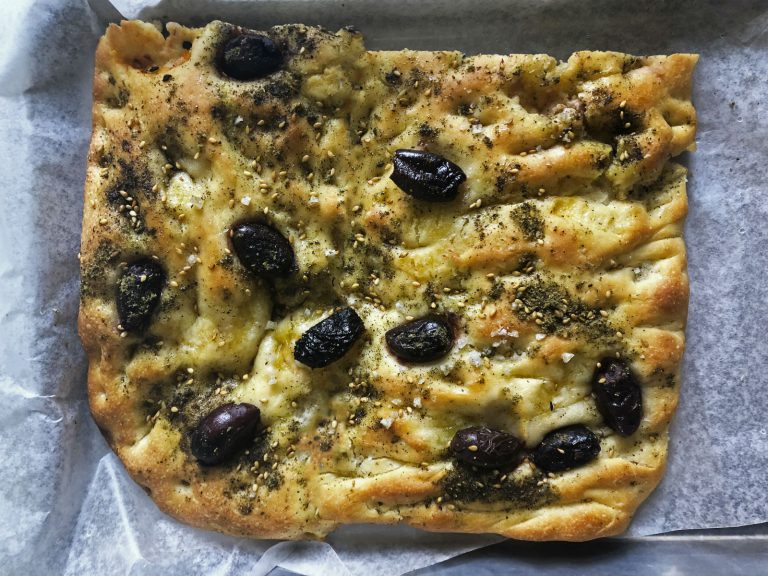
An Italian flatbread featuring a Middle-Eastern herb? Why not?
Italy and much of the Middle East have a lot in common. They share the Mediterranean climate. Both love olive oil. In both regions, people bake a variety of flatbreads. And za’atar’s flavor is closely related to oregano, the spice dusted over those iconic Italian dishes, pizza and lasagna. Here in Israel, most pizzerias leave big shakers of both oregano and za’atar out on the counter for customers to flavor their pizzas as they wish.
We liked this easy recipe for olive and za’atar-topped focaccia very much. My family couldn’t wait to tear into it as soon as I took it out of the oven. Use your preferred olives, just make sure they’re pitted. In spite of olives’ saltiness, don’t forgo the final sprinkling of flaky salt for the delicious crunch it gives.
Olive and Za’atar-Topped Focaccia
Ingredients
2¼ teaspoon (1 packet) active dry yeast; or 50 grams (2 oz) fresh yeast 1 teaspoon sugar 1¾ cups warm water 5 cups (600 grams) bread flour plus more as needed 2 teaspoons kosher salt 5 tablespoons extra virgin olive oil plus more as needed ½ cup pitted black or green olives 1 tablespoon za’atar, or to taste Flaky salt, to taste
Dissolve the yeast with sugar in the warm water.
Put the flour and salt into the bowl of a stand mixer fitted with a dough hook. Alternatively, you can make this dough by hand. Note that the dough will be tacky. Add the water and yeast mixture and 2 tablespoons of the olive oil to the flour mixture.
Turn the mixer to stir, and allow it to mix until a shaggy dough is just formed, 5-6 minutes. If the dough is too moist to cohere, add flour, a tablespoon at a time, while mixing, until a smooth, elastic dough forms.
Remove the dough from the mixer, gently form into a ball, and transfer to a well-oiled bowl. Turn the dough in the bowl to cover it with a film of oil.
Cover the dough with a recycled plastic bag or plastic wrap.
Place the covered dough in a warm part of the kitchen and allow the dough to rise until doubled in size, 1½-2 hours.
Spread 3 tablespoons of olive oil over a rimmed baking sheet.
Punch the dough down, then transfer it to the baking sheet. Gently press the dough, spreading it into the edges of the baking sheet to form a rectangle. Flip it over to cover both sides with the olive oil.
Poke dimples all over the dough with your fingers. Cut open a plastic bag to cover the dough, or use plastic wrap. In either case, brush the inner surface with oil so it won’t stick to the dough. Let the dough rise again for 45 minutes to an hour.
While the dough is rising again, preheat the oven to 425°F. – 220°C.
Scatter the olives over the dough and push them in lightly. Sprinkle za’atar and flaky salt over all.
Bake for 25-30 minutes or until golden brown with a crisp crust. Dribble a little more olive oil over the hot focaccia and allow it to cool slightly before serving.
Want another cool recipe? We have one for za’atar-topped pita, another variation on the bread/za’atar combination.
For years the debate of which sex reigns supreme in sport has waged on, with most nods, in most sports going to testosterone-fueled males. Men are bigger, men are stronger. Recently this trend is starting to see some upheaval however, with women competing in ultra-distance endurance events.
And it’s interesting news for the people who are trying to ban transgender people from competitive sports events. They should be watching out for women!
We all know women are tougher than men, women give birth, something no man could handle, women raise curious children, again something most men sneak away each and every day because of, and women have to put up with men, maybe the hardest of tasks on the planet!
All jokes aside, the world of endurance sports is where women level the playing field, and according to a new study by RunRepeat, actually overtake their male counterparts.
In partnership with the International Association of Ultrarunners (IAU), RunRepeat just published the largest study ever done on the sport of ultra running. They’ve analyzed 5,010,730 results from 15,451 ultra running events over the last 23 years, and one of the many key findings, is that at extreme distance, the data shows, that women actually are the top competitor. (See our related story, running in sprints).
The findings detailed in The State of Ultra Running 2020, cover many facets, like the exponential growth of the sport, what nations top ultra running’s performance list, differences in participant demographics, and of course they offer a unique view of the differences between the sexes.
The key findings of this study point towards various trends that suggest as we start this new decade, more and more people are looking for a challenge, and in those new challenges, women should be seen as equals, both at the start line and at the finish line. What this means for upcoming marathons in cities like Tel Aviv, is anyone’s guess.
Some results this study discovered:
Female ultra runners are faster than male ultra runners at distances over 195 miles. The longer the distance the shorter the gender pace gap. In 5Ks men run 17.9% faster than women, at marathon distance the difference is just 11.1%, 100-mile races see the difference shrink to just .25%, and above 195 miles, women are actually 0.6% faster than men.
Participation has increased by 1676% in the last 23 years from 34,401 to 611,098 yearly participations and 345% in the last 10 years from 137,234 to 611,098. There have never been more ultra runners.
More ultra runners are competing in multiple events per year. In 1996, only 14% of runners participated in multiple races a year, now 41% of participants run more than one event per year. There is also a significant increase in the % of people who run 2 races a year, 17.2% (from 7.7% to 24.9%) and 3 races, 6.7% (from 2.8% to 9.5%).
There have never been more women in ultrarunning. 23% of participants are female, compared to just 14% 23 years ago.
All age groups have a similar pace, around 14:40 min/mile. Which is unusual compared to the past and to other distances.
The data begs us to try to understand what’s going on in this niche part of the endurance world. As more people seek these harder experiences, these sport’s once reserved for elite athletes are now fair game for anyone with some courage and stamina.
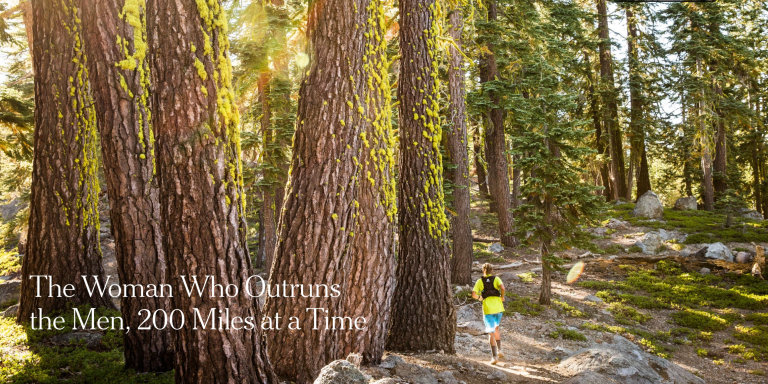
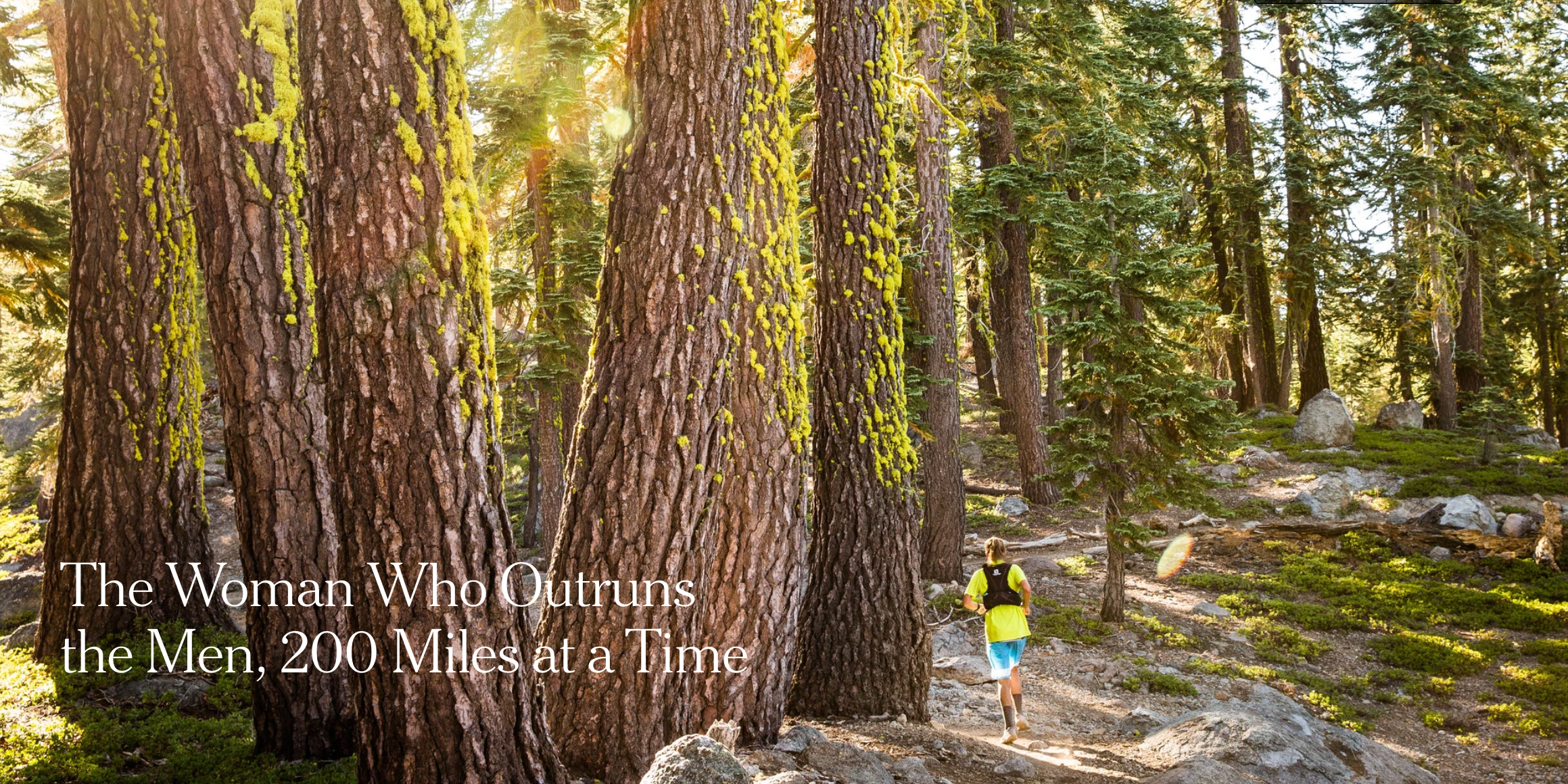
We were especially excited by this story on the New York Times, and the woman who does ultra-ultra marathons, without sleep. By 200 miles at a time she outruns the men.
So the key here women is endurance. If you keep going at some point the men give up. Ask any mother of young children and she won’t bat an eye, for she already knows this basic fact.
Women are competing at greater numbers than ever before, and thanks to many reasons, they are right there at the front of the pack. The Guardian recently published a piece about this as well, citing a few physiological and psychological reasons women have an edge here, but overall it comes down to mental fortitude, something women simply have more of.
It’s an exciting new decade, and while ultra running may still be on the fringe of what most people aspire to participate in, the continued growth of this niche sector, and of the women within it, proves that endurance sports are here to stay.
When you think of the Nile, what comes to mind? Egyptian cotton, Baby Moses in a bassinet, waiting among the reeds to be found and brought into the Pharaoh’s palace, a Nile cruise along the riverbanks? An ancient and modern empire? These things might come to mind if you are sitting on your couch somewhere in the west reading this.
If you are from Ethiopia, Sudan or Egypt your concerns are very different. And they could spell life and death, prosperity or war. And this is a serious time and the world needs to get involved, especially those funding renewable energy projects:
The water for the Ethiopian dam comes from the headwaters of the Nile where it is called the Blue Nile River, and Egypt might lose half of its Delta or 50% of arable farms as the dam water fills.
If you are an Egyptian the Mighty Nile is your lifeforce. It is your life and possibly your demise. If 80 percent of your river will be lost, this will spell out catastrophe for Egyptian life as you know it. Who owns mighty rivers? Can a nation suddenly dam one without consideration of who is downstream? These are issues that Israel, Jordan and Syria have faced for millenial, on the Jordan River, a tiny river to compare, but mighty in its own way.
Losing the Nile is unthinkable to Egyptians. Their pharaohs were the masters of the Nile and they built empires and modern republics on it.
The Pharaohs worshiped crocodiles and they commanded their people to use the Nile to ship giant granite blocks to build the Great Pyramid of Giza nearby. In 1970, Egypt’s post-independence leader, Gamal Abdel Nasser, completed the Aswan High Dam, which tamed the seasonal flow of the Nile and transformed Egyptian agriculture.
Egypt justified its dominance over the river by citing a colonial-era water treaty and a 1959 agreement with Sudan. But Ethiopia does not recognize them, and when its former leader, Mengistu Haile Mariam, proposed building a series of dams on the Nile back in 1978, he met threats from Egypt.
The Egyptians and the Ethiopians all need the water for life
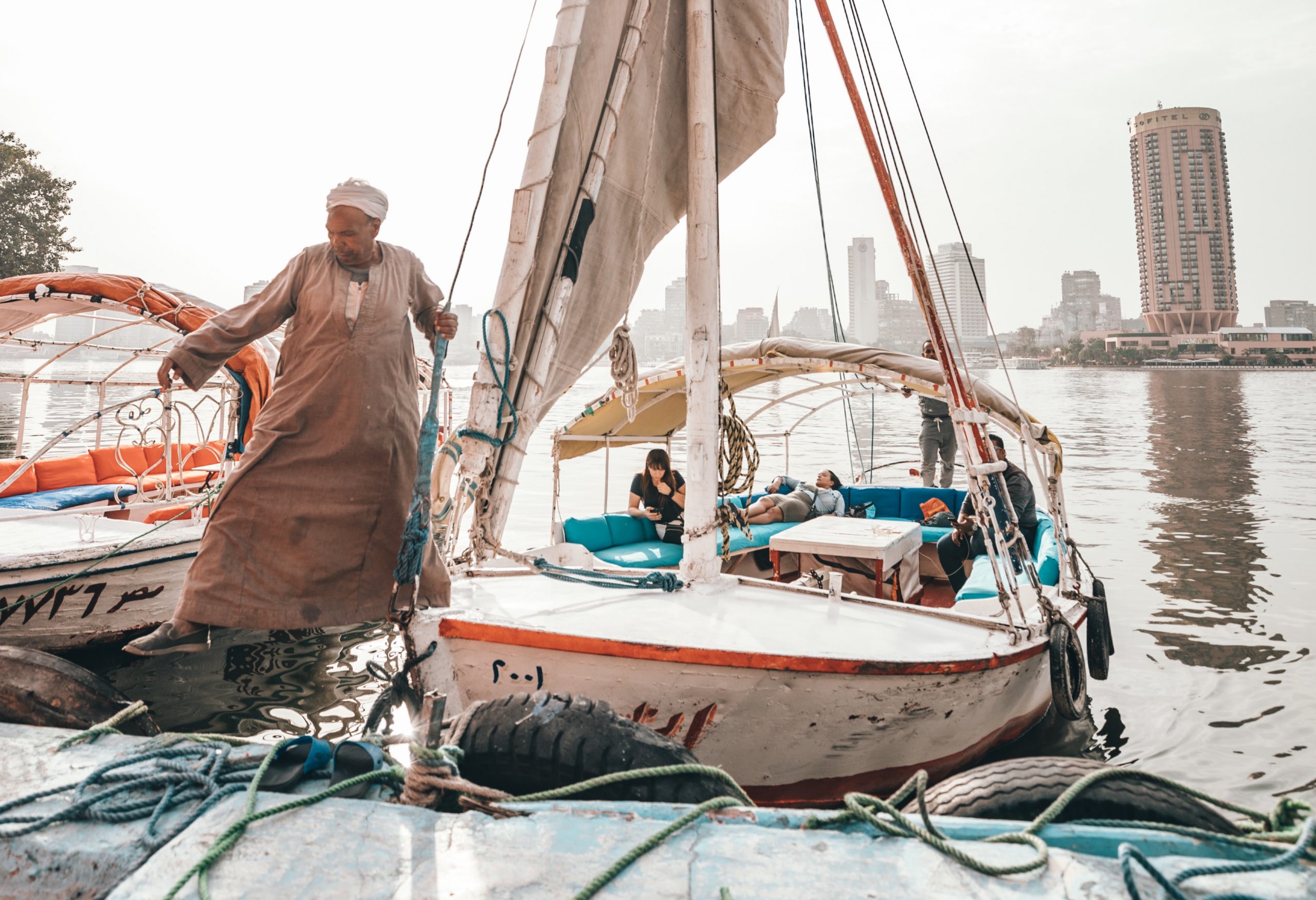
Man on his boat on the Nile in Egypt
Without the Nile Egypt will not be Egypt. Food prices will sour. Irrigation will end. The millions living in slums will be cut off from basic needs. War will most certainly erupt.
The Arab Spring, climate change, and now Ethiopia’s interest in creating a dam for hydro-electric power all spell disaster for Egypt and the western east. To mitigate war and catastrophe, humanitarian and political, talks are being mediated by the US Treasury and the World Bank yet there is no agreement the operation of the Grand Ethiopian Renaissance Dam (GERD).
Ethiopia is energy ambitious, like every nation
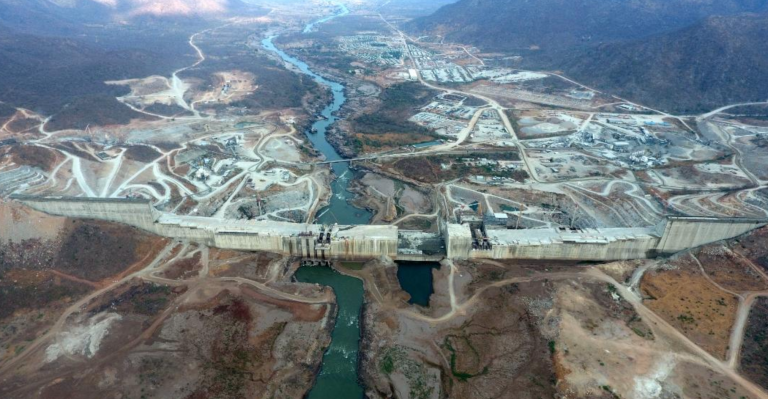
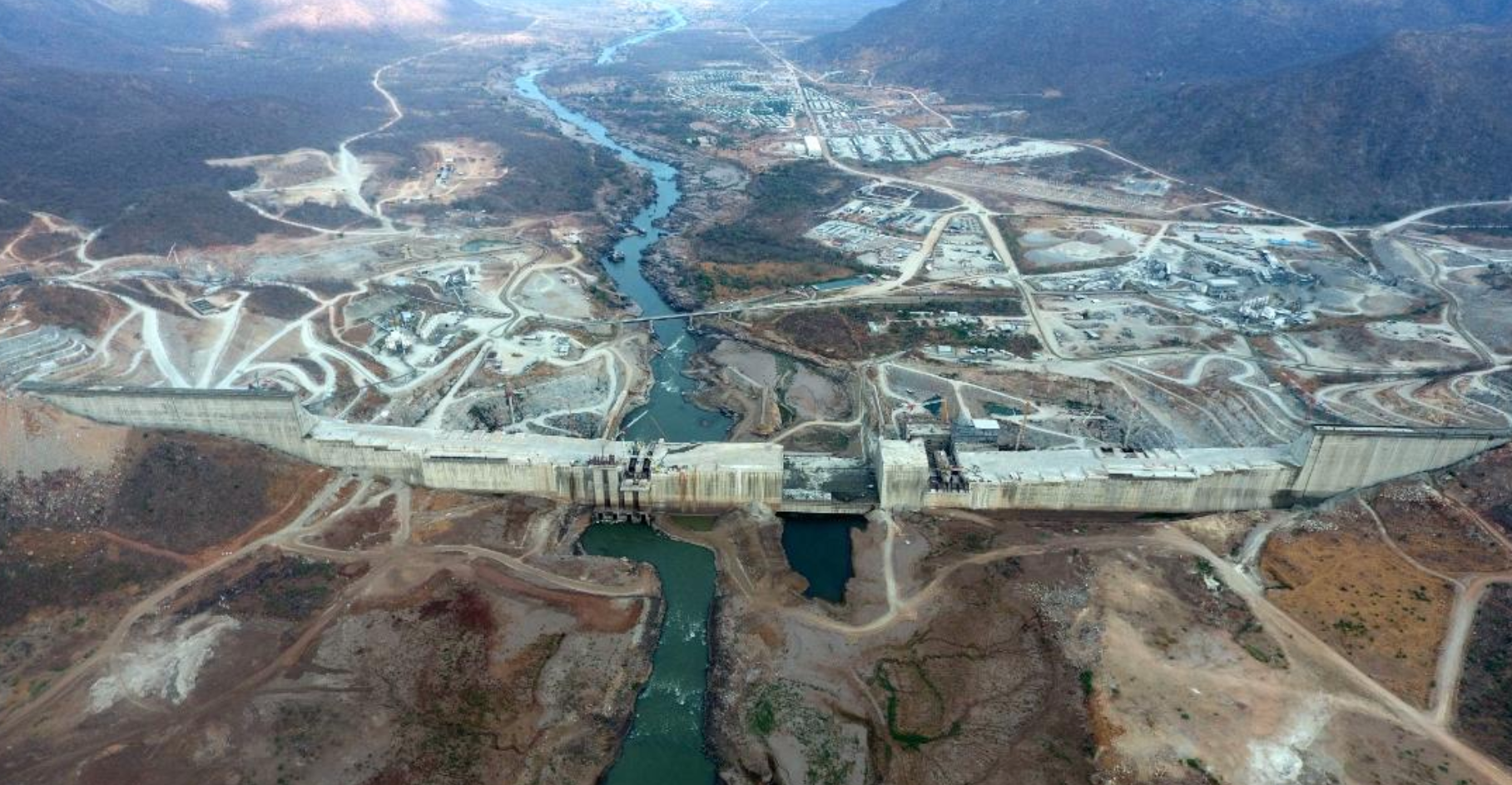
Ethiopia itself emblematic of being one of the world’s poorest countries hopes its 510-foot-tall, 5,840-foot-long structure will finally once and for all hold Ethiopia’s dominant position for the source of the Blue Nile, which is also the source water to 80% of Egypt’s water.
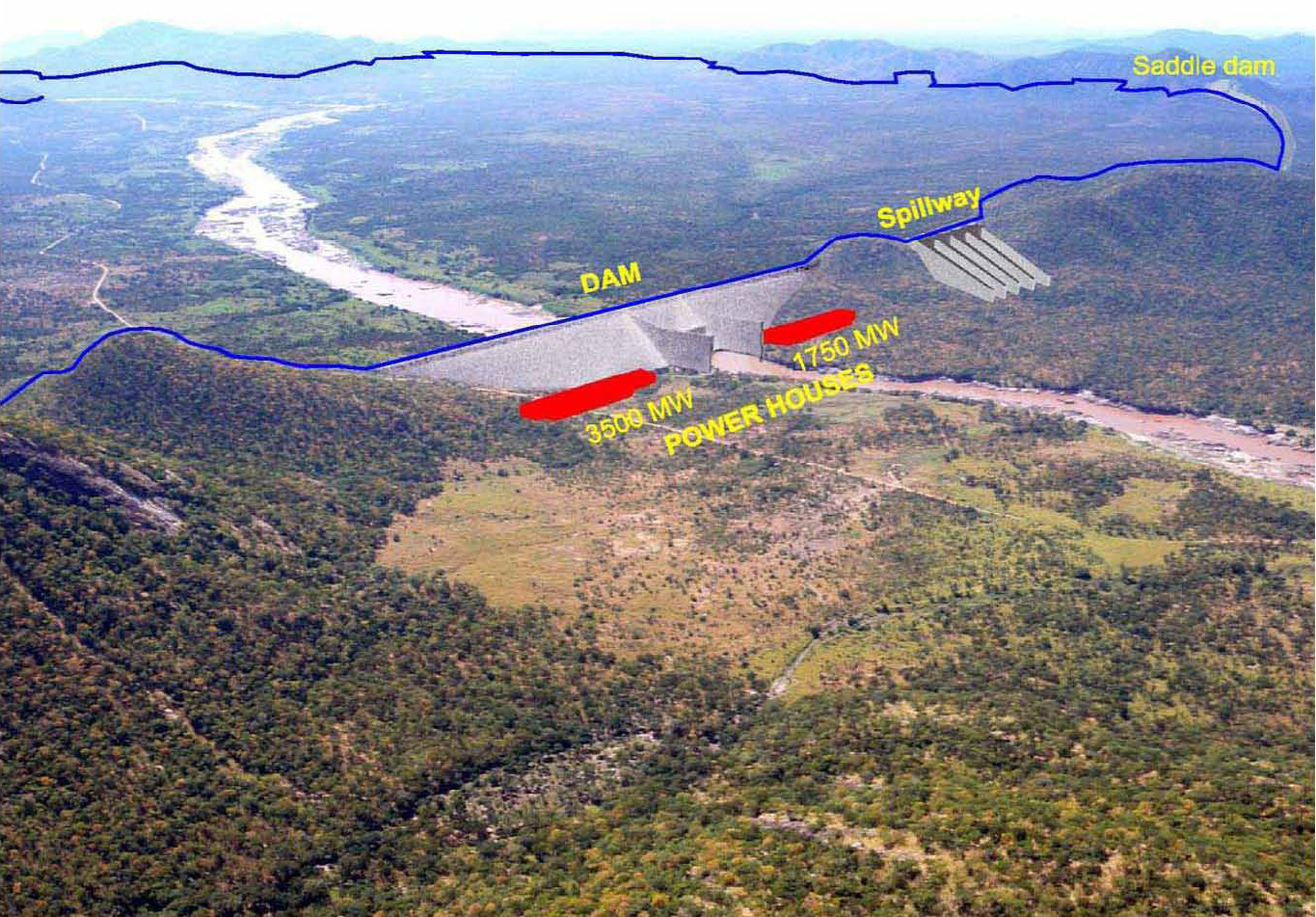
It will have cost $4 billion USD to build it (Reuters) and when the dam is full and in operation the GERD will supply over 6,000 megawatts of electricity and it will become Africa’s largest hydropower dam.
We can learn from China however on how dam’s devastate local communities, kill entire ecosystems, and wipe out major species (see NYT freshwater giants are dying). Worse will happen if it’s a dam that separates nations, already fragile. Already desperate.
According to some sources, like the US Media Line, the mediated talks that include Donald Trump “have turned into a disaster.” Though the Media Line does not mention which source.
America has been a long supporter of Cairo and Egypt with massive amounts of USAID, about $1.5 billion USD a year, going to support the nation. Some funneled into dubious agricultural projects like co-funded with Pepsi Co incentives to increase the output of potatoes per farm –- an expectation obviously to help PepsiCo supply more fried junk food.
Can and should America be a deal maker in African continent and western east disputes?
America tries to broker water and dam deal
Trump thinks so and has met with water resources ministers from Egypt, Ethiopia, and Sudan at the White House. Egypt, Ethiopia, Sudan, the United States Treasury and the World Bank. All of them released an agreed statement that there is a “joint commitment to reach a comprehensive, cooperative, adaptive, sustainable, and mutually beneficial agreement on the filling and operation of the Grand Ethiopian Renaissance Dam.”
Which basically says nothing. Or forces anyone to hold there word, but some of the agreed upon terms are below:
The filling of the GERD will be executed in stages and will be undertaken in an adaptive and cooperative manner that takes into consideration the hydrological conditions of the Blue Nile and the potential impact of the filling on downstream reservoirs. (I ask – Who will be doing ecological/hydrological surveys?)
Filling will take place during the wet season, generally from July to August, and will continue in September subject to certain conditions. (I ask – Who will set these conditions? Who will hold anyone to them as climate change worsens?)
The initial filling stage of the GERD will provide for the rapid achievement of a level of 595 meters above sea level and the early generation of electricity, while providing appropriate mitigation measures for Egypt and Sudan in case of severe droughts during this stage.
The subsequent stages of filling will be done according to a mechanism to be agreed that determines release based upon the hydrological conditions of the Blue Nile and the level of the GERD that addresses the filling goals of Ethiopia and provides electricity generation and appropriate mitigation measures for Egypt and Sudan during prolonged periods of dry years, drought and prolonged drought.
During long term operation, the GERD will operate according to a mechanism that determines release based upon the hydrological conditions of the Blue Nile and the level of the GERD that provides electricity generation and appropriate mitigation measures for Egypt and Sudan during prolonged periods of dry years, drought and prolonged drought.
An effective coordination mechanism and provisions for the settlement of disputes will be established.
Losses filled by the World Bank?
The Egyptian newspaper Mada Masr reported the US administration was pressuring Egypt to accept Ethiopia’s proposals in return for compensation from the World Bank for water shortages.
The Blue Nile is a seasonal river and it fills up when the rain starts in Ethiopia around June until the end of November. It travels to the Aswan dam and meets the Nile River, where it dissipates to the Nile Delta. See image below.
From Lake Victoria, the White, Blue and then the mighty Nile. Who is in the Nile? The Nile passes through eleven African continent countries.
Egypt currently bases its share of the river’s waters on a 1959 deal between Sudan and Egypt that gave it 55.5 billion cubic meters water annually, and Sudan 18.5 bcm. Other countries were not given allocations at that time. So basically were not part of the deal. For instance, Ethiopia was not party to the agreement and does not recognize it. If you read one of the past article we wrote and scroll down through to the comments you will see how Egyptians and Ethiopians are disagreeing about this agreement.
Meanwhile, concerned experts in Egypt expect a minimum amount of water to be allocated to Egypt. The average flow before the dam was about 50 billion cubic meters (source) and Egyptian sources expect the continuation of 40 billion cubic meters annually.
No one has agreed yet on how such promises will be kept. Deals made between unstable countries to start with? Egypt, Sudan and Ethiopia?
Egypt started building the dam in 2011, at an opportune time – a moment to sneak in dam planning – when Egypt was dealing with its own major problems, the ousting of President Hosni Mubarak, and the Arab Spring.
The Grand Ethiopian Renaissance Dam (GERD or TaIHiGe; Amharic: ታላቁ የኢትዮጵያ ሕዳሴ ግድብ), formerly known as the Millennium Dam and sometimes referred to as Hidase Dam is a gravity dam on the Blue Nile River in Ethiopia that has been under construction since 2011. It is in the Benishangul-Gumuz Region of Ethiopia, about 15 km (9 miles) east of the border with Sudan.
At 6.45 gigawatts, the dam will be the largest hydroelectric power plant in Africa when completed, as well as the seventh largest in the world. As of October 2019, the work stood at approximately 70% completion. Once completed, the reservoir could take anywhere between 5 and 15 years to fill with water, depending on hydrologic conditions during the filling period and agreements reached between Ethiopia, Sudan, and Egypt.
Currently 75% of Ethiopians do not have electricity, and the government needs the dam to help the people prosper. Consider countries like Canada that create hydro-electric power as a way of life. Canada is the world’s second producer of hydro-electric power after China. I am a Canadian. We don’t refer to electricity as electricity, we call it hydro.
Ethiopia wants power and prosperity too. And Ethiopia has warned that millions are ready to go to war over it.
Ethiopian children.
Egypt could lose 50% of its agriculture land
How can water flow be gauged. When is drought, a drought? When should the dam be filled and then stored? Over what time? How does this work with Sudanese dams? No one has the answers yet. And I fear that in 30 years from now we will see what kind of big mistakes we made for not helping Ethiopia go solar.
The Geological Society of America reported that Egypt would lose 25 percent of its yearly water if the dam’s reservoir was filled within 7 years. Egyptians don’t believe that the fill time can be drawn out this long.
Mahmoud Farouk, program coordinator for civil society partnerships at the Project on Middle East Democracy in Washington said in this report on the Media Line: Water shortages would pose “a great danger to the Egyptian Delta.. 17% of Egypt’s agricultural land could be destroyed if Ethiopia fills the reservoir in six years, and that figure rises to 51% if they fill it within three years.”
“My main fear is that Ethiopia might continue to ignore these concerns. Water is a matter of life or death to Egyptians – putting Egypt in the corner isn’t the right policy at all,” said Farouk.
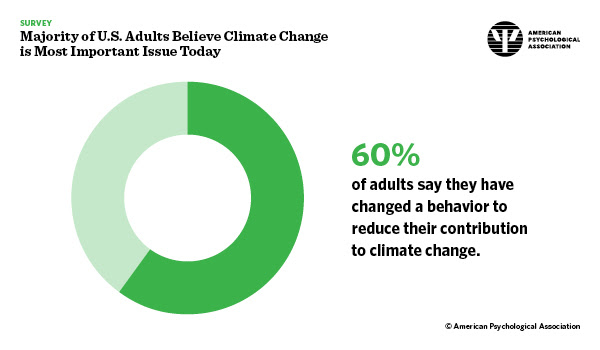
As the effects of climate change become more evident, and more awareness to it is felt, more than half of U.S. adults (56%) say climate change is the most important issue facing society today, yet 4 in 10 have not made any changes in their behavior to reduce their contribution to climate change, according to a new poll by the American Psychological Association.
This is an important survey to note, because it will implicated how the western east areas of the world, countries like Turkey, Lebanon, Israel, Egypt, Jordan, Syria will follow. There is about a 10 year lag, but we hope the writing is on the wall and enough people will wake up to the real threats that come from fossil fuels and cheap products made in China.
While 7 in 10 say they wish there were more they could do to combat climate change, 51% of U.S. adults say they don’t know where to start. The survey was conducted online from Dec. 12-16, 2019, by The Harris Poll on behalf of the American Psychological Association.
People are taking some steps to combat climate change, with 6 in 10 saying they have changed a behavior to reduce their contribution to climate change.
Nearly three-quarters (72%) say they are very or somewhat motivated to make changes.
Among those who have already made behavior changes to reduce their contribution to climate change, when asked why they have not done more, 1 in 4 (26%) cite not having the resources, such as time, money or skills, to make changes. Some people are unwilling to make any changes in their behavior to reduce their contribution to climate change.
When those who have not changed their behavior were asked if anything would motivate them to reduce their contribution to climate change, 29% said nothing would motivate them to do so.
Climate change fears affects mental health, mainly the younger ones
Concern about climate change may be having an impact on mental health, with more than two-thirds of adults (68%) saying that they have at least a little “eco-anxiety,” defined as any anxiety or worry about climate change and its effects.
These effects may be disproportionately having an impact on the country’s youngest adults; nearly half of those age 18-34 (47%) say the stress they feel about climate change affects their daily lives.
Psychological research shows us that when people learn about and experience local climate impacts, their understanding of the effects of climate change increases.
A quarter of those who have not yet made a behavior change to reduce their contribution to climate change say personally experiencing environmental impacts of climate change (e.g., natural disasters, extreme weather conditions) (25%) or seeing environmental impacts of climate change in their community (24%) would make them want to try to reduce their contribution to climate change.
Take action to relieve the eco-anxiety
The most common behavior changes people have already made or are willing to make include:
reducing waste, including recycling (89%);
upgrading insulation in their homes (81%)
limiting utility use in their homes (79%)
using renewable energy sources, such as solar panels or purchasing electricity from a renewable energy supplier (78%)
consuming less in general (77%)
or limiting air travel (75%)
Public transport, vegans, bike paths, farmer’s markets wanted
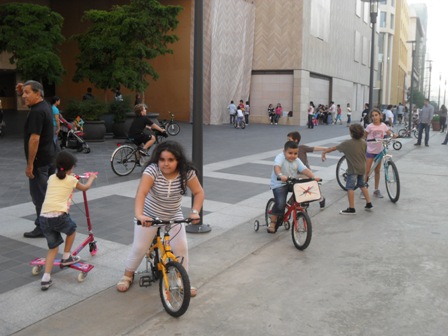
Bike path in Beirut, more paths wanted please say Americans. What about us western easterners?
Adults are less likely to say they have changed or are willing to change daily transportation habits (e.g., carpool, drive an electric or hybrid vehicle, use public transportation, walk or bike) (67%) or their diet (e.g., eat less red meat or switch to a vegetarian or vegan diet) (62%).
A majority (70%) also say that they have already or are willing to take action such as working with their community to reduce emissions, for example by installing bike paths, hosting farmers markets, or using community solar panels.
And nearly 6 in 10 (57%) say that they have already or are willing to write or lobby elected officials about climate change action with a similar proportion (57%) saying they already have or are willing to join an organization or committee working on climate change action.
The most common motivations for behavior changes among those who have taken action to reduce their contribution to climate change are wanting to preserve the planet for future generations (52%), followed by hearing about climate change and its impacts in the news (43%).
This survey was conducted online within the United States by The Harris Poll on behalf of APA from Dec.12 – 16, 2019, among 2,017 U.S. adults ages 18 and older.
It seems counter-productive, but getting your employees on a retreat in nature, forest bathing, meditating, silent retreats… they return happier and more productive, we mean doing more in less time, in a more positive workplace.
Many employers are forced to constantly deal with issues involving focus and productivity – and it is just getting worse. At times the problem may be systemic, and stem from the workplace culture.
However in other cases it could be something simpler. For example businesses nowadays often have to deal with the disruption of workflow by cellphones.
Trying to keep your employees focused and productive may seem like a gargantuan task – and in some ways it is. But it is far from impossible, and there are some very effective ways that you can try to accomplish your goal this year:
Set clear expectations
At any given point in time your employees should know exactly what is expected of them. If they aren’t aware of your expectations, it will be impossible for them to focus.
Be transparent about it, and outline exactly what you want your employees to do and what your goals for them are. Notify them about any measures you’ll be taking to make sure they stay on track.
Monitor employees with WorkExaminer
Using WorkExaminer will let you track how your employees are spending their time at work. It will let you find out exactly what they’re doing at any given time, what apps they’re using, which websites they frequent, and much more.
Simply put it is an all-in-one employee productivity monitoring solution. Be sure to take advantage of its features to ensure your employees aren’t wasting time, and to flag any that may not be focused on their tasks.
Reward good work
One way to encourage your employees to be more focused and productive is to incentivize it. Set up a system that rewards employees that perform well, and make it a point to follow through.
The rewards could be something as simple as acknowledging their contribution publicly. Or it could be something more along the lines of an ‘employee of the month’ award that has a more tangible reward.
Plan an annual retreat
An annual retreat may not seem like the best way to increase productivity – but it is definitely worth it. Retreats will give your employees the chance to kick back, relax, and more importantly – bond with their team members.
By giving them a short break and building closer bonds, when they get back to work their focus and productivity should be far better.
Emphasize a good work-life balance
Try to take steps to emphasize a good work-life balance. By encouraging your employees to take care of themselves and get in some rest and relaxation, you can reduce stress levels, prevent burnouts, and increase efficiency.
In the long term not only will this help improve focus and productivity on a consistent basis, but it should also make it easier for you to recruit and retain good talent.
Now that you have some ideas that you can use to improve productivity and focus, take a moment to sit down and think which you’d like to start implementing. The impact may not be easy to see at first, but if you keep at it then it is safe to say that you’ll notice the difference.
Always keep in mind that focus and productivity is not just about hard work. It encompasses more than that, and you need to take into account the workplace culture, environment, and relationships too.
In other words, you should look at the ways listed above as the best first steps that you can take to keep your employees focused and productive in 2020. Subsequently you should build on that foundation further, and look for different tactics that you can use to augment it.
The majority of UK road traffic is made up of cars, but that’s only part of the story. An increasing reliance on home delivery and a greater need for services has increased the number of vans on the road. In fact, in 2018 vans made up nearly 16% of total traffic on Britain’s roads.
Light goods vehicles are responsible for around 19 million tonnes of CO2 per year in the UK, so it’s clear that there’s much to be done. It’s also apparent that while carbon offsetting through initiatives like tree-planting can help, there only one part of the solution and much more needs to be done to reduce the emissions of the vans themselves for real improvement to be seen.
Low emission vans should be an attractive prospect. They offer lower fuel costs, have no or low road tax and are exempt from congestion charges, but they also help to reduce greenhouse gases and improve air quality. Fortunately, people are keen to make the most of these benefits and things are starting to change for the better.
The newly available van engine technology and generous government grants mean there has never been a better time to invest in a new van.
We’ve learned from studying the “Spanish flu” of 1918 that a deadly virus can spread world-wide. But we know much more about contamination, containing disease, and treatment today. Countries around the globe are making an historic effort to contain the Corona virus.
Although Coronavirus seems to have started in China, when people ate contaminated animal meat, it now spreads, like the common cold, person-to-person. Breathing invisible droplets sneezed or coughed out by sick people can make you sick. Even touching a surface that’s contaminated, then touching your nose, mouth, or eyes can do it.
While everyone’s hoping for the development of an anti-Corona vaccine, we don’t have to wait to take preventative steps. Keep to the simple instructions laid out by the WHO: wash your hands frequently; stay at least 6 feet away from anyone sick; when in public, avoid being in the area of people coughing or sneezing; if you need to sneeze, do it into the crook of your elbow to contain droplets. And if you do get sick, stay home.
Henriette Kress, one of the West’s most respected herbalists, lays out a herbal protocol for those who fall ill. With Kress’s permission, we quote her below. And if herbs are in your future, we offer a Henriette Kress book review on Practical Herbs here.
If you get hit with any influenza at all, (including this one):
1) Stay in bed for at least seven days. You won’t be able to get up anyway during the first three days, but just sit tight, don’t do anything, for a full week. Yes, it’s boring, but it’s better than the alternative: opportunistic infections (sequelae), the worst of them being pneumonia.
2) Take vitamin D (in large enough doses) and drink low-sugar berry juices, loaded with vitamin C, or take vitamin C in large enough doses.
Kress defines berry juices as Elderberry juice, black currant juice or whatever local immune-boosting juices you have. As low sugar as is still drinkable. She recommends half a mug of hot juice every half hour or so. No juice available? Go with lots of vitamin C, up to bowel tolerance.
3) Lay off the sugar. That’s no sweets, honey, bread, rice, potatoes and so on. Simple carbs are banned for the duration.
4) Herbally, Echinacea has been shown to clobber all influenza viruses except for adeno (which has a different structure). That includes corona, SARS, MERS, H1N1, H5N1, parainfluenza, influenza A, influenza B … the works.
Take the tincture often, rather than only 3 times a day. So 10 drops every 10 minutes, 30 drops every 30 minutes, and forget the myth that you shouldn’t take it long-term … you should absolutely take it for as long as you still suffer from this particular virus. And a few days after that too, in order to avoid all opportunistic bugs.
Grab enough of it, make enough of it, you’ll go through oodles if and when you need it, so keep it in the house.”
Green Prophet notes: It’s cheaper to make tincture yourself, and not at all hard. At this time of year, it’s hard to get your hands on fresh echinacea herb, but it’s easily available online, and many health food stores carry it also.
How to make echinacea tincture from dried leaf: put 100 grams of dried echinacea leaves in a very clean, dry jar. Pour 500 ml. (2 cups) of, optimally, 60% alcohol – vodka will do if necessary – over the herb. Stir with a clean spoon to release air bubbles. Cap tightly and store in a dark, cool place 3 weeks. Strain the infused liquid into another clean jar. It’s now ready for use.
It’s best to acquire dropper bottles and a small funnel to fill them, but you can use quarter- and half-teaspoons to measure doses. See how to measure tincture doses by teaspoon here.
Consult a herbal practitioner to understand how much a patient needs to take, and how often. Many practitioners are available online or by phone for simple instructions.
To continue with Kress’s suggestions:
5) Avoid aspirin or NSAIDS. They increase viral shedding (spreading to others) and extend the duration of active infection. Their antiinflammatory effects are thus also immune-suppressing.









 Heads of human figurines excavated at Motza (Clara Amit/Israel Antiquities Authority)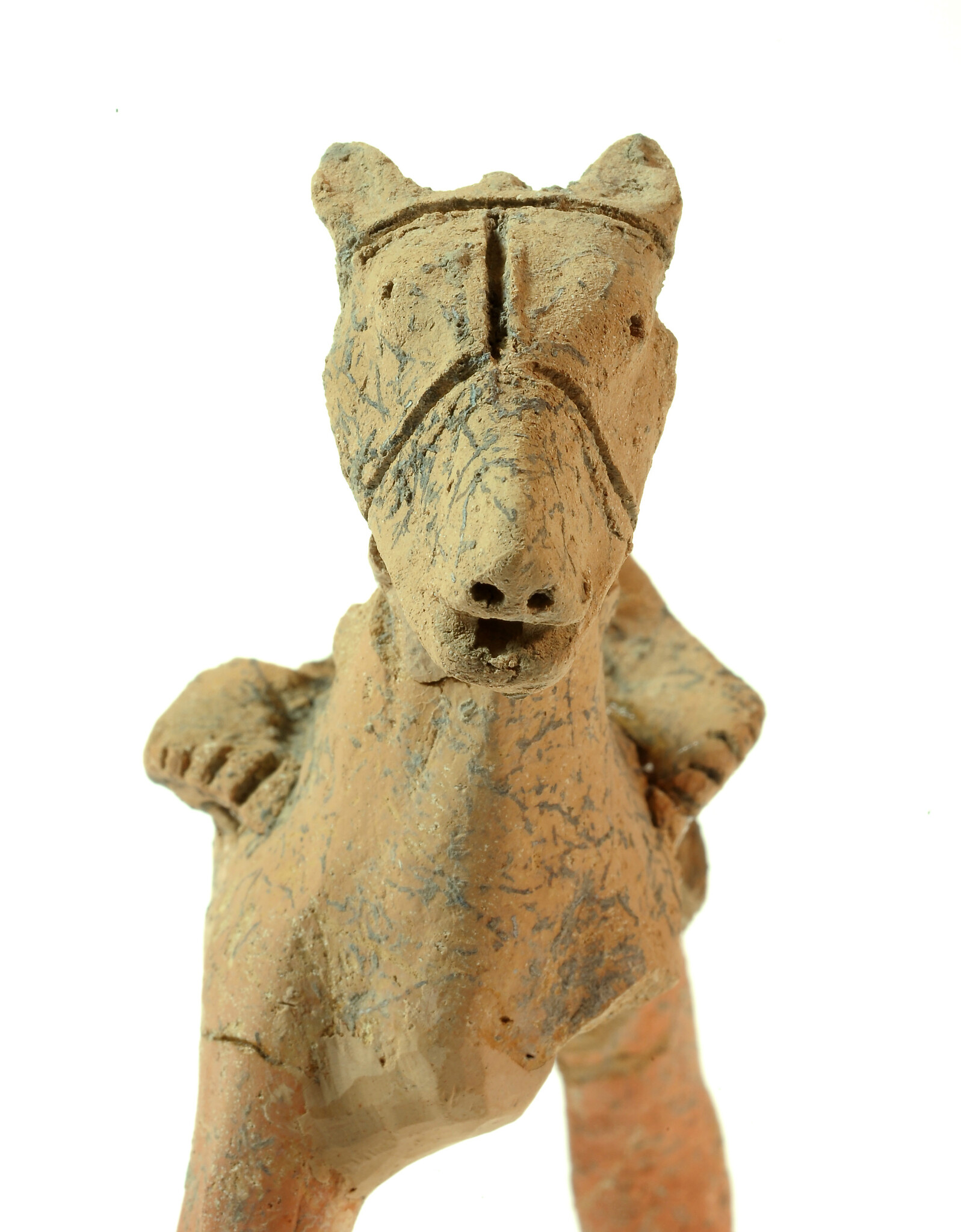


 Yes, we know. This is a site where we delve into issues facing the western east. The region that the world knows as the Middle East but which we are rebranding as something less archaic, more in tune with what the near East is about. Like the rest of the world, we look to America to Canada to learn best practices about environmental policy and research.