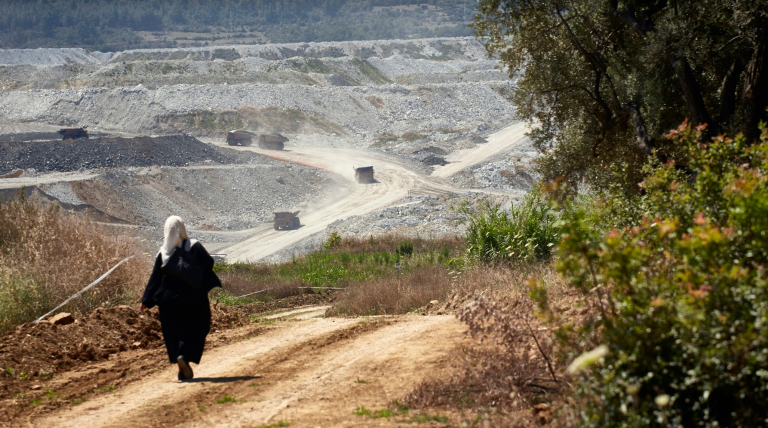
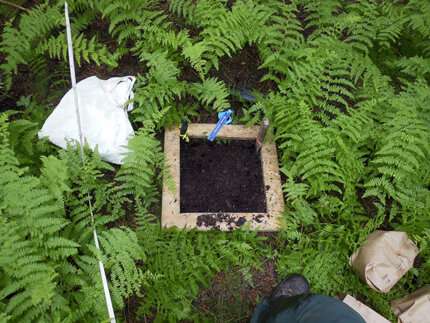
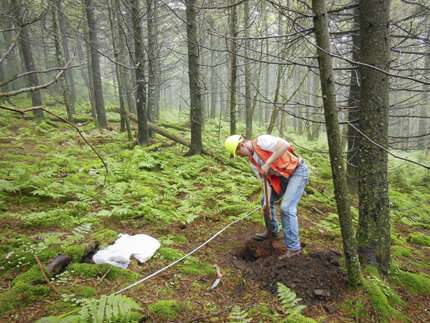
Muğla (Turkey): The impacts coal is having on the environment around Muğla, Turkey. Photo by Servet Dilber, 2019.
The global climate crisis, mainly generated by the biggest fossil fuel corporations in the world, is seriously aggravating the already extensive and heavy set of human rights violations caused by this same industry, warns a report released this Friday, February 7th, by 350.org. The whole report can be found here (links to PDF) and offers great research for anyone researching how fossil fuels and coal extraction, like in the case of Turkey, harms human rights.
Oil, gas and coal companies are directly or indirectly responsible for some of the worst human rights abuses committed by corporations around the world in the last three decades, as shown by the 10 cases mentioned in the publication.
Considering just a few major cases of violations, the fossil fuel industry was directly responsible for about 45,000 premature deaths caused by health issues, the dump of more than 18 billion gallons of toxic wastewater into rivers and the opening of almost 2.5 million acres of previously inaccessible indigenous homeland to land speculation, colonization and deforestation.
The violations have been committed by both local companies and industry giants like Chevron-Texaco and Shell. In some cases included in the report, companies have acted in tandem with governments or private security groups in an illegal or non-transparent manner.
Abuses include the murder or arbitrary arrest of community leaders in Mexico and Nigeria, restrictions on the right to protest in the United States, the forced removal of communities in Turkey, threats to water security in Australia, contamination of rivers and fish stocks in indigenous territories in the Ecuadorian Amazon, and contributing to the premature deaths of thousands of people from respiratory causes in Bangladesh.
With the aggravation of the climate crisis, the negative environmental and social impacts of the actions of fossil fuel companies in several of these cases – and similar ones – are getting worse.
“The pollution and contamination often caused by fossil fuel industry activities mainly affect the poorest populations, as well as the climate crisis. Vulnerable communities are being doubly exposed to losses or scarcity of land, fish stocks and water, for example,” said Aaron Packard, manager of the Climate Defenders program at 350.org.
In addition, the report highlights that there is a growing understanding among civil society and Human Rights scholars and practitioners that fossil fuel production is an attack on the millions of people most directly affected by the climate crisis. In the Netherlands, individuals and organizations such as Friends of the Earth are taking legal action against Shell claiming they neglect their legal duties in relation to climate change, as the report mentions. Also, other legal cases against fossil fuel companies for the damages caused by their activities are underway in several places of the United States.
“Even in the face of the clearest scientific evidence that burning fossil fuels is literally setting the planet on fire, this sector continues to invest in the same old model and often misinforms society about the climate crisis and its causes. In doing so, companies are actively disregarding the right of entire populations to a healthy environment, sufficient and quality food, and a political and social scenario of stability,” stated Aaron Packard.
The 350.org report also highlights the need for local and national governments to act to protect climate defenders, such as community leaders who are at the forefront of mobilizations for the rights of affected families. Many of them are targets of threats, aggression, torture or murder.
An exemplary case mentioned by the report is the one of Samir Flores Soberanes, a journalist and leader of a Nahuátl Indigenous community in Mexico. In February 2019, he was murdered in his home after receiving several threats for publicly opposing the construction of a pipeline and two new thermal power plants in the community’s territory.
“Many of the countries where these violations are committed have signed international treaties obliging them to protect threatened individuals, guarantee the right to protest and respect the decisions of Indigenous communities about their territories. Legal mechanisms exist, but they have to be enforced, legitimized and respected,” said Nicole Oliveira, Managing Director of 350.org in Latin America.
You got to love New Yorkers. They are real, and they are often serious. And they like to walk the walk. So New Yorkers have a lot to celebrate now that their elected mayor Mayor Bill de Blasio declared that he will stop all new fossil fuel projects within and serving the city.
This is the largest municipal ban announcement of its in the world. building on the mounting global movement for a just transition off fossil fuels to a renewable-energy economy that works for all.
“This is a monumental step for New Yorkers in making our home a model for real climate leadership, and a massive victory for frontline communities and climate activists everywhere,” said Dominique Thomas, a 350.org organizer and New Yorker.
“As we enter the climate decade, we need transformational climate action, and now the financial center of the world is moving to stop all new fossil fuel projects. This move invigorates us to protect our communities from all gas, oil, and coal projects, including the Williams fracked gas pipeline, and implement a Green New Deal that works for all New Yorkers.”
What will New York do?
They are taking concrete climate action by divesting its $215.5 billion pension funds from fossil fuels, enacting nation-leading legislation to slash pollution from big buildings, pursuing Exxon and other Big Oil corporations in court for climate costs and damages, while expanding investments in wind and solar.
Community resistance to fracked gas projects within and around the City continues to grow, including over 70 elected officials opposing the Williams fracked gas pipeline and tens of thousands of New Yorkers calling on Governor Andrew Cuomo and the New York State Department of Environmental Conservation to stop Williams and all fracked gas projects.
A wake up call to Wall Street, living in a parallel universe
“The Mayor of New York City announcing a ban on new fossil fuel projects will reverberate across the nation and around the world as a nail in the coffin of the fossil fuel economy,” said Tamara Toles O’Laughlin, 350.org North America Director. She is also a New Yorker:
“As our communities protect our health and safety by keeping fossil fuels in the ground, Wall Street banks and insurers enabling projects like Keystone XL, Line3, and coast to coast fracking need to wake up. The writing’s on the wall: move your money out of toxic fossil fuels and into real climate solutions.”
The Mayor is set to issue an executive order to implement this ban. This will be a critical step toward climate action, including ordinances, regulations, building code changes and legislation, to maximize the effectiveness of a ban and to ensure all staff and city agencies use all tools at their disposal, including how they engage in rate cases public service hearings.
Governor Cuomo and the New York Department of Environmental Conservation (NYSDEC) retain overall decision-making on new and existing projects. Now, New Yorkers are escalating the demand for Cuomo to stop the Williams fracked gas pipeline once and for all, and build on this announcement by declaring a ban on new fossil fuel projects across the state.
New York – we are cool. We like you. On second thought, no. We LOVE YOU. But if you look to your rooftops, they are less than impressively energy healthy. For years the city has been talking about green roofs, but only a handful like Henry Gordon Smith from Agritecture are pulling any weight.
Where are the passive solar water heaters, solar panels for collecting power? New York – it’s good to make bold statements, but what are citizens doing locally instead of just blaming Wall Street?
What’s the next steps for the eastern West?
Use available resources from selling oil and gas and invest in renewables. There is no reason why the warm climates of North Africa, the Levant, the former Middle East, the new western east can’t make this happen –– with all the sun that shines nearly year round. What happened to Desertec?
The joy that pets bring to their owners is immeasurable. Your furry, cute, and active animal friend jumping around you, giving you innocent, happy kisses as they make you laugh with their funny ways–nothing beats that.
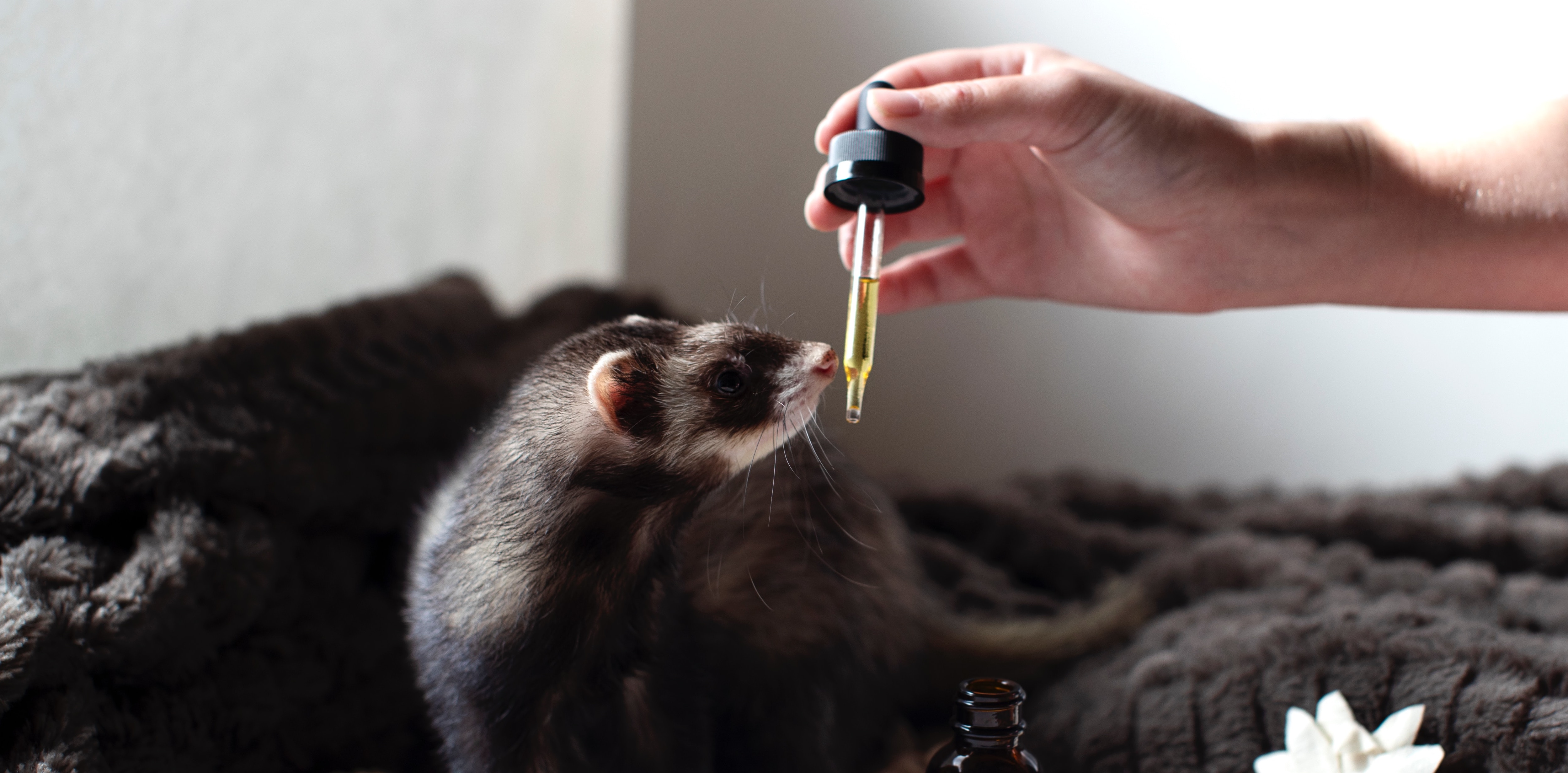
Like human beings, pets get sick, too, and that’s the last thing you wish to happen as a doting owner. In line with that, one product that has been raved by many in recent years is CBD oil for your pet, which is believed to improve both human and pet health.
But, what is CBD Oil and what are its health benefits for pets? Read below to know the answers to these questions.
What Is CBD Oil?
Many still associate CBD oil with the toxic effects of weed or marijuana. In the real sense, CBD is found in both cannabis and hemp, but is usually extracted from the latter. The cannabidiol or CBD in hemp does not have the psychoactive properties present in the likes of marijuana, and has zero toxicity level, which makes it safe for use.
A lot of people wonder what makes CBD good for health and how it works in the body.Research has shown that this compound positively interacts with mammals’ endocannabinoid (ECS), which is involved in many biological processes, like sleep, immune response, etc. The ECS has two different types of cannabinoid receptors–CB1 and CB2–which help the body’s biological system to interact with CBD, which, in turn, produces beneficial responses for the body. The interaction between the ECS and cannabidiol proves that the latter can be ingested safely by both humans and pets.
Health Benefits Of CBD Oil For Pets
Equipped with knowledge about how CBD functions in the biological systems of mammals, including pets, many companies andCBD brands, such asHolistaPet, have already embarked on the journey of perfecting varieties of CBD oils and derivatives that effectively address many pet-related ailments.
Below are a few reasons why CBD oil is great for pets:
CBD Oil Relieves Pain
CBD has pain-relieving properties that have become some sort of a miracle for many who experience chronic pains. And, just as it functions well for humans, it also does work well for pets who are not exempted from occasional slight pains and the very chronic ones, too.
Administering CBD oil for your pet whenever they show any sign of discomfort could do them a lot of good.
2.CBD OilManages Pet Seizures
It’s no new thing that pets also experience seizures and, in some cases, epilepsy. A good number of pets are prone to experiencing these issues, and which could worsen when treated with other seizure reducing medications, thereby creating more problems.
Fortunately, CBD oil can help subdue seizures and epilepsy without leaving behind a long trail of side-effects and new problems.
3.CBD Oil Tackles Inflammations
CBD has been proven to be extra effective in tackling inflammations and inflammation-related ailments in both humans and pets, like arthritis, autoimmune diseases like lupus, inflammatory bowel diseases, and others, as it possesses anti-inflammatory properties.
4.CBD Oil Manages Anxiety
Many times, pets, just like human beings, also suffer from anxiety and stress, and these issues can usually be seen in their actions. Fortunately, administering CBD oil can calm their nerves. CBD Oil tackles anxiety by targeting receptors in the brain to release more serotonin, a neurotransmitter responsible for boosting positive mood.
5.CBD Oil For Tumors
Researchers have found out that CBD oil can slow down the growth of cancerous tumors, keeping them from spreading to other cells of the body.
6.CBD Oil For Heart Health
CBD oil also helps in treating heart issues by improving cardiac functions and acting as an antiarrhythmic medication for better blood flow. To achieve this, the CBD oil must be administered alongside the usage of a CB1 receptor antagonist.
7.CBD Oil For Healthy Bones
Pets with chronic and severe cases of osteoporosis can be treated with CBD oil, which helps in promoting the growth of new bones and strengthening the damaged ones. Intake of CBD oil, which targets the CB2 receptors present in peripheral tissues, helps in stimulating bone formation as well as in combating osteoporosis.
8.CBD Oil Relieves Nausea And Lack Of Appetite
At times, your pets may experience lack of appetite and nausea for various reasons, but usually as a side effect of taking certain medications. Unlike other medications prescribed for nausea, CBD oil targets the serotonin receptors of the brain, which also help in relieving anxiety.
The boosting of the serotonin levels in the brain then helps to suppress the nauseous feeling along with the accompanying symptoms of vomiting and lack of appetite. Constant and continued stimulation of the cannabinoid receptor of the brain through the intake of CBD may also help reduce the aforementioned symptoms. Also, unlike other anti-nausea medications, CBD appears to not have the side effects that other medications have.
Conclusion
CBD oil is not only good for humans, but also for pets. CBD can help manage common health issues faced by pets, such as lack of appetite, nausea, pain, seizures, inflammation, and anxiety. CBD Oil may also help in improving heart and bone health among pets, as well as in slowing down the growth of cancerous tumors in their bodies.
Even though 70s and 80s suffered through Acid Rain, new research shows that forest soils can bounce back. You see, there is still hope that we can solve climate change.
If you grew up in the 70s or 80s no one was talking about climate change: they were talking about nuclear war and acid rain. Acid rain made Kimberly’s hair turn green in the TV show Different Strokes; Canada’s environmental minister called it the “malaria of the biosphere” and it kept me away at night worrying. Acid rain was the fallout of industrial chemicals and pollution into forests and lakes. As it rained toxins were picked up by the water and the toxins were rained down in close and faraway parts of the world.
Canada suffered a massive amount of acid rain from the United States as it blew northward. The Ukraine and the rest of Europe experienced more than acid, but nuclear rain, after the Chernobyl meltdown.
So in the 60s and even into the 70s, before the American Clean Air Act of 1970 came into full effect, rainfall over the United States and Canada was full of acid. It killed lakes all over Canada and I remember canoeing in beautiful, but dead, lakes when I was a kid. We talked about it all the time. Acid rain was a thing.
Acid rain is precipitation that mixes with gases from industrial plants, emissions from cars, and especially coal and fossil fuel pollution. That caused the water to become acidic – also called “acid rain.” Coal plants can also actually cause rain. Read this article about it.
Besides the air pollution hurting plants and humans and lakes, this acid rain also hurt our soil. Even dry deposits of these acidic emissions could be hurtful to humans, plants, soil and water. Acidic soil can bind nutrients so that plants can’t get them. It can hurt the microbes in soil, as well as plants. But new research suggests that soils can bounce back.
One odd “helpful” thing acid rain did, though, researchers had found, was to provide a few nutrients to the soil. The sulfur in the acid rain – in the form of sulfates – actually provided nutrition to plants.
However, the benefit was negligible, and the overall effects of pollution required regulation. Occasionally, cities like Los Angeles will still experience “smog.” The incidents are even more common in China and India, where little regulation is in effect. (Read this good BBC article on the bittersweet story of solving acid rain).
Jennifer Knoepp, with the US Forest Service, has been studying how the reduction of air pollution and acid rain is affecting forests in the southern Appalachian Mountains. Her interest is to see how soils are recovering as our air gets cleaner.
How does soil fare after the Clean Air Act?
Both the 1970 Clean Air Act and 1990 Amendment regulated emissions across the United States, resulted in improved air and water quality. But what about the soil – the “skin” of the earth – that provides for food and shelter and is home to the world’s largest biodiversity?
“We have found significant movement of sulfate from the soils over time,” says Knoepp. “Sulfate is moving out of the surface soils and into the subsoil. In addition, the streams in our study site show improved water quality. However, soils and streams still exhibit chemical imbalances. This suggests recovery from decades of acid rain is a long-term process.”
To evaluate the soils and water, researchers sampled 24 high elevation spruce-fir forest sites and two watersheds in the southern Appalachians. The sites represent a region in the southeastern U.S. with high gradients in elevation and precipitation, as well as high biodiversity.
The research area includes sites within the Great Smoky Mountain National Park and the southern end of the Blue Ridge Parkway. Both are major tourist and outdoor recreation destinations.
Recent soil collections were compared to archived soil samples from the 80s and 90s. Sample archives are essential to long-term research. They provide the ability to conduct tests not planned during an original experimental design.
The research team analyzed both the newly collected and archived samples for “extractable sulfate.” All data were used to determine the long-term response of southern Appalachian forests to changes in sulfate deposition that occurred after the implementation of the Clean Air Act Amendment in 1990.
Data show that sulfate in precipitation and streams declined after implementation of the Clean Air Act Amendment. They also show that completely reversible sulfate has declined in surface soils. Sub-surface soils show either no change or an increase in partially reversible sulfate.
Knoepp presented her work at the November International Annual Meeting of the American Society of Agronomy, Crop Science Society of America, and Soil Science Society of America in San Antonio as the Sergei A. Wilde Distinguished Lectureship on Forest Soils.
If you have been following our latest stories you know that there are some major problems with the vegan milk alternatives. People love almond milk for all it delivers, but it turns out that the pendulum has swung out of favor for almond because of the destruction of the bees. So, we’ve been starting to try drinking rice and oat, but the kids don’t love it. Here is a recipe for making your own oat milk at home. Try to buy organic because of the pesticide glyphosate (or Roundup) used to grow oats.
What is an industry to do? A startup from Israel called Yofix has started developing a vegan dairy-free alternative that can be used instead of dairy in products like yoghurt. Good news of an investment in the young company boosts the chance that the company will succeed.
Vegan protein powder shakes have become an industry. The growth of vegan protein for adults, kids, pets, is part of the “Veganification” meta trend. Other examples of this meta trend include pea milk, vegan jerky, vegan collagen and vegan ramen.
Toeing to the trend, the company reports an A-round of investment from Muller, the Bel Group, and Liontree. A total of $2.5 million has gone into Yofix so far. Still a mere amount compared to what the soy-based drink Soylent has received — about $75 million USD to create a drink product as an alternative to eating. The idea started as a joke by a programmer in the US. You know, it’s really hard to bother eating when you are programming 15 hours a day. So Soylent to the rescue. Sign of the decay of our times.
The Yofix line of products intended for the food industry might have a better mission –- to feed people who are dairy intolerant. At least in the interim when people are still expecting milk in their cereal or yoghurt for breakfast. We imagine in a few generations milk alternatives won’t be needed because there will be no more people who yearn for milk, if the vegans win. And in a way I hope they will. To diverge a bit more, the Impossible Burger is absolutely delicious though it smells too much like coconut oil when cooking.
No one wants dirty labels
In short, I am rooting for Yofix: “Yofix offers a unique range of quality products, both in terms of flavor and texture,” says Benjamin Bugl, Managing Director of Muller. “With no artificial ingredients, its clean-label solution is a powerful differentiator for consumer awareness and acceptance. Combined with Yofix’ strong management team, this makes it an attractive investment opportunity for Muller.”
If you are wondering what Clean Label means (I did too), I found it online.
Clean label is a consumer driven movement, demanding a return to real food and transparency through authenticity. Food products containing natural, familiar, simple ingredients that are easy to recognize, understand, and pronounce. No artificial ingredients or synthetic chemicals. Yes!
Making yoghurt with legumes!
Last year, Yofix launched a new generation of clean-label yogurt alternatives based on its zero-waste production process. The fermented formula is soy-free and composed of a short list of natural and highly nutritious ingredients, including oats, lentils, and sesame. Some of us worry about soy because of the potential for it to disrupt our endocrine system. You should never feed to it babies in formula this article points out. Plus it’s hidden everywhere as vegetable protein.
This helps the lactose-intolerant and dairy-allergic population still accustomed to eating milk, or not willing to break the habits of milk eaters. It serves the growing vegan and flexitarian markets.
Another word for the day, flexitarian
Flexitarian is used to describe a diet or a person who eats a mostly vegetarian diet, occasionally including meat. We used to call these people vegawarians. There is no standard agreement or definition of what this means; whether flexitarians eat meat once a day, once a week or just occasionally is up to the individual person.
Since the launch of its line of yogurt alternatives (see Yofix article here), the startup has also been awarded the final $100,000 grant from the PepsiCo 2018 Nutrition Greenhouse program.
Yofix was the first startup to be housed by The Kitchen Hub, the FoodTech incubator established five years ago by the Strauss Group. (Strauss led the first leg of the seed round back in 2017.)
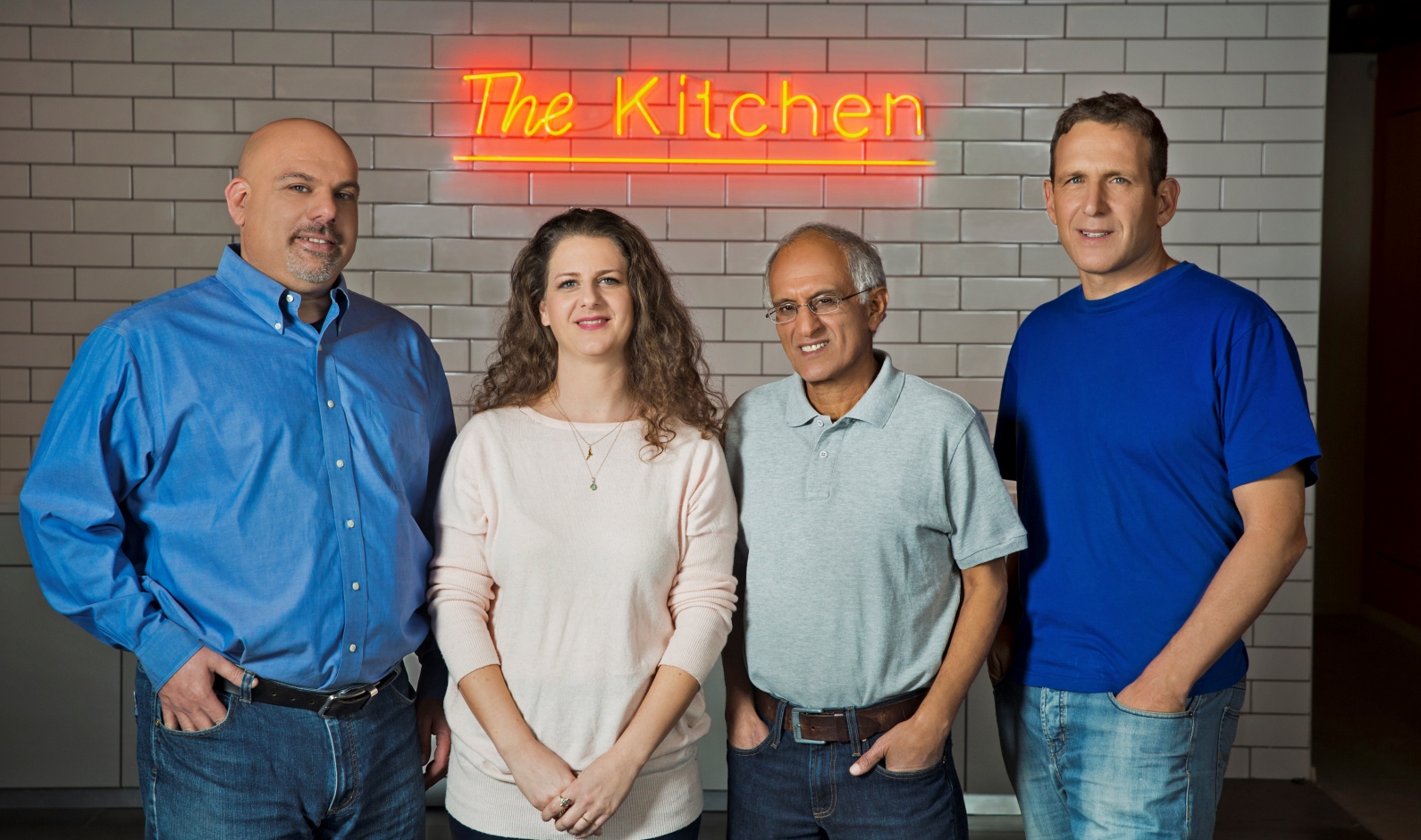
“Yofix is one of the most promising startups in our portfolio,”says Jonathan Berger, CEO of The Kitchen, pictured right.
Other investors for this round in Yofix include Good Seed Ventures and HWA, as well as initial investors CPT Capital and VegInvest.
One of the first questions that people ask when they first learn about taking CBD is, what is CBD? This is an important thing to learn about as a beginner. But once you know what CBD is, you can move on to information about how to take it. And of course, the first thing you might want to learn about taking CBD is to make sure you know how to dose CBD products. Here’s everything you need to know as a beginner. Starting Dose The starting dose is an incredibly important part of making sure you know how to use CBD properly. Although you can certainly adjust up or down as you go, it’s what initially starts your exposure to CBD. The thing is, nobody’s ideal dose is the same, which means that no starting dose can usually work well for everyone. Microdosing is a very common answer to this problem. With microdosing, you start at an incredibly small dose, usually only one or two drops of a low-strength CBD oil. Then, you increase the dose by one or two drops every few days. Eventually, you’ll get to a dose that works perfectly for you, and that’s where you should stay. Different Products CBD retailers offer different types of CBD products. At Charlotte’s Web, you can buy CBD oil, CBD isolate, CBD gummies, CBD capsules, and much more. These all work great for different reasons. Most of the time, the product description of each products can give you an idea of the best reasons that you might want to use that product over another one. When you purchase your CBD products, you’ll want to first check the dosage of the product. For example, Charlotte’s Web’s least strong CBD oil is 7mg/ml, while its highest strength is 60mg/ml. It also has CBD gummies with 10mg of CBD per serving. Then, make sure you know any other active and inactive ingredient in the product. The Right Retailer Of course, it’s extremely important that you get a great CBD retailer. If you get a good retailer, you’ll be able to purchase any of their products without worrying about whether you’re getting a good product. That’s especially true when it comes to a retailer that offers supplements, because supplements aren’t federally regulated. More than many other products, you want a CBD manufacturer that will put in a lot of work to make sure you stay safe. With a good retailer like Charlotte’s Web, you’ll notice a few different things. First, they answer the question, what is CBD? This makes their products open even to very beginner CBD users. Next, they offer a variety of different products, like CBD gummies, CBD capsules, and CBD oil. Lastly, they offer third-party analysis results so that you know you’re getting truly great products every time. When to Expect Results When you first start taking CBD, you shouldn’t expect results immediately. This is especially true for microdosing, where your first dose will be very small, but it’s true for all CBD doses. The CBD needs to have some time to act on the endocannabinoid system in your body, which means you won’t see results immediately. But how long will it take? In general, it will probably take at least a few days before you start feeling the effect of the CBD you’re taking, and may take a little longer if you’re starting with microdosing. Continue to move up in your dosing for at least a few weeks; at that point, if you don’t see any benefits, you may want to try a different type of CBD. Conclusion Different people take CBD differently, and there are plenty of different valid ways to take CBD. But as a beginner, it’s always good to start small and slowly increase your dosage so that you know you’re getting the most out of it. Once you know what CBD is, you can move on to making sure that it works for you specifically.
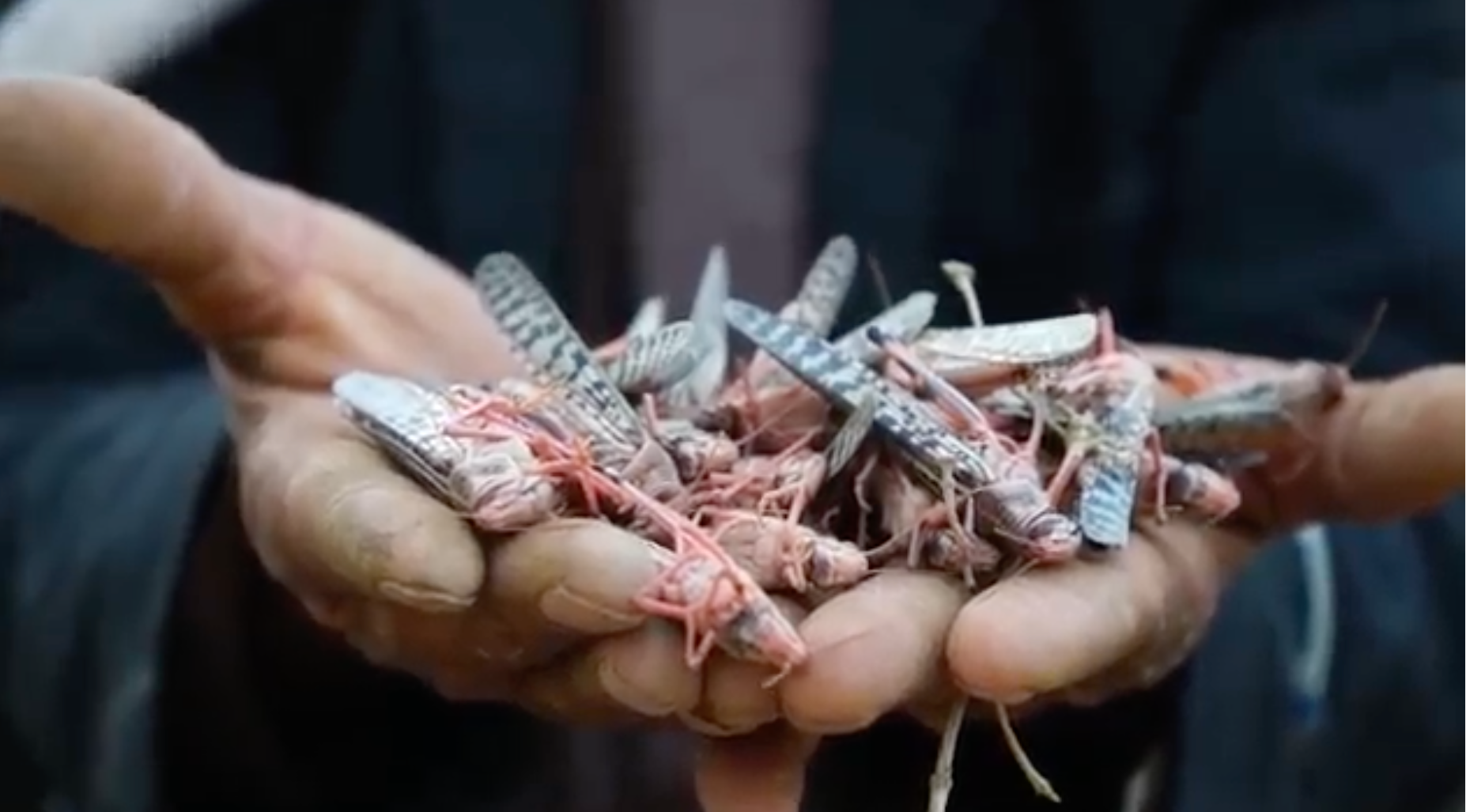
There is a real life plague of biblical proportions happening now in East Africa. It’s hitting Ethiopian, Somalia, Kenya, Djibouti and Eritrea – Horn of Africa countries and it’s threatening the Middle East. It’s the worst for Ethiopia and Somalia in 25 years and the worst for Kenya had experienced in over 70 years.
Let’s spell out what this means. When people don’t have food to eat, they go hungry or eat less nutritious food like bread. When people are hungry for a long time, health and political situations break down. This is what happened in Syria ten years ago. A breakdown from hunger, climate change, lack of water. Desperate people do desperate things. Conflict worsens or it will erupt.
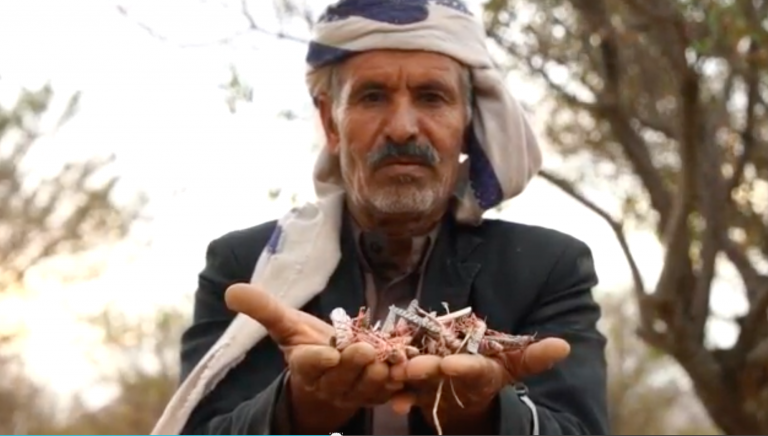
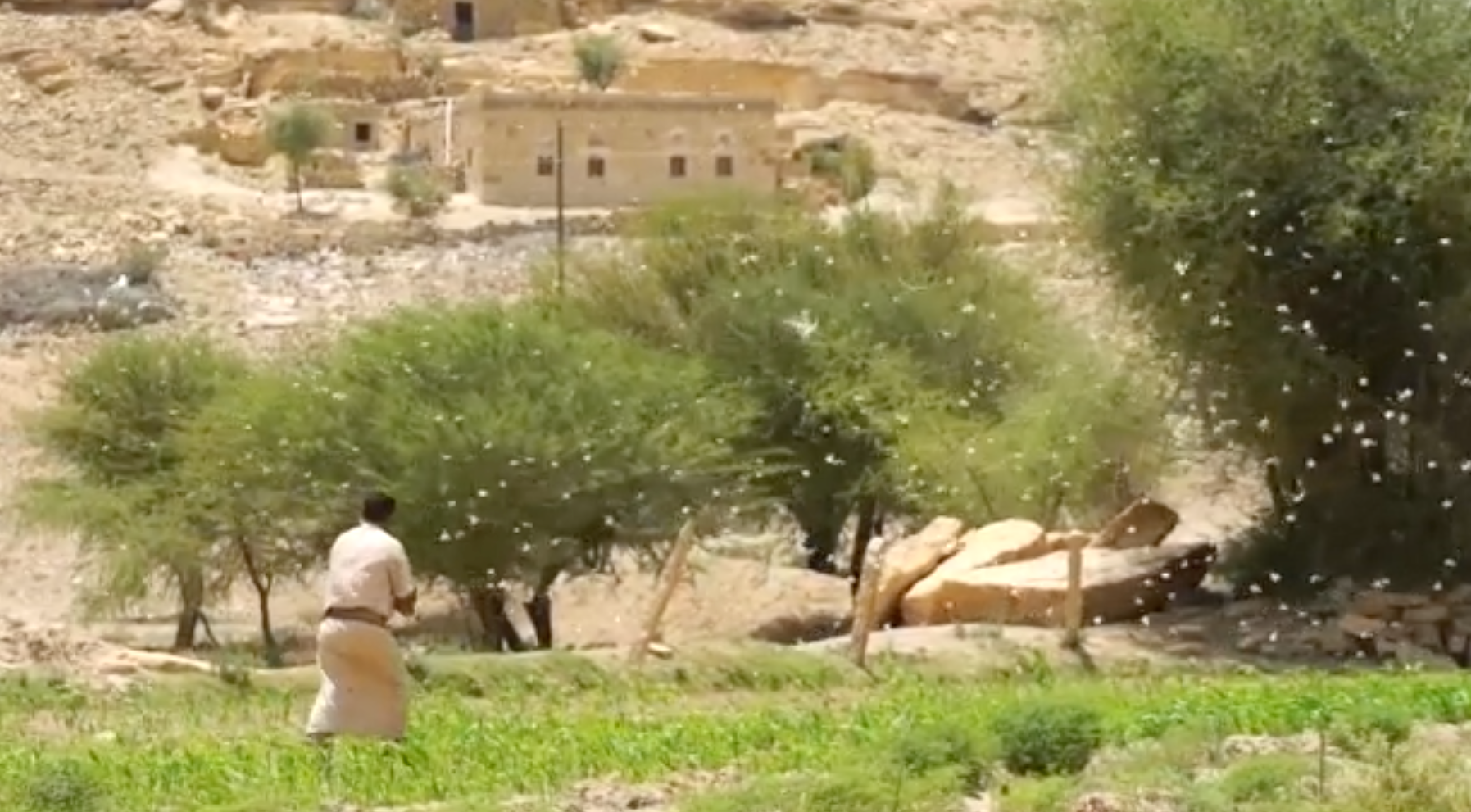
The United Nation’s Food and Agriculture Organization (FAO) has assembled $15.4 million USD for instant aid as part of the $76 million requested from five countries. The outbreak will likely spread to other countries, in particular South Sudan and Uganda. Images we have here are from Yemen.
Again, this outbreak is not just about keeping people hungry. It’s about keeping conflict in check. Without help, large regions of Africa and the Middle East can be unstable.
It’s a region we already know suffers from food security, political fragility and climate change. The effects is East Africa will ripple up to Egypt, Israel, and the rest of the Middle East, and eventually Europe as migrants from these countries flee poverty, food security, and climate change.
Ten years ago I was invited to a panel on water security with Middle East countries, sponsored by the Swiss and Swedish governments because they know that water insecurity, pest infestation and climate change are all linked. If stable and democratic nations in Europe want to live as they are now there is a pressing need to help others before they lose hope.
Karin Kloosterman, Green Prophet founder was invited to a Middle East water event in Switzerland where she met princes and the like.
“Timing and location is crucial. I hope we can work hard day and night so people do not lose their crops,” Qu Dongyu, the director of the FAO said.
Worst insect pest in the world
The Desert Locust is considered the most destructive migratory pest in the world and a small swarm covering one square kilometer (about half a square mile) can eat the same amount of food in one day as 35,000 people.
Pasture and croplands have already suffered damage in Ethiopia, Kenya and Somalia and there are potentially severe consequences for the region where nearly 12 million people are coping with severe acute food insecurity and many rely on agriculture for their survival.
Locusts eating grapes in yemen
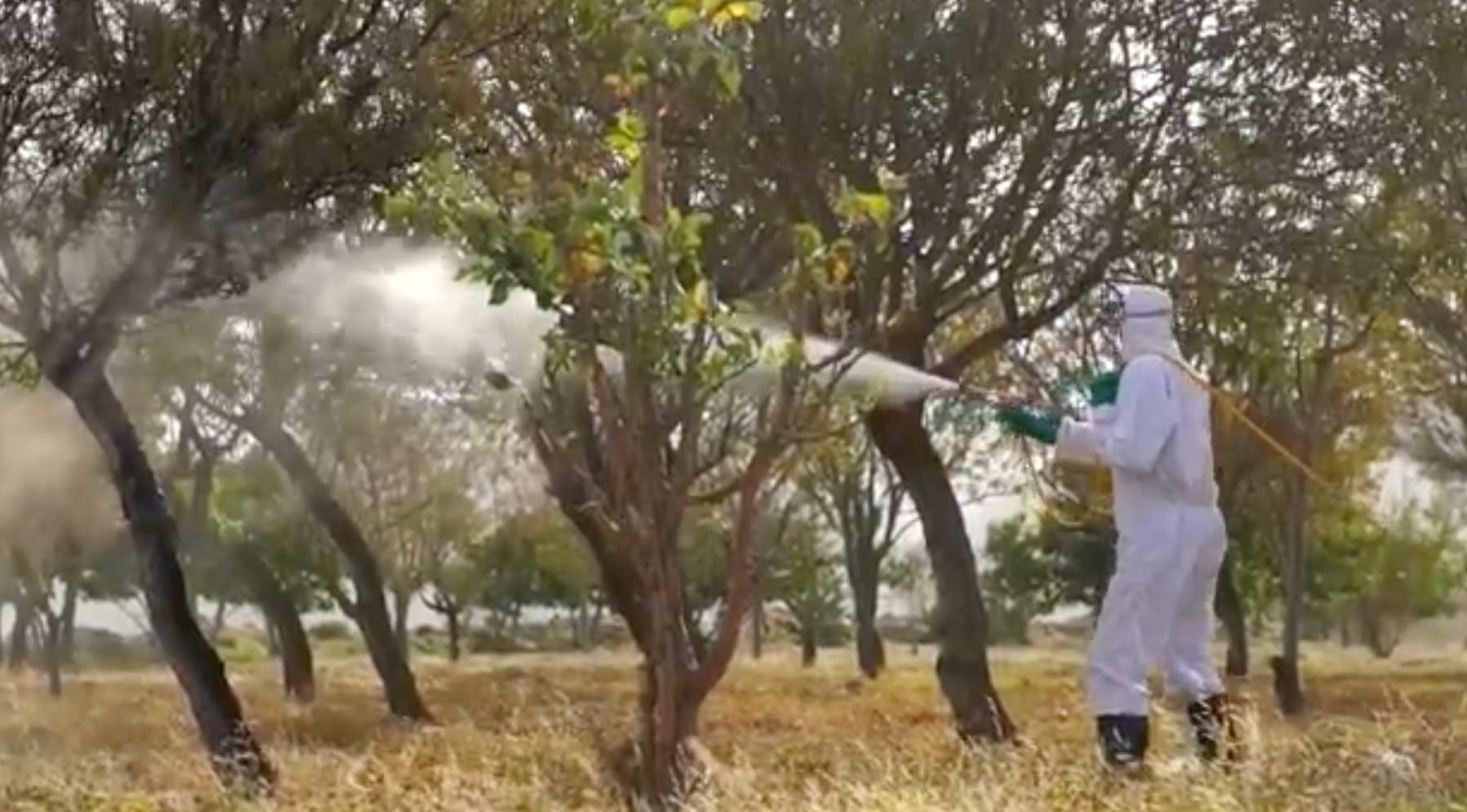
The UN’s experts are on the ground, supporting control operations and initiating efforts to safeguard livelihoods, particularly of those already experiencing high levels of acute food insecurity. They are working closely with these countries as well as their neighbours, Djibouti and Eritrea, while monitoring Oman, Saudi Arabia, Sudan and Yemen for any developments.
“We need to act immediately because the locusts don’t wait, they will come and they will destroy,” said Maria Helena Semedo, FAO Deputy Director-General for Climate and Natural Resources. “We need to tackle the emergency but we need to think about livelihoods and the long-term.”
You can’t really shoo them away. But thy try, in Yemen
FAO’s Desert Locust Information Service says the situation is extremely alarming and will be further exacerbated by new infestations expected in early April.
Swarms of locusts invading Kenya
In Kenya alone, large swarms, up to 60 km long and 40 km wide, invaded all the country’s northern counties and some central areas in less than a month, causing substantial damage to crops and livestock deprived of pastureland. A total of 13 counties have so far been affected in Kenya.
A new generation of locusts is expected to hatch in February and with new swarms expected in early April that would coincide with the next season of planting. At that time, the seasonal winds will have shifted to the north, which is likely to allow the newly formed swarms in Kenya to reinvade Ethiopia and Somalia as well as to migrate to new areas of South Sudan and Sudan.
The rise in numbers is causing serious concern about the swarms in northern Kenya as they are only 200 kilometres from the country’s borders with South Sudan and Uganda. Both countries last faced locust invasions in 1961.
The Desert Locust upsurge represents an unprecedented threat to food security and livelihoods and has the potential to become a regional plague that could lead to further suffering and displacement.
In South Sudan, where food insecurity is already at an emergency level in many parts of the country, the Desert Locusts could wipe out pastures and crops causing the deterioration of an already alarming situation.
How to stop a plague of locusts
Pray
Pesticides as short term solution, according to this article on Vice: “We know locust plagues are affected by weather patterns, so understanding those patterns has helped us better predict where plagues might occur,” said Arianne Cease, a sustainability researcher at Arizona State University who investigates the spread—and mitigation—of locust plagues. “We’re looking to find any outbreak pockets of locusts when they’re young, before they start flying, and then targeting them with pesticides. That’s where we’re at right now, but we think that we can take a step back even before that.”
Some numbers of locusts are good for the environment and ecosystem in general. They turn into plagues when natural barriers stop them. Planting more food forests, forests in general and permaculture can stop the swarms from starting in the first place.
Stop climate change. This one is a hard one. And will requiring more of Step 1, and a huge international effort. A warming planet puts ecosystem balance in peril.
Every gardener who’s spent an hour watering, weeding, or just turning the dirt over, comes indoors feeling more peaceful than when they went out. Every kid that ever came in covered in dirt from outdoor play goes to bed tired and happy (and hopefully, washed).
We all know that being active in the sun and fresh air is good for us – but now we’re finding out that contact with dirt itself helps relaxes stressed nerves and may even treat depression.
It’s all about the mycobacterium vaccae microbe that lives in dirt.
Tests conducted on mice show that direct contact with this microbe stimulate serotonin-releasing neurons in the brain, much the same way that prescription anti-depressants do. (Among other effects on the body that serotonin has, it regulates mood. Low serotonin levels are linked with depression.)
It may be possible to medicate depression, anxiety, OCD and even bipolar disorder using M. vaccae. That’s without chemical side effects, addiction, and the torment of withdrawal.
There’s more. A recent study conducted by Christopher Lowery et al, published in Neuroscience, showed that injections of dead M. vaccea relieved much of the nausea and pain suffered by cancer patients. Lab tests also showed higher cognitive ability, lower stress, and better concentration in mice injected with M. vaccae.
Studies are also being conducted on possible M. vaccea benefits to patients suffering from cognitive dysfunction, Crohn’s disease, and rheumatoid arthritis.
So go out and get dirty. You don’t need access to a large garden. Tending your potted plants gives the same benefits. I testify to this from my personal experience after the death of a loved one: nothing soothed me like pulling weeds out of my balcony plants, turning the dirt over and planting a few hopeful seeds.
It seems that turning to mother Earth is a natural instinct when we’re feeling blue.
Spot me in the photo? Slow travel means you have time to make real friends, and build real relationships and time to learn about real issues and challenges they face.
We have a tendency to go about traveling as we go about our busy daily lives: frantically ticking off our to-do list to make sure we make the most of our time – and have a lot of Instagrammable pictures to show for it. But more and more people are realizing that making the best of our time might mean something completely different: it requires us to slow down, so we can really appreciate the places we visit.
The best part: while traveling slow gives us a more meaningful experience, it also maximizes benefits for local communities and the environment. With traveling slow, everybody wins. (I even learned what it takes to build a successful NGO).
My travel burn-out (yes, it’s a thing)
I learned to travel slow by experience, long before I knew there was such a thing as a slow travel movement. In January 2017 I quit my job, sold my belongings, and bought a one-way ticket to Bangkok: I was off on a long backpacking trip through Asia. Although I had all the time in the world, I felt the need to see and do as much as possible and moved around a lot, staying in one place only for a few days before moving on to the next.
While I had an amazing time at first, a few months into my trip I noticed I just wasn’t that excited for anything anymore. Another gorgeous waterfall? Mwah, I’ll pass. Another mesmerizing temple? Please, no. Was that a camel passing me by on the street just now? Ah well, what’s new. After the excitement of the first months of traveling wore off I was left with a feeling I had seen it all before. I had caught a serious case of travel fatigue.
I concluded it was time for a break from traveling and decided to look for a comfortable place to settle down for a while. I found the perfect spot on some remote beach on a Malaysian island and resolved to make no plans, but instead stay put as long as I felt like it, doing absolutely nothing remarkable. I ended up staying two months – and emerged from it with a new perspective on traveling.
During this time something incredible happened: I made amazing connections to other people, got a renewed appreciation for nature, and learned an awful lot about myself. These two months had more impact on me as a person than all the previous months of traveling together. From then on, I would not even bother with trying to see it all. Instead, I would focus on connecting to the places I visited – I chose quality over quantity.
Welcome to the slow travel movement
Later I learned that the new way of traveling I discovered actually has a name: it’s called slow travel. It’s part of an increasingly popular movement that includes other aspects of slow living, such as slow food and slow fashion.
It all started with the slow food movement, that originated in Rome in 1986, as a protest against the opening of a McDonald’s restaurant in the city. Many Italians considered fast food an insult to the long-standing Italian culinary tradition. Journalist Carlo Petrini launched a culinary philosophy that embodied exactly the opposite of fast food: slow food. It stood for quality food, use of local ingredients, and preservation of traditional dishes, and emphasized the importance of enjoyment in buying, preparing, and sharing food – qualities that were being lost in fast-paced modern society.
All concepts related to slow living counter the prevailing notion that “faster is better”, which translates into a lifestyle that’s typically hurried, stressed, impatient, and superficial. Instead, slow living centers around living consciously, intentionally, mindfully, and deeply. It means taking the time to do things properly, thus creating a more meaningful and fulfilling experience. It’s about savoring the minutes, not counting them, and living a balanced life in a fast-paced world.
Applied to traveling, this means slowing down your pace in order to really immerse yourself in your environment and connect to places you visit. It means letting go of your schedule and allowing yourself to explore freely. It involves getting to know a place on a deeper level by connecting to local people and immersing yourself in the local culture. It’s about being open to new experiences and learning to appreciate different ways of life in all their complexity.
Back to the roots (why we travel in the first place)
Traveling slow makes all the more sense when you consider why people travel in the first place. Most of us travel to experience something we can’t experience back home. Personally, I set out to travel the world because I wanted to break free from my predictable life, my daily routines, and fixed patterns. I was aching to experience new and different things, to see what the world was like outside my little bubble, and get a glimpse of how other people lived their lives. I wanted to see the world to get a fresh perspective on life.
But how was I ever going to get a new perspective by sticking to a pre-arranged plan? That would only allow me to see the things I was expecting to see, the things I already knew existed. The only way to go beyond that and explore new, unknown territories, was to create space for the unplanned, the unexpected, the spontaneous. If you want your travel to mean something, to transform you, and to provide you with new insights – and it should! – you have to be willing to let go and explore with an open mind.
Traveling slow, by the way, doesn’t mean you must travel at a snail’s pace or have oceans of time at hand. Traveling slow, above all, is a mindset. It’s about having a basic habit of pacing yourself, taking as much time as you need to immerse yourself in a place, and prioritizing the quality of the experience. Whether you apply them during a gap year or a weekend break, the principles remain the same.
An ethical alternative to mass tourism
From the above, it naturally follows that slow travel provides a way more enriching and fulfilling experience than the kind of fast travel that sees a trip as a checklist or photo competition. But it gets better: slow travel doesn’t just benefit the traveler, but local communities and the environment as well.
Slow travel values connecting with local people and culture. In their search for authenticity, slow travelers tend to venture off the beaten trail and stay away from tourist hotspots, big chain resorts, and international restaurants. They’d rather explore the hidden gems, wander around local neighborhoods, stay at small guesthouses or homestays, and try traditional dishes at local eateries. They can’t be bothered with buying touristy souvenirs, but are interested in original local produce. By doing so, the money they spend supports local families and helps traditional local businesses thrive.
This stands in stark contrast to traditional mass tourism, which often does little to advance the interests of local communities. Mass tourism is big business, with profits often flowing to rich foreign investors and large companies that push local entrepreneurs out of business. Unrestricted tourism risks changing the character of places beyond recognition and threatening traditional ways of living. Overtourism can even make places unliveable for local residents. This obviously doesn’t do local communities justice – their interests should always come first.
Slow travel promotes a fair and ethical travel industry by empowering local businesses, supporting the preservation of the unique character of places, and taking the pressure off tourist hotspots suffering from the effects of overtourism. Beyond that, slow travel invites travelers and local people to engage in meaningful interactions, which promotes cultural exchange and cross-cultural understanding, for the benefit of all parties involved. Slow travel doesn’t capitalize on places, but aims to make places better – for local communities as well as travelers.
An eco-friendly travel style
In less obvious ways, slow travel also benefits the environment. A big environmental issue related to traveling concerns the emissions travelers inevitably produce by moving from A to B. While slow travelers might not be completely carbon neutral, they minimize their footprints by visiting a small amount of locations and traveling short distances, consequently using less transportation than fast travelers who hop between destinations all the time.
Slow travelers are also more likely to use public and shared forms of transport – such as trains and buses – which provide great opportunities to mingle with locals and are less damaging to the environment than flights or private cars. Plus, for slow travelers there is no better way to explore an area than by bicycle or foot, using all five senses to experience the place. After all, a slow traveler wants to enjoy every step of the way. From that point of view, sitting in planes is the ultimate bore.
In addition, slow travel puts less strain on the environment by emphasizing the consumption of regional produce and traditional food, typically prepared with locally sourced ingredients – meaning no products have to be imported from abroad just to cater to their culinary wishes (and really, why would you want to have a hamburger when you can eat the best pasta in the world anyway?).
An added bonus to slow travel
Last but not least, slow travel often has an unintentional but most welcome side-effect – at least for those of us who don’t have unlimited resources to fund our trips. Although slow travel can take many shapes and is suitable for different budgets, it can reduce the costs of traveling significantly. Cutting down on transportation costs and entry fees for expensive tourist attractions makes a big difference in your budget, and local guesthouses and eateries are often cheaper than luxury resorts and fancy restaurants.
Slow travel isn’t just friendly to people and the planet, but also to your wallet. If you still needed convincing of the benefits of slow travel – maybe this wins you over.
When we think of climate change, we tend to think about greenhouse gases, fossil fuels and pollution. Most of us don’t think about fungi. But Kathleen Treseder does. Treseder, an ecologist at the University of California, Irvine, studies how fungi can affect climate and vice-versa. “Fungi are important to consider,” she says.
“They can influence nearly every aspect of ecosystems, especially processes that occur in soils.”
New research from her lab shows that fungi can have different lifestyles in response to climate change. These findings can be incorporated into computational models that simulate ecosystems.
“We may be able to better predict shifts in atmospheric carbon dioxide levels and climate change,” says Treseder. “That can help us estimate how much, when and where climate change will affect human societies.”
It’s important to be able to forecast which places will be hit by climate change and how quickly. These early warnings can help preparations, such as building sea walls or flood channels, or direct the development of new crop varieties.
Fungi are carbon cycling superstars
Fungi are terrific decomposers. They break down organic material to get nutrients and energy. In doing so, they turn complex chemicals into simpler elements, such as carbon. In fact, “fungi are an integral part of the global carbon cycle,” says Treseder. “They can move carbon from decomposing material into the atmosphere as carbon dioxide.”
But fungi don’t just release carbon. They can also store it. For example, environmental stress can cause fungi to strengthen their cell walls. They do so by using organic compounds that contain carbon. These carbon compounds can stay in soils for years to decades or even longer.
Treseder’s research explores how fungi decide whether to use limited energy and resources to decompose material or for other processes. “No one can do everything well, and the same goes for fungi,” says Treseder. “If fungi invest resources into one activity like decomposition, then those resources won’t be available to support another activity like tolerating environmental stress.”
These resource allocation decisions become even more important in a world with changing climate. “For example, will more extreme climates select for fungi that tolerate stress well, but cannot decompose dead material as efficiently?” says Treseder. “If so, then their production of carbon dioxide might decrease, slowing climate change.”
To answer these questions, Treseder traveled to Alaska and Costa Rica. Experiments were set up in Alaskan Boreal forests and the cloud forests of Costa Rica. “
“We chose these locations because they are both endangered by climate change,” says Treseder. “Northern ecosystems are warming particularly fast. Clouds are disappearing from the mountaintops of Costa Rica.”
Treseder and colleagues exposed areas of the forests to drought-like conditions or more mellow environments. They collected soil samples from the different experimental areas.
Then they analyzed products made by fungal genes. These gene products served as indicators for whether the fungi were investing more resources toward decomposition or strengthening cell walls.
“We found that where drought stress increased, the amount of fungi that invested more in strengthening cell walls and less in decomposition tended to increase,” says Treseder. In contrast, in more moderate conditions, the reverse occurred. Fungi that decomposed more efficiently became more common.
These findings suggest that fungi might store more carbon as global climate becomes more extreme. On the other hand, they might release more carbon dioxide in moderate climates. “These opposing feedbacks would not have been apparent without examining trade-offs among fungal traits,” says Treseder.
Treseder is working to incorporate these findings into new and existing models of climate change. One particular area of focus are Earth system models that the Intergovernmental Panel on Climate Change uses for its official predictions. “We hope our research improves predictions of future trajectories of climate change,” says Treseder.
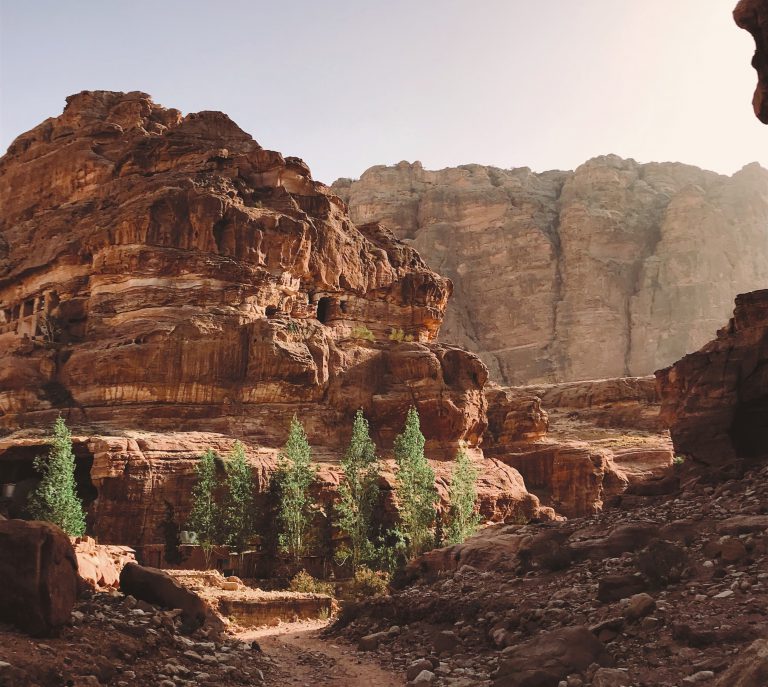
The first people to green the desert? Nabateans who built Petra were like the Mayans of the Middle East. The ancient people were developed in agriculture, spirituality and architecture. Archaeologists dig into how they dealt with drought in Jordan, one of the driest countries on earth.
Water harvesting, flood control and water storage were essential for the survival of the Nabataeans in the arid area of Petra, which is modern day Jordan. One of the driest countries on the planet, the early settlers there had to invent novel ideas to survive. They brought in engineers from afar, Rome probably, and built aqueducts and a water storage system that might be even able to produce drinkable water by today’s standards.
The book, The Petra Siq: Nabataean Hydrology Uncovered, published in 2003 by a Swiss architect and archaeologist Ueli Bellwald dealt with the very complex hydrological (water collection) system ofthe Nabataean capital, instead of the well-known temples and necropolis. Water collection was an every day and activity and we are grateful that researchers look into the past so we can understand how to survive tomorrow. Green Prophet interviews Bellward to learn more.
Ueli Bellwald studies how the Nabateans collected water for agriculture. To survive and thrive.
The location of Petra was significant and it provided indispensable water supply and flash flood retention systems, explains Bellwald who spent decades studying and writing about the hydraulic network of the Nabataeans.
Without the flash flood system, they wouldn’t last a year
According to Bellwald, who has also lived at Petra itself, the city was built inside a widening of the Wadi Musa, a natural runoff water drainage channel for a surface of 87 square kilometers; he added that without the construction of the highly sophisticated flash flood retention system Petra would not have survived a single winter rainy season.
Due to a geographical and a geological location of Petra there were no springs inside the city area which made thing more difficult for its inhabitants. Because of the geological conditions, all main springs in the area are located on the terraces of actual Wadi Musa, at a height of about 1,300 meters above the sea level, Bellwald explains, noting that the drinking water had to be led down to the city by long aqueducts.
The areas of the tombs and sanctuaries around the city served for collecting and storing water in large cisterns, and that water was used for agricultural purposes, he underlines.
The Nabataeans constructed a complex network of aqueducts and cisterns that is not in use now.
“If you take the number of drinking water reservoirs fed by the aqueducts and the number of cisterns for the storage of collected runoff water known up to today, you get a total number of more than 200 storage facilities with a capacity of about 40 million liters of water,” Bellwald underlined.
It is obvious that at the beginnings, when the city was established, there was no sufficient local expertise that would meet the requirements of the hydraulic systems to be built.
Just like today they brought in engineers
“I myself discovered a lot of features which did not fulfill their duties and were heavily damaged during their first strain and had to be rebuilt afterwards,” Bellwald noted, adding that very close similarities with other hydraulic installations in Rome and mainly in the Ionian cities, like Pergamon, lead him to the conclusion that the Nabataean authorities employed engineers from abroad and then adopted and further developed the basic expertise.
“For instance the remains of the very first spring water aqueduct which I excavated in the Petra Siq and another section which Graf, Schmid and Bedal [archaeologists specialized in the Nabateans and Petra] excavated in 2004/05 near the Temenos Gate, built in the middle of the 1st century BC, follows closely the model of Aqua Marcia in Rome, whereas the Khubtha North Aqueduct, the actually visible Siq Aqueduct and the Ain Braq Aqueduct follow models from Pergamon, mainly the Kaikos Aqueduct,” Bellwald elaborated.
However, we still don’t know names and biographies of the Nabataean engineers who realized these projects in the ancient times and their life remains a mystery to us.
What is more important for us today is how to utilize their expertise in a region that is overburdened with high natality and lack of water resources. In that regard Bellwald maintains that the Nabataean runoff water collection systems could still nowadays serve as a model for water collection and storage in arid regions.
“There is no agriculture without water, either from natural precipitation like barley fields in Thugra, or from irrigation,” stressed Bellwald, adding that irrigation may tremendously change the appearance of a landscape and may have great, positive impact on the climate.
A center for wine and olive oil
Moreover, in ancient times Petra was a center for wine and olive oil production and wine and olive presses scattered in Petra and its hinterland are the evidence of ancient agriculture.
What the scholar explored were runoff water retention dams with an extended catchment basin and maintenance stairs leading from the wadi (valley) bottom to the top of the dam.
“Experimental archaeological trials I made in the Thugra area showed that with the Nabataean runoff water collection systems you may even get drinkable water,” Bellwald concluded.
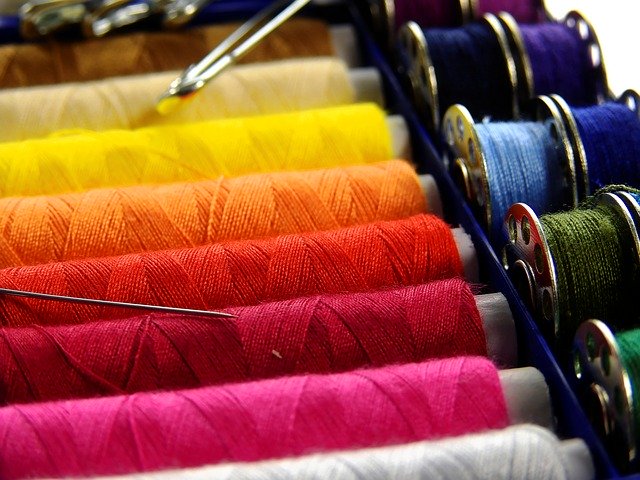
The fashion industry soaks up 20% of the world’s water, and dumps it back into local streams and rivers as wastewater. That’s water left over from dyeing fabrics and thread. To produce one kilo of dyed thread, 70 liters of water are used; enough wastewater to fill 2 million Olympic-sized swimming pools a year.
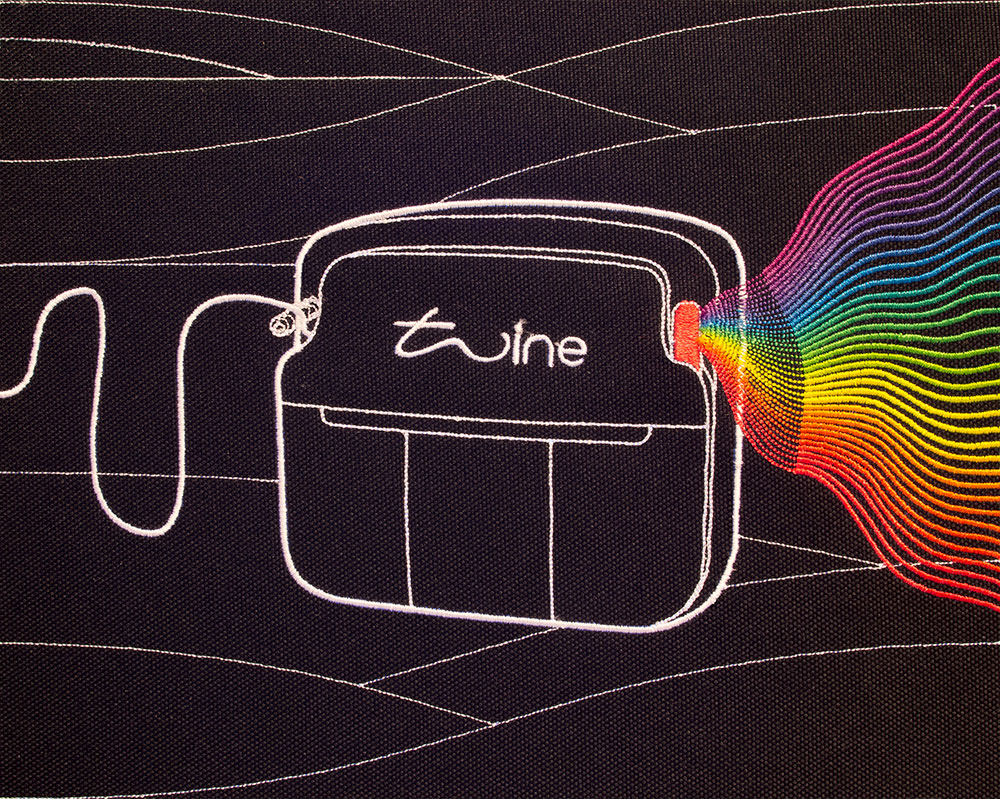
While many companies in the fashion industry have committed to sustainable practice, and we at Green Prophet have been reporting sustainable fashion on a personal level for years, it was high time that someone developed a dependable way to reduce the ecological cost of the clothes we buy. That someone is Twine, an Israeli startup that created a machine that dyes threads digitally, similar to how your home printer color-prints. A clothes manufacturer can now program a machine to produce thread of the exact type, length, weight and colors required, only as much as needed, and ready for immediate use.
At present, threads are dyed using traditional water-consuming methods. Samples are shipped from South and East Asia to Western countries for approval, then shipped back for production to start, sometimes twice or even three times. This delays production and raises costs of manufacture. Significantly, this shipping back and forth leaves a large carbon footprint.
The Twine digital thread dyer will cause a revolution not only for manufacturing sewing, knitting and embroidery threads, but also for industries producing clothes, shoes, upholstery, home decor and more.
Information from the Twine office:
Twine’s system continuously dyes a single raw or off-the-shelf (white) thread to any requested length and in any color, with a choice of millions of colors, shades, as well as color gradients.
Twine’s DST (Digital Selective Treatment) disruptive technology eliminates the need for colored thread stock, dramatically reduces logistics, dead stock and other waste costs, as well as dramatically reducing time to market.
The single thread, single needle, multi-color method will free creativity and design limitations, while improving production efficiencies, margins and overall profitability, all that in a sustainable, eco-friendly process.
Watch the video. It’s interesting, if you’ve never thought of what it takes to dye thread in your life.
An increasing number of countries are banning the sale of e-cigarettes. To date, over twenty countries have banned the sale of e-cigarettes and most are Middle Eastern, South American, and South-East Asian countries. Canada, Australia, and Norway have imposed many restrictions on the usage of vapes. And India has banned the production, sale, and import of e-cigarettes.
Although vape pens have been widely used as a less harmful alternative to smoking tobacco cigarettes, an increasing number of youngsterswho have never smoked traditional cigarettes before are taking up vapes. They are enticed by the wide range of flavors, including bubble gum and candy floss. Many people report that they use vapes because of the enjoyable flavors.
Here are some other reasons why e-cigarettes are banned in many countries except the UK.
Use of Nicotine is Illegal or Restricted:
Nicotine is a highly addictive ingredient and for that reason, many countries are banning e-cigarettes that contain nicotine. The e-liquids containing nicotine are illegal in Hong Kong and Thailand. In Australia, the nicotine-containing e-liquids are banned because nicotine is considered a poison. Vape pens are allowed in Australia but they cannot be used to vape nicotine liquid. Thus, vape users in the country buy their e-juice from China or New Zealand. In Hong Kong, e-liquids containing nicotine are illegal to sell and possess and can land you in jail for up to two years. Similarly, vaping is allowed in Japan but it is illegal to buy and sell nicotine liquids there. Some countries restrict the use of e-cigarettes altogether because people use nicotine-containing e-liquids for vaping.
Limited Research on the Safety of E-Cigarettes:
Another reason why e-cigarettes are banned in many countries is that there hasn’t been enough research conducted in the health safety of vaping. While the research shows that vaping is less harmful than burning tobacco but the consequences of long term vaping are yet to be explored. An e-cigarette heats the e-liquid, which is a complex solution of chemicals including oils, flavours, and nicotine. The particles released in the vapor by heating the e-liquid can reach deep into the lungs like tobacco smoke. But the research into the safety of vaping is difficult because the composition of the chemicals released into the vapor depends on the temperature at which the vaping device heats the e-juice. However, a few studies have revealed that long term vaping can irritate and inflame your airways.
Why is the UK the Right Place to Buy Legal E-Cigarettes?
Fortunately, the United Kingdom is among those few countries that promote vaping as a life-saving way to smoking cessation. It is legal to advertise, sell, and buy e-cigarettes and their accessories in the UK. In fact, physicians are allowed to suggest vaping to smokers. Moreover, there is also a probability that the UK government would subsidize vaping products for the patients who are prescribed vapes by their doctors. UK promote the use of vape as there has been reductions in smoking rates with the rapid growth in the use of vapes.
The Jordanian army working to protect the environment – a water source. The enemy isn’t always obvious and the job not always clear. Every army and soldier in any country of the world faces challenges with migraines and PTSD. It can strike at any time.
As a veteran who’s served their country, the idea of your military career being cut short due to an injury is a pretty devastating one. Not only that, but it may prevent you from finding and keeping a job when you return to civilian life, therefore leaving your financial prospects and your future in question.
If your military service is now over, and you’re heading back to civilian life then it’s important to hit the ground running and take control of your finances and build yourself a strong support network. Your first port of call is to find out what benefits you’re entitled to – click the following link for an explanation of VA disability benefits. Read on for 6 of the most common disabilities that veterans face after service.
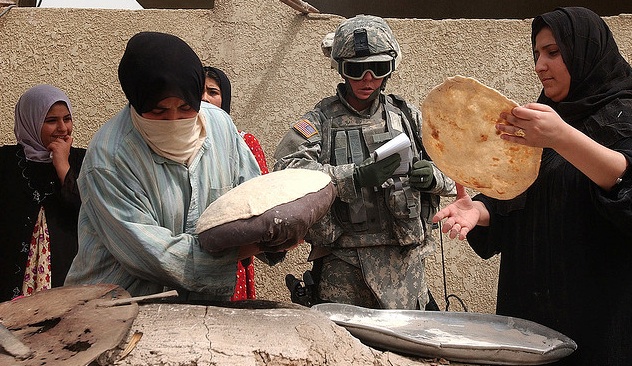
Baking bread in Iraq. Being part of the local experience can make recovery easier.
Tinnitus
When you’ve spent an extensive amount of time working around aircraft, gunfire or even explosives chances are your hearing may be damaged. Tinnitus is defined as a ringing, buzzing, clicking or hissing sensation in one or both ears, it sounds trivial but for the patient, it can be incredibly debilitating. While the symptoms aren’t painful, suffering with Tinnitus either occasionally or indefinitely, will have a negative impact on your quality of life. Sufferers should also be made aware that Tinnitus is often the sign of another medical issue, such as a brain or spinal injury.
Post-Traumatic Stress Disorder
It’s all too easy to focus on physical disabilities, neglecting how damaging and devastating a mental condition can be. This mental health disorder usually involves vivid flashbacks, intrusive thoughts and images, surreal nightmares, sweating, trembling, and distress at reminders of the event. PTSD is common amongst servicemen and women who have witnessed a traumatic event. Sadly, there is no cure for PTSD, however, with psychological help, therapies and even medication, the condition can be monitored and regulated better.
Hearing loss
Another common disability amongst veterans. The complications and impact hearing loss can have is pretty obvious, however hearing loss claims must be directly linked to your military service, in order to receive your benefit entitlement.
Migraines
More than just a simple headache, migraines are incredibly debilitating, painful and can make the sufferer’s life a misery. The severity of your migraines will determine your benefit rating. Your symptoms, as well as the longevity of your migraines, will play a part in this evaluation.
Ankle motion issues
Problems with the ankle joint are widespread in veterans, making it a common VA claim. The stress and strain that veterans place on their bodies in order to do their jobs, means that over time their joints suffer. This can lead to issues with the range of motion, pain and your ability to use the joint properly.
Knee problems
Much like your ankle, the knee joint can experience a lot of trauma. Potentially damaging its range of movement. You may require a full knee replacement or physiotherapy in order to gain back your knee movement and stability.
Every VA claim is different, get in touch with your lawyer today to discuss the VA application process.
Know your civil rights. You can make climate change, greenhouse gases and the earth burning a persona issue. Find out how.
Civil Rights are in place to protect everyone regardless of their race, gender, whether they have a disability or any other protected characteristic such as age or religion. Laws regarding our rights and treating everyone equally have been developed over centuries. Whilst we have come a long way in our fight for equality, there is still some way to go and developments are happening all the time. If you believe that your civil rights have been violated then you may need a civil rights attorney.
Family and Medical Leave Act
The FMLA ensures that employees can take paid leave if they have to have time off for specified family or medical reasons, including having a child or becoming unwell. Recent laws in states across the country are now requiring companies to offer new dads to have paid leave. New York, New Jersey, California, and New Hampshire have all put laws in place. Washington is also in the process of putting laws in place and they should be in force this year. Men, as well as women, should get to spend time with their babies so that they can bond with them and help with the first few weeks.
The Equality Act: 2017 update
The Equality Act was first passed in 1964, but in May 2017 is was updated to include LGBTQ (lesbian, gay, bisexual, transgender and questioning) people from discrimination. This includes discrimination in housing, employment, education, credit, and public services. LGBTQ advocates have been fighting for an update in the act since the 1970s and so this was a big move forward.
California recognizes a third gender
Many of the recent updates in civil law are to do with the LGBTQ movement, there are a growing understanding and knowledge. One issue for many people has been society’s boxes of either male or female, some people do not feel that they fit into either of these boxes. In October 2017 California becomes the first state in the US to legalize a third gender option if nonbinary on state documents and state-issued IDs. Non-binary includes a spectrum of gender identities that are not exclusively male or female. This will also make it easier for people to correct their gender on legal documents.
Similarly, in July 2017 Oregon became the first state to allow people to have an option of “not specified” on identification.
Kentucky restores voting rights to former felons
According to the US, constitution voting is a right. Despite this, many states’ felons cannot vote. This could be understood as when someone commits a crime, many of their rights can be taken away. Such as the right to freedom of movement. In most states, once someone has completed their sentences they are once again allowed to vote. However, in Kentucky up until December 2019, many former felons were still not allowed to vote. This meant that they were never really re-joining society, by being able to vote they can once again be a part of democracy.