Home Blog Page 167

Proud Tahini company gets boycotted for being gay

0
Nazareth-based Al Arz tehini paste
Nazareth-based Al Arz, maker of a popular tahini paste is coming under fire from the Arab population for its support of the Arab LGBTQ community.

Thankfully you can still find pasta that doesn’t piss off gay people. And if you are a bit of contrarian and want to piss off straight Arabs in Israel then just say the words Al Arz. It’s a brand of tahini paste. Nazareth is mainly a Muslim and Christian town, and yes it’s the one from the Bible and today it’s home to the country’s only Arab-owned tahini paste company. Al Arz has come under fire and is facing a boycott for supporting a LGBTQ organization creating a hotline for LGBTQ Arab youth.

Let’s just say tahini (also known as tehina, tehini, techina) is a big deal in Israel. It may even be bigger your sexuality. It’s the glue that holds hummus together and it’s like salt and pepper to every Levantini table. But when this brand decided to help support an Arab LGBTQ group, its straight patrons called for a boycott of Al Arz.

Responding to the boycott calls, Al Arz promised to give even more support to the LGBTQ community.

On a local Whatsapp community group in Jaffa, which is a mixed group of Arabic, Hebrew and English speakers, one member Moti White encouraged his friends to buy more, not boycott the tehina, citing it as “the first Arab-owned business in Israel to actively and openly support the LGBTQ population by giving funds towards creating an Arabic-language phone hotline for struggling LGBTQ youths.” he says.

“LGBTQ people in Israel are now posting pictures of themselves with this brand in order to spread awareness,” says White 31, editor and singer, claiming the movement is being led by Muhammad Zoabi, a local gay Arab activist and vegetarian, vocal in leading the way against the boycott.

Muhammad Zoabi, gay, Arab and a vegetarian. Don’t mess with his tehini.

Zoabi’s statements in both Hebrew and Arabic:

Muhammad Zoabi the tehini capers
Muhammad Zoabi leading the LGBTQ community to support the Al Arz tahini brand.

Here is a previous video featuring Zoabi, who defines himself as gay and vegetarian:

“We in the Al Arz Tahini family love people without differentiation between religion, sex, gender or color. Food connects people. And so do we. We will continue to be an open house and empower disadvantaged sectors whatever they may be,” the statement from the company stressed.

While many Arab Israelis are socially very conservative, especially the Muslim population, LGBTQ Arab Israelis have slowly been taking a more front-facing role. This past May Ayman Safiya, a renowned Arab Israeli dancer drowned in the sea and his funeral brought out thousands of mourners, despite his queer identity.

The Middle East is not always kind to gay people, men especially. You can go to jail for being gay in Iran – or worse be hung like this 31-year-old Iranian man last year. Sharia law does not permit gay sex. In Israel, on the other hand, you might have a better social life if you are part of the gay community.

I was just walking my kid home from his friend’s playdate and two gay guys in front of me were commenting in Hebrew on the quality of the local men in Jaffa. It’s tough now that tourism is cancelled because of Covid-19. The Pride Parade was cancelled. That sucks. Tel Aviv-Jaffa is one of the lesbian and gay capitals of the world, but when those borders expand to Nazareth, a predominantly Muslim and Christian community, the rulebook isn’t so clear. Or better put, you might be walking a slippery slope.

And yes people we are talking about food. We cared about Barilla and its anti-gay statements; likewise the heteros can’t mess with our tahina. We like it in so many ways and it belongs to all of the Middle East (as does hummus – see hummus wars), in all its tasty varieties.

Bio Jewelry That Helps The Planet And Looks Good

0
caddisfly live jewels
Here a caddisfly larva builds its own encrusted gold case. A bird would do this too if you gave it golden twine. The ethics of this is questionable.

Products that provide environmental, economic, and social benefits are known as sustainable goods or bioproducts. They help protect the environment and public health throughout their existence, from the time raw materials are extracted, until disposal. As concern for the planet has increased, many jewelry makers have found ways to create wonderful, sustainable pieces. Known as bio jewelry, they attract buyers who love beauty but want to avoid contributing to issues like pollution or human rights abuses.

Designers Transform Recycled Materials into Elegant Pieces

Sustainable jewelry makers respect the planet by re-purposing materials that go into their pieces. That often means items are made with recycled metal and fair trade gold. Some find creative ways to include parts that would otherwise go into landfills, a process that is known as upcycling. For example, some designers use upcycling to create bright, colorful earrings from bits that would otherwise be discarded. It is easy to learn whether sellers offer bio jewelry because they typically advertise the fact on company websites. For example, if you’re considering Adina’s Jewels, their customer service page outlines the company’s commitment to sustainability.

Ethically Sourced Diamonds Are the Responsible Choice

Many diamonds are extracted from mines that treat workers poorly and force them to labor in dangerous conditions. There are also diamond sellers who only get stones from companies that pay fair wages and are committed to humanitarian practices. These are known as ethical diamonds and are the only type of stones used by designers like Kimberly McDonald. One of several sustainable jewelry makers listed in Harper’s Bazaar, the brand gives back to the environment and supports several charities. Some of her designs include stunning earrings and bracelets made using reclaimed gold and recycled diamonds.

Handcrafted Items Support Important Causes

Sustainable jewelry can also be defined as hand-made accessories that support local women and humanitarian causes. For example, African designer Akola sells a line of unique, eye-catching pieces made by Ugandan women. Their colorful earrings and necklaces are one of a kind. The women who handcraft pieces use sustainable local materials that include raffia, up-cycled cow horn, and sisal. Benefits from sales of the company’s vibrant pieces empower women and contribute to local economic development.

Wald Berlin’s statement necklaces and dainty ankle bracelets are also examples of jewelry made with a humanitarian purpose. Products are crafted in small German villages by unemployed mothers and grandmothers. The lovely pieces combine natural materials such as freshwater pearls, seashells, and crystals.

Cleanly Produced Jewelry Conserves Resources

The processes used to produce jewelry can also brand them as sustainable. Dozens of designers are committed to delivering appealing jewelry using eco-friendly methods. According to Vogue, the AGMES company is a good example. Lead by two sisters, the company’s designers maintain a small environmental footprint and hand make everything locally. All of the sculptural silhouettes that go into their designs are fashioned from recycled metals. Fans of unique sterling jewelry will love their line.

Green jewelry designer Washed Ashore has also committed to sustainability throughout every phase of their operations. Pieces are crafted of postconsumer stones and recycled metals. They include options like a stunning zodiac ring as well as distinctive gold and silver earrings. The business has a green refinery facility and sells products in fully recyclable packaging.

Today many jewelry buyers are looking for sustainability as well as beauty. Fortunately, many designers are now committed to providing bio jewelry that is ethically sourced and created in an eco-friendly environment. Green jewelry designers strive to use recycled or natural materials in their products. They work to reduce their environmental footprints while benefiting humanitarian causes.

Saudi Arabia building world’s largest green hydrogen plant at Neom

neom artificial moon, night scene
A rendering of Neom, an intentional futuristic city breaking ground on the Red Sea of Saudi Arabia

The American gas giant Air Products & Chemicals announced this week that it will build the world’s largest green hydrogen plant in Saudi Arabia. It will be  powered by 4 gigawatts of wind and solar power and the $5 billion USD project will be jointly owned by Air Products, Saudi Arabia’s ACWA Power and Neom, a new mega-city planned near Saudi Arabia’s borders with Egypt and Jordan. You can see the vision in the image above, and the actual site in an image below.

The green ammonia made at the megaplant will made for export to global markets. And the technology used in the project will include the innovative integration of over four gigawatts of renewable power from solar, wind and storage; production of 650 tons per day of hydrogen by electrolysis using thyssenkrupp technology; production of nitrogen by air separation using Air Products technology; and production of 1.2 million tons per year of green ammonia using Haldor Topsoe technology. The project is scheduled to be onstream, or online and working, by 2025.    

The new and yet to be built city of Neom has some serious objectionable plans (and a murder of a local Bedouin activist to deal with), with the ideas from it definitely borrowed from but very askew with the Solarpunk movement or environmentalists in general.

After the Saudi Arabian journalist was brutally executed at the Saudi Arabian embassy in Turkey in 2018 many American and UK companies pulled out their deals including Google-owned Alphabet (working with Neom) and Richard Branson of Virgin

Can we forgive Saudi Arabia as it plans to go green? The completed green hydrogen plant is expected to produce 650 tons of green hydrogen daily, which is about enough to run around 20,000 hydrogen-fueled buses, Air Products said in a press release.  

“Harnessing the unique profile of Neom’s sun and wind to convert water to hydrogen, this project will yield a totally clean source of energy on a massive scale and will save the world over three million tons of CO2 emissions annually and eliminate smog-forming emissions and other pollutants from the equivalent of over 700,000 cars,” said Seifi Ghasemi, CEO for Air Products in a press statement.

Neom desert location
Location for proposed Neom City, on the Red Sea.

Global interest in green hydrogen is rising among oil and gas firms and continents like Europe want to make green hydrogen part of its Green Deal, with an EU-wide green hydrogen policy to be published sometime this month. 

“We cannot electrify everything,” said WindEurope CEO Giles Dickson. “Some industrial processes and heavy transport will have to run on gas. And renewable hydrogen is the best gas. It is completely clean. It will be affordable with renewables being so cheap now.”

Hyzon hydrogen fuel bus
Hyzon, a hydrogen fuelled bus

Pennsylvania-based Air Products says it is the world’s largest producer of hydrogen and a leader in the liquefied natural gas field technology and it has a trading value of about $60 billion on the New York Stock Exchange (NYSE: APD).  The American international corporation sells gas and chemicals for industrial uses.

Saudi Arabia is investing in green hydrogen and renewable energy as a move to divest from oil, but also to woo the western world to the overly conservative and restrictive Saudi Arabian culture. The creators of the new city of Neom want to be able to host one million people from around the world every year. As we see with Middle East vision, often borrowed from Western values but put poorly executed, medga-cities like the zero-energy city Masdar don’t really work. The city is virtually a ghost town now – See The Ecotopia that Never Was

But Neom, planned to include flying taxis, sparring dinosaurs, fake rain, fake moons, AI to monitor your every movement: “This is a pivotal moment for the development of Neom and a key element in Saudi Vision 2030 contributing to the Kingdom’s clean energy and circular carbon economy strategy,” Neom CEO Nadhmi Al Nasr said in a statement.

While green hydrogen is not yet competitive with hydrogen produced by natural gas, like green power made by solar or wind is not competitive with energy produced by natural gas or oil, I support the creation of premium energy and fuel products that are green and sustainable. 

However, about the local Saudi Arabian infrastructure, maybe other solutions are in need of investment first:

Over on Greentech Media one reader comments: 

“I personally think they’d be better off putting in more efficient desalination technologies and building more waste water treatment plants in their cities, and the plumbing to get the sewage from their various public buildings and hotels to those wastewater treatment plants. I think that would lower more emissions than putting up a massively inefficient and expensive hydrogen generation facility.

“Right now the Saudi‘s truck around a lot of human waste between a majority of their buildings and their waste water processing facilities, putting in plumbing would remove all of the trucks driving back-and-forth and idling for hours in line waiting to dump their waste, and consequent emissions.

“That would be a much better investment for the public good.”

Maybe there is a point: Consider the Burj Khalifa in Abu Dhabi, which trucks out human waste every day from the mega-tower. Read Where Does the Poo Go after you eat at one of the World’s Classiest Restaurants.

But I guess this is less of a social issue and more of investing in renewable energy. The cost of which is often debated. See Planet of the Humans, Michael Moore.

While I can debate the value of putting green energy into practice with endless Saudi oil money (I am in favor of greener fuel and renewable energy), I also agree with the above commenter that public good and local issues should come first. Maybe Saudi is better investing builds and green hydrogen plants actually close to the areas where the hydrogen gas will actually be used for public transport. Public transport in Saudi Arabia where the Prince’s falcons get private planes? Not so much. But again, I stand somewhere between the line of being an environmental activist and supporting the real world technologies that will advance our step toward zero energy fuels.

I am all up for a good debate, so feel free to comment below.

Why Boxed Water is Really Better than Aluminum Cans and Plastic Bottles

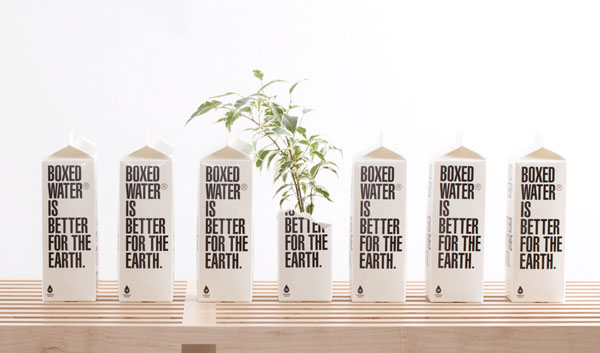
boxed water image
Is boxed water better?

The world has witnessed many amazing environmental benefits this year as Coronavirus pandemic stay-at-home orders resulted in drastic global pollution and carbon emission cuts in a matter of months. While these environmental changes have been tangibly seen – bluer skies, decreased smog, healthier oceans – the transition back to “normal” life has presented a new dilemma that could revert this and any previous, positive environmental strides: the immediate resurgence of plastic.

The materials that we rely upon to protect ourselves from the further spread of this virus – such as hand sanitizer bottles, take out containers and utensils, gloves and more – all have one thing in common: they are derived from plastic. While we support these measures to save lives, they present a major sustainability setback, and we are forced to make a choice about how we address planetary protection amidst this post-quarantine reality.

To offset the necessary surge of medical supplies and PPEs, it is up to the rest of us to identify areas for safe, sustainable choices. One major plastic culprit is bottled water. Communal water stations may be on hold at the coffee shops and hotels. Individuals may not feel comfortable filling up their reusable bottle at a drinking fountain. But that doesn’t mean we have to revert back to plastic bottles.  Luckily, more sustainable options do exist. And what is the best option?  It’s not aluminum cans.  Only paper-based cartons such as Boxed Water Is Better® are truly sustainable, safe water substitutes.

As we have seen, plastic has created massive problems for the planet, and the issues continue to stack up. More than 8M metric tons of plastic flow into the oceans annually, and by 2050 there will be more plastic than fish in the ocean. Plastic pollution isn’t going anywhere – by that same year, plastic production is forecasted to triple based on industry projections. While some cities tout recycling as a solution, even this can be problematic. Most plastic bottles don’t even make it into the recycle bin – only 10% do – and will instead end up landfills. For the bottles that are recycled, the environmental impact of oil drilling and blow molding continue to pose a threat to the planet as a part of the overall production process.

The beverage industry is now marketing a new idea: aluminum canned water. But is this really a solution to single-use plastic bottles? Beverage giants such as Coca-Cola (which owns the Dasani water brand) and PepsiCo (owner of Aquafina) will start selling water in cans in the face of public pressure to reduce plastic, but the environmental concerns associated with aluminum could be just as dire. An independent life-cycle study recently found that aluminum cans have a 200% larger carbon footprint than more sustainable solutions such as the Boxed Water brand. Especially for those consuming several aluminum bottles a day, the cost of production, recycling, shipping and handling on the earth could be too much to sustain long-term. 

From the planetary point of view, creating aluminum, a material that you don’t find in nature, is not an easy or clean process: aluminum needs to be created using a mineral called bauxite. Strip mined and smelted using an enormous amount of heat, water, and energy, about 20 tons of bauxite is required to make 1 ton of aluminum. Breaking down aluminum in recycling processes also creates a pile of unwanted waste known as red mud. 

Compared to aluminum (which is mined from Bauxite), Boxed Water is 50% lower impact on ozone depletion and smog emissions from smelting, and 33% lower impact on acidification due to deforestation. Compared to plastic, Boxed Water has a 64% lower carbon footprint (lower contributor to global warming), 43% less fossil fuel use, and 1,084% lower in impact on the ozone.

 With sustainability in mind, Boxed Water was created to provide a practical solution to the single-use plastic challenge. Like many other products ranging from soup to milk, Boxed Water is packaged in recyclable cartons made using paper from well-managed forests. We’ve also launched a plant-based cap, derived from residue waste from FSC-certified sustainably grown trees used for pulp and bioenergy, which has lower CO2 emissions than petroleum and sugarcane-based plastics. 

Boxed Water is leading initiatives in educating consumers about the difference between boxes (mainly made from paper), plastics and aluminum. As a proud member of 1% For The Planet and partner of the National Forest Foundation (NFF) and Ocean Blue Project, Boxed Water has cleared beaches of thousands of plastic bottles and this year planted their one millionth tree as a part of our long-standing reforestation efforts. The trees planted will provide clean water and purify the air of 500,000 tons of carbon dioxide.

As we all become more vigilant about the safety of the products we utilize, we cannot forget to consider how a single plastic bottle used for 15 minutes today will affect the next 700 years on our planet. We may be getting accustomed to this new normal, but let’s ensure that it is also a better normal for our world.

Why Installing an MVHR Unit is a Great Way to Save Money on Your Heating Bills

0
Pete Davis, tiny home
Start a green business, inside a tiny home. Keeping expenses and overhead low.

A mechanical ventilation heat recovery or MVHR system is based on a heat exchanger that transfers heat from outgoing to incoming air in your ventilation system. These systems can dramatically improve your home’s indoor air quality by increasing the turnover of air while thoroughly filtering it. They are also one of the greenest technologies you can add to your home. Let’s learn why installing an MVHR unit is a great way to save money on your heating bills.

It Reduces Your Overall Energy Needs

Not only can an MHVR help you save on energy bills in the winter, but it can do so all year long as well. When incoming air is partially heated by the outgoing air, you don’t need to turn the thermostat higher to warm it even further. In the summer, the incoming air is cooled, and the heat is pulled from the outgoing air.

Furthermore, the MVHR system can capture latent heat that is otherwise lost to the atmosphere like exhaust from your clothes dryer or the hot steam from your last shower. This is why a heat recovery ventilation system can reduce your heating and cooling needs by up to a third.

It Keeps Your Home’s Temperature Consistent

An MVHR system can reduce your heating, cooling, and ventilation needs in other ways. For example, you can add a larger vent and fan to the bathroom or kitchen to pull that hot, humid air and distribute it throughout the house. This can eliminate the need to turn on ventilation fans to vent that hot, wet air outside.

Those types of fans may pull heated or cooled air out of your home, forcing you to run the heaters or to make up for it. Furthermore, the MVHR system distributes heat, eliminating hot and cold spots in most homes. This may mean you don’t have to run a heater in the coldest room of the house. If you have several radiators in your home, the MVHR system will help distribute that heat throughout the house, reducing the need to rely on supplemental heaters.

It Improves Your Home’s Air Quality

MVHR systems rely on extensive air filtration. This allows you to remove odours and dust from your home without having to open a door or window, and thus reduce the amount of hot air that escapes the house.

The high rate of air exchange will also prevent moisture from building up inside the house. High humidity can make the air feel uncomfortable but also exacerbate certain conditions. In many cases, people will choose to turn on a dehumidifier or open a window, which puts more demand on your heating system. If MVHR systems remove that excess moisture, you won’t need your heating to make up for it.

Depending on the system you install, it may transfer humidity from the outgoing to the incoming air as well. Best of all, it will prevent a build-up of mould and dust in a home. This is why an MVHR system is a great choice for those with asthma or allergies.

MVHR systems are an integral part of the modern energy-efficient home and should be considered by all homeowners. Improving your indoor air quality and overall quality of life is just the cherry on top.

Ventilation System with Heat Recovery To Help Combat Covid-19

0

windows of office buildings at night new york

The outbreak of Covid-19, and the impact it has had on the world, has changed the way we live and how we think about many social situations.

Masks are becoming more and more common when people are outdoors and in public spaces. The air we breathe has suddenly come under extra scrutiny. The strength of this illness and the speed with which it spreads is a threat to our communities and families that should not be underestimated. Having a home or business with a ventilation system with heat recovery can help combat the spread of Covid-19 and protect us in the event of an outbreak or a lockdown.

How Do These Systems Protect Against Covid-19?

Ventilation systems with heat recovery are well known for being an energy-efficient home or business heating solution, but one of the many added benefits they have is air purification.

The systems draw air in from the outside and heat it in order to warm the building, but before they do the air passes through a high-grade HEPA air filtration system that removes a number of particles, including bacteria. These filters are similar to an N95 grade face mask and provide similar protections, but for all the air in the building. This gives you the freedom to stop wearing a face mask but offers a similar level of protection as wearing a mask.

Why Are These Systems Energy-Efficient?

By using a ventilation with heat recovery system instead of a traditional furnace or water boiling system, you can make big savings on your heating costs.

Many heating systems use large amounts of electricity, or they burn natural gas in order to heat water piped throughout the home. This water then sits in radiators that bring heat to rooms and hallways. Ventilation systems that use heat recovery heat the air and pump it to each area. Waste heat is reclaimed from stale air that is expelled and the system and used to heat fresh air that has been drawn from the outside and filtered.

Combined with high-quality home insulation and energy-efficient windows, the cost of heating your home can be dramatically reduced.

Are Ventilation with Heat Recovery Systems Complicated to Install and Use?

Ventilation and heat recovery systems are actually incredibly simple to operate, and their installation can often be done in just one or two days.

The system pumps the heated air using ducts that fit into crawl spaces and under floors, where it is vented into every room and hallway. This installation can be done quickly and allows you to remove any radiators and water heat pipes, reclaiming space. The units that power the system also have a small and discreet footprint that will allow you to get even more space back in your home or business by removing water boilers and hot water tanks. 

Using a ventilation system with heat recovery to heat your premises and help combat Covid-19 is a great idea, and also a sound investment for the future. Outbreaks like the Covid-19 outbreak of 2020 may become more common in the future, and having high-grade filters to purify the air in your building could give you, your family, and your employees, extra protection during a lockdown.

Does Eco-Friendly Travel Truly Exist?

0
odom ski lebabon, biodome, dome tent glamping
Glamping in Odom in the mountains of Lebanon

Being born of nomadic ancestors, it’s little wonder so many of us have been struck by wanderlust. Travelling has the ability to make us feel connected and displaced. Experiencing life in another culture or place expands your understanding of yourself just as much as it does your understanding of others. But, can we really travel eco-friendly? How can we reduce our carbon footprint while still exploring the great unknown? Are there easy ways to be a green globetrotter? This guide to sustainable travel has some ideas we can put to use without much effort. Let’s look at some ways we can exercise respect for the environment as well as the local people while abroad.

oldest olive tree with man
The world’s oldest olive trees are in Lebanon

The Journey

By now we’re all aware that air travel is not the most eco-friendly way to go, however in some cases it’s the only way to get from A to B. Luckily for us, there are many ways in which we can ease the burden we place on the planet and make our travels as sustainable as possible. The first rule of sustainable travel is finding ways to move about the local area that are as low-impact as possible. The best method of travel for the environment is two feet and a heartbeat. Walking does not require any carbon emissions, gasoline, or manufacturing.

Modern Solutions for a Modern Problem

Not everyone is able to walk long distances and some people may have a disability that does not allow them to walk safely or even at all. While walking is certainly the cleanest method of travel from an environmental standpoint, there are other methods that still minimize greenhouse gasses and other damage to the planet. Renting a bicycle, scooter, or segway is one option for those who may not be able to walk. Many big cities now have access to pay-per-use transportation, meaning you can hop on a bike, pay for your time spent riding and then leave the bike for the next person who needs it. Find a bike that has a place to store your stuff while you travel. In the city I just use an old plastic milk crate, but you might want a sleek front bike rack which is a more secure option if you are travelling in an unknown city. This option is great if you’re in an area that has this infrastructure built and is small enough in a geographical location that you can move about the places you wish to see using your own power.

Classic Options with a Green Update

When it comes to longer trips that are too far to cycle or are over terrain that is unsafe for foot travel, public transit options like coach busses or trains are surprisingly eco-friendly nowadays. Busses and trains are capable of moving large groups of passengers and minimizing the number of individual vehicles on the road. They’re also designed to be more fuel efficient and release fewer emissions as a result. Not only is it often more cost effective to travel by bus or train, but there is also the added benefit of being able to enjoy the scenery and company without having to focus on driving.

Old Faithful

When public transportation is not a viable option, carpooling or rideshares are the next best thing. Planning group trips or joining tours will again minimize the number of vehicles on the road. It is also important to try to select a vehicle that is low emissions if possible. When using rideshare, opt for eco-friendlier options than SUVs and try to plan your trips to avoid unnecessary mileage. All of these small decisions add up to a much greener trip.

Beyond getting around for your sight-seeing, choosing a place to stay can also have major impacts on the environment.

Accommodations

glamp tents Tel Aviv
Glamping in Tel Aviv.

Although tempting, luxury hotels can be some of the worst offenders when it comes to environmental impact. Opting for greener lodging such as a hostel or guest-home will not only provide you with the unique experience of how the locals live, it is also a great way to meet new people and lower your carbon footprint. There are booking companies that focus on finding safe and green options for lodging so travellers can relax and enjoy their trip knowing they’ve made a better choice. If you do decide to stay in a luxury hotel, opt to reuse your towels instead of daily towel service and use your own shampoos and soaps instead of the single-use plastic bottles. Also, don’t be afraid to leave comments or feedback for the hotel management on how they can be more eco-friendly. The more we advocate for change the more likely we are to get it!

Home Away From Home

Regardless of where you stay, treat it the same way you treat your own home. Don’t forget to turn off the lights and be mindful of your water usage as well. Adjust the thermostat so it’s not overworking and take advantage of the climate you’re visiting. If you’ll be on an all-day adventure, pack your own snacks and beverages in eco-friendly containers to avoid littering and purchasing items with excessive packaging. The same eco-friendly principles you use at home should be used abroad as much as possible.

Eco-Tourism and Tourist Traps

gulf, middle east, cheetah on a leash, wild animals, illegal wildlife trafficking, Ajman, Emirates, Law 54, The Green Sheikh, illegal wildlife ownership

Before spending your money on a tourist activity consider these important questions: Does it involve local wildlife? Does it rely on single-use items that pollute the area? Am I exploiting a local community population or endangering a local guide? Who does the money benefit? Try sourcing out local museums and attractions that directly benefit the culture’s history and community. Environmental journalist Aaron ‘Bertie’ Gekoski has worked tirelessly on bringing the dark underbelly of wildlife tourism to light. It’s up to us as tourists to stop funding activities that harm local wildlife and people. Additionally, avoid damaging environmental areas or sacred grounds for a selfie moment. Most importantly, when exploring natural areas, be respectful of the signs and rules posted. As a general rule, always leave the area better than you found it. 

Pack Your Bags

cute backpacking woman

Finally, being green in your daily life can have great effects on your travel as well. How to Pack Like a Sustainable Traveller suggests packing items that you can use abroad to minimize your individual waste like refillable shampoo and body wash containers. For those who menstruate, try reusable napkins or menstrual cups to avoid any issues with plumbing and to eliminate landfill waste. Avoid products that contain harmful chemicals or things like microplastics that can easily disrupt the local environment and cause damage. Not only will packing green save the environment, but it will also save you money! Lighter luggage will allow you to avoid any additional costs at the airport and prevent you from overspending on items once you arrive.

The Verdict

It’s nearly impossible to travel at net-zero, however, there are tonnes of small and thoughtful steps we can take to minimize our impact and travel in a sustainable way. A small amount of research ahead of time can make all the difference in the world when it comes to eco-friendly travel. We might not be able to travel completely green, but we can travel in a safer and more sustainable way that will ensure future generations can travel the world and see its wonders for years to come.

Introduction to Cannabinoids: 7 Cannabinoids You Should Know

1

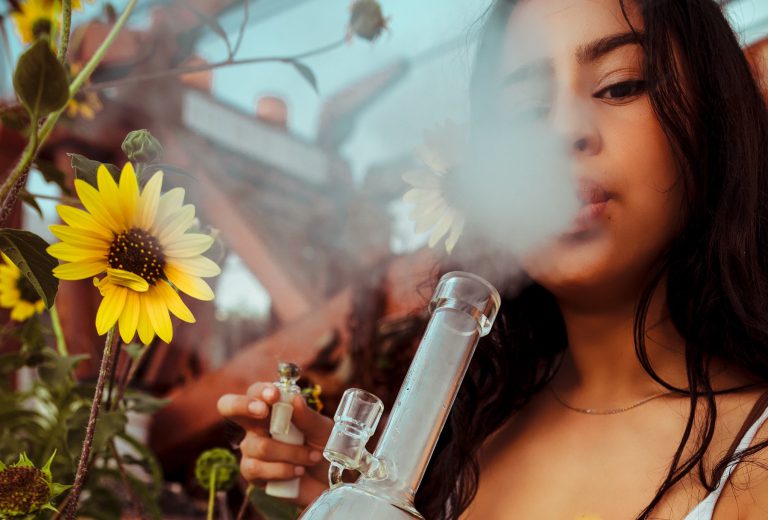
woman smoking a bong

The hemp industry is growing larger every year, and alongside this explosive growth, our knowledge of hemp and the compounds it contains is also increasing. Mature Cannabis sativa flower contains more than 1,000 compounds, and out of these compounds, more than 100 are unique phytochemicals called cannabinoids. While hemp contains tons of different cannabinoids, most of them are copies or “analogs” of a few main compounds, and in this guide, we’ll introduce you to a few of the core cannabinoids that are reshaping the hemp industry and creating opportunities all around the globe.

What are cannabinoids?

Many of the compounds found in hemp, such as flavonoids and terpenes, are also found in other plant species. Cannabinoids, however, are so named because they are only found in Cannabis sativa. While compounds in other plants may resemble cannabinoids, they are not identical to these unique hemp constituents.

Some cannabinoids, such as THC, have intoxicating properties, but most do not. Instead, the majority of cannabinoids, such as CBD, CBG, and CBN, have mild and non-intoxicating effects, but they might exert potent medical benefits. The scientific community has recently taken great interest in the potential therapeutic potential of non-intoxicating cannabinoids, and around the globe, the consumer cannabinoid market continues to grow at an exponential pace.

1. Cannabidiol (CBD)

Next to THC, CBD is one of the most well-known and popular cannabinoids. While strains of hemp that deliver high amounts of CBD while keeping THC to a bare minimum were practically unheard of a decade ago, some hemp cultivars now exceed 20% CBD while containing 0.3% THC or less.

CBD is similar to THC in that it appears to impact inflammation and pain. Unlike THC, however, CBD is non-intoxicating, and CBD may also offer unique benefits that THC does not. For instance, CBD appears to impact your mood by gently interacting with your nervous system, and this cannabinoid has even been looked at for its potential antiepileptic benefits. While other non-intoxicating cannabinoids are also rising to popularity, CBD will remain the cornerstone of the hemp-derived cannabinoid market for the foreseeable future.

2. Cannabigerol (CBG)

In the last few years, CBG products have started to enter the consumer market, and this promising cannabinoid is rapidly gaining a level of popularity similar to that of CBD. Like CBD, CBG is non-intoxicating, but this hemp constituent may offer unique benefits that CBD does not.

For instance, scientists are keenly examining cannabigerol’s potential antibacterial properties, and this cannabinoid may also show promise as a potential treatment for digestive conditions. It’s becoming easier to derive large quantities of high-quality CBG now that hemp cultivars have been developed that contain significant concentrations of this cannabinoid, so it’s likely that CBG will become even more popular over the next few years.

3. Cannabinol (CBN)

CBN is naturally present in THC-rich and CBD-rich strains of Cannabis sativa in concentrations under 1%, and recent scientific breakthroughs have made it possible to produce high-potency CBN extracts that aren’t just cobbled together from the minuscule amounts of this substance found in most cannabis cultivars. That’s good news for consumers and investors who have heard of CBN’s potential benefits, which could make this non-intoxicating cannabinoid useful for neurological health, appetite, and other purposes.

There is also a large body of anecdotal testimony regarding CBN’s potential benefits for sleep, but at this point, there isn’t enough science on this subject to draw definitive conclusions. As we learn more about CBN and further clinical studies are commissioned, it will become clear whether CBN is truly useful as a sleep aid.

4. Cannabichromene (CBC)

Like CBD, CBC appears to interact with various systems in your brain to modulate the sensation of pain without causing intoxication. Cannabichromene has been researched extensively over the last few decades, but it’s still relatively hard to derive CBC from Cannabis sativa, so there aren’t many products that prominently feature this cannabinoid.

One reason we should pay attention to CBC is that limited lab studies indicate this non-intoxicating cannabinoid might be useful for brain health. Regardless of its individual properties, the presence of CBC in cannabinoid extracts appears to contribute to the entourage effect, a theoretical form of synergy that may occur when cannabinoids are used together.

5. Tetrahydrocannabivarin (THCV)

THCV is very similar to tetrahydrocannabinol (THC), but it appears to exert significantly reduced psychoactive effects. This cannabinoid can’t be classified as strictly non-intoxicating, but it’s different enough from THC to be placed in a category of its own.

Like THC, THCV binds to the CB1 and CB2 receptors in the brain, which are the main components of the endocannabinoid system. Unlike THC, however, the mild psychoactive effects that THCV provides do not generally cause paranoia or anxiety.

6. Cannabidivarin (CBDV)

Just as THCV is structurally similar to THC, CBDV is structurally similar to CBD. These two cannabinoids are different enough to be classified separately, but like CBD, CBDV has been researched extensively for its potential antiepileptic benefits.

CBDV is usually only available in Cannabis sativa in very small quantities, but via the entourage effect, this analog of CBD may interact with other cannabinoids and strengthen their effects. When isolated, CBDV has been examined as a potential treatment for inflammation, pain, and neurological disorders.

7. Cannabigerovarin (CBGV)

CBGV is an analog of CBG that has many of the same properties as its more well-known cousin. For instance, researchers have investigated CBGV for its potential digestive, antibacterial, and glaucoma-fighting benefits.

Like the other “varin” versions of popular cannabinoids, CBGV is only present in hemp in very small quantities. Research into the unique benefits of CBGV, however, indicates that this cannabinoid may have the unique property of increasing the bioavailability of CBD, which means that CBD products that also contain CBGV may offer enhanced effects.

Knowledge is power in the hemp industry

Even if you’ve used and enjoyed intoxicating or non-intoxicating versions of Cannabis sativa for years, there’s still plenty to learn about this fascinating plant and the compounds it contains. These days, entrepreneurs in the hemp industry need to know a lot about the cannabinoid bulk ingredients they offer to win consumers over and succeed, so use the detailed information we’ve covered in this guide to expand your horizons and take advantage of everything the hemp renaissance has to offer.

Welcome to the world of Solarpunk

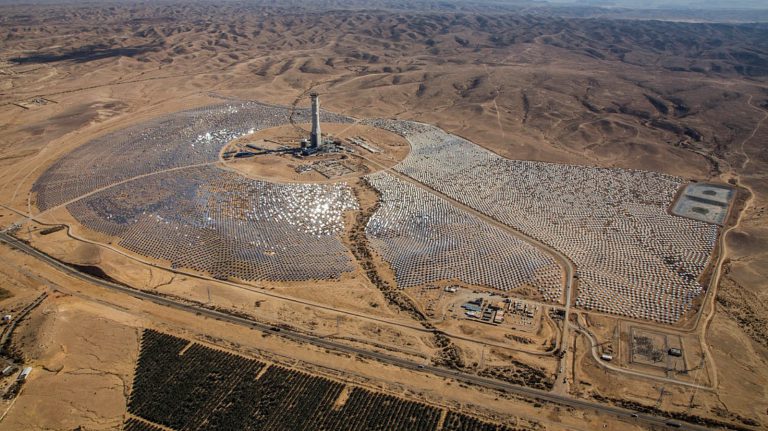
solar energy field in ramat hanegev
Solar power plant is Israel is totally Solarpunk.

Between March and April, the Israeli government incrementally established isolation guidelines to prevent the COVID-19 virus from spreading. Along with the closure of multiple businesses and institutions, transportation was severely limited, forcing people to work from home, thus drastically cut the number of vehicles on the road.

As a result, Israel experienced a 40% reduction in nitrogen dioxide concentrations, a reactive gas emitted by the burning of fuel, during March 2020 compared to prior March emissions. Since then, Israel has gradually lifted its restrictions, allowing the public to freely venture outdoors as well as granting businesses the ability to reopen.

Elsewhere, cities under quarantine have also detected improvements to their own particular environments. For instance, China’s carbon dioxide (CO2) emissions have been reduced by 18% between early February and mid-March (although this statistic was originally 25% before their economy began to rebound). Coinciding with city lockdowns and restrictions on non-essential travel, Europe has experienced decreases in nitrogen oxide outputs of up to 56% at Madrid in mid-March. India’s capital, New Delhi, has seen a 60% decrease in harmful air particulate matter, which can actually be seen. Even Los Angeles, a city infamously known for its poor air quality, has had a 20% improvement in the three-week period following its mid-March shutdown. Although this might also be a result of the stormy spring weather Los Angeles was experiencing at the time, experts suggest.

Although these environmental recoveries are temporary because of eventual economic reboot, we should not be taking these environmentally beneficial changes for granted. Significant reductions in carbon emissions, nitrogen oxide levels, and harmful air particulate matter have given all of humanity a glimpse into what our planet could be like if we lived more harmoniously with our natural surroundings—the very lesson the Solarpunk movement imparts.

This does not mean we should remain indoors for an eternity for the sake of our environment’s health. Instead, we should seek out strategies and plans to control society’s previously unchecked indulgences in order to have our already existing artificial landscapes function alongside the natural environment.

As a result of COVID-19 isolation guidelines, Israel experienced a 40% reduction in nitrogen dioxide concentrations, a reactive gas emitted by the burning of fuel, during March 2020 compared to prior March emissions. 

What is Solarpunk?

This niche, internet-originated movement is relatively young, beginning in 2008 before it started to proliferate in 2015. Principles of Solarpunk involve a wide spectrum of recognizable activities that have arisen in the age of sustainability. Among those activities are performing permaculture, avoiding the use of single-use or disposable items, practicing recycling, saving and conserving water, shrinking our carbon footprint, or implementing land restoration measures, just to name a few.

As a conscious and positive response to the current Anthropocene (the era of humanity’s significant impact on Earth’s natural systems), the Solarpunk movement aims to convert science fiction into science action. This is done by creating visual representations and artistic conceptions of architecture and locally governed infrastructure that have the ability to harness renewable energies, including solar design, as a way to achieve greater levels of functioning urban biomimicry.

Taking inspiration from Art Nouveau aesthetics (art inspired by aspects of the natural world), Solarpunk’s imagery provokes a sense of aspiration for a world that values renewable energy sources over fossil fuels, with an emphasis on urban centers.

According to the U.N., cities currently consume 78% of the world’s energy and are responsible for producing over 60% of greenhouse gas emissions, which will only worsen over the next 30 years. Right now, 55% of the world’s population lives in cities. By 2050, this figure is projected to increase to 68%, which strongly suggests a further increase in pollution.

Rather than creating policies, the Solarpunk movement serves as a source of inspiration for all people to envision a reachable point in time, where the world could be designed for universal coexistence and thus, be built to last.

Israeli company SolarEdge has been working since 2006 to further improve the photovoltaic (PV) system. The company’s technology offers increased energy production and reduces the cost of energy produced by the PV system. 

Solarpunk in the 21st century and in Israel

The 21st century has been exemplary of incredible urban sustainable expansion considering the numerous and various types of innovations, regenerative designs, and architectural feats that have been developed worldwide in notable places such as ChinaSingaporeCopenhagen, and Italy.

Israel has also become one of the world’s leading contributors towards sustainable development and innovation. Established in 2006 and 2009, Israeli companies Vertical Field and Green Wall, respectively, have spearheaded hundreds of projects that tackle issues of urban air pollution and future agricultural shortcomings by planting plants onto the facades of municipal buildings, private homes, and offices with various kinds of vegetation and agricultural produce. Not only do these efforts aesthetically reflect the nature-infused urban imagery Solarpunk often exemplifies, but they also provide crucially restorative and essential services to us and the environment.

Israeli companies have also turned their efforts to the sea for gathering renewable energy. In 2014, Eco Wave Power began station operations of an innovative technology that generates clean electricity from the movement of waves at Jaffa Port. The station’s impending connection to Tel Aviv’s electrical network will serve as a step forward towards urban-environmental synergy.

But even more prominent than the waves along Israel’s coastline is the amount of sunlight the country receives due to its subtropical latitude and often lack of cloudiness. It’s no surprise that solar heating panels atop roofs for domestic water usage is so common. However, Israeli company SolarEdge has been working since 2006 to further improve the photovoltaic (PV) system. The company’s technology offers increased energy production and reduces the cost of energy produced by the PV system. With the abundance of sunlight so high in this region, the continued investment into solar technologies will inch Israel that much closer towards a reduced dependency on fossil fuels, composing a healthier environment in the process.

Though the future may seem unpredictable, especially with the threat of COVID-19 still looming, this pocket of time has given all of us a chance to reexamine the status of our carbon footprint. Perhaps we should take this time of economic recession and environmental rebound to capitalize on the technologies that can mutually improve both.

This article is courtesy of ZAVIT.

Goats – your new firefighting friends

0

goats as firefighters
The group in question consists of about 160 goats, sheep, cows, and camels. As strange as it may sound, but grazing, especially goats, has been found in many studies as an effective way to reduce the risk of extensive fires.

Now, a new Israeli study has explored different ways to expand the use of this simple and ecological practice and to encourage goat grazing in Israel. Goats contribute to fire prevention by eating the excess vegetation in areas where plant growth is dense and scrubby (such as forests), making it more difficult for fires to spread.

Animals, such as cows and sheep, also aid in thinning out the vegetation, but they mostly feed on grasses, while goats prefer to eat bushes and low branches of trees (and sometimes even stand on their hind legs to reach them).

When the shrubs and lower tree branches are thinner, it’s harder for a fire that ignites at ground level to climb upwards. Therefore, a situation where flames reach the treetops and begin to spread from top to top, causing a small local fire to become a dangerous uncontrolled forest fire that quickly consumes many acres of woodland might be avoided.

In the past, there was widespread goat grazing in Israel, which was significantly reduced following the Plant Protection Law (goat damage), also known as the “Black Goat Law”, named after a common breed among Bedouins in Israel.

This law, enacted in 1950 and widely enforced since 1978, significantly restricted goat grazing, leading to a decrease in the number of goats (especially in the Carmel Mountains) from 15,000 in 1970 to only 2,000 in 2013.

Over the years, evidence of the benefits of forest fire prevention through grazing has accumulated, and the law was repealed in 2018 – but the extent of grazing in Israel is still limited.

Goats contribute to fire prevention by eating the excess vegetation in areas where plant growth is dense and scrubby (such as forests), making it more difficult for fires to spread. 

The problem: more freedom, less milk

According to the new study, grazing does have benefits for farmers (such as providing free food for animals). However, in order to expand goat grazing in Israel, several major issues have to be addressed, relating mainly to the central agricultural purpose of goat rearing: milk and its products.

When goats depend on a diet given to them in a controlled environment like a shed, farmers can choose food for them that helps to increase their milk yield, while free-ranging goats that are feeding on pasture, tend to produce less milk.

In addition, it’s difficult for goats of the European breed, which are widespread in Israel, to graze in the Israeli climate and terrain, so they must be reared and held in sheds. Locally-bred goats, well adapted to the region, may have no trouble grazing, but produce less milk than their European relatives.

Beyond that, pastures also have direct costs, because a shepherd is needed to at all times to accompany the herd out in the pastures.

According to Dr. Liron Amador, a researcher at the Open Landscape Institute (OLI) of the Steinhardt Museum of Natural History at Tel Aviv University, and co-author of the new research study, human assistance is indispensable when grazing is carried out to prevent fires.

“Someone must direct the herd to the recommended places, like sites with very thick vegetation, or areas close to residential areas where grazing will help protect communities from fires,” she says.

Grazing in open areas also presents technical challenges, because even when goats go out to pasture, it is necessary to build some kind of temporary stable for them, which serves as a warm shelter at night, as well as a dairy.

These buildings must be located no more than 2 miles from the area where the herd is grazing, as goats find it difficult to cope with larger distances, which makes it necessary, in some cases, to build them in the open space – which might cause harm to the environment.

Free-ranging goats that are feeding on pasture, tend to produce less milk. 

Encourage amateur shepherds

Supported by the Jewish National Fund’s Forestry Division, the OLI is also looking at different methods to see how grazing as fire-prevention can be expanded.

To that end, the researchers are conducting surveys among sheep breeders and representatives of organizations in the field, checking different factors in relevant locations, and performing geographical analyzes.

One of the researcher’s suggestions was to encourage goat grazing among amateur growers.

More specifically, village residents who raise goats as a hobby, but are often not taken into account by the officials because their number of goats are small (between a few and a few dozen). The researchers found that under certain conditions, such as receiving logistic or financial aid, these breeders would agree to slightly increase their herds and let them graze around their neighborhoods. “They already know how to raise goats, and they like it, so why not? We need the small herds,” says Amador.

As a solution to the problem of building enclosure in natural areas, the researchers proposed to place the buildings adjacent to the edges of agricultural settlements.

In a geographical analysis of the Mateh Yehuda Regional Council (an area in the Jerusalem District of Israel), the researchers found that due to the relatively short distances between the communities, goats grazing would be possible in almost all the areas where it is needed, without harming protected areas or nature reserves.

Another direction the researchers have looked at is establishing mobile goat herds. Such a venture has been in existence for a decade, launched by JNF in Mateh Yehuda together with a group of Bedouin shepherds.

Every year, for a period of several months, the shepherds come from the northern Negev to the Jerusalem Mountains and stay in mobile facilities.

In exchange for grazing in the area, goat owners receive benefits for their herds, such as subsidies, vaccines, water, and supplementing food when needed. The researchers found that there is a potential to establish mobile herds in the north of the country, especially by shepherds and volunteer organizations such as the “New Guard.”

“The understanding among the rural and urban communities how important and beneficial goat grazing is in certain areas needs to be strengthened,” says Amador.

According to Amador, grazing as a form of fire prevention is also being tested or planned to be carried out in communities such as Haifa, Kiryat Tivon, and Kokhav Ya’ir.

“A change is happening. In many places, communities come to realize that grazing is a more lucrative and environmentally benign option than mechanically cutting down the vegetation, and dumping it in waste sites.

Instead, you can take out a herd of goats that does all the work,” Amador concludes.

This article is courtesy of ZAVIT.

Can smelling cannabis unlock antiviral protection?

eybna cannabis covid
Cannabis has a strong smell right? That strong odor has molecules that can work as medicine. Bach flowers on steroids to the rescue.

Burning incense may work to keep away the bad jujus and the jinn. My family did it during our corona lockdown. Aromatherapy was serious business in Ancient Egypt. If you didn’t have the right mix a certain canine god would not let you into the afterworld. Aromatherapy was connected to demons or jinns, could help you find love, and could help treat you from certain ailments, much of this is documented all over the internet. But one thing we haven’t talked about when we consider cannabis and its medicinal properties of the CBD and THC in the medicinal marijuana, is the power and potency of cannabis as aromatherapy.

Could the smell of cannabis keep Covid at bay?

An Israeli company Eybna investigates.

Consumers of cannabis products are fast discovering what scientists have understood for some time: terpenes, the compounds in cannabis that account for its wide variety of smells and tastes have an even more important role, unlocking the true medicinal qualities of the plant.

There are over 10,000 known terpenes found in flowers, plants and fruits, some of which interact with human and animal endocannabinoid systems and can influence neurotransmitters in the brain. When I was giving birth, I ached to smell orange oil. I did and it helped my labor tremendously. Hadass, Sicilian oregano, fresh mint. I rub the fresh herbs in my garden and bury my face in them. They make me feel better.

Consider linalool,  a terpene found in lavender which has a calming effect when inhaled, or, limonene, the terpene found in citrus (and which I craved suddenly),  is associated with mood-elevation. The terpene Beta-Caryophyllene, found in basil, black pepper has been shown to have anti-inflammatory, antioxidant, pain-relieving and anti-anxiety benefits.  Could you guess that all these terpenes, and many more, are found in cannabis. Just like CBD can be found in oranges (see this story about a Japan company extracting CBD from unused orange peels), not all the molecules in cannabis are exclusive to that plant (consider hemp or oranges) and not all the chemicals in oranges are exclusive to the citrus plants.

“Cannabis use is generally the first-time people are introduced to consuming terpenes in large amounts via inhalation,” says co-founder of Eybna Technologies, Nadav Eyal. “Studying its effects opens new opportunities for scientific discoveries impacting all botanical medicine including cannabis, the botanical that has, only in the past few years, developed into an international industry worth billions.”

It is little known that the extraction method for producing cannabis oil, which is used to infuse many of today’s cannabis products including vape pens, edibles, and topicals, strip out the terpenes.  Product manufacturers need to bring the terpenes back for the unique and varied smells and tastes that consumers of cannabis expect and more importantly, for the therapeutic effects of these products.

Eybna is researching terpene properties and producing advanced terpene products for sale. Terpenes represent only 1-3% of the net weight of the cannabis plant but they punch above their weight in value.

THC and CBD are now becoming commodities while terpenes can be understood as the brains that unleash the true power of the cannabis plant. As cannabis increases its market share, so too will terpenes, the company predicts.

Even with progressively advanced techniques to design drugs in the lab, synthetic forms of cannabis-based pharmaceuticals such as Merinol and Syndros have not been effective in alleviating symptoms or helping patients recover from a host of ailments.  These man-made drugs lack the natural intelligence that terpenes add to other cannabis compounds and they simply cannot be reproduced. No one has yet to imitate the complexity, or “Entourage Effect” of terpenes and over 1,000 different compounds found in the whole cannabis plant.

Anti-virality and anti-inflammatory may be some indications for the terpenes of cannabis. Let’s hope Eybna is able to put their toolkit in the face of Covid (see cannabis and Covid here) and other medical challenges we face so we can increase our odds and improve life’s value.

Electronic waste getting worse, up 20% in 5 years

0

Queen Mary II ewaste

Last years e-waste weighed substantially more than all the adults in Europe, or as much as 350 cruise ships the size of the Queen Mary 2. Another metric: 15 pounds for ever person on earth, every year.

Wonder why the planet is lashing back with plagues like Covid-19, floods, global warming? It’s all connected and even though over there and out there is far away, a record amount of e-waste or electronic waste is building up in our planet putting everyone, not just the vulnerable –- at risk.

The United Nations sent Green Prophet a new report: a record 53.6 million metric tonnes (Mt) of electronic waste was generated worldwide in 2019, up 21 per cent in just five years, according to the United Nations in their Global E-waste Monitor 2020.

The new report also predicts global e-waste – discarded products with a battery or plug – will reach 74 Mt by 2030, almost a doubling of e-waste in just 16 years. This makes e-waste the world’s fastest-growing domestic waste stream, fueled mainly by higher consumption rates of electric and electronic equipment, short life cycles, and few options for repair.

A sad state for electronics recycling

Only 17.4 percent of 2019’s e-waste was collected and recycled. This means that gold, silver, copper, platinum and other high-value, recoverable materials conservatively valued at US $57 billion — a sum greater than the gross domestic product of most countries – were mostly dumped or burned rather than being collected for treatment and reuse.

Who are the biggest polluters, by continent?

Asia, no doubt, being the factory and dumpsite of the world, generated the greatest volume of e-waste in 2019 — some 24.9 Mt, followed by the Americas (13.1 Mt) and Europe (12 Mt), while Africa and Oceania generated 2.9 Mt and 0.7 Mt respectively.

E-waste is a health and environmental hazard, containing toxic additives or hazardous substances such as mercury, which damages the human brain and its coordination system.

About 15 pounds for ever person on earth

  • Proper e-waste management can help mitigate global warming. Countries like Israel have made plans and bills but there is very little on the ground enforcement. It’s especially a concern in places like China where the oversight in production is murky and where it is hard to find details of true environment conservation. In 2019, an estimated 98 Mt of CO2-equivalents were released into the atmosphere from discarded fridges and air-conditioners, contributing roughly 0.3 percent of global greenhouse gas emissions. That means every new appliance you buy, one goes to landfill.
  • In per capita terms, last year’s discarded e-waste averaged 7.3 kg for every man, woman and child on Earth.
  • An estimated 50 tonnes of mercury — used in monitors, PCBs and fluorescent and energy-saving light sources — are contained in undocumented flows of e-waste annually.
  • E-waste in 2019 was mainly comprised of small equipment (17.4 Mt), large equipment (13.1 Mt), and temperature exchange equipment (10.8 Mt). Screens and monitors, small IT and telecommunication equipment, and lamps represented 6.7 Mt, 4.7 Mt, and 0.9 Mt respectively.
  • Since 2014, the e-waste categories increasing fastest in total weight terms are: temperature exchange equipment (+7 percent), large equipment (+5 percent), lamps and small equipment (+4 percent). According to the report, this trend is driven by the growing consumption of those products in lower-income countries, where those products improve the living standards. Small IT and telecommunication equipment have been growing more slowly, and screens and monitors have shown a slight decrease (-1 per cent), explained largely by lighter flat panel displays replacing heavy cathode ray tube (CRT) monitors and screens.
  • Since 2014, the number of countries that have adopted a national e-waste policy, legislation or regulation has increased from 61 to 78. While a positive trend, this is far from the target set by the International Telecommunication Union (ITU) which is to raise the percentage of countries with an e-waste legislation to 50 per cent.

Noradrenaline and how we sleep deep

woman sleeping in flowers
Sleeping like a baby? Or not sleeping deep at all? It’s all about noradrenaline, find Israeli researchers in new study.

Having a hard time sleeping during Covid? Or maybe you are sleeping better because you have less stressors from the commute? Or maybe you are self-medicating with CBD? During good, deep sleep, we rarely respond to external stimuli such as sounds, unless they are strong enough, like an alarm clock, or meaningful, like a baby’s cry, which wake us up.

Being able to sleep continuously in the face of sounds is critical for our health and well-being. But we differ in how easily we wake up: Light sleepers wake up from every faint sound, while deep sleepers can sleep through just about anything. We all can have dramatic changes in our sleep quality during periods of stress. Turns out sleep is regulated by a chemical in our brain called noradrenaline.

A new study by the lab of Prof. Yuval Nir from Tel Aviv University explores the reasons why, during sleep, we rarely respond to external stimuli such as sounds even though our brains remain highly active. The team’s discovery is that a tiny region in the brainstem called the locus coeruleus, which secretes the chemical noradrenaline throughout the brain, is a key factor that determines how deeply we sleep.

The study, which was published in the journal Science Advances, finds that noradrenaline, which is secreted in response to stress, lies at the heart of our ability to “shut off” our sensory responses and sleep soundly. The higher the activity is in this brain system, the more likely we are to wake up from a sound. The normal healthy situation is for noradrenaline activity to be silent/minimal during sleep, but when noradrenaline activity is high, we wake up more frequently, even from low-volume sounds. This discovery can explain the changes in sleep quality between different people.

For the purpose of the research, the scientists used rat models to determine the level of locus coeruleus activity during sleep and which sounds, if any, would be responsible for waking up the rodents.

They found that the rats’ varying levels of locus coeruleus activity accurately predict if the animals would awaken in response to sounds. The team then silenced the locus coeruleus activity through optogenetics, which harnesses light to control neuronal activity, and found that the rats did not readily awaken in response to sound.

Why grandma is sleeping well?

“When we increased the noradrenaline activity of the locus coeruleus while a sound played in the background, the rats woke up more frequently in response, but when we decreased the activity of the locus coeruleus and played the same sound in the background, the rats rarely woke up,” says Hayat. “So, we can say that we identified a powerful ‘dial’ that controls the depth of sleep despite external stimuli.”

Sleep disturbances are a major health issue and are frequent in aging, as well as in neurological and psychiatric disorders,” concludes Prof Nir. “It is important to test if our findings on varying noradrenaline levels can explain hyperarousal that characterizes condition such as anxiety disorders and PTSD, and if so, to build on these findings to develop novel methods to improve sleep quality.”

The research was conducted in collaboration with Bristol University, the Weizmann Institute of Science and the University of Montpellier.

10 Steps to creating an e-commerce

1

"solar panel roof"
Let’s say you wanted to set up an online business to do something good for our planet. Like solar panels for every home and building. How do you start? Here are some tips.

Shopping online is more popular than ever, and it is here to stay. 

Setting up an online store is still cheaper than setting up a physical store, especially with the variety of platforms that exist today.

However, creating a successful e-commerce is not an easy task. So, having a good team of professionals to develop the project is essential.

If you were thinking of starting your own e-commerce, read on because this post will serve as a basis to make your dreams come true.

Before you jump into the pool, you should consider several factors that we will list below.

1.  Choose the product based on your target audience

This first step after carefully studying the market and selecting our target audience, is choosing the right products and services that solve their needs.

The question you have to ask yourself is, do you want to have an online store specialized in one product or do you want to have a multi-product online store from several sectors?

Our advice is: analyze the product, the competition and the market well, and then decide.

2. Choose the name, logo and register the domain

Choosing a good name for your e-commerce is essential to attract your target audience. It is important that both the domain and the name are short, easy to memorize and can be easily typed.

Also, make sure your logo and slogans convey authority and confidence while representing your business identity.

3. Register Social Networks

Social media is your best weapon of communication and advertising and they can help with search engine positioning. But don’t just settle for Facebook and Twitter. Pinterest, Instagram, YouTube and Google + are other essential social networks.

4. Hire a hosting

Having a good connection speed is key to good positioning in search engines so make sure you choose a good hosting company.

If the page takes more than a few seconds to load and is very slow, it will be penalized by Google. We recommend that you hire reliable hosting companies, which do not fall and leave the shop out of service at any time.

5. Customize and organize your products in your online store

Users should have access to the list of products or services you offer. So include photos, methods, details, advantages and facilities of your products. The more information available to your customers the better.

6. Register your business

One person businesses are generally not required to register with government agencies, but most companies do. Depending on your needs, you will have to register either as a (LLC), a (LLP) or as a corporation.

7. Register databases and draw up legal texts and consumer regulations

The 3 steps are important and essential to be able to sell in your online store.

As far as the legal texts and consumer rules are concerned, take a look at other websites and try to adapt them to your business.

8. Hire a shipping company

Contact several e-commerce shipping companies and ask for quotes. Take into account, though, that you will not have good prices until you have a considerable volume of shipments. Remember that you will also have to get boxes and packaging to send your products safely.

9. Define the means of payment

Ideally, you should offer your customers as many payment method options as possible: the more buying methods available, the more purchases will be done.

10. Get traffic

This point can be the most difficult to execute, as you may start with very few visits a day. We recommend that you get the help of a good SEO agency that helps rank your website in the first page of Google Search results. Also, we suggest that you use the right social networks to give your contents maximum exposure.

Thousands of packages are either stolen, lost in NYC alone and it is only getting worse as more people prefer to shop online. The procedure to handle or claim stolen packages can be lengthy and cumbersome with no instant resolution.

Islam’s jinns and genies are not exactly Disney

1

genie-in-a-bottle

In Western minds, jinn, or djinns, or genies – are Disney figures drawn out of the Orient’s mythical past. But belief in jinns as living creatures with supernatural forces thrives in modern times too.

According to Wikipedia, a survey undertaken by the Pew Research Center in 2012 shows that “…at least 86% in Morocco, 84% in Bangladesh, 63% in Turkey, 55% in Iraq, 53% in Indonesia, 47% in Thailand and 15% elsewhere in Central Asia, Muslims affirm the existence of jinn. The low rate in Central Asia might be influenced by Soviet religious oppression.”

The majestic jinni below was carved into the palace wall of Assyrian King Sargon II,  722-705 B.C.

jinn in ancient palace

So powerful is the belief that in Saudia Arabia, for example, sorcery and dealing with jinn is punishable by death.

It’s thought that jinn are figures from pre-Islamic Arabia which Islam absorbed. They are not worshiped, which may be why belief in them is acceptable to Muslims. Jinn are said to be made of fire or of air, and are neutral in character until they chose to follow Allah, or not. Although able to live untold years, they can die, and share other human characteristics, such as the need to eat, drink, and mate. Jinn can mate with humans, too. A modern story by A.S. Byatt, “The Djinn In The Nightingale’s Eye,” draws on this belief.

They are invisible, but can manifest physically in human or animal form, or as a frightful blend of both, or as fire. Lonely, deserted places are believed to be where jinn are found.  Jinn haunt ruined houses, the empty desert, and maybe even public places like this deserted train station below.

empty-station

Epilepsy, narcolepsy, and mental and physical illness are attributed to the malicious workings of jinn, as well as natural phenomena like sandstorms.

Demons are a different class of creature in the hierarchy of supernatural beings. They’re believed to corrupt the hearts of the faithful and lead them astray. This weaken the human spirit and makes it easy for jinn to harm or possess the person.

Not all is bad with jinn, though. A sympathetic one may be helpful. A powerful magician can subdue a jinni to his will and make him do or get things.  The 16th-century Persian miniature below shows  jinn working to build a wall for Alexander the Great.

Persian-miniature-with-jinn

Humans and jinn may come to an agreement, where a jinni will do magical favors for someone in exchange for something he desires. In many stories, the jinni grants three wishes in exchange for freedom from bondage.

magic-lamp

There are many stories where humans triumph over adversity with the help of friendly jinn – stories that have been handed down over centuries, and are still told.

Mohammad wrote throughout the Koran that adherence to the law, and reciting specific prayers at prescribed times, averts evil spirits. More advice: keep wudu (ritual hygiene), because jinn dislike cleanliness. Eating seven dates first thing in the morning also does it. Jinni are afraid of iron, so a magician can weaken and dominate a jinni by sticking a needle through the jinni’s robes.  The belief that iron averts evil spirits is shared around the world. Think of horseshoes hung near the entrance to rustic homes, barns and stables.

The unseen jinn are often depicted  as frightful beings as seen in this work on display at Topkapi Palace, Istanbul, Turkey (Public domain)
The unseen jinn are often depicted as frightful beings as seen in this work on display at Topkapi Palace, Istanbul, Turkey (Public domain)

The toilet is also considered a jinn-ridden place. Cast a protective barrier between yourself and the jinn haunting the lavatory: enter with the left foot first, and recite, “In the Name of Allaah; my ‘ilãh I seek refuge in You from the male and female devils.”

Wearing an amulet pouch like the one pictured below will guard you against the evil eye and jinn.

Stay pure in body and heart, pray at all prescribed times, and jinn won’t bother with you. They like sinners better.

Image of female genie trapped in a bottle by Mystic Art Design at Pixabay; Deserted station by Lucas Hartman at Pexels;  16th-century Persian miniature, amulet pouch via Wikipedia;  Assyrian wall jinni via LifeScience