Home Blog Page 166

Beach called hidden paradise is plastic hell

garbage pile turkey

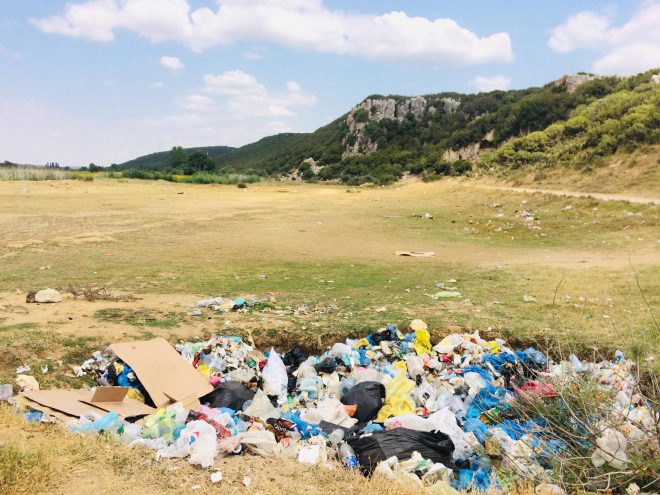
Everything counts in large amounts: July 13, near a beach in Turkey. Campers and locals creating a dump they will later burn. This eco alert hopes to stop widespread illegal dumping of consumer trash.

There is nothing more annoying than getting out of the town or city and going to nature for a stroll or swim and then coming upon a pile of garbage. Or nothing more annoying than thinking you are going to paradise and then end up in a dump. Unlike pollution such as microplastics that can’t be seen, or industrial pollution causing high rates of suspected cancer cases, when you see garbage in plain sight being contributed to by everyday people, you know there is a big problem with local awareness.

This Eco Alert come from Sandra Brinuma, who went for a swim at the beach in Keşan, Edirne, Turkey. “The place on internet was called as ‘hidden paradise’. It was hidden plastic hell,” she reports.

The bay where she found the piles of trash is called İtalyan Koyu or Kale Koyu and it is close to Mecidiye and Erikli villages. “A sand road goes there from the main road,” she tells Green Prophet, and to find it on the GPS you punch in: 40°35’47.2″N 26°30’40.4″E.

The last time we went to Turkey the nature was pristine and clean. But this is changing with the growing use of plastics and our throwaway culture. This is what we want to see. Not the pile of garbage above.

İtanlyan Koyu

She explains: “Across the hill on the other side there is Uzunkum beach which is with the payment fee therefore there was no trash. Where municipality steps in is clean but not official beaches (however crowded ones) are not taken care of at all.

“I wish I have taken more pictures as on the sides of the beach there was a lot of trash too and also trash was swimming in the water.

As it is not an official beach, there are no trash cans and where the cars were parked there was this huge hole in the ground full with trash. When I went there to take a picture, a man with his son was going there to throw more bottles in it.  I  told him that he should not do this, then he said that campers have made this trash here and that municipality burns it later. He did not understand that he is a part of the problem nor that burning is bad,” Brinuma explains.

Her boyfriend Umut Üntürk sent a message to the Keşan Municipality and she is waiting for a reply. “Locals seem to not care,” she says. “They were ok with trash and not to pay entrance fee.”

Blue Flag Beach Turkey

Consider that Turkey beaches are rated the best in the world for Blue Flag. How can we keep it that way?

Read more about local environmental movements in Turkey:

As He Battles Lawsuit, Grandfather of Turkish Environmental Movement Receives Right Livelihood Award
Istanbul’s Main Square To Become Lifeless And Isolated In New Urban Plan, Opponents Warn
10,000 Turks Gather To Protest Coal-Fired Power Plant
“Anatola Won’t Be Blackened” Declare Turkish Anti-Fossil Fuel Groups

You might think that little reports of environmental neglect go nowhere. We disagree. Have an environmental gripe or violation to report? Email us [email protected]

7 recommended ways to consume CBD-based products

woman smiling smoking cannabis

CBD-based products are trending like crazy. You can find CBD-based products available for sale online or at any cannabis dispensary or pharmacy. It doesn’t matter if they have legalized recreational marijuana or not because CBD is not a cannabinoid that causes psychoactive effects in users. For this reason, CBD is perfectly legal to consume in all 50 states.

The trick is to figure out the best way to consume CBD-based products. There are at least seven recommended ways to consume them. Some of these ways you might like and others you might not like. Everyone has to choose a method that works best for them.

Below are the seven recommended ways for your consideration.

1) CBD Vaping

Vaping has become very popular in the last five years or so. Many people have replaced their normal cigarette smoking habit with vaping because it is less addictive and less harmful to the lungs.

What you might not realize is that CBD vaping is possible too. CBD vape juice is basically like a standard vaping formula, but the difference is that it has CBD extract mixed into it. You can also purchase CBD additives and just add those to your regular vaping juice. Whatever works best for you.

If you want a vaping formula with Full Spectrum CBD Oil Distillate, then you’ll need to purchase a CBD cartridge. Various CBD cartridges may come from different cannabis strains. For instance, the Magic Girl Scout Cookies Strain is an extra potent CBD vape cartridge. It provides relief to certain negative feelings like loss of appetite, pain, and nausea. The strain has an aroma that is said to be very earthy and sweet.

2) CBD Edibles

The easiest way to consume CBD is by eating it. There are many CBD edible products available in stores that sell CBD-based products. Some of the CBD-based foods you can eat are brownies, cookies, and gummies. The cannabis strain in which the CBD comes from may also vary between these CBD edible products.

3) CBD Topical Applications

CBD topical applications are used to relieve pain in a particular area of the body. For instance, if you have muscle cramps or joint stiffness somewhere on the body, then you would massage the CBD topical application onto the skin of that area. You should notice some local pain relief within a few minutes.

You can purchase CBD creams and CBD oils that are designed for topical use only. Some people have mixed results with these types of topical CBD products. It all depends on how fast your body absorbs the CBD through the skin after it is applied to it.

4) CBD Pills

Do you want to make CBD consumption simple? If so, then you’ll probably want to pop a CBD pill in your mouth and swallow it. You’ll have to wait until the CBD pill passes through your digestive tract and is absorbed by the liver. Once that happens, you should feel relief from any minor cases of insomnia, depression, or anxiety.

5) CBD Tinctures

CBD tinctures are what most people are familiar with. These are those little bottles of CBD oil that have a dropper connected to the lid. You use the dropper to suck up some of the oil, and then you drop the oil underneath the tongue in your mouth. It is the fastest way for the beneficial elements of the CBD to circulate throughout your body quickly.

6) CBD Isolates

CBD isolates are CBD extract from a hemp flower. They appear as a crystalline powder, which you can mix with coffee, tea, or any of your favorite drinks. Some people may even cook food with CBD isolates added to it. CBD isolates are technically edible, but you don’t eat them directly. You must mix them with something else to help your body absorb it more easily.

7) CBD Smokables

woman smoking a bong

If you prefer the old-fashioned method of smoking to feel relaxed, then you can find CBD smokable products available at cannabis dispensaries. CBD smokables consist of CBD hemp flower, which doesn’t have the THC compound in them. You can simply light up the end of your CBD smokable product and smoke it like a cigarette. It is said that smoking the CBD compound allows you to feel its benefits much faster than any other method of consumption.

What kinds of posts generate the most views on Instagram?

odom ski lebabon, biodome, dome tent glamping
Glamping in Odom in the mountains of Lebanon, your favorite meal? A rare plant in your backyard? Or your latest handmade creation? Some of us need to grow our businesses on Instagram to weather the Covid storm but stay true to our eco values. How can we get the right green likes? 

If I may ask you, why do you think someone will publish a post on Instagram, and the post will perform extremely well, whereas another person will publish a similar post, and the post will struggle to even get noticed?

I know you might say that the reason is linked to the number of followers and reach that each individual has. But what about a scenario whereby the two posts come from the same person and yet one does better than the other? Can we still link the difference in their performance to the reach and following of the creator?

Of course, we can’t.

Although we cannot ignore the influence of reach and following on post performances, the biggest reason why posts perform differently is mainly because of their theme (the type of posts that they are)!

On Instagram, some posts naturally garner more interest from viewers than others, not because the creator has used the best hashtags but because their tone appeals to a majority of the Instagram community – that is, they’re the types of posts people like.

So, what kinds of posts exactly fall into this category?

Posts featuring influencers

There is a reason why an average influencer marketing campaign on Instagram would return $5 for every $1 spent. Instagrammers really love and trust influencers. So, when they see a post featuring any one of them, they naturally feel connected with such a post, irrespective of whether they’re following the account from which the post has been published.

So if you’re looking to garner lots of interests for your product posts on Instagram, you may want to consider featuring an influencer in the post. Just make sure the influencer is relevant to your business industry.

Behind-the-scene posts

Everybody knows that a lot of efforts go into the production of a product. Unfortunately, we don’t always get to see these “efforts” firsthand. Most brands just come out with the final products and showcase them to us.

But when someone deems it fit to share a behind-the-scenes video detailing the production of their products, they tend to get a lot of attention from people because this is not something that happens every day.

Informative content

I think we will all agree that informative content like how-to guides, tips, and tutorials are always amongst the best performing posts on any social media platform, Instagram inclusive. And the reason is because this type of content answers the questions of people.

Whether you’ve got a photo showing people how they can use your product or a video detailing the correction to a misconception in the industry, an informative content can get you some of the highest engagements you’ll see on Instagram.

Lighter, bluish-tinted images

It’s been proven that Instagrammers are more attracted to bright, light images than they are to dull, dark images. So if your images are looking dark, gloomy, or dull, endeavor to lighten them up with filters or re-snap them before posting.

Unlike what on Pinterest where reddish tint photos are adored, Instagrammers prefer to see photos with bluish tints in their feeds

Posts showing relationships with community

By virtue of patronizing them, an average human feels like brands are duty-bound to give back to the community supporting them. Realistically, though, this is not something that happens too often, so humans have learned to live with the fact that not too many brands love to give back to the community.

If your brand, however, does this – at least – once in a while and you post it on Instagram, you can expect such a post to generate tons of views and engagements. Because people know how reluctant brands are when it comes to supporting communities. So, when they see someone showcasing their efforts on IG, they can’t help but show some love.

Images with textual characters

Why do you think motivational quotes do extremely well on Instagram? The reason is because Instagrammers feel connected immediately to an image when they can see a block of text to read on it. As they’re scrolling through their feeds, if they stumble upon a post that has a catchy line of text on it, there is no way they wouldn’t scroll back up. Not to check what the image is (they’ve seen lots of images for that day already) but to read what the text has to say.

User-generated content (UGC)

Before someone decides whether to patronize your business or not, one of the first few things they’ll check out for is whether you have the social proof to show that your business is, indeed, genuine and reliable. This is why UGCs perform extremely well on Instagram.

UGCs, which are contents from satisfied customers, can either be published by customers (while tagging the brand) or the brand itself. Either way, they usually do extremely well on the platform because of the assurance and confidence they give to people.

So, if you’re a small business owner, you can encourage your customers to create a UGC and then share it on your page.

Hassle-Free Method to Procure MMJ Card in Florida

woman smoking a bong
Medical cannabis may help you recover or be protected from Covid. Areas where medicine is needed, and not recreationally legal, may need help getting a medical card to obtain cannabis medicine.

Marijuana is said to be the solution to several health problems. It has thus become a part of many serious medical treatments. Medical practitioners prescribe marijuana for different ailments to speed up the recovery process. However, even if you have been prescribed this drug you will not be able to purchase it freely if you do not possess a medical marijuana card. In order to purchase marijuana, you need the approval of a certified medical marijuana doctor which in turn will help you procure a valid MMJ card.

Every state in the United States has its own set of guidelines to acquire this card. Let us learn about these guidelines and step by step process followed in Florida. Also shared is a simple way in which you can conduct this procedure smoothly without any hassle.

Simple Steps to Obtain MMJ Card

Consult a Medical Marijuana Doctor

As stated above, in order to obtain an MMJ card, you first need to consult a licensed medical marijuana doctor. These doctors have specially been trained to identify people who really need to consume marijuana as a part of their treatment. They approve the case only after studying it carefully. The patients require undergoing certain tests to further the process. The test reports as well as the medical history of the patients is taken into consideration

After thorough examination the doctor determines whether or not you are eligible to consume marijuana.

You can look for a licensed medical marijuana doctor online. However, the task can be a bit taxing and you cannot trust just any name that comes your way. To ease this work you can consider using Veriheal in Florida. This platform bridges the gap between MMJ doctors and patients. The doctors on their list are highly experienced and professional.

Submit the Application

 After the doctor approves the case, the patients are required to complete and submit their application to procure the card. The application, to be submitted to the state, requires some information about the candidate. Filling the application can be perplexing particularly for the first timers. In order to avoid any kind of error it is suggested to seek professional help.

Receive the Card

The card is sent to the patient by mail within 2-3 weeks post the submission of the application. Once you acquire the card you can legally purchase marijuana in Florida.

This card is valid for a period of 210 days. You also need to re-certify it after every 70 days to enjoy its benefits.

Get the List of Dispensaries near You

Companies such as Veriheal do not just help the patients procure the card but also provide complete information about the dispensaries where marijuana is available. If you are looking for this drug near your place you need not wander from one place to another. Just refer to their site to get the address.

So, we see how professional help from a reputed healthcare company can increase the odds of receiving the MMJ card and ease the entire process for the patients.

Mosquitoes! Make Your Own Natural Remedies To Keep Them Away

0

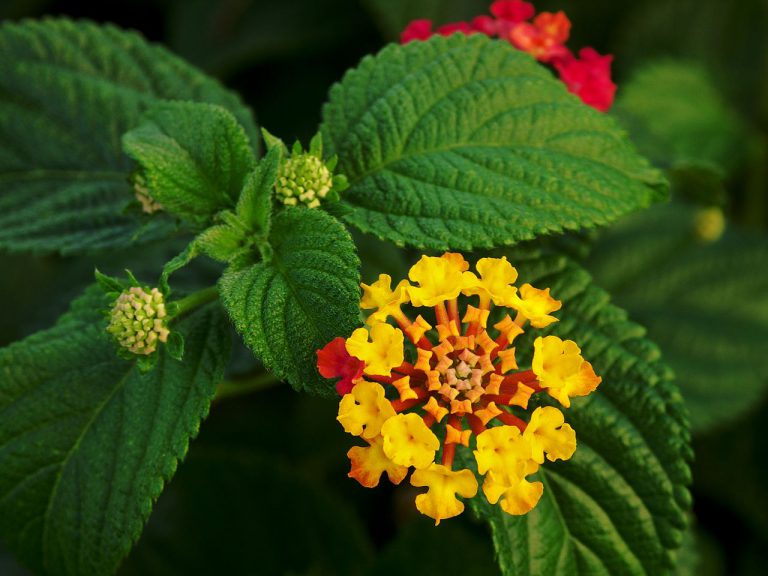
Lantana-camara-flowers

Nothing spoils a pleasant summer evening like mosquitoes buzzing around. If slapping at your ankles or neck isn’t your idea of fun, consider making your own mosquito repellent from the Lantana camera flower, or essential oils, vinegar and vodka.

Lantana-Infused Coconut Oil

Lantana camara is most often regarded as a decorative garden hedge plant. Its medicinal uses were more appreciated in old times, but recent studies done in the Malaria Research Centre, Hardwar, India, confirm that coconut oil infused with the flowers and applied to the skin repels mosquitoes for close to two hours.

Lantana mosquito repellent is easy enough to make. You can probably find enough flowers in your own neighborhood. When you find a healthy bush – it’s usually planted as a sturdy hedge – ask the owners’ permission to clip off enough flowers to fill a mayonnaise-size glass jar. The jar must be very clean and dry.

Fill the jar with Lantana flowers, as much as you can cram in. At home, pour coconut oil over the flowers, filling the jar. Stir the contents gently with a chopstick or the handle of a spoon, to break up any bubbles and make room for a little more oil. When the jar is full, screw the lid on and put it in a warm place.

The most potent medicine comes from two weeks’ infusion in the sun, but you can speed it up by putting the jar in a water bath. Place the tightly-closed jar in a saucepan and pour water around it to come slightly over halfway up. Use low heat to keep the water hot. Let the oil infuse one or two hours, adding more water as needed. Don’t let the water bubble up to the height of the lid; any water getting into the oil will spoil it.

Either let the jar and its contents cool down in the saucepan, or remove it to a folded kitchen towel in a safe corner. The jar will be hot; use tongs or a dry towel to handle it.

Once cool, put the jar in a warm location: a sunny window is fine. Rotate it once a day. Strain the oil after a week (two is better still)and apply as needed. If you have the time, use the infused coconut oil to make a double-strength batch with new flowers.

Mosquito Repellent Essential Oils Spray Recipe

It’s even easier to put together a spray based on essential oils. It works for hours and is safe for frequent adult use, although it’s wise to avoid spritzing near the eyes, nose and mouth. It’s best to spray children’s clothes and socks or sandals rather than their bare skin. Essential oils are strong!

A word to the wise: when shopping for essential oils, look for the following signs of good quality: opaque bottles and the botanical name of the plant (in Latin) under the familiar English name on the label. Example: Peppermint – Mentha piperita.

You’ll need 110 drops of essential oils per 1/2 cup water, 1/2 cup witch hazel, and 1 tablespoon vodka or rubbing alcohol. If no witch hazel is available, substitute 1/2 cup apple cider vinegar.

You will also need a glass spray bottle. Plastic won’t do; the essential oils and vinegar will corrode it. You can mix the ingredients in a 1.5 cup capacity glass jar, transferring as much as you need to the spray bottle with a small funnel; or use a spray bottle that will contain 1.5 cups of fluid. Needless to say, containers must be kept tightly closed between uses.

The essential oils:

Geranium, 30 drops
Citronella, 30 drops
Lemon eucalyptus, 20 drops
Lavender, 20 drops
Rosemary, 10 drops

If you have sensitivities or simply dislike any of the above oils, substitute lemongrass, mint, cedar, clove or cajeput for it.

Drip the essential oils into the spray bottle (or glass jar)
Add the vodka or alcohol and shake (or stir) well.
Add the witch hazel or vinegar; shake or stir again.
Add the water and shake or stir again.

Shake the spray bottle before each use to re-combine the ingredients.

You can make a salve to soothe bug bites and stings with our mallows salve formula. Shake about 20 drops of lavender into the warm salve and mix well before it cools.

Our editor Karin Kloosterman reports that rubbing bunches of crushed geranium leaves all over her little son did the trick once, on a day when the mosquitoes were particularly vicious. Necessity is the mother of invention.

That’s it! Happy summer!

:: The Malaria Research Centre, India

Photos: Lantana camara by  Alvesgaspar via Wikipedia;  herbs in glass bottles by silviarita via Pixabay; 3 essential oils by Laryssa Suaid via Pexels

Tel Aviv makes Covid-friendly breathing sidewalks

0

Tel Aviv covid sidewalk
Tel Aviv has expanded sidewalks for breathing space at cafes and city restaurants. Tel Aviv is a dense city; these sidewalks make it more liveable and dineable.

Tel Aviv used to be an urbanist’s nightmare, but it is learning fast. And it is growing on me though I like Jaffa, its sister city better. When I first met Tel Aviv 20 years ago it was polluted and noisy. Now it’s trying with all its might to do good by its people: The City has launched a creative solution to enable restaurants and bars to extend their outdoors seating areas, assisting owners to increase dining capacity while ensuring social distancing required by the Covid-19 pandemic.

The municipality has rolled out a series of sidewalk-level platforms at the expense of road space, permitting restaurants and bars to add dozens of outdoors tables and chairs, and welcome significantly more customers.

The move accelerates a key Tel Aviv-Yafo Municipality urban policy to prioritize pedestrians and cyclists, and encourage local trade across the city, highlighted by a recent municipal decision to convert 11 streets into pedestrianized commercial zones.

Sidewalk-level platforms were introduced this week along Chayim Vital Street in Tel Aviv’s vibrant (also very stinky from cat pollution) Florentin neighborhood, home to many popular restaurants and bars.

While the street represents an important thoroughfare for vehicular access to surrounding streets and residences, and cannot be entirely pedestrianized, the platforms provide a “breathing” sidewalk that may be extended to support local businesses and encourage greater foot traffic.

In May 2020, Tel Aviv-Yafo Municipality announced that it would convert an additional 11 streets into pedestrianized zones, open strictly to pedestrians and cyclists. The decision follows the successful conversion of Tel Aviv’s Levinski Street into a 24/7 pedestrian zone and shut Sheinkin Street to traffic on Fridays during the past year.

In addition, the municipality has placed more than 1,000 outdoor chairs and umbrellas across pedestrian zones to encourage visitors to take advantage of the newly-converted areas.

Activists fought the city and won. These trees lining Jaffa’s famous boulevard will be saved. Jaffa is part of the Tel Aviv Municipality.

Last month, as part of large-scale efforts to emphasize pedestrian travel, reduce traffic congestion and air pollution, Tel Aviv said it would double bike paths in the city from 140 km. to 300 km. by 2025. That’s a great plan, but if they are overtaken by rude and vicious and usually inexperienced moped drivers or electric bikes racing to 100km/hour, no thanks.

The implementation of the plan is expected to reduce traffic congestion in the city by 30% says the city but to what personal expense if the bike lanes are not policed.

Clover rolls over from fluoride in our water and toothpaste

0
brushing teeth in norway with fluoride
For most of us, our closest encounter with the element fluorine is likely to be our toothpaste or a municipal water supply with added fluoride.

But excess fluorine can be a problem. For example, high levels of fluorine in the soil can hurt plants. Fluorine in soils may also affect microbes and other organisms higher along the food chain.

A new study explored whether soil fluorine levels in New Zealand are high enough to hurt a specific microbe called Rhizobium. Rhizobium bacteria live in root nodules of legume plants, like beans and lentils. These bacteria ‘fix’ atmospheric nitrogen, making the nutrients into a form the host plant can use.

Nitrogen fixation by Rhizobia means farmers need to use less nitrogen fertilizer. That can save significant costs. If soil fluorine levels become high enough to hurt Rhizobia, it could impact the legume crops the bacteria help support.

In addition, pastures for grazing livestock often contain clover, another legume. High fluorine levels could harm Rhizobia living in clover root nodules. Ultimately, that could impact the livestock that eat the clover.

But there are a lot of unknowns about fluorine and its specific effects on microbes. “No one has investigated the potential impact of fluorine on Rhizobia,” says Christopher Anderson, a researcher at Massey University in New Zealand.

In the study, Anderson and colleagues found that high levels of fluorine are toxic to Rhizobia and white clover. In laboratory studies, fluorine levels above 100 mg per liter hampered Rhizobia growth. High fluorine concentrations also led to changes in the shape and metabolic activity of the bacteria.

These high fluorine levels also impacted white clover. At fluorine concentrations above 100 mg per liter, white clover seedlings did not survive. Fortunately, there’s some good news as well. The concentration of fluorine at which it is toxic is much greater than the concentration the researchers found in New Zealand soils.

“This means that there is no problem, right now, of fluorine levels in soil affecting Rhizobia in New Zealand’s soils,” says Anderson.

This finding gives confidence to agencies in New Zealand that are tasked with ensuring sustainable farming systems. “Without our research, they would still be in the dark,” says Anderson.

Rhizobia – and one of the host plants, white clover – are key parts of the New Zealand way of animal husbandry. “In New Zealand, we are fortunate that we can grow grass year-round,” says Anderson. “Our livestock are kept on pasture all year.”

Rhizobium bacteria associated with clover fixes nitrogen from the atmosphere. When clover plants die, they break down in the soil. The fixed nitrogen becomes available to other plants.

“So, we don’t need to apply as much synthetic nitrogen fertilizers, such as urea, to our pastures with clover,” says Anderson. But farmers need to apply other fertilizers to New Zealand’s pastures, including phosphorus fertilizers. That’s where concerns about fluorine levels come in.

Fluorine is a fairly common element in Earth’s crust. It is concentrated in some materials, like phosphate rocks. These rocks are the main ingredient in many fertilizers with phosphorus. In areas where phosphorus fertilizers are applied year after year, fluorine can accumulate in soils over time. This accumulated fluorine can become a soil contaminant.

“But in some cases, biological systems are very tolerant of contaminants,” says Anderson.

Anderson aims to determine fluorine levels at which it is toxic to animals. “In particular we would like to look at earthworms,” says Anderson. “Earthworms are very useful ecological indicators.”

Researchers also want to look at grazing animals, which can eat a considerable amount of soil. When animals ingest too much fluorine, they can develop fluorosis. That can cause bone, teeth, and kidney problems.

“We have to make sure the science is looking after all aspects of the pastoral system – soil, microorganisms, plants, and animals,” says Anderson.

Tips to Reduce Energy Usage at Home

0

rotterdam yellow house, passive energy

We all want to live in a home that is warm, comfortable and relaxing, and being able to keep temperatures at the right level forms part and parcel of your home environment. However, there are many people who end up spending a fortune on their energy bills, not just in terms of heating their home but also with their various other appliances and devices.

If you want to reduce the amount of energy you use at home, there are various ways in which you can do this. It is important to remember by reducing your energy usage, you will not only be able to do your bit for the environment, but you can also slash the amount you pay on your energy bills. So, this is something that is well worth doing. In this article, we will look at some of the ways you can cut your energy usage.

What You Can Do

The good news is that there are various ways in which you can reduce your energy usage at home, as the infographic shows. A lot of different things contribute to the amount of energy that you use each day, and by looking at these, you can then make cutbacks. Some of the ways you can reduce energy usage include:

Getting Insulation

One of the ways in which you can make a big difference in energy usage is by getting insulation. It is particularly important to consider insulation in areas such as your crawl space and your attic, as this can slash the amount of energy you use considerably by providing you with enhanced thermal efficiency. This means that you will not have to use your heating or air cooling systems as much in order to maintain a comfortable temperature in the home as seen in this guide to efficient heating and cooling.

Turning the Thermostat Down

Another thing you can do during the colder months is to turn down the thermostat, even if it is only by a little. Turning down the thermostat by just a couple of degrees can make a big difference to your energy usage as well as your energy costs. In order to keep warm, make sure you layer up instead, and you will be able to reduce your energy usage and reduce your bills.

Getting Double Glazing

If you do not already have it, it is well worth considering double glazing for the windows and doors of your home. These provide you with a great way to reduce your energy usage and maintain and comfortable temperature in your home. In addition to helping to cut your energy costs, double glazing can provide other benefits such as reducing noise pollution from outside and giving your home a modern new look.

These are all ways in which you can reduce the amount of energy you use in your home. By doing this, you will be amazed at how much you can save as well as being able to do your bit for the green cause.

Bayer-Monsanto Agrees to $10B Settlement With Victims Poisoned by Roundup Weedkiller

Arab Farmer, Gaza farming, organic food, Gaza City, politics, poverty, food security, agriculture
Farmers, consumers, home gardeners are exposed to cancer-causing Roundup.

In a settlement reached this past June, Bayer AG agreed to pay $10 billion over claims its signature herbicide Roundup causes cancer in people, according to a report by Reuters.

The $10 billion settlement will be apportioned to four leading plaintiffs’ law firms, who will in turn distribute the money to nearly 100,000 clients who were stricken with cancer after prolonged use of the toxic weedkiller.

The German company acquired the St. Louis-based agrochemical giant Monsanto in 2018 for $63 billion, and inherited liability in thousands of lawsuits filed by people who claim exposure to Roundup and its main ingredient glyphosate was the cause of their cancer.

EWG President Ken Cook made this statement on the settlement:

Today’s settlement is vindication for all those who have fallen ill with cancer as a result of being exposed to this chemical. No amount of money can reverse the damage Bayer-Monsanto has inflicted on these victims and countless others, but because of their and their attorneys’ tireless fight for justice, the company that exposed them is now paying a heavy price for its duplicitous deception.

The most damning revelations in this case uncovered, through the company’s own internal documents, the extent to which Monsanto-Bayer recognized early on the risk of cancer and other health problems posed by glyphosate and its commercial formulations. Monsanto-Bayer aggressively conspired for decades to withhold or lie about the evidence to the public and to regulators, while relentlessly attacking scientists and organizations that sought to tell the truth about the company’s products.

This damning information only became public because plaintiff’s lawyers pried it out of the company in court and made it public. That coverup killed the company’s integrity as systemically as its chemicals kill plants. Monsanto-Bayer’s dissembling for profit at the expense of public health is a permanent stain on its reputation. Nothing in this settlement amends the conclusion that this is a company that simply cannot be trusted.

Glyphosate, the most widely used herbicide in the world, was classified in 2015 by the International Agency for Research on Cancer as “probably carcinogenic” to people. In 2017, glyphosate was also listed by the California Office of Environmental Health Hazard Assessment as a chemical known to the state to cause cancer.

Glyphosate is mostly applied to corn, soybean and wheat crops, but is increasingly sprayed just before harvest on oats, chickpeas and other crops as a drying agent, or desiccant, to speed the harvest. The pre-harvest use is why many oat-based cereals are contaminated with glyphosate.

Three separate rounds of laboratory tests commissioned by EWG in 2018 and 2019 found glyphosate in nearly every sample of popular oat-based cereals and other foods marketed to children. The contaminated brands included cereals and breakfast bars made by General Mills and Quaker.

A new EWG testing report, coming next month, will show glyphosate contamination widespread in hummus and chickpeas.

Besides its use in agriculture, millions of Americans spray Roundup on their yards and gardens – a main source of exposure for those who were sickened and sued Bayer-Monsanto. The product was marketed until last year by Scotts, the same company that sells Miracle-Gro. Four people in California have already won their cases in jury trials, including Dewayne Johnson, a Bay Area school groundskeeper.

“Even as we celebrate and congratulate those who made this day possible, millions of people are being exposed to glyphosate through the food they eat, working as groundskeepers or farmworkers, or gardening at home,” Cook said.

“Bayer-Monsanto must be held accountable beyond today’s settlement. The Food and Drug Administration must immediately eliminate its use as a pre-harvest desiccant, and the Environmental Protection Agency must ban all home uses. That is the only way to assure future generations of Americans do not get sick or die from exposure to this cancer-causing chemical.”

Popular cholesterol drug to treat Covid?

0

spock wearing a covid-19 mask
In lab studies, the cholesterol-lowering drug Fenofibrate (Tricor) showed extremely promising results.

Could a simple cholesterol drug, that has been on the market for decades, be used to treat COVID-19?  A research team led by Hebrew University of Jerusalem (HU)’s Professor Yaakov Nahmias says that early research looks promising; their findings appear in this week’s Cell Press’ Sneak Peak. 

Over the last three-months, Nahmias and Dr. Benjamin tenOever at New York’s Mount Sinai Medical Center have focused on the ways in which the SARS-CoV-2 (aka, the coronavirus that’s causing our current pandemic) changes patients’ lungs in order to reproduce itself.

Their major finding? This virus prevents the routine burning of carbohydrates. As a result, large amounts of fat accumulate inside lung cells, a condition the virus needs in order to reproduce.  This new understanding of SARS CoV-2 may help explain why patients with high blood sugar and cholesterol levels are often at a particularly high risk to develop COVID-19.

Viruses are parasites that lack the ability to replicate on their own, so they take control of our cells to help accomplish that task. “By understanding how the SARS-CoV-2 controls our metabolism, we can wrestle back control from the virus and deprive it from the very resources it needs to survive,” Nahmias explained.

With this information in hand, Nahmias and tenOever began to screen FDA-approved medications that interfere with the virus’ ability to reproduce. In lab studies, the cholesterol-lowering drug Fenofibrate (Tricor) showed extremely promising results.  By allowing lung cells to burn more fat, fenofibrate breaks the virus’ grip on these cells, and prevents SARS CoV-2’s ability to reproduce.  In fact, within only five days of treatment, the virus almost completely disappeared. A research team in Wuhan found similar results and reported them two weeks ago.

“With second-wave infections spiking in countries across the globe, these findings couldn’t come at a better time,” shared Nahmias, and global cooperation may provide the cure.  “The collaboration between the Nahmias and tenOever labs demonstrates the power of adopting a multi-disciplinary approach to study SARS-CoV-2 and that our findings could truly make a significant different in reducing the global burden of COVID-19,” tenOever added.

 While there are many international efforts currently underway to develop a coronavirus vaccine, studies suggest that vaccines may only protect patients for a few months.  Therefore, blocking the virus’ ability to function, rather than neutralizing its ability to strike in the first place, may be the key to turning the tables on COVID-19.  “If our findings are borne out by clinical studies, this course of treatment could potentially downgrade COVID-19’s severity into nothing worse than a common cold,” Nahmias concluded.

These popular hummus brands worst for cancer-causing Roundup

2

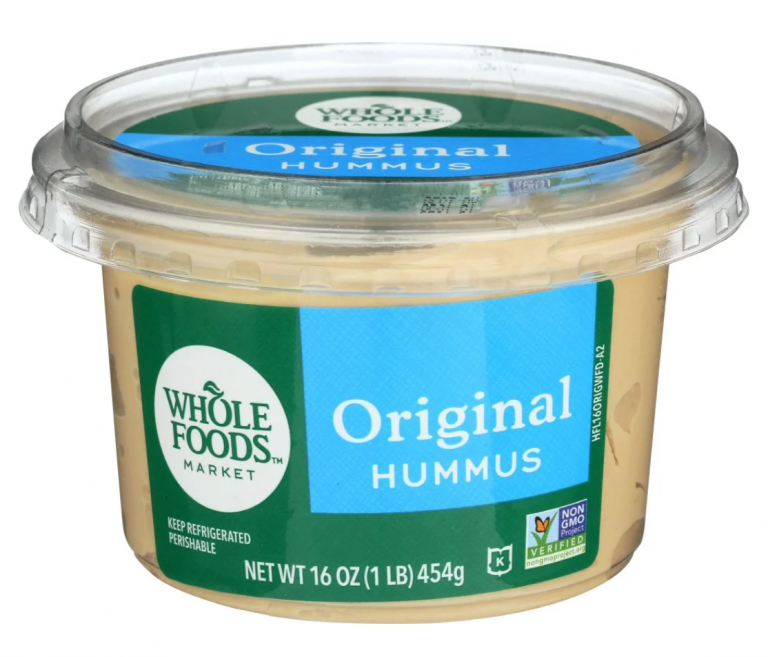
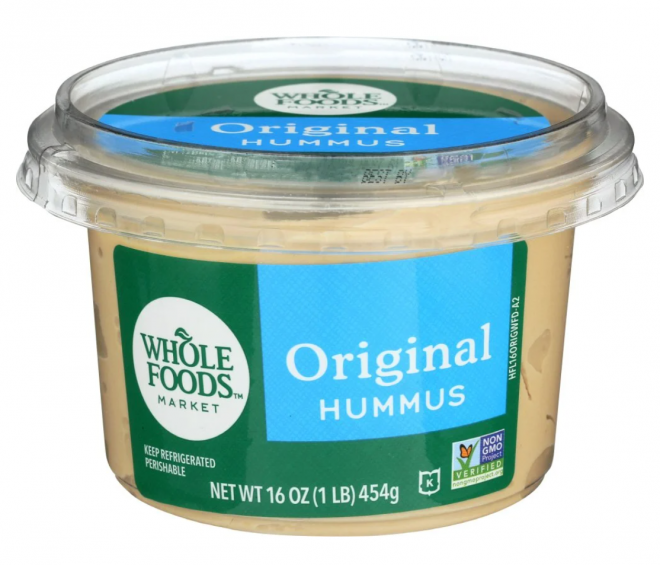
Whole food hummus bayer AG chemicals roundupThe conventional hummus product with the highest level of glyphosate – more than 2,000 ppb in Whole Foods Market Original Hummus – was nearly 15 times the benchmark set by a US enviro group.

Independent laboratory tests commissioned by the Environmental Working Group in the United States found glyphosate, the notorious weedkiller linked to cancer, in more than 80 percent of non-organic hummus and chickpeas samples, and detected at far lower levels in several organic versions. Find out what brands are worrisome below. The take home: buy organic most of the time.

Glyphosate is the most widely used herbicide in the world. It was sold for decades by Monsanto, now Bayer AG, under the brand name Roundup. Bayer AG is a German multinational pharmaceutical and life sciences company and one of the largest pharmaceutical companies in the world.

This product Roundup was marketed for years by Scotts MiracleGro company in the United States until last year. Until Scotts understood they could no longer be implicated in peddling this poison. But Scotts is how consumers accessed RoundUp for years. Some blame Roundup celiac and stomach diseases as well.

The International Agency for Research on Cancer has classified glyphosate a probable human carcinogen, and the state of California lists it as chemical known to cause cancer.

One third of hummus brands tested exceeded recommended amount of Roundup

One-third of the 27 conventional hummus samples exceeded EWG’s health-based benchmark of 160 parts per billion, or ppb, for daily consumption, based on a 60-gram serving of hummus (about four tablespoons).

The Environmental Protection Agency’s woefully inadequate legal limit for glyphosate in chickpeas, known as a tolerance level, is 5,000 ppb, or more than 30 times EWG’s benchmark.

The conventional hummus product with the highest level of glyphosate – more than 2,000 ppb in Whole Foods Market Original Hummus – was nearly 15 times the EWG benchmark.

Overall, 10 hummus samples exceeded EWG’s benchmark for glyphosate:

Sabra Classic Hummus

Sabra Roasted Pine Nut Hummus

Whole Foods Market Original Hummus

Whole Foods Market organic-label Original Hummus

Cava Traditional Hummus

Harris Teeter Fresh Foods Market Traditional Artisan Hummus

Glyphosate levels in organic samples were much lower

EWG also tested 12 samples of organic hummus and six samples of organic chickpeas. All but two contained detectable concentrations of glyphosate. Although glyphosate levels in organic samples were much lower than those of their conventional counterparts, one dry chickpea sample had the highest glyphosate concentration of all samples tested in the study.

“Beans, peas and lentils are a nutritious, affordable source of protein and an important part of the American diet,” said Olga V. Naidenko, Ph.D., EWG’s vice president for science investigations. “These excellent foods would be much better without glyphosate. Toxic weedkiller should never be allowed to contaminate these products, or any other foods, that millions of American families eat every day.”

The beans and bean-based products such as hummus tested in the study were purchased online or at major food retailers in the Washington, D.C., New York City, and San Francisco metropolitan areas, including Aldi, Costco, Giant, Harris Teeter, Safeway, ShopRite, Target, Trader Joes, Walmart and Whole Foods grocery stores.

Glyphosate was first brought to market in 1974, but its use exploded after 1996, when Monsanto introduced genetically modified “Roundup Ready” crops that were resistant to the herbicide. For consumers, most worrisome is use of the chemical on beans and grains as a drying agent just before harvest. This spraying can lead to high levels of glyphosate in beans, hummus, oat cereals and other foods.

By law, organic farmers are not allowed to spray Roundup or other toxic pesticides to grow and harvest crops. The detections of glyphosate on the organic samples may be due to pesticide drift from conventional crop fields or contamination at processing and packaging facilities.

Only organic

“Organic foods, including organic hummus and chickpeas, remain a better choice for consumers,” said EWG Toxicologist Alexis M. Temkin, Ph.D. “EWG testing of both conventional and organic bean products for glyphosate helps increase the transparency in the marketplace and protect the integrity of the Department of Agriculture’s organic certification.”

Hummus and chickpeas, as well as other beans, offer multiple nutritional benefits, and are an important part of a healthy diet. EWG’s findings show the need for a ban on pre-harvest uses of glyphosate, a much stricter EPA standard, and increased testing by the USDA and the Food and Drug Administration for this cancer-causing chemical in the American diet.

EWG’s research on beans and hummus builds on EWG’s tests of oats and oat-based products for glyphosate, which found the weedkiller in nearly every sample of cereal and breakfast bars tested.

Gene editing or gene modification in agriculture? What’s better – or worse?

0

MONSANTO-Vernon Hugh Bowman
Vernon Hugh Bowman a US farmer fought Monsanto and lost. He wanted to save and grow patented seeds. He lost the battle. 

Genetically modified (GM – or GMO) crops are unpopular. Despite their vast potential to help improve global food security while reducing pesticide use, many countries are extremely resistant to planting GM crops, with 85% of global GM agricultural land coming from just four countries: the US, Brazil, Argentina and Canada.

Where they have been grown, GM crops have been very successful, to the point where more than 90% of the soybean, corn and cotton crops grown in the US are GM. A 2014 meta-analysis found that an average farm can increase yields by 22%, reduce chemical pesticide use by 37% and increase farmer profits by 68%.

Despite this, difficult regulations and consumer hostility have meant that growth in GM crops has been stagnant for much of the last decade, with companies instead turning their attention to gene editing in crops. GM crops remain hugely controversial, to the point where (former) GM giant Monsanto is a synonym for corporate evil to many consumers.

Gene editing could be set to become the next revolution in agriculture, allowing the precise editing of specific genes without introducing foreign DNA into the final crop. However, for it to truly become a game-changing technology, developers will need to avoid making the same mistakes that were made with GM crops in the 1990s. Gene edited babies have been born in China. There are vast problems with the approach if it gets into the wrong hands.

A consistent mistake that the industry made was relying on the science to try and persuade the public while neglecting the emotional aspects of the debate. When Monsanto attempted to introduce its glyphosate-resistant soybeans in Europe in the 1990s, it attempted to brush off criticism, leading to a war of words with environmental groups.

Here, the environmental groups had the upper hand, capitalising on the public’s fear of the unknown, especially in relation to emotional triggers of personal health and safety, something that continues today. Additionally, its approach to protecting its IP – suing farmers for violating terms of service – drew intense criticism from consumers who viewed seeds as being part of the natural world that belongs to everybody.

Successfully commercialising gene-edited seeds will require a careful approach. This will require a meaningful dialogue with consumers, addressing the wider emotional concerns around GMOs whilst also engaging in efforts to educate the public around the technology and improve wider scientific literacy. However, navigating this space in an open and inclusive manner while also protecting IP and investments could be a serious challenge.

“Crop Biotechnology 2020-2030” a new report by IDTechEx, explores and contrasts gene editing and GM technologies, analysing the scientific, market and consumer factors needed to make gene editing a success. For those in the business game of agriculture, the report might be worth reading.

Build and brand your own electric car onto Ree’s flat-packed modular chassis

Ree Automotive, electric chassis
Like the cellphone industry, the automotive one likely won’t go electric like Japan. With Tesla like Apple, bet that all the automobile players will rally around components like this one, a chassis by an Israeli company Ree. Ree’s platform houses all of a car’s major components – brakes, thermal systems, motor and drivetrain – next to the wheels.

Ree Automotive, an electric car chassis platform company from Tel Aviv has been named as one of ten game-changing companies by Bloomberg for its novel EV platform – flat, scalable and modular and offers customers full design freedom to create the broadest range of EV and autonomous vehicles for current and future use. REE’s new platform approach, provides access to hundreds of production lines. Eat your heart out Elon Musk and Tesla!

Michael Wilshire, from the Bloomberg group that awarded Ree the prize, said: “Ree is literally reinventing the wheel with its revolutionary approach, putting intelligence and drive inside [the arch of] each of the four wheels of a chassis to create a new, flexible and modular electric platform, which gives customers complete design freedom to build their vehicles.”

We like seeing the way this startup has taken on the problem that companies like Tel Aviv’s all-electric car company Better Place could never fix: Better Place built the infrastructure and charge stations but they needed to rely on Renault to produce the cars. Boring, average, nothing to write home about in looks: customers weren’t lining up to buy one and the company flopped. On top of that, Better Place started with a vision that you would pay for minutes of use for the battery much like a cell phone plan.

Israel is not known for its successes in automotive: when the entire Middle East embargoed Israel decades ago, and wouldn’t let western or Asian car companies import to here, the Israelis were forced to innovate. And they developed a local car called the Sussita that was made from fibreglass and also tasty to camels.

Many people have tried to innovate for the auto industry from Israel. Waze, and MobileEye, all modern startup draw dropping success stories: but innovating the car itself has been a different challenge, probably because Israelis are about as opposite to the Swiss as you can imagine. Things made in Israel don’t have the same standards of excellence found in Europe.

But Israel likes to be a disruptor and Ree thinks they have done it with its chassis. I used to work at a car plant in Canada, at Chrysler and helped build chassis It’s the structure upon which holds the guts and body and engine of the car. It’s like the car’s spine.

Ree says it’s doing more than a basic build for electric with patented modules that integrate more than just a steel frame, but suspension and steering components into the arch of the wheel – a pioneering by-wire control system that carries a totally flat, autonomous-ready EV platform, designed to fulfil existing and future e-mobility applications. Basically they are putting all the important parts into the chassis, and most of the rest is just the skin of the car. If you are a brand or a car manufacturer, build your own.

With the global EV market projected to reach $803 billion USD in 2027 from $162 billion USD in 2019 (and let’s bypass 2020 please because it’s not a usual year), Ree hopes to lead the transformation of cars at existing and new car plants to make them all electric.

Recipe: Vegetarian Tahchin, Iranian Rice With Eggplant and Portobellos

0
Vegan, vegetarian, a great way to make eggplant.

Searching for a vegetarian alternative to traditional chicken-based tahchin, I was pleased to find this recipe by Yasmin Khan, author of The Saffron Tales. Meaty eggplant and Portobello mushrooms give the dish the necessary heft to become a festive main dish.

Eggplant in general serves as a meat substitute in many recipes, but I enjoy the vegetable for its own flavor and character, rather than regarding it as a substitute for anything. The combination of eggplant, mushrooms and saffron-infused rice in this vegetarian version of tahchin is simply delicious. The crunchy bottom part is particularly prized. You’ll see below how to flip the cake over to make that bottom into the alluring top.

This leisurely recipe recalls bygone days in exotic Iran, when sisters, aunts and mothers would gather in the kitchen and cook, cook, cook with all their hearts, chatting and laughing while skillfully recreating traditional foods. And at the end of the afternoon, each would pack generous portions to take home for her own family’s dinner.

Today’s cooks don’t count on cook-ins with extended family anymore. We’re used to recipes that promise food we can whip up and put on the table ASAP. But early in this year of 2020, life changed. Now, we’re enduring periods of isolation at home, or just avoiding going out unless it’s urgent. We have far more time on our hands than we’re used to.

So what better way of using it than perfecting a new version of an old-fashioned dish from exotic Persia? Here’s Tahchin. The recipe instructions are slightly modified from the author’s.

Eggplant and Mushroom Tahchin
Yield: 6 servings

Ingredients
2 1/4 cups white basmati rice
1 1/4 teaspoons saffron strands
A pinch of sugar
3 tablespoons freshly boiled water
3 medium eggplants (around 1 1/4 lb), cut horizontally into 1-inch slices
Sea salt and black pepper
Sunflower oil
3 tablespoons butter
1 medium onion, finely chopped
3 garlic cloves, crushed
4 Portobello mushrooms, sliced into large chunks
1/2 teaspoon turmeric
1/2 teaspoon ground allspice
1/4 teaspoon ground cinnamon
1/4 teaspoon cayenne pepper flakes
1/2 teaspoon cumin seeds
2 egg yolks
Scant cup Greek yogurt
For the topping:
1 tablespoon butter
2 tablespoons barberries or dried cranberries
1/4 cup + 1 tablespoon pistachios, roughly chopped
1 tablespoon sugar

Pre-heat your grill to medium-high, or turn your oven broiler on.
Rinse the rice in several changes of cold water until the water runs clear, then leave to soak in a large bowl of water for 15 minutes. Drain and set aside.

Bring a large pot of water to the boil and add 2 tablespoons of salt. (The author notes: “Don’t worry about the large amount of salt here, the rice has a very short time to absorb the water and the final result won’t be too salty.”)

Add the rice and cook for 4–5 minutes over  medium heat. Taste to test; the rice should be soft on the outside but still hard and firm in the middle. Drain, then rinse with tepid water to stop it cooking any further and set aside.

Make a saffron liquid: grind the saffron strands with a pinch of sugar with a mortar and pestle. Add the hot water.  Lacking a mortar and pestle, simple put the saffron and sugar in a small bowl with the hot water. Leave to steep.

Dribble sunflower oil over the eggplant slices. Season generously with salt. Grill for 10–15 minutes, turning occasionally, until the eggplants are cooked through. Alternately, broil the slices in the oven for 10-12 minutes.

Heat 2 tablespoons of sunflower oil with 1 tablespoon of the butter in a large saucepan and fry the onion for about 10 minutes, until soft. Add the garlic and fry for a further 2 minutes. Add the mushrooms to the pan along with the turmeric, allspice, cinnamon, cayenne pepper, 1 teaspoon of salt and 1/4 teaspoon of pepper.

Lightly toast the cumin seeds in a small, dry pan for a minute and then crush them with a pestle and mortar or a spice grinder. Lacking mortar or spice grinder, crush the seeds with the bottom of a heavy bottle. Add the cumin seeds to the mushrooms and seasonings.

Cook until the mushrooms are soft, then take off the heat.

Pre-heat the oven to 375°F. – 180°C.

In a large bowl, beat the egg yolks with the yogurt, saffron liquid, 1 1/2 teaspoons of salt, and 1 teaspoon of pepper. Fold the rice in until it is evenly coated with the yogurt and saffron.

Rub 1 tablespoon butter over the base and sides of a 10-cup ovenproof glass dish. Spoon half of the rice into the dish and press it down evenly.

Add a layer of eggplants and mushrooms and finish with a final layer of rice.

Dot with the remaining butter, cover the dish tightly with foil, and bake for 1 1/2–2 hours or until the rice at the bottom of the tahchin is crisp and golden brown.

Remove the tahchin from the oven and leave it to cool slightly while you make your topping.

Melt the butter in a small frying pan and fry the barberries (or cranberries) pistachios, and sugar for 2 minutes, until the sugar has melted and the dried fruit has plumped up.

To serve, run a butter knife around the sides of the tahchin to separate it from the dish. Place a large board or platter over the top and quickly invert the whole thing.  Tap the inverted pot all over, wait a few minutes to let gravity help release the rice, tap again, and lift it off. (We learned this tip when we made Makluba with chef Moshe Basson.)

Garnish the tahchin with the topping.

Khan notes that tachnin is a good make-ahead dish. Prepare it up to the stage of baking it. An hour and half before dinner time, pop it into a preheated oven; that’s it.

The Saffron Tales has been listed on Best Cookbooks of the Year by the NY Times, the Wall Street Journal, and the BBC Food Programme. It’s available via Amazon

Photo of vegetarian tahchin by Matt Russel via Epicurious.

Bats can add the Empire State Building to their BatMap GPS

0

bat map new york
Bats are like your boyfriend. They might not be good at reading maps because they focus on landmarks.

For the first time in history, researchers at Tel Aviv University tracked fruit bats from birth to maturity, in an attempt to understand how they navigate when flying long distances. The surprising results: Fruit bats, just like humans, build a visual cognitive map of the space around them, making use of conspicuous landmarks. They can remember the most iconic buildings in the world, the Leaning Tower of Pisa, the Burj Khalifa, the CN Tower and even the Empire State Building.

The Israeli bat pups from Tel Aviv University came to know Tel Aviv by looking for large unique structures such as the Azrieli Towers ot the Dizengoff Center. The groundbreaking study was conducted by Prof. Yossi Yovel at the Department of Zoology. The paper was published in July 2020 as the cover story of the prestigious Science magazine.

“How animals are able to navigate over long distances is an ancient riddle,” explains Prof. Yovel. “Bats are considered world champions of navigation: they fly dozens of kilometers in just a few hours, and then come back to the starting point. For this study we used tiny GPS devices – the smallest in the world, developed by our team, in an experiment never attempted before: tracking bat pups from the moment they spread their wings until they reach maturity, in order to understand how their navigation capabilities develop.

Such a study was done in 2011 in southern Israel and we reported on it here.

The researchers in the new study monitored 22 fruit bat pups born in a colony raised at TAU – from infancy to maturity, tracking them as they scoured the city for food. The results show that Tel Aviv bats navigate the space around them in much the same way as the city’s human inhabitants.

fruit bats hanging from a cave

“Bats use their sonar to navigate over short distances – near a tree, for example,” says Prof. Yovel. “The sonar doesn’t work for greater distances. For this, fruit-bats use their vision. Altogether we mapped about 2000 bat flight-nights in Tel Aviv.

“We found that bats construct a mental map: They learn to identify and use salient visual landmarks such as the Azrieli Towers, the Reading Power Station and other distinct features that serve as visual indicators. The most distinct proof of this map lies in their ability to perform shortcuts. Like humans, bats at some stage get from one point to another via direct new routes not previously taken.

“Since we knew the flight history of each bat since infancy, we could always tell when a specific bat took a certain shortcut for the first time. We discovered that when taking new, unknown routes the bats flew above the buildings. Sending up drones to the altitude and location where a bat had been observed, we found that the city’s towers were clearly visible from this high angle. Here is another amazing example of how animals make use of manmade features.”