Home Blog Page 129

Tips for HRs to approach training and development effectively, sustainably

0
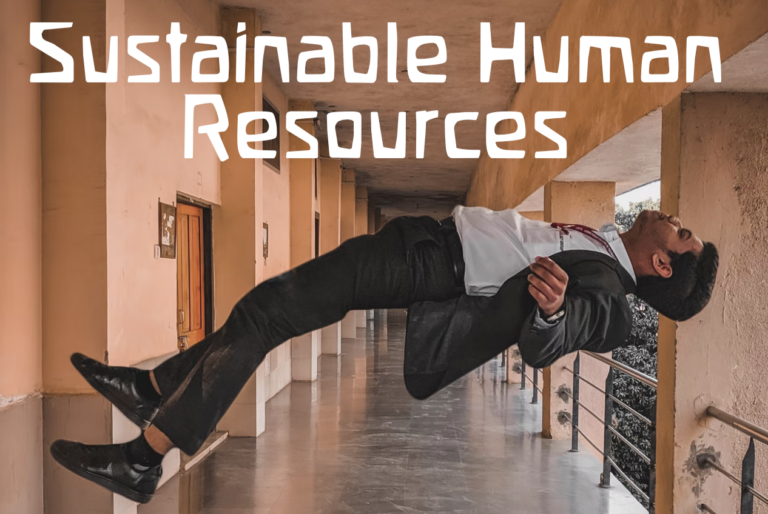
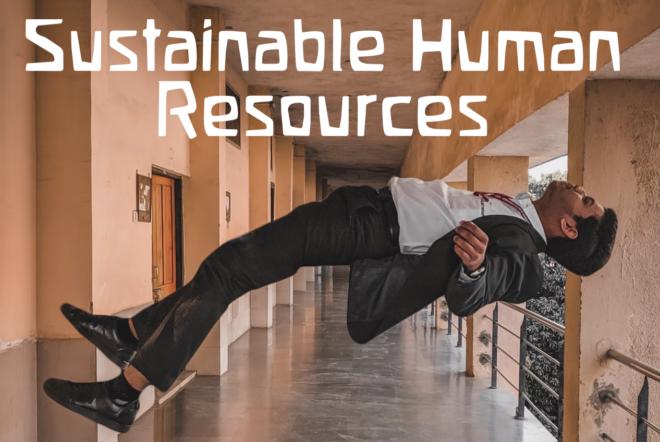
eco and sustainable human resources, man floating in offoce
Don’t think that because you are building a sustainable company that your first 50 employees will be eco angels. You need to know how to find the people that fit.

An organization can only be as successful as the motivation and level of relevant skills of its employees. The corporate world is ever-changing as new technologies and processes make their way to the market very rapidly. An organization that wants to keep moving forward takes all necessary steps to keep its employees up-to-date with these latest developments. 

Upskilling and reskilling are perhaps one of the most crucial parts of ensuring the continued profitability of an organization. Productivity, output, and revenue are the direct functions of the familiarity and adeptness of employees at their jobs. 

Digital transformation and other changes in the work environment, as necessitated by the coronavirus pandemic, have made the job of HR professionals a bit challenging. To understand it better, you must know that HR departments in any organization are responsible for employee training and development.

floating wind farm, how they work, KOWL scotland
Offshore wind farms need skilled engineers and project managers and finance people. It’s not a business for hippies. 

HR managers need to take all necessary measures to improve the outcomes of learning and development in their organizations. It’s their responsibility to equip employees with all the necessary skills to get them ready to face new challenges head-on. 

In this article, we will discuss some tips for HR managers to approach training and development more effectively. 

Start by conducting an analysis to ascertain the skill gap

Before defining the goals of the training strategy of your organization, you need to identify and pinpoint the gaps in the required skills of your employees. Different departments within an organization need to individually conduct a skill gap analysis to ascertain the areas of focus.

Once you have identified the areas and skills that need to be developed more and the completely lacking ones, you can incorporate them into a comprehensive training program. An unmitigated skill gap can lead to your company’s productivity taking a severe hit, and it can push you to fall behind the competition.

Plan out and design contextual learning modules for individual roles

Once you have identified the areas where skill training would be required for each member of a team, you can work towards designing and implementing contextual learning and development programs for each one of them, based on their learning requirements and job roles.    

Ensure that you incorporate interactive elements such as images, videos, graphics, gamification, and others to make the learning content engaging enough for the learners. You must use in-app experiences on LMS apps such as the Paylocity app to incorporate the learning elements in the workflow of the employees to simplify the learning process. 

Invest in the right software for training and development

Employee training in the digital world, especially after remote work continued for more than a year, has become a task to be handled by capable software solutions. Any company that wants to emphasize their learning and development missions need to ensure that they are investing in the right software for all of their training needs. 

Software solutions allow HR managers to design, create, and implement training programs within an organization. These tools also serve as feedback mechanisms and open communication channels between employees and the training managers. Therefore, you must identify software that suits all your needs and is capable enough. 

Always measure the effectiveness of the training strategy 

When all’s said and done, any training program is only deemed effective based on the measure of its performance in real life. You must measure the effectiveness of your learning and development programs based on some key performance indicators such as how much skill gap has been filled, assessment score, improvement in productivity of employees and teams, rate of the training progression, course completion rates, and more. 

Improve the interactiveness of the training modules 

User engagement is the deciding factor behind the efficacy of the learning and developments strategy of any organization. For this reason, it’s crucial to ensure that the training modules are interactive enough. You may improve the interactiveness of a learning module by adding multimedia elements in different parts of it, as discussed above. Multimedia elements make the learner more interested in the course material and help them retain the knowledge longer. 

Conclusion 

Now you are aware of how your organization’s HR department should approach learning and development to make it more palatable for employees and a resounding success for the whole organization.
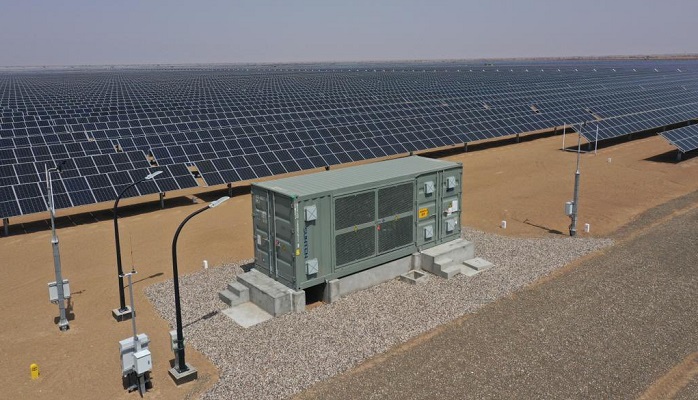
Oman’s first solar energy power plant launches with $417 M USD investment

0
Ibri solar power plant, oman
The Ibri II solar power plant, Oman will supply power to 50,000 households. the project is financed by Saudi Arabia, Kuwait and Gulf-based investors. 

Gulf nations unite to build the first solar energy power plant in Oman: The Ibri II is a 500MW photovoltaic solar power project located in the Ad-Dhahirah region of Oman. The size of it will power about 50,000 homes.

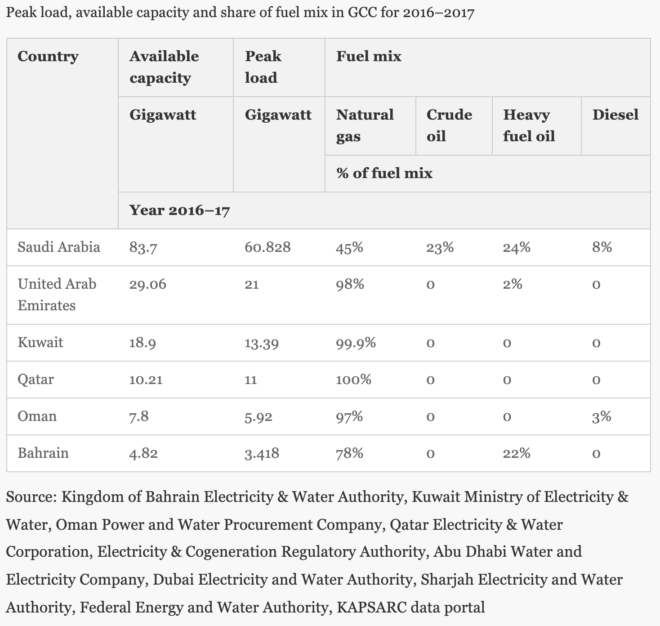
Now completed, it is the first utility-scale renewable energy facility in the Sultanate of Oman. Until now, Oman’s primary source of energy was natural gas, with a small percentage of diesel fuel in the mix.

Oman solar energy 

The Ibri power plant is built, owned and operated by the Shams Ad-Dhahira Generating Company, a special purpose vehicle incorporated by ACWA Power of Saudi Arabia, (50%), the Gulf Investment Corporation (40%), and the Kuwait-based Alternative Energy Projects (10%).

“As a company that is driving the transition globally, we are extremely proud to play a key role in supporting the Sultanate of Oman’s ambitious Vision 2040 energy transition goals,” says Mohammad Abunayyan, ACWA Power Chairman, pictured below. “Since our market entry into Oman in 2011, we have brought in significant foreign direct investment, because we believe strongly in its vision and future.”

ACWA Power from Saudi Arabia develops, invests in and operates power plants and desalination water plants in 12 countries. ACWA Power’s portfolio, with an investment value in excess of USD 67.1 billion, can generate 42.6 GW of power and produce 6.4 million m3 /day of desalinated water.

Gulf Investment Corporation based in Kuwait is a supranational financial institution owned equally by the 6 Gulf Cooperation Council states. GIC has paid-up capital of US$ 2.1 billion, and may be characterised as being part-sovereign wealth fund, part-private equity house and part-investment bank.

According to this report, The Gulf Cooperation Council (GCC) region plays a vital role in shaping the global energy markets because of its substantial amount of hydrocarbons resources. Although the GCC has abundant hydrocarbon resources, countries in the region have also shown their commitment and intent to become the global leaders in alternate energy. All the countries in the Middle East have also set targets for the deployment of renewable energy at the federal or local level.

The Ibri II solar power plant is backed by a 15-year power purchase agreement with the Oman Power and Water Procurement Company (OPWP). Ultimately solar power plants get built with incentives: investors put down the money and then are promised high feed-in tariff rates for a fixed time, usually the life of the solar panels – about 15 or 20 years. 

(You don’t need to be a big company to go solar. See our DIY solar guide here).

Financing of $417M USD was finalised in March, 2020 and the solar plant was just made operational. When it reaches its peak production capacity the Omani solar power plant will power 50,000 Omani households while offsetting approximately 340,000 tonnes of CO2 emissions a year.

Located in a 10 square mile undeveloped area within the Ibri Wilayat Province of the Ad-Dhahirah Governorate of Oman, the power plant is about approximately 200 miles away from the city of Muscat and about 80 miles from the UAE border.

Solar Units Built by China

Powerchina Huadong Engineering Corporation (HDEC), a subsidiary of Powerchina, is the engineering, procurement, and construction (EPC) contractor for the project.

China-based Jollywood supplied the solar modules, while Sungrow is supplying the inverters. The First National Operation and Maintenance Company, a subsidiary of ACWA Power, will be responsible for the operation and maintenance of the Ibri II solar farm. Yahya Engineering and 5 Capitals Environmental & Management Consultancy were engaged in conducting the environmental and social impact assessment.

The over all aim of the plant and ones to come is to reduce Oman’s dependence on fossil fuels. 

Oman declares that 11% of its electricity will be from renewables by 2023, and 30% will be renewably sourced by 2030. Even though it is one of the countries with the highest solar densities (potential to go solar) in the region, it has only started thinking about going solar because the state is gifted with natural resources such as natural gas.

If you have a proposal, bilateral agreements and solar tenders will need to be run through the Oman Power and Water Procurement Company to succeed.

Gulf Country Fuel Sources and Opportunities

fuel sources gulf countries, middle east

According to PV Magazine the Middle East is seeing strong growth in solar this year: “The Middle East, and the Gulf in particular, has been home to record low solar tariffs in recent years,” says the report.

“Major projects are being awarded via tenders, with prices gradually closing in on a remarkable $1 USD ct/kWh. Of course, this is no coincidence due to the region’s favorable solar conditions: availability of cheap and sunny desert land, low labor costs, cheap project financing, supportive tax regimes, large projects benefitting from economies of scale, well designed tender structures, and decreasing PV component prices.”

Neom desert location
Location for proposed Neom City, on the Red Sea.

I’d add that Saudi Arabia is also a leader in these developments, swooping into new areas like Oman for instance, but also into the development of alternative fuel sources and storage, like hydrogen. I’m a fan of their exploration and confidence in new energy sources (they have fat wallets and can take risks) and less a fan of their newly in-development city called Neom, purported to be a sustainability city made from dreams.

Plenty of Europeans are swooping in wooed by Saudi money and offering elaborate solutions to Saudi Arabia that might better come from local and indigenous sources. Read the book Lo-Tek for a primer on what those solutions might look like.

Image of FSO Safer slowly sinking off the Yemen coast

Also with an oil tanker about to explode on the coast of Yemen any dreams of an ecological paradise in Neom will soon turn into a nightmare when everything is coated in bitumen. The tanker held by Houthi rebels is in the crossfire between escalating conflicts in the region that will make the Exxon Valdez explosion look like child’s play. 

Jeff Bezos’ Altos Labs to Defeat Death

Creed Bratton Upload, head explding
Creed Bratton’s head about to explode in the Amazon Prime series, Upload. When watching it I imagined that this is the ultimate dream for a Silicon Valley tech guy turned billionaire: a forever afterlife.

When you are one of the world’s richest people, and obsessed with the seemingly endlessness of technology, travelling to Mars or defeating death seems like a reasonable pursuit. Jeff Bezos the founder of Amazon (the online buy everything store), announced recently that he is forming a company – Altos Labs –  to reverse ageing and has hired scientists from the field of stem cell research, to reprogram human cells to stop ageing. Defeating death?

Some $3 billion USD is earmarked as seed funding.

Will it work and will Jeff live long enough to open an Amazon hub on Mars? Upload, an Amazon Prime TV series, gives a wink to the idea already, where the rich and lucky can “upload” a version of their consciousness to a fancy Ralph Lauren Polo club afterlife. The goal of the company building this afterlife is eventually to upload the download of your consciousness to a new body built from you.

In the real life Altos Labs says it will unravel the deep biology of cellular rejuvenation programming to restore cell health and resilience to reverse disease, injury, and the disabilities that can occur throughout life.

The company launches with a community of leading scientists, clinicians, and leaders from both academia and industry working together towards this common mission. It’s not a new mission. Stem cell research has being ongoing for decades.

Stem cell research in the United States has been starting and stopping, and can still be a contentious issue when Christian values collide with the idea of research using fetal stem cells.  Federal Funding was halted and research set back during the Bush Administration.

Meanwhile in other countries like Israel where the Jewish faith believes that life starts at 40 days in utero, some of the ethical questions of stem cell research, often done with fetal stem cell tissues (but not always) is not an issue. To get a lead on what they missed it makes sense that the Altos team has also partnered with Japanese researchers, as Japan is known for fast-tracking stem cell research and has a Nobel prize winner from the field already.

China very well may have cloned human beings by now but due to its inability to reign in scientists and adhere to international guidelines working with China would be difficult.

Confucian, Taoist, and Buddhist teachings have substantially affected the societal and ethical framework and norms of China. In contrast to Western religious beliefs, none of these teachings consider a human embryo sacred from the moment of conception.

According to this article in Stem Cell the majority of Chinese people do not regard the embryo as a human being. This is exemplified by the prevalence of artificial termination of pregnancy in China: the country registers approximately 13 million medical terminations annually, compared with 20 million births.

Altos Science Superteam

According to Altos the executive team will be composed of Hal Barron, MD (CEO), Rick Klausner, MD (Chief Scientist and Founder), Hans Bishop (President and Founder), and Ann Lee-Karlon, PhD (Chief Operating Officer). 

Hal Barron is currently President of R&D and Chief Scientific Officer at GlaxoSmithKline, a large pharmaceutical company and will join Altos as CEO and Board co-chair this summer, 2022.

Klausner was former director of the National Cancer Institute and entrepreneur, Bishop was former CEO of GRAIL and Juno Therapeutics, and Lee-Karlon was former Senior Vice President at Genentech. 

Altos will be based in the US in the San Francisco Bay Area, San Diego, and in the UK in Cambridge. The company will also have significant collaborations in Japan. 

Hal Barron
Hal Barron

“I am deeply honored to have been offered this once in a lifetime opportunity to lead such a unique company with a transformative mission to reverse disease,” said Hal Barron in a press statement. “It’s clear from work by Shinya Yamanaka, and many others since his initial discoveries, that cells have the ability to rejuvenate, resetting their epigenetic clocks and erasing damage from a myriad of stressors.

Shinya Yamanaka
Shinya Yamanaka

“These insights, combined with major advances in a number of transformative technologies, inspired Altos to reimagine medical treatments where reversing disease for patients of any age is possible.”

Altos is designed to integrate the best features of academia and industry — from academia the freedom to pursue the most challenging problems in biology, and from industry the focus on a shared mission, ability to foster deep collaborations, and the passion and commitment to transform science into medicines. 

“Altos seeks to decipher the pathways of cellular rejuvenation programming to create a completely new approach to medicine, one based on the emerging concepts of cellular health,” said Klausner. “Remarkable work over the last few years beginning to quantify cellular health and the mechanisms behind that, coupled with the ability to effectively and safely reprogram cells and tissues via rejuvenation pathways, opens this new vista into the medicine of the future.”


5 tips for making the sustainable bus option more practical

sustainable bus tours, tips, guide to bus riding united states

They take wide turns in city streets and clog them as you are trying to make a left turn in your car. You think to yourself about how much traffic piles of city buses cause when in fact, you are the traffic. 

Buses can be the bane of your existence if you need to travel to uncertain destinations but if you are commuting regularly or have time to plan a trip taking the bus can be the most safe and sustainable option. But taking the bus is a headache because of inconvenient schedules and reliability. Having an app live Moveit can help you time your local buses and other apps run by private companies that schedule the buses can make the wait for boarding more pleasant. 

Here are 5 other tips for making your bus journey more pleasant:

  1. Plan your last mile: taking the train to cities like Jerusalem from Tel Aviv or taking buses from New York to Boston can be a way to relax and avoid all the expensive covid testing procedures that may be required for even short flights or train rides. The bus, when you count the getting to the airport, security screening, waiting times, boarding times and risk of flight cancel, might actually be the faster and cheaper way to get between American and European cities. But consider the last mile. How do you plan to get from the bus stop to your destination? Taking another bus might be too confusing or challenging. Maybe plan to take a taxi or an Uber? Or have a friend or family member lined up to pick you up from the bus. If you paick light, unfold your electric scooter, put your backpack on your back and off you go! Maybe one day soon your bus will be electric or will be powered by Electrode.
  2. Avoid diuretic drinks like tea, coffee and alcohol before the bus ride so you won’t be in the uncomfortable position of having to demand an unplanned convenience stop. Do bring bottled water, in your own reusable waters, and some warm herbal tea in the winter. 
  3. Plan snacks that are healthy and which keep well without refrigeration. Choose snacks that don’t make crumbs or annoying noises when you eat them. Another mindful consideration when riding the bus, making it more pleasant for you and those who share the space is bringing snacks that have no odor. Some things like boiled eggs or a tuna sandwich can be difficult for people who are sensitive to odors.

  4. On that note, also avoid perfume of any kind. Have you been there on a public bus when a woman sits down across from you with perfume so strong it makes you want to vomit? The movement and swaying of the bus can amplify the sensitivities to smells for others. Be mindful so you can expect the same thoughtfulness in return. If an odor near you offends you or makes you feel queasy, because it contains synthetics, try to choose another seat.


  5. Bring plenty of activities that don’t require your phone. Staring at a small screen in a closed space will eventually make you feel uncomfortable. Avoid the carsick feeling by bringing larger print materials to read or choose an audio book or podcast in advance that stays close to your ears only. Download backups in case your wireless service changes or becomes unreliable on the journey

How a Nitrogen Gas Generator is Environmentally Friendly

0
nitrogen gas generator
Does your business rely on a sustainable source of natural gas? Generate your own, using solar power

If your company is reliant on a continual source of nitrogen gas to sustain its core functions, then you should consider integrating nitrogen gas generators into your operations. Nitrogen gas generators are dependable and affordable.

The technological advances of nitrogen generation have made it an indispensable resource for many industries worldwide. The use of Pressure Swing Adsorption (PSA) high-tech equipment successfully separates nitrogen molecules from other gases and then stores the nitrogen in a tank as a sustainable on-site supply that is instantly accessible. Nitrogen gas generators are cost-conscious and environmentally friendly.

Investing in a nitrogen generator for in-house nitrogen production reduces your business’s carbon footprint and directly feeds back into your bottom line. Additionally, one of the benefits of on-site nitrogen generation is that it removes the risk associated with depending on an outside, independent seller for their operations.

Here we will discuss some of the benefits of nitrogen generators both for the environment and for businesses that require nitrogen gas for energy and production. 

Significant Reduction in Energy Consumption

A primary concern regarding climate change is the impact manufacturing has on the environment. Efforts to reduce greenhouse gas emissions simultaneously limit the negative impact that industrial processes can have on the environment. When it comes to businesses, making more environmentally conscious choices invests in a sustainable future.

Producing, transporting, and distributing nitrogen gas bottles requires a high demand for resources that increase the generation of greenhouse gases. For example, manufacturers first chill the nitrogen gas to -320 degrees Fahrenheit, which uses large amounts of electricity and energy. Through this process, greenhouse gases are emitted into the atmosphere. 

To deliver the nitrogen bottles to your facility, they are then transported by truck or rail. This results in the release of more greenhouse gases and adds to the cost of your purchase. However, using the green technology available to efficiently generate your own supply of nitrogen gas reduces your carbon footprint and saves your company money.

No More Depending on Delivery Trucks

When you choose to use a nitrogen generator, this eliminates the hassle of scheduling and coordinating deliveries. While cutting down your responsibilities will save your business time, this is not the most important benefit of nitrogen generation. Producing your own nitrogen on-site also lowers your production costs, shortens timelines, and significantly reduces the amount of harmful gases released into the atmosphere from delivery trucks. 

If your business wants to eliminate (or significantly reduce) its dependency on delivery drivers, save money, and make more environmentally friendly choices, then consider introducing nitrogen generators to your business. 

Reduce the Production of Waste Materials

The harsh reality of nitrogen production is that not all nitrogen cylinders can be reused. They naturally deteriorate with use and will likely end up in a landfill. A major benefit of moving away from dependency on nitrogen cylinders is that this eliminates the amount of waste your business produces. These containers can also experience leaks and lose up to 10% of the contained nitrogen before they can be used. Generating nitrogen on-site at your facility enables you to retain 100% of your nitrogen gas supply and eliminate waste materials that often end up in landfills.

Eliminate Chemical Preservatives in Food Packaging

The use of chemical preservatives can often lead to dangerous chemical hazards in the production process. However, using nitrogen gas to replace the oxygen inside food packaging can effectively eliminate the need to use chemical preservatives. Nitrogen gas is proven to be a clean alternative to reducing the presence of moisture in food packaging, thereby stabilizing and extending the shelf life of the packaging. 

ban plastic bags
Another option is to avoid plastic bags altogether.

Switch to Nitrogen Gas Generators

If your business is ready to make the switch to cleaner, environmentally friendly methods of nitrogen use and production, consider a nitrogen generator. 

All the ways to make your traveling eco-friendly in 2022

0

sustainable travel guide

We all know that traveling isn’t the most environmentally-friendly activity. But, hey, this planet is still too beautiful to ignore. As a result, eco-friendly travel should always be a top priority for us. We want to preserve the planet’s beauty for future generations to enjoy.

What exactly is sustainable travel?

Sustainable traveling, also referred to as eco-friendly traveling, is more than just another travel trend; we are working to reduce our carbon footprint at home and on the road, as well as broadening our understanding of what it means to travel.

Following are the ways to travel sustainability:

Select the locations and destinations that are sustainable. 

Once it comes to travel, the closer you are to home, the lesser your carbon impact. People are preparing to travel further afield when the world reopens. Consider how much importance a country places on sustainability when determining where to move.

Consider taking alternatives like bus or train.

If it is extremely important to fly, use a reputable provider to offset your carbon footprint. You can even cancel your carbon footprint for bus and train travel!

Countless organizations provide carbon offset programs for travelers. You should, however, investigate which specific projects are supported and whether these projects are sustainable. It’s pointless to plant a tree if it’s cut down a few years later.

Make sure to travel slowly and cover longer distances. 

Traveling over longer distances, you are more likely to choose more environmentally friendly modes of transportation to get around your destination. A bus or a rail trip may take longer than a domestic flight, but it is more environmentally friendly and, if you have the time, provides a far more engaging travel experience. By staying overnight, visitors may visit famous sights before or after day-trippers, reducing their own tourist footprint.

Spending money at local restaurants and motels also ensures that income stays in the local community rather than going to major hotel chains or out-of-town travel agencies.

Try bringing your own water bottle.

It’s time to say goodbye to plastic waste, which is extremely simple to reduce. One of our favorite eco-friendly travel tips is to invest in a reusable water bottle to avoid contributing to even more plastic waste.

Plastic waste may not be a problem in countries such as Germany and Switzerland, but developing countries such as Cambodia and Vietnam are suffering from uncontrollable plastic garbage in oceans, waterways, and on beaches. You’ve heard about how plastic trash is endangering marine life in the oceans. As a result, it is critical to discontinue the use of single-use plastics such as water bottles, cutlery, bags, and other non-biodegradable products. If you are going to have a RV traveling, you can also choose Waterdrop gravity water filter.

Carry a reusable water bottle instead of buying a throwaway one every few hours to prevent polluting the environment. To decrease plastic waste, consider bringing your own toiletries, reusable shopping bags, and so on.

Consider purchasing from small local stores.

Various nations rely greatly on the tourist industry. As a result, they suffer much more during the epidemic. If you want to show your support for the locals on your next vacation, buy and eat locally rather than at a large supermarket or an international fast food business. Seasonal, regional, and organically grown foods not only support the local economy, but also bring visitors closer to the local food culture than shopping centers and food courts. Purchasing locally not only provides people with economic opportunities but also reduces a product’s negative environmental impact. Shipping products outside of the country of origin pollutes the air and water, so try to support local businesses and buy handmade items whenever possible. 

man hipster beard deli europe
The Slow Movement encourages us to eat slow, buy local.

Discover a few languages in order to communicate with the locals.

Attempting to learn the local language of the destination you’re visiting not only demonstrates respect for the culture but will also make it much easier for you to get around and interact with locals.

You might even meet a few new people who will later become your friends! Another advantage of learning a foreign language is that it promotes better listening and memory skills.

two australian women, one in a hat
Don’t let language stop you from saying hi!

Spending more time to get to know the locals will also open many more travel opportunities, for example, accommodation-wise. It’s better to stay at someone’s house rather than a hotel. In addition to saving your money, you might also get valuable advice on where to go and what places to visit first. Just remember about your safety, put yourself first and think twice before spending the night with someone you just met. If possible, look them up online to check whether they are being authentic about who they are. You can also use Nuwber for such purposes.

Wildlife is extremely important, you must respect it.

Since you’re going somewhere where you’ve never seen wildlife before, be respectful by not getting too close, refraining from feeding wild animals, and speaking quietly around them. Respect is one of the most important sustainable travel tips.

Each species serves a purpose in the ecosystem and helps us maintain a healthy ecological balance. However, as more and more animals become endangered, please remember to respect wildlife and learn about what else you can do about this while traveling.

blond boy in black shirt, blowing on dandelion

Most Sustainable travel Destinations for 2022

As traveling is becoming more accessible than ever before, it is our collective obligation as travelers to travel wisely. Traveling is a highly personal experience, yet it may have far-reaching consequences for others and the world around us.

Which is why, throughout time, there has been an upward trend toward more ethical, sustainable travel—there is an obvious demand for it. We’d like to walk you through some of the favorite places that go above and beyond to deliver eco-friendly, ethical, or sustainable experiences for visitors.

The destinations:

  • Botswana 
  • Vietnam
  • Norway
  • Costa Rica
  • New Zealand


Conclusion

Obeying variety, minimizing effect, avoiding excessive consumption or waste of water, and paying attention to how spaces exist at a destination to ensure visitors do not disrupt local life are all important aspects of eco-traveling.

Accepting your social responsibilities as a traveler entails being aware of social and cultural concerns wherever you travel, as well as knowing that your presence in a location has an influence on the environment and the people you encounter. Accepting that duty entails making an attempt to have a positive effect everywhere you go in the world.

The plants our ancient ancestors ate

0
baobabs, Madagascar, were a primary leafy green food for people centuries ago
Beautiful alley of baobabs during sunrise in Morondava, Madagascar.

Finding bones at an archeology site reveals the kind of animals our human ancestors would eat. But plants? Remains in the kitchens and pots of our ancients and their plant matter is much more elusive because plant remains disintegrate over time.

But scientists from the University of Bristol and Goethe University have uncovered the first insights into the origins of plant-based cuisine, locked inside pottery fragments dating back some 3,500 years ago from West Africa.

West African cuisine has long been known for its distinct ingredients and flavours, often enhanced by the addition of a large and diverse range of plant foods. But where did those plants come from? Are they from the past or are they a modern adaptation to our tastes?

A traditional meal in West Africa comprises a starchy staple cooked in a pot, served with a sauce prepared from vegetables, fish or meat, often accompanied by pulses.

These starchy staples include root crops such as yams, cassava, sorghum, pearl millet and maize. In the northern Sahel and savanna zones, pearl millet is mainly prepared as porridge, while in the southern forest zone, a pounded mash from tuber crops such as yam, called fufu, is the major starch-rich element.

Traditional cuisine couldn’t be traced back into time, until now

Indigenous vegetables, eaten at almost every West African meal, include eggplant, pumpkin and watermelon, okra (used as a thickener for soups and stews), as well as a staggering variety of both farmed and foraged green leafy vegetables, little known or used outside of the African continent.

These include leaves from the amaranth, roselle and baobab tree. However, investigating the origin of vegetables and leafy greens is difficult as they do not generally survive over archaeological timescales.

The science team carried out chemical analysis of more than 450 prehistoric potsherds from the Central Nigerian Nok culture to investigate what foods they were cooking in their pots. The Nok people are known for their remarkable large-scale terracotta figurines and early iron production in West Africa, around the first millennium BC.

Acidic soils at Nok archaeological sites meant that organic remains such as animal bones and plant remains did not survive very well so what Nok people were eating was somewhat of a mystery. 

Looking at the far remains from plants, or the lipid bioprofile

“Charred plant remains like seeds and nutshells preserved in the archaeological sediments reflect only one part of what people consumed in the past,” stated Professor Katharina Neumann from Goethe University, who directed archaeobotanical research on the Nok Project: “We hoped that chemical analyses would provide additional insights into food preparation.”

The team’s results tie in well with ancient plant remains from the site which mainly comprise pearl millet but also cowpea and African peach. 

Whilst there are few unique lipid biomarkers for leafy plants and cereals and, as such, specific plants consumed by the Nok people, or processed for medicinal purposes, cannot be identified, the results suggest that much of Nok plant consumption included leafy vegetables or ‘greens’, mirroring that of groups living in West Africa today, where these play a significant role in people’s diet.

It seems likely that Nok people consumed ‘greens’ or leaves from plants such as jute mallow, African eggplant, okra, cowpea and bombax, widely used today. These provide cheap but quality nutrition and add taste and flavour to the otherwise monotonous starch-based staples consumed and can be kept dried and stored for use throughout the year, affording a buffer in periods of food shortage.

One of the most important leaf-providing species is the baobab, which, together with species such as okra (Abelmoschus esculentus), false sesame, jute mallow and black sesame are today cooked in soups with a little potash (potassium carbonate) to give a high mucilage content or what is known as a ‘slimy’ consistency.

This soup is common in high yam producing areas, likely because pounded yam is known to be complemented by sauces of ‘slimy’ consistency as are other local cereal and tuber dishes.

Evidence for the use of leafy plants can also be found in ethnographic accounts. One of the earliest known mentions of baobab was by Al Bakri in Ghana, writing in 1068, in his great work ‘Kitāb al-Masālik wa-al-Mamālik’ (Book of Highways and of Kingdoms).

Jute mallow is mentioned by the Arab historian al-Umarī (1300 – 1349) and later, in the 19th century, Nachtigal, the German explorer, notes that it is used to prepare sauces to add to farinaceous foods in Chad and Mali. Nachtigal also writes of sauces made from leaves of herbs or trees, mentioning baobab leaves, added with fresh or dried meat, to porridges.

The possible preparation of tubers such as yam, in Nok pots also suggests a long history of use, in good agreement with evidence which suggests a domestication of yams in West Africa at around 2500 BC.

In summary, our results demonstrate that prehistoric plant processing and consumption in West Africa involved much more than the cooking of starchy food, the scientists report:

“It has allowed us to go beyond the identification of meals thought to consist mainly of meat and starchy plants. We can now confirm, based on the highly diverse range of lipid profiles presented here, the preparation of ancient meals combining vegetables, pulses, USOs and, possibly, herbs/spices,” the added.

Care about Aftrica? Read about the Great Green Wall progress

Scientists say keto diet can repair broken brains

0
man hipster beard deli europe
A keto diet is based on meat. Scientists say the diet improves spatial memory and visual memory, lowers indices of brain inflammation, causes less neuronal death and slows down the rate of cellular ageing

Want some fat with your meat? Just the reverse of 80-s diets that eliminated cholesterol, the latest diet trend celebrates meat and butter. It is the keto diet and the way to start it is to avoid carbs. Turns out this new fad diet may also help repair the brain after injury. A new by Tel Aviv University finds that a keto or ketogenic diet may reduce the effects of brain damage after traumatic injury.

The study found that the diet improves spatial memory and visual memory, lowers brain inflammation, causes less neuronal death and slows down the rate of cellular aging.

The study was led by Prof. Chaim Pick and Ph.D. student Meirav Har-Even Kerzhner, a registered dietitian and brain researcher, both from the Sackler Faculty of Medicine at Tel Aviv University.

The findings were published in Scientific Reports, a syndicate journal from the publishers of Nature.

Traumatic Brain Injury (TBI) is a leading cause of death and long-term disability in the developed world. It is estimated that every year over 10 million people worldwide suffer from traumatic brain injury as a result of head injuries caused by a hard object, a blow, an explosion, road accidents, sports injuries.

Such traumas can lead to physical, cognitive, behavioral and emotional damage and is also a risk factor for diseases such as Alzheimer’s and Parkinson’s.

At this point, despite the high frequency of brain injuries, there is no proven effective treatment that can help those suffering from this injury. Har-Even Kerzhner explains that a ketogenic diet (here is our keto diet for beginners guide) which involves changes in the consumption of common foods is based on high-fat percentages and aims to mimic a state of fasting.

As part of the diet, the intake of foods that contain carbohydrates (bread, sugar, grains, legumes, snacks, pastries and even fruits) are significantly restricted and, at the expense of this restriction, high-fat products such as meat, fish, eggs, avocado, butter  – are eaten. This is a diet that can be continued for extended periods of time.

The diet causes an increased production of ketone bodies in the liver that are used to generate energy. These ketone bodies are transferred via the bloodstream to the brain providing optimal nourishment.

The diet has been used as a treatment in Israel and around the world for almost 100 years, among children with epilepsy, while in recent years, the ketogenic diet has become popular among those who want to lose weight.

It is important to note that, due to the significant nutritional restrictions, it is necessary to consult with a professional such as a doctor or a registered dietitian.

In the study, conducted on model animals, the researchers identified that the ketogenic diet greatly improves the patient’s brain function. For this purpose, the researchers used advanced methods that included behavioral-cognitive tests, biochemical tests and immunohistochemical cell staining (a technique in biology for the detection and placement of proteins in a cross section of tissue).

The way the ketogenic diet heals brain damage has not yet been fully revealed, but studies show that it has an antioxidant and metabolic effect on mitochondria (essential organelles in the cell, the its primary function of which is energy production and respiration), lowers free radical production and raises ATP (a major molecule in cellular biochemical channels). 

Getting Up Close And Personal With Australia: 5 Ways To Explore Australia 

0

sustainable autstralia

Australia is a land of beauty and adventure. Its rich culture, history, and heritage topped with scenic roads, long stretches of white sandy shorelines, sparse deserts, and diverse fauna and flora make it a place to visit at least once in your lifetime. 

If you have plans to visit this beautiful country, naturally sustainable in all it has to offer, we have good news for you. Although Australia covers a vast expanse on the globe, it is easy to navigate. The picturesque driving routes, adventurous tracks, and guided tours offer you the real taste of this gorgeous country. 

Here, we have shared the best five ways to explore Australia sustainably. 

Take guided tours

Skateboarding to work
Skateboarding in Australia.

Australia is a land of culture and history. Every hidden gem in Australia has a story to tell, and what could be a better way to unearth the history than taking guided tours? 

A guided tour in Australia will introduce you to the real side of this country. The guides will take you to the places you never knew existed and share the most interesting and goosebump-inducing history about the Aboriginals. 

Moreover, going for a guided tour will liberate you from the stress of planning the itinerary. 

Walk trails 

Australia is blessed with natural beauty. You will find breathtakingly beautiful views as far as your eyes can see. A great way to witness the true natural beauty of Australia is by taking your own trails. 

Australia has hundreds of national parks with diverse sceneries. Plan a trail traversing the gorgeous coastlines, dense forests, and rugged landscapes of Australia. 

Visit any national park and explore it on foot to witness the real beauty of Australia. 

Romance the roads 

The open roads of Australia can take your breath away. Right from the Great Ocean Road to Nullarbor Plain, Great Alpine Road to The Great Barrier Reef Drive, the country is blessed with some of the most scenic drives. 

The long stretches of roads, both coastal and inland, deserve to be explored at a slow pace, and the best way to do that is by hopping in your car and taking a road trip. 

While travelling from one destination to another, take the road to make your journey worth it. Do not worry about running out of gas or food in the middle of the road trip, as you will find many gas stations and towns to fill your tank and bellies. 

Take a train journey 

Several rail routes in the country traverse spectacular landscapes. Whether it’s The Ghan that passes through the Red Centre or the Indian Pacific that takes you through the Blue Mountains, you will get a chance to see diverse terrains. Plus, the comfortable cabins, good food and drinks, and a host of services will make your overall journey memorable. 

Hop on e-scooters

If exploring the city life of Australia is on your mind, going around on an e-scooter is something you should consider. 

The e-scooter culture in Australia is on the rise. As more and more start-ups are offering these rides across the country, you can easily find one anywhere. These rides are economical, quick, eco-friendly, and provide the best way to explore the modern cities of the country.

The bottom line

Australia has a lot to offer to tourists. Every nook and cranny of the country is adorned with stunning landscapes. So, if you wish to experience every ounce of pleasure Australia has to offer to your touristy soul, explore the country through any of these modes. 

Australia Aboriginal dancers

We hope you have a great time in this beautiful country of Australia. 


Wind powered freight and travel ship retrofits to set sail

0
ecoclipper
Want to travel and order online guilt free? A new kind of freight powered by the aims needs your funding support for eco travel and reducing carbon emissions

After a turbulent 2021, with increasing public attention towards the fragility of the global supply chain and shipping industry as a whole, companies are looking for a truly sustainable option to ship their products. Similarly, individuals are seeking environmentally-friendly travel experiences.

Both of which the Dutch-based EcoClipper can provide with sailing ships.

jorne langelaan ecoclipper, wind energy freight

EcoClipper plans to launch retrofitted and purpose-built sailing vessels capable of carrying cargo and passengers on a variety of international routes.

The company has developed a series of shipping lines: Trans-Atlantic, Eastern, Trans-Pacific and Global. Recently, it was announced that EcoClipper will start operating on the North Sea – an attractive option which opens up sustainable shipping and travel from the UK to mainland Europe.

It takes substantial investments to build a global sustainable sailing ship fleet. However the strategy of EcoClipper is based on investing in one ship at a time.

ecoclipper, wind powered freight and travel at sea, retrofit

As such, a series of investment tranches are offered through certificates in the EcoClipper Coöperatie U.A. The first tranche is aiming for €140,000, to purchase the first retrofit vessel. The second and third tranche will bring the financing to almost one million Euros.

Follow up rounds will become larger as the community of the company grows. Investments for the first tranche start at 50 certificates for a total price of €350. Investors in the early rounds purchase certificates for a discount, while also investing in the future growth of the company.

It takes a wild Dutchman: Jorne Langelaan

CEO and founder, Captain Jorne Langelaan says, “At the end of last year, during the climate talks in Glasgow, it became obvious again that if we want a livable future all our industries need an immediate and absolute transition to sustainability. With EcoClipper, words are put into practice and everyone is invited to join and invest in shipping propelled by the power of the wind.”

Jorne Langelaan

Another Dutch guy is aiming to clean up the plastics in the sea. He started when he was a teen. See our story on Boylan Slat’s Ocean Cleanup

Offshore wind energy deal between Saudi Arabia and Azerbaijan

0
azerbaijan wind energy
The project will contribute an estimated 3.7 percent of energy to Azerbaijan’s total national grid capacity, powering 300,000 households

The Azerbaijani Ministry of Energy and ACWA Power of Saudi Arabia held a groundbreaking ceremony for the 240 MW wind power plant that ACWA will build in the Asian country, with an investment value of $300 USD million. 

ACWA builds, operates and invests in renewable energy plants and becomes the only renewables company listed in Saudi Arabia. It priced its IPO at the top of the range last year, successfully raising $1.2 billion USD from investors, the biggest since, but dwarfed by, Saudi Aramco’s $29.4 billion IPO.

Renewable energy sources are important for Azerbaijan. However, except for hydropower, few renewable energy sources are used. One of the best considered alternative sources for the small Asian country is wind energy. 

Laza, Qusar, Azerbaijan

The Saudi wind energy project represents the first and largest foreign investment made in Azerbaijan’s renewable energy sector to date and contributes to the country’s target to generate 30 percent of its energy through renewables.

By Q4 2023, and when it’s up and running, the project will contribute an estimated 3.7 percent of energy to Azerbaijan’s total national grid capacity, powering 300,000 households while offsetting 400,000 tonnes of carbon emissions.

The ceremony was attended by Ilham Aliyev, President of the Republic of Azerbaijan, Prince Abdulaziz bin Salman bin Abdulaziz Al Saud, Minister of Energy of Saudi Arabia, Parviz Shahbazov, Minister of Energy of the Republic of Azerbaijan, Mr. Balababa Rzayev, President of “Azerishiq OJSC” and Mr. Mohammad Abunayyan, Chairman of ACWA Power, along with senior executives, none who appear to be women in the image supplied, above.

ACWA is the driving force behind NEOM, a new “green” city in Saudi Arabia, on its coast, which is likely to become a parable of how not to develop cities of the future. Read here for my commentary.

One of ACWA’s main activities is investing in desalination technology. This approach to providing clean water is highly energy intensive, with brackish water runoff destroying marine life. 

The company has also invested in solar energy in Morocco. Read Green Prophet’s story here.

Wind Energy in Uzbekistan 

ACWA Power is an investor in other post-Soviet Muslim states such as Uzbekistan, where it is developing multi-billion-dollar power projects.

In December 2021, the Saudi company finalized an agreement to develop the 100-MW Nukus wind project. Located in the Karakalpakstan region, the $108 M USD Nukus wind farm is the first publicly tendered wind project in the country and was won by the ACWA Power through a competitive bidding process.

The scheme is only the fourth in the Central Asian state for the company, which is also developing the 1,500-MW combined cycle gas turbine Sirdarya project, which is expected to meet 15% of the country’s power requirements upon completion.


Exploding star hunter on the nature of supernovae

0

Avishay Gal Yam

Exploding stars happen more often that you might think. Turns out you just need to know how to look for them. New research on “stars” gives us insight into looking for a new career, a romantic partner or friend, or even happiness in general. Read on.

In the not-so-distant past, the discovery of a supernova – an exploding star – was considered a rare occasion. When Avishay Gal-Yam was a doctoral student, for example, he located seven of them over the course of four years.

Today, advanced measuring instruments and analysis methods make it possible to detect fifty such explosions on a daily basis. On the one hand, the improved means used by present-day astrophysicists to spot supernovae may have made these celestial events less of an attraction over the years.

On the other hand, the greater number of observations of them has also increased the probability that researchers would be able to spot rarer types of explosions that have so far existed only as theoretical constructs.

Gal-Yam and colleagues recently discovered a rare-type supernova that has never been observed before. Their findings are published in Nature.

The core of every star is fueled by nuclear fusion, wherein the nuclei of lighter elements fuse together to form heavier elements. The fusion of four hydrogen nuclei results in the formation of a helium atom, while several helium nuclei combined result in the formation of carbon, oxygen, and so on.

supernovae
A Wolf-Rayet star and the nebula surrounding it captured by the Hubble Space Telescope. Gal-Yam and colleagues are the first to discover a rare-type supernova originating from this star // NASA/ESA Hubble Space Telescope

The last element that will naturally form through nuclear fusion is iron, which is the most stable atomic nucleus. In normal circumstances, the energy produced at the star’s core maintains extremely high temperatures that cause its gaseous matter to expand, thus preserving the fine balance with the force of gravity, drawing the star’s mass toward its center.

Once the star runs out of elements to fuse and stops producing energy, this balance is disrupted, leading either to a gaping black hole that tears open at the heart of the star, causing it to collapse in on itself, or to the star’s explosion, which releases the heavy elements, fused during its evolution, into the universe. 

The entire process is naturally very lengthy. The life spans of massive stars – the kind that Gal-Yam, dean of the Weizmann Institute of Science’s Physics Faculty in Israel, studies ­– are considered relatively short, a few million years at most.

The Sun, in comparison, has a life expectancy of about 10 billion years. The subsequent processes of nuclear fusion at the core of massive stars lead to their stratification, in which the heavy elements are concentrated at the core, and gradually lighter elements compose the outer layers. Wolf-Rayet stars are particularly massive stars that are missing one or more of the external layers that are made up of lighter elements. In this way, instead of hydrogen – the lightest element – the star’s surface is characterized by the presence of helium, or even carbon and heavier elements.

One possible explanation for this phenomenon is that strong winds blowing due to high pressure at the star’s envelope, disperse its outermost layer, thus causing the star to lose one layer after the other over several hundred thousand years. When these stars are observed without the presence of the lighter elements in their envelope, it is akin to a still photograph capturing a moment in time during a long-winded process. Nonetheless, despite their relatively short life spans and their state of progressive disintegration, the supernova explosion of a Wolf-Rayet star has yet to have been definitely observed.

Analysis of the ever-growing number of supernova discoveries has led to the hypothesis that Wolf-Rayet stars simply don’t explode – they just quietly collapse into black holes – otherwise, we would have been able to observe one by now. This hypothesis, however, has just been shattered owing to the discovery, made by the Weizmann group and their international team of collaborators, of a supernova originating from this type of star. Spectroscopic analysis of the light emitted from the explosion – the electromagnetic wavelengths of light emitted from the blast – led to the discovery of spectral signatures that are associated with specific elements. In this way, the researchers were able to show that the explosion contained carbon, oxygen and neon atoms, the latter an element that has not yet been observed in this manner in any supernova to date.

Moreover, the researchers identified that the matter spouting cosmic radiation did not in itself participate in the blast but rather originated from the space surrounding the volatile star. This, in turn, strengthened their hypothesis in favor of strong winds that took part in stripping the star of its outer envelope.

Since this observation is the first of its kind, Gal-Yam states that it may be too early to unequivocally determine the fate of all such stars. “We can’t say at this stage whether all Wolf-Rayet stars end their lives with a bang or not. It might be that some of them do collapse quietly into a black hole,” he says. “We estimate that the mass that dispersed during the explosion is probably equal to that of the Sun or a slightly smaller star; the star that exploded was significantly heavier – having a mass at least ten times greater than that of the Sun.

“So where did the majority of mass end up?” Gal-Yam suggests a midway scenario, in which both possible fates are fulfilled at the same time: once nuclear fusion is exhausted at the star’s core, an explosion takes place that blasts some of the mass into space, while the remaining mass collapses in on itself, forming a black hole. “One thing’s certain,” says Gal-Yam, “This is not the ‘silent’ collapse often referred to in the past. It is worth mentioning that since this discovery was first made, another similar explosion of a Wolf-Rayet star has been observed, implying that this phenomenon is indeed not a single occurrence. It is possible that the better our detection and measurement instruments become, the more this type of explosion – today considered rare and exotic – will become a common sight.”

Supernovae may seem like colossal events happening far, far away that they have no direct impact on our lives. But, truth be told, they are at the heart of life itself. These cosmic explosions launch the elements that were forged at the star’s core to the far reaches of the galaxy, where they serve as the bedrock for the birth of new stars.

Planet Earth and all its various and diverse lifeforms (including us Homo sapiens) are the result of such an occurrence. “We study the origins of all matter, including that found on Earth, and search for explanations of many of the physical phenomena we tend to take for granted,” says Gal-Yam. “This is what I am personally interested in – where did all of this come from – and I want to be able to answer this question as best and as accurately as I can.”

Why you should get an electric car in 2022

0
Tesla Model S
Tesla’s might be more affordable than they ever were, but have you thought about what happens when the battery needs replaced? Consider budgeting that into your yearly plan.

After the 2021 COP26, the UK government had pledged to transition to 100 percent zero-emission sales of new cars and vans by 2040. With this in mind and also the impact of current petrol and diesel cars on the environment, should you be choosing an electric vehicle in 2022? There are a whole range of benefits to getting a car or van which is 100% all electric. UK Car Finance are a car finance provider in the UK who believe that 2022 should be the year that you invest in an electric car and do your bit to help the government’s pledge. 

Reduce your carbon footprint

Your carbon footprint is the amount of carbon dioxide released into the environment as a result of your actions. There are a number of ways to reduce your carbon footprint and one of them is by opting for an emission free vehicle. Electric cars don’t produce harmful carbon dioxide emissions and instead use electric motors. Reduced emissions can help to improve air quality and also public health too! 

More affordable to buy

A common misconception about electric vehicles is that they are too expensive to buy. However, you can get a new all-electric car such as the Fiat 500e for under £20,000 in the UK. The UK Government also runs an electric car grant scheme which can save you up to £1,500 on a brand-new plugin vehicle. If you’re not looking for brand new, there are many used electric car deals and also options for electric car finance in 2022. It is hoped that electric cars will become even more affordable in the coming years to help tackle the climate crisis. 

Lower running costs

A massive benefit of owning an electric car is how cost effective they are to run! It costs considerably less to charge an electric car when compared to fuelling a petrol or diesel car. You can fully charge an electric vehicle at home for about £9.20 using a 7kW home charger. You can also take advantage of thousands of free electric charging points across the UK, which are often located in shopping centres, supermarkets, hotels and public car parks! 

Reduced maintenance costs

Not only can you save money running your electric car but also when it needs repairing too. Electric cars benefit from fewer moving parts inside the electrical motor when compared to a complex petrol or diesel engines. An electric motor doesn’t have any spark plugs, oil filters or timing belts to change and electric batteries require very little maintenance. This can mean less repair costs and also (hopefully) fewer breakdowns too! 

Less range anxiety

Some electric car owners suffer from range anxiety, which is the worry that your electric will run out of power before you get to your destination. Improvements in electric vehicle range in recent years have been developed to tackle range anxiety. In the UK, electric cars such as the Mercedes EQS have the highest batter range with a whopping 453 miles between charges. Or if you’re looking for something a little more affordable and family friendly, you could opt for the Hyundai Kona Electric which has a battery range of up to 301 miles on a single charge. 

More charging opportunities in the UK

In the UK, there are now more than 42,000 charge point connectors across the UK, which is more public places to charge than petrol stations! You can also charge your electric vehicle at a wide range of places such as at home, some workplaces, public car parks, shopping centres and more. How long your car takes to charge depends on your car’s battery size and which type of charging point you use. 

Types of chargers available:

Slow – Takes around 8-10 hours and usually uses 3KW to charge overnight at home or a workplace. 

Fast – Takes around 3-4 hours, usually uses 7kw or 22kw and are popular in car parks, supermarkets and shopping centres. 

Rapid – Takes around 30-60 mins and can be found at designated electric car stations, petrol stations and motorway services. 


Microplastics you breathe from dust in the desert

0

Picture taken at Mirissa Harbour on May 30th. In addition to the usual plastic trash on that beach now there a millions of litte plastic pellets that come from the ship X-Press Pearl. On 20 May 2021, the ship caught fire off the Sri Lankan coast of Colombo. On 27 May 2021, the vessel was engulfed in flames and lost containers, some of them including the plastic pellets spreading all over the west coast of Sri Lanka.

Microplastics aren’t just polluting the sea. They are polluting us. 

Plastics from dollar store products, packaging for our every day lives and industry have been a problem for decades, and the more scientists learn about plastic pollution the more serious the problems are shown to be for the environment and the health of all living things.

Today there are about 380 million tons of plastic produced each year, a similar weight to all the people on earth. At the same time, it is estimated that only 60% of that production gets landfilled, burned, or recycled.  The rest of the plastic production ends up somewhere in the environment. Like in our bodies. 

Consider that one study found that bottled water contained an average of 10,000 microplastic particles per liter.  The researchers concluded that the source for the microplastic particles was composed of PP and PET, which are major ingredients of bottle caps. The problem of microplastics in bottled waters is widespread geographically.

plastic water bottle in shallow stream.
Bottled water contains microplastics with every sip

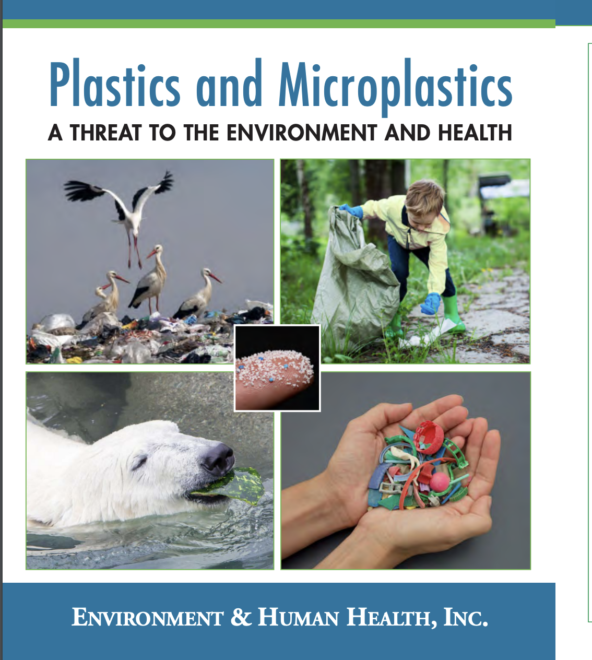
Environment and Human Health, Inc. (EHHI), a non-profit organization of physicians and public health professionals, is releasing its newly published research report on the dangers of plastics and microplastics to the environment and to health. Green Prophet offers you the link the report here. Links to PDF

The report calls for sweeping policy initiatives that need to be enacted by international, federal, state, and city governments, as well as calling on corporations to institute new policies that will better protect the public from harmful plastic and microplastic exposures. Some consider the surge in Covid due to microplastic exposure

Plastic formulations include numerous additives, often toxic substances, that are incorporated to give the plastic products their desired characteristics. In addition, plastics can absorb an endless number of chemicals and harbor microbes, both of which can be harmful to plants, wildlife, and humans. They are in cosmetics, shampoo and microplastics get ejected from our clothing in the washing machine. 

Forget about BPA. That’s the smaller problem.

Large plastic items – like bottles, food packaging and bags – break down into microplastics, that are tiny bits of plastic smaller than a grain of rice, and sometimes even much smaller than that.

There is probably no other contaminant as abundant as microplastics or one so widely distributed in the global environment. Because of their small size they are found in fruits, vegetables, in water, in beer and even our salt. That’s why many people buy pink salt from the Himalayas to avoid ingesting more plastic. 

micrplastics in you
What percentage of this woman is made from plastic?

How this affects health varies with the size. We know that fish eat microplastics and big fish and large birds eat large pieces of plastic.  Whales have been found to die from eating too many plastic bags. Plastic fish netting entangles marine life, often killing turtles, seals, and other large marine animals.

Gaboury Benoit, Ph.D., Professor of Environmental Chemistry, Yale University, Member of EHHI, and author of the report, explained, “Almost 500 scientific studies were reviewed in the writing of this report, and they show that each of us ingests and inhales millions of microscopic plastic particles each year. 

Microplastics carry chemical additives and coatings as well as potentially pathogenic microbes. Disturbingly, their impact on human health is not yet known.”

Plastics in your fetus

Hugh Taylor, M.D. Chair of Yale’s Department of Obstetrics and Gynecology and member of EHHI said, “Exposures to microplastics is perhaps most concerning during pregnancy.  Microplastics are found in the placenta and can cross the placenta.  The developing fetus is particularly vulnerable to toxic exposures. Pregnant women should avoid plastics as much as possible and our legislators should prioritize protecting them.”

“Dr. Taylor’s observations concerning microplastics, made from the vantage point of the Chair of Yale’s Department of Obstetrics and Gynecology, are extremely important, given the long term and multigenerational actions of some of these chemicals, and the fact that microplastics are extensively distributed through food and water which creates a threat to future generations,” said David Brown, Sc.D., toxicologist and member of EHHI.

In laboratories researchers working with microplastics have found that they cause irritation and inflammation of the digestive tract. Microplastics also trigger toxic responses in human cells and model organisms. The possibility that these findings translate into animal and human health effects are yet to be fully researched and determined.

People routinely ingest microplastics when eating food and drinking beverages. They inhale microplastics by breathing indoor and outdoor air.

Because almost all microplastics come from the breakdown of larger plastic items, it is impossible to control the amount of microplastics without reducing or stopping the production of plastic. A single plastic water bottle can break down into many trillions of microplastic particles.

“We need to stop plastic production at its source. This will take international agreements between nations, regulations in the United States at all levels of governments, and include the cooperation of industry and the efforts of individual citizens,” said Nancy Alderman, President of Environment and Human Health, Inc.

A solution? Go plastic free if you can. Lobby. Support research for plastic alternatives. Buy products that last. Avoid Dollar Store throwaways. Buy clothes made to last, made from natural fibers.

Read the report so you can be armed with facts, and not just opinions. 

microplasics report

How to Make Sure Your Electric Vehicle is an Investment in Sustainability

0
Tesla Model S
Teslas might be more affordable than they ever were, but have you thought about what happens when the battery needs replaced?

Long gone are the days when people used to rely on nothing but gasoline or diesel to power their vehicles. Consumers can now choose from a variety of alternative fuels. For instance, shoppers can get hybrid models with gas and electric motor combinations instead of choosing traditional engine setups. You can also opt for strictly battery-powered models.

Are you planning on getting your first electric vehicle (EV) soon? If that’s the case, you’re going to want to do some research before handing over your cash to a dealership. Doing so will allow you to see what others are saying about the car. Then, hopefully, you’ll be able to tell whether it’s a good fit for your lifestyle. While you’re at it, you can also read up on the best extended car warranties just so you’re ready to buy these if needed.

Perhaps there has never been a better time to purchase an EV than now. So, if you haven’t hopped on the electric bandwagon just yet, consider the following reasons for becoming an EV owner. Sustainability tips for EVs are also included.


1. Electric Vehicles are More Energy-Efficient

As far as conventional gas-fueled motors go, they typically convert 17% to 21% of energy to power. That’s not bad, but electric vehicles tend to be more efficient. EnergySage.com reports that EVs convert 59 to 62 percent of electric energy into power. 

2. Lower Lifecycle Emissions

Did you know that electric vehicles produce 50% fewer greenhouse gases than conventional cars? Plus, in places like Poland, EVs create a quarter fewer emissions than those fueled by diesel. Global warming has taken center stage over the last few years, and people everywhere are doing their parts to combat climate change. If you’re ready to do something to preserve the Earth, an electric car could be the solution you seek.

3. Charging Stations Aplenty

Some people won’t commit to electric vehicles because they aren’t sure where to charge these cars. Some homeowners have the ability to plug in and charge the vehicles in their garages or driveways. However, not everyone is that lucky. For example, what about apartment residents that don’t have access to a plug? And what if you live in a rural community? In that case, the nearest charging station could be miles and miles away.

Everything could be transforming shortly because governments and people across the globe are pushing for change. For instance, in the United States, the Biden administration recently released a federal strategy to build 500,000 charging stations nationwide. So, don’t be concerned about a lack of charging stations in your area. That could change in the blink of an eye.

4. Electric Cars Are Cost-Effective Solutions

If you’re like most people today, there’s a good chance that your budget is stretched thin due to the pandemic. Although it may not seem like it at first glance because of the initial investment, an electric vehicle is a cost-effective alternative to a conventional car. To begin with, the running costs of an EV are lower than those associated with most cars. After all, with an electric car, there’s no need to fill up with gasoline every time you turn around.

In addition, an electric vehicle doesn’t have as many parts and systems as a traditional gas-fueled car. With that being the case, owners typically enjoy lower maintenance costs with EVs than other types of vehicles. Thus, if you’re looking for a cost-effective solution, take a peek at some electric cars. First, review their financial pros and cons. Then, choose the one that makes the most sense economically.

Did you know that some countries even offer citizens incentives to purchase electric vehicles? So, although the initial investment for an EV is a bit high, you might catch a break, depending on where you live. Some of the countries that offer electric vehicle incentives today include:

  • United States
  • South Korea
  • China
  • Germany
  • India

5. Reduce Noise Pollution

It can be challenging to find a place to get some peace and quiet these days. Regardless of where you go, it always seems like you can hear the sound of passing cars, trucks, and buses. And don’t forget about planes and trains. The point is that noise pollution comes in many forms, but your car doesn’t have to be one of them.

Electric vehicles are typically much quieter than conventional cars. If you don’t want to contribute to the noise pollution in your area, an EV is a good pick. Then, nobody, including yourself, will have to listen to a loud exhaust or engine. 

Sustainability Tips to Get the Most Out Of Your EV

If you’ve taken the plunge into EV ownership, these tips can help you get the most out of your ride. By keeping your EV in good shape, you can make sure you’re investing in sustainability and doing your part for the environment. 

Read the Owner’s Manual

First of all, and perhaps most importantly, you should take the time to read the owner’s manual. It will contain maintenance tips and suggested service intervals. The manual may even contain some simple DIY troubleshooting for common EV issues. To ensure your car is always in peak condition and performing its best, you should follow the manufacturer’s instructions for maintenance.

Check Your Car’s Fluids Regularly

Also, if your goal is to extend the life of your electric vehicle, it is a good idea to check the fluids regularly. If the transmission fluid, coolant, or windshield wiper fluid else is low, top it off with a product approved for your car. Additionally, there might be a minor or substantial leak on a hose, housing, or another part if you’re losing fluid. Therefore, it probably wouldn’t hurt to take a look under the hood of your EV just to check if everything is okay.

Check Your Driveway

Don’t forget to look under the car too. Depending on what’s leaking, it could be staining your driveway or parking spot at work. If you detect an issue and don’t want it to worsen, your car needs diagnosis and repair sooner rather than later. Take your EV into the shop as soon as you detect a leak. An extended car warranty might come in handy here, especially if the leak has affected other systems like the HVAC system.

Keep Tires Properly Inflated

Properly inflated tires will result in better overall performance from your EV. Not to mention, the correct air pressure can help you and your passengers stay safe. When tires get low, the outside tread edges usually wear first. Then, overheating occurs, and ultimately, blowouts. Even if flats don’t strike, keep on top of how much air is in your tires. When a tire goes low, your car could pull hard to one side, increasing the risk of a crash.

Moreover, under-inflated tires don’t always slow down as well as they should. Instead, they fail to grip the road correctly and make the vehicle slide or travel further than usual to stop. With that being said, it’s easy to see how a low tire could cause a rear-end collision to occur. So, keep a tire gauge in your glove box or trunk and use it to ensure your tires remain full.

The Last Word

You should now have an idea of how to keep your electric vehicle in good shape and make sure it’s an investment in sustainability. Now, the only question left is, “What are you waiting for?” Get an EV and discover all its benefits for yourself.