A coworking space within walking distance can cut commuting time and give you a reliable place to work, but distance alone does not make it useful. Test the internet, noise, privacy, desk setup, environmental claims and real cost before committing to a membership.
Yazan Al Homsi looks at two very different bets — Aduro Clean Technologies and Rocket Doctor — to show what investors should watch as small-cap companies attempt to move from promising technology to commercial scale.
Breast reconstruction can be an important part of recovery, but persistent pain, infection, changes in breast shape or mesh movement deserve medical attention. Here are the warning signs patients should know after breast mesh surgery.
As ABA practices grow, so can their administrative footprint. Smarter billing and documentation systems can reduce duplicated work, wasted staff time and inefficiencies while supporting sustainable growth.
Meta description:
The Houthis have turned Yemen’s Red Sea coast into part of a global geopolitical crisis. But behind the missiles, shipping disruptions and Suez Canal headlines is Mocha — the ancient Yemeni port that gave the world its name for coffee.
A coworking space within walking distance can cut commuting time and give you a reliable place to work, but distance alone does not make it useful. Test the internet, noise, privacy, desk setup, environmental claims and real cost before committing to a membership.
Yazan Al Homsi looks at two very different bets — Aduro Clean Technologies and Rocket Doctor — to show what investors should watch as small-cap companies attempt to move from promising technology to commercial scale.
Breast reconstruction can be an important part of recovery, but persistent pain, infection, changes in breast shape or mesh movement deserve medical attention. Here are the warning signs patients should know after breast mesh surgery.
As ABA practices grow, so can their administrative footprint. Smarter billing and documentation systems can reduce duplicated work, wasted staff time and inefficiencies while supporting sustainable growth.
Meta description:
The Houthis have turned Yemen’s Red Sea coast into part of a global geopolitical crisis. But behind the missiles, shipping disruptions and Suez Canal headlines is Mocha — the ancient Yemeni port that gave the world its name for coffee.
A coworking space within walking distance can cut commuting time and give you a reliable place to work, but distance alone does not make it useful. Test the internet, noise, privacy, desk setup, environmental claims and real cost before committing to a membership.
Yazan Al Homsi looks at two very different bets — Aduro Clean Technologies and Rocket Doctor — to show what investors should watch as small-cap companies attempt to move from promising technology to commercial scale.
Breast reconstruction can be an important part of recovery, but persistent pain, infection, changes in breast shape or mesh movement deserve medical attention. Here are the warning signs patients should know after breast mesh surgery.
As ABA practices grow, so can their administrative footprint. Smarter billing and documentation systems can reduce duplicated work, wasted staff time and inefficiencies while supporting sustainable growth.
Meta description:
The Houthis have turned Yemen’s Red Sea coast into part of a global geopolitical crisis. But behind the missiles, shipping disruptions and Suez Canal headlines is Mocha — the ancient Yemeni port that gave the world its name for coffee.
A coworking space within walking distance can cut commuting time and give you a reliable place to work, but distance alone does not make it useful. Test the internet, noise, privacy, desk setup, environmental claims and real cost before committing to a membership.
Yazan Al Homsi looks at two very different bets — Aduro Clean Technologies and Rocket Doctor — to show what investors should watch as small-cap companies attempt to move from promising technology to commercial scale.
Breast reconstruction can be an important part of recovery, but persistent pain, infection, changes in breast shape or mesh movement deserve medical attention. Here are the warning signs patients should know after breast mesh surgery.
As ABA practices grow, so can their administrative footprint. Smarter billing and documentation systems can reduce duplicated work, wasted staff time and inefficiencies while supporting sustainable growth.
Meta description:
The Houthis have turned Yemen’s Red Sea coast into part of a global geopolitical crisis. But behind the missiles, shipping disruptions and Suez Canal headlines is Mocha — the ancient Yemeni port that gave the world its name for coffee.
A coworking space within walking distance can cut commuting time and give you a reliable place to work, but distance alone does not make it useful. Test the internet, noise, privacy, desk setup, environmental claims and real cost before committing to a membership.
Yazan Al Homsi looks at two very different bets — Aduro Clean Technologies and Rocket Doctor — to show what investors should watch as small-cap companies attempt to move from promising technology to commercial scale.
Breast reconstruction can be an important part of recovery, but persistent pain, infection, changes in breast shape or mesh movement deserve medical attention. Here are the warning signs patients should know after breast mesh surgery.
As ABA practices grow, so can their administrative footprint. Smarter billing and documentation systems can reduce duplicated work, wasted staff time and inefficiencies while supporting sustainable growth.
Meta description:
The Houthis have turned Yemen’s Red Sea coast into part of a global geopolitical crisis. But behind the missiles, shipping disruptions and Suez Canal headlines is Mocha — the ancient Yemeni port that gave the world its name for coffee.
A coworking space within walking distance can cut commuting time and give you a reliable place to work, but distance alone does not make it useful. Test the internet, noise, privacy, desk setup, environmental claims and real cost before committing to a membership.
Yazan Al Homsi looks at two very different bets — Aduro Clean Technologies and Rocket Doctor — to show what investors should watch as small-cap companies attempt to move from promising technology to commercial scale.
Breast reconstruction can be an important part of recovery, but persistent pain, infection, changes in breast shape or mesh movement deserve medical attention. Here are the warning signs patients should know after breast mesh surgery.
As ABA practices grow, so can their administrative footprint. Smarter billing and documentation systems can reduce duplicated work, wasted staff time and inefficiencies while supporting sustainable growth.
Meta description:
The Houthis have turned Yemen’s Red Sea coast into part of a global geopolitical crisis. But behind the missiles, shipping disruptions and Suez Canal headlines is Mocha — the ancient Yemeni port that gave the world its name for coffee.
A coworking space within walking distance can cut commuting time and give you a reliable place to work, but distance alone does not make it useful. Test the internet, noise, privacy, desk setup, environmental claims and real cost before committing to a membership.
Yazan Al Homsi looks at two very different bets — Aduro Clean Technologies and Rocket Doctor — to show what investors should watch as small-cap companies attempt to move from promising technology to commercial scale.
Breast reconstruction can be an important part of recovery, but persistent pain, infection, changes in breast shape or mesh movement deserve medical attention. Here are the warning signs patients should know after breast mesh surgery.
As ABA practices grow, so can their administrative footprint. Smarter billing and documentation systems can reduce duplicated work, wasted staff time and inefficiencies while supporting sustainable growth.
Meta description:
The Houthis have turned Yemen’s Red Sea coast into part of a global geopolitical crisis. But behind the missiles, shipping disruptions and Suez Canal headlines is Mocha — the ancient Yemeni port that gave the world its name for coffee.
A coworking space within walking distance can cut commuting time and give you a reliable place to work, but distance alone does not make it useful. Test the internet, noise, privacy, desk setup, environmental claims and real cost before committing to a membership.
Yazan Al Homsi looks at two very different bets — Aduro Clean Technologies and Rocket Doctor — to show what investors should watch as small-cap companies attempt to move from promising technology to commercial scale.
Breast reconstruction can be an important part of recovery, but persistent pain, infection, changes in breast shape or mesh movement deserve medical attention. Here are the warning signs patients should know after breast mesh surgery.
As ABA practices grow, so can their administrative footprint. Smarter billing and documentation systems can reduce duplicated work, wasted staff time and inefficiencies while supporting sustainable growth.
Meta description:
The Houthis have turned Yemen’s Red Sea coast into part of a global geopolitical crisis. But behind the missiles, shipping disruptions and Suez Canal headlines is Mocha — the ancient Yemeni port that gave the world its name for coffee.
If you are running a company sustainably this means cutting procedures and expenses that take extra time and money for delivery services
Many of the expenses we now have – things like your cell phone, utilities, car payments, and mortgage – tend to be paid by automatic payments. This is one of the many modern conveniences that we have due to technology that many of us may take for granted.
Business leaders like yourself may not have fully accepted the simplicity of such things when paying the expenses of your company. Maybe you have, in some things. The chances are good that paying things like your UPS and FedEx invoices don’t fall into that “automatic payment” category. Instead, they’re paid ad hoc and manually.
However, there are a few fantastic reasons to change that. Here’s a look.
Parcel Payments Can Be Consolidated
It isn’t uncommon for businesses, especially ones that have multiple locations or many accounts, to receive quite a few invoices on a daily basis from UPS or FedEx. Many can receive more than 30 in a single calendar month. If you get the right parcel payment platform, you can save yourself a lot of the work that goes into paying these invoices. Doing it manually is not an efficient way to use resources and time when you could have them paid automatically without risking an oversight error.
Consistent Process
The challenge of having to pay many bills for multiple accounts can be exacerbated when many payment processes and carriers are involved – from various due dates to different methods of payment. The best thing to do here would be to simplify the process. By automating your bill payment, you can be sure to adhere to the preferred payment method of each carrier without additional work for your team. By doing this, you might even end up with payment files that you can import right into your ERP.
Audit Credits
When you schedule your payments to be made automatically, you’ll be able to wait later for the payment window of each invoice without additional risk. This is key when it comes to maximizing any refund credits. It’ll be easier to audit the invoices and ask for credits before you pay the invoice.
Late Fees
By utilizing a parcel payment platform, you won’t just be helping to digitally transform your business; you could also be saving a bit of money. Over the course of a year, how many late fees do you pay when manually paying all of your parcel invoices? That money is wasted, but there’s an easy fix. Make use of a parcel payment platform that will maximize the amount of time you keep your money while also ensuring that you don’t end up paying late fees.
Short Pay – The Necessary Evil
You won’t need to make educated guesses at accounting for any credits before paying FedEx, aka short paying their invoices. Automated parcel payments will take care of all of the math while ensuring that you don’t under or overpay any carrier. Timing is critical. Attempting to reconcile your invoices against your payments can be rather tricky due to FedEx adjusting your original amount on an invoice to reflect any approved credits.
The convenience that comes with even more savings, along with operational efficiency, doesn’t have any additional cost for you. When compared to the time saved by paying these bills automatically, time that could be spent completing other necessary tasks, and the money saved by avoiding late fees and getting the credits you should be getting, the cost of a good parcel payment system is negligible. Why waste time and money on the hassle of paying all of these invoices when you just don’t need to?
Hydrogen gas is endless and available and a green energy contributing to a carbon-free future.
The industrial sector is one of the biggest emitters of greenhouse gases. The decarbonization of industry is therefore a major challenge in the fight against climate change. It consists of reducing greenhouse gas emissions by reducing fossil fuel consumption and using renewable energies. Here are the essentials on the subject.
The concept of decarbonization of industry
Decarbonization of industry is a relatively new concept. It refers to the reduction of greenhouse gas emissions from industrial activities. This reduction can be achieved by using cleaner technologies and by improving the energy efficiency of industrial processes.
Greenhouse gas emissions from industry account for about one third of total emissions worldwide. The main sources of this pollution appear to be the power generation, building heating and cooling, transportation and industrial sectors. Actors in these areas can refer to alternatives such as those presented on the decarbonization platform.
However, decarbonization of industry remains a complex challenge, as emissions are linked to specific industrial processes. Steel and cement production, for example, require tailor-made solutions.
The challenges of decarbonizing industry
The decarbonization of industry is essential to meet the objectives of the Paris Climate Agreement, which aims to limit global warming to less than two degrees Celsius. Reducing greenhouse gas emissions is crucial to maintaining a viable and sustainable environment.
The decarbonization of industry also has economic benefits. Indeed, it can promote innovation and job creation in the renewable energy sector such as hydrogen. In addition, reducing fossil fuel consumption will reduce dependence on energy imports and improve the competitiveness of companies.
In addition, decarbonization of the industry can improve the brand image of companies and strengthen their commitment to sustainability. This is an asset for attracting new environmentally conscious customers. Specific measures have been put in place over the years to decarbonize large industries.
Solutions for decarbonizing industry
There are several solutions to decarbonize industry. First, the energy efficiency of industrial processes must be improved. This can be achieved by using cleaner technologies and optimizing production methods. For example, companies can install heat pumps and recovery equipment to reuse the heat produced by industrial processes. They can also use sensors to monitor energy consumption and improve machine efficiency.
Second, it is important to promote the use of renewable energy in industry. Alternatives such as solar, wind, hydro, hydrogen and geothermal energy can provide a clean, renewable energy source for industry. Companies can install solar panels or wind turbines at their production sites to generate their own energy. They can also purchase renewable energy from green electricity providers.
Finally, carbon capture and storage technologies can be used to reduce greenhouse gas emissions from industrial processes. This technology allows CO2 emissions from industrial processes to be captured and stored in underground reservoirs or used for energy production. This method is further developed by technology. Innovations in CO2 emission transformation are being carried out over the years by scientists and researchers in order to preserve the earth and human nature.
As an entrepreneur, you are always looking for ways to maximize your profit margins and stay ahead of the competition. One area where you can make significant savings and increase your profit margins is your gas expenses. Business gas price comparison, energy efficiency, and smarter usage can all help you reduce your gas bills.
Business gas can be a significant expense for many entrepreneurs, but with the right strategies, you can find ways to reduce your costs and increase your profit margins. In this blog post, we will provide valuable insights into how you can use business gas to your advantage to maximize your profit margins. From conducting research to negotiating contracts with suppliers, we will provide practical tips and strategies to help you save money and increase your profits.
Conducting Research on Local Gas Prices
Local gas prices tend to vary significantly from one area to another, and staying up-to-date with these prices can help business owners make informed decisions. It is crucial to understand the dynamics of the local gas market, including the key players and market trends. This information can be obtained through various sources, such as industry publications, government reports, and online resources.
Additionally, business owners can benefit from networking with other local business owners who have experience navigating the gas market. By conducting research on local gas prices, entrepreneurs can strategically plan their gas purchases and negotiate with gas providers to secure the most competitive rates. This can ultimately help businesses increase their bottom line and remain competitive in the market.
Joining Fuel Rewards Programs
One effective way for entrepreneurs to save on gas is by joining fuel rewards programs. Many gas stations offer these programs. These programs allow users to earn points or cashback on gas purchases which can then be redeemed for discounts or free gas. Savvy entrepreneurs can maximize their profit margins by signing up for and actively using these programs for their business vehicles.
It is important to research and compares fuel rewards programs to ensure you are selecting the program that offers the most benefits and savings for your business needs. Additionally, regularly monitoring gas prices and comparing them with different fuel rewards programs can help entrepreneurs make informed decisions and ultimately save more money on gas expenses.
Tracking Fuel Expenses and Reimbursements
Tracking fuel expenses is a top priority for entrepreneurs looking to maximize their profit margins. To achieve this, it’s imperative to keep a detailed record of every business-related fuel purchase made. The best way to track fuel expenses and reimbursements is by using a fuel card or a dedicated expense-tracking tool.
Many credit card companies offer fuel cards tailored specifically for businesses, which helps in streamlining the process of tracking fuel expenses. These cards can also provide benefits such as rewards or cashback for filling up at specific gas stations.
Utilizing Fuel-Efficient Vehicles
Using fuel-efficient vehicles is an effective way to maximize profit margins in the business. With the constant increase in gas prices, it is important for entrepreneurs to keep a close eye on their fuel expenses. By investing in fuel-efficient vehicles, businesses can save a significant amount of money in the long run. Not only will these vehicles help to reduce fuel expenses, but they are also environmentally friendly, promoting sustainable practices.
In addition, fuel-efficient vehicles are often equipped with the latest technology, making them a more attractive option for customers and potential clients. Entrepreneurs should consider incorporating fuel-efficient vehicles in their business model as a way to reduce expenses and promote sustainable practices.
Implementing a Fuel Budget
This involves setting a limit on the amount of money allocated towards fuel and tracking fuel expenses against that limit. A fuel budget can help businesses track their expenses more accurately, and identify areas where there may be room for improvement.
By reviewing fuel expenses regularly, businesses can identify waste, inconsistencies, or potential problems in their fuel consumption patterns, and make necessary adjustments. Implementing a fuel budget can also help businesses save money in the long run, by promoting fuel efficiency and reducing overall fuel expenses.
Utilizing Fuel Management Tools
One of the key strategies for maximizing profit margins with business gas is utilizing fuel management tools. This approach can provide business owners with greater control and visibility over fuel consumption, ensuring that they don’t overspend on fuel costs.
Fuel management tools allow entrepreneurs to monitor and manage fuel usage data, track fleet performance, and identify opportunities for cost savings. These tools also provide access to real-time data analytics, which enable business owners to identify trends and patterns in fuel consumption, anticipate changes in fuel prices and consumption, and make data-driven decisions about when and where to fuel up.
Training Employees on Fuel Efficiency
One of the key factors in maximizing profit margins for businesses is reducing expenses, and fuel is often a major expense for companies with fleets of vehicles or for those that require employees to travel. Therefore, training employees on fuel efficiency is a crucial step in reducing these expenses.
Through proper training, employees can learn how to drive more efficiently, which can lead to significant fuel savings over time. This training can include teaching employees about proper maintenance procedures to keep vehicles running at maximum fuel efficiency, techniques for avoiding traffic congestion, and strategies for reducing idling time. Companies can also consider offering incentives for employees who demonstrate good fuel efficiency practices, which can help to foster a culture of responsible fuel usage within the organization.
Negotiating With Suppliers for Lower Fuel Costs
Negotiating with suppliers for lower fuel costs is an essential strategy for entrepreneurs who aim to maximize profit margins in their businesses. The process of negotiating can be daunting, but it is crucial, particularly since fuel costs can significantly impact a business’s bottom line. One of the most effective ways to negotiate for lower fuel costs is to research and compare prices from different suppliers.
Engaging fuel suppliers with potential alternatives can also provide leverage during negotiations, particularly if other suppliers are willing to offer better offers. Additionally, making seasonable or bulk purchases can provide room for negotiation, particularly for businesses that require constant high amounts of fuel.
Conclusion
Incorporating fuel-efficient practices into a business model is key to maximizing profit margins, especially for companies that rely heavily on vehicles or travel. By implementing fuel budgets, utilizing fuel management tools, training employees in efficient driving techniques, and negotiating with suppliers for lower prices, entrepreneurs can save money on fuel expenses and promote sustainable practices. These strategies can help any business become more profitable and remain competitive in its respective industry.
Global nomads get around by wandering and working and staying connected. An esim can help you stay free. Plus it’s more efficient than buying sims around the world and throwing them out.
Travelling to the US can be a fun and exciting experience. The US is a vast country with diverse cultures, landscapes, and attractions that can cater to various interests. Some famous tourist destinations in the US include New York City, Los Angeles, San Francisco, Las Vegas, Miami, and many more. Global nomads are attracted to landing in these megacities and then explore out. But state to state operators mean different services for your cell phone when you want to stay connected.
From historical landmarks to theme parks and museums to outdoor adventures in your van or glamping, there is something for everyone to enjoy. However, it is essential to note that travelling to any foreign country requires preparation, research, and awareness of local laws and customs to ensure a safe and enjoyable experience, especially when you are also working.
A great idea that’s taking over international communication is esims. Let’s say you would like to use an esim on your device without needing a physical sim card that require switching out and knowledge of local laws and charges. Switching between different carriers or plans during your trip is easy without purchasing a new sim card.
A prepaid sim card USA from companies like Holafly can be purchased and activated remotely. You can compare and choose from their plans before you travel. It can help you find the most cost-effective plan for your needs.
Benefits of using an esim
You can have a business and still live the sustainable dream.
Convenience
An esim is a digital SIM card embedded in your mobile device and you don’t have to worry about inserting or swapping out a physical SIM card, which can be a hassle and may require you to visit a physical store to purchase and activate a new sim card. When travelling internationally, you can easily use an esim plan from a local carrier in your destination country. It can be more convenient and cost-effective than purchasing a physical SIM card or paying expensive international roaming fees.
Since esim technology is not limited to a specific device, you can conveniently move your esim profile from one compatible device to another without physically transferring a sim card. It can be particularly convenient if you use multiple devices regularly.
Cost
With an eSIM, you can compare and choose different plans from different carriers before you travel. It can help you find the most cost-effective plan for your needs. Additionally, eSIMs can help you avoid international roaming fees.
Providers offer esim specific plans that are more cost-effective than traditional plans with physical SIM cards. These plans may offer more data, better coverage, or lower prices than traditional plans.
Flexibility
#Vanlife can be for everyone in turbulent times
Flexibility is a significant advantage of esim technology. An esim gives you more options and controls over your mobile service, which can help you find the most cost-effective plan for your needs especially if you need to stay connected to your startup at all times. It can be downloaded and activated on any compatible device, meaning you can use the same esim profile on multiple devices. It is particularly advantageous if you have multiple devices or frequently switch between devices.
Remote management
Remote management is one of the benefits of esim technology. It allows you to manage your mobile service remotely using an app or web interface provided by your carrier. It can include tasks such as activating or deactivating your esim, changing plans, or adding data.
You can also change your esim plan or add data remotely using the carrier’s app or web interface. It can be beneficial if you need more data or want to switch to a different plan.
H2 Clipper is an electric airship lifted and powered by green hydrogen.
Hydrogen is the most abundant element in the universe. It is also a powerful zero-carbon fuel with an energy density of 5.5 kilowatt-hours per kilogram (kWh/kg). This is more than two and a half times the energy density of gasoline and eighteen times the energy density of the 0.296 kWh/kg 4680 battery used in the Tesla Model S.
Hydrogen is used for space travel and other specialized applications but it has not yet replaced fossil fuels in electricity generation, consumer or freight transportation. That may be about to change thanks to these breakthroughs in hydrogen technology.
1. Green Hydrogen
When hydrogen is burned in the presence of Oxygen, it doesn’t produce carbon dioxide (CO2) it only produces water (H2O) and small amounts of the chemicals produced by heating air. But the processes for generating hydrogen consumes energy and that energy can come from sources which produce CO2. Hydrogen is a colorless gas but engineers developed a nine color code to track environmental factors in the production of hydrogen. For example, when coal is used to produce hydrogen, it is known as Black or Brown hydrogen. Natural gas is used to produce Gray hydrogen with the steam-methane reformation process which released CO2 into the atmosphere. Burning black, brown or gray hydrogen appears to be carbon neutral but the overall process contributes to air pollution and climate change.
Blue hydrogen also uses natural gas (mostly methane) but the process is designed to capture and sequester the CO2 byproduct for storage or industrial purposes.
Green hydrogen goes one step further by producing hydrogen from solar, wind and other energy technologies which do not contribute to climate change.
Who is working with green hydrogen?
With abundant gas reserves and good climate for solar electrolysis, mideast countries are particularly well-placed for cost-effective green hydrogen production and job creation. Saudia Arabia’s NEOM development is working to produce the world’s largest green hydrogen production utility.
Oman is also competing in this market with signed contracts for six green projects and a production target of more than one million tons of green hydrogen per year. The war in Ukraine has also forced the European Union to rethink energy dependency as part of regional defence and security. Hydrogen terminals and pipelines are being built and expanded to take advantage of imports from the Mideast and Canada. As Canada’s Prime Minister Justin Trudeau puts it: “The enhanced action plan on hydrogen will mobilize investment, support businesses, share expertise and get clean Canadian hydrogen to Europe… Fundamentally, it’s about good middle-class jobs, economic growth and clean energy.”
2. Hydrogen for mimicking photosynthesis
Photovoltaic (PV) electrolysis is not particularly efficient in using sunlight to extract hydrogen from water. The best PV cells are only about 15% efficient and electrolysis is only about 70% efficient. And when the panels are dusty, knock that down even more. Together their total efficiency is only about 10.5%.
Plants do much better but their process is complicated. Reading over my daughter’s shoulder while she was studying biology, I learned something about light-harvesting complex, dyads, ATP, antenna proteins. In my day it was simple, chlorophyll made plants green and turned sunlight, CO2 and water into vegetables our mom made us eat!
On a very high level, light is a form of electromagnetic energy like radio waves. For efficient capture of that energy we need antennas that are a small integer ratio to the wavelength. You may have noticed that the antenna in your 1980s mobile phone was shorter than the ones in your walkie talkie. CB and HAM radio buffs used to tune antenna lengths with a Standing Wave Ratio (SWR) meter. In the early days of television people did something similar with bits of aluminum foil wrapped around TV antennas.
But light has a very short wavelength. The sunlight that filters through our atmosphere has a wavelength of about 400-700 billionths of a meter (nanometer). Because this is a wide range of wavelengths, we need a range of different antenna sizes. Not to worry (says whoever invented photosynthesis) layers of different pigments capture different parts of the spectrum.
No one will ever know this little secret until autumn when the green chlorophyll fades and some of the the other colors are revealed. My explanation may be an oversimplification but our best PV solar cells are not nearly as complex or efficient as the photosynthesis in the broccoli mom made us eat. It’s like comparing a stone tool to the International Space Station.
But we have to start somewhere and scientists at the University of Michigan took a step in the right direction by mimicking photosynthesis. They used a window-sized lens to focus sunlight onto a panel containing an indium gallium nitride nanostructure catalyst covered with water that was soon bubbling with hydrogen and oxygen gasses with an efficiency of 6.1% indoors and 9% outdoors. This doesn’t beat the efficiency of our best PV electrolysis systems, but it’s a start.
3. Geologic Hydrogen
We discussed this in a recent Green Prophet article about natural hydrogen. The idea is that instead of trying to find green energy to extract hydrogen from water, we search for deposits of hydrogen gas in the same way we search for fossil fuels. Geologic hydrogen is a hot topic in recent weeks because if we find large deposits of hydrogen, it really could be a game changer. At the very least it could serve as a transition fuel to help us phase out fossil fuels before their environmental damage overwhelms us.
4. Hydrogen Fusion
Two isotopes of hydrogen are used in the most common fusion reaction. These are Deuterium and Tritium. Chemically each of these behave very much like ordinary hydrogen which has one proton and one electron but Deuterium also has one neutron and Tritium has two neutrons. These isotopes are relatively rare but the energy released by a fusion reaction is hard to ignore. We already mentioned that the energy density of hydrogen when it is chemically burned in air is about 5.5 kilowatt-hours per kilogram.
But the nuclear fusion reaction between Deuterium and Tritium isotopes can produce 94 trillion kilowatt-hours per kilogram. This is 17 trillion times the energy density of gasoline. The catch is that fusion is difficult. Harnessing this energy isn’t as easy as dumping some rubbish into a device like “Mr. Fusion” in the film “Back to the Future.”
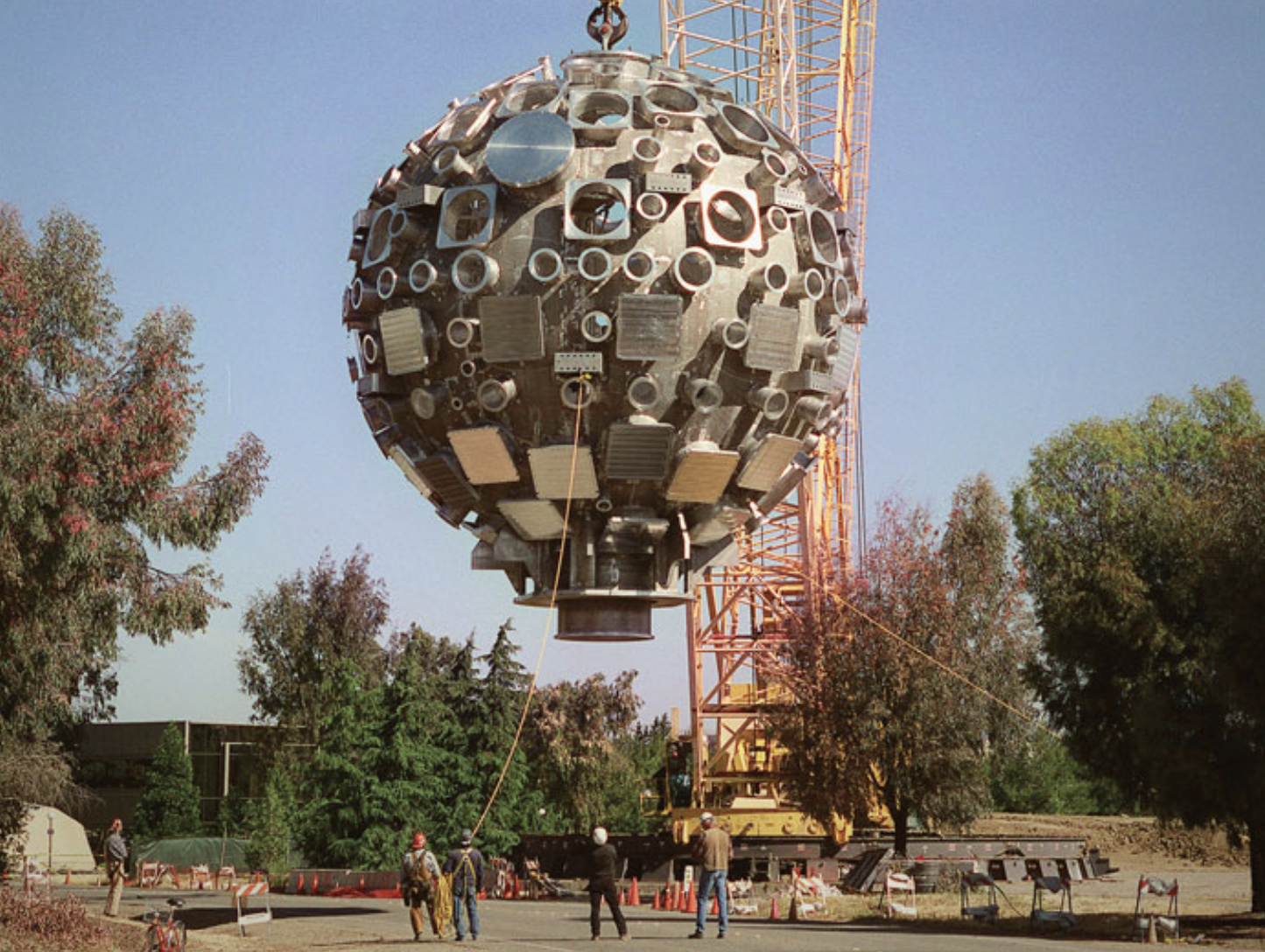
It’s even more difficult than trying to harness the energy in a bolt of lightning. But scientists are working on this from two different angles, magnetic confinement and laser confinement. Both have demonstrated net energy gain but not yet at a level that is commercially practical.
5. Hydrogen Airships
It must have seemed the perfect form of transportation. Dirigibles were luxurious and majestic. School teachers told us what it was like to watch these massive inventions cast shadows across midwestern cornfields. They took the comforts of a passenger cruise ship and sailed among the clouds. The Hindenberg even had a piano lounge. No form of transportation is perfectly safe and these airships were no exception. Seventy-three people died when the USS Akron crashed into the ocean and 48 died on the R-101. But the Hindenberg exploded on land in daylight with thousands of spectators, photographers and NBC radio broadcaster Herbert Morrison whose famous words “Oh the humanity!” would signal the end of this airship era..
German airship Zeppelin LZ 129 Hindenburg burning upon its approach to Naval Air Station Lakehurst, New Jersey, on May 6, 1937. U.S. Navy sailors, preparing to grab for tether lines on the ground, run for safety as they watch the airship fall to the ground with its rear half engulfed in flames. (Smithsonian Institution, NASM 73-8701)
This too may change as we face the true costs of jet aircraft travel. A round-trip transatlantic flight releases about two tons of CO2 per passenger, comparable to the annual carbon footprint of an average person living in Jordan.
One of the disadvantages of airships was that they flew low and slow in a part of the atmosphere prone to gusty winds, turbulence and lightning. When Hughs and other companies took jet aircraft into the stratosphere above the weather, modern flight was transformed. There is no reason why an airship should be confined to the turbulent lower atmosphere. The spy balloons that were in US news in recent weeks launched from China over Canada and the US flew at 60,000 feet, almost twice the cruising altitude of commercial aircraft.
But hydrogen isn’t just for spy balloons. The developers of an airship called the h2 clipper plan to take advantage of the economic advantages of hydrogen airships in cargo transport. Hydrogen will be used for both lift and power and if it is green hydrogen, it will truly be a zero carbon aircraft. Loz Blain explains in New Atlas:
“We’re talking cargo loads up to 340,000 lb (150,000 kg – or the equivalent of about 115 Toyota Corollas), distances up to 6,000 miles (9,650 km, or roughly the distance between Los Angeles and Barcelona), at cruising speeds over 175 mph (280 km/h, or a little under one-third the speed of a Dreamliner passenger plane – but 7-10 times faster than a cargo ship can go).”
On paper it sounds good, jet aircraft are expensive, carbon-heavy energy hogs and these airships are beautiful. H2-Clipper won the prestigious hydrogen transport innovation awards in 2023. The company has tested models in wind-tunnels and has plans for a prototype by 2025 and a full-size production airship by 2028.
H2 Clipper says large electric airships lifted and powered by green hydrogen stand ready to transport massive cargo loads over enormous distances.
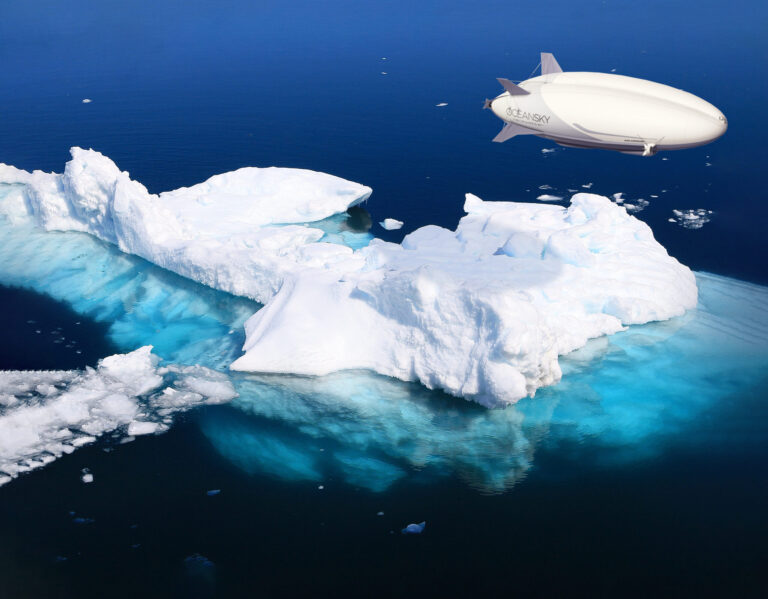
Oceansky’s airship is smaller but it may be perfect for the luxury class. Who wouldn’t want to fly over the north pole on something like this?
From 2024, Swedish company OceanSky Cruises will fly elite passengers in a sustainable, floating five-star hotel that’s lighter than air.A sustainable aviation alternative that enables intrepid luxury travel, OceanSky Cruises’s airship is a 100-metre-long hybrid aircraft, combining buoyancy from helium with aerodynamic lift created by the shape of its hull. Driven forward by four propellors, the vehicle can fly continuously for days.
These are just five recent breakthroughs in hydrogen technology. However you look at it, it seems that the future is bright for Hydrogen!
If you’ve spent a lifetime sorting your recyclables, riding a bike rather than driving, and adopting a variety of other greener lifestyle choices, it makes sense that you want those values to follow you through to the end of your life.
Weighing up the environmental impact of a funeral against your priorities and values is important. A responsible funeral plan provider will be able to offer some advice on your options if necessary.
There are many ways you can return to the earth, each with its benefits and drawbacks. To help you decide, this post will highlight the reasons why cremation is good for the planet.
1. No Damaging Caskets Have to be Used
The materials used in burial caskets are not directly damaging to the environment but the use of wood, plastic, metals, fabrics, paints, and varnishes does have a negative impact. These all create different environmental hazards in their production, transportation, and use.
With a cremation, there is no need for such damaging vessels for the body. A variety of more eco-friendly options are available. Choose wood, bamboo or a casket made from a basket. Or alternatives like Capsula Mundi which turns a loved one into a tree.
2. Forget the Grave Vault
Grave vaults, made from cement, are sometimes used instead of or alongside the casket. Such places, built underground, contribute to greenhouse gas emissions by using fossil fuel-powered machinery and concrete.
Cremated remains take up very little space, can be stored or buried in a biodegradable urn, and will not harm the environment.
3. No Embalming Fluids are Used
A body can be embalmed before the cremation process, for those that want a viewing. If a person is being buried in the traditional sense, many people will choose embalming.
Embalming helps preserve the body and enables a family to hold a viewing. The main chemical used in this preservation process is formalin (formaldehyde mixed in water). It is a highly toxic carcinogen and has been linked to a variety of health problems, which means nothing for the deceased but a lot for the living. It also has long-term toxicity which means when an embalmed body is put into the ground the formalin can leach into the surrounding ground and contaminate the soil for generations. Jews don’t embalm: read about the practice here.
4. Eco-Friendly Cremation Containers
A large part of the carbon footprint from cremation can be attributed to the products used during the cremation, such as the cremation container and the urn.
Texas families from the Big D often look for low-cost Dallas cremation services that prioritize environmentally conscious options alongside affordability. This consideration allows them to balance budget concerns with a desire to reduce environmental impact during an already difficult time.
The default container for cremation is often made from wood but more eco-friendly options are available. For example, it could be made from cardboard or recycled materials that burn clean. Other options which bring a higher level of dignity with a low carbon footprint include bamboo. This type of container burns cleaner because there are no bonding chemicals or plastics used.
5. Human Remains are Reduced to Ash
When a body is cremated it is reduced to a very small amount of ash and that’s it.
6. Cremation Leaves No Trace
Burial takes up scarce and valuable land, while cremation leaves little trace. Burials generally have a 10% higher environmental impact compared with cremation. It is more labor and resource-intensive. However, a large percentage of the emissions come from the maintenance of the gravesite and cemetery lawns over the years.
7. No Need for a Burial
A conventional burial uses many resources and takes up too much space. Cremation is thought to be better for the environment because loved ones can take the person’s remains and scatter them somewhere memorable.
8. Eco-Friendly, Biodegradable Urns
Burial Urn, pottery
After a body has been cremated, the ashes are sometimes presented to the family in urns made from marble or metal. These are designed to be kept at home or placed in a columbarium.
An increasing number of families are choosing to scatter the ashes which means such a permanent container is not required. An alternative to a permanent urn can be made from recycled plastic or cardboard. We love urns made from pottery.
9. Aquamation vs. Cremation
A new alternative to traditional cremation is a process that uses alkaline hydrolysis. The process is also known as aquamation, bio cremation, or water resolution.
The body is placed in a special chamber where it is subjected to water, heat, pressure, and potassium hydroxide. Within a few hours, the body is reduced to a white “ash” and up to 30% more ashes are retained. These ashes can then be buried or scattered.
This process uses less energy, produces less carbon dioxide, and does not emit harmful emissions such as mercury.
10. The Cremation Industry is Starting to Reduce Its Carbon Emissions
The process of cremation does release harmful gases such as dioxin and mercury. Also, the energy needed for one single cremation is equivalent to the power an average person uses in one month.
However, technological innovations, such as mercury filtering equipment, are helping the cremation industry to reduce its carbon emissions and become a more sustainable funeral solution.
Tips on Planning a More Eco-Friendly Funeral
If you want a more sustainable funeral, you might also consider the following options:
Dress the body in biodegradable garments such as wool or cotton
Plant a tree in memory of your loved one
Rather than newspaper print advertisements publish the funeral notice online
If you want a burial, consider a natural burial or a green burial
Print memorial cards made from recycled paper
For the wake or memorial, order locally sourced food
In lieu of flowers ask for donations to your favorite green charity or nature preservation organiztion
Learning Management System in school is software designed for teachers to create, manage, and deliver various aspects of a module, like lectures or assignments. With the pandemic taking over the world, LMS has found its way into the education system, especially K-12 education. Even after the pandemic ended, many prestigious institutions still use LMS to assess efficiently and grade assignments, powerful resources, analytics, etc., and much more.
Many educational institutions are now adapting tools like LMS to make learning more engaging and accessible. LMS is one example that helps with essential functions like assignments, graded discussions, rubrics, competency-based education, and so much more. It also has mobile learning support that helps make learning accessible to most.
With that being said, let’s look at 6 excellent benefits of implementing LMS in K-12 education.
Centralized resources
One best thing about using LMS in the education system is that all your data will be in one place, accessible to all with just one login. Before LMS, educators would have to give students multiple logins to various resources to access study materials. Learning management systems can consolidate all the resources in one place and make everything accessible with a single login. It reduces the chance of misplaced and damaged documents as LMS is a storage hub for all. Also, many textbooks can be shared through LMS, so students can skip purchasing or carrying them to class daily. They can take their mobile and access the book from the system.
Diverse assessments and grading options
LMS provides you with a diverse way to assess your students. You can prepare a multiple-choice questionnaire that will give immediate feedback upon completion. Alternatively, you can have an external site, like video formats, and apply questions and topics from there, to which students can upload their answers in a video or podcast.
It also saves a lot of time for teachers by making grading more straightforward. A multiple-choice questionnaire can be graded automatically after the student is done. For detailed assignments, teachers can run plagiarism checks efficiently from an LMS. It makes everything easier as LMS removes the physical need to make sure all the assignments are collected. Everything is stored in the system and can be accessed and graded anytime and anywhere at the teacher’s convenience.
Easy communication
Bali Green School
The hardest part of online learning is maintaining communication between students and teachers and students and their peers. A good LMS can make your classroom more social and interactive. Students can chat with each other whenever they need, no matter the hour. LMS also encourages social learning with discussion boards, interactive assignments, and group discussions.
Personalized learning
Each institution has its own need and learning motto. An LMS helps them to customize the learning management system to serve the unique needs of each institution. It also allows students to personalize their learning journey. They can study at their own pace. It is even better if the school already provides self-paced courses. They can move faster or slower depending on how they adapt to the course materials.
Parental participation
Parents and guardians now do not have to call the school for every little bit of information. They can log in to the institute’s LMS to access their child’s calendar, timetable, grades, and PTA dates. They can quickly gauge their child’s performance and effortlessly reach out to the respective teachers to converse. They can also use the platform to voice concerns or feedback directly to the organization. This helps parents be more involved and hands-on with their child’s education than the traditional setup.
Saves time
Last, of all, LMS saves tons of time for students as well as teachers. It is easy for students to access materials in one place, so they do not have to spend time looking at various sources. They can also find their assessments and grades in one place, which helps them stay organized and at the top of their tasks. LMS also shows real time analytics for each student so the teachers can assess the data by looking at the analytics and see which students need an extra hand to catch up with the rest.
So, what are you waiting for? Integrate LMS into your learning and see the difference today.
We thought we’d solved CFCs but the ozone-depleting chemical is popping up in unexplained ways.
Just when we thought we’d solved the ozone hole, scientists are here to curb our enthusiasm for humanity’s ability to reverse anthropogenic damage. Atmospheric chemists policing the earth’s atmosphere have found a troubling reversal in recent data, stating that CFCs or ozone-destroying chlorofluorocarbons have sudden risen in the last 13 years, looking at data from 2010 to 2020.
The Montreal Protocol banned most uses of chlorofluorocarbons and called for their global phase-out by 2010, and we thought it was a great success story: Earth’s ozone layer is projected to recover by the 2060s.
With results are published in Nature Geoscience: “This shouldn’t be happening,” says Martin Vollmer, an atmospheric chemist at the Swiss Federal Laboratories for Materials Science and Technology in Dübendorf who helped to analyse data from an international network of CFC monitors. “We expect the opposite trend, we expect them to slowly go down.”
The researchers believe that factories are accidentally releasing three of the ozone-depleting chemicals — CFC-113a, CFC-114a and CFC-115 — while producing replacements for CFCs. At the time when CFCs were phased out, hydrofluorocarbons (HFCs) were brought in instead. But CFCs can be produced as by-products in the manufacturing stages of HFC. “Accidental” production is discouraged by the Montreal Protocol, but not prohibited by it. Look to Excavation, a new Apple TV series, to understand how we should not be letting mineral-grabbing business people to lead our future.
“A lot of this probably boils down to the factory level,” Vollmer says, pointing out that HFC production is on the rise. “A factory can be run relatively clean or relatively dirty.”
The researchers speculate that levels of CFC-112a might be on the rise because of its use as a solvent or as a chemical feedstock. However, they say they need to discuss this idea further with chemical engineers to confirm that assessment.
A research project for engineering students to take on?
Meanwhile, banned CFCs can be traced to China, where it is used mostly for home insulation. A Nature study estimated that somewhere between 90,000 and 725,000 tonnes of CFC-11 were produced and embedded in products like foams and gases between the years of 2013 and 2019, and these CFCs have not yet been emitted yet into the atmosphere. This foam is in buildings across China and the rest of the world where the home insulation material is not banned.
CBD is a non-psychoactive form of cannabis that is used widely for relation, calming anxiety, chronic pain and for supporting love.
After seeing the Great Pacific Garbage patch spanning 600,000 square miles and learning that up to 200 million people could be displaced by climate change by 2050, you might be eager to start doing your part for the environment and your own health. Small changes can make a difference, and you might feel better knowing you’re positively contributing to the environment. If you’re dedicated to going green, here are a few small changes to start you on your journey.
Choose Natural Food and Healthcare Products
Paying more attention to the food, healthcare, and beauty products you buy might be an excellent way to start your ‘green’ journey. For example, when you buy Delta-9 gummies to potentially assist with sleep, pain, or other ailments, you’re giving your money to natural product producers rather than pharmaceutical companies.
According to the World Economic Forum, the pharmaceutical industry is responsible for 4.4% of global emissions. If the sector doesn’t change its ways, its CO2 footprint is expected totriple by 2050. You might also decide to choose organic food products since organic farmers produce food in an ecologically balanced way.
Walk and Bike
The average passenger vehicle emits approximately4.6 metric tons of carbon dioxide annually, contributing to planet warming. Human activities, such as driving, have raised the carbon dioxide content in the atmosphere by 50% in less than two centuries. If you are fortunate enough to live close to all life’s necessities, consider swapping car rides for walks and bike rides. Not only can you treat your body to the exercise it needs, but you’re reducing your environmental footprint in the process.
Avoid Single-Use Plastic
The majority of materials within theGreat Pacific Garbage Patch spanning from California to Japan is plastic. Every time we purchase a plastic product that has the potential to end up in the ocean, we’re contributing to the problem.
Where possible, purchase goods made from sustainable, biodegradable products. For example, if you’re purchasing plates for a picnic, consider reusable plates or those made from sustainable materials like plant fibers. Swap plastic straws for paper, stainless steel, or glass, and use refillable metal drink bottles rather than disposable plastic ones.
Recycle
The average American throws away 1,800 pounds of waste annually, equating to around4.9 pounds daily. Most of this waste is dumped into landfills or burned in incinerators. We can reduce our environmental impact by actively recycling. Many businesses throughout the United States offer a wide range of recycling options for products and materials like:
Paper and cardboard
Plastic
Glass
Aluminum
Metal
Batteries
Electronics
Used oil
Tires
Use Energy-Efficient Appliances
We use a significant volume of fossil fuels and nuclear energy for energy generation in the United States, both of which are harmful to the environment. Alongside switching to renewable energy sources like solar and wind, we can also actively reduce power consumption by switching to energy-efficient products and appliances. The average energy-efficient appliance can contribute tolower greenhouse gas emissions, decreased water usage, and lower electricity demand.
Going green doesn’t have to be a challenging or time-consuming process. Look after your health with natural products, recycle more, and try cleaner transportation methods, and you might be well on your way to living a greener and more sustainable lifestyle to benefit the planet.
Omar is a Swahili man from Lamu, a special island off the coast of Kenya. Image by Tafline Laylin for Green Prophet. Genomes uncovered from centuries-old East African towns revise conclusions of colonial science.
Genome research now looks to the diverse origins of Swahili culture, with Swahili people carrying a mixture of local African, Middle Eastern and South Asian ancestry. The Swahili culture (where Muslim imams worry about Chinese ports) was often thought of being an Arab colony, but new investigation into the DNA shows this is untrue.
Researchers led by Harvard’s Esther Brielle at the Department of Human Evolutionary Biology, analysed the genomes of 54 individuals buried in Kenya and Tanzania between the years 1250 and 1800 and found that they were descended from people who began mixing around the year 1000.
Nearly all of their East African ancestry seemed to come from women, whereas most of the Asian ancestry was contributed by men from Persia.
Persians are not Arabs. The new DNA results do support the oral traditions of the Swahili people in Kenya and dispel colonial myths and old writings of Europeans who came to Africa and found that Swahili civilization is “essentially an Arab civilization”, notes anthropological archaeologist Chapurukha Kusimba, who co-led the study in Nature.
Industrial wastewater can be a major challenge, particularly for businesses and facilities with high production or manufacturing volumes. It can pose many environmental threats without proper disposal practices, from water pollution and soil contamination to even hazardous health effects. However, companies and industrial plants can take action to minimize the risks associated with managing these types of waste materials. Here are five tips:
Monitor Your Wastewater Regularly
Industrial facilities producing wastewater should monitor and test this waste regularly. This allows them to identify any potential pollutants or contaminants in the wastewater before it can cause wider environmental or health issues. To facilitate regular testing, facilities should have an up-to-date wastewater treatment plant and a reliable monitoring system. Once any contaminants are detected, steps must be taken to rectify the problem quickly and effectively. Keep records of all tests to address and rectify any issues quickly.
Work With a Professional Team
Professionals have up-to-date knowledge of local laws and regulations and the best practices for proper wastewater treatment, disposal, and recycling. They also have access to cutting-edge technology, which ensures that wastewater is managed economically while maintaining its quality standards. With their experience and skill, they can provide invaluable advice on the most effective methods to achieve successful wastewater management.
Utilize Vacuum Evaporators Treatment
Industrials can benefit from using vacuum evaporator for wastewater treatment due to the process’s efficiency, cost-effectiveness, and simplicity. The process uses less energy than traditional methods, which benefits a company wanting to minimize its carbon footprint. Additionally, wastewater treated with a vacuum evaporator can be reused in many applications to utilize resources more efficiently. They are also low maintenance and require fewer consumables than other systems. This makes them an attractive option for those looking to accommodate their budgetary needs while providing effective wastewater treatment.
Educate Employees On Proper Procedures
Employees need to be trained on the local environmental regulations and proper safety measures, hazardous materials, and waste management practices. Knowing these will equip workers with the knowledge to properly manage and dispose of wastewater without damaging natural resources or causing an accident or spill. By having an educated workforce, facilities can rest assured that these crucial procedures are followed to ensure a safe, clean environment.
Adopt Sustainable Practices
Adopting sustainable practices includes implementing energy efficiency measures, using recycled materials, and promoting green initiatives throughout your organization. All these actions will help reduce pollution levels and lessen its overall impact on the environment while helping your company save money over time through reduced operating costs and improved productivity levels due to increased efficiency measures utilized within your business operations.
Managing your industrial wastewater is critical to running any business efficiently and responsibly while protecting public health and safety from potential hazards associated with improper disposal methods, such as dumping untreated waste into waterways or landfills without proper containment measures. By following these five essential tips for managing your industrial wastewater, you can help ensure that your business remains compliant with local regulations while keeping your employees safe from potential hazards due to contact with these hazardous materials.
The term inflation often makes people break out into a cold sweat every time it’s mentioned and for good reason. Inflation rates affect the prices of basic goods and services which in turn increase the cost of living. We are seeing this in play right now not only in the USA but across the board. What drives inflation is complex and varies from country to country. The below seven factors are common contributors that we see across the globe:
Increase in demand
One of the biggest drivers of rising inflation rates is an unexpected increase in consumer demand for specific goods and services. Think about what panic buying at the start of the pandemic did to the price of toilet paper, N95 masks and hand sanitizer. Suppliers struggled to meet the demands of consumers and so what little stock they were able to produce could fetch much higher prices.
Increased production costs
When it costs a manufacturer or farmer more to produce their product, naturally the retail price is going to be inflated as a result. So, let’s look at a real-world scenario where the price of electricity, gas and fuel have sharply risen. This makes it more expensive for a factory to run their machinery and transport goods to consumers. Their suppliers will be under similar pressure which pushes the prices of raw materials up too. In order to maintain profit margins, manufacturers are left with no choice but to increase their prices, which filters down to the end-consumer.
Supply chain shortages
World events such as the pandemic and Ukraine-Russia conflict or a natural disaster like a drought can cause supply chain disruptions. This means there will be reduced production capacity for suppliers or they will need to seek out more costly alternatives to meet demand. Either way, the cost of the end-product is going to increase significantly. An example of this was back in 2010, where a heatwave in Russia affected Egypt’s wheat supplies due to a temporary ban on grain exports in Russia.
This one may surprise you but when there is more money circulating in the economy, the cost of goods and services will generally rise. That sounds a bit counterintuitive though, right? How can more money lead to higher prices, shouldn’t it drive prices down? Sadly not, especially when economic growth is not in line with the money supply. More money in circulation than domestic output will mean the currency weakens and GDP growth slows, both precursors to rising inflation.
Expectations of inflation
We like to think of this one as similar to the law of attraction… when businesses and banks are expecting to see inflation increase, an actual increase tends to follow not long after. This is because businesses will make decisions such as shutting down a production plant or retrenching staff to brace themselves for any downturn in sales. As a result of reduced supply or less competition, inflation goes up.
Exchange rate fluctuations
The exchange rate of a country also has a direct impact on inflation rates. If a currency weakens, investors tend to pull out or pull back on their investments, which puts financial strain on businesses. As a result, the cost of commodities and production increases, directly driving consumer prices higher.
Monetary policy
The monetary policies of a country, such as government spending, tax rates and interest rates, can drive inflation up or down. When the government spends more on public services and goods, it can stimulate economic growth which will in fact drive inflation rates upwards due to increased demand. For example, the Covid-19 stimulus packages have contributed to the current unusually high inflation rates because they provided households with additional spending money, driving up demand and thus inflation.
When governments increase taxes, the disposable income consumers have for purchases is reduced which tends to lower both demand and supply and thus inflation rates.
If a government is in debt and needs to borrow money to fund its spending, this will increase the money supply and as we covered already, more money in circulation than economic growth leads to higher inflation rates.
Final takeaway
Electric cars will saving thousands on fuel
As we can gather from the above, there are many factors that influence the inflation rates of a country. While some are obvious, others are quite surprising. When examining how these factors interact with each other, it becomes evident they are all closely linked. A change in one could have a resulting effect on another and drive inflation up or down. By understanding exactly what drives inflation, you can be better prepared to deal with the financial consequences on a business or personal level.
Thailand is one of those nature-by-design locations that is easy to get around in, sustainably
Travel and sustainability by default don’t go hand in hand. If you have to fly somewhere or drive long distances you are contributing to greenhouse gas emissions and climate change. That’s why staycations have been a priority for ecologically-minded people. Traveling local reduces your carbon footprint and lets you support the people and businesses close to your home.
But travel is an industry that holds together the economies of some countries like Thailand and Egypt. Two of our favorite places. Plus, it’s fun. And what if you are a writer who makes a living writing about travel? Get out there, but do it sustainably.
Tips for working as a writer in sustainable travel
Finding jobs
If you are looking for work as a writer –– don’t worry –– ChatGTP still hasn’t taken over the world –– or your job. Creative, knowledgeable people in multiple languages are sought after across a wide range of outlets in the writing and journalism fields. Sites like Topcontent hire writers in the travel space and this site focuses on niche areas and non-English content as well. If you aren’t strong in English, but write well and have a passion for writing and travel, this site is for you.
If you dream about being a digital nomad, it doesn’t mean you have to work as a travel writer, but it sure can be fun. There are plenty of Facebook groups that offer writing gigs for travel writers. Digital Nomads on Facebook is a place where we found writers for Green Prophet and even if you aren’t in the position to travel, you will learn that you can write about your hometown or favorite city like no one else on the planet. Take your school assignments from college or university and do it in the place in situ if you are learning over Zoom working with a tutor to do my physics homework.
Finding the muse
Another tip for you is to hone in on your passions. Here are some tips and ideas for you to explore: If you like food, start writing about the best restaurants for locals. Think about ones that use local, seasonal ingredients and which tell the story of the place. This kind of content helps travelers be easier on the planet by eating healthier. Tourists often get stuck hungry at landmark sites and after reading bogus Yelp reviews end up eating low-quality junk food served on plastic that many locals would never touch.
A good way to start writing is to approach the topic like you are speaking to your best friend when you were 12-years-old. This way you explain the idea in a way that is easy-going and colloquial, you will say things honestly and you will write in a way that a 12-year-old can understand. No one needs complicated words to make a point.
Getting of the house is never a bad idea. Even travel writers love to lie in bed and wait for the world to come to them. Just because you crave exotic locations and food, getting out of bed when you have arrived to your destination is the next step. Dust off your barefoot shoes, turn over new stones, and go to the opposite path of the travellers and tourists before you.
Deciding what is eco – you can be the judge
Most travel resorts and guest houses around the world aren’t calculating their carbon footprints. If you stay at a family-run guest house in Calcutta and ask them how eco-friendly their rating is, they might have no idea what you are talking about. But it’s eco to support family-run guest houses, just like it’s eco to travel to Chiang Rai and stay with the Hill Tribe people.
Visiting Hill Tribe children in Thailand
On the other hand there are large “eco” resorts on Phuket, Thailand like the Keemala, where we stayed last year (and it’s one of the best places we have ever visited), and they can send you a sustainability rating and eco-process they created and designed to help the jungle and the local population. Use common sense: it goes without eco-credentials, that small family businesses are more sustainable than large resorts.
Keemala in Thailand. We stayed there and didn’t want to leave. Built by experts who know the jungle.
Lastly, if you travel to a place boasting about it’s eco credentials, ask them about power use, water reuse and plastics. Ask them about employee salaries, benefits and time off. You can decide if the credentials are real or just a marketing tactic.
Cybe is pushing the boundaries and collaborating with Lab040 in Eindhoven to create the first-ever, 3D printed, four-story apartment.
In recent years, the construction industry has transformed as new technologies have emerged to address various challenges. The relationship between software, hardware, and education is driving innovation in construction and changing the way buildings are designed and constructed. In this article, we will explore some of the most significant advancements in this field, including the rise of 3D construction companies and the development of 3D concrete printers.
3D construction
Cybe is an example of a 3D construction company is which has revolutionised the construction process by leveraging cutting-edge technology. By using 3D concrete printers, which can be many meters in height, they have managed to create complex structures with greater efficiency, reducing both construction time and material waste. Some printers print within a three-dimensional zone, like an ordinary domestic printer, whilst other options include a robotic crawler and track that can extend far away from its body.
This innovative approach not only benefits the environment via less wasted resources and leaner production, but also translates into cost savings for clients.
As we delve deeper into the role of technology in construction, it becomes clear that software plays a crucial part in this transformation. Building Information Modeling (BIM) has become a standard in the industry, allowing architects, engineers, and construction professionals to collaborate on a single digital model of a building – a bit like CAD. This level of integration enables seamless communication, better decision-making, and enhanced overall project management.
However, the success of these technological innovations would not be possible without a skilled workforce. And, despite how the news may sometimes portray it, the goal of 3D construction isn’t to replace all labourers. Education plays a pivotal role in fostering talent, ensuring that construction professionals are equipped with the knowledge and skills required to effectively utilise these advanced tools. The roles of the construction workers shift with 3D printing, and everyone becomes more productive.
Some key advancements in the interplay between software, hardware, and education include:
Advanced simulation and analysis software, which helps identify potential structural issues early in the design process, preventing costly mistakes down the line.
The use of drones for site inspections and progress monitoring, enabling construction managers to oversee projects more efficiently and safely.
The incorporation of virtual reality (VR) and augmented reality (AR) technologies in construction education, providing immersive, hands-on training experiences for students.
The development of smart, connected construction sites, where real-time data collection and analysis lead to better decision-making and increased productivity. 5G is important here for lower latency.
The rise of modular construction, where building components are manufactured off-site and assembled on-site, reducing waste and speeding up the construction process.
Easier collaboration in the design process through BIM, allowing architects and professionals from various industries to share knowledge and work on a single digital model.
Sheikh Mohammed bin Rashid Al Maktoum, Vice-President and Prime Minister of the UAE and Ruler of Dubai, stands in front of the the first world functional 3D printed offices during the official opening in Dubai May 23, 2016. REUTERS/Ahmed Jadallah
Final Word
As the construction industry continues to evolve, the relationship between software, hardware, and education will be the driving force behind sustainable, efficient, and innovative building practices. The adoption of 3D concrete printers and the emergence of 3D construction companies are just a few examples of how technology is revolutionising the way we build. 3D construction isn’t out to replace workers, but to make them more skilled and productive by harnessing new technology.
To ensure safe and secure transportation, it is necessary to have the best practices in place. That’s why, in this article, we’ll be exploring the best practices for safety and security in the transportation sector. This includes monitoring and tracking movements and cargo, legal requirements for drivers and carriers, tips on how to handle emergencies, and more.
Steps to Enhancing Safety Practices in the Transportation Industry
Monitor and Track Movements and Cargo– A major part of ensuring safety in the transportation sector is being able to monitor and track movements and cargo. Doing so can help to reduce the risk of theft or any other form of harm that could befall a shipment. Technology such as GPS tracking devices, cameras, sensors, and RFID tags can be used to increase visibility in the transportation sector.
Establish Legal Requirements– Everyone involved in the transportation process must be aware of necessary legal requirements, such as driver licensing and carrier registration. This helps to ensure that all drivers and carriers are properly trained, qualified, and experienced enough to handle the job. Furthermore, it is important to make sure that all the necessary insurances are in place to minimize liability and risk.
Handle Emergencies– Every transportation provider should have a plan in place for how to handle any emergency that may occur. This could include having safety personnel on hand, providing first aid kits and other emergency items, and establishing communication protocols between dispatchers and drivers.
Follow Safety Tips– Finally, it is important to provide safety tips to everyone involved in the transportation process. These could include things such as wearing a seat belt at all times, avoiding distractions while driving, and making sure to take frequent breaks throughout long trips.
Overall, safety is of utmost importance in the transportation sector. Taking steps to ensure safe and secure transportation will go a long way toward keeping everyone involved in the process safe.
How Automation is Revolutionizing Transport Safety Protocols
The transportation industry is rapidly evolving due to the introduction of automation. Automation has been credited with making transport systems much safer, faster, and more efficient. This includes the implementation of autonomous vehicles which reduce the need for human drivers in certain situations.
Additionally, many companies are using automated systems such as artificial intelligence (AI) and machine learning (ML) to help monitor and evaluate safety protocols. This technology can track speed, detect accidents in advance, and predict possible problems before they happen.
Automation is also making it easier for transportation providers to manage their fleets and optimize route planning, resulting in shorter commute times and increased safety.